
[ 專訪 ]從「工」走向「藝」,奇異印藝徐士峰 Darren 樂此不疲地探索印刷更多可能:「設計是生生不息的搖籃,印刷是步步到位的推手」
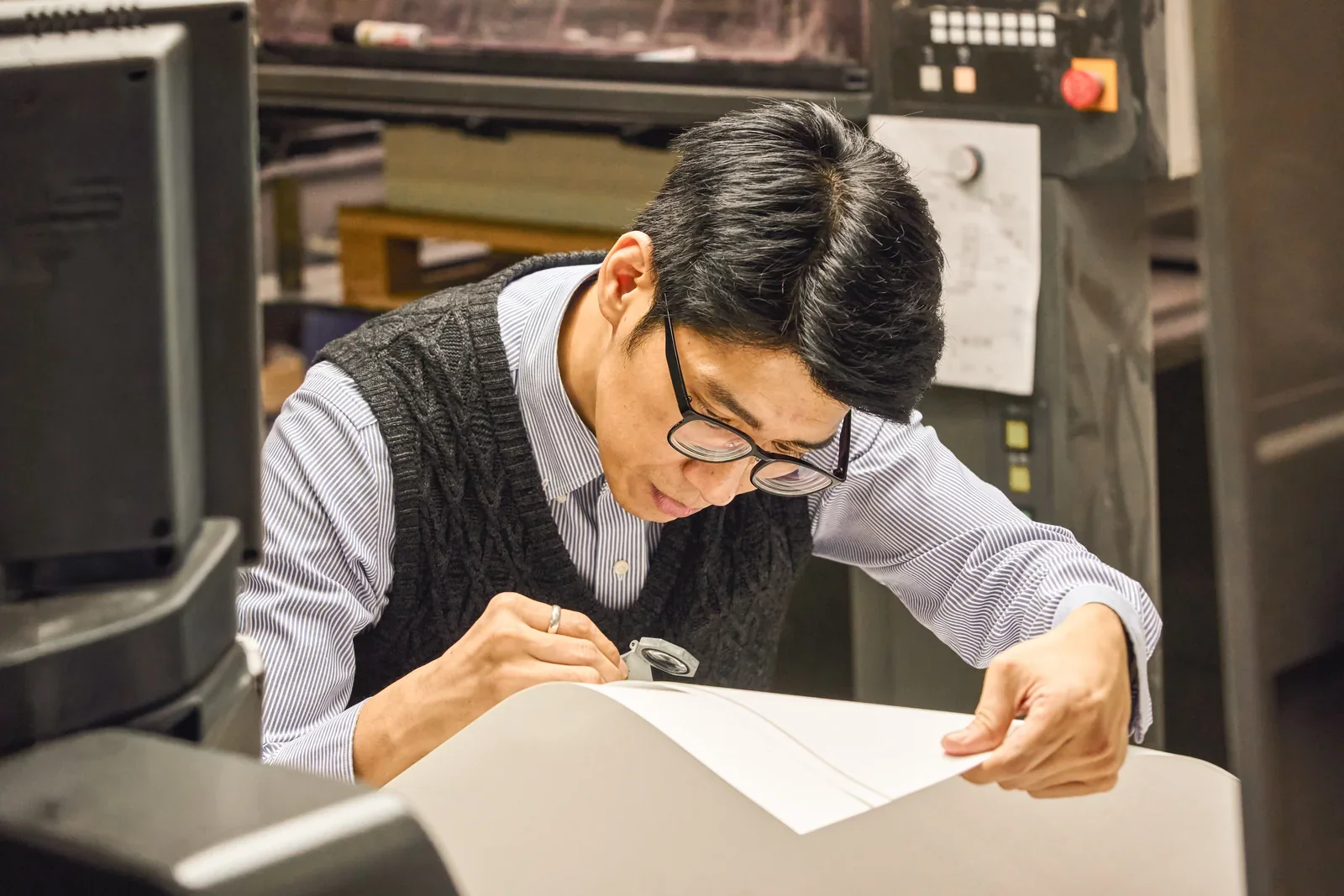
© Hey!Cheese
[ZH]
談到一本刊物的創作,我們很容易先想到內容企劃、文字與視覺設計。不過,當設計逐漸成形,我們開始轉而思考實體的呈現形式。同一張影像印在不同紙張上,表現出截然不同的色彩與質地;書衣的光澤、內頁的厚薄與裝訂方式,也都影響著一本書的閱讀體驗。這些細節讓原本存在於數位檔案中的構想,轉化為讀者捧在手心有重量、翻頁時有阻力、湊近時帶著氣味的實體。
在這段從抽象概念走向物質實體的路途中,「印務」同樣參與創作。他站在設計者與工廠之間,讓無形的設計靈魂精準降落於現實,也參與決定了一本書最終的生命狀態。
為《HCS Journal》尋覓合作夥伴時,除了負責書刊設計的李慧倫設計師,另一個重要的角色,即是能讀懂概念構想,和我們一起從選料、工法到實際製程,在細節裡反覆推敲的共創者——奇藝多媒體印藝的創辦人徐士峰(Darren)。
[EN]
Ink, Surface, Possibility: Darren Hsu on the Craft of Print
When we think about making a publication, the mind goes first to editorial planning, writing and visual design. But as the design takes shape, our attention turns to its physical form. The same image printed on different papers takes on entirely different colour and texture. The sheen of a dust jacket, the weight of the pages and the choice of binding all change how a book is read. These details carry an idea out of the digital file and into an object you can hold. It has weight in the hand, a slight resistance as each page turns, and a scent when you bring it close.
On the way from abstract idea to physical object, print production is part of the creative work too. The print producer stands between designer and press, makes sure the unseen spirit of a design lands precisely in the real world, and helps decide the life a book will finally lead.
When we were looking for partners for HCS Journal, we had designer Huilun Li for the book’s design. We also needed another key collaborator, someone who could read our concept and work through every detail with us, from materials and techniques to the production process itself. That person was Darren Hsu, founder of Darren Printing.
© Hey!Cheese
[ZH]
從事印刷二十多年的 Darren,經手過許多極具挑戰性的特殊印刷作品。儘管印刷經常被看作沒落的傳統產業,他仍持續研究新技術、嘗試不同媒材,甚至與其他領域的加工廠共同開發新做法。原因無他,在他心中,印刷還有許多事情值得去嘗試和挑戰。
先傾聽,再讓想像逐步成形
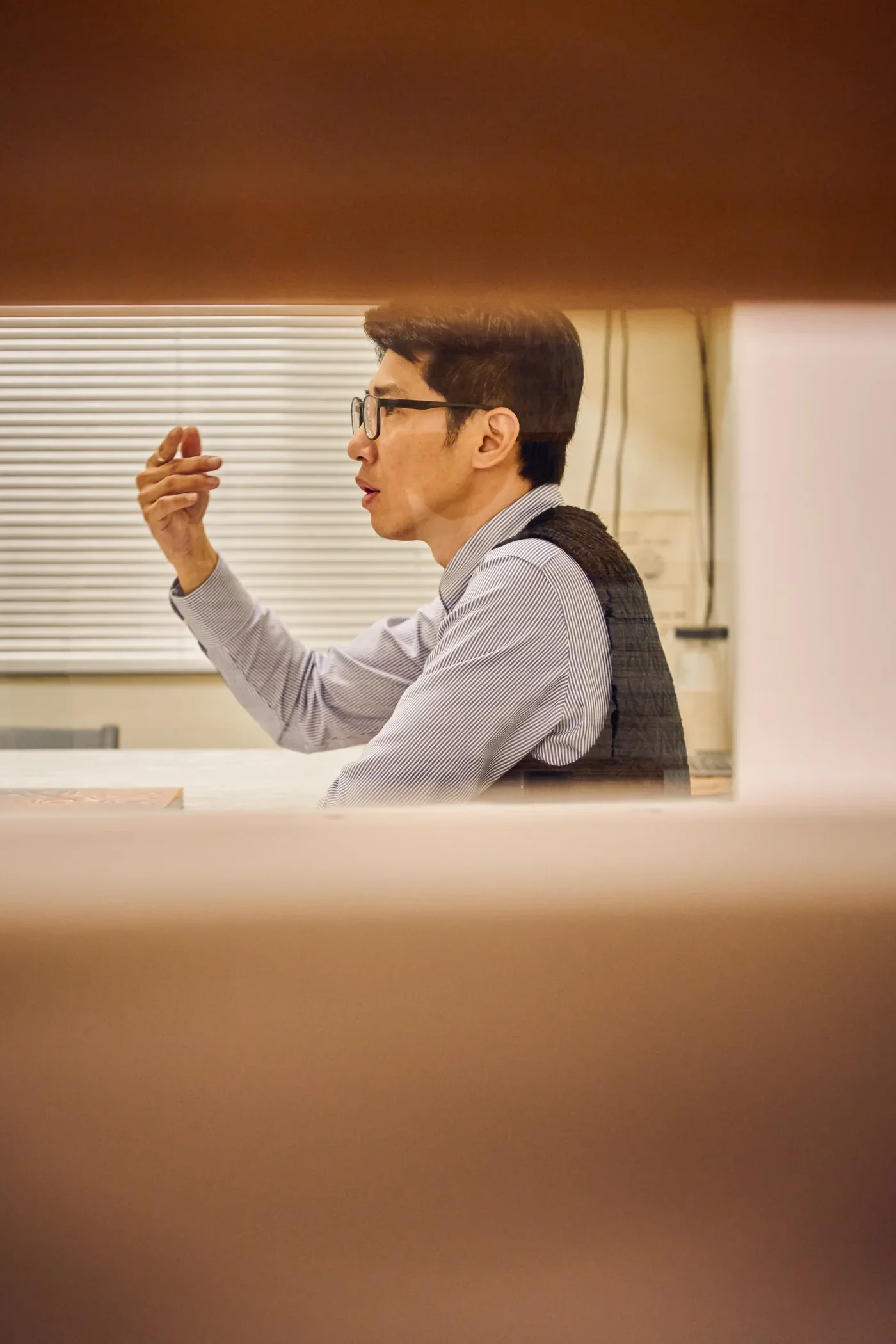
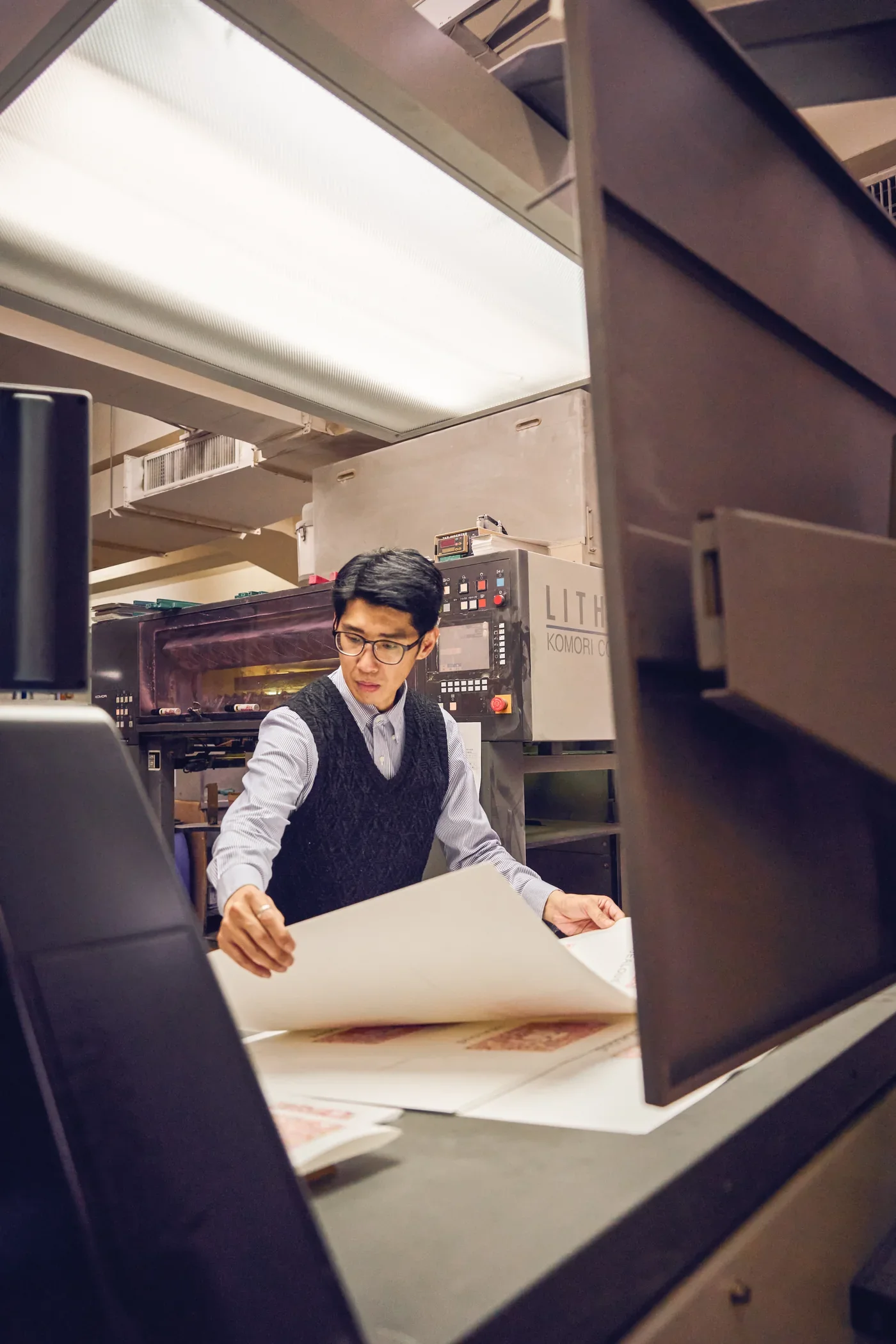
初次與 Darren 交談,便能直覺感受到他身上獨特的沉穩與熱忱。面對設計師天馬行空地拋出想法時,他總習慣在最初的五到十分鐘裡保持安靜,聚精會神地傾聽。對方敘述完畢時,他腦海裡的立體沙盤也已同步拼湊成形。他會先描述腦中構築的作品樣貌,確認彼此的理解是否一致,再拿出事先準備的樣品,經由不同材料與加工效果的組合,讓抽象的想像逐漸具體。若有落差,就繼續討論、調整,直到雙方達成共識,才正式進入打樣。
[EN]
Darren has worked in printing for more than twenty years and has taken on many demanding special print projects. Printing is often written off as a traditional industry in decline, yet he keeps researching new technologies, experimenting with different materials, and even developing new methods with finishing workshops outside his field. The reason is simple. As he sees it, print still holds a great deal worth trying and pushing further.
Listen First, Then Let the Idea Take Shape
Talk to Darren for the first time and you quickly sense his rare mix of composure and enthusiasm. When designers pitch their most freewheeling ideas, he tends to stay quiet for the first five to ten minutes and simply listens. By the time they finish, the piece has already come together in his mind, in three dimensions. He first describes what he has pictured to make sure they share the same understanding, then brings out samples he has prepared in advance. By combining different materials and finishes, he turns the abstract idea into something concrete, step by step. If their visions differ, they keep talking and adjusting until they agree, and only then move on to proofing.
[ZH]
有些設計師擅長平面視覺,但對材料與加工方式未必熟悉。這時他會請對方提供兩三頁初步畫面,從創作理念開始討論。有些人則已經想好尺寸、紙張,甚至連加工規格都十分明確,他就進一步思考,現有條件是否還有改善的空間:「對應這個開出來的規格,我有沒有辦法再幫它錦上添花、甚至畫龍點睛,讓作品更加完美?」
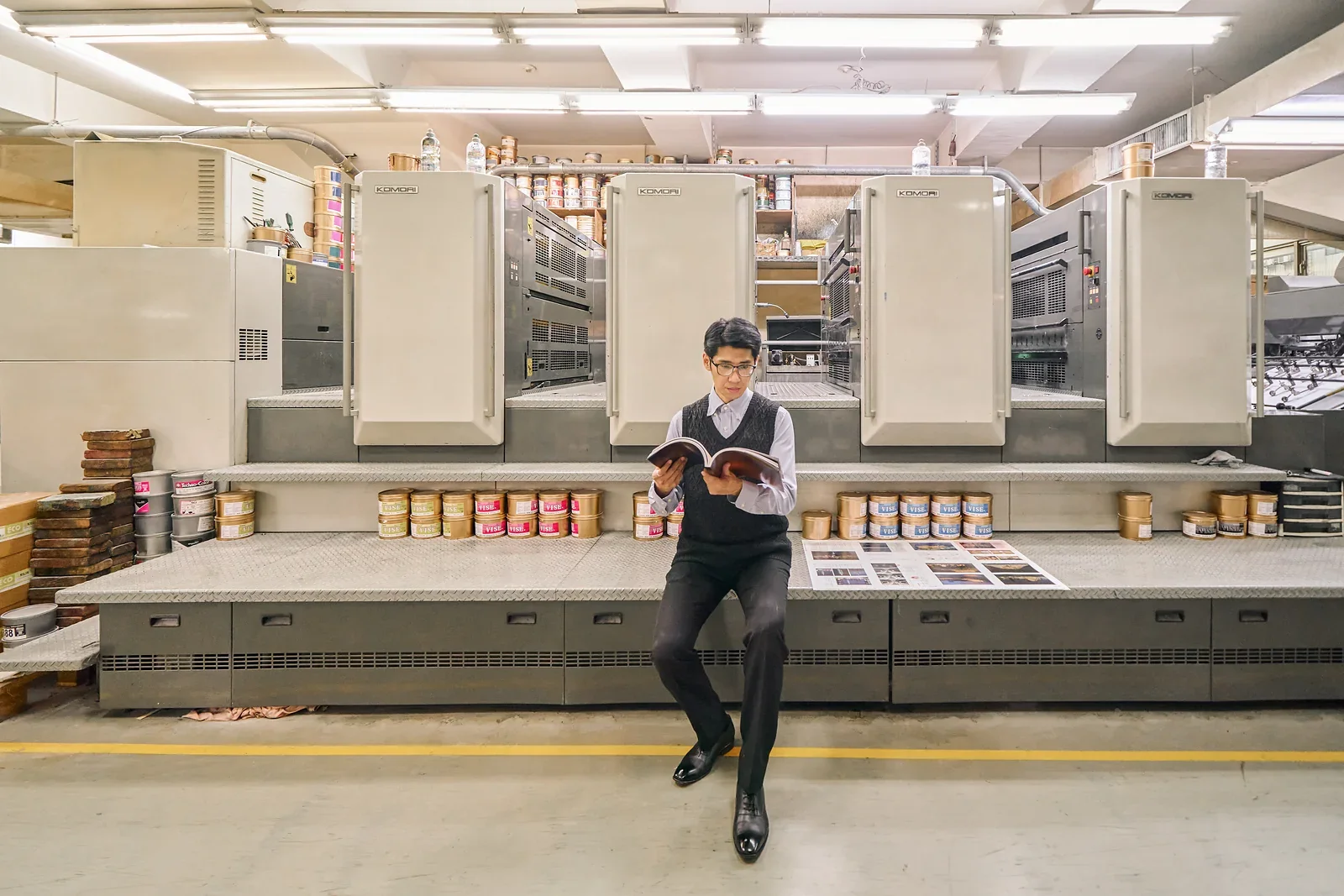
「觀察力算是印務最重要的一個指標,但前提是你的專業度一定要夠。」Darren 解釋,倘若缺乏對材料與工法的理解,即使看見一件設計作品,也未必知道還能從哪裡改善。因此平時逛書店或看展覽時,伸手觸摸、打量眼前的印刷品,早已成了下意識的反射動作。「無論是一個包裝盒、一張名片還是一本書籍,我都喜歡在上面打量與琢磨,看看人家的設計用意,以及印刷人呈現出來的質感;同時在心裡想著:換作是我,我又會如何操作?這些對我來說真的非常有趣!」
與設計師反覆討論、尋找實現構想的方法,如今是 Darren 最享受的工作環節。但回顧二十多年的職涯,他與印刷的關係並非從一開始就是如此。
[EN]
Some designers are strong in graphic work but less familiar with materials and finishing. With them, he asks for two or three preliminary pages and starts the conversation from the creative concept. Others arrive with the format, paper and even finishing specs already settled. In that case he looks for room to improve within those parameters. “Given the specs they’ve set out, can I add something that lifts it, or even the one finishing touch that brings it to life, and make the work that much better?”
“Observation is probably the most important quality in a print producer, but only if you have the expertise behind it,” Darren explains. Without a real understanding of materials and techniques, you can look at a design and still not see where it could be better. So when he browses a bookshop or visits an exhibition, reaching out to touch and study the printed matter around him has long been second nature. “Whether it’s a box, a business card or a book, I like to examine it and turn it over in my mind, to see what the designer intended and the quality the printer achieved. And all the while I’m asking myself: if this were mine, how would I handle it? I find that genuinely fascinating.”
Working through ideas with designers and finding ways to realise them is now the part of the job Darren enjoys most. Looking back over two decades, though, his relationship with print did not start out this way.
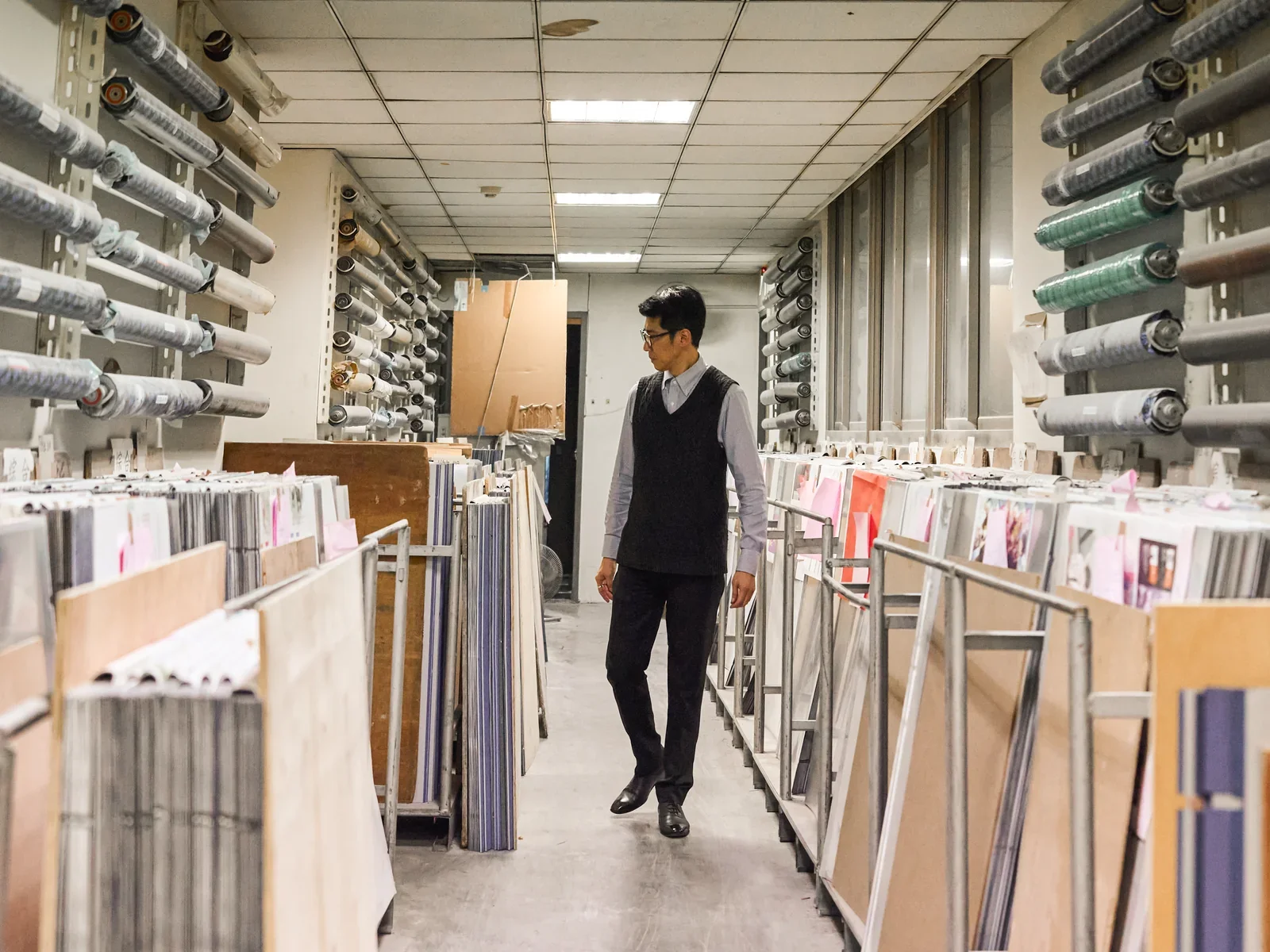
© Hey!Cheese
[ZH]
從「工」變成「藝」
「早期做印刷給我的感受就是在做工,一關又一關的工。」回想入行初期,Darren 細數起那些年在工廠裡來回穿梭的日常:「印刷、上光、燙金、軋型……印刷的每道工序都是工。」那時他主要承接一般企業的案件,手上的印件多半是加工相對單純的規格品。為了掌握品質,他每天在各個加工廠之間來回奔波,處理不同工序與產線上的狀況,常常一忙就是晚上八、九點,甚至到深夜十一、二點。長時間的奔波與工作壓力,讓他逐漸感到身心疲累。
轉折點發生在十幾年前。因緣際會下,他開始接觸設計師客群,並陸續展開合作。不同於過去熟悉的規格品,設計師常帶著跳脫常規、超出他既有製作經驗的構想來找他。那股強烈的刺激與啟發,徹底翻轉他對印刷的既有認知。
[EN]
From Labour to Craft
“In the early days, printing felt like manual labour to me, one stage after another,” Darren recalls, describing the years he spent shuttling between workshops after he first entered the trade. “Printing, varnishing, foil stamping, die-cutting... every step of the process was just labour.” Back then, most of his clients were ordinary businesses, and most of the jobs he handled were standard items with fairly simple finishing. To stay on top of quality, he spent his days travelling from one finishing workshop to the next, dealing with problems across different processes and production lines. His days often ran until eight or nine in the evening, sometimes until eleven or midnight. The constant travel and pressure gradually wore him down, physically and mentally.
The turning point came more than a decade ago, when a chance opportunity brought him into contact with designers and he began working with them. Unlike the standard jobs he knew well, designers often came to him with unconventional ideas that went beyond anything he had produced before. The challenge and inspiration they brought completely changed how he understood print.
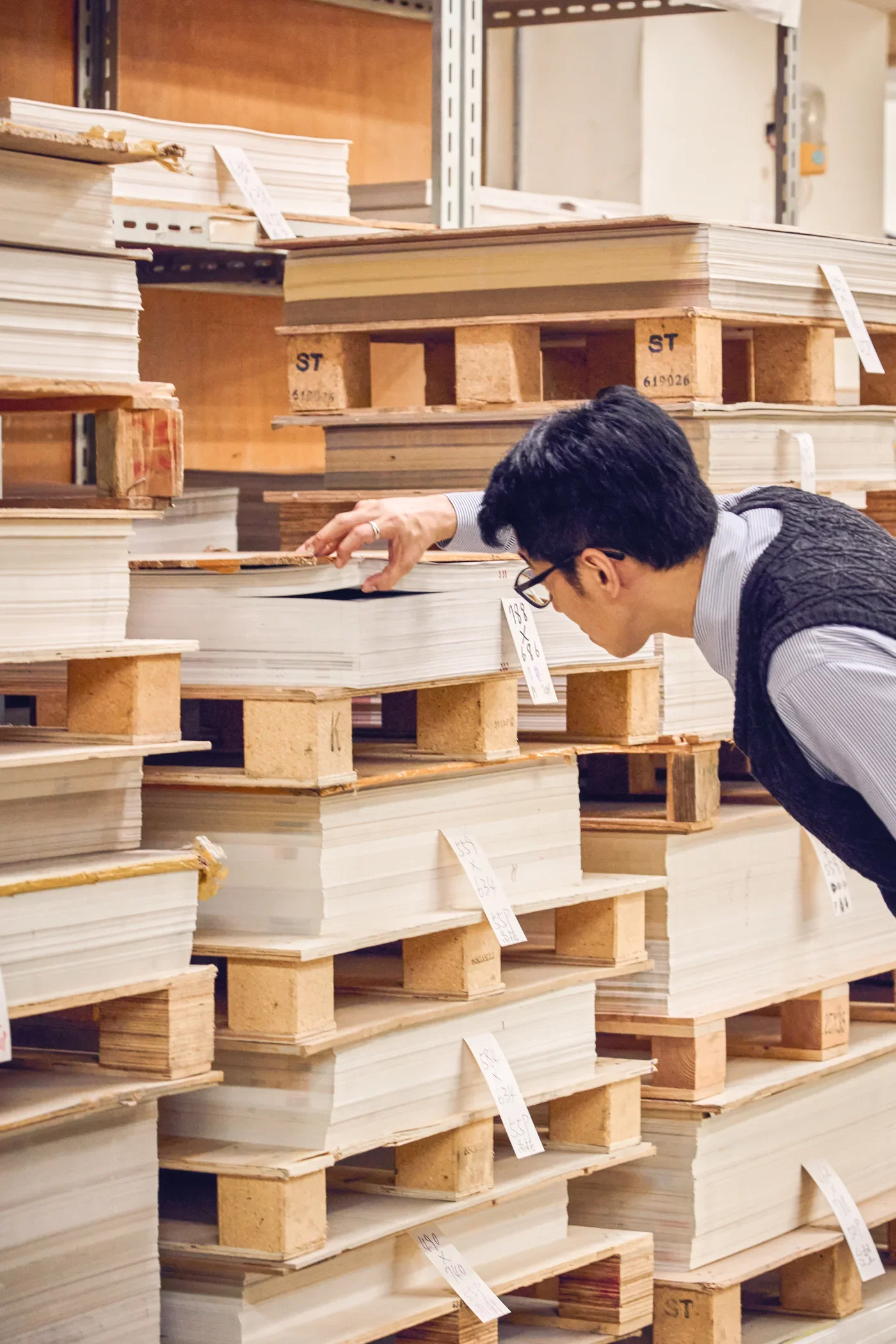
© Hey!Cheese
[ZH]
「設計師提的不是規格品,是我沒想像過的東西。從那時候開始,我發現自己的觀念起了很大的變化。每一關的工變成了每一關的藝,它不再是工了,它是藝。」Darren 回憶道,設計師用藝術的眼光看待作品、從概念出發思考成品,而他也跟著學習從「藝」的角度切入工法,重新組合材料與製作程序。
觀念的轉變,連帶改寫他的工作邏輯。他開始在既有規格之外尋找新的方法,並在腦中不斷自我詰問:如何做才能變得更好?怎麼做才能幫客戶降低成本?什麼樣的複合媒材與特殊加工,才能讓作品更貼近設計者最初的想像?
儘管需要思考的事情越來越多,以前那種跑工廠的疲累感反而逐漸消失,開始被反覆測試、尋找解決方案,以及作品完成後的成就感取代。「我開始覺得,印刷變有趣了。你會感受到源源不絕的動力,而且我越沉浸其中,就越樂此不疲。」
[EN]
“What designers brought me weren’t standard jobs. They were things I had never imagined. From then on, I noticed my whole way of thinking began to shift. Every stage of labour became a stage of craft. It wasn’t labour anymore. It was craft.” Darren recalls how designers approached their work with an artist’s eye and thought about the finished piece from the concept outward. He learned to do the same, approaching technique from the perspective of craft and finding new ways to combine materials and processes.
This shift in thinking reshaped how he worked. He began looking for new methods beyond the standard specifications, constantly questioning himself. How could this be done better? How could he help the client bring costs down? Which combination of mixed media and special finishes would bring the work closest to what the designer first imagined?
There was more and more to think about, yet the exhaustion of running between factories gradually faded. In its place came the cycle of testing, the search for solutions, and the satisfaction of seeing the finished piece. “I started to feel that printing had become interesting. You feel an endless drive, and the deeper I go, the more I love it.”
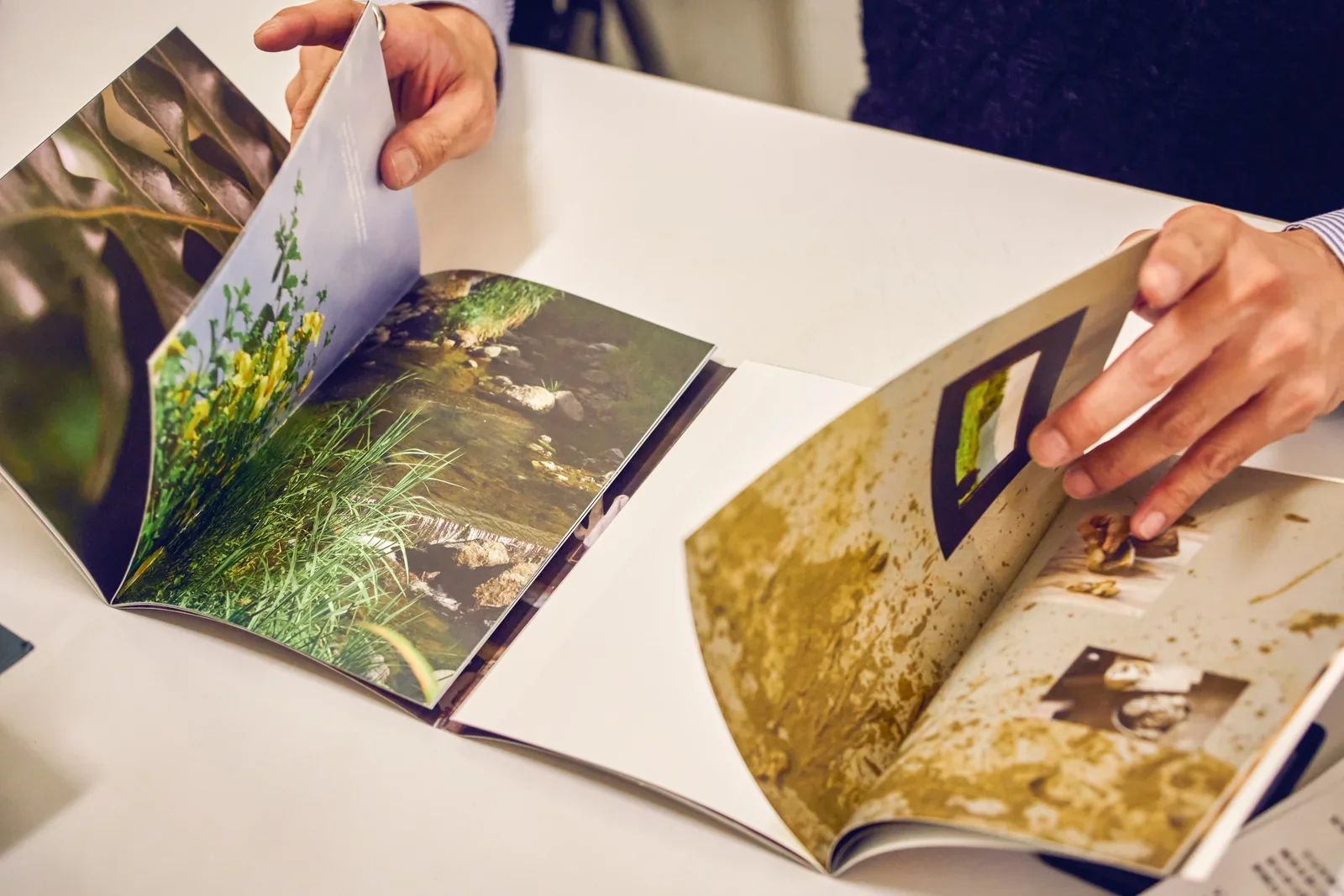
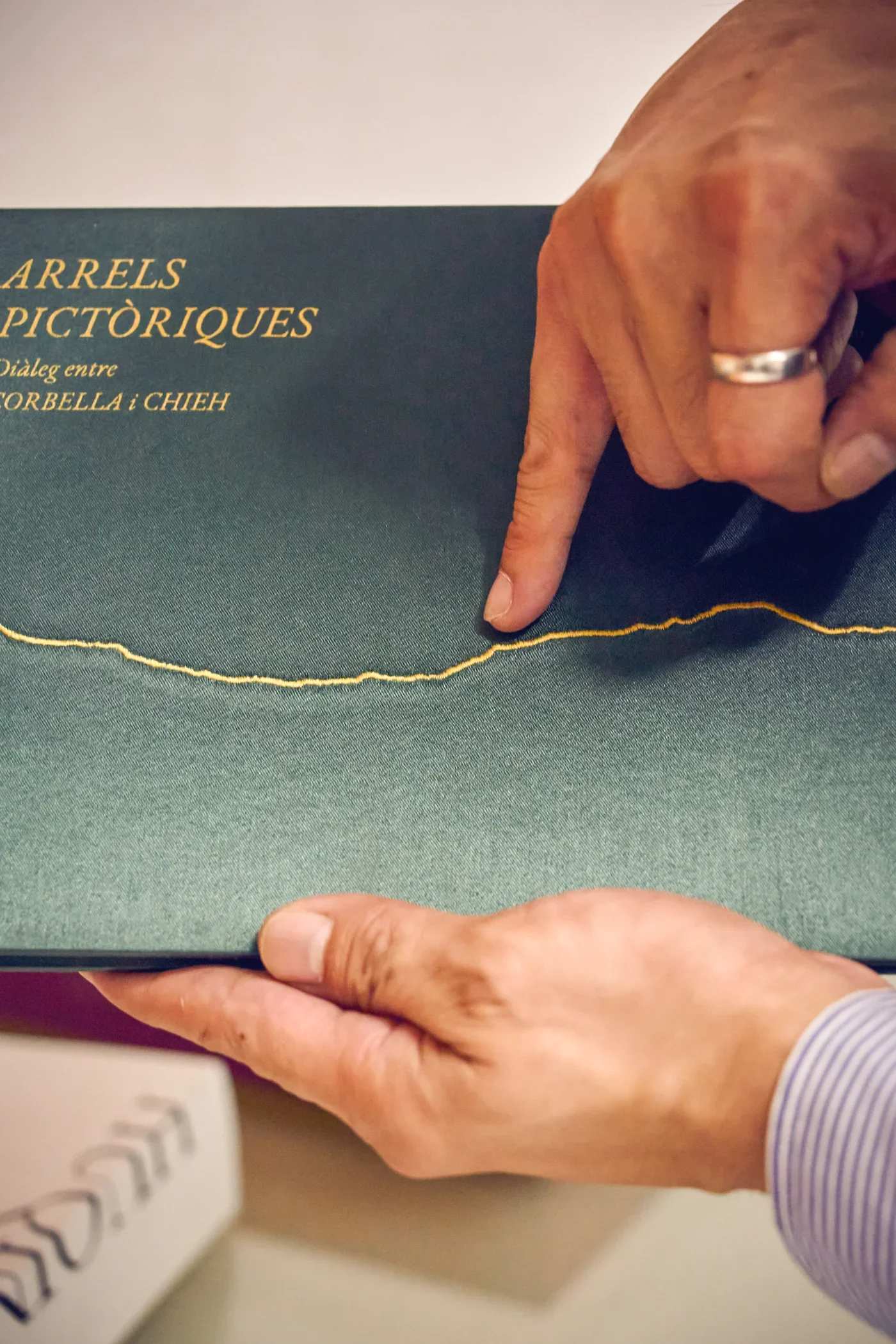
© Hey!Cheese
[ZH]
想像與現實之間的實務思考
當構想進入製作現場,材料、工序、交期與預算等現實條件,便成了必須逐一解決的考驗。印務的工作橫跨一件印刷品從構想到完成的各個階段,Darren 自然也累積一套嚴謹、環環相扣的工作紀律。
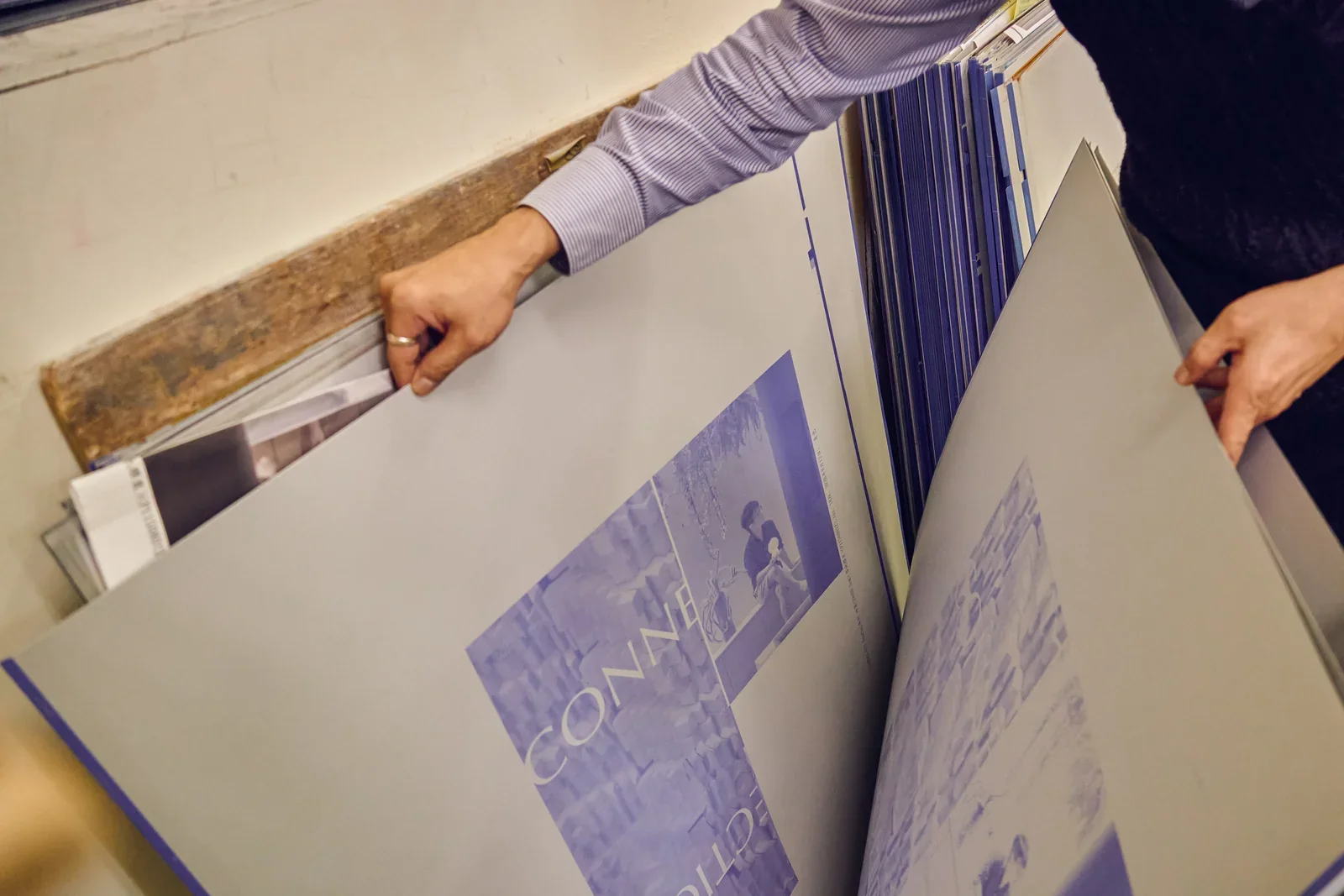
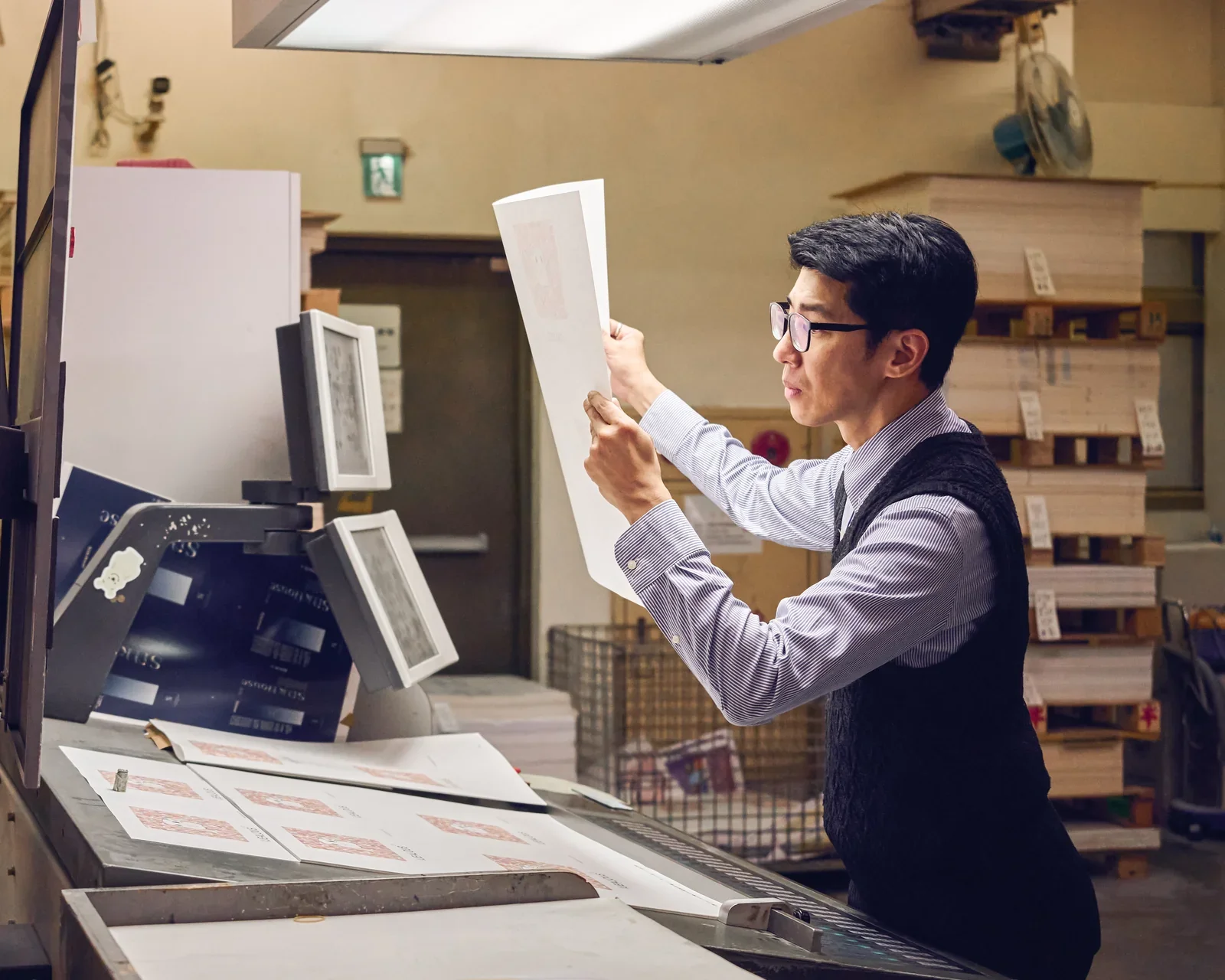
不論預算多寡,對他來說每一樣都是必須認真以待的獨立案件。每天進公司,他會先檢視前一天記錄好的工作清單,接著與工務端逐一確認各個案件的進度與狀況,再展開當天作業。以提供報價為例,Darren 一定會在確認規格後,先尋找相關紙張或複合媒材進行打樣與測試,確認材質與工法無誤後,才向客戶提出報價。「我一定是測試完這些材質、打樣確認沒問題才報價,這時客戶心裡面也是安心的。」等到正式上機看印、後段加工,他仍得掌握各道工序的品質與狀況,一路確認到最後的出貨與包裝。
[EN]
Where Imagination Meets Reality
Once a freewheeling idea reaches the production floor, the realities of materials, processes, deadlines and budget become challenges to be solved one by one. A print producer’s work spans every stage of a printed piece, from first idea to finished object, and over the years Darren has developed a rigorous working discipline in which each step connects to the next.
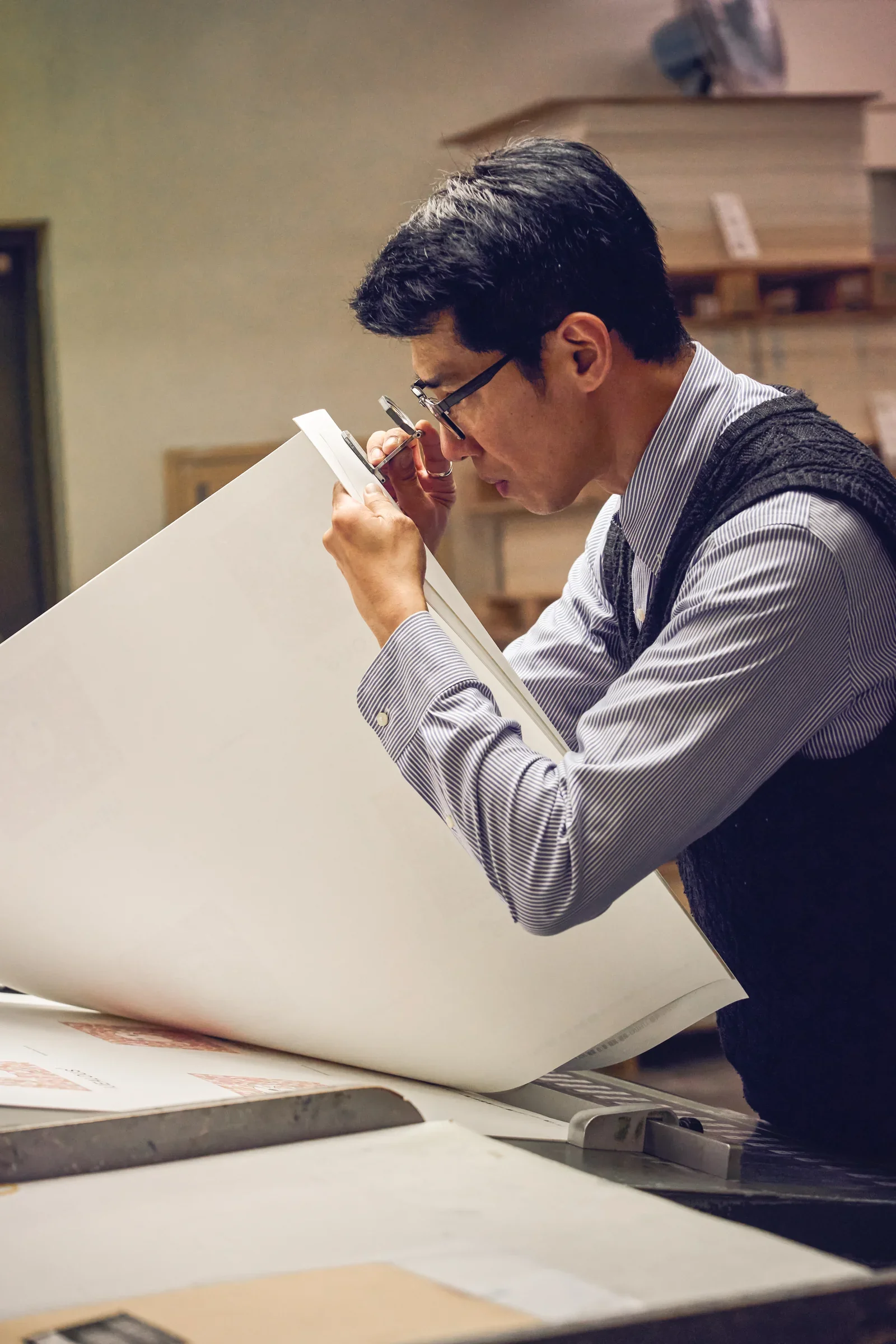
Whatever the budget, he treats every project as one that deserves his full attention. Each morning he starts by reviewing the task list he wrote the day before, then goes through every project with the production team to check its progress and any issues before the day’s work begins. Quotes are a good example. Once the specifications are confirmed, Darren always sources the relevant papers or mixed media first and makes proofs to test them. Only when he is sure the materials and techniques work does he send the client a quote. “I only quote once I’ve tested the materials and the proofs are right. That way the client can feel at ease too.” When the job goes to press, he attends the press check and oversees post-press finishing, keeping track of quality at every stage right through to packing and delivery.
© Hey!Cheese
[ZH]
交期緊迫時,Darren 會優先評估所需時間,選擇更符合時程的方案。若預算有限、無法全盤實現最初的設計構想,他的取捨標準就會在於:守住「主題核心」,調整「規格條件」。方法與材料可以有所變動,但調整的前提,是清楚知道創作者真正希望傳達的是什麼。
他舉例,假設今天設計的主題是「溫度」,那麼感溫油墨或其他能表現溫度的應用,就不能輕易捨棄。即使經費有限,可以縮小加工面積、調整紙張或尺寸,但不管是透過顯性或隱性的方式,都必須讓這個核心概念在作品中有所體現。
[EN]
When deadlines are tight, Darren first works out how much time each step needs and picks the approach that best fits the schedule. When the budget can’t stretch to the full original design, his rule is to protect the core theme and adjust the specifications. Methods and materials can change, but any change starts from a clear sense of what the designer really wants to say.
He gives an example. Say the theme of a design is “warmth”. Then thermochromic ink, or any other way of expressing temperature, is not something to drop lightly. If money is short, the finished area can be reduced, or the paper or format adjusted. Whether it shows openly or stays subtle, the core idea has to come through in the final piece.
© Hey!Cheese
[ZH]
將放大鏡埋進書中、打造一本可以燒的詩集
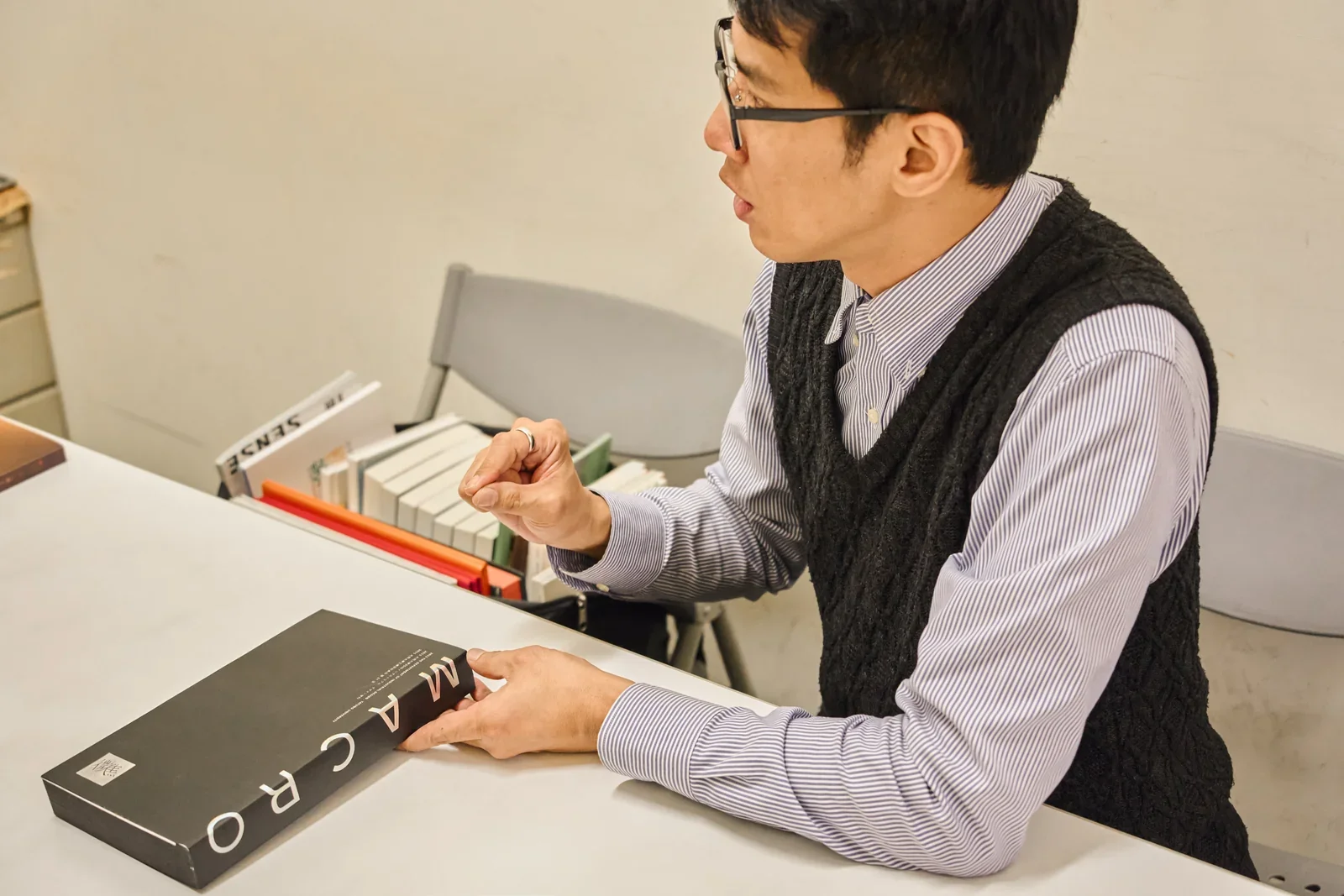
Darren 彷如一位守在印刷機旁的職人,身體裡同時住著半個創作者的靈魂。談起這些年來經手的特殊印刷作品,他從一疊收藏許久的書冊與印件中,拿出一件 2011 年為大同大學工業設計系學生製作的作品《微焦》。
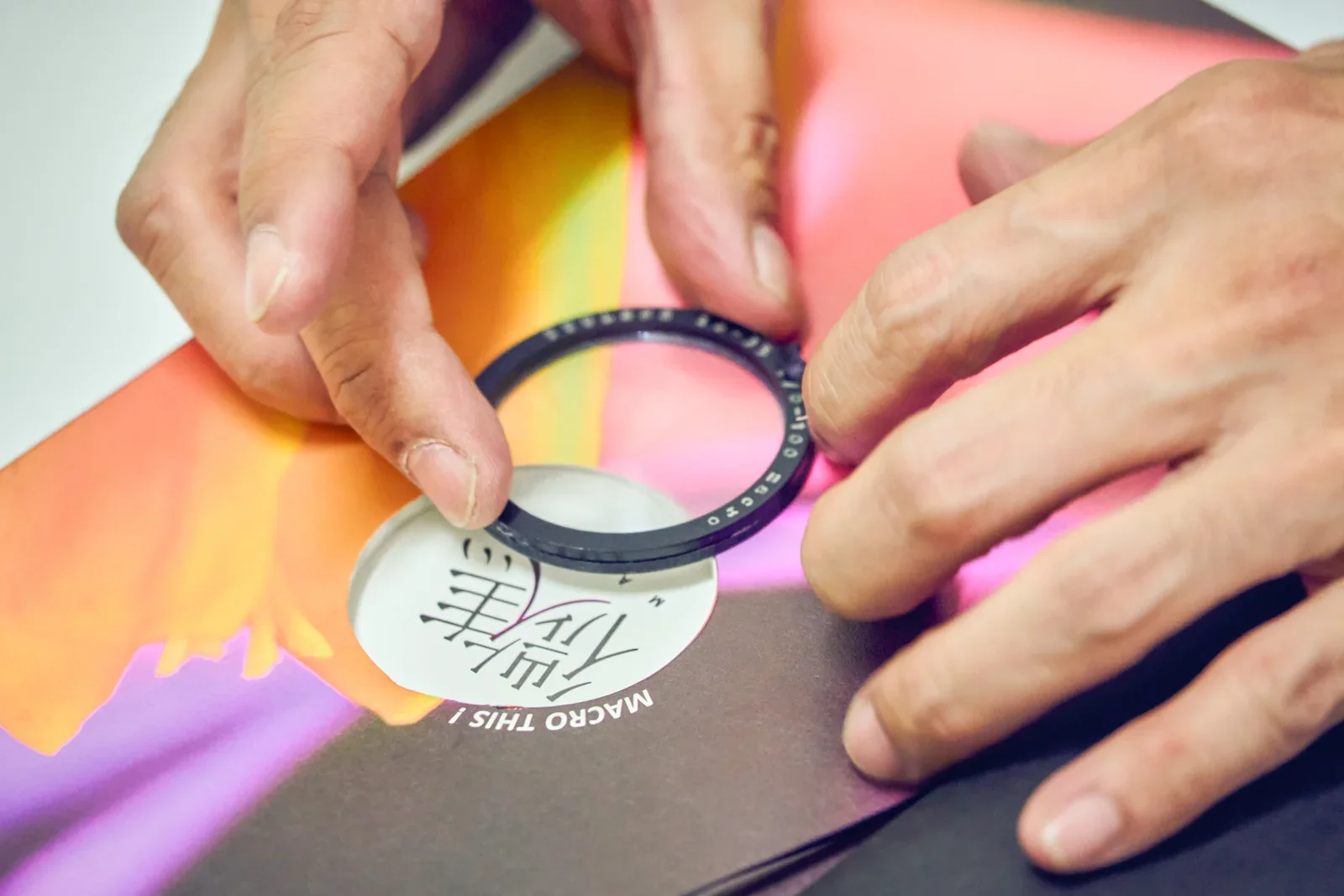
當年,學生們希望呼應「微焦」的主題,讓讀者透過一本書重新體驗聚焦與觀看的過程。他們特意將部分介紹文字縮印至肉眼難以辨識的尺寸,並構想將一枚真正可以取下的放大鏡嵌入書冊,讓讀者必須拿起放大鏡,才能閱讀藏在頁面中的訊息。那時學生們問過好幾家印刷廠,卻找不到願意接手的廠商。直到遇見 Darren,他聽完構想後一口答應:「我可以做。」
為了將放大鏡平整地嵌入書冊,他必須精準計算每頁的軋型位置,讓挖空的紙張層層密合。即使書冊厚實,攤開後依然能維持平整的跨頁效果。Darren 摩挲著這本十幾年前的作品,「當初在做的時候費了非常多心思,完成後我自己也是很激動。」也因有了這些合作,他才能逐漸積累操作複雜印件的經驗。
[EN]
A Magnifying Glass Set into a Book, and a Poetry Collection Made to Burn
Darren is something like a craftsman who never strays far from the press, yet half of him has the soul of an artist. Talking about the special print projects he has handled over the years, he pulls a piece from a stack of books and printed matter he has kept for a long time: MACRO, made in 2011 for industrial design students at Tatung University.
The students wanted to reflect the theme of “micro focus” by letting readers experience the act of focusing and looking anew through a book. They deliberately shrank parts of the introductory text to a size almost impossible to read with the naked eye, and planned to set a real, removable magnifying glass into the book itself, so that readers would have to pick it up to read the messages hidden in its pages. The students had asked several printers, but none would take the job. Then they met Darren. He heard them out and agreed straight away: “I can do it.”
To set the magnifying glass flush into the book, he had to calculate the die-cut position on every page precisely, so that the cut-out sheets stacked perfectly, layer upon layer. Despite its thickness, the book still opens to lie flat across each spread. Running his hand over the piece, now more than a decade old, Darren says: “It took a huge amount of thought at the time, and when it was finished I was really moved myself.” Collaborations like this one are how he gradually built up his experience with complex print work.
《微焦》。© Hey!Cheese
《微焦》。© Hey!Cheese
[ZH]
如果說《微焦》透過放大鏡改變了閱讀方式,那麼另一件耗時七、八個月才完成的王小苗個人詩集《邪惡的純真》,則將閱讀延伸至氣味與燃燒的體驗。
「這本書在我拆封的同時,可以先聞一下,它已經有香味了。」Darren 一邊展示實體,一邊娓娓道來這件作品的誕生過程。設計師最初的核心概念,是要做一本「真正可以燃燒的書」。為了呼應詩集裡關於螞蟻的意象與畫面,設計團隊找來專業的封蠟師合作,在書封上嵌入一塊經過特殊造型設計、帶有燭芯且可點燃的香氛蠟燭。當燭芯燃起、蠟燭慢慢燒盡,原本的封蠟會化為透明的蠟油;此時就能看見底下浮現出密密麻麻、彷彿正在四處亂鑽的螞蟻圖樣。
除了書封上的燃燒機關,詩集的裝訂結構也藏著巧思。書冊中央夾著一疊呈現蝴蝶形狀的大小本夾頁,其中的小本還能獨立翻閱。為了讓這隻「紙蝴蝶」精準落在中央,Darren 與團隊同樣經歷了漫長的測試與調整。「這本書其實是我目前做最久的一個印刷品。」從前期規劃到現場執行,無不考驗工廠師傅與印務的經驗及判斷。
[EN]
If Micro Focus used a magnifying glass to change the way we read, another project, the poet Wang Xiaomiao’s collection Wicked Innocence, which took seven or eight months to complete, extended reading into scent and fire.
“The moment I unwrap it, have a smell. It’s already fragrant.” Showing us the book, Darren explains how the piece came about. The designer’s core idea was to make “a book that can actually burn”. To echo the ants that appear throughout the poems, the design team brought in a professional wax artisan. Together they set a specially shaped, scented candle with a real wick into the cover. As the wick burns and the candle slowly melts away, the wax turns into clear liquid, revealing a dense swarm of ants underneath that seem to scurry in every direction.
The binding holds its own surprise. At the centre of the book sits a butterfly-shaped insert made of a larger and a smaller booklet, and the smaller one can be leafed through on its own. Getting this “paper butterfly” to land precisely in the centre took Darren and the team another long round of testing and adjustment. “This is actually the print job that has taken me the longest so far.” From early planning to execution on the production floor, every step tested the experience and judgement of both the press operators and the print producer.
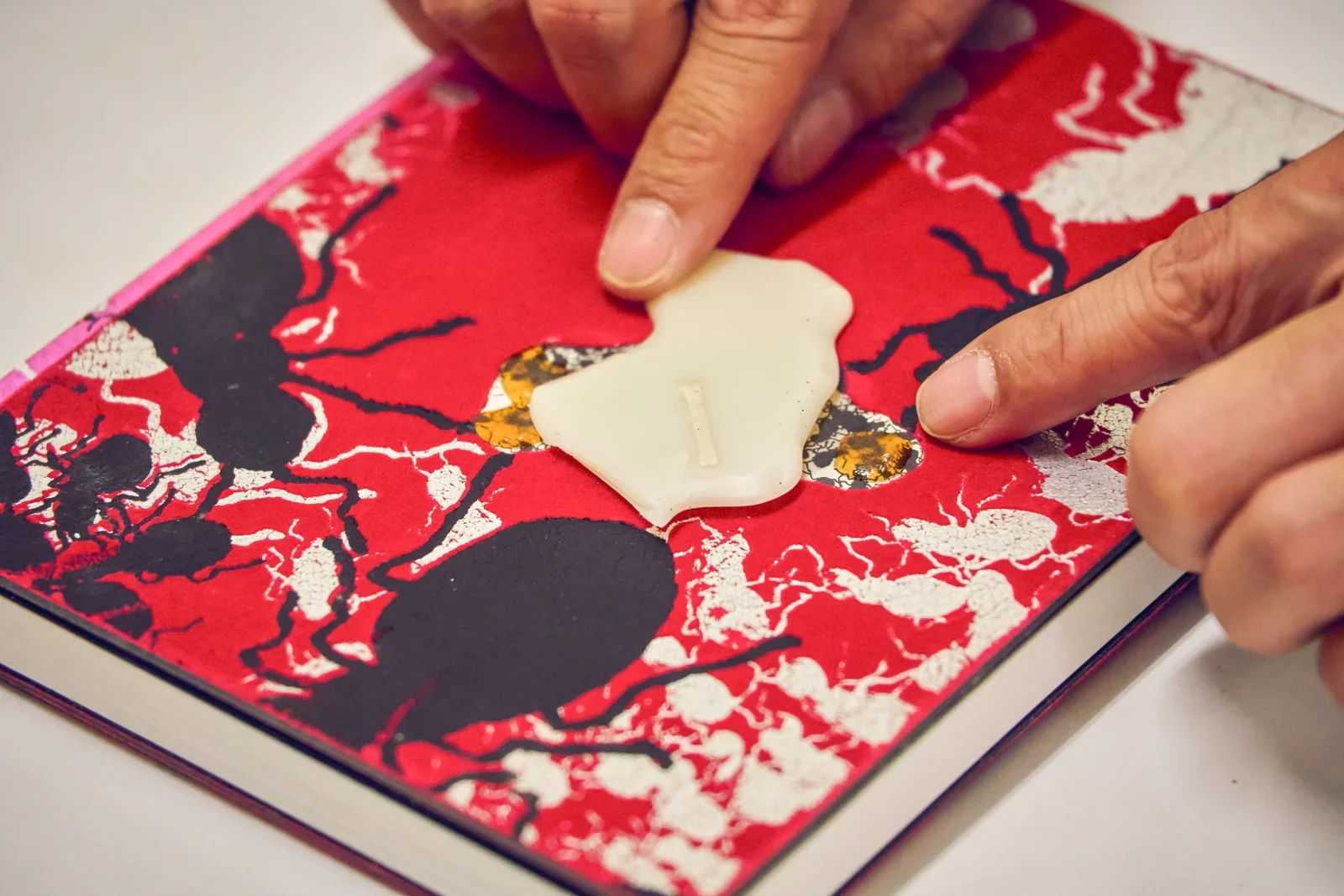
《邪惡的純真》。© Hey!Cheese
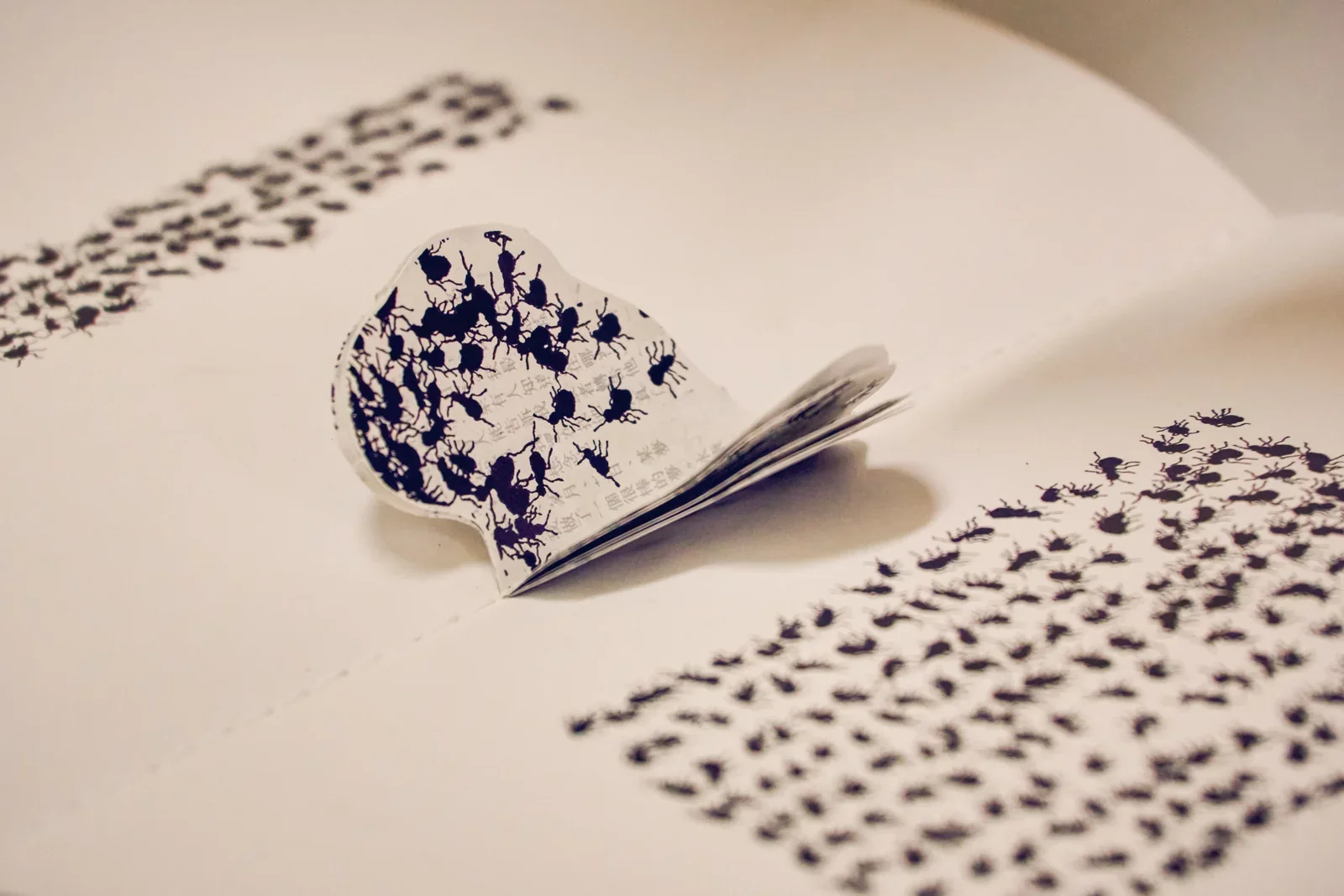
《邪惡的純真》。© Hey!Cheese
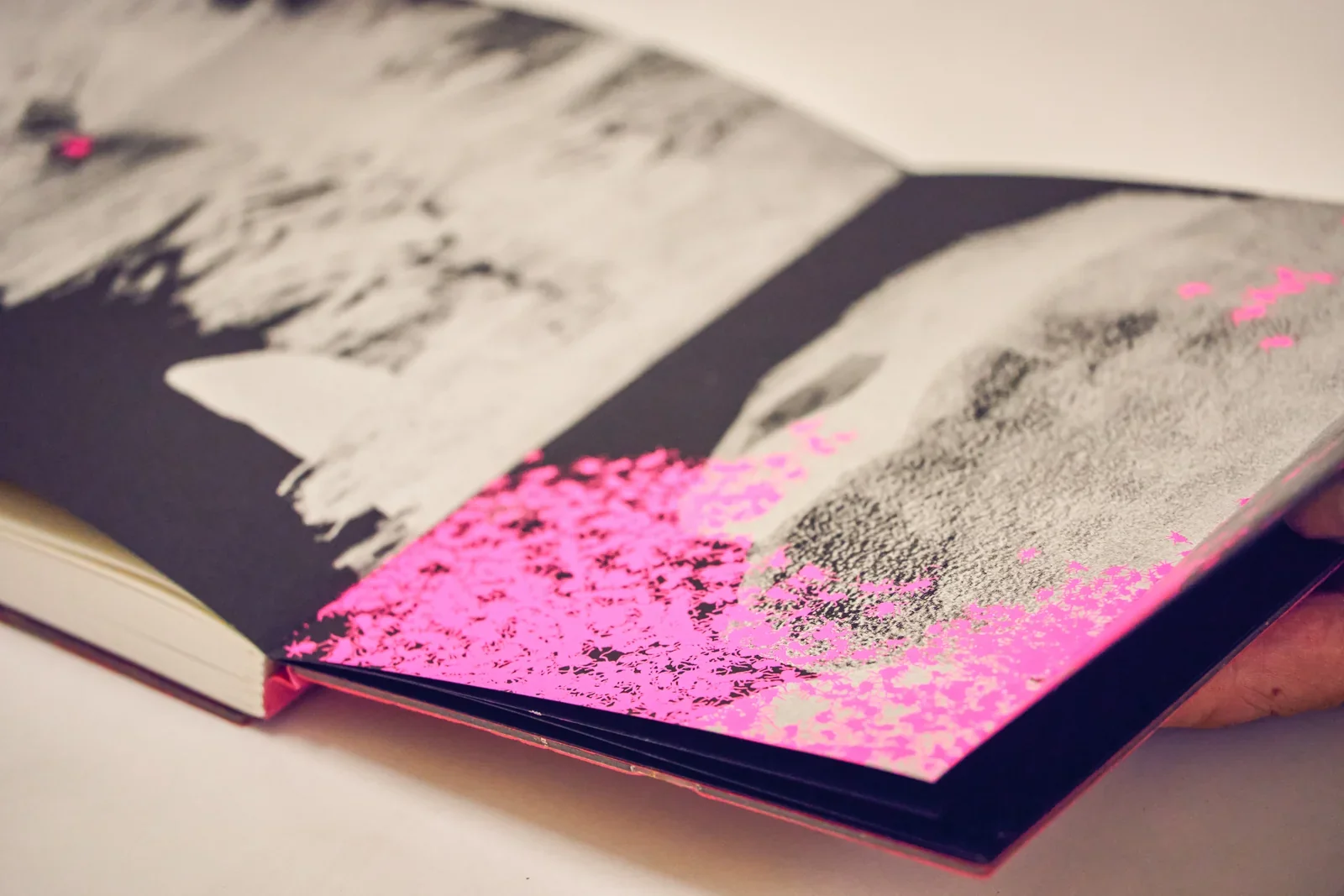
《邪惡的純真》。© Hey!Cheese
[ZH]
Darren 經手的作品各有不同的設計想像。面對這些不循常規的要求,他總是願意盡力嘗試;倘若現有技術或材料實在無法克服,也不會只留下一句「做不到」,讓客戶陷入不知所措的僵局。而會花時間說明問題的癥結,並主動提出替代方案,陪著創作者在有限的條件裡尋找出路。
當這些設計最終變成作品,留給我們的目光不會只有驚嘆,而是真正想要瞭解這件作品透過設計所產生的溫度與故事。
[EN]
Each project Darren takes on carries its own design vision. Faced with requests that break from convention, he is always willing to give them his best. And when existing techniques or materials simply cannot make something work, he doesn’t stop at “it can’t be done” and leave the client at a dead end. Instead, he takes the time to explain where the problem lies, offers alternatives, and works alongside the designer to find a way forward within the limits they have.
When these designs finally become finished pieces, what they leave us with is more than wonder. It is a real wish to understand the warmth and the story that design has given each work.
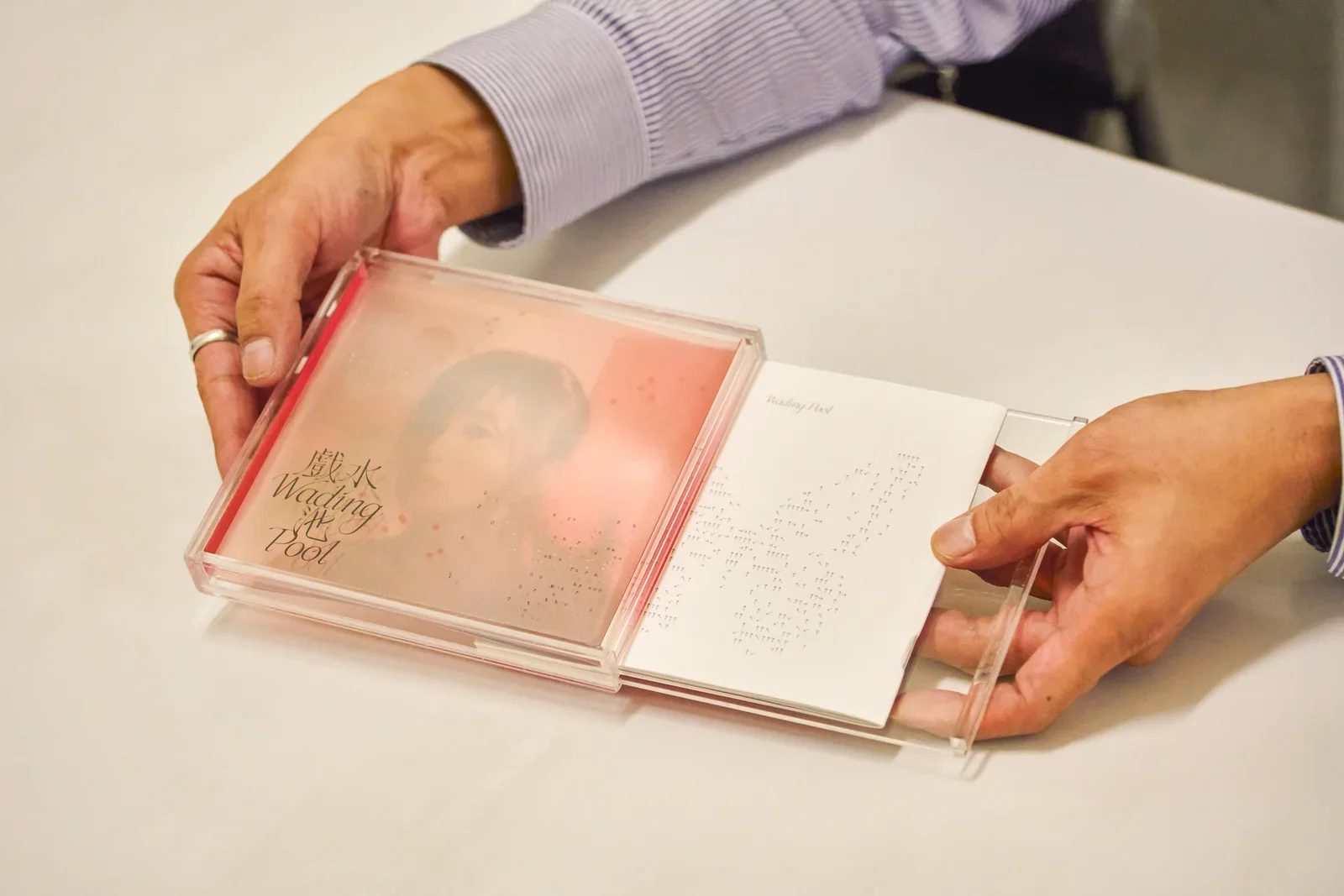
演奏家立體專輯。為了跳脫傳統唱片的包裝框架,這張專輯以壓克力打造外殼,內部則透過整張透明片進行印刷與精準軋型,再藉由特殊的結構設計層層堆疊。來回打樣測試了數個版本後,最終呈現出流暢的抽取式視覺體驗。© Hey!Cheese
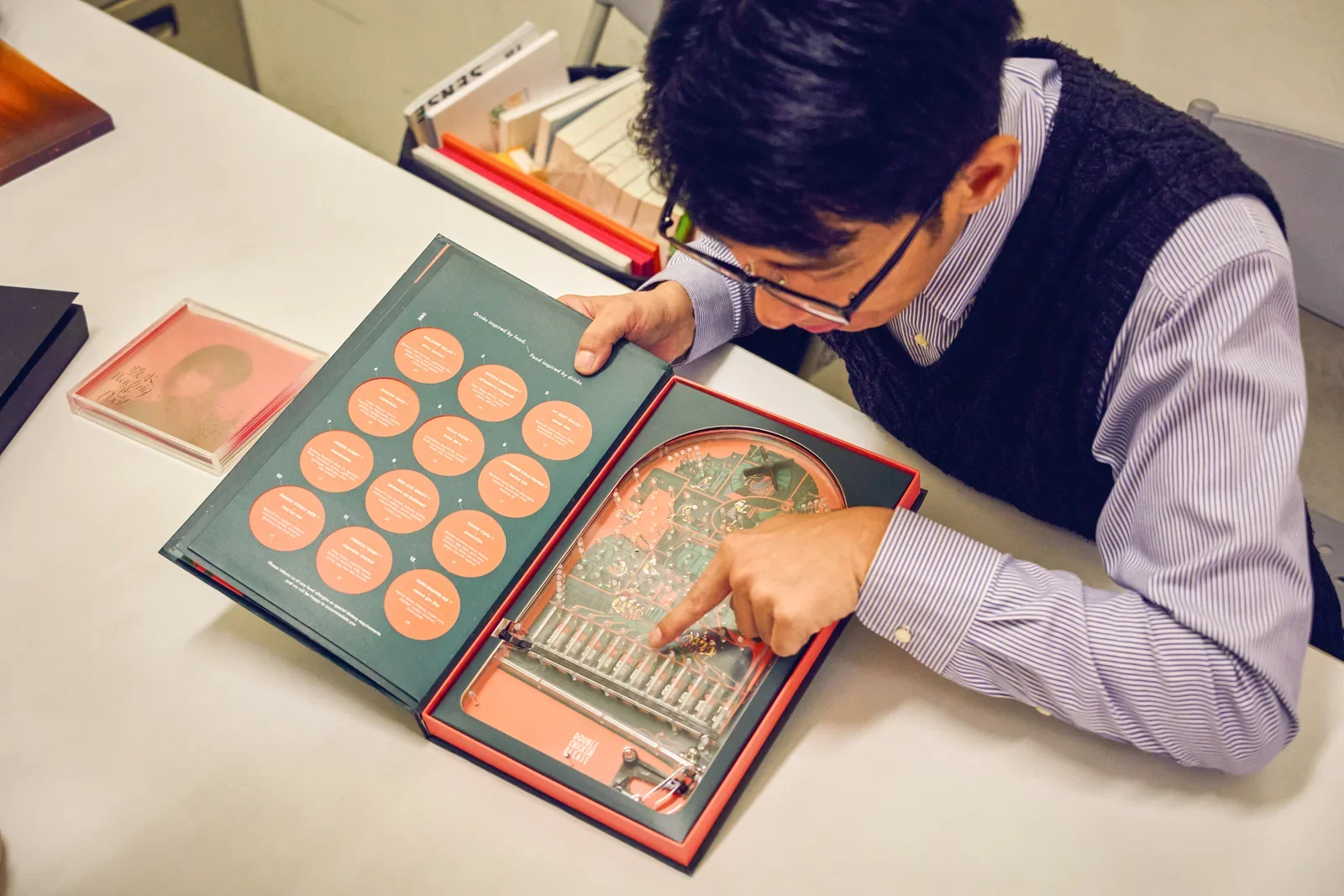
美國 Fine Dining餐廳「彈珠台菜單」。設計師將餐廳菜單設計成一本厚實的「假書」,內部結合實體彈珠台機關。客人猶豫不決時,只要打一顆彈珠,就能根據彈珠落點的對應數字決定當日餐點。© Hey!Cheese
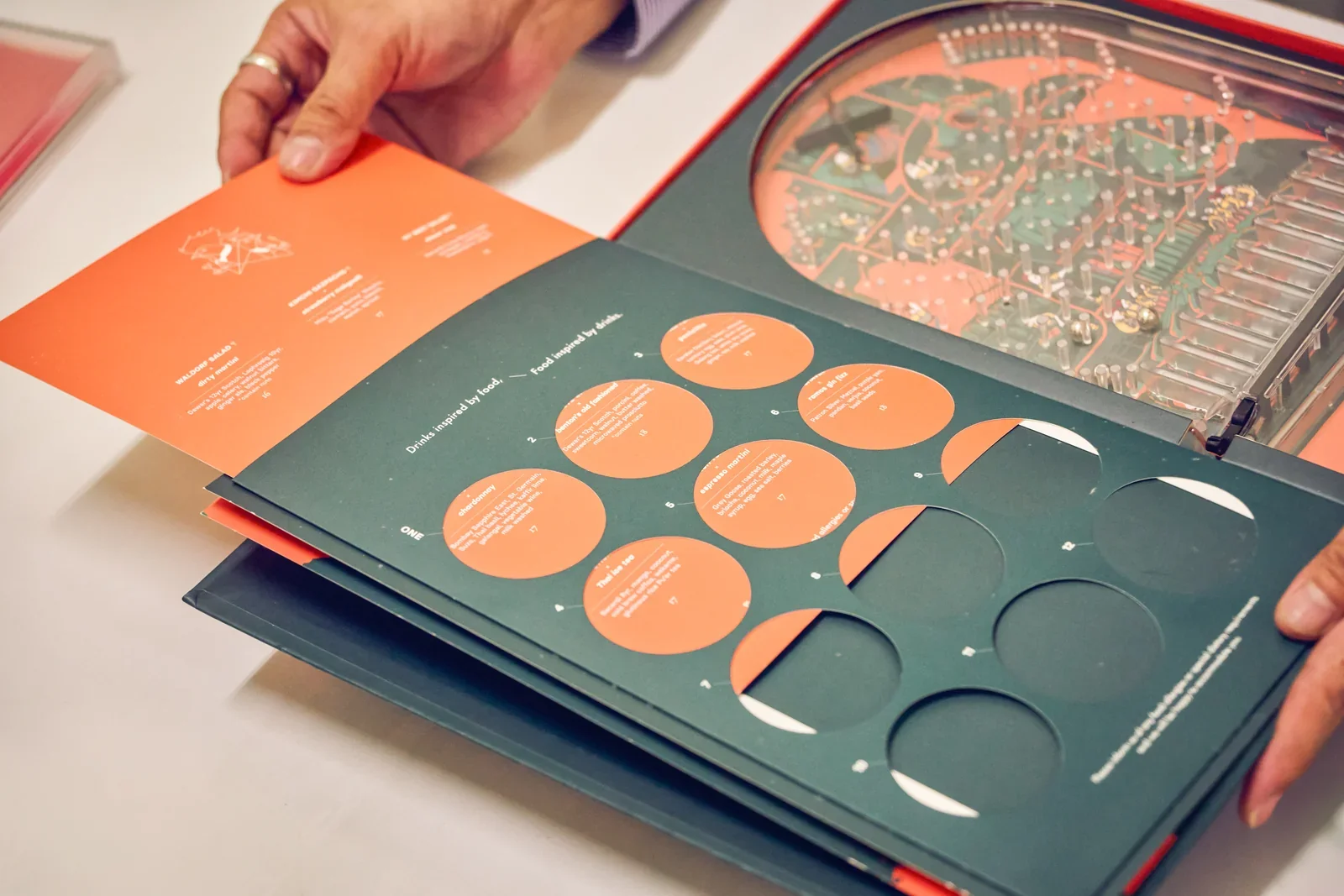
考量餐廳日後會有更換菜色的實務需求,結構規劃上,將內頁設計為可單張獨立抽換的活動式紙張,未來換季只需重印單張內頁即可,兼顧了互動趣味與商業實用性。© Hey!Cheese
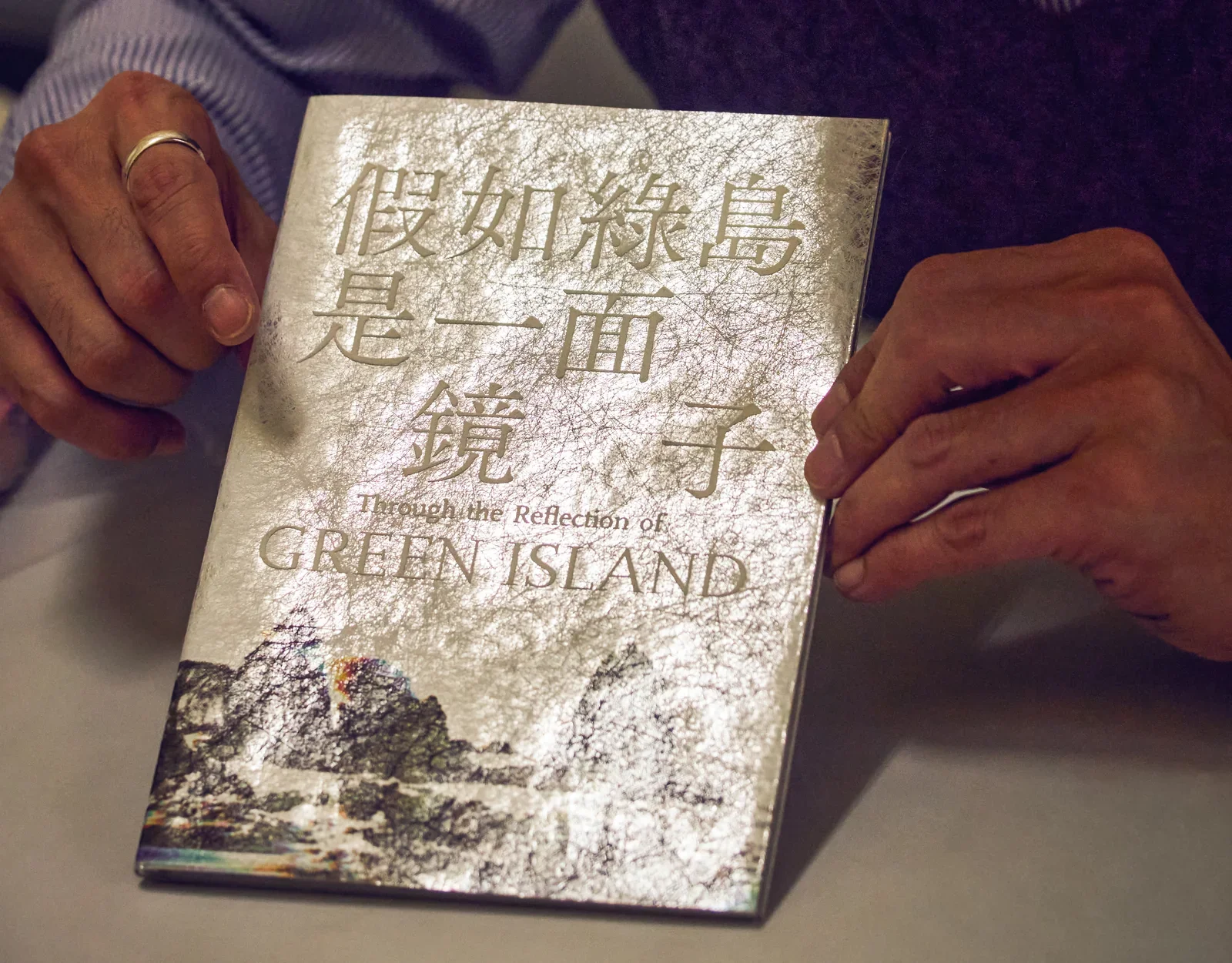
《綠島是一面鏡子》。呼應「綠島是一面鏡子」的核心命題,設計師希望在書冊底層呈現出「一面被刮花的鏡子」的視覺與觸覺隱喻。Darren 為此特別四處尋覓合適的特殊鏡面材質,並進行多輪加工與測試,最終將設計師抽象的島嶼概念,精準轉化為讀者指尖可觸的實體質地。© Hey!Cheese
[ZH]
是不是所謂的夕陽產業,源自你怎麼看待自己這個產業
一路從「工」走向「藝」,又經歷這些特殊印刷的實踐,讓 Darren 在面對當代「實體印刷式微」、「夕陽產業」的普遍認知時,依然保有清晰的判斷與底氣。身處這樣的產業變局,Darren 認為印刷業未來的走向,取決於身處其中的人如何看待自己的工作。
重要的是你怎麼看待自己這個產業。假設你把它當作新興行業,用新的思維、新的創作搭配去切入,做出來的東西就會完全不同,也能為產業注入新的活力。
[EN]
A Sunset Industry? That Depends on How You See It
Having moved from labour to craft, and having taken on all these special print projects, Darren has a clear view and quiet confidence when faced with the common belief that print is declining and belongs to a “sunset industry”. In a time of such upheaval, he believes the future of printing depends on how the people inside it see their own work.
What matters is how you see your own industry. If you treat it as an emerging field and approach it with new thinking and new creative combinations, what you make will be completely different, and it can bring new life to the industry.
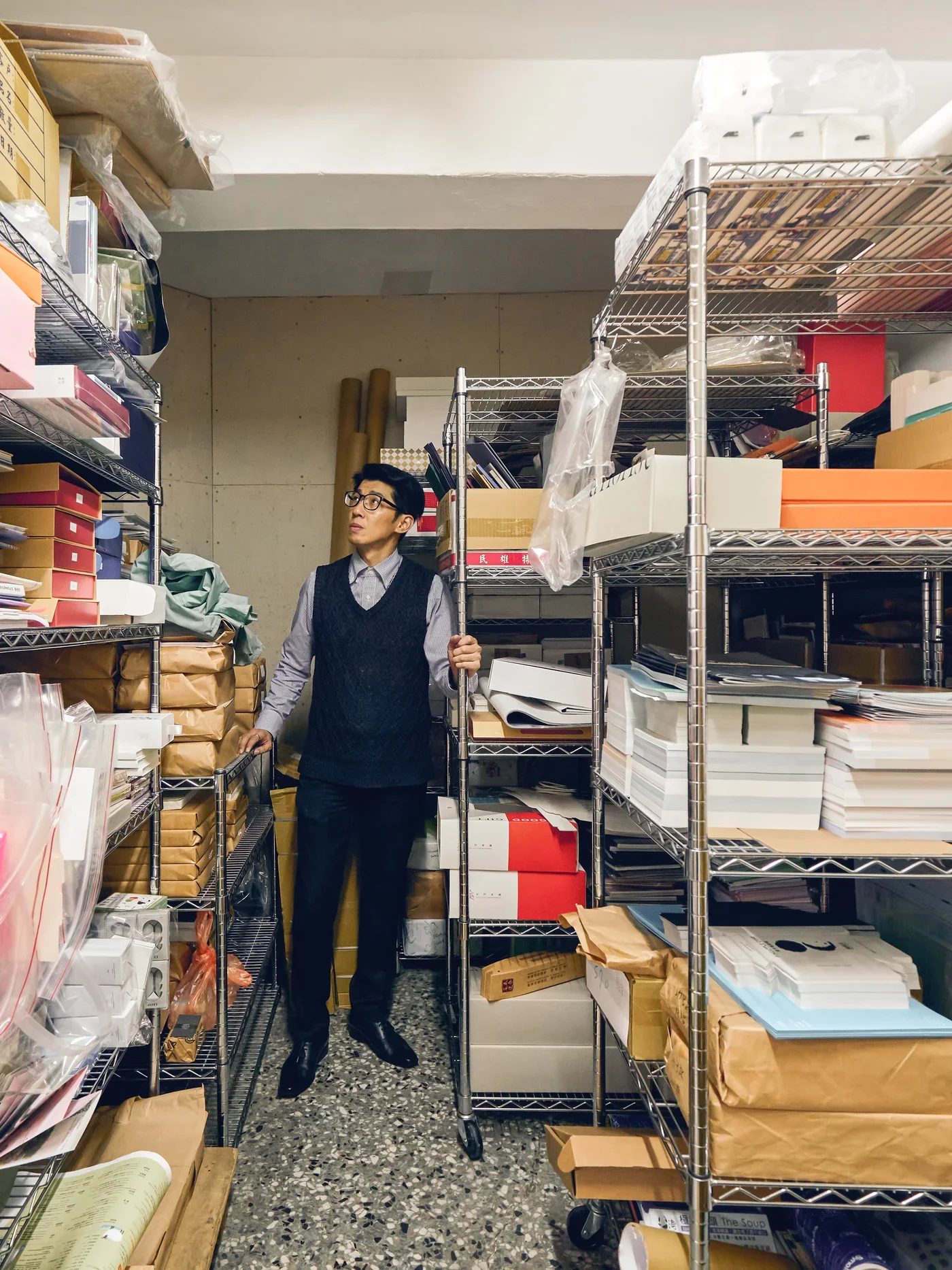
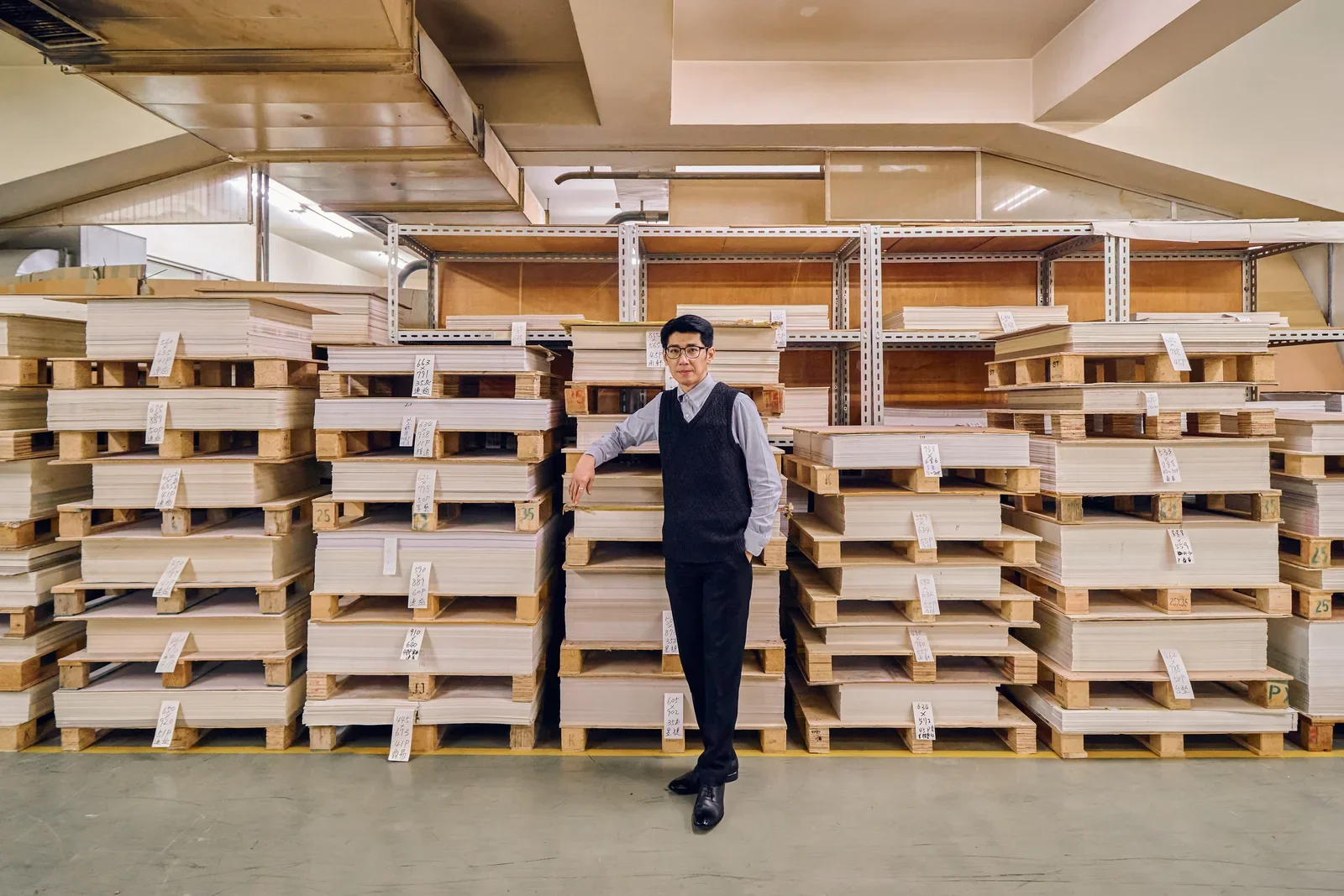
公司倉庫像是 Darren 的百寶庫,歷年來的作品通通收藏在此。© Hey!Cheese
[ZH]
他直言,要往上提升,除了轉變思維方式,另一個關鍵在於放下抗拒。許多人習慣將「這個不能做、那個不行做」掛在嘴邊,無形之中限制了進步的可能。只要從業者願意跳脫框架,印刷就還有許多值得探索的新方向。
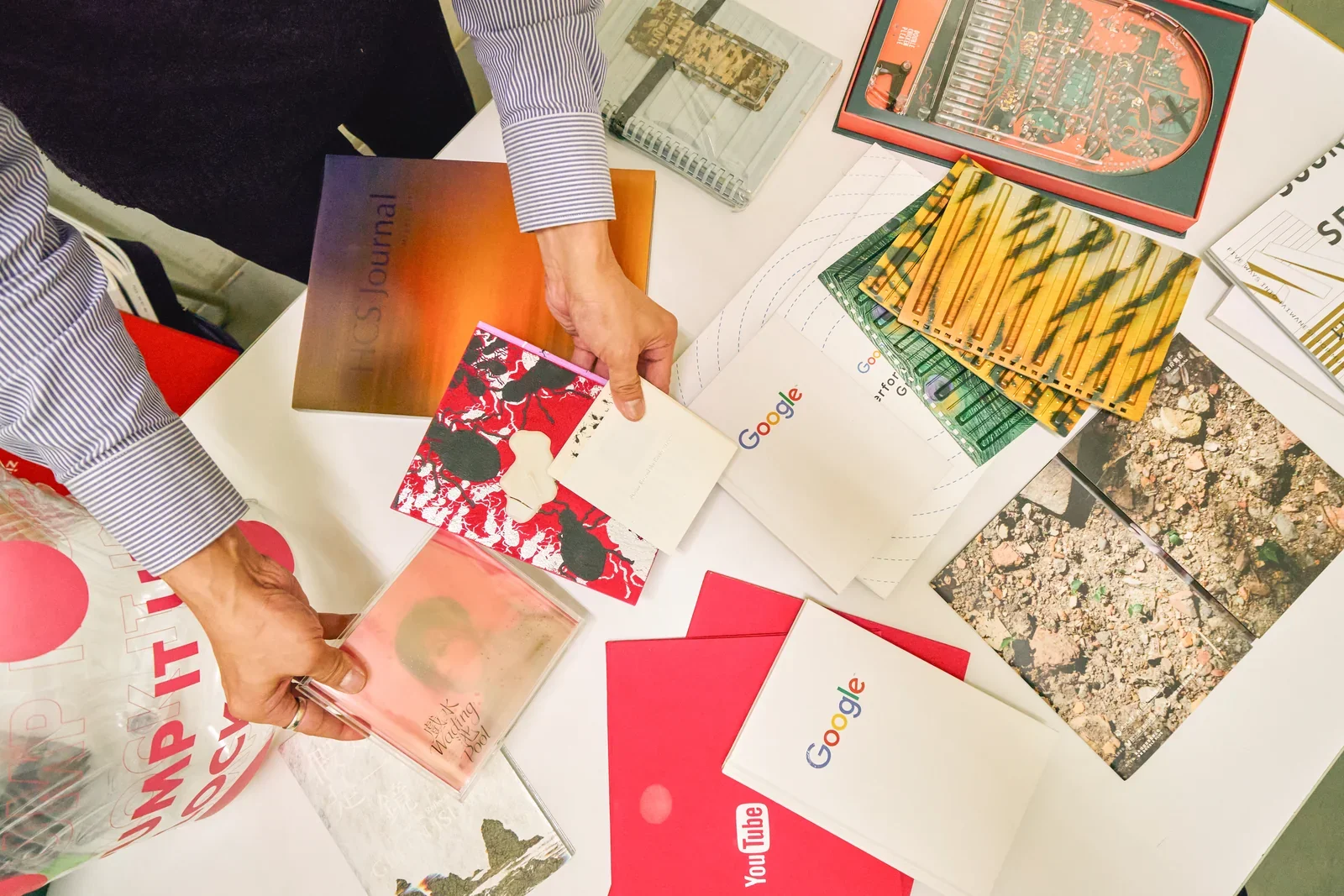
為了持續往前推進,Darren 從十幾年前就主動投入技術研發與材料測試。他開心分享自己正在推進的實驗:從各種特別色的「側面刷邊」,乃至於嘗試在俗稱「泡殼」的立體塑膠材質上進行連續印刷。此外,他也主動涉獵其他產業的觀念與技術,將跨領域的媒材引進印刷,再把這些新做法介紹給客戶,讓創作擁有更多元的發揮空間。
[EN]
He is frank about it. To move the industry forward, changing how you think is one part. The other is letting go of resistance. Many people are quick to say “this can’t be done, that won’t work”, and without realising it, they shut down the possibility of progress. As long as people in the trade are willing to step outside the box, print still has many new directions worth exploring.
To keep moving forward, Darren began investing in technical development and material testing more than a decade ago. He is happy to talk about the experiments he is working on now, from edge painting books in all kinds of spot colours to continuous printing on blister packaging, the moulded plastic shells used in retail. He also seeks out ideas and techniques from other industries, brings materials from other fields into print, and introduces these new methods to his clients, giving their work more room to grow.
© Hey!Cheese
[ZH]
要完成這些顛覆常規的嘗試,背後也仰賴整個協力團隊的默契。「大家願意一起走,產業才會進步。」Darren 感性地說道,目前合作的加工廠夥伴,已經形成一個良性的迴圈。不同領域的師傅一起挑戰,在合作中累積經驗,在互相激盪中拉高雙方產業的附加價值。
我之所以能走到現在,包含了自己對這件事的熱忱。因為喜歡,才會投入;既然都投入了時間,為什麼不把它做到最好?
他用這樣的邏輯督促自己,主動去找故事,不斷尋找值得嘗試的新題目。
[EN]
Pulling off experiments that break with convention also depends on a team that works well together. “The industry only moves forward if everyone is willing to go together,” Darren says warmly. The finishing workshops that work with Darren Printing have formed a virtuous cycle. Craftsmen from different fields take on challenges together, build experience through each collaboration, and spark ideas off one another, raising the value that each of their trades can offer.
Part of what has brought me this far is my passion for the work. I put myself into it because I love it, and if I’m going to spend the time anyway, why not do it as well as I can?
With this logic, he pushes himself to seek out stories and keep finding new subjects worth trying.
If there’s a story, I’ll find a way to make it. And if there’s a way, the work will have warmth.
[ZH]
印刷,也講究收放之間的分寸
即使始終熱衷於研究新技術、嘗試不同媒材,Darren 也不認為精緻印刷就必須把各種特殊加工不斷往上堆疊。在他的印刷哲學裡,成熟的功力,同樣體現在「加法」與「減法」的收放之間。
印刷的加法讓設計畫龍點睛,印刷的減法讓設計忠於原味。
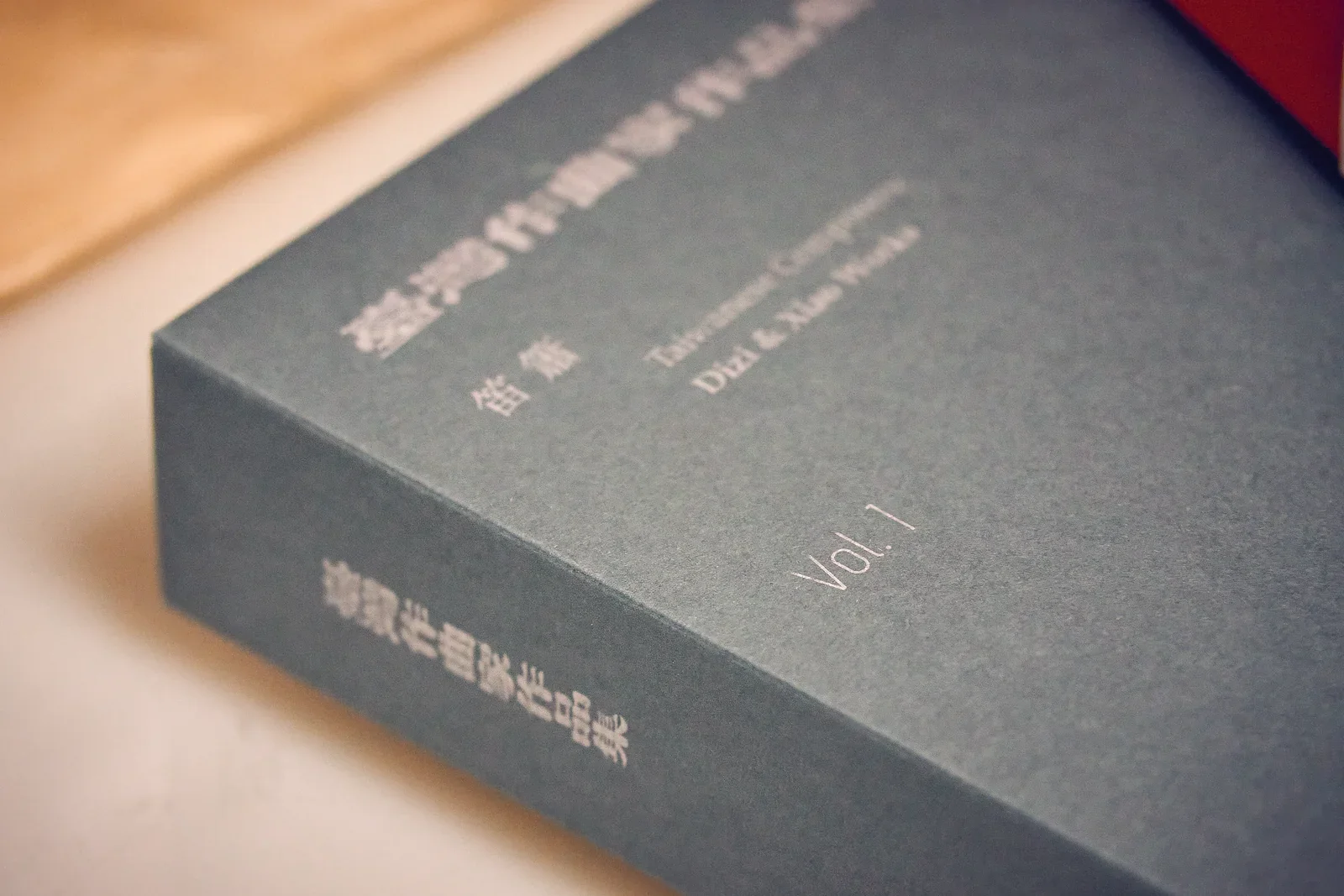
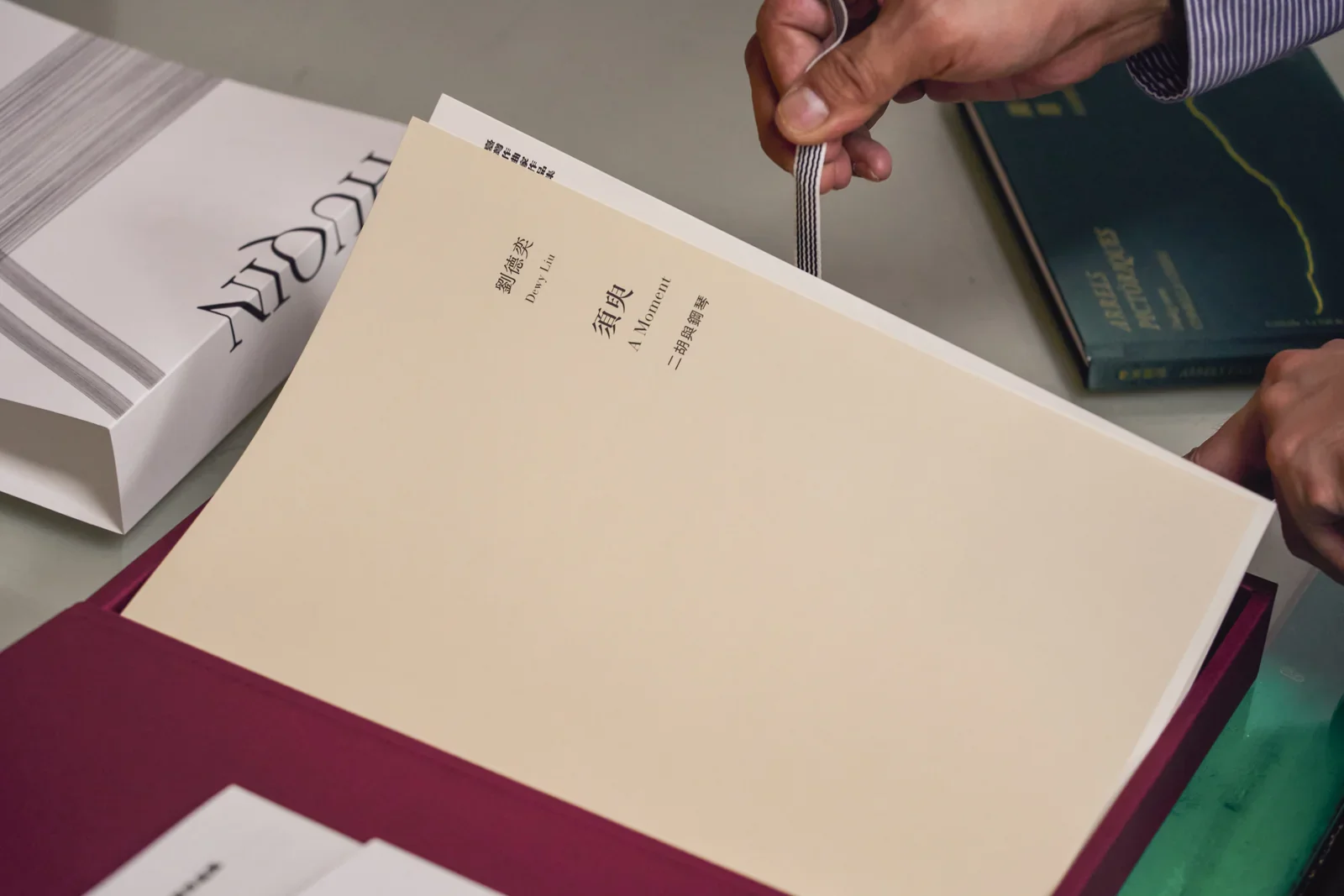
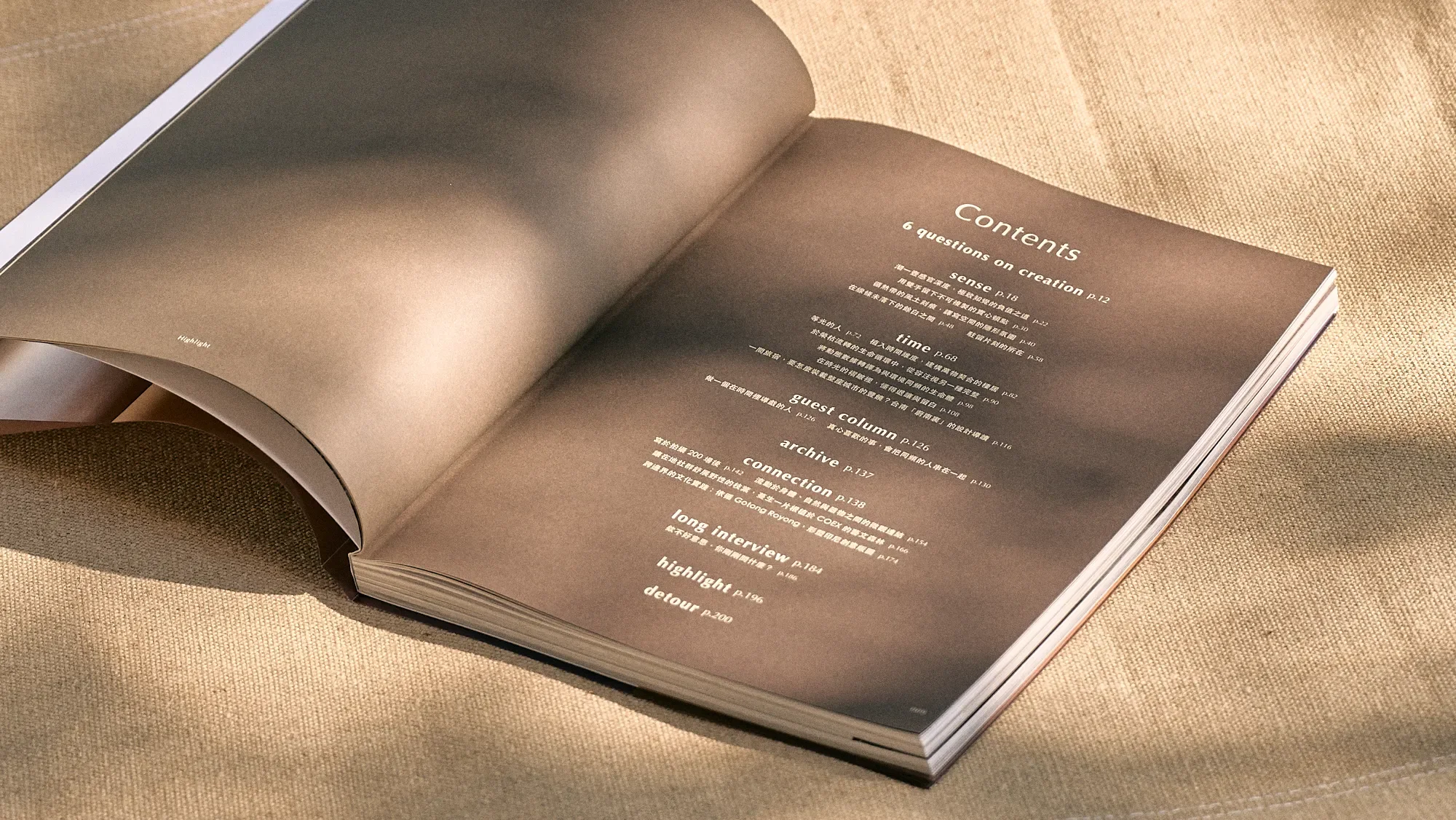
有些作品需要透過特殊材質與繁複工藝,堆疊出令人讚嘆的視覺層次;有些則應用減法,拿掉過多的加工襯托與複雜媒材,純粹依靠紙張肌理、油墨與裝訂的精準度來傳遞質感。「無論用加法還是減法的操作,找出能夠將可變因素降到最低的作業模式,才是一個專業印刷人應該努力的方向與指標。」這樣的思考,體現在此次《HCS Journal》Vol.01《Highlight》的印製過程。
[EN]
In Print, Knowing When to Add and When to Hold Back
For all his enthusiasm for new techniques and materials, Darren doesn’t believe fine printing means piling on one special finish after another. In his philosophy of print, real mastery also shows in knowing when to add and when to take away.
In print, addition gives a design its finishing touch. Subtraction keeps it true to itself.
Some works call for special materials and intricate craftsmanship, layered into a striking visual depth. Others call for subtraction, stripping away excess finishes and complicated materials, and relying purely on the texture of the paper and the precision of the ink and binding to convey quality. “Whether you’re adding or subtracting, the goal a professional printer should work towards is finding a way of working that keeps the variables to a minimum.” This thinking shaped the printing of HCS Journal Vol. 01, Highlight.
© Hey!Cheese
[ZH]
初收到刊物的設計規劃時,Darren 便感受到這本書清晰的定調:沒有繁複喧嘩的加工托襯,而是將視覺重心安靜地聚焦在受訪者的作品與故事上。
回歸本質的做法,跟書裡這些設計師與藝術創作者的精神可說是相得益彰。
問及最推薦讀者細細感受《HCS Journal》的哪一個部分,Darren 的回答有著他一貫對人與故事的著迷:「如果時間允許,我建議讀者還是從頭到尾走一遍是最好的!你可以跟著這些創作者,回到他最原始的初衷,去瞭解創作本質與中間過程的智慧。」
[EN]
When Darren first received the design plans for the journal, he sensed its clear tone straight away. There were no elaborate, attention-seeking finishes. Instead, the visual focus rested quietly on the work and stories of the people featured. “Going back to the essentials like this suits the spirit of the designers and artists in the book perfectly!”
Asked which part of HCS Journal he would most like readers to take their time with, Darren answers with his usual fascination for people and their stories. “If you have the time, I’d recommend reading it from beginning to end! You can follow these creators back to their original intentions, and come to understand the essence of their work and the wisdom gained along the way.”
[ZH]
「一件好的印刷品呈現,不僅是設計師挑燈夜戰的心血,也是印刷人排除萬難後的結晶」
接近對談尾聲時,Darren 看著眼前一疊疊二十多年來的作品,眼神裡既有走過產線風浪的踏實,也有迎接下一個挑戰的期待。
對他來說,一件作品的美,包含了設計者的想像,也凝聚著印刷人投入其中的技藝與堅持。
在數位螢幕不斷刷新視覺感官的世代,我們仍舊需要像 Darren 這樣的職人,守在油墨與紙張的現場,持續嘗試沒有被做過的事。讓那些尚未實現的奇思巧想,有機會變成值得被珍藏的實體。
[EN]
“A great printed piece is the fruit of a designer’s late nights, and of everything a printer overcomes to bring it into being.”
As our conversation draws to a close, Darren looks over the stacks of work from the past two decades. In his eyes there is the steadiness of someone who has weathered every storm on the production floor, and a sense of anticipation for the next challenge. To him, the beauty of a piece holds the designer’s imagination, and also the skill and persistence a printer has poured into it.
In an age when digital screens constantly refresh what we see, we still need craftsmen like Darren, standing by the ink and paper, still trying what has never been done. Through their work, ideas not yet realised have the chance to become objects worth keeping.
© Hey!Cheese