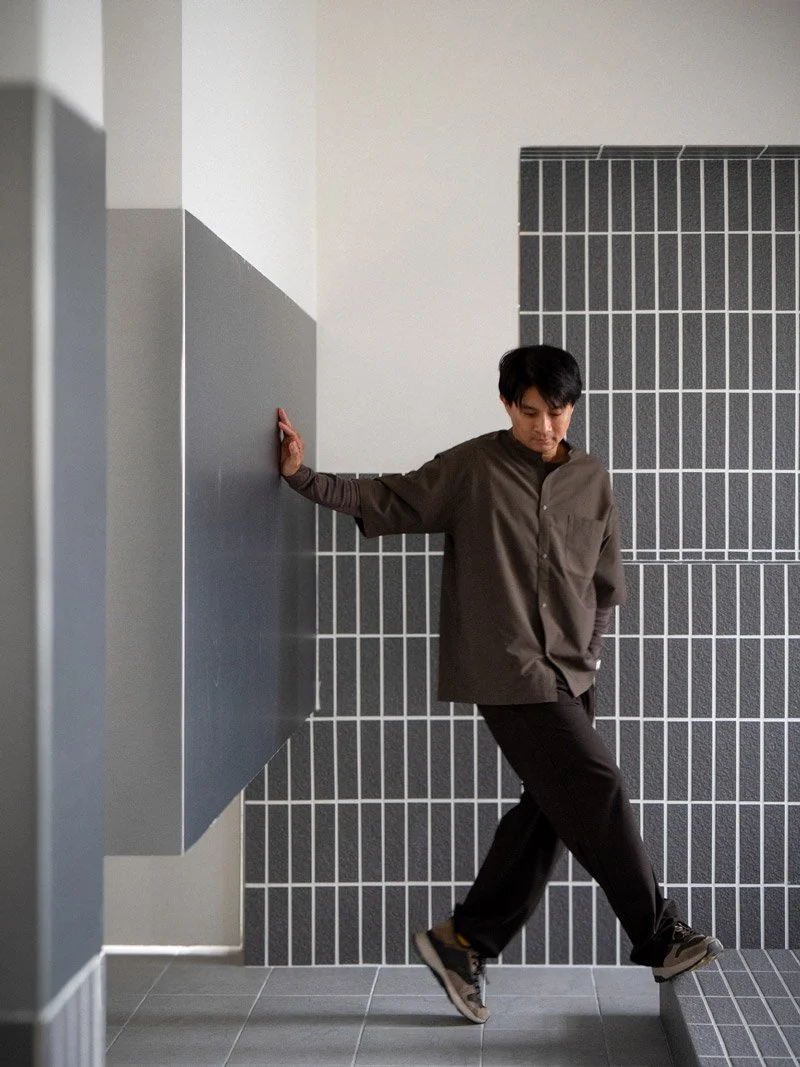
Jamie 專欄 #139|從靜態記錄,到真實共感
-
Over the past few years, I have started to notice a shift. More clients and brands are no longer just asking for clean, technically perfect images. What they really want is a sense of life in the frame.
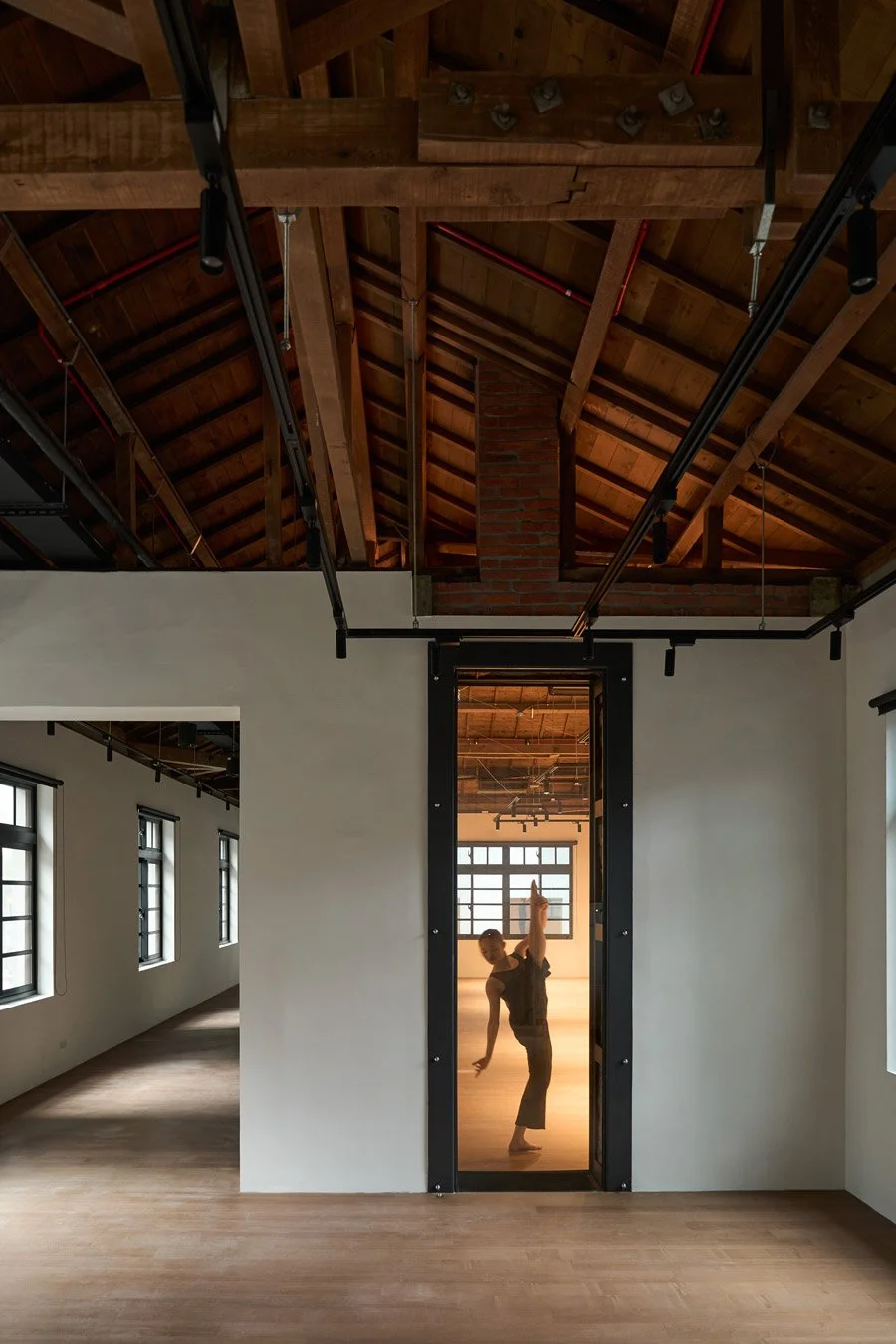
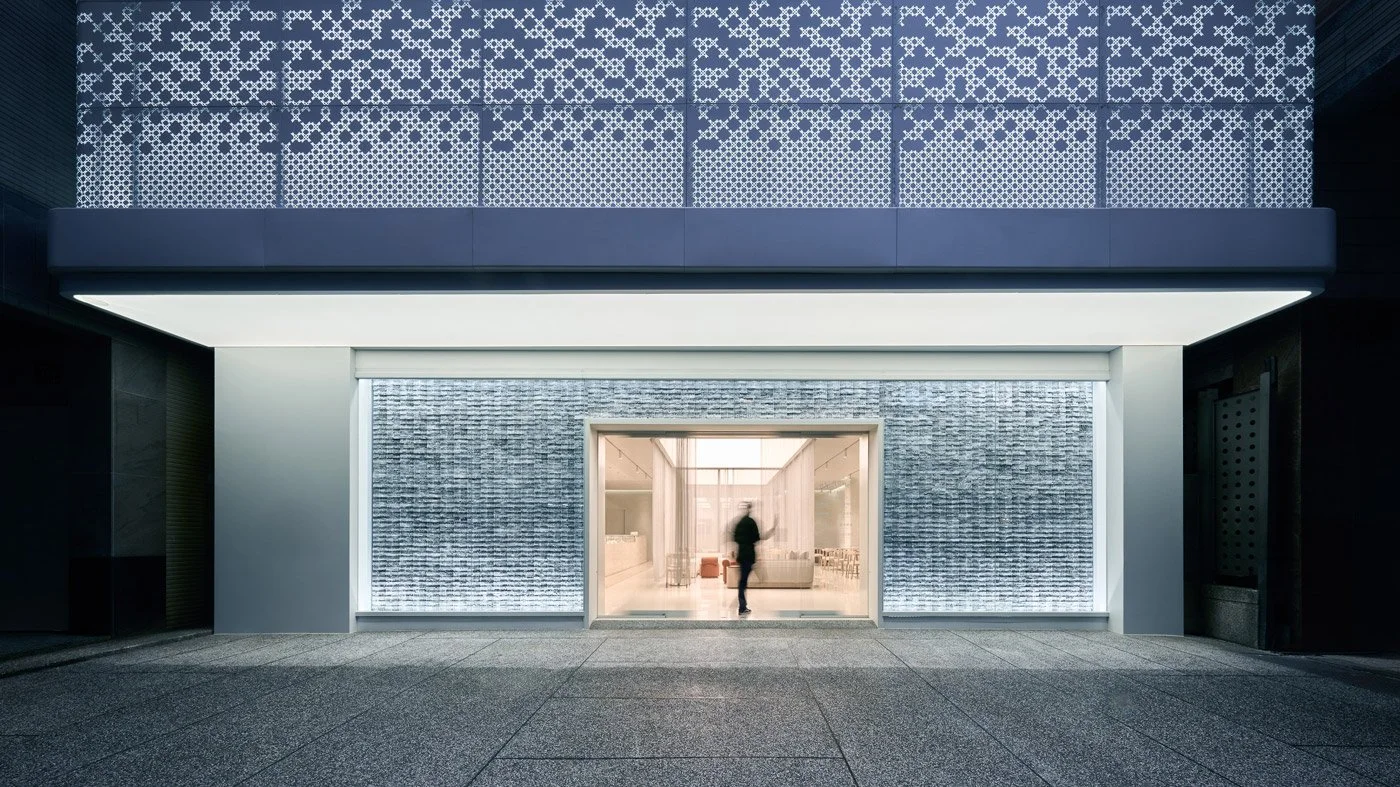
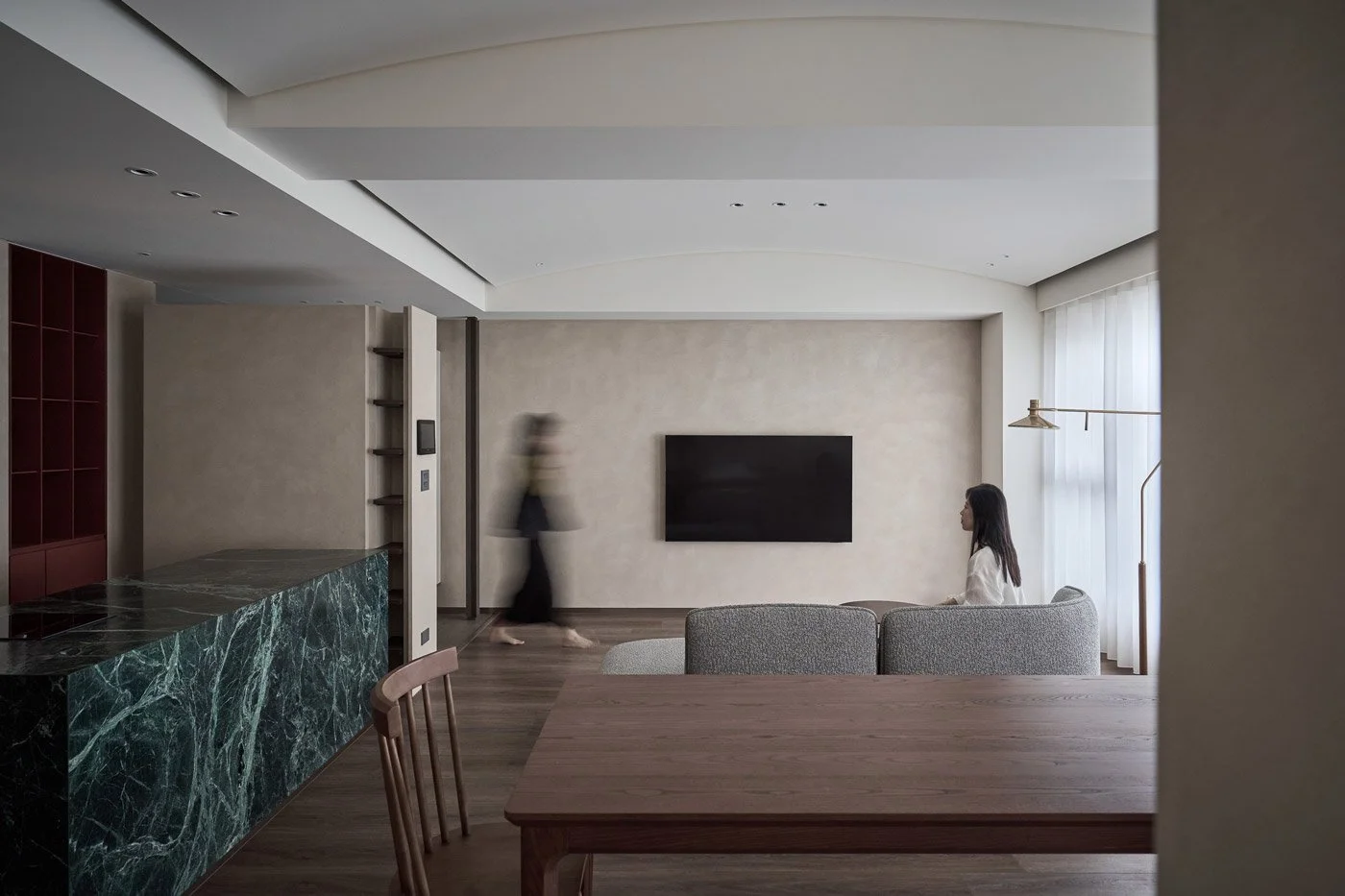
This does not mean adding more props. It is more about capturing a feeling. A table that looks like someone just got up. A person passing by in motion. Light falling from the side and catching on the wall. These are not part of the architectural plan, but they suggest how a space is being lived in.
Some clients even say it out loud. Can we make it feel like someone actually lives here?
To me, this reflects a change in how people look at spaces. Documenting is no longer enough. We are being asked to create something that feels relatable. And that shift has shaped how I approach photography today.
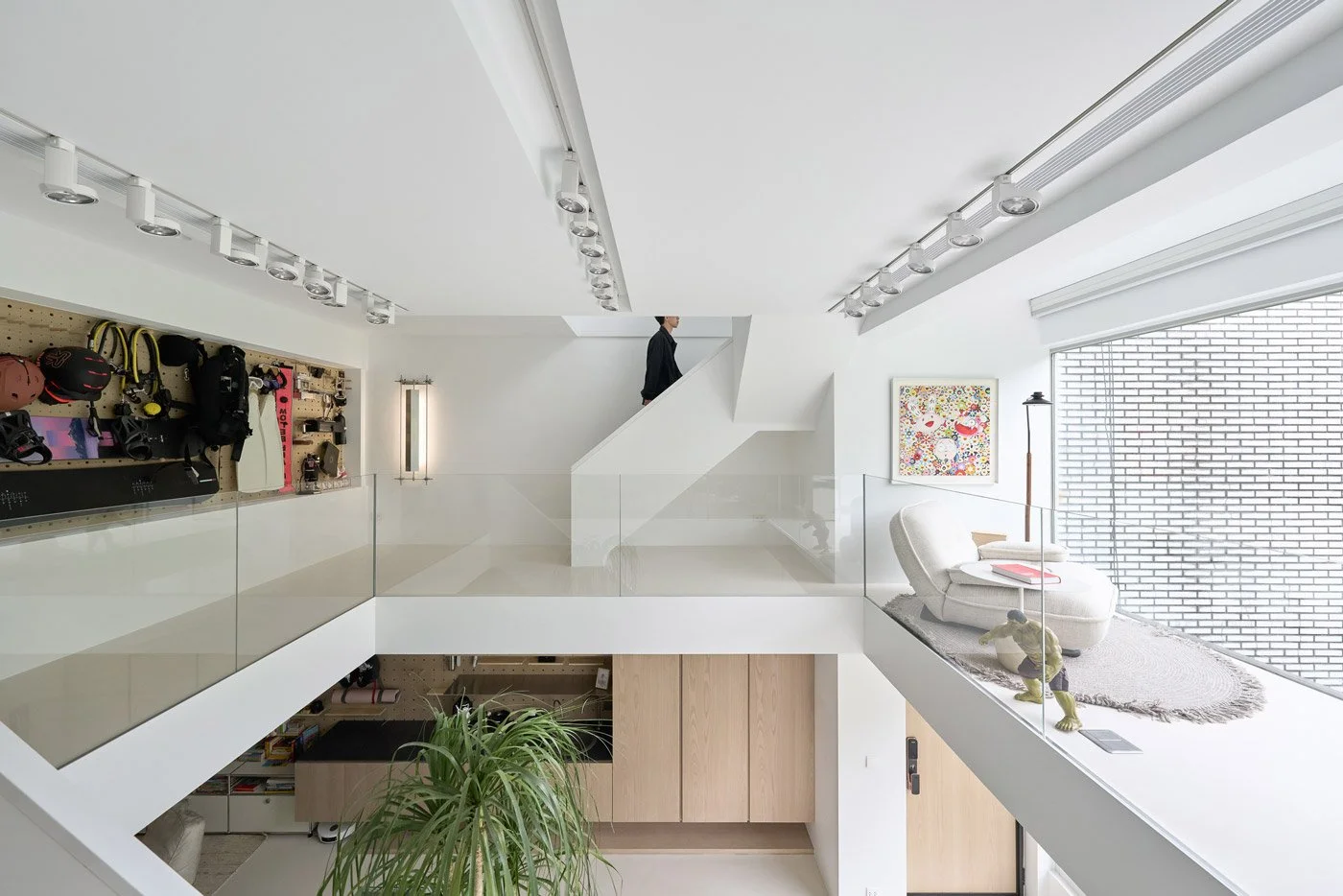
空間/ 二三國際
-
I never reduce lifestyle photography to just adding props or placing people in the frame. Real lived-in feeling does not come from setting out a few cups or layering some textiles. It comes from understanding how the space is actually used, and what kind of feeling the designer hoped to leave behind.
Before I start shooting, I often ask the designer a lot of everyday questions. Where does the homeowner usually sit? Where do the kids play? When do the lights usually come on? These answers do not always translate into specific staging. But they help me understand what I should pay attention to on the day of the shoot.
Maybe it is noticing when the light enters the room. Maybe it is understanding which parts of the space are meant to be quiet and which are for gathering. From these small cues, I decide where to stand, what to frame, and when to press the shutter.
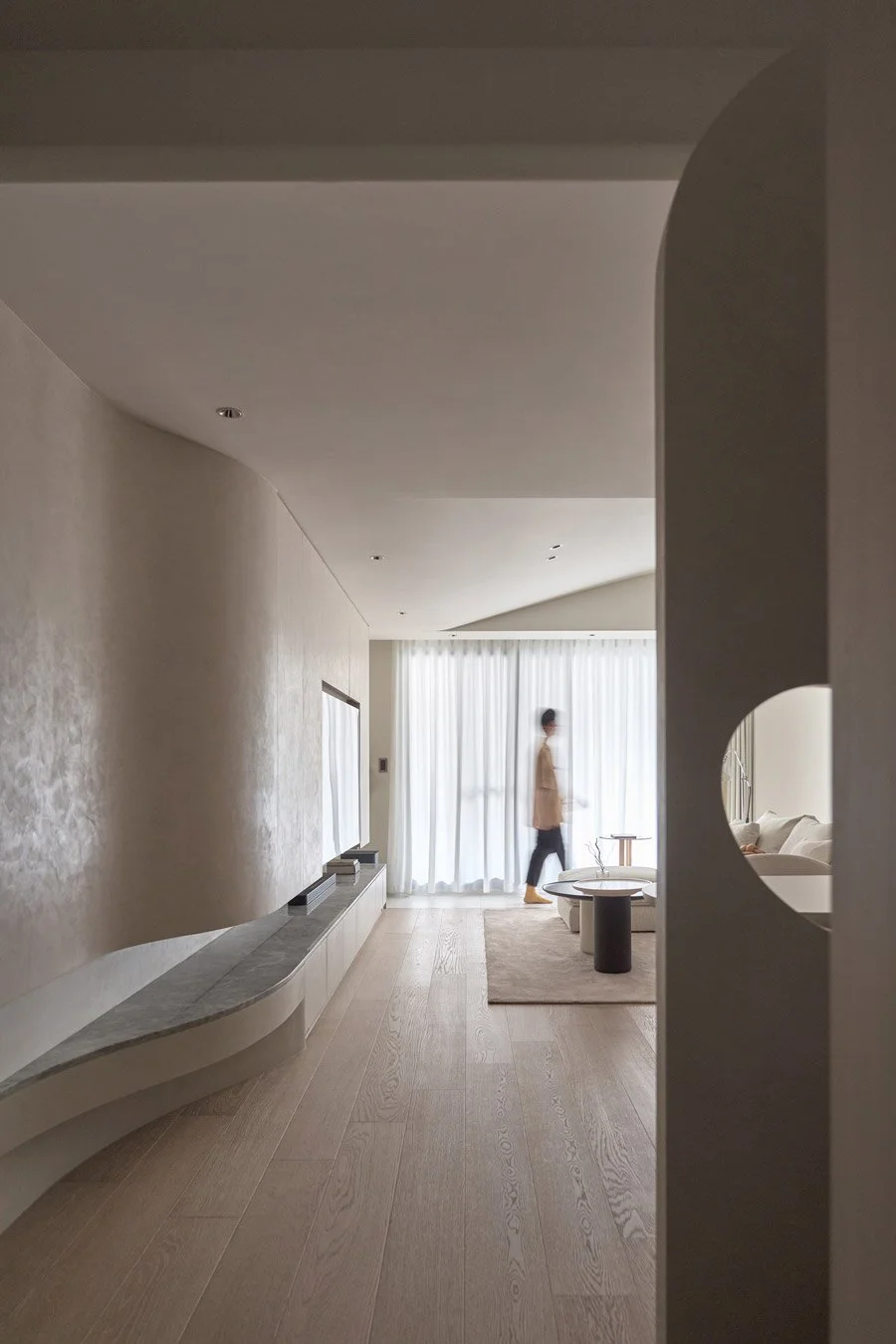
空間/ 開物設計
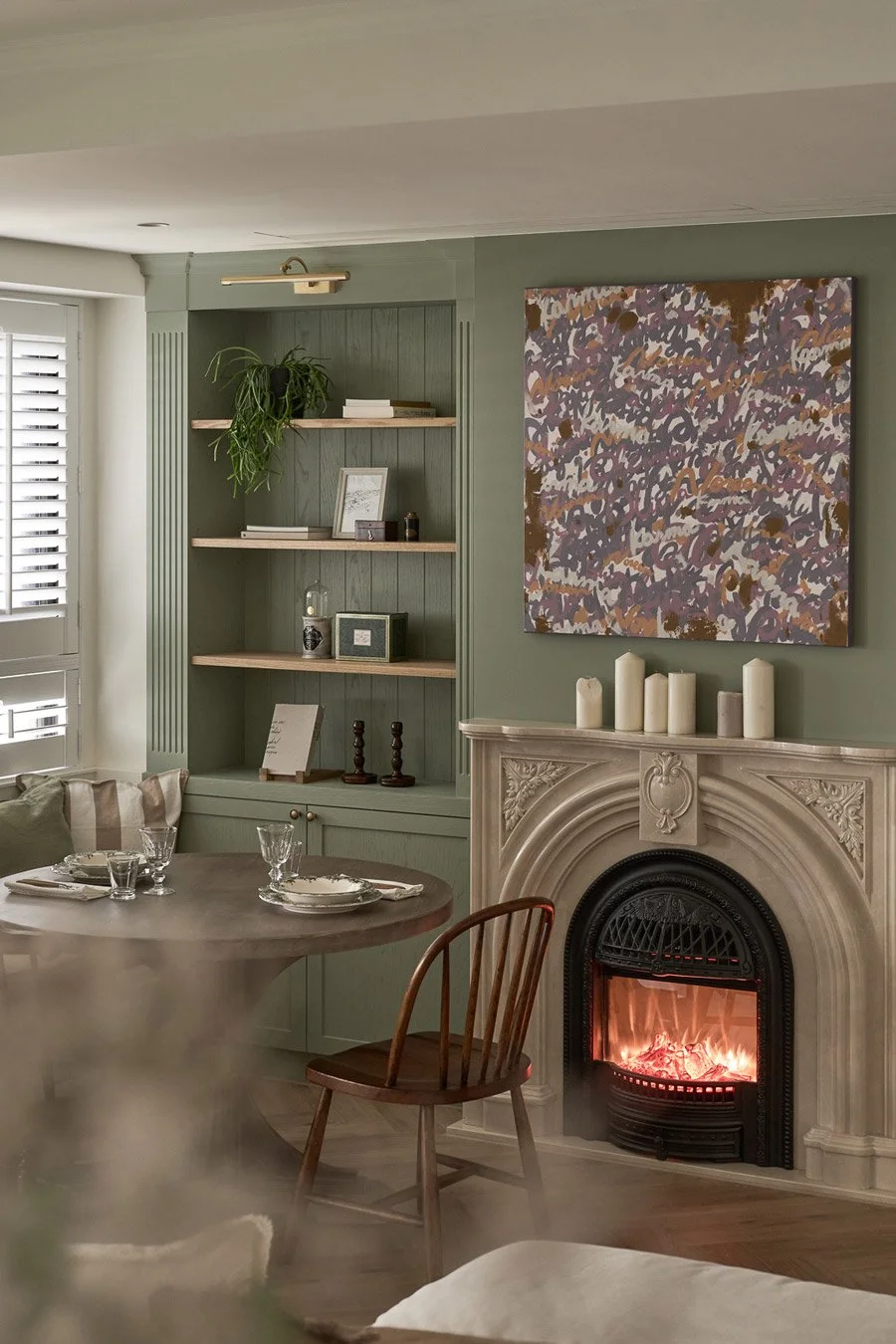
空間/ 覺引設計
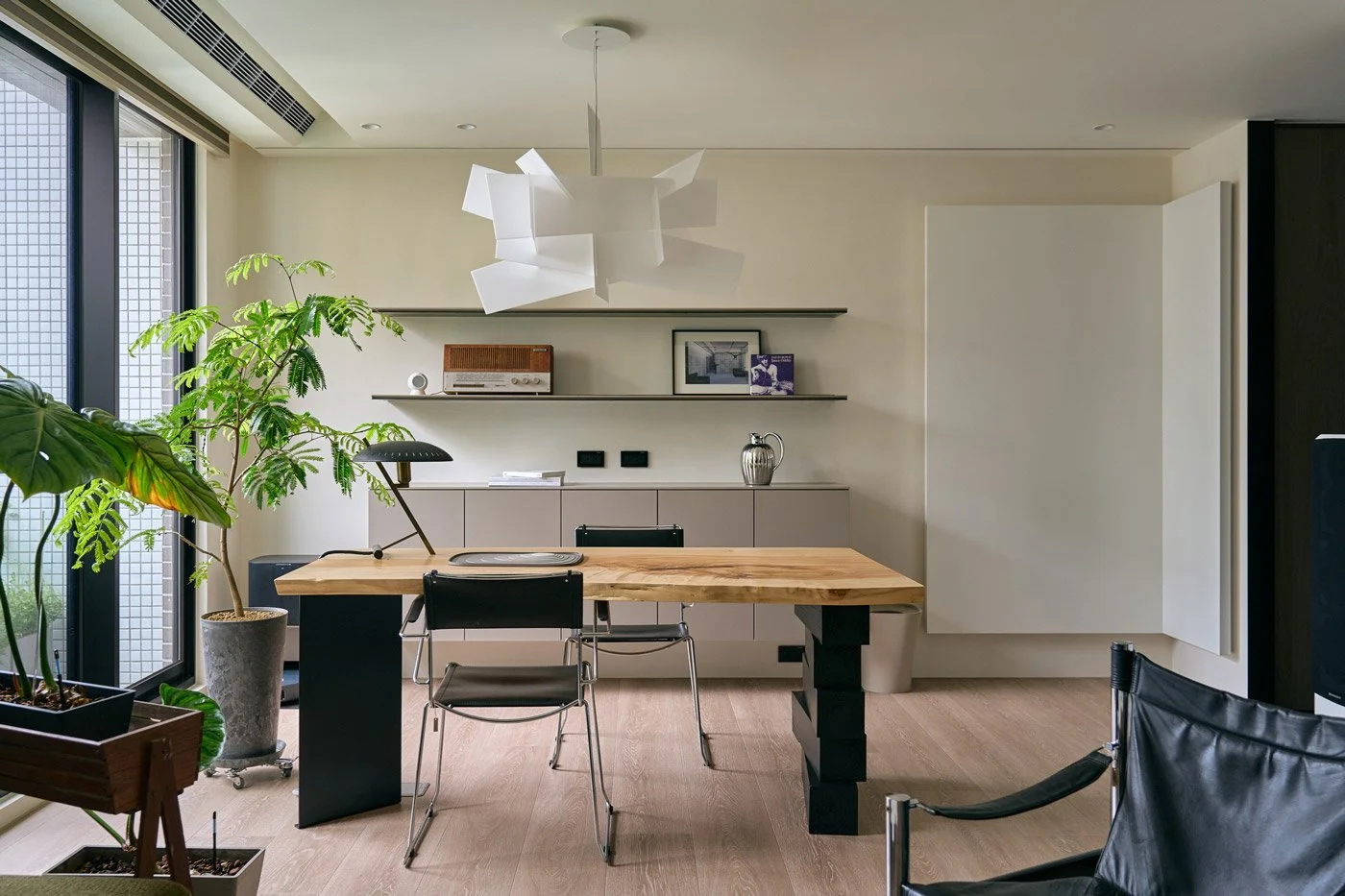
空間/ 卡特設計
-
Images that truly feel lived-in are the result of intentional choices. As photographers, we still shape the light and frame the composition. But the scene might feel like someone just walked by, or like a moment you want to pause in.
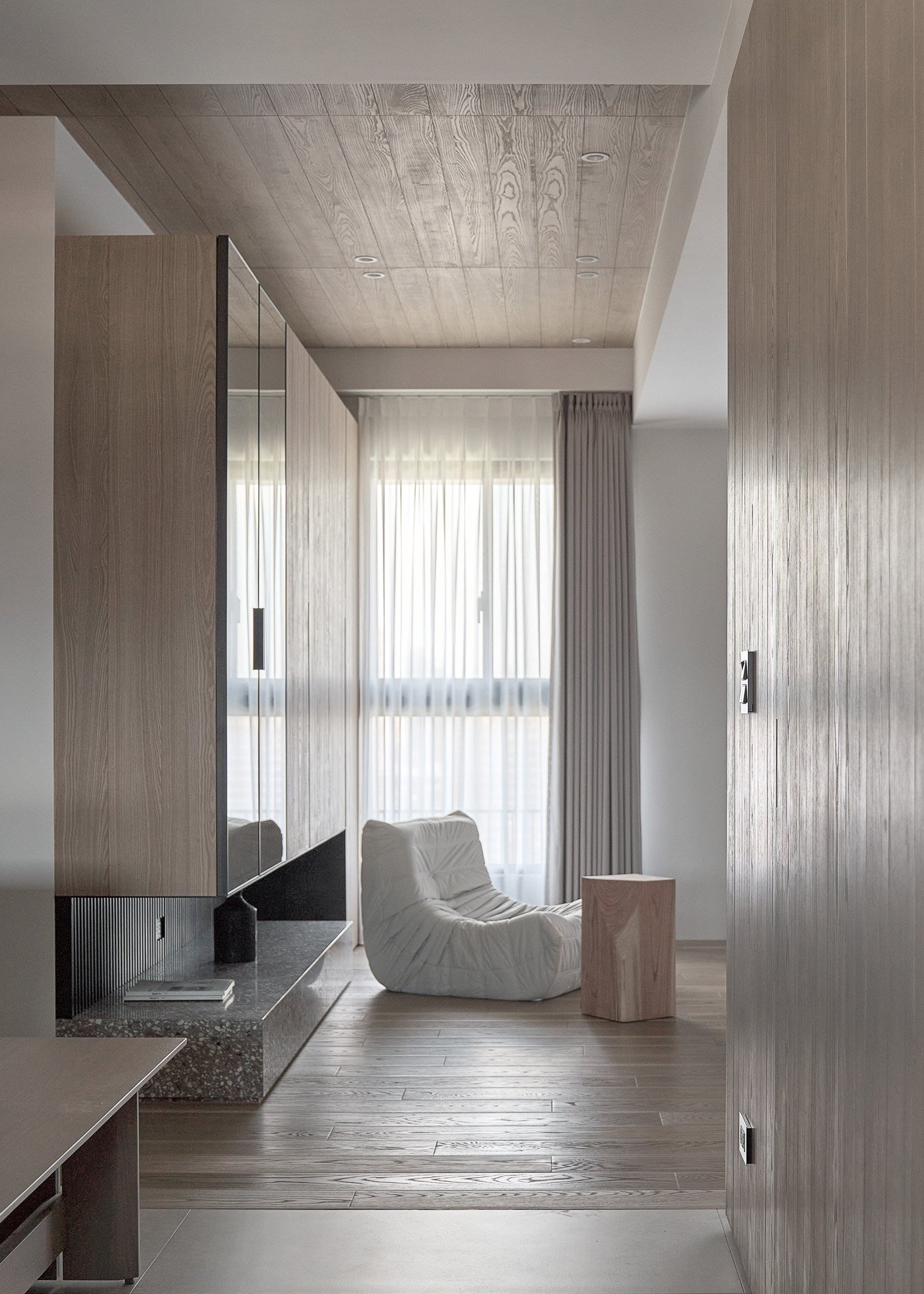
Sometimes I choose a non-standard angle simply because the light in a certain corner happens to fall softly, or because the texture of a wall catches a gentle contrast when seen slightly off-center. It feels as if the space is moving on its own.
This is not about a special technique or a signature style. It comes from the time we spend working in real spaces. It is a kind of rhythm you learn to read over time.
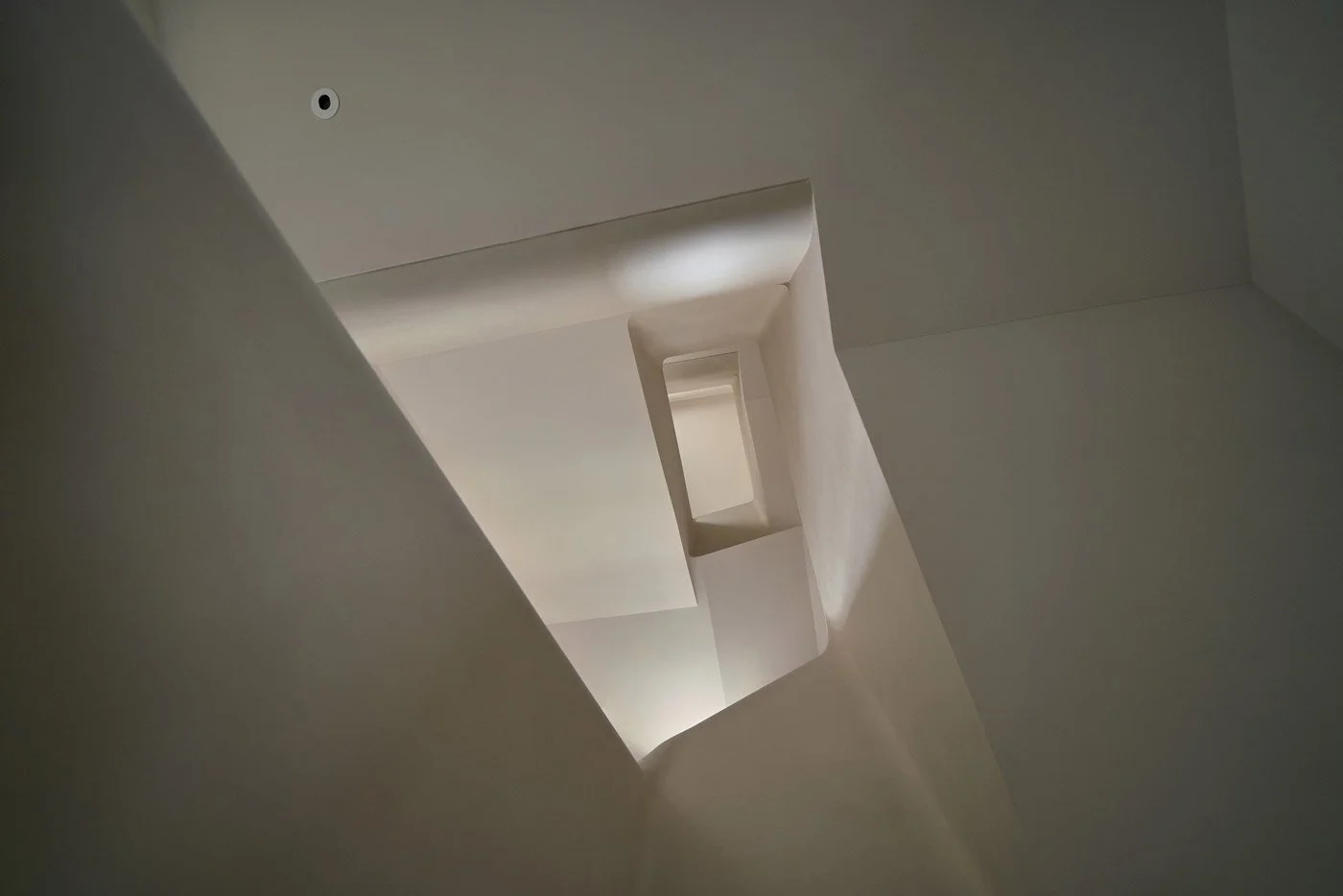
空間/ 沐昀設計
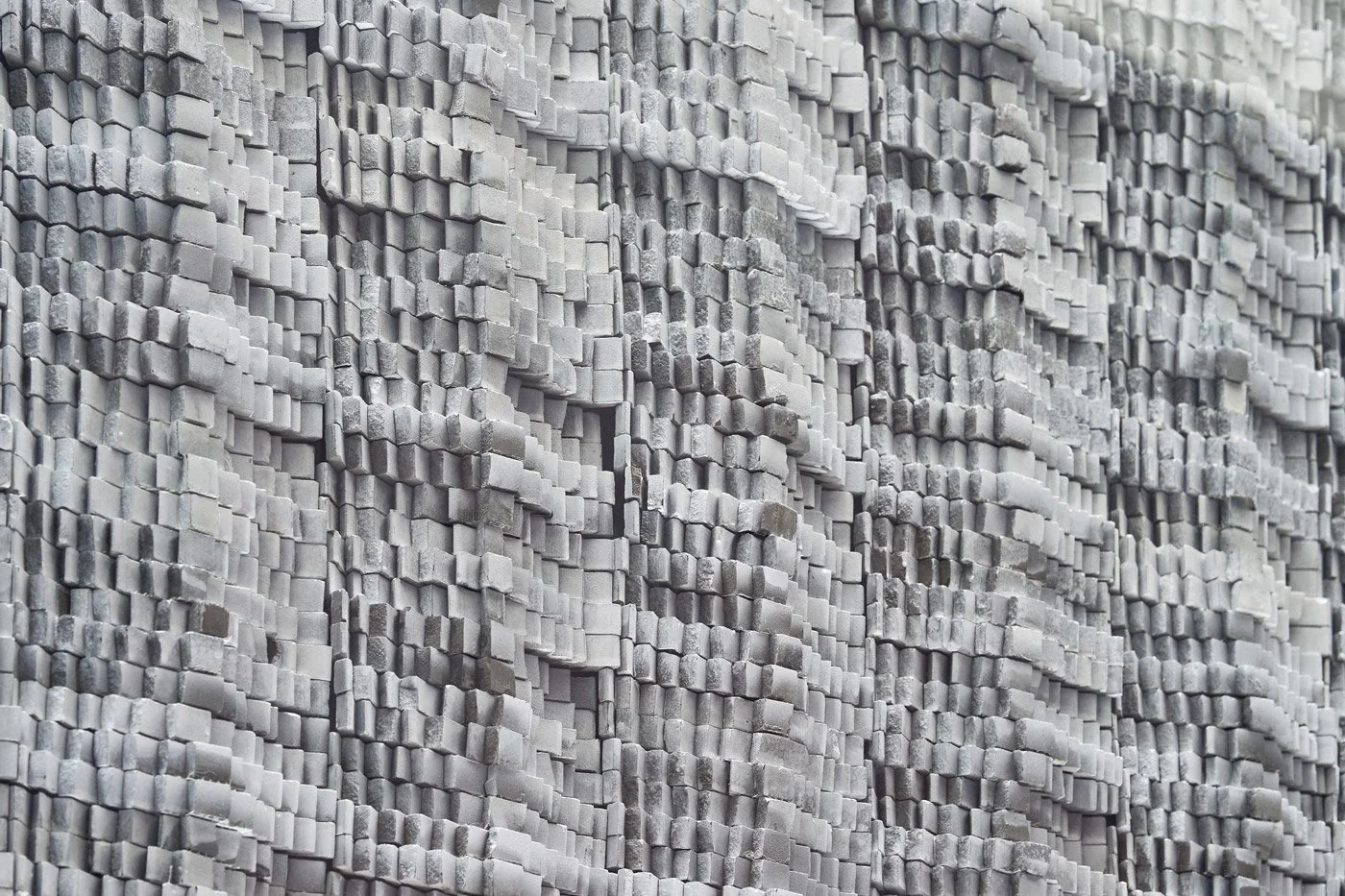
空間/ MONOCLAIRE
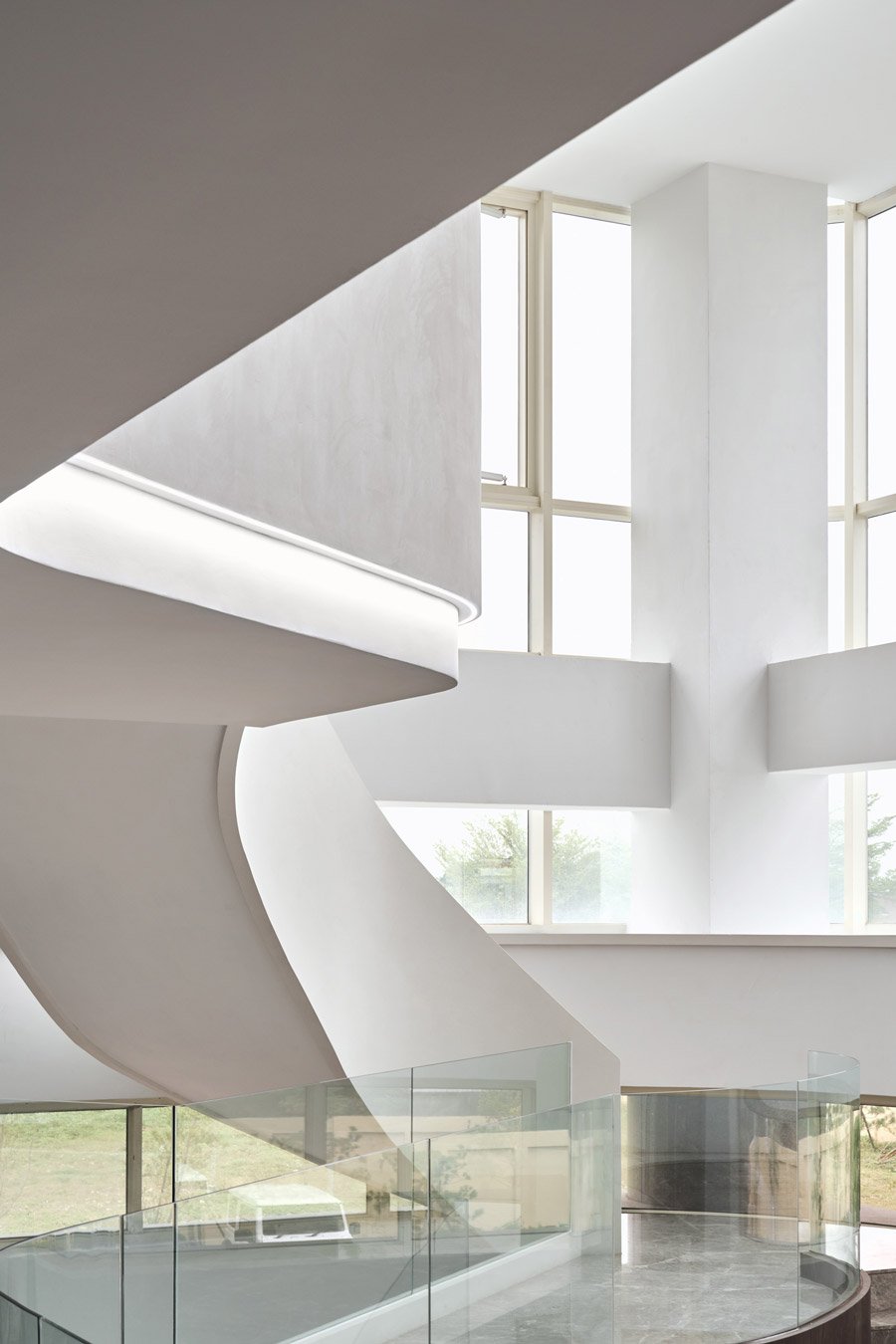
空間/ 長禾設計
空間/ 許維蓉建築師事務所
-
These days, many of the spaces we photograph end up on websites, social media, or in other marketing materials. When you only have a few seconds to catch someone's attention, it is often the moments with warmth that leave a lasting impression.
That is why we care about more than just exposure and composition. We ask ourselves, does this image spark imagination? Does it move someone emotionally? A shot does not have to be perfect, but it should create a sense of connection. It should help people picture how they might use the space if they were in it.
In a way, this is how we let the space speak in a more human language.
空間/ MONOCLAIRE
空間/ 共生製作
空間/ 天沐設計
-
Photography is a tool for brand communication. Whether or not an image feels human has a direct impact on how people perceive the brand. This is especially true for brands that emphasize a lifestyle concept or design philosophy. If the photos look like a showroom or a staged sample unit, the brand instantly loses its credibility.
In this context, it becomes even more important to build a clear dialogue with the designer. What details do they want to highlight? What traces of life are acceptable, or even helpful in reinforcing the design? As photographers, our role is to find that balance. To make sure the design is seen, but not seen in isolation.
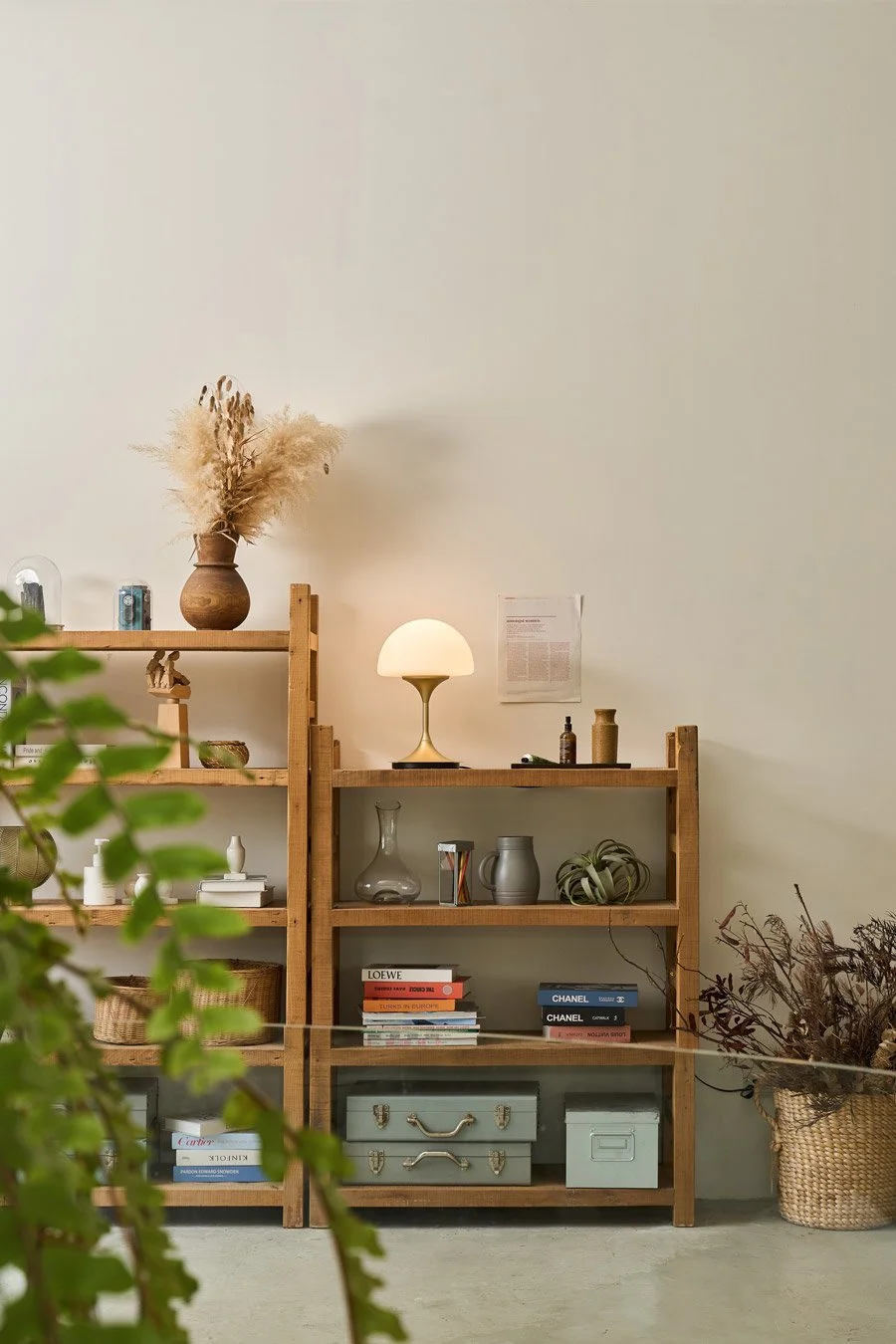
燈具/ 喜的燈飾
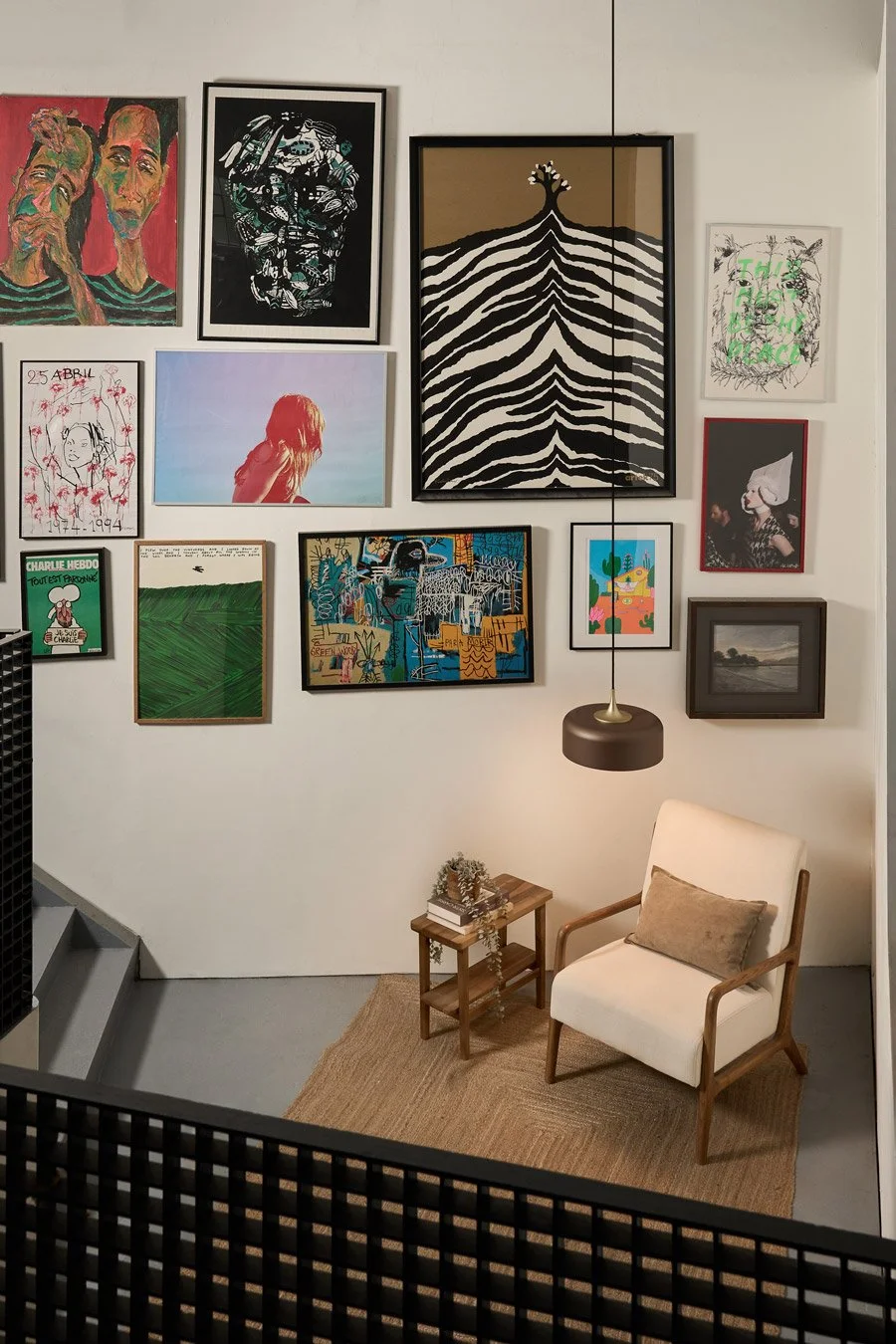
燈具/ 喜的燈飾
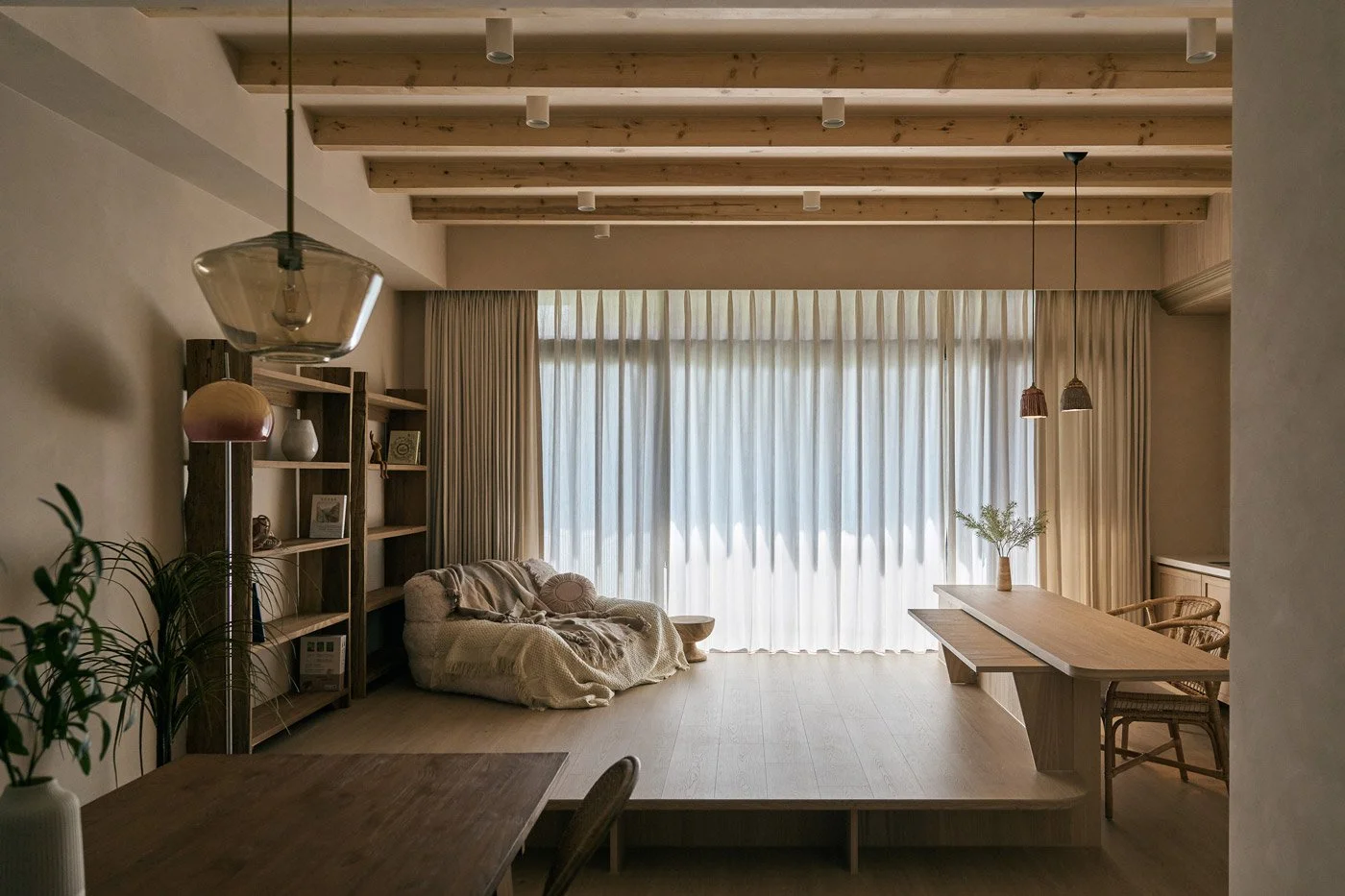
空間/ 思維設計
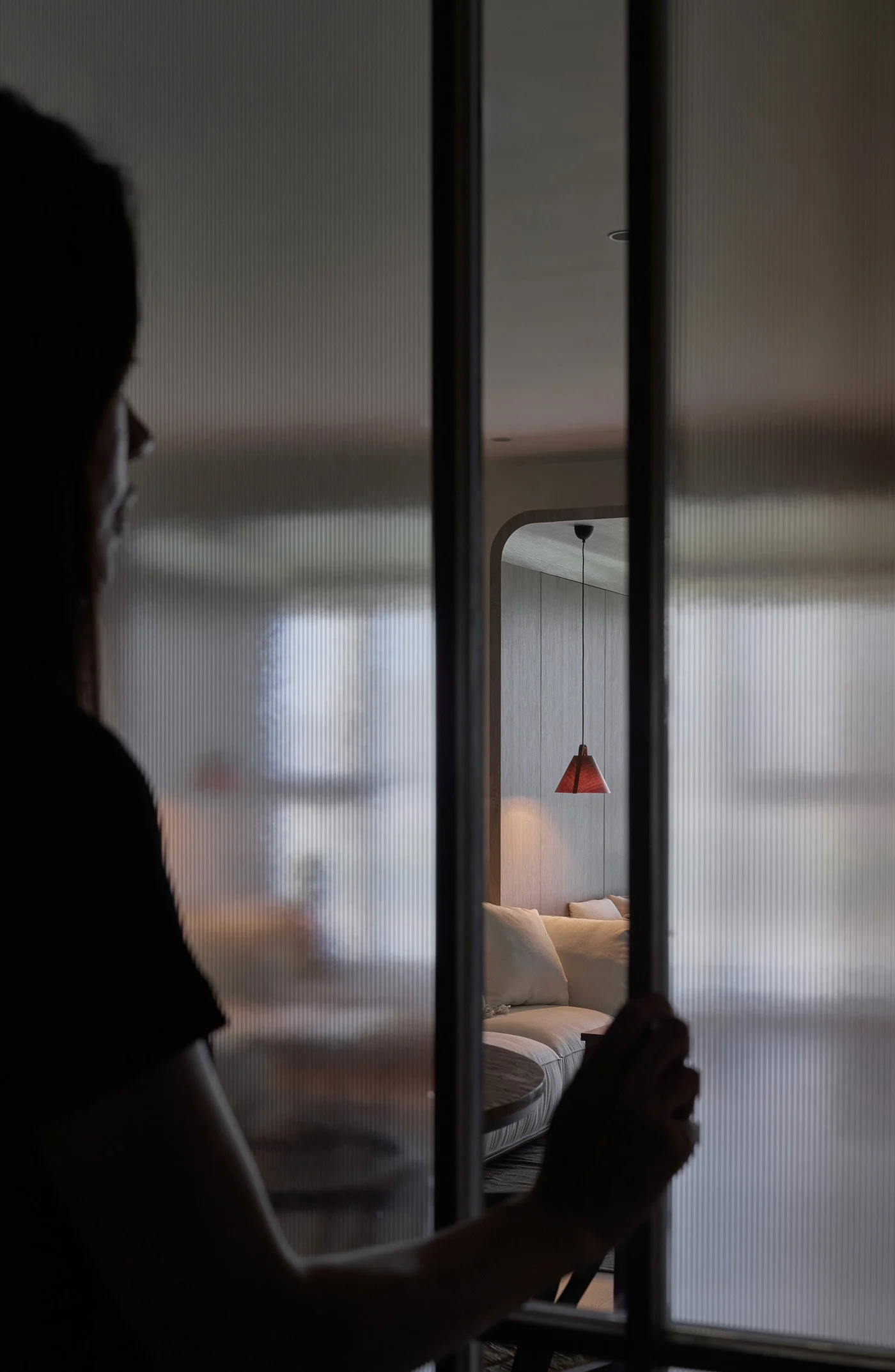
空間/ 艸敘設計
-
Capturing a sense of life is not about softening or blurring a space. It is about amplifying its intent and making that intent visible. When we include traces of how people live, their habits, their rhythms, the way light moves through the room, the space becomes more than just a set of walls and furniture. It becomes a personal environment.
Architectural photography is not about recording a finished interior. It is about revealing the stories a space might carry from the past, and imagining how it could be lived in going forward. This is the second life of a space. And it is what photography can truly offer.
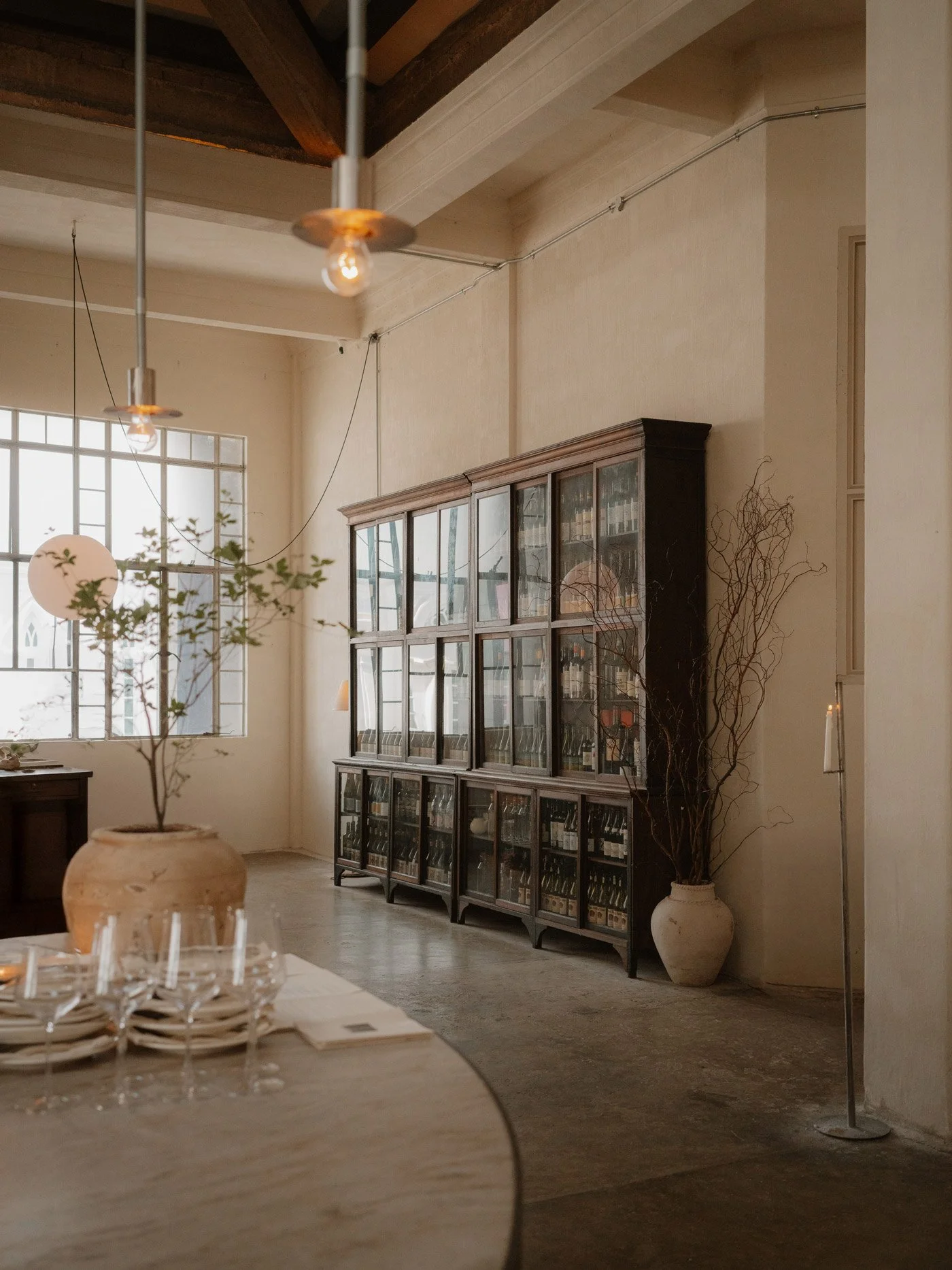
空間/ Wunderwall Design