
逆向思考設計,在材料與形式之間展開想像:走入 messagingleaving 的創作實驗
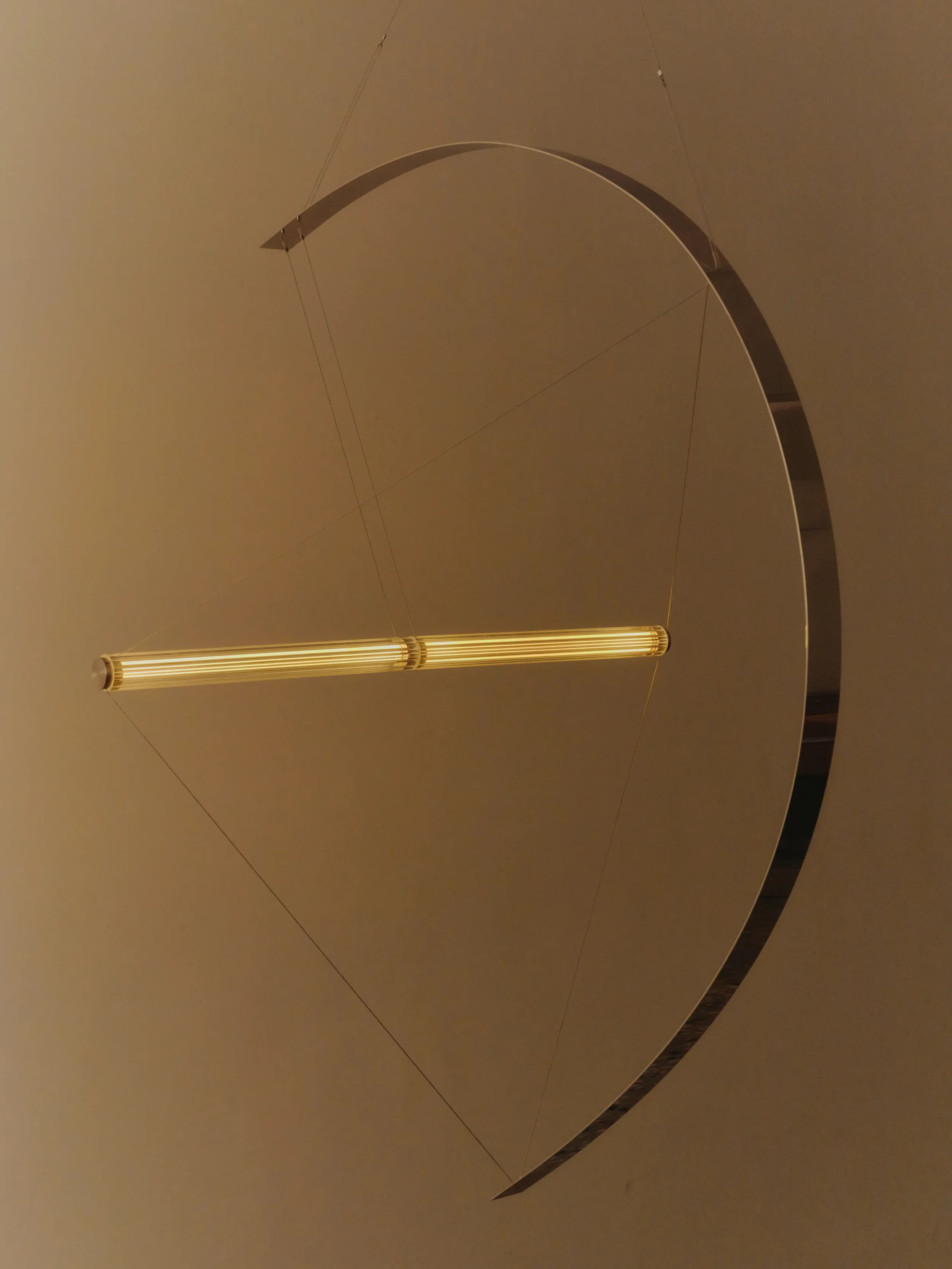
Circuit–Sequence © Yuhao Chang
[ZH]
每一分個體的獨特性,揉合物質和想法,作為訊息留下。
Each unique individuality merges with a variety of materials and thoughts, leaving a message.
在當代設計的脈絡,messagingleaving 位於一個有趣的交界處。它的創作遊走於藝術意圖與設計原則之間,以材料研究為起點,從物質本身的特性、結構與製作方式出發,在工業生產與工藝文化之間尋找可能。創作作品涵蓋家具物件、雕塑與裝置,形式隨著材料實驗不斷延伸,也逐漸發展出一套獨有的創作語彙。
[EN]
Designing from the Inside Out: The Practice of messagingleaving
Each unique individuality merges with a variety of materials and thoughts, leaving a message.
Within the landscape of contemporary design, messagingleaving occupies an intriguing space between artistic intention and design principles. Beginning with an exploration of materials, the studio examines their inherent qualities, structures and methods of production, seeking new possibilities between industrial manufacturing and traditional craftsmanship. Its practice spans furniture, sculptural objects and installations, with forms continually evolving through material experimentation. Over time, this process has given rise to a distinctive creative language of its own.
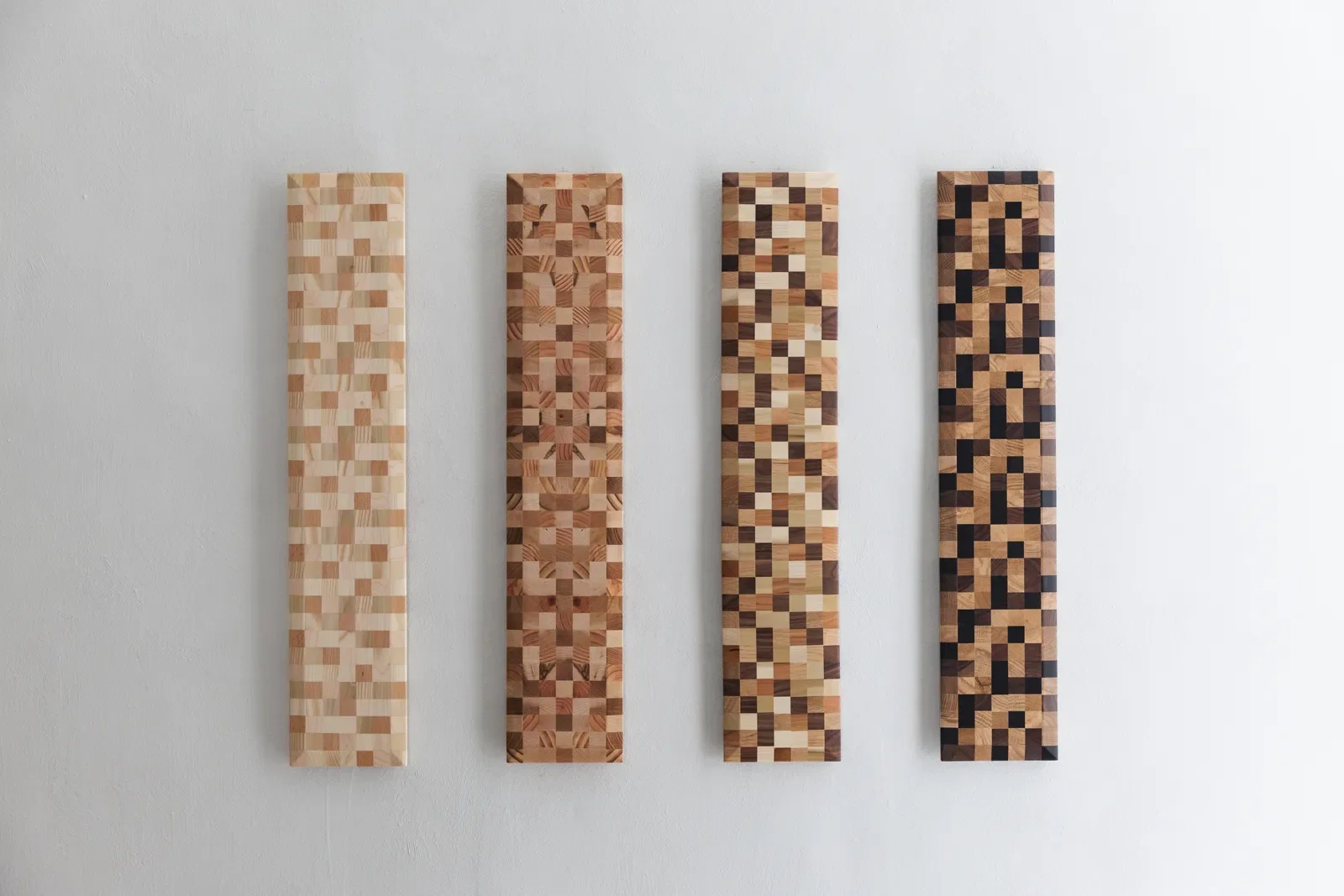
Four Seasons 四季 © 陳婉寧
[ZH]
在設計與藝術之間,為創作留下位置
2021 年,台灣設計師暨藝術家張家翎創立 messagingleaving,以自造組合字為品牌名稱,揉合「傳達訊息」與「留下痕跡」兩層意涵,呼應她對創作身分的想像。她不願受限於既有的設計框架,而是透過材料、結構與製作過程,持續探索物質與設計思維之間的關係。每一件作品就像一則尚未寫完的訊息,隨著時間推進,留下不同階段的想法與痕跡。
這份對創作的想像,與她一路走來的學習和工作經歷密不可分。畢業於實踐大學工業設計系後,張家翎先在一間小型工作室累積實務經驗。隨著對家具設計的好奇逐漸加深,她開始渴望更深入理解大型家具的結構、骨架與製作細節,於是前往東京,加入 Jin Kuramoto Studio(倉本仁事務所)擔任產品設計師。2019 年,她再度遠赴瑞士洛桑藝術與設計學院(ECAL)攻讀奢侈品與工藝設計碩士,進一步在全然不同的文化語境中拆解材料運用與工藝思維。
[EN]
Finding a Place for Creativity Between Art and Design
In 2021, Taiwanese designer and artist Chang Chia-Ling founded messagingleaving, a coined name that brings together two ideas: conveying a message and leaving a trace. It reflects her own understanding of creative practice and the fluid nature of her identity as a maker. Rather than confining herself to established design conventions, she continues to explore the relationship between material and design thinking through structure, process and experimentation. To her, each work is like an unfinished message, carrying traces of ideas and thoughts from different moments in time.
This approach has been shaped by her education and professional experience. After graduating from the Department of Industrial Design at Shih Chien University in Taiwan, Chang began her career at a small design studio, where she gained practical experience. As her interest in furniture grew, so did her desire to understand the structures, frameworks and technical details behind larger pieces. This led her to Tokyo, where she joined Jin Kuramoto Studio as a product designer. In 2019, she moved once again, this time to Switzerland, to pursue a master's degree in Luxury and Craftsmanship at the École cantonale d'art de Lausanne (ECAL). There, she explored materials and craftsmanship through an entirely different cultural perspective.
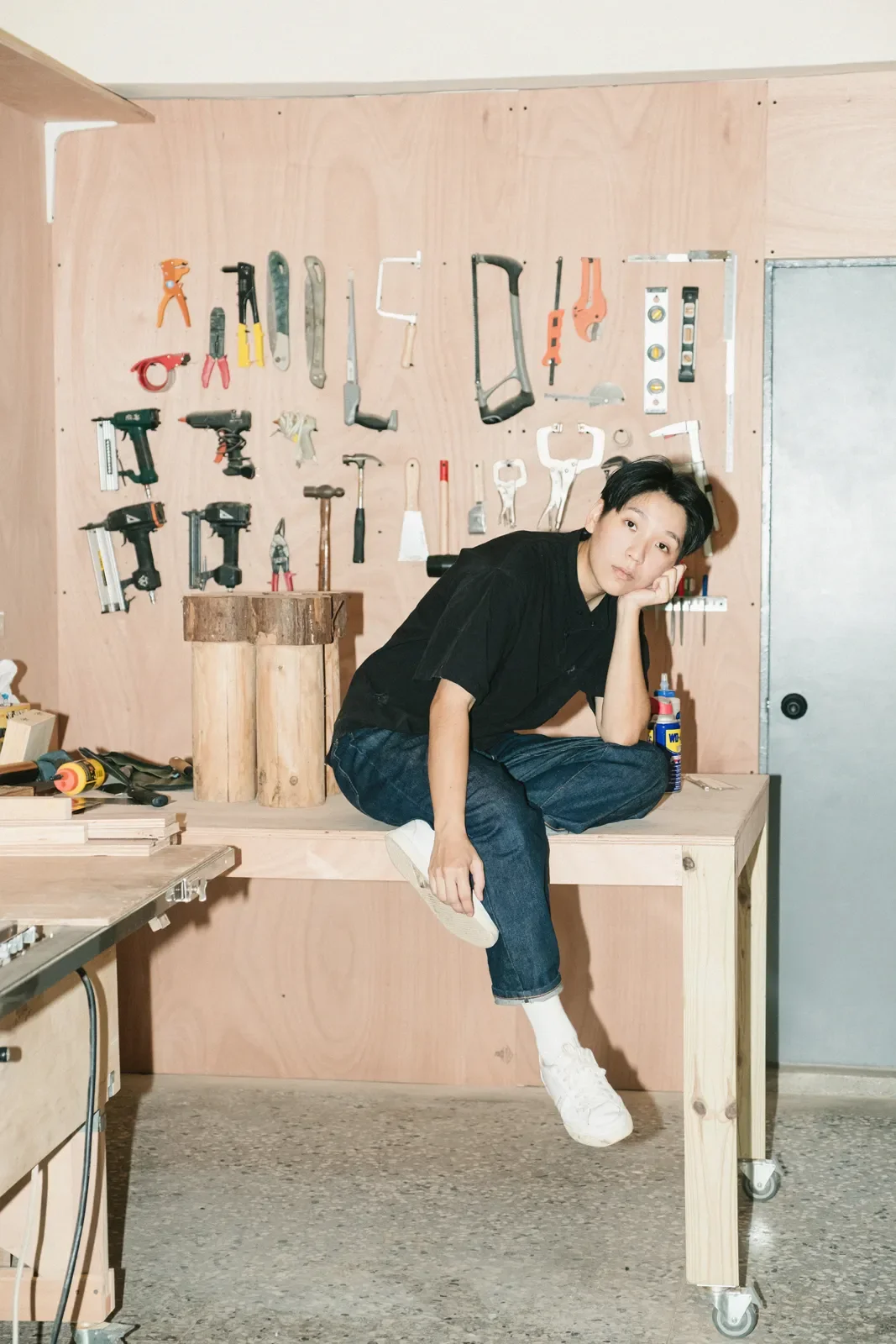
messagingleaving 創辦人張家翎 © 潘怡帆
[ZH]
從台灣的工業設計教育,到東京的產品設計實務,再到瑞士對工藝與奢侈品設計的深入探討,這些經歷逐漸形塑出張家翎對於創作的多重視角。近年,messagingleaving 的作品陸續登上哥本哈根 3daysofdesign、米蘭設計週等國際展會,並於東京、巴黎及峇里島等地展出,接下來也將在首爾展開新的篇章。
談起外界常以設計師或藝術家稱呼她,張家翎有自己的看法。這些稱呼或許方便他人認識她的工作,卻難以涵蓋她實際投入的創作範圍。「我其實沒有特別屬於哪一邊,可能兩邊的成分都有一點。在設計與藝術交疊的模糊地帶裡,創作反而最沒有束縛。」
[EN]
From industrial design education in Taiwan, to product design practice in Tokyo, and then to an in-depth exploration of craftsmanship and luxury design in Switzerland, each experience has contributed to the way Chang approaches her work today. In recent years, messagingleaving has presented its work at international events including 3daysofdesign in Copenhagen and Milan Design Week, as well as exhibitions in Tokyo, Paris and Bali. Seoul is set to be the next chapter.
When asked how she feels about being described as either a designer or an artist, Chang has her own perspective. While these labels may help others understand her work, neither fully captures the breadth of her practice.
"I don't feel that I belong entirely to either side. There is probably a little of both in what I do. Somewhere in that blurred space where art and design overlap, I feel I have the greatest freedom to create."
[ZH]
從結構開始,重新思考設計的順序
許多人認識張家翎的作品,或許是透過丹麥品牌 HAY 的 Knit 衣帽架:一座利用三根金屬管交疊互鎖,便俐落成型物件,也是她在 Jin Kuramoto Studio 參與開發的最後一件家具。
「當初想去日本,起心動念很單純,就是希望能有更多機會接觸家具設計,真正參與一件家具從發想到完成的過程。」張家翎回憶,當時在台灣的設計工作室,能經手的多半是器皿、文具或隨身物件,較少有機會參與大型家具從概念到製作的完整開發流程。直到有一次,她在網路上看見 Jin Kuramoto Studio 為國外品牌設計的一張單椅:椅背沒有多餘的造型裝飾,而是直接借用木造船隻內部肋骨般的龍骨結構轉化為承重骨幹。木材與力學之間緊密扣合的關係,讓她印象深刻,也促使她寄出申請信。
當時,她同時申請了德國設計師 Stefan Diez 的事務所。後來她才發現,Jin Kuramoto 與 Stefan Diez 私底下是好友,兩人的設計思考其實有著非常相近之處。
[EN]
Starting with Structure: Rethinking the Design Process
One of Chang's best-known works may be the Knit coat stand for Danish brand HAY. Made from just three interlocking metal tubes, the piece comes together in a simple yet distinctive form. It was also the last furniture project she worked on at Jin Kuramoto Studio.
"My original reason for going to Japan was quite simple. I wanted more opportunities to work with furniture design and to be involved in the entire process, from the initial idea through to the finished piece," Chang recalls. At the time, the projects available to her at design studios in Taiwan were mostly tableware, stationery and personal accessories. Opportunities to take part in the full development of larger furniture pieces, from concept to production, were relatively limited.
One day, she came across a chair designed by Jin Kuramoto Studio for an overseas brand. Its backrest had no unnecessary decoration. Instead, the designer had taken inspiration from the rib-like framework inside a wooden boat, translating it into a structural support for the chair. The close relationship between the timber and its underlying mechanics left a strong impression on her, prompting her to send in an application.
At the same time, she had also applied to the studio of German designer Stefan Diez. It was only later that she discovered Jin Kuramoto and Stefan Diez were close friends, with remarkably similar approaches to design.
[ZH]
「真的進到 Jin Kuramoto Studio 後,我才清楚自己為什麼喜歡這些作品,一種來自結構本身的純粹。設計一張椅子,不會有任何多餘的零件或裝飾曲面,每一個構件的組合與交接,都有明確的物理目的。」
在 Jin Kuramoto Studio 工作期間,張家翎逐漸打破過去在學校熟悉的設計慣性。她觀察到,台灣業界常見的流程是先完成草圖,再透過電腦軟體建立精細的 3D 模型與渲染圖,接著拿著圖面與師傅討論製作的可行性;但 Jin Kuramoto 經常提醒她,若一開始就設定自己要設計一張椅子,思考很容易侷限於椅子既有的形態,最後仍在熟悉的輪廓裡打轉。
「我們在工作室的做法是完全倒過來的。」設計往往從結構開始,再思考它能發展成什麼樣的物件。她會隨手拿起厚紙板、風扣板或金屬細絲,在桌面上快速製作縮尺模型。透過雙手彎折、擠壓與組合,材料的硬度、彈性與受力方式,便能在實際操作中逐漸顯現。
「當你摸索出一個成立的結構,你可以把它做成椅子,延伸成桌子也可以。動手打樣不是最後確認的步驟,它從第一天開始就是思考的核心。」
在這樣的工作過程裡,模型成為思考的起點,手與材料的直接接觸,也讓設計從抽象構想逐步走向具體。這套以結構和實作為核心的訓練,成為她前往瑞士 ECAL 攻讀碩士後,重新思考創作方向的重要起點。
[EN]
"Once I joined Jin Kuramoto Studio, I began to understand what had drawn me to those pieces in the first place: a certain purity that comes from the structure itself. When designing a chair, there are no unnecessary components or decorative surfaces. Every connection and junction between its parts serves a clear physical purpose."
During her time at the studio, Chang gradually moved away from the design habits she had developed at university. She observed that a common approach in Taiwan was to begin with sketches, then create detailed 3D models and renderings using computer software before taking the drawings to craftsmen to discuss whether the design could be made. Jin Kuramoto, however, often reminded her that deciding from the outset to design a chair could easily limit the thinking to familiar ideas of what a chair should look like, leaving little room to move beyond established forms.
"The way we worked in the studio was the complete opposite." Rather than starting with a predetermined object, the process often began with a structure, followed by the question of what that structure might become. Chang would pick up thick card, foam board or fine metal wire and quickly build small-scale models on her desk. By bending, compressing and assembling materials with her hands, she could discover their rigidity, flexibility and response to physical forces through direct experimentation.
"Once you find a structure that works, you can turn it into a chair, or develop it into a table. Making prototypes isn't the final stage of checking whether something works. It's at the heart of the thinking process from day one."
Through this way of working, models became the starting point for ideas, while direct contact between hand and material allowed abstract concepts to take shape. This grounding in structure and hands-on experimentation would later become an important foundation for rethinking her creative direction during her master's studies at ECAL in Switzerland.
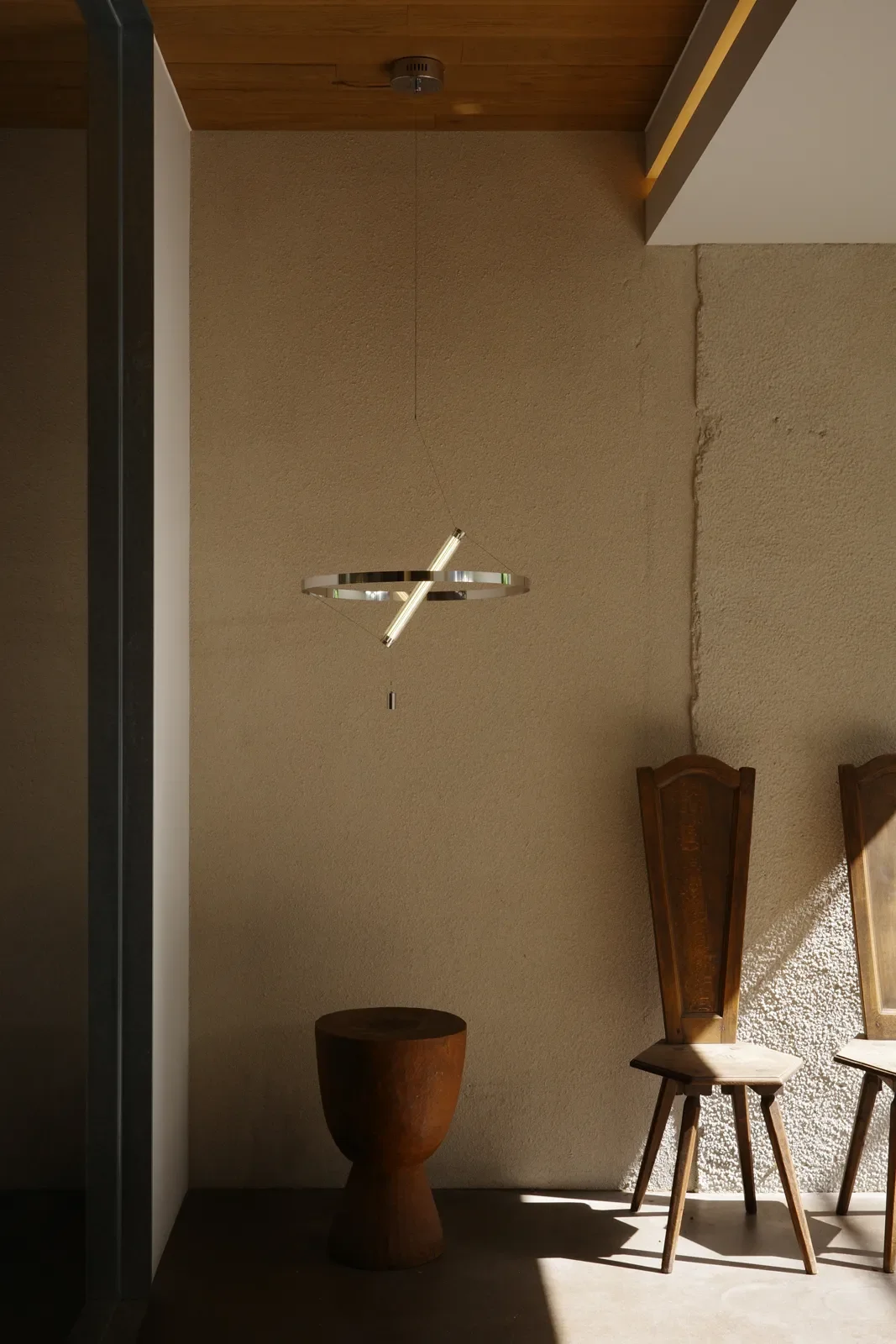
Circuit–Sequence © messagingleaving
[ZH]
卸下功能的包袱,讓材料展開想像
ECAL 的 Luxury and Craftsmanship 碩士班,匯集了純藝術、平面設計、時尚與工業設計等多元背景的創作者。置身其中的張家翎,開始重新審視自己在商業體系裡的位置:「在日本做家具做得很過癮,沙發、單椅、衣帽架都經手過,但商業市場每個季度都在追問:下一張椅子在哪裡?我忍不住反問自己,這個世界真的需要這麼多被大量製造出來的物件嗎?」
帶著這份自省,以及在日本磨練出的結構敏銳度,她在瑞士的畢業製作發展出了《Sequence》系列。作品由木材、天然石塊與精密金屬零件構成,完全不依賴螺絲釘或黏膠,單憑物件自身的重量、張力與支點維持著微妙平衡。材料之間的相互牽引與支撐,成了作品成立的唯一依據,也讓純粹的力學結構成為整體作品的焦點。
[EN]
Letting Go of Function to Make Room for Imagination
ECAL's master's programme in Luxury and Craftsmanship brought together students from a wide range of disciplines, including fine art, graphic design, fashion and industrial design. Being part of this diverse environment prompted Chang to reconsider her position within the commercial design industry.
"I really enjoyed making furniture in Japan. I had worked on sofas, chairs and coat stands, but the commercial market keeps asking the same question every season: where is the next chair? I started asking myself whether the world really needs so many mass-produced objects."
With these questions in mind, and drawing on the sensitivity to structure she had developed in Japan, Chang created the Sequence series as her graduation project in Switzerland. Comprising timber, natural stone and precision-engineered metal components, the works rely entirely on their own weight, tension and points of support to maintain a delicate balance, without screws or adhesives. The materials hold and counterbalance one another, with the mechanics of the structure becoming the central focus of each piece.
[ZH]
製作模型時,她注意到上方的圓錐形結構,便問系主任:「這個圓錐裡面好像可以裝水,要不要把它定義成花瓶?或是向旁邊延伸,做成一張玄關小几?」
系主任的回答,讓她重新思考作品的定位:「一旦替它命名,說它是桌子或花瓶,大家看一眼就知道它是什麼,對話也就結束了。但如果保留它原本的結構,人們或許會停下來,好奇一個圓錐為什麼能穩穩立在粗糙的石頭上。這時,想像才真正開始。」
這讓她開始鬆開對實用性的既定想像。當作品不急著被歸類為某種物件,觀看者便有機會將注意力放在材料、重量與支撐關係上,從中發現更多理解作品的角度。作品也因此保留更開放的狀態,讓每個人都能帶著自己的經驗與想像走近它。
我不再急著去界定它到底是什麼。讓材料與物理現象自己在空間裡說話,這就是 messagingleaving 最核心的態度。
[EN]
While making a model, she noticed the conical structure at the top and asked her course director: "It looks as though you could put water inside this cone. Should I define it as a vase? Or perhaps extend it to the side and turn it into a small console table for an entrance hall?"
The response made her reconsider how the work should be positioned.
"Once you give something a name and tell people it's a table or a vase, they look at it and immediately know what it is. The conversation ends there. But if you leave it as a structure in its own right, people might stop and wonder how a cone can stand so steadily on a rough stone. That's when the imagination really begins."
The conversation encouraged her to loosen her assumptions about function. When a work is not immediately assigned to a particular category of object, viewers can focus on its materials, weight and points of support, discovering their own ways of understanding it. The work remains open to interpretation, allowing each person to approach it with their own experiences and imagination.
I no longer feel the need to define exactly what something is. I let the materials and physical phenomena speak for themselves in the space. That's at the heart of messagingleaving.
Reading the Sky © messagingleaving
[ZH]
在不可逆的瑕疵裡實驗,留下材料的原始痕跡
2020 年底回到台灣後,張家翎於隔年正式成立個人品牌 messagingleaving,也開始將創作實驗與台灣在地產業與傳統工業結合。
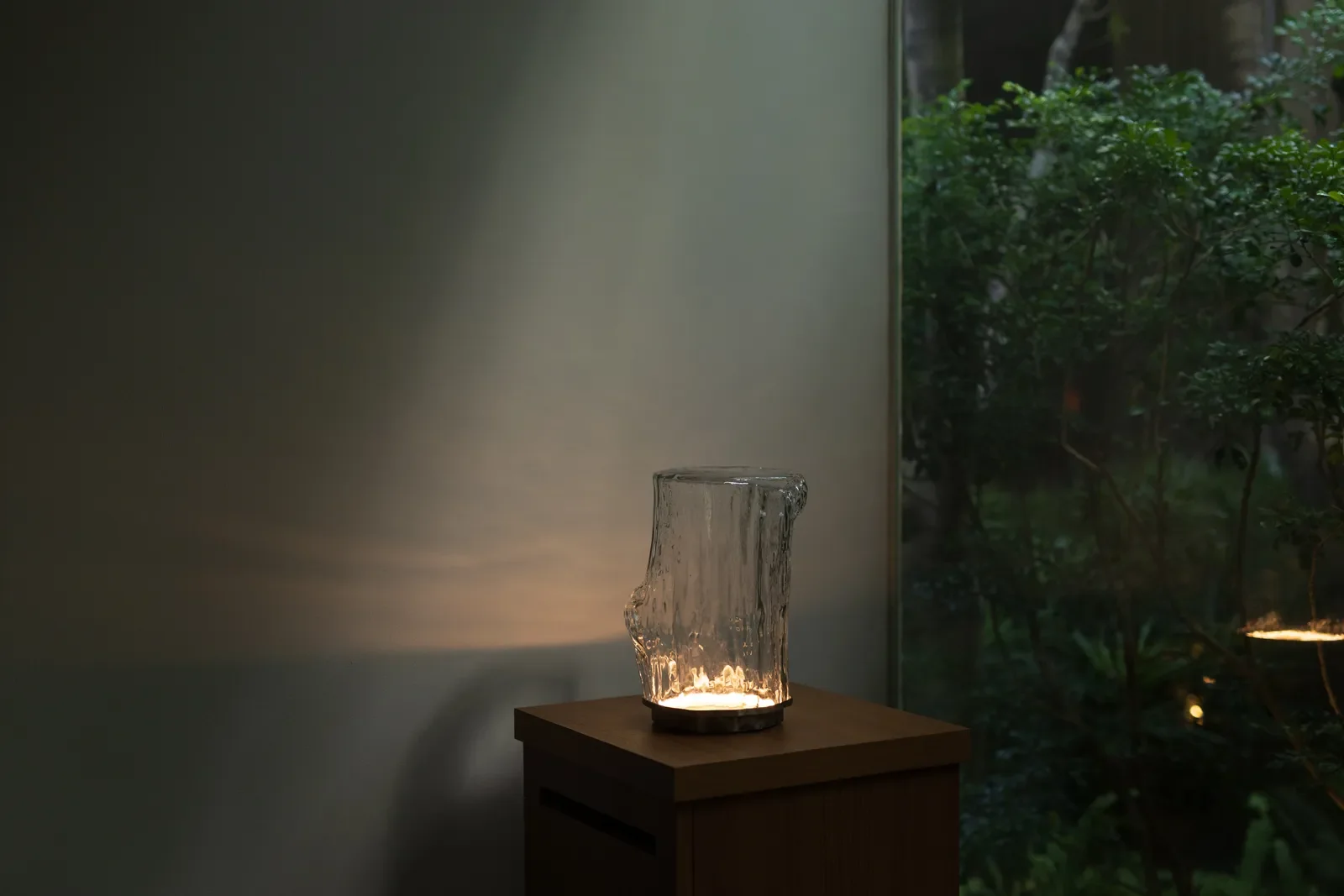
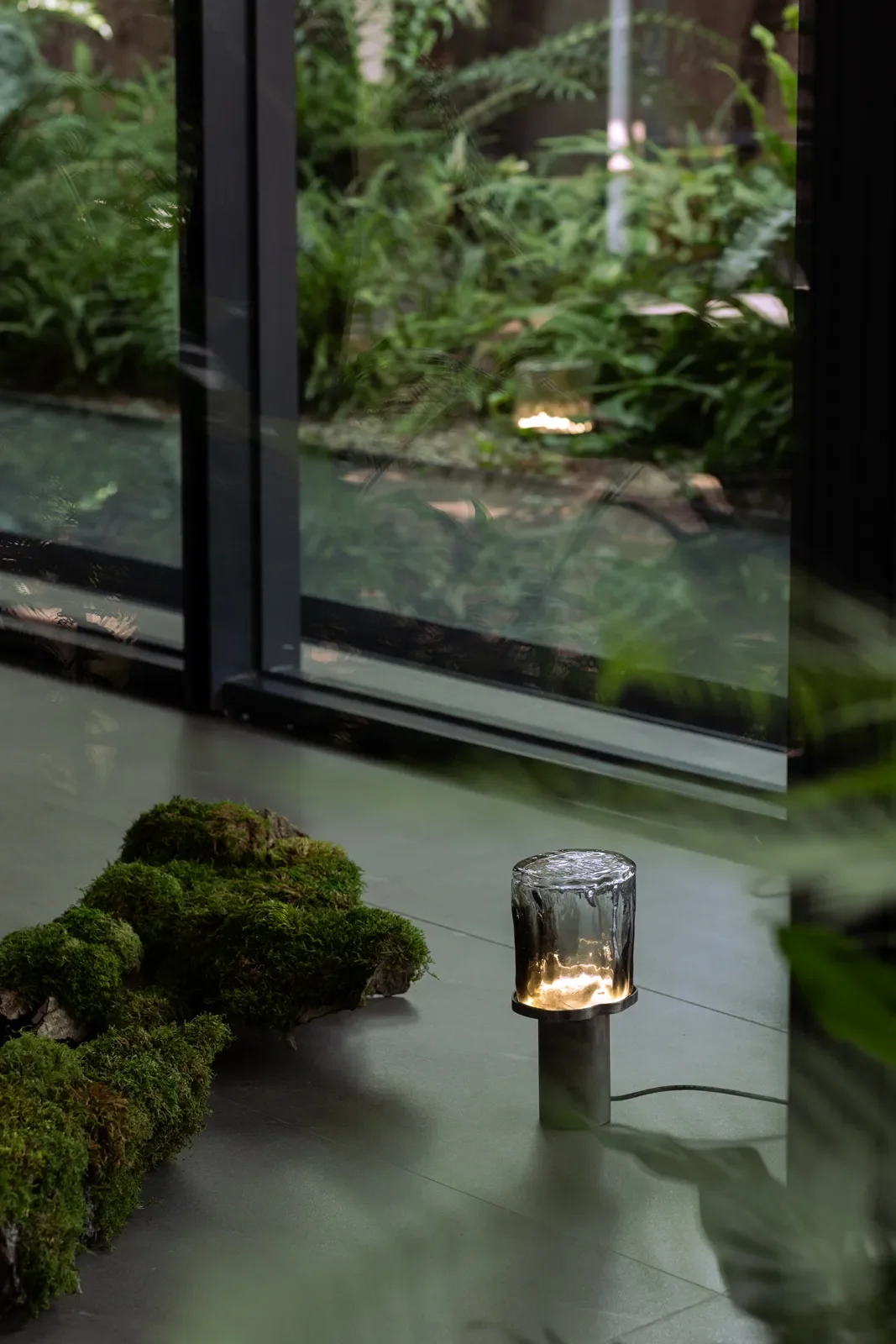
其中一項具挑戰性的合作,是替台中陸府建設設計的景觀燈具 Cast from Tree。
陸府建設長期關注生態綠意與台灣原生植物的維護。為了尋找合適的模具材料,張家翎特地走訪台灣在地製材廠,找到因歲月而自然腐朽的老紅檜,以及內部中空的柳杉。樹木隨著時間推移,內部逐漸形成不規則的孔洞;這些在一般伐木場眼中近似廢料的木材,到了她手中,卻成了時間刻鑿出的自然造形。
[EN]
Working with Irreversible Imperfections: Preserving the Traces of Materials
After returning to Taiwan at the end of 2020, Chang officially established messagingleaving the following year. She also began bringing her creative experiments into closer dialogue with local industries and traditional manufacturing practices.
One particularly challenging collaboration was Cast from Tree, a landscape lighting project created for Taichung-based developer Live Forever.
Live Forever has long placed an emphasis on ecological greenery and the preservation of Taiwan's native plants. In search of suitable materials for the moulds, Chang visited local timber mills across Taiwan, where she found old red cypress that had naturally decayed over time, as well as Japanese cedar with hollow interiors. As trees age, irregular cavities can gradually form within their trunks. Materials that might otherwise be regarded as waste at a conventional timber yard became, in her eyes, natural forms shaped by time.
Cast from Tree 景觀燈 © 陳婉寧
[ZH]
「我們找來這些內部自然腐爛的木料,將樹幹剖開,直接用中間帶有炭化空洞的樹心,充當吹製玻璃的模具。」
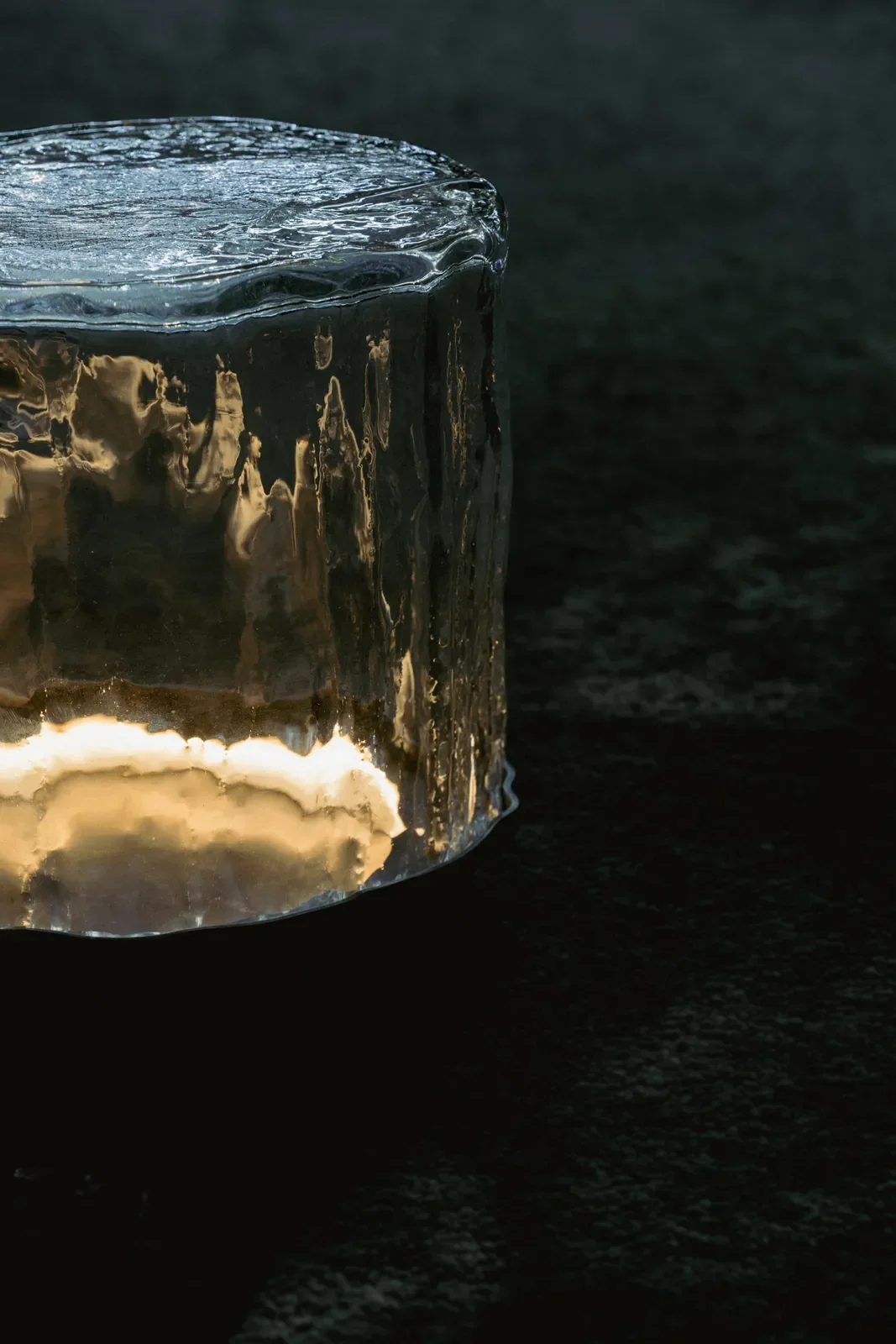
這種做法也讓製作過程充滿變數。傳統吹玻璃仰賴耐高溫的金屬模或石墨模;但當攝氏上千度的熾熱玻璃漿直接灌進木模時,木頭在高溫中持續燒蝕、炭化,每完成一次吹製,模具內部的空間便會因燒蝕而擴大,無法恢復原狀。
「每吹一顆玻璃,形狀都不一樣,表面更直接轉印上木頭被大火燒烤後的纖維炭痕與樹節紋理。」由於口吹玻璃冷卻後的底部邊界完全是不規則的有機線條,無法套用任何現成規格,負責金屬底座的板金師傅只能依照每顆玻璃冷卻後的底部輪廓,逐一手工敲製吻合的卡槽。
整個系列一共手工製作出 26 件作品。過程雖然磨人,卻也讓她進一步思考手工製作與工業生產之間的關係。「獨特性不應該意味著無限上綱的手工修磨。未來的改良版本,我會把玻璃表面的有機紋理保留下來,但底座接口改用標準規格,讓手作的生命力與工業生產的理性找到健康的平衡點。」
[EN]
"We found pieces of timber that had naturally decayed inside. After splitting open the trunks, we used the hollowed, carbonised heartwood directly as moulds for glassblowing."
This approach made the production process highly unpredictable. Traditional glassblowing relies on heat-resistant metal or graphite moulds. Here, however, molten glass at temperatures exceeding 1,000°C came into direct contact with the wooden moulds. The timber continued to burn and carbonise under the intense heat, and with each glass piece produced, the cavity inside the mould grew larger. Its original form could never be restored.
"Every piece of glass came out differently. The surface also picked up the charred fibres and knots of the wood, marked by the intense heat." Once the hand-blown glass had cooled, its base formed an entirely irregular, organic edge that could not be fitted into any standard component. The sheet-metal craftsman responsible for the metal bases therefore had to hand-hammer a matching slot for each individual piece, following the precise outline of its cooled glass base.
A total of 26 pieces were handmade for the series. Although the process was demanding, it led Chang to consider more deeply the relationship between handcraft and industrial production.
"Uniqueness shouldn't mean endless hours of hand-finishing. In a future revised version, I would keep the organic textures on the glass surface but use a standardised connection for the base. I want to find a healthy balance between the character of handmade work and the rationality of industrial production."
Cast from Tree 景觀燈 © 陳婉寧
Cast from Tree 景觀燈 © 陳婉寧
[ZH]
當電流成為結構,光也有了新的路徑
除了材料本身的變化,張家翎也持續探索結構與物理現象之間的關係。
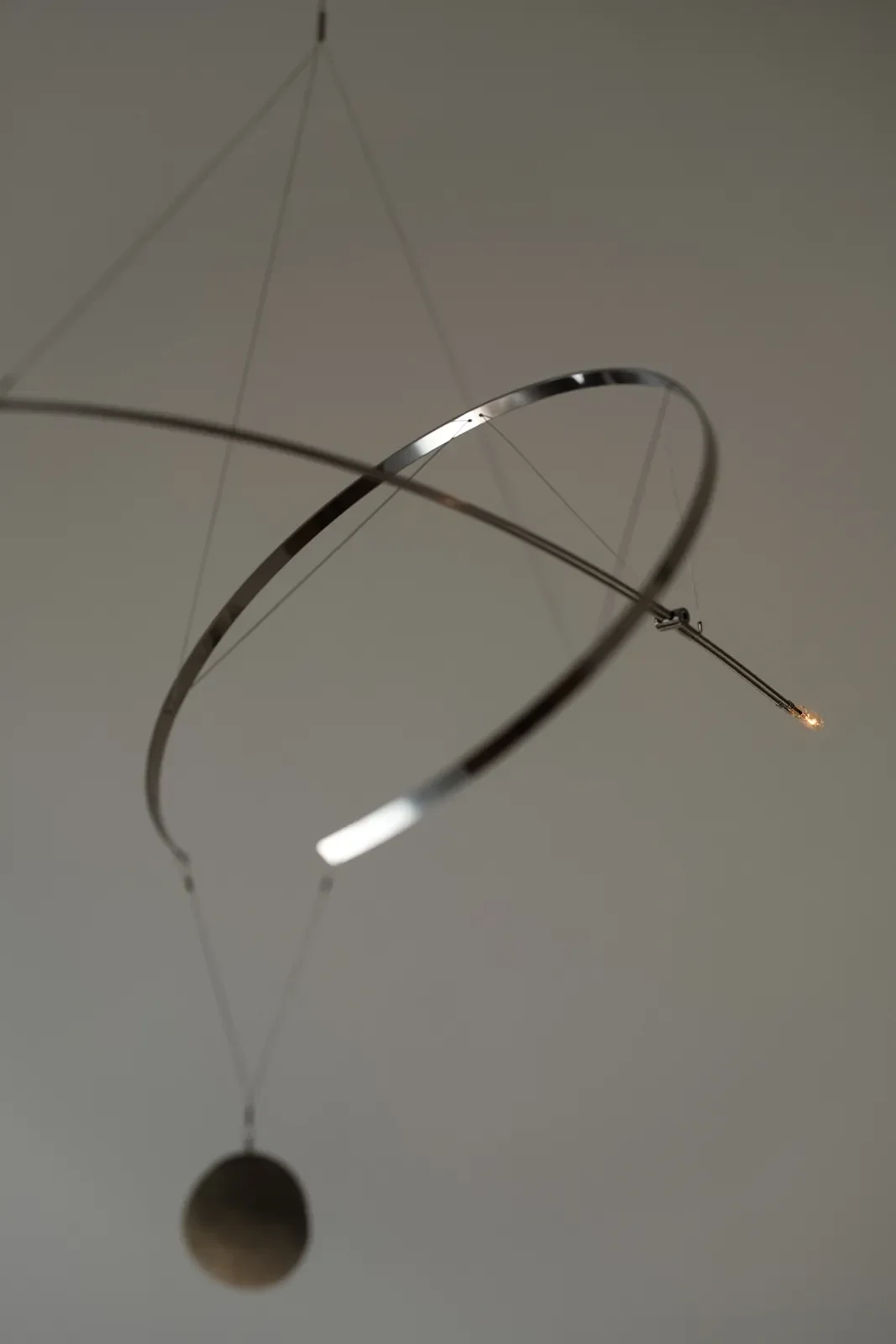
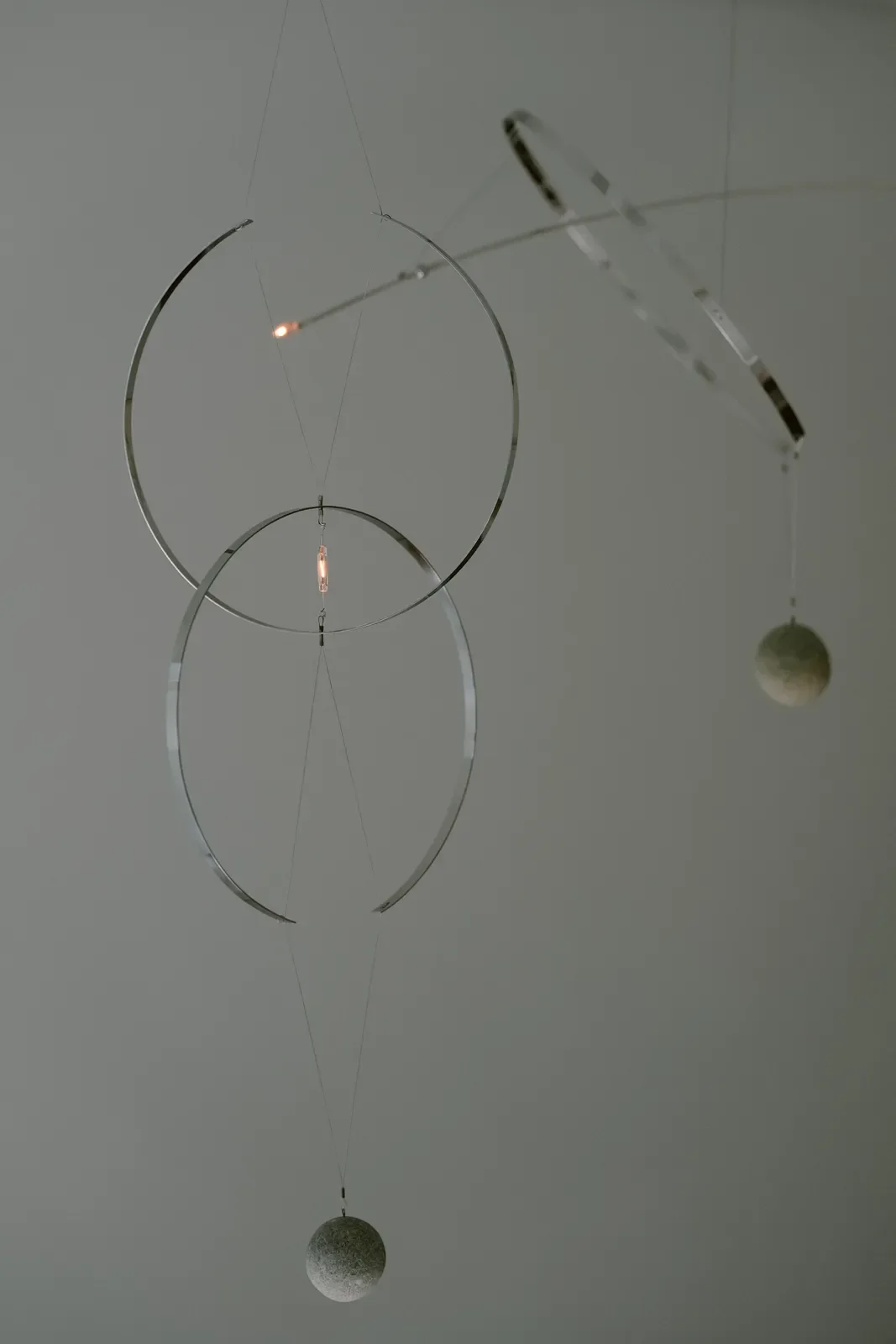
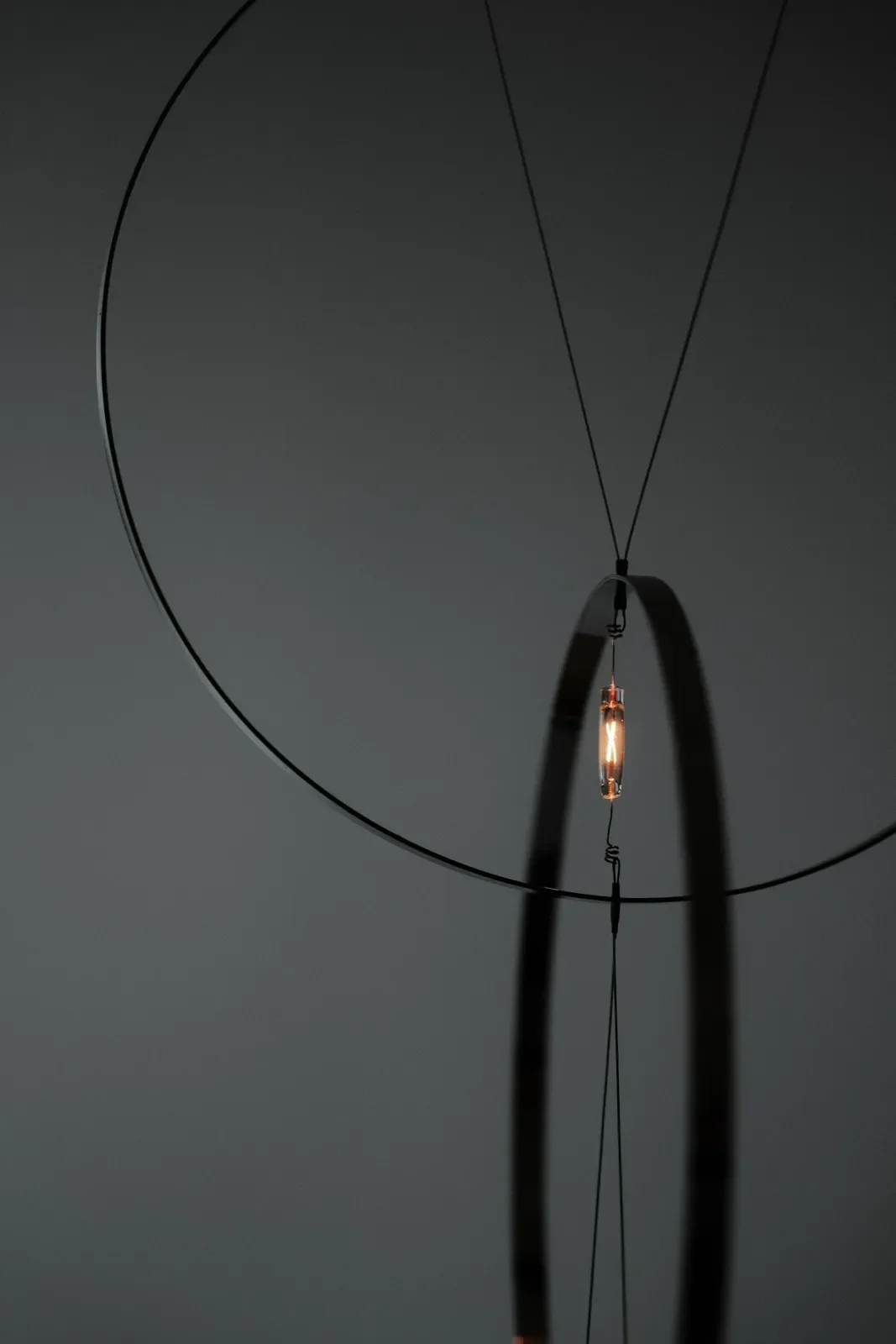
在後續發展的 Circuit 系列燈具裡,她將極細的高拉力鋼索當成支撐結構與導電媒介,一端接正極、一端接負極,利用 12 伏特的低壓電穿過金屬懸臂,直接點亮尾端的燈絲。電路與支撐系統在同一套結構中交會,讓原本負責固定與承重的元素,也成為光線得以產生的媒介。
這項實驗也延伸至她即將在首爾發表的新作。受邀參與韓國雙人策展團隊策劃的第三屆《Bread and Butter》展覽,張家翎設計一款結合動態懸吊雕塑與微弱光源的小夜燈。作品以金屬平衡臂搭建懸吊結構,並透過纖細的懸掛鋼索形成導電迴路,在動態平衡的懸臂一端,點亮一顆散發溫潤光線的小鎢絲燈泡。
[EN]
When Electricity Becomes Structure, Light Finds a New Path
Alongside her exploration of materials, Chang continues to investigate the relationship between structure and physical phenomena.
In her subsequent Circuit lighting series, she uses extremely fine, high-tensile steel cables as both structural supports and electrical conductors. One end connects to the positive terminal and the other to the negative, allowing a 12-volt low-voltage current to pass through the metal cantilever and illuminate a filament at its tip. The electrical circuit and the supporting structure become part of the same system, turning an element that would ordinarily provide stability and support into the very means by which light is produced.
The experiment continues in a new work she is preparing to present in Seoul. Invited to take part in the third edition of Bread and Butter, organised by a Korean curatorial duo, Chang has designed a small night light that combines a kinetic suspended sculpture with a subtle light source. A metal balancing arm forms the suspended structure, while slender hanging steel cables complete the electrical circuit. At one end of the dynamically balanced arm, a small tungsten filament bulb emits a warm, gentle glow.
Reading the Sky © messagingleaving
[ZH]
「很多朋友來工作室看打樣,常常站在它前面看很久,滿臉納悶地問:這盞燈到底把電池藏在哪裡?」她笑著說。「當我告訴他們,支撐整個平衡結構的金屬線本身就在通電時,大家才恍然大悟。以前做一盞標準造型的燈,大家看到開關就順手按下去,不會多想光是怎麼來的;當你做了一個看似沒有直接用途、只是在空間裡靜靜旋轉的平衡吊飾時,大家反而會開始注意結構與電流之間的關係,也更容易看見光線背後的原理。」
[EN]
"Friends often come to the studio to see the prototype. They'll stand in front of it for ages, looking rather puzzled, and ask, 'Where on earth have you hidden the battery?'" she says with a laugh. "When I explain that the metal wire supporting the entire balancing structure is actually carrying the current, it suddenly makes sense to them. With a conventional lamp, people see a switch and simply turn it on. They rarely stop to think about where the light comes from. But when you create something that appears to have no obvious practical purpose, a balancing ornament quietly rotating in space, people start paying attention to the relationship between the structure and the electrical current. They become more aware of the principles behind the light itself."
Reading the Sky © messagingleaving
[ZH]
從國際展場回望,重新發掘島嶼的可能
長年在不同國家參展,張家翎逐漸感受到不同地域的生活文化如何影響觀者的審美感知。
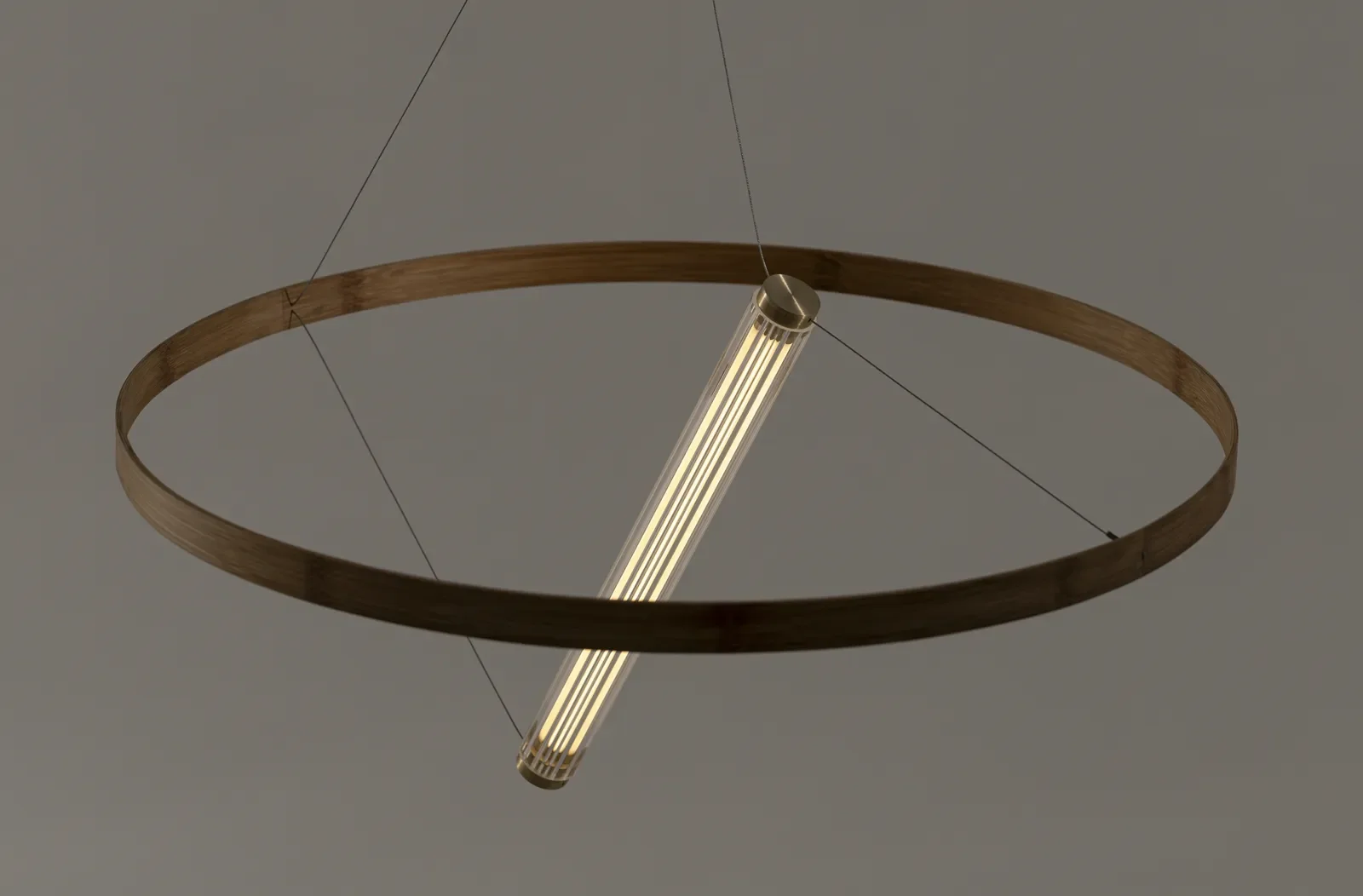
「在米蘭,大家期待看到高彩度、造型強烈、視覺搶眼的大作;但在丹麥 3daysofdesign,北歐人從小家裡就擺著經典設計單椅,連路邊的路燈都是知名設計品牌,他們的審美起點很高,不太需要花力氣解釋設計語彙,可以很放鬆地與訪客聊材料實驗;到了峇里島,當地的創作能量直接且具生命力,我曾將一件燈具改以竹編製作,帶到當地展出,當地人看了卻說,如果換成原本俐落的金屬折板,反而會更迷人。」
同一件作品,放進不同的文化脈絡裡,便會激盪出截然不同的對話。材料的熟悉程度、日常經驗與地方審美,都會影響人們觀看設計的方式和角度。各類跨地域的交流,讓張家翎開始將目光重新放回台灣,思考這座島嶼既有的製造條件與材料資源,還能發展出哪些新可能。
[EN]
Looking Back from International Exhibitions to Rediscover Taiwan's Potential
After exhibiting in different countries over the years, Chang has become increasingly aware of how local cultures and everyday experiences shape people's aesthetic sensibilities.
"In Milan, people tend to expect bold, highly saturated colours and striking forms that make a strong visual statement. At 3daysofdesign in Denmark, on the other hand, people grow up surrounded by classic designer chairs at home. Even the streetlights along the road might come from well-known design brands. Their starting point for understanding design is already quite high, so there's less need to explain the design language. You can simply have a relaxed conversation with visitors about material experiments. In Bali, the creative energy is much more direct and full of life. I once took a lighting piece there that I had adapted using bamboo weaving. The locals were quite honest and told me that the original, more streamlined folded-metal version would actually have been more appealing."
Placed within different cultural contexts, the same work can give rise to entirely different conversations. Familiarity with materials, everyday experiences and local aesthetics all influence how people see and engage with design. These exchanges across different places have also encouraged Chang to turn her attention back to Taiwan, reconsidering the manufacturing capabilities and material resources already present on the island, and the possibilities they might hold for the future.
Circuit–Sequence bamboo edition © Leo Lee
[ZH]
從一塊拼木開始,為剩餘木料開啟新篇章
近年她與台中在地品牌森手木工的深度合作,就是這個想法的體現。
森手木工以實木家具為主要產品,由兩代人共同經營,長期製作榫接床架與大餐桌在市場上建立口碑,過去較少與外部獨立設計師合作。第一次走進工廠,她在庫存木材旁發現一塊積著灰塵的棋盤格拼接木塊。詢問之後才知道,那是師傅利用日常裁切剩下的邊角料隨手拼成的木塊,原本只放在倉庫裡當作鍋墊使用。這塊木料讓她留下深刻印象,幾種色澤各異的硬木拼在一起,呈現出自然的色彩層次與幾何趣味,也從中看見工廠裡尚未被發掘的材料價值。
[EN]
From a Wooden Offcut to a New Chapter for Leftover Materials
Her recent collaboration with Taichung-based furniture brand MORiii is a reflection of this thinking.
Specialising in solid wood furniture, MORiii is run by two generations of the same family. The company has built its reputation over the years through its mortise-and-tenon bed frames and large dining tables, but had relatively little experience working with independent designers from outside the business.
On her first visit to the factory, Chang noticed a dusty, chequerboard-patterned wooden block sitting beside the stored timber. When she asked what it was for, she learnt that one of the craftsmen had casually assembled it from offcuts left over from everyday production. It had simply been kept in the warehouse and used as a trivet. The piece stayed with her. Several hardwoods in different shades had been brought together in a simple geometric arrangement, creating an appealing interplay of colour and pattern. In it, she recognised a material value that the factory itself had yet to fully explore.
[ZH]
森手長期承接各種客製訂單,庫存裡累積大量等級極佳的零碎硬木,如深褐的胡桃木、淡黃的梣木、粉質色澤的山毛櫸等。她向品牌提議展開「四季拼木」計畫:不需要工廠花大錢開新模具,無須大幅改動工廠原有的生產流程,運用既有木材,重新安排不同木種的色彩比例與幾何拼接方式,讓庫存材料有機會發展成新的作品。
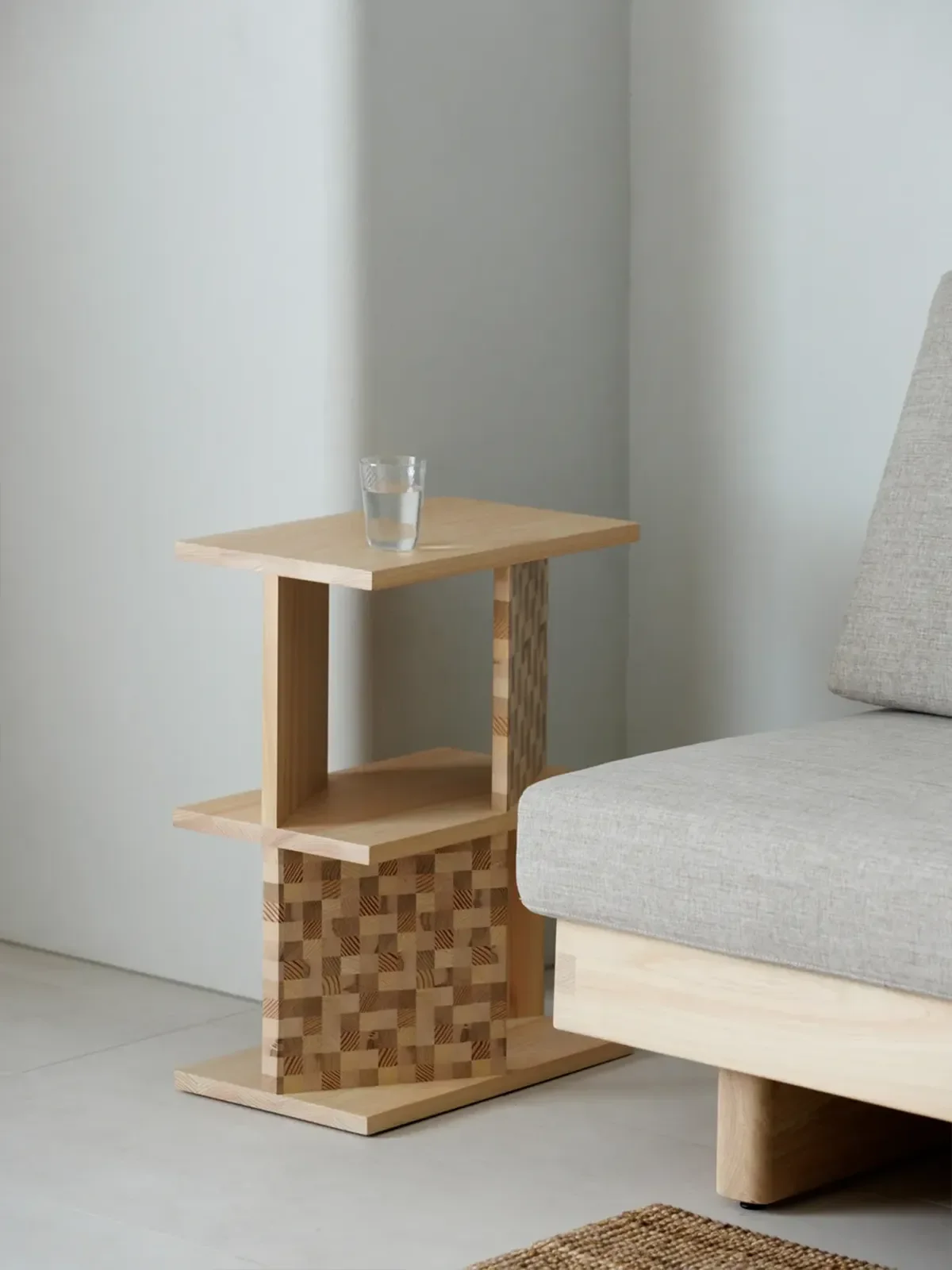
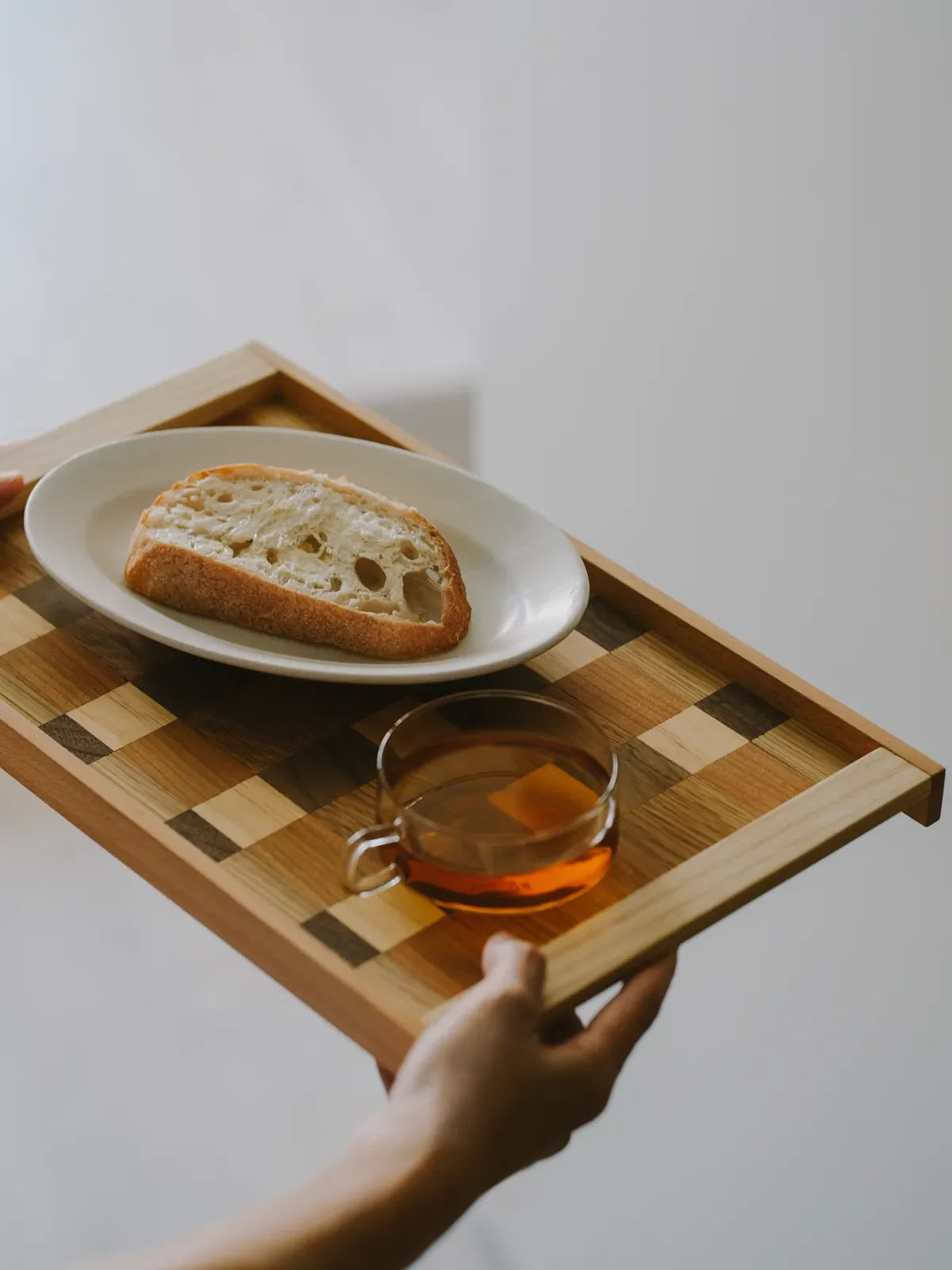
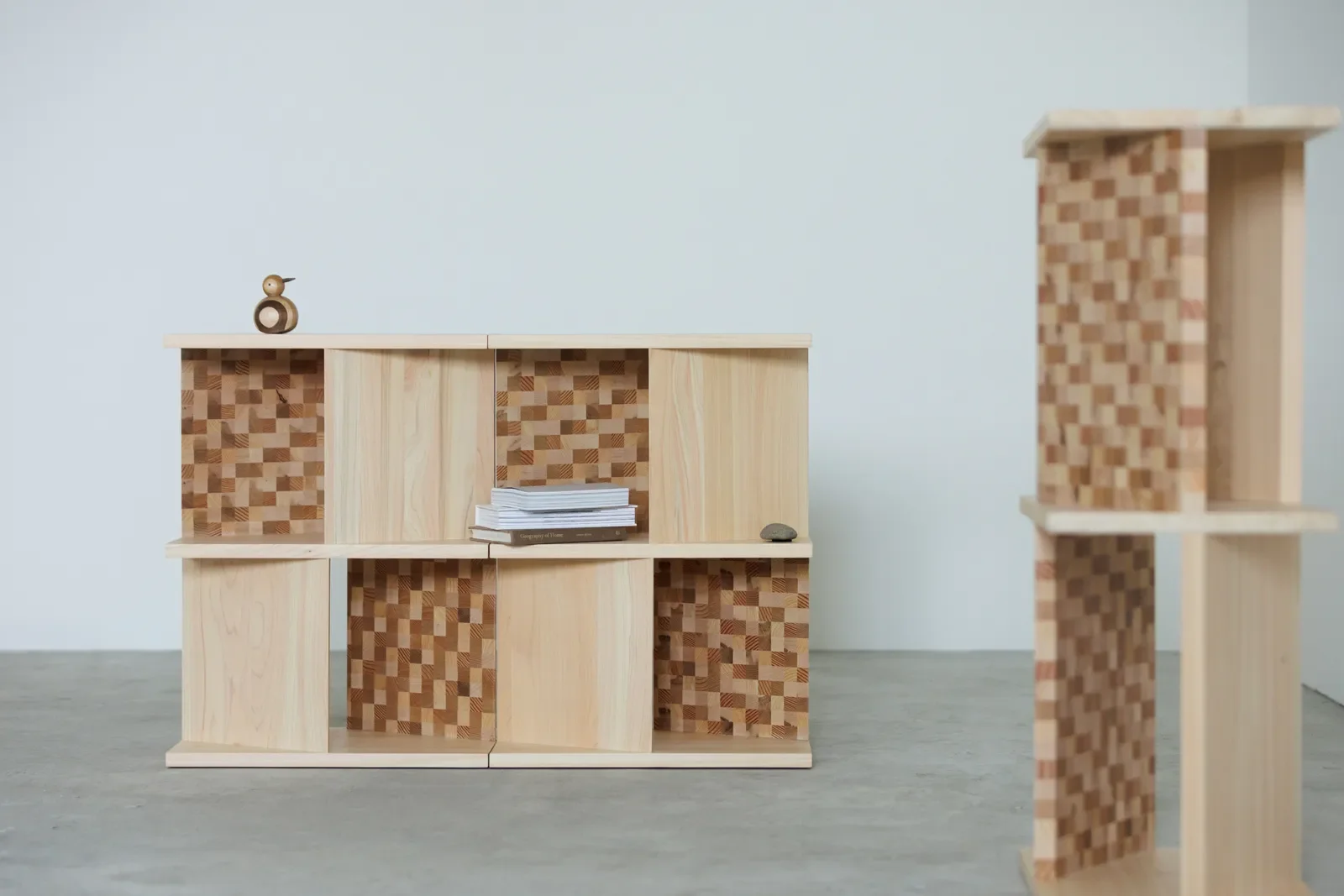
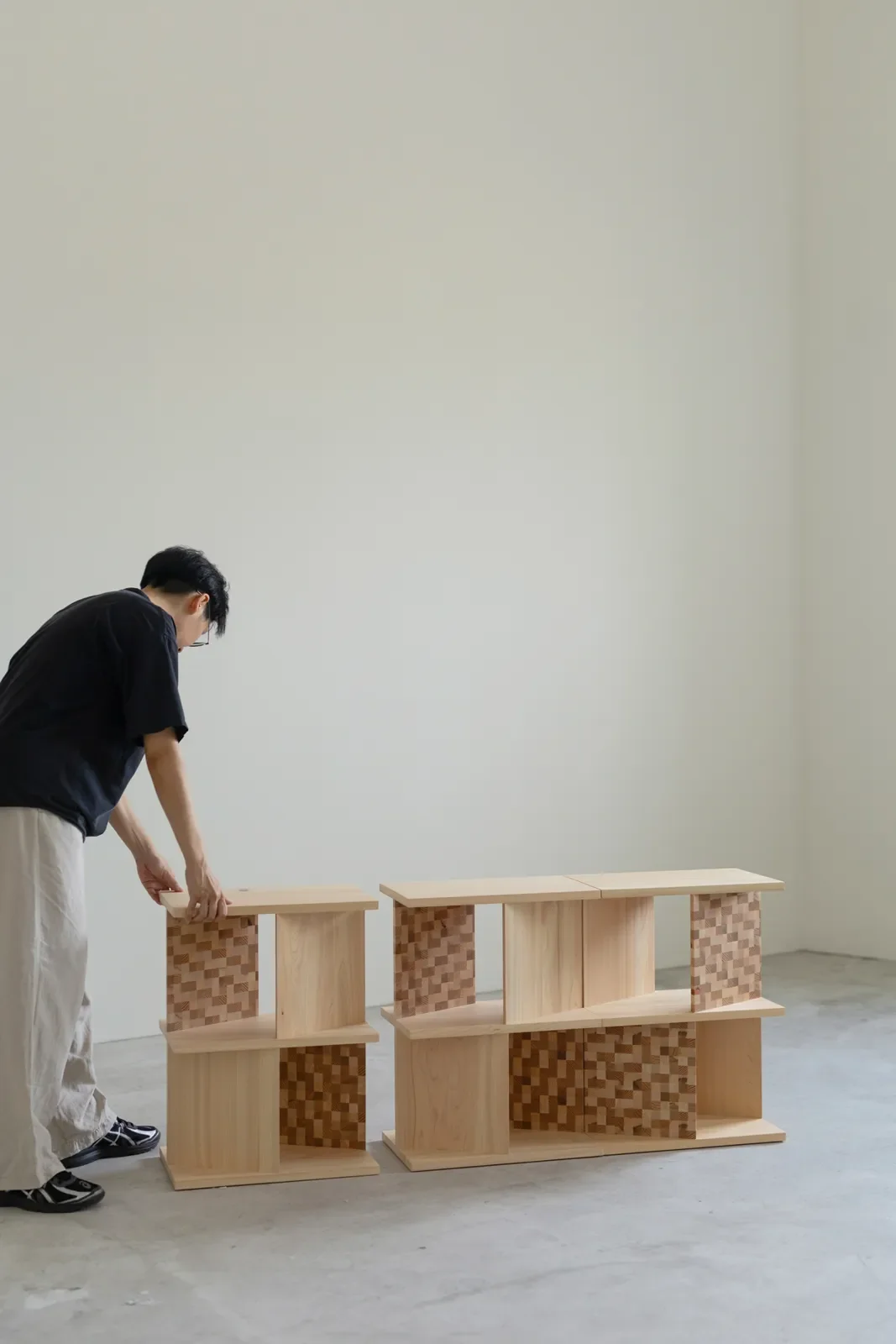
這項合作從掛在門市展示的四季拼木裝飾板開始,接著發展出限量的夏季拼木邊桌,今年深秋則推出尺寸更小,適合日常使用的秋季拼木托盤。托盤選用三種木材,透過木紋方向的交錯排列,在平面上形成近似立體空間的視覺錯覺。
[EN]
Through years of fulfilling bespoke orders, MORiii had accumulated a substantial stock of high-grade hardwood offcuts, including deep brown walnut, pale yellow ash and softly pink-toned beech. Chang proposed a project called Four Seasons Wood Mosaic, which would make use of the timber already available in the factory. By reworking the colour proportions and geometric arrangements of different wood species, these leftover materials could be developed into new pieces. The proposal required neither costly new moulds nor major changes to the factory's existing production process.
The collaboration began with a series of Four Seasons Wood Mosaic decorative panels displayed in the showroom, followed by a limited-edition summer side table. In late autumn this year, the partners introduced a smaller autumn tray designed for everyday use. Made from three types of wood, the tray features intersecting grain directions that create an optical illusion of three-dimensional space across its flat surface.
Summer Series 夏季系列 © 陳婉寧
Autumn Tray 秋季托盤 © messagingleaving
[ZH]
「傳統工廠轉型,最怕設計師一進去就要求把生產線全部換掉,那會帶來很大的壓力和成本。」張家翎說。「我想做的不是推翻,而是借用另一雙眼睛,幫他們把躺在工廠角落的材料與技術重新整理出來。當老客人買了夏季邊桌,隔年又主動回門市問秋季托盤什麼時候上市、想要整套收齊時,那個價值就已經跨過單純的日常用品,變成一種長久的情感連結。」
[EN]
"When a traditional factory starts thinking about change, one of its biggest concerns is a designer coming in and asking them to replace the entire production line. That brings enormous pressure and cost," Chang explains. "What I want to do isn't tear everything down. It's about bringing in another pair of eyes to help them rediscover and reorganise the materials and techniques that have been sitting in the corners of the factory. When a long-standing customer buys the summer side table, then comes back the following year to ask when the autumn tray will be available because they want to collect the whole set, the value has moved beyond that of an everyday object. It has become a lasting emotional connection."
Summer Series 夏季系列 © 陳婉寧
[ZH]
在不同尺度之間,找到創作的自由
從日本講求精準、不帶累贅的結構思維,到瑞士 ECAL 放下功能束縛的純粹探問,再到如今在台灣持續探索材料與製作的各種可能,成立 messagingleaving 邁入第五年的張家翎,看待創作的心態越來越自由。
她從來不為了讓大家更容易看懂自己的作品才設計,家具一直是她真心喜歡的領域。研究純粹材料的腦袋,與思考人體工學、日常使用的腦袋,運作方式截然不同。當其中一種思考持續太久,難免感到疲乏;轉換到另一個領域,換個角度工作,反而常帶來意料之外的靈感。
對於作品如何被觀看,她也有了更坦率的態度。「早期可能會急著替作品賦予定義,但現在我覺得,你看見什麼,那就是什麼。只要能在對方的生活裡激發出想像,對我來說都很棒。」
創作在不同尺度與用途之間持續移動,材料留下製作的痕跡,物件也在每個人的生活經驗裡,展開各自的解讀。張家翎將自己退到作品之後,讓物件保有延伸的空間,也讓每一次停留與凝視,都成為一場新的對話。
[EN]
Finding Creative Freedom Across Different Scales
From the precise, pared-back structural thinking she encountered in Japan, to the open-ended exploration of form and function at ECAL in Switzerland, and now to her ongoing investigations into materials and production in Taiwan, Chang's approach to creativity has become increasingly free as messagingleaving enters its fifth year.
She has never designed simply to make her work easier for people to understand. Furniture remains a field she genuinely loves. The mindset required to investigate the qualities of materials is quite different from the one needed to consider ergonomics and everyday use. Spending too long immersed in either can become tiring. Moving between the two fields, and approaching a project from a different angle, often brings unexpected inspiration.
She has also become more comfortable with the different ways her work is perceived.
"In the early days, I might have been quick to give a work a definition. Now I feel that whatever you see in it, that's what it is. If it can spark someone's imagination in their everyday life, that's wonderful to me."
Moving between different scales and functions, her practice continues to evolve. Materials retain the traces of their making, while objects take on different meanings through the experiences of those who encounter them. Chang steps back and allows the work to speak for itself, leaving room for each piece to grow beyond its original form and intention. Every pause, every moment of attention, becomes the beginning of another conversation.
Summer Series 夏季系列 © 陳婉寧