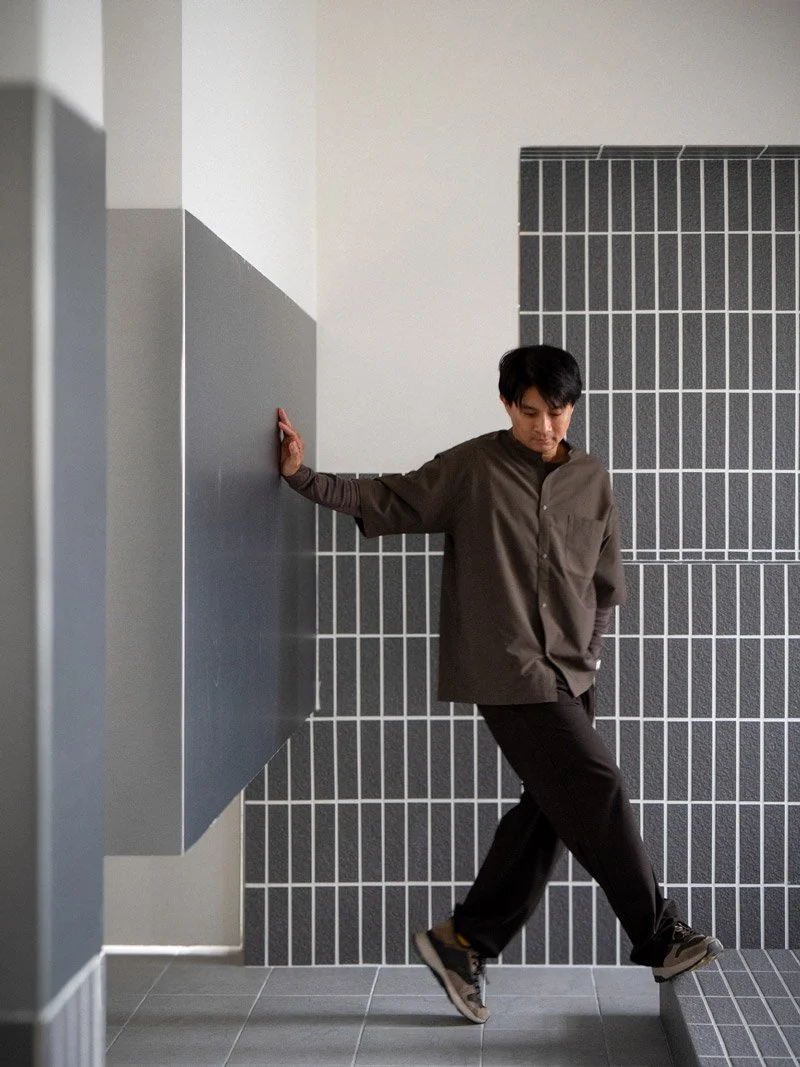
Jamie 專欄 #148|鏡頭下,先說文化再談真實
-
When photographing spaces across different cultures, I often wonder: Is the world within the frame the space’s unvarnished reality, or a projection filtered through my own cultural subjectivity?
As cultural boundaries emerge in the viewfinder, the photographer ceases to be a mere recorder and becomes a "translator" bridging two ends. Designers narrate stories through space; photographers must interpret this language through the nuance of atmosphere and the syntax of structure. Yet, no perfect translation exists between languages. This inherently burdens photography with the responsibility of independent perspective and cultural self-awareness.
Ultimately, every choice made before the lens conceals a deliberate judgment: how I choose to understand a culture determines what is preserved.
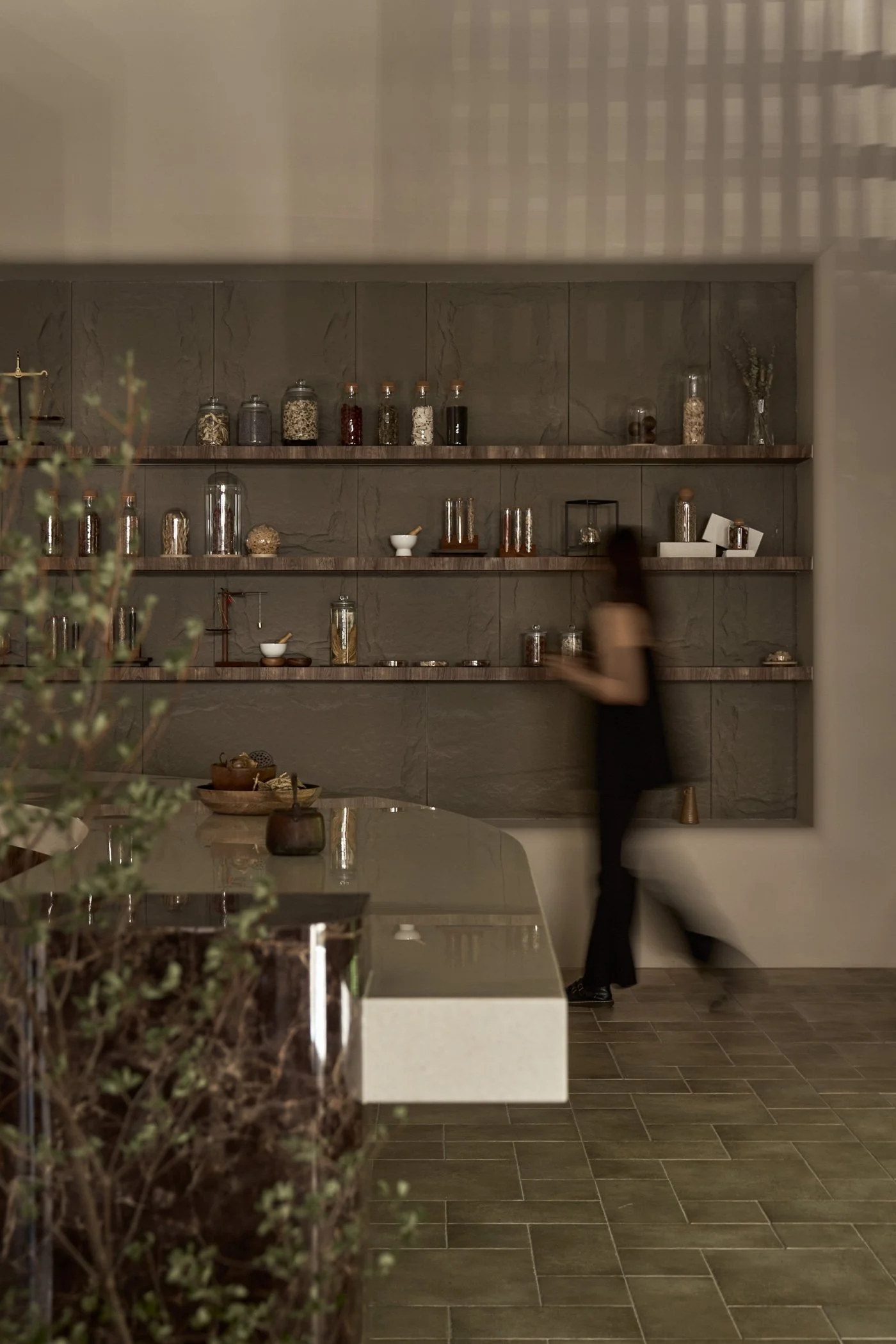
空間/ 掘覺設計 X 參拾柒號設計.馬光中醫
-
First, Observation and Listening
I have photographed spaces across many cultures. Upon arrival, I never rush to find angles. Instead, I stop. Does this space invite approach, or demand distance? Is its posture grounded and slow, or vibrant with rapid flow? These internal perceptions dictate how I frame the subject.
Western spatial photography often employs structure and chiaroscuro to emphasize contrast and power—clean, direct. Asian syntax, by comparison, is softer. One can sense time "permeating" the image, pursuing an implicit rhythm that invites the viewer to linger.
These differences stem not from technical proficiency, but from long-accumulated cultural habits. Realizing this allows me to see photography not just as visual presentation, but as a reflection of the photographer’s "way of seeing" and their underlying cultural filter.
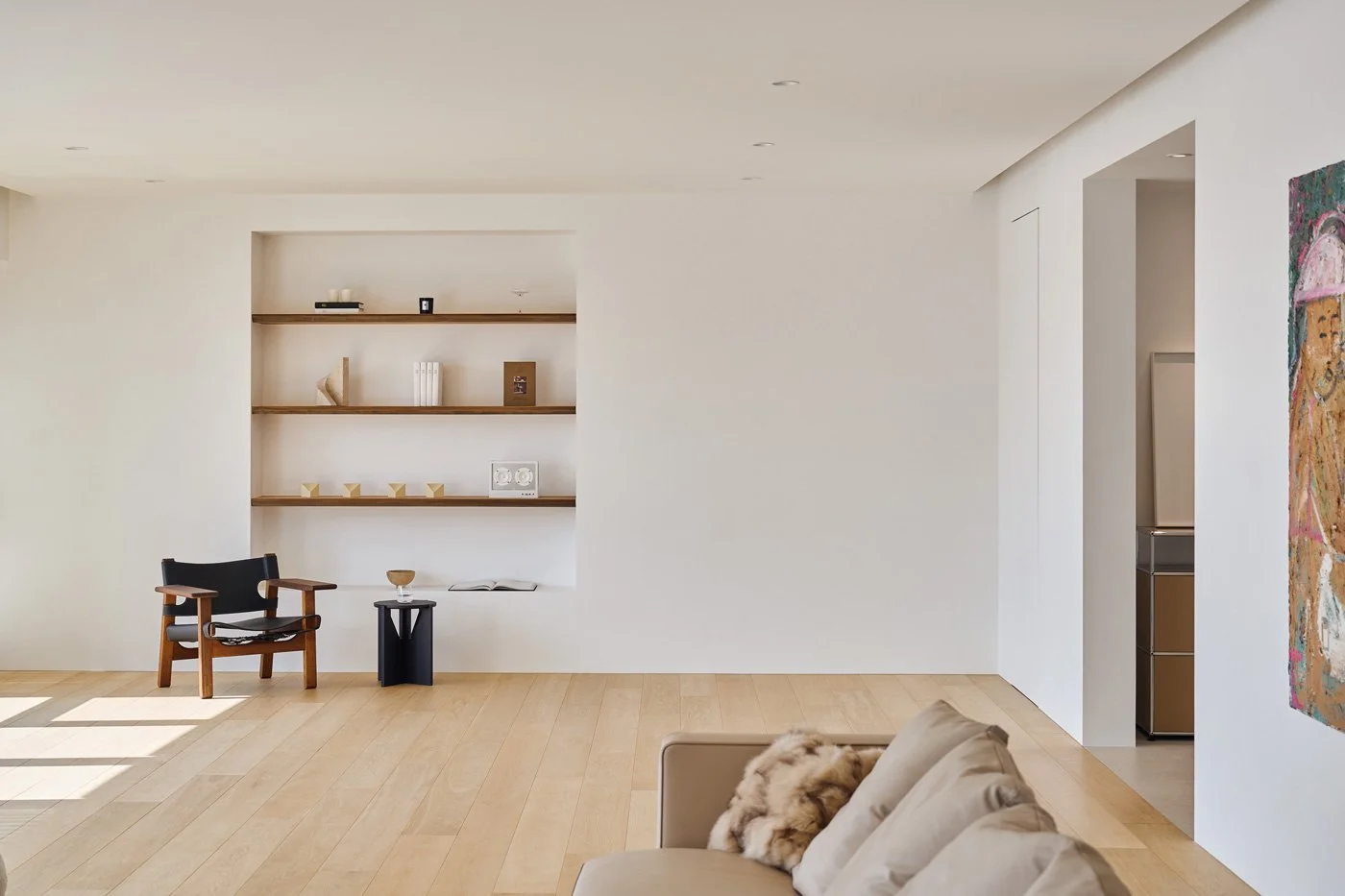
空間/ 覺引設計
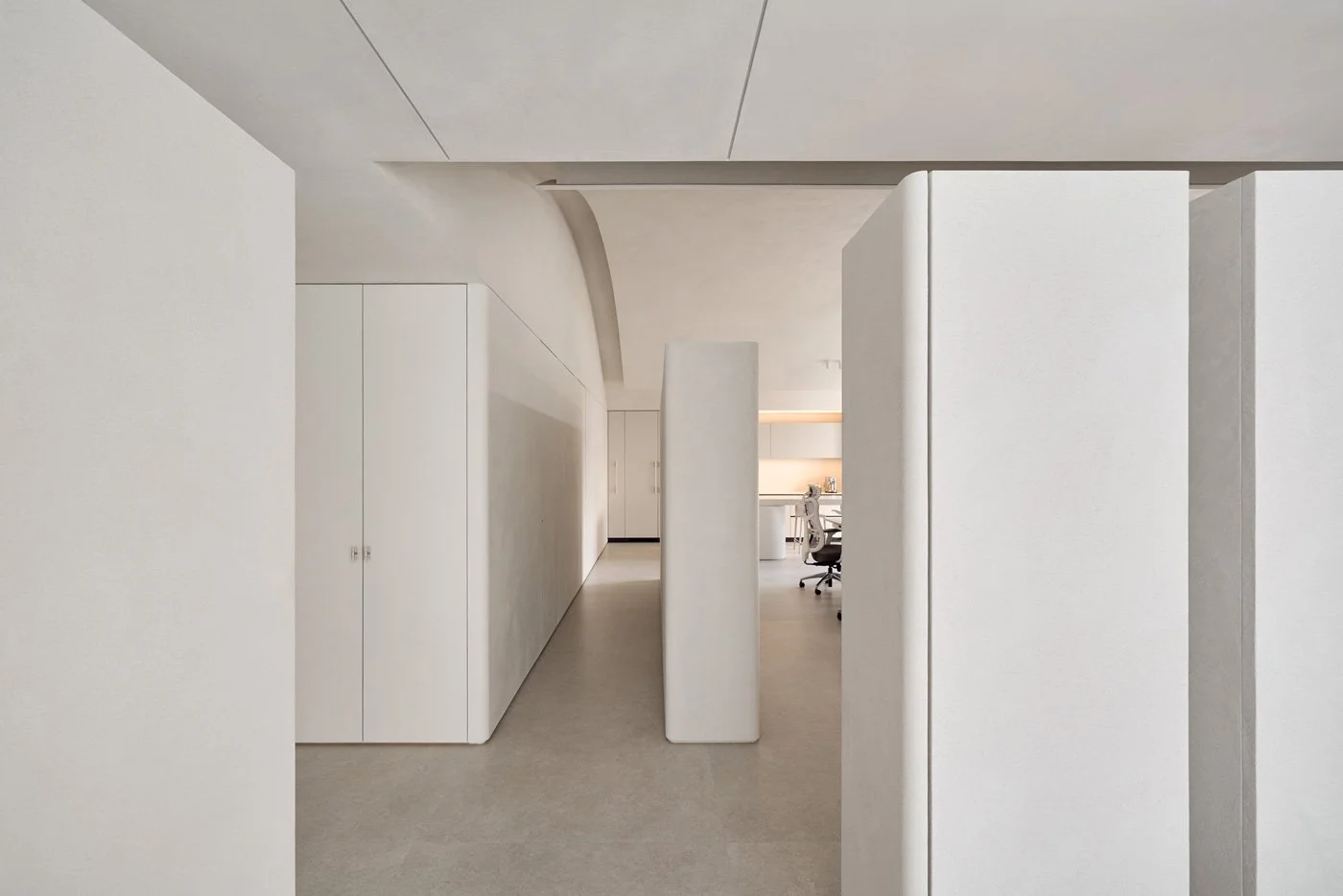
空間/ 二三國際
-
Beyond Mere Representation
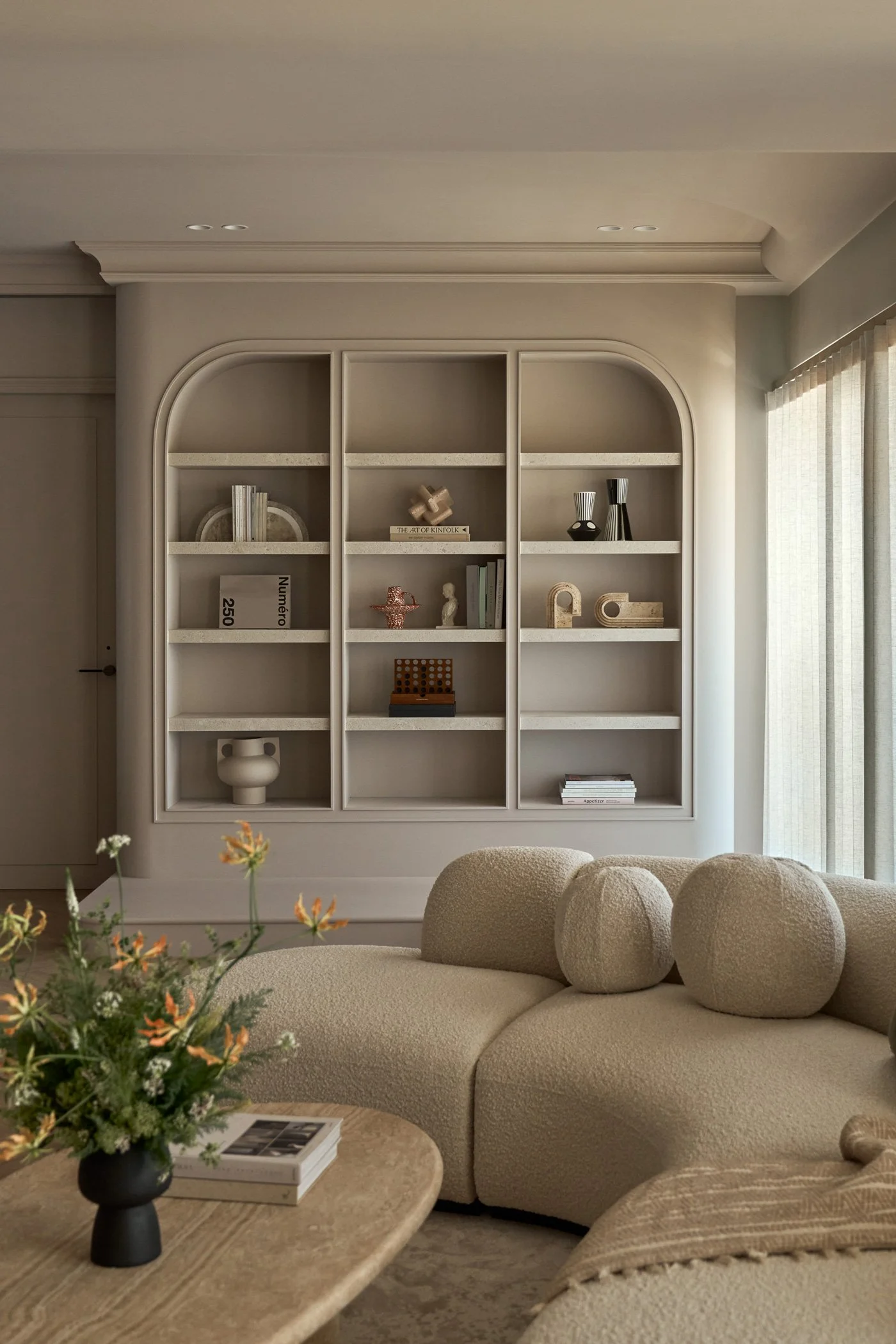
In years of cross-cultural work, designers often ask for a "faithful" representation. Yet, our understanding of "faithfulness" is constantly challenged by the onsite atmosphere. Sometimes, the light is softer than expected, the air holding a unique temperature. My final judgment often favors preserving this subtle softness over merely replicating structure.
True faithfulness, I’ve realized, is not simple reproduction. It is re-interpreting the designer’s spirit through an independent viewpoint. In an age of AI, pixel-perfect replication of structure is easy, but capturing that unique "temperature" and cultural thought remains elusive.
空間/ 巢空間設計
-
A photographer's value lies in this human difference. We are not mimics, but cultural continuators. We weave people, environment, and culture into the work, giving the design new life through our own photographic language.
The Asian Vantage Point
In international exchanges, I am inevitably met with expectations of an "Asian perspective." But what does this mean in a contemporary context?
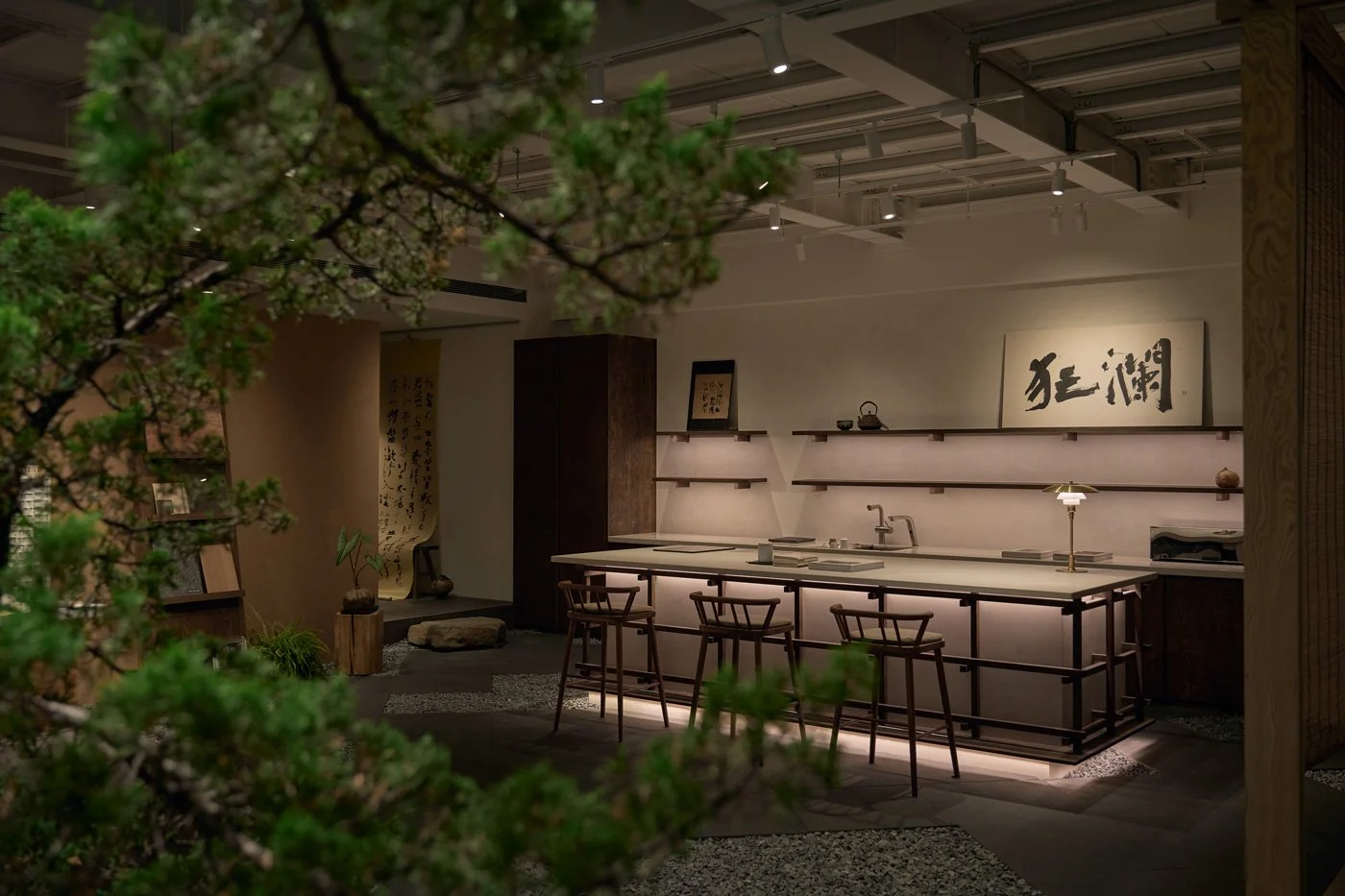
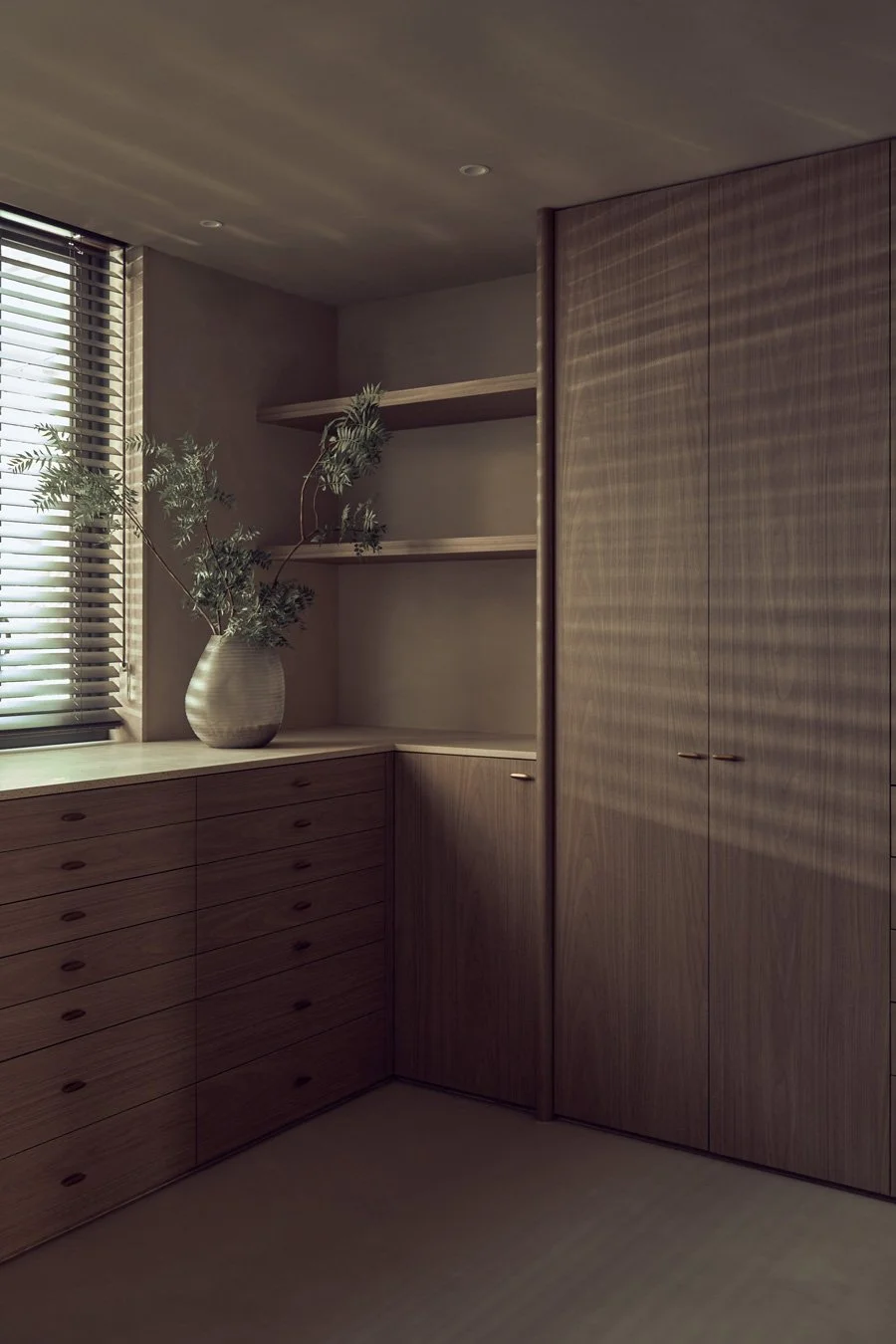
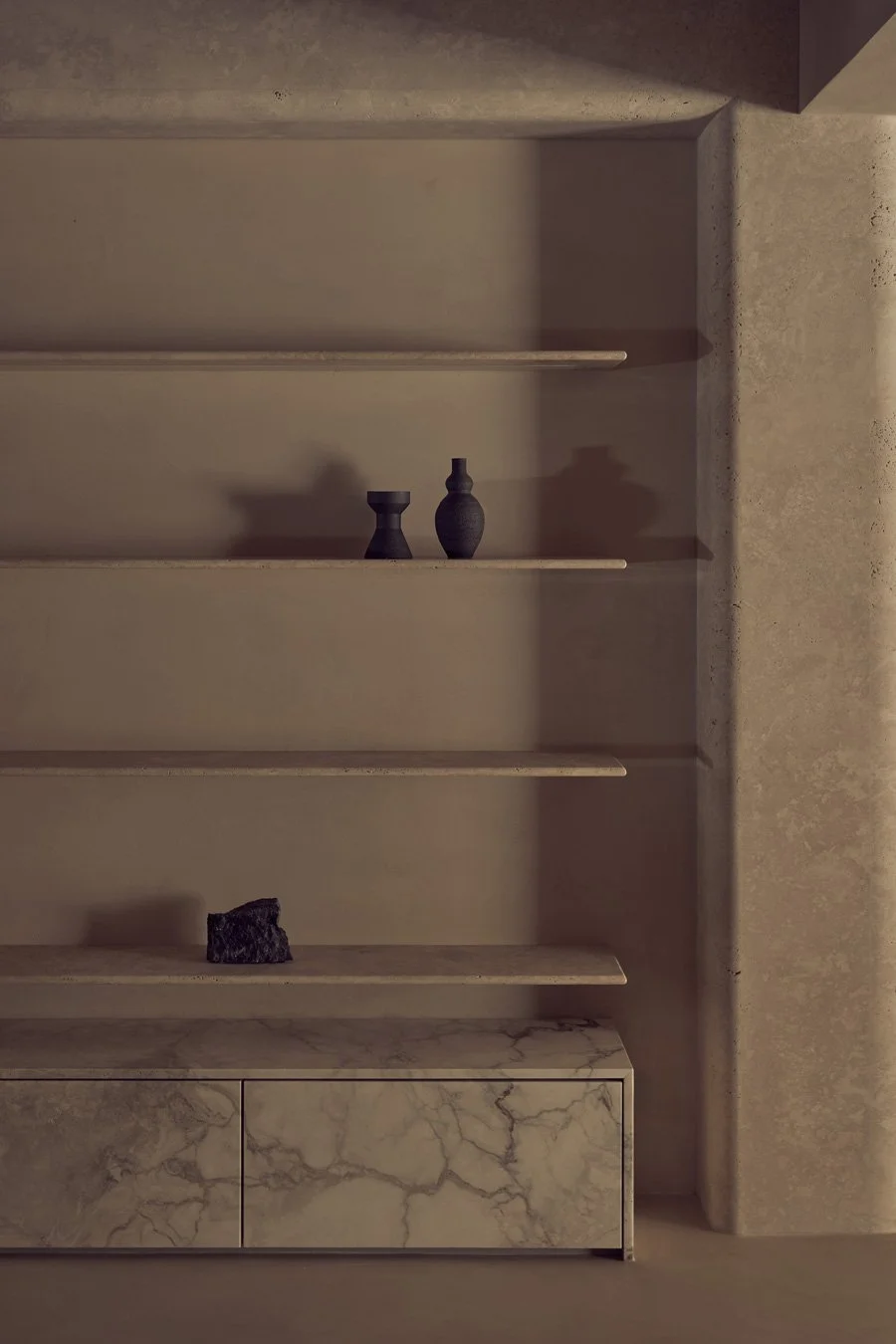
To me, it is not a fixed style, but an attitude born of cultural self-awareness. I do not deny how culture has shaped me: those with Asian backgrounds often prioritize detail and atmospheric capture. Consequently, I focus on the continuity of atmosphere rather than just structural completeness. I deliberately leave space in the frame, allowing light to flow naturally.
空間/ 文域設計
空間/ 和和設計
空間/ 和和設計
-
Viewing Western works, I sometimes ask: "Am I too gentle?" But I have come to understand that prioritizing sensibility over form isn't a weakness. It is a "parallax"—a distinct vantage point that reveals different facets of the same reality.
Culture should not be a constraint, but an introspective mirror. It reminds me why I see the way I do. This unique cultural imprint is our distinctive strength on the global stage.
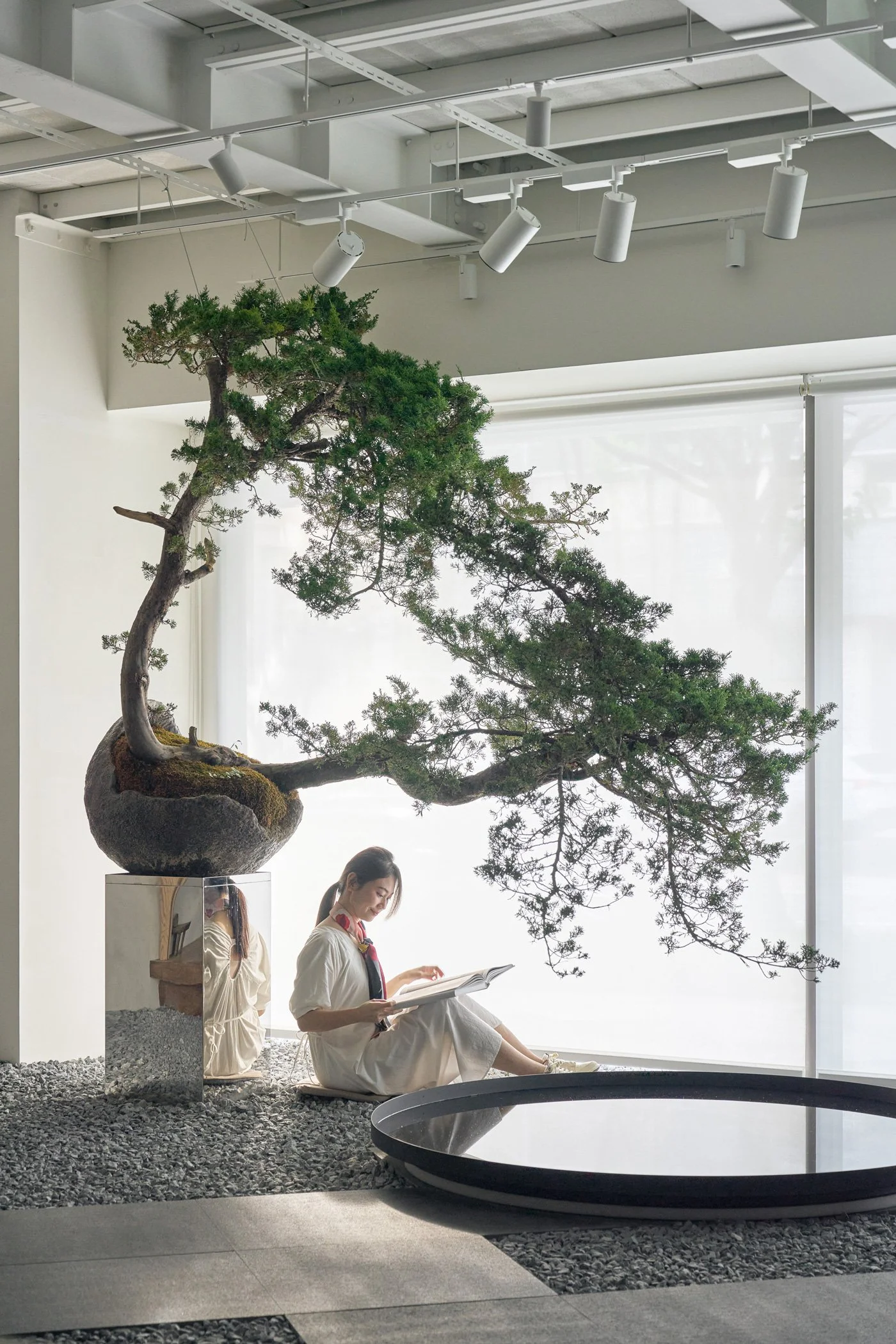
空間/ 文域設計
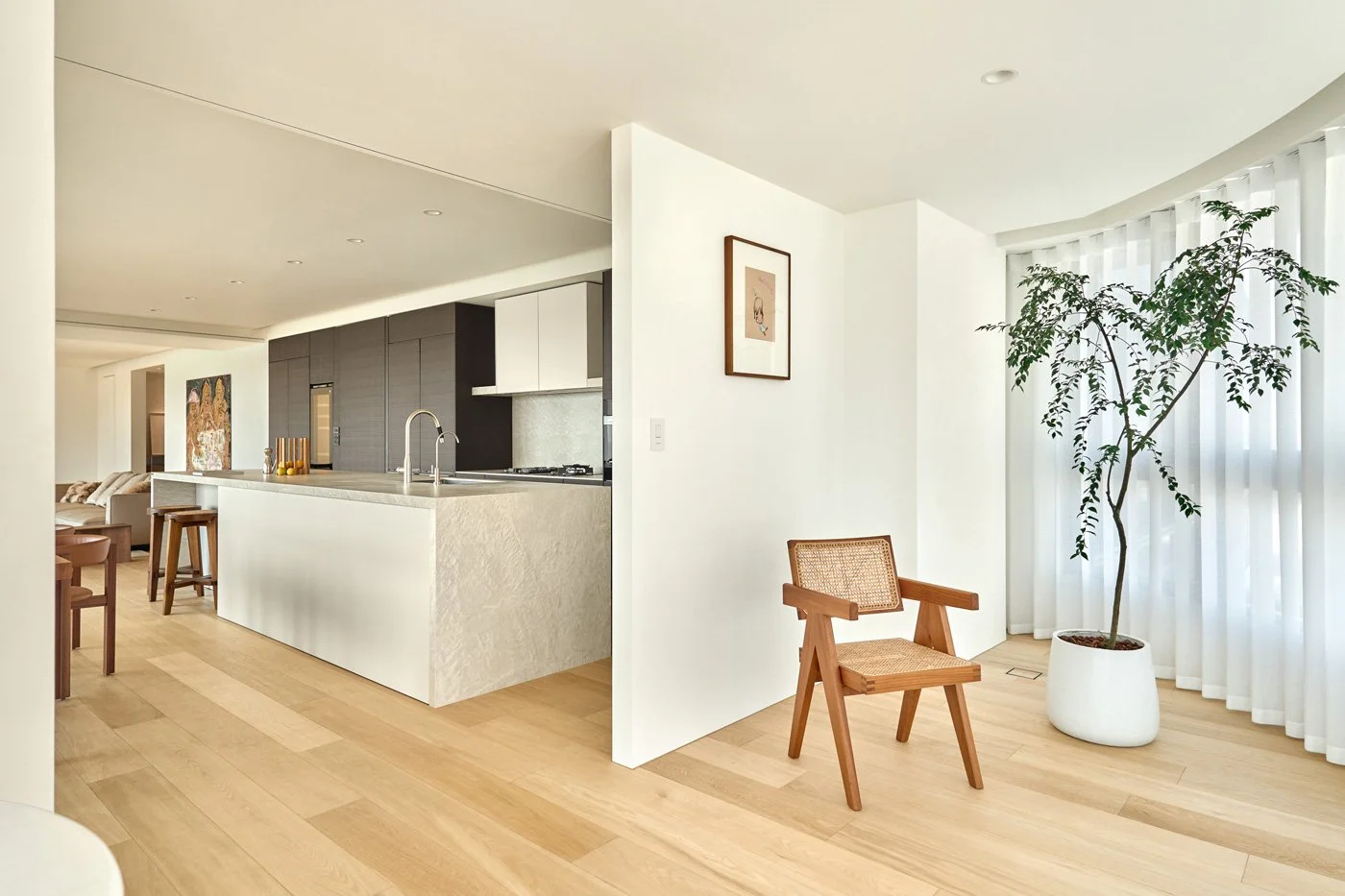
空間/ 覺引設計
-
From Recording to Dialogue
I now view photography as a practice in understanding.
The core purpose of traversing cultures isn't just correct composition, but learning precise perception and interpretation. Entering a strange space, I force myself to slow down, immersing my mind in the environment's internal signals. Light, scent, sound—these invisible clues guide the tone of the image.
Photography, in the end, is not the singular act of "showing a place." It is a method for finding intersection and understanding between differing cultural viewpoints.
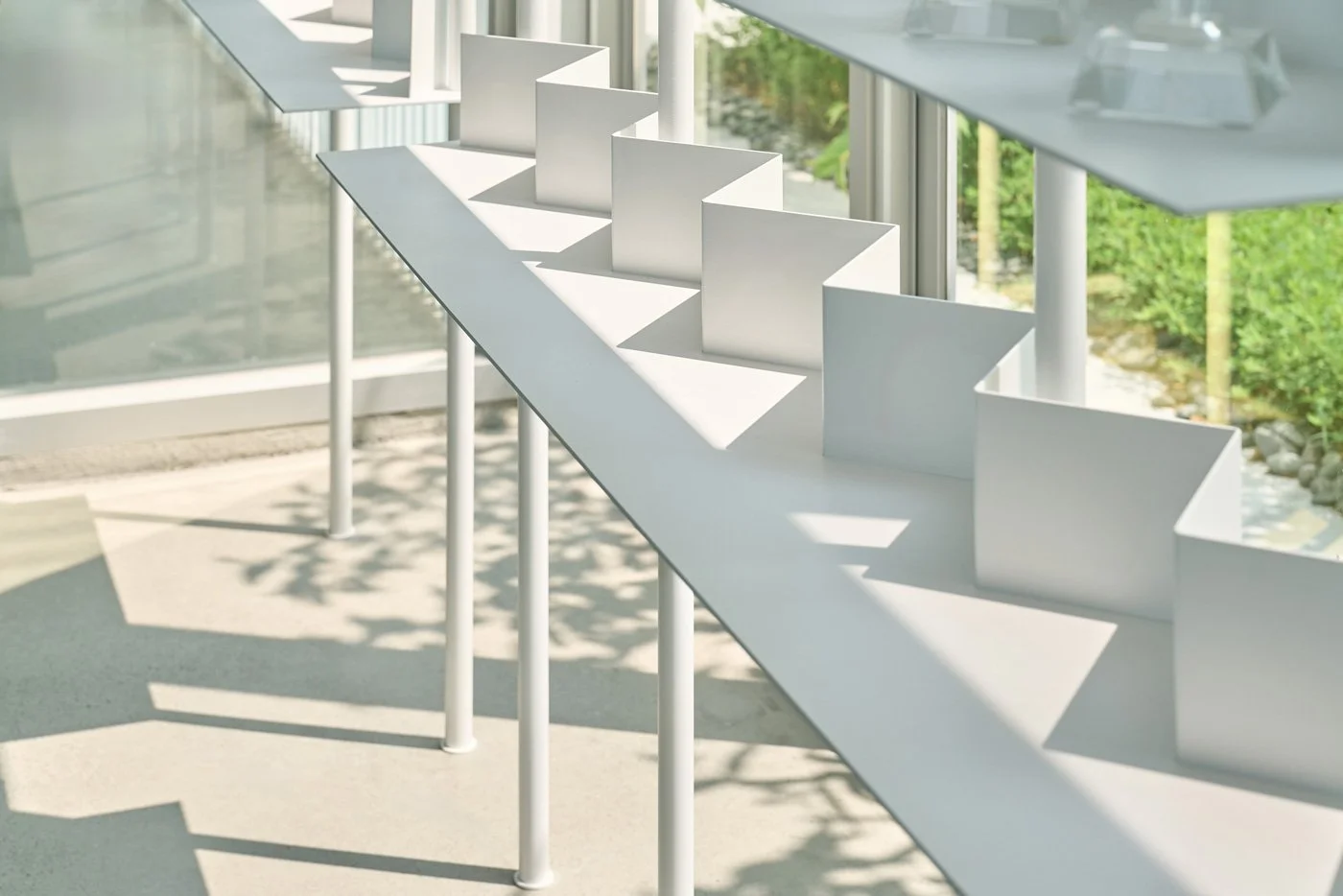
空間/ 長禾設計