
Jia CURATED 2026 峇里島海灘登場!以 Nature Weave 概念串連亞洲設計,展覽六大亮點一次整理
© Christoper Octav
過去十年,設計展會的型態逐漸發生轉移。人們不再只是走進巨大的會議中心,穿梭於制式的隔間與攤位之間;愈來愈多的展會選擇將舞台交還給老街區、廢棄廠房,甚至是河岸與森林,讓當地的氣候、地景與人際網絡共同參與策展。展會的意義也隨之質變,從單純「把作品帶入市場」,轉向「把人帶到一個地方,讓美好的事情在那裡發生」。
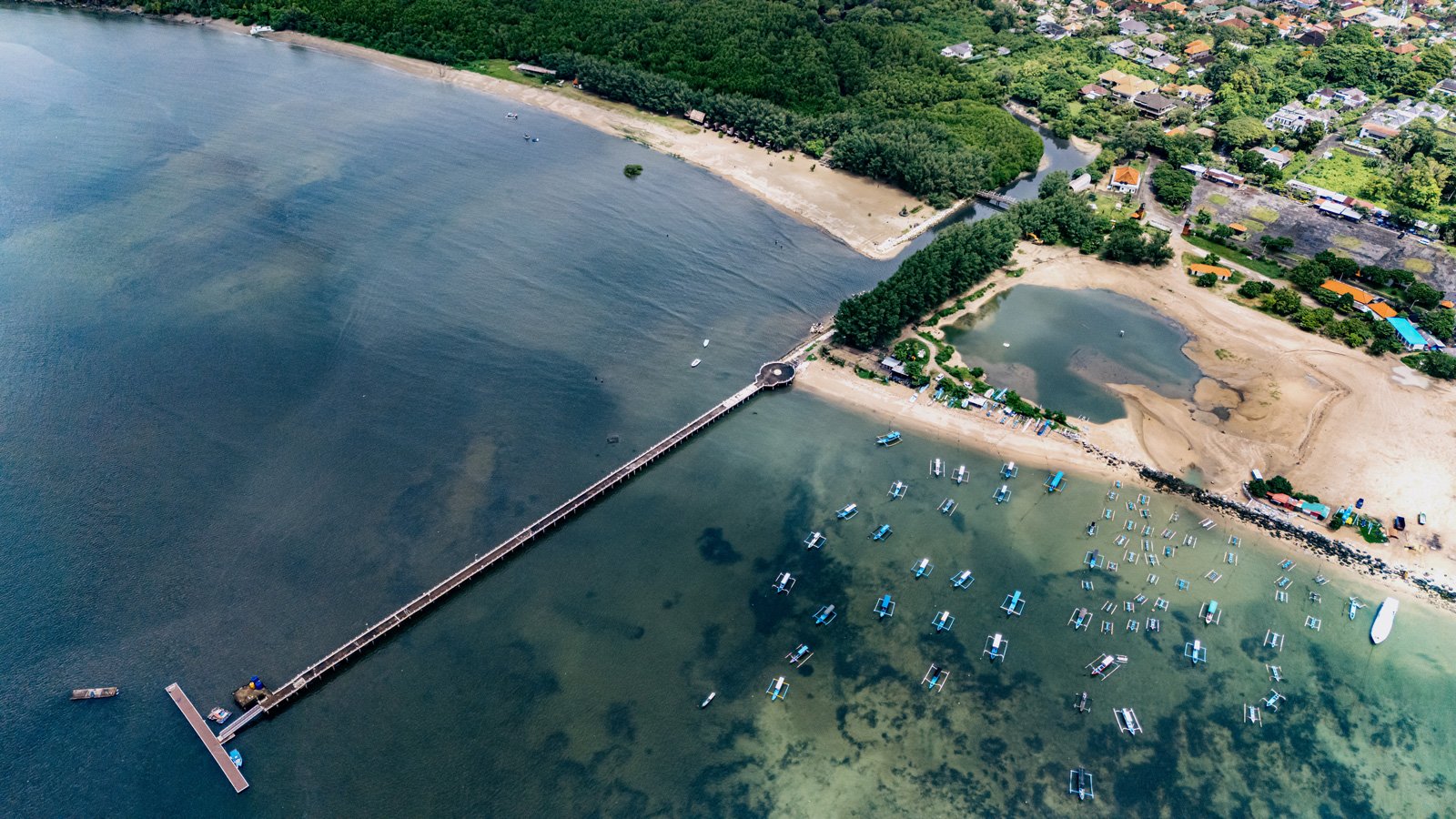
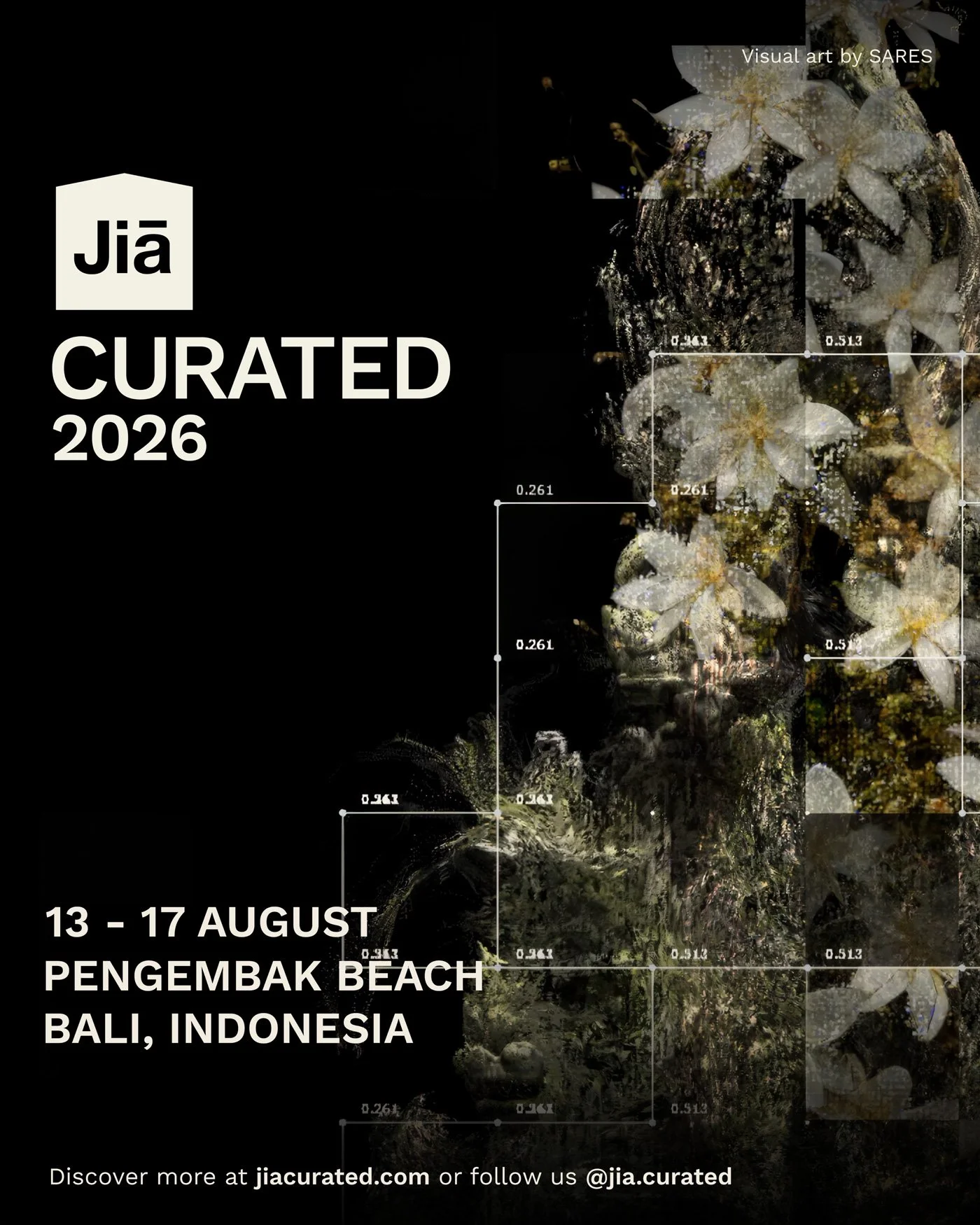
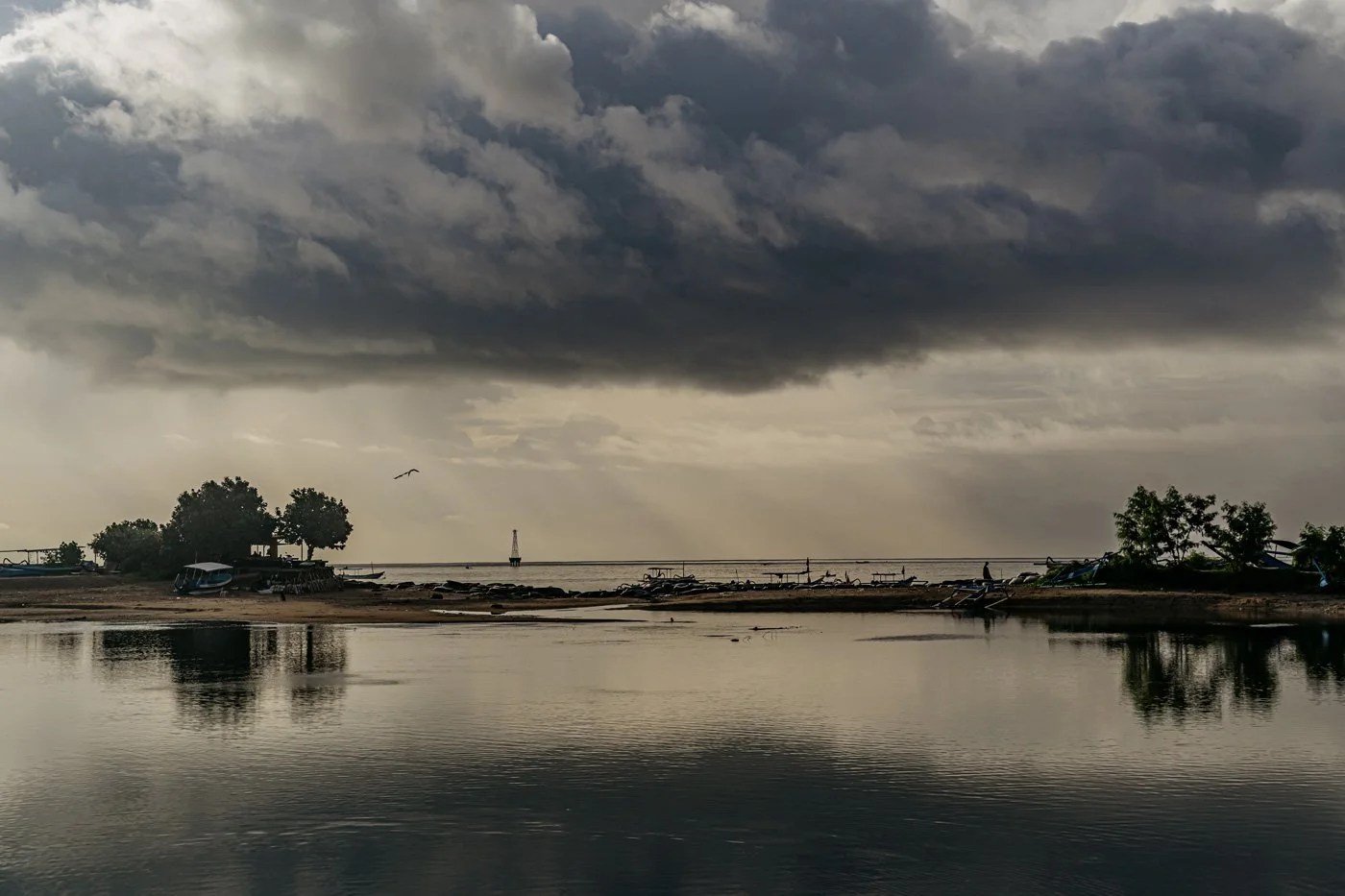
即將於 8 月 13 日至 17 日登場的 Jia CURATED 2026,便將展場落腳於峇里島沙努爾(Sanur)東岸的 Pengembak 海灘。整座展會沿著 15,000 平方米的海岸線開展,一側是廣闊的海洋,另一側則被松樹與紅樹林溫柔包覆。呼應今年的大會主題「Nature Weave」(自然編織),這片未經雕琢的場地本身,即是呼應主題最直白、也最動人的第一件展品。
-
Over the past decade, the landscape of design exhibitions has experienced a gradual shift. Visitors are no longer simply walking into colossal convention centers, navigating through uniform booths and partitions. Instead, an increasing number of fairs are returning the stage to historic neighborhoods, abandoned factories, and even riverbanks and forests, allowing the local climate, topography, and human networks to actively participate in the curation. The very meaning of these events has transformed—from merely "bringing products to market" to "bringing people to a place, and letting beautiful things unfold there."
Taking place from August 13 to 17, Jia CURATED 2026 has set its stage on Pengembak Beach on the eastern shores of Sanur, Bali. The exhibition sprawls across a 15,000-square-meter coastline, flanked by the vast ocean on one side and gently embraced by pine trees and mangroves on the other. Echoing this year's theme, "Nature Weave," this raw, unpolished landscape serves as the most direct and moving first exhibit of the event.
© Jia CURATED
從「家」出發:五年長成的亞洲設計盛會
「Jia」取自中文的「家」。2022 年,Budiman Ong、Rudi Winata 與 Yang Yang Hartono 三人以「Jia Curated Kiosks」為名,舉辦了一場規模精巧、氣氛親密的工藝與設計展;2025 年正式更名為 Jia CURATED,於今年邁入第五屆。2025 年的展會成功集結逾 150 個品牌、吸引超過 12,000 名訪客,2026 年參展品牌數再往上推到 250 個以上。
支撐這一切的,是一個深植印尼社會的詞彙:Gotong Royong,意指眾人朝同一個目標互助協力。對 Jia CURATED 而言,這絕非一句掛在牆上的標語,而是主導他們構思策展的核心主軸。共同創辦人 Budiman Ong 在今年的策展論述中提到:「策展不只是挑選參與者或作品,而是形塑關係,是為那些原本不會發生的相遇創造條件。」設計師、工匠、品牌、各種機構、社群與觀眾,各自帶著一塊拼圖前來;整體的力量不在個別的展出,而在於彼此之間所編織出的關係。
-
From "Home": An Asian Design Event Five Years in the Making
"Jia" takes its name from the Chinese word for "home". In 2022, Budiman Ong, Rudi Winata, and Yang Yang Hartono launched "Jia Curated Kiosks," an intimate, small-scale showcase of craft and design. Officially rebranded as Jia CURATED in 2025, the event is now entering its fifth edition. Building on the success of 2025—which gathered over 150 brands and attracted more than 12,000 visitors—the 2026 edition pushes the envelope further with an exhibitor lineup exceeding 250 brands.
The driving force behind this phenomenal growth is a term deeply rooted in Indonesian society: Gotong Royong, which translates to mutual cooperation towards a shared goal. For Jia CURATED, this is far from a mere slogan hung on a wall; it is the core philosophy that dictates their curatorial approach. As Co-Founder Budiman Ong states in this year's curatorial statement: "Curation is not simply the selection of participants or projects. It is the shaping of relationships. It is about creating the conditions for encounters that might not otherwise happen." Designers, artisans, brands, institutions, communities, and audiences each bring their own puzzle piece; the true power lies not in individual displays, but in the relationships woven between them.
© Christoper Octav
「Project Benih」,等兩年才收成的跨國配對
除了展覽本身,今年 Jia CURATED 推出一項值得矚目的合作計畫「Project Benih」。「Benih」在印尼文中意為「種子」,「Project Benih」旨在串連印尼、日本與台灣三地的工匠、製造商與設計師,由來自印尼的 Budiman Ong、日本的 Jin Kuramoto 與台灣的曾熙凱分別擔任所屬國家的策展人,同時也以設計師身分親自參與這項企劃。
計畫迷人之處,在於它刻意放慢的「機制」。展會期間,九位參展設計師將各自展出一件最能代表自身設計語彙的既有作品;而涵蓋竹、木、藤編、香蕉纖維紙、金屬,甚至紡織餘料的12 間印尼工匠與製造單位,則負責展示其專屬的技法與材料。接下來,雙方將各自挑選出與自身方法、哲學最為契合的對象,配對後開始共同發展新作。不過最終的成果,要等到 2027 年的 Jia CURATED 才會集體發表,並預計展開日本與台灣的巡迴。
-
"Project Benih" — A Cross-Border Matchmaking Two Years in the Making
Beyond the exhibition itself, this year's Jia CURATED introduces a highly anticipated collaborative initiative: Project Benih. "Benih," meaning "seed" in Indonesian, aims to connect artisans, manufacturers, and designers from Indonesia, Japan, and Taiwan. Budiman Ong of Indonesia, Jin Kuramoto of Japan, and Shikai Tseng of Taiwan serve as curators for their respective countries, while also stepping in to participate directly as designers.
The true charm of this project lies in its deliberately decelerated mechanism. During the fair, the nine participating designers will each showcase a pre-existing work that best encapsulates their design vocabulary. Meanwhile, 12 Indonesian artisanal and manufacturing workshops—working with materials ranging from bamboo, wood, and rattan to banana fiber paper, metal, and even textile offcuts—will present their proprietary techniques and materials. The next step? Both sides will select a counterpart whose methods and philosophies resonate most with their own, pairing up to co-develop new works. However, the final creations won't be collectively unveiled until Jia CURATED 2027, after which they are scheduled to tour Japan and Taiwan.
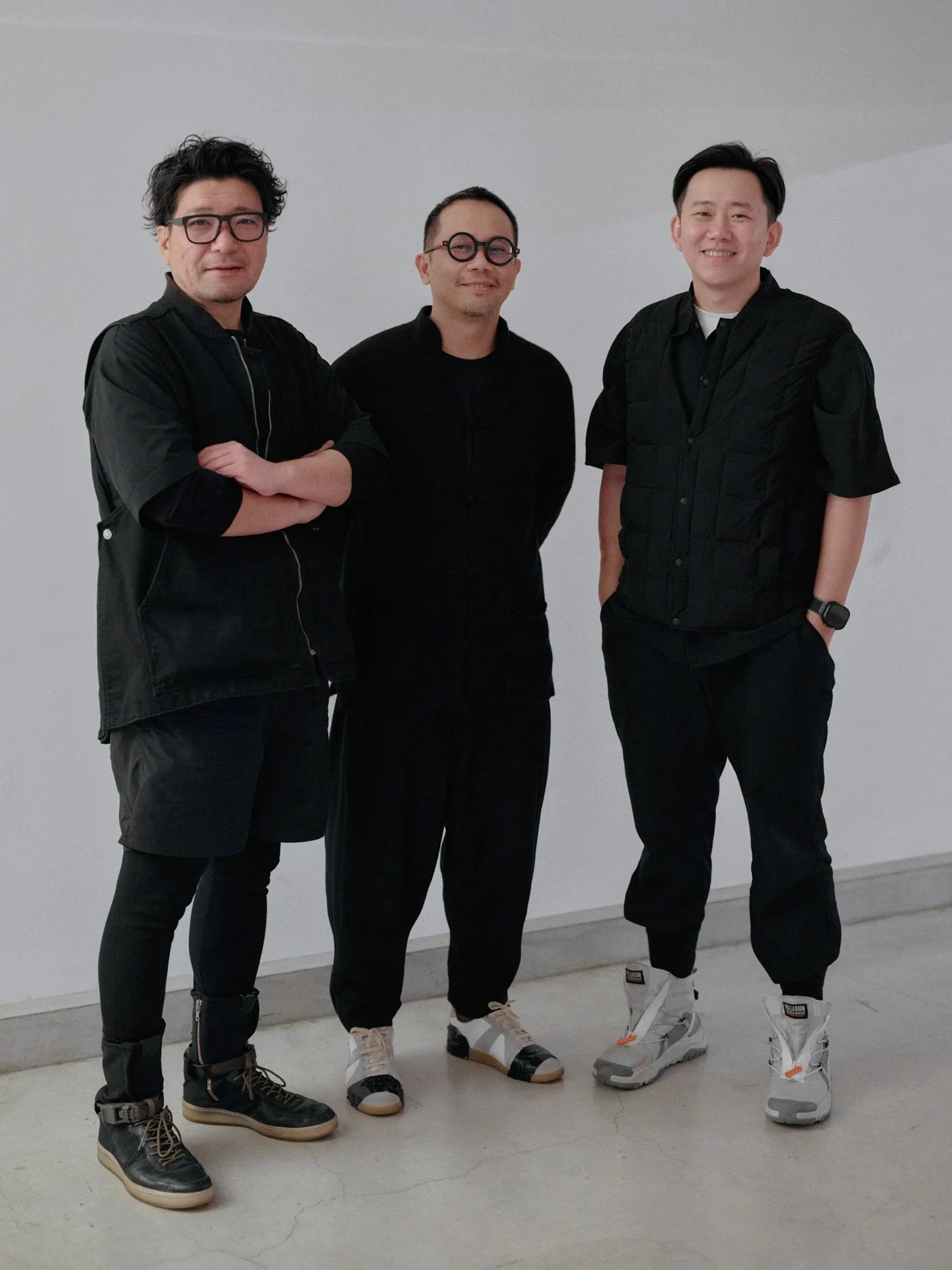
Project Benih 三位策展人:(左至右)Jin Kuramoto(日本), Budiman Ong(印尼), 曾熙凱(台灣)© Jia CURATED
換句話說,今年在 Pengembak 海灘上發生的,純粹是一場「相遇」。整個計畫的產出被刻意推遲了兩年,因為設計端與製造端需要足夠的時間去認識彼此、建立信任。對照當今設計產業常見的「作品打包、飛出國參展、被看見後再飛回來」的速效路徑,Project Benih 選擇反其道而行,將交流的心力,擺置在展覽「之後」,而非展覽「當下」。
台灣方除了曾熙凱,還有張博傑(真真鑲嵌玻璃研究所)和張家翎(messagingleaving)兩位設計師一同參與。
三位台灣設計師今年帶去的作品,恰好構成了三種截然不同的材料語言。張博傑的《relight+MUSIC》將古董壓花玻璃放上唱盤,把紋理起伏轉譯成頻率,讓玻璃帶著自己的節奏發聲;張家翎的《Sequence》系列從物質的物理性質出發,讓不鏽鋼、石頭與木材透過一道弓形結構,達成未經固定的動態平衡;曾熙凱的《Bamboo Forest》則以竹、不鏽鋼與玻璃構成,預告著將以此為本發展全新創作。
-
In other words, what happens on Pengembak Beach this year is purely an "encounter." The project's output has been intentionally delayed by two years to give designers and makers the necessary time to truly understand one another and build trust. In a stark departure from the quick-fix route typical of today's design industry—where works are packed up, flown abroad to be seen, and immediately flown back—Project Benih goes against the grain. It places the weight of cultural exchange after the exhibition, rather than during it.
As the starting point for this encounter, Taiwan is represented not only by Shikai Tseng, but also by designers Po-Chieh Chang (zhēnzhēn Stained Glass Lab) and Chialing Chang (messagingleaving).
The works these three Taiwanese designers bring this year happen to form three distinctly different material languages. Po-Chieh Chang's relight+MUSIC places antique patterned glass onto a turntable, translating its textural undulations into frequencies so the glass can sing to its own rhythm. Chialing Chang's Sequence series takes a physics-based approach, utilizing a bow-shaped structure to achieve an unfixed, dynamic equilibrium among stainless steel, stone, and wood. Lastly, Shikai Tseng's Bamboo Forest, composed of bamboo, stainless steel, and glass, serves as a prelude to the entirely new creations he plans to develop from this foundation.
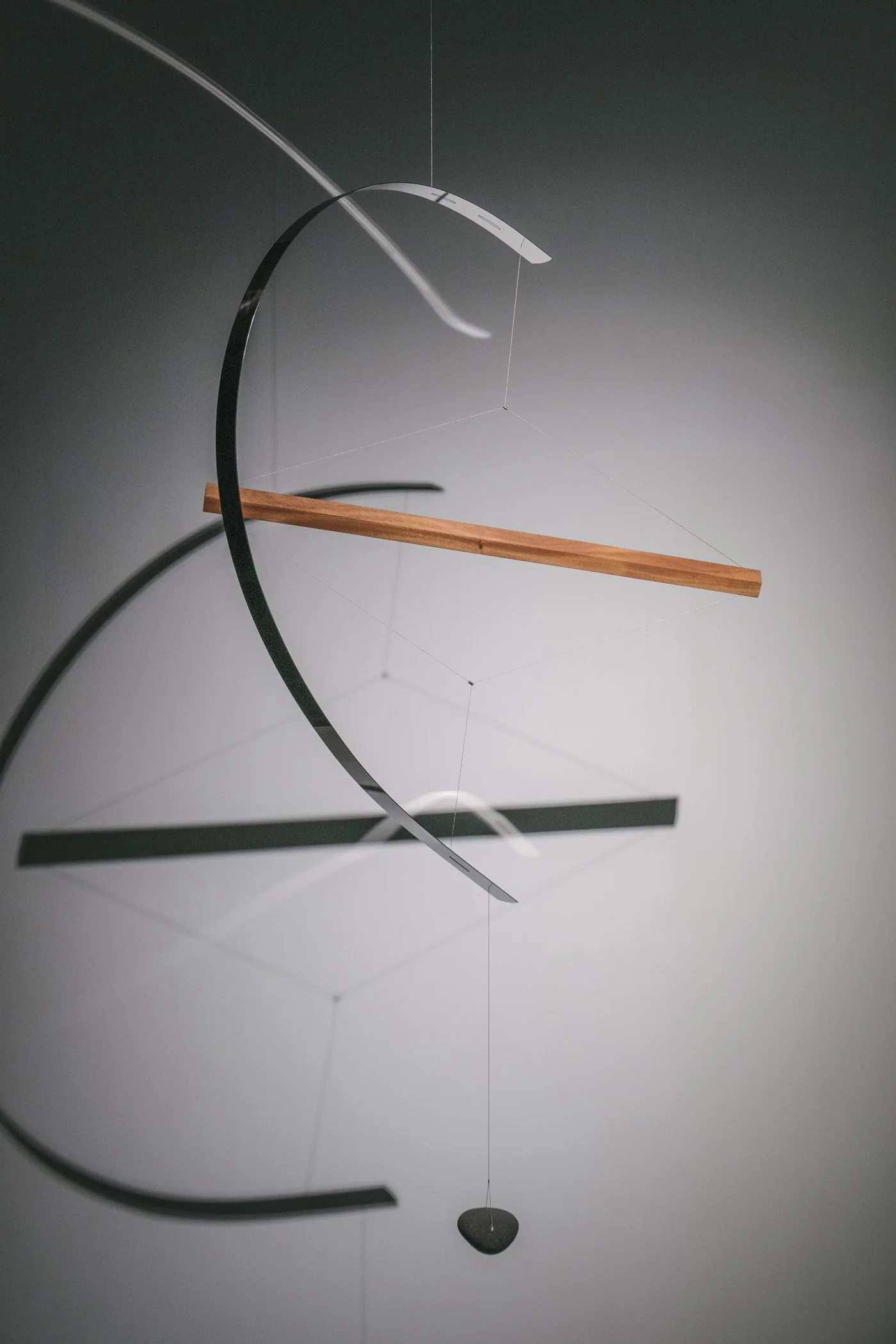
張家翎作品《Sequence》。© Jia CURATED
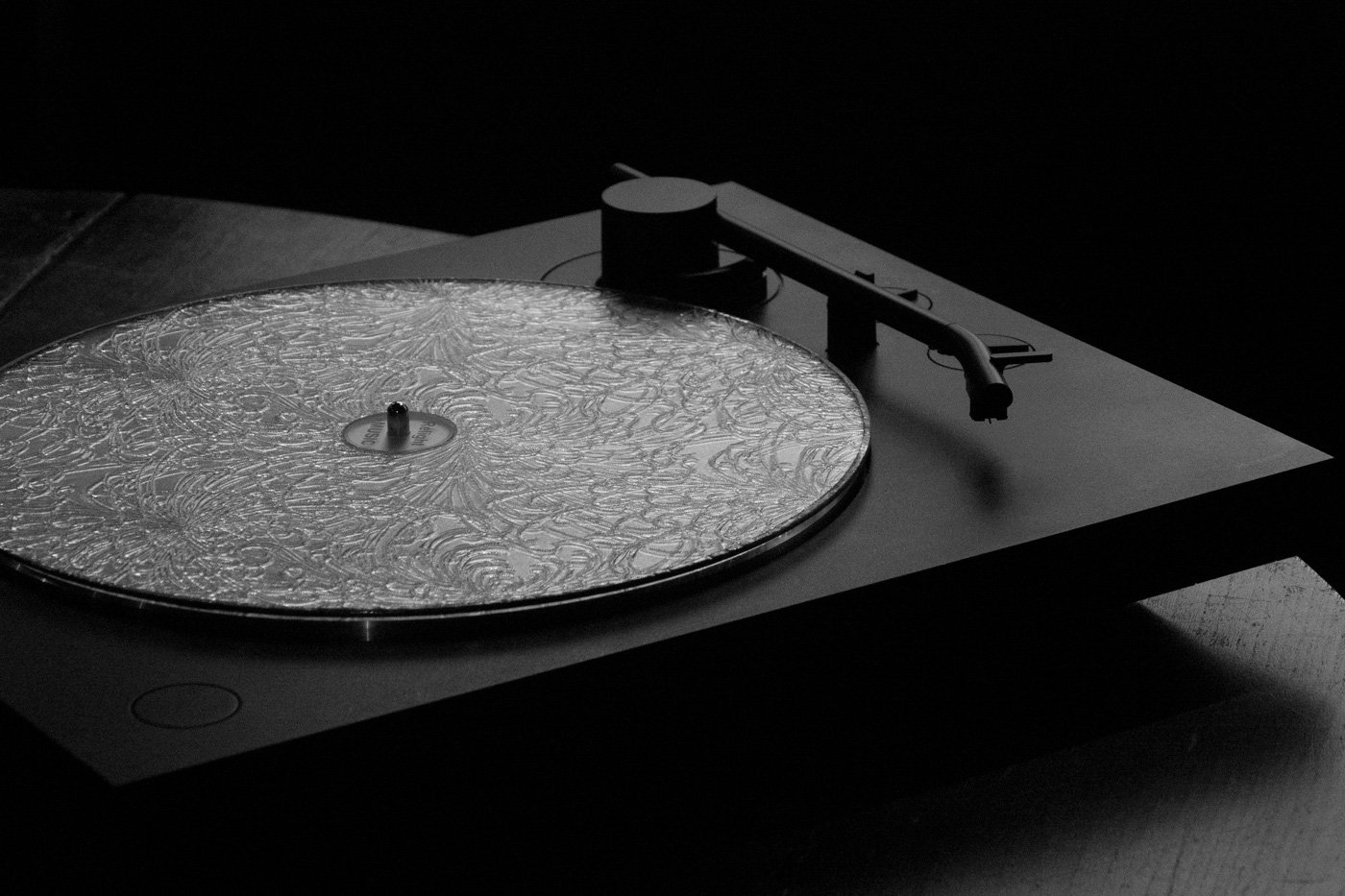
張博傑作品《relight+MUSIC》。© Jia CURATED
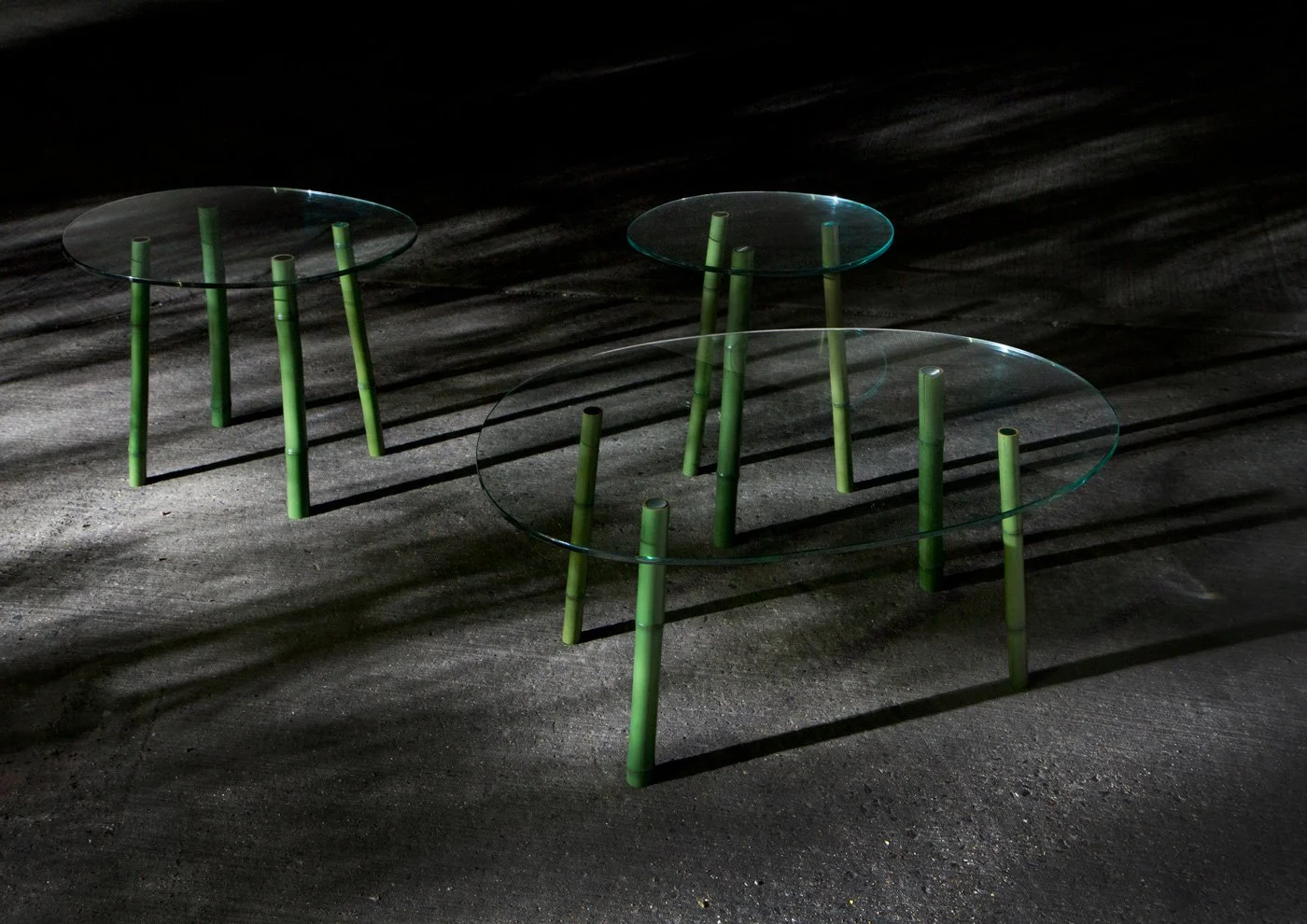
曾熙凱作品《Bamboo Forest》。© Jia CURATED
除了這場放眼未來的跨國配對,這股揉合了在地文化與自然地景的策展能量,究竟還會在今年的沙灘上如何具體呈現?以下整理本屆 Jia CURATED 展覽六大看點,帶你提前感受這場與自然共編的設計盛宴:
看點一:在沙灘展出的非典型展場
Jia CURATED 一向勇於挑戰超乎想像的非典型展演場域。今年落腳的 Pengembak 海灘是一片尚未被觀光發展給整平的原始海岸,沙、石、潮汐與持續變化的光線,都在此依循著自然法則運作。這裡同時朝向日出與日落,在峇里島是相當罕見的方位;一天之內,光影會隨著時間,從海的這一側漫步到那一側。
「我們第一次來到這片基地時,它感覺不像一個場地,更像一位合作者。」Budiman Ong 這麼描述著。流動的光、穿過樹林的風、把基地兩側串連起來的河,都是主動塑造觀展體驗的力量。因此策展團隊沒有選擇用人工結構去覆蓋這片地景,而是專注於聆聽它,並邀請所有參與者做同樣的事,讓空間如何被構想、結構如何被搭建、故事如何被說出口,皆從地景本身自然生長出來。(關於 Jia CURATED 這一路走來的策展哲學與深刻思考,完整訪談將收錄於 HCS 即將發行的年刊之中。)
-
How exactly will this curatorial energy—blending local culture with natural landscapes—manifest at the venue? We’ve outlined six key highlights of this year’s Jia CURATED to offer a sneak peek into this design feast co-woven with nature:
Highlight 1: An Atypical Exhibition Space on the Beach
Jia CURATED has always boldly embraced unconventional venues that defy expectations. This year’s location, Pengembak Beach, is a stretch of pristine coastline yet to be flattened by mainstream tourism. Here, the sand, stones, tides, and shifting light operate entirely by the laws of nature. Rare for Bali, this site faces both sunrise and sunset; throughout the day, light gradually wanders from one end of the sea to the other.
"When we first encountered the site, it felt less like a venue and more like a collaborator," describes Budiman Ong. The shifting light, the wind rustling through the trees, and the river connecting both sides of the grounds are all active forces shaping the visitor experience. Consequently, the curatorial team chose not to impose artificial structures over the landscape, but instead to listen to it—inviting all participants to do the same. They allowed the ways spaces are conceived, structures are built, and stories are told to naturally emerge from the landscape itself.
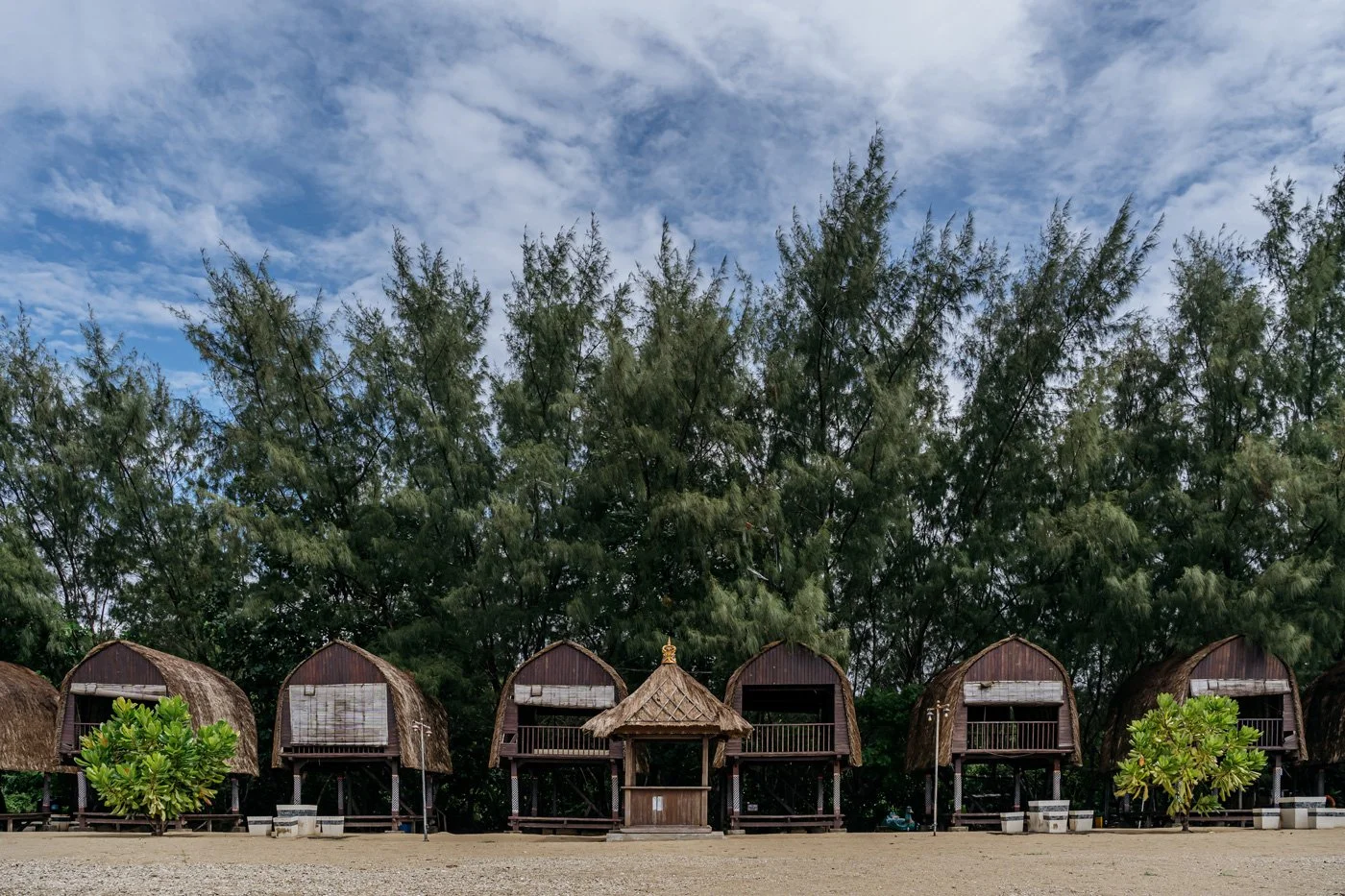
© Christoper Octav
© Christoper Octav
看點二:Nature Weave,把親自然性放進骨架
大會主題「Nature Weave」的主視覺,由阿根廷數位混合媒材藝術家 SARES 操刀繪製。其核心概念緊扣「biophilia」(親自然性),意指人類與生命系統之間與生俱來的親近感。主辦方藉此拋出了一個提問:當設計不再只服務於人類,而是必須同時面對地景、生態系與其他物種時,創作的姿態將會發生什麼樣的轉變?
答案散落在主展場的各個角落。在空間構築上,Blancostudio 與 Kalpa Taru Bali 利用生產剩餘的原始柚木板,搭起一座供人聚攏的涼亭;他們再與當地團隊 Bali Landscape Company 合作,讓活生生的植栽樹冠慢慢爬進、包覆整座構築,使建築與自然的界線隨之鬆動。在與地景的互動上,Living Designs Bali 與 Nawangseta 結合了一百件峇里島傳統的 Topeng Buduh 面具、緩緩滴落的水滴與壓製的沙,創造出在展期內堅固、最終卻注定回歸塵土的動態作品。
另一些參與者則把眼光放在材料的循環與再生。Post+Beam 將設計視為活的系統而非靜止的產品,以鋁製立柱與層板組成可反覆拆組的輕量結構,讓空間換上新用途卻不留下廢料;Bell Living Lab 的《Good Streams》則從咖啡供應鏈出發,把過去被視為廢棄物的部分,重新變成材料與產品。
-
Highlight 2: Nature Weave — Baking Biophilia into the Framework
The main visual for this year’s theme, "Nature Weave," was crafted by Argentine digital mixed-media artist SARES. The core concept is deeply anchored in "biophilia"—our innate affinity with living systems. Through this, the organizers pose a direct question: What form does creation take when design no longer serves only humans, but must simultaneously address landscapes, ecosystems, and other species?
The answers are scattered throughout the main exhibition grounds. In terms of spatial construction, Blancostudio and Kalpa Taru Bali utilize raw teak slabs left over from production to build a pavilion for people to gather. Teaming up with the Bali Landscape Company, they allowed a living canopy of plants to slowly creep in and engulf the structure, thereby blurring the boundaries between architecture and nature. Regarding interaction with the landscape, Living Designs Bali and Nawangseta combine one hundred traditional Balinese Topeng Buduh masks with slowly falling water droplets and compressed sand, creating a dynamic installation that remains solid during the exhibition but is ultimately destined to return to the earth.
Other participants focus on material circularity and regeneration. Post+Beam treats design as a living system rather than a static product, using aluminum posts and shelves to form a lightweight, easily reconfigurable structure, allowing spaces to take on new purposes without generating waste. Bell Living Lab’s Good Streams takes inspiration from the coffee supply chain, transforming what was once considered waste into new materials and products.
Lamitak。© Jia CURATED
Lamitak。© Jia CURATED
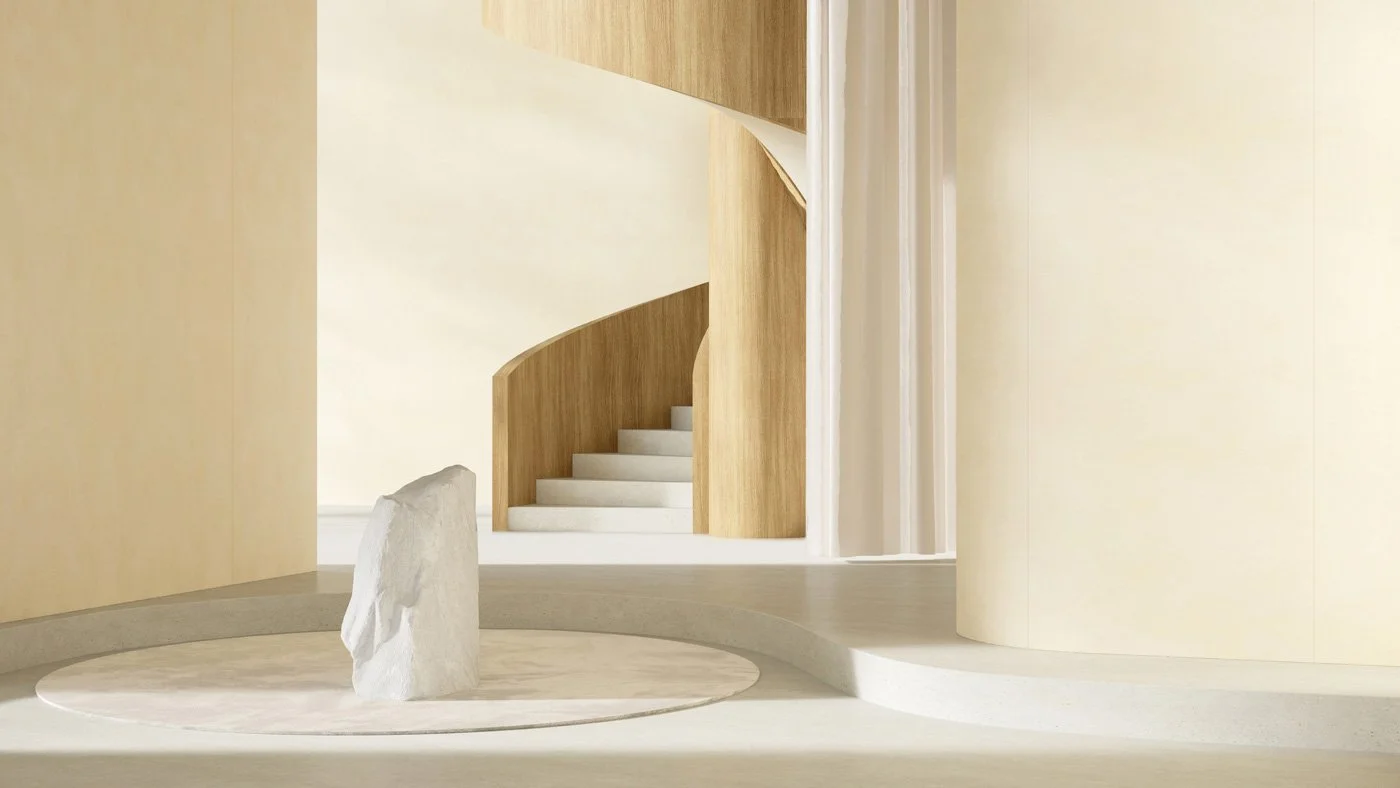
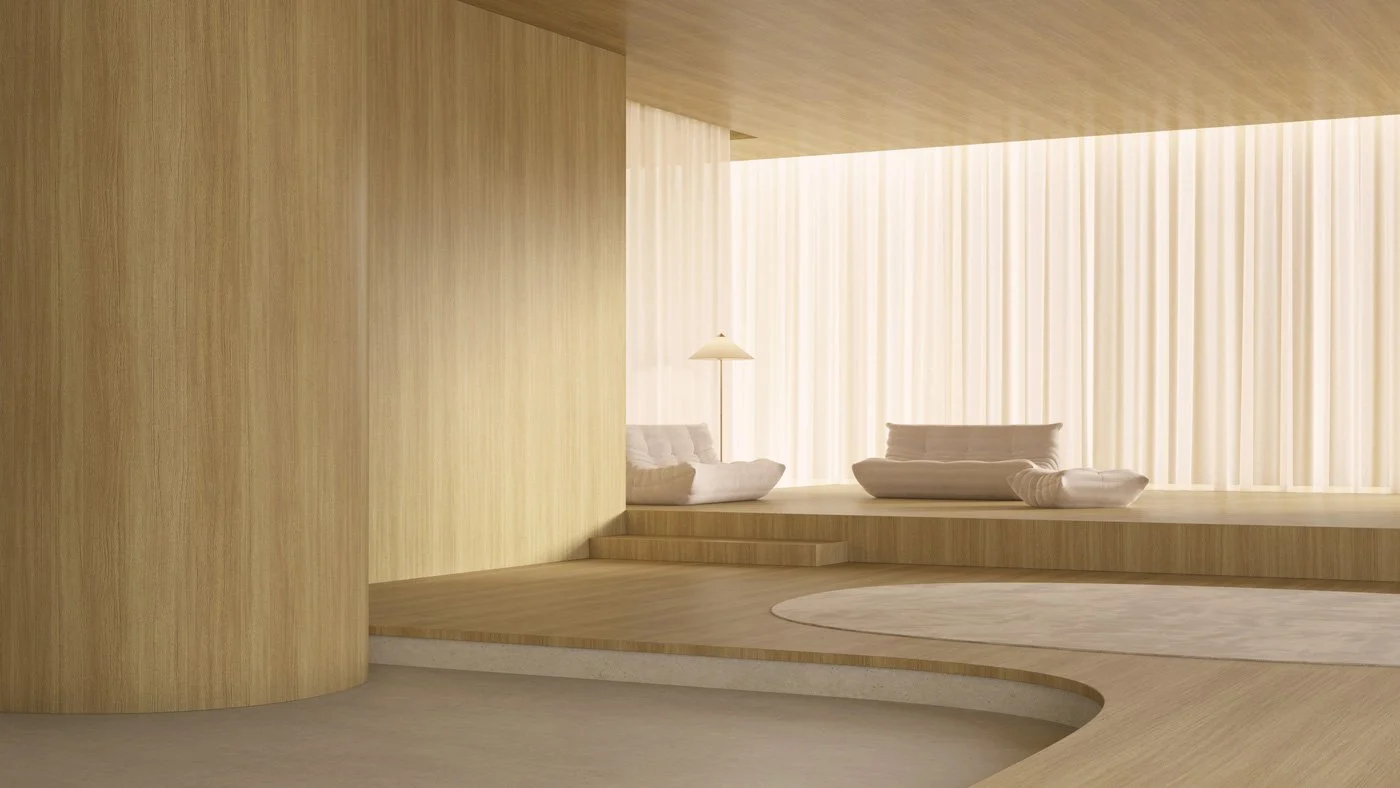
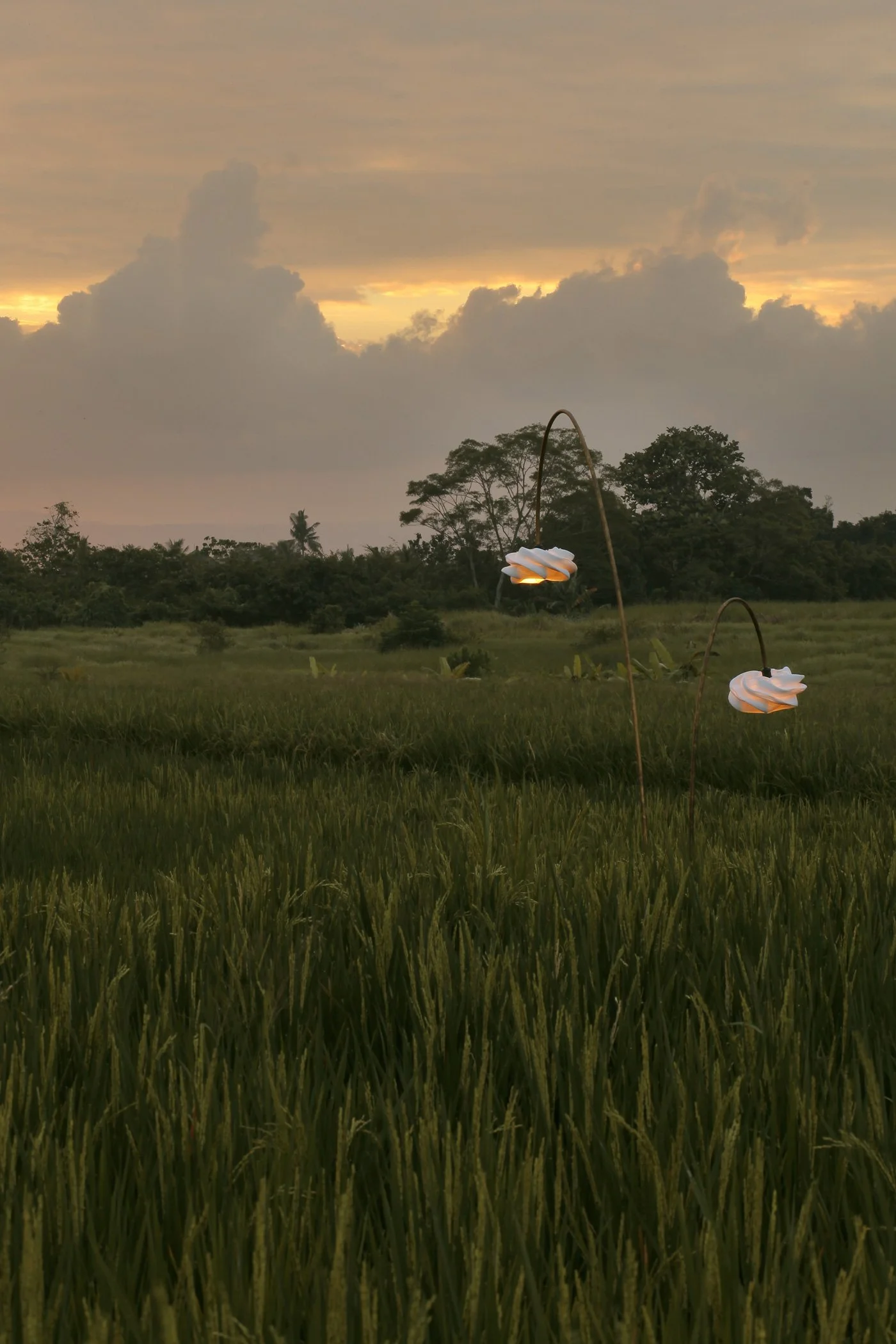
峇里島燈具工作室 ONG CEN KUANG 推出首個戶外燈具系列《Janur》,讓光與材料以最低限度的姿態融入地景。身為主要合作夥伴的新加坡層板品牌 Lamitak,則攜手峇里島建築事務所 DDAP Architect,將其對材料的哲學思辨,化為一段可親身走入的空間旅程。
而在這幅跨國界的設計圖景中,台灣的創作能量同樣沒有缺席。由台灣設計師曾熙凱主導的策展與設計平台 CURRENT,擷取台灣日常文化敘事、材料探索與製造端實力,以參展品牌的身分連結在地設計與國際視野;另一個台灣品牌 Eight to Eight Studio,則與德國的 Wedi Okbe Designs Studio、日本的 Ifuji 等共同列名今年的國際參展陣容。超過 250 個品牌在同一片海灘上並置,像是一場拋開邊界的集體共創,將彼此的長處與哲學攤開交織,共同回應那份與自然共生的溫柔呼喚。
-
Balinese lighting atelier ONG CEN KUANG introduces its inaugural outdoor lighting collection, Janur, allowing light and material to merge into the landscape with minimal intervention. Meanwhile, Main Partner Lamitak, a high-pressure laminate brand from Singapore, partners with Bali-based DDAP Architect to translate their philosophical reflections on materials into an immersive spatial journey.
Amidst this cross-border design panorama, Taiwan's creative energy is strongly felt. CURRENT, a curation and design platform led by Taiwanese designer Shikai Tseng, draws on Taiwan's everyday cultural narratives, material explorations, and manufacturing prowess to connect local design with international perspectives. Another Taiwanese brand, Eight to Eight Studio, joins the international lineup alongside Germany's Wedi Okbe Designs Studio and Japan's Ifuji. With over 250 brands juxtaposed on the same beach, the event feels less like a competition for attention and more like a collective, borderless co-creation—laying out mutual strengths and philosophies to collectively answer the gentle call of coexisting with nature.
ONG CEN LUANG。© Janur Iwan
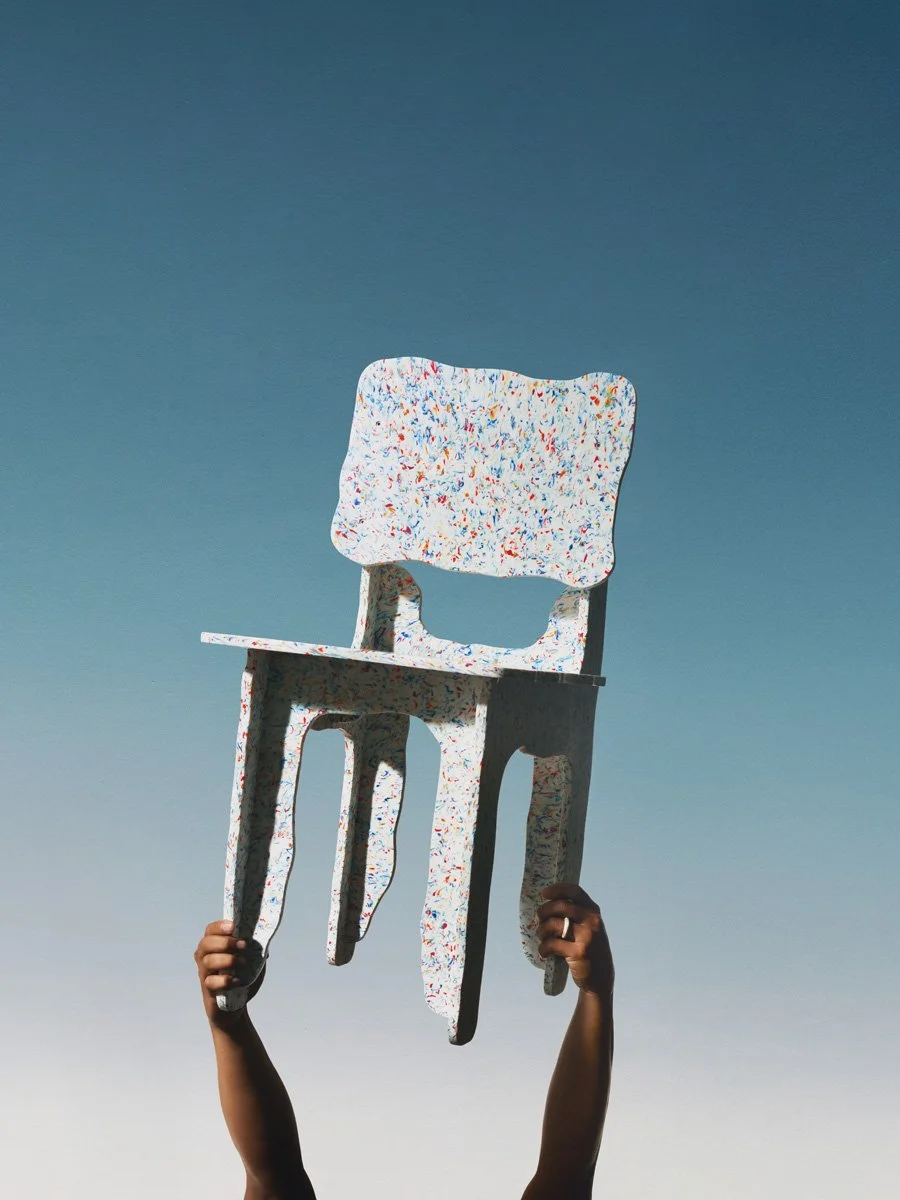
Wasted by Potato Head ©Priscilla Larasati Kemur
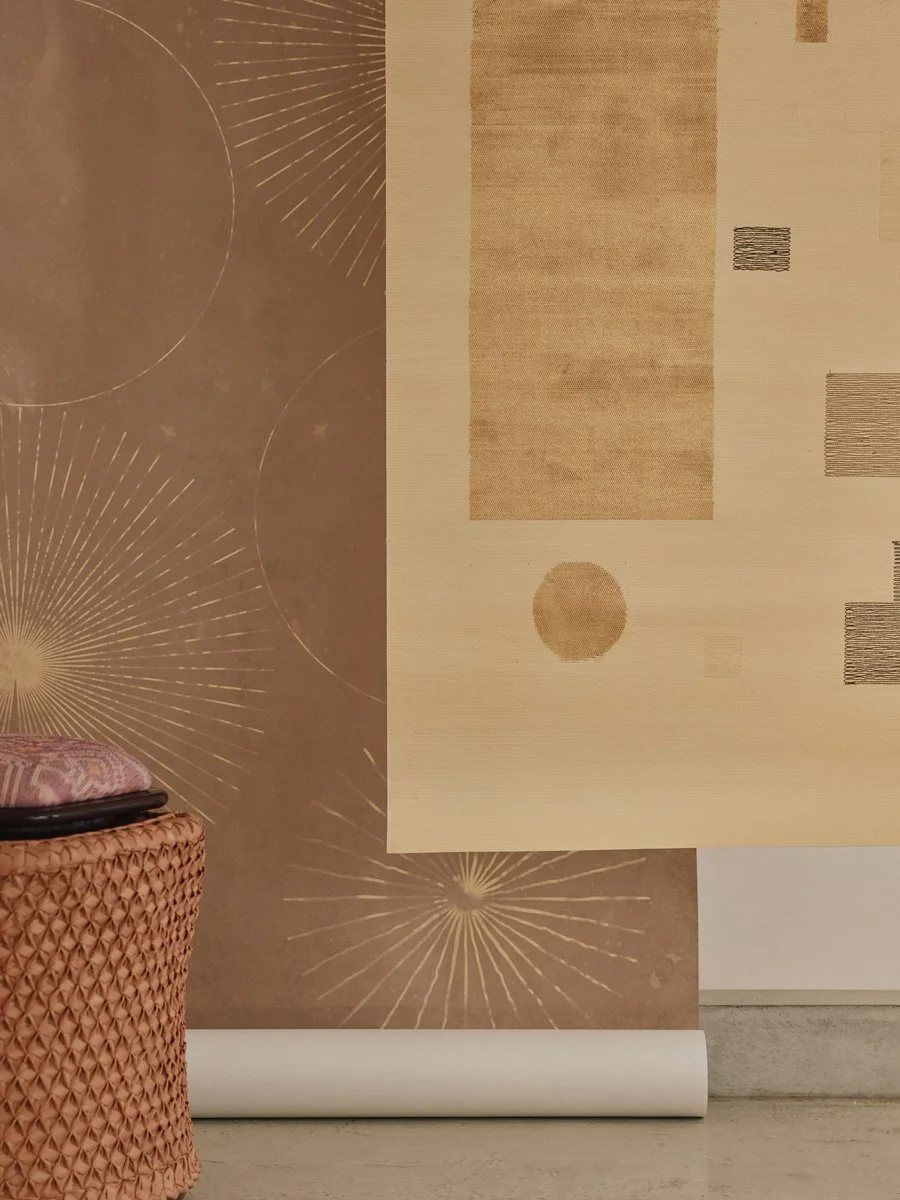
Sekata Living。©Dwin15
看點三:Architecture in Scale 建築模型展
繼去年首度亮相後,建築模型展 Architecture in Scale 今年再度回歸,並交由《南華早報》文化版設計主編 Charmaine Chan 擔任策展人。展出的 25 件模型全數來自已完工的專案,涵蓋印尼與亞洲各地的建築實踐,包括隈研吾建築都市設計事務所(KENGO KUMA + Associates)、印尼的 andramatin 與 IBUKU Studio、Bensley Design Studio Bali 以及 Alexis Dornier;同時,展覽也誠實剖析從設計到落成過程中所遭遇的真實挑戰。
這 25 件模型深究光線、空氣如何流動、水如何為人類帶來療癒,以及一個空間怎麼兼具開闊視野與庇護性。這些涵蓋住宅、工作室與臨時構築的作品,都是被真實居住、使用過的生活實驗。而長年應用傳統器物及自然材料創作的台灣藝術家范承宗的作品,屆時亦將在展會上展出。
-
Highlight 3: Architecture in Scale Maquette Exhibition
Following its debut last year, the Architecture in Scale maquette exhibition returns, curated this year by Charmaine Chan, Design Editor of the South China Morning Post's Culture desk. The 25 models on display are all completed projects, spanning architectural practices from Indonesia and across Asia. The roster includes Kengo Kuma & Associates, Indonesia's andramatin and IBUKU Studio, Bensley Design Studio Bali, and Alexis Dornier. Crucially, the exhibition honestly dissects the genuine challenges faced during the journey from design to delivery.
These 25 models delve into how light arrives, how air flows, how water provides restoration, and how a space can simultaneously offer both prospect and refuge. Encompassing homes, studios, and temporary structures, these works are not just concepts, but lived-in, utilized life experiments. The rooms blur the line between inside and out, the courtyards borrow the sky, and the roofs quietly listen to the rain. Notably, the works of Taiwanese artist Cheng Tsung FENG, known for his long-standing creative engagement with traditional utensils and natural materials, will also be showcased.
"As virtual representation saturates everyday life, it's a pleasure to engage with the tangible," notes curator Charmaine Chan. This physical encounter is exactly what the maquette exhibition seeks to celebrate.
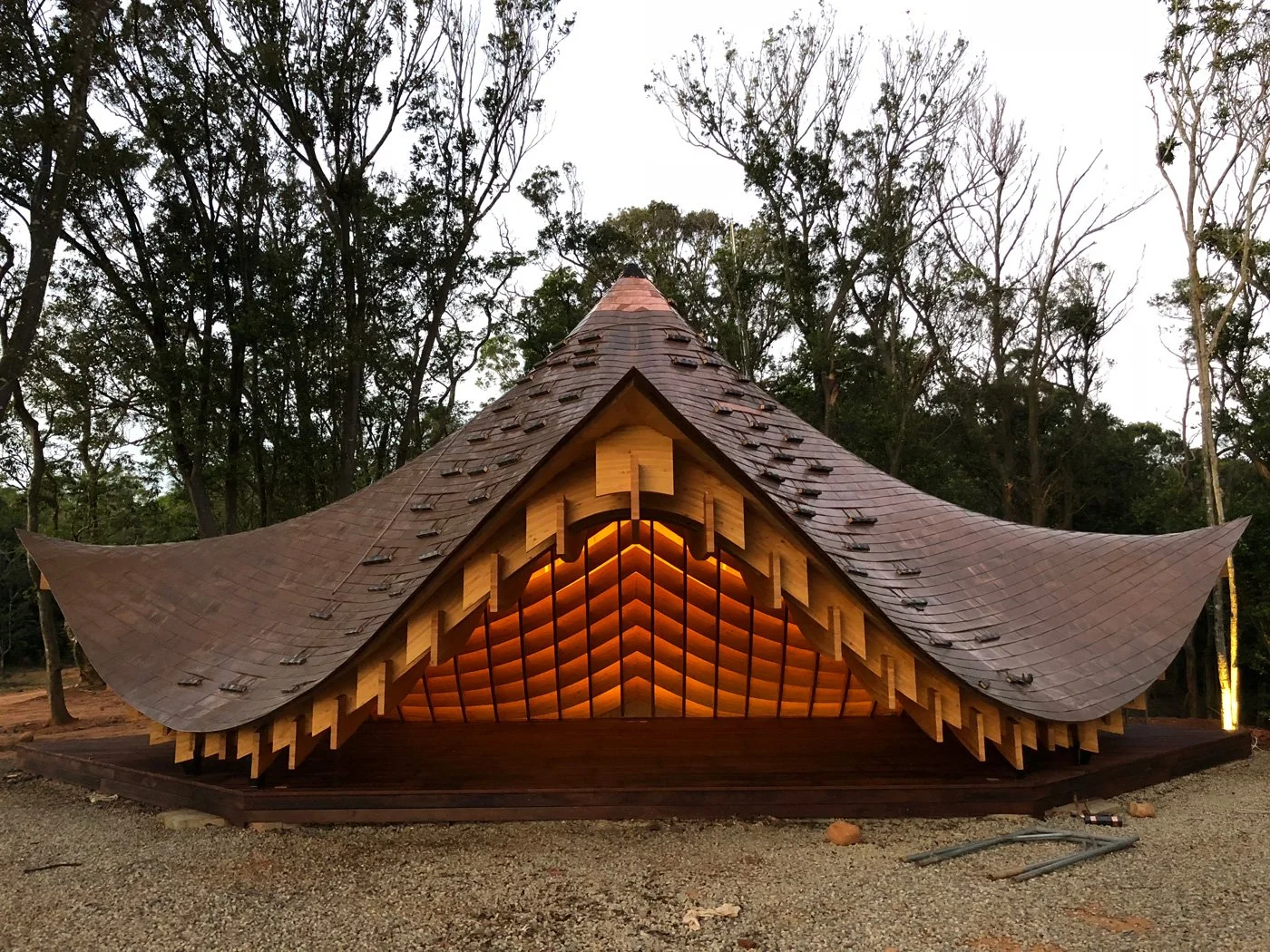
Architecture in Scale 2026-隈研吾建築都市設計事務所展出作品。© Jia CURATED
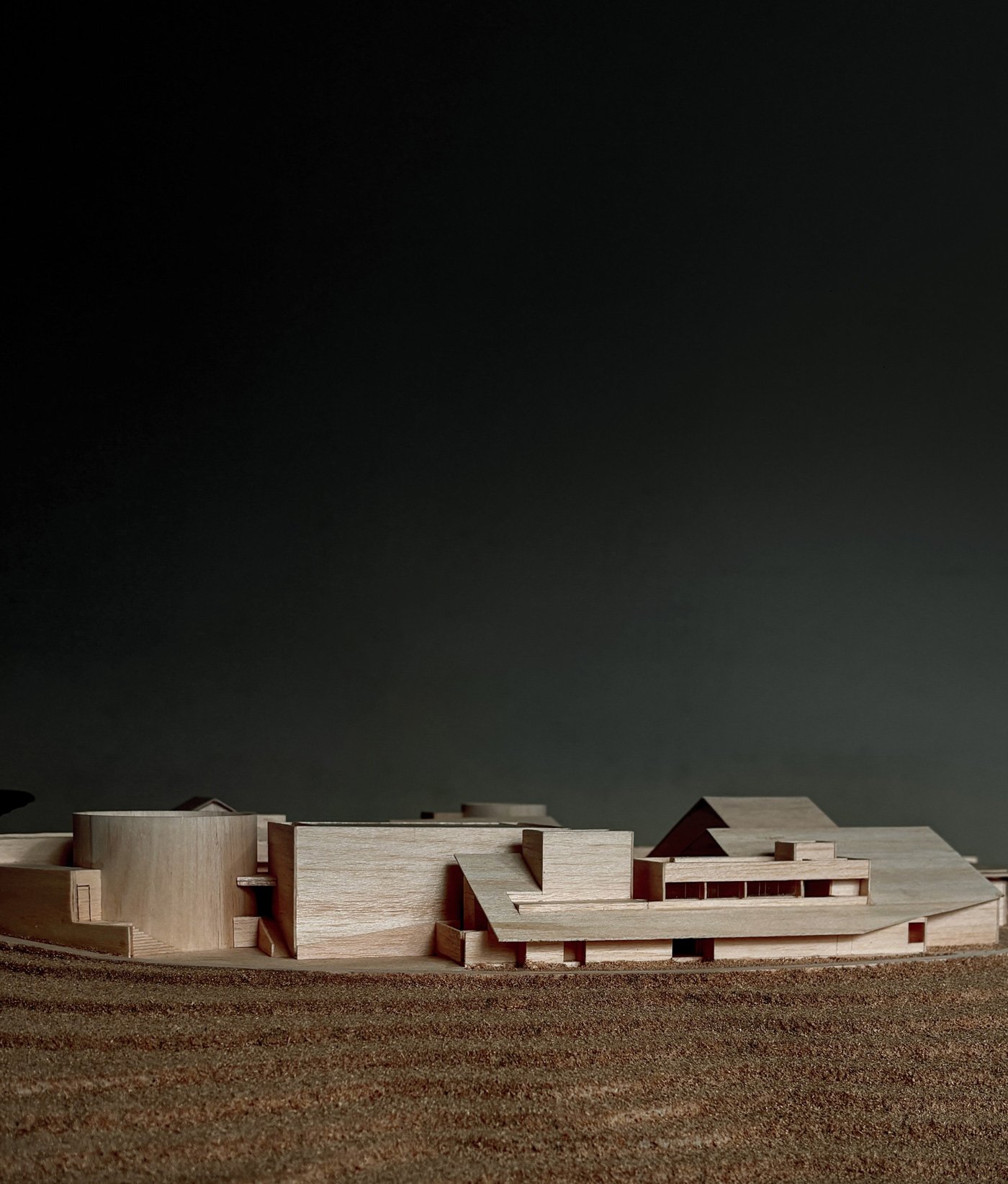
Architecture in Scale 2026-Andra Matin 作品。© Jia CURATED
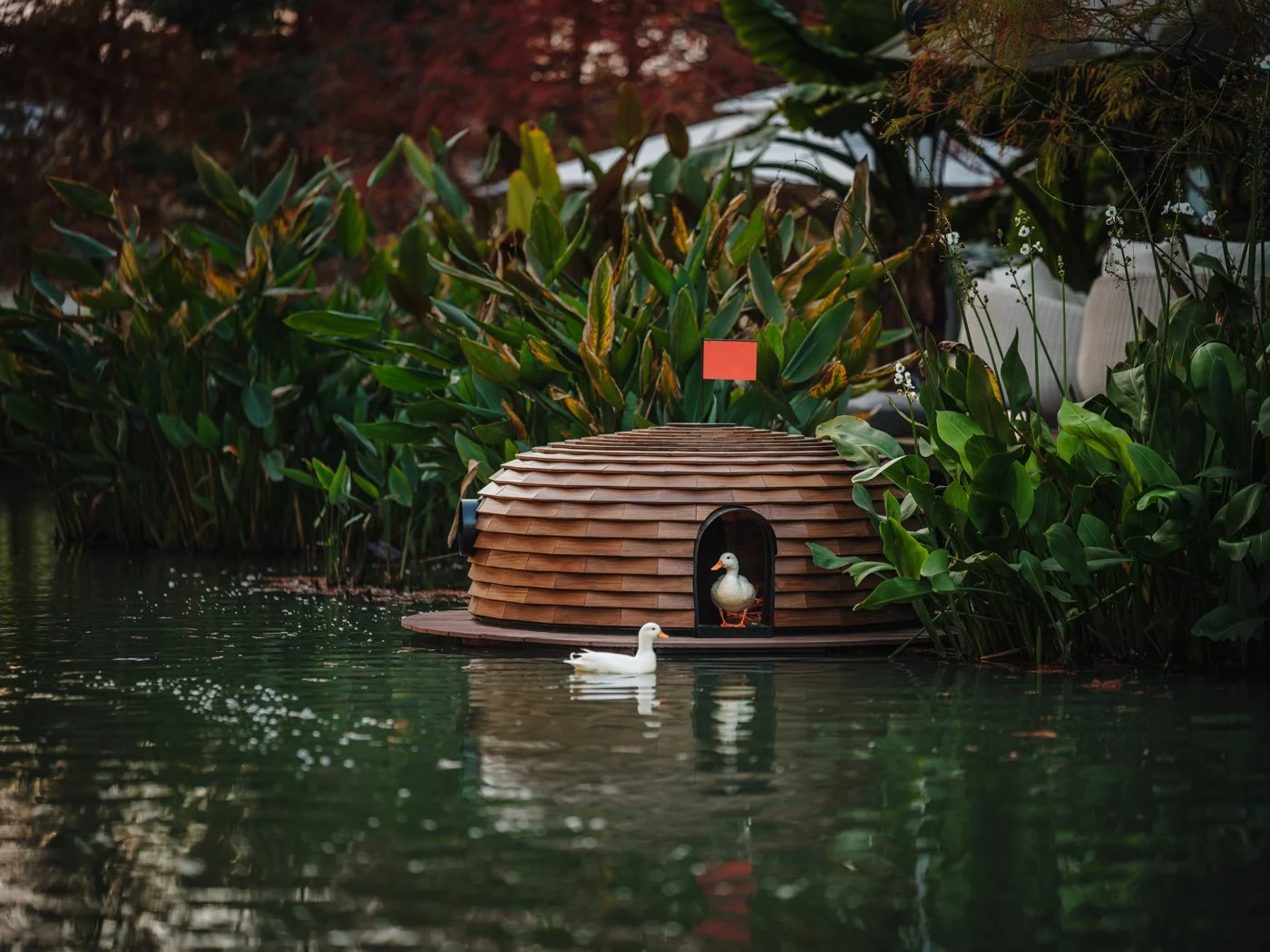
Architecture in Scale 2026-范承宗展出作品。© Jia CURATED
看點四:支持亞洲新興設計力量:特展《Tomorrow》聚焦菲律賓
Jia CURATED 每年皆會特意保留一塊免費展區,作為支持亞洲新興設計力量的發聲舞台。2026 年,聚光燈轉向菲律賓。這場名為《Tomorrow》的特展,邀請到 NEWFOLK 的 Gabriel Lichauco 擔任客座策展人,並以「與土地重新連結」為核心命題,將設計視為自然與詮釋者之間的深度對話。
展覽中,參展設計師與十間菲律賓在地工坊攜手合作,將原住民的傳統知識、精湛的工藝技術與當代設計思維緊密編織,孕育出一批極具文化底蘊與永續觀點的全新創作。
-
Highlight 4: Supporting Emerging Asian Design: The Tomorrow Exhibition Spotlights the Philippines
Every year, Jia CURATED purposefully reserves a complimentary exhibition space to provide a platform for emerging design forces in Asia. In 2026, the spotlight turns to the Philippines. Titled Tomorrow, this special exhibition is guest-curated by NEWFOLK's Gabriel Lichauco. Anchored in the core proposition of "reconnecting with the Earth," it frames design as an ongoing, profound dialogue between nature and its interpreters.
The exhibition features collaborations between participating designers and ten Filipino craft workshops. Together, they weave indigenous knowledge, masterful craftsmanship, and contemporary design thinking to give birth to a collection of new works rich in cultural heritage and sustainable perspectives.
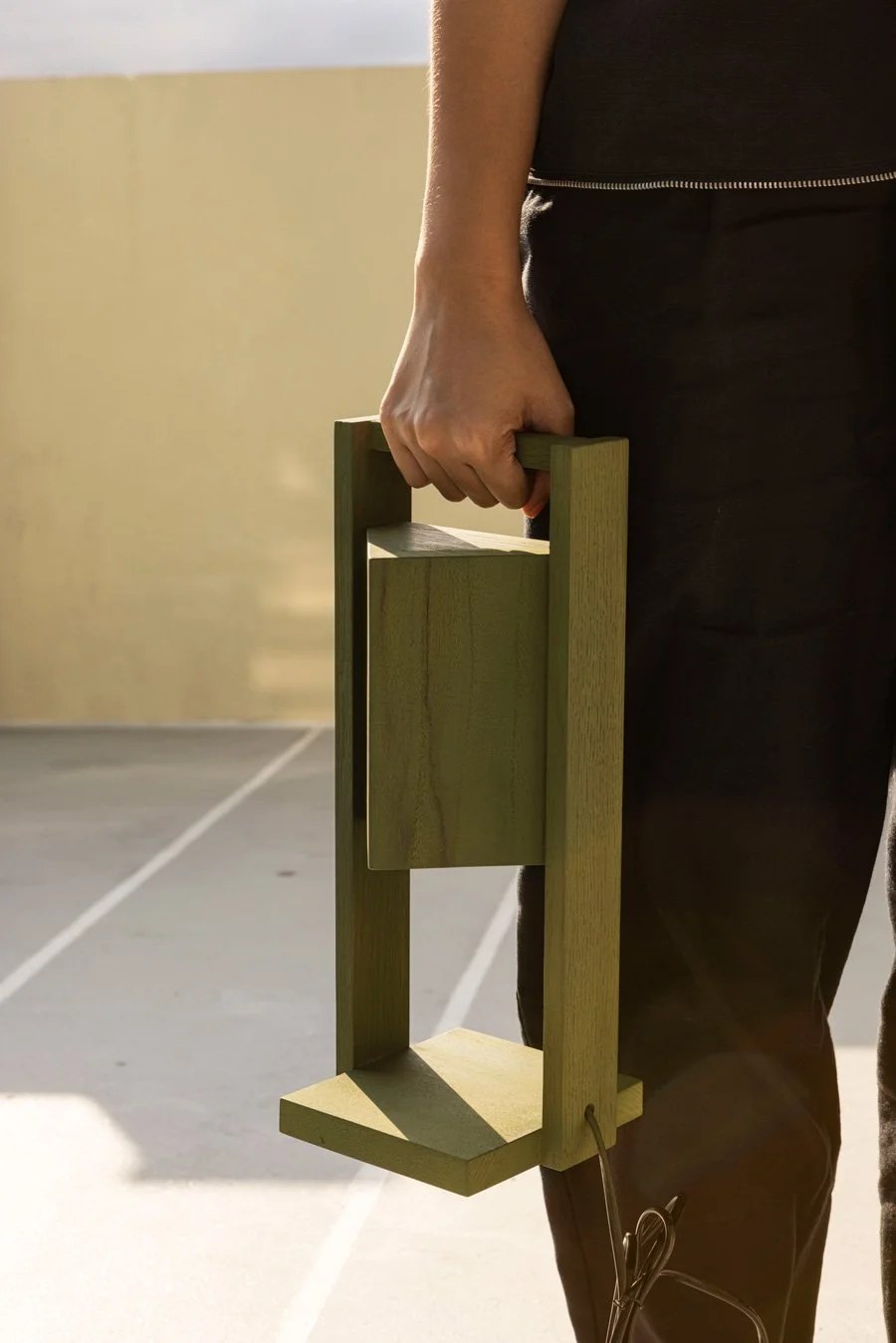
TOMORROW - Selena Placino。© Jia CURATED
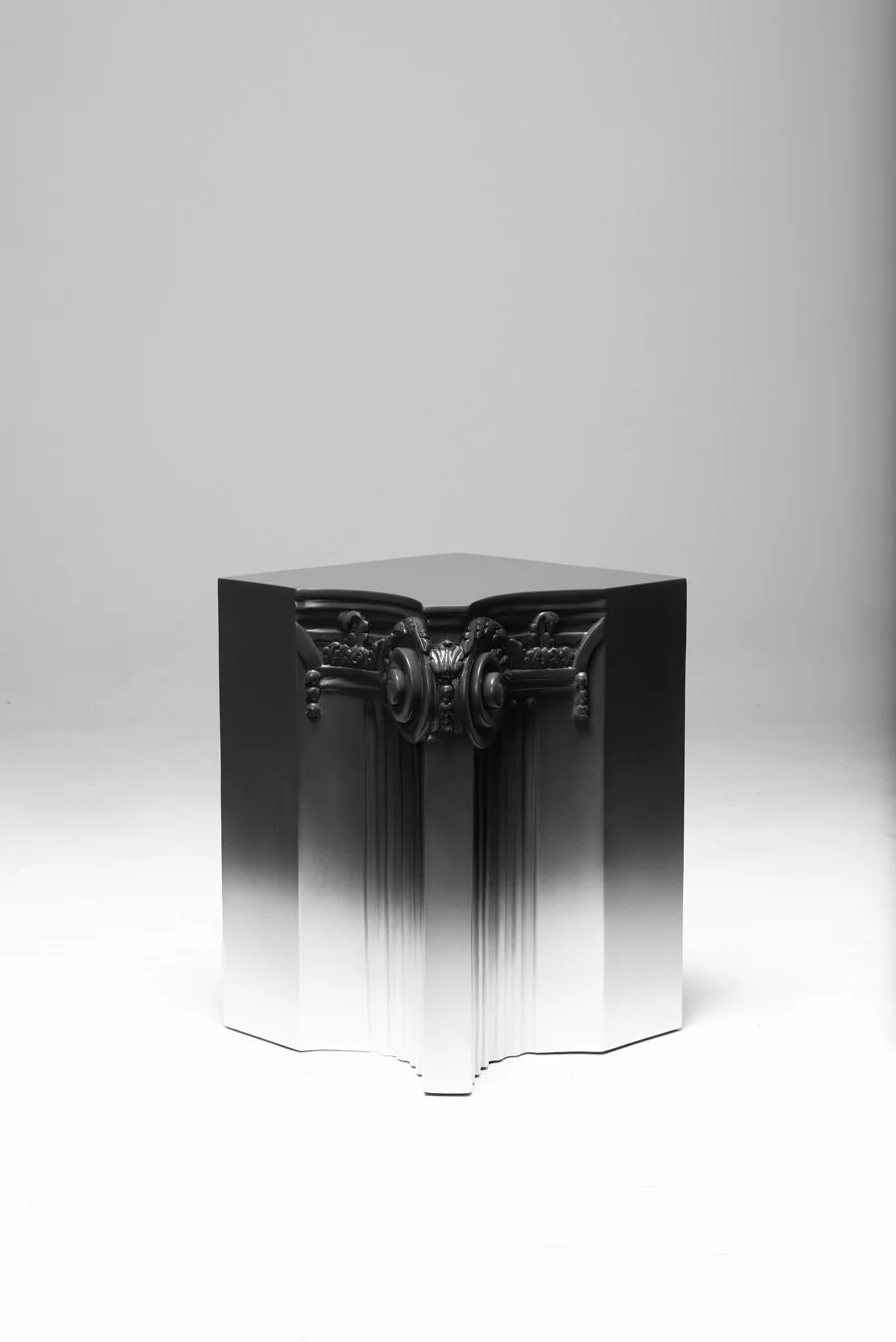
TOMORROW - Nazareno Lichauco。© Jia CURATED
看點五:Waste to Wonder 2.0 打破臨時建築的宿命,賦予物件第二生命
臨時建築的宿命,大多在拆除之後便宣告消失。Jia CURATED 這幾年不斷反覆叩問:這些龐大的結構與展示物件,在展期結束後究竟該何去何從?
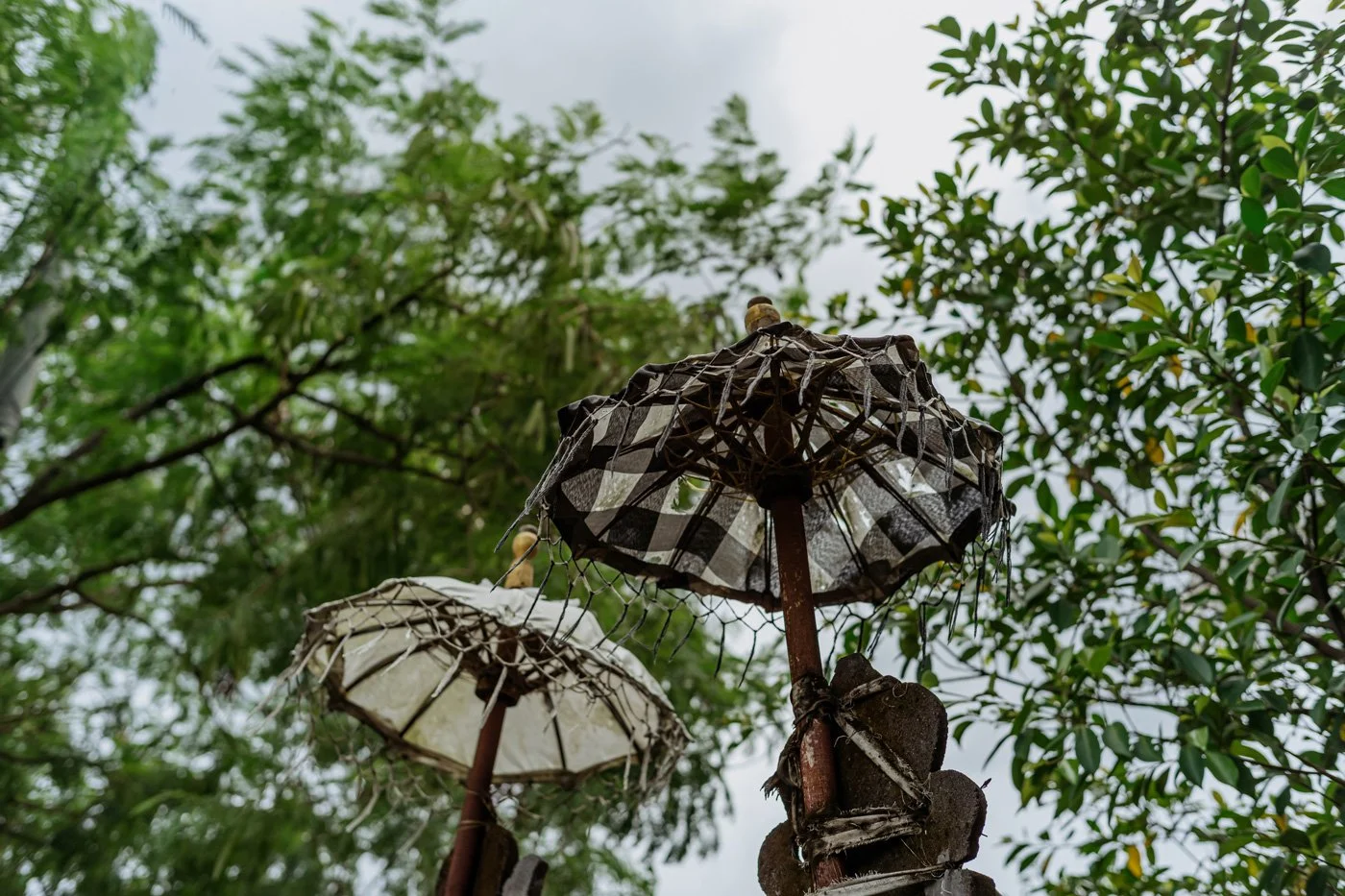
邁入 2.0 階段的永續企劃「Waste to Wonder」,正是他們對此最堅定的回答。今年的範圍也從 Jia Wantilan 一路延伸到 Media Lounge。在這裡,物件的生命週期被重新定義。去年展會使用的 Tyvek 屋頂,如今被轉化為庭園陽傘與戶外坐墊,裡頭更填滿了生產過程中剩餘的布料廢料;原本不起眼的紙管與回收木材,被重新組裝成今年的展場結構;而合作夥伴 Lamitak 的包裝木箱,則化身為散落全區、供人休憩的實用座椅。
同樣扣著這條線索,今年重新設計的 Media Lounge 由峇里島建築事務所 ATMA 操刀。空間不僅全面鋪設回收木地板,更深刻援引了峇里島傳統的「tetaring」(提供遮蔽、聚集與停頓的臨時棚屋)與「natah」(空間繞著一個核心展開)兩大概念。在完全不砌築實體牆面的前提下,為奔波於展場的記者與創作者,溫柔地留下一處得以喘息、慢下來的靜謐角落。
-
Highlight 5: Breaking the Fate of Temporary Architecture: Waste to Wonder 2.0 Grants Objects a Second Life
The destiny of most temporary architecture is to vanish upon dismantling. Over recent years, Jia CURATED has continuously asked itself: where do these massive structures and display objects go after the event concludes?
Waste to Wonder, a sustainability initiative now entering its 2.0 phase, is their most resolute answer to this question. This year, its scope expands from Jia Wantilan all the way to the Media Lounge. Here, the lifecycle of objects is redefined. The Tyvek roofing from last year's event has been transformed into patio umbrellas and outdoor cushions, stuffed with fabric offcuts from production waste. Otherwise unassuming cardboard tubes and reclaimed timber have been reassembled into this year's exhibition structures. Meanwhile, packaging crates from partner Lamitak have been reimagined as practical seating scattered throughout the venue.
Following this same thread, this year's redesigned Media Lounge is helmed by Bali-based architecture practice ATMA. The space not only features recycled timber flooring entirely, but also deeply draws on two traditional Balinese concepts: tetaring (a temporary shelter offering protection, gathering, and pause) and natah (spatial organization around a central core). Without constructing a single solid wall, it gently carves out a tranquil sanctuary for journalists and creators bustling around the fair to catch their breath and slow down.
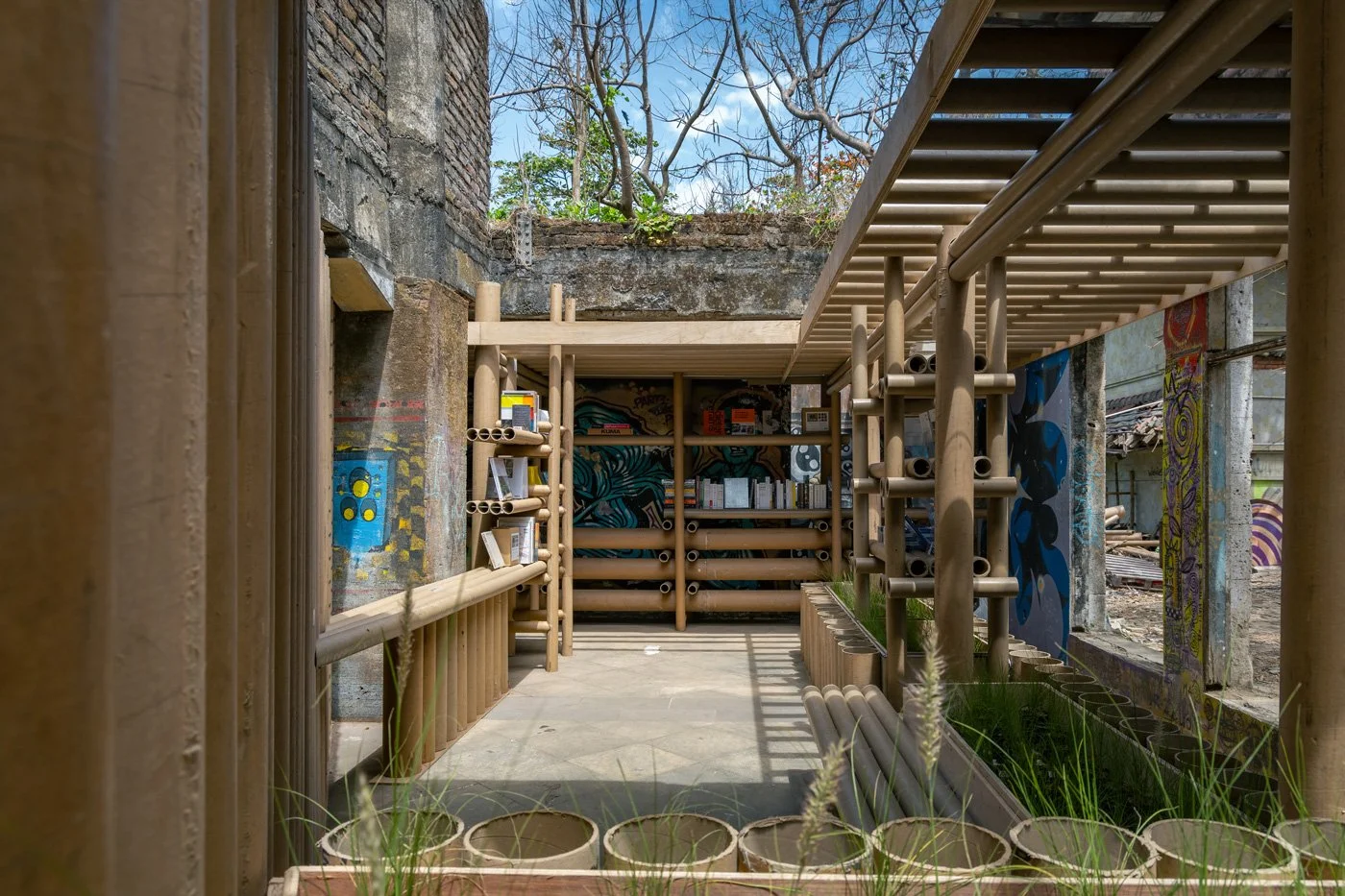
2025 年Waste to Wonder 企劃,由Andra Matin規劃的書攤。©Indra Wiras
看點六:傾聽多元視角的 360° Design Dialogues 論壇
深受矚目的論壇單元「360° Design Dialogues」,今年再度交由設計媒體《Design Anthology》擔綱策劃。呼應「Nature Weave」的大會主題,講者陣容的安排極具巧思:主題講者邀請到 Bethan Laura Wood、Peter Stutchbury 與 Fiona Lynch;與談人則囊括 Kwangho Lee、Gabriel Tan,以及台灣藝術家范承宗。今年的策劃方向明確聚焦於「多元與包容」,刻意將發言權遞交給那些較少被聽見的視角,藉此展開更具深度的跨界交流。
-
Highlight 6: Listening to Diverse Perspectives: 360° Design Dialogues Curated by Design Anthology
The highly anticipated talks program, 360° Design Dialogues, is once again curated by design publication Design Anthology. Echoing the "Nature Weave" theme, the speaker lineup is thoughtfully arranged: keynote speakers include Bethan Laura Wood, Peter Stutchbury, and Fiona Lynch; while panelists feature Kwangho Lee, Gabriel Tan, and Taiwanese artist Cheng Tsung Feng. This year's curatorial direction is clearly focused on diversity and inclusivity, deliberately handing the microphone to underrepresented perspectives to foster profound cross-disciplinary exchange.
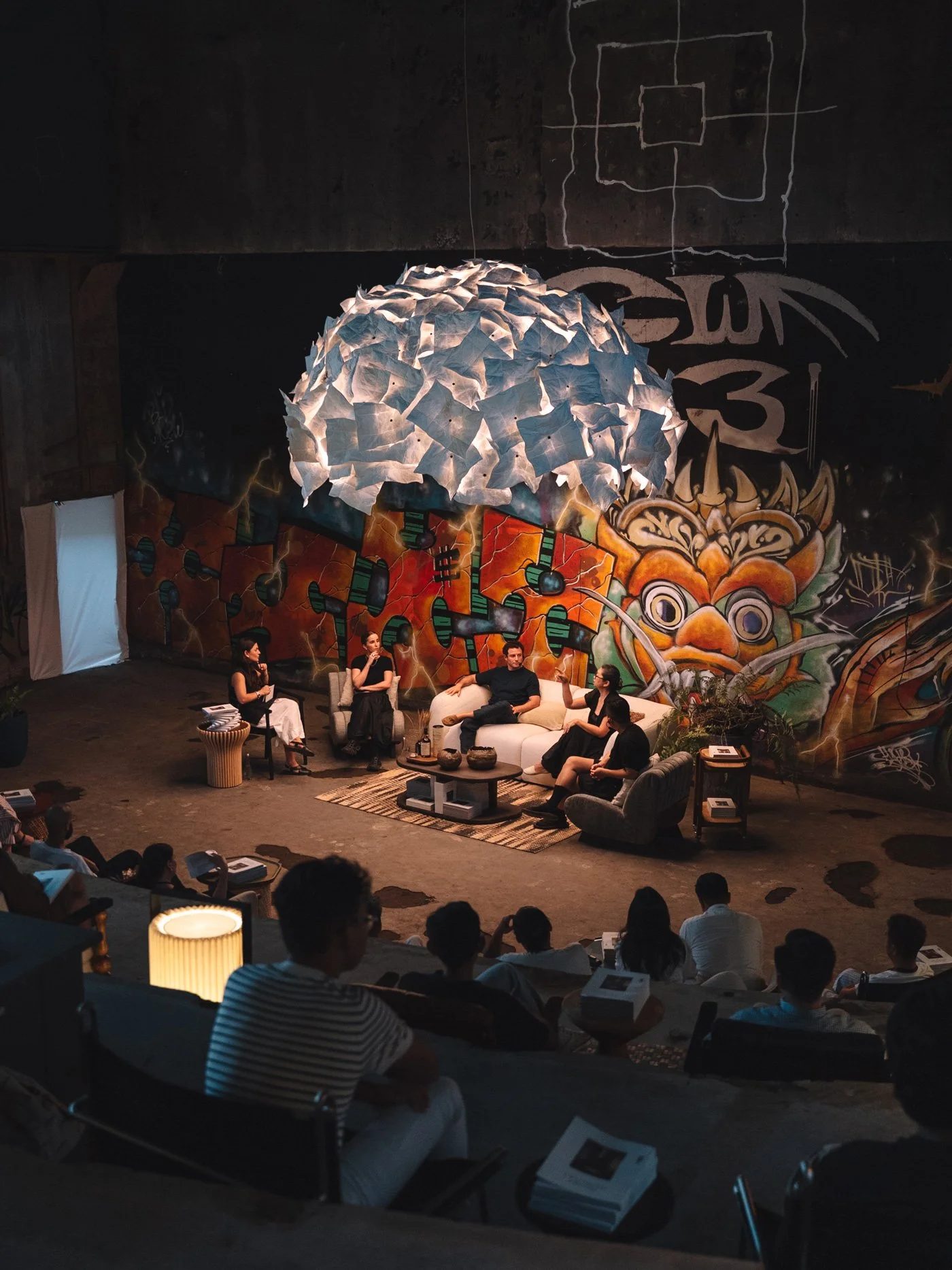
2025年論壇。© Jia CURATED
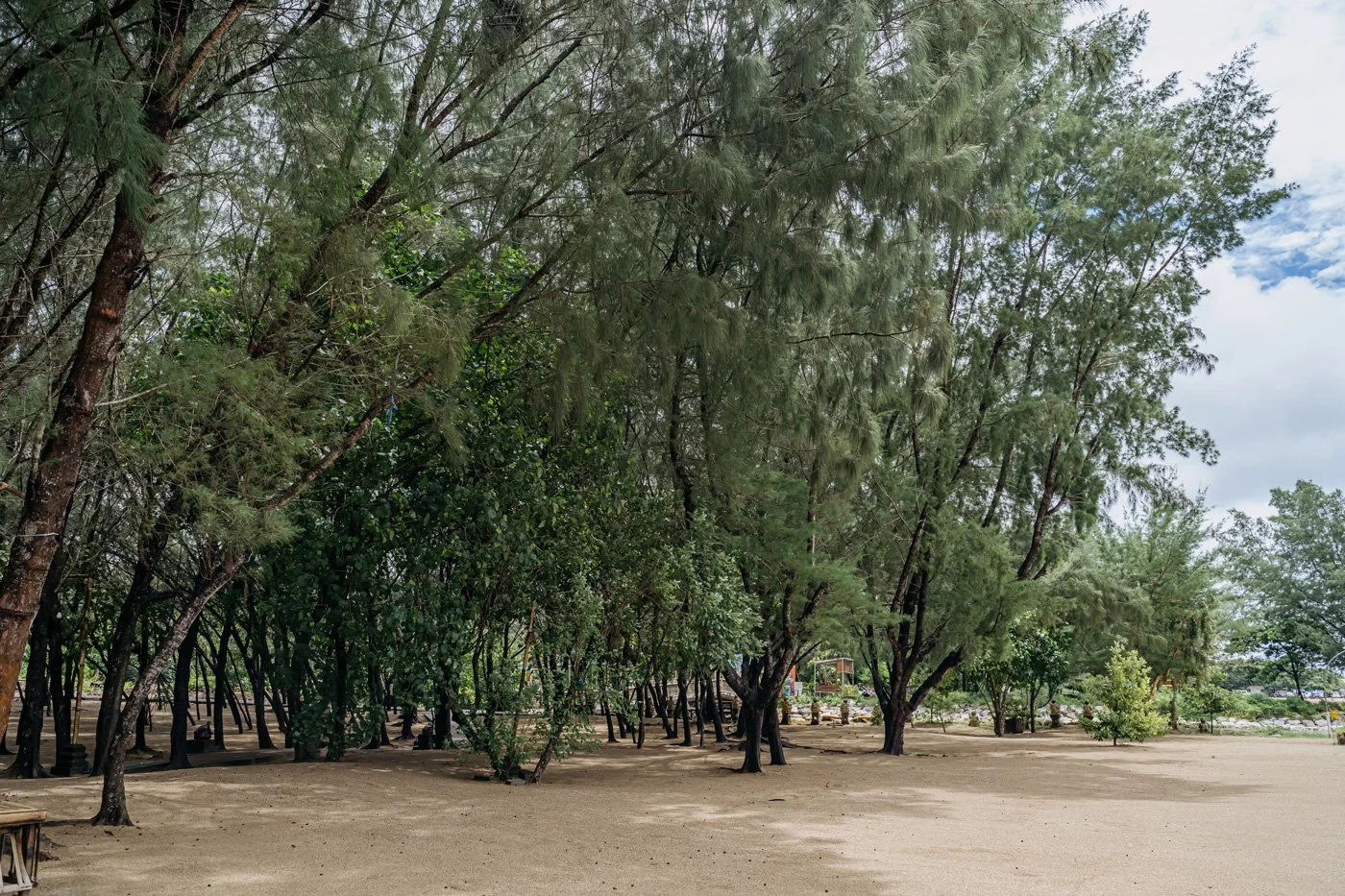
© Christoper Octav
Jia CURATED 2026 在這片無牆的海灘上,專注於編織人、自然與文化的長遠關係。短短五天的展期,將於 8 月 13 日正式登場。如果你剛好在峇里島,或者正渴望一場充滿靈光的避世之旅,不妨親自走一趟 Pengembak 海灘,親身走進這場與自然共編的設計盛會。
-
Jia CURATED 2026 is dedicated to weaving a long-term relationship between people, nature, and culture. The brief five-day exhibition officially kicks off on August 13. If you happen to be in Bali, or are yearning for an inspiring getaway, you might want to make your way down to Pengembak Beach and step directly into this design festival co-woven with nature.
地點:Pengembak Beach, Jl. Pengembak, Sanur, Bali
開放時間:12:00 至 22:00
網站資訊:查看更多