
從順應土地天性,找回建築遺忘的氣息:專訪 Clayworks 共同創辦人 Adam Weismann
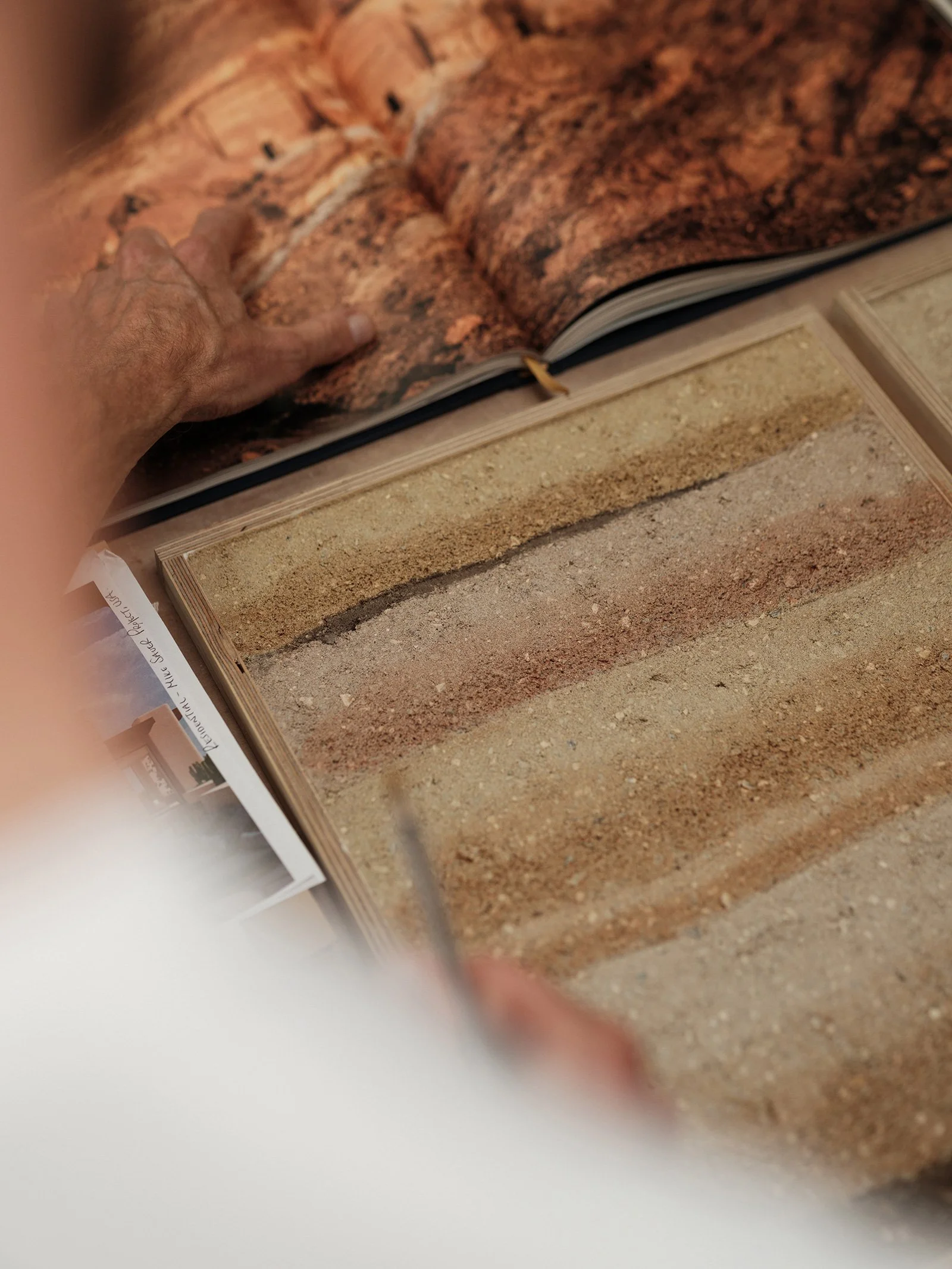
© Elliot Sheppard, Clayworks (Clayworks Studio)
-
In contemporary architecture, driven by a pursuit of absolute flatness and efficiency, walls are often relegated to mere background elements used to partition space. Wrapped in industrial coatings and standardized materials, our imagination of what a wall can be has grown monotonous. Yet, in the eyes of Clayworks co-founder Adam Weismann, a space devoid of sensory connection to its inhabitants is inherently hollow.
“Humanity has been building lives alongside clay for millennia,” Adam observes. “It is only in recent history that we have pivoted to relying on chemicals, plastics, and industrial materials to construct our living environments.” He seeks to bring clay back into the modern consciousness, liberating the wall from being a mere decorative skin and transforming it into an active structure that regulates indoor climates and interacts with its inhabitants.
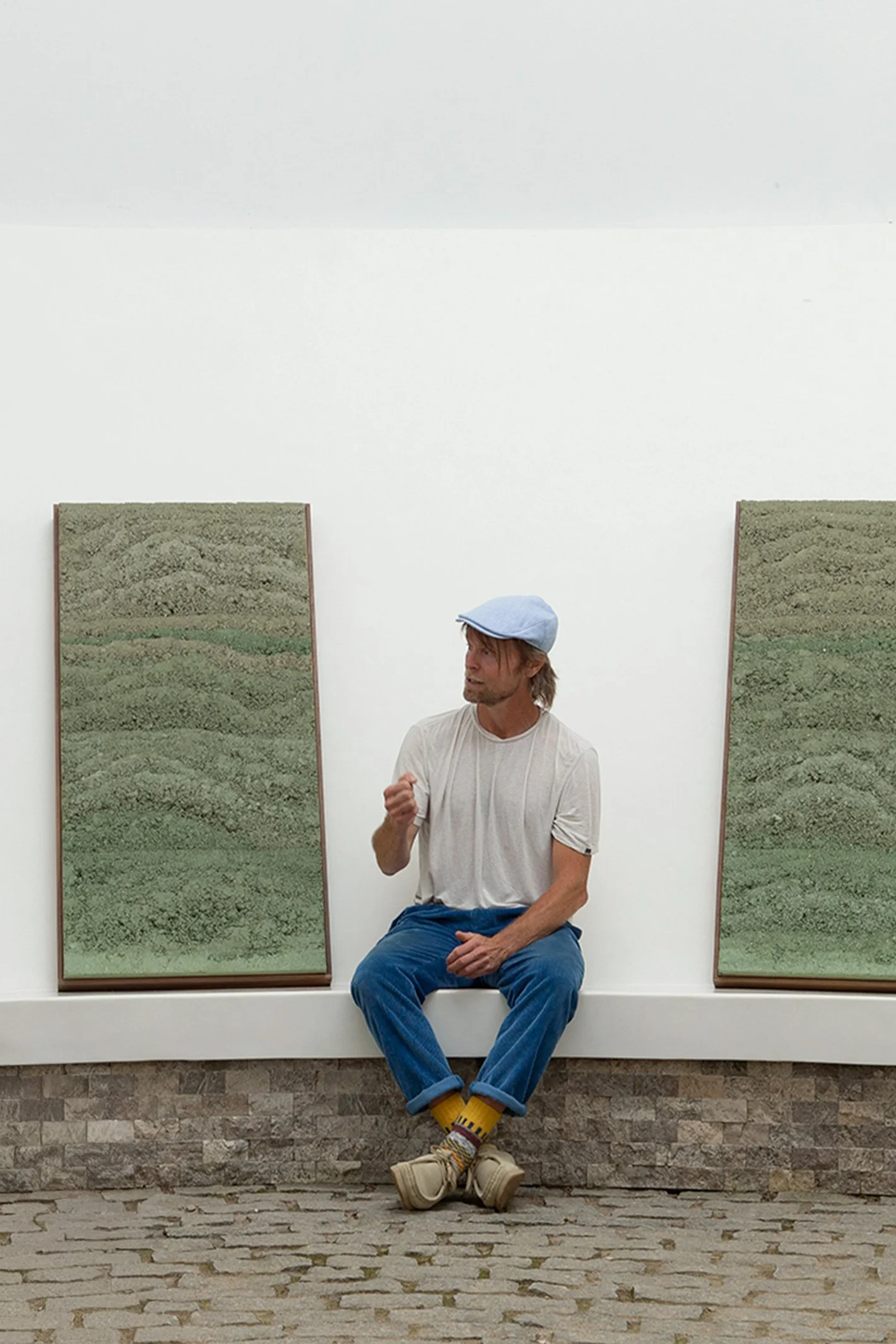
Clayworks 共同創辦人 Adam Weismann ( © Cat Vinton, Clayworks)
-
From the UK to Japan: Tracing the Essence of Materiality
The genesis of this material revolution begins with the warm red earth of Cornwall, England. Before officially founding Clayworks, Adam and his wife, Katy Bryce, spent years restoring ancient earth buildings and traveling the globe to study millennia-old clay craftsmanship. They discovered that in cities built of steel and concrete, this earth-bound craft was fading into obscurity, replaced by cold, standardized, industrial synthetic surfaces that stifle the spatial flow of air.
However, the true catalyst that gave Adam his aesthetic depth was the time he spent in Kyoto, Japan. In a city that embraces "flaws" and "imperfection" as the core of its aesthetic philosophy, he profoundly experienced how natural materials weather over time to develop a uniquely elegant patina. It made him realize that while the West still attempts to regulate environments through precise data, Eastern artisans have long learned to yield to the inherent nature of materials, living in harmonious, effortless purity with nature.
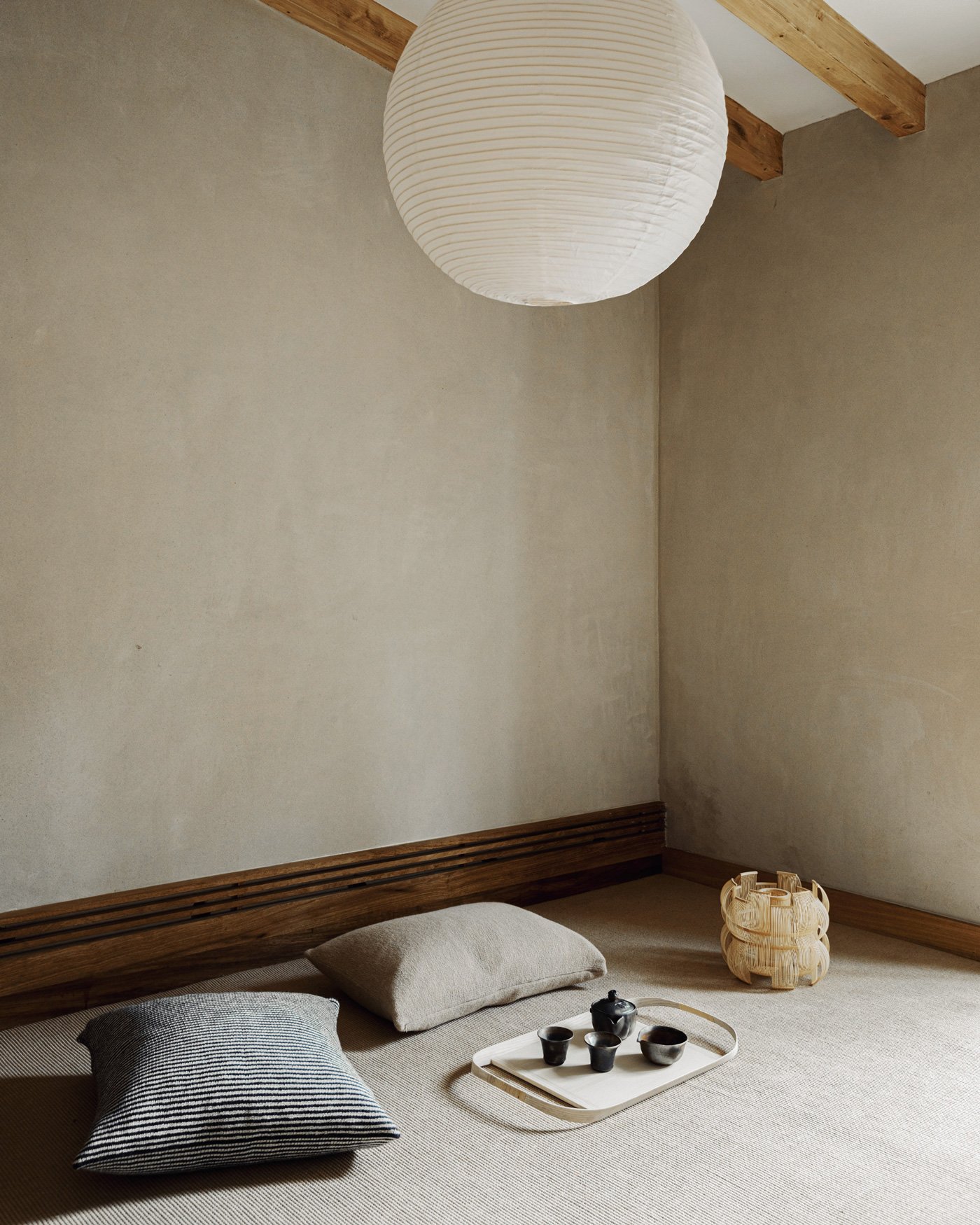
© Edvinas Bruzas, Clayworks (Wave Residence)
-
Touching the Warmth of Time Through the Earth's Pores
The reason clay has endured through millennia of architectural civilization lies in its fine physical porosity. Unlike impermeable modern synthetic paints, clay plaster maintains an ongoing connection with its surrounding environment long after application. Adam often describes this material as "constantly working": it is not merely a visual presence, but something that subtly regulates odors, moisture, and temperature within a space over time.
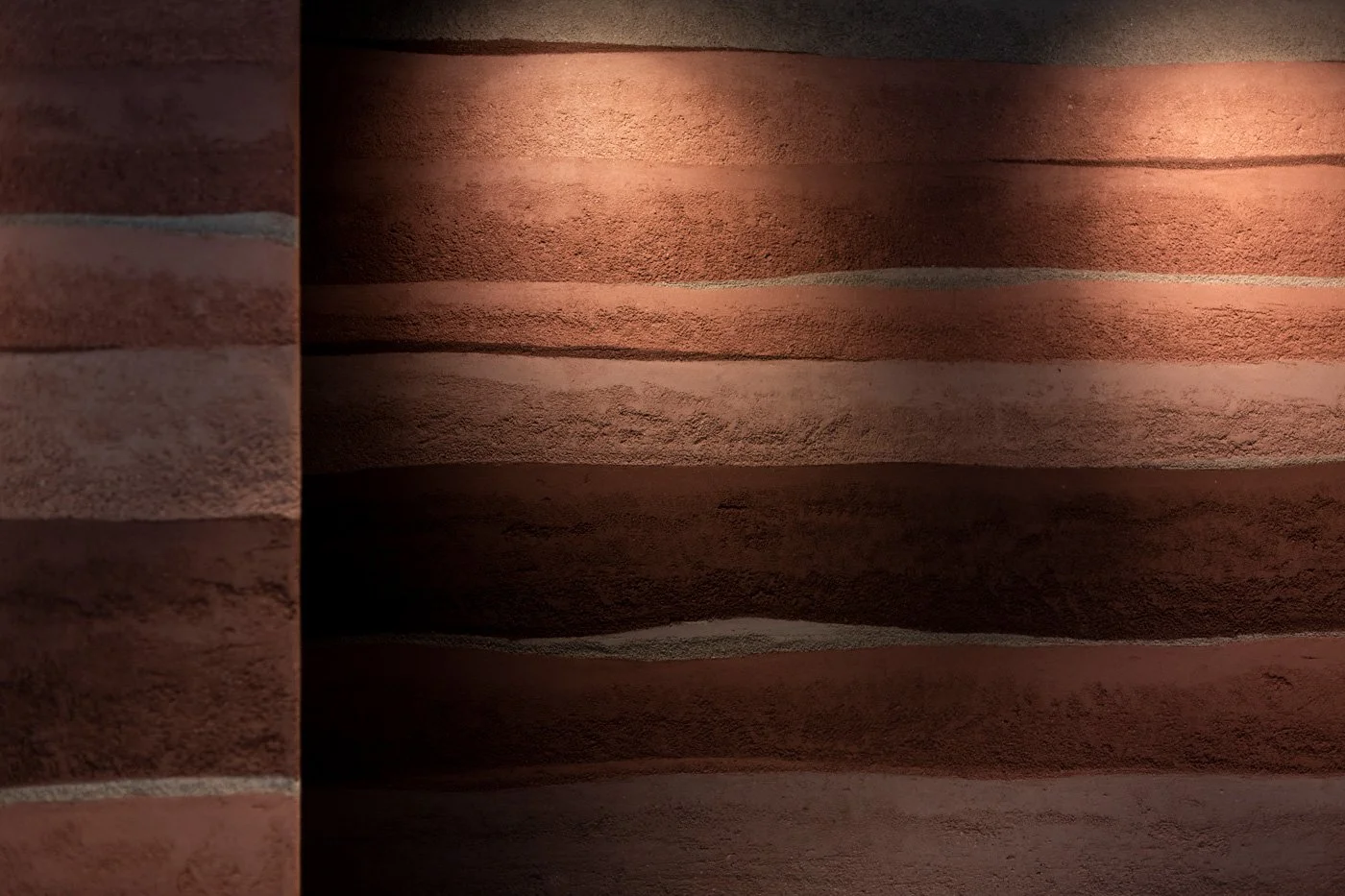
© Alex Treadway, Clayworks (CBRE)
-
“In a space, clay acts as a silently operating regulatory system, underpinning the health and comfort of the home environment,” Adam explains. It is a material capable of harmonious symbiosis with the built environment. Possessing a natural breathability, it keenly senses shifts in humidity and provides a comforting, thermal buffer amid fluctuations in temperature.
This physical property endows the walls with exceptional absorptive capabilities, actively neutralizing odors while softening sound reflections through its porous texture to reduce harsh reverberations. Most crucially, it naturally regulates humidity—absorbing and storing moisture when the air is too damp, and steadily releasing it as the environment dries out. In extreme climates, these traits translate into significant functional value. In a tropical, year-round hot and humid climate like Singapore, the breathability of clay is a functional necessity. For Taiwan, which shares a similarly humid and hot environment, a material that balances the microclimate and buffers drastic temperature and humidity swings offers a purer, more tactile alternative to a mechanical dehumidifier.
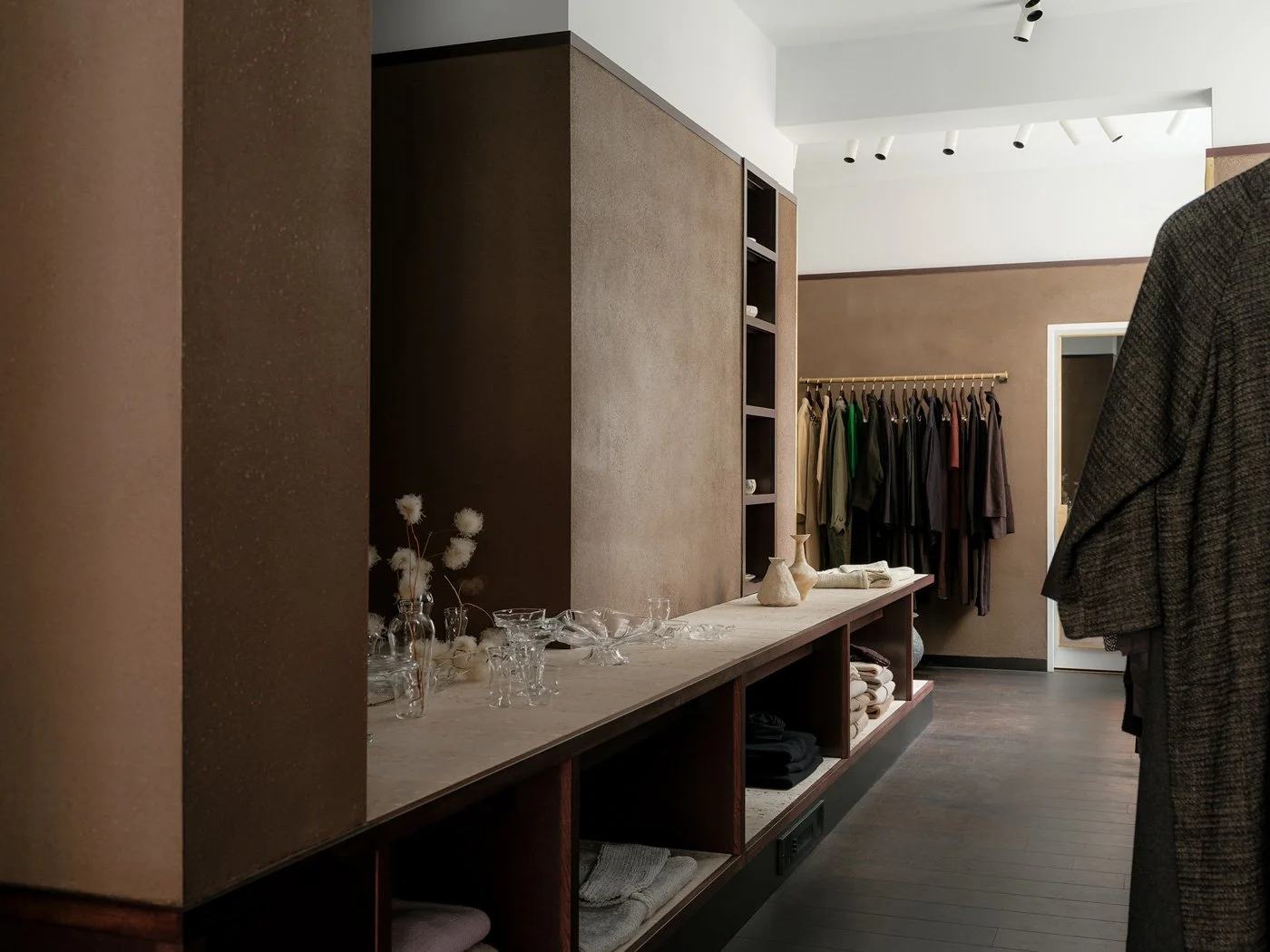
© Eleonora Boscarelli, Clayworks (Mouki Mou)
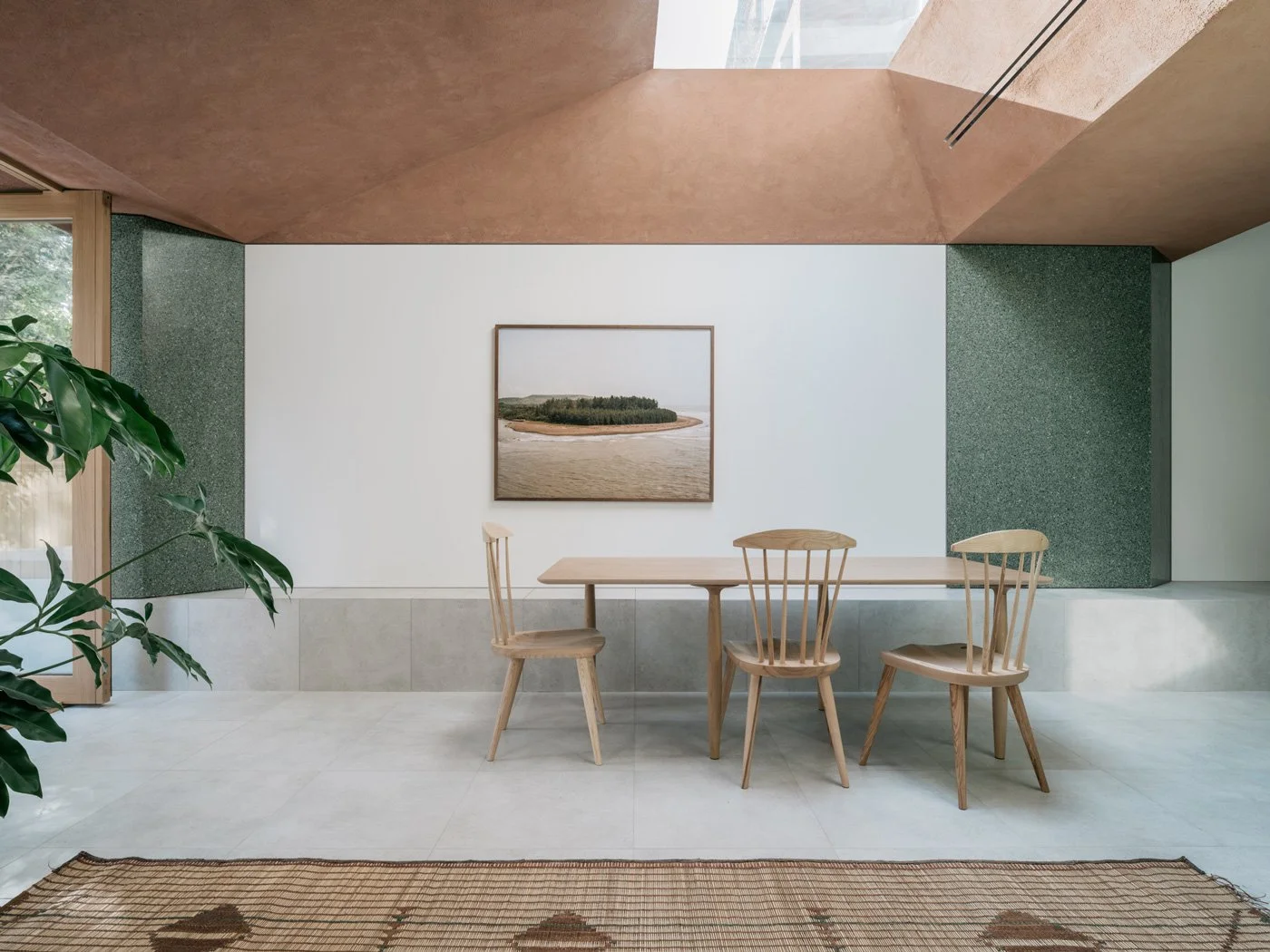
© James Retief, Clayworks (Terzetto)
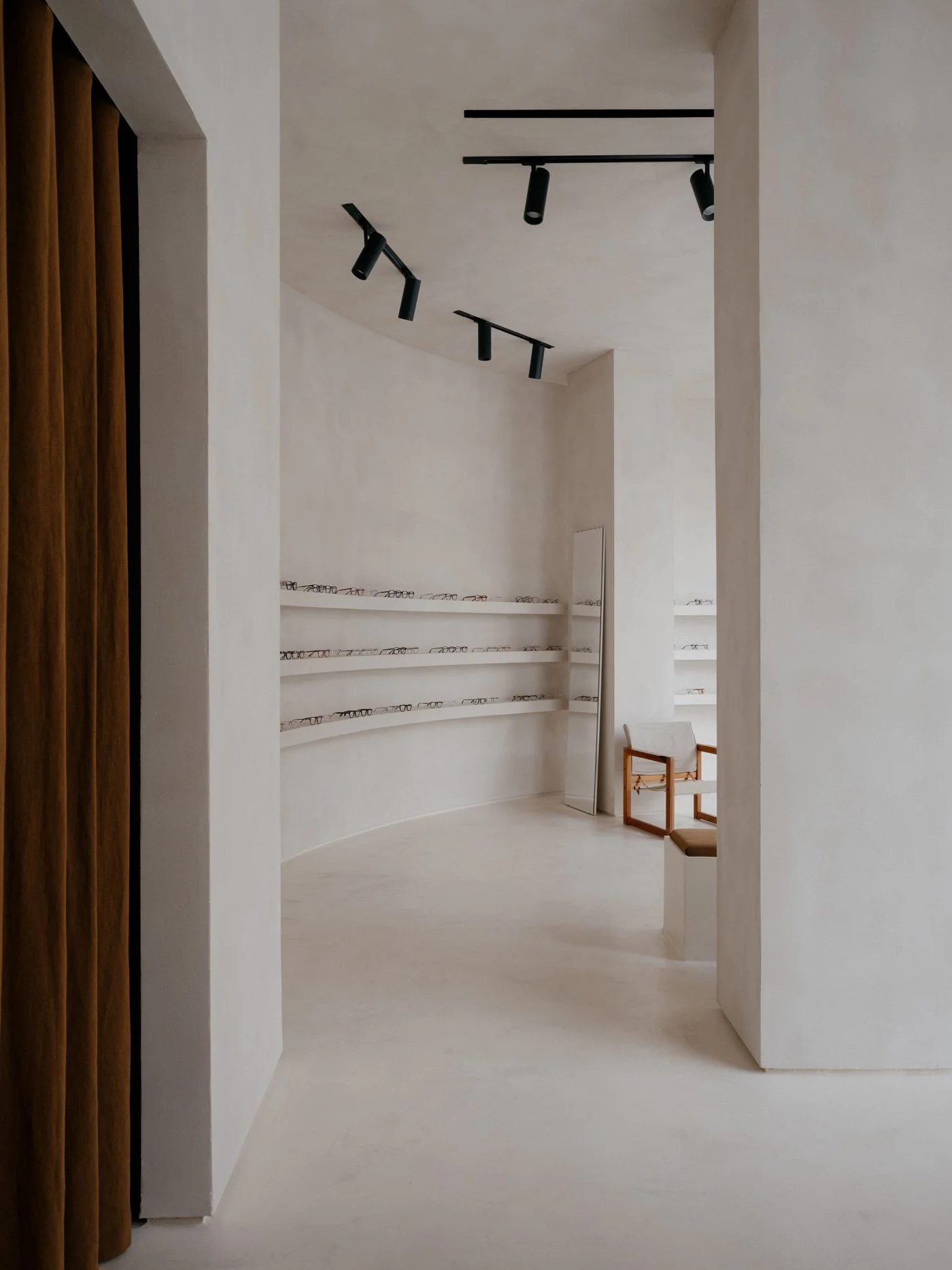
© Harry Crowther, Clayworks (bloombloom)
-
Bridging Industrial Alienation Through the Fingertips
Contemporary design aesthetics often harbor an almost obsessive pursuit of flawlessness, attempting to erase all traces of nature in exchange for absolute visual perfection. In Adam's view, however, this reflects a concerning trend: as built environments lean toward standardization and visual sterility, we gradually forget our instinct to "read" a space with our hands. This is precisely what he seeks to awaken—"Sensory Intelligence," a perceptive capability long neglected by modern architecture.
The charm of Clayworks stems from an unpretentious beauty that actively resists standardization. By blending straw fibers or crushed minerals into the material formula and combining them with the subtle textures left by a craftsman’s trowel, the wall is no longer a cold, vertical plane; it transforms into a sensory interface that invites touch.
“Rather than striving for uniform perfection, it is far more important to live among materials that possess character and sensory warmth,” Adam firmly believes. The connection between humans and nature should be an immersive, full-body sensory experience. When a hand gently brushes against the wall, that granular, earthy warmth is a texture impossible to replicate with modern synthetic paints. This tactility silently bridges the gap between designer, artisan, and inhabitant, dissolving the cold alienation of industrial products through the unique language of the earth.
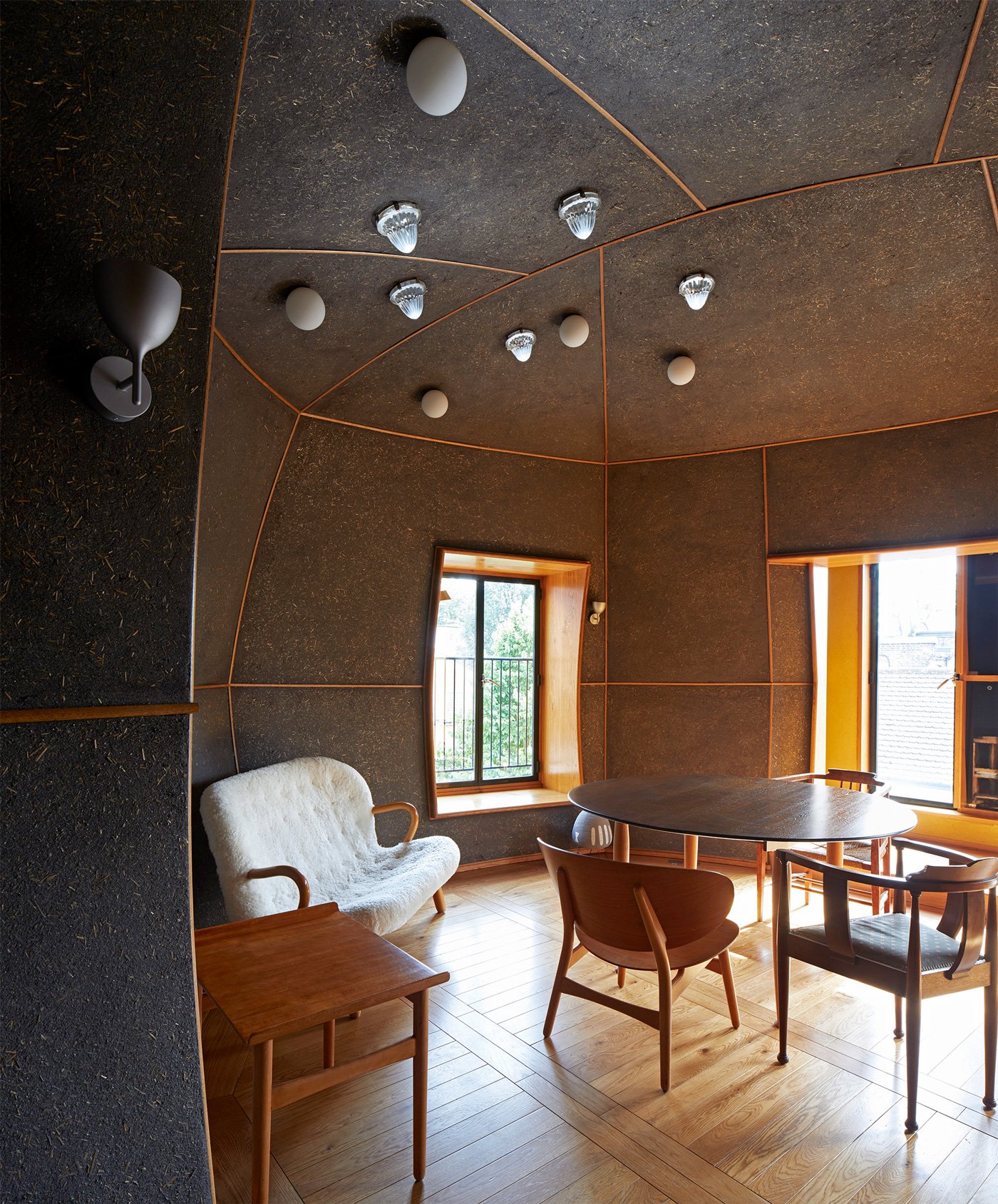
© Edmund Sumner, Clayworks (Walmer Yard)
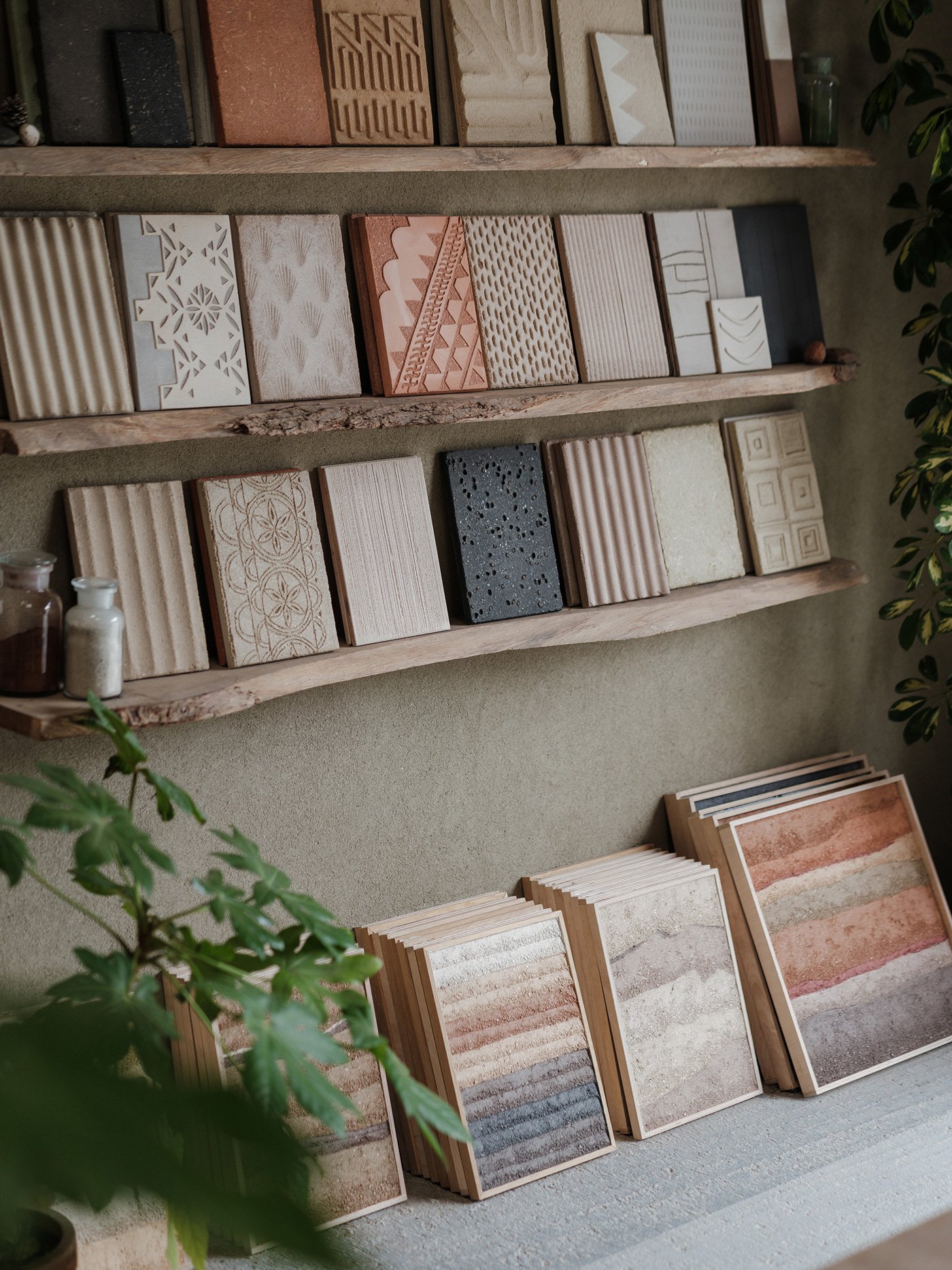
© Elliot Sheppard, Clayworks (Clayworks Studio)
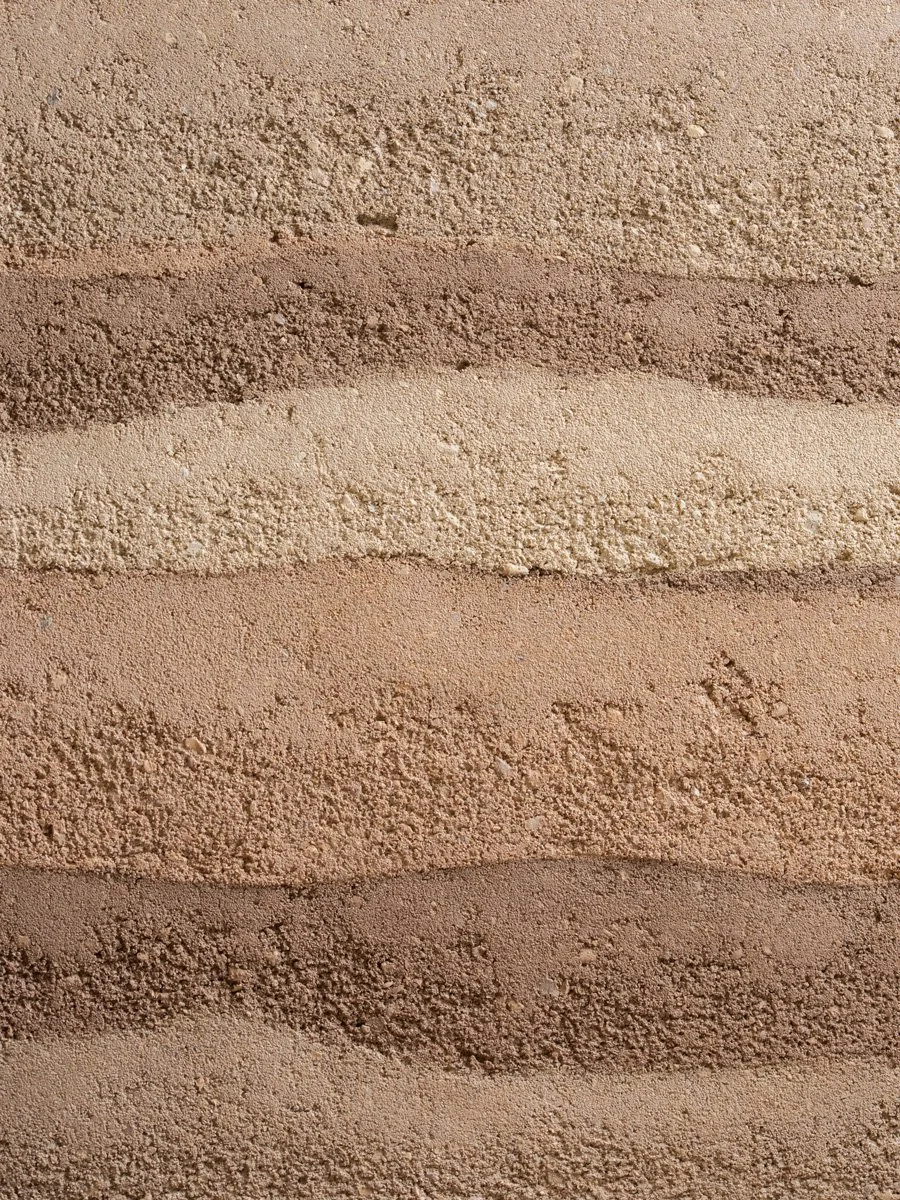
© Clayworks
-
A Localized Material Palette Rooted in Eastern Enlightenment
Adam also notes that the Asian design sphere shows a higher tolerance for the natural variations of materials, leaning more towards listening to and yielding to the material's essence. "Compared to the West, Asian architects are more willing to let natural materials express themselves, rather than trying to control them completely." This philosophical mindset guides Clayworks when approaching markets with profound vernacular traditions, such as Taiwan and Japan. Beyond supplying high-quality building materials, they are reintroducing traditional wisdom into contemporary spaces.
He has further translated this realization into a visionary initiative: developing a specific palette of material and colour for distinct regions. By studying local soils and traditional craftsmanship, Clayworks is dedicated to formulating mixes that respond to local light, climate, and cultural contexts. This initiative addresses the environmental demand to reduce the carbon footprint of long-distance shipping, while simultaneously achieving the goal of deeply rooting architecture in its vernacular, reconnecting the urban fabric to the earth.
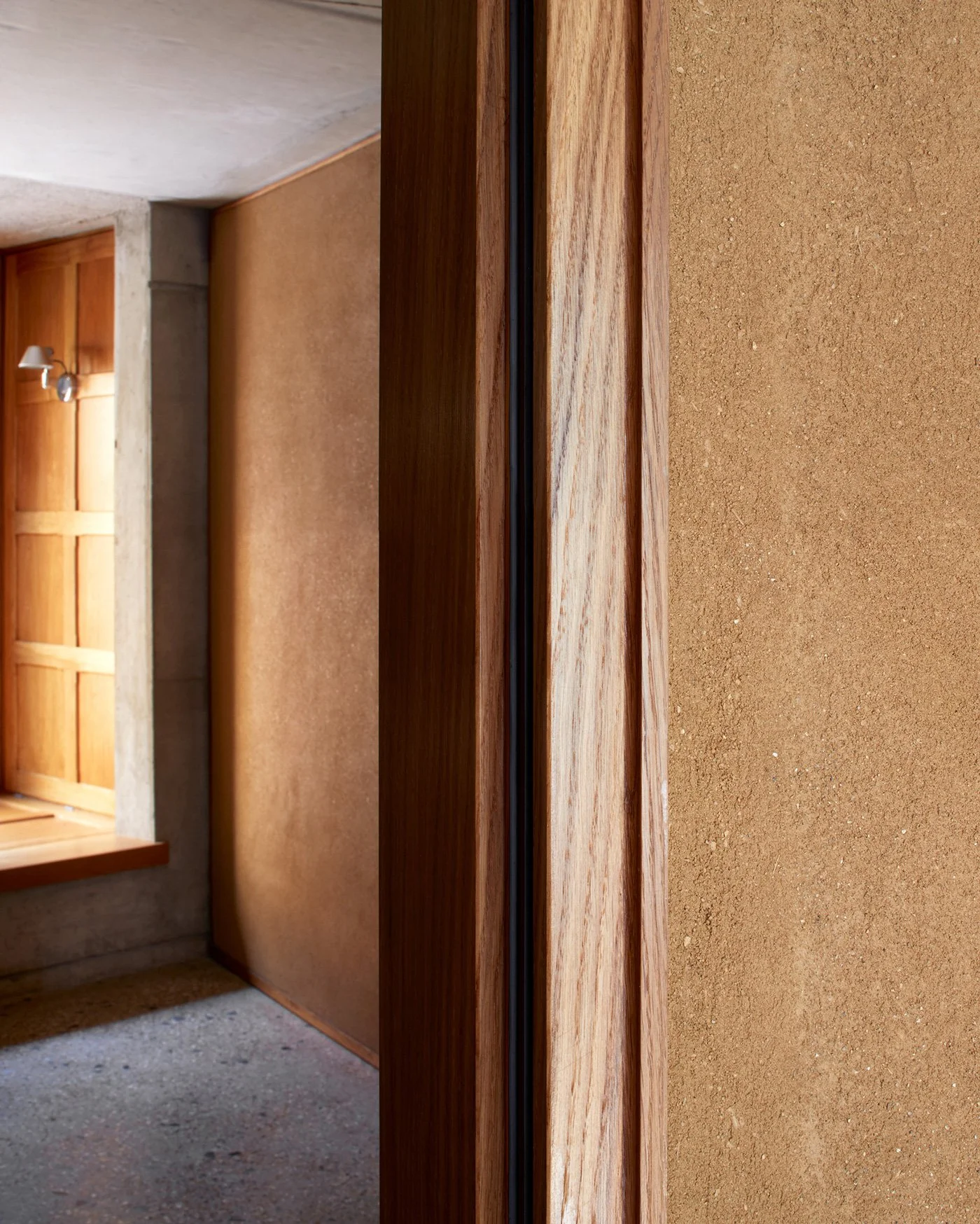
© Edmund Sumner, Clayworks (Walmer Yard)
-
Embracing Imperfection and Repair: Imbuing Space with the Patina of Time
In Adam’s mindset, the completion of a space is not a static finish line, but rather the beginning of a material demonstrating its long-term value. The greatest distinction between clay and conventional surfacing materials lies in its physical resilience. In the face of inevitable daily bumps and scratches, the wall's integrity can be restored simply with a spritz of water and targeted troweling. This ease of maintenance transforms clay from a consumable decorative finish into a foundational element that coexists with its environment.
“Clay has the ability to record and respond to the footprint of daily life; areas that are frequently touched will naturally develop a unique patina. It possesses the ability to breathe and heal, capable of bearing the marks of the everyday,” Adam suggests. These changes are natural phenomena born from the interaction between material and environment. When walls have the elasticity to evolve alongside life, they can support domestic activities in a much more grounded state.
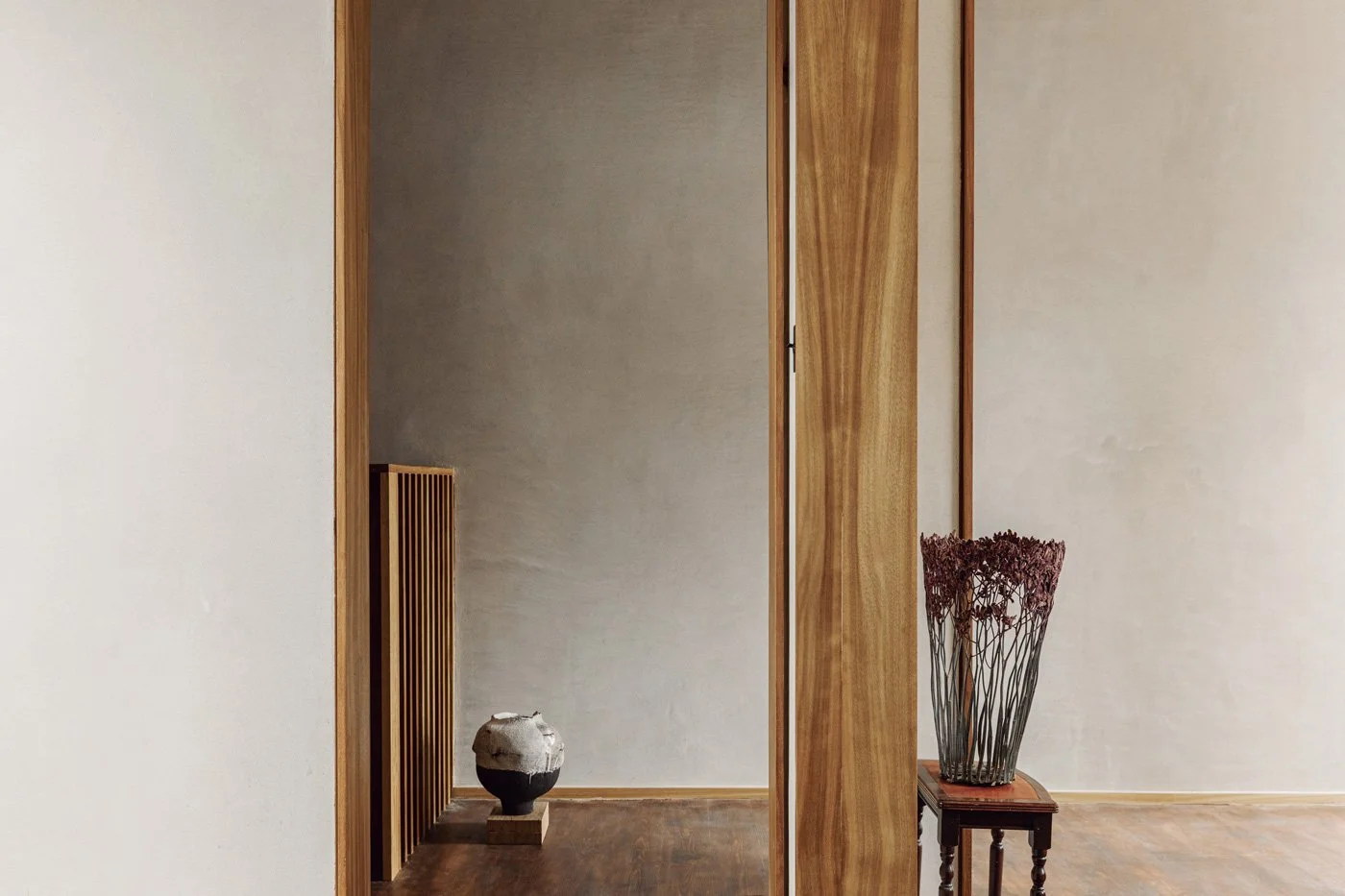
© Edvinas Bruzas, Clayworks (Wave Residence)
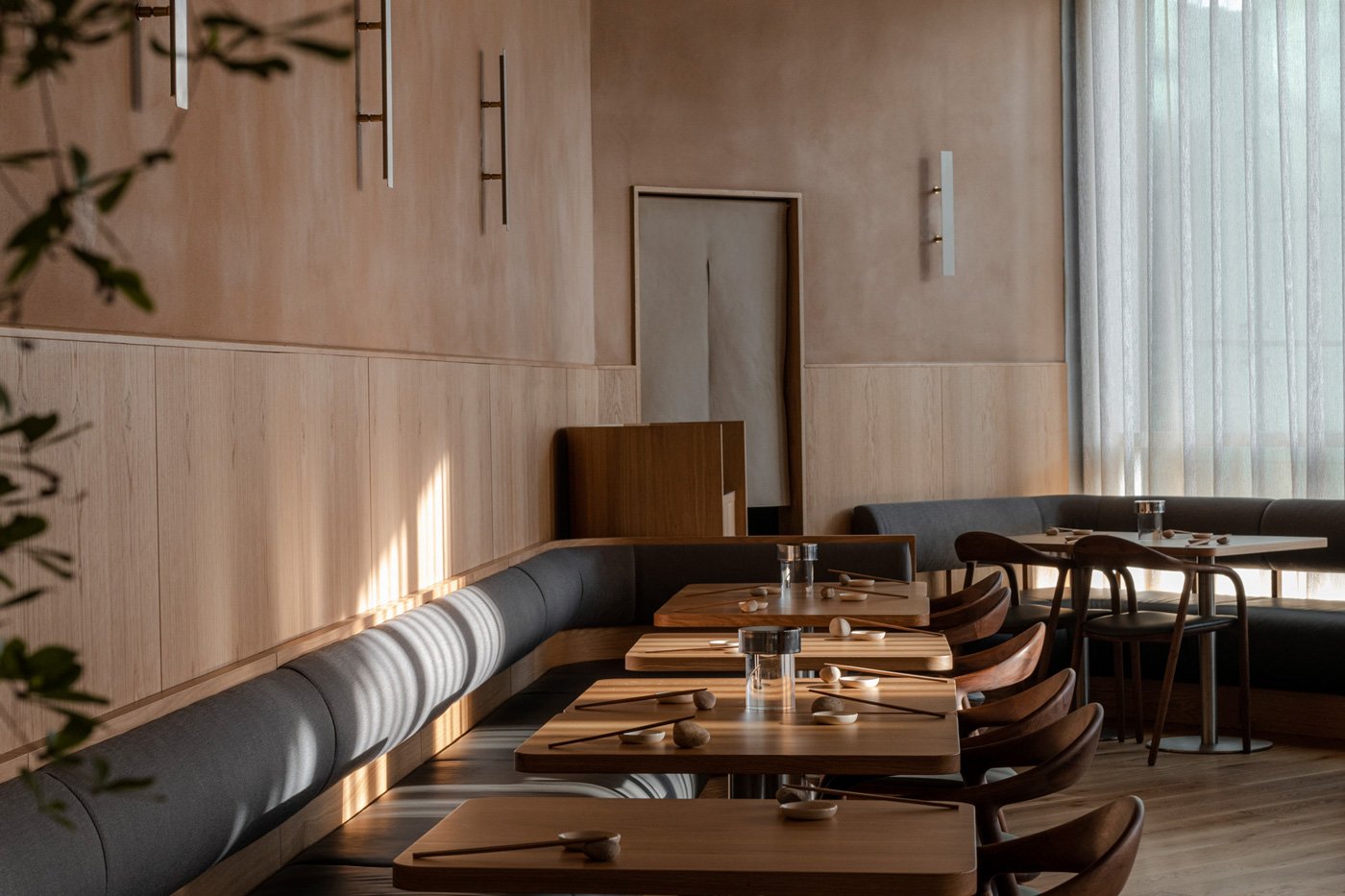
© Eleonora Boscarelli, Clayworks (Sticks–n–Sushi)
-
This reverence for the essence of materials offers modern society an opportunity to re-evaluate our living environments. By choosing materials that possess the capacity for repair and gather depth over time, a space will reveal layers of character through its usage. In a daily life dominated by standardized production, preserving a wall that can slowly evolve over time and reflect the reality of living is the most intuitive way to reconnect with the roots of the earth.
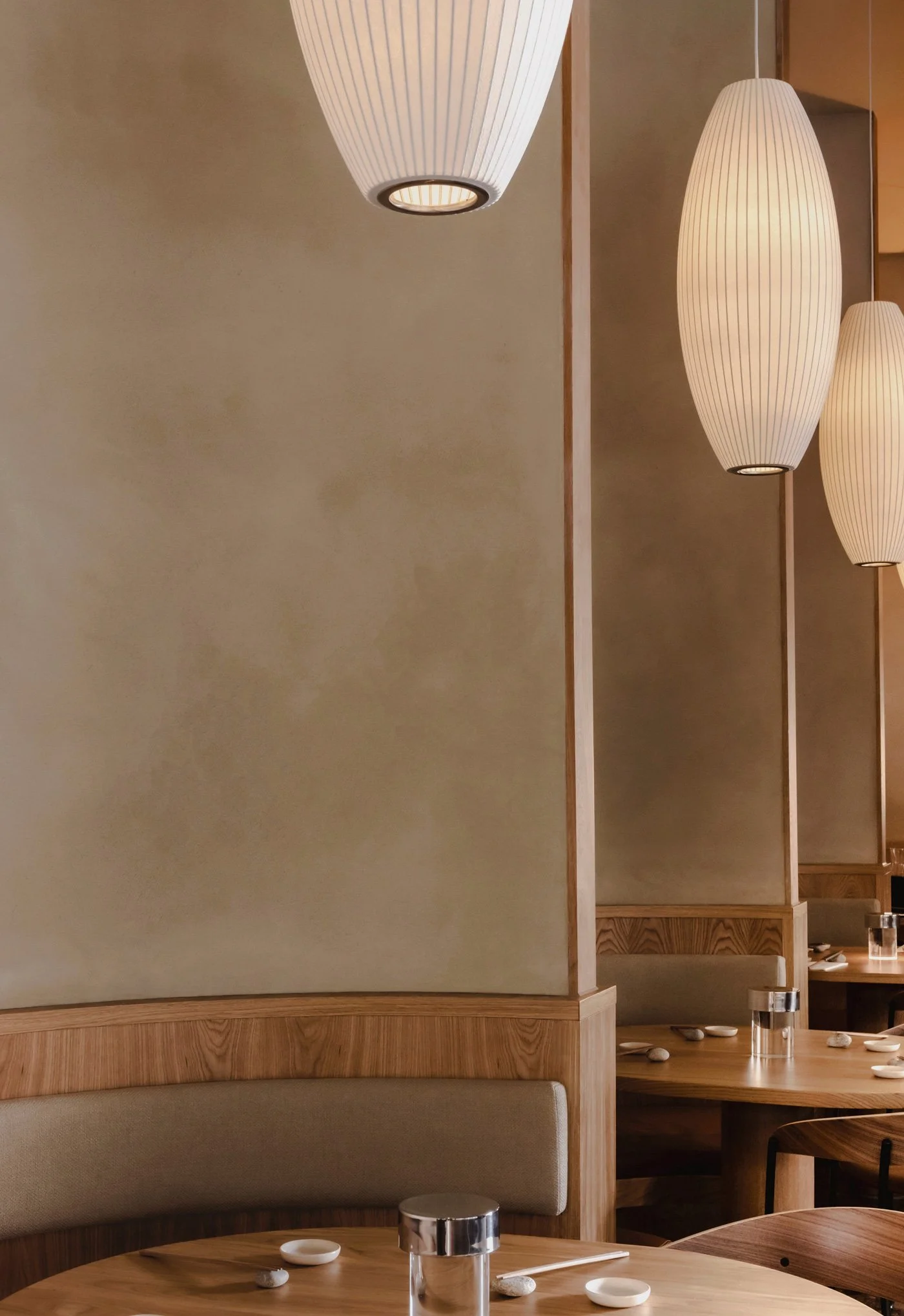
© Eleonora Boscarelli, Clayworks (Sticks–n–Sushi)