
一間攝影公司為什麼開始做媒體?專訪 HCS 總編 Jamie:「我常站在反向的立場去看事情」
HCS,唸起來其實還是 Hey!Cheese。
名字的聲音沒有變,只是換了一種寫法,做的事情也開始朝另一個方向延伸。
HCS is still pronounced Hey!Cheese.
The spelling has changed, and our work has begun to extend beyond photography.
今年,除了原有的 Hey!Cheese 攝影,我們也正式使用 HCS 這個名字。從平台上的採訪報導,到第一本《HCS Journal》出版,這個縮寫逐漸有了更清晰的面貌。
但問題也跟著來了。一家拍了十幾年空間的攝影公司,為什麼會在這個時間點轉型成設計媒體?又為什麼在閱讀行為越來越片段、時間也被切割得越來越細碎的此刻,決定製作一本紙本刊物?如果暫時把做實體書一類的浪漫念想先擱在旁邊,還有哪些契機,促使這些決定一步步發生?
This year, alongside our photography work at Hey!Cheese, we began using the name HCS. Through the interviews and features on our platform and the publication of our first HCS Journal, those three letters have gradually taken on a clearer identity.
But the shift also raises questions. After more than a decade photographing spaces, why choose this moment to develop a design media platform? And why publish a print journal at a time when reading is increasingly fragmented and our attention is pulled in so many directions?
If we put aside the romance of making a physical book for a moment, what else led to these decisions?
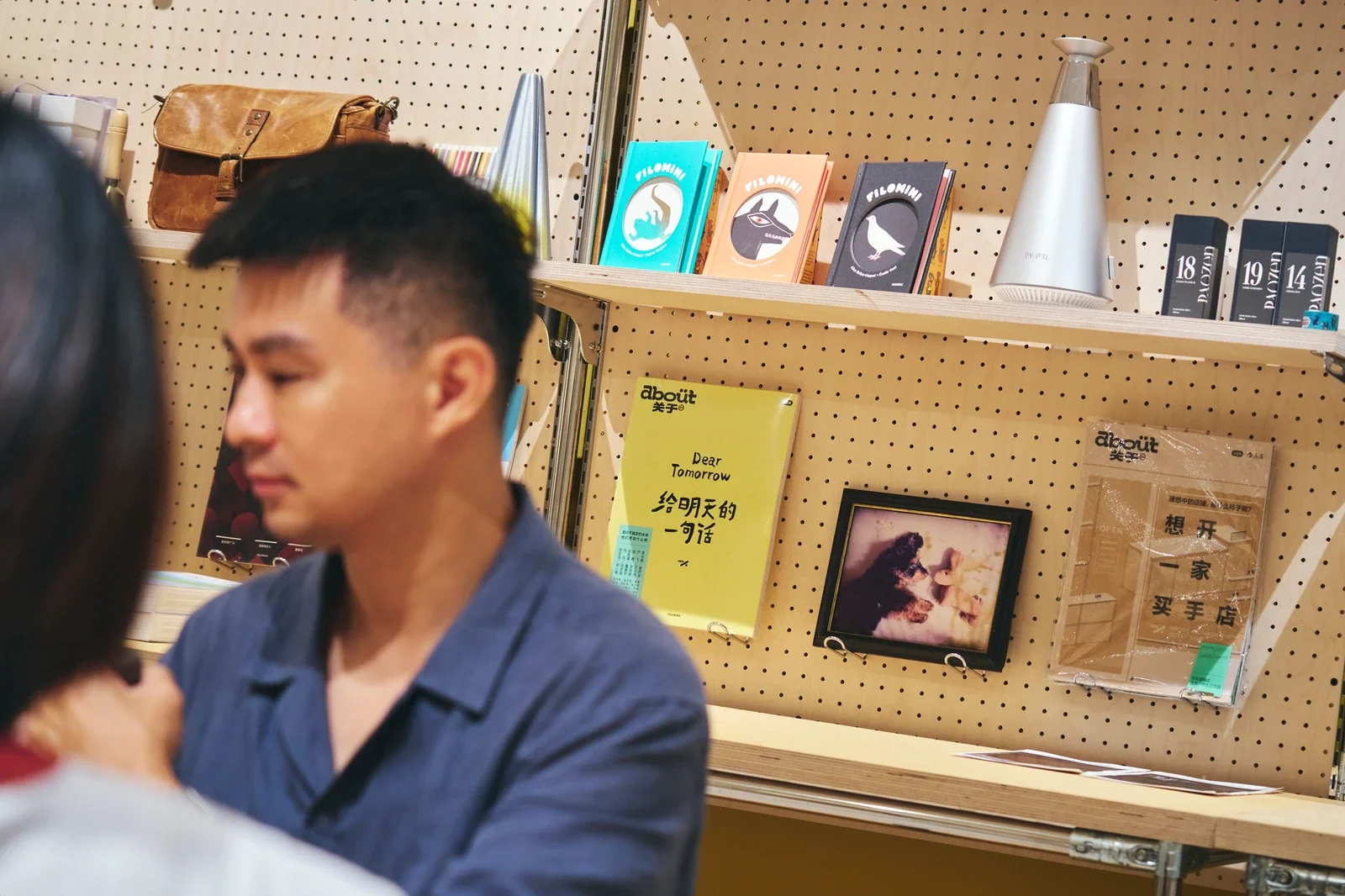
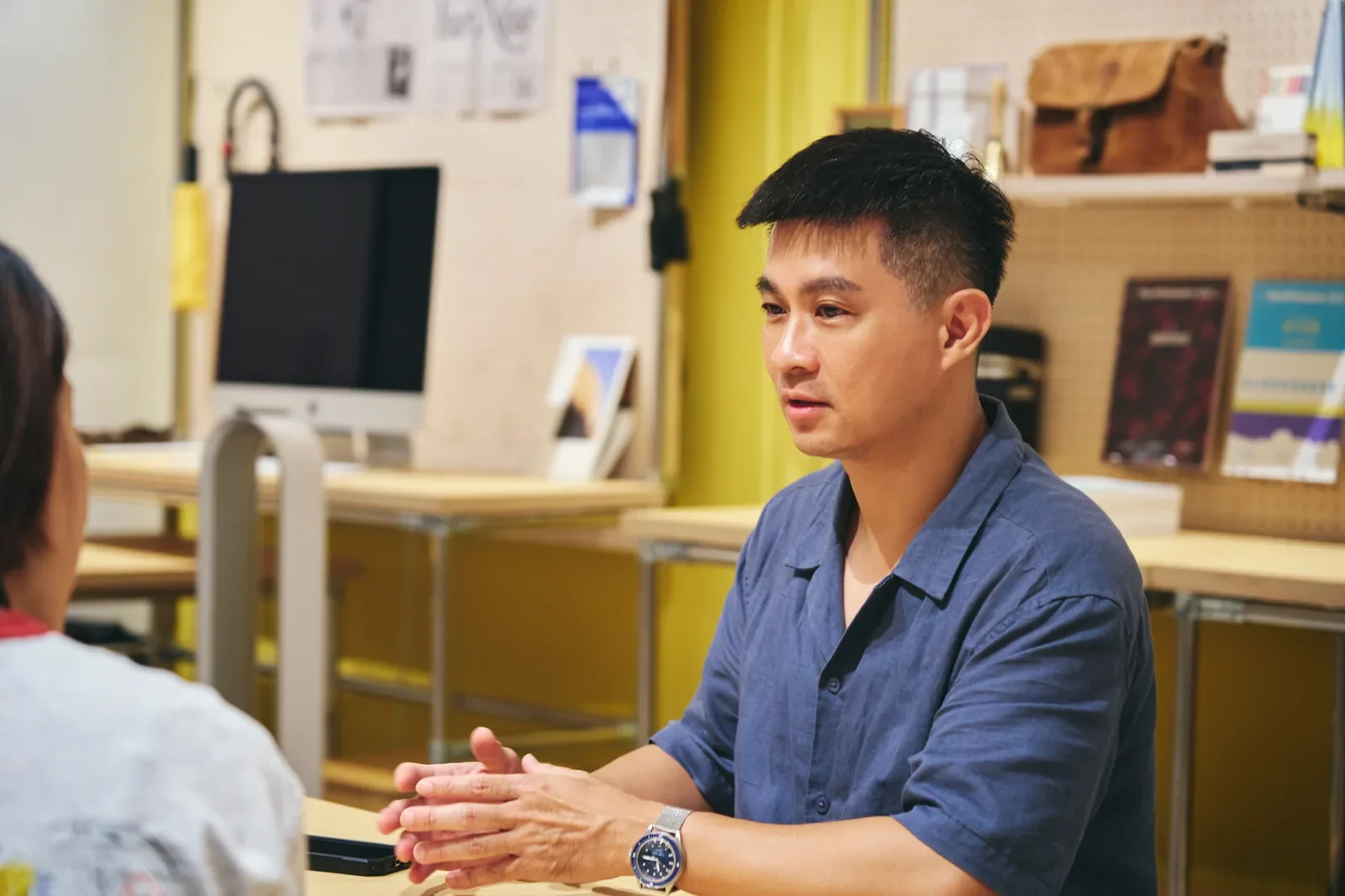
我們把這些問題帶進 HCS 新辦公室,直接與總編輯 Jamie 坐下來聊聊。問題不只關乎書籍。我們更想知道的是:當一個攝影師,把觀看的尺度從眼前的空間拉到更廣大的世界,他究竟看見了什麼?而那些平常散落在 Jamie 腦中的想法和觀點,就在一來一往之間,逐步拼出他的思考圖景。
We brought these questions to HCS's new office, where we sat down with editor in chief Jamie. Our conversation went well beyond the journal itself. We wanted to understand what a photographer begins to see when his perspective expands from the spaces in front of him to the wider world. As we talked, Jamie's thoughts and observations began to connect, gradually revealing a fuller picture of how he thinks.
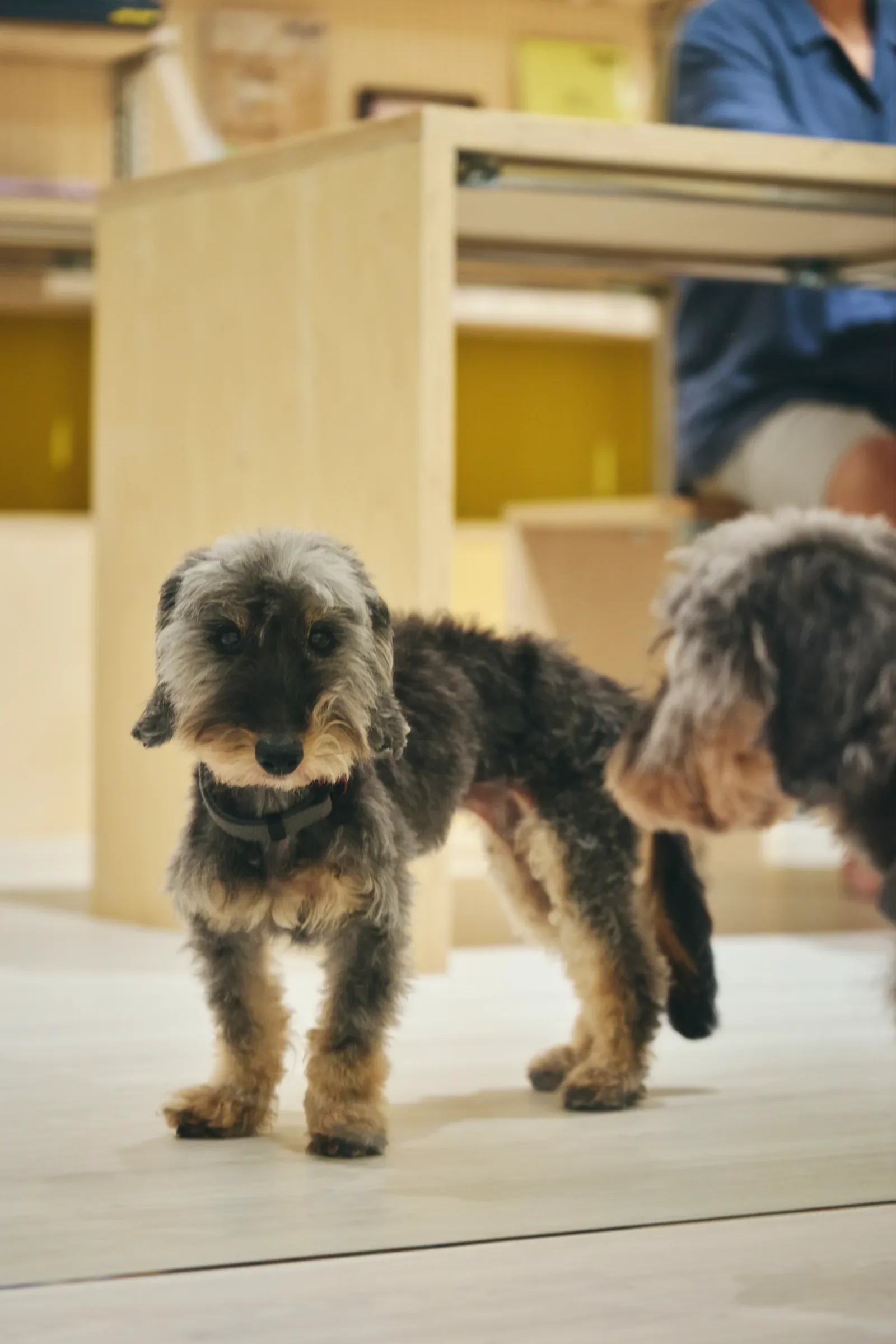
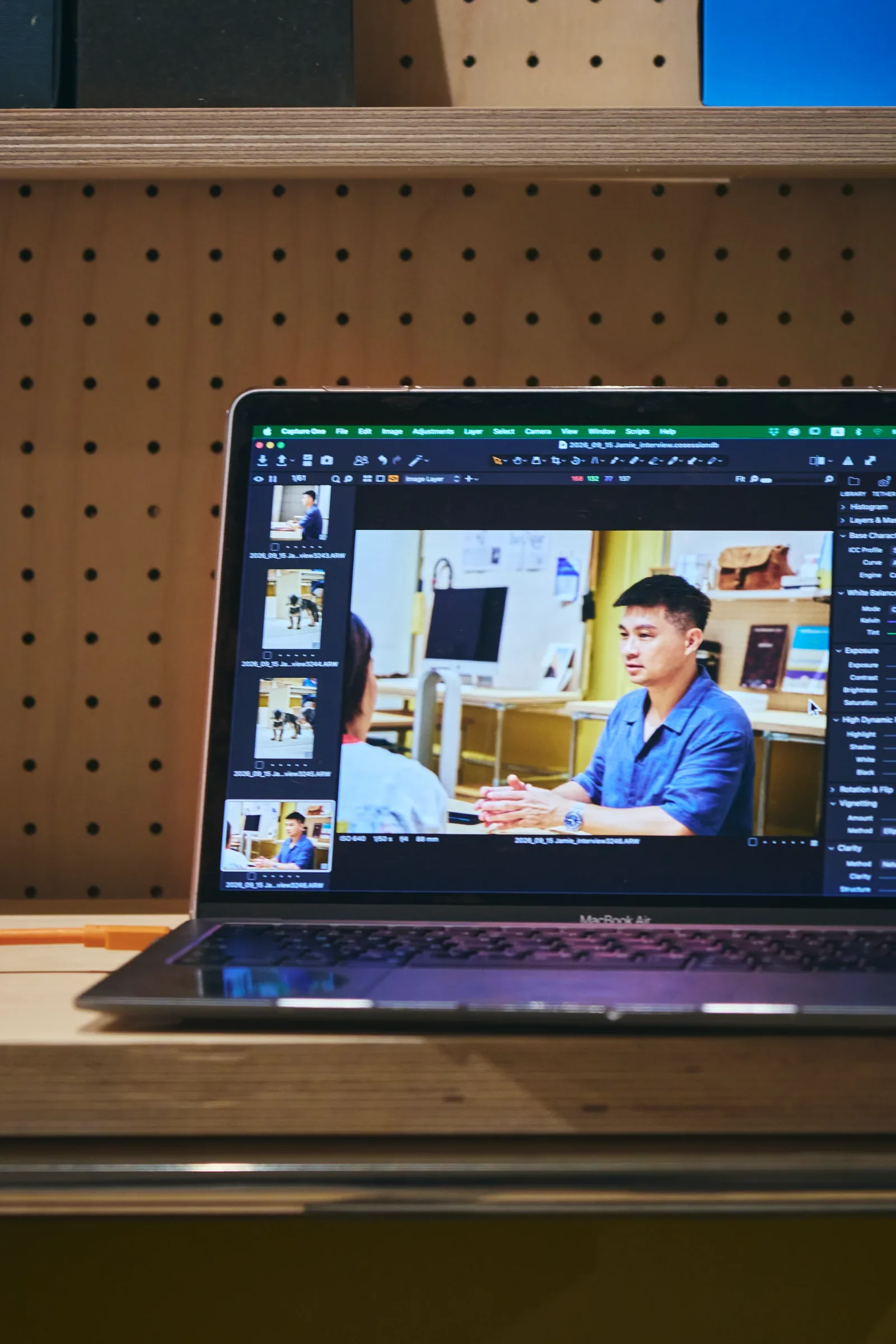
我常站在反向的立場去看待事情,也習慣從中找缺口。
I often look at things from the opposite angle, trying to spot what's missing.
就像當大家都在提供免費軟體,你卻有自信推出收費軟體;如果市場往大量製作走,我就會想做少量。牽涉的不只是實力,也包括對環境的理解和判斷。不管做攝影或媒體,我都延續這樣的想法,藉此做出區隔。
When everyone else offers software for free, choosing to charge for yours takes confidence. When the market moves towards mass production, I find myself thinking about working on a smaller scale. Neither is simply a question of ability. You also need to understand the environment you're working in and make your own judgments. I've carried that approach into both photography and media as a way to set our work apart.
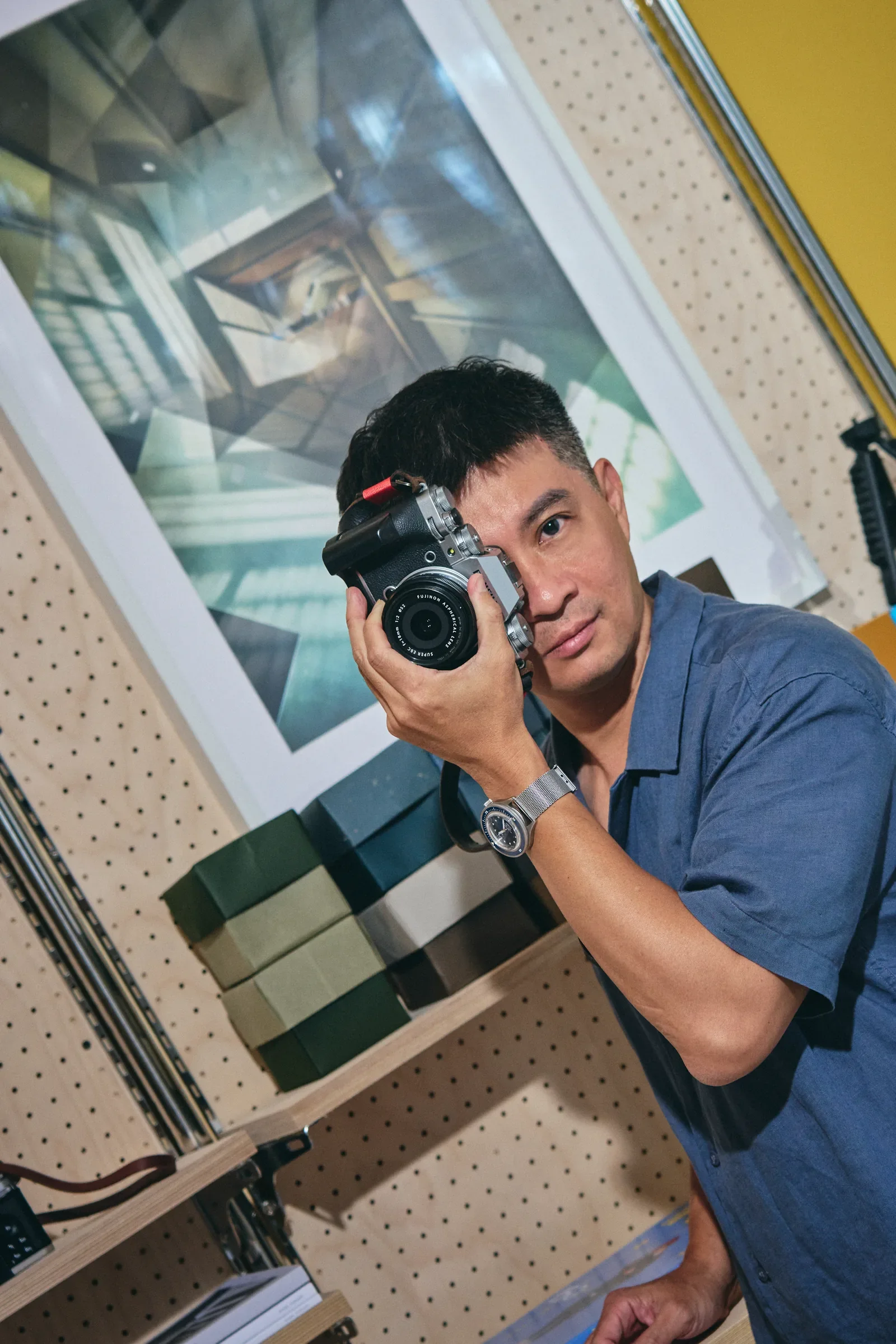
我很喜歡看一些國外設計媒體。回頭看台灣的內容時,有時會覺得報導大多沿著既有的資訊框架展開,也有不少內容以通稿為基礎。如果想看到更深入、帶有觀點的討論,相對沒有那麼多。當然不是說台灣沒有這樣的內容,只是以我自己作為讀者的需求,我會希望讀完一篇報導之後,能對這件事多一層理解。
I enjoy reading design publications from overseas. Looking at design coverage in Taiwan, I sometimes feel that stories follow familiar formats, with many relying heavily on press materials. There are fewer pieces that go deeper or bring a strong point of view. That's not to say this kind of work doesn't exist here. But as a reader, I want to finish an article with a fuller understanding of its subject.
既然這是我想看的東西,我就在想,也許其他人有同樣需求。再加上 Hey!Cheese 拍攝這麼多年,本來就累積了大量的影像和現場經驗,接觸的作品類型也有一定的廣度和品質,只停留在拍攝結案有點可惜。因此開始想把這些東西往內容媒體發展,介紹我們關心的事情。
Since these were the stories I wanted to read, I began to wonder whether others were looking for them too. Hey!Cheese had already spent years photographing spaces, building up a substantial archive and firsthand experience. We'd encountered a broad variety of projects, many of them exceptional in their own way. It seemed a shame for everything we'd learned to end with the completion of a photography assignment. That's when I began to think about how those years of experience could become the foundation for a media platform, giving us a way to cover the subjects we genuinely care about.
這也是種反向思考。快速且大量的媒體節奏,有它存在的必要和需求。不過這本刊物在製作的過程,我們幾乎淘汰十倍以上的素材。收進書裡的,都是經過反覆篩選和濃縮過後的精華。
實體書也和「擁有」這件事有關。現在很多東西其實不一定真正屬於你。購買的音樂、影片,很多時候只存在一個帳號裡,只要帳號不見,可能就看不到了。甚至股票、投資,也只是螢幕上的數字。所以除了記憶,也許就是像這本書一樣,有個實體、有重量,可以拿在手上的東西。而且它很實際,還能拿來墊東西(笑)。
Why make a print publication now? Put simply, it is another form of thinking in the opposite direction.
Fast paced media has its own purpose and its own audience. With this publication, however, we discarded more than ten times the amount of material that eventually made it into the book. We might develop ten pages and end up keeping only one. What remains in the final publication has gone through repeated rounds of selection and condensation.
There is also something about a physical book that relates to the idea of ownership. Today, many of the things we buy do not necessarily belong to us in a tangible sense. Music and films often exist only within an account. If that account disappears, access can disappear with it. Even stocks and investments are ultimately numbers on a screen. So I sometimes find myself wondering what we can still genuinely own.
Apart from our memories, perhaps it is something like this book. It has a physical presence and a certain weight. You can actually hold it in your hands. And it is practical too. You can even use it to prop something up. (Laughs.)
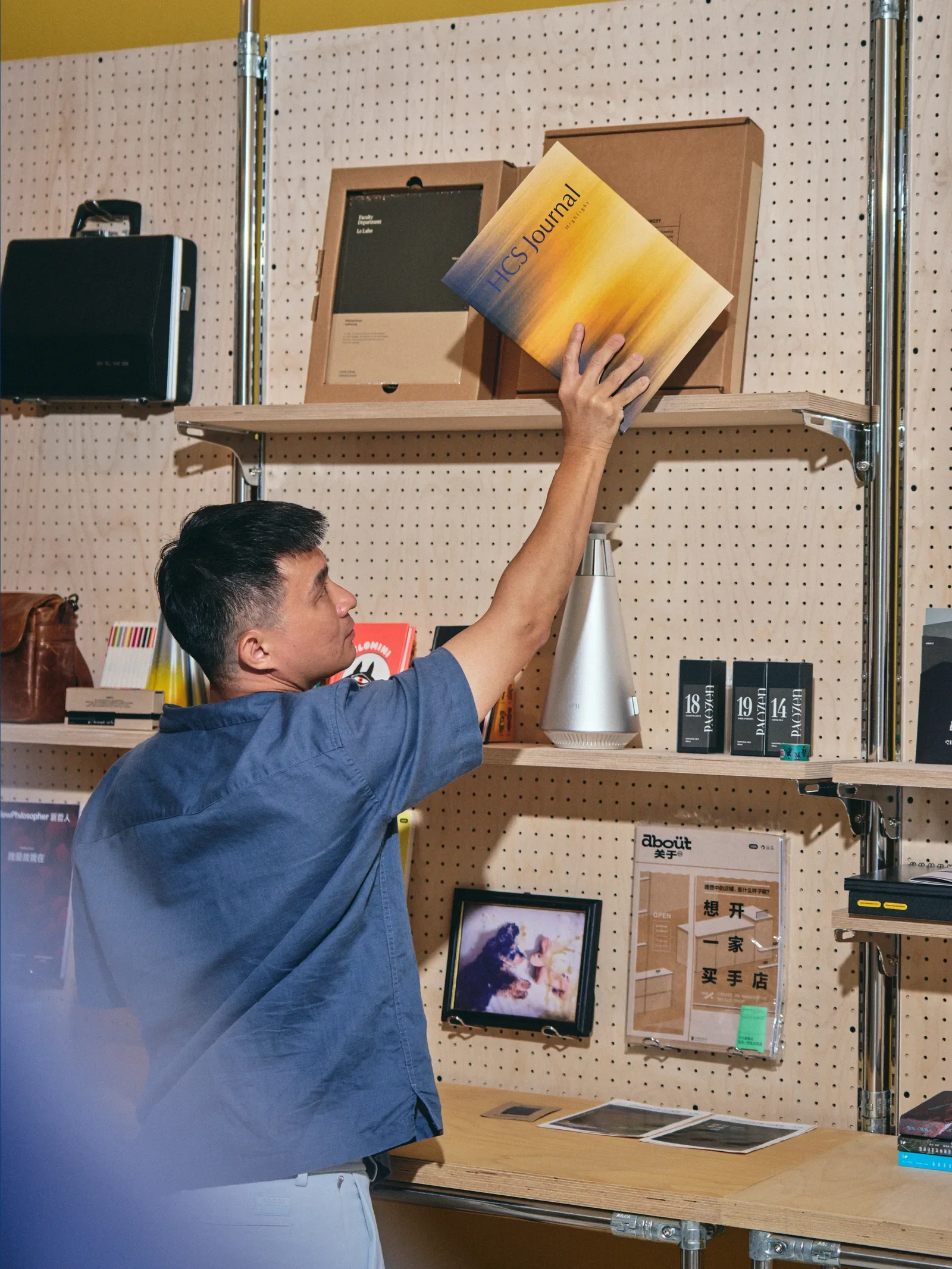
大量數位化的世代,現在還有什麼東西是真正可以被擁有的?
A physical book is also about ownership.
In an age of mass digitisation, what can truly be owned any more?
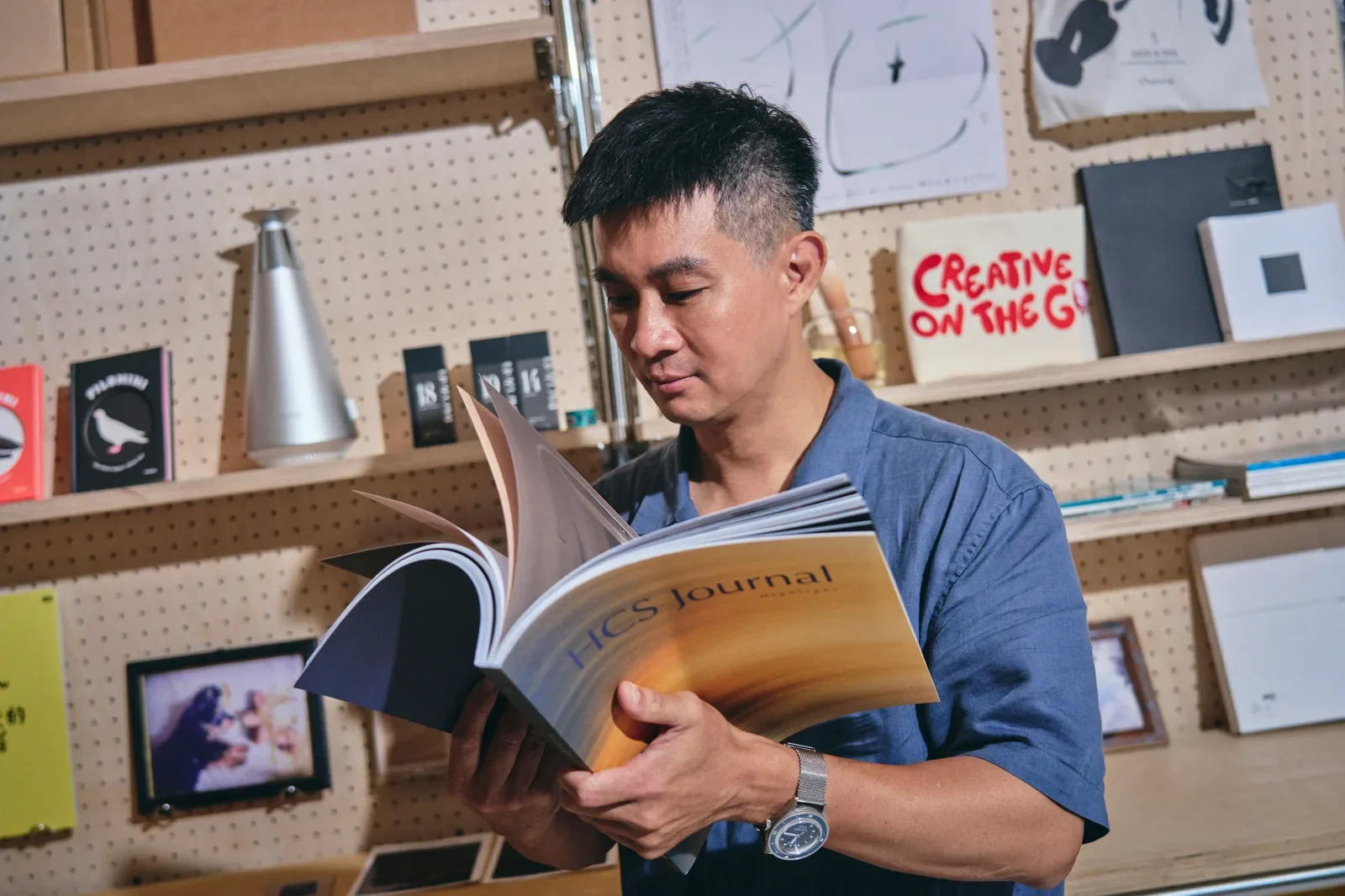
© Hey!Cheese
會吸引我的,不一定是很大型或大聲的事情。我很喜歡觀察那些突破框架、碰撞既有方式的人,看他們怎麼讓原本習以為常的生活和思考邏輯產生一點改變。
像一張椅子,在小空間不一定要一直單獨存在,它可以被收進家具,甚至併在一起成為茶几,需要時再拆開成座位。
What catches my attention isn't necessarily something large in scale or immediately noticeable. I enjoy observing people who challenge conventions and familiar ways of doing things, and seeing how they introduce small changes to the way we live and think.
Take a chair, for example. In a small space, it doesn't always have to stand on its own. It could be tucked into another piece of furniture, or combined with other chairs to form a coffee table, then separated into seats when needed.
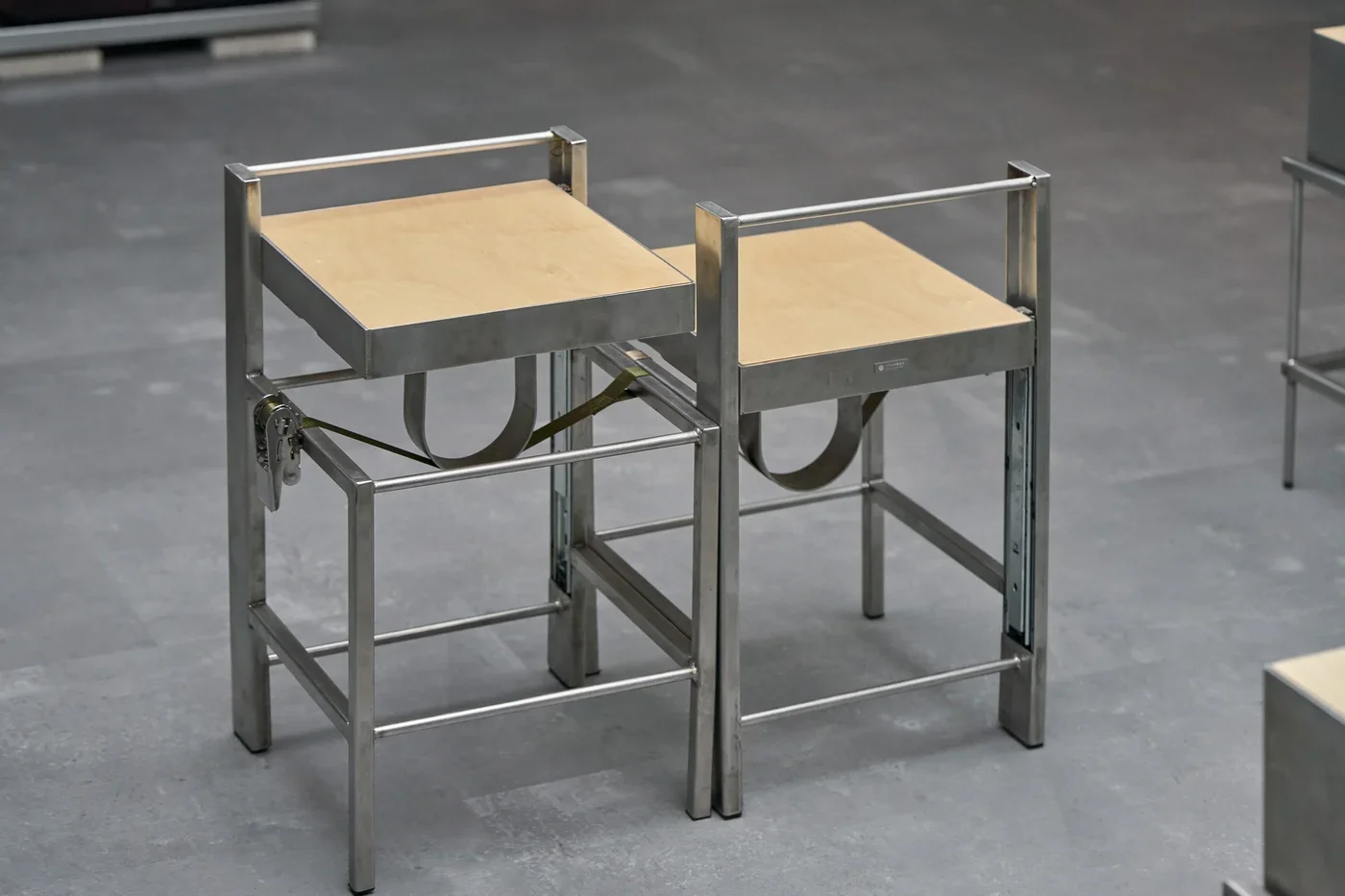
再把尺度拉大一點,例如頒獎典禮。它除了拍照領獎、交流之外,能不能再作為一個媒介?加入講座、材料或品牌,讓設計師除了獲得榮耀,也接觸到新的產品、技術與合作對象,甚至讓這些交流走進未來的設計裡。這也是種形態上的改變。
關係的改變也是我很好奇的部分。我們那個年代,爸爸可能比較嚴格,家裡多少還有些重男輕女的觀念,對長孫、長子也會有特別的期待。但現在父子間的關係已經大不同,很多相處模式像是 buddy buddy,邊界感慢慢模糊、甚至消失。
On a larger scale, consider an awards ceremony. Beyond receiving awards, taking photographs and meeting people, could it serve another purpose? What if it also brought in talks, materials and brands, allowing designers to gain recognition while discovering new products, technologies and potential collaborators? Those exchanges might even find their way into future projects. That, too, would be a change in how the event takes shape.
I'm also interested in how relationships are changing. In my generation, fathers could be quite strict. Some families still favoured sons over daughters, with particular expectations placed on the eldest son or grandson. Today, relationships between fathers and sons can look very different. Many interact more like buddies, with the boundaries between them gradually becoming blurred, sometimes disappearing altogether.
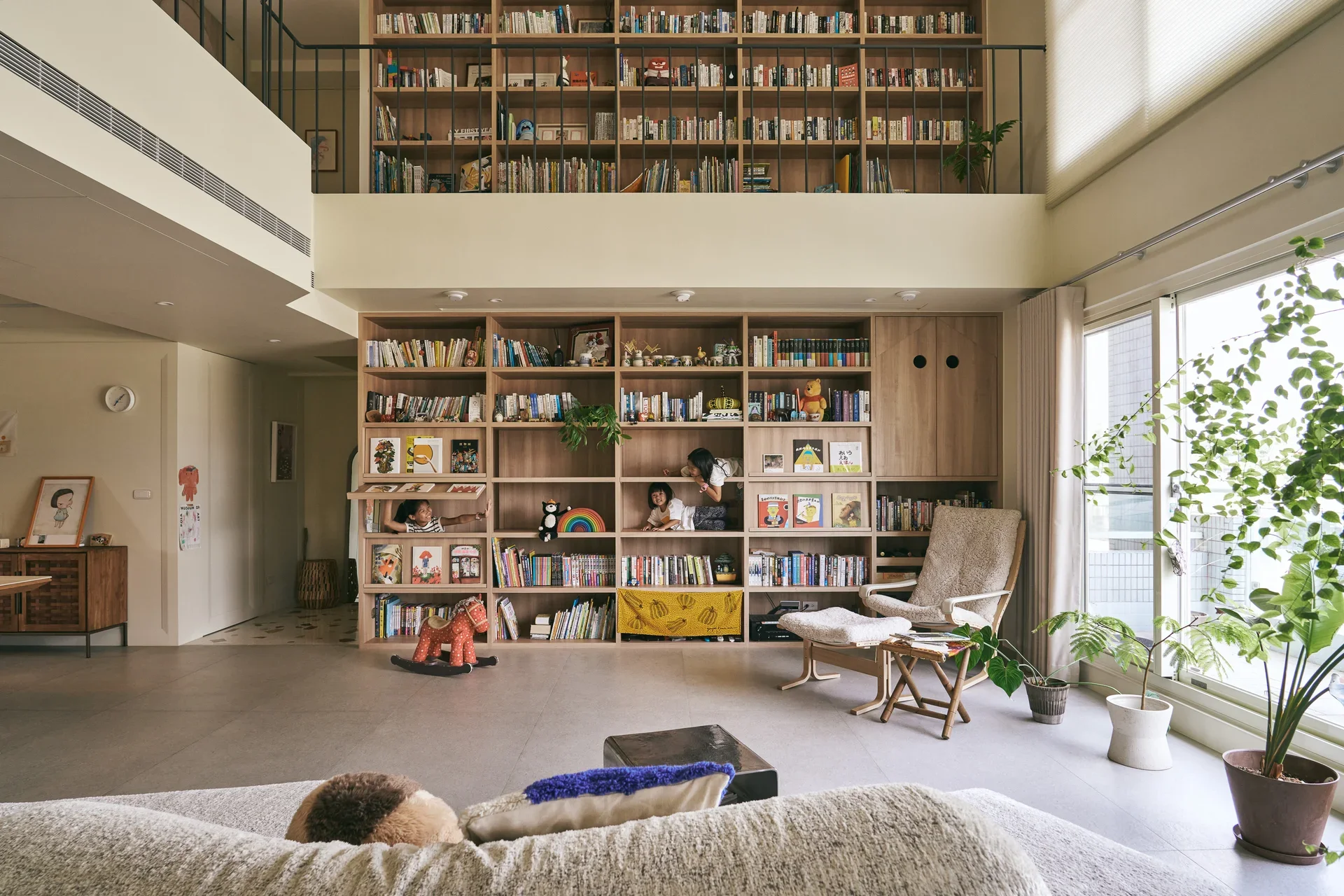
變化可能發生在形狀、材質,也可能是使用模式。不論事件大小,甚至是很細微的轉變,都讓我看見一個時代正往哪裡走。
These changes may emerge in form, materials, or patterns of use.
Whether significant or barely perceptible, they help me see where this era is headed.
© Hey!Cheese
攝影師是既廣泛又有深度的工作。深度在於攝影技術,以及怎麼透過影像把故事講好;廣泛的是,你能不能在不同的文化和風格裡,看見每個東西的美。
但攝影工作的前提,大多還是在一個既定框架裡把事情做到好。我們受委託去拍空間,目標很清楚,最後也有一個需要完成的成果。
Photography is a profession that requires both breadth and depth. The depth comes from technical knowledge and from knowing how to tell a story through images. The breadth comes from being able to recognise beauty across different cultures, styles, and ways of making things.
But photography usually begins within an established framework. We are commissioned to photograph a space, the objective is clear, and there is ultimately a defined result that needs to be delivered.
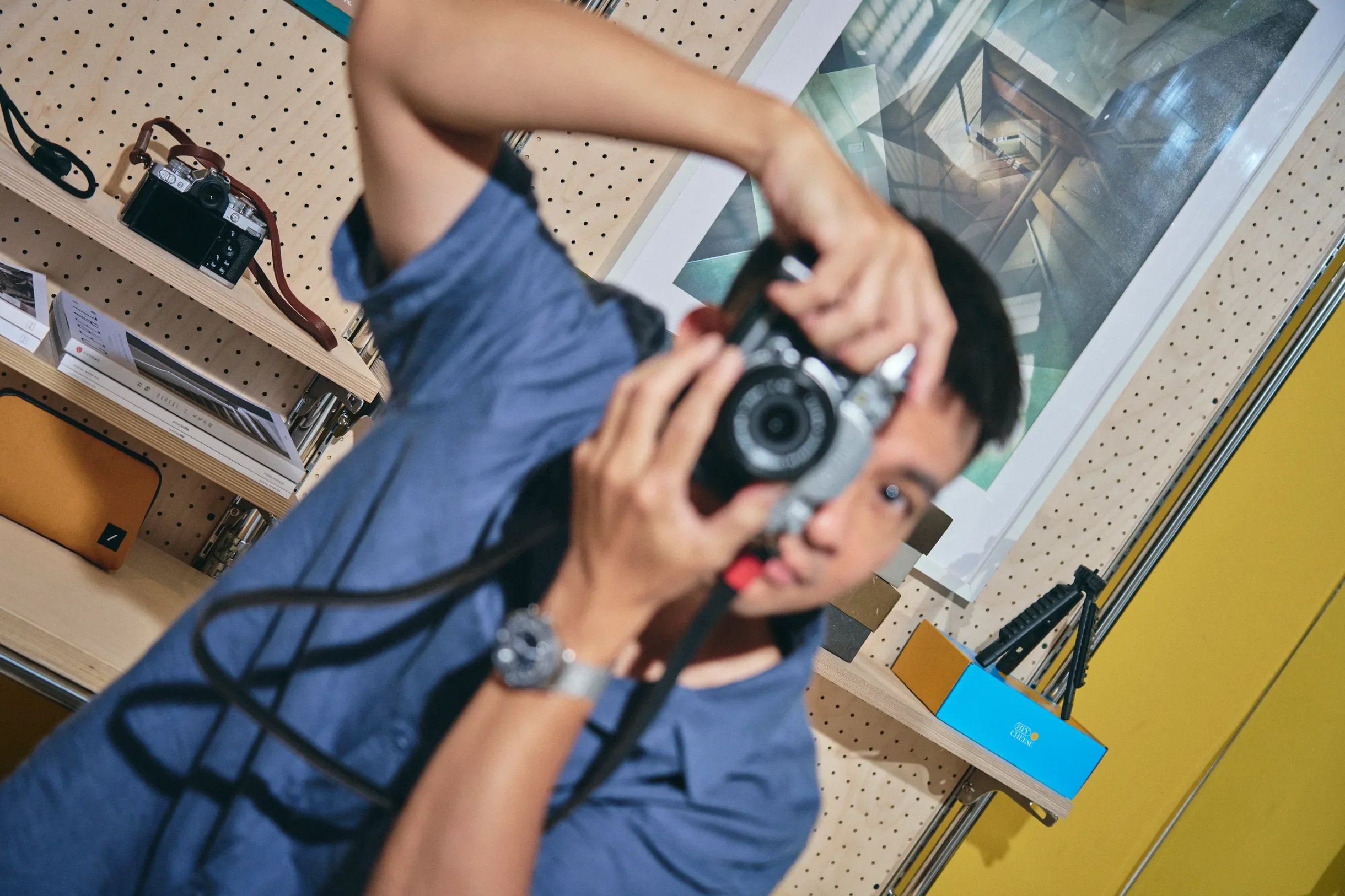
假設今天沒有一個明確的目的,也沒有最後的結案標準,我要怎麼去觀察這個世界?我認為這是總編輯要去思考的事。
大部分的人很擅長解決問題,但在問題還沒有被說出來以前,要怎麼發現問題,是另外一個功課。像攝影師到了現場,可能燈光不夠、空間很小,或者現場很亂,問題已經在那裡,我們要做的是找到處理方法,並且好好呈現。但若今天沒有人告訴你這裡有什麼要看,你能不能先看出問題在哪裡?我覺得這是總編輯跟攝影師很不一樣的地方。
很多事情都是你真的站進那個位置之後,才開始知道要怎麼做。總編輯是我最近才正式接下的角色,我希望把它做好,但不想只是模仿過去那些已經被證明成功的方法。
What happens when there is no clear objective and no final standard for completion? How do I observe the world then? I think that is one of the questions an editor in chief has to consider.
Most people are quite good at solving problems. Learning how to recognise a problem before anyone has articulated it is something else entirely. When a photographer arrives on site, perhaps there is not enough light, the space is very small, or the setting is messy. The problems are already there. Our job is to find a way to deal with them and present the space well. But if nobody tells you what there is to look at, can you identify for yourself what deserves attention or where the issue lies? That, to me, is one of the major differences between being a photographer and being an editor in chief.
There are many things you only begin to understand once you actually step into the role. I have only recently formally taken on the role of editor in chief. I want to do it well, but I do not want to simply imitate methods that have already proved successful in the past.
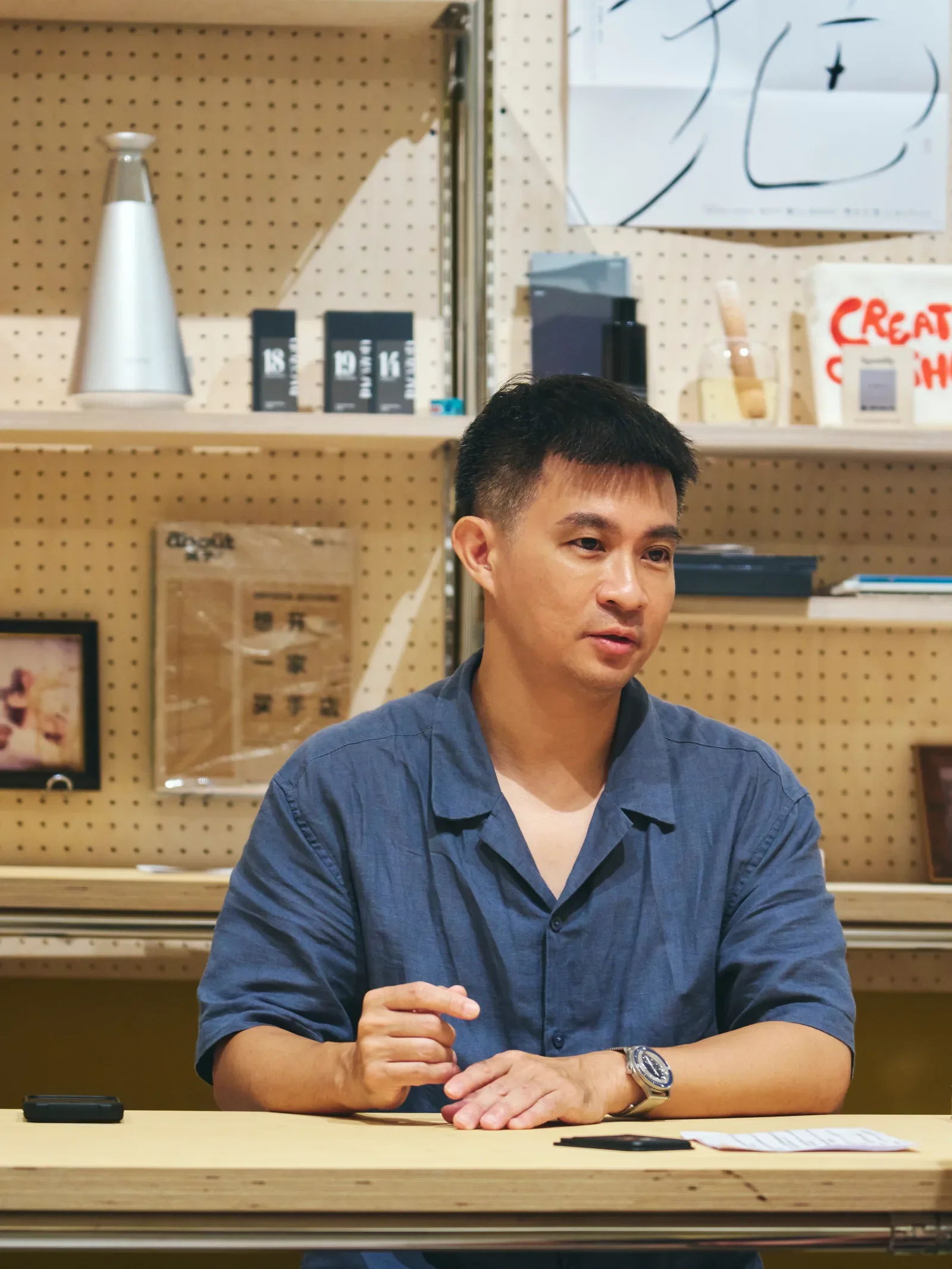
以前的總編輯和今天的總編輯,可以有完全不一樣的角色和可能性。我反而想知道,在這個時代還能不能找到新的方式。
The role of an editor in chief today does not have to look the same as it did before. I am more interested in whether there are still new ways to approach it in this particular era.
還是要涉獵很多東西,也要親身接觸不同的文化和環境。經驗夠豐富之後,有些判斷會慢慢變成一種肌肉記憶。你不一定立刻說得出哪裡有問題,但會先有一個直覺:這件事情好像哪裡不太對。
我前一個階段很幸運,攝影的工作一直在餵養我大量的空間經驗。以前一個禮拜可能拍五個案子,現在也還是持續接觸不同類型的空間。旅行也是一樣,我喜歡把建築、空間和設計放進旅途裡。久而久之,你會慢慢知道大家通常怎麼處理一件事情,也會對細微的差異變得比較敏感。這些觀看最後都會變成自己的資料庫。
I think you still need to expose yourself to a wide range of things and experience different cultures and environments firsthand. Once you have accumulated enough experience, certain judgments gradually become a kind of muscle memory. You may not be able to explain immediately what is wrong, but you develop an instinct that tells you something does not quite feel right.
I was fortunate in the previous stage of my career because photography constantly gave me a huge amount of spatial experience. There was a time when I might photograph five projects in a single week, and I am still continuously encountering many different types of spaces today. Travel works in much the same way. I like to build architecture, space, and design into the way I travel. Over time, you begin to understand how things are usually approached, and you become more sensitive to small differences. All of these observations eventually form your own internal archive.
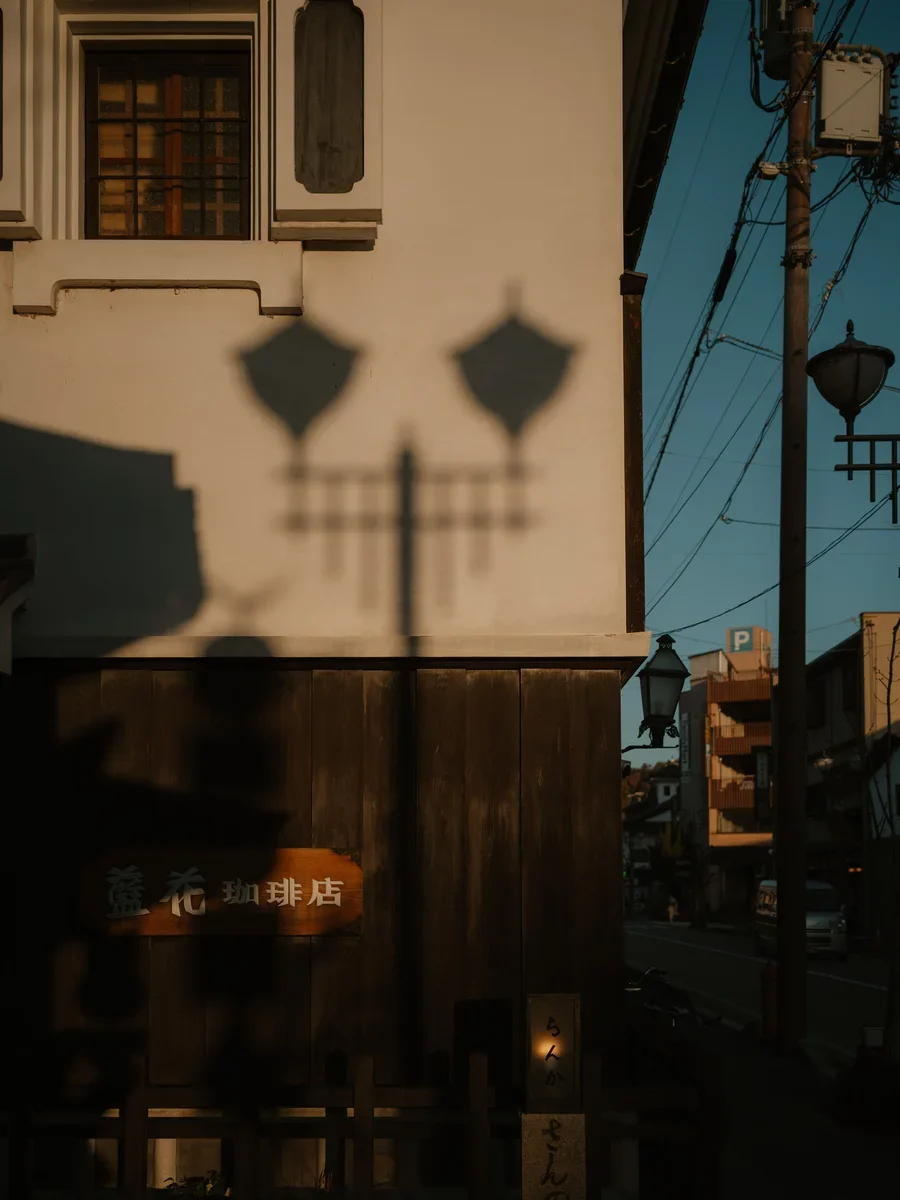
但看得多,也要知道自己的立足點。比如我們站在亞洲、站在台灣的角度,從這裡去談設計,和歐美人士看同一件事情,本來就可能不一樣。
而且發現問題,不代表心中已經有答案。大家很容易覺得,既然提出一個問題,就應該告訴我接下來要怎麼做。但我不認為一定要提供「三個步驟照著做就對了」這種解答。先把一件大家已經習慣、甚至沒有注意到的事情指出來,本身就有價值。接下來我們可以一起去思考,再各自提出自己的觀點和方法。
But seeing a lot is not enough. You also need to understand where you are standing. For example, looking at design from Asia and from Taiwan is naturally different from the way someone in the United States might see the same thing. You need to understand your own cultural position and perspective, and speak from there. That is what gives a point of view meaning.
Identifying a problem also does not mean you already have the answer. People often assume that once you raise a question, you should also tell them what to do next. But I do not think every question needs to end with something like three steps to follow. There is value in simply pointing out something that people have become so accustomed to that they no longer notice it. From there, we can think about it together and each develop our own perspectives and approaches.
© Hey!Cheese
你要有自己的文化位置和立場,從那裡提出觀點,才會有意義。
You need to know where you stand culturally and what you stand for. Only then can you offer a perspective that truly means something.
© Hey!Cheese
我有一個蠻明確的答案,可以從「新」跟「舊」兩個方向來看。
第一點,我覺得好的設計是經得起時代的考驗,最後會成為經典。
第二個,是敢在這個時代大膽運用還沒有被使用過的東西。不管最後成功或失敗,我都覺得是好的設計。
I have a fairly clear answer to that. I tend to look at it from two directions: what is new and what is old.
First, I think good design is something that can stand the test of time and eventually become a classic.
Second, it is about having the courage to introduce something that has not yet been used in this particular moment. Whether it ultimately succeeds or fails, I would still consider that good design.

我們可以把容錯率看成一種復原能力。以前一件事情受挫後,可能需要很長的時間才能重新回來。當復原的代價很高,人自然害怕犯錯,也比較不敢冒險。
但現在很多事重新開始或修正的成本都比以前低。創業的門檻降低,新工具、新技術出現得很快,即使第一次沒有成功,依然有機會調整、修補,再繼續往前走。
I think we can look at tolerance for error as a form of resilience. In the past, when something went wrong, it could take a long time to recover and start again. When the cost of recovery is high, people naturally become more afraid of making mistakes and less willing to take risks.
Today, the cost of restarting or making adjustments is lower in many situations. The barriers to starting a business have come down, and new tools and technologies are emerging very quickly. Even if something does not work the first time, there is still an opportunity to adjust it, repair what went wrong, and keep moving forward.
我們的教育還是比較傾向安全、穩定的路,但既然現在比過去有更多試錯的條件,我反而會覺得更應該去嘗試。
Our education system can still tend toward safer and more stable paths. But if we now have more opportunities to experiment and learn through trial and error than we did before, I actually think that gives us even more reason to try.
以前我會用開放的角度看待各種合作,也不太排斥不同類型的融合。不過經營了一段時間,慢慢知道什麼適合我們,也更清楚哪些事情可以在第一時間就婉拒。
所以現在講的「收斂」,比較像把注意力集中在真正想做的事情上。
早期剛創業做攝影時,什麼案子都接,婚禮、家具、設計、寵物、活動都拍。這些都在攝影的專業範圍裡,但內容相對發散。後來我開始問自己,我的鏡頭想詮釋的是什麼?
我希望用鏡頭去做設計語法的翻譯,以及建築空間的詮釋。因此儘管我還是喜歡其它類型的攝影,後來公司就不再承接。那是第一次明確的收斂。
In the past, I approached different kinds of collaborations quite openly and rarely ruled out the possibility of combining different fields. But after running the company for some time, I gradually developed a clearer sense of what suits us and what we can politely decline from the outset.
So when I talk about narrowing the focus now, it is really about directing our attention toward the things we genuinely want to do.
When I first started the photography business, I took on almost everything. Weddings, furniture, design, pets, events. They all fell within the professional scope of photography, but the work itself was quite dispersed. Eventually, I began asking myself what I actually wanted my camera to interpret.
I wanted to use photography to translate the vocabulary of design and to interpret architecture and space. Even though I still enjoyed other kinds of photography, the company eventually decided to stop taking those projects. That was the first time I made a very deliberate move toward greater focus.
現在則像是第二次。以前我的興趣、人際關係,或正在做的事情,常常自然地和公司的發展連在一起;但走到現在,我更仔細地判斷,一個新的合作、專案或事業進來,究竟是不是適合我們。HCS Lab 企劃也是我想了很久,確定它和公司原本的方向可以互相加乘,才決定把它拉進來。
有一種觀念是,一件新的家具進來,就應該有一件舊的出去。因為你要的是生活的空間和品質,不是把家變成倉庫。公司其實也一樣。人的時間和資源都不會無限擴充,如果新的事業體和專案一直進來,原本的事情卻全部留下,最後只會愈做愈滿。對我而言,收斂就如同替想做的事騰出空間。
What I am experiencing now feels like a second round of that process. In the past, my interests, relationships, and the things I happened to be working on would often become naturally connected to the direction of the company. At this stage, I look much more carefully at whether a new collaboration, project, or business actually belongs within what we are doing. HCS Lab was something I thought about for a long time. I only decided to bring it in after I was certain it could strengthen and complement the company's existing direction.
There is an idea that when a new piece of furniture enters the home, an old one should leave. What you want is space and quality of life, not a home that gradually turns into a storage room. A company is much the same. Time and resources cannot expand indefinitely. If new projects and new ventures keep coming in while everything that already exists remains, eventually there is simply too much. Narrowing the focus is ultimately about making room for the things I truly want to do.
我也是剛開始做媒體,還不能說自己很懂。我不排斥商業這件事,甚至覺得如果處理得好,它可以形成很正向的循環。
我比較在意的是,商業怎麼進來。如果只是單純買一個廣告,內容和品牌之間沒有太多關係,讀者很容易感覺自己被帶往某一個產品或消費行為。若從比較宏觀的角度,把時間拉長去規劃,讓想講的內容、合作品牌和介紹的產品產生關聯,會是比較理想的狀態。
比如今天在談辦公室,自然帶到好用的家具、材料或品牌就很合理,因為那些資訊本來就可能對讀者有幫助。
I am still very new to running a media platform, so I would not say that I fully understand it yet. I am not opposed to the commercial side of media. In fact, I think that when it is handled well, it can create a very positive cycle.
What matters more to me is how commercial content enters the picture. If a brand simply buys an advertisement with little connection to the surrounding content, readers can easily feel that they are being directed toward a particular product or purchase. But if you take a broader view and plan over a longer period of time, so that the subject you want to discuss, the brand you work with, and the product being introduced are genuinely connected, I think that creates a much better situation.
For example, if an article is about the workplace and naturally introduces useful furniture, materials, or brands along the way, that makes sense to me because the information may genuinely be useful to the reader.

我偏向創造一種「無痕」的感覺。就像一個好的介面,你不一定意識到它做了多少設計,使用起來卻很直覺。媒體也是一樣,除了報導本身,我很在意閱讀的體驗。如果讀者正在看一篇文章,卻一直被不相關的廣告打斷,還要到處找關閉鍵,體驗就已經被破壞了。
所以重點不是商業能不能出現,而是它為什麼出現在這裡,怎麼和內容產生關係。 HCS 現在還沒有大量把商業合作拉進來,然而未來即使商業合作增加,內容和讀者的閱讀經驗,仍然是我們優先考量的事情。
I tend to think about creating a sense of seamlessness. It is similar to a well designed interface. You may not consciously notice how much thought has gone into it, but using it feels intuitive. I think media works in much the same way. Beyond the content itself, I care a great deal about the reading experience. If someone is reading an article and keeps being interrupted by unrelated advertisements, or has to search for buttons to close them, the experience has already been compromised.
The question is not whether commercial content can appear. What matters is why it appears there, and how it relates to the content around it. HCS has not yet brought in commercial partnerships on a large scale. But even if those collaborations increase in the future, the quality of the content and the reader's experience will remain our priorities.
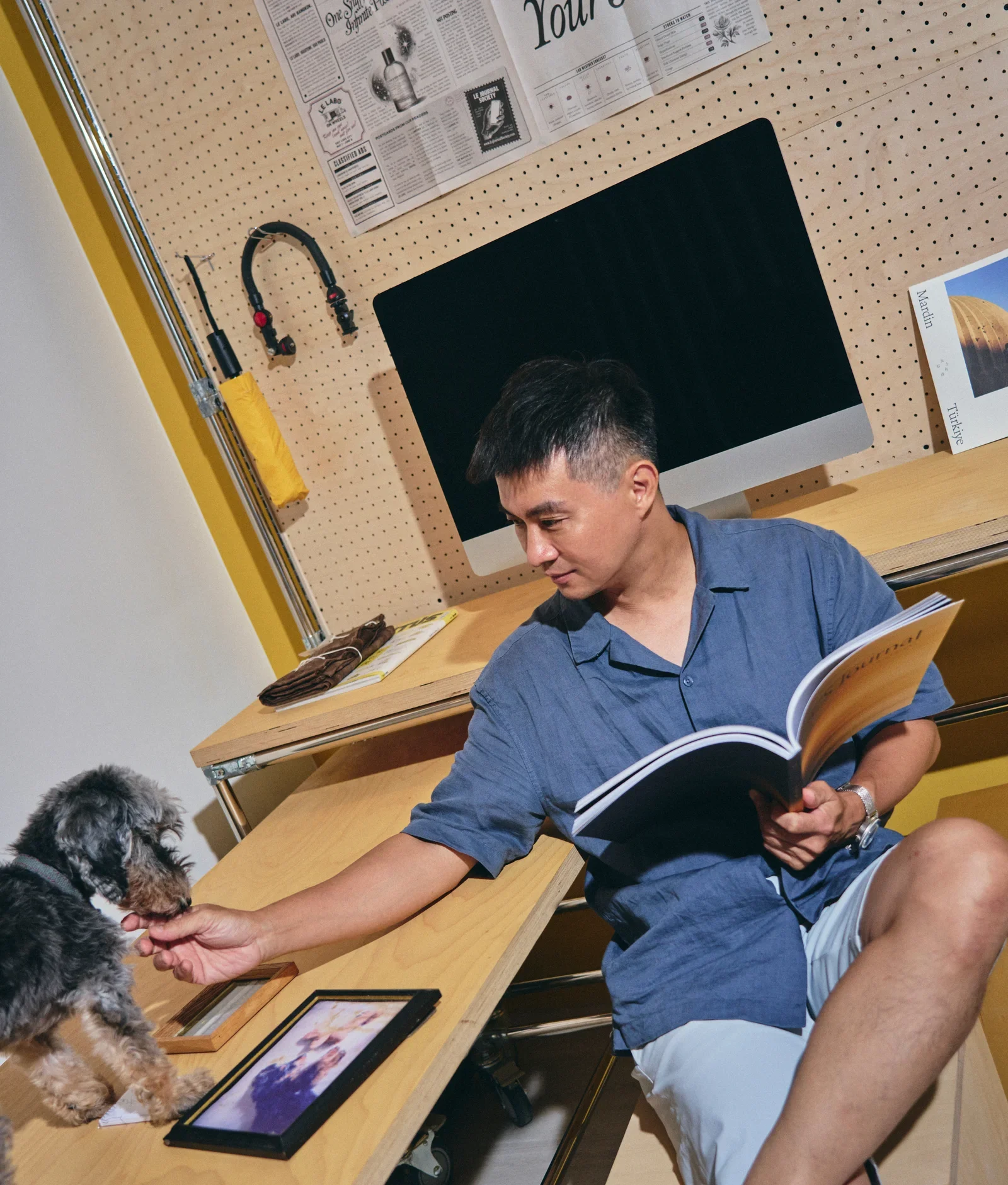
某種程度上,這本書就是 HCS 的一個宣言。我希望大家拿到這本書時,可以感受到我們團隊是真的在關心一些事情。
站在帶領公司的角色,我會判斷在有限的時間和資源裡,現階段有什麼事情值得大家一起投入。至少今年,我覺得這本刊物值得我們一起把它做好。而它剛好在這個階段發生,有點像天時地利人和的結果。
In a way, this book is a statement of what HCS stands for. I hope that when people hold it in their hands, they can sense that our team genuinely cares about certain things, and that our work does not simply end once the photographs are taken or a project is completed.
In leading the company, part of my role is deciding what is worth putting our limited time and resources into at a particular moment. At least this year, I felt that this publication was something worth making well together. The fact that it happened at this stage feels like the result of many conditions coming together at the right time.
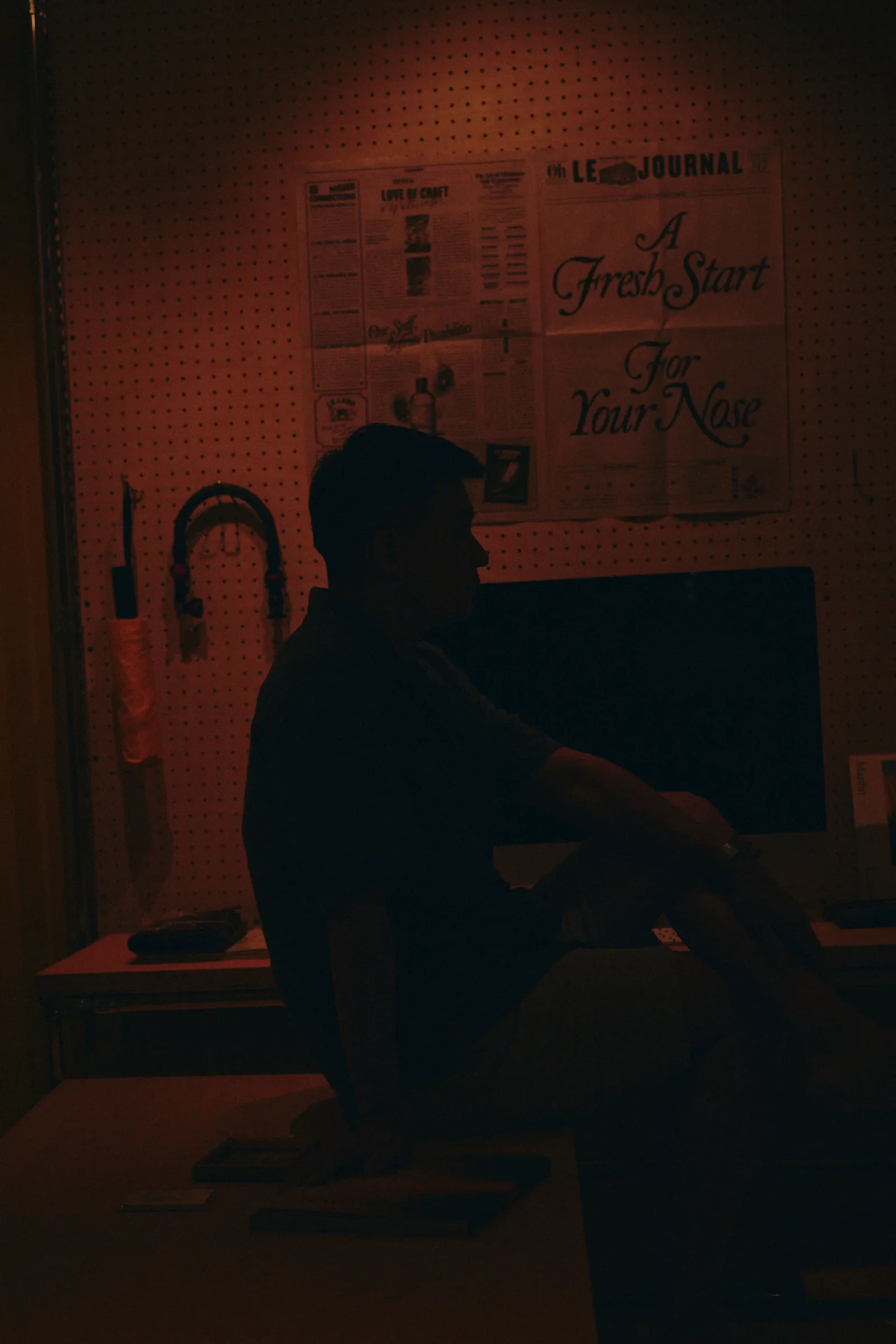
公司要走到一定的規模,有足夠的內容和資源,也要有一群可以一起把事情完成的人。像主編 Chi 跟我、跟公司一起工作了很長一段時間,她很了解我們長期在意的事情,很多時候她可以挖掘題材,發展成更完整的內容。再加上攝影、業務到書刊設計,少了其中任何一個環節,這件事情可能都不會實踐。
我一直希望大家在 Hey!Cheese 工作的這段時間,除了完成一個又一個專案,也能留下幾段記憶,或者帶走一些以後還用得到的能力。也許很多年後再翻開這本書,會記得自己曾經在二十幾歲、三十幾歲的時候,在這間公司和一群人一起做過它。
A company also needs to reach a certain point. You need enough content and resources, but you also need a group of people who can actually bring something like this into being. Chi, our managing editor, has worked with me and with the company for a long time, so she understands the things we have cared about over the years. Often I begin with a broader direction, and she is able to dig further into it, find the subjects within it, and develop them into more complete stories. Then there is photography, business development, and book design. If any one of those parts were missing, this project might never have happened.
I have also always hoped that during the time people spend working at Hey!Cheese, they can leave with more than a series of completed projects. I hope they also carry away a few memories, or abilities that will still be useful to them later. Maybe many years from now, when they open this book again, they will remember that in their twenties or thirties, they were once part of a company and a group of people who made it together.