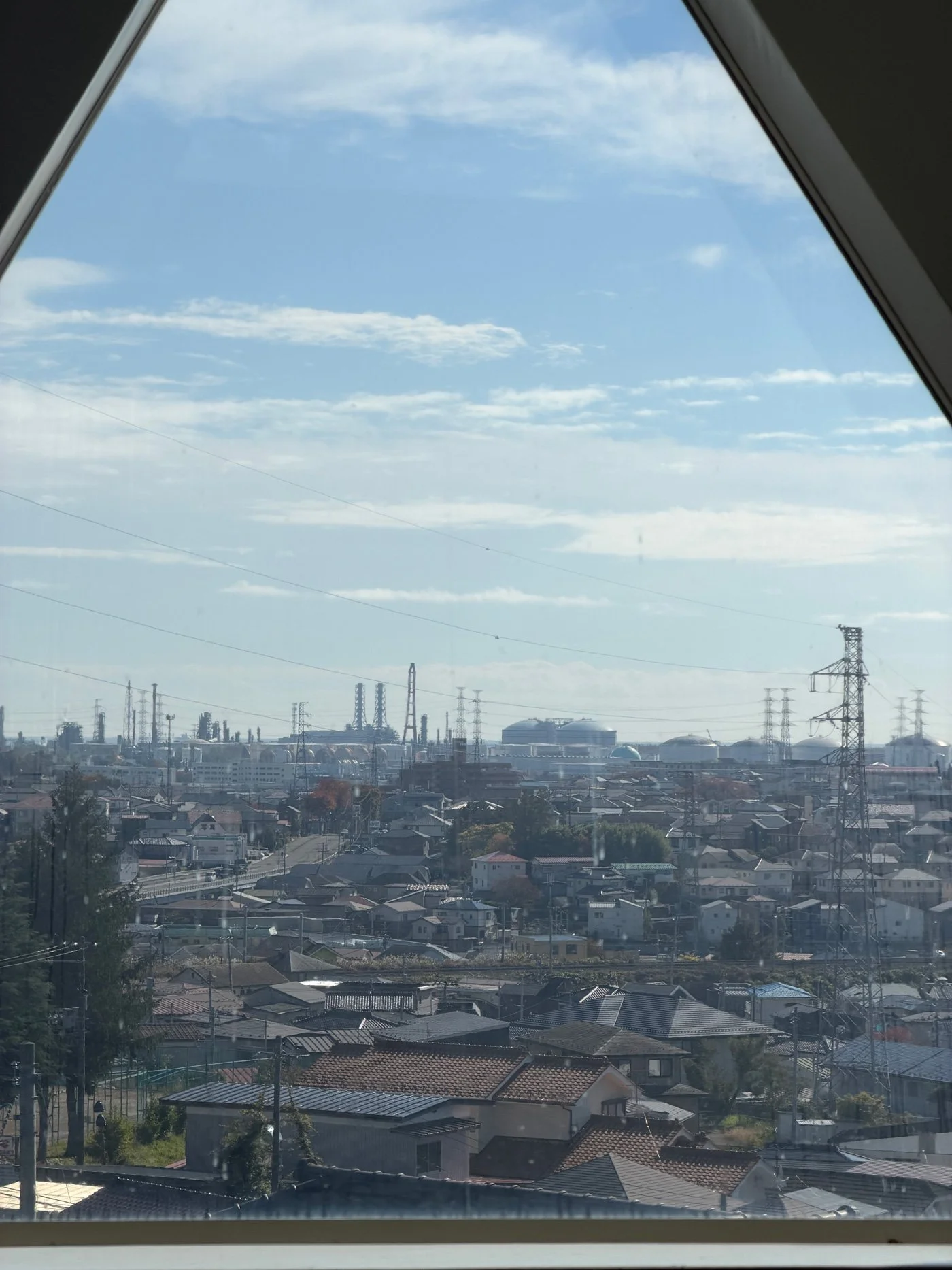
貼近感官聲響的歸零之旅:跟著攝影師 Kai 走進日本東北的安謐秋意
-
For many, traveling is about venturing into the unknown—seeing unfamiliar landscapes, tasting new foods, experiencing things for the first time, and leaving the daily grind behind. But sometimes, hitting the road isn’t about seeking new thrills; it’s more like a return. It’s about shedding the invisible layers we accumulate over time, peeling them back until our senses are restored to their raw, primal sharpness.
Photographer Kai captures this perfectly with one word: “reset” (歸零).
Nature, he says, resets his inner self, returning him to a blank, relaxed slate. He occasionally escapes to Hualien with no itinerary, just walking along the beach or wandering aimlessly with local friends, temporarily breaking away from Taipei’s frantic pace. Yet, if you know Kai’s background, you understand that his version of “resetting” is actually a visceral, physical return.
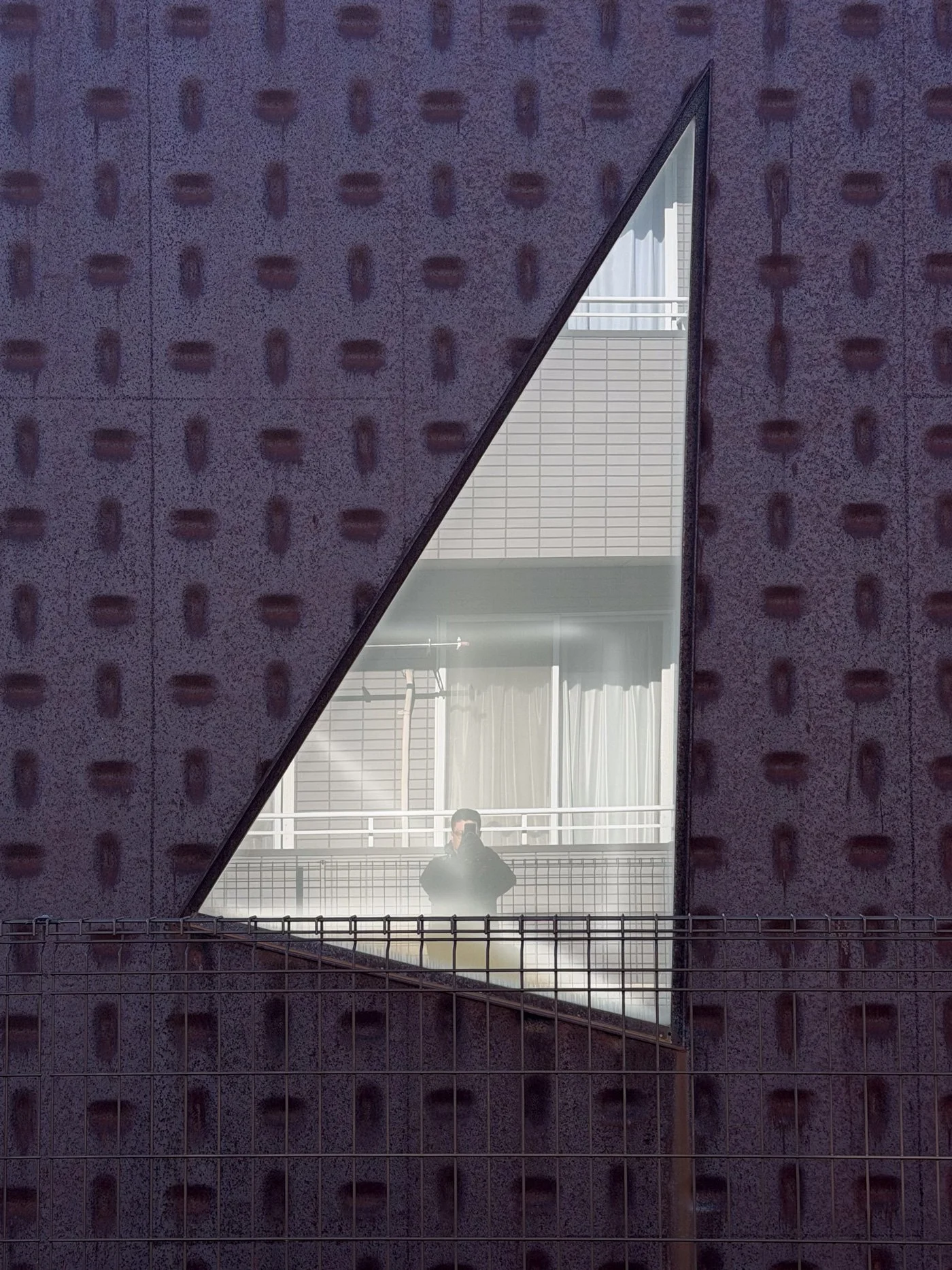
攝影師.Kai Chang
-
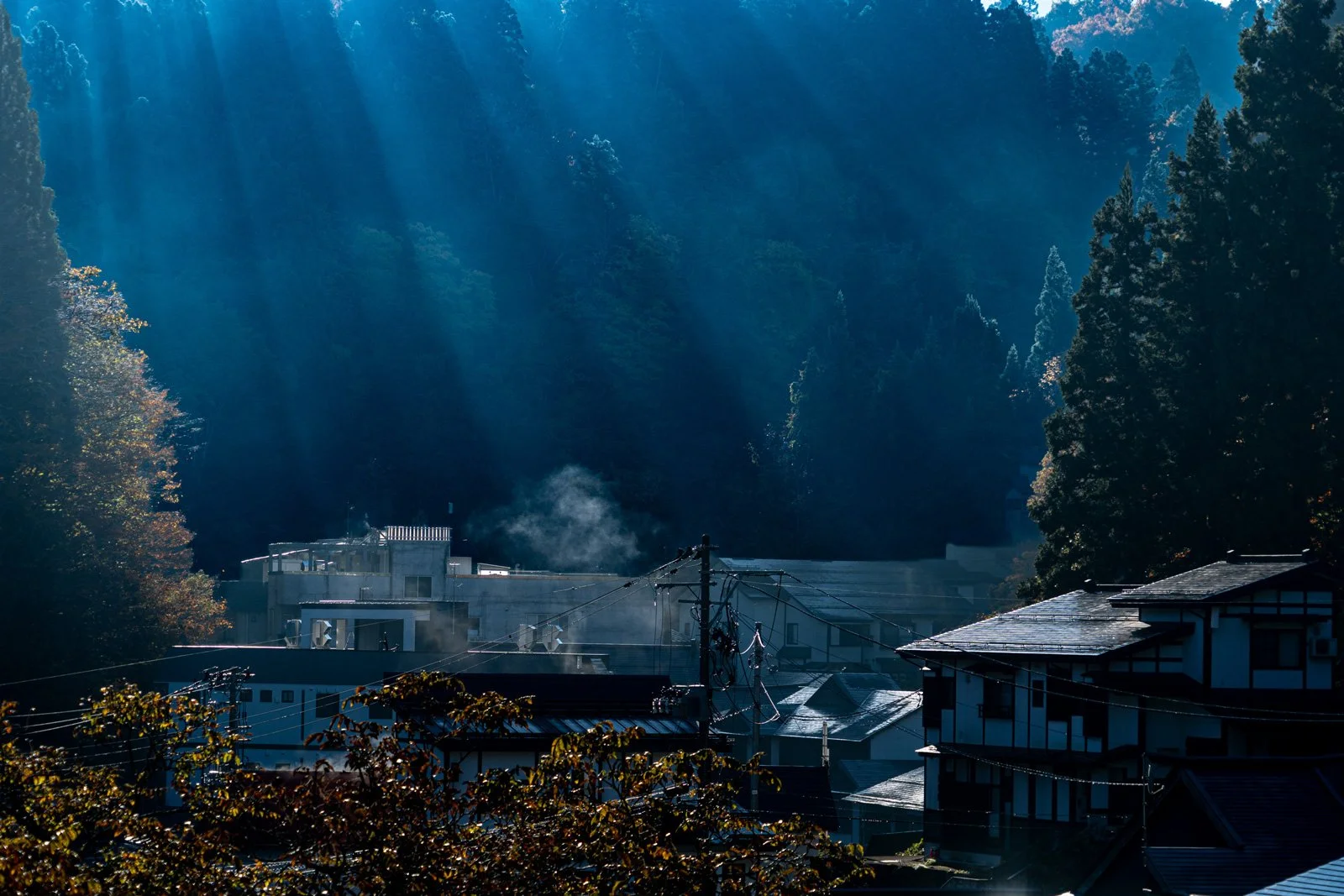
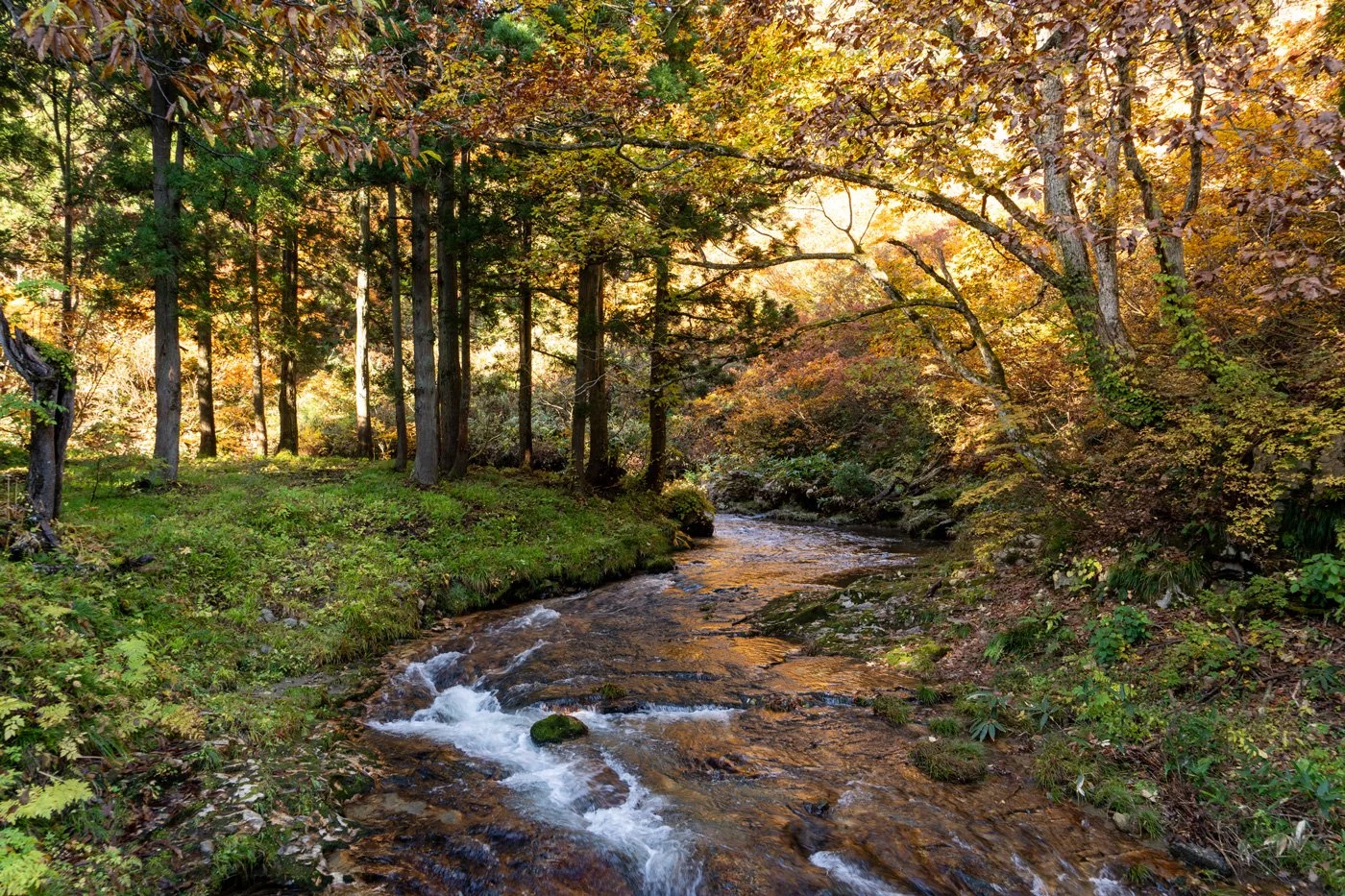
Before becoming a spatial photographer, Kai spent years doing environmental and ecological survey work. He frequently trekked into nature reserves, stepped into riverbeds, and waded through water in specialized gear. Over those years, his body memorized a multitude of sensations: the feel of the current brushing against his ankles, the arrangement of stones on the riverbed, the dappled sunlight shattering on the water's surface after filtering through the canopy, and the weight and scent of the forest air. Even after changing career paths, some things never left him.
The way he captures light and shadow falling on a wall, presenting a silent dialogue between materials, and his shooting style of observing from a third-person perspective without intruding—it's as if he translated his method of reading mountain landscapes into interior architecture. Therefore, when he needs to reset, he knows exactly where to go.
-
Stepping into Autumn in Tohoku
The Tohoku region of Japan in November might not be the intuitive choice for most Taiwanese travelers. But what Kai sought was precisely this: distinctly autumn scenery, uncrowded spaces, and a place where he could walk at his own pace. Tohoku, with its clearly defined seasonal contours, was the ideal sanctuary.
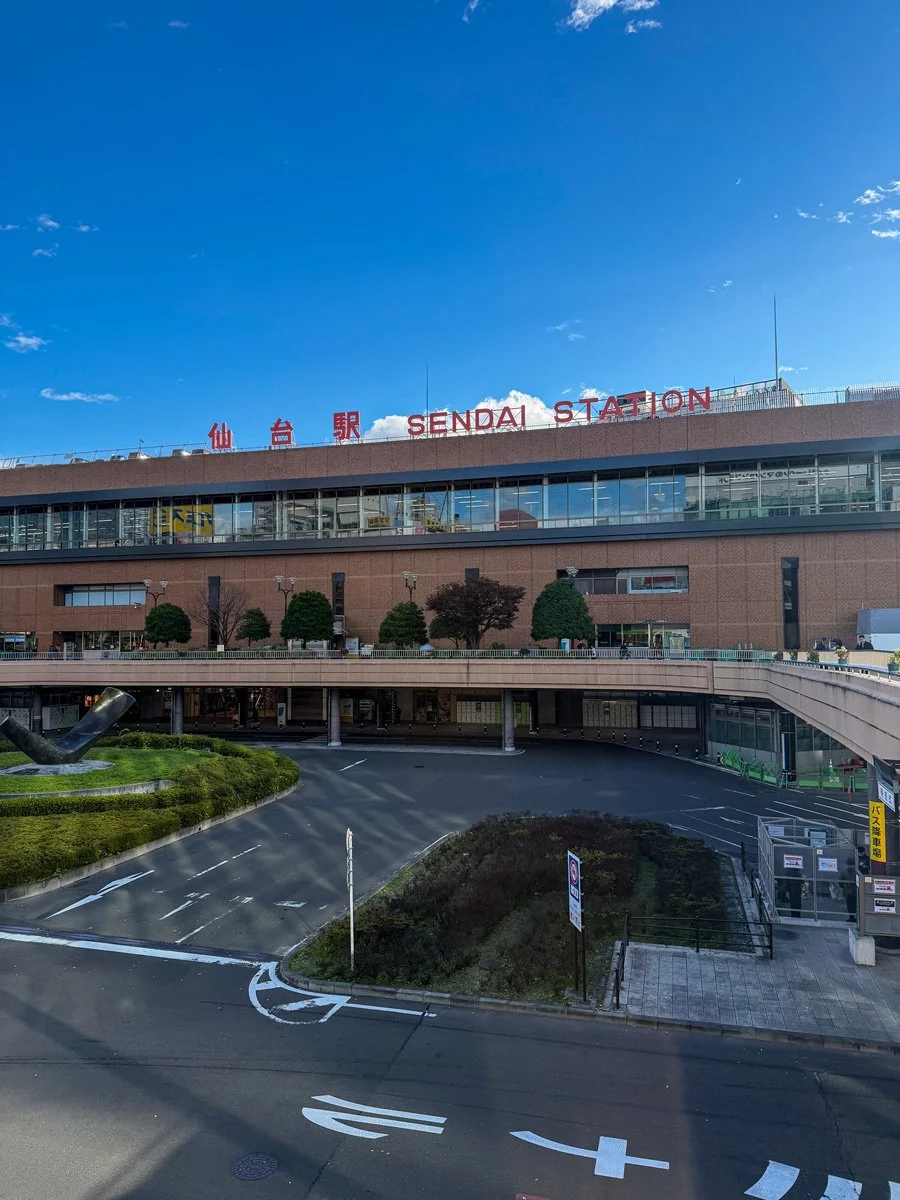
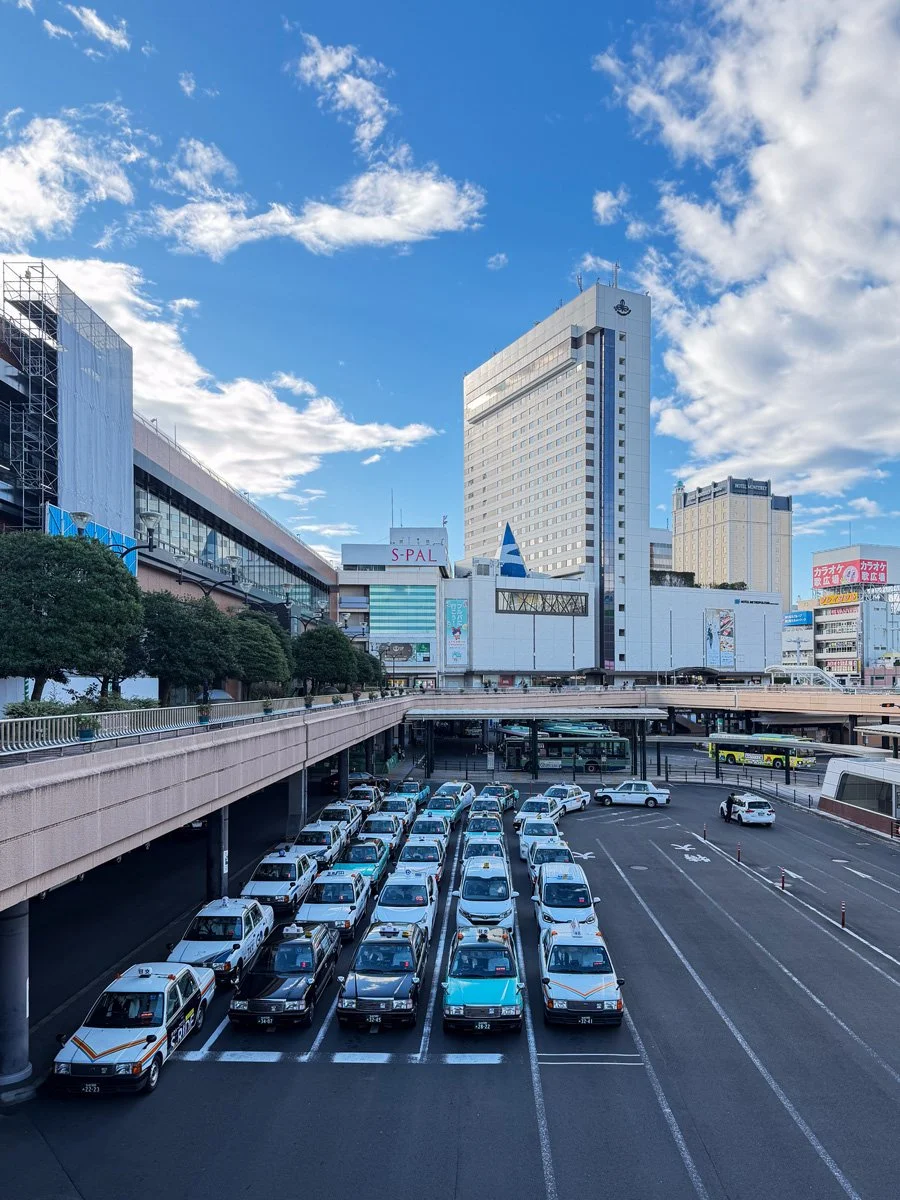
Sendai is a major, first-tier city in Tohoku, but compared to Tokyo, this “first-tier” is profoundly quieter. It has the convenience of a metropolis without the oppressive atmosphere that unconsciously forces you to walk faster. Using Sendai as his hub, Kai branched out to surrounding cities, visiting Yamadera, Ginzan Onsen, Matsushima (one of Japan's three most scenic views), Shiogama, and Aomori, the northernmost city on

-
Reading the City's Serenity Through a Different Sense
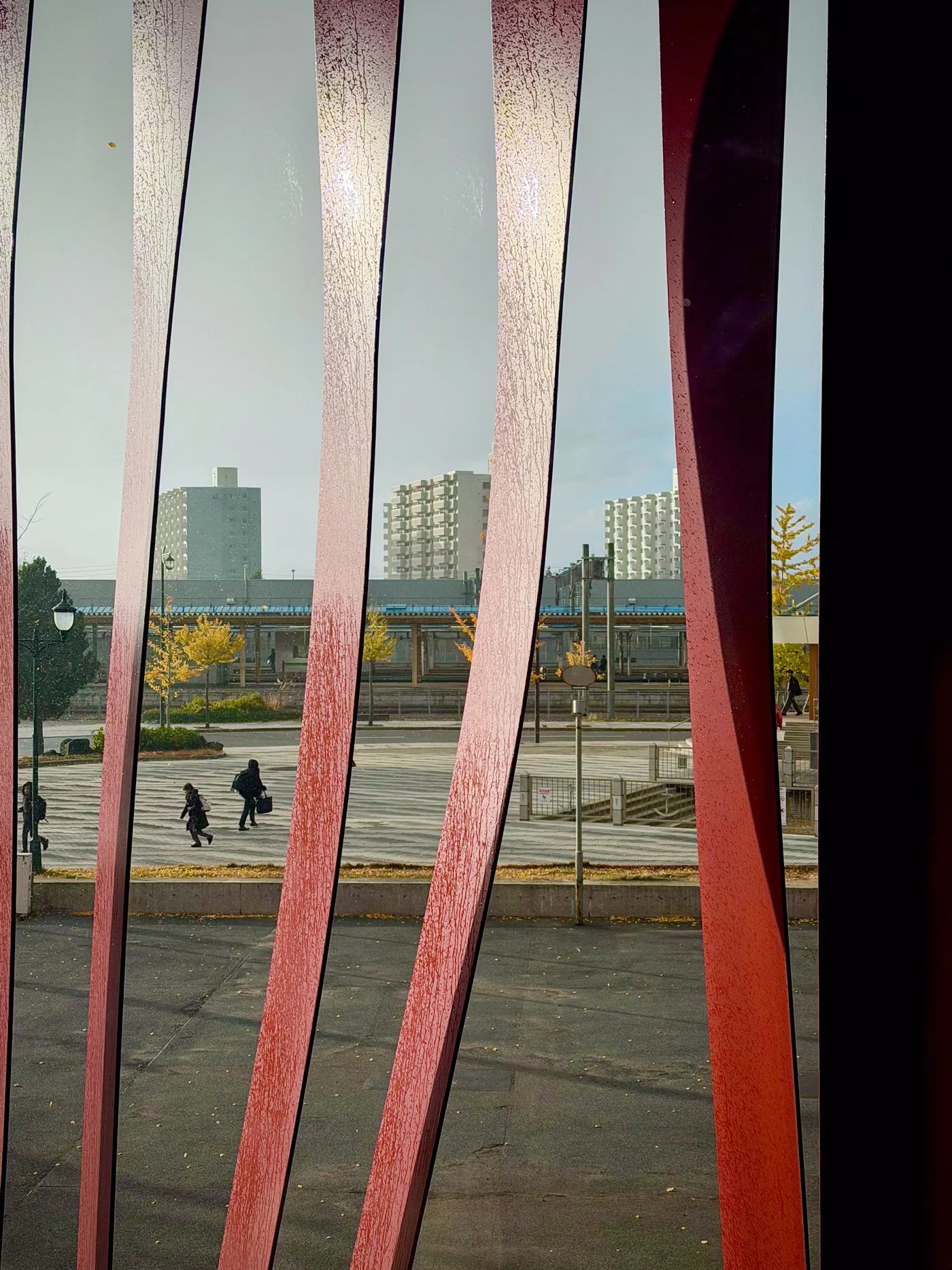
For someone whose daily work relies entirely on “seeing,” the sense that was most drastically awakened upon arrival—aside from vision—was hearing. It was incredibly quiet here, so quiet that every subtle movement and sound possessed a clear silhouette.
Take the unhurried pace of Aomori, for instance. You can hear every single note of the pedestrian crossing melody with absolute clarity. If you drag your feet even slightly while walking, the faint rustling sound is unmistakable. Then there were cafes that looked so quiet from the outside you'd doubt they were even open. The light in the window sat still; only upon pushing the door open would you realize there were indeed customers inside, but the volume of the entire space had been turned down to the lowest possible setting.
Perhaps because Kai himself is someone who observes more than he speaks, who receives more than he outputs, arriving in an equally quiet place allowed these two frequencies to perfectly align. He could let his senses fully immerse in the present moment, completely uninterrupted by noise.
-
The Acuity of Internalized Physical Memory
The habits we develop in our work aren't things we can just switch off at will, and Kai is no exception. His years of accumulated professional experience have deeply internalized into physical reflexes and acuity. You don't need to intentionally activate it; it simply becomes a part of you.
For example, when shooting a space, his first instinct upon entering a site is to observe the light. Where is it coming from? What is the angle right now? When will it shift? Which shots need to be taken while the light is still there? This cognitive framework has been built into Kai's consciousness for years.
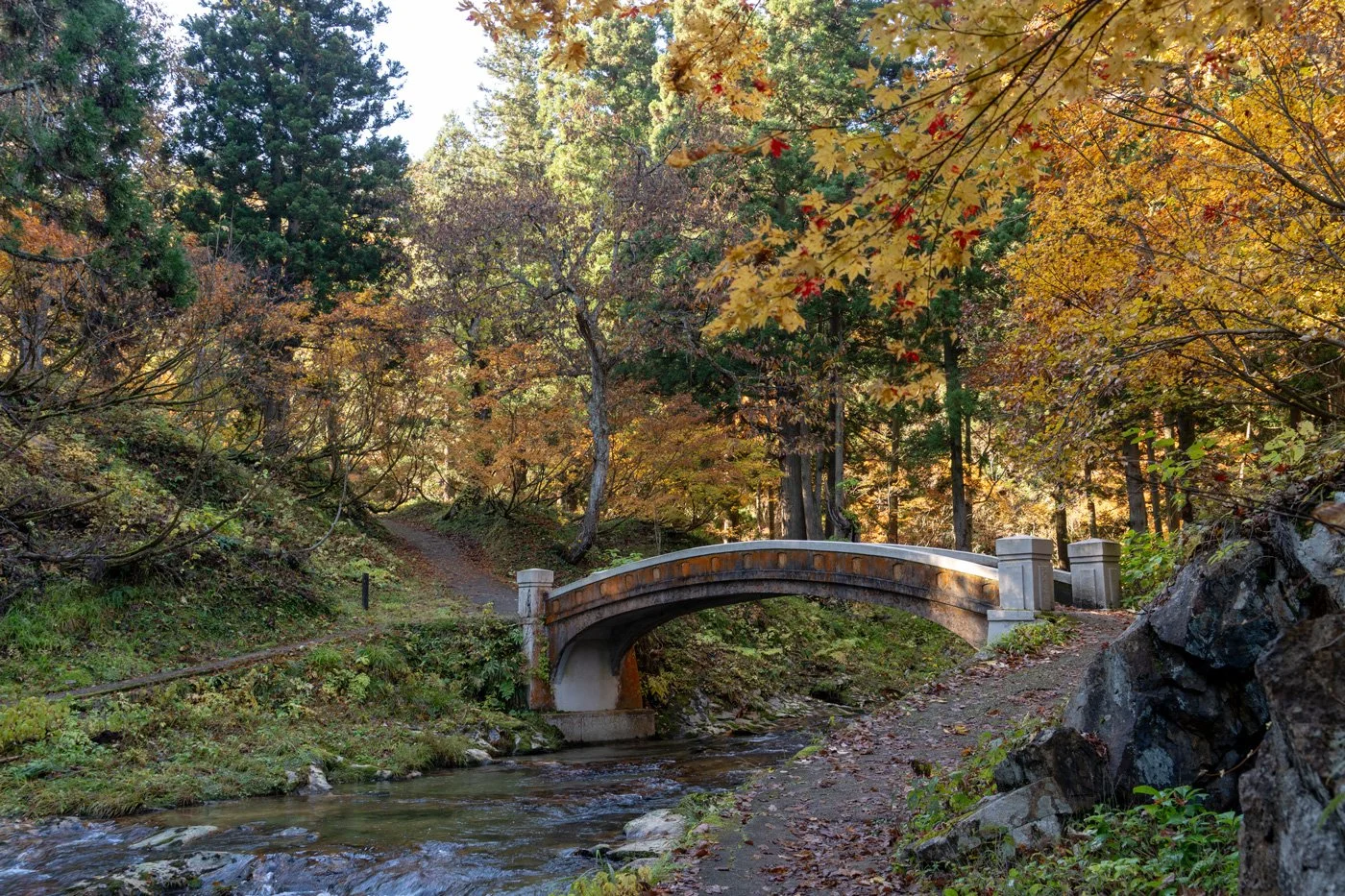
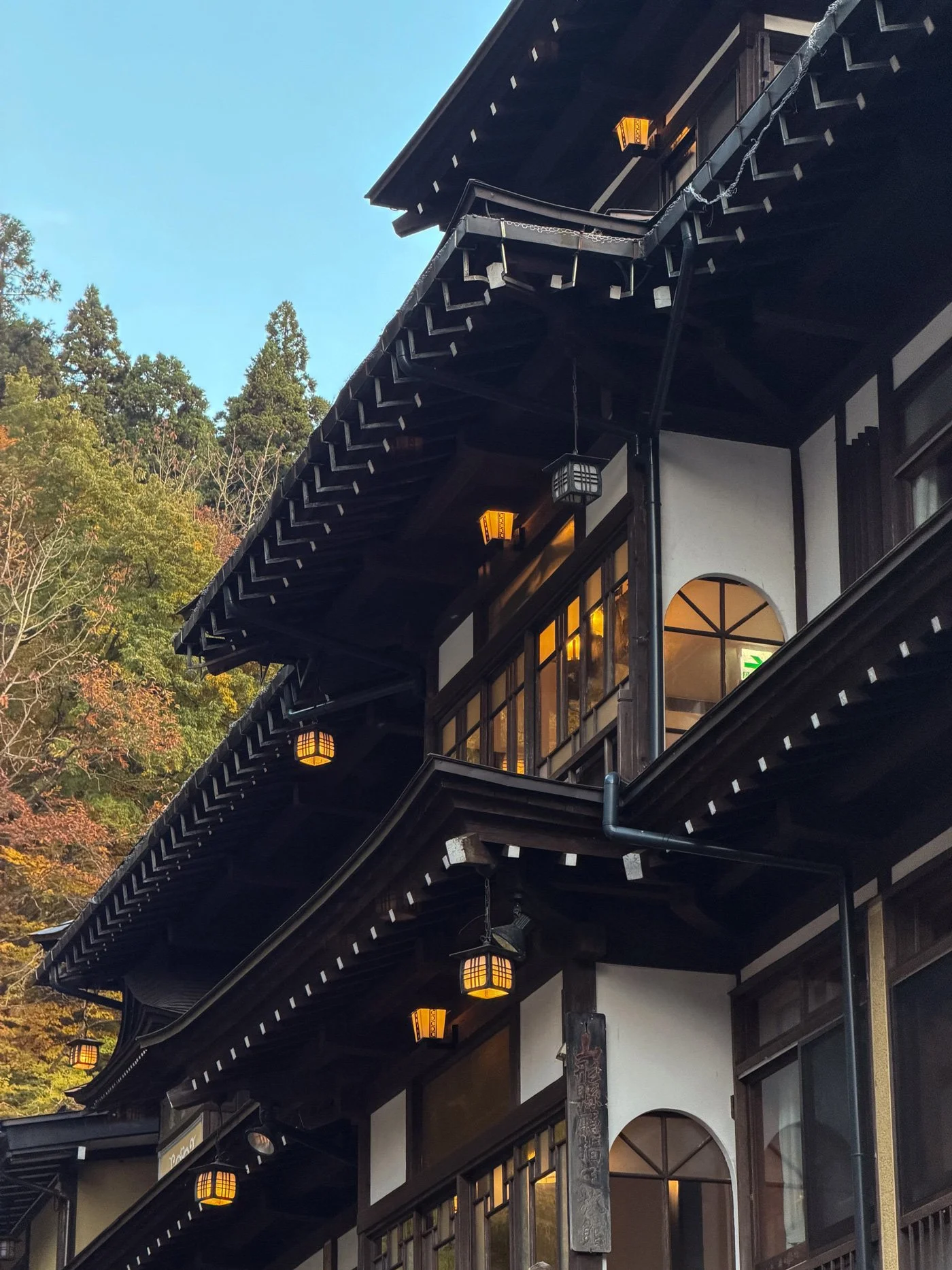
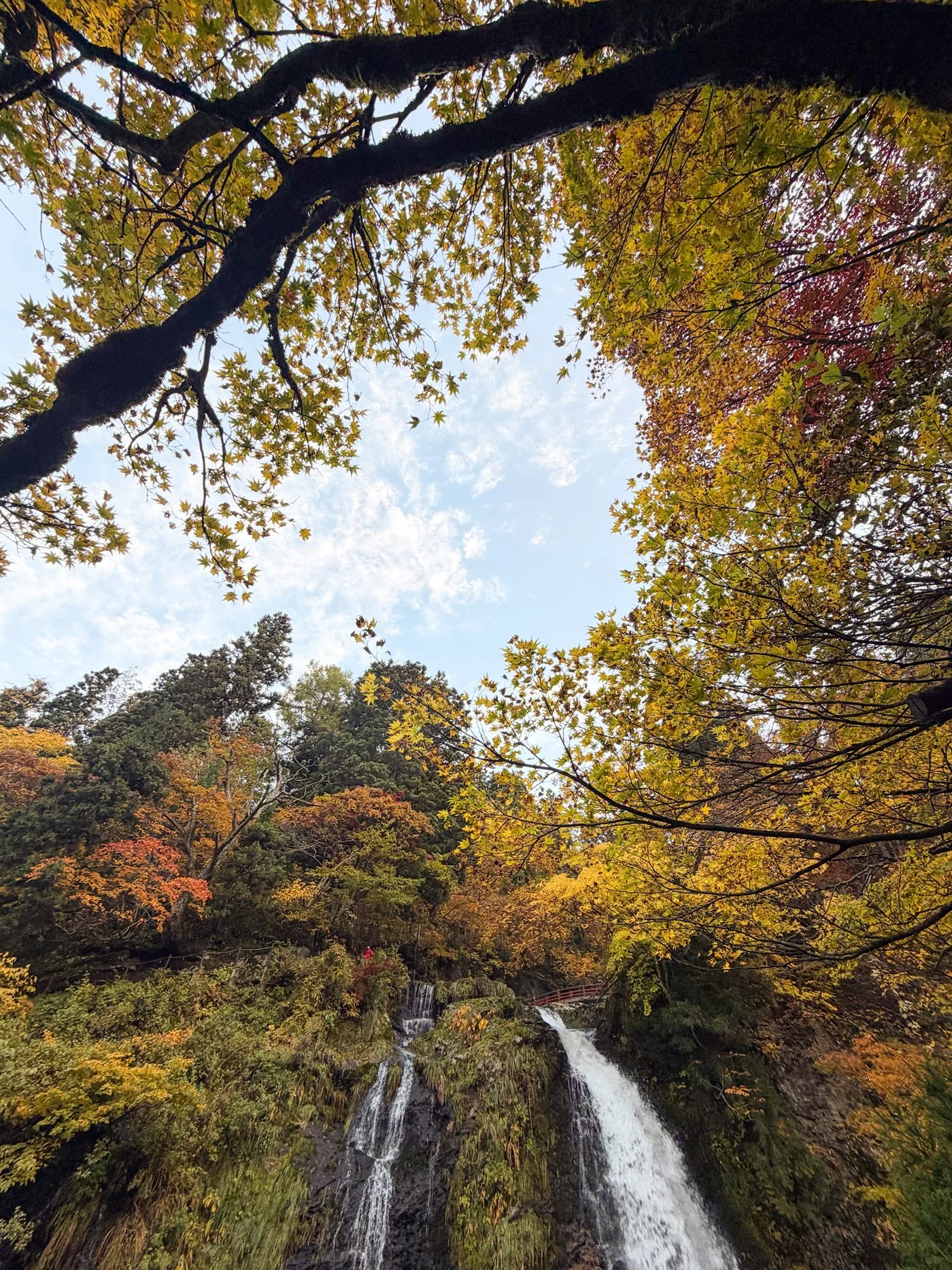
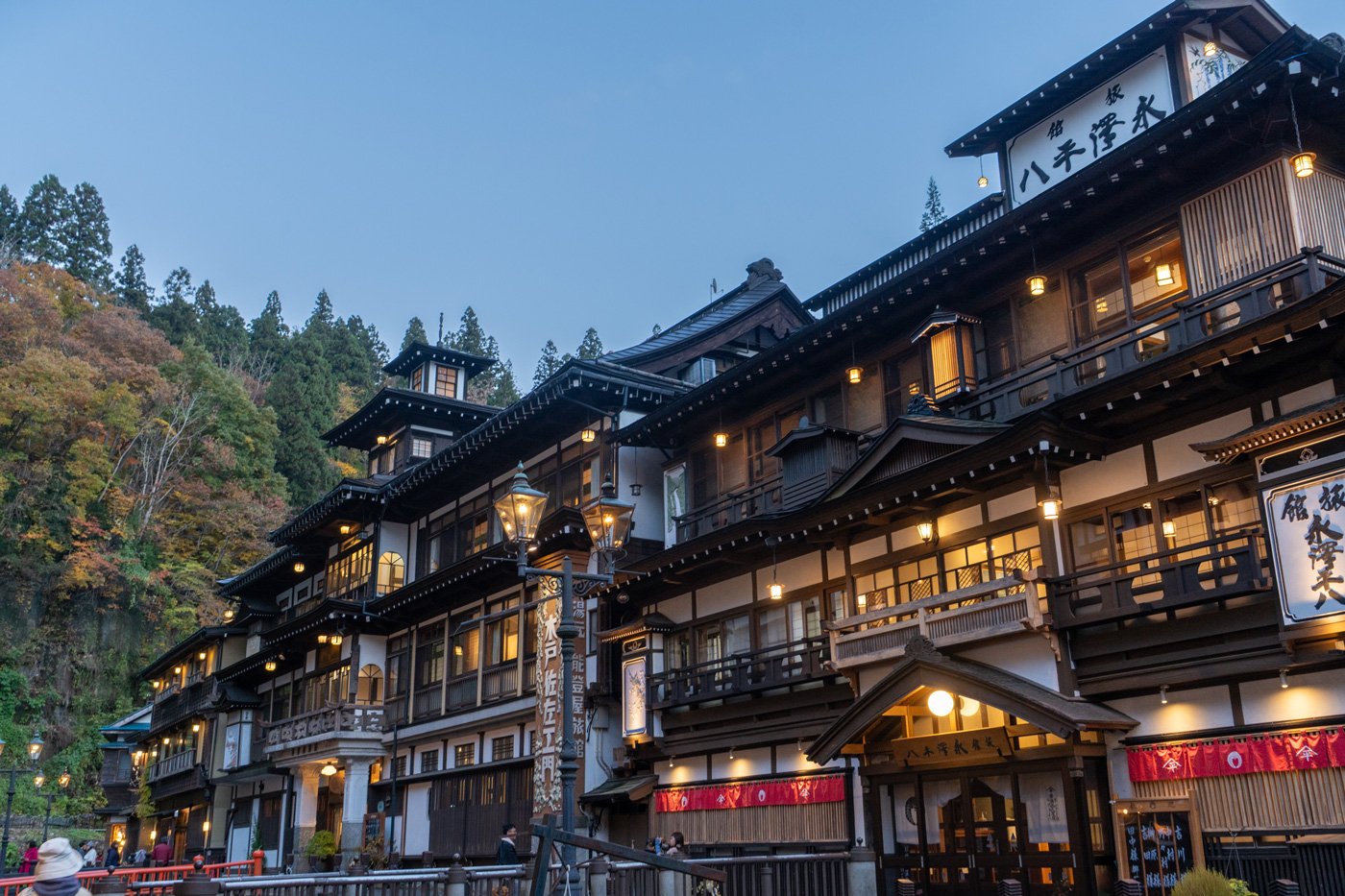
So much so that, although he originally planned to take a bus up to Ginzan Onsen around 3:00 PM, he suddenly realized the latitude here was much higher than in Taiwan. If he went up that late, the daylight would be gone by the time he arrived, leaving only night shots. He quickly pivoted to an earlier departure.
-
Another habit that surfaced was his instinct for pre-production. Before heading out, he researched what to eat near each destination, how to get there, and what else was nearby to visit along the way. He laughed, noting that this is exactly the same homework he does when preparing to shoot an unfamiliar location. By handling the logistics beforehand, he can focus entirely on the photography once he's on site.
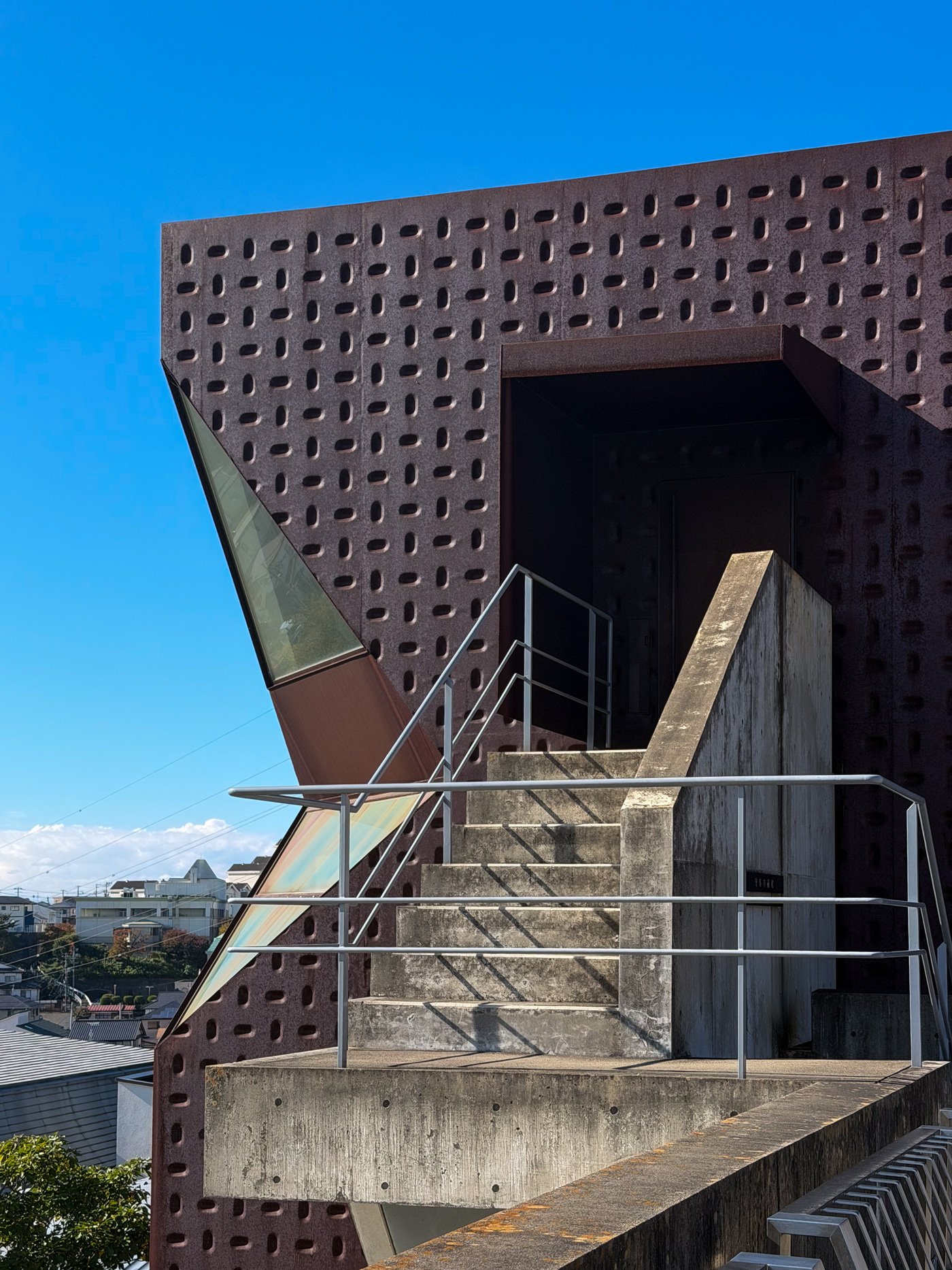
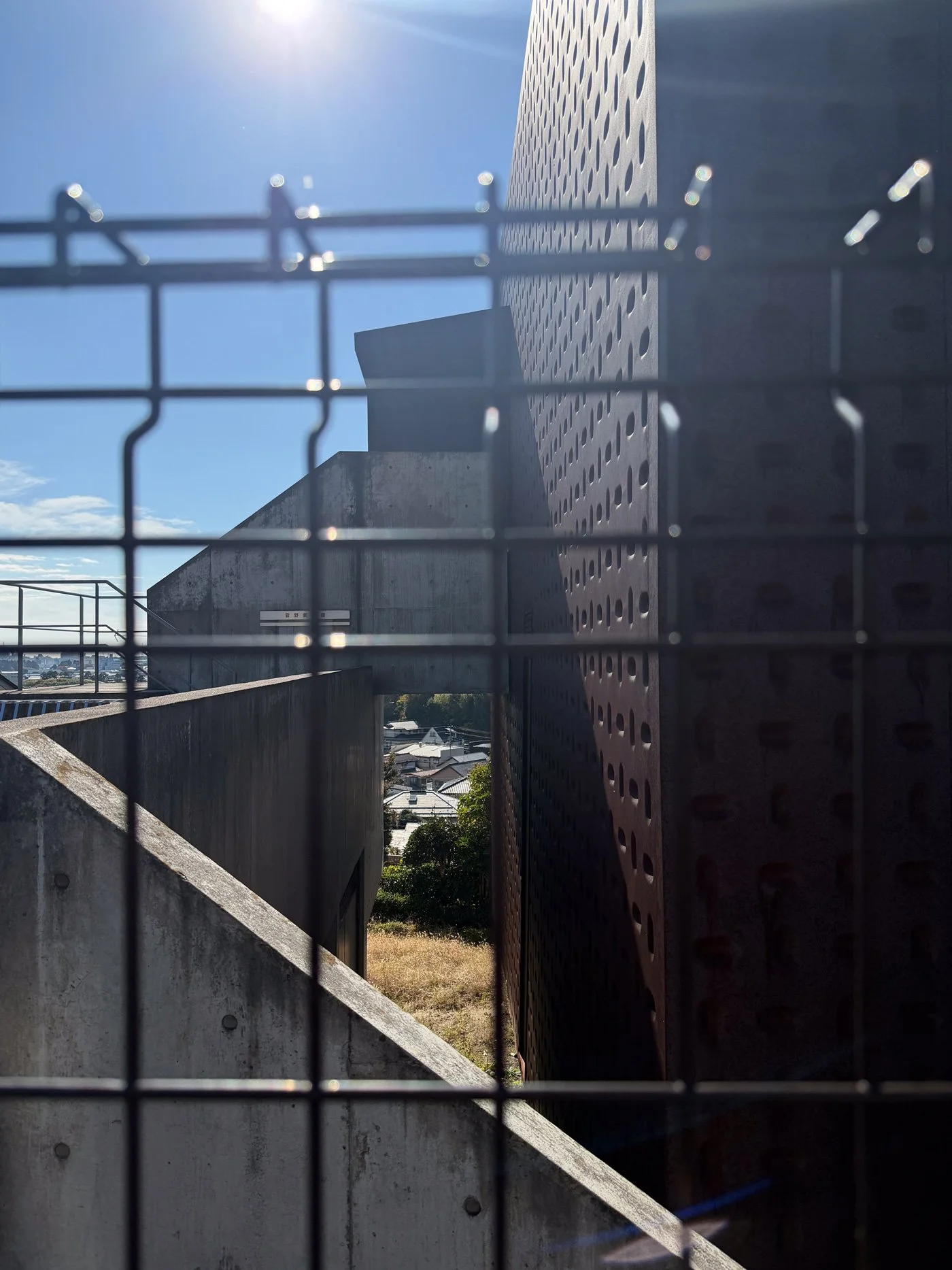
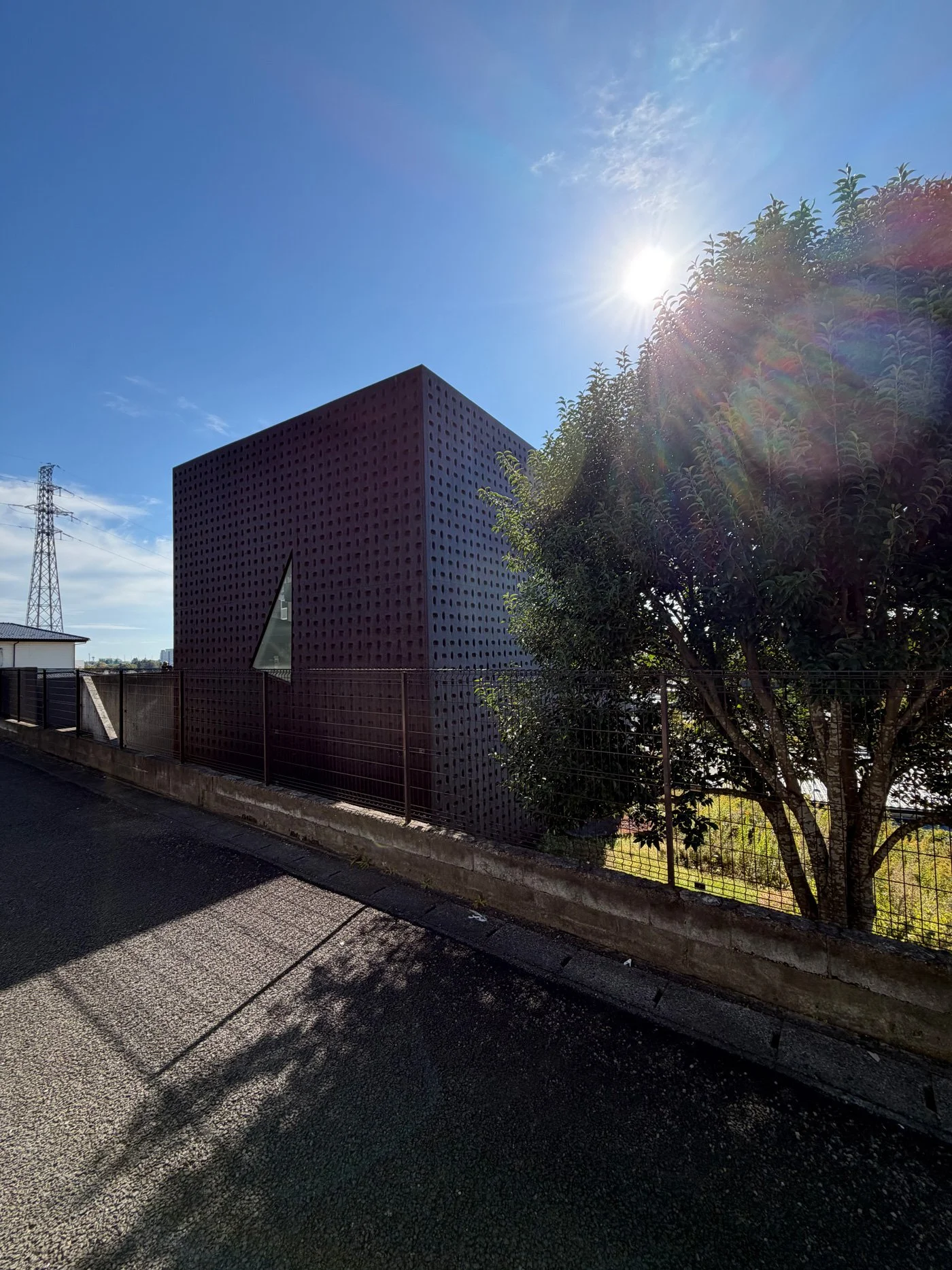
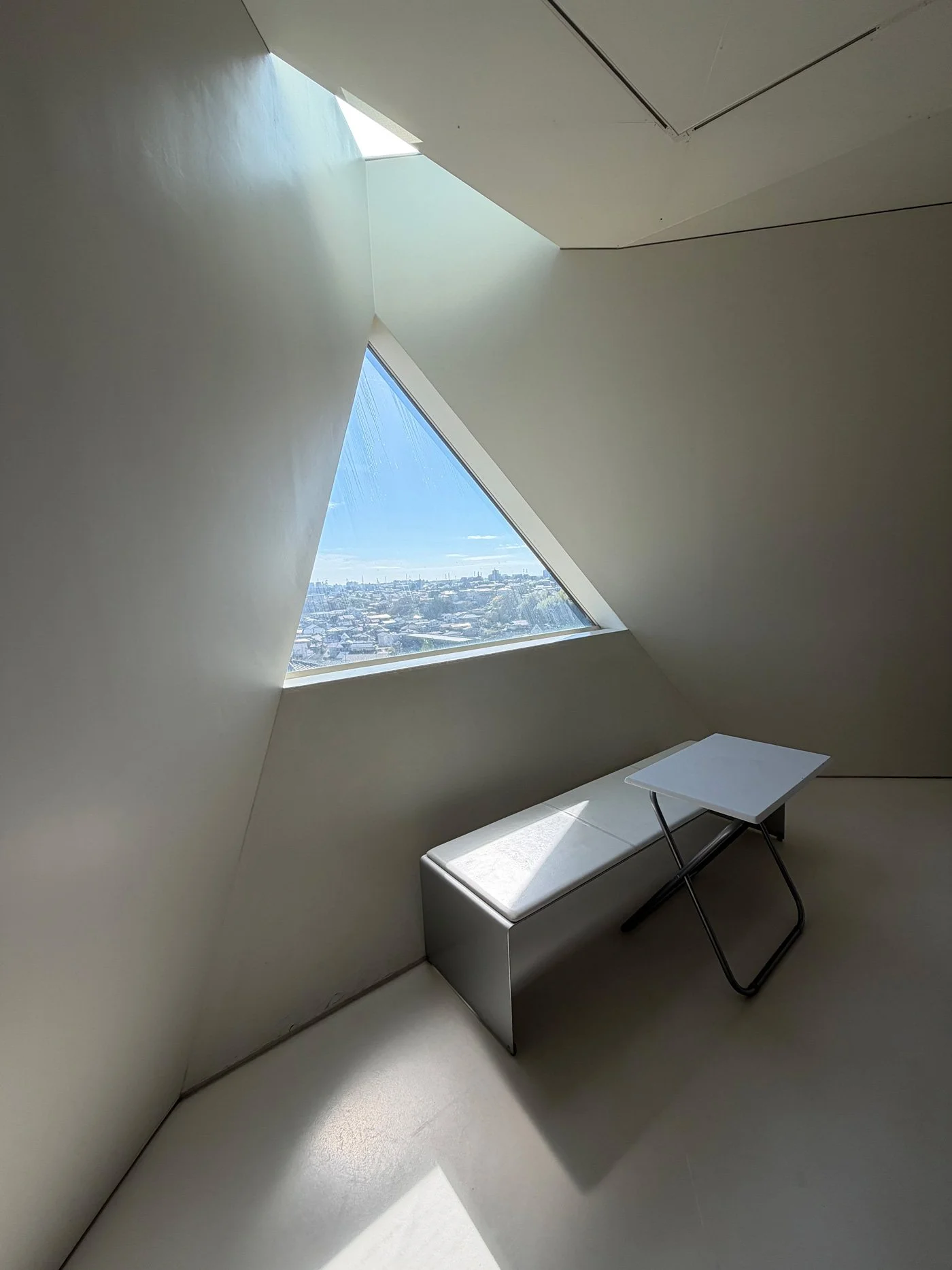
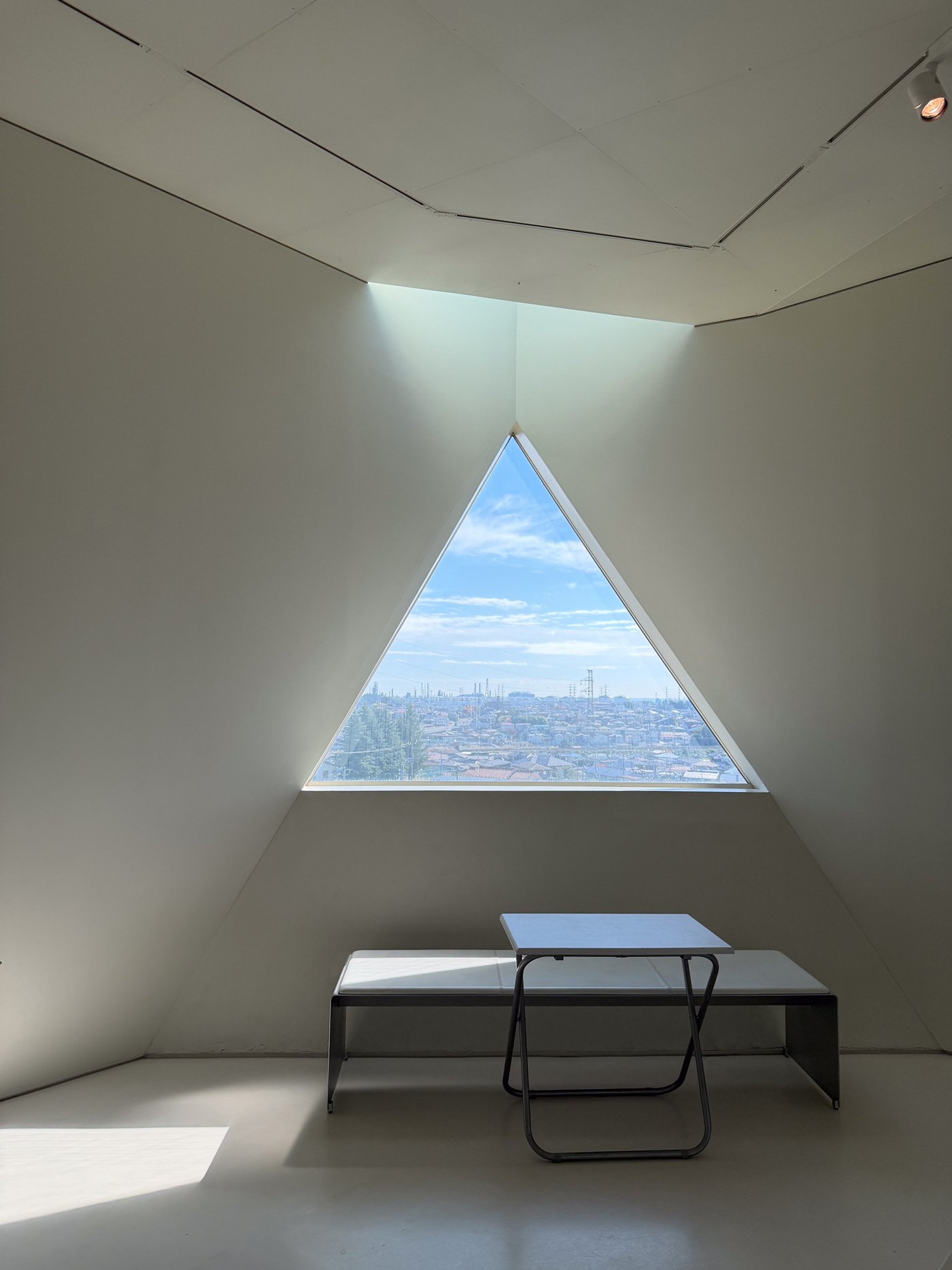
Or, consider when he walked into the structurally unique interior of the Kanno Museum of Art. Even though photography wasn't allowed inside, his mind couldn't help but race, contemplating how he would shoot those unique faceted walls and spatial relationships if given the chance.
-
If You Can't Get an Empty Shot, Wait for the "Right People"
When discussing his mindset toward photography during the trip, Kai revealed that he had gradually settled into a much more relaxed state: catch the shot if it presents itself; if not, let it go.
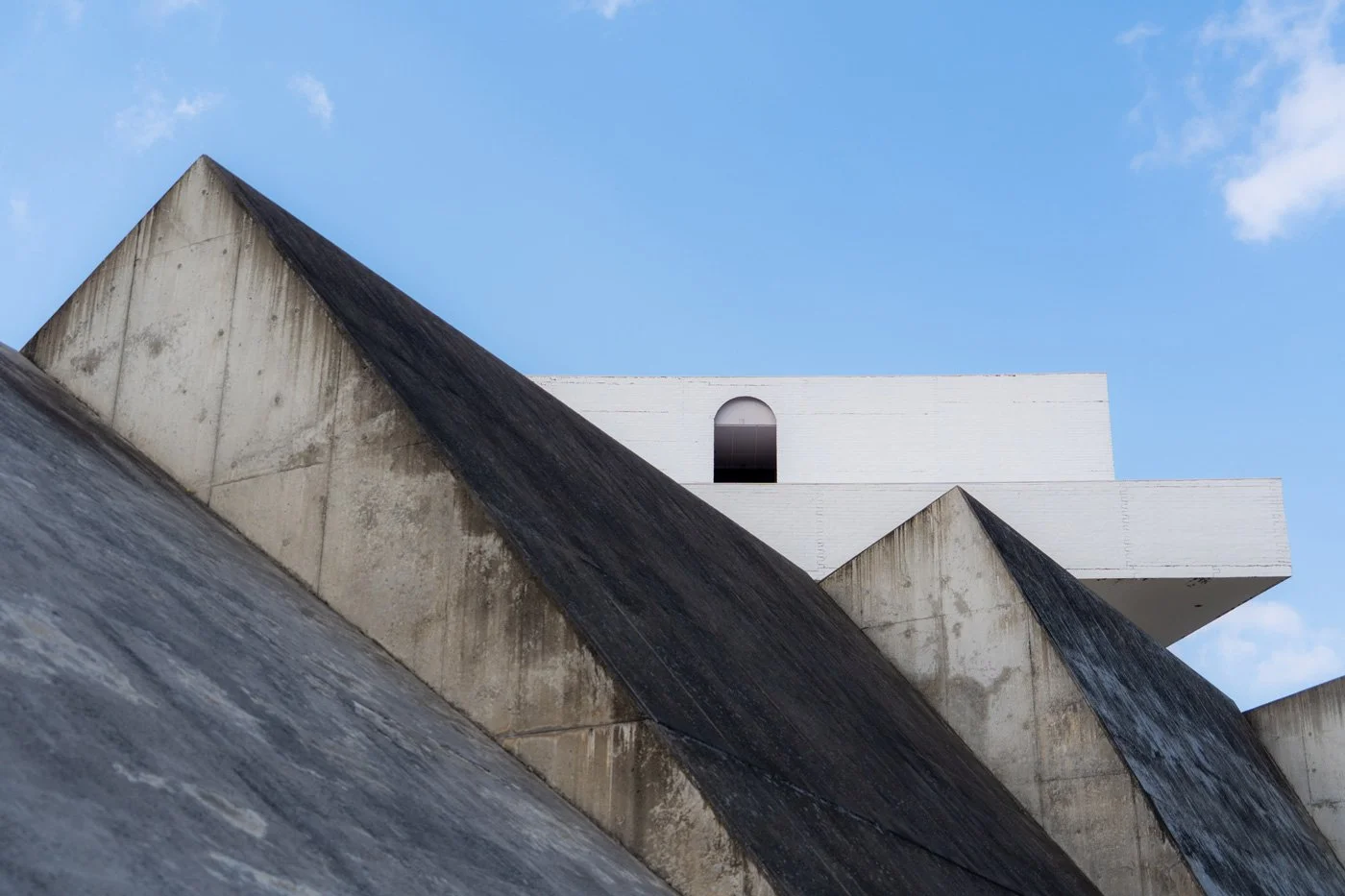
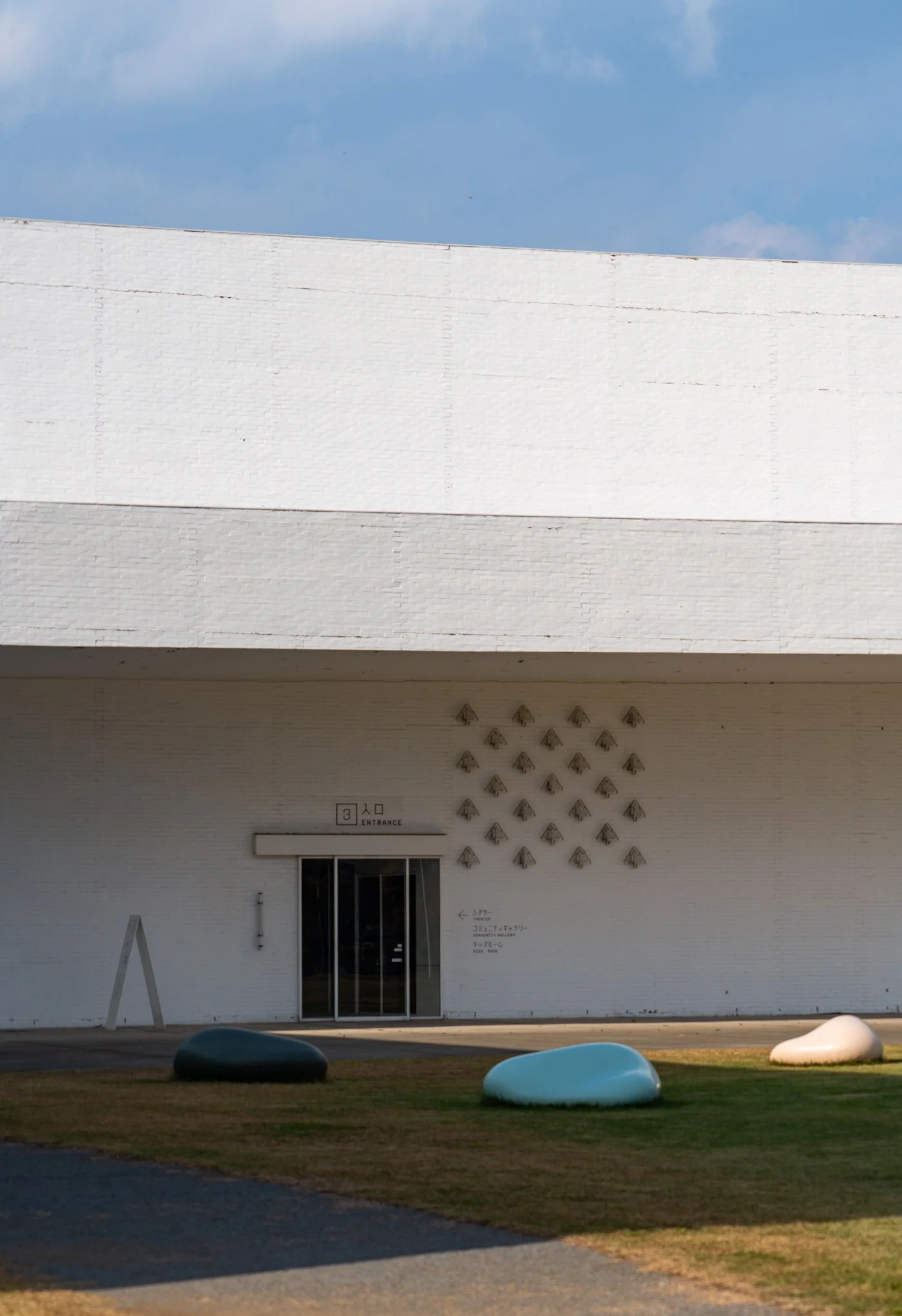
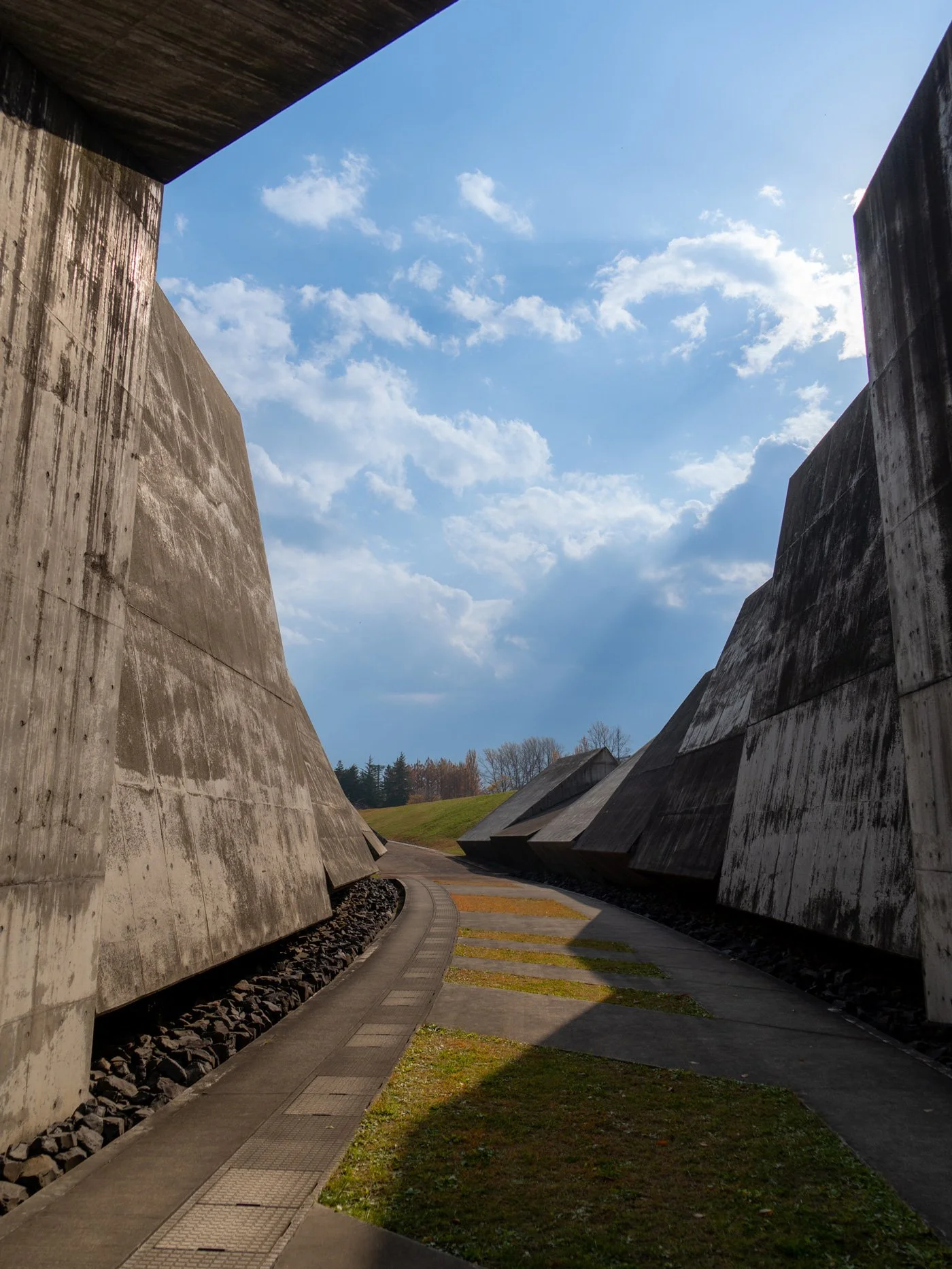
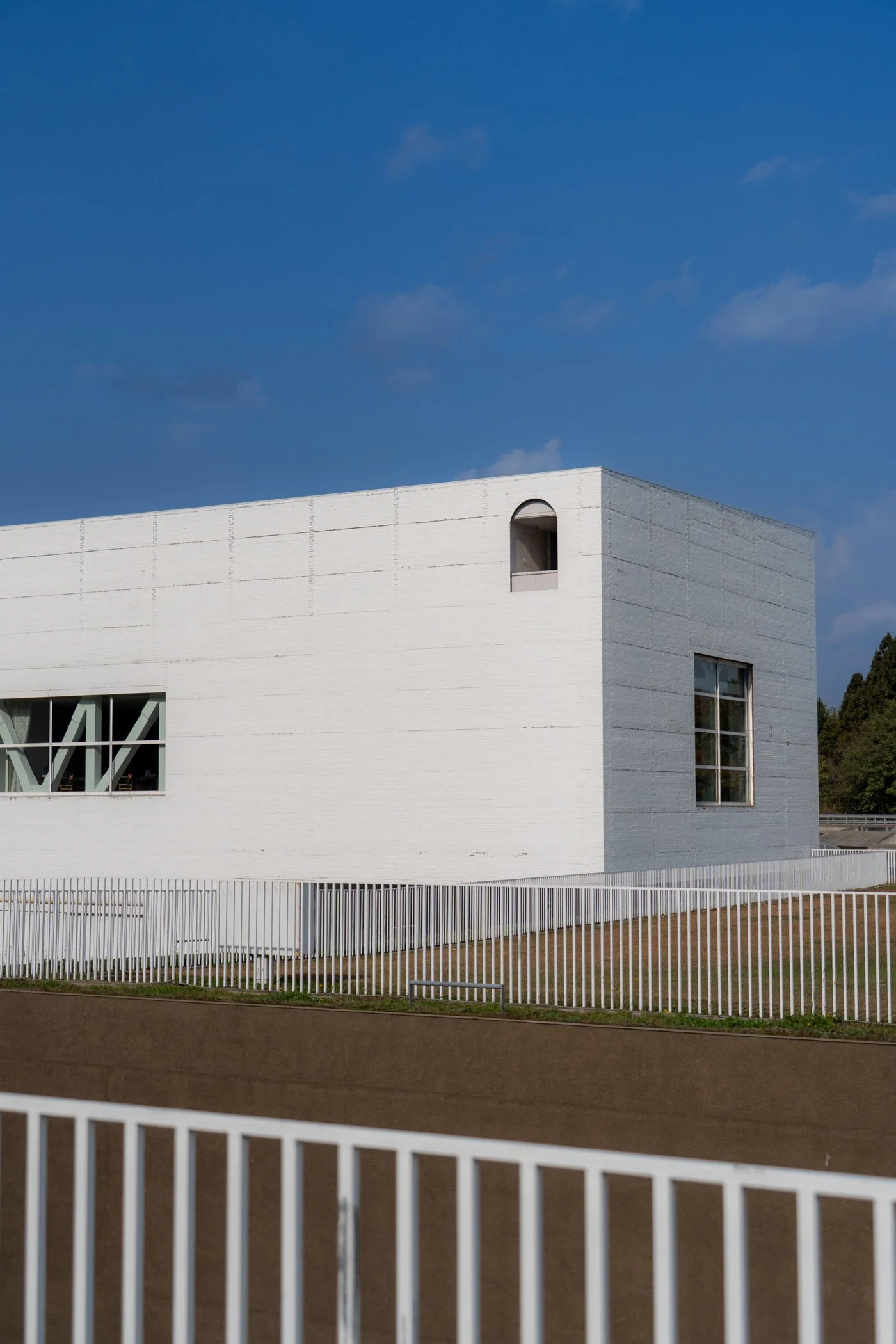
After traveling a long distance to Aomori, full of anticipation to see the Aomori Museum of Art, they arrived only to find it closed. Since it was closed, there were naturally no crowds gathered around. They immediately shifted their perspective—this meant they could properly photograph the exterior architecture without human interference. Just like that, they gently flipped a travel mishap into an opportunity.
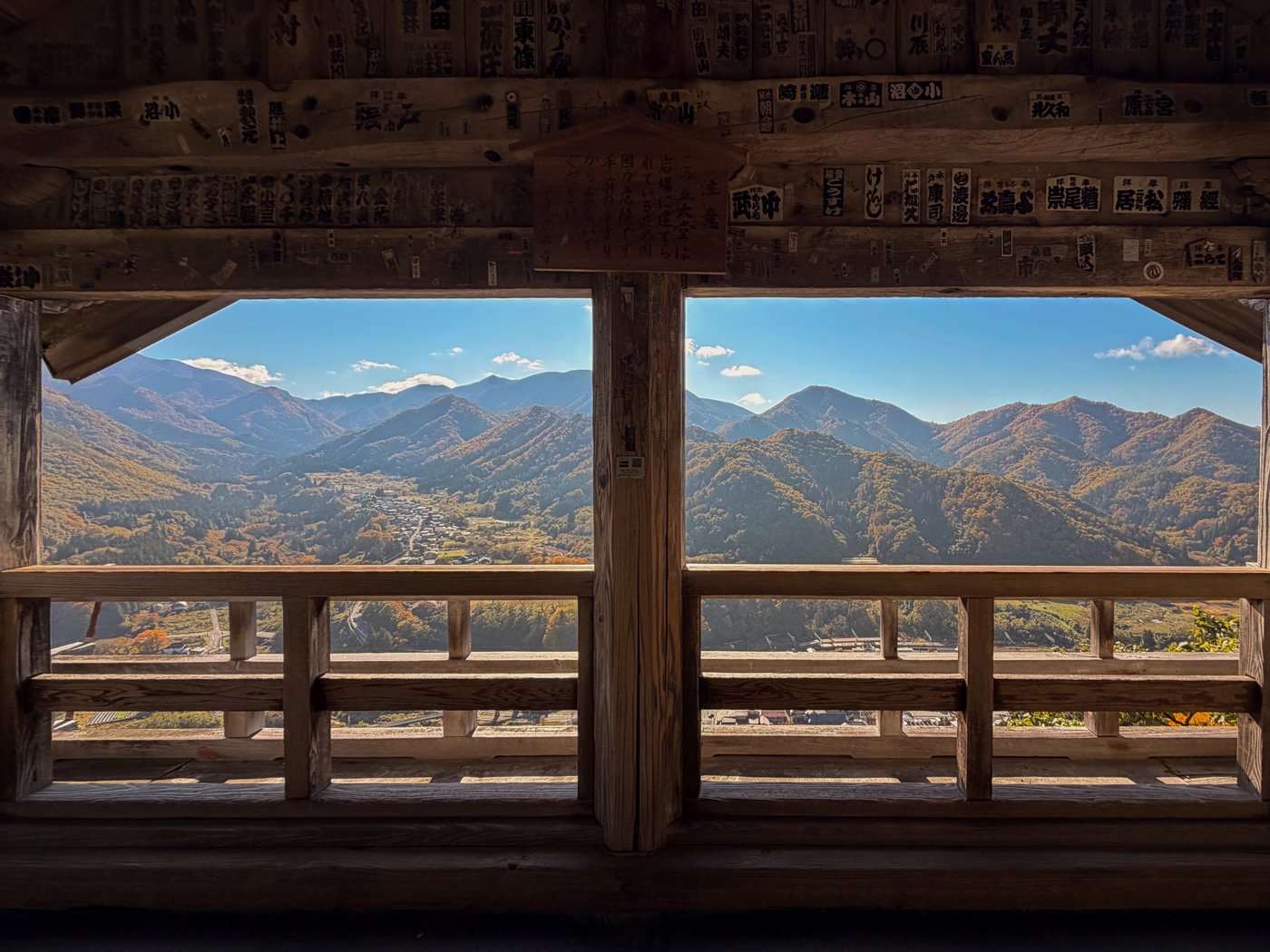
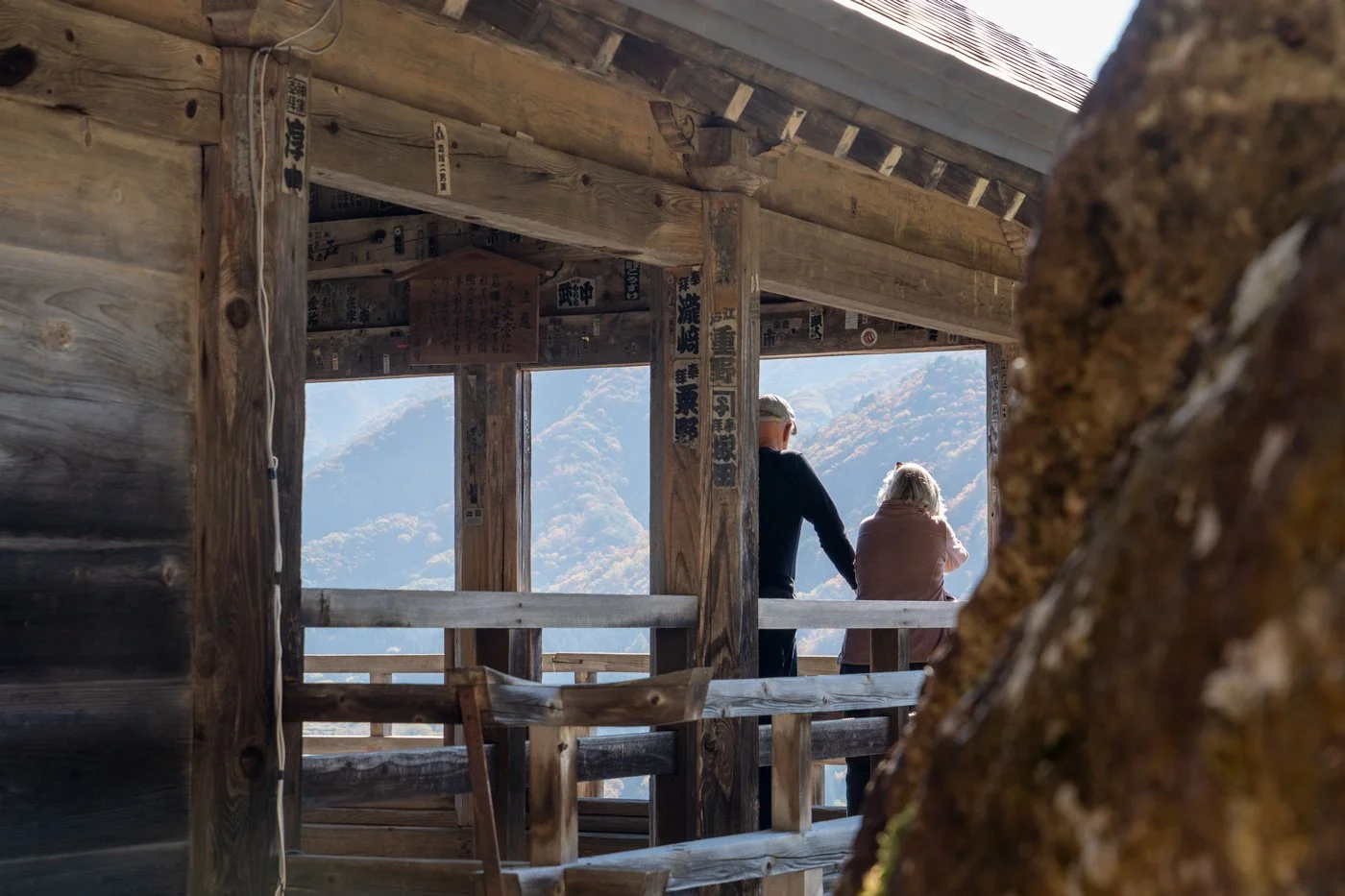
This easygoing nature was also reflected in how he dealt with crowds at tourist spots. The most common annoyance in travel photography is people in the frame. While some photographers will wait until everyone leaves, Kai takes a different approach: if he can't get an empty shot, he waits for the "right people" to walk into the frame, turning them into a part of the landscape. Rather than fighting an uncontrollable situation, it's better to adjust your perspective and find a way to make it work for you.
-
This attitude directly mirrors how he handles unexpected situations at work. On a shoot, surprises are par for the course. Whether the site is still under construction, the lighting is different than expected, or a corner's staging keeps changing, no matter how complex the problem, Kai always manages to quietly take care of everyone and steadily resolve every hiccup, bringing a sense of stability to his team. To him, the most important thing is simply getting it done: "You run into an issue, you figure out a way to solve it, and you make sure the shoot goes smoothly," he says mildly.
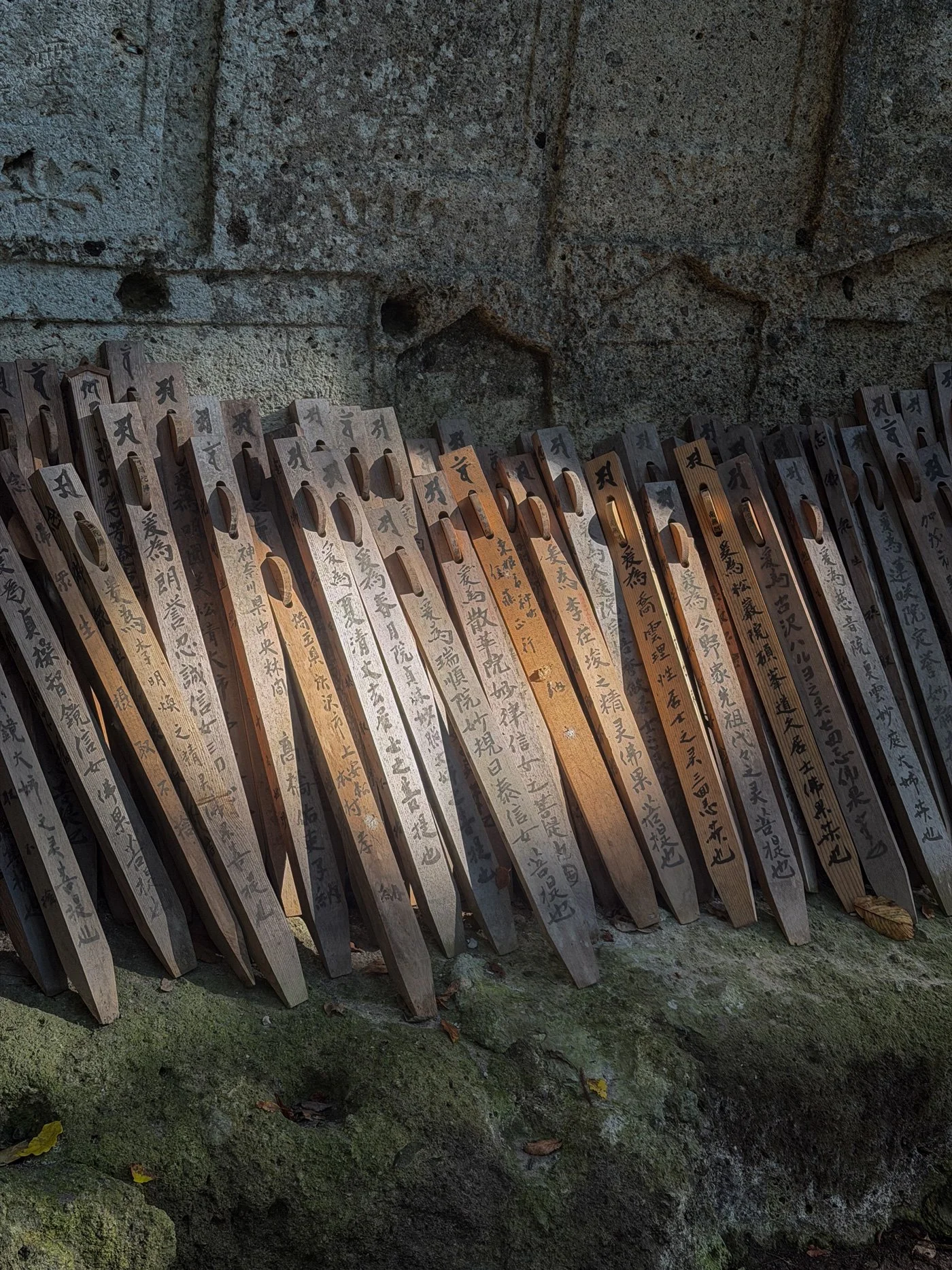
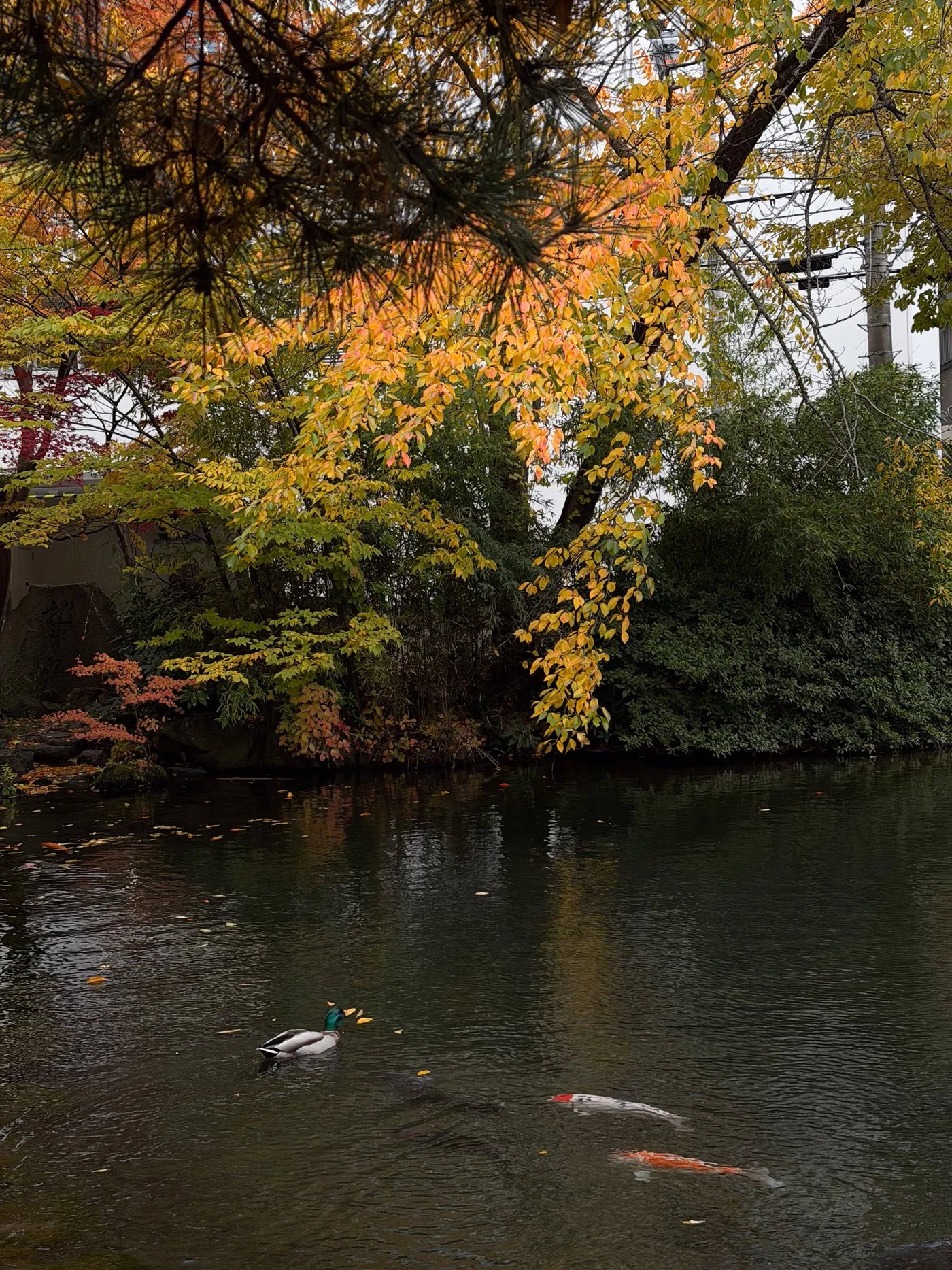
-
Through the Lens: Life Trajectories Connected to the Self
The depth of a person's life experiences shapes how they view the world. Everyone naturally photographs the things they connect with, the things that evoke a feeling. Kai is no exception.
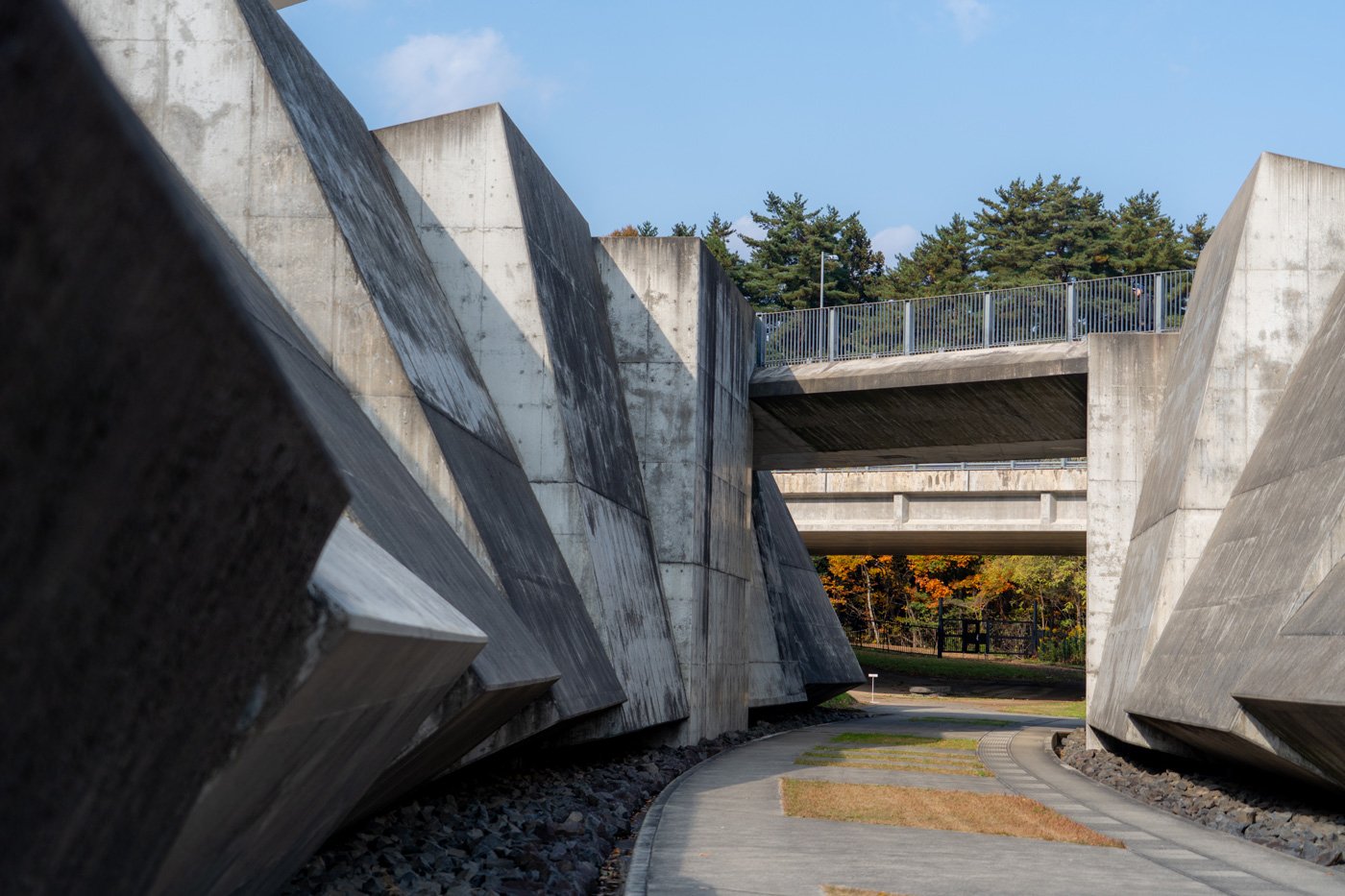
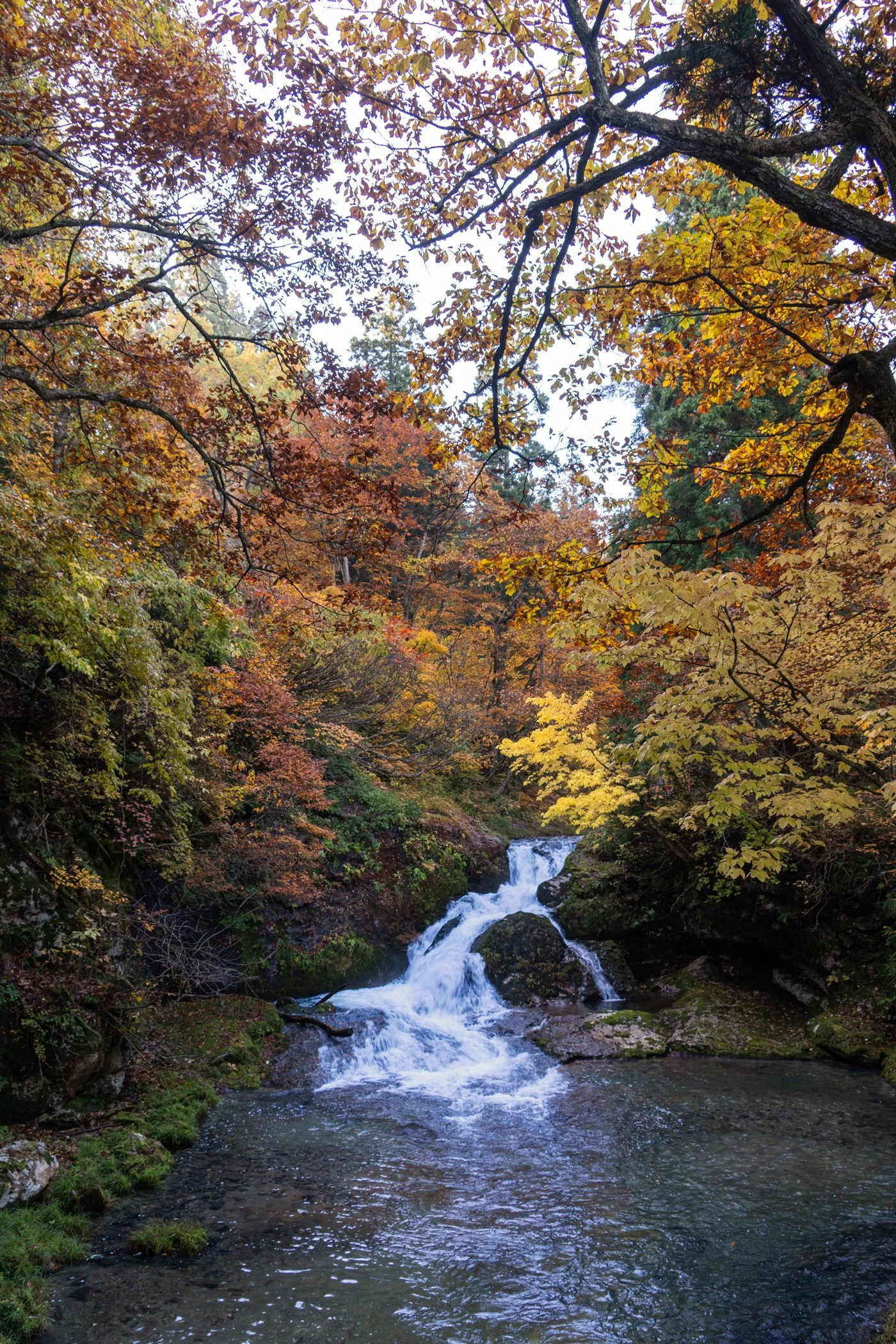
Looking through the images he captured on the trip, nature-related subjects take up the largest proportion—streams, forests, flora and fauna, coastlines. He mentioned that he feels a particular affinity for architectural designs that integrate seamlessly with the ecological landscape. This preference bridges two distinct chapters of his life: his years doing ecological surveys, which gave him a profound understanding of the natural environment, and his accumulated experience in spatial photography, which honed his acute architectural judgment. When these two elements converge in one place, his experience of it is naturally a whole dimension deeper than the average person's.
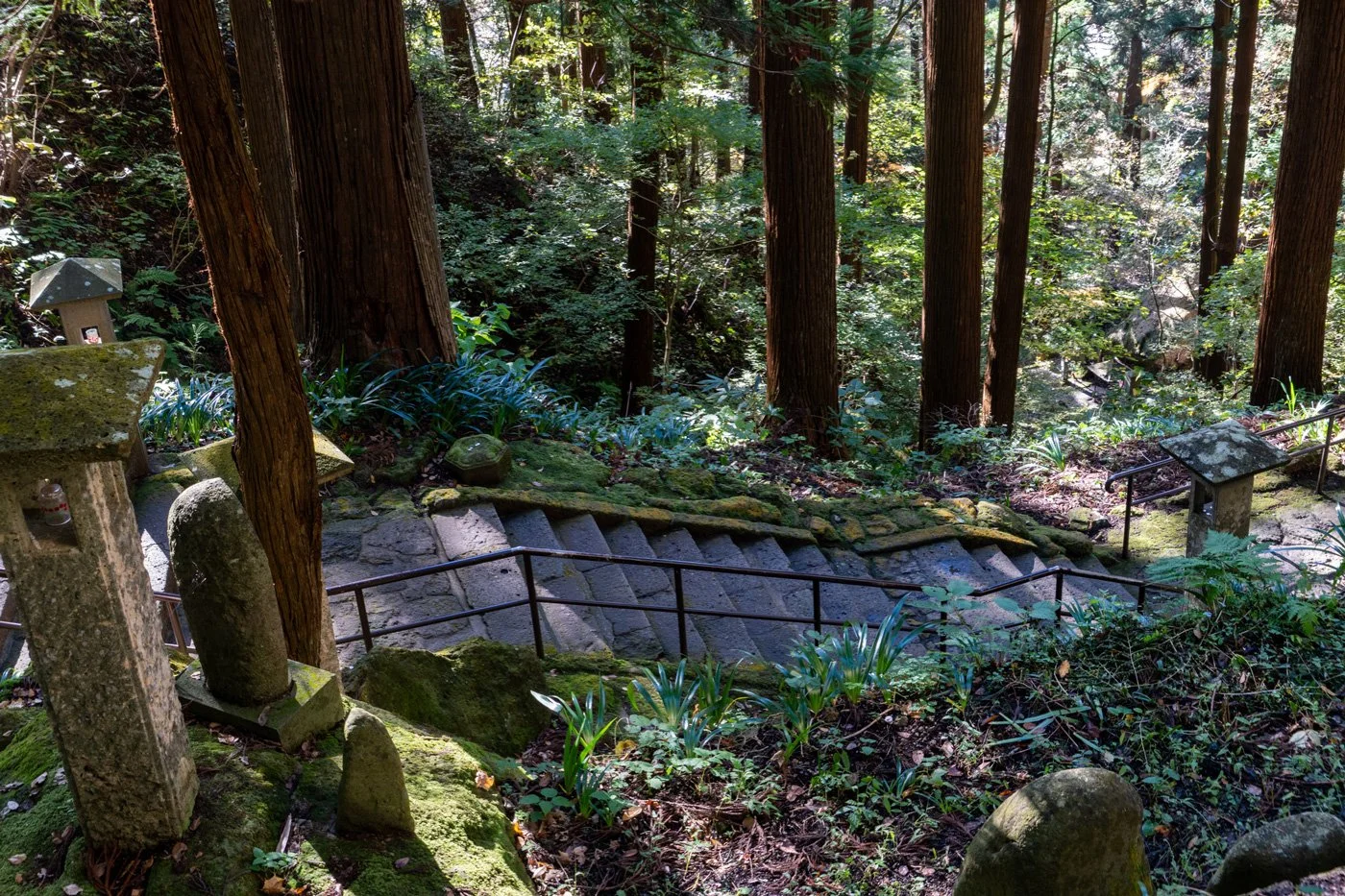
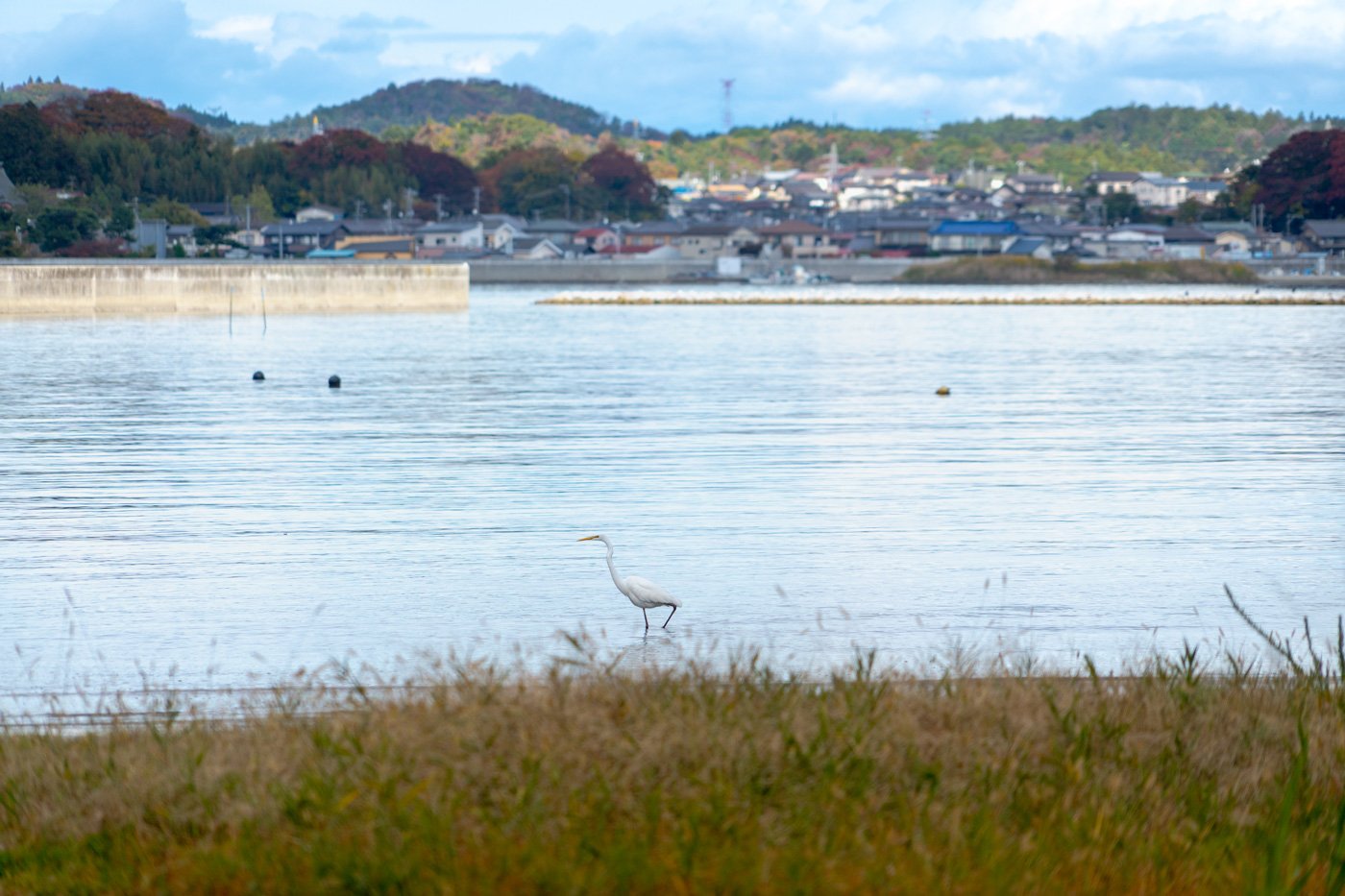
-
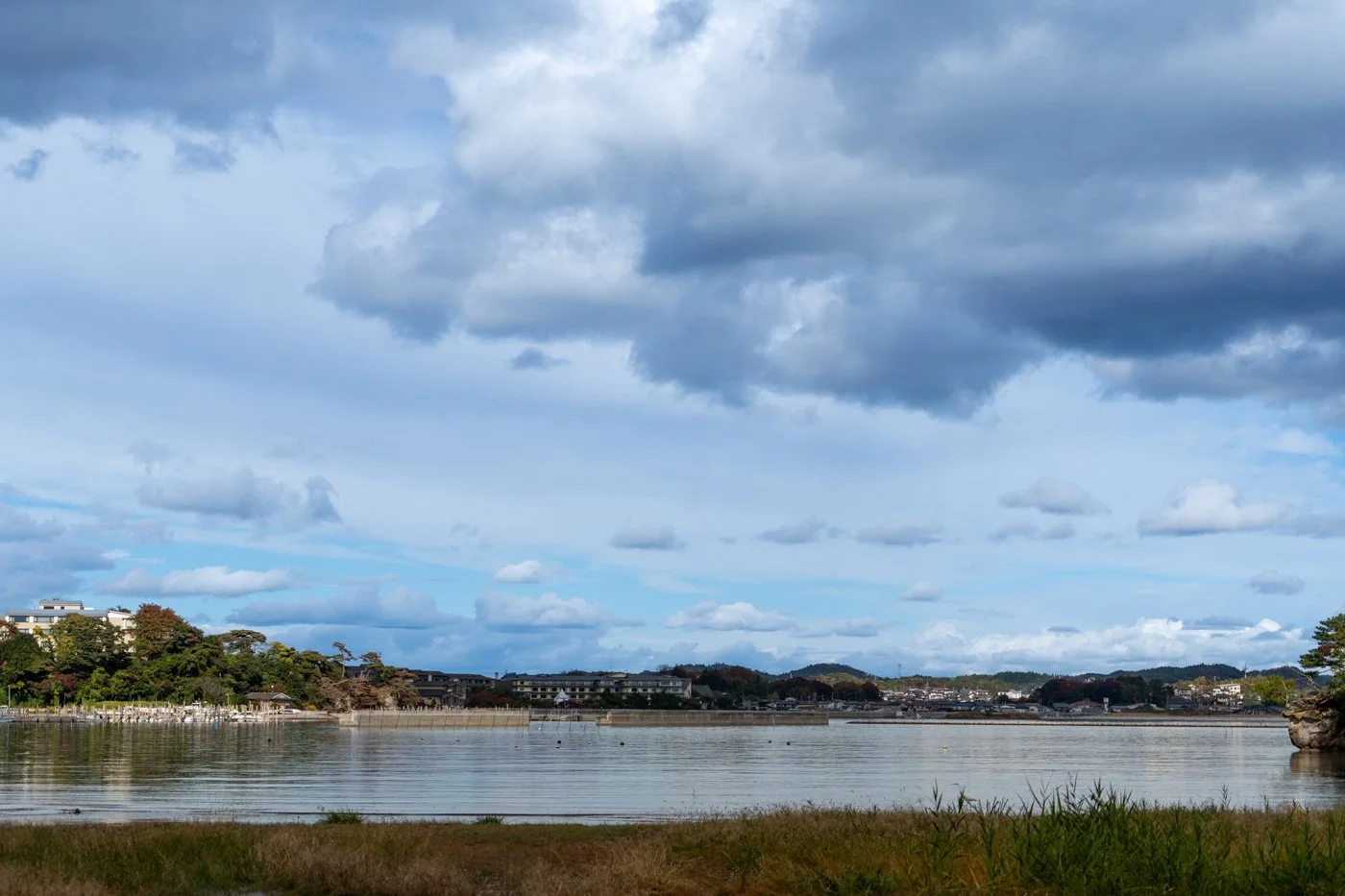
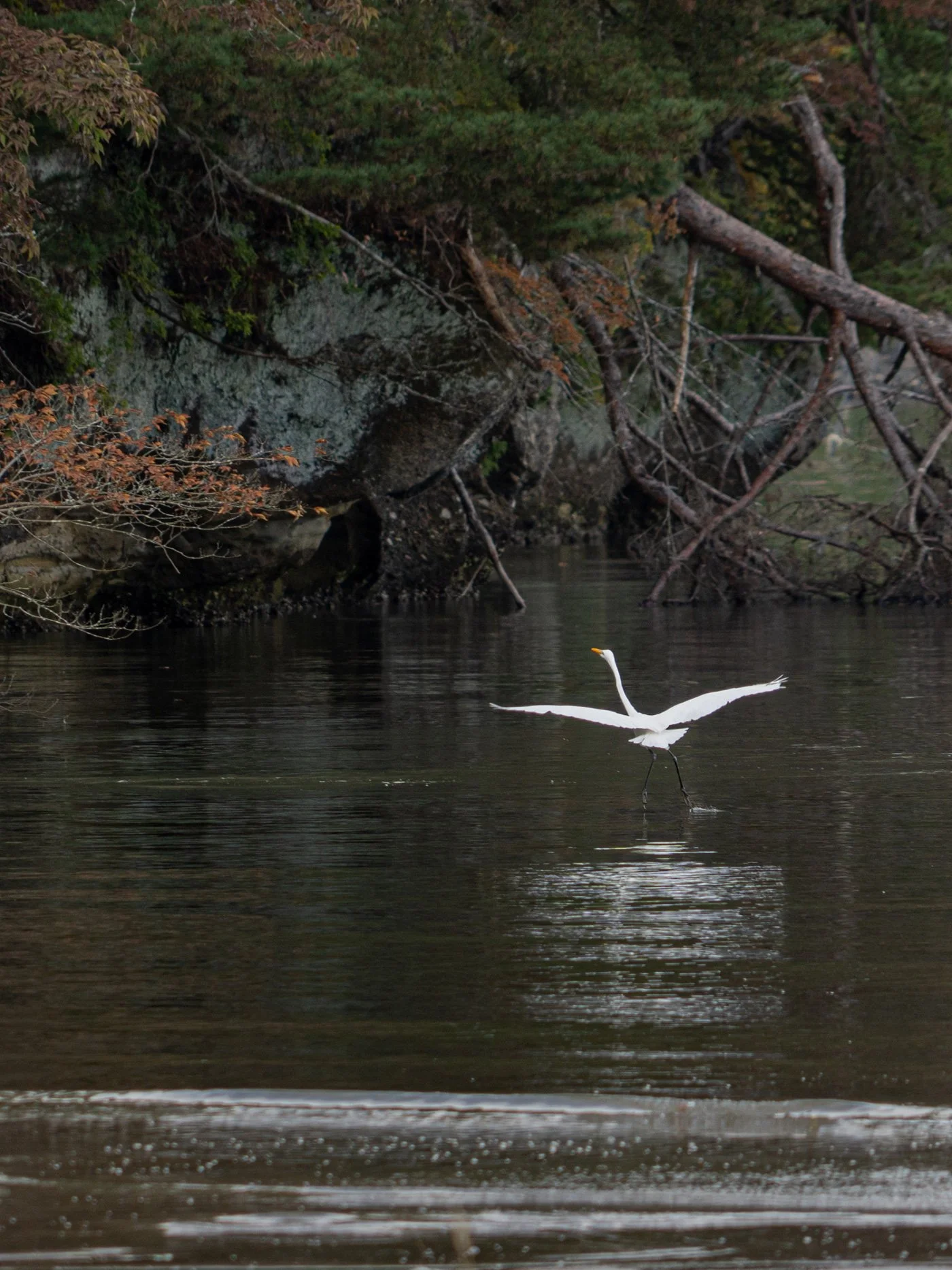
The streams, the stone steps of Yamadera, the shifting moods of Ginzan Onsen throughout the day, the great egret serendipitously captured on the Matsushima coastal trail, the exterior of the Aomori Museum of Art... Autumn in Tohoku has now been filed away in Kai’s memory. Next time, perhaps it will be Tohoku in winter. And as for the places he couldn't reach this time—the brewery he missed, the museum interiors that remained closed—they remain there quietly, waiting for the next visit.
He will bring the same pair of ever-ready eyes, quietly welcoming every moment worth recording. Right there, in the next time his inner self needs to reset.
-
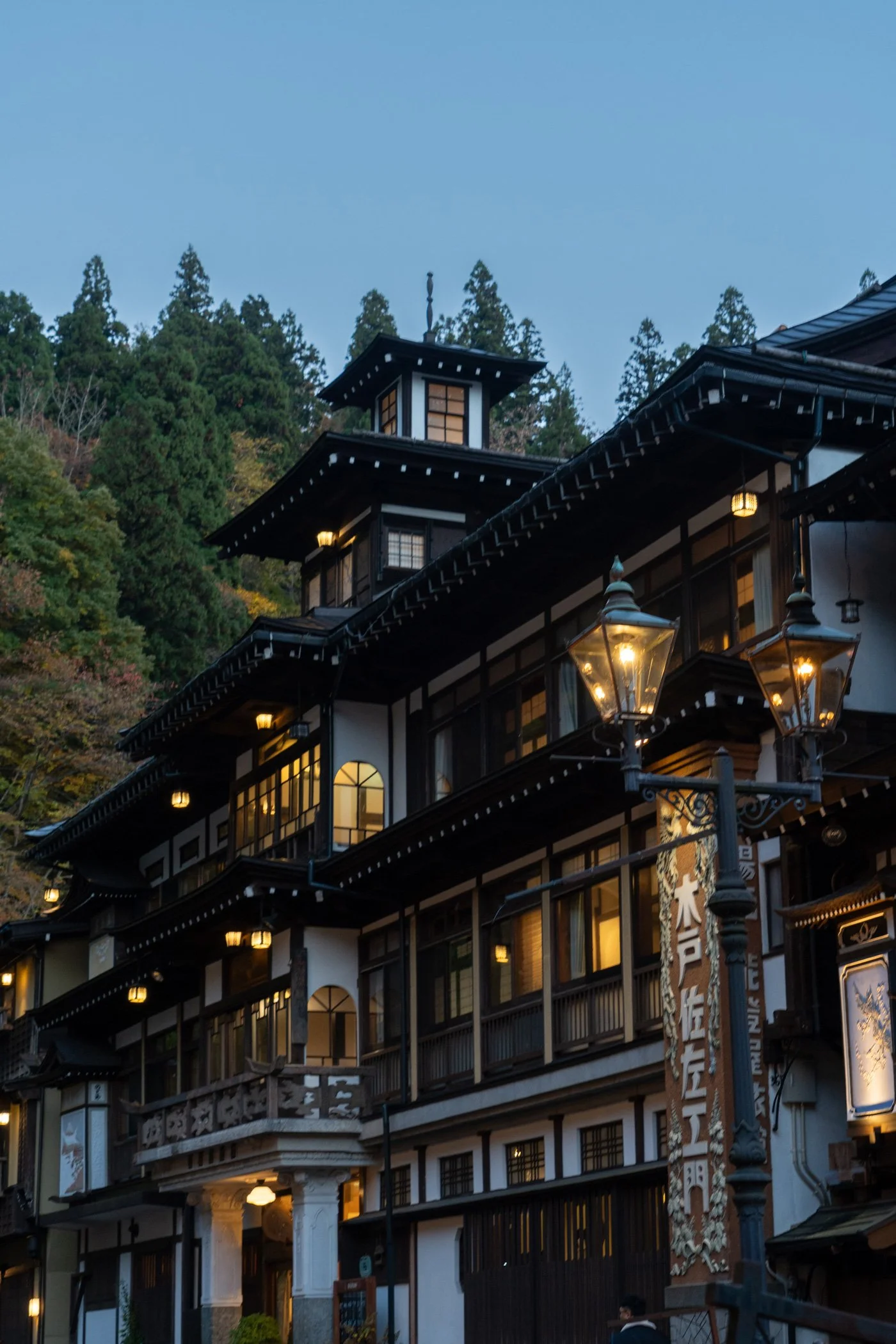
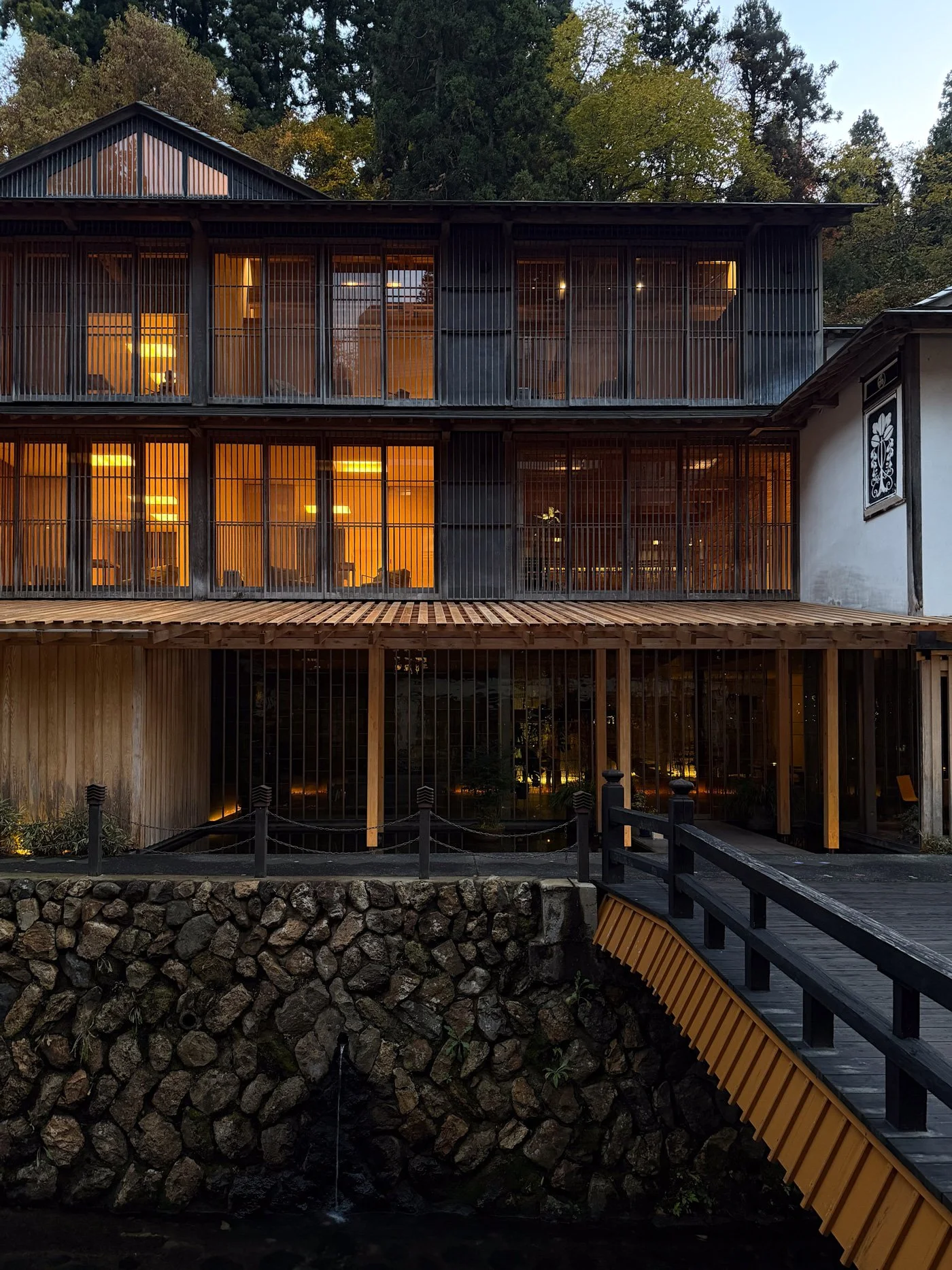
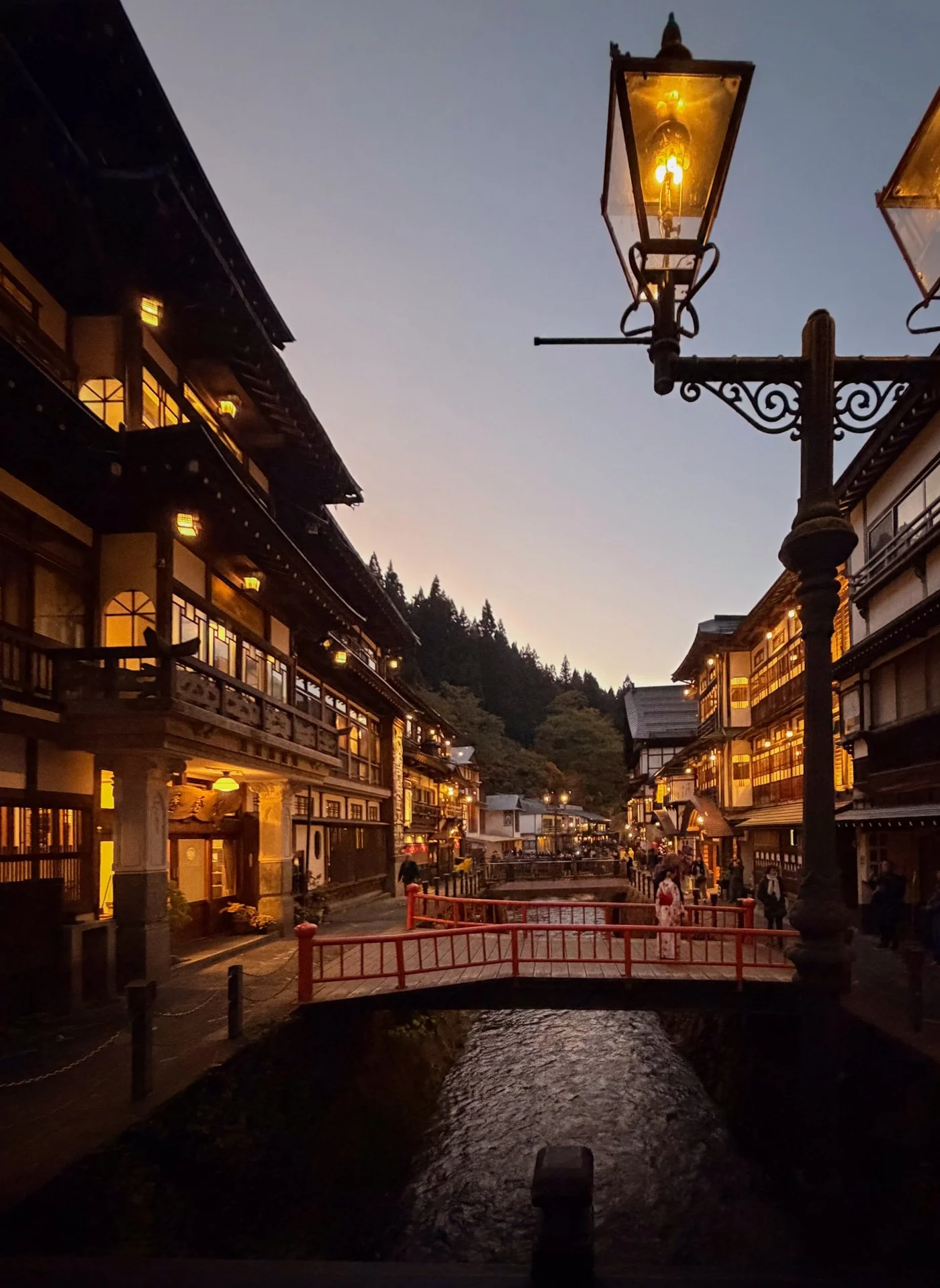
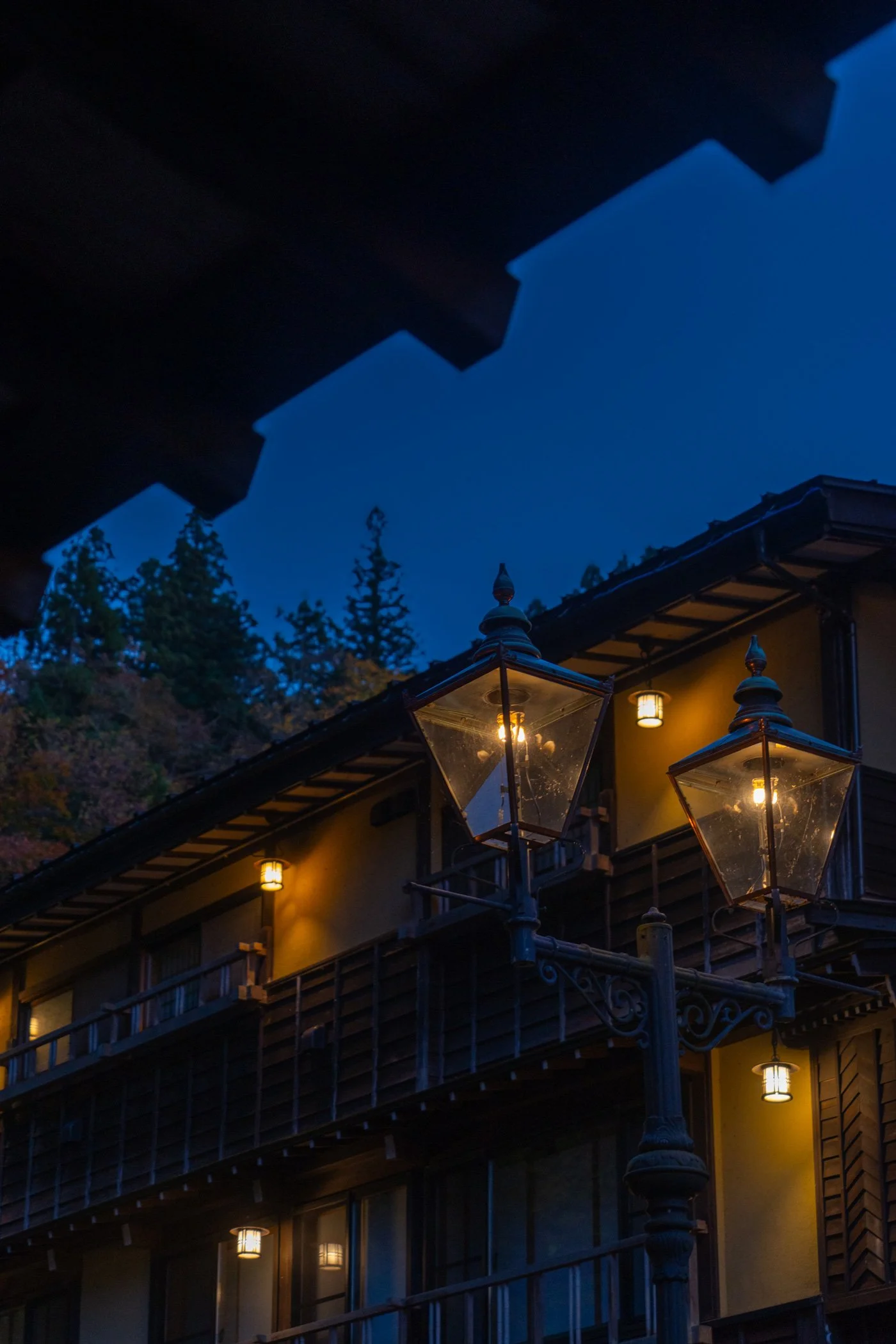
Tucked away in a mountain valley, this hot spring district is defined by the Taisho-era wooden inns lining both sides of its central stream. While each season dresses the town in a distinct beauty, the streetscape becomes truly spellbinding when the warm, golden lights flicker on after dusk.
-
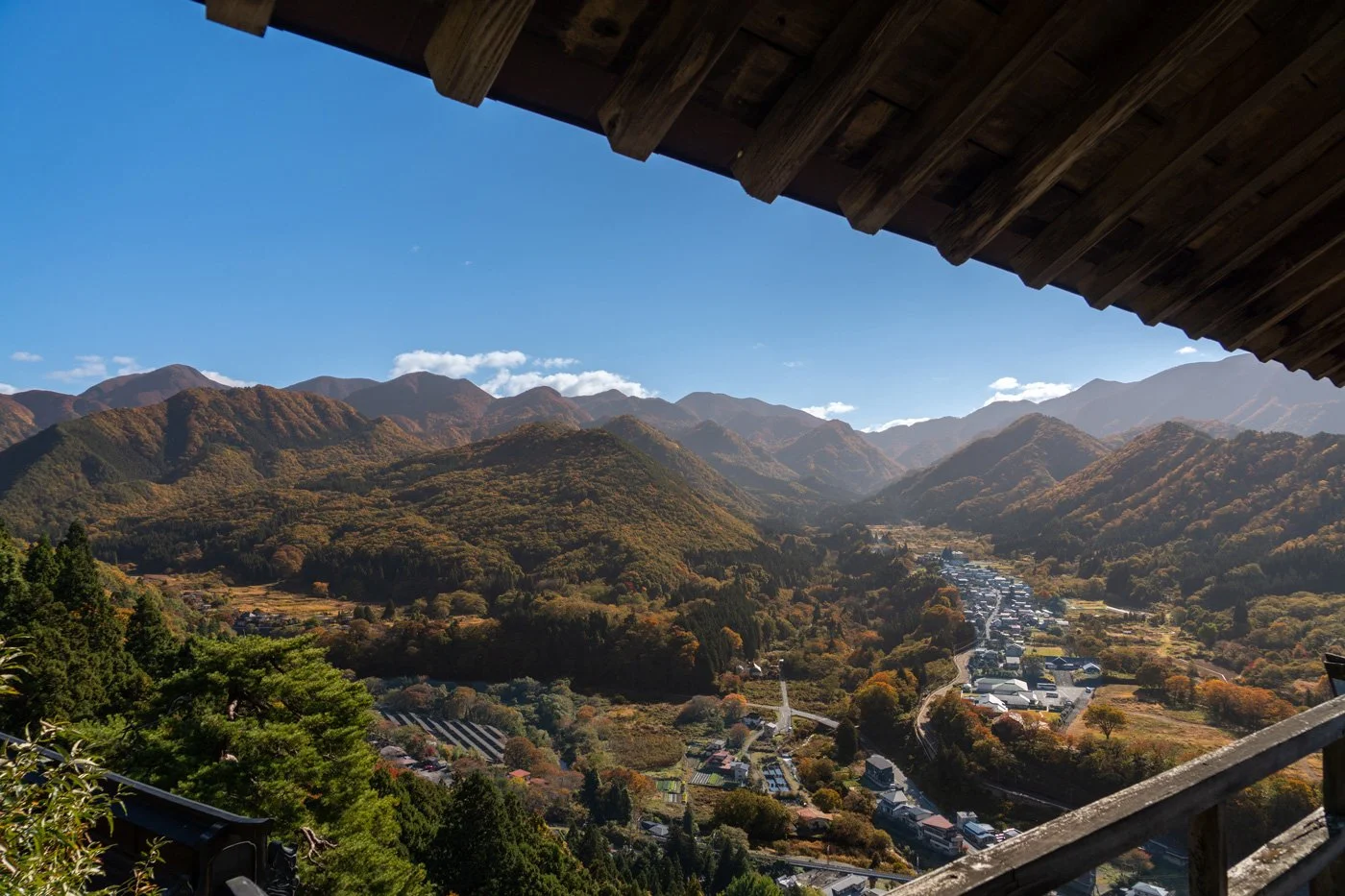
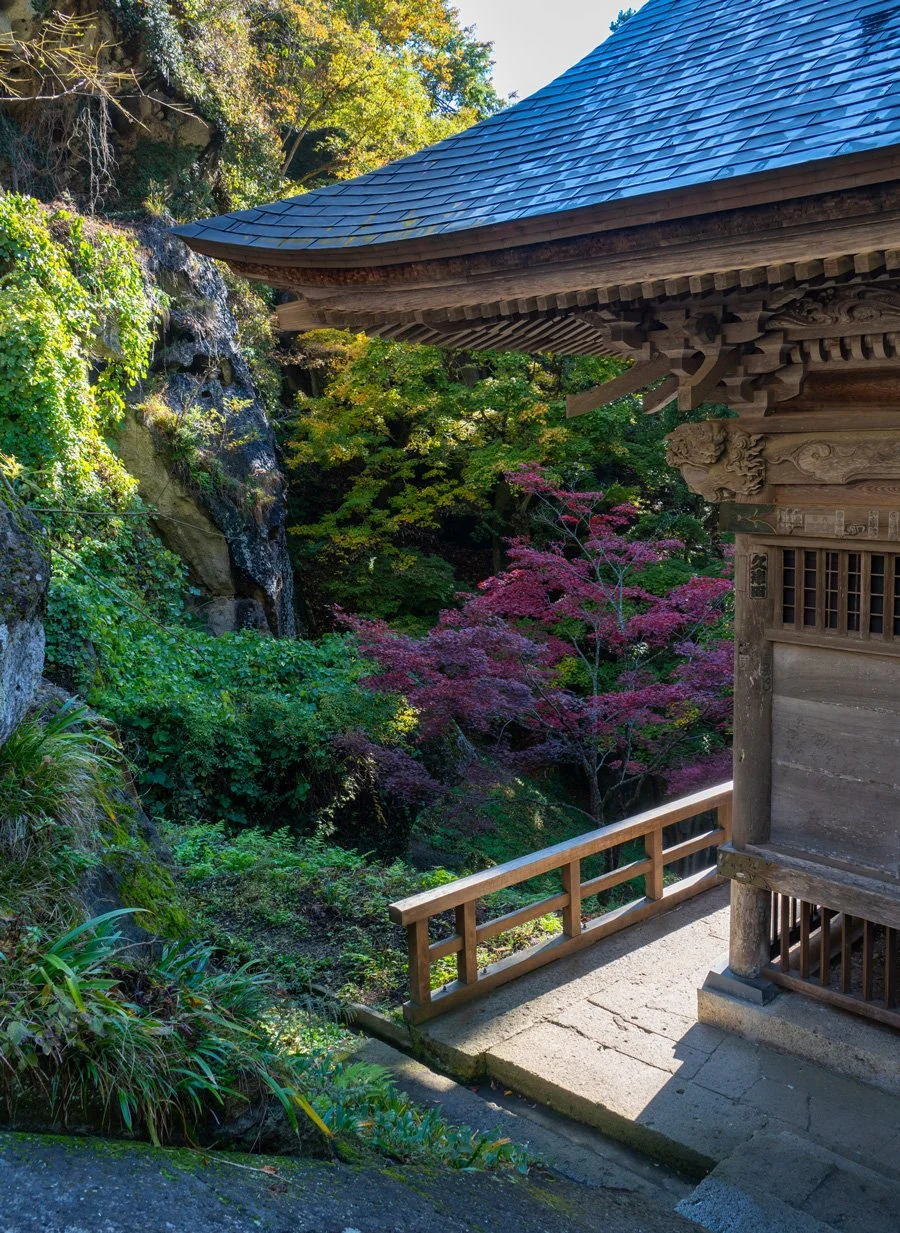
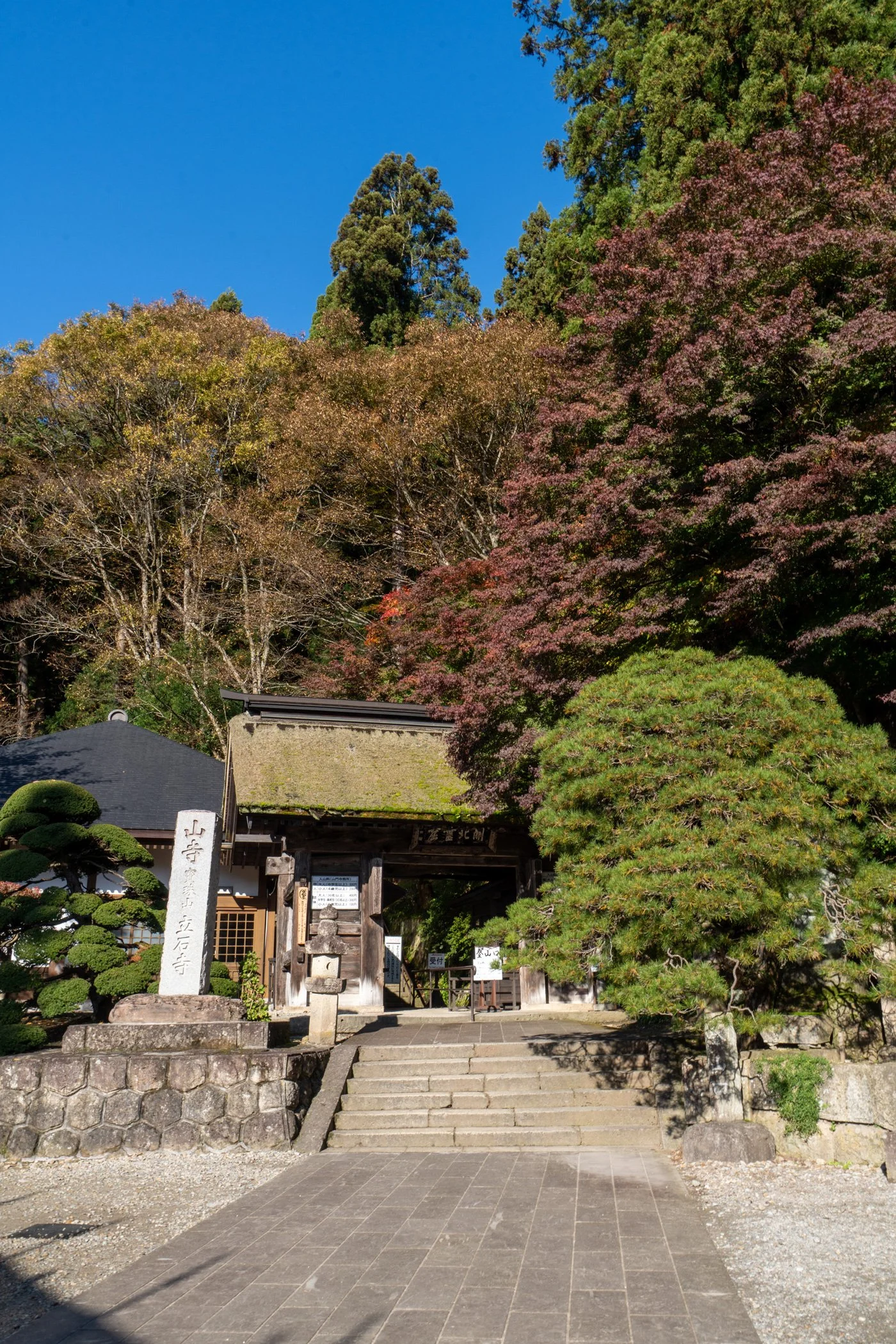
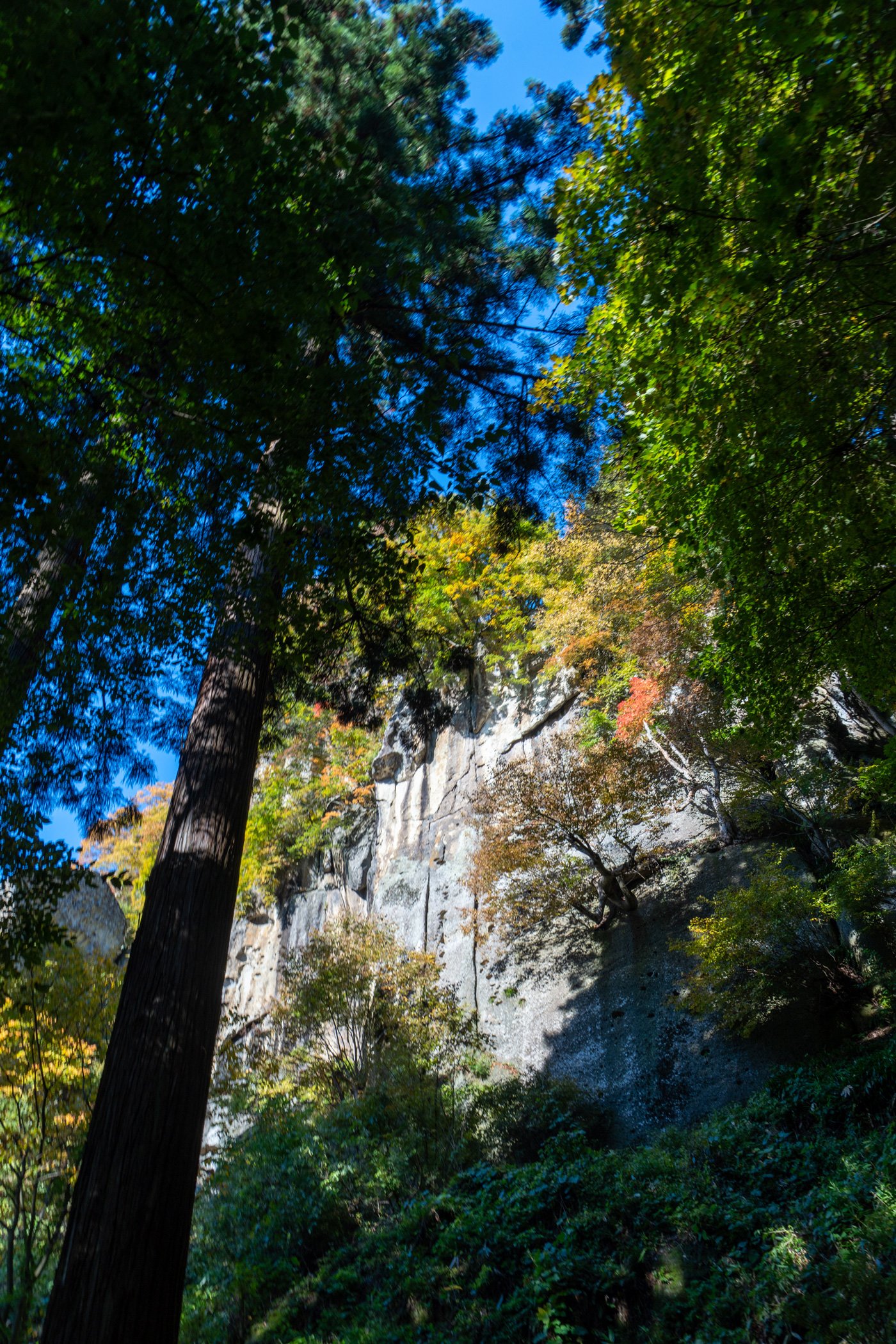
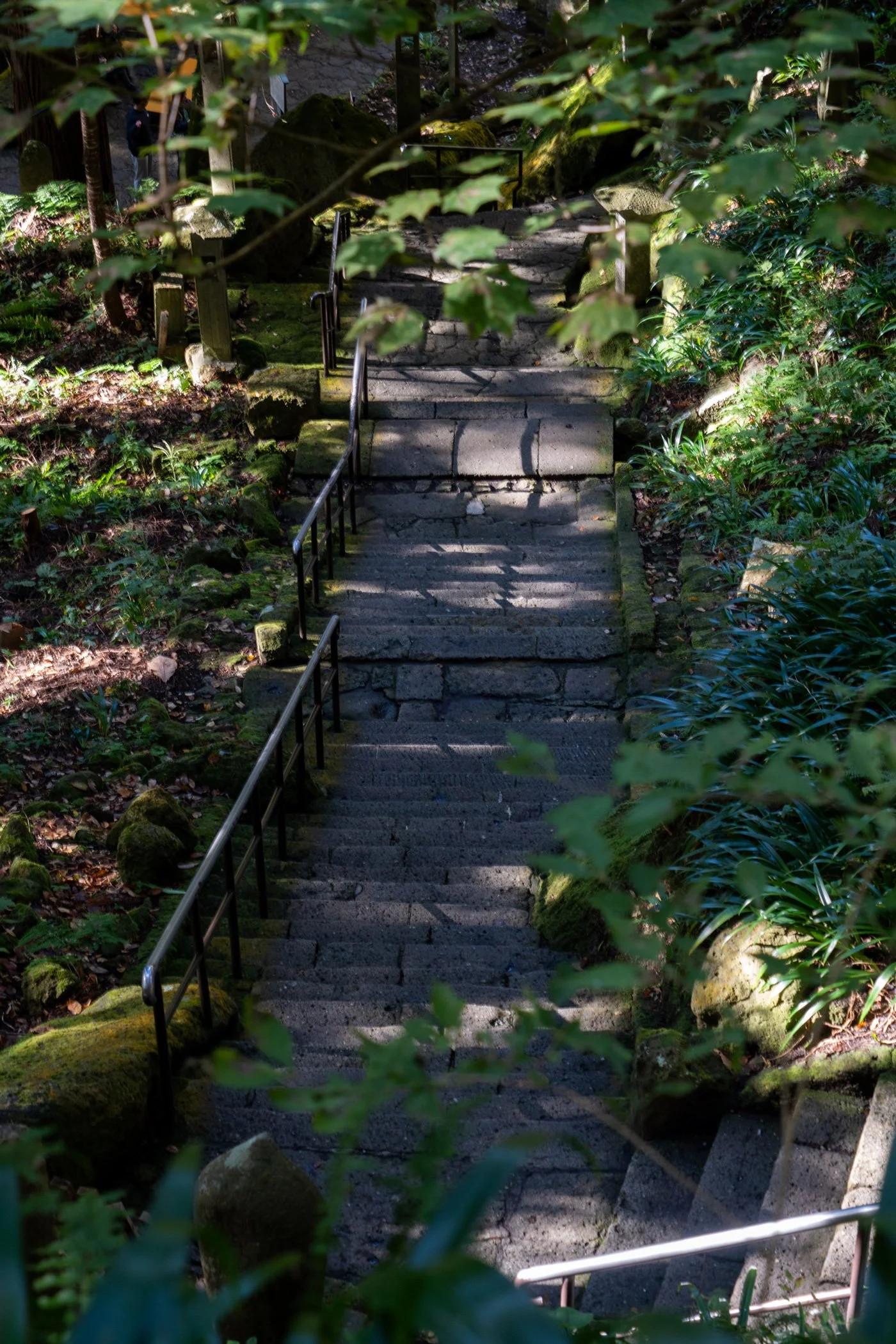
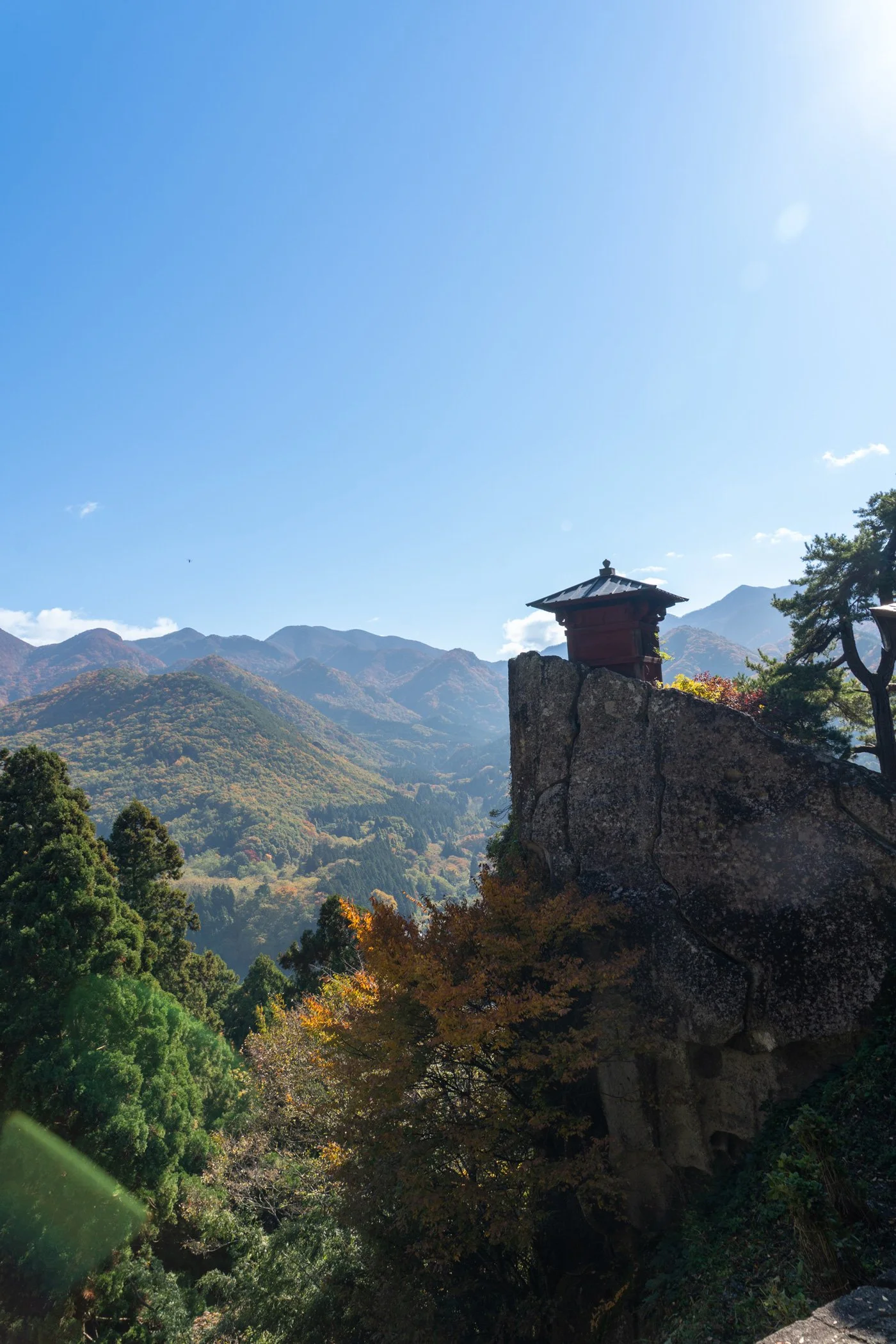
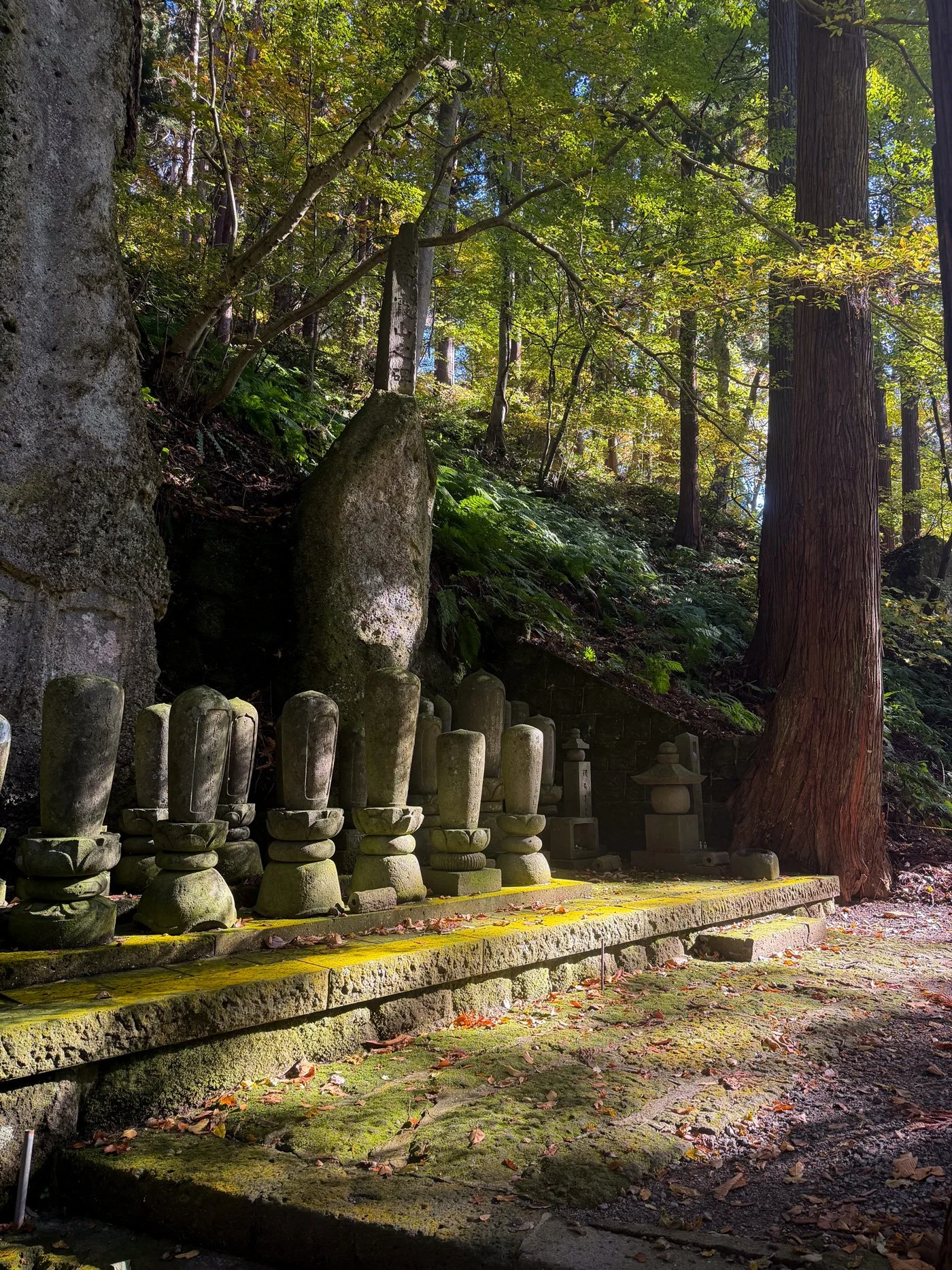
A mountain temple steeped in over a millennium of history. As you ascend the stone steps carved into the mountainside, you are completely enveloped by a dense, tranquil forest. It was here that the legendary poet Matsuo Bashō penned his famous haiku about profound stillness, cementing its place as one of Tohoku's most iconic ancient sanctuaries.
-
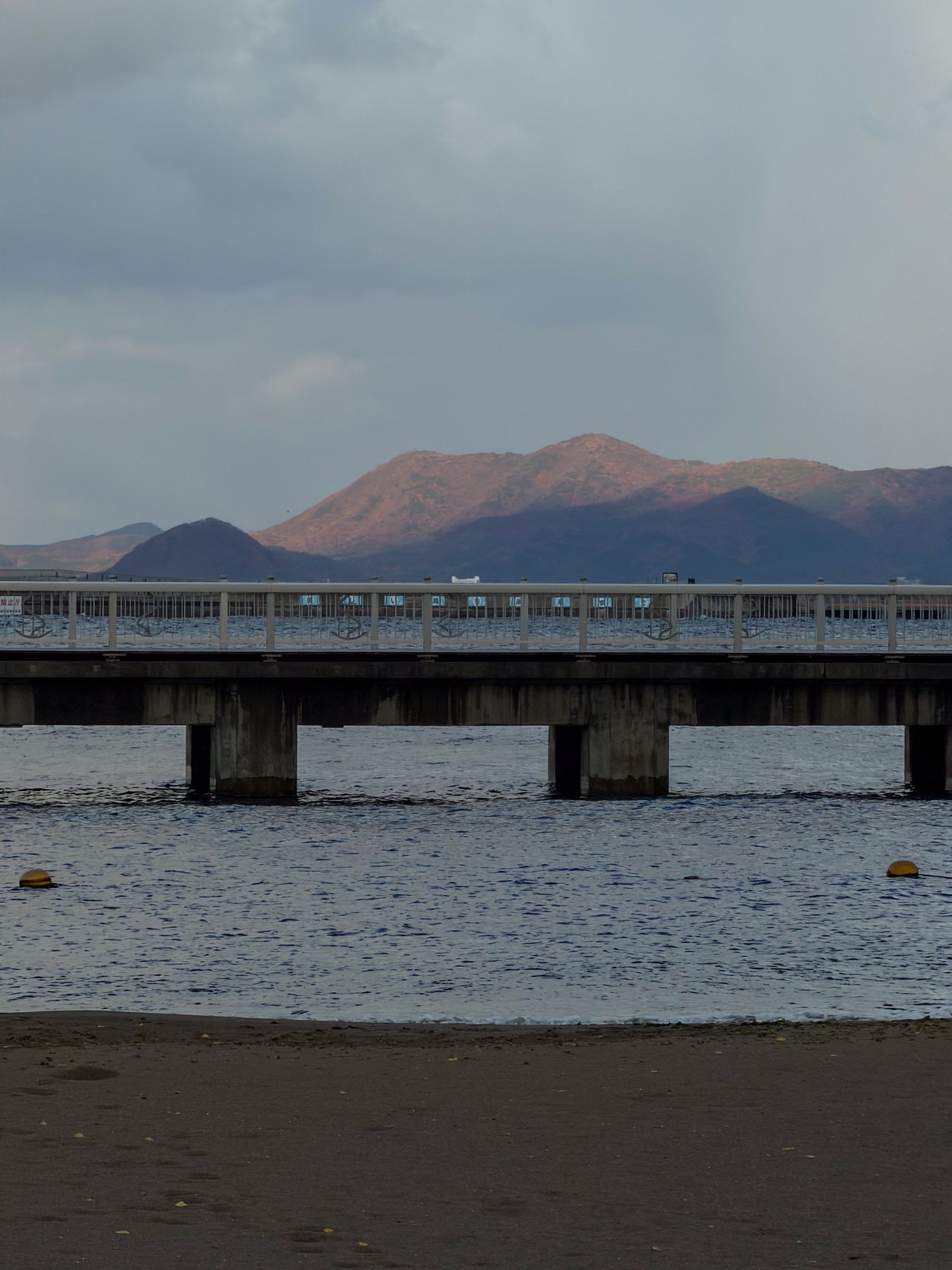
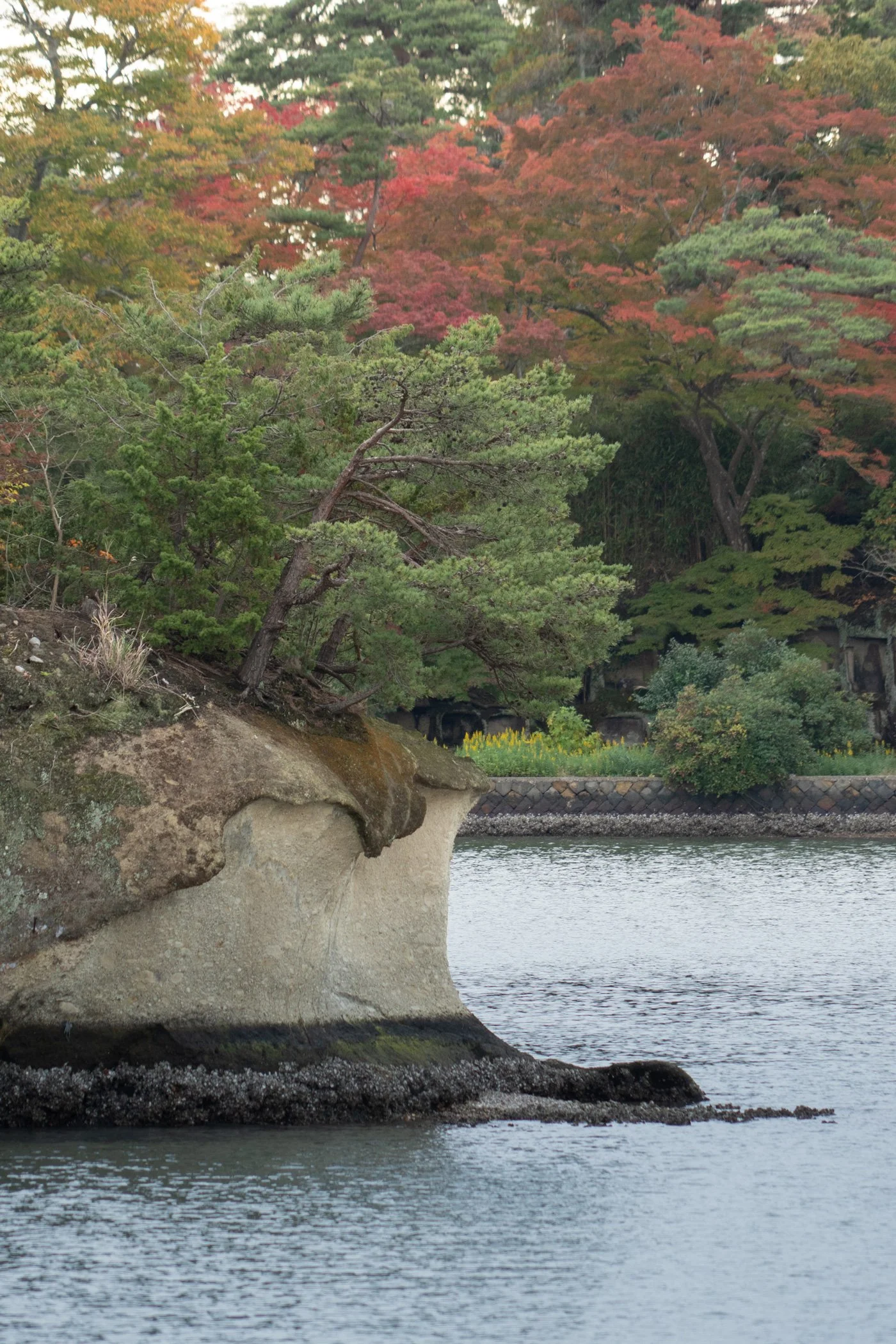
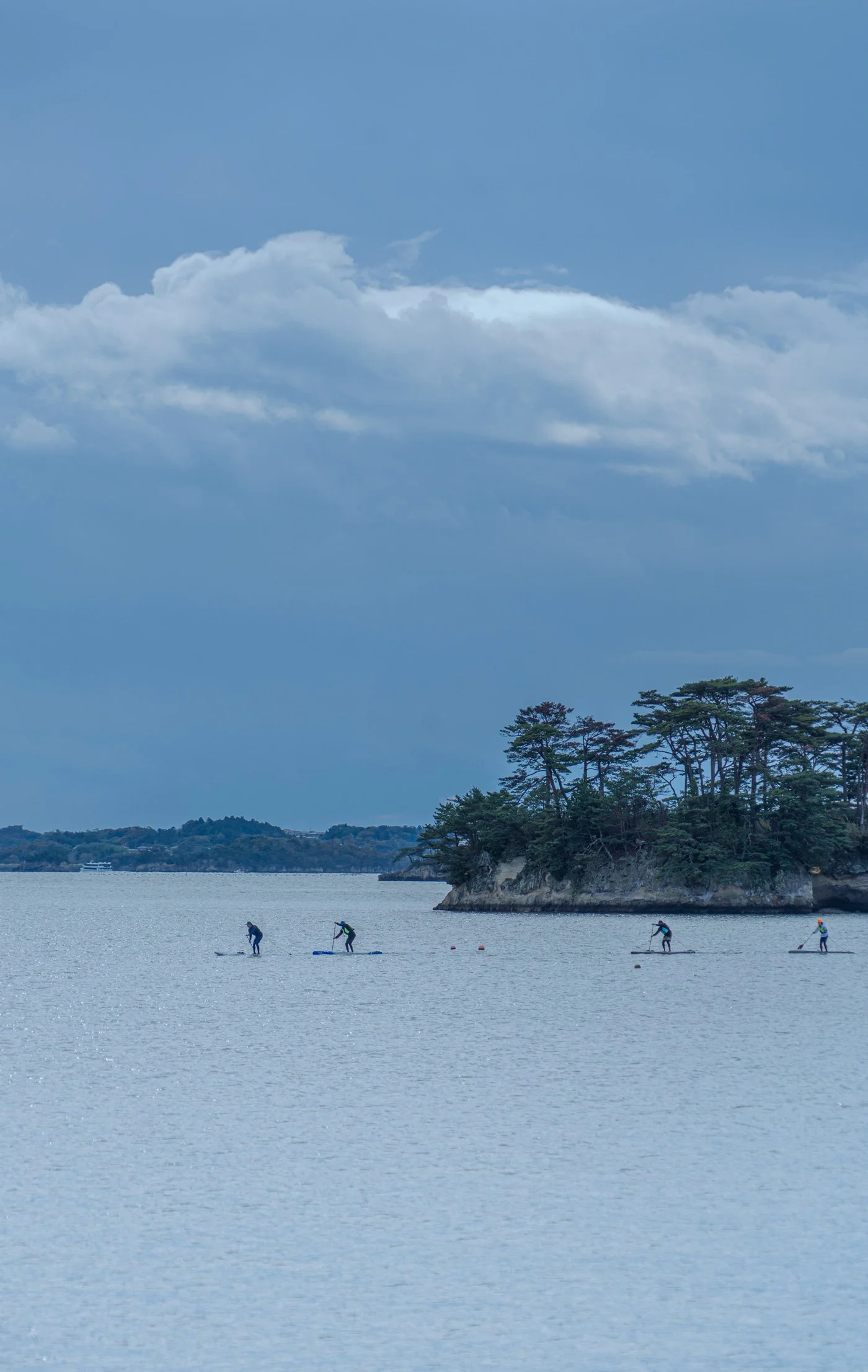
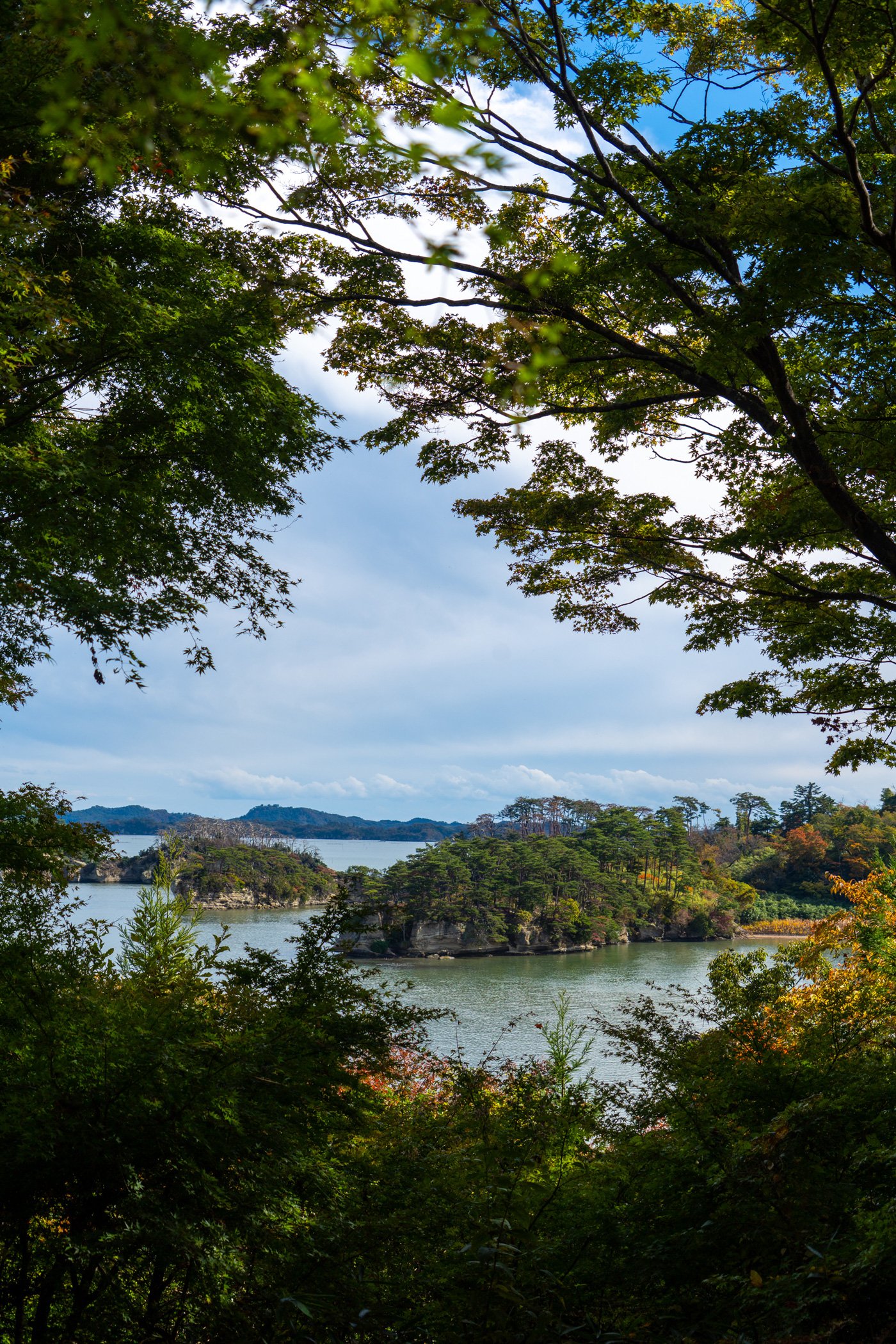
Celebrated as one of Japan’s three most scenic views, this bay is scattered with roughly 260 pine-clad islands of varying sizes. You can take a sightseeing cruise through the waters or stroll across to small islands like Fukuura, wandering the coastal paths to trace the shifting, quiet moods of the sea and the landscape.
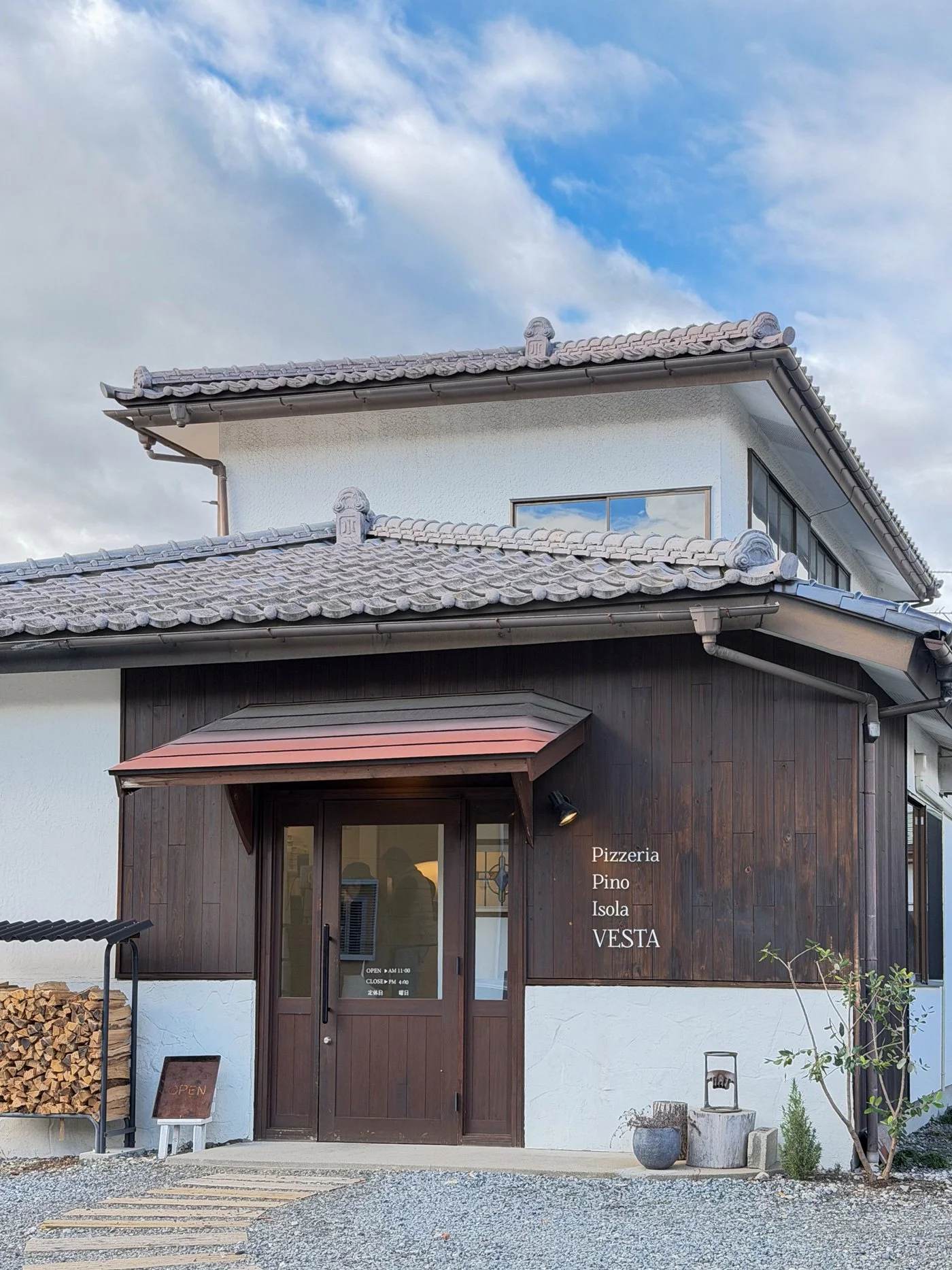
-
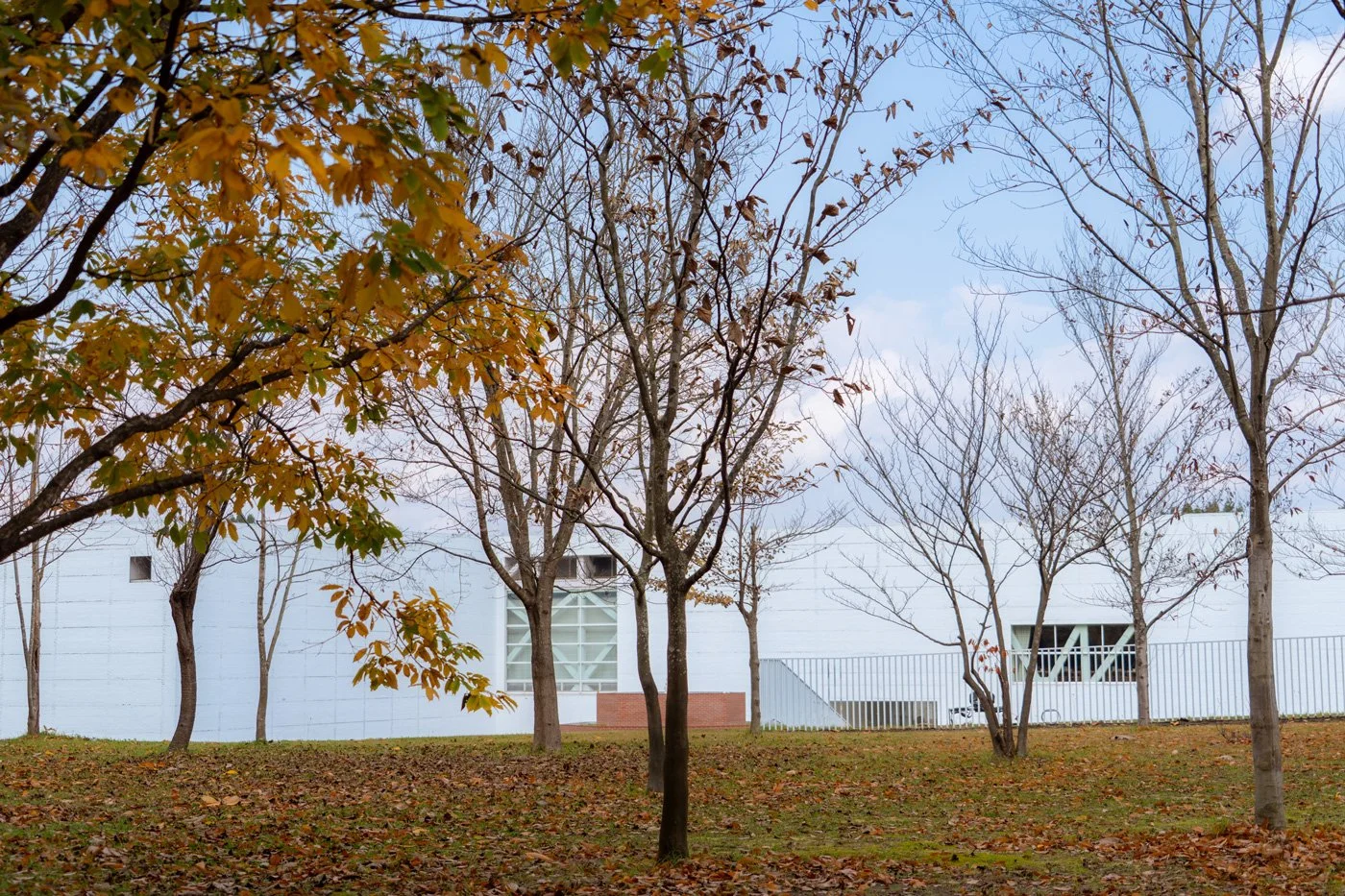
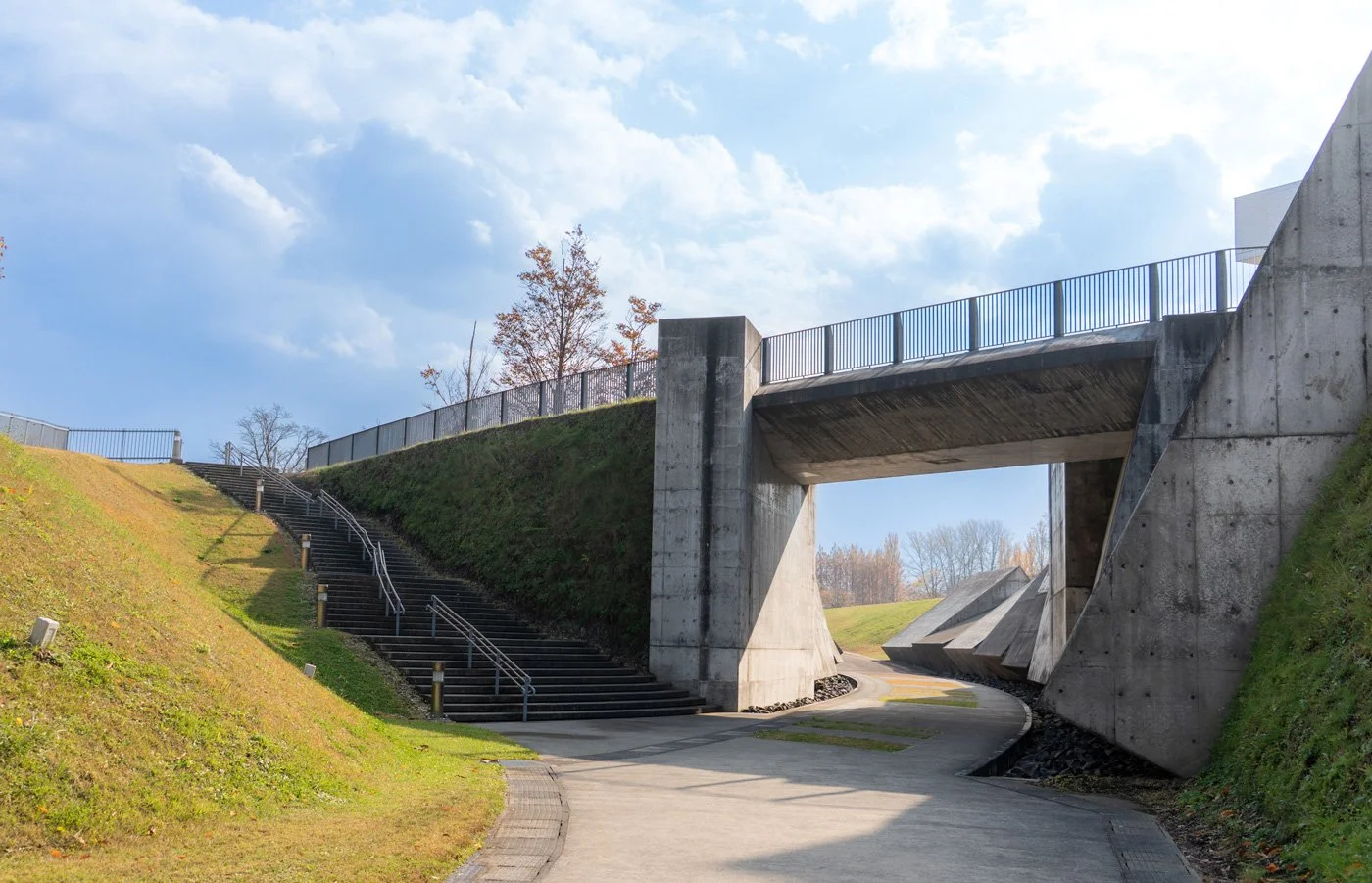
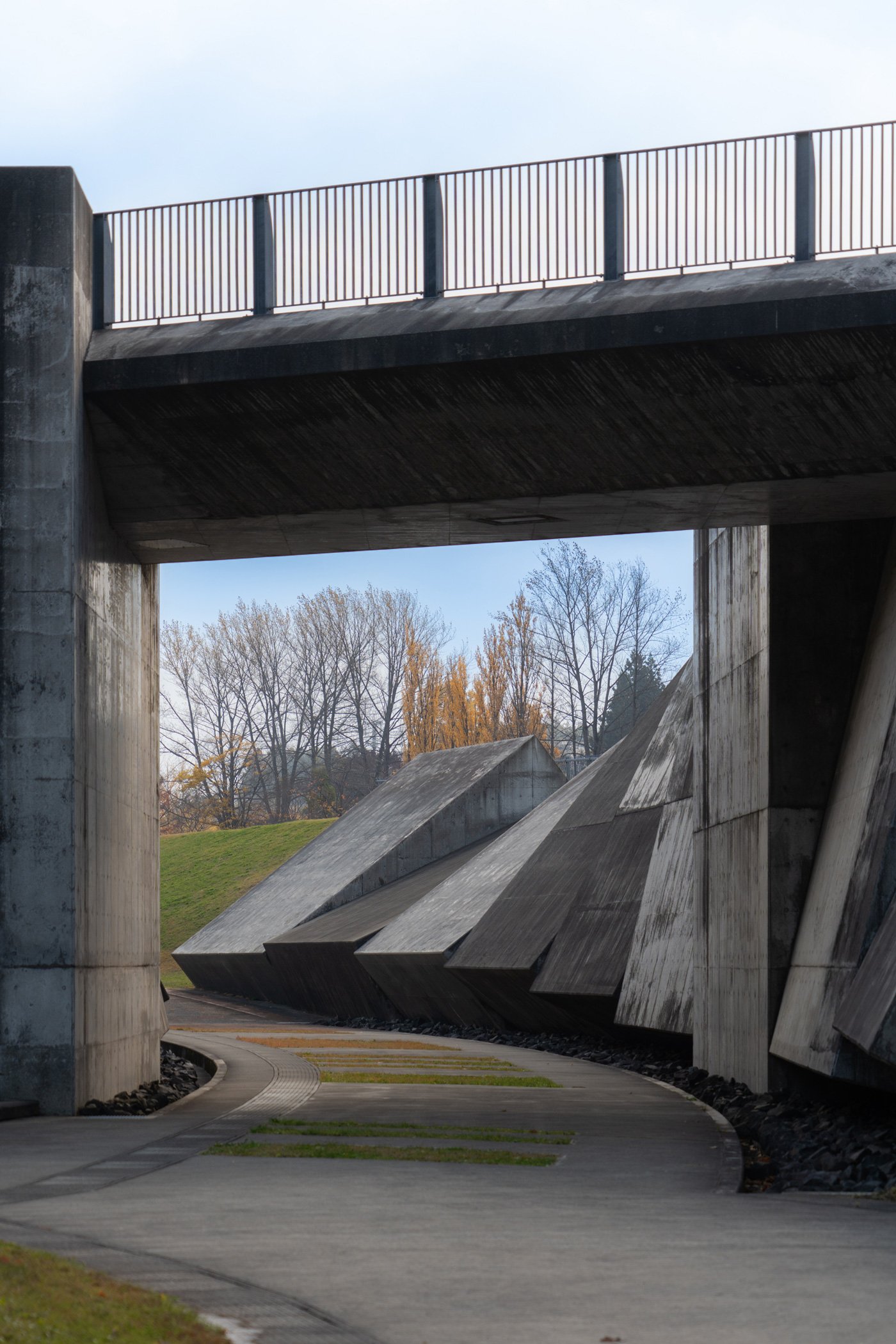
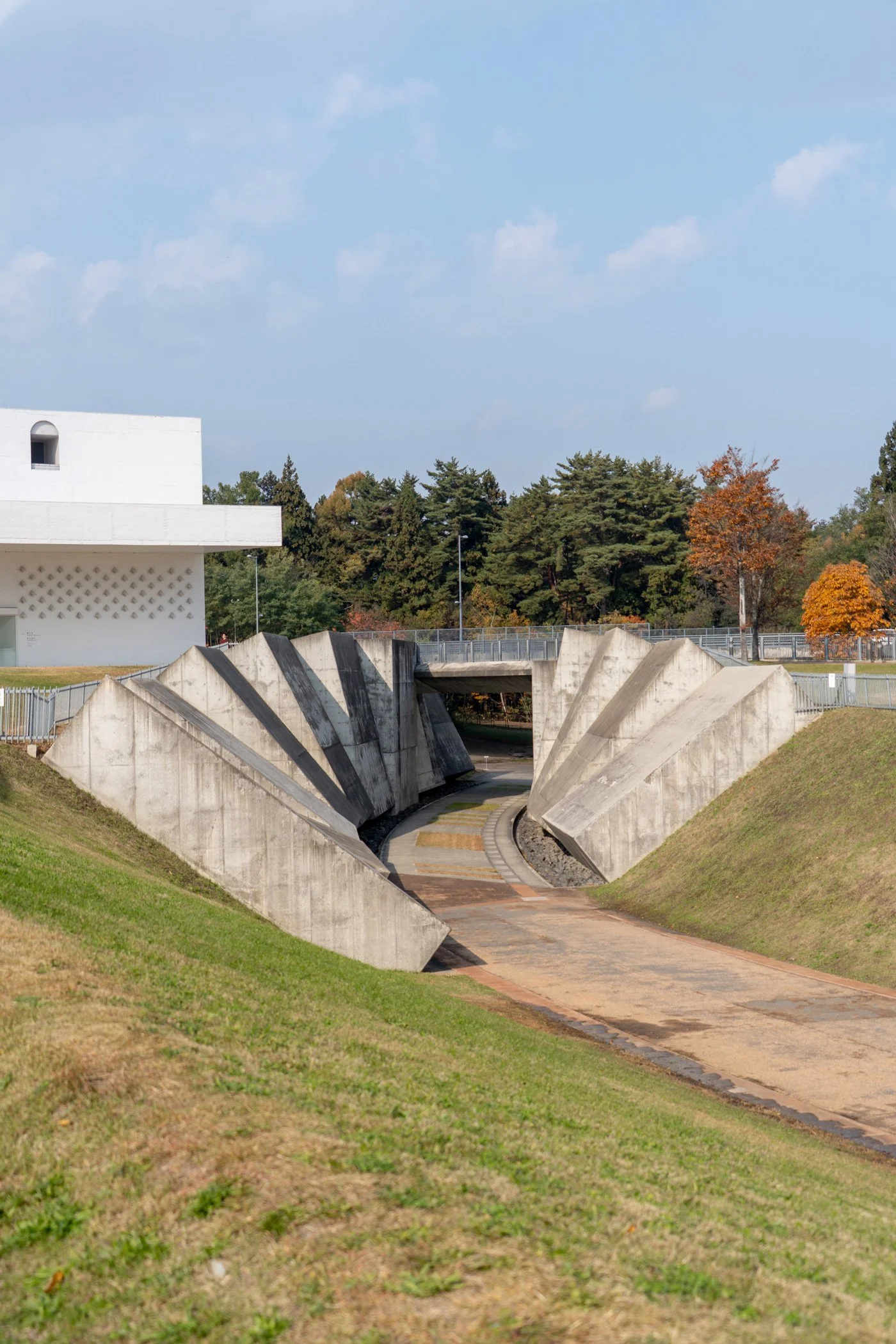
Designed by architect Jun Aoki, this museum is renowned for its striking, expansive white volumes and unique geometric trenches. Home to the permanent exhibition of Yoshitomo Nara’s colossal Aomori Dog, the building itself stands as a breathtaking architectural landscape entirely worth the journey.
-
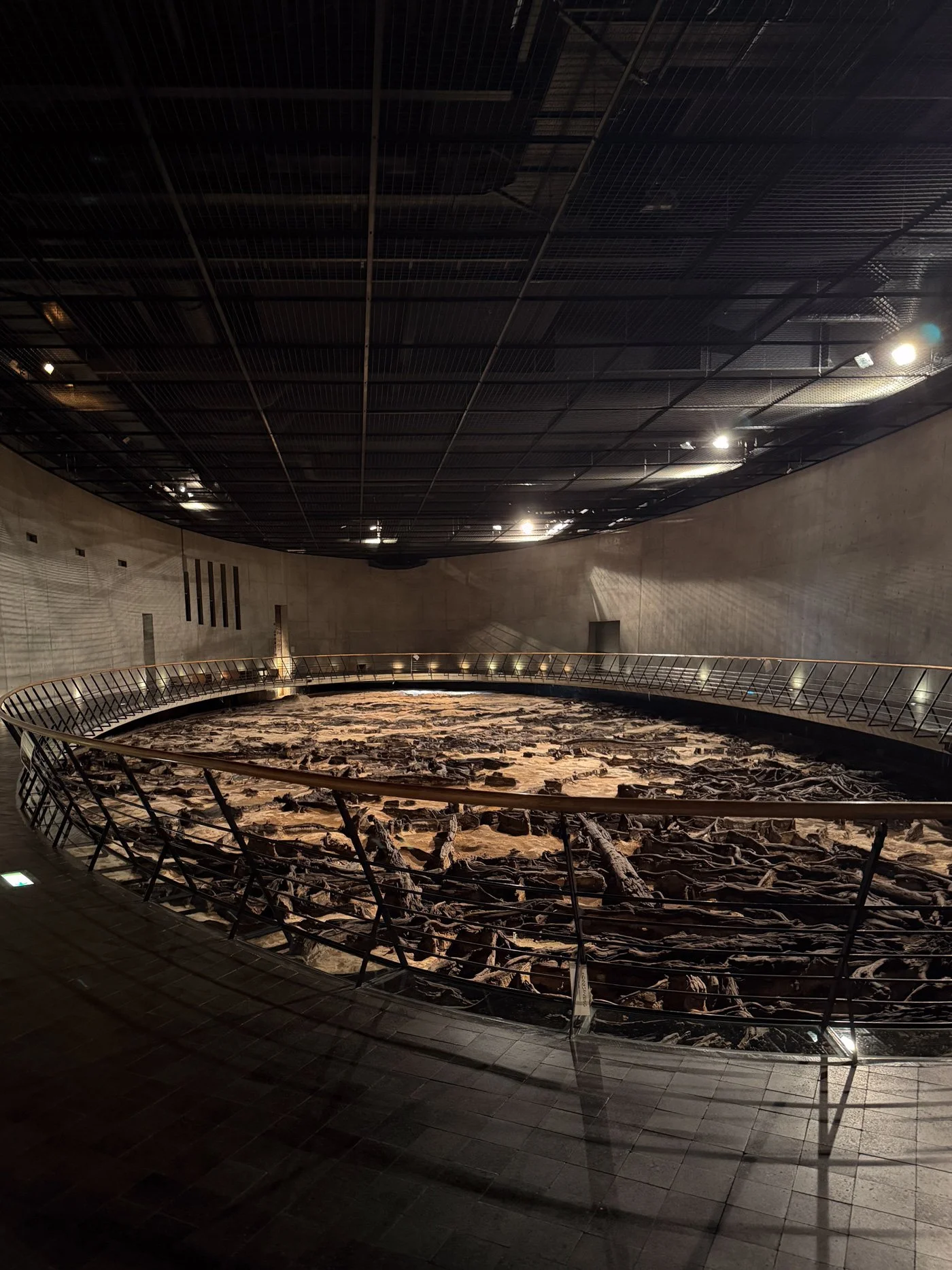
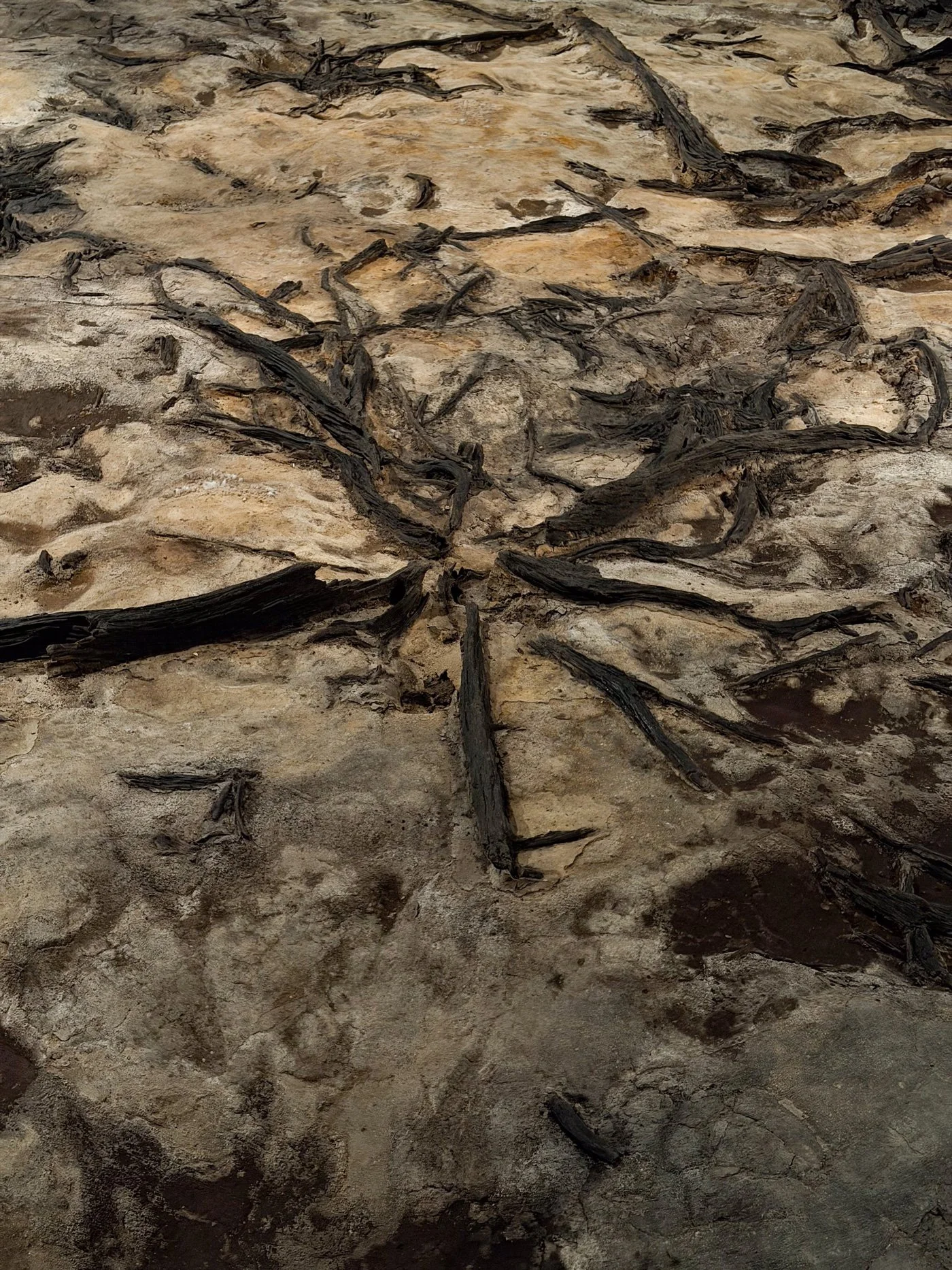
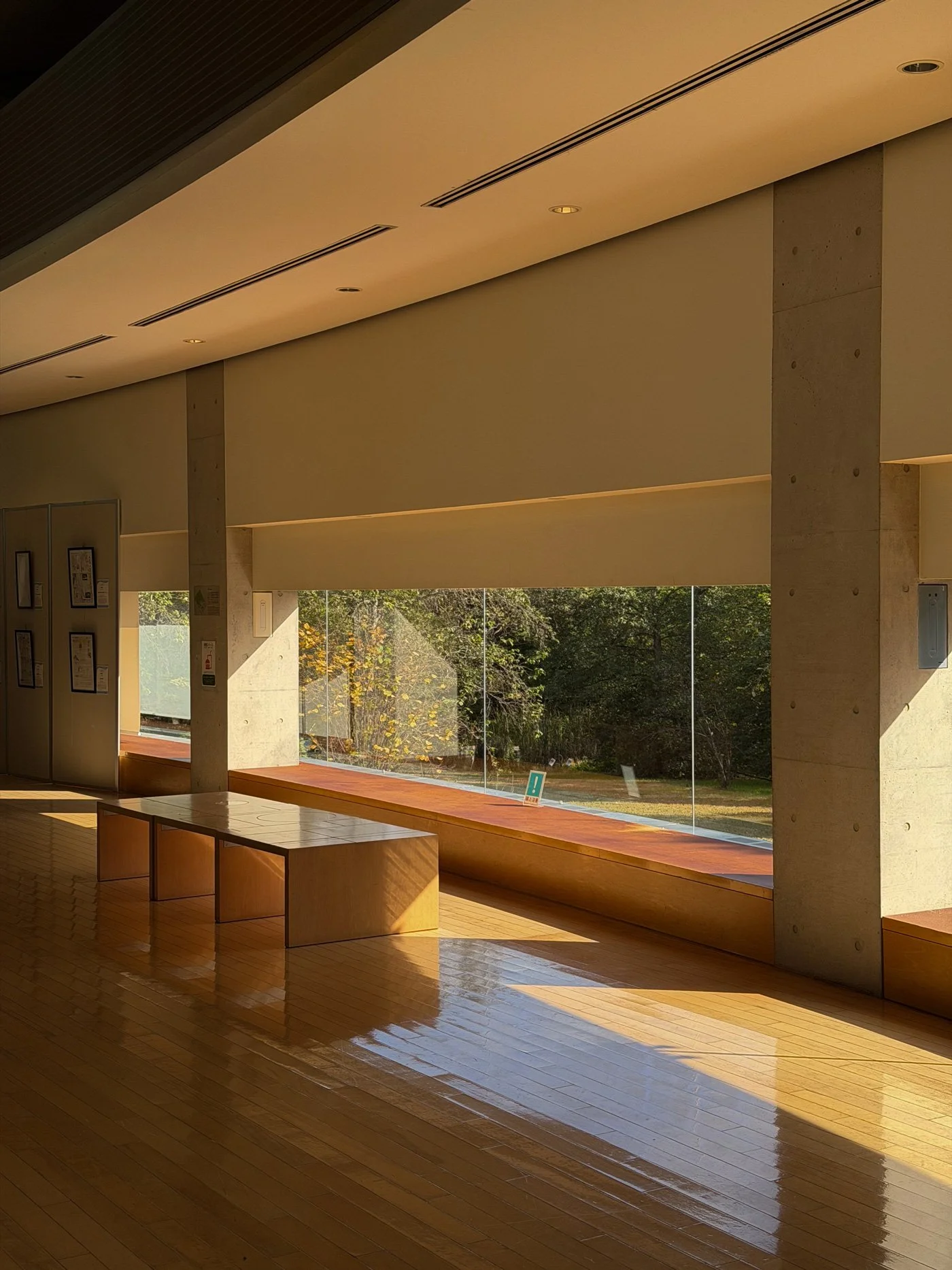
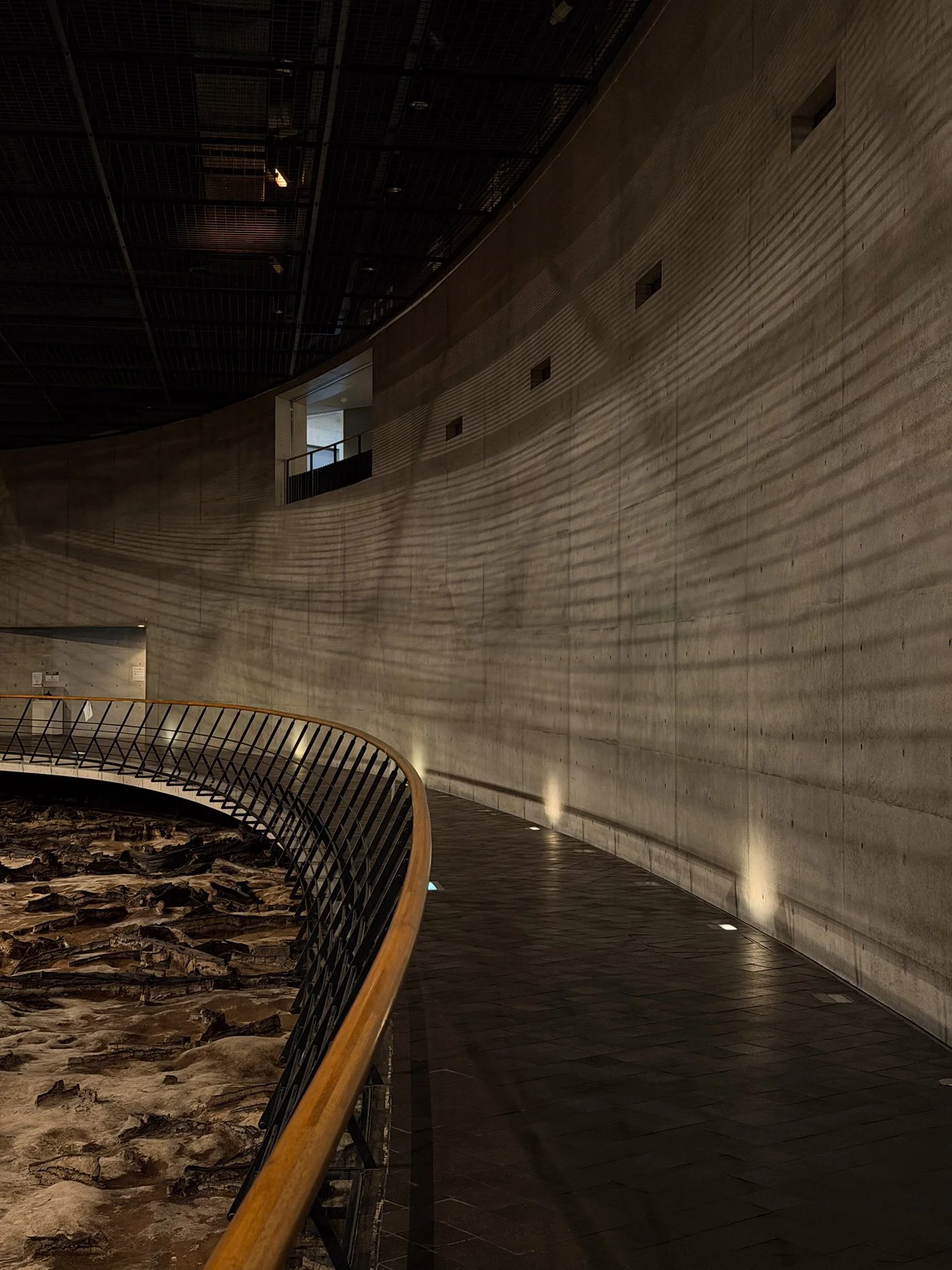
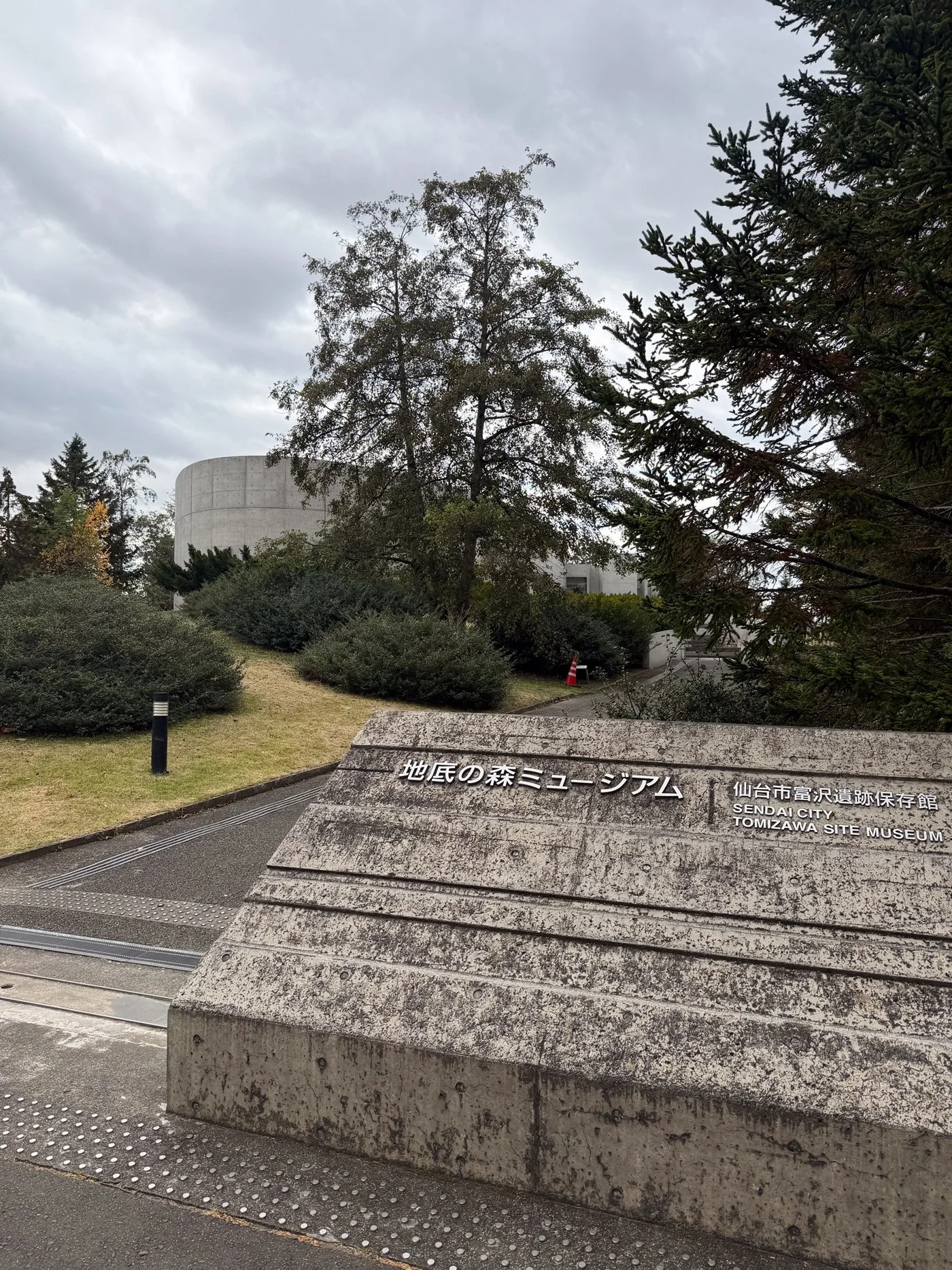
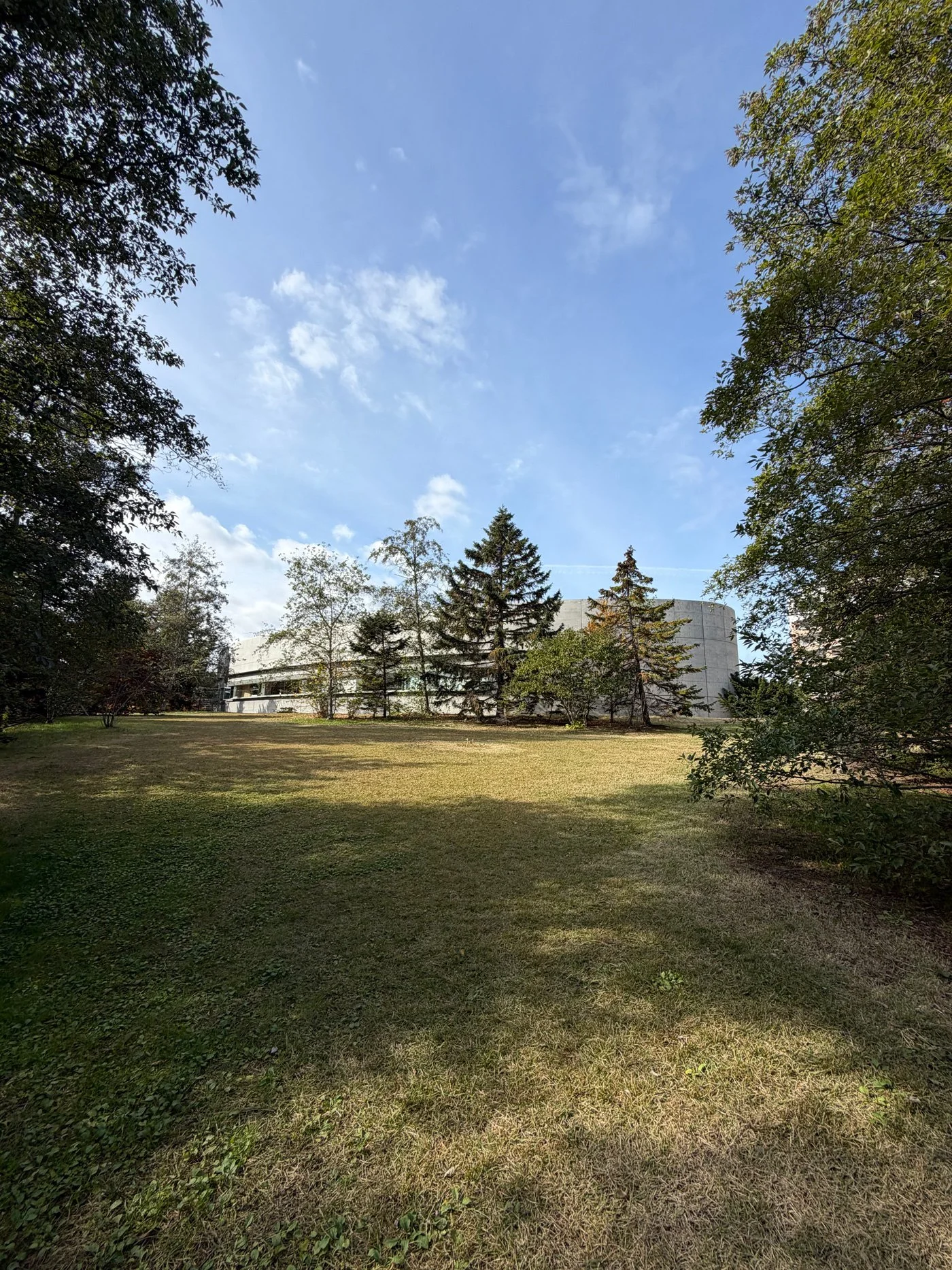
An archaeological museum situated deep beneath Sendai, perfectly preserving a Paleolithic site from roughly 20,000 years ago. Featuring the original marshland strata and the remains of a collapsed forest, the exhibition allows visitors to experience the excavated ruins exactly as they were found, right in their subterranean context.
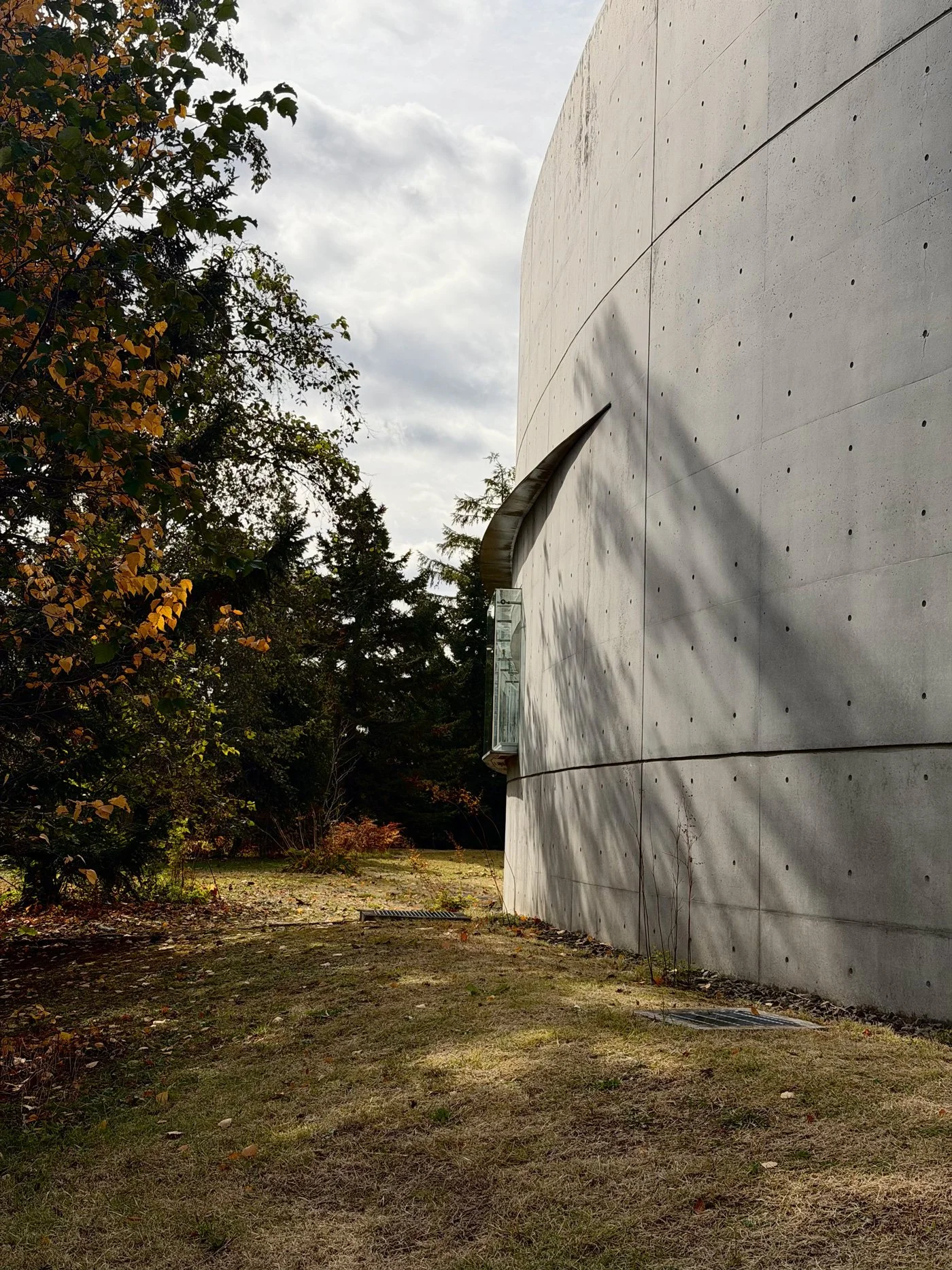
4 Chome-3-1 Nagamachiminami, Taihaku Ward, Sendai, Miyagi 982-0012日本
More Info
-
Designed by architect Hitoshi Abe, this space crafts a deeply unique sensory experience through sharp, faceted walls and narrow, slit-like windows. Embedded directly into a hillside, the interior continuously shape-shifts depending on your vantage point and the play of natural light, making the architecture itself the museum’s most captivating exhibit.