「在熟悉的東京地圖座標上,探索城市新表情」— 攝影師 Danny 的旅行心景
-
An ordinary Tokyo morning. Before the department store had even opened its doors, a long, immaculately neat queue had already formed. Photographer Danny Li, waiting to buy souvenirs for his family, stood among them. Yet, what etched that morning into his memory wasn't what he eventually bought, but the sheer form of the queue itself. The distance between each person was practically identical. No one cut in line; no one whispered to confirm their place. The queue just naturally and quietly stretched on, like a line drawn by an invisible ruler, extending infinitely.
"The neatness of their queue was beyond anything I could have imagined. Everyone lined up in such an orderly fashion, as if following order was just deeply ingrained in them." To most, queuing might be a tedious rule, but for Danny, this collective, unspoken agreement to move forward with order brought him a profound sense of comfort.
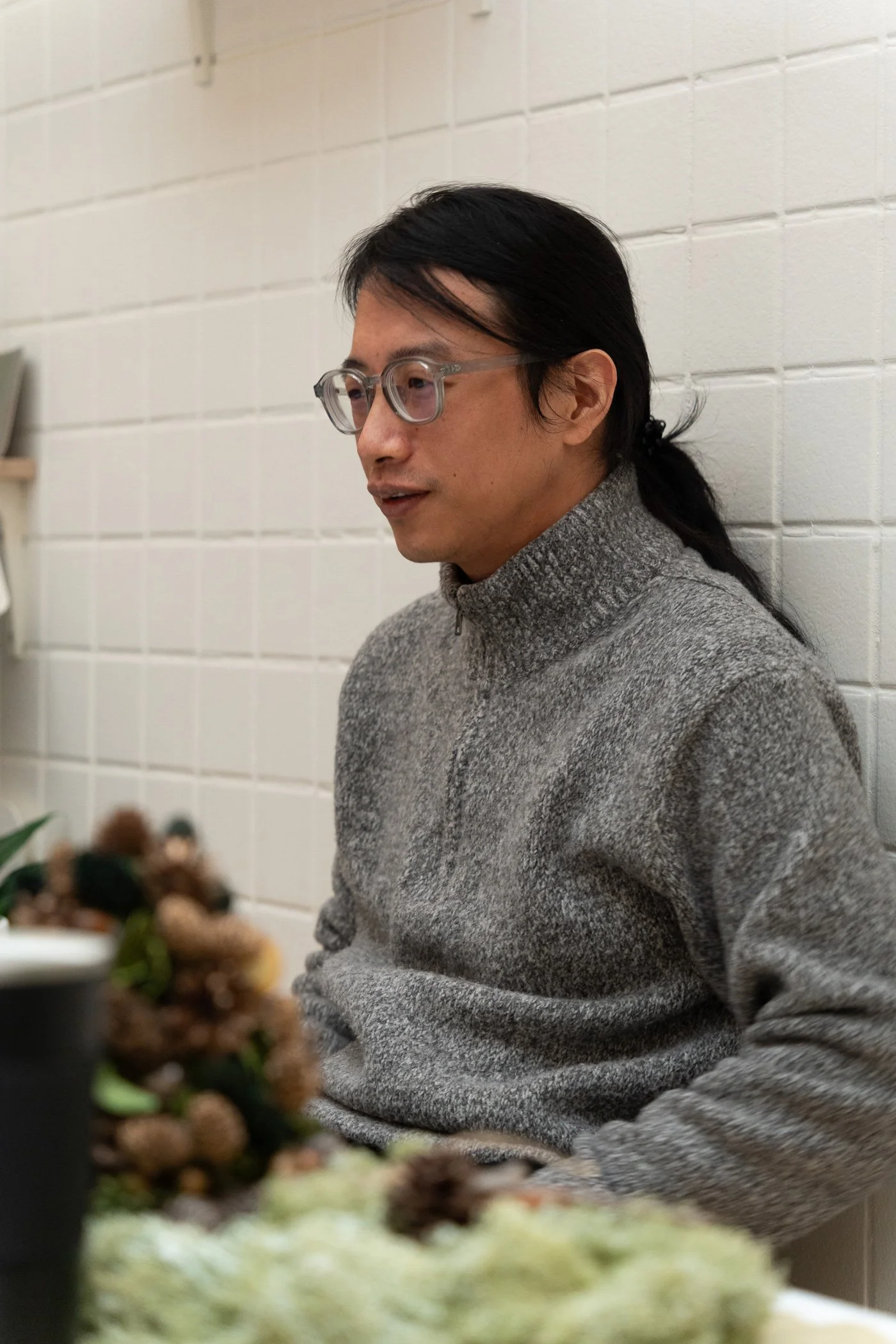
攝影師.Danny Lee
我盡量讓自己在秩序內,找到屬於自己的規則
-
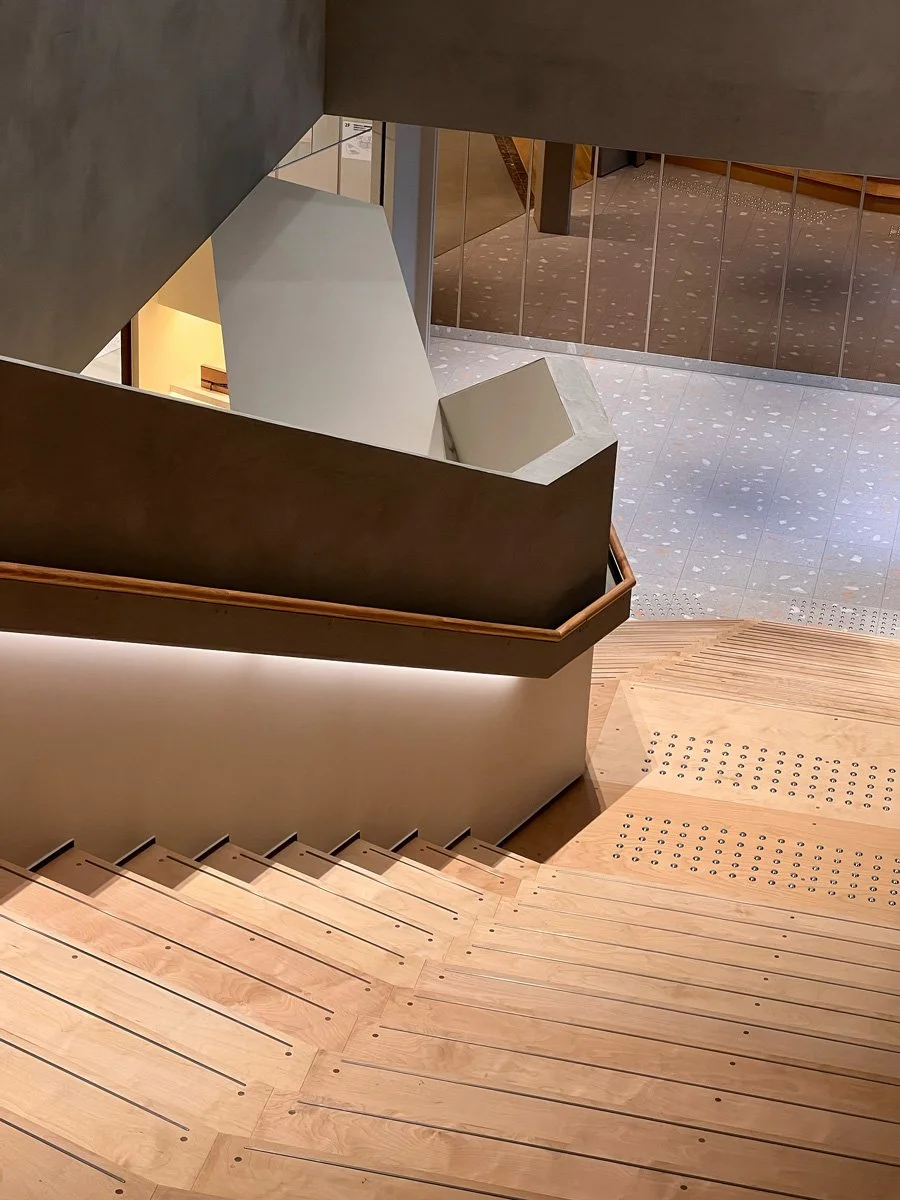
"I try to find my own rules within the established order." This pursuit of order and structure is how Danny interacts with the world. The images captured through his lens seem to unfold space along an invisible axis, rereading it along its very skeleton. His compositions speak of the symmetrical relationships between walls, the precise alignment of corners, and the deliberately arranged depth between foreground and background. But if you assume his photographs are cold or mechanical, you'd be mistaken. Amidst these hidden horizontal and vertical lines, he always leaves room to breathe—a sense of warmth and flowing air that invites the viewer to enter and linger.
-
Lowering the Risks to Embrace the Present
If this "spatial grammar" were applied to travel, his first step would be exactly the same: filter out the uncontrollable variables and noise to establish a familiar framework. Because the framework is familiar, he can fully open up his senses within it. Freed from the need to constantly worry about trivial travel logistics, he can effortlessly experience everything he sets out to do.
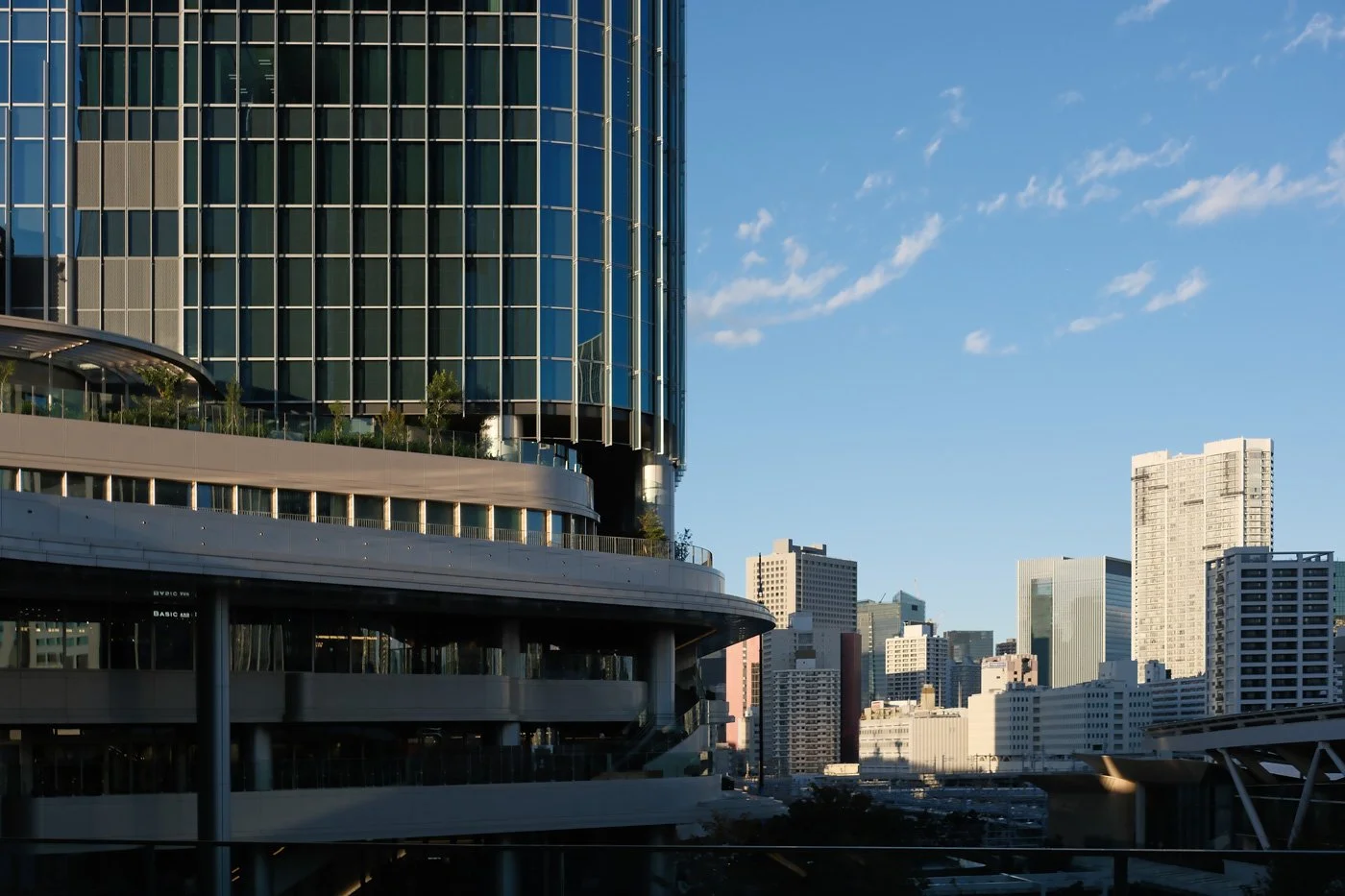
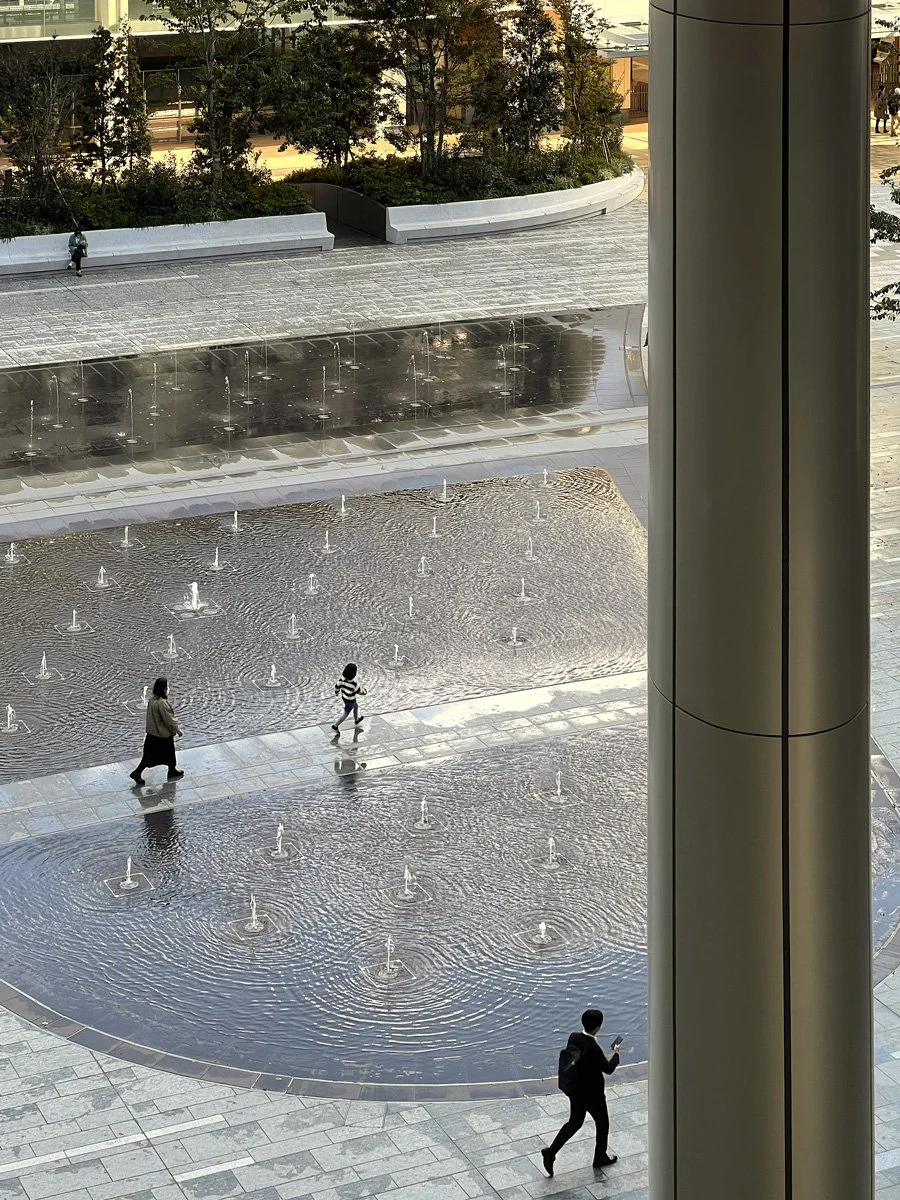
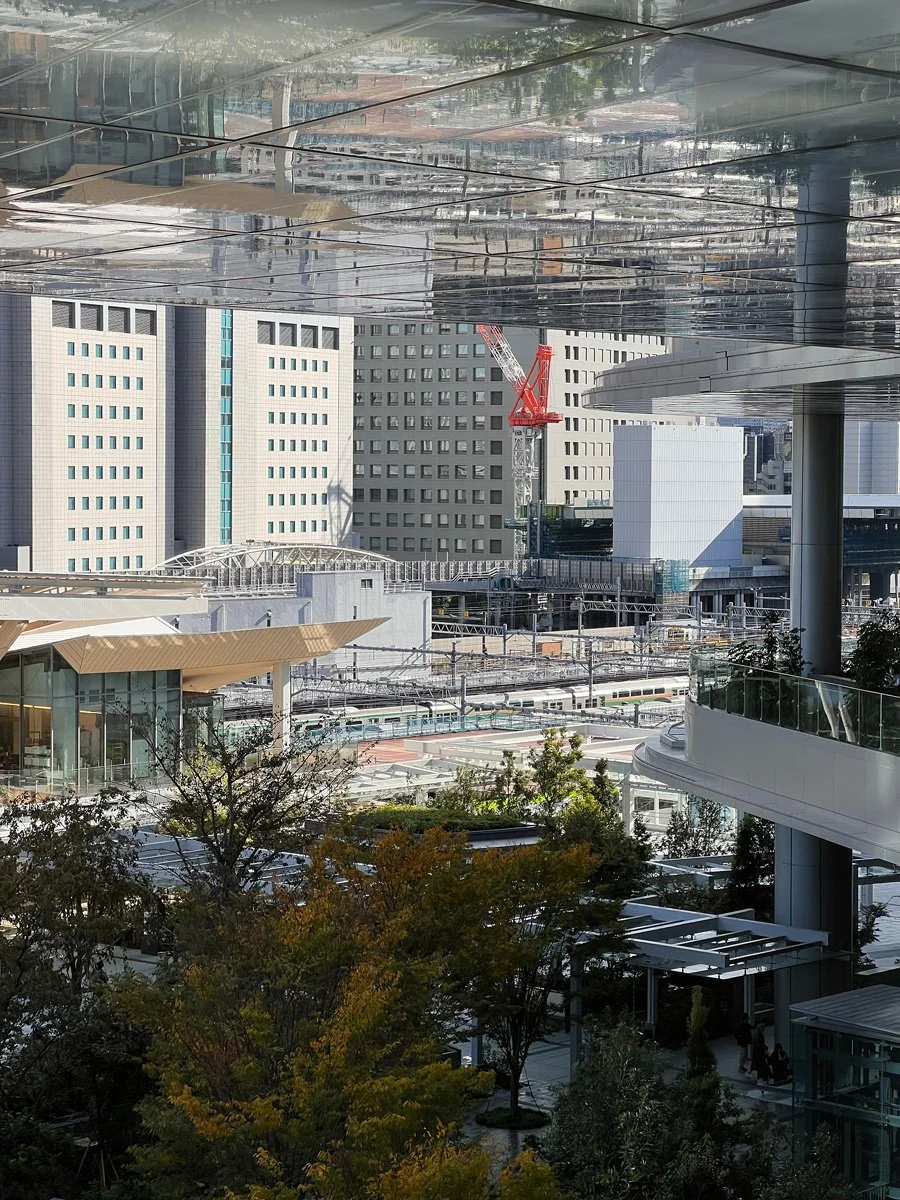
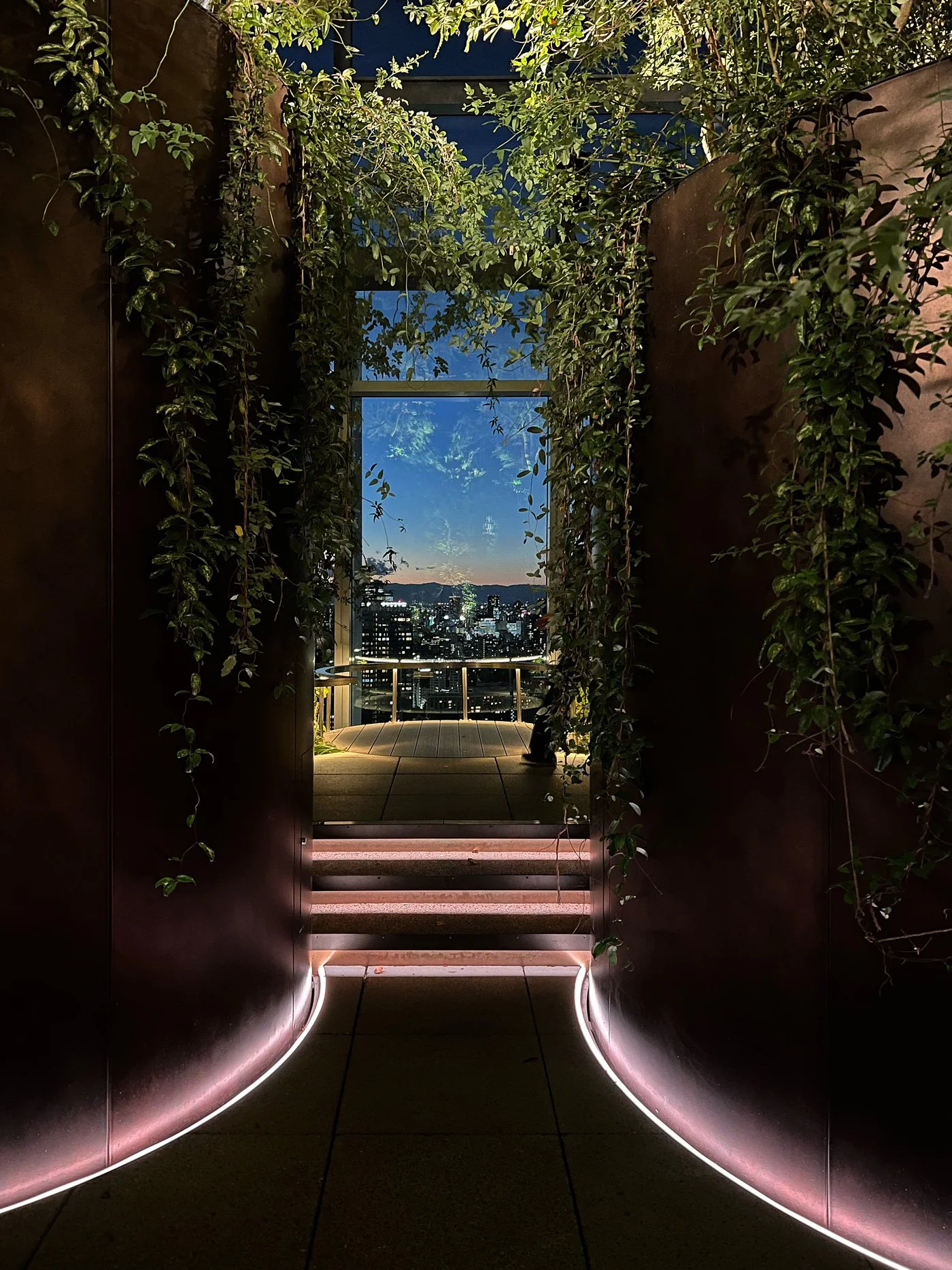
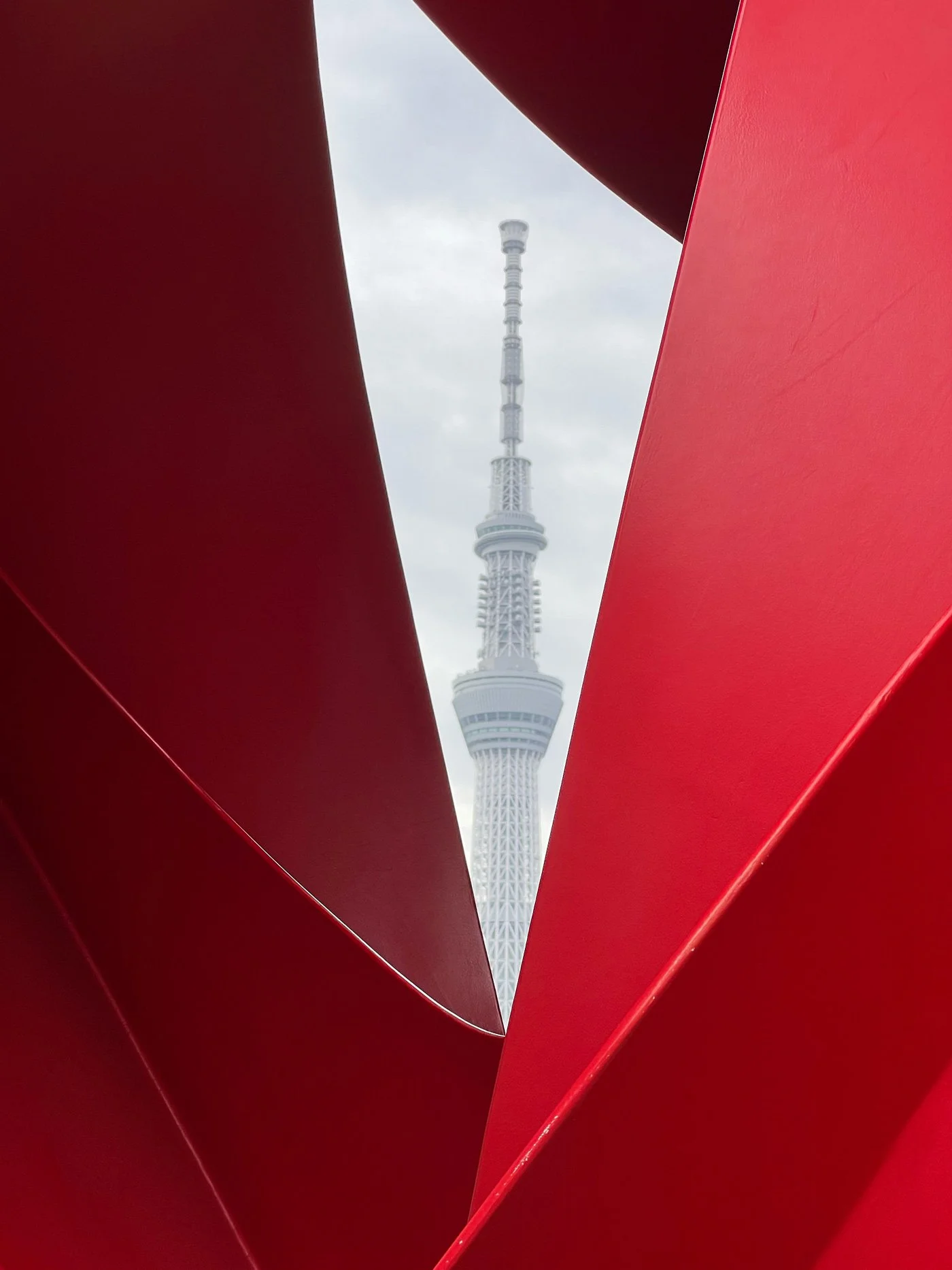
Consequently, Tokyo—a city that blends familiarity with a touch of the unknown—is one of his most frequently visited destinations. Tokyo isn't a "been there, done that" kind of place; the city's inherent nature perfectly resonates with his style of travel. Every few months, the shops on a given street might completely turn over, new exhibitions move into museums, or an unseen art space suddenly pops up in a certain district. For someone who seeks depth within a single coordinate rather than constantly hopping across geographical locations, Tokyo is the ideal "elsewhere." It always presents a familiar face, yet its expression is never exactly the same.
-
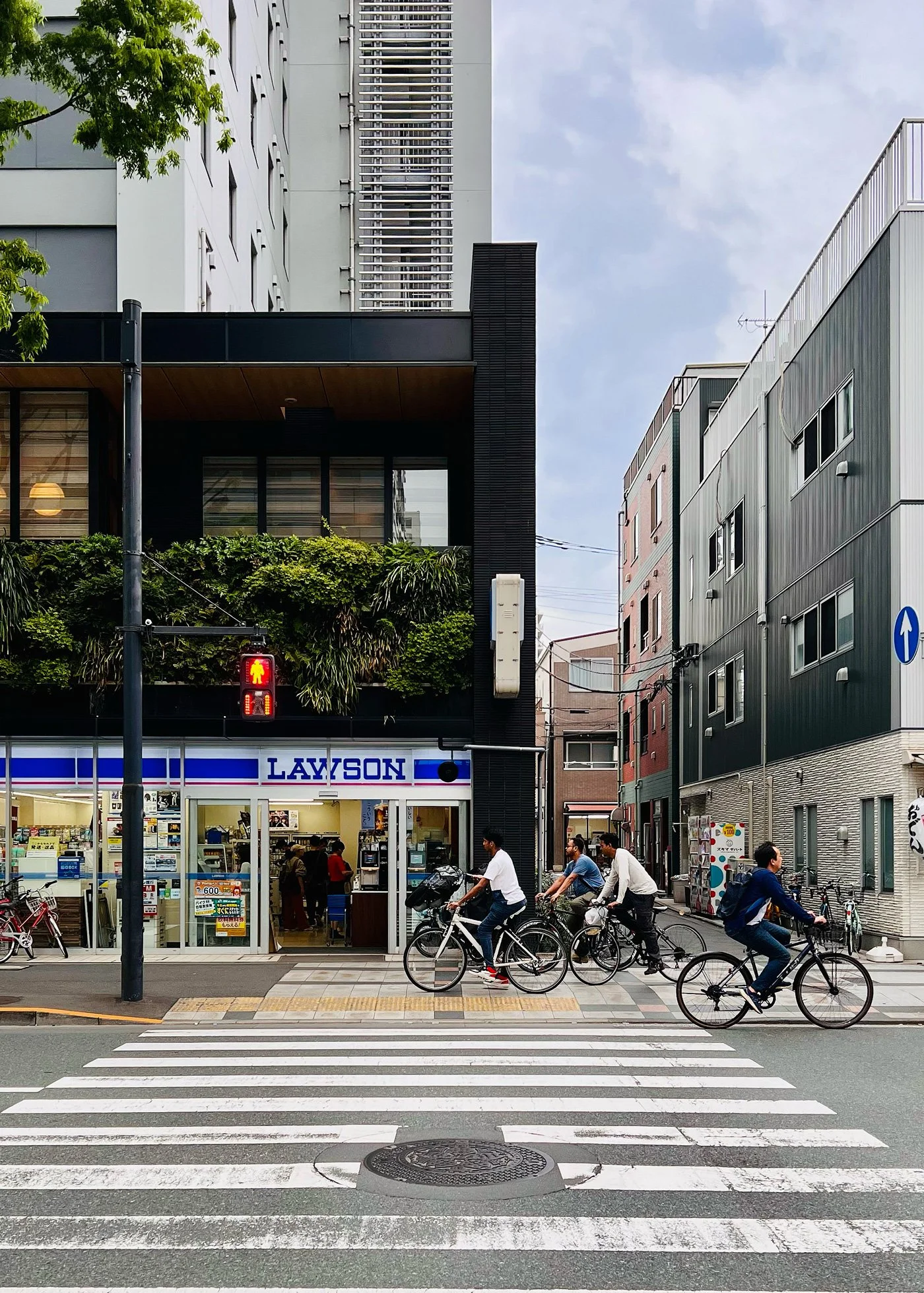
Besides, even after multiple visits, there are still countless places he has yet to explore. Recently, he discovered a few areas he wouldn't typically visit, like Kameari—a neighborhood likely only known to die-hard fans of the anime KochiKame.
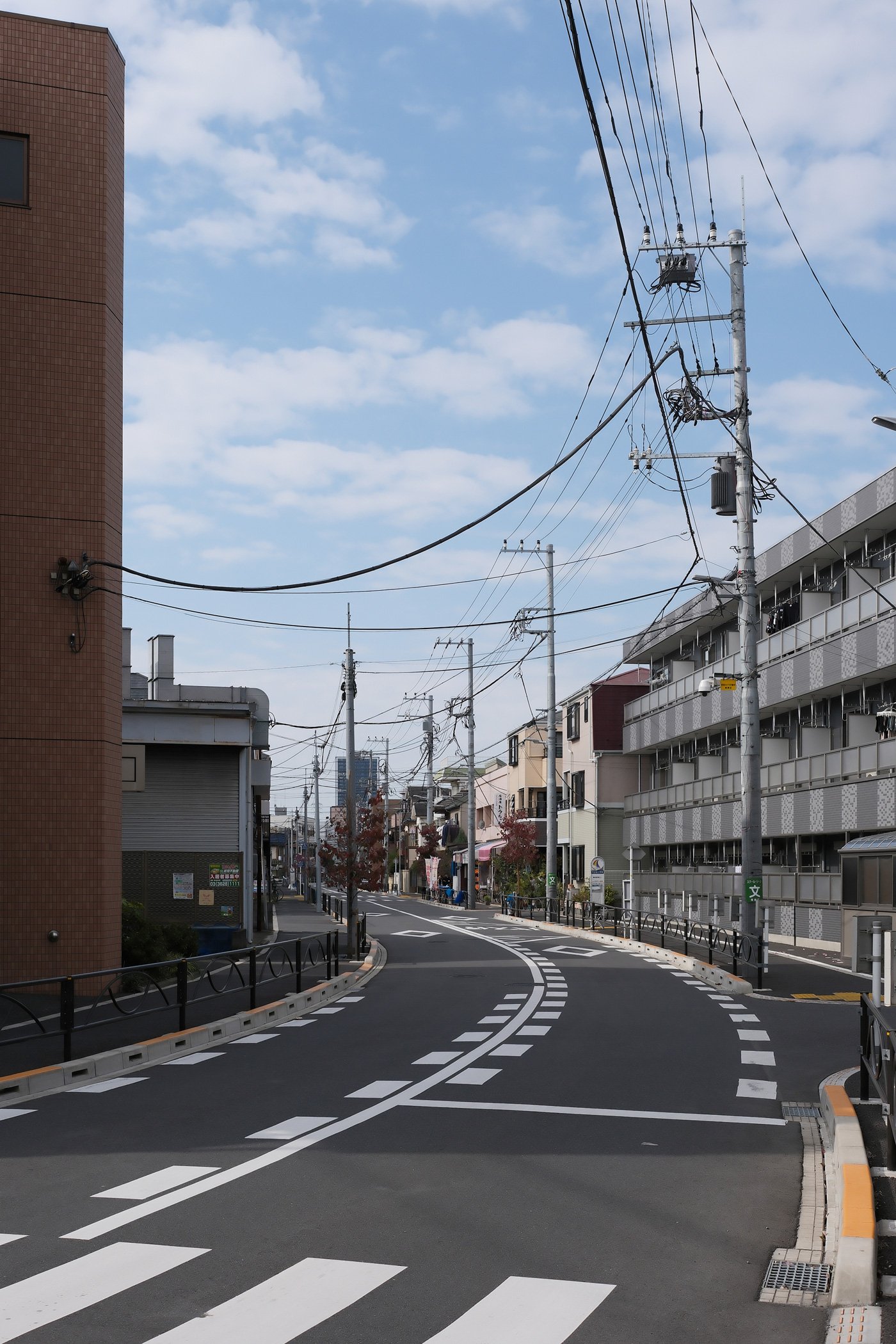
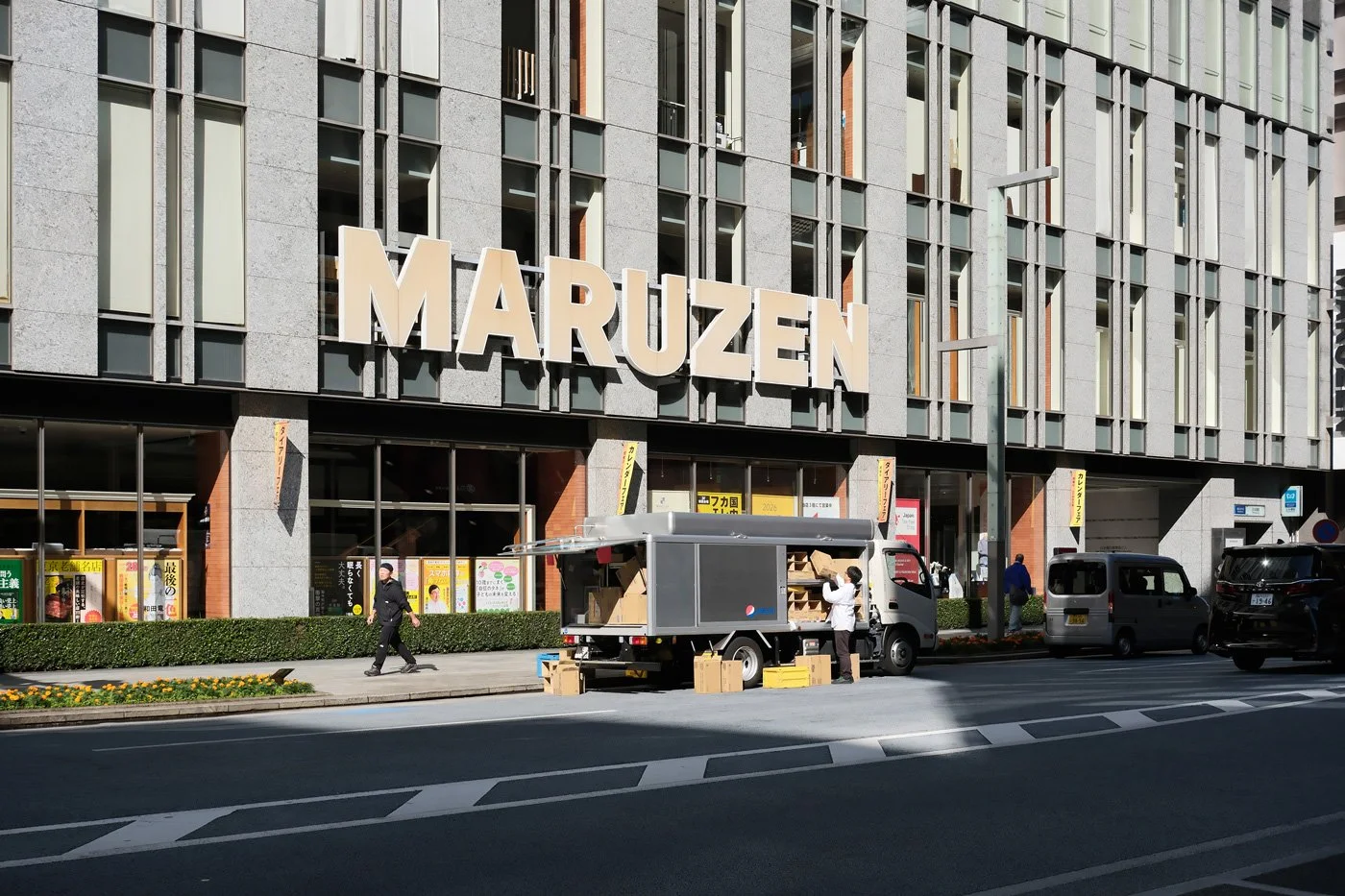
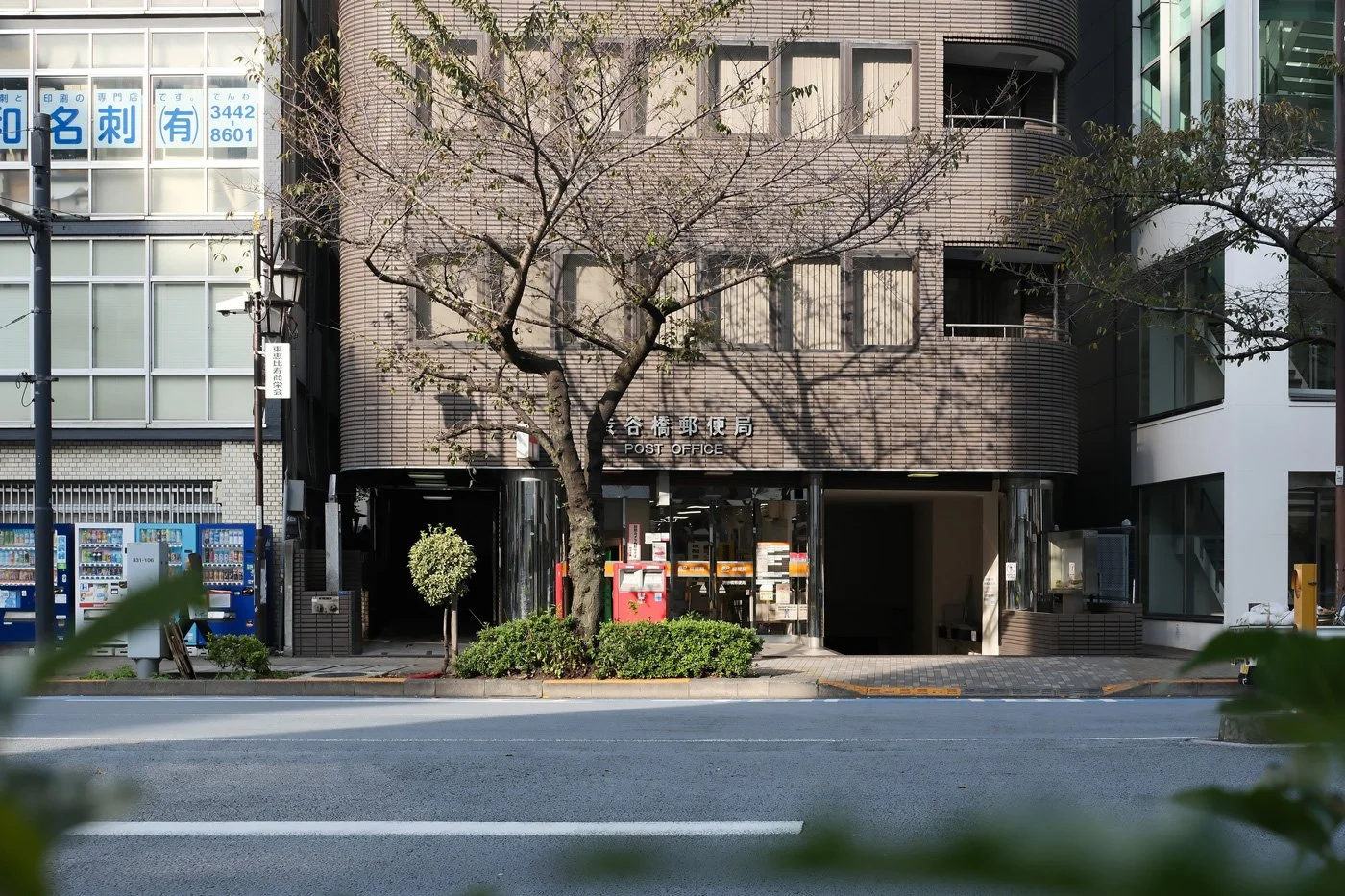
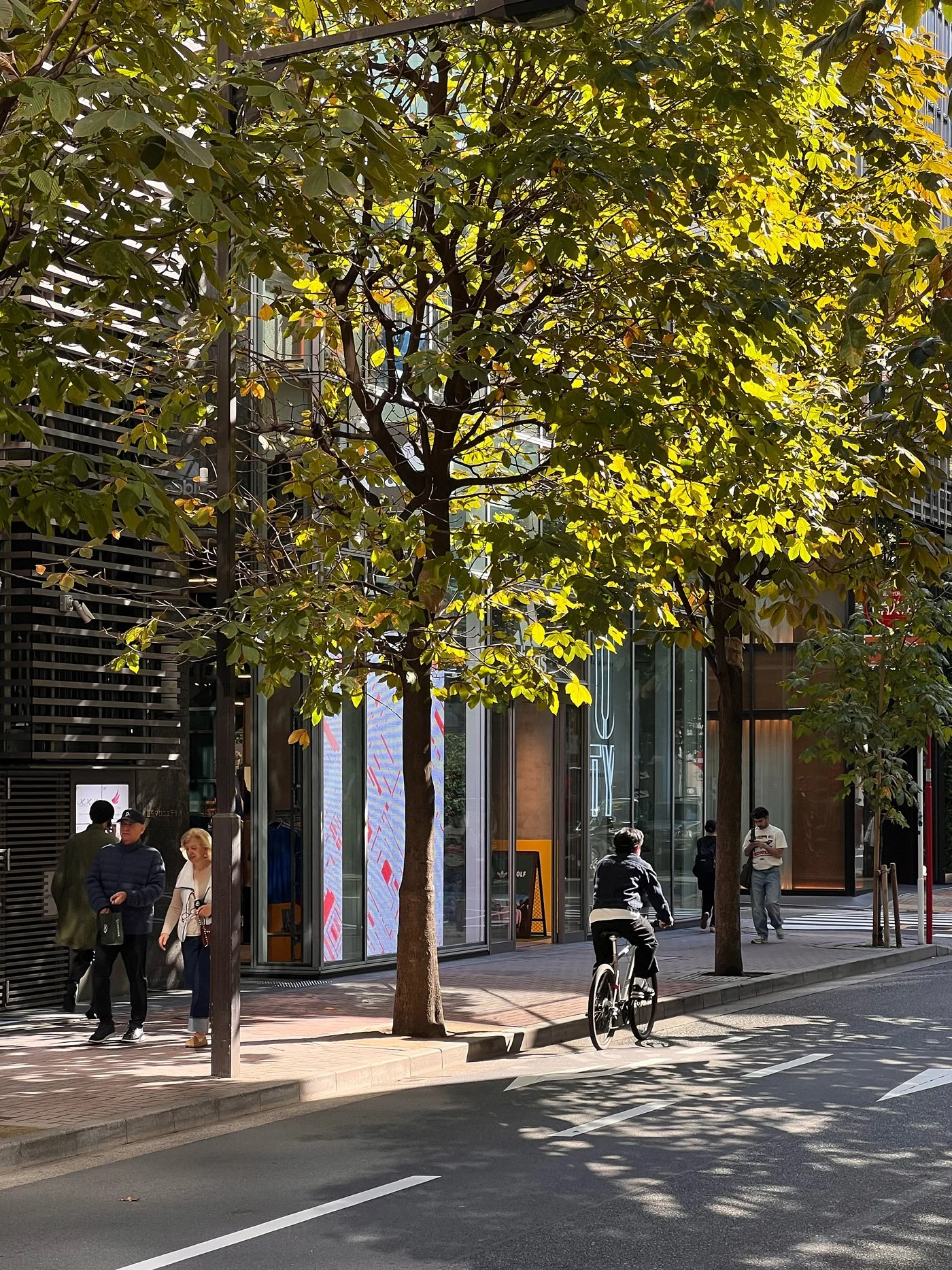
During our conversation, Danny shared that once unknown risks are eliminated, his mind can truly relax. This might mean leisurely strolling into a new museum, wandering aimlessly through alleys, or simply standing at an intersection for a moment just to watch the way the light spills across the buildings.
-
Leaving Blank Space for Self-Exploration
Over the years, he has started to let go of the things that once overstuffed his life, one by one. He no longer feels the need to report his whereabouts or activities to everyone, nor does he strive to keep every single relationship constantly active. "I’ve become someone who doesn't need to fill up every void," he says. "I don't need to socialize everywhere; instead, I wrap myself in the center and fortify my inner self." Listening to him, you can sense a natural, arising certainty. It’s like a person who has finally figured out exactly how much space they truly need, and has decided to return the excess back to themselves.
When projected onto his travels, this mindset of "leaving blank space" actually allows him to see things he used to miss when rushing through itineraries. The personal map he draws, guided purely by curiosity, might not be filled with spectacular landmarks, but every pin represents something he genuinely wants to stop and observe.
-
He describes his current way of traveling as: "Resting is also a form of practice." The word practice (cultivation) is fascinating here. He admits he has no idea when the things he sees on the road will come in handy. To him, it's simply about giving his eyes more raw material and letting that material slowly settle. He’s in no rush to see immediate results, but he believes these experiences will inevitably leave their mark somewhere.
Just like the concept of negative space itself, the point isn't what is currently in that emptiness. The point is that you finally have the room for latent things to slowly grow and emerge.
-
Step Inside First, Decide to Shoot Later
You might assume that a spatial photographer starts framing the shot the moment they push open a door—eyes scanning for angles, hands instinctively reaching for the camera. But not Danny. When he enters a place, the first thing he does is keep his camera by his side and let his feet do the exploring. He’ll take a simple walk around, not rushing to find the perfect frame. Instead, he first feels the logic of the space: how the pathways flow, where the light enters, and where people naturally pause. He even subtly observes what others are photographing, noting where they stand and where their lenses are pointed, curious about how other people are reading the room.
-
This habit remains the same whether he’s working or traveling. It’s true on the streets of Tokyo, inside an art museum, or when walking into a client's home for a shoot. He first allows himself to become a part of the space. Only after feeling it out does he decide whether or not to raise his camera.
"Unless I walk in and immediately see it—that this is the shot—only then will I grab my camera straight away." Today, he is much clearer about what he’s looking for. Before shooting, he might already have a faint image in his mind; it could be a composition he imagined, or a fleeting moment he glimpsed while walking around but hasn't quite captured yet.
Compared to the past, he presses the shutter less frequently, but every single frame more profoundly reflects his inner landscape.
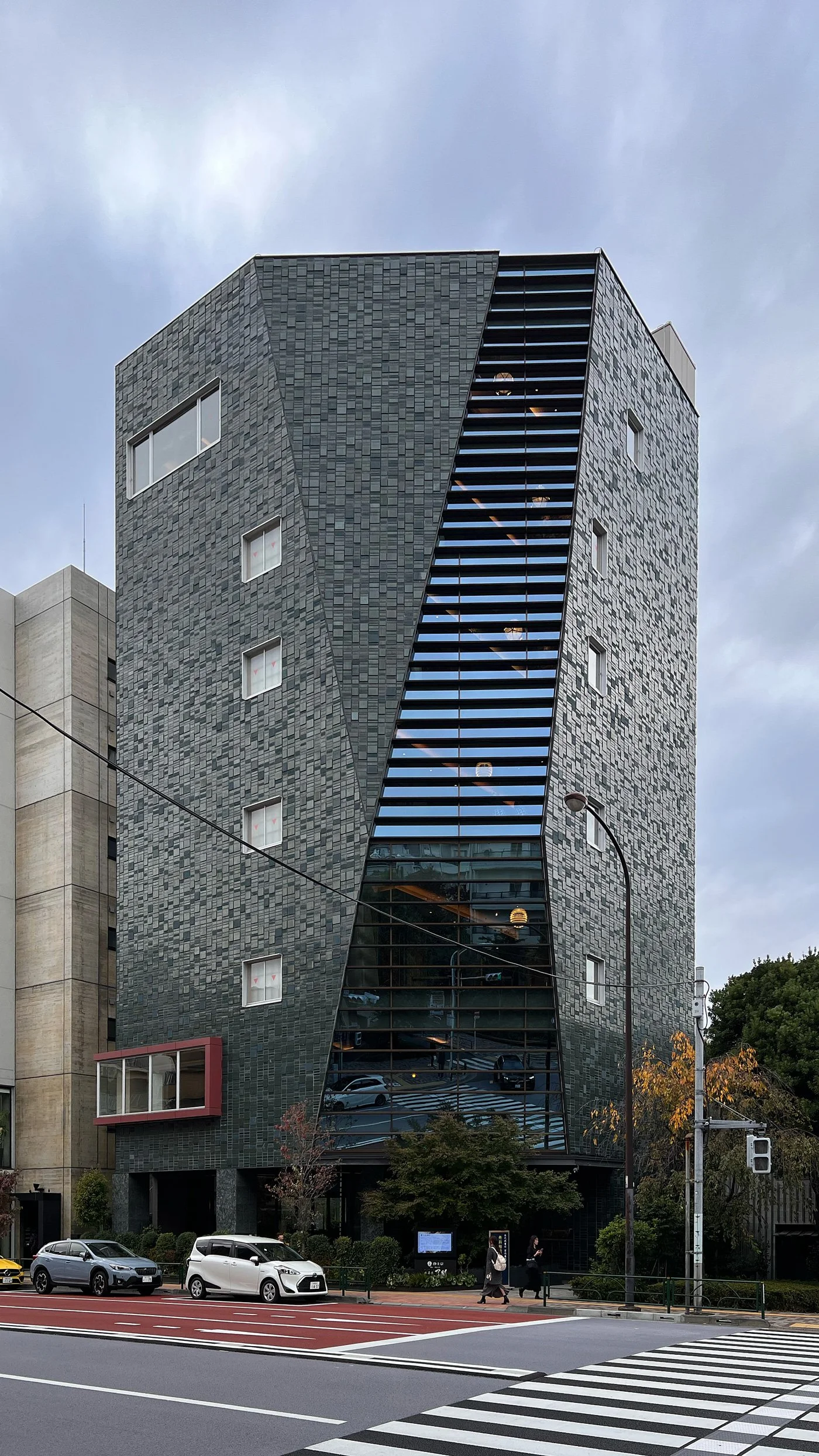
-
When it comes to travel, Danny is in no hurry to rush to the next uncharted destination or force himself into unknown adventures. Instead, he chooses to ground himself, performing at his best within a steady, stable frequency. "There's nothing wrong with being defined by a style. If you can navigate a familiar place with ease, the margin of error is low. Even if the photos you take aren't a 90, they’ll start at an 80 at least. And from there, you can discover even more diverse things."
This steady, step-by-step logic is his current state of mind, as well as his rhythm of travel. Much like the spaces in his photographs: the framework is clear, the axes are stable, yet between the lines, there is always room left for the light to enter.
-
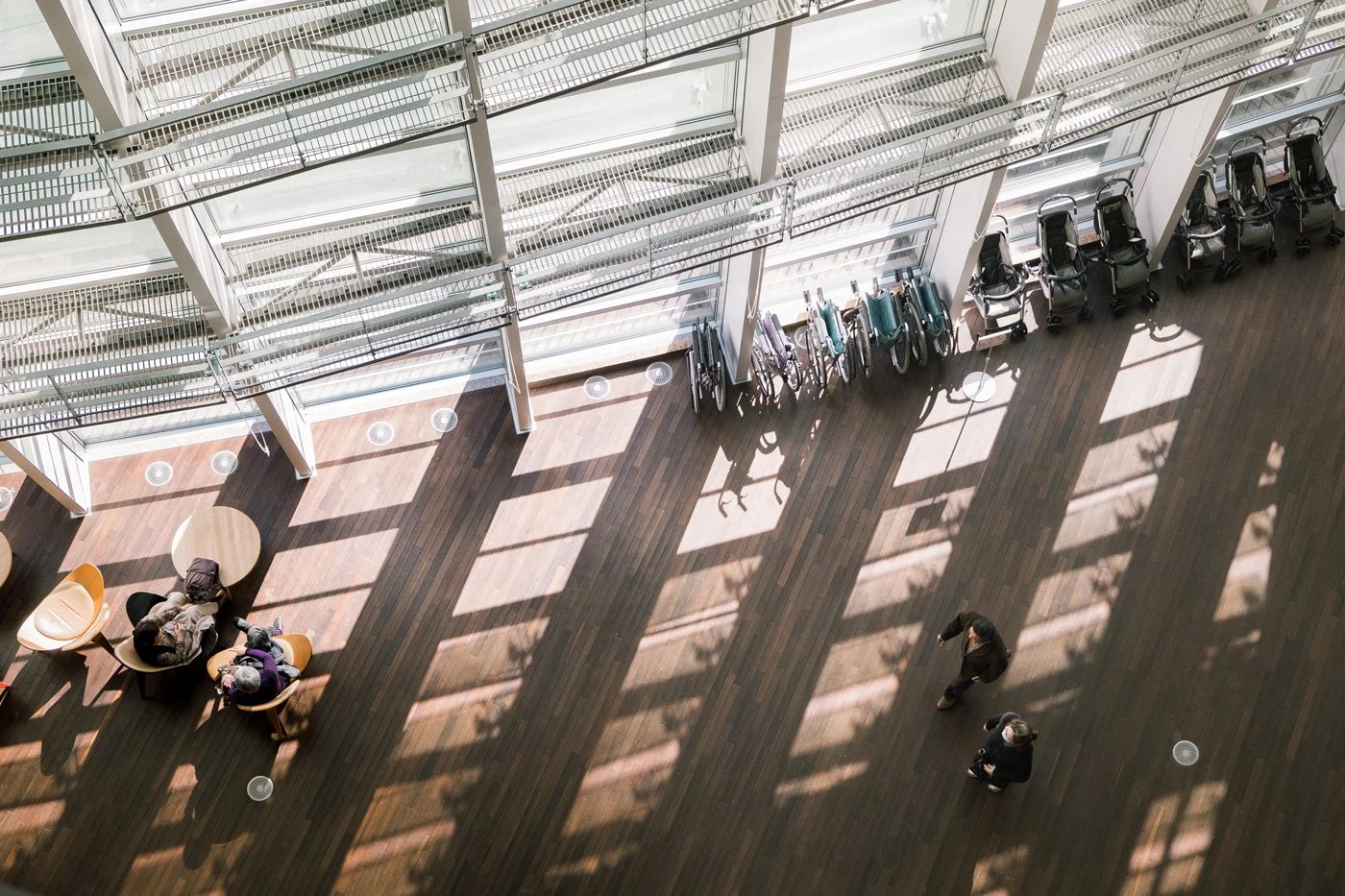
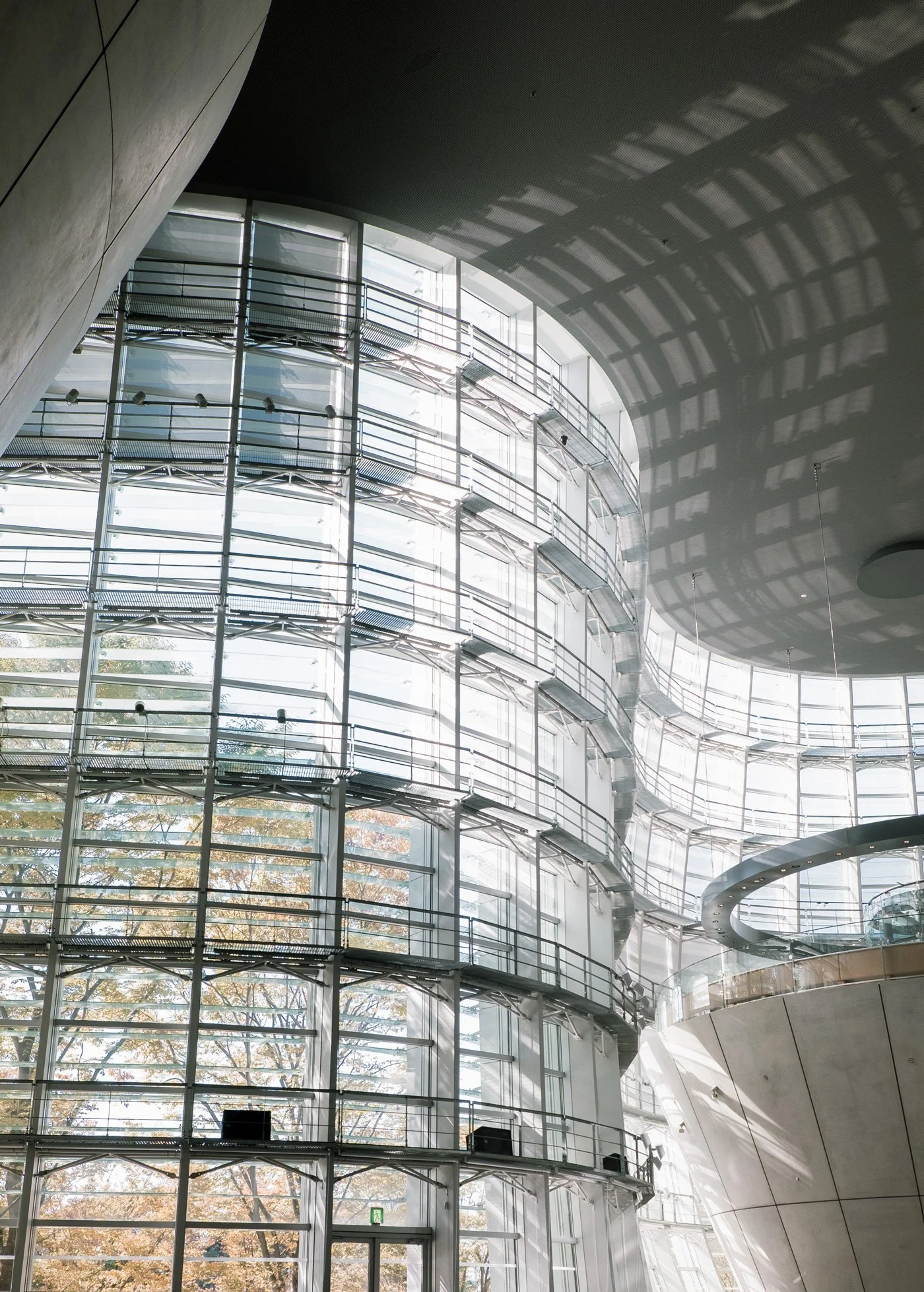
Conceived by architect Kisho Kurokawa as a "museum in the forest," The National Art Center, Tokyo, features an undulating glass facade along its southern edge. As the sun traces its daily arc, the glass casts an ever-shifting choreography of light and shadow across the interior. The building's public spaces are free to enter; even if you skip the ticketed exhibitions, the lobby alone is worth a lingering visit. Simply absorbing the quiet dialogue between the natural light and the architecture, or resting in one of the iconic designer chairs scattered throughout, is an experience in itself.
While you are in the area, a short stroll over to the adjacent 21_21 DESIGN SIGHT, masterminded by Tadao Ando, is highly recommended. Its exterior is intentionally understated, with seventy percent of the structure concealed underground. It is only upon stepping inside that you discover a profound sense of expansiveness that far exceeds all expectations.
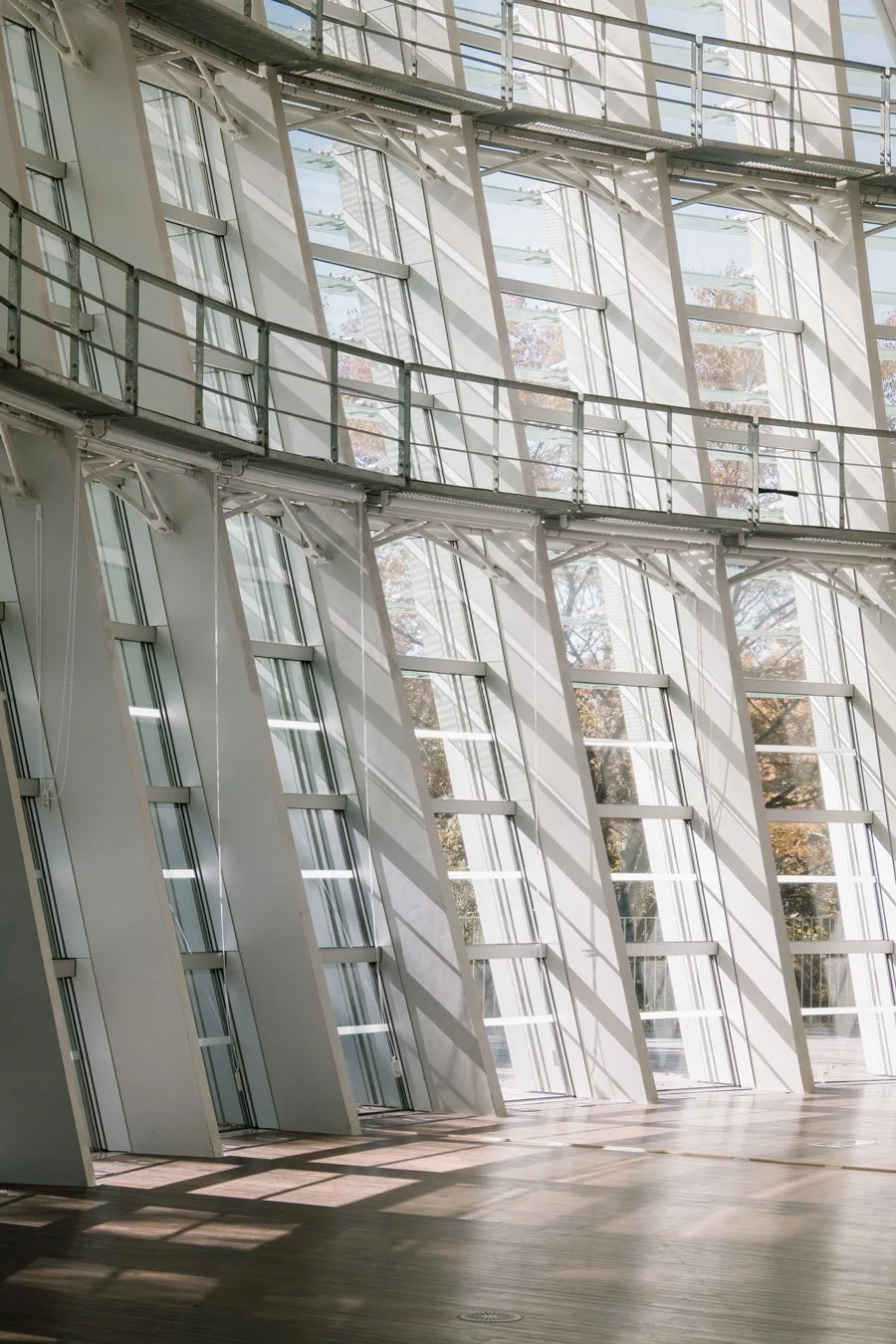
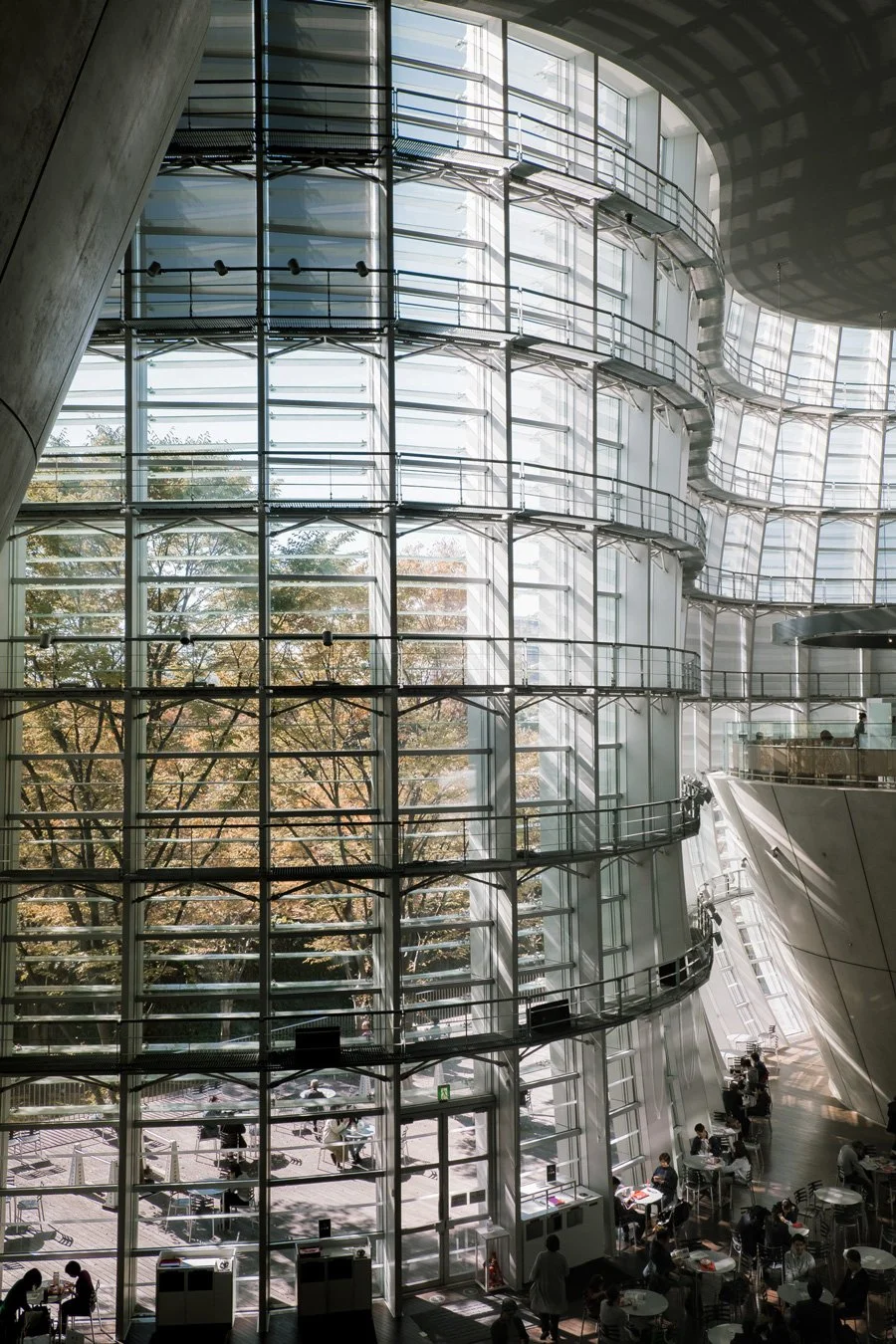
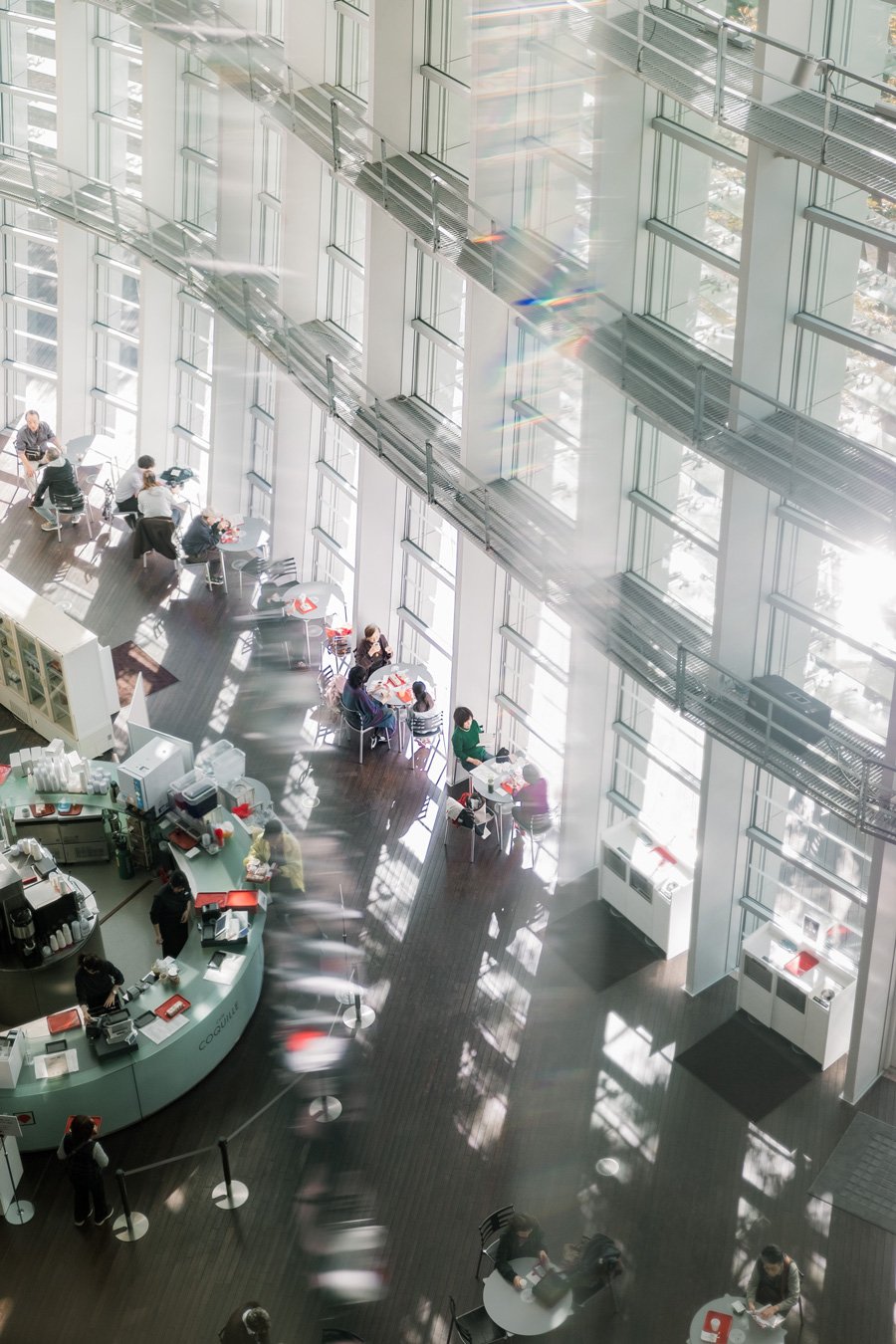
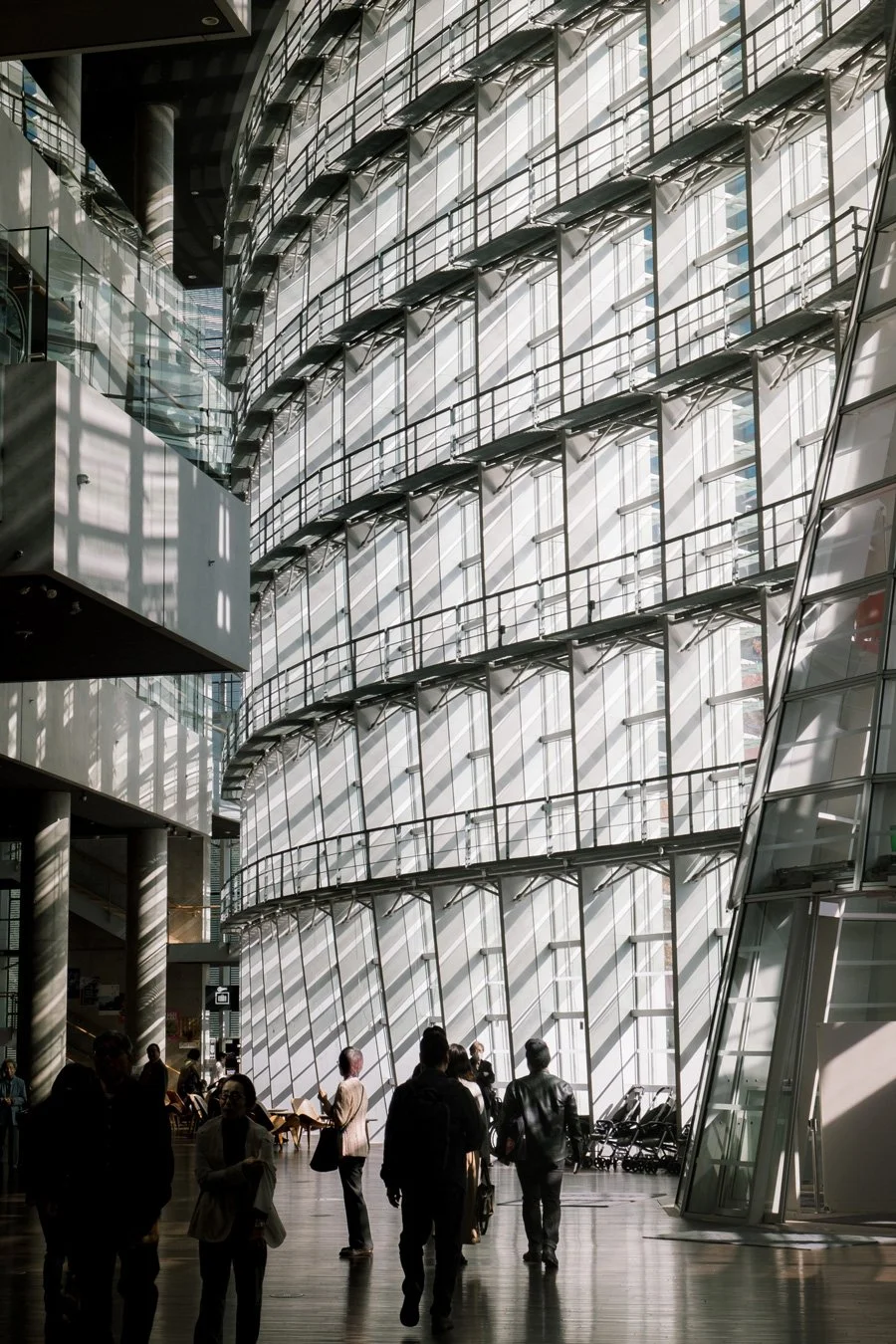
7 Chome-22-2 Roppongi, Minato City, Tokyo 106-8558
More Info
-
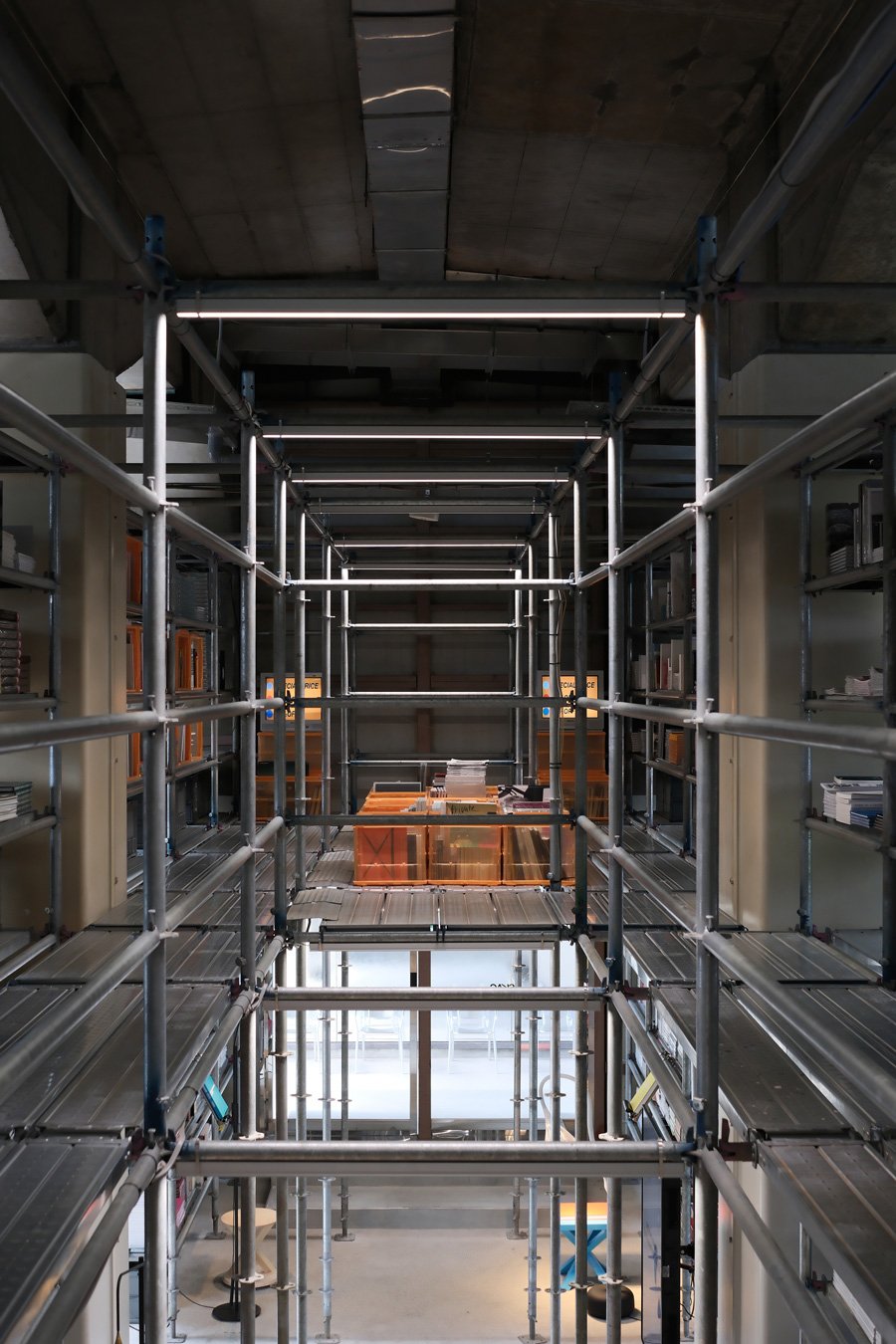
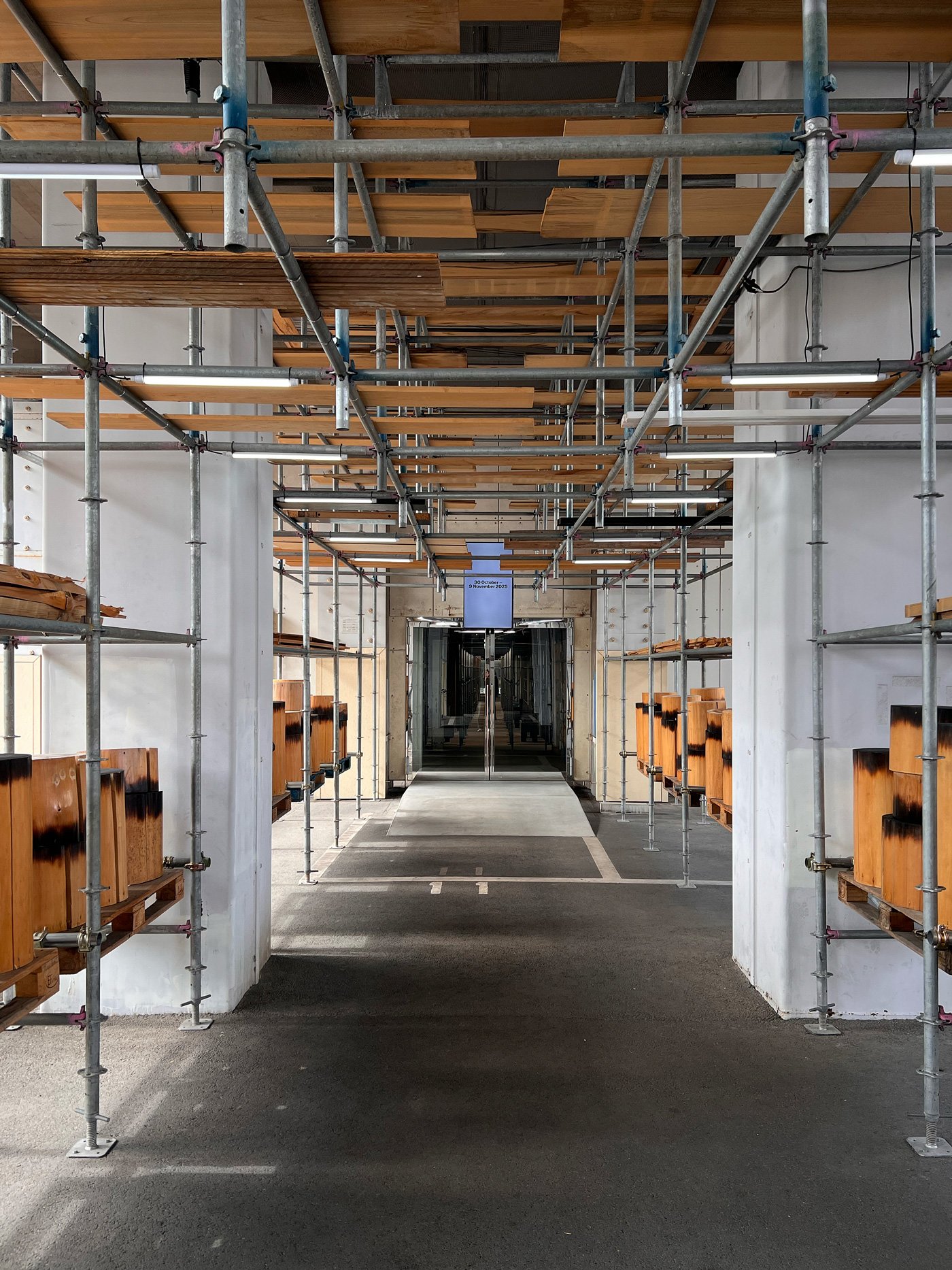
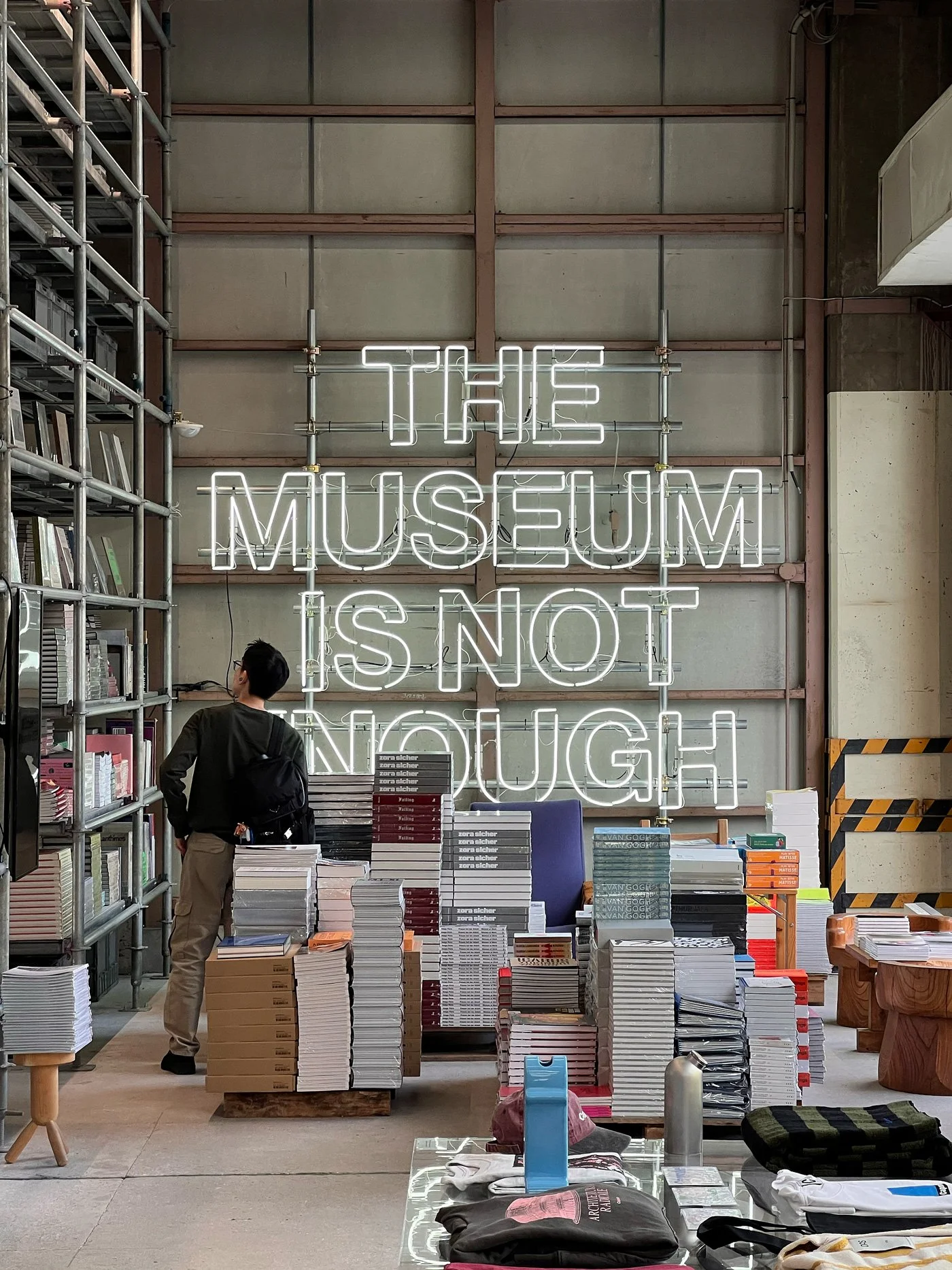
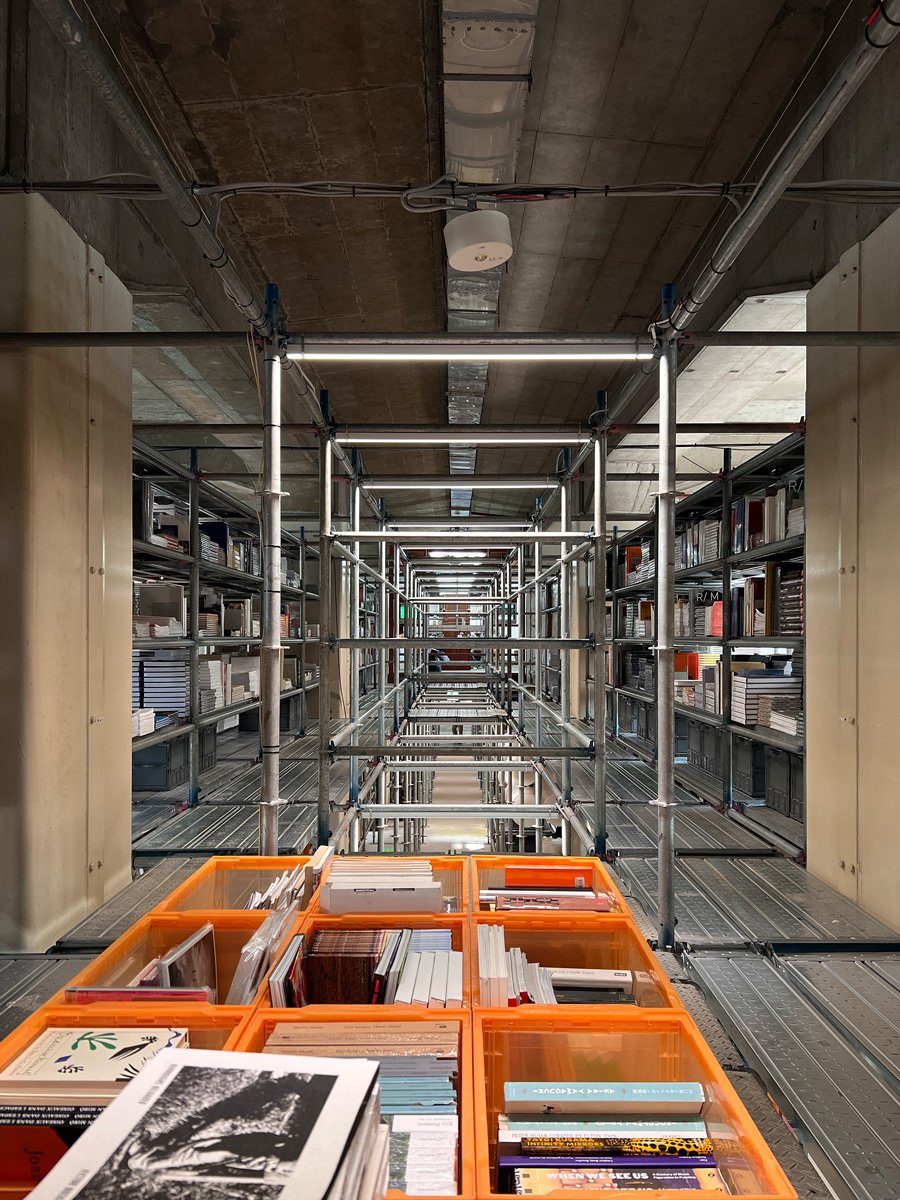
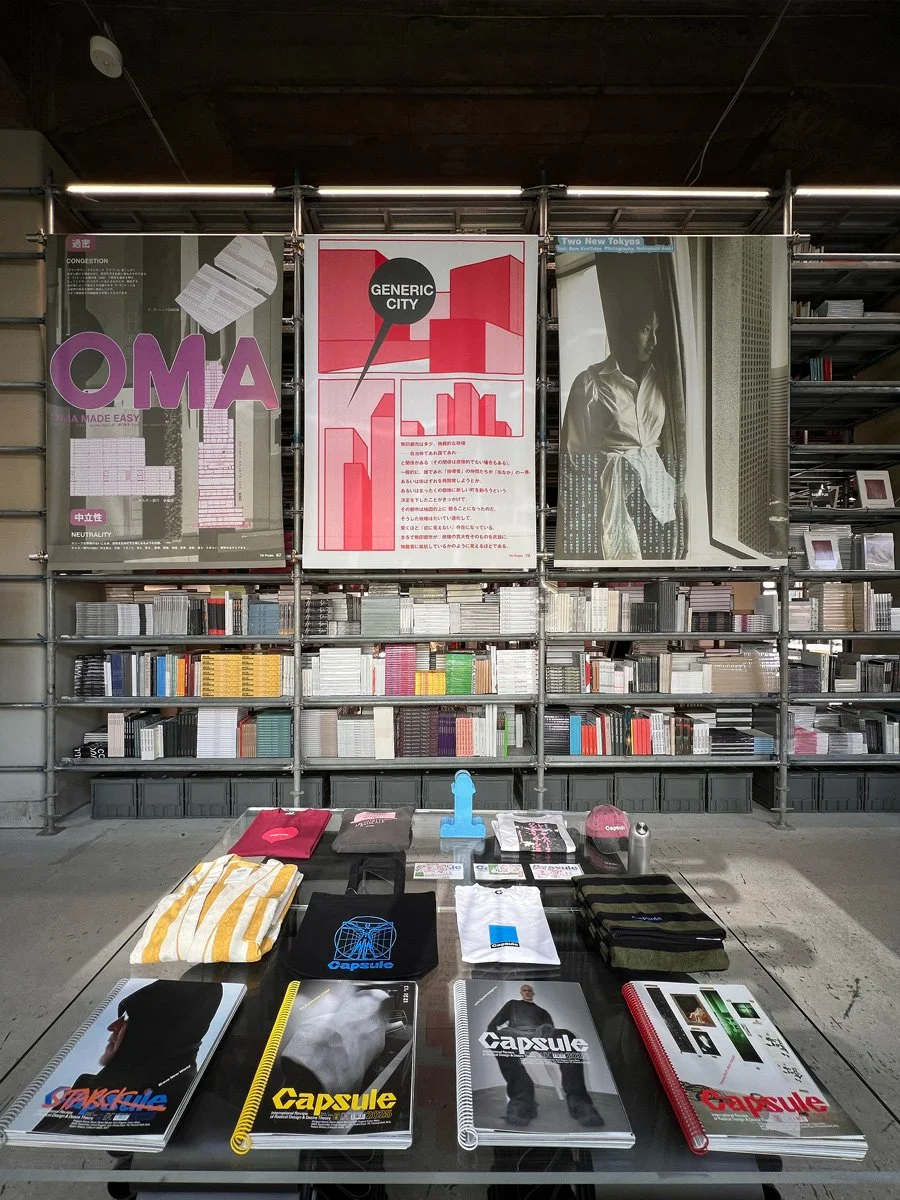
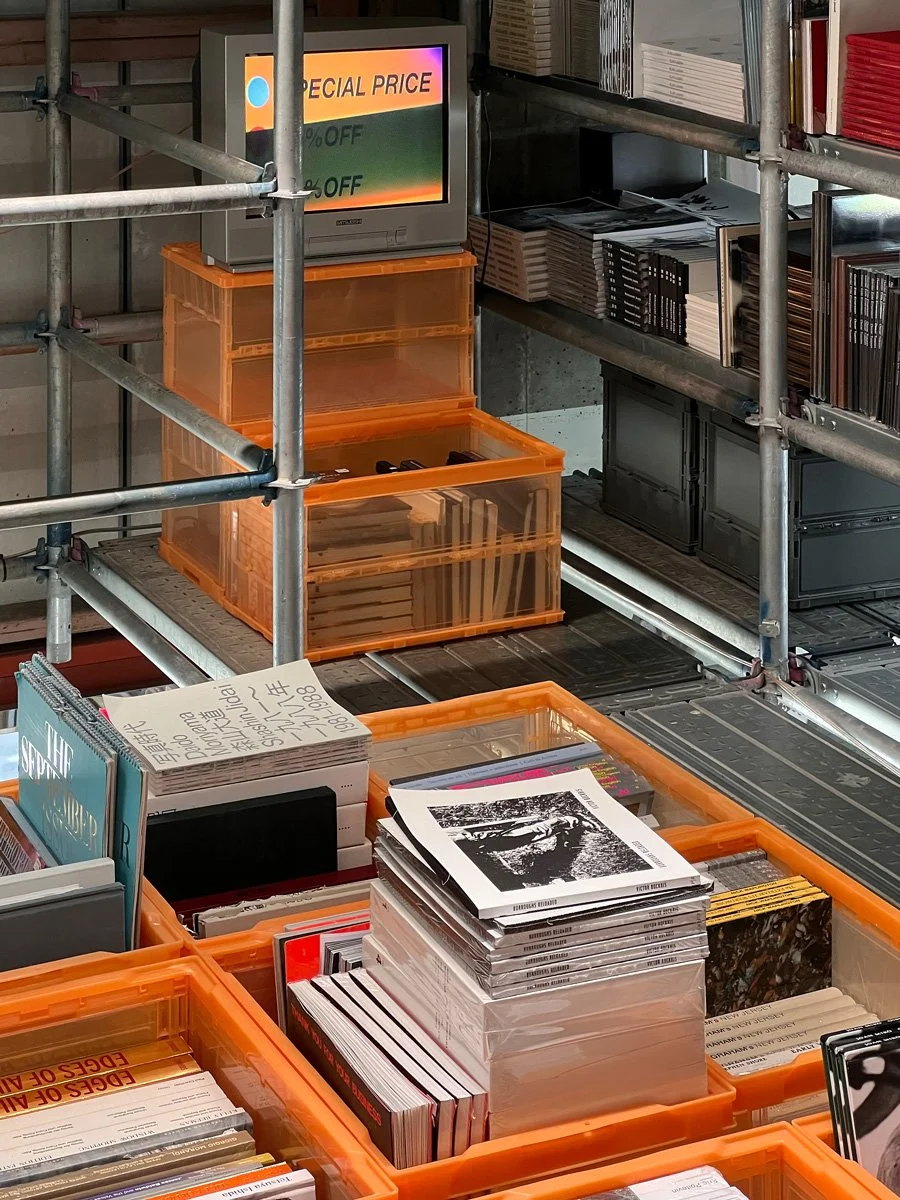
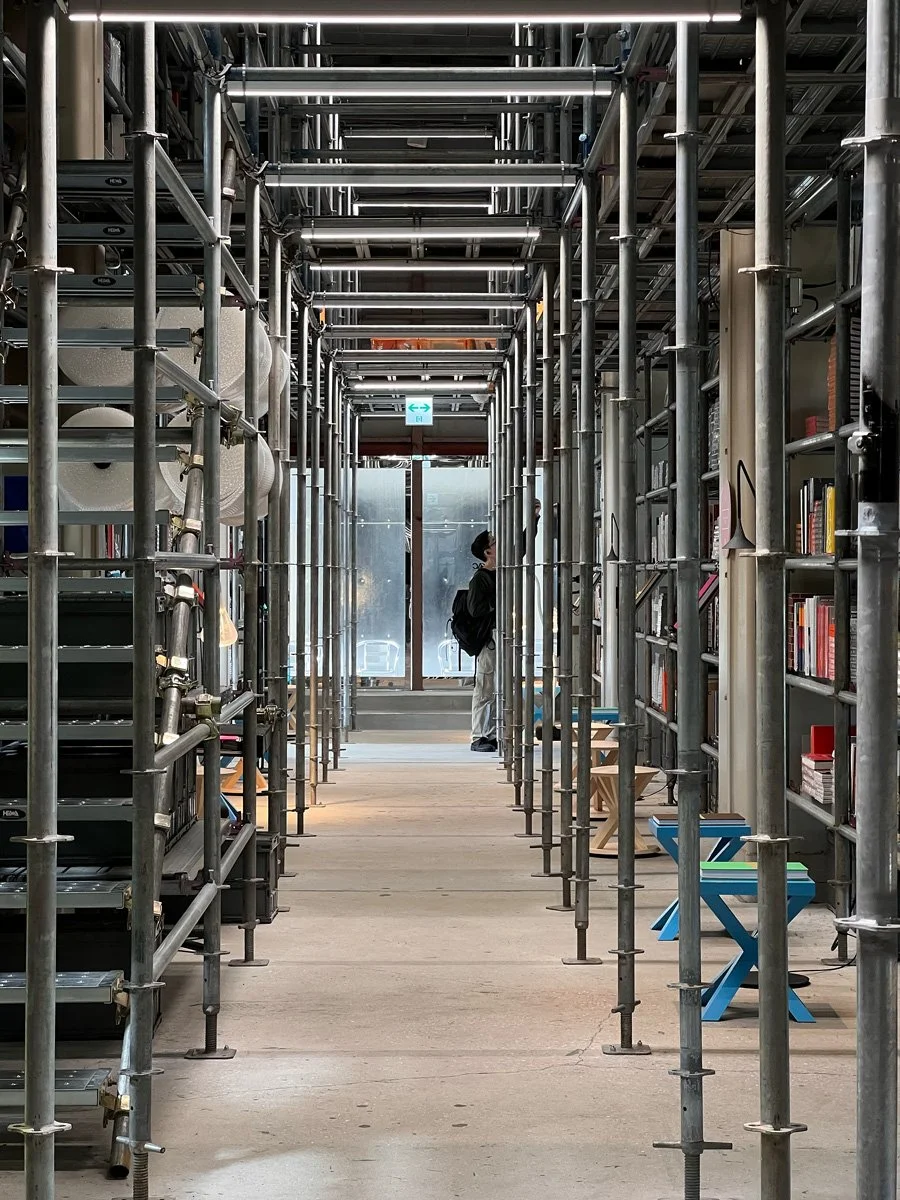
Opened in November 2024 and helmed by design studio DAIKEI MILLS, this hidden gem is tucked away beneath the elevated railway tracks just outside Kameari Station—a spot highly unlikely to grace mainstream Tokyo itineraries. The venue brings together twelvebooks (a warehouse for photography and art books), VDS (a secondhand vinyl shop), and tawks cafe. At its core, an elevated display structure built from scaffolding creates an unexpected sense of layering within the confined space. There is no flashy signage; simply follow the road beneath the tracks, and you'll know you've arrived when you spot the glowing neon.
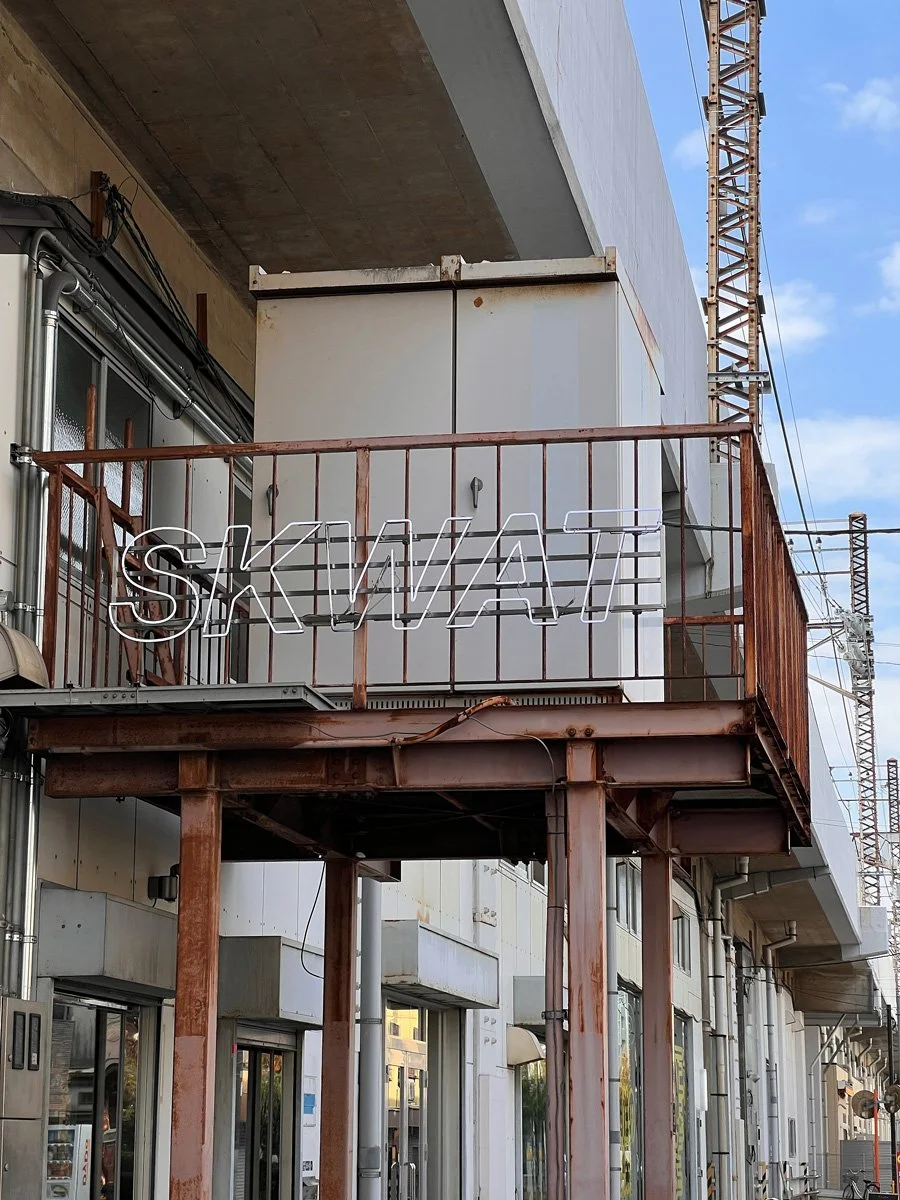
3 Chome-26-4 Nishikameari, Katsushika City, Tokyo 125-0002
More Info
-
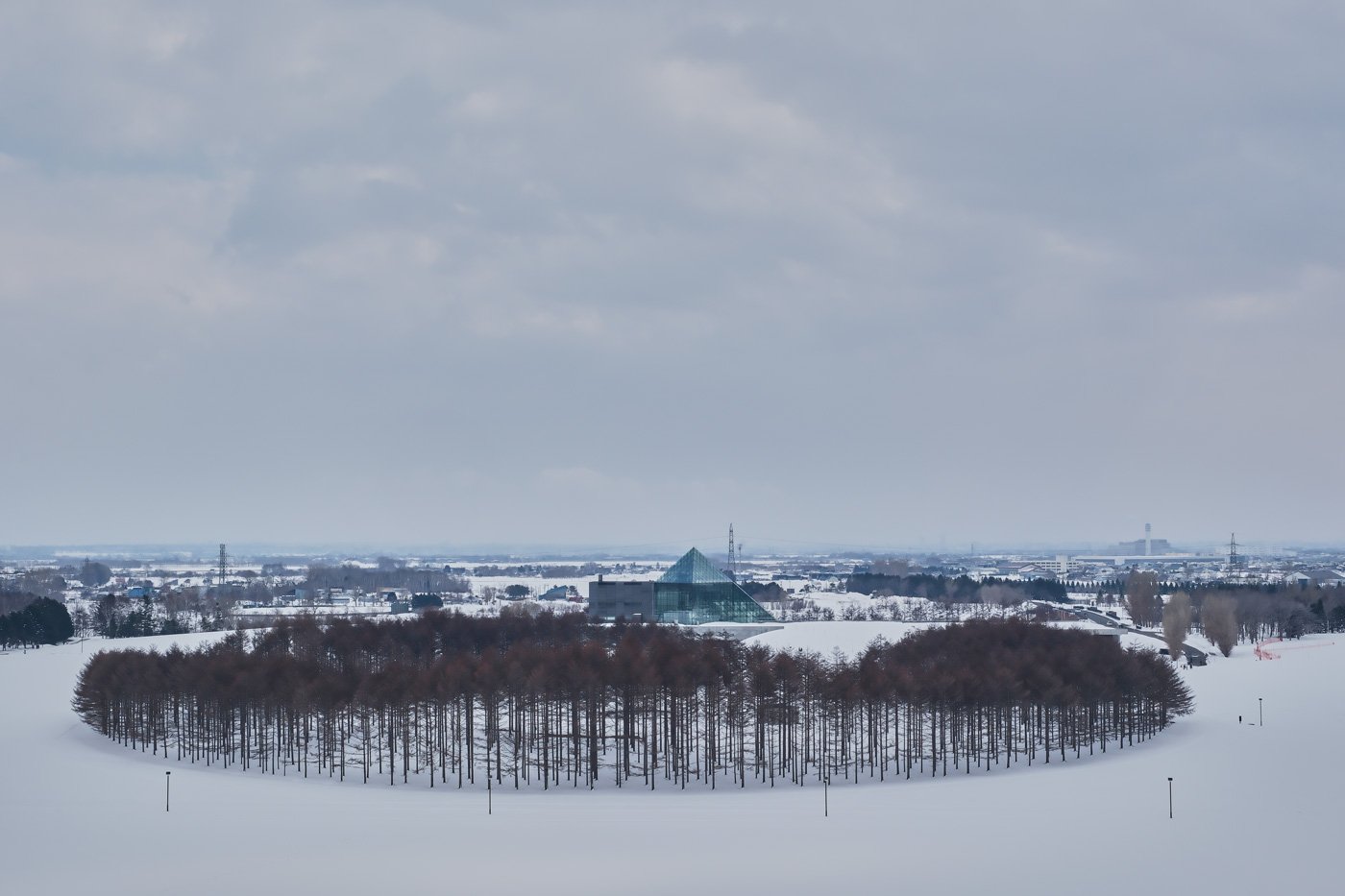
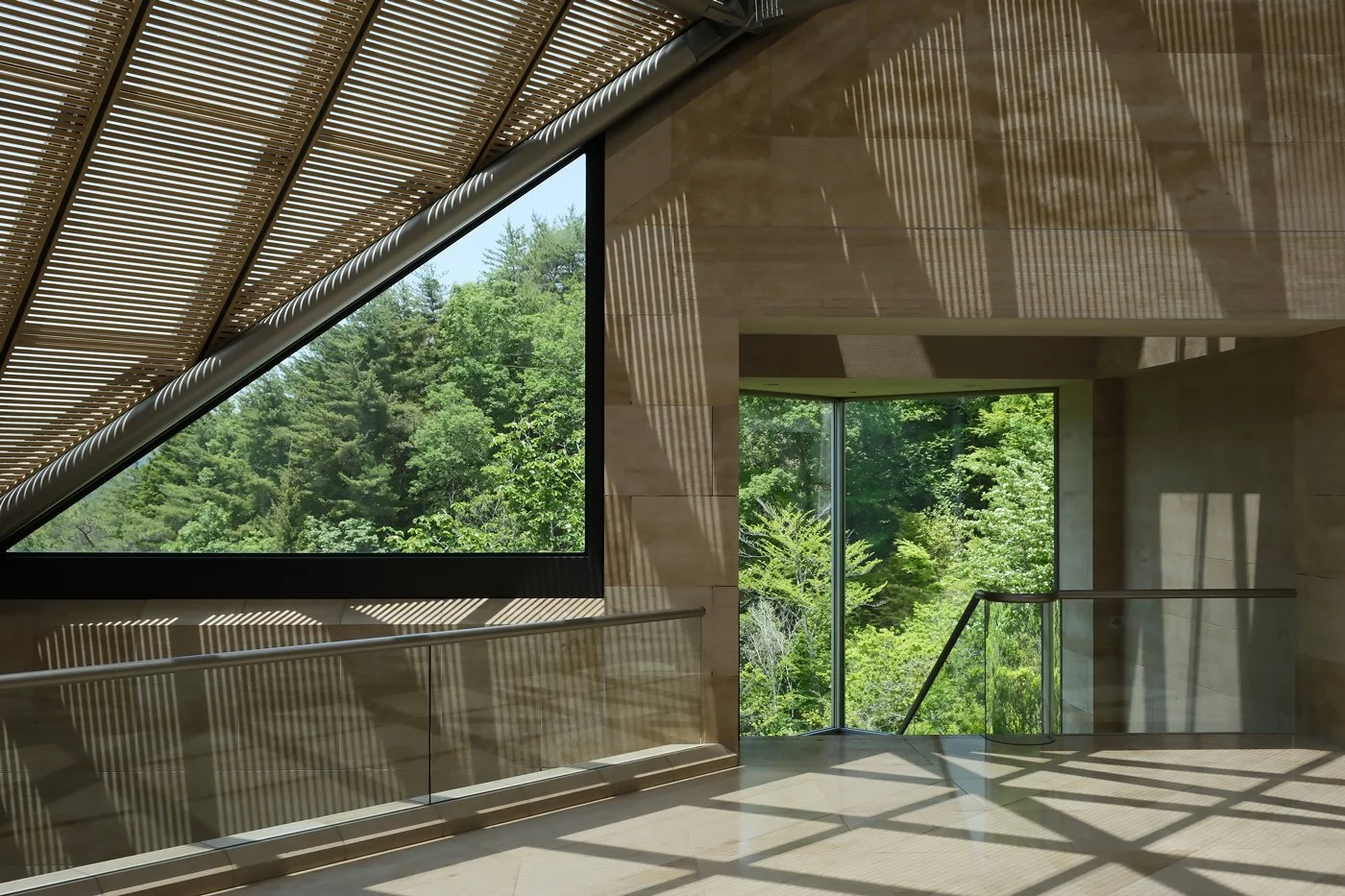
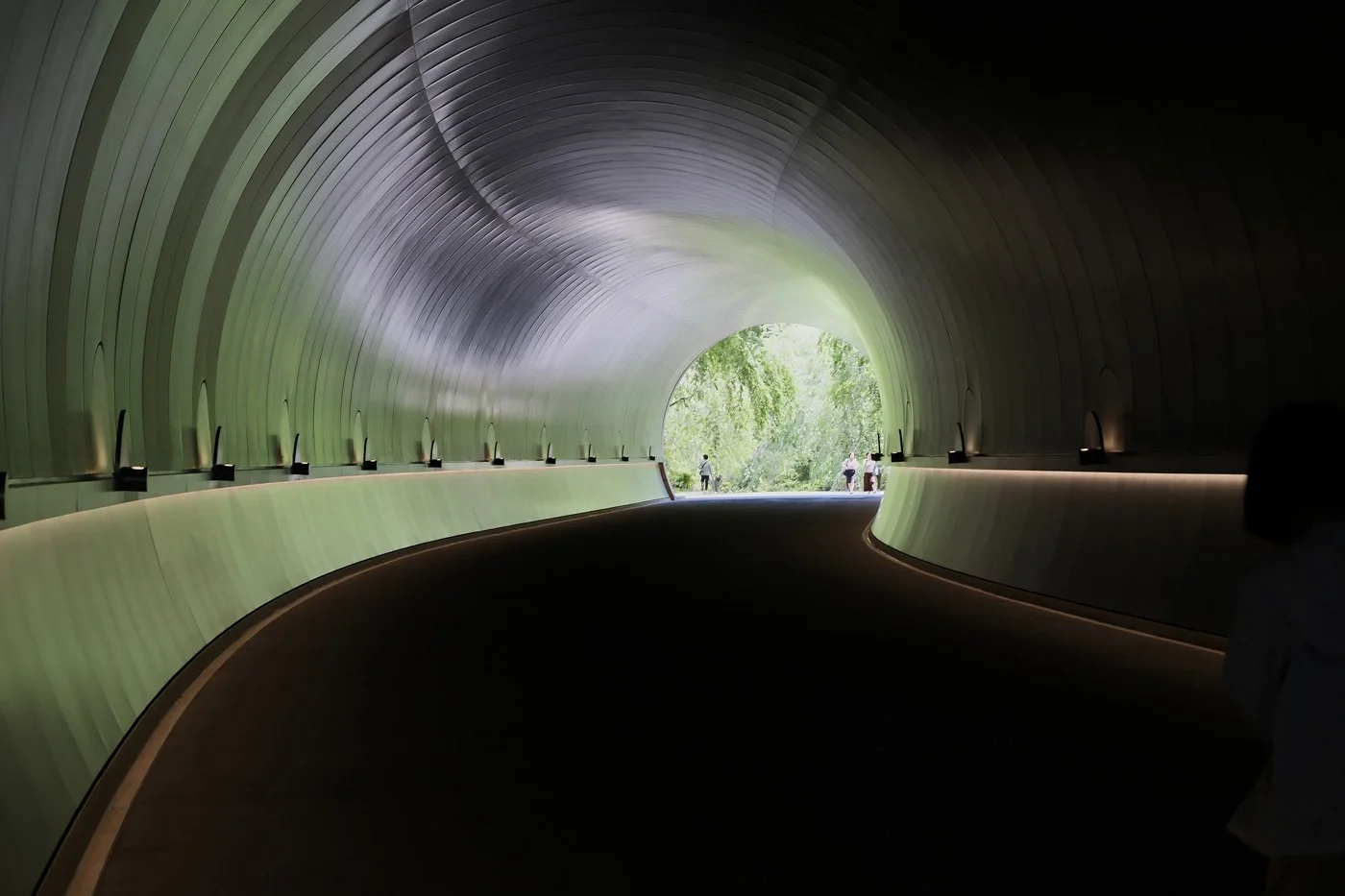
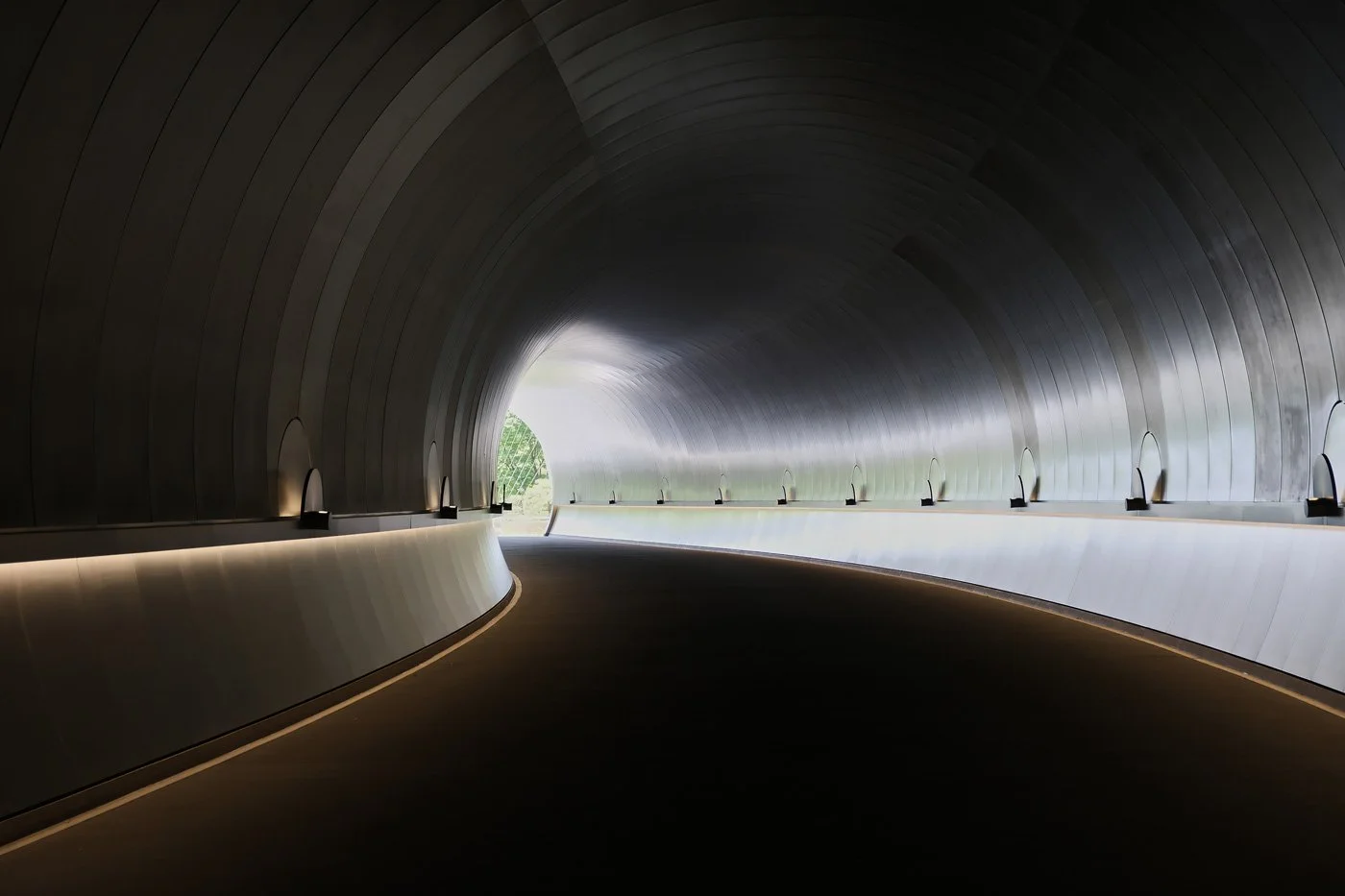
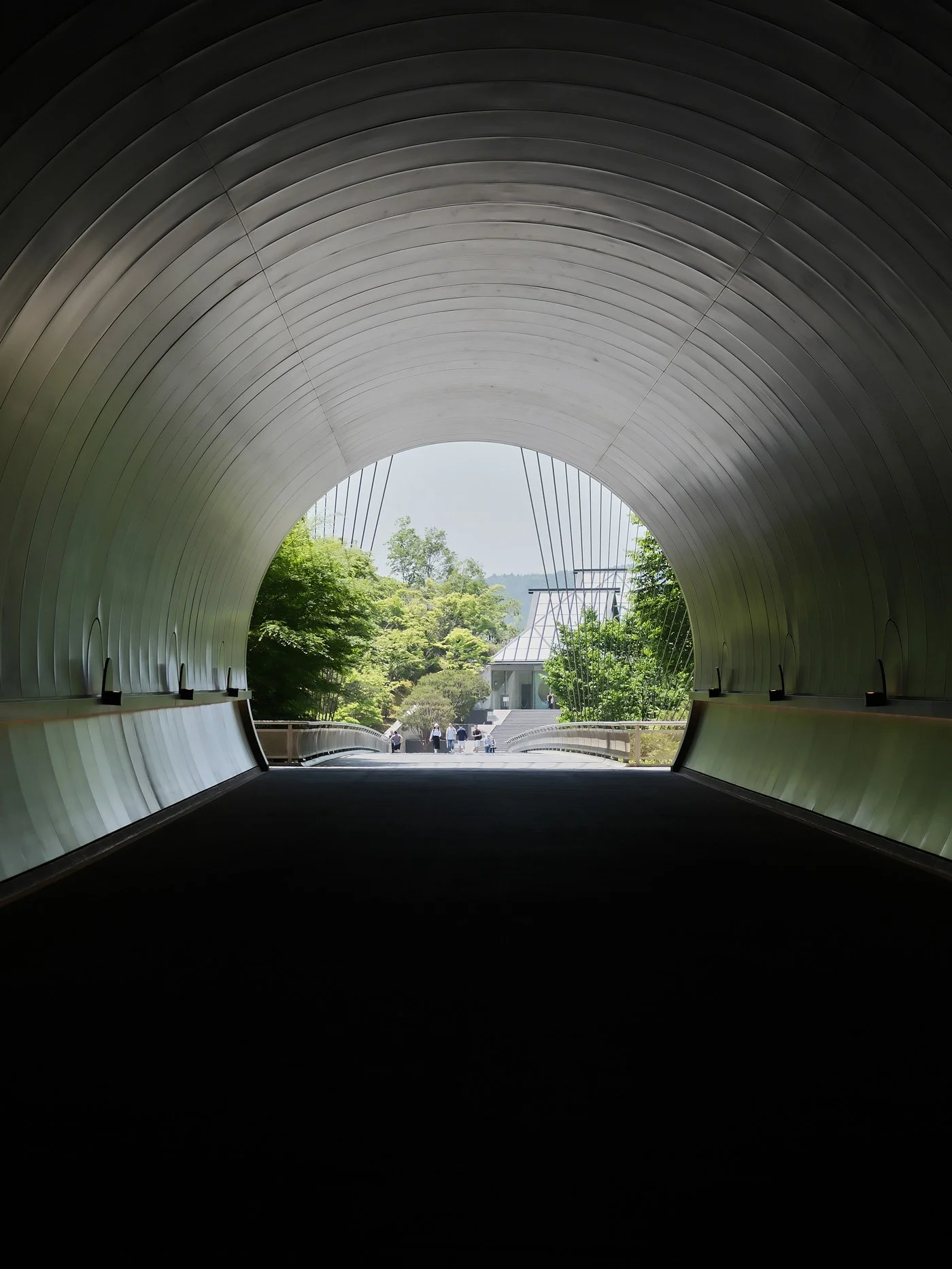
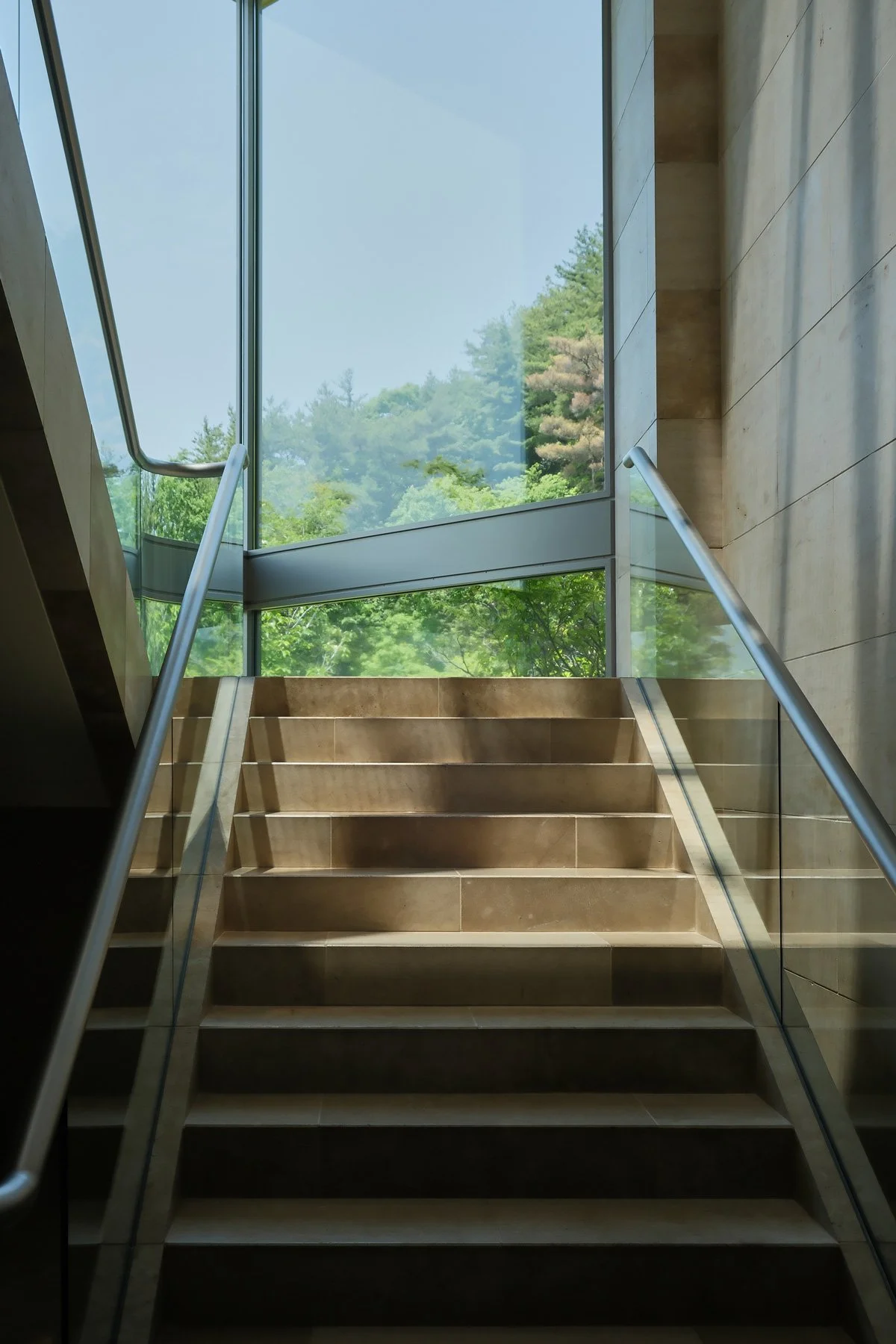
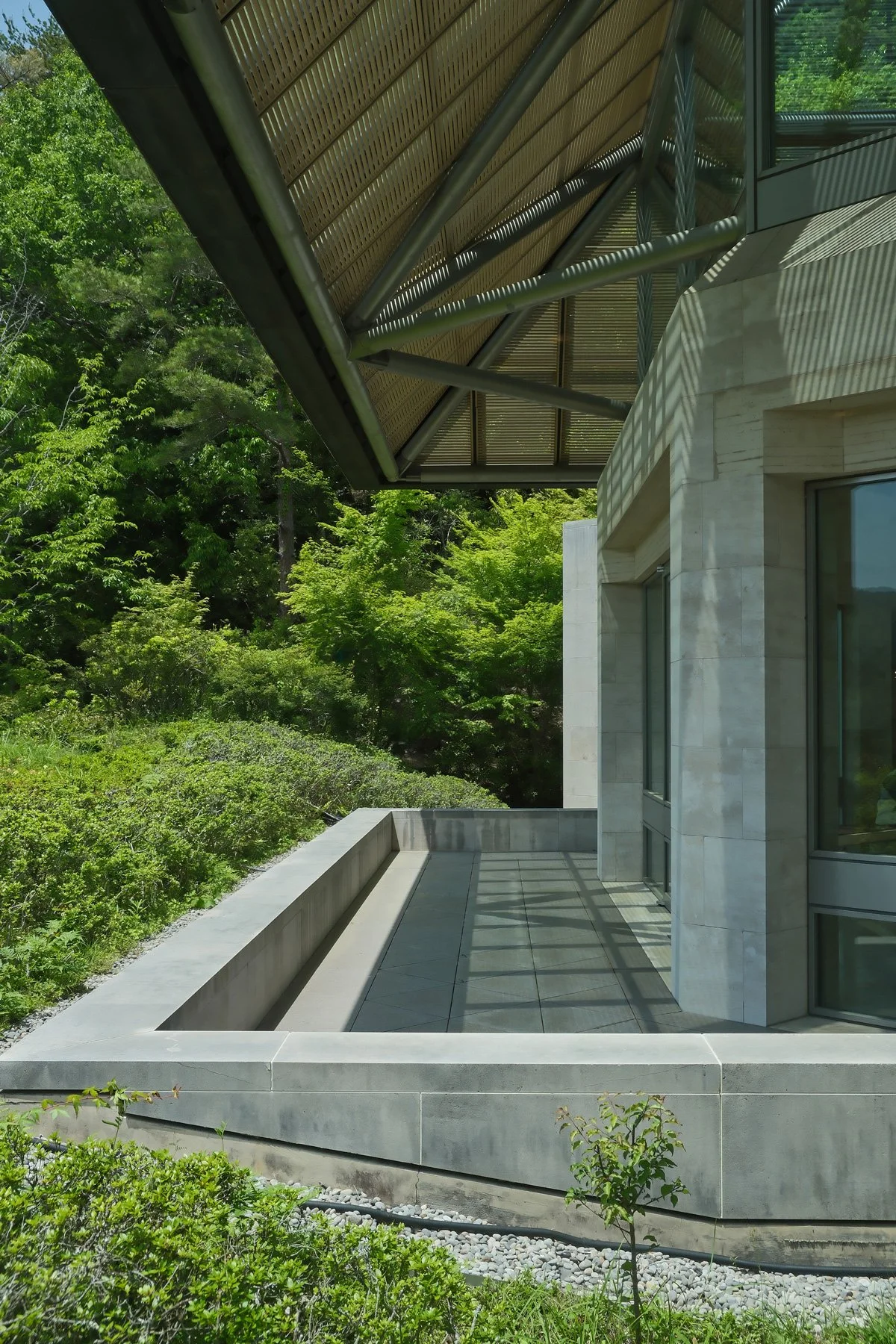
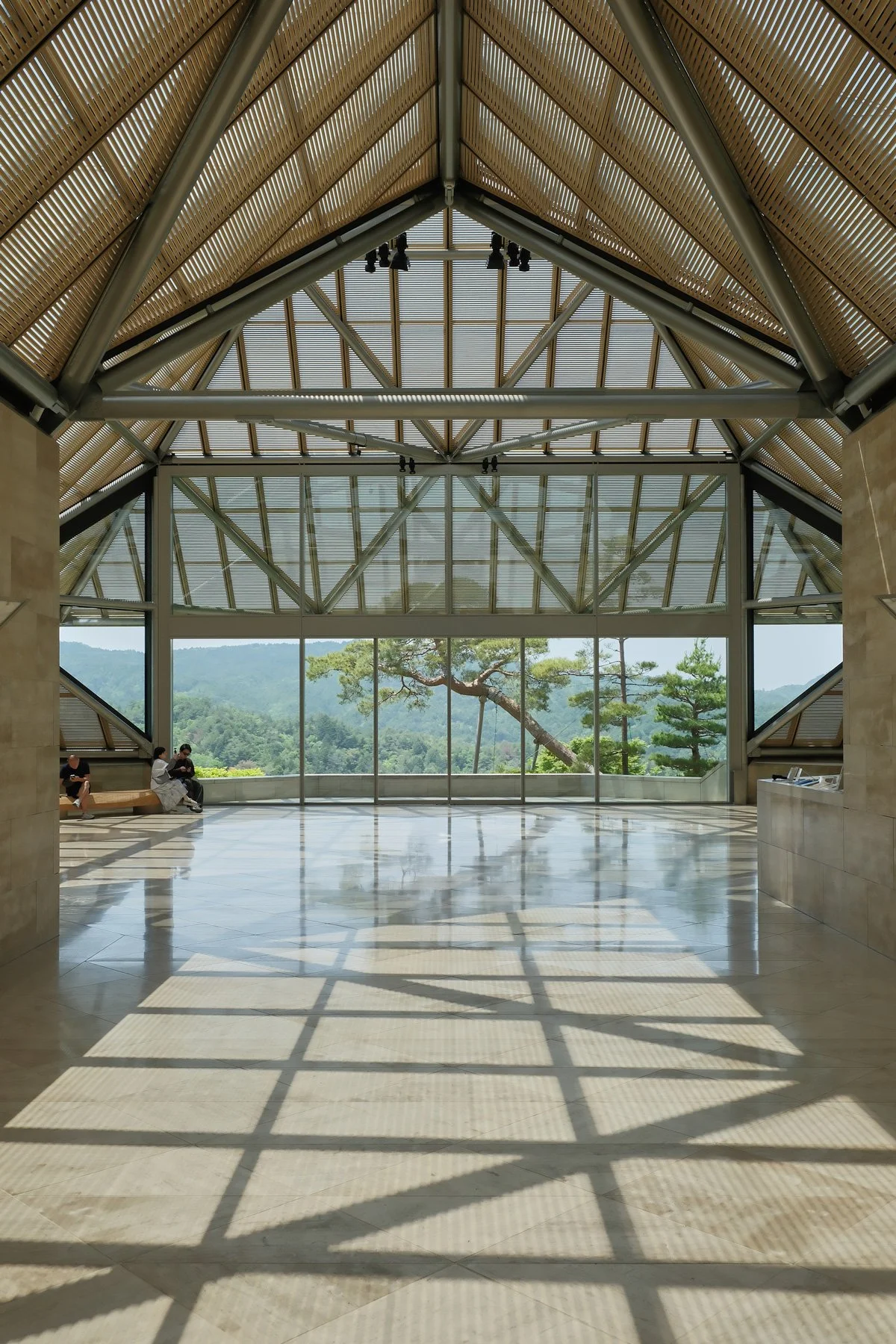
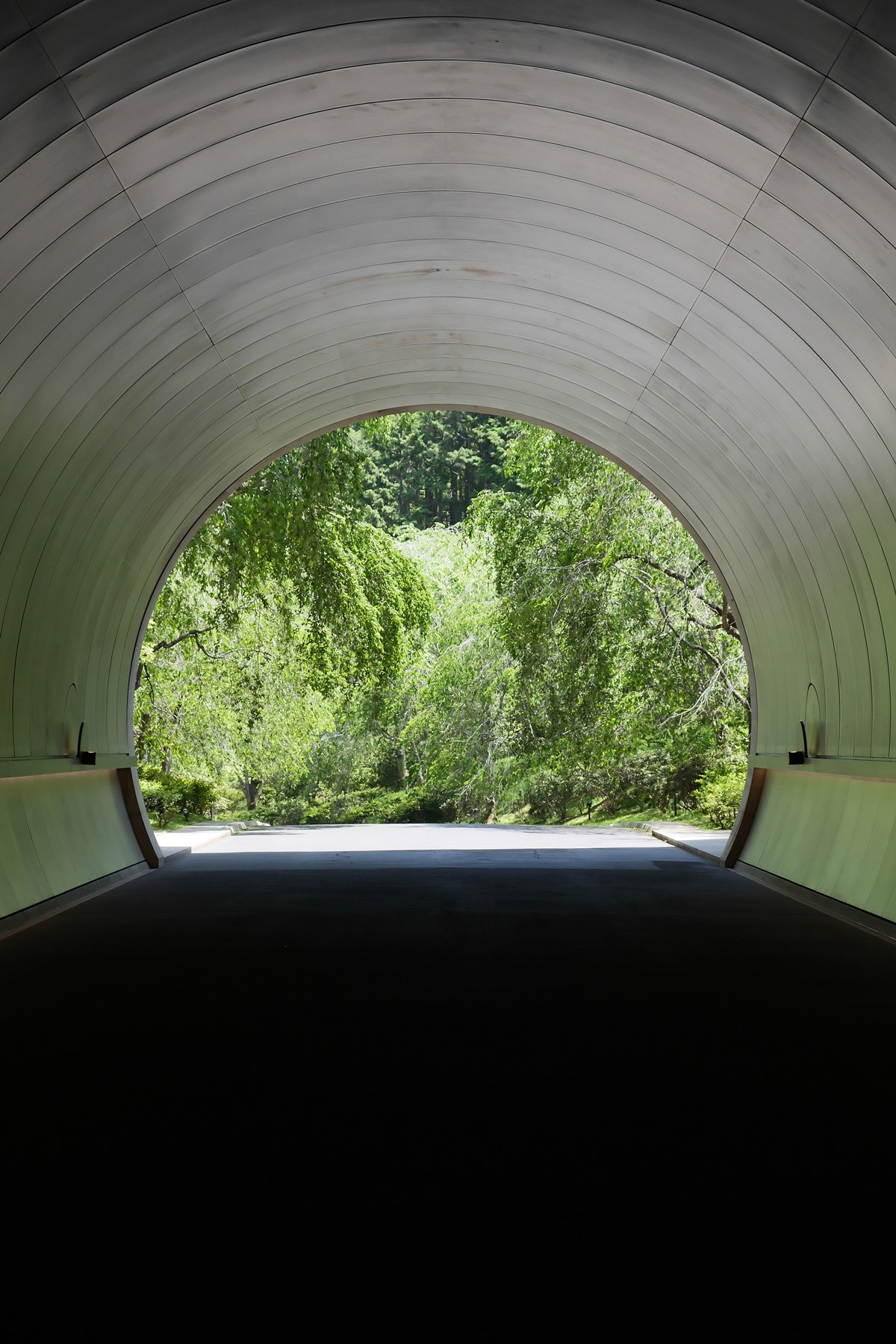
Though the MIHO Museum sits outside of Tokyo, it earns a highly personal recommendation. Nestled in the mountains of Shigaraki in Shiga Prefecture, the museum was designed by I.M. Pei, who drew inspiration from the classic Chinese tale The Peach Blossom Spring. When Danny speaks of this place, his tone carries a deep sense of fulfillment. There is a considerable walk from the reception pavilion to the main building, leading you through a tunnel whose walls catch and reflect the seasonal hues of cherry blossoms or autumn foliage. Emerging from the tunnel reveals a sweeping panorama of mountains that morph with the time of year. While he didn't visit during the cherry blossom season, the overwhelmingly lush greenery left a profound impression. "Just the walk from the tunnel to the main building is worth taking slowly. The scenery constantly shifts, and visiting in different seasons would undoubtedly yield completely different experiences." For him, that path is a destination in its own right.
-
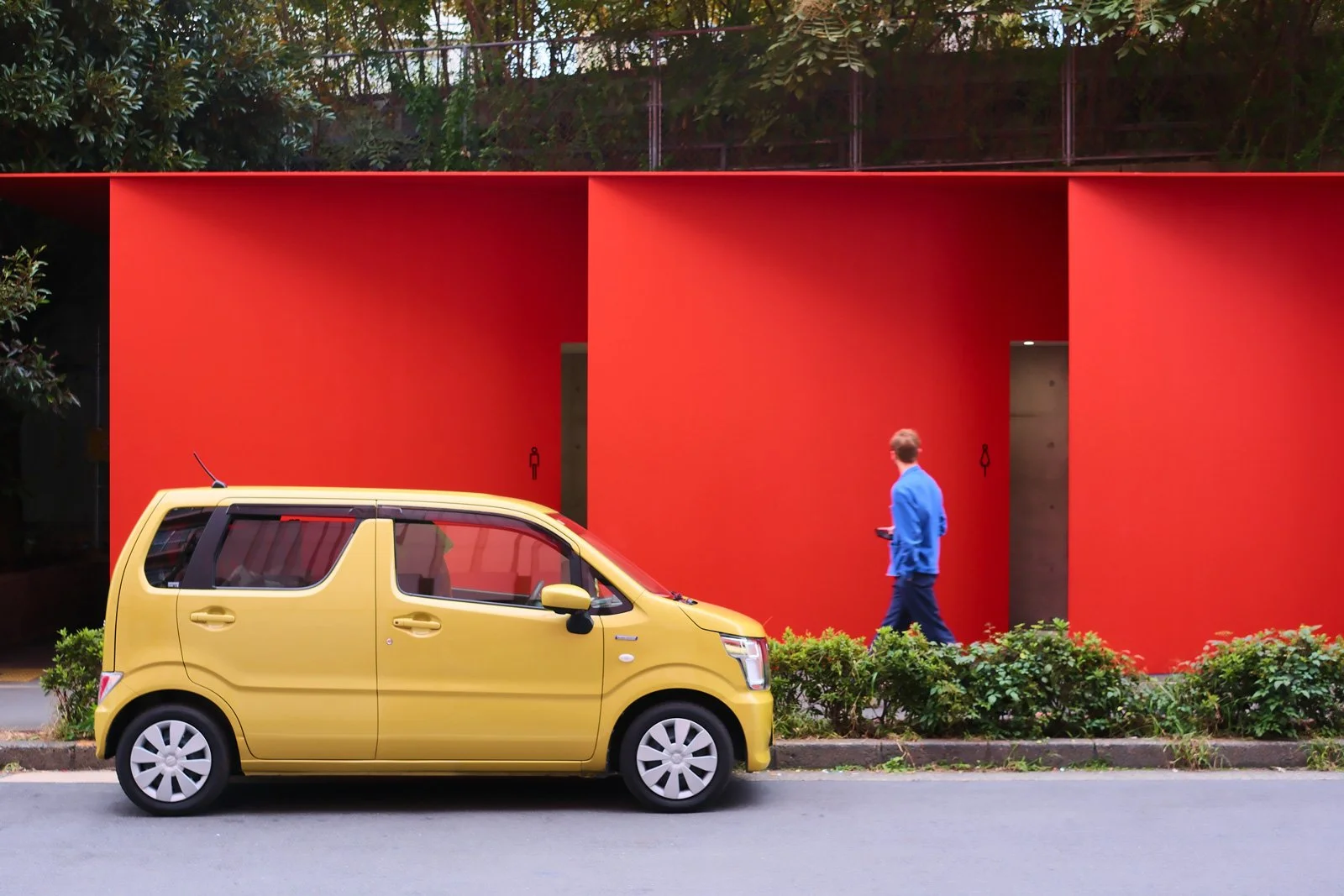
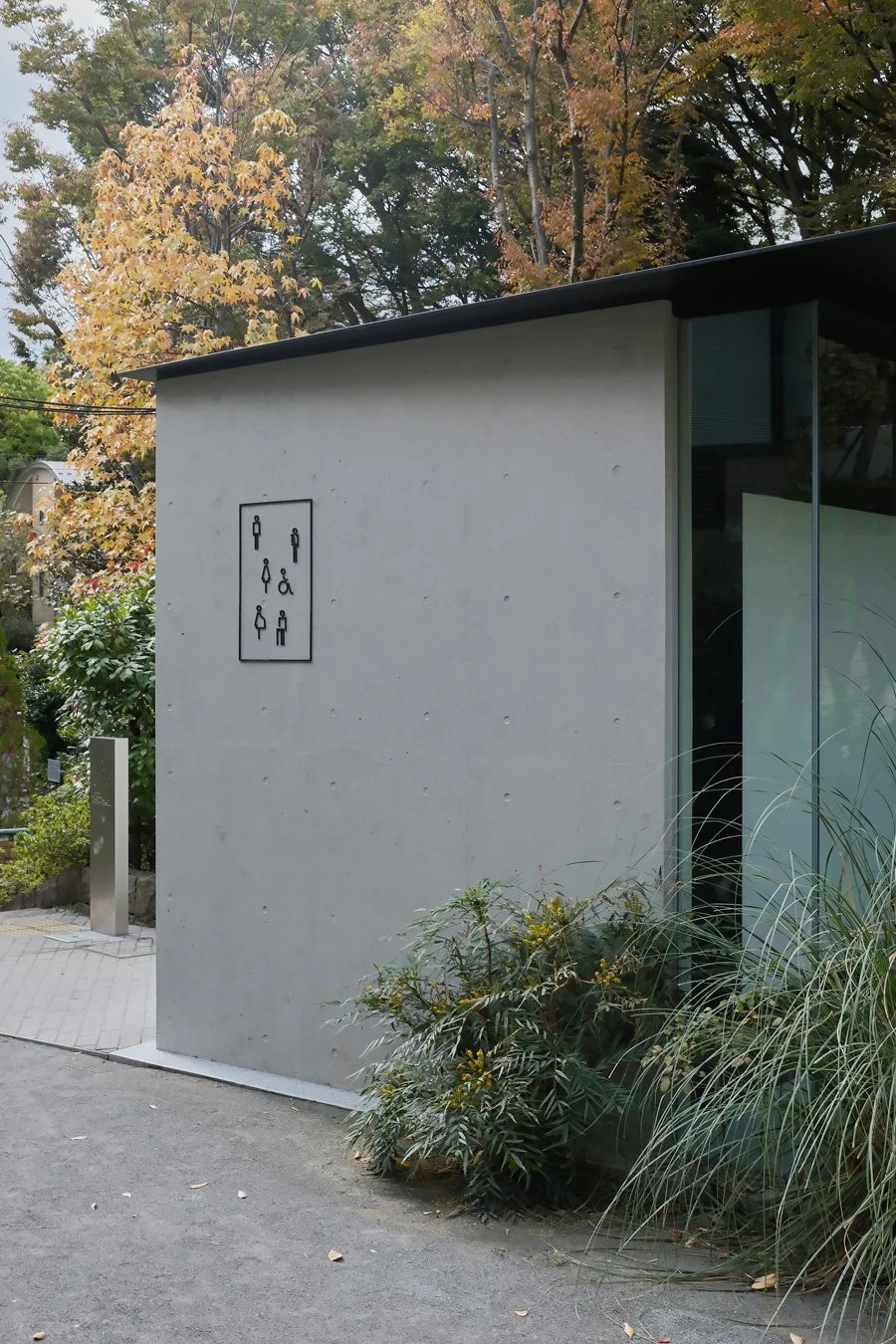
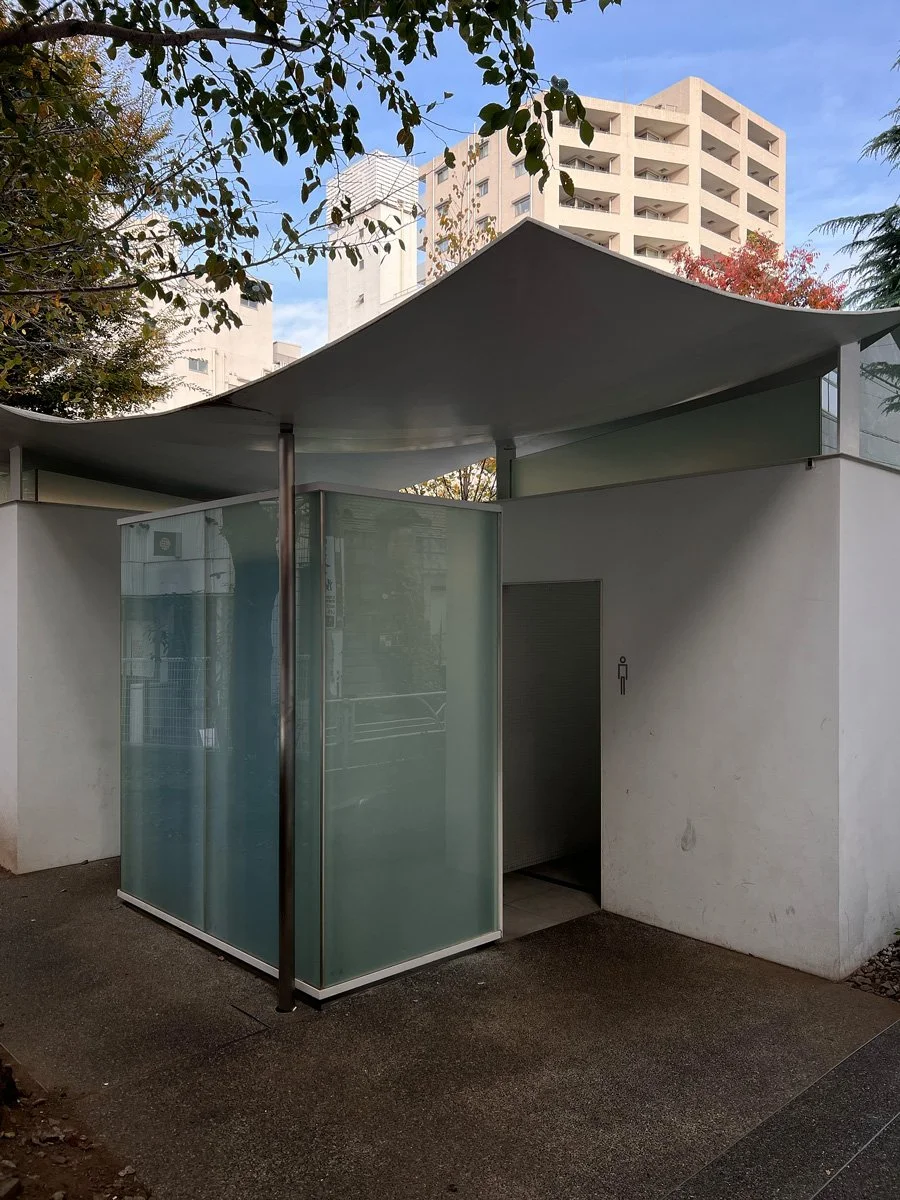
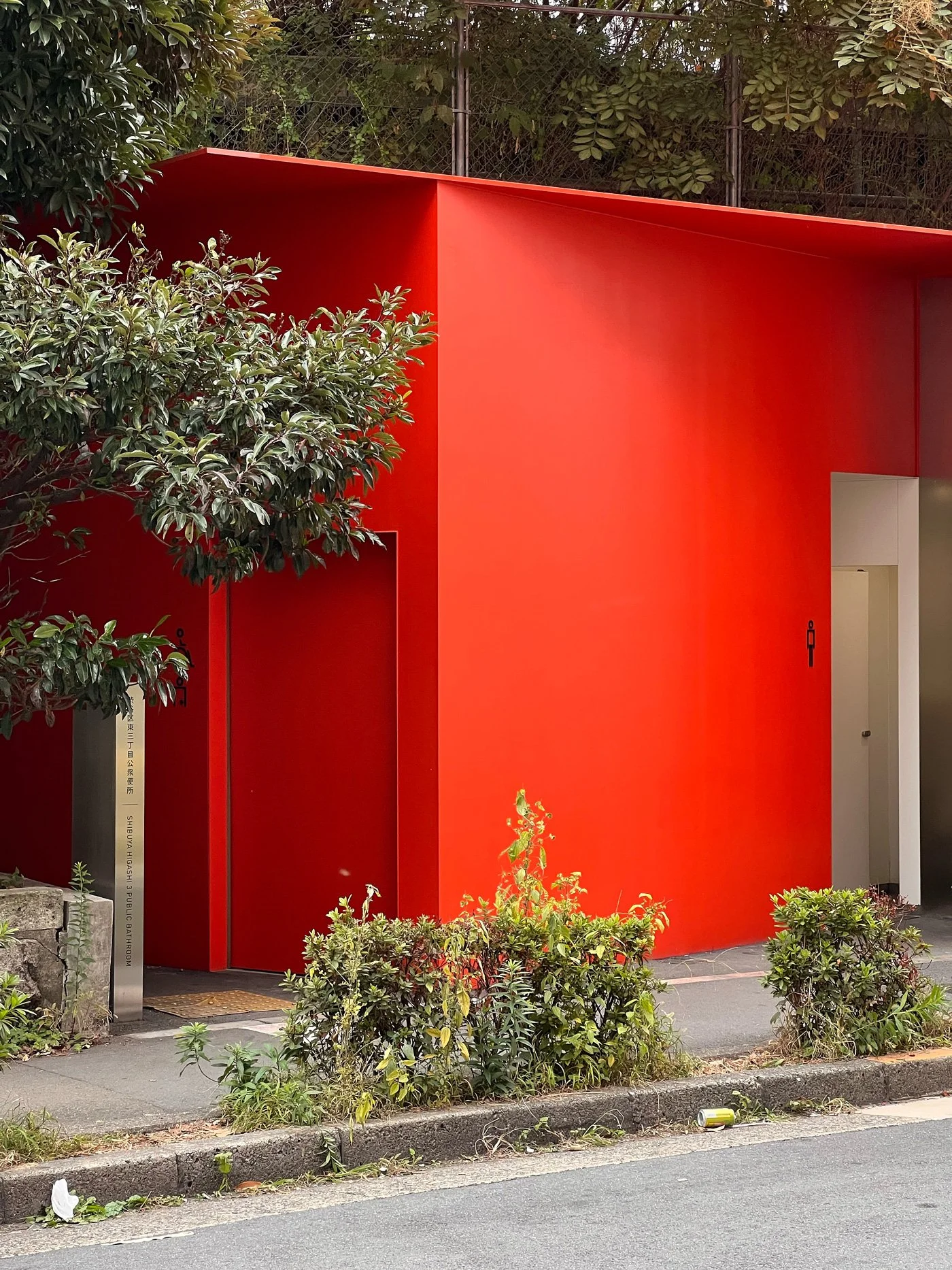
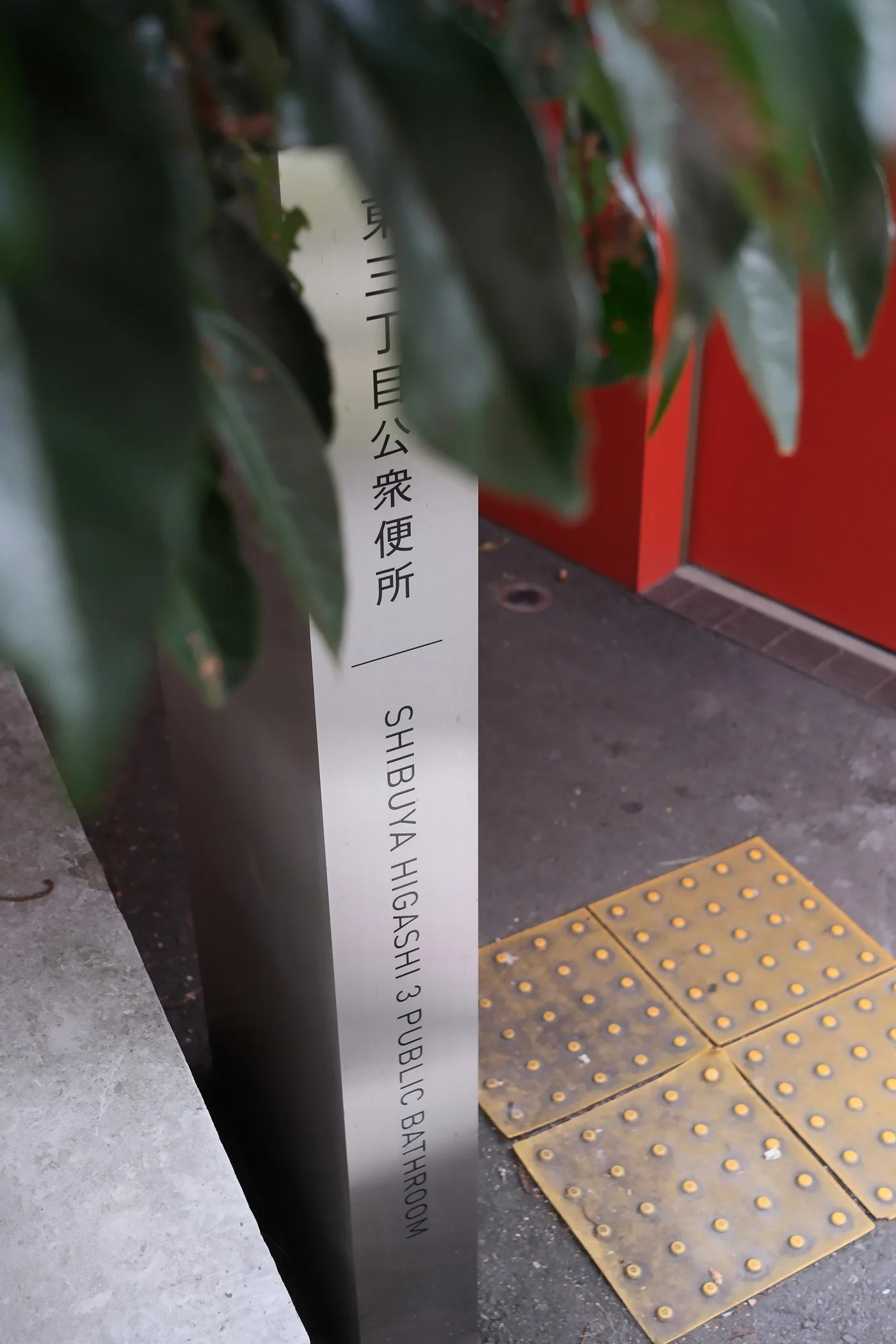
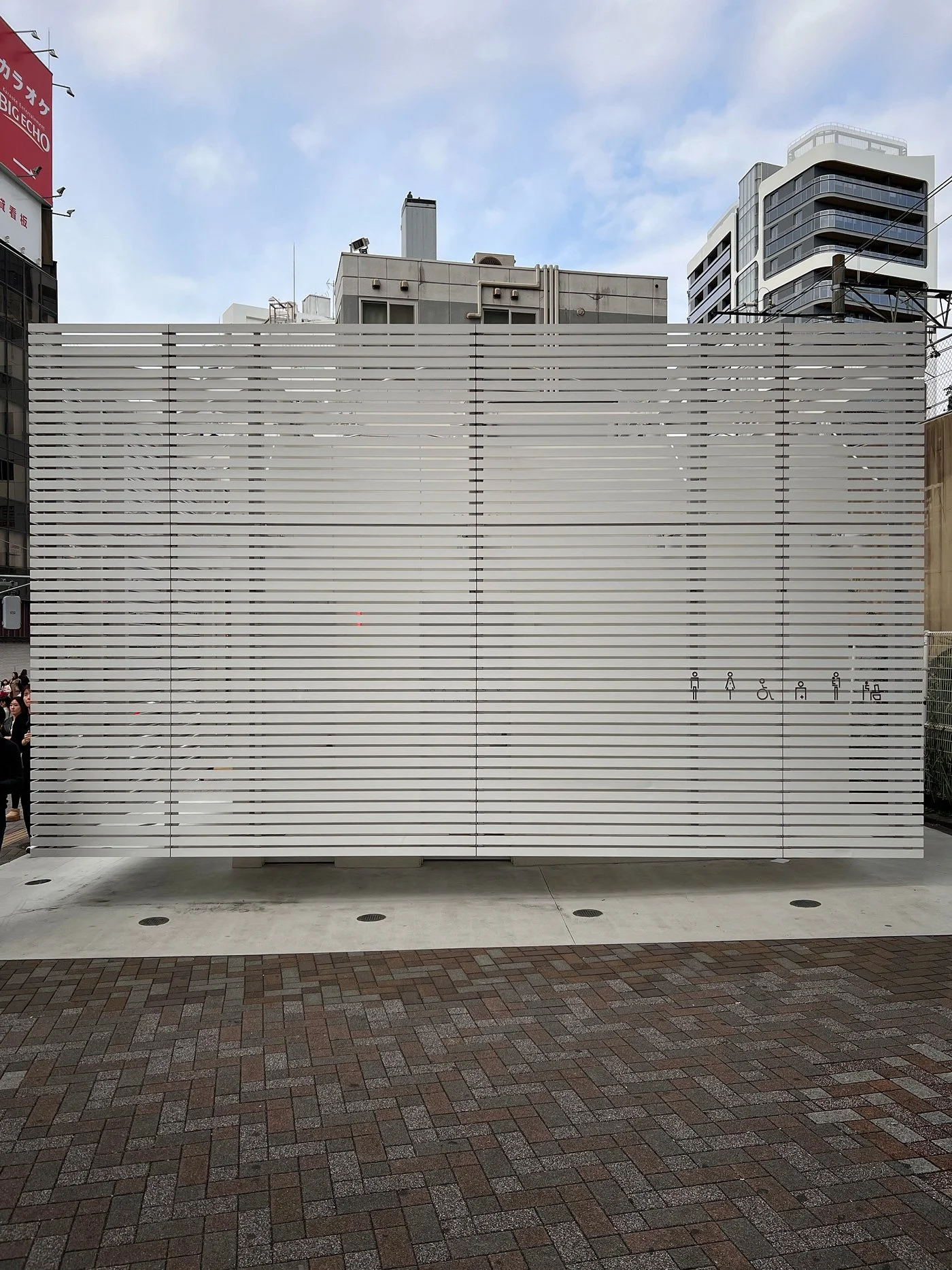
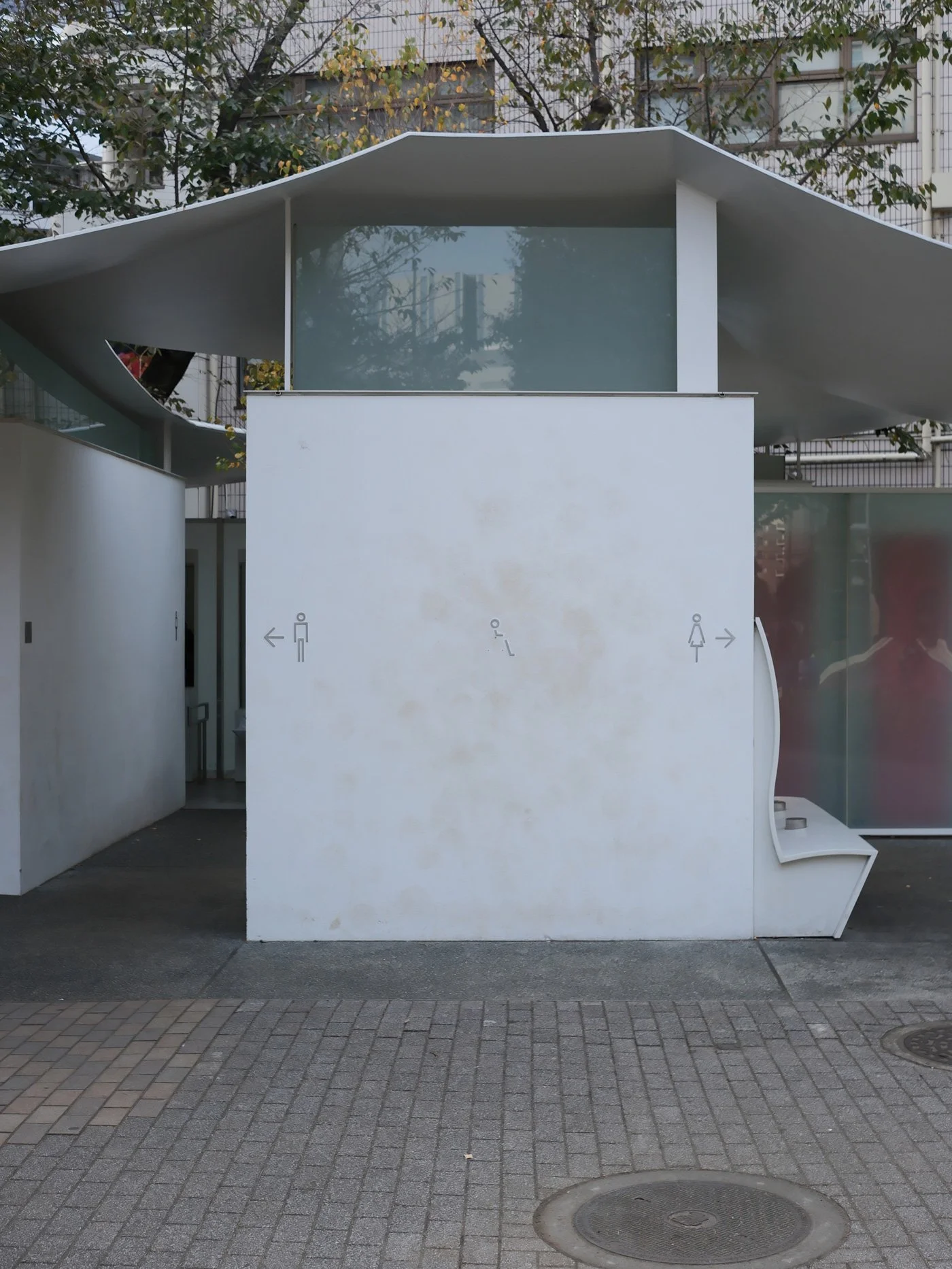
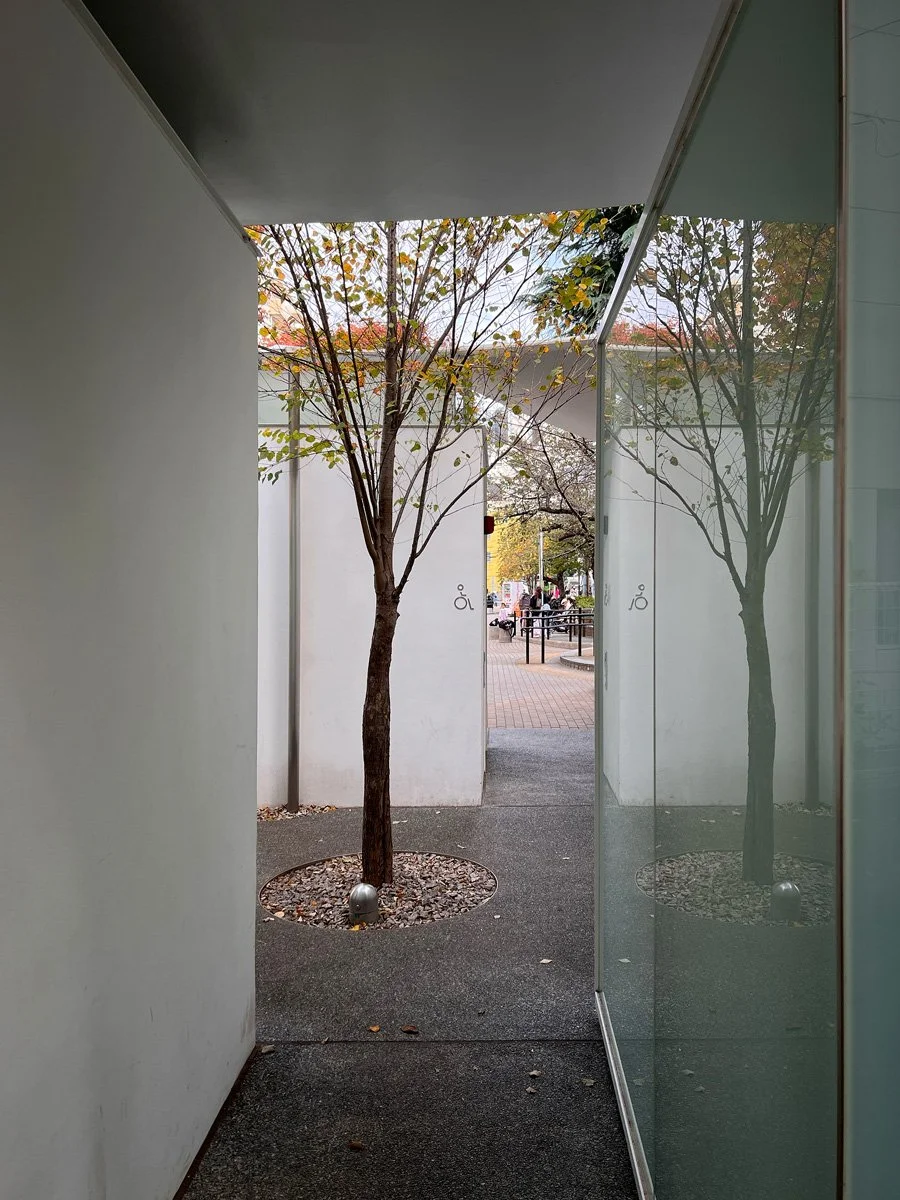
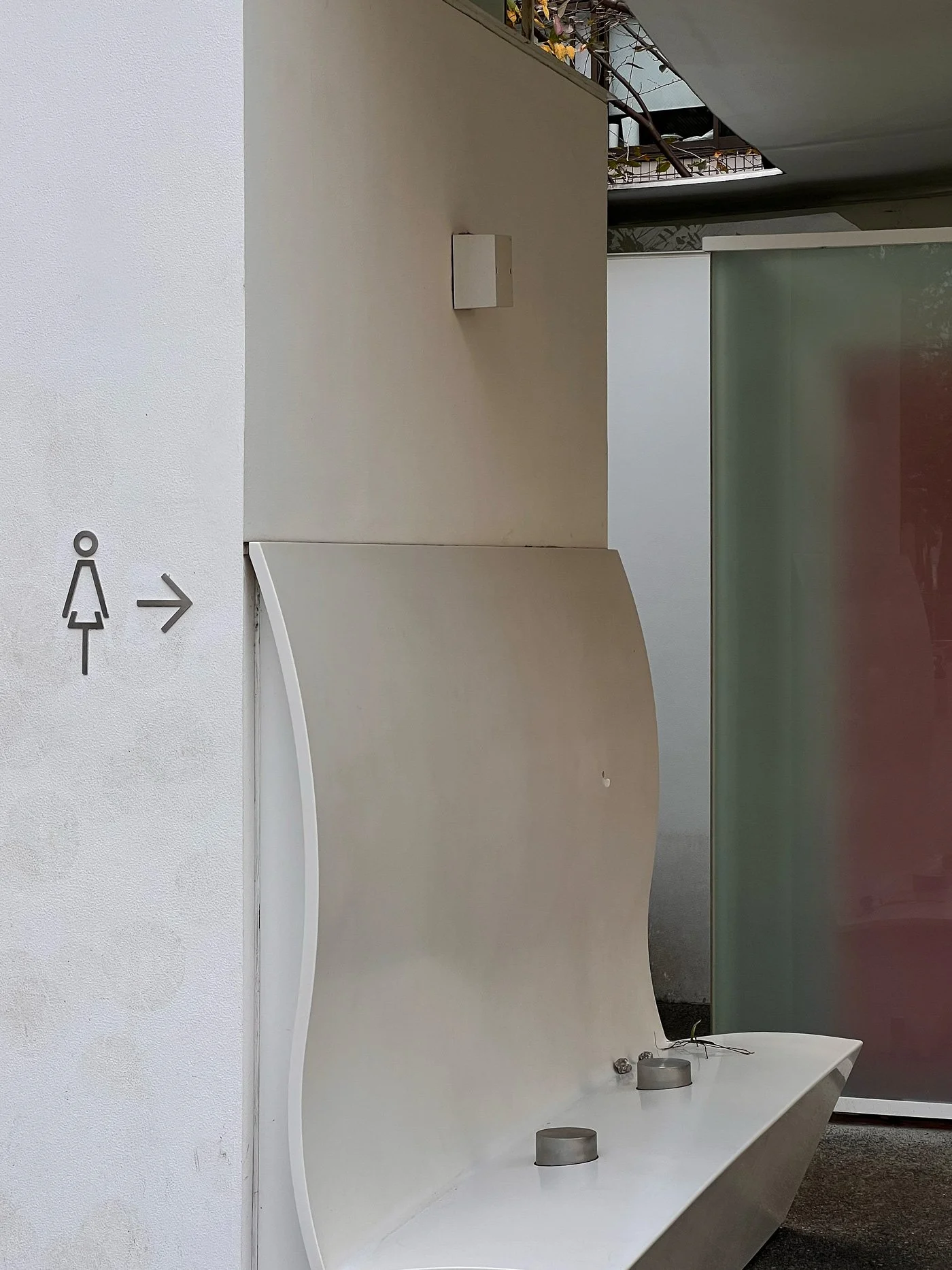
After Jamie gifted him a book on Tokyo's public restroom designs, Danny made it a point to track down several of them. Driven by the Nippon Foundation, THE TOKYO TOILET project invited 16 master architects and designers—including Tadao Ando, Kengo Kuma, Shigeru Ban, and Toyo Ito—to craft 17 public restrooms across Shibuya Ward that seamlessly blend aesthetics with functionality. Danny notes that even if you don't need to use them, simply observing the architecture is fascinating. He plans to eventually visit all 17 locations and curate his own personal map of Tokyo's public toilets.
-
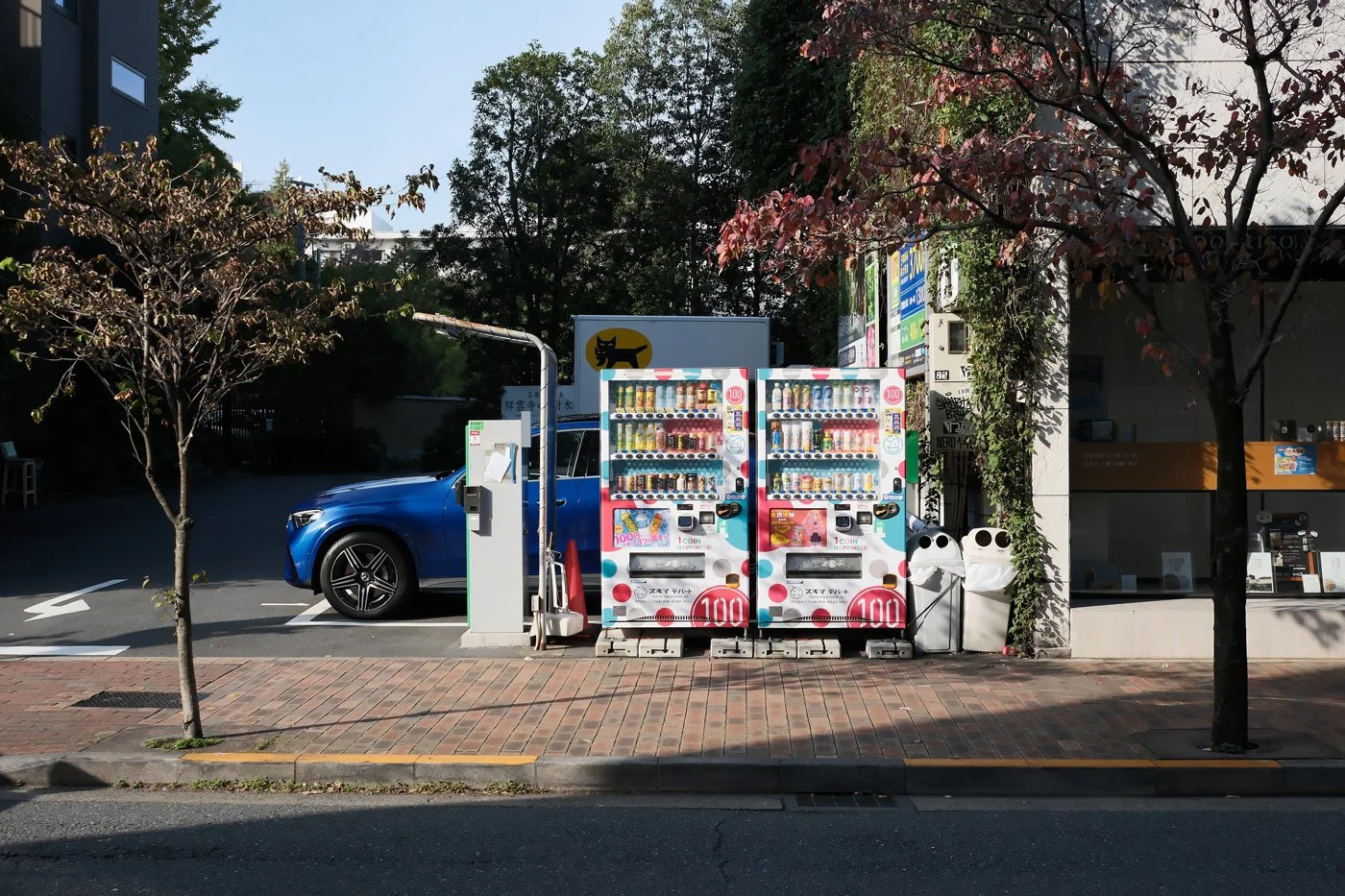
This last one is Danny’s personal quirk. Whenever he visits Japan, he makes a point of buying drinks from vending machines everywhere he goes. He is especially captivated by the solitary machines that crop up in the most unexpected places—at the dead end of a remote alley or along a desolate stretch of road. The next time you find yourself wandering through Tokyo, keep an eye out for them; those quietly glowing, solitary vending machines just might be the city's most unintentionally charming scenery.