
「走過無邊的遼闊風景,我內心也變得更自由了」— 攝影師 Weng 的開普敦記事
-
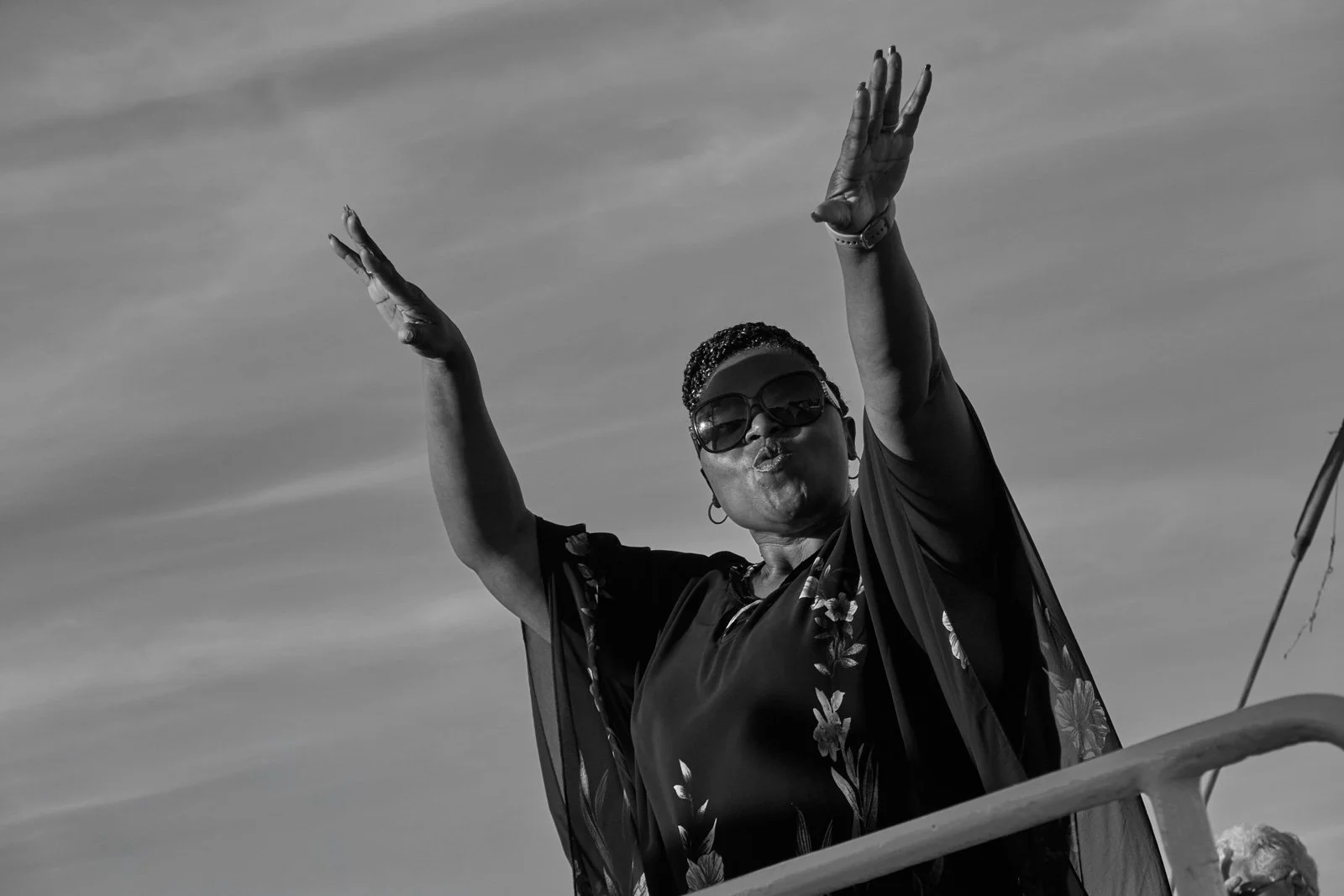
In her daily life as a spatial photographer for Hey!Cheese, Weng is accustomed to being a composed observer. When stepping into an unfamiliar space, she acts like a silent sponge, first absorbing the narratives of the designer and the homeowner. She then retreats behind the viewfinder, focusing her lens on the enchanting interplay of light and shadow, or the quiet poetry found in a room's finer details.
However, when the setting shifted to Cape Town, South Africa—an 18-hour flight from Taiwan—her established visual frameworks began to loosen.
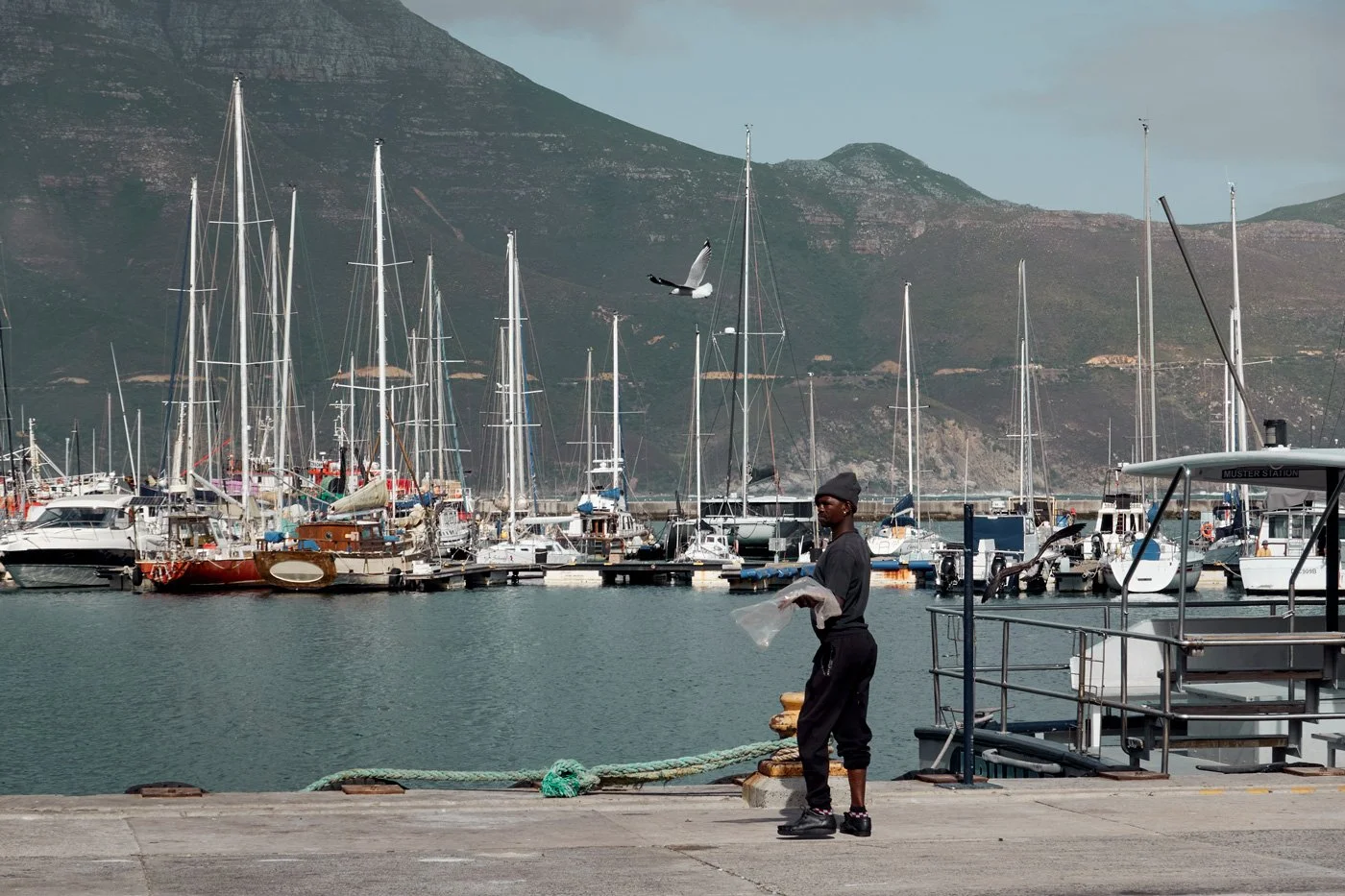
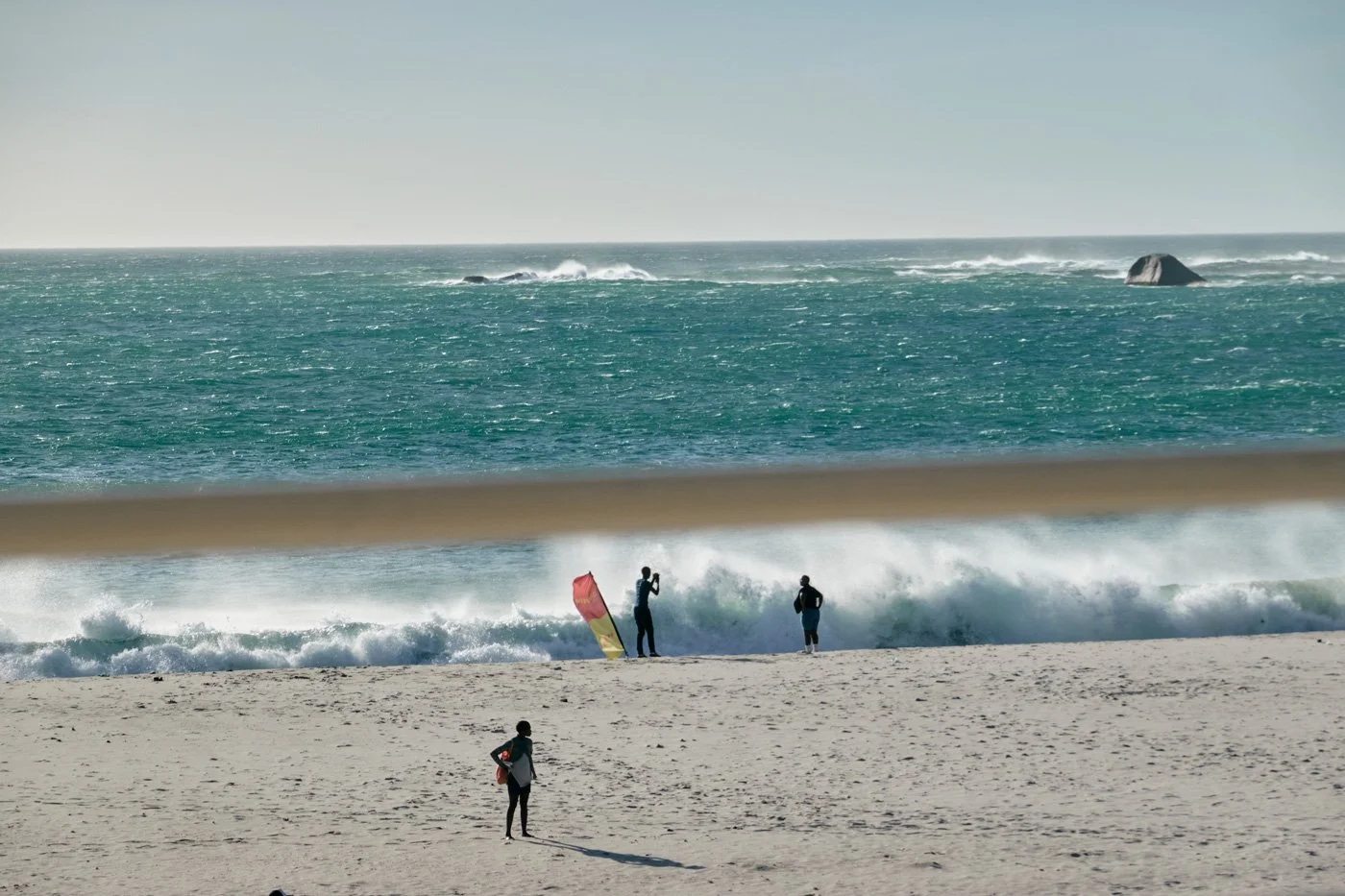
This journey across the globe began with an almost surreal stroke of luck: a round-trip ticket won through a Facebook giveaway. This "too good to be true" beginning thrust her into a realm of total unknown. Before departing, Weng’s mental image of Africa was limited to wild savannas and the Cape of Good Hope from geography textbooks. The rest was a blank canvas—and it was precisely this emptiness that allowed her senses to fully open to the towering cliffs, the vast coastlines, and the kaleidoscopic colors of the city.
-
A City of Contrasts
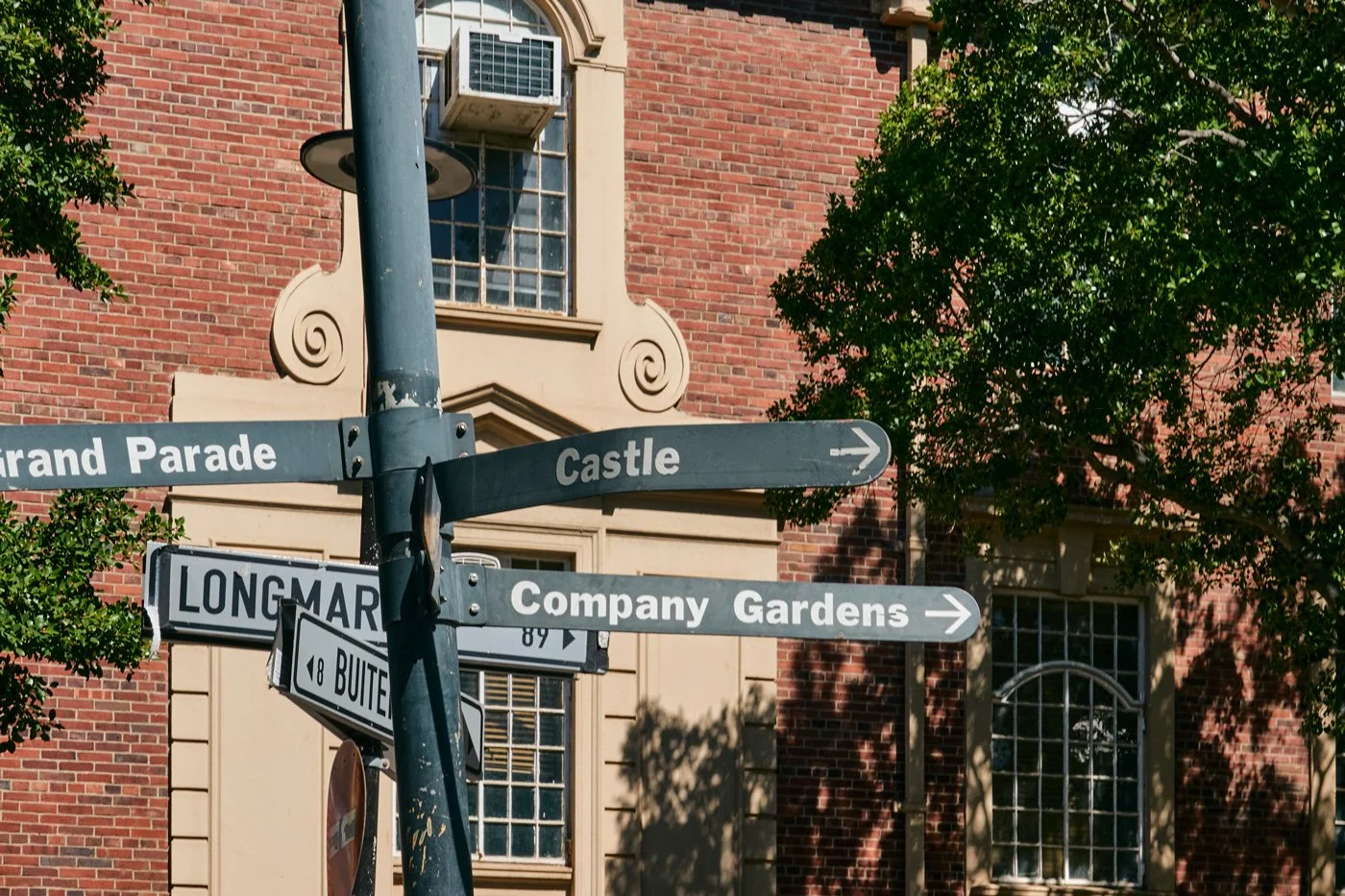
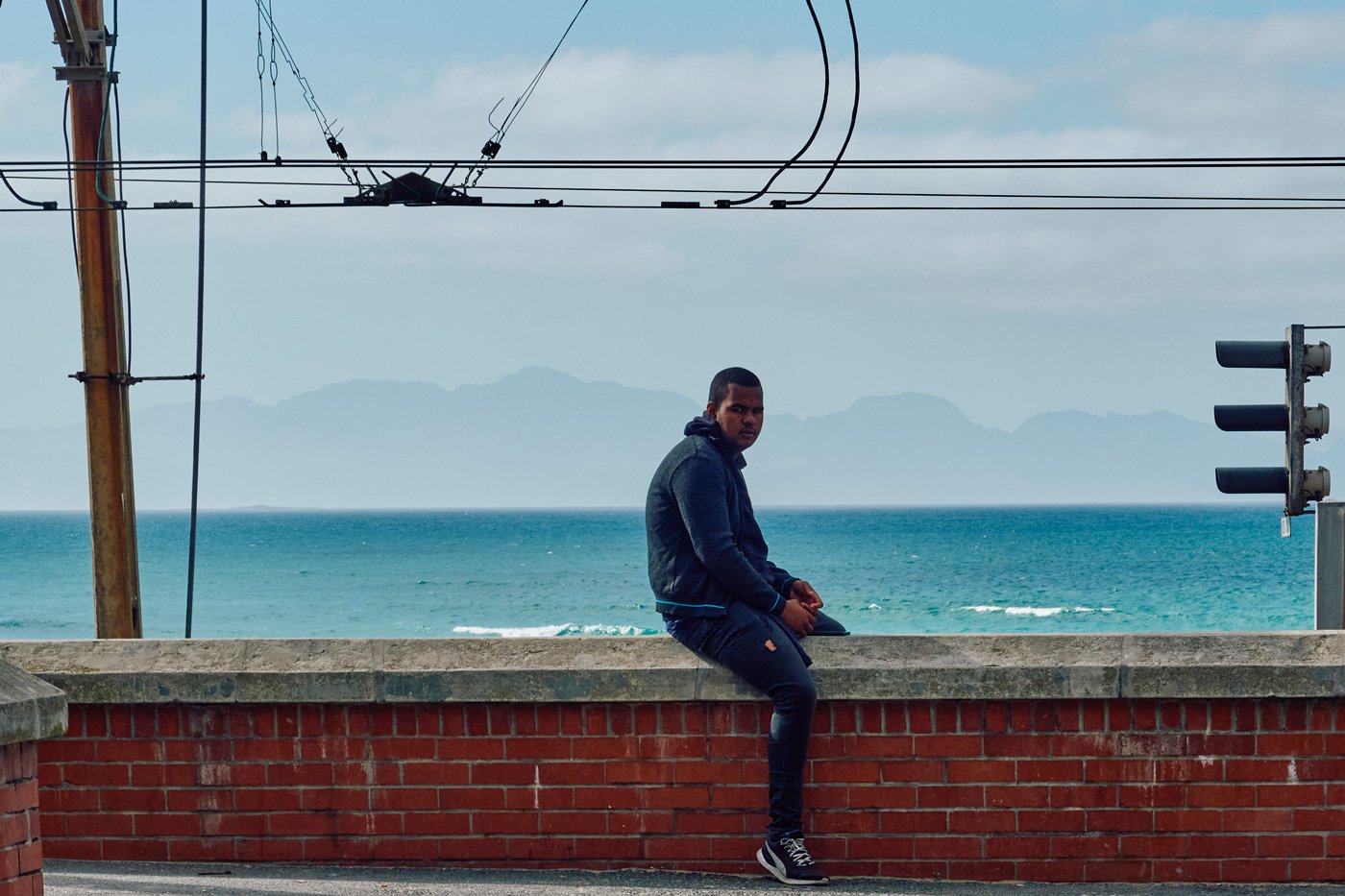
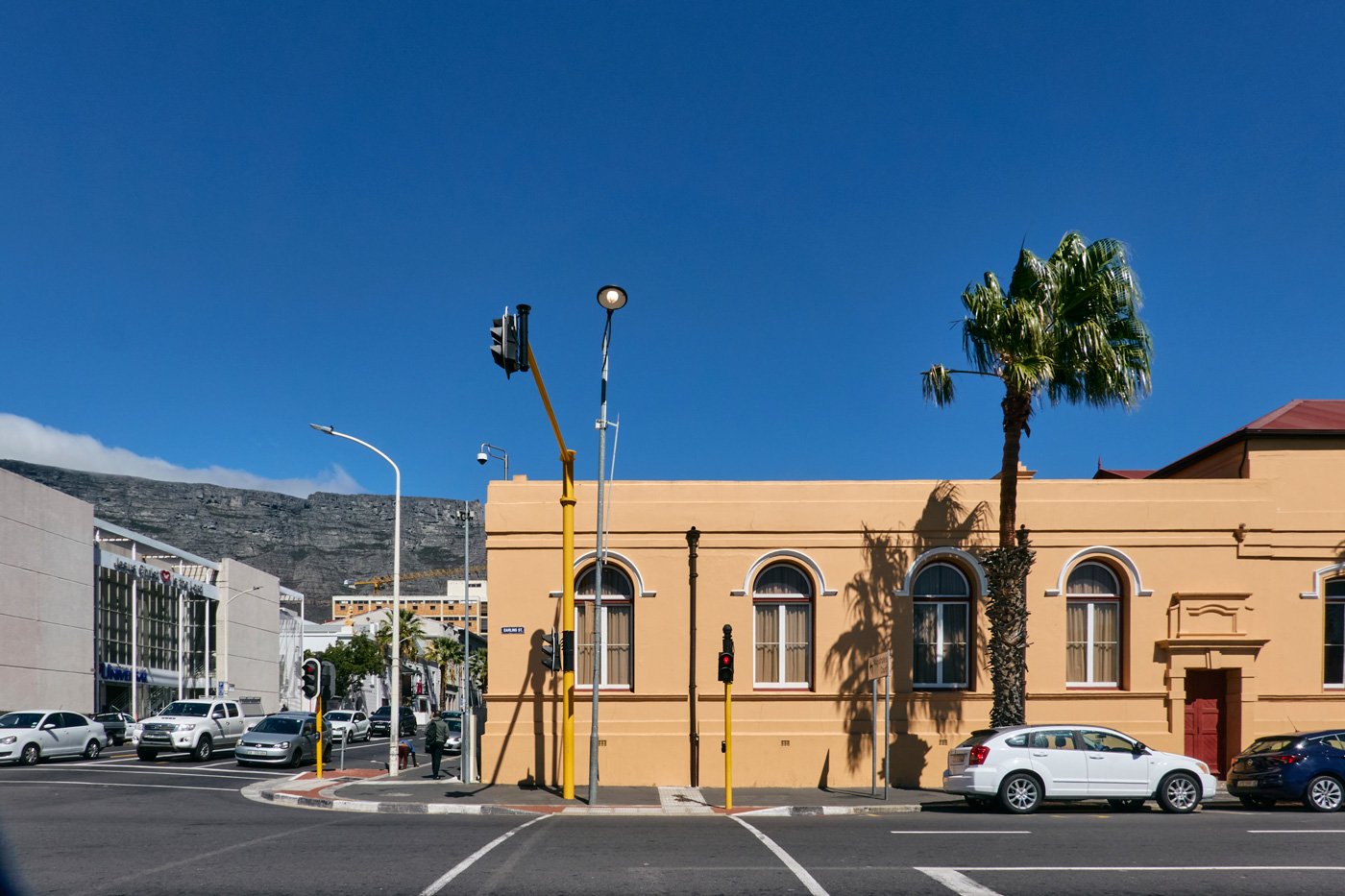
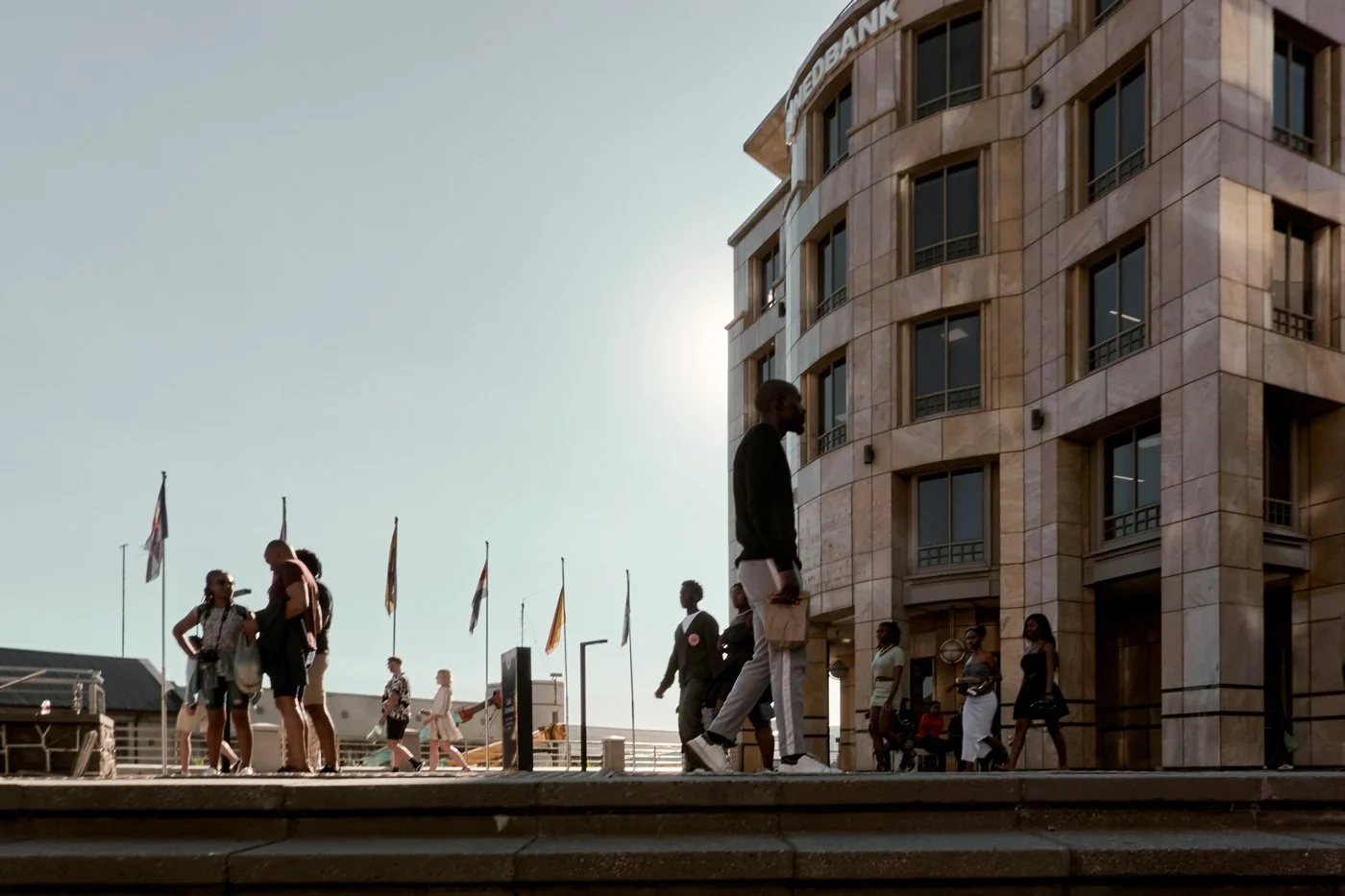
Upon landing, Weng wasn't greeted by swirling desert sands, but by a modern, high-rise coastal city. As a premier holiday destination, Cape Town moves at a languid pace. "It felt as though no one was in a rush to work or fulfill a specific agenda," she notes.
Yet, the city possesses a "Cinderella-like" duality. By day, it is vibrant and relaxed; but as the sun dips below the horizon, the stark reality of wealth inequality emerges under the cover of night.
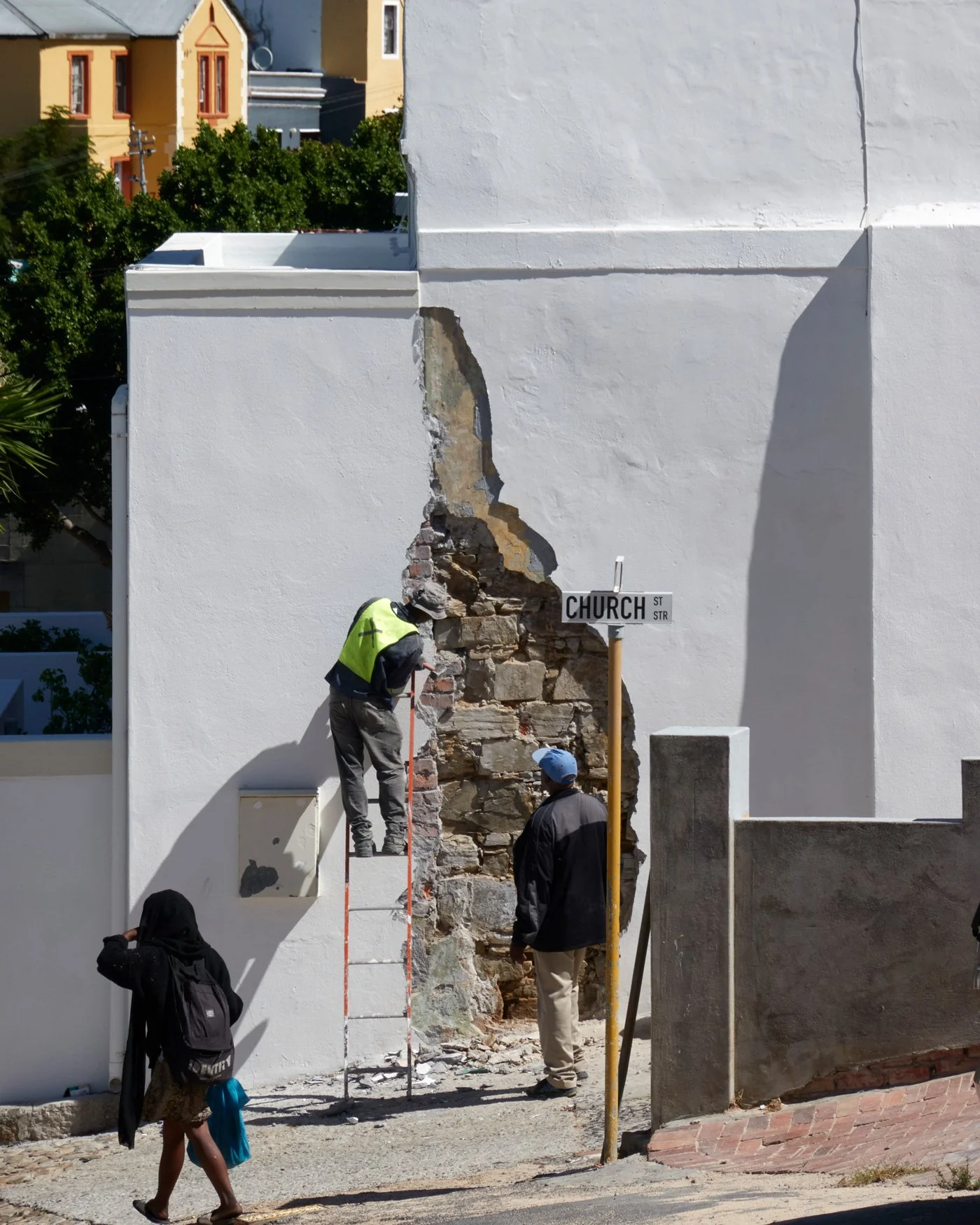
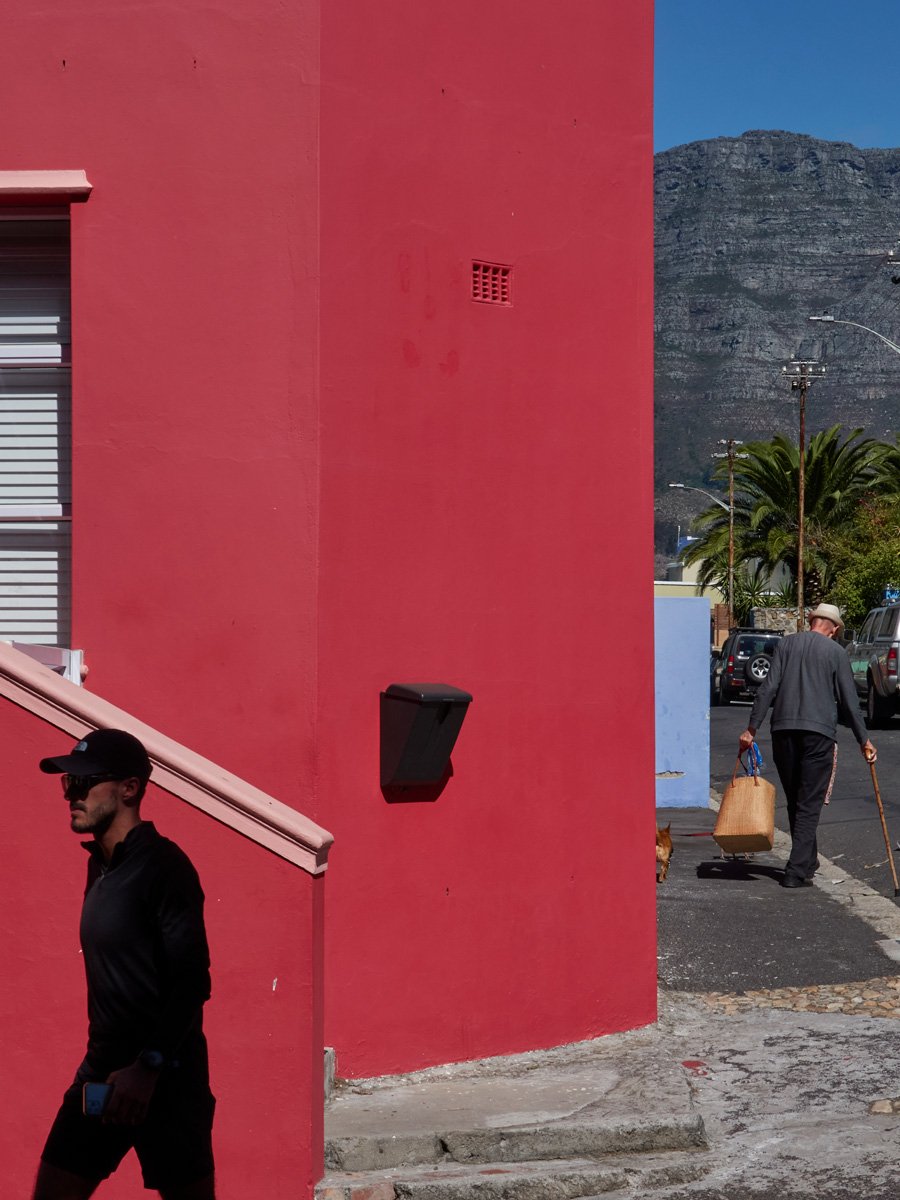
Walking the streets as a rare Asian face, Weng initially felt the tension of expressionless stares from locals. However, once she engaged with them, she discovered an irrepressible optimism. This spirit, paired with the vivid attire and the ubiquitous red accents found throughout the city, defined South Africa’s palette in her mind. "That specific red stayed with me. To me, it represents a place of immense passion and vitality."
-
Lessons from the Great Outdoors
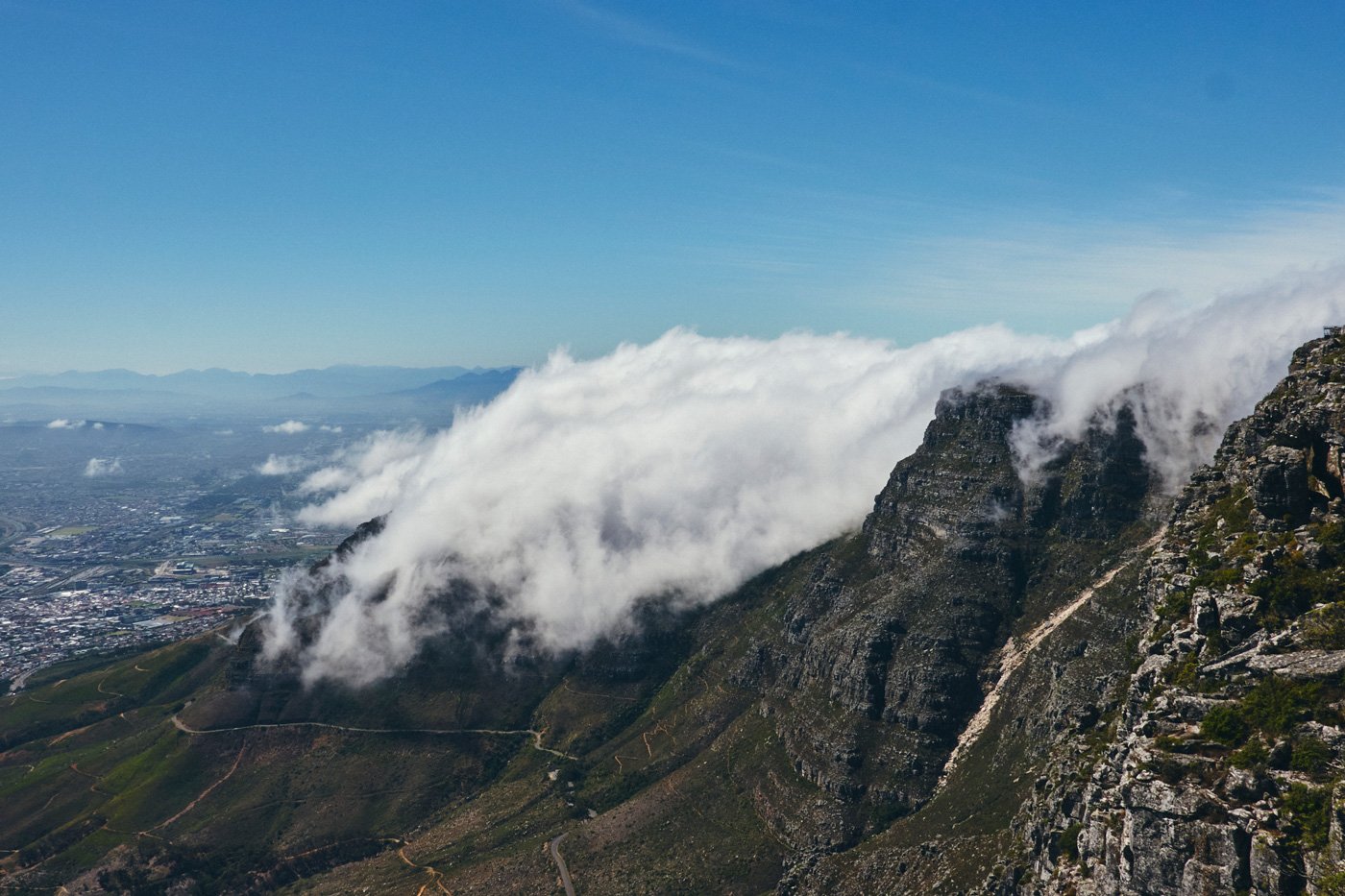
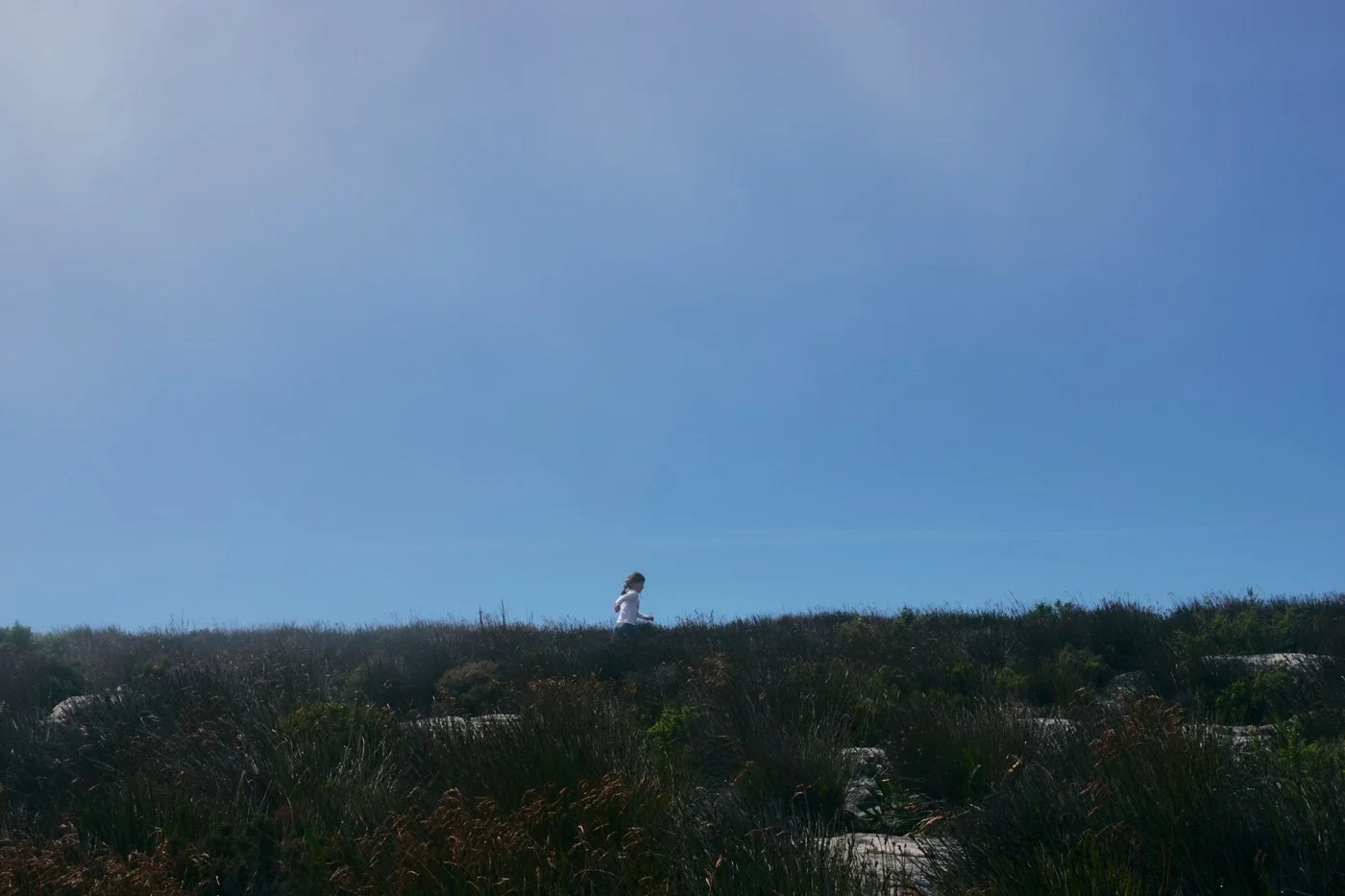
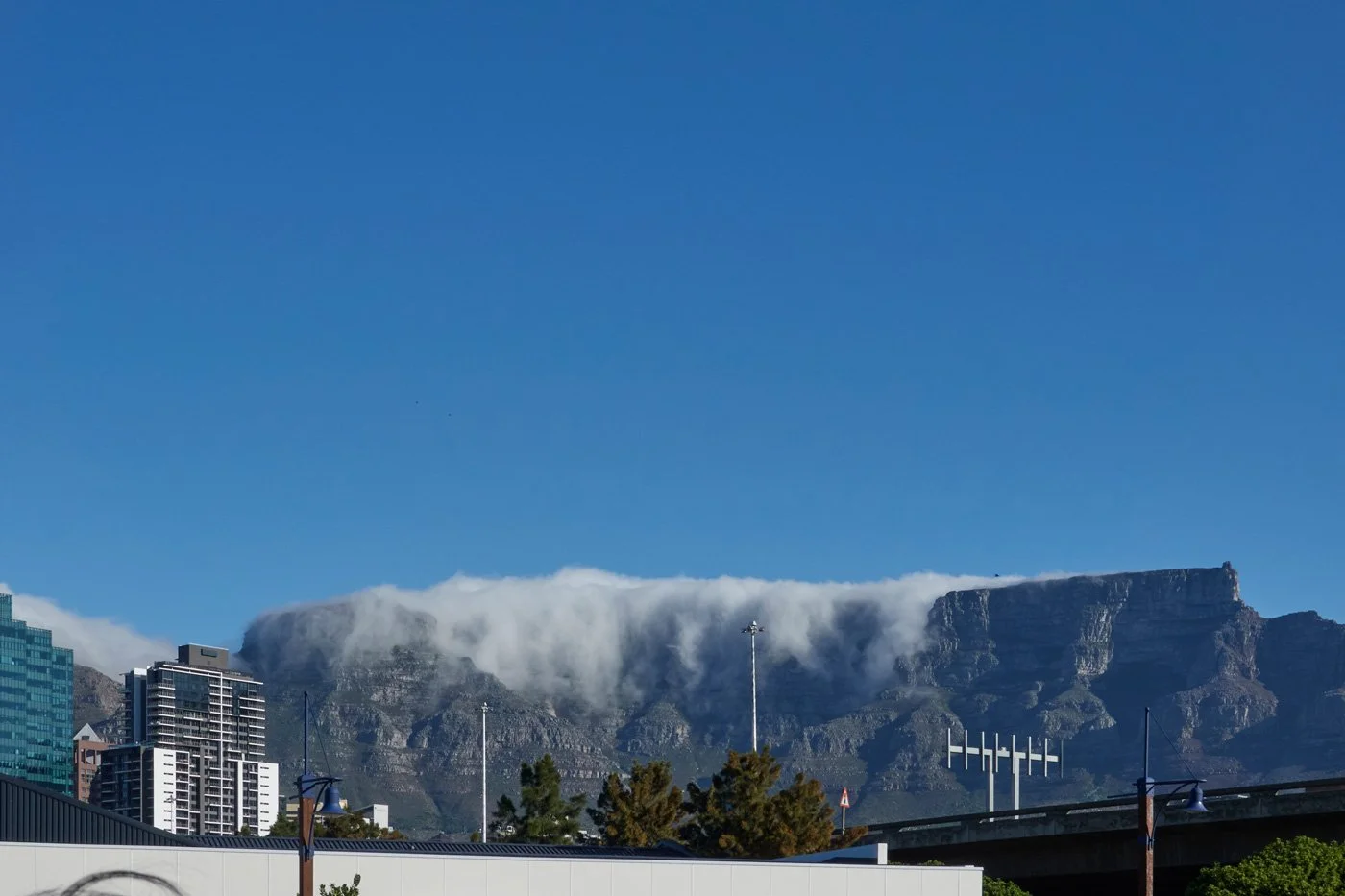
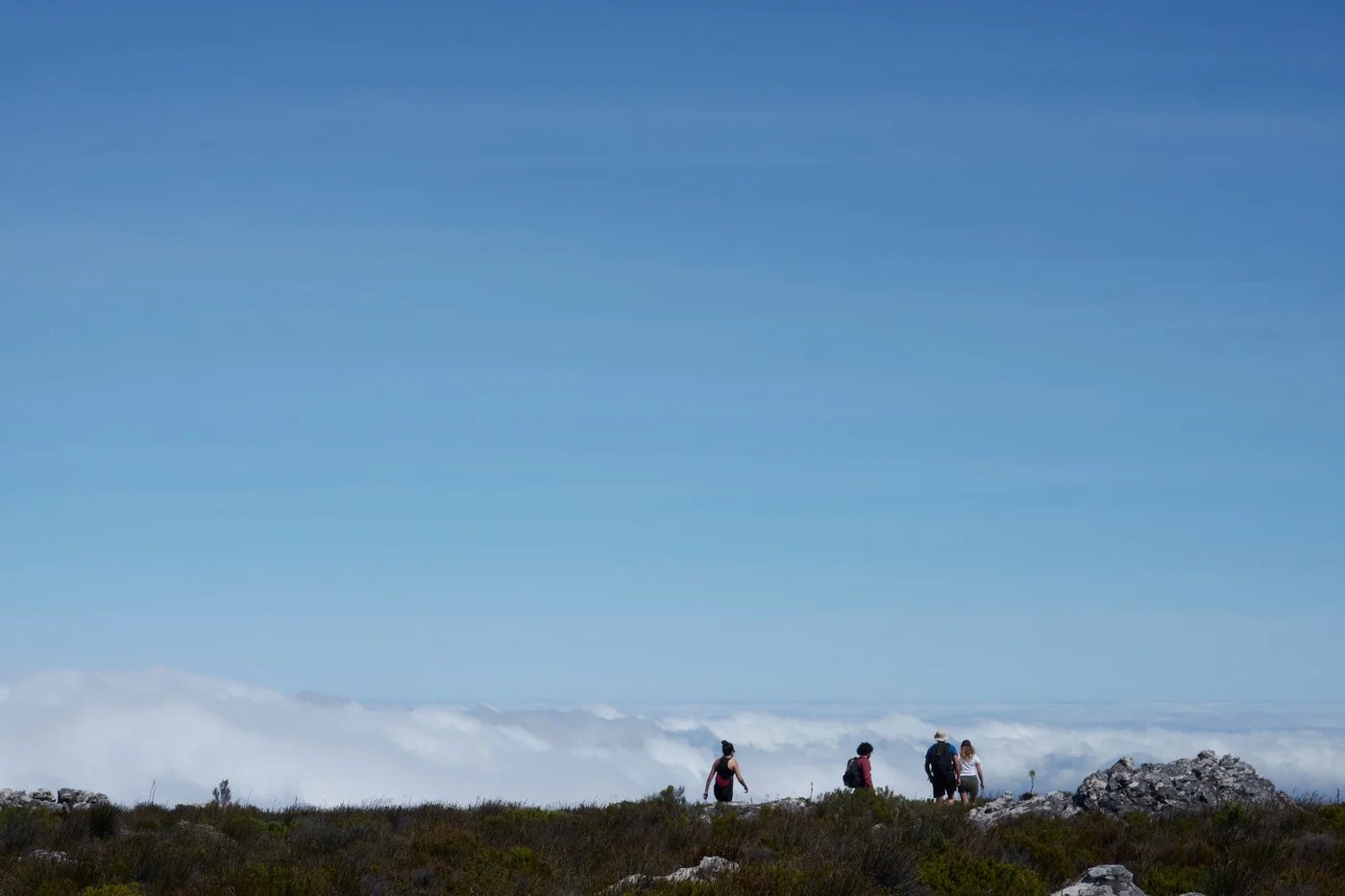
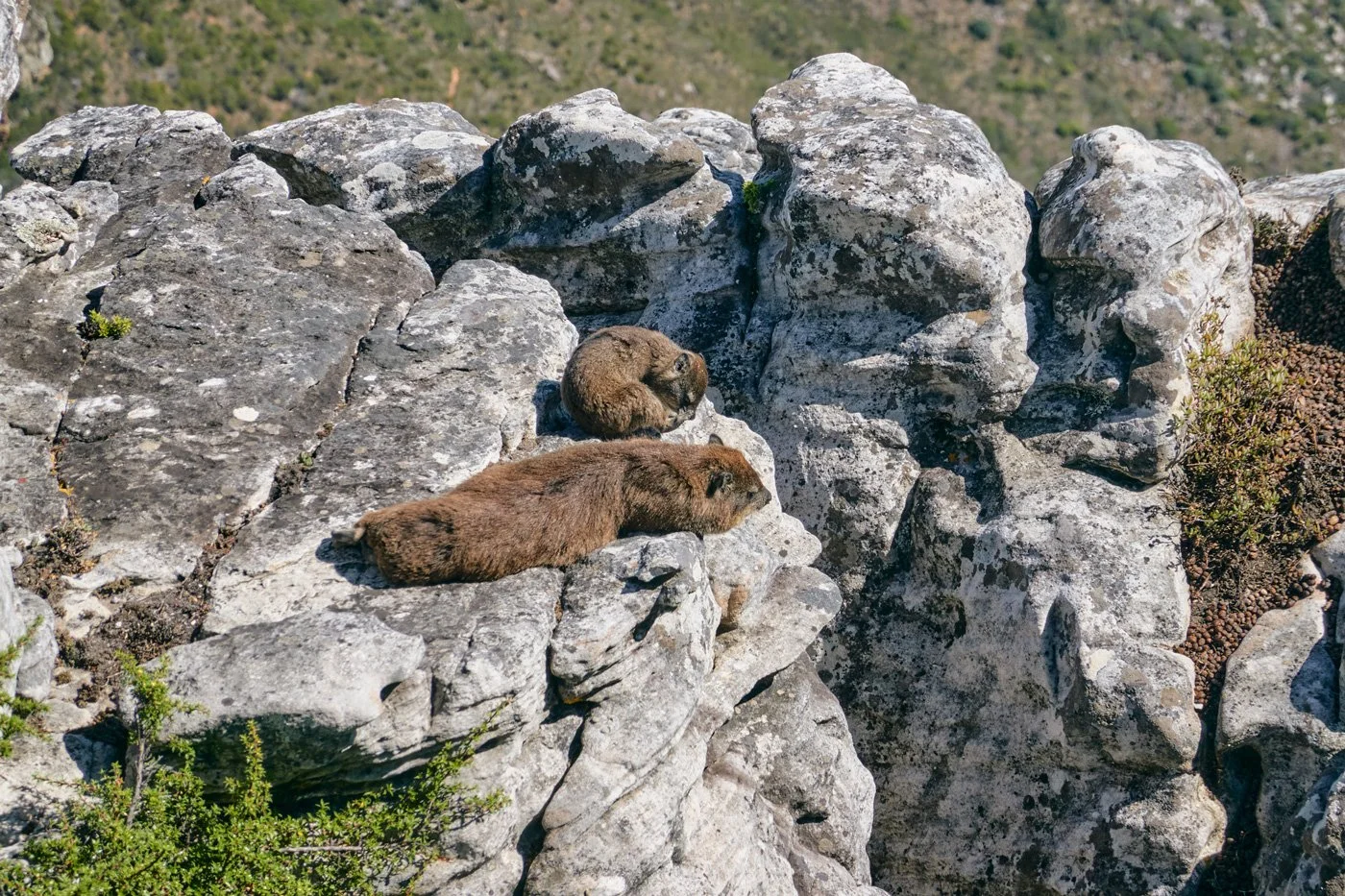
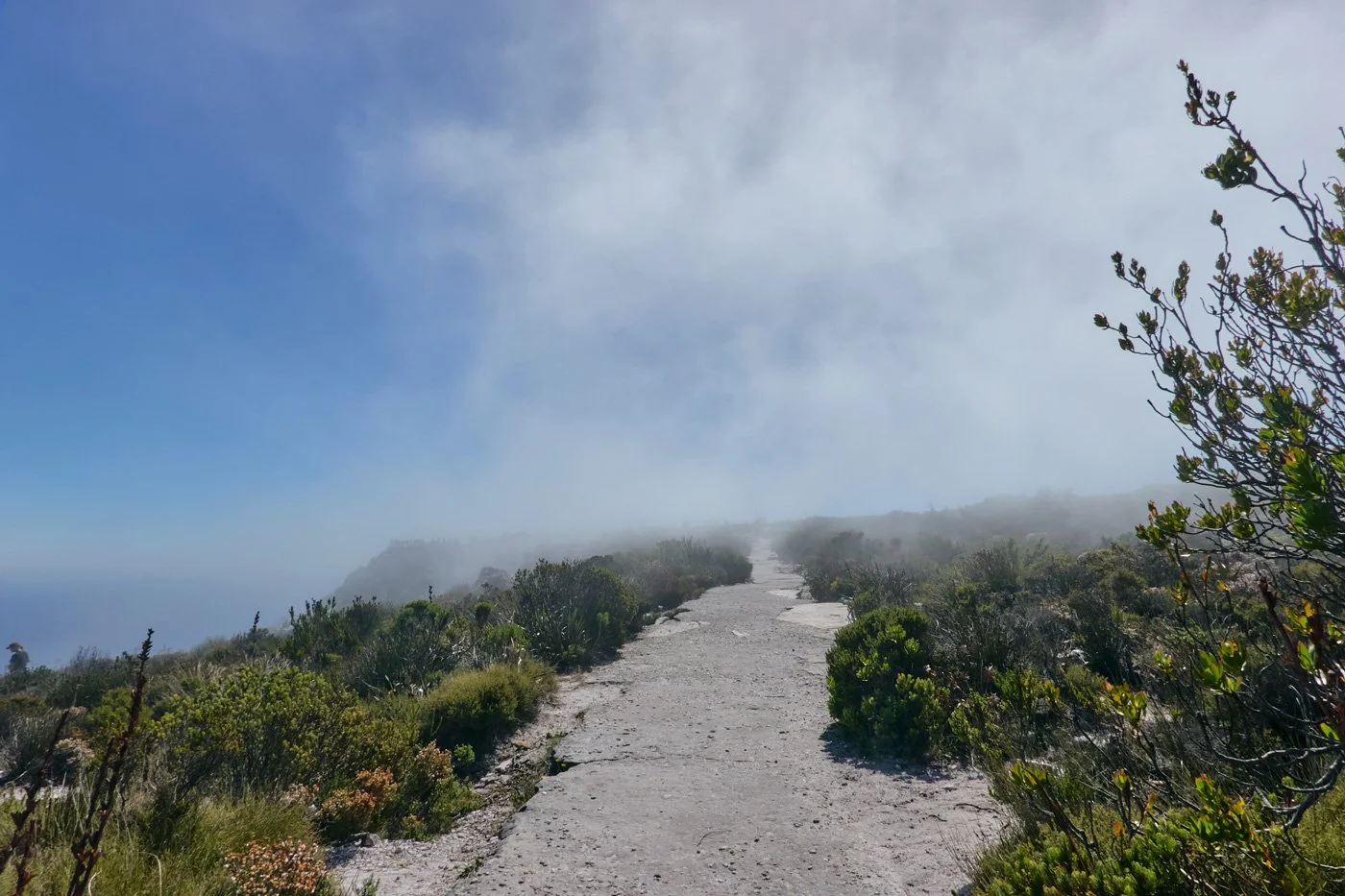
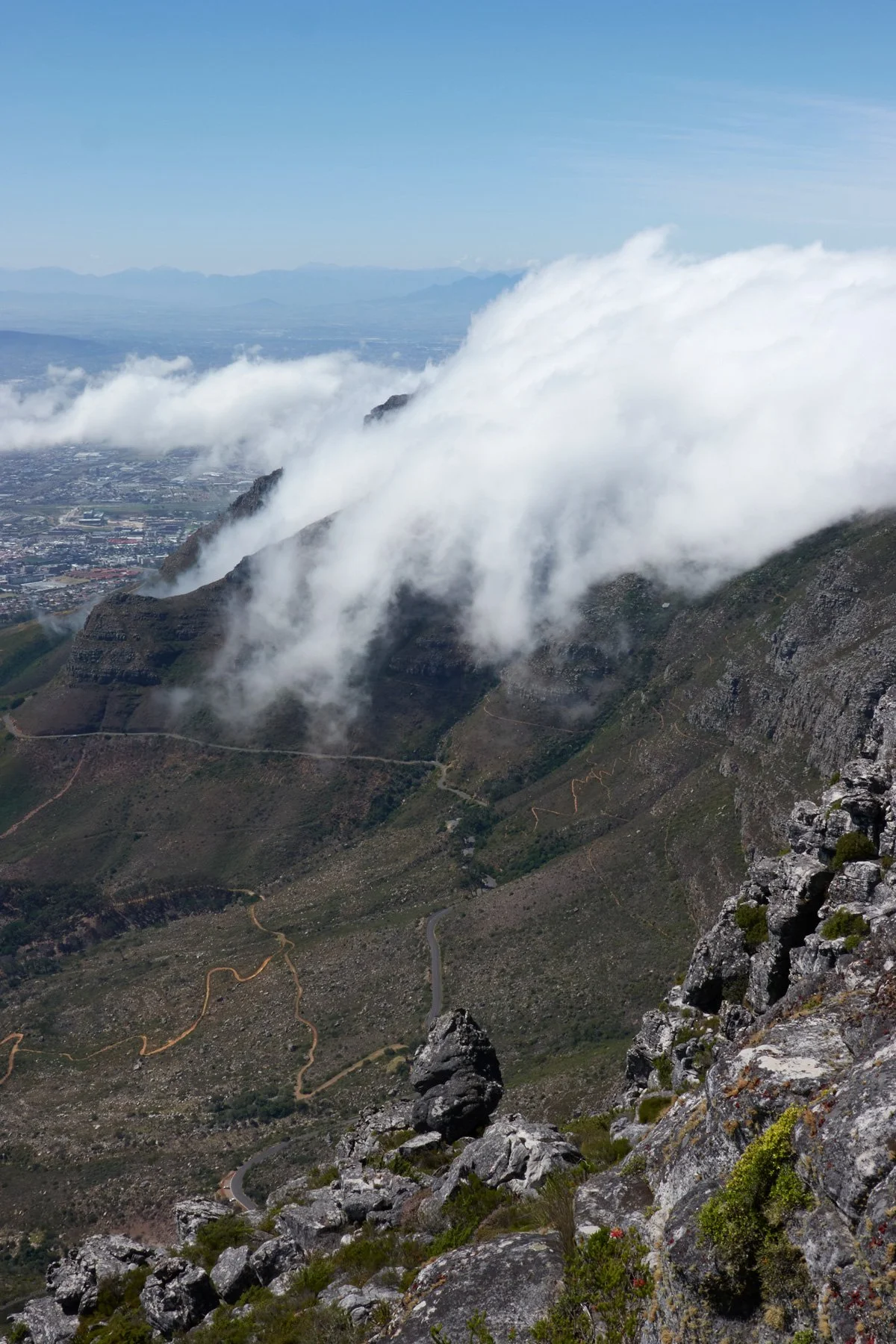
Table Mountain, often called "God’s Dining Table," provided a profound visual and spiritual awakening. What was meant to be a one-hour stroll turned into a four-hour immersion in its shifting weather and diverse flora.
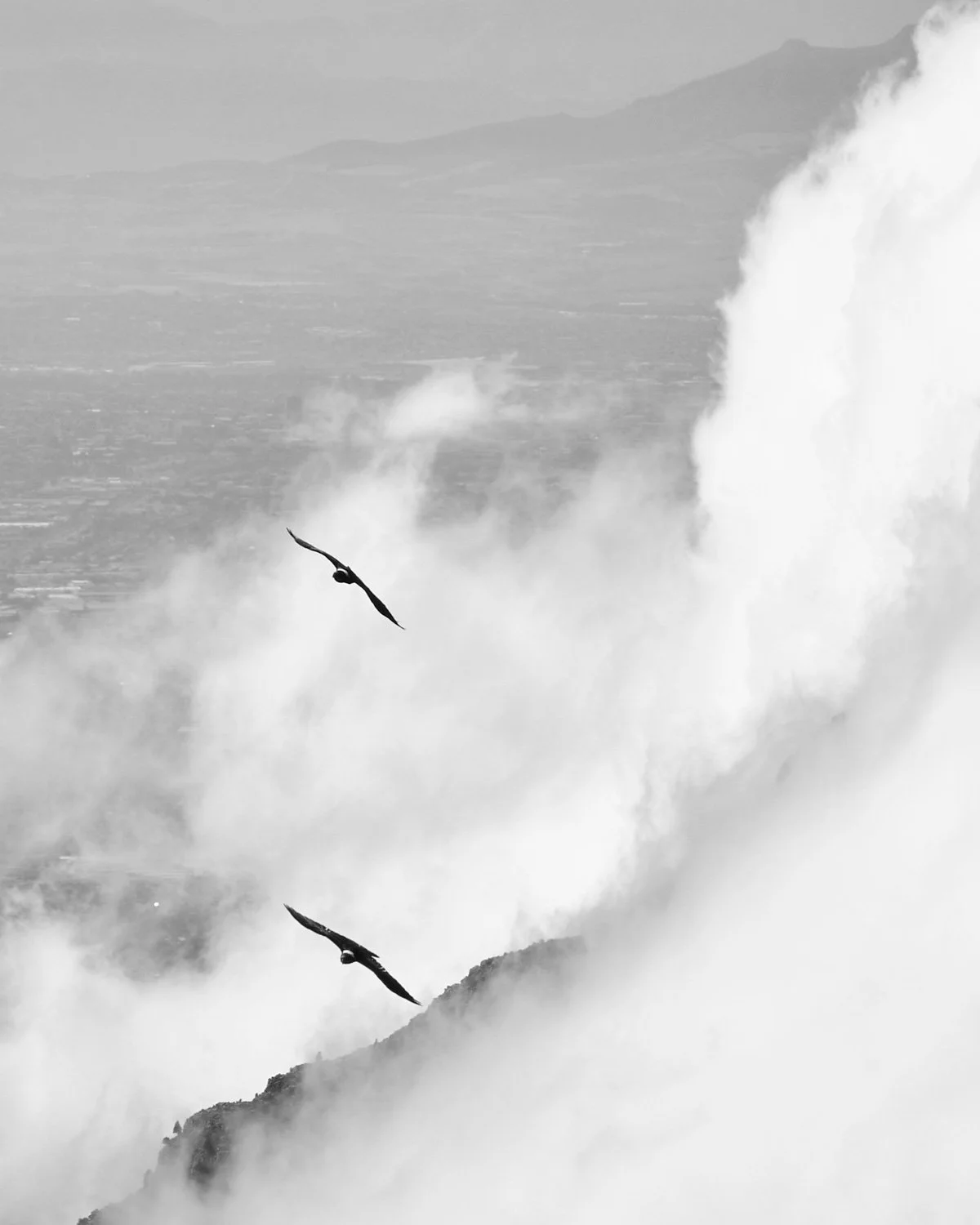
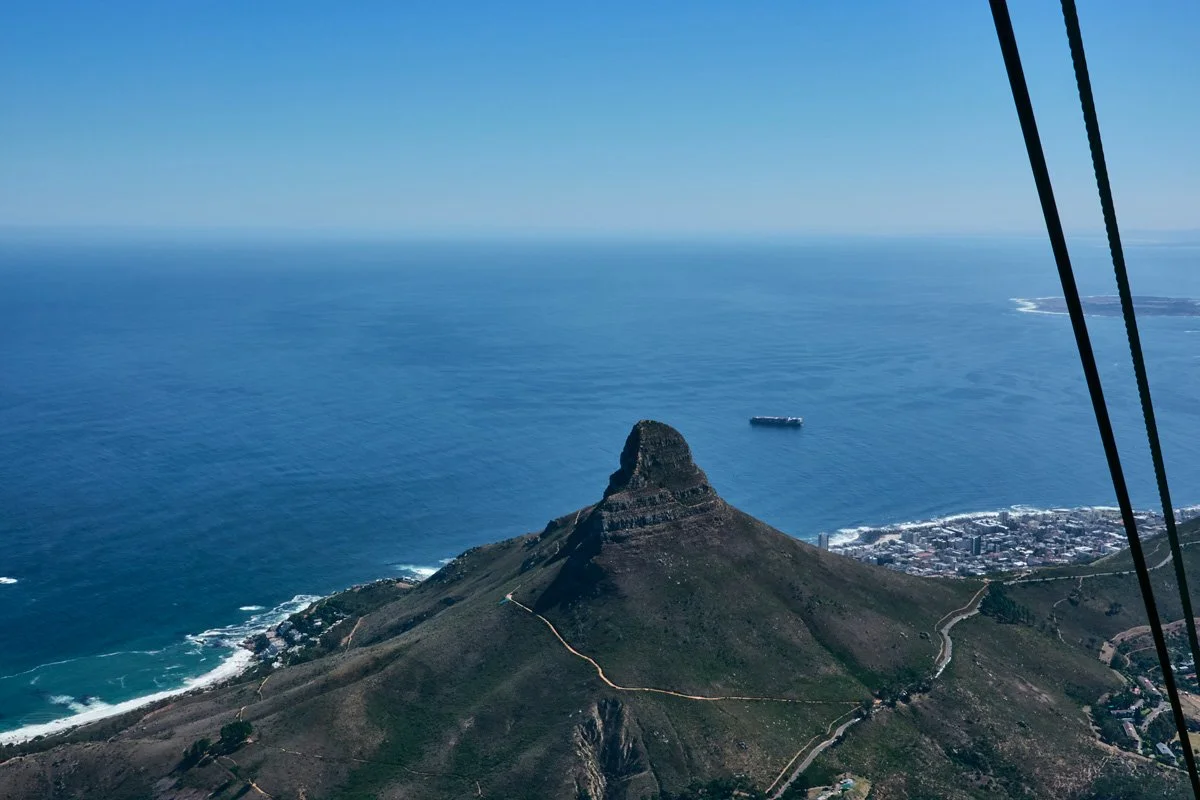
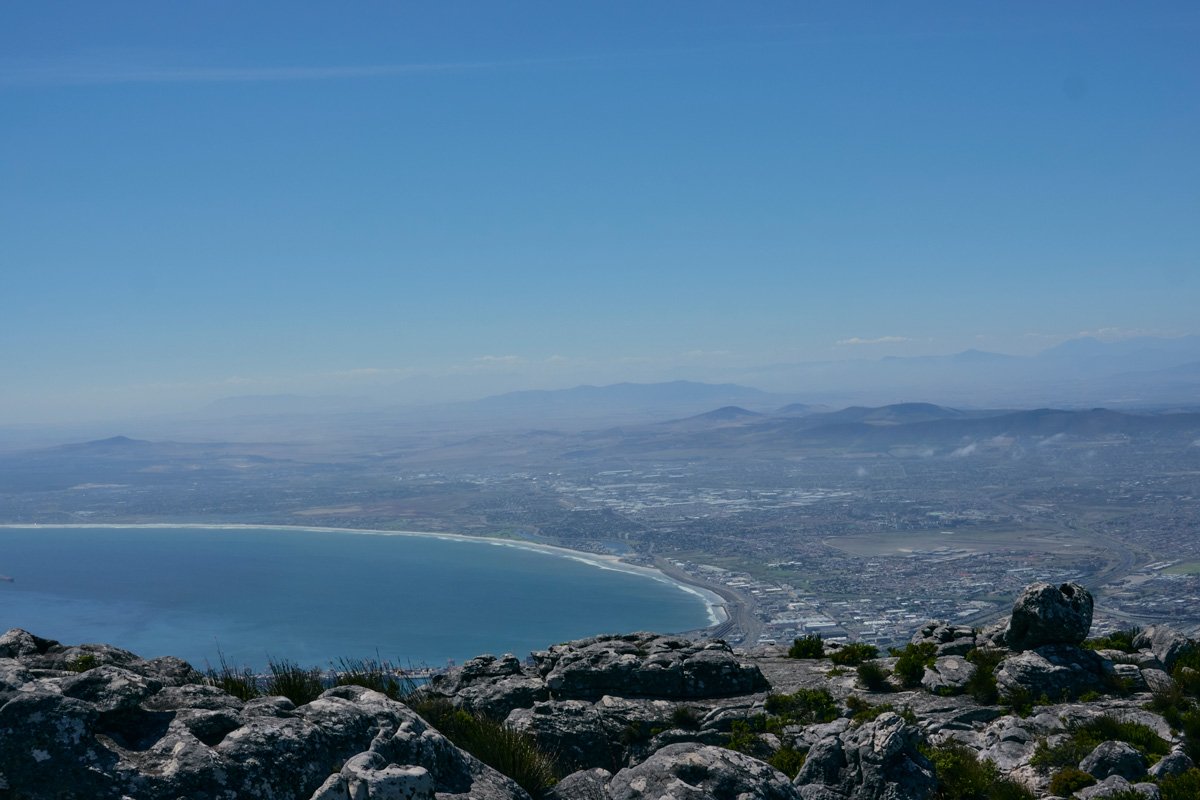
As clouds spilled over the flat plateau like a tablecloth, Weng looked down at the sprawling African continent. "Standing there, you experience a 'God’s eye view.' But at the same time, you can’t help but wonder: are we just tiny crumbs on this table, with God watching us from an even higher vantage point?" This inversion of perspective left a lasting impact. "I realized then that I am a very, very small creature on this planet."
This realization brought a newfound sense of freedom to her inner life. "After witnessing such vastness, you stop sweating the small stuff in daily life. If the mountains and seas are that grand, why agonize over a tiny point? You just move through it."
-
The Architecture of Another World
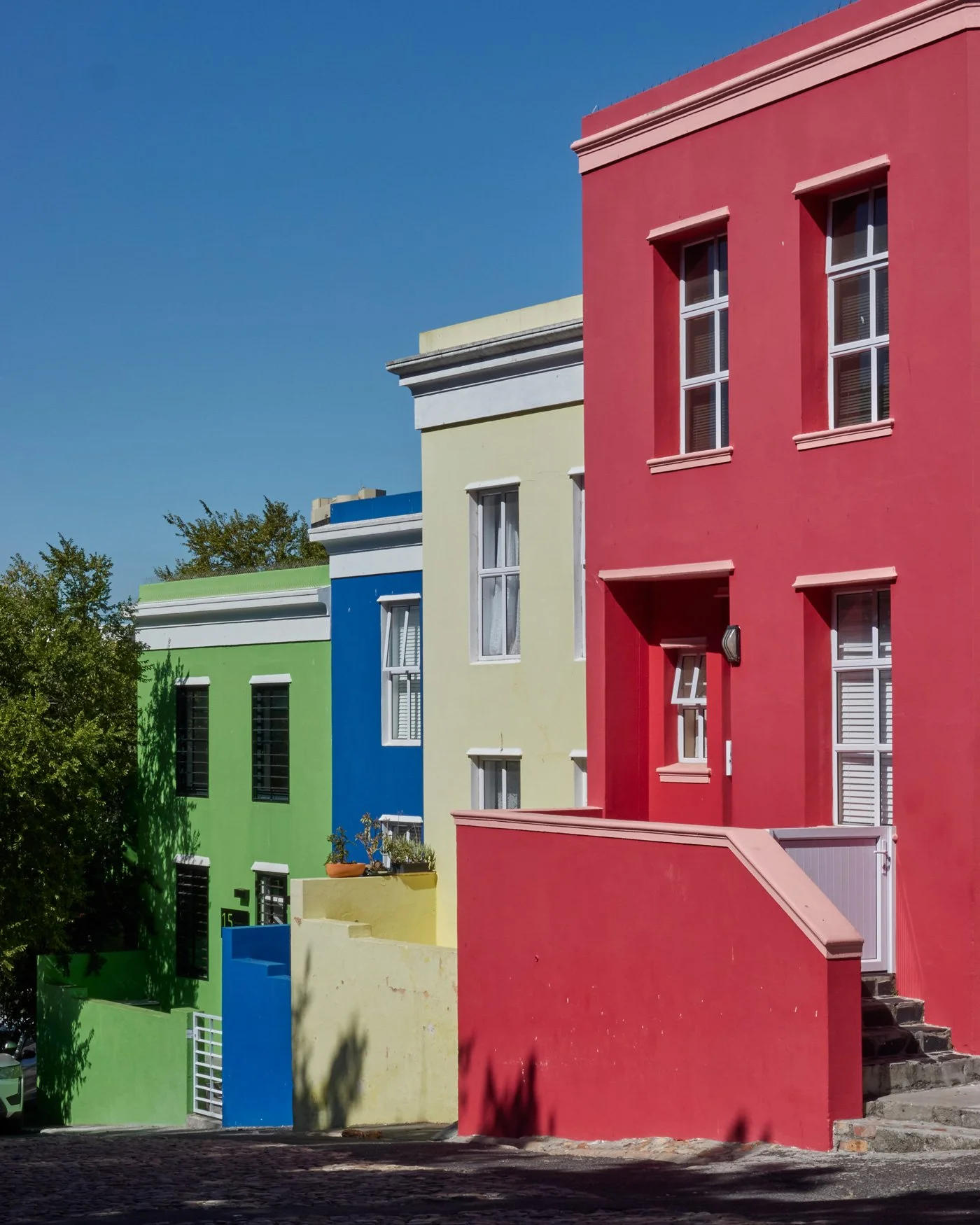
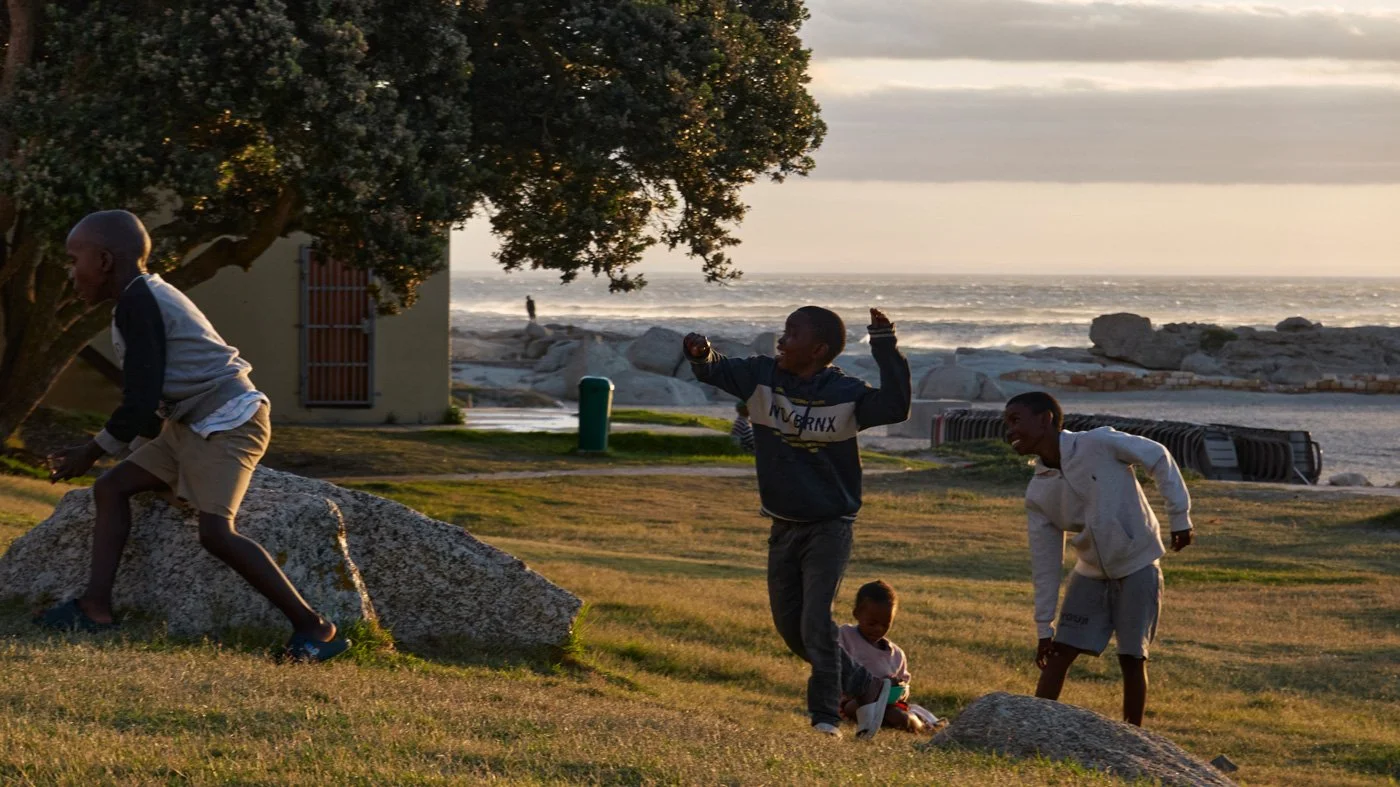
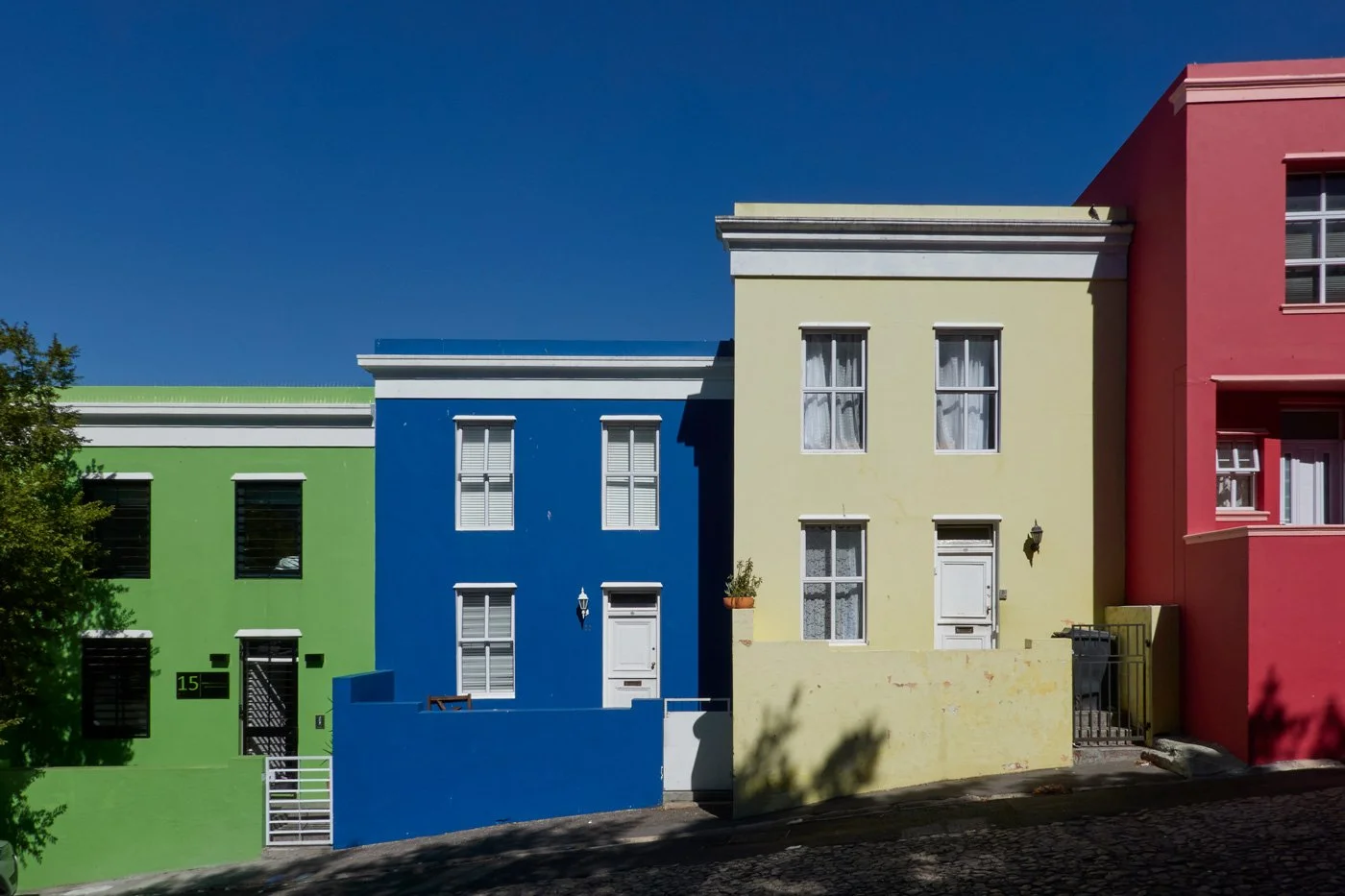
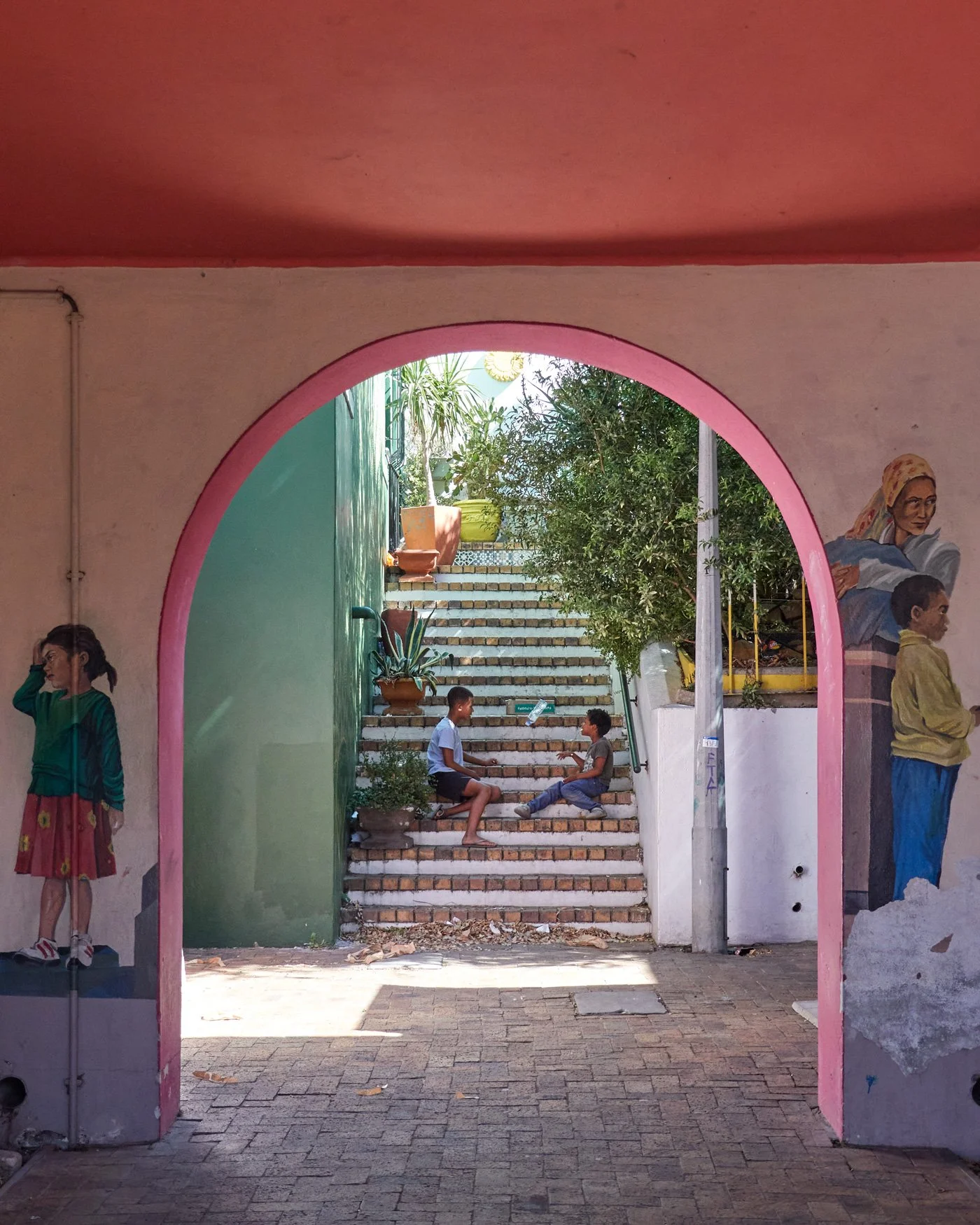
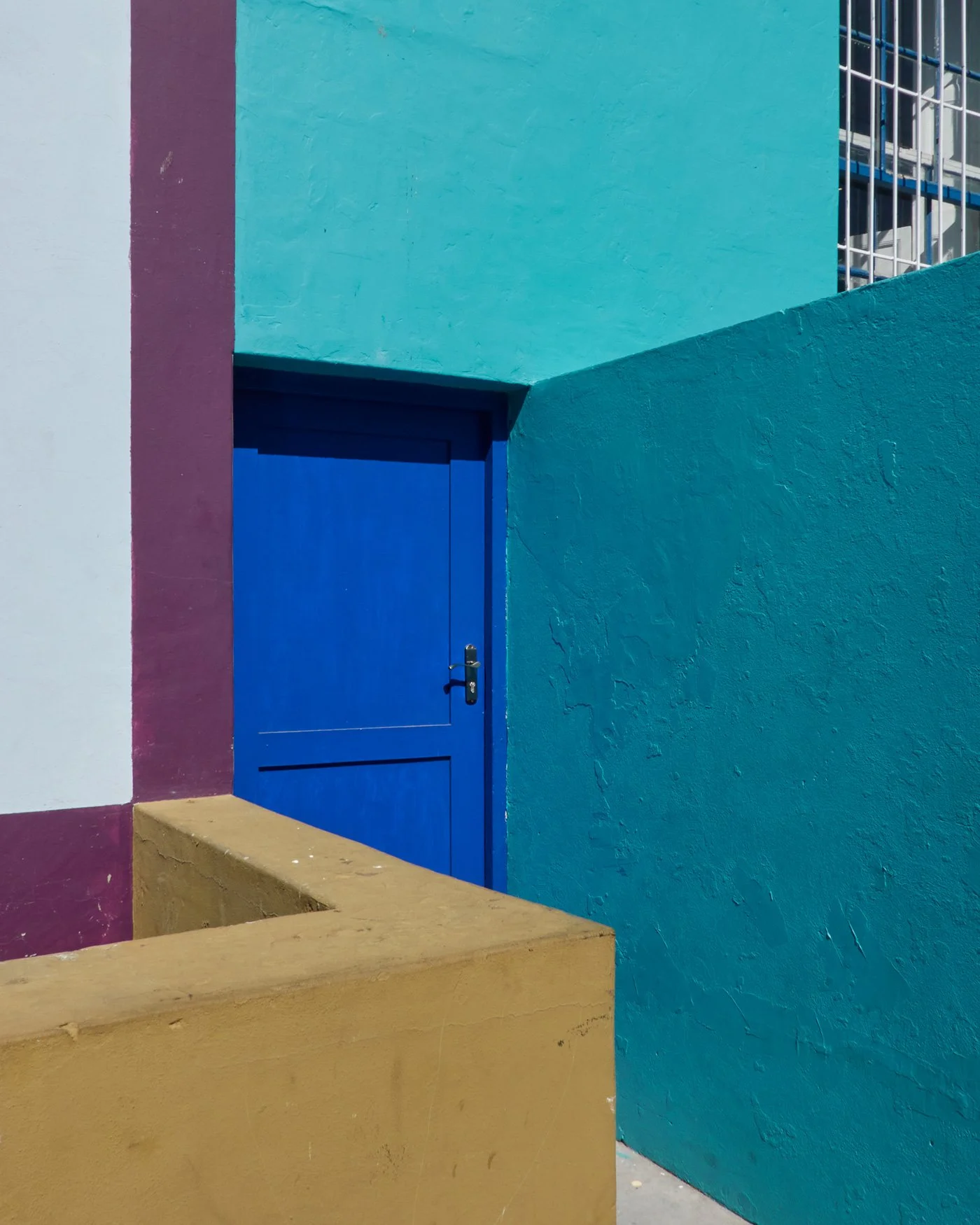
Beyond the natural landscape, Cape Town’s urban colors reshaped Weng’s perception. In the Bo-Kaap district, houses painted in high-saturation reds, yellows, and blues line the hillsides. Through Weng’s lens, Bo-Kaap is stripped of its tourist noise, capturing instead the simple joy of children playing in the streets. "It reminded me of the old military dependents' villages in Taiwan—the kind of place where you don't head home until your mother calls you for dinner."
-
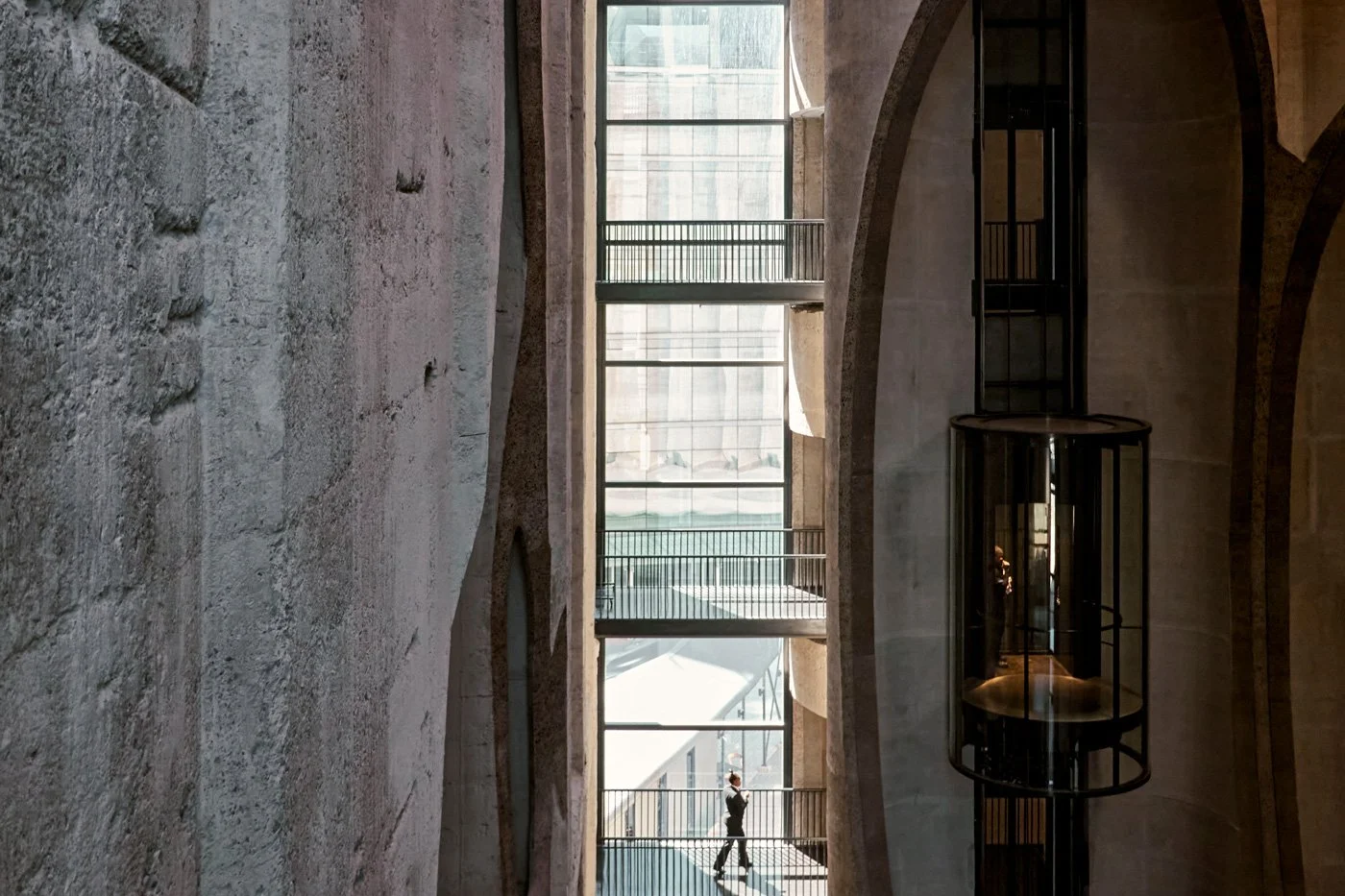
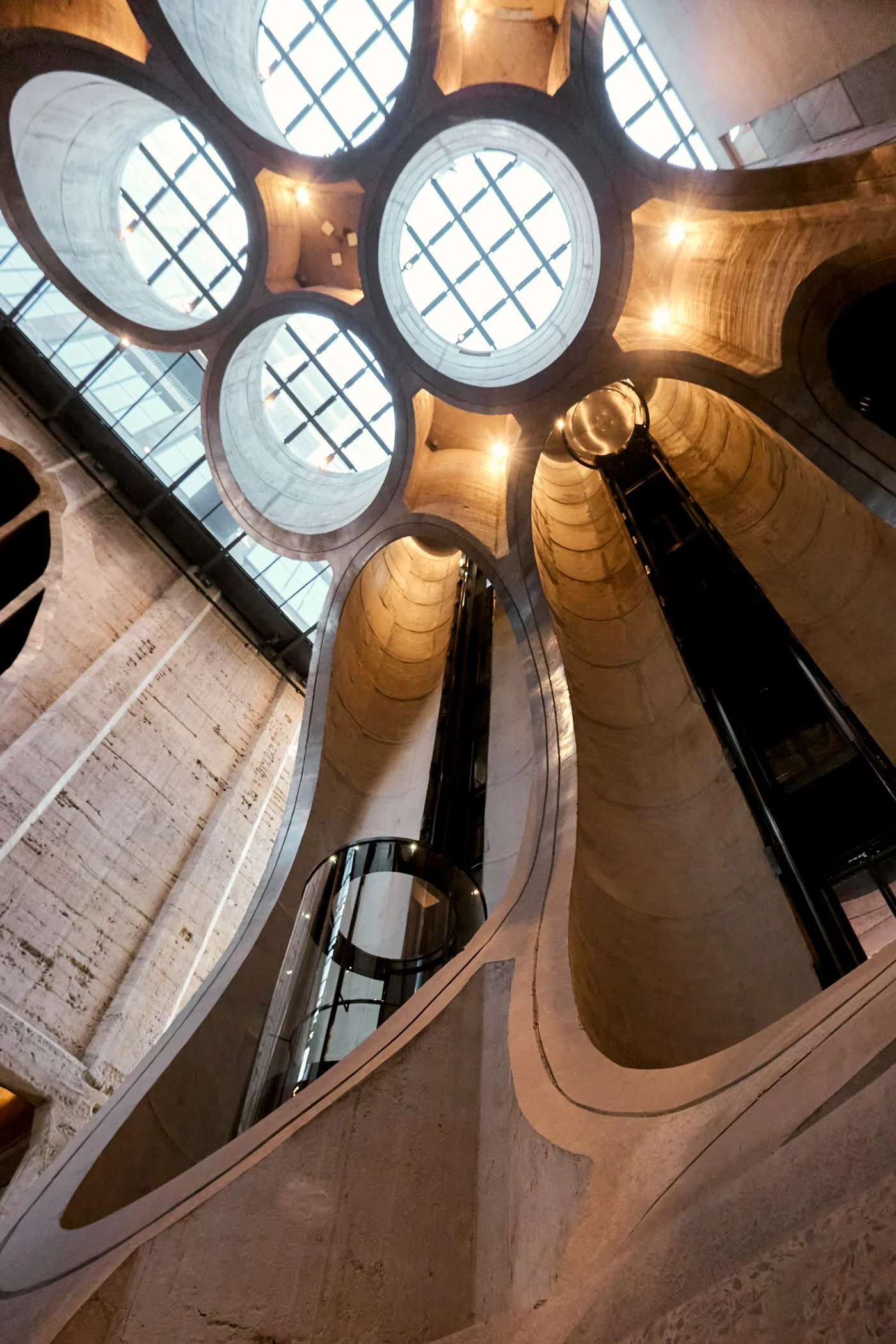
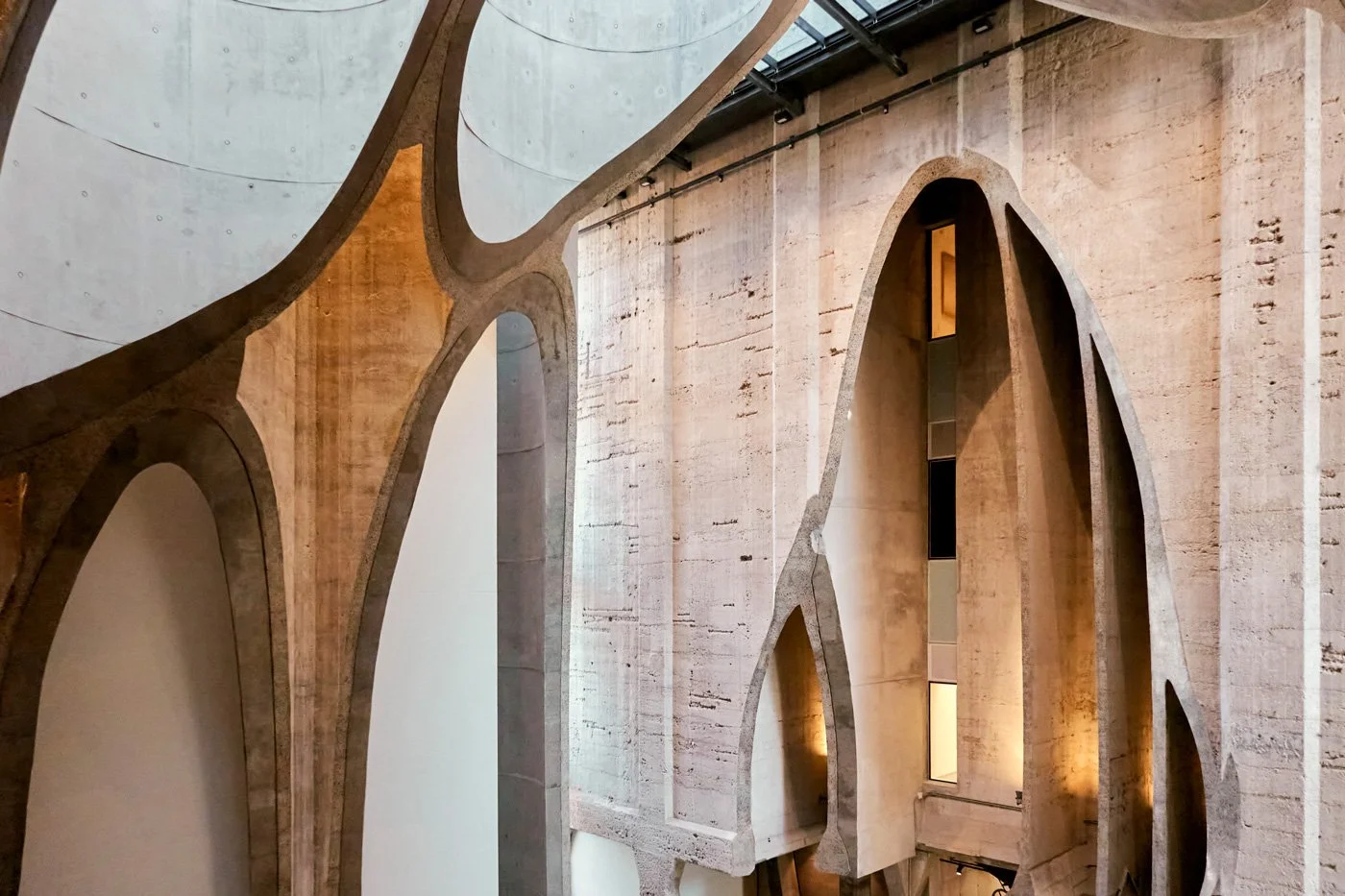
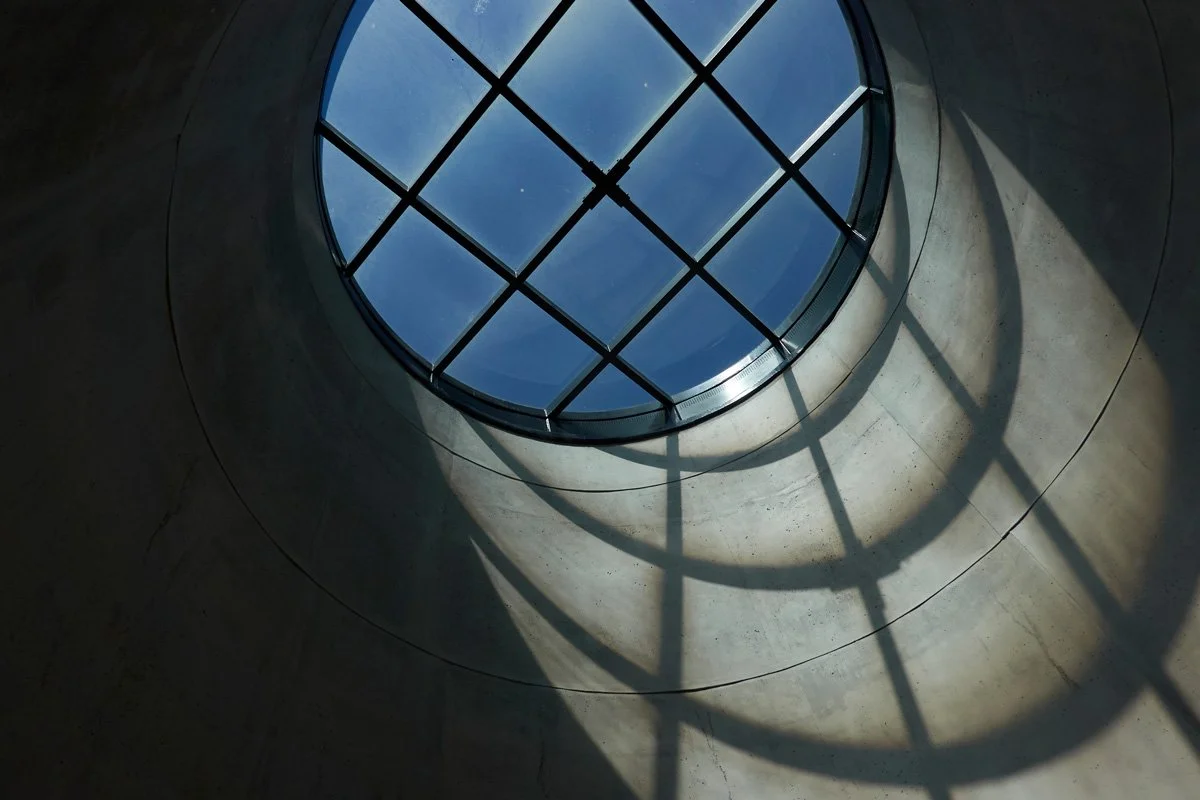
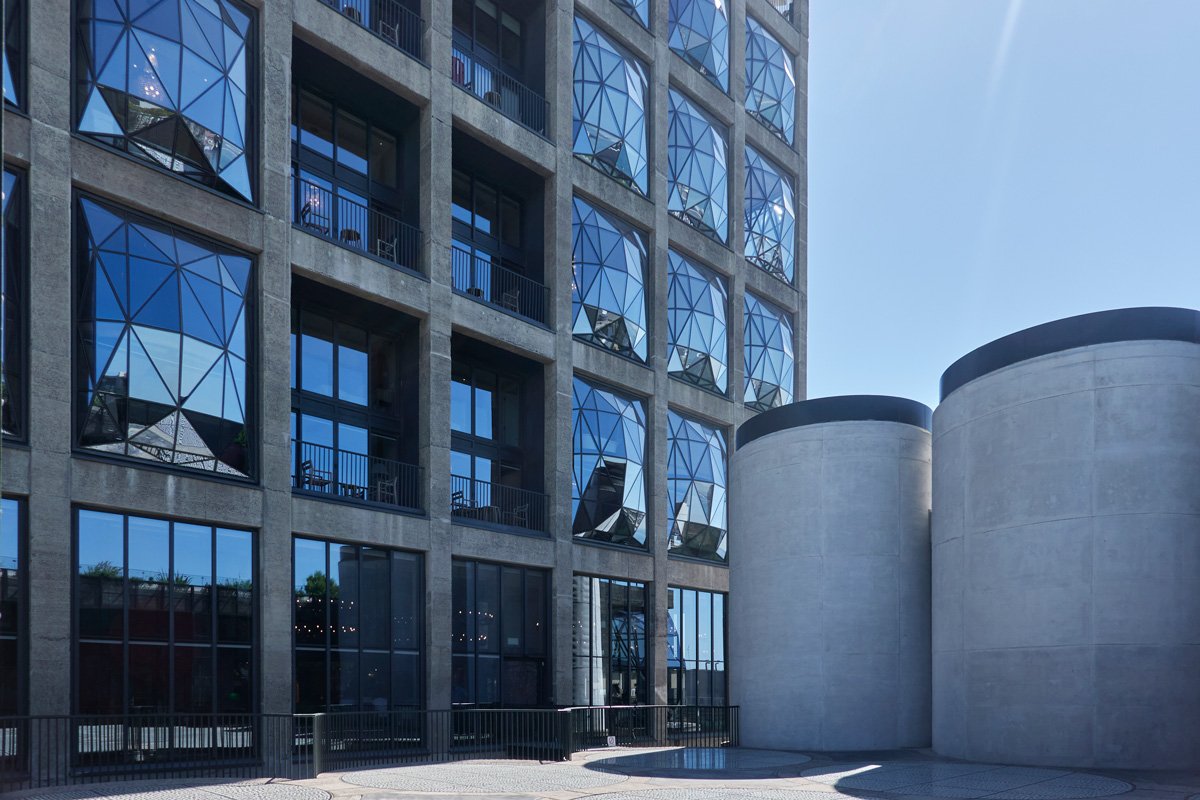
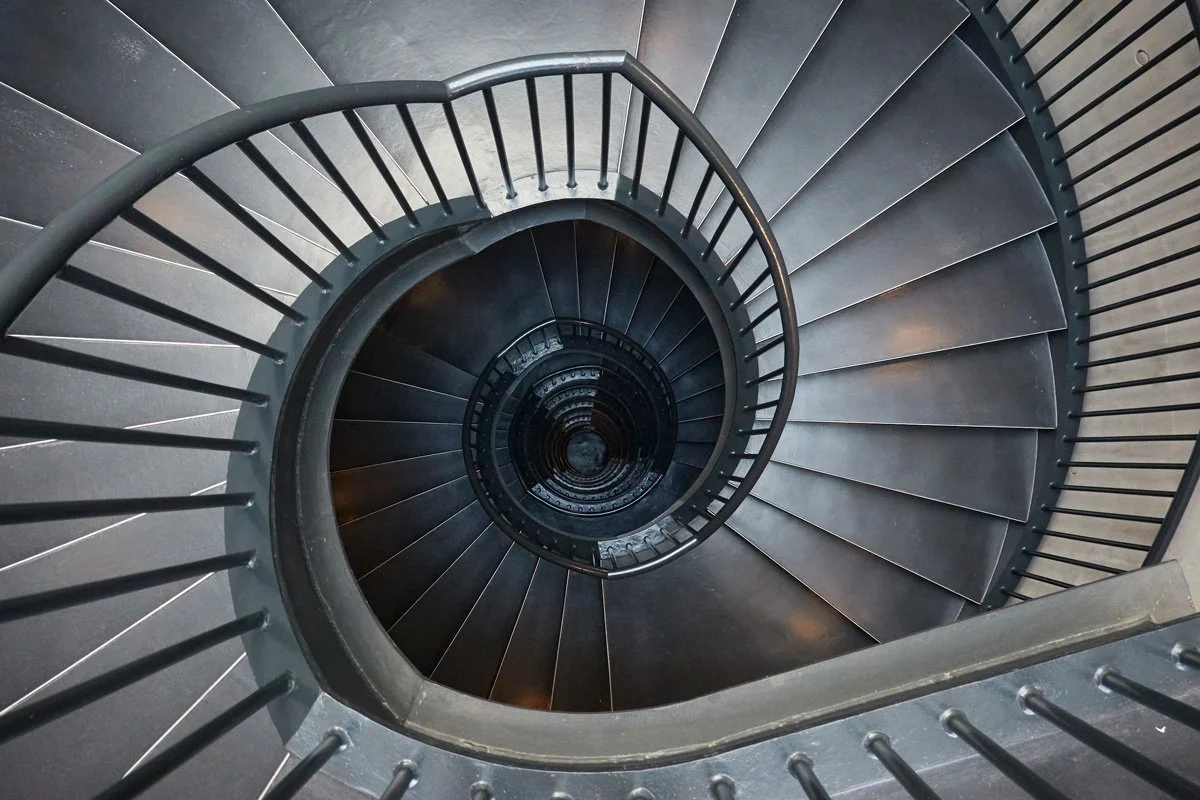
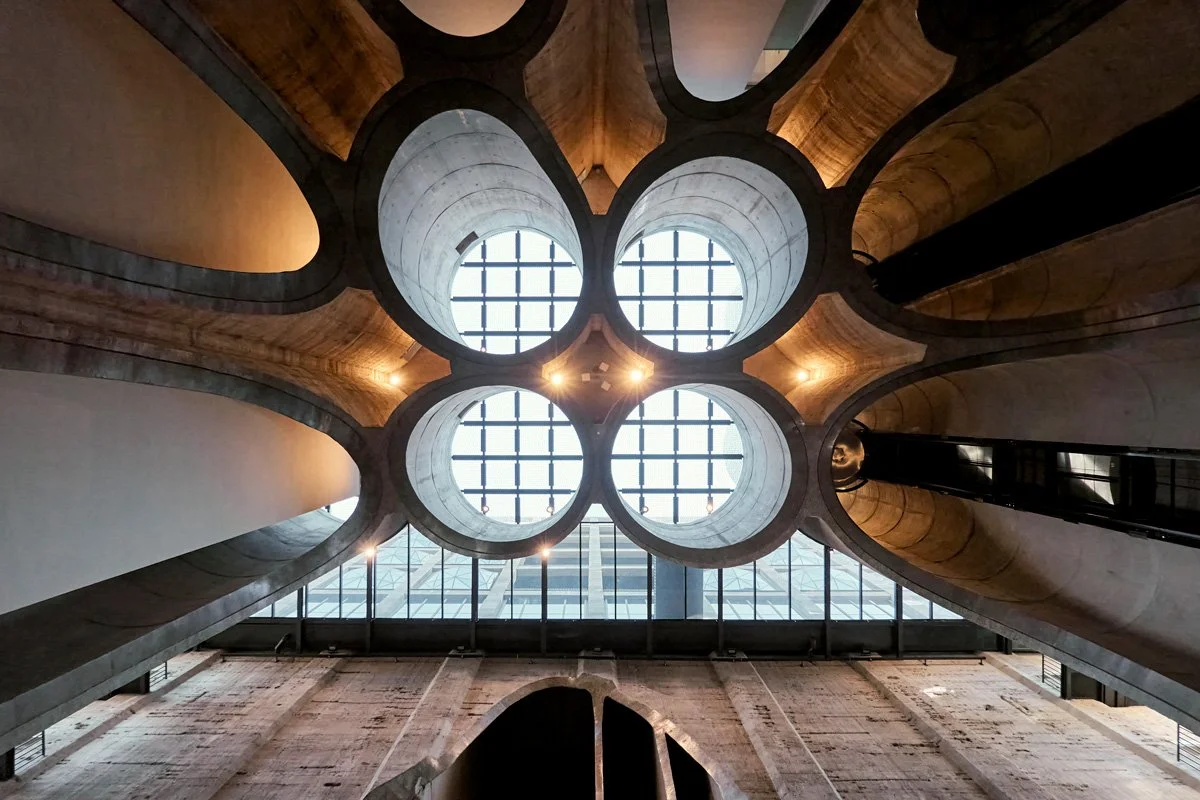
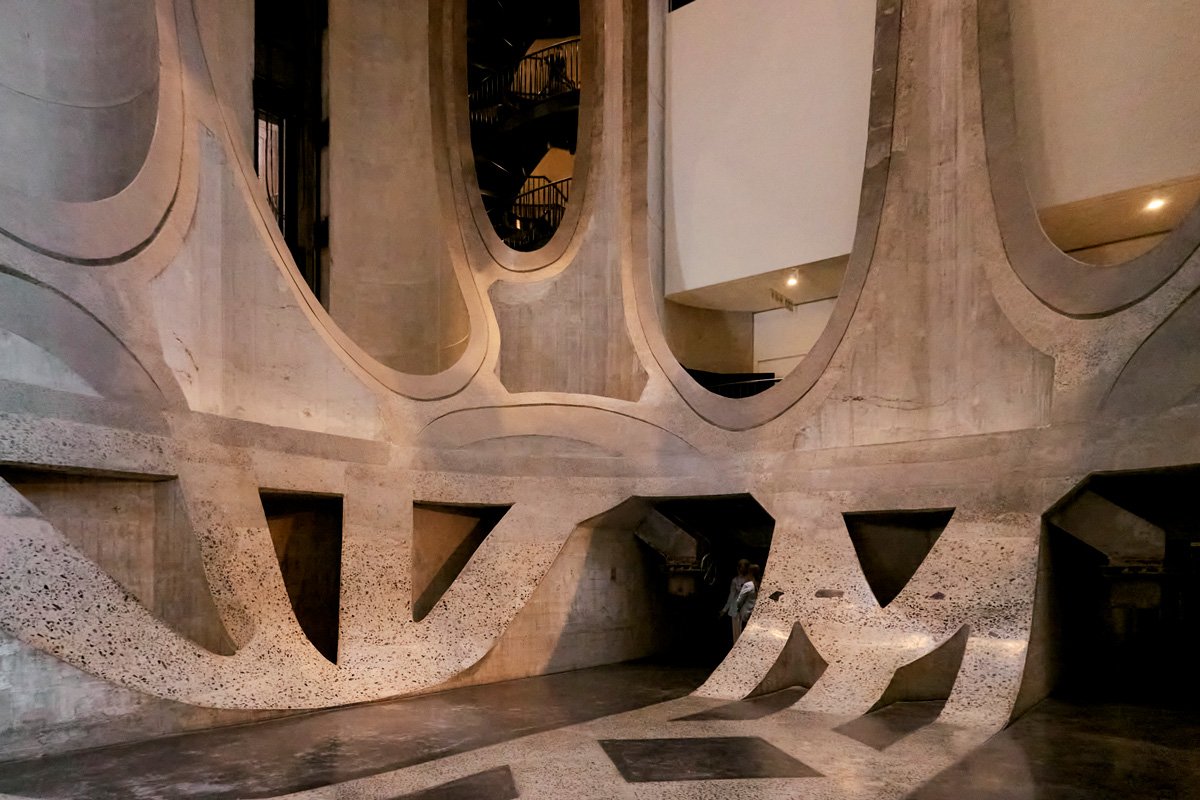
Another architectural marvel was the Zeitz MOCAA, housed in a converted 1921 grain silo. The architect carved out 42 vertical concrete tubes to create a soaring, elliptical atrium. "Entering it felt like stepping into another dimension, or perhaps the heart of a desert dune. The harsh sunlight filters through pillow-like glass windows, hitting the black floors until they shimmer like gold leaf."
-
Capturing the "Scale of Growth"
Faced with such breathtaking vistas, Weng grappled with the classic traveler’s dilemma: look through the eyes or through the viewfinder?
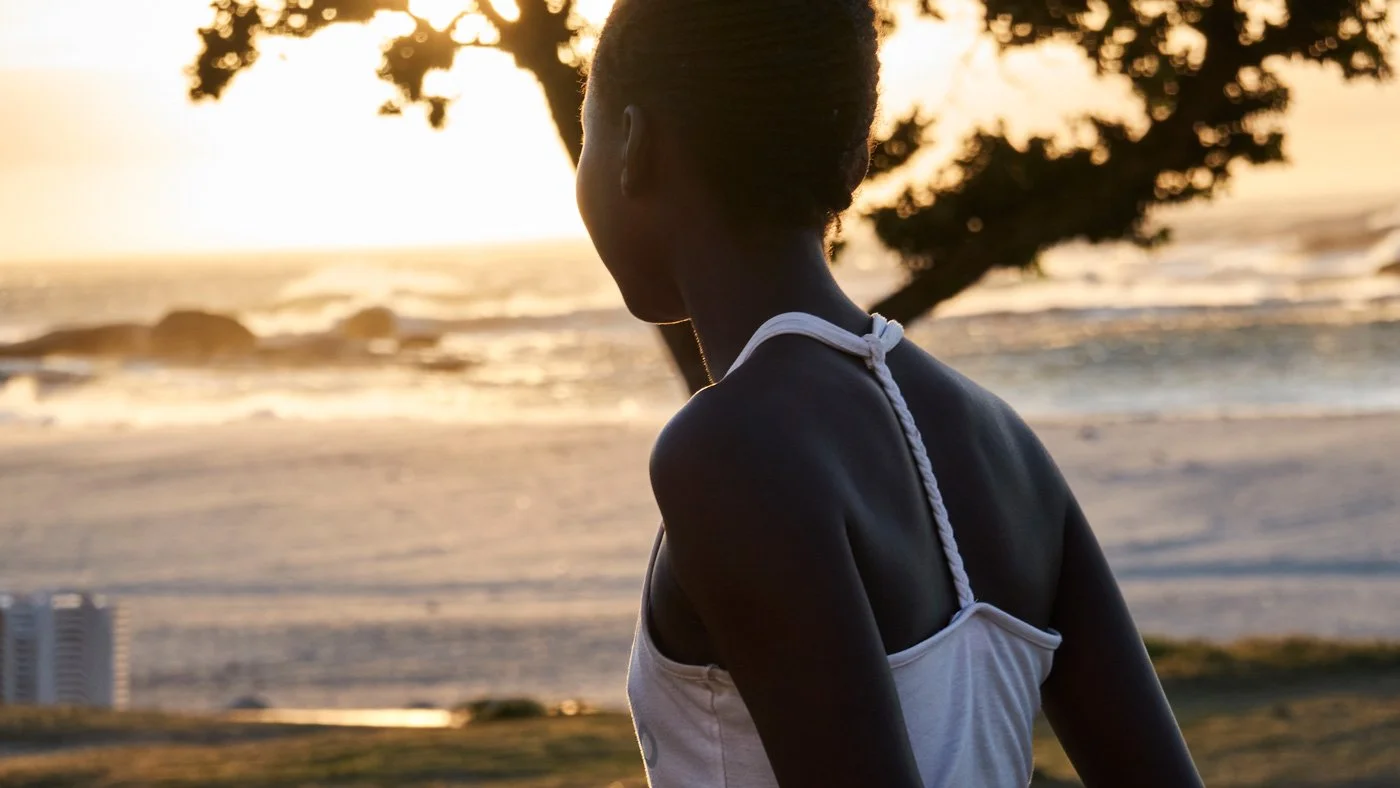
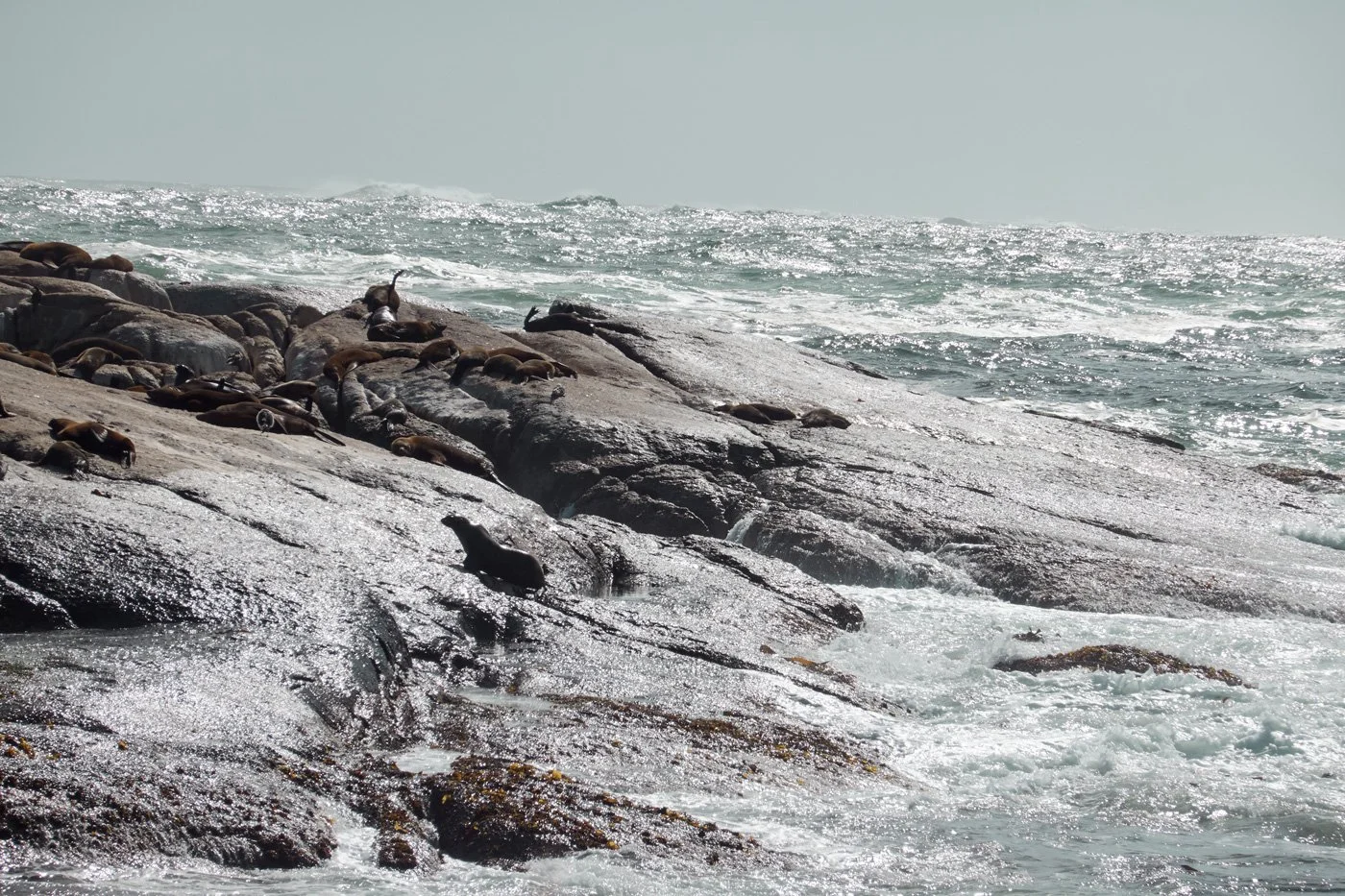
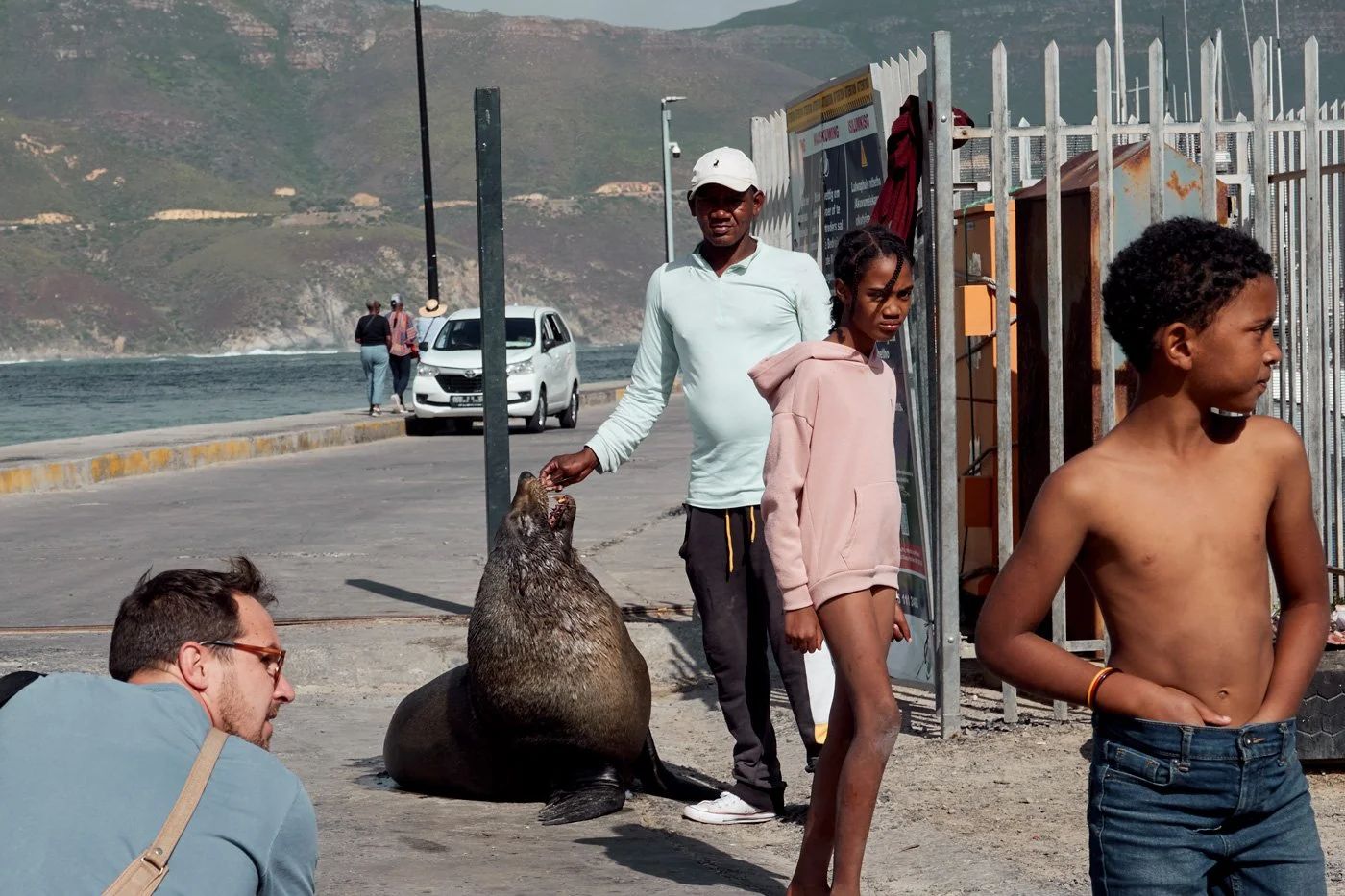
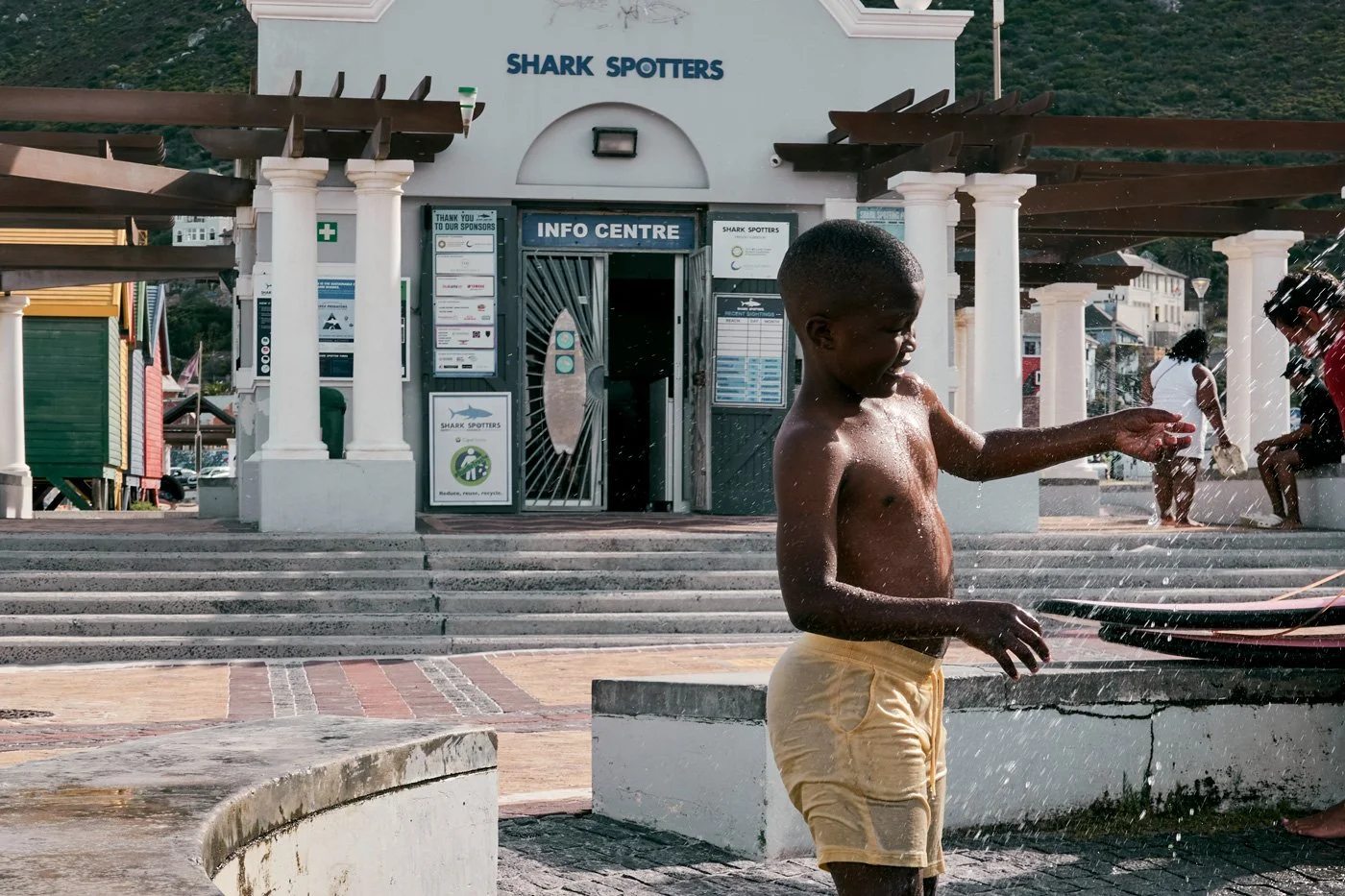
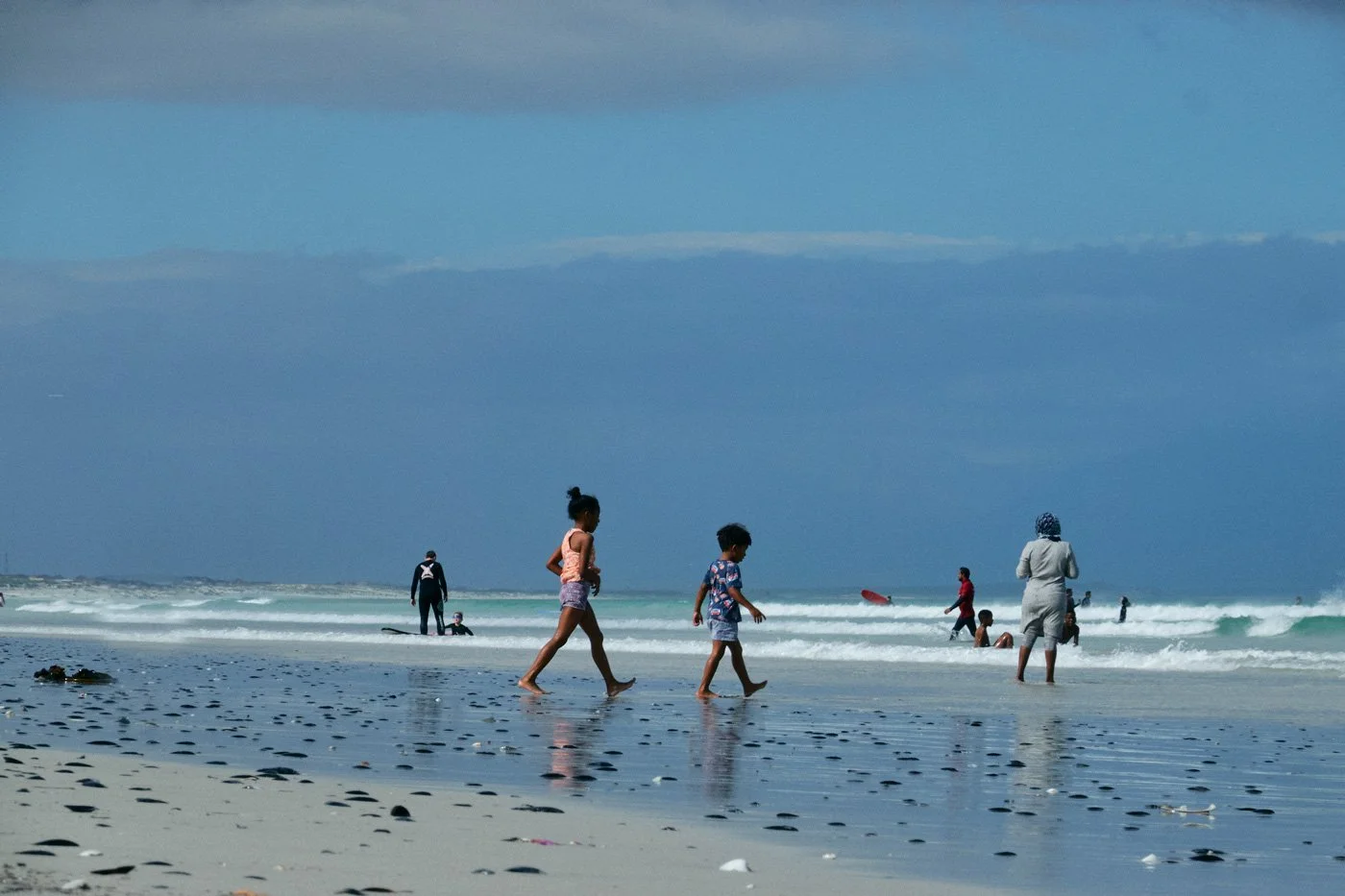
While she wanted to remain present to the emotion of the moment, the fear of never returning pushed her to record everything. She eventually found a balance: using both her eyes and her camera for major sites, while letting smaller moments simply wash over her. A lover of the tactile, she chose a compact film camera over a smartphone. To her, digital files feel like fleeting diary entries, whereas physical photographs possess a "weight"—tangible markers of growth to be touched and revisited in old age.
-
The Afterglow in the Viewfinder
Though the pulse of South Africa remains thousands of miles away, the sense of "stepping back" has become Weng's most prized souvenir. Returning to her professional spatial photography, she has begun to pull her perspective further back.
She now looks beyond mere composition to ask deeper questions: What is the designer truly trying to say? What is this space telling me? She even practices a form of "soul-exchange" with the objects she shoots, imagining what the world looks like from the perspective of a curtain or a sofa.
A journey that began with a lucky draw did more than just introduce Weng to a new continent; it gave her lens a deeper soul. The world is vast, and she is now ready to explore the next space—and the next unknown country—with a gaze that is both free and expansive.
-
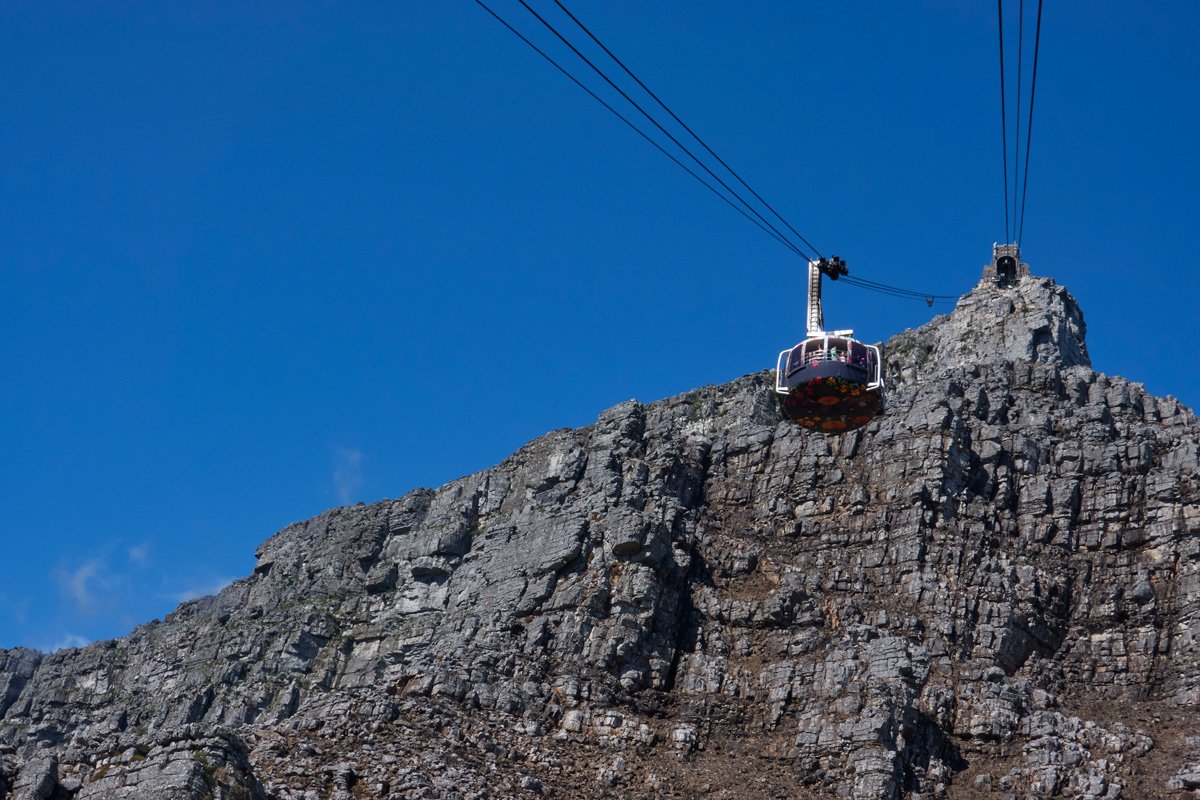
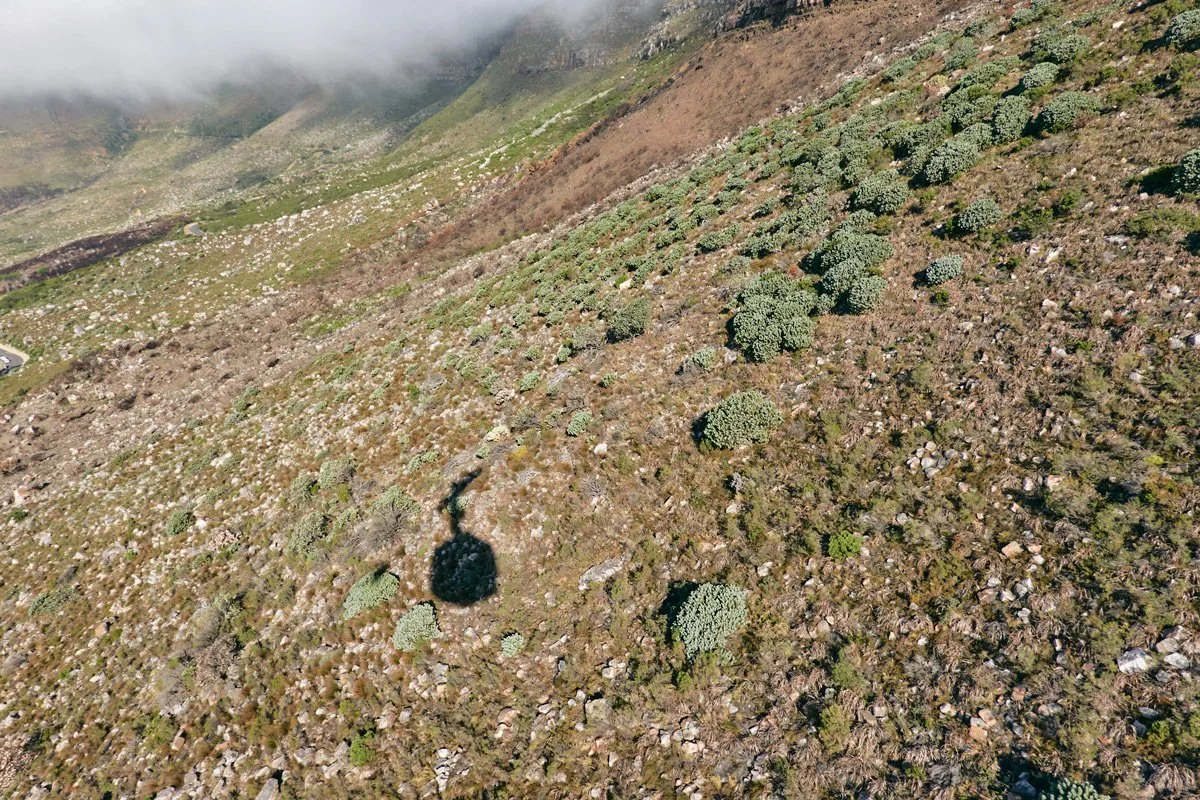
As the spiritual landmark of Cape Town, Table Mountain offers a summit so flat it feels like a stage for the divine. While the cable car provides a swift ascent, the true magic lies in the mountain’s temperament.
Weng’s Tip: "The weather here is mercurial. One moment it’s clear, the next, the 'tablecloth' of clouds rolls in. I spent four hours here just watching the light shift across the 9,000 plant species. Always check the official website for cable car status before you head up, and give yourself at least half a day to truly get lost in the view."
-
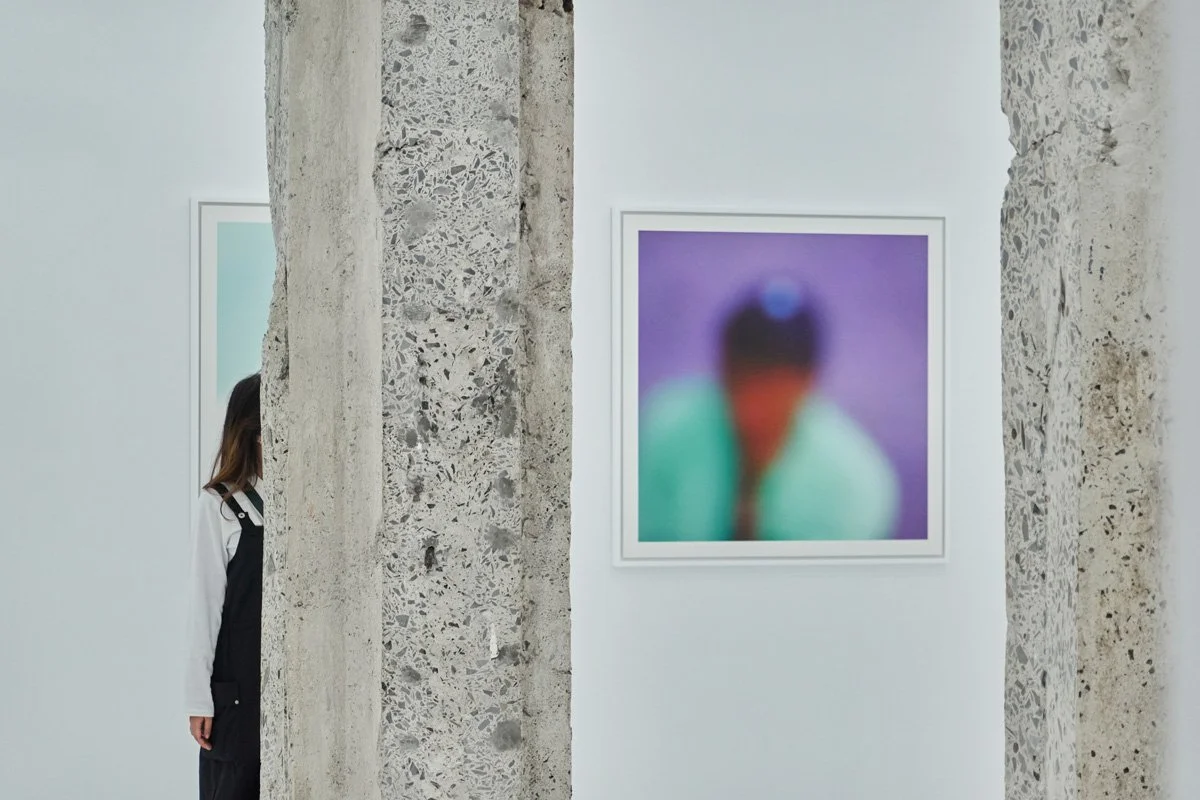
Housed in a century-old grain silo, the Zeitz Museum of Contemporary Art Africa is a masterpiece of adaptive reuse. The soaring, elliptical atrium—carved directly into the concrete silos—creates an otherworldly interplay of light and shadow.
Weng’s Note: "Even if you aren't an art aficionado, the architecture alone is soul-stirring. The way the light filters through the geometric windows is a masterclass in spatial design. Afterward, the V&A Waterfront is just steps away—perfect for a reflective walk by the harbor."
-
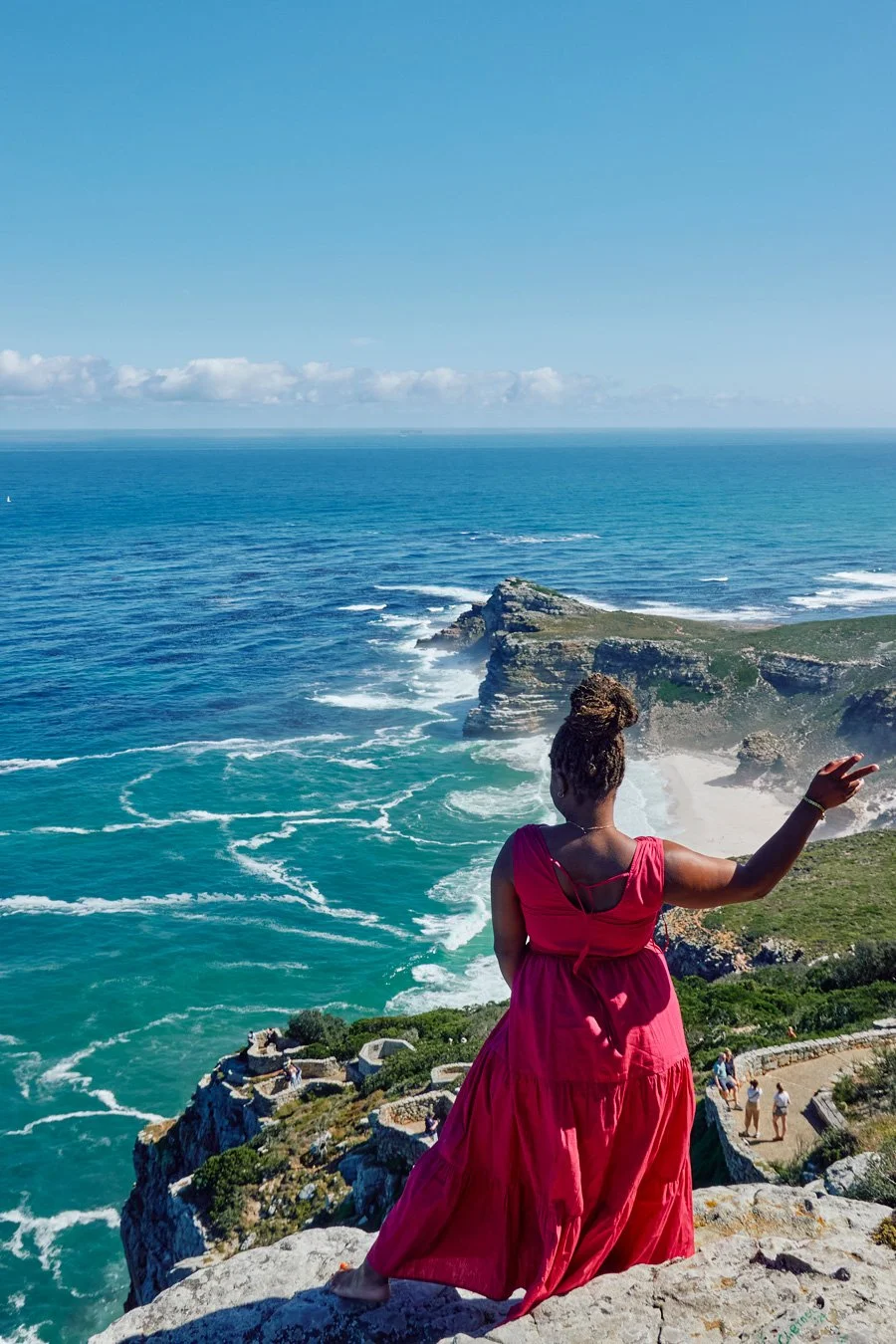
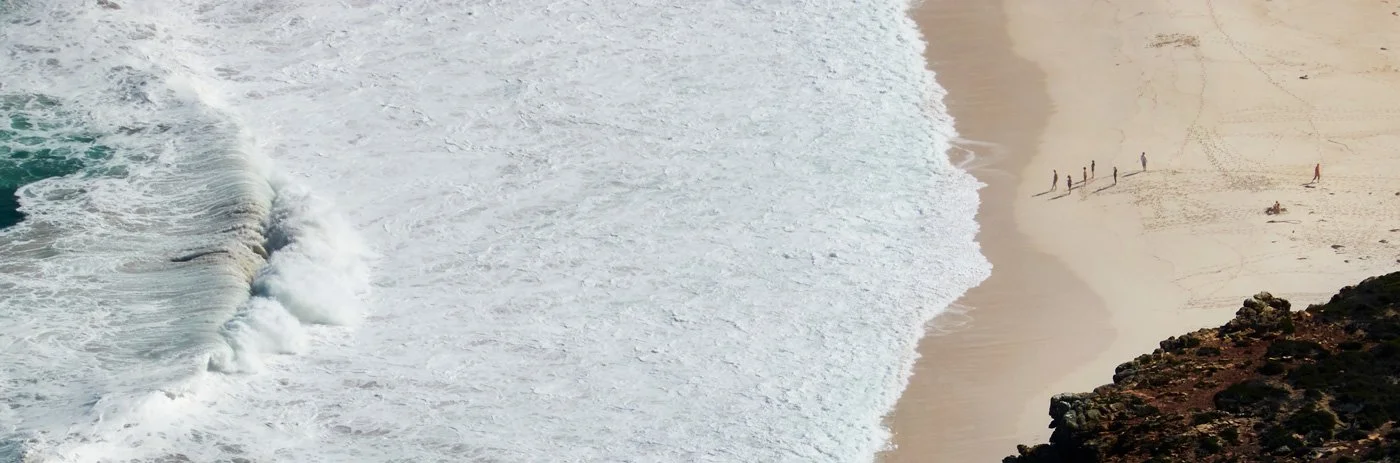
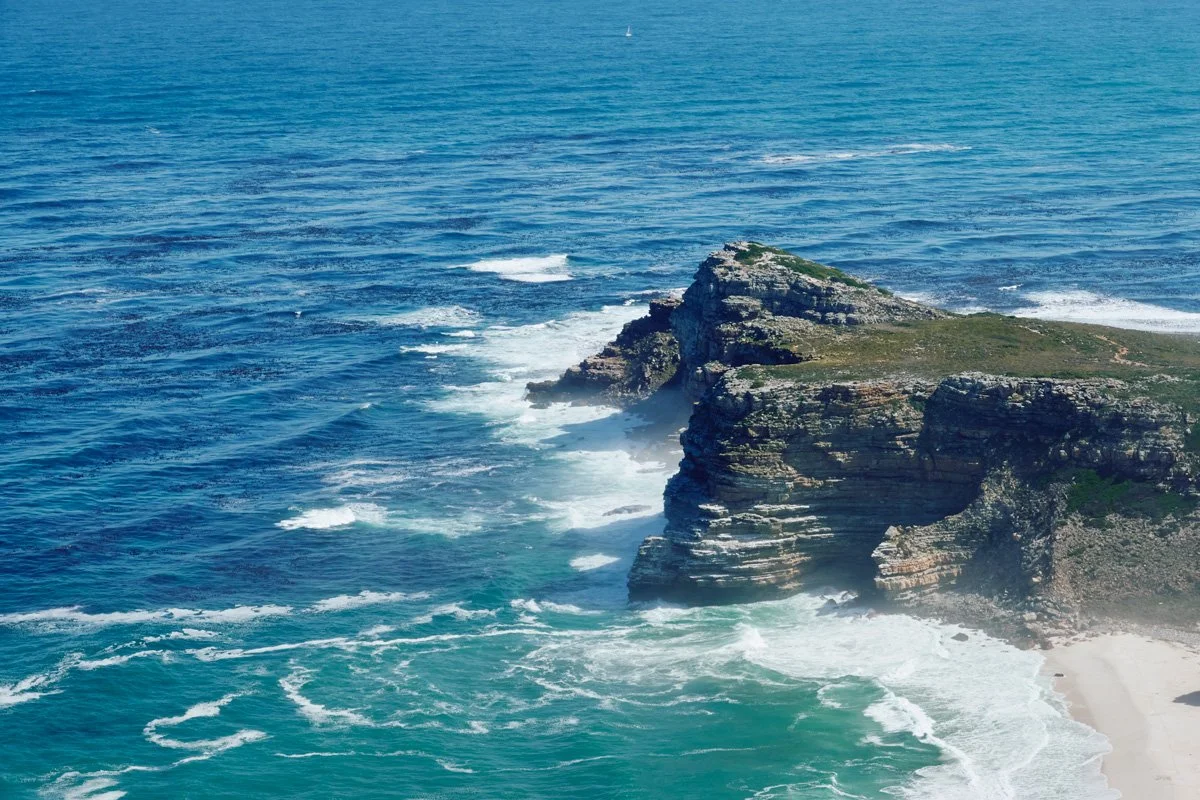
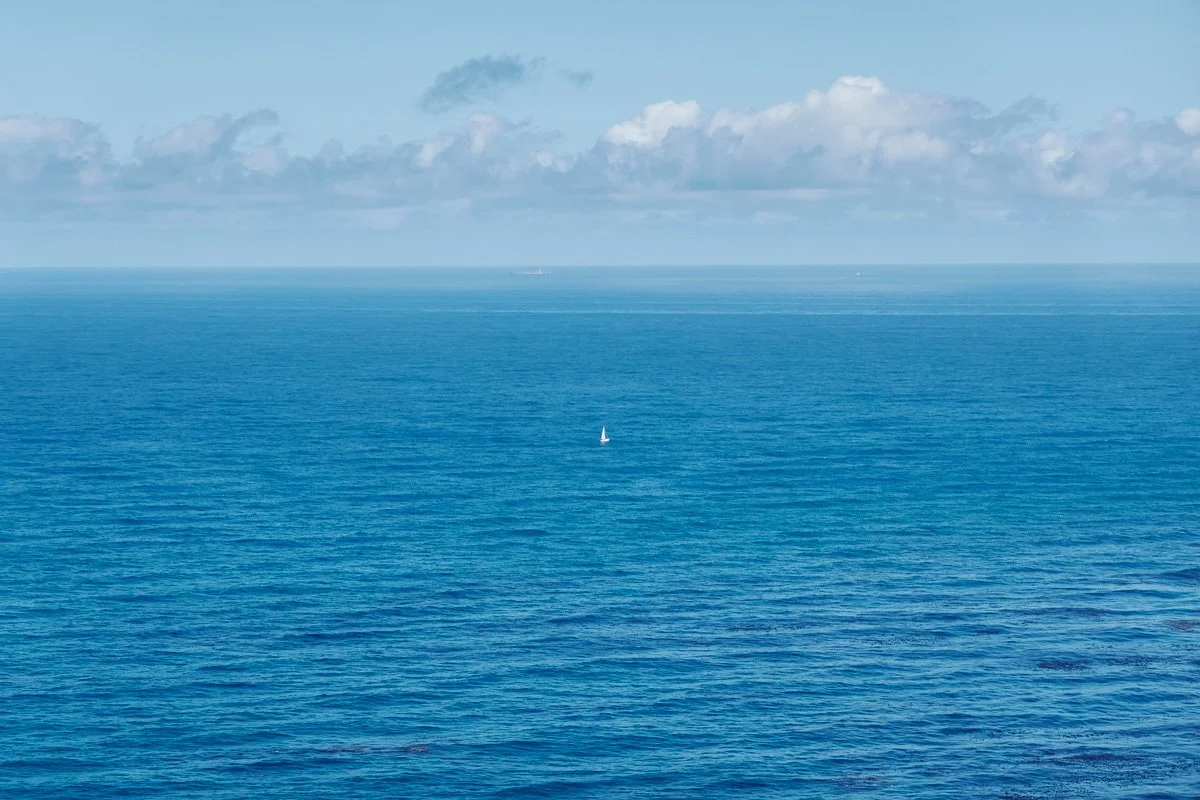
Located at the southwestern tip of the African continent, the journey here is as significant as the destination. It’s a 90-minute drive from the city, ideally paired with a stop at Boulders Beach to see the African penguins.
Weng’s Vision: "Don't just take the mandatory photo with the signpost. Walk the trails toward the cliffs. It’s there, where the wind and waves collide against the sheer scale of the precipice, that you truly feel the 'God’s eye view' I captured in my photos."
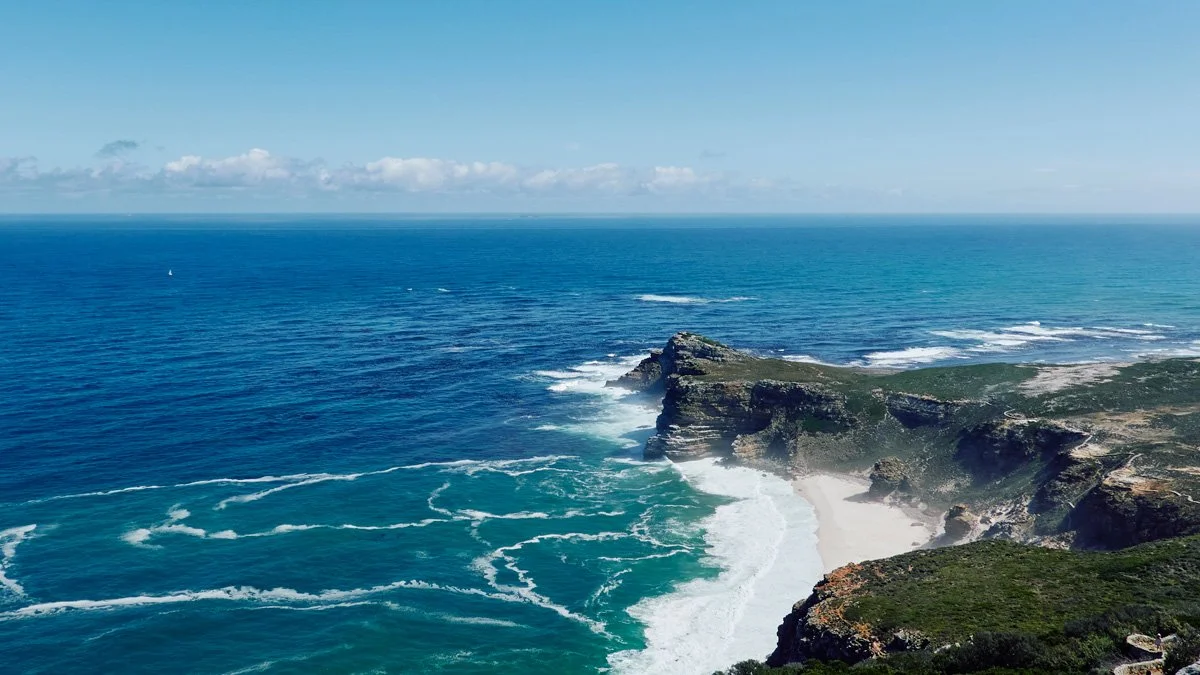
Cape Point Road, Cape Point, Cape Town, South Africa
-
Nestled on the slopes of Signal Hill, Bo-Kaap is famous for its rows of high-saturation, candy-colored houses. But for Weng, it was the soul of the neighborhood—not just the paint—that resonated.
Weng’s Reflection: "This is a living, breathing residential area, not a movie set. As a photographer, it’s about being a silent observer—keeping your voice low and your respect high. If you have time, duck into a local eatery to taste authentic Cape Malay cuisine; the spices are as vibrant as the walls."
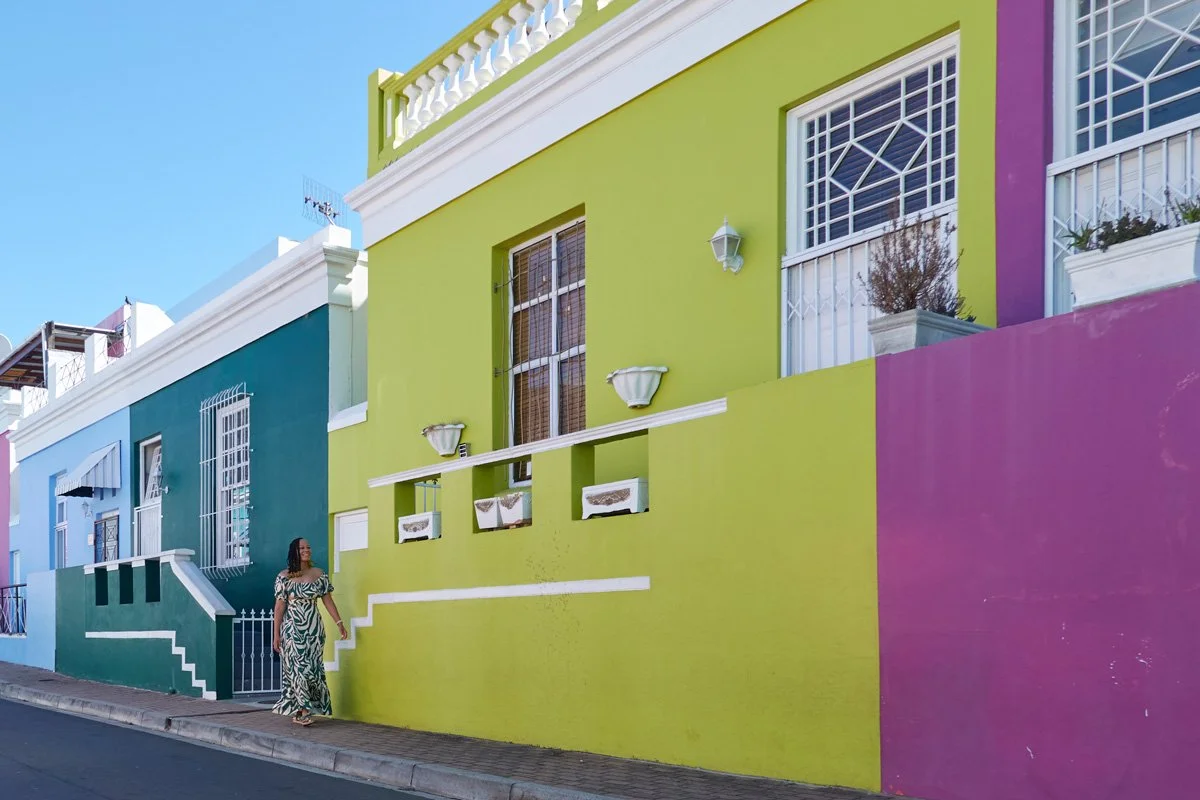
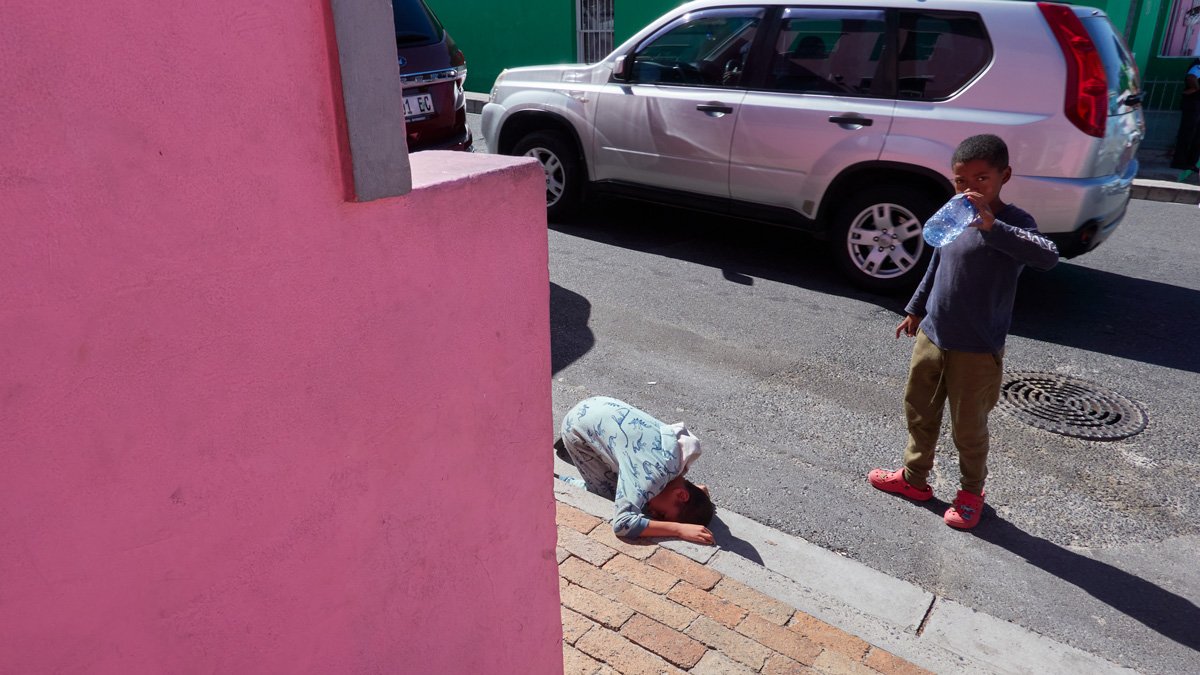
Wale Street, Bo-Kaap, Cape Town 8001, South Africa