
一盞燈如何改變一個空間?重塑空間的微光雕塑,走進墨爾本燈具工作室 Volker Haug Studio
© Annika Kafcaloudis
燈光點亮的的瞬間,空間氛圍也會隨之改變。光線重新定義了牆面的虛實、物件的輪廓,以及身居其中時的細微感受。在建築與室內設計的世界裡,光影往往扮演著靈魂角色,它能靜默地訴說空間語彙,也能於頃刻間賦予抽象結構動人的溫度。
來自墨爾本的燈具設計事務所 Volker Haug Studio,長期專注於光的探索,透過金屬的份量、玻璃的質地,以及光影渲染擴散的邊界,為空間疊加出深邃而豐富的層次。這間如今在國際設計界獨樹一幟的工作室,最初萌芽的起點其實非常微小。源自創辦人 Volker Haug 的童年回憶,家人常笑說他小時候總是不停反覆切換電燈開關,只為了觀察同一個空間,隨著光線切換產生截然不同的表情。二十多年前,Volker Haug 在墨爾本的一處小車庫裡搭起第一張工作檯,開啟了他對燈光設計的終身熱情。
-
The moment a light is turned on, the atmosphere of a space transforms. Light redefines the solidity of walls, the silhouettes of objects, and the subtle sensations of those within. In the realms of architecture and interior design, light and shadow often play the soul-stirring roles, silently narrating the spatial vocabulary and instantly imparting moving warmth to abstract structures.
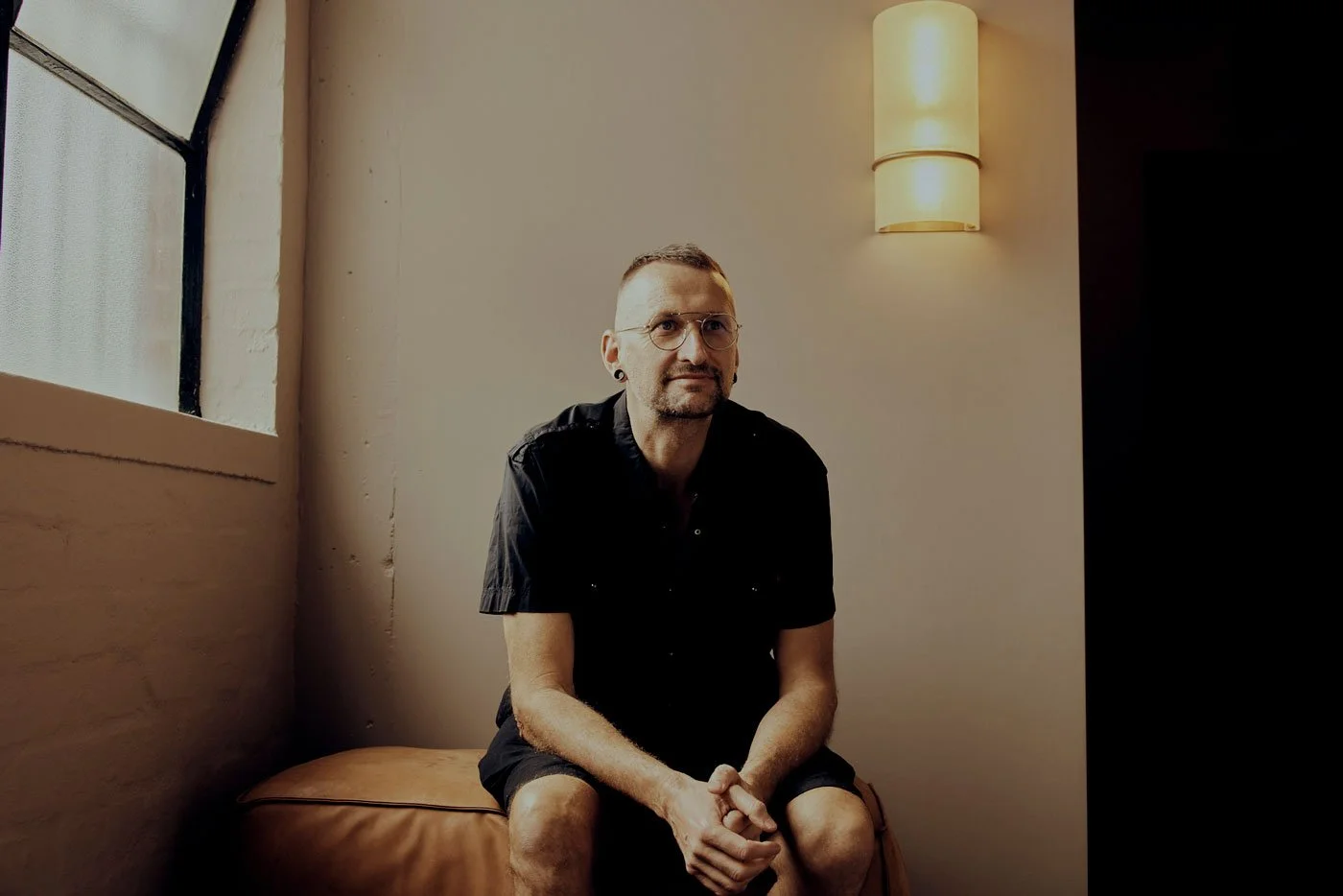
Based in Melbourne, Volker Haug Studio has long focused on the exploration of light. Through the heft of metal, the texture of glass, and the diffused boundaries of rendered light, they layer profound and rich dimensions into a space. This studio, now uniquely distinguished in the international design scene, actually had very humble beginnings. Stemming from the founder Volker Haug's childhood memories, his family notes that he "was forever flicking light switches on and off as a child, just to see how a room could change". It was over 20 years ago that Volker Haug set up his first workbench in a small Melbourne garage, sparking a lifelong passion for lighting design.
© Pier Carthew
© Volker Haug
以雙手度量線條,讓燈具造型與光源同頻共振
在踏入燈具設計之前,Volker Haug 曾接受過專業的美髮師訓練,而這段跨界經歷無意間成了他日後設計視角的獨特養分。
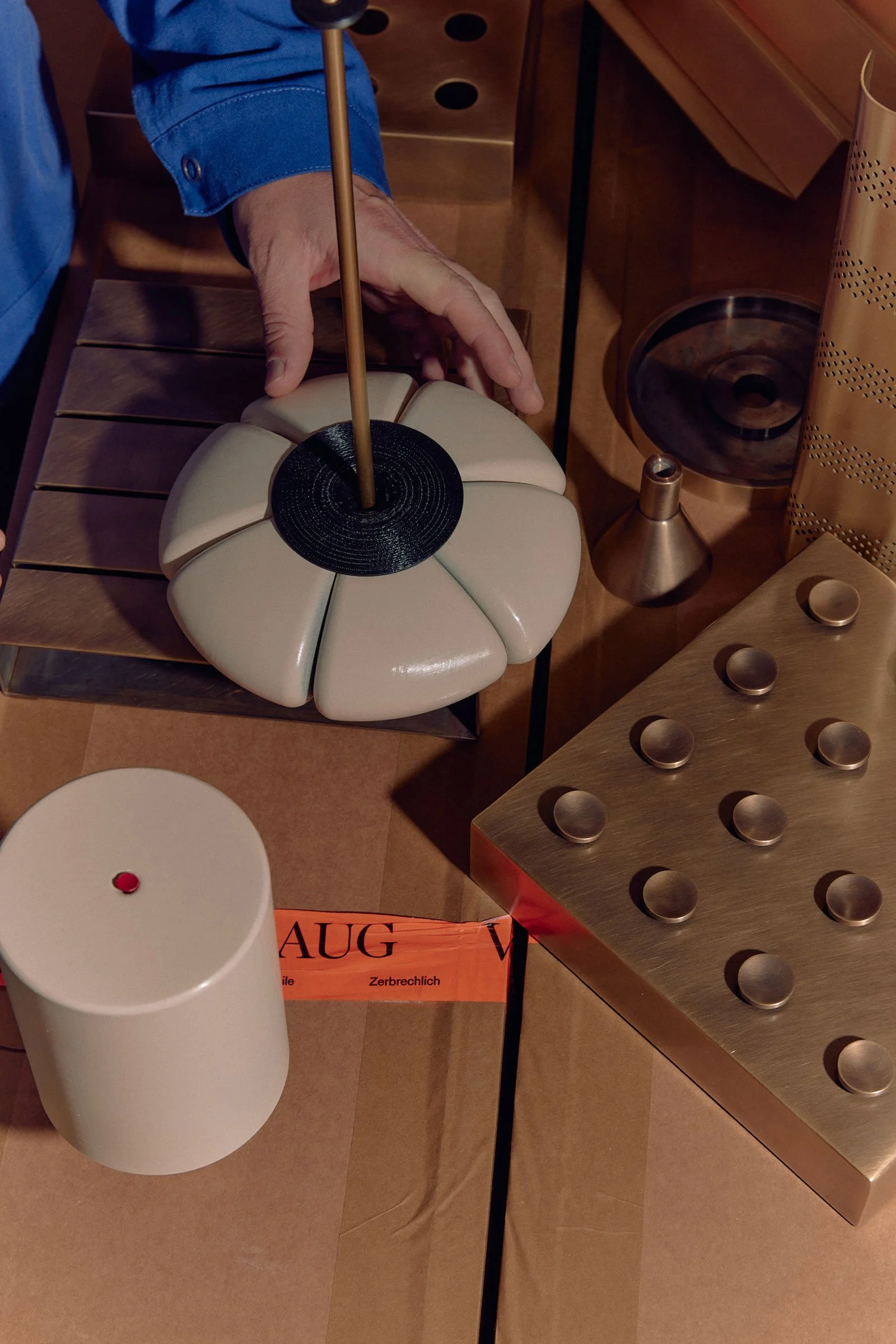
看似毫無關聯的兩種工作,其實都是需要依靠雙手判斷比例、線條與質地。從處理髮絲的線條流動,到精準拿捏黃銅、鋁材與玻璃等材質,Volker Haug 將對細節的敏銳度,自然延伸至燈具設計之中。而這種對手作過程的堅持,也奠定了往後工作室的核心精神。在 Volker Haug Studio,一盞燈的誕生很少是從電腦的 3D 模擬圖開始,而是經由工匠在墨爾本工作坊內實地的動手塑造,再經過實體測試與反覆琢磨,才逐漸成形。
對 Volker Haug 而言,燈具造型與光線從來不是各自獨立的存在。金屬的厚度、表面的反射、玻璃折射出的光暈,都在製作過程中被反覆調整,燈具造型與光線在一次次試作中慢慢找到彼此最自然的樣子。
-
Measuring Lines by Hand: Harmonizing Form and Light
Before stepping into lighting design, Volker Haug was professionally trained as a hairdresser. This cross-disciplinary experience inadvertently became a unique foundation for his future design perspective.
These two seemingly unrelated jobs actually both require relying on the hands to judge proportion, lines, and texture. As Haug notes about the two professions, "you're working with your hands, solving problems creatively, and creating something that changes how people feel". From managing the flow of hair to precisely handling materials like brass, aluminum, and glass, he naturally extended his sensitivity to detail into lighting design. This dedication to the handmade process established the core ethos of the studio. At Volker Haug Studio, the birth of a light rarely starts with a 3D computer rendering; instead, it is physically sculpted by artisans in the Melbourne workshop, gradually taking shape through physical testing and continuous refinement.
For Volker Haug, "the light and object are never separate ideas". The thickness of the metal, the surface reflections, and the halos refracted by the glass are repeatedly adjusted during the making process. Through this, "the form, the material and the quality of light all evolve together through making, testing and refining until they feel inseparable".
© Pier Carthew
在日常肌理與歲月間尋找光的靈魂,轉換視角發掘物料之美
走進 Volker Haug Studio 的工作坊,最吸引人的莫過於他們對材質高度專注且富有實驗精神的探索。從黃銅、古銅、拉絲鎳、鎗色金屬,到鋁材、鑄黃銅、玻璃、陶瓷至玻璃纖維,工作室將多重物料轉化為創作的語彙。
比起盲目追逐新的材料,他更在意那些每天都看得見、摸得到的物件,例如黃銅、玻璃、鋁材,在時間洗禮後留下的氧化、磨耗與光澤變化,比任何新奇材質都更耐人尋味。對他而言,創作靈感往往不是來自尋找全新的材料,而是源於獲得一種看待材質的嶄新視角。
-
Finding the Soul of Light in Everyday Textures and the Passage of Time: A New Perspective on Material Beauty
Stepping into Volker Haug Studio's workshop, the most striking feature is their highly focused and experimental exploration of materials. From brass, bronze, brushed nickel, and gunmetal to aluminum, cast brass, glass, ceramics, and fiberglass, the studio translates multiple materials into a creative vocabulary.
Rather than blindly chasing new materials, he cares more about the everyday objects we see and touch—like brass, glass, and aluminum. The oxidation, wear, and patina left by the baptism of time are far more intriguing than any novel material. For him, creative inspiration often doesn't come from finding brand-new materials; rather, "often, we've found that the most interesting material is sitting right in front of us. It simply requires a shift in perspective to recognise its potential and value".
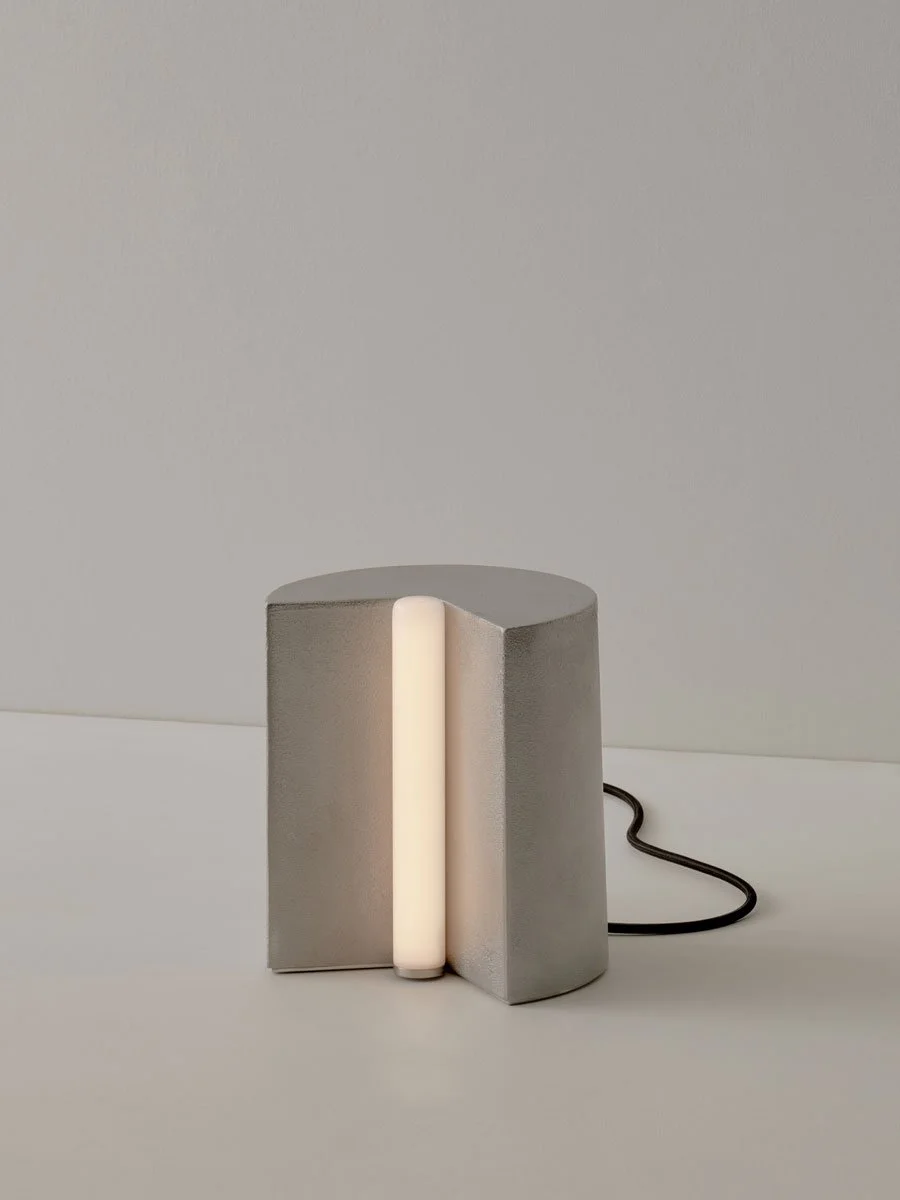
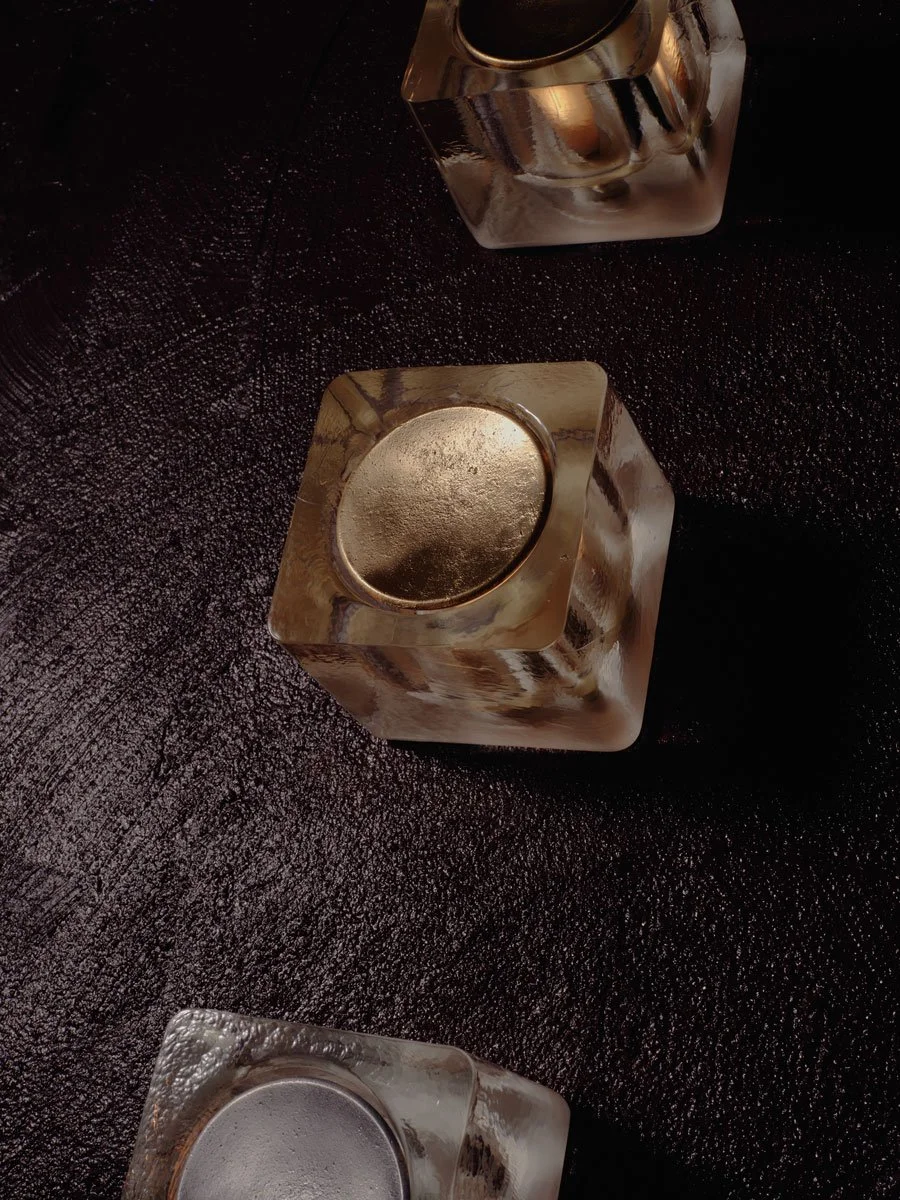
© Pier Carthew
從幾何結構到金屬紋理,豐富多元的作品系譜
對材質的探索,也清晰地反映在工作室風格各異的作品脈絡 。在一系列探討結構的作品裡,幾何邏輯被運用得十分巧妙,如 Me and You、und Messing與 Pyramid Scheme 將黃銅材質拆解,轉化為帶有建築感的線條;而 Anton、Oddments 與 Step & Kick 等系列,則透過非對稱的構圖打破傳統燈具的規則感,為空間帶來輕盈的視覺節奏。
-
From Geometric Structures to Metallic Textures: A Diverse Lineage of Work
This exploration of materials is clearly reflected in the studio's diverse lineage of works.
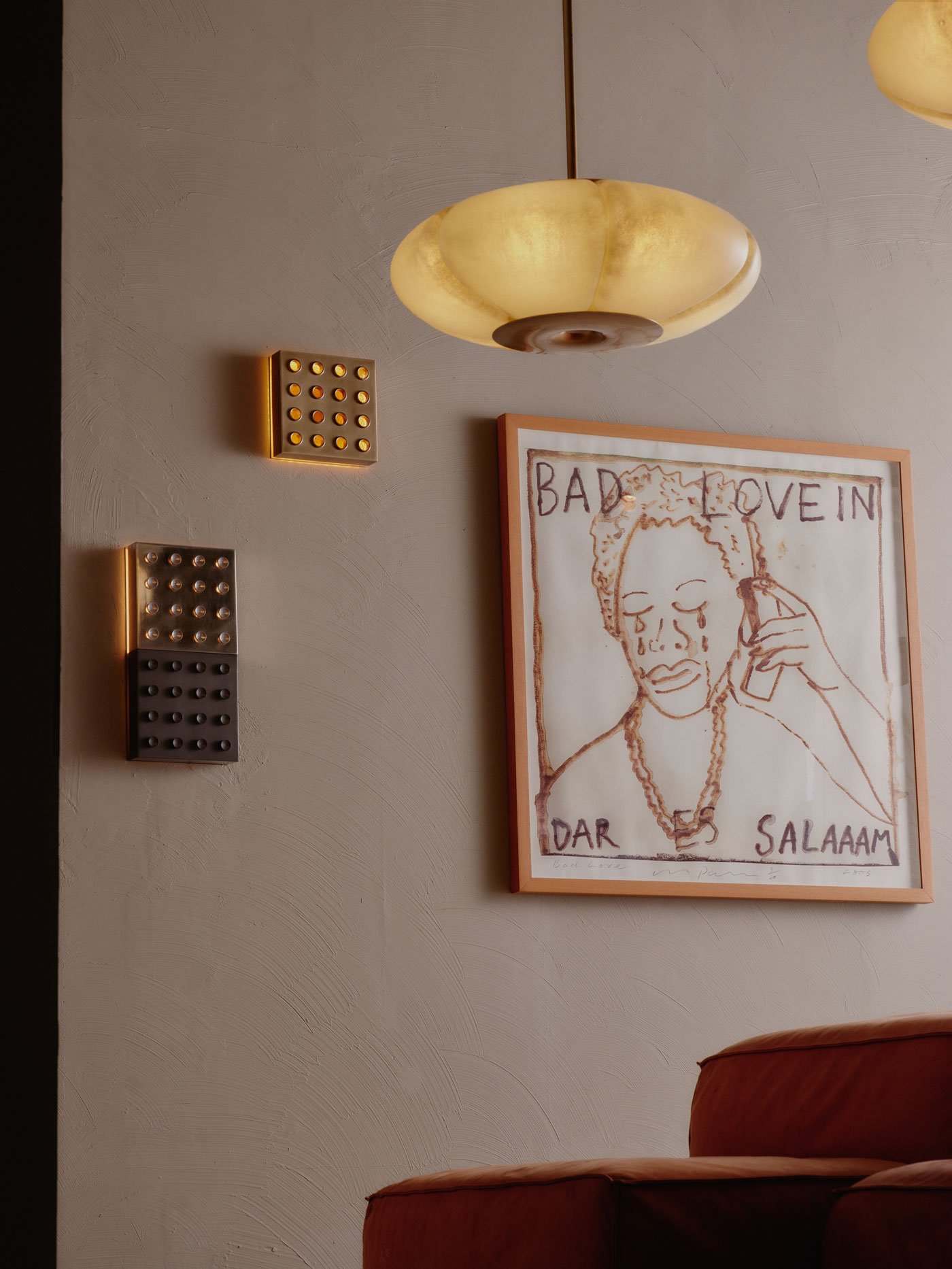
In a series of pieces exploring structure, geometric logic is ingeniously applied. Works like Me and You, und Messing, and Pyramid Scheme deconstruct brass into architectural lines. Meanwhile, series such as Anton, Oddments, and Step & Kick break the conventional rules of lighting through asymmetrical compositions, bringing a light visual rhythm to the space.
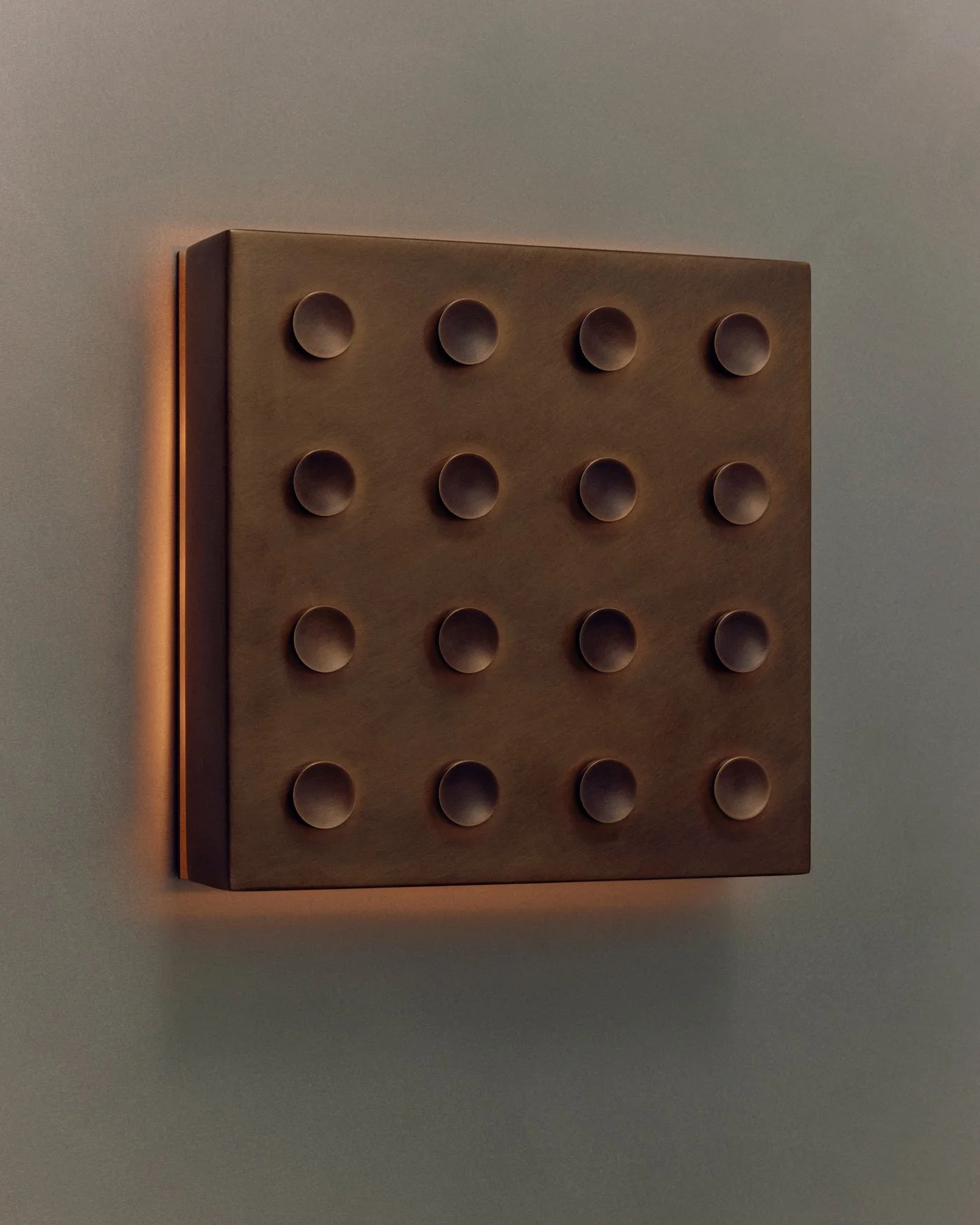
Lucky Stud, Me and You series © Pier Carthew
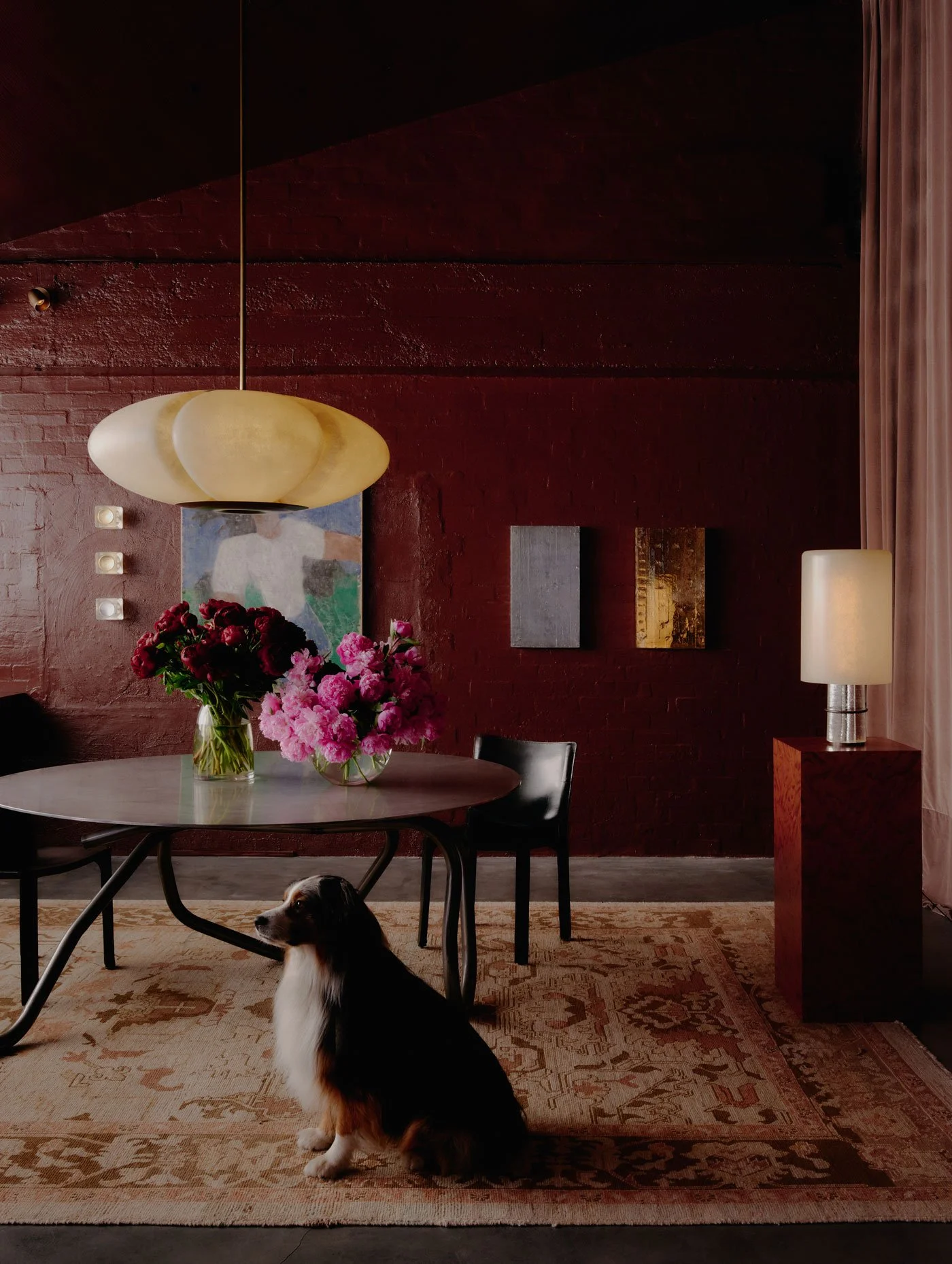
Me and You series © Pier Carthew
在組件與結構的應用上,Chain、Forms,Portable 與 Archive 探索著模組之間的串聯與延伸,使硬朗的金屬呈現出如鎖鏈般連續的動態感。而這種對形態的探索,往往還夾帶著工作室獨特的幽默感。不同於傳統高級燈具對嚴肅與完美對稱的執念,Volker Haug 常用帶有自嘲與雙關的命名,如 Pyramid Scheme 或 Oddments,並搭配非對稱的構圖與不按牌理出牌的線條,為冷峻的金屬注入一股隨意而有趣的輕盈感。
-
In the application of components and structures, Chain, Forms, Portable, and Archive explore the connection and extension between modules, giving rigid metal a continuous, chain-like dynamism. This morphological exploration often carries the studio's unique sense of humor. Unlike traditional high-end lighting's obsession with seriousness and perfect symmetry, Volker Haug frequently uses self-deprecating and punny names—such as Pyramid Scheme or Oddments—paired with asymmetrical compositions and unconventional lines to inject a casual, playful lightness into the austere metal.
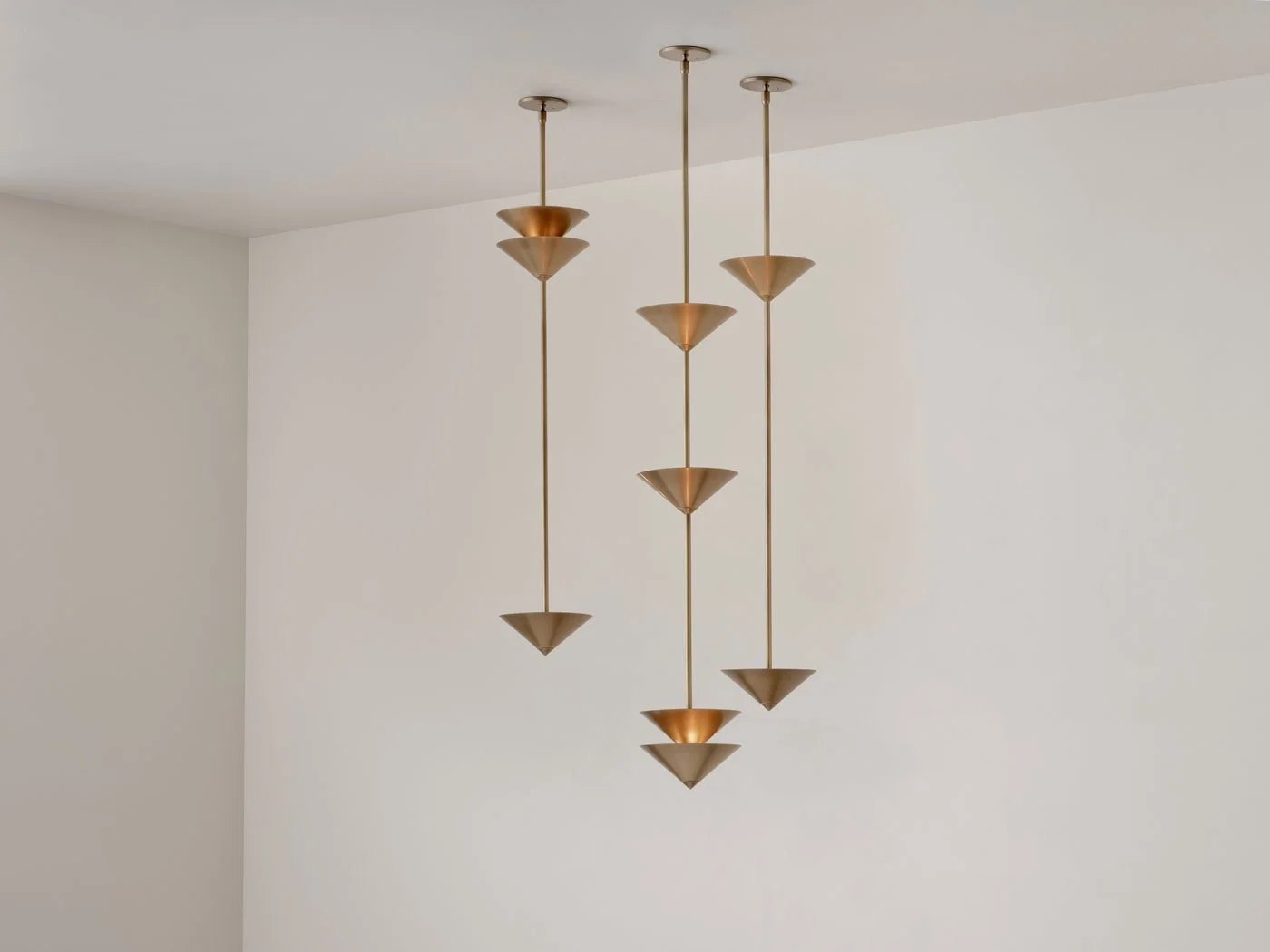
Drop Stack, Pyramid Scheme series © Pier Carthew
此外, Volker Haug Studio 的設計追求著一種微妙的平衡:幾何結構賦予作品明確的輪廓,而材質與光影的調和則注入溫暖情感,讓每件燈具兼具嚴謹的美感與生活的溫度。
當設計回歸材質本身,工作室則透過精準的表面處理展現工藝,例如 Troye 系列提供青銅化黃銅、老化黃銅、拉絲黃銅與拉絲鎳等多種飾面,極簡的輪廓將視覺焦點留給金屬表面的光澤變化;Longtons 系列則以沉穩的雕塑感著稱,特別是深邃的鎗色金屬版本,展現出極具份量的空間存在感。不論是作為空間裡的器物雕塑,或是點亮後的光源媒介,它們都以獨特的姿態引導著環境氣氛。
-
Furthermore, Volker Haug Studio's design pursues a delicate balance: "structure gives a piece clarity and purpose, while subtle shifts in proportion, material and light introduce warmth and emotion," ensuring each piece embodies both rigorous aesthetics and an inviting warmth.
When design returns to the material itself, the studio showcases its craftsmanship through precise surface treatments. For instance, the Troye series offers finishes like bronzed brass, aged brass, brushed brass, and brushed nickel, where minimalist silhouettes leave the visual focus on the metal's changing luster. The Longtons series is renowned for its grounded sculptural presence, especially the deep gunmetal version, which commands substantial spatial presence. Whether acting as a sculptural object in a room or a light source when illuminated, they guide the ambient atmosphere with their unique posture.
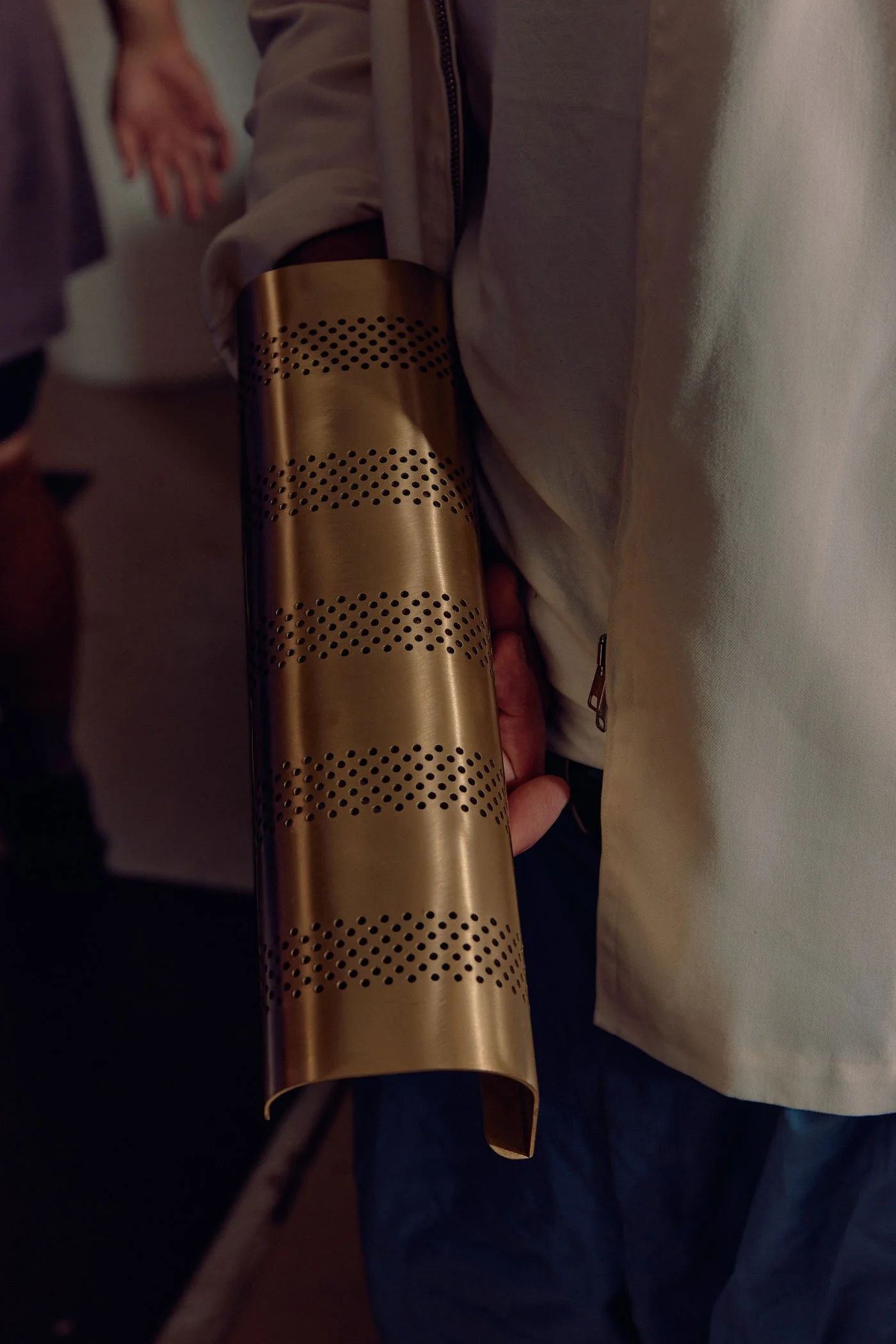
© Annika Kafcaloudis
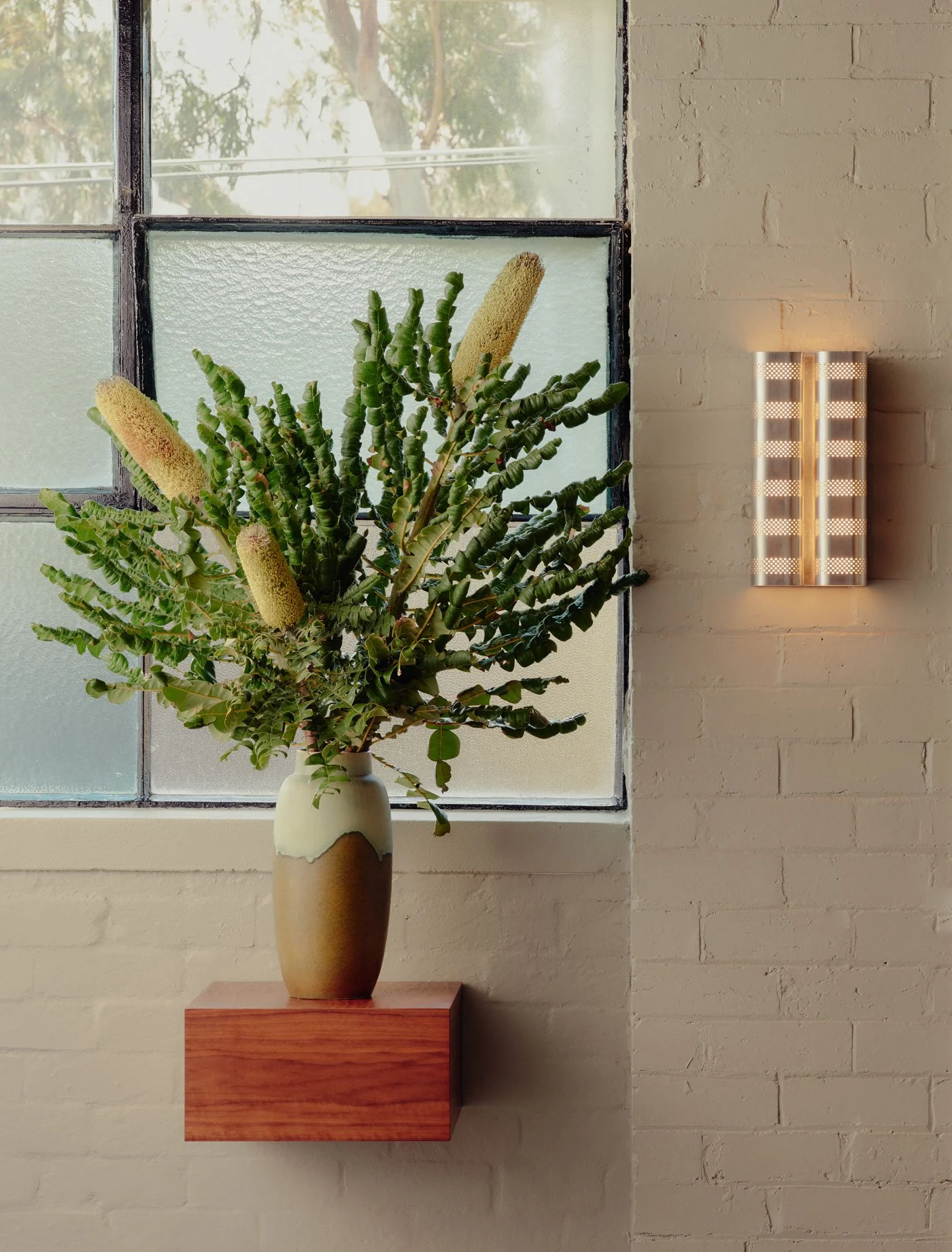
Troye, Me and You series © Pier Carthew
以墨爾本為核心的工藝藍圖,深耕在地的工藝協作網絡
當代設計製造常面臨兩極化的選擇,不是量產帶來的規格化與冷漠感,就是極度封閉的小工作坊所面臨的產能瓶頸。而 Volker Haug Studio 則在兩者之間,找到了一種高度協作且靈活的生產模式。
時至今日,工作室的所有作品依然堅持在墨爾本工作坊內完成設計、表面處理與組裝。然而,這並非封閉的自給自足,而是以工坊為核心,向外擴展出龐大且成熟的工藝師網絡。從當地的金屬鑄造師、玻璃吹製工匠,到跨國的材料專家,工作室與這些匠人建立起長期且深厚的合作默契。
-
A Craftsmanship Blueprint Centered in Melbourne: Cultivating a Local Collaborative Network
Contemporary design manufacturing often faces a polarized choice: either the standardization and coldness of mass production or the capacity bottlenecks of highly isolated small workshops. Volker Haug Studio has found a highly collaborative and flexible production model between the two.
Today, "everything is designed, finished and assembled" in their Melbourne workshop. However, this is not a closed, self-sufficient loop, but a core from which a vast and mature network of artisans expands outward. From local metal casters and glassblowers to international material experts, the studio has established deep, long-term cooperative synergies with these craftspeople.
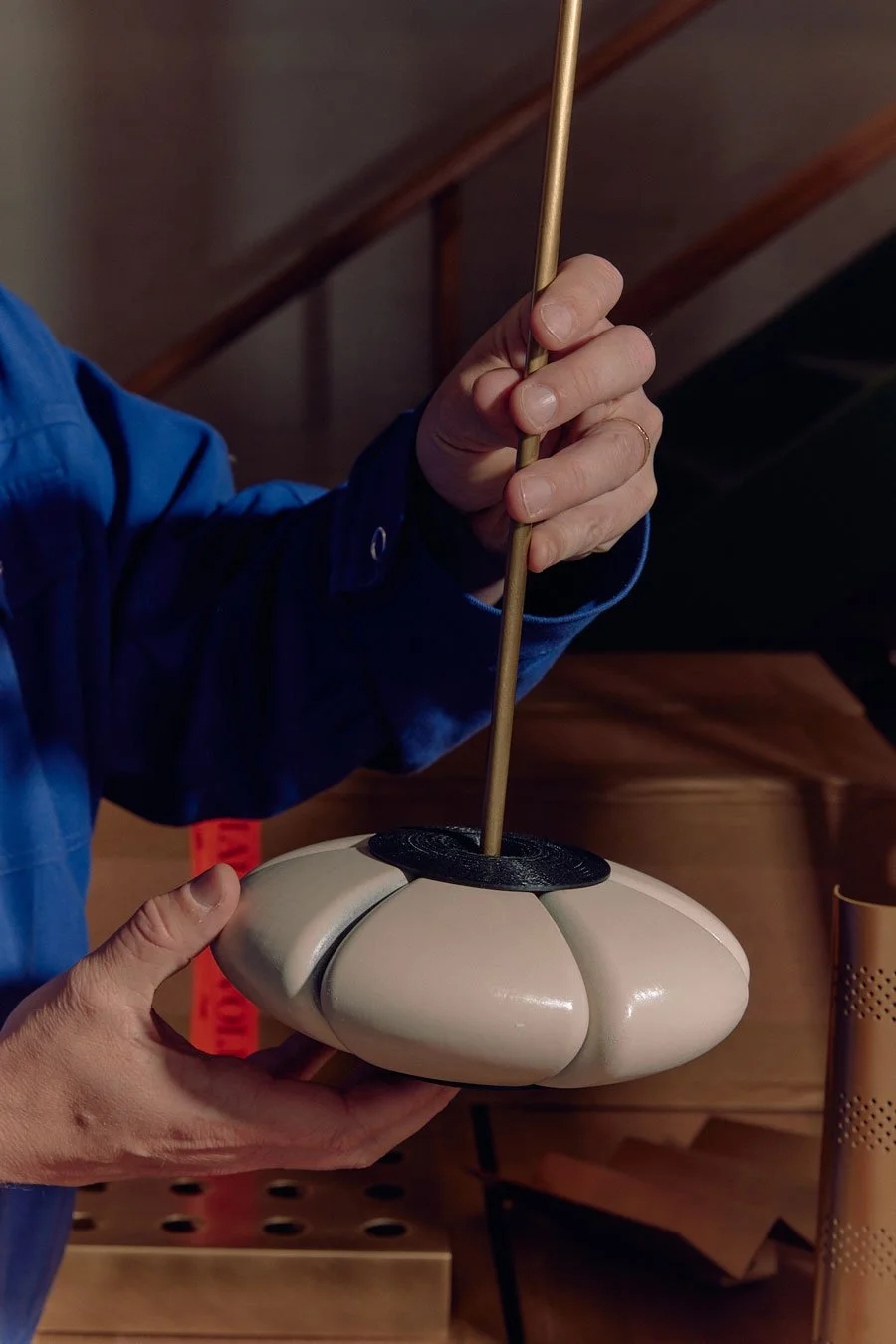
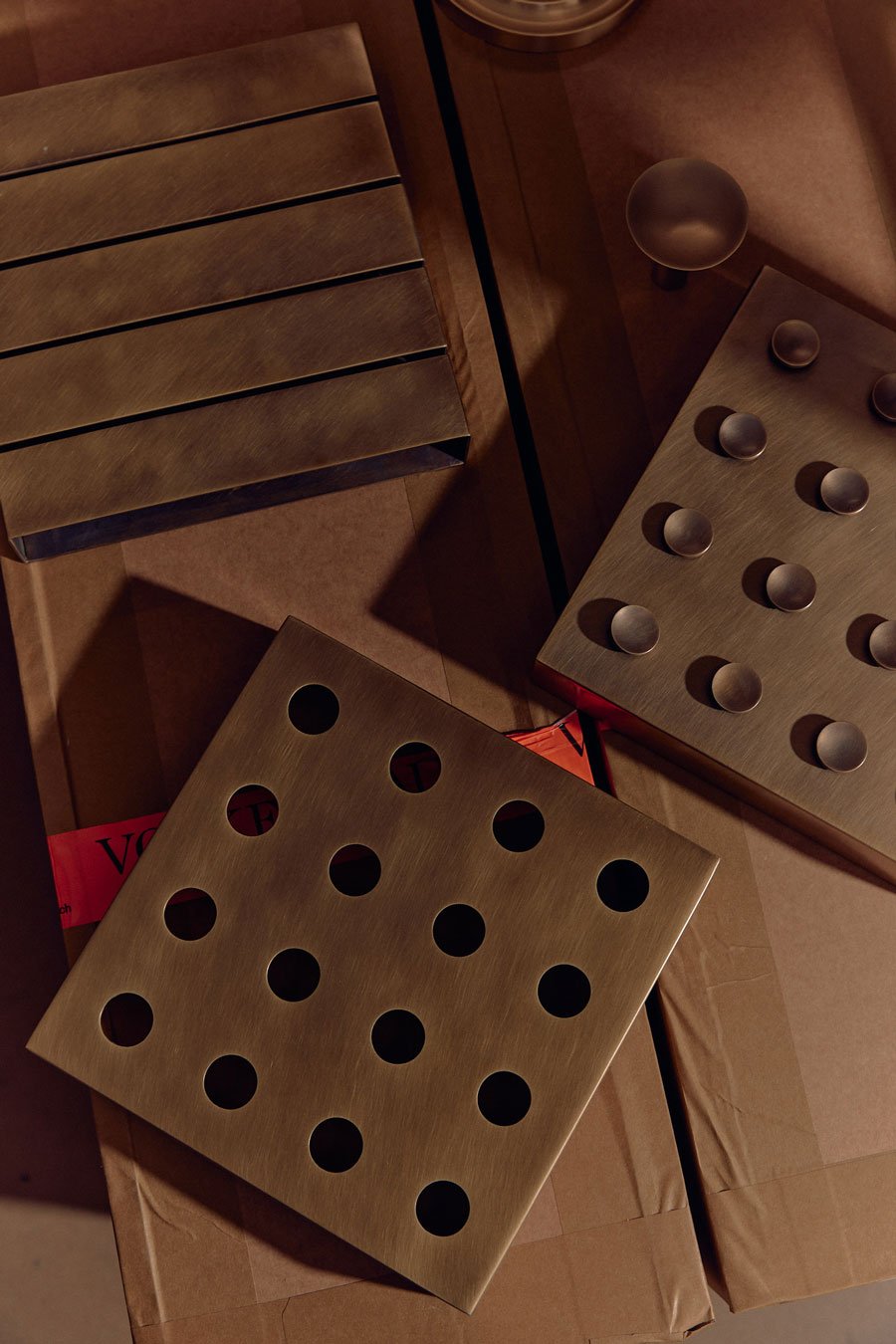
這樣的合作方式,也讓工作室奠定兩項關鍵優勢:
一是能真正回應不同空間的需求。由於每個製作環節都由熟練的匠人與設計團隊掌握,工作室能針對不同建築師與室內設計師的空間需求,精確微調比例與細節。
二是手作物件的溫度與時間感。每一盞工作坊創作的燈具,都凝聚無數雙手累積的經驗與心力。這些細節與用心細細刻劃在金屬接縫、玻璃弧度與飾面質感之中,讓作品散發出經得起歲月考驗的持久品質。
-
This collaborative approach has secured two key advantages for the studio:
First, the ability to truly respond to the needs of different spaces. Because skilled artisans and the design team oversee every production stage, the studio can precisely fine-tune proportions and details to meet the spatial requirements of various architects and interior designers.
Second, the warmth and timelessness of handcrafted objects. Every light created in the workshop embodies the accumulated experience and effort of countless hands. These details and dedication are meticulously carved into metal seams, glass curvatures, and surface textures, giving the works an enduring quality that withstands the test of time.
© Pier Carthew
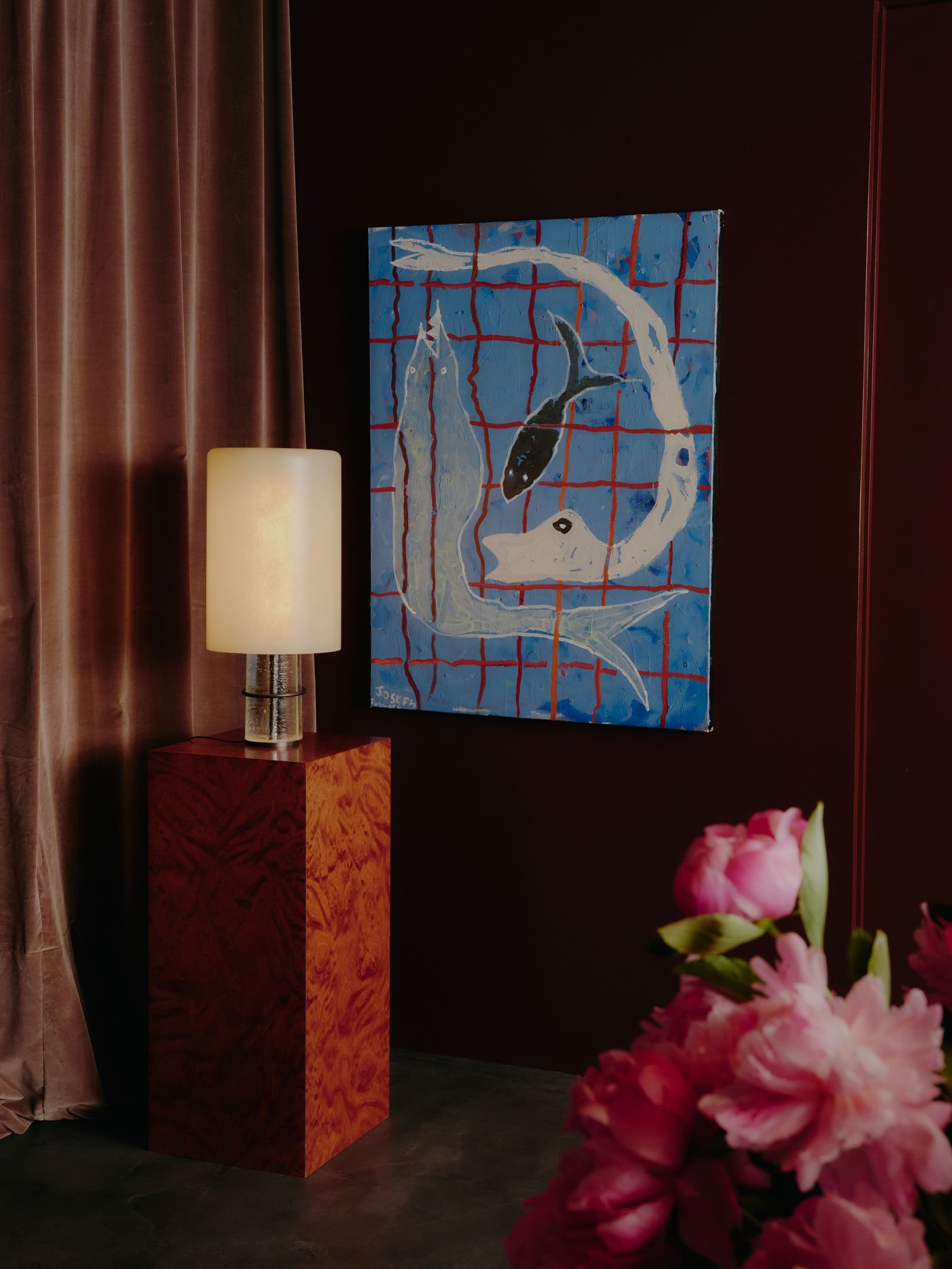
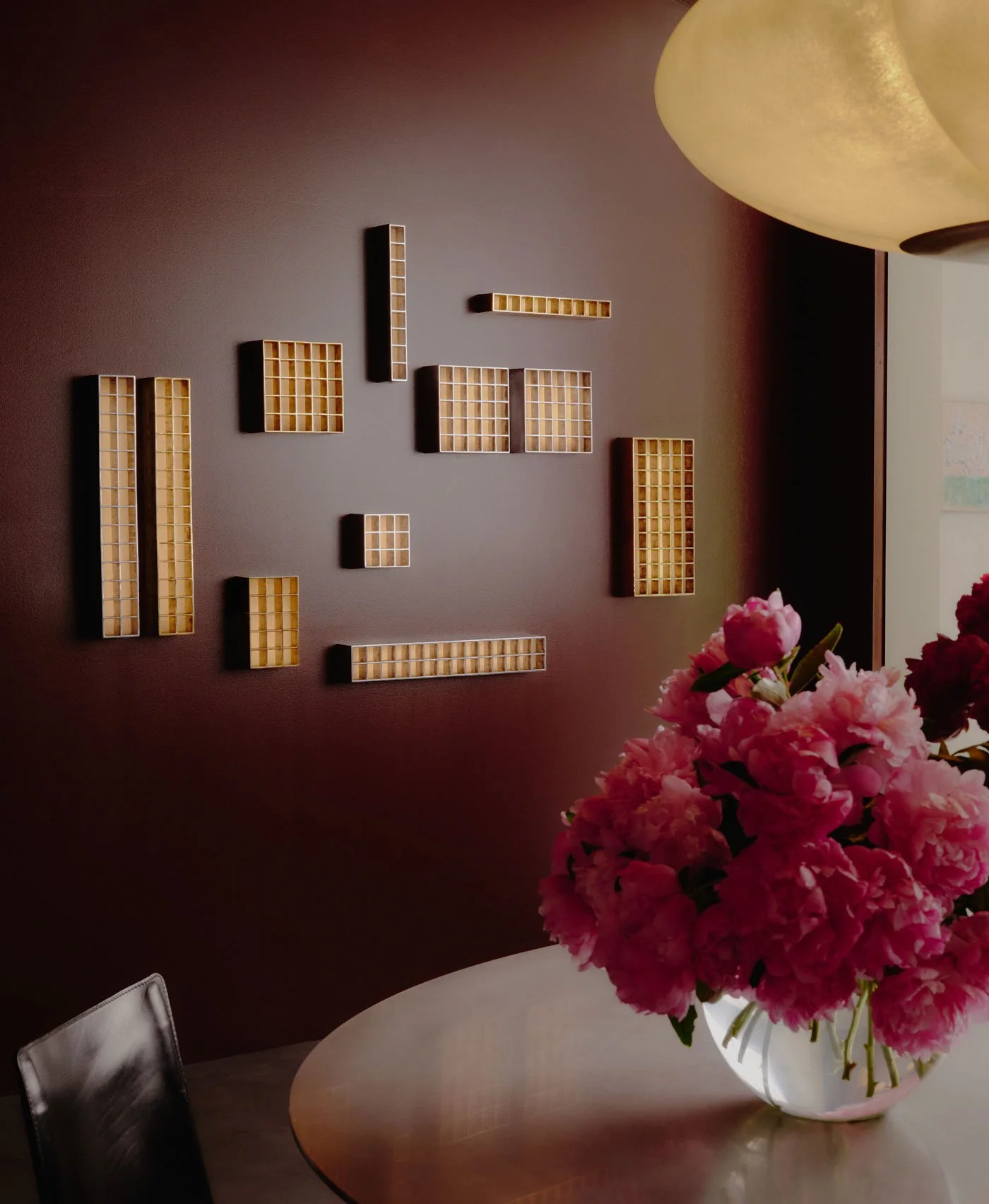
在此協作模式下,極具代表性的案例便是與 Flack Studio 共同開發的 Me and You系列(包含名為 Bruce 的燈具作品)。在開放的創意對話中,該系列完美融合了 Flack Studio 極強的室內設計手法,以及 Volker Haug Studio 對光線、材質與製作工藝的深入探索,展現出跨界合作所激盪出的強大火花。
值得一提的是,工作室在追求當代美學的同時,也始終對土地歷史抱持敬意。Volker Haug Studio 官方也公開向墨爾本這片土地的傳統所有者——庫林族(Kulin Nation)的 Wurundjeri Woi-Wurrung 人致敬。這種對在地人文與歷史脈絡的深刻連結,也隱隱融入了他們沉穩內斂的設計語彙之中。
-
A highly representative case of this collaborative model is the Me and You collection (including the piece named Bruce), co-developed with Flack Studio. This series "emerged through an open creative dialogue, combining Flack Studio's expressive approach to interiors with our exploration of light, materiality, form and process," showcasing the powerful spark ignited by cross-disciplinary collaboration.
It is worth mentioning that while pursuing contemporary aesthetics, the studio consistently maintains respect for the history of the land. Volker Haug Studio officially pays respects to the Traditional Owners of the land in Melbourne—the Wurundjeri Woi-Wurrung people of the Kulin Nation. This profound connection to local humanity and historical context subtly integrates into their grounded and understated design vocabulary.
Bruce, Me and You series © Pier Carthew
走進空間的雕塑:光於藝廊、宅邸與建築場域中的實踐
燈具真正的生命力,唯有進入真實空間後才能完整發揮。Volker Haug Studio 的作品常年出現於藝廊、私人宅邸與商業空間之中。在紐約設計藝廊 The Future Perfect 展出的《Pilz Collection》,讓燈具跳脫了純粹的照明功能,以獨立雕塑的姿態與當代藝術對話。作品憑藉獨特的材質肌理與幾何比例,在極簡的展覽空間中形塑出獨特的視覺焦點。
-
Sculptures Stepping into Space: The Practice of Light in Galleries, Residences, and Architecture
The true vitality of lighting is fully realized only when it enters a real space. Volker Haug Studio's works are fixtures in galleries, private residences, and commercial spaces year-round. The Pilz Collection, exhibited at the New York design gallery The Future Perfect, allowed the lighting to transcend pure illumination, dialoguing with contemporary art as independent sculptures. With their unique material textures and geometric proportions, the pieces shaped a distinct visual focal point within the minimalist exhibition space.
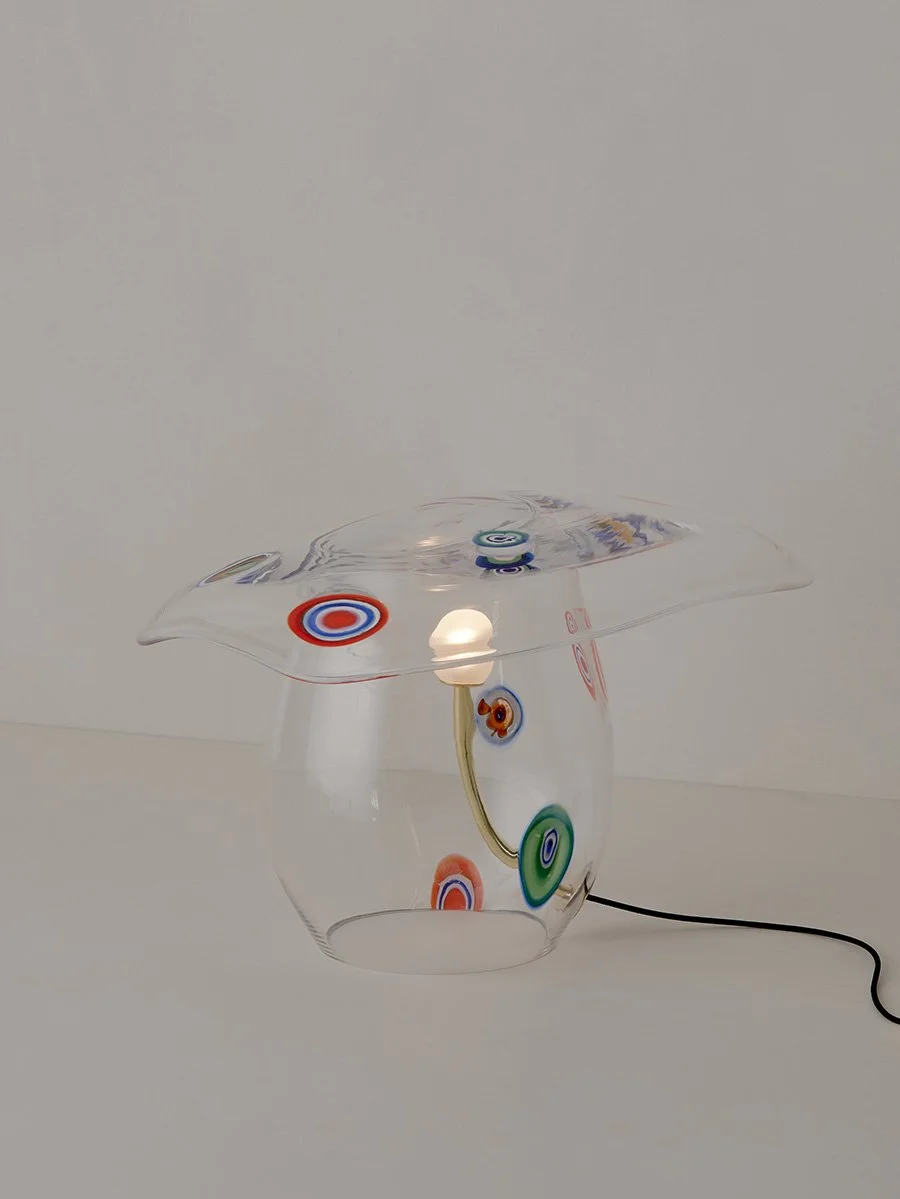
Pilz Collection © Pier Carthew
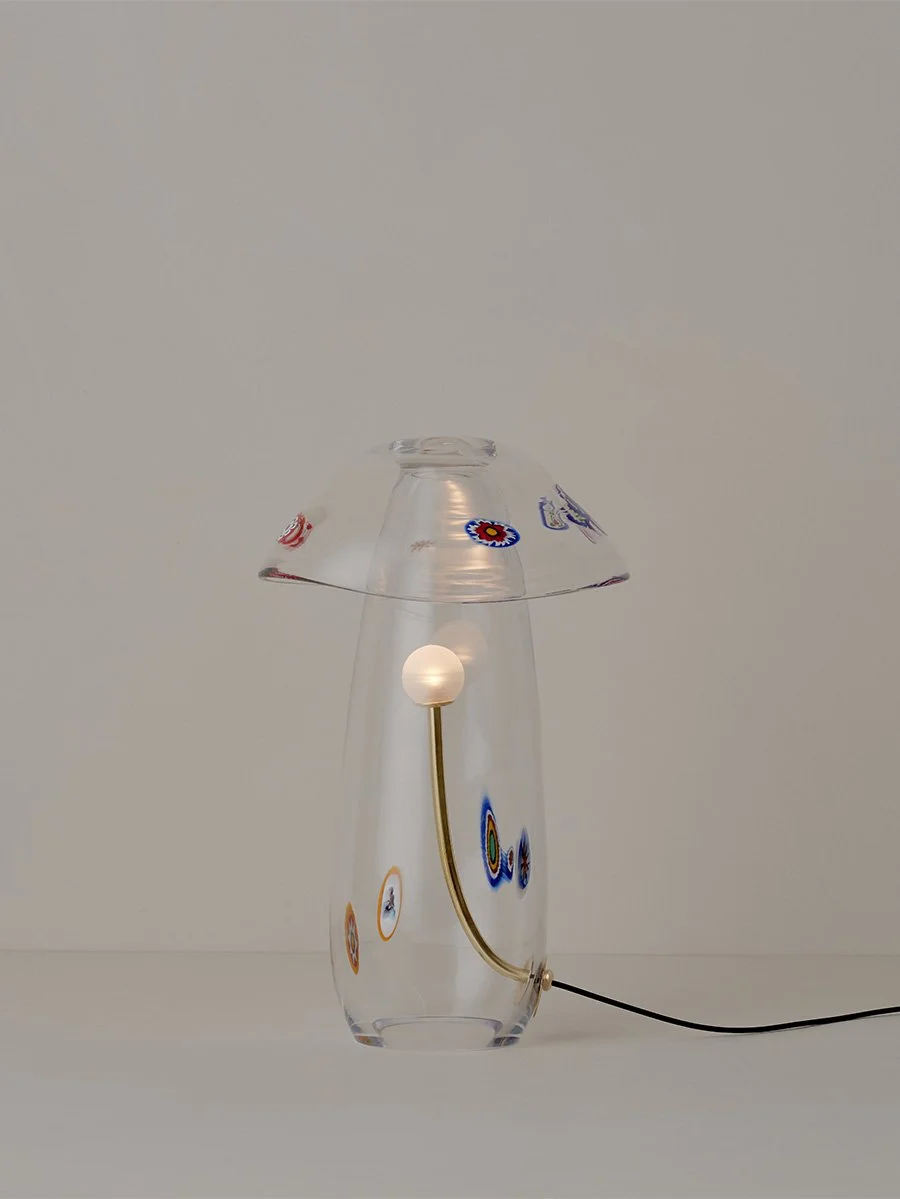
Pilz Collection © Pier Carthew
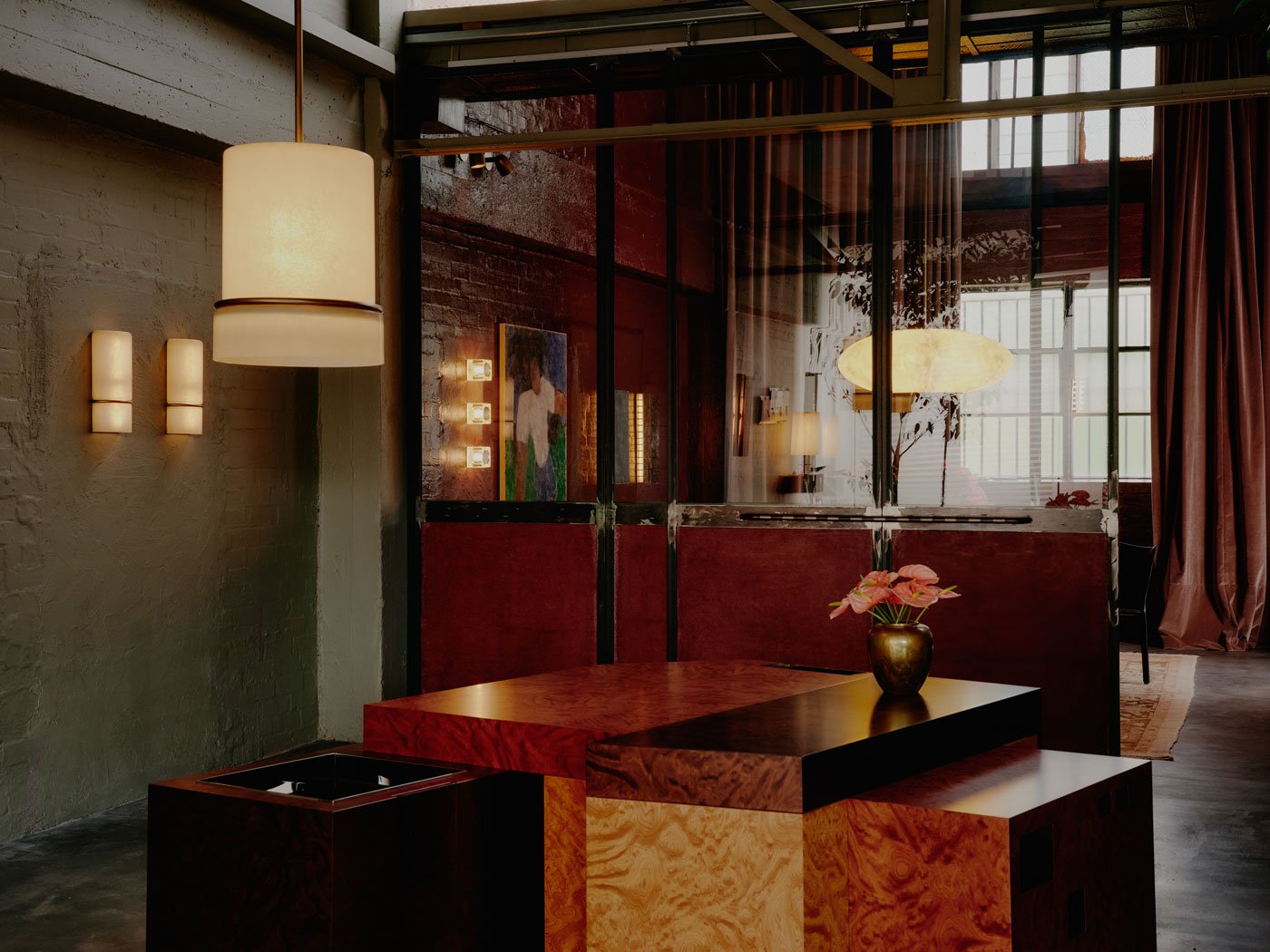
擅長以強烈的視覺風格構築空間的美國室內設計師 Kelly Wearstler 則在私人住宅項目中,選用了鎗色金屬飾面的 Longtons 燈具,沉穩的線條與金屬光澤,正好為空間注入一股冷靜而洗練的質感。而在澳洲建築事務所 Kennedy Nolan 設計的 Melbourne Place 項目中,Volker Haug Studio 從建築初期便納入考量的結構元素,透過光線引導出空間的動線與層次 。
這些跨越藝廊、住宅與公共空間的實踐,展現出作品在不同場域中的強大適應力。從紐約、雪梨 Potts Point 到墨爾本藝術博覽會(Melbourne Art Fair 2026)的展出,至榮獲 2025 年墨爾本設計週大獎(Melbourne Design Week Award)的肯定,Volker Haug Studio 早已讓燈具擺脫了純粹的功能性,直接與當代空間藝術進行深度對話。
-
American interior designer Kelly Wearstler, known for constructing spaces with strong visual styles, selected the Longtons fixtures in a gunmetal finish for a private residential project. The grounded lines and metallic luster perfectly injected a calm and refined texture into the space. In the Melbourne Place project designed by Australian architectural firm Kennedy Nolan, Volker Haug Studio's structural elements were considered from the early architectural stages, using light to guide the space's flow and layering.
These practices across galleries, residences, and public spaces demonstrate the works' powerful adaptability in diverse environments. From exhibitions in New York and Sydney's Potts Point to the Melbourne Art Fair 2026, and recognition with the 2025 Melbourne Design Week Award, Volker Haug Studio has long liberated lighting from pure functionality, engaging directly in deep dialogues with contemporary spatial art.
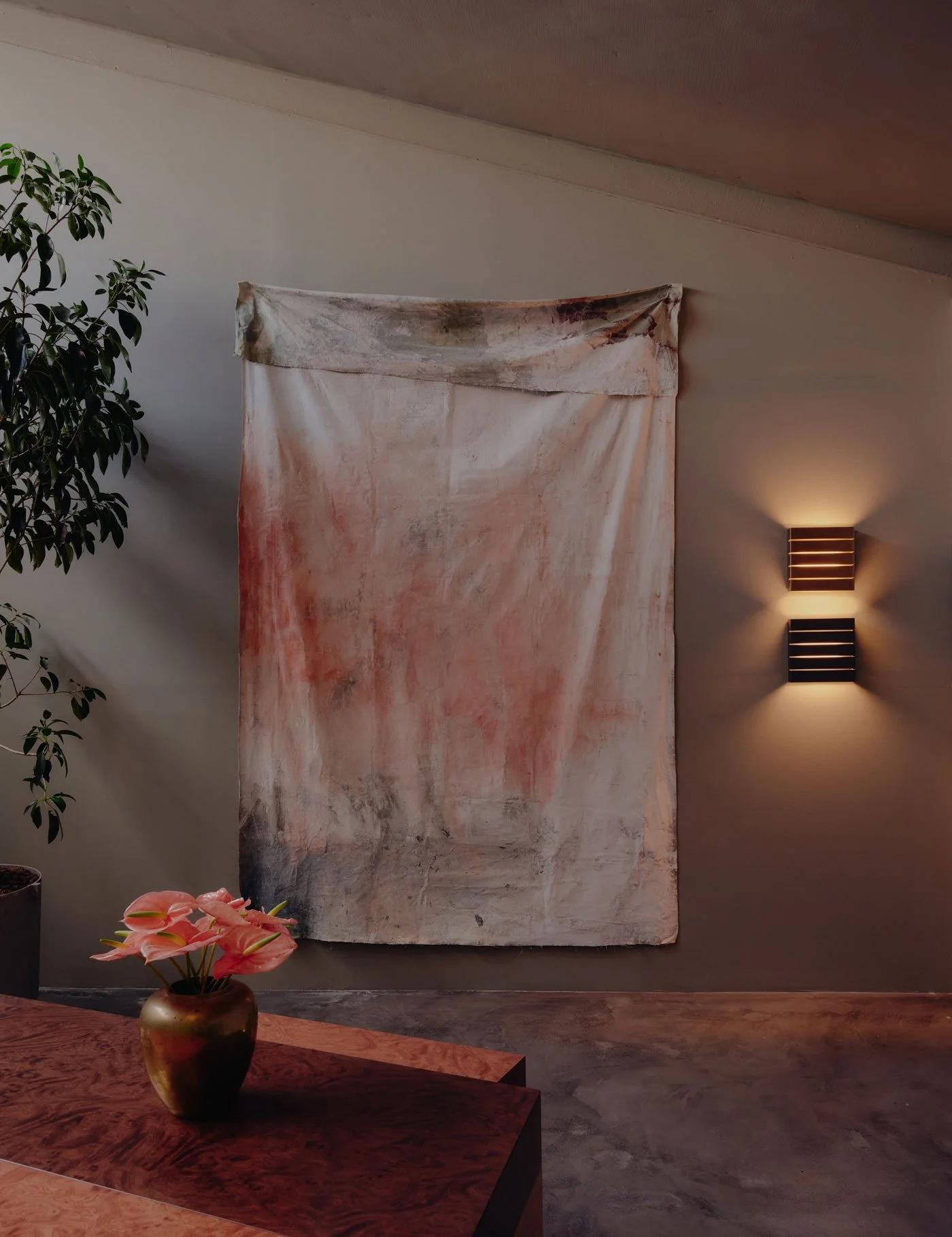
© Pier Carthew
光的終極本質,是凝聚於記憶中的空間情緒
在當代設計的世界裡,許多人最初注意到 Volker Haug 的作品,大多是被燈具的雕塑造型所吸引;然而,當人們真正踏入空間,最先觸動內心的,卻往往是光線所營造出的氛圍。
Volker Haug 認為,一件好的設計固然該具備鮮明的造型與性格;但歸根究底,真正能烙印在人心中的,終究是空間裡的氣氛。若一盞燈能讓人身處其中時感到放鬆,或萌生好奇,甚至與環境產生深刻的連結,那麼這件作品便有了靈魂。
這或許正是照明設計最迷人的地方:以精湛工藝與沉靜材質塑造的燈具,如雕塑般靜默佇立於空間一隅;而當夜幕降臨、燈光點亮的那一刻,暈染開來的柔和光芒,便將整個空間溫柔包裹,成為生活記憶裡最深沉而溫暖的依靠。
-
The Ultimate Essence of Light: Spatial Emotion Crystallized in Memory
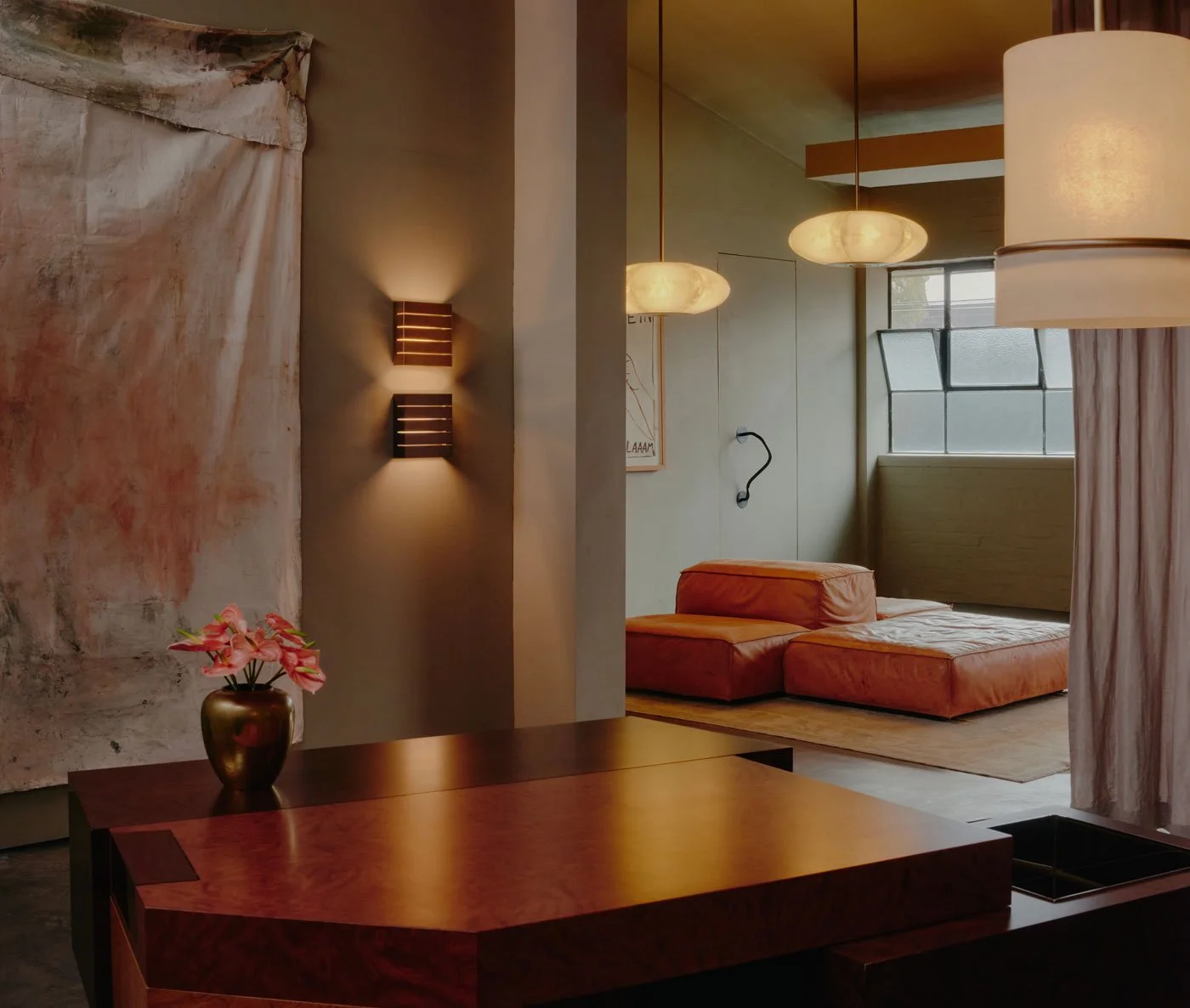
In the contemporary design world, many people's initial attention to Volker Haug's work is often drawn by the sculptural forms of the lighting; however, when people actually step into the space, what first touches their hearts is often the atmosphere created by the light.
Volker Haug believes that while a good design should possess distinct form and character, ultimately, what truly leaves a mark on people's hearts is the atmosphere within the space. He notes that "if a light makes someone feel comfortable, curious or connected to a space, then it's doing its job, and it is then that the piece gains its soul."
This is perhaps the most fascinating aspect of lighting design: fixtures shaped by exquisite craftsmanship and serene materials stand silently like sculptures in a corner of a space; yet, when night falls and the lights are turned on, the soft, diffused glow gently envelops the entire room, becoming the deepest and warmest anchor in life's memories.
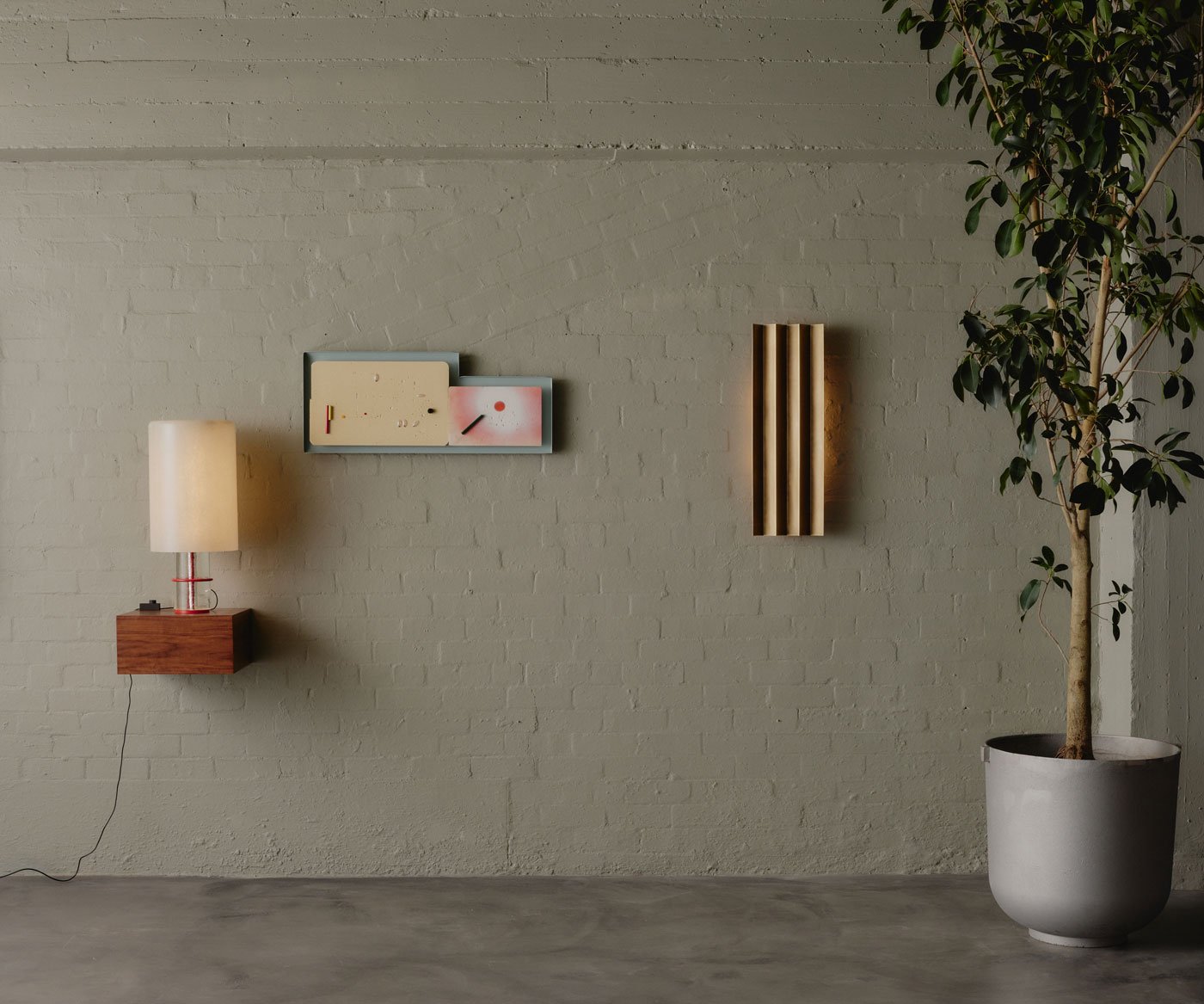
© Pier Carthew