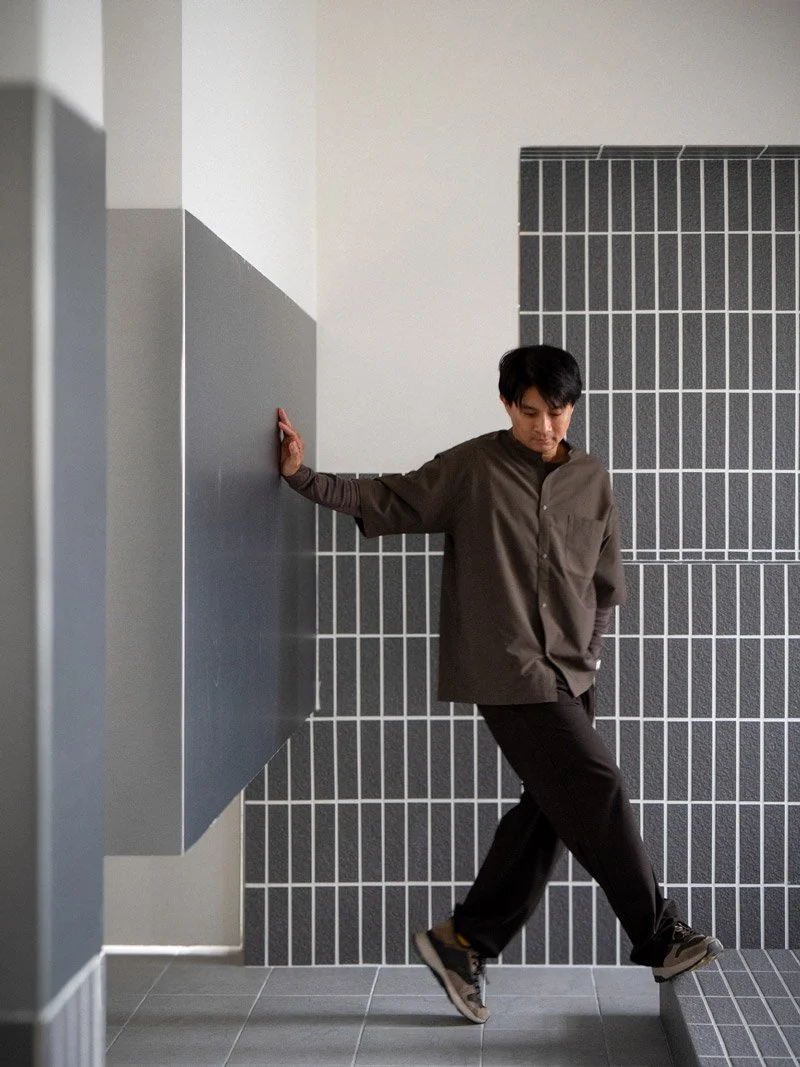
Jamie 專欄 #138|為什麼有些照片會讓人想多看一眼?
-
As a photographer, I’ve always felt that a good image is never just about getting the job done. It is more like a window that invites people to see the story behind the space, the ideas that shaped it, and sometimes even the emotional exchange between the designer and those who inhabit it.
My job is to let the space speak. Without emotion or a sense of story, even the sharpest photo will eventually be forgotten.
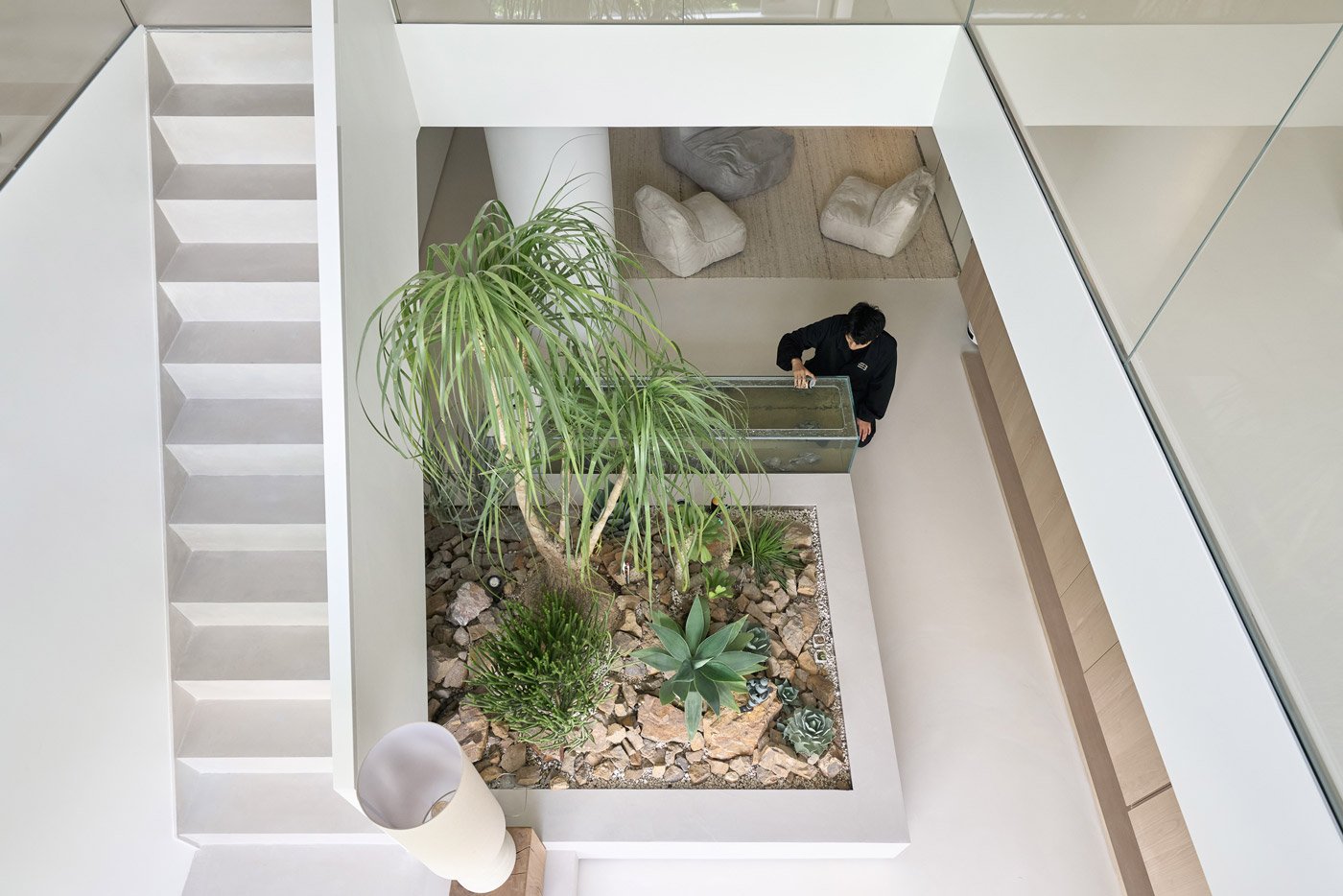
空間/ 二三國際
-
In an age where images are everywhere and perfection is easy to achieve, what truly matters is whether an image feels right. That feeling is what makes a photograph linger in your mind.
Perfect framing and balanced composition may be technically correct and visually safe. But I often wonder if leaving a little more room for the space to breathe might allow its story to emerge more clearly.
It is a bit like a fast-food burger that looks fine on the outside. It may fill you up, but without warmth or memory, it never stays with you.

空間/ 蟲點子創意設計
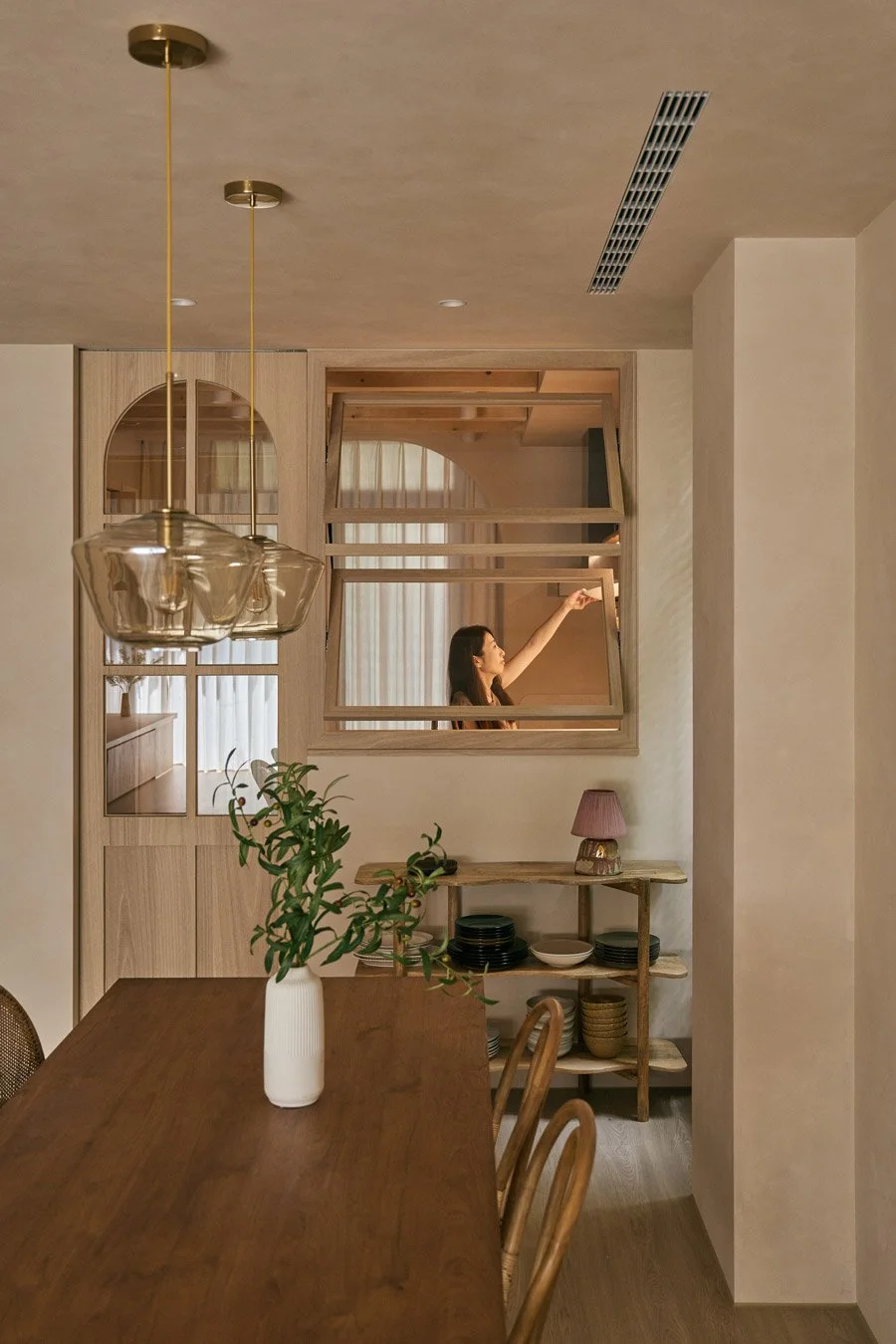
空間/ 思維設計
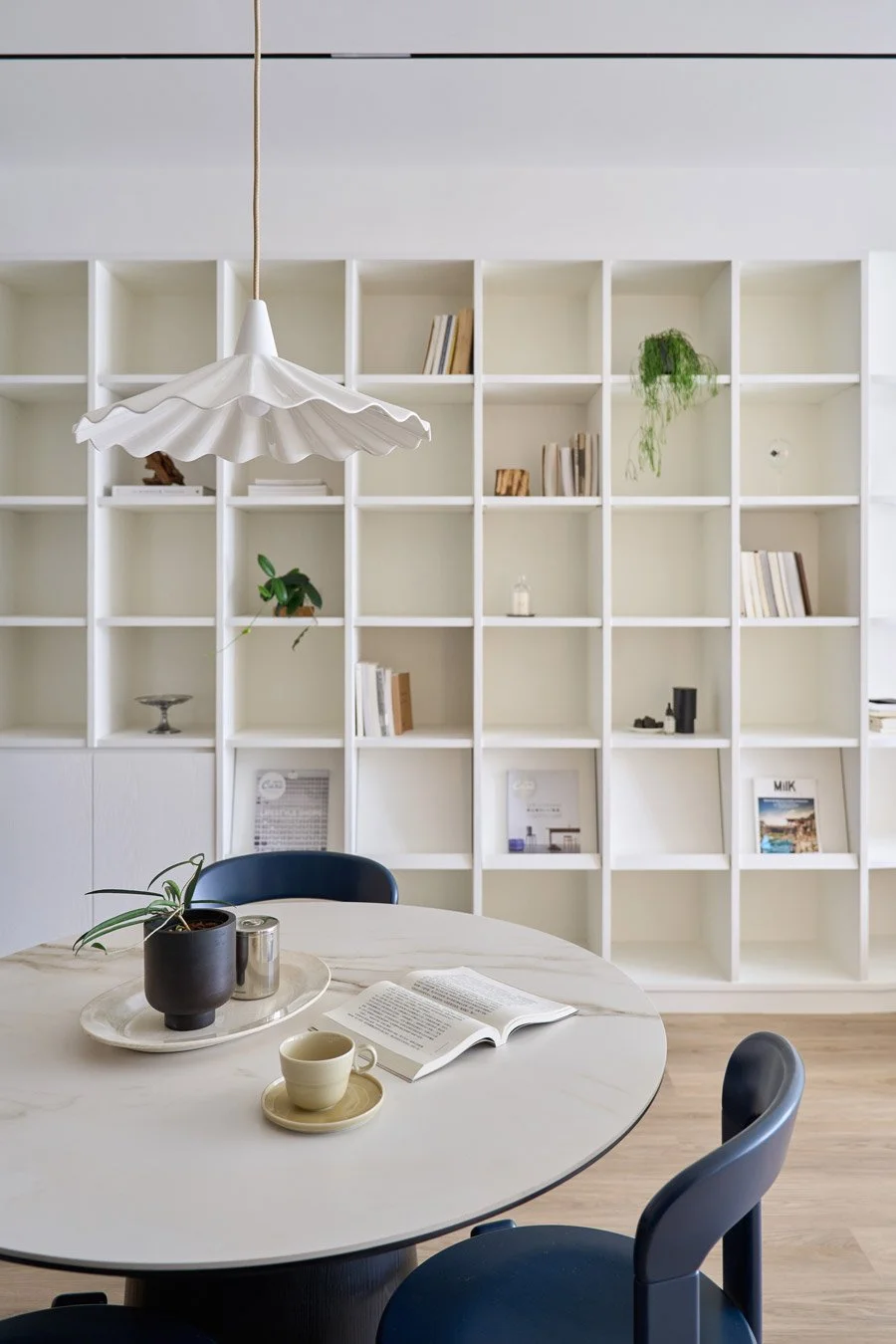
空間/ 覺引設計
-
For me, the first step in photographing a space is not observation. It is listening.
Before I begin any shoot, I make it a point to sit down with the designer. I ask them to walk me through the story of the space—the thinking behind each decision, the trade-offs made along the way, the intentions embedded in the process. These early conversations shape the way I approach the shoot more than anything else.
Is the designer trying to highlight the flow of movement? A shift in material? A sense of lightness, or a quiet stillness? These are not things that reveal themselves automatically in the frame. But they guide how I decide where to begin, and how to tell the story of the space through my lens.
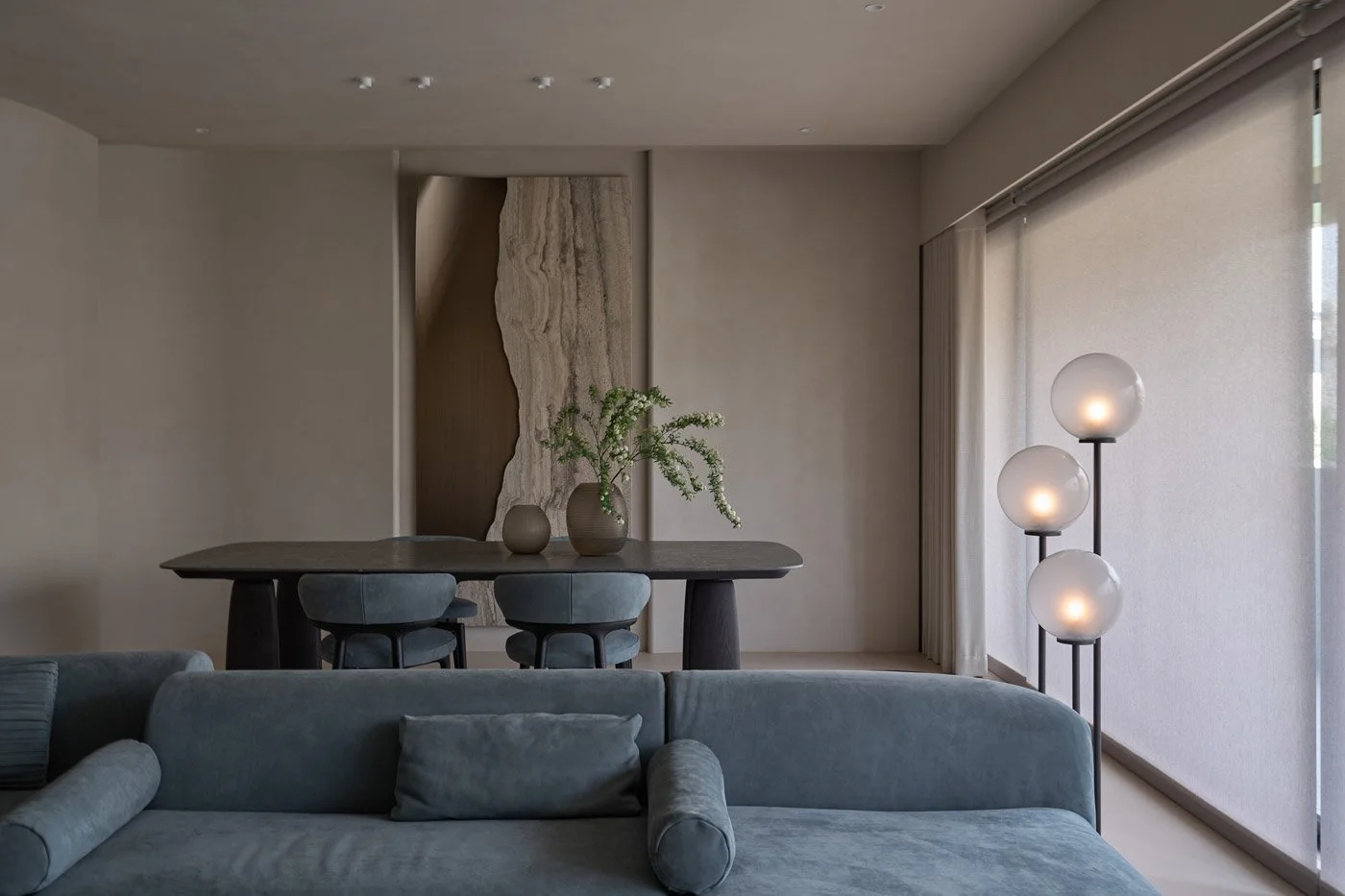
空間/ 和和設計
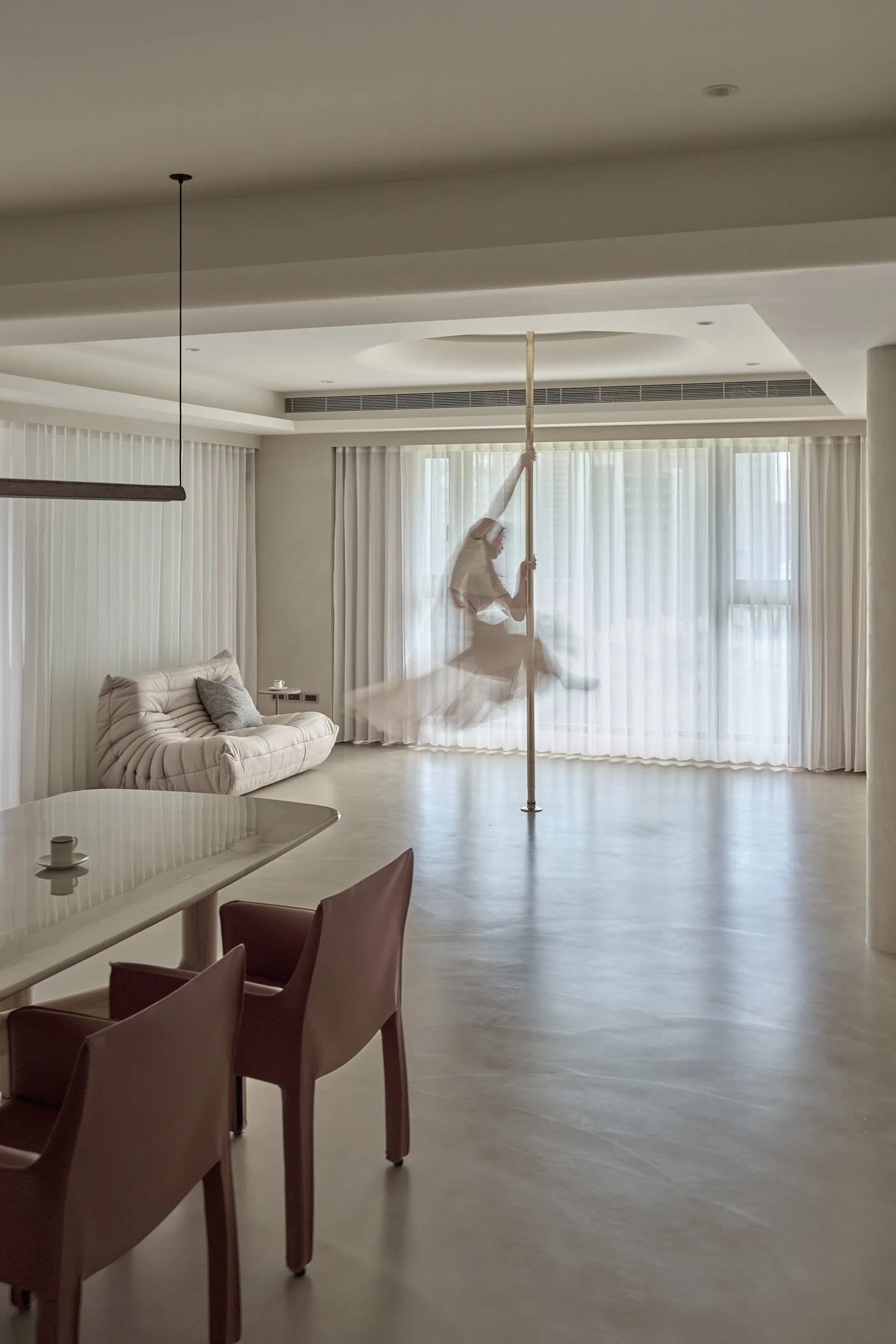
空間/ 沐澄設計
-
I also give myself time for what I call emotional preparation before I start shooting. If I do not have a direct emotional connection to the space, I find other ways to tune in. Sometimes I listen to a piece of music or recall a scene from a film. It helps me align the feeling of the space with what I carry inside.
This is not just about imagination. It is a way for both my body and mind to step into the atmosphere of the space.
Spaces do not speak right away. You need time to listen. I walk through the site slowly, watching how the light moves, noticing how materials respond to it. I wait for the moment when something clicks, when the space feels ready. Only then do I press the shutter.

空間/ 恆域設計
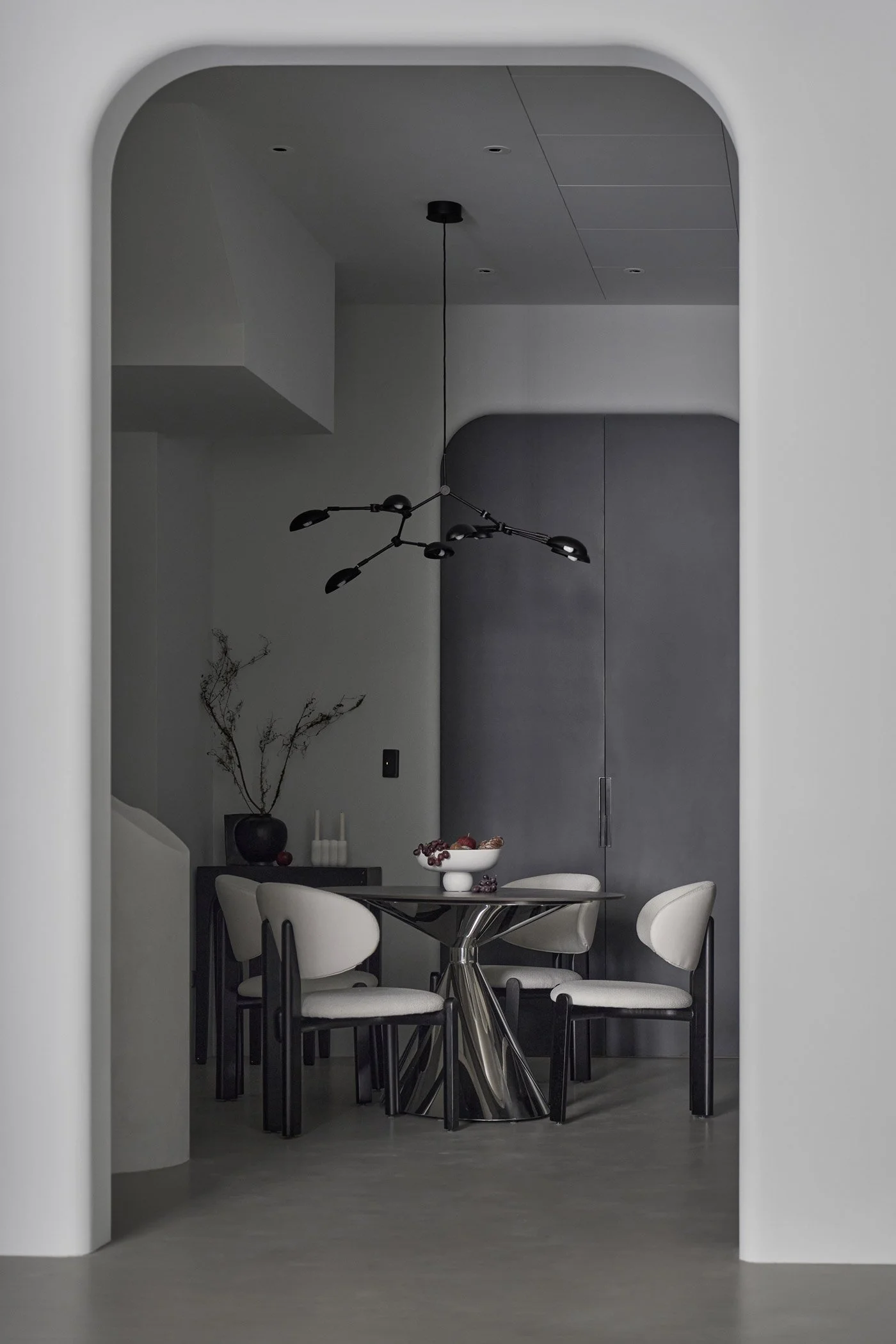
空間/ 沐昀設計
-
Anyone can learn photography as a technique. But the way a photographer gives voice to a space is deeply personal.
I often use shifts in perspective to adjust the emotional tone of a space. I also work with the direction and color temperature of light to shape the atmosphere I want to convey. These choices are never random. They come from a close understanding of the space and the story behind it.
For instance, if I want the viewer to feel a sense of ease, I might choose warm natural light, soften the tones, and leave some negative space in the composition. On the other hand, if I want to emphasize order and geometry, I may lean into sharper light and more structured framing to bring that rhythm into focus.
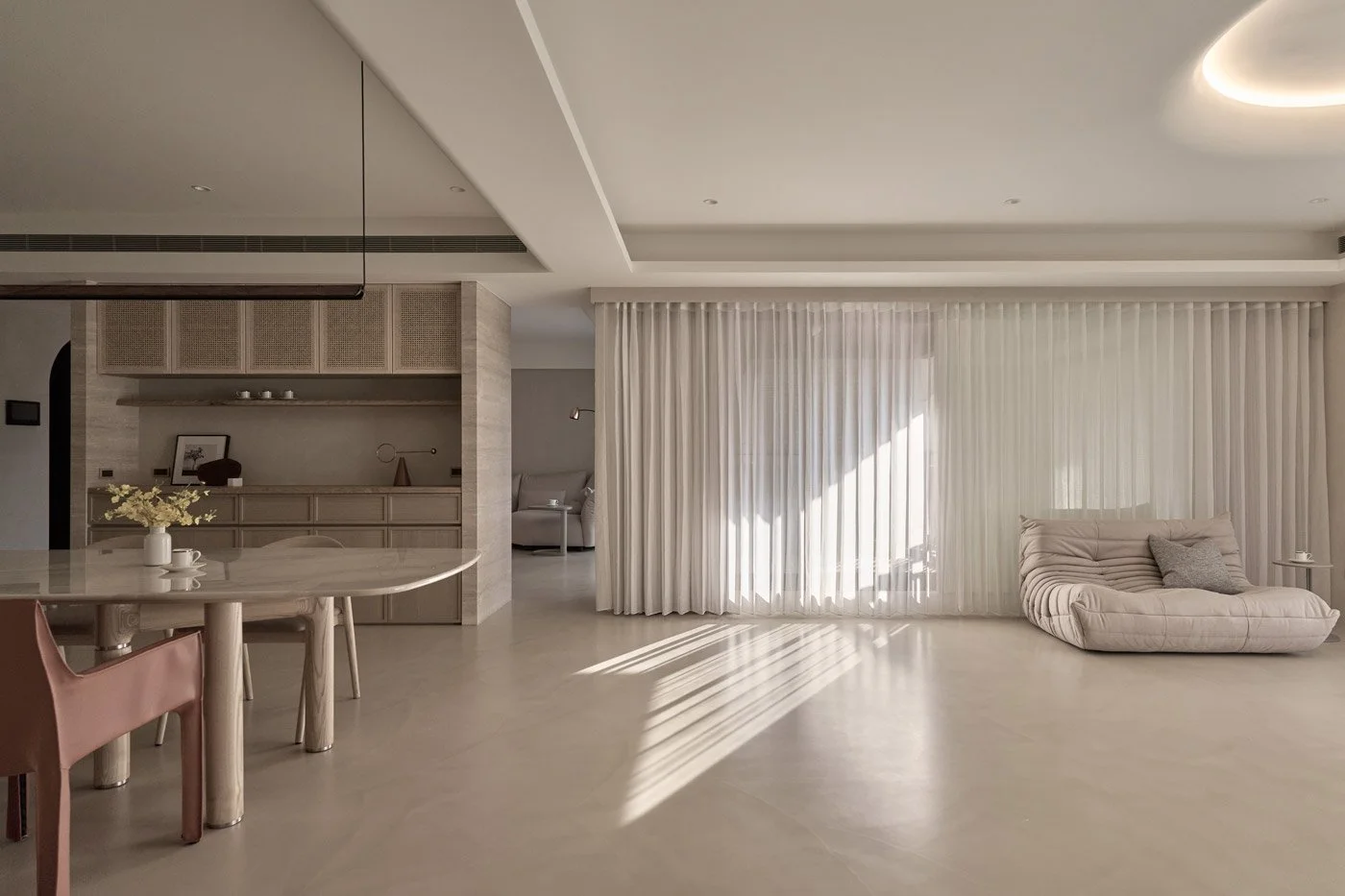
空間/ 沐澄設計

空間/ 覺引設計

空間/ 二三國際

空間/ 長禾設計
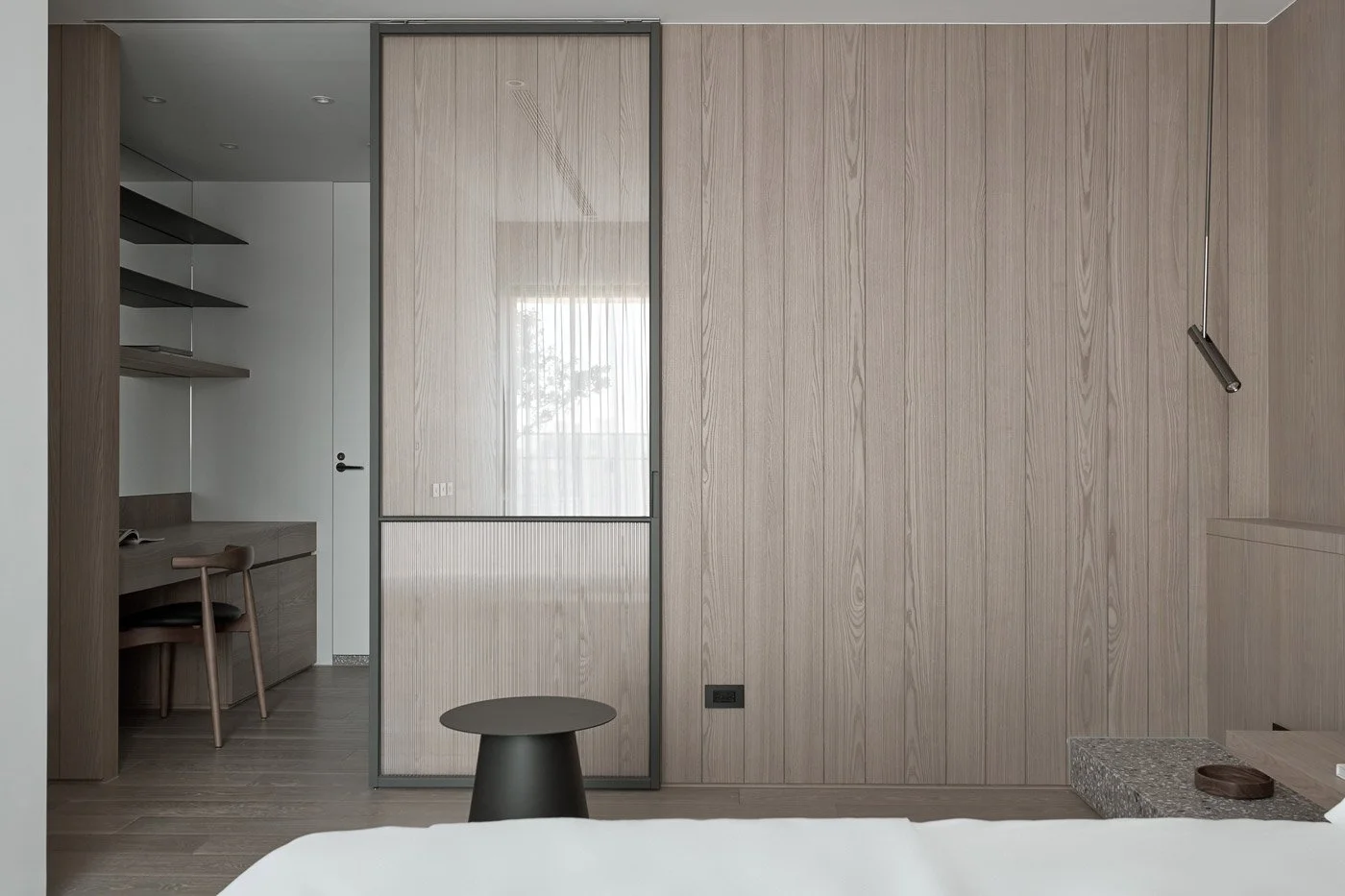
空間/ 天沐設計
-
An image is not just a collection of visual information. It is a translation of feeling.
If a photo is simply beautiful, it fulfils the function of being admired. But if it stirs the senses, if it makes you imagine stepping into the room, sitting on that sofa, or reaching out to touch the wood, then it becomes something more. It becomes a frame with emotion.
As photographers, we do not create the space. What we do is help its feelings become visible. We capture what was once only present on site. The emotion, the tone, the context. We leave it behind in the form of an image.
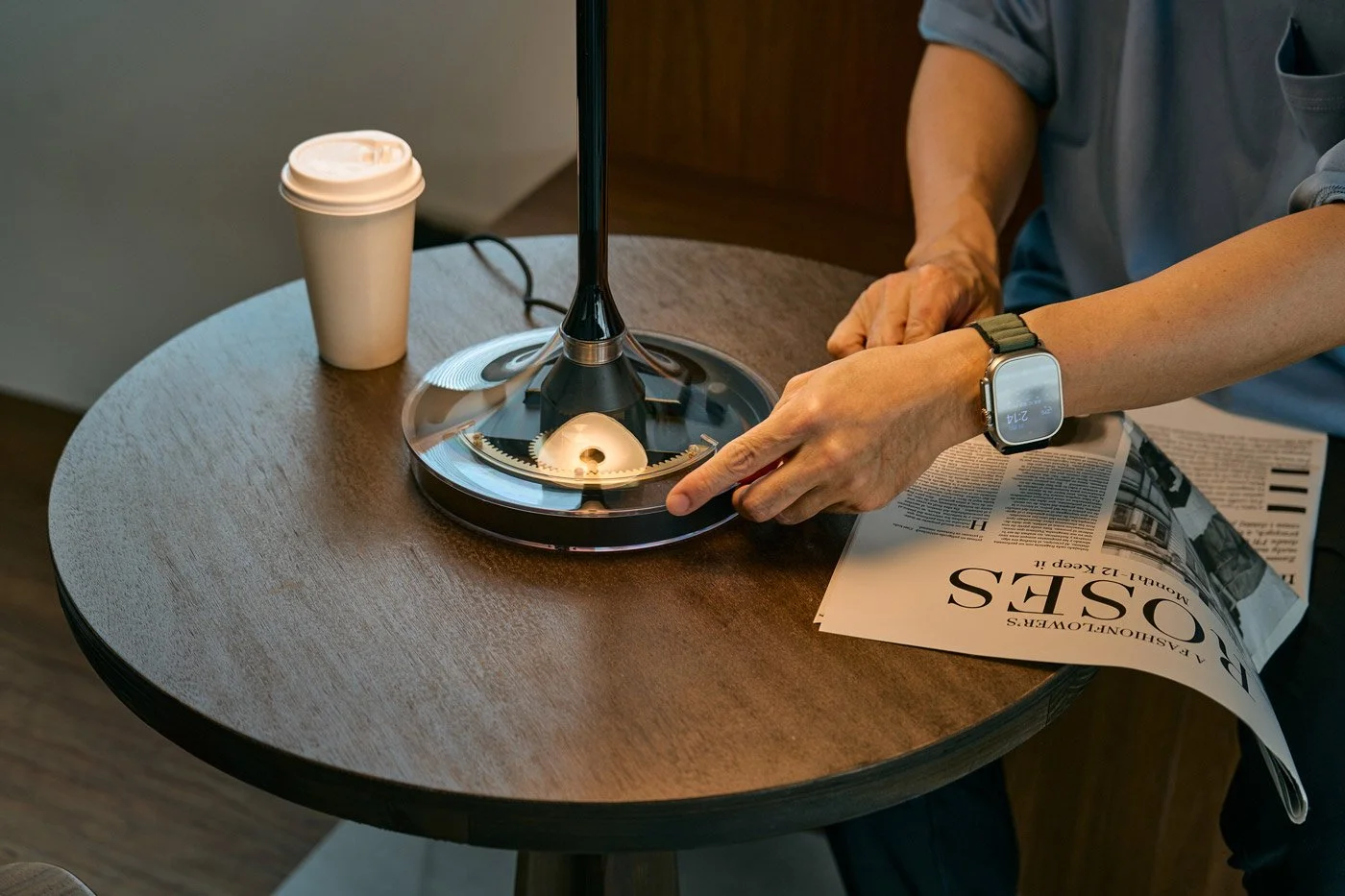
桌燈/ 喜的燈飾
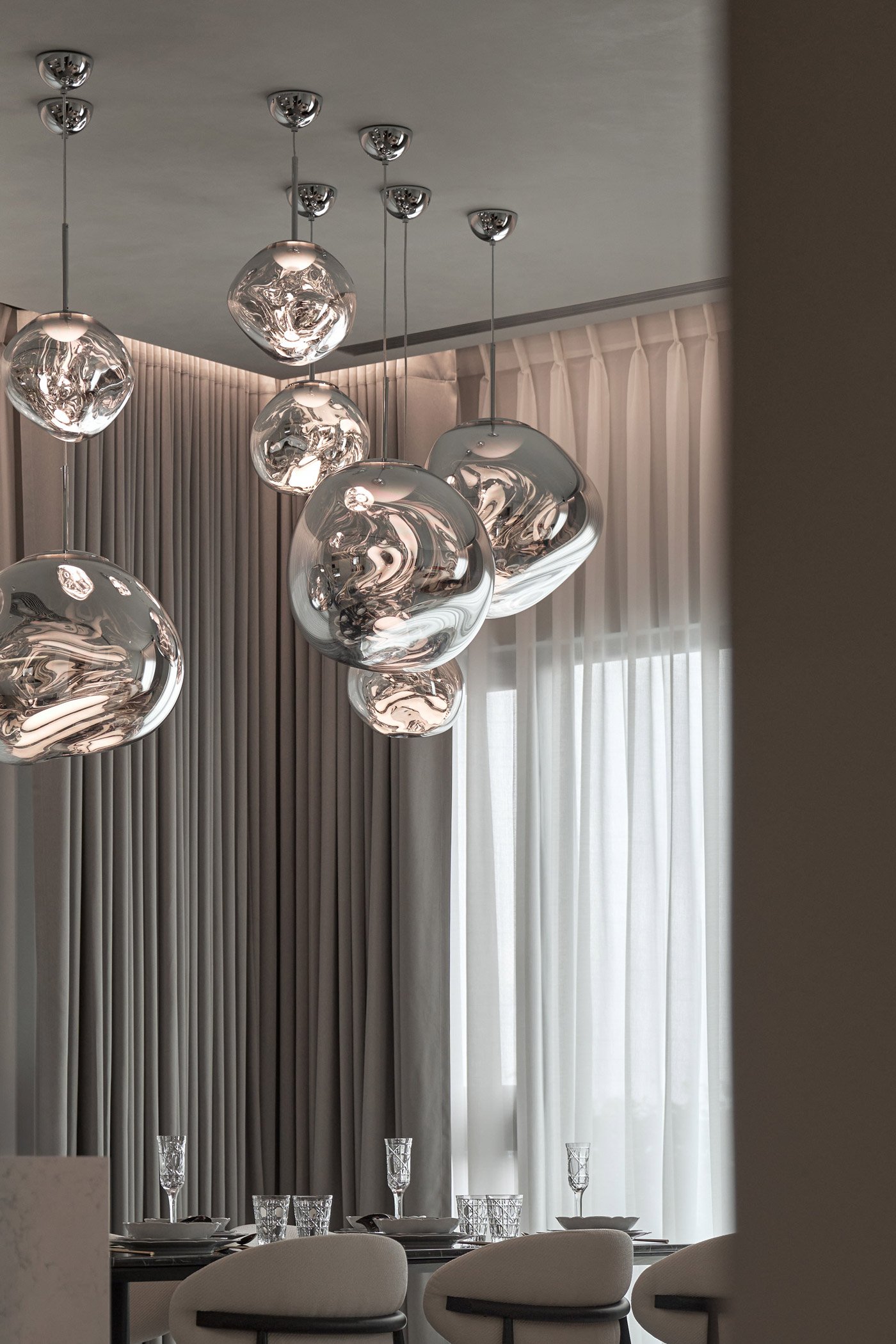
空間/ 河河設計
-
What an image captures depends on the awareness the photographer brings into the space.
If the goal is just to deliver a final file, the result may feel ordinary. But if you believe that an image can speak, then every choice you make, from the angle and the light to the space you leave and the tone you set, becomes part of how you speak.
I always remind myself that it is not about making the image say everything. It is about letting it speak honestly. Every space already has a language. The photographer's role is to help that voice be heard.
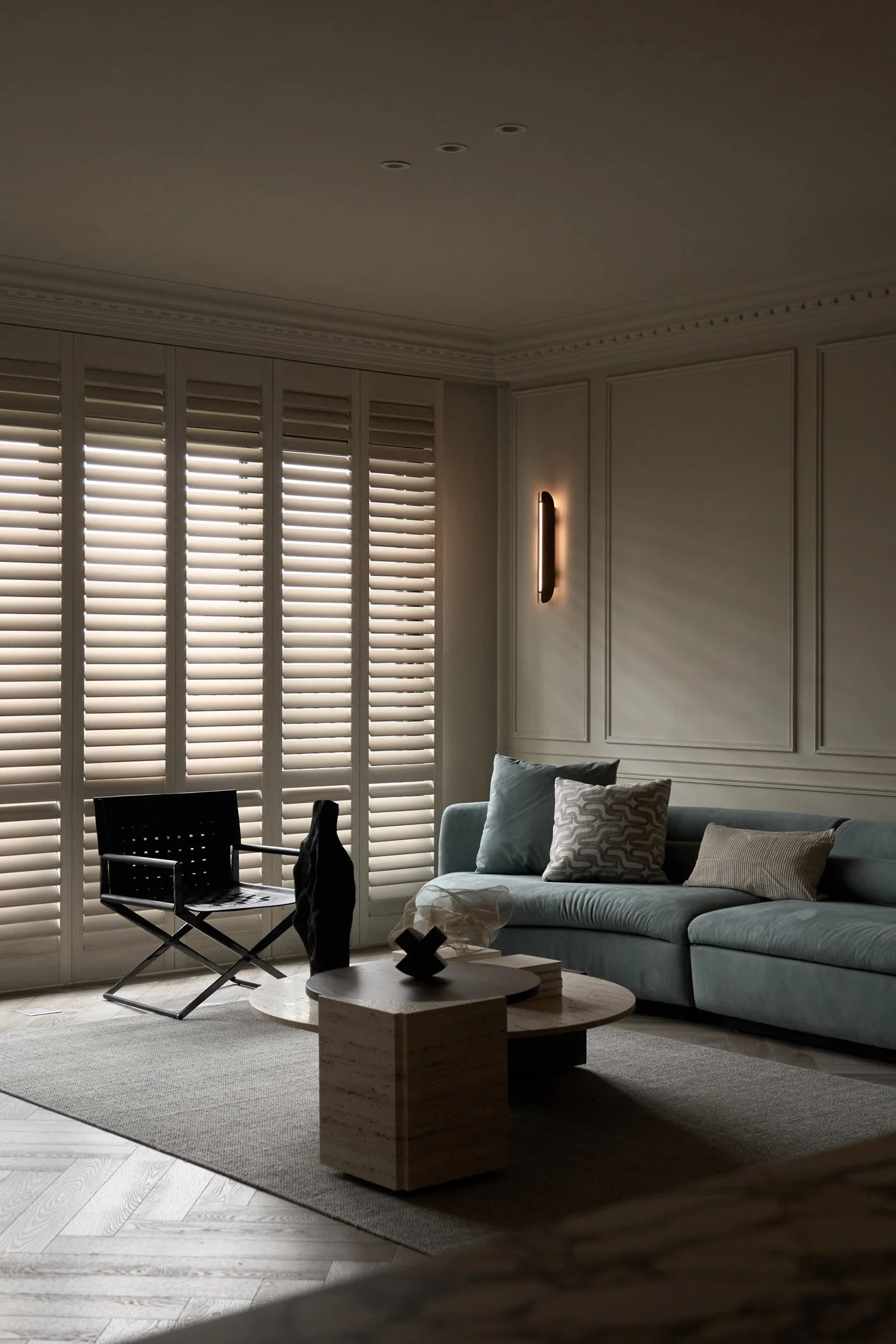
空間/ 新澄設計