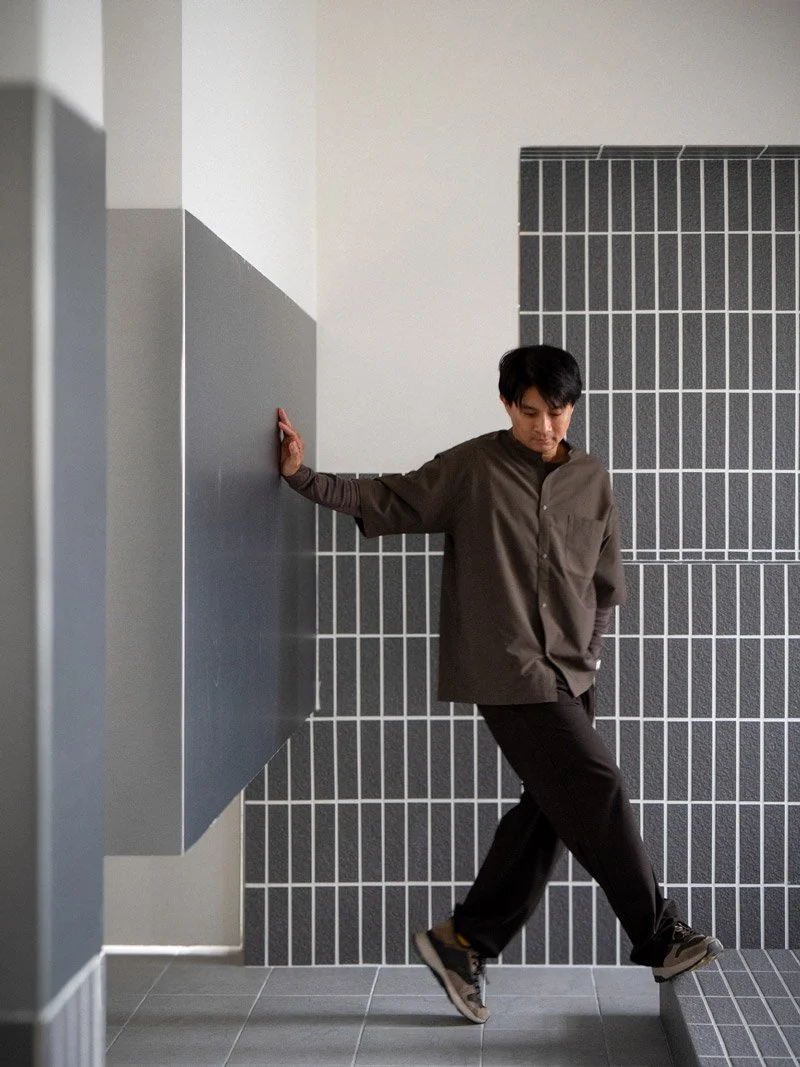
從工務現場返回設計策劃,上越設計總監陳建宏逆向養成的非典型之路
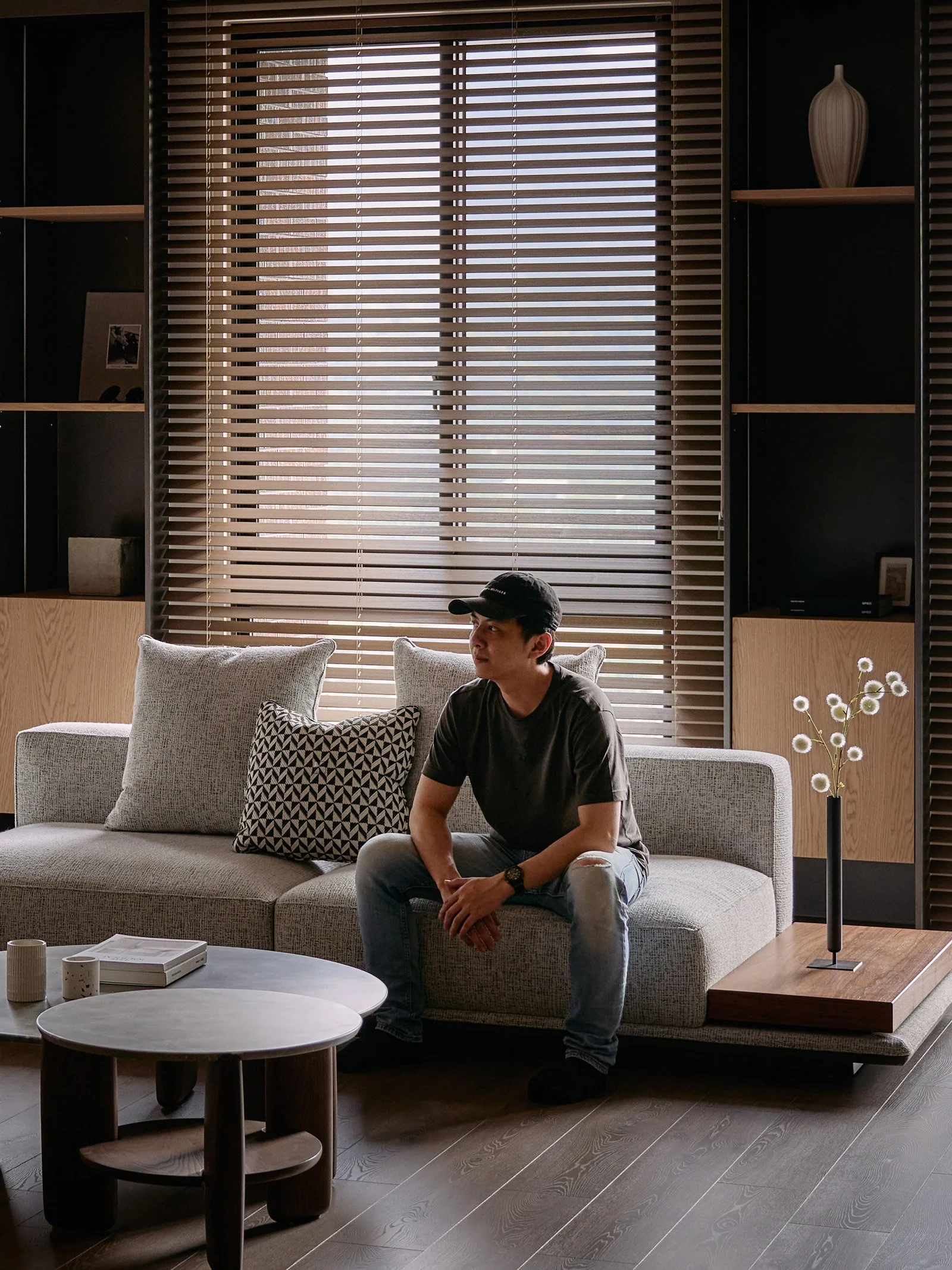
上越設計總監/ 陳建宏 (Jeff) .Head Director of Shangyue Interior, Jeff Chen
-
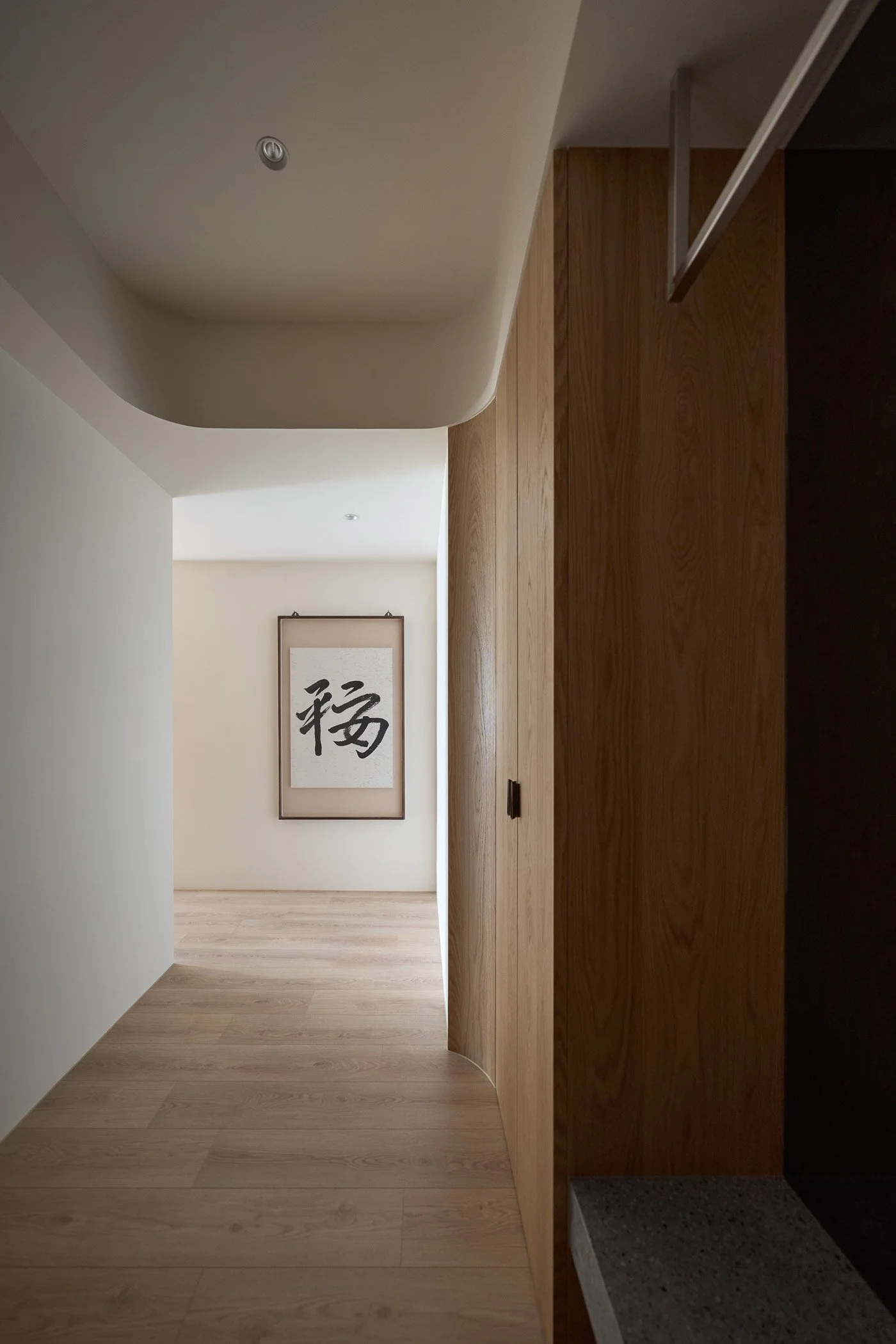
As a photographer, years of observing different interiors have sharpened my instinct for sensing the qualities of a space. The first time I photographed a project by Jeff Chen, founder of Shangyue Design, what struck me most was the subtle structure hidden within his work and its enduring appeal. His spaces are never showy or overloaded with decoration. Instead, their quiet precision unfolds gradually, revealing thoughtful details the longer you stay.
That quality reflects Jeff himself. He doesn’t shy away from complexity; he is willing to take extra steps to make life easier for the people who use his spaces. Rather than approaching projects purely from a designer’s standpoint, he considers every decision through the lens of daily living. He guides clients patiently, helping them clarify their routines and needs until each element finds its natural place. This balanced, human-centred approach gives his work a sense of ease and reliability that feels both grounded and deeply personal.
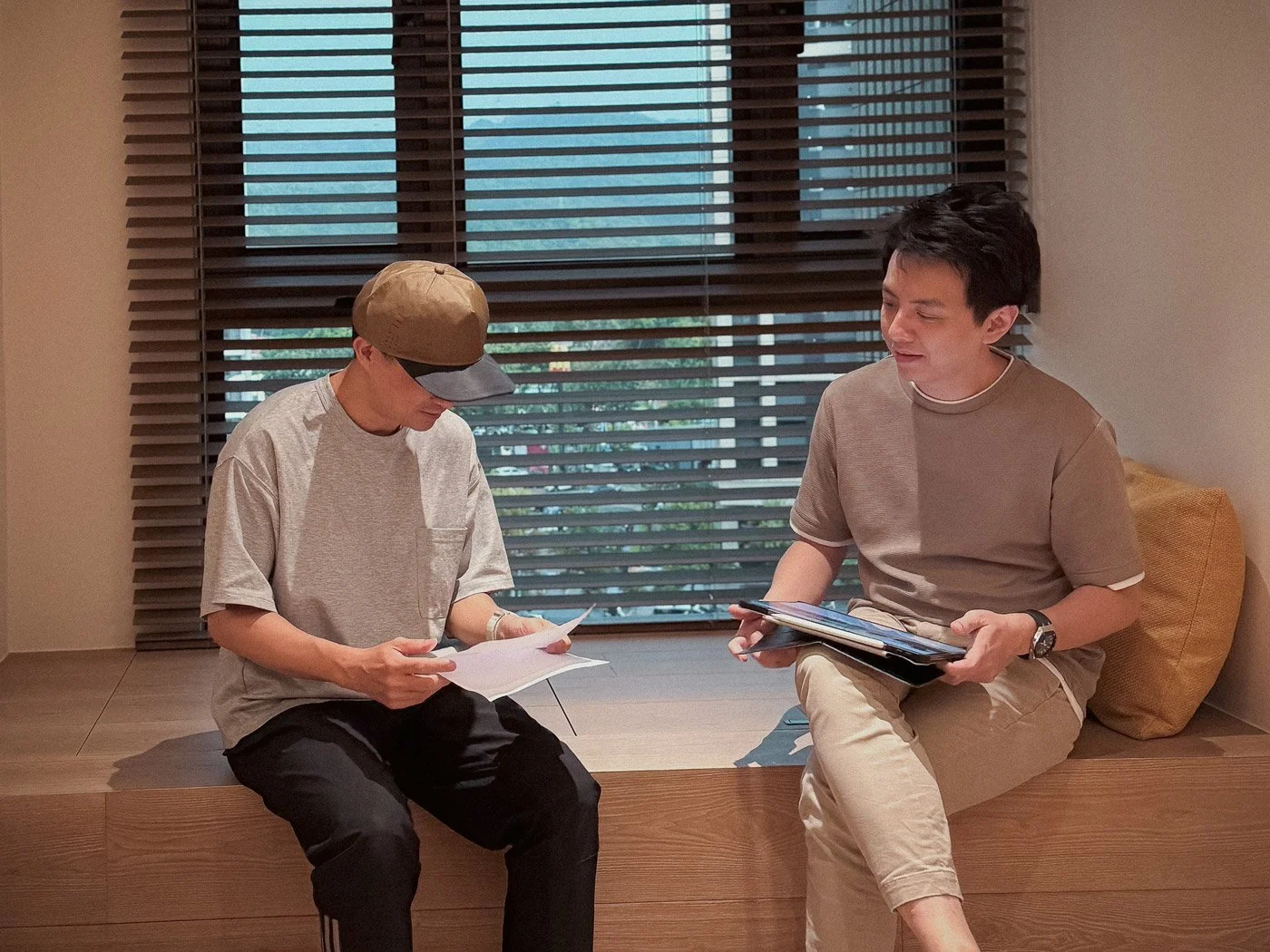
左:Hey!Cheese 主理人/ Jamie Lo.Head Director of Hey!Cheese
-
From the Site to the Studio
From the moment I met Jeff, I was intrigued by his background. In an era where visual language and stylistic refinement often dominate design conversations, it’s rare to meet someone who began on the construction site before moving into spatial planning. Jeff is one of those few.
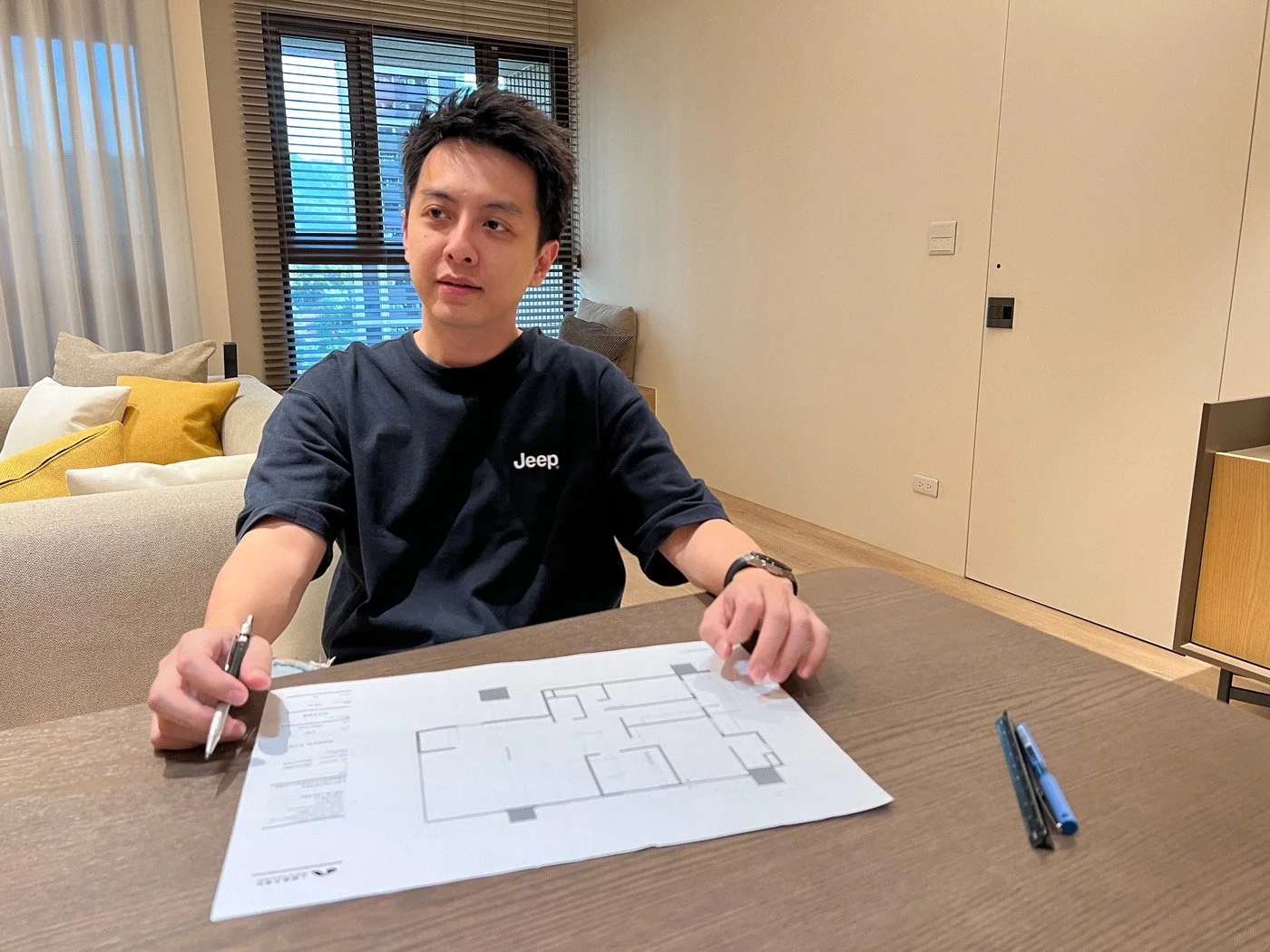
Although he studied interior design, his early career took an unexpected turn. Originally hired as a designer, he was once assigned to handle construction work on short notice. With little prior experience, he had to learn everything on site. Yet it was precisely this hands-on beginning that revealed to him the disconnect that often exists between drawings and real-world execution—a lesson that would later shape his entire approach to design.
-
“Design isn’t finished when it’s drawn on paper,” Jeff says. His time on site became the most formative part of his career. Conditions changed constantly, and he soon realised that many design ideas were difficult to execute in reality: angles that failed to meet, measurements that were slightly off, or materials that resisted their intended form.
Colleagues soon came to see him as someone they could rely on. With his drawing skills, he could adjust details directly on site, providing clear sketches for craftsmen while preserving the original intent and proportions. When hardware quantities were miscalculated, he would quietly recalculate the numbers to prevent delays and confusion.
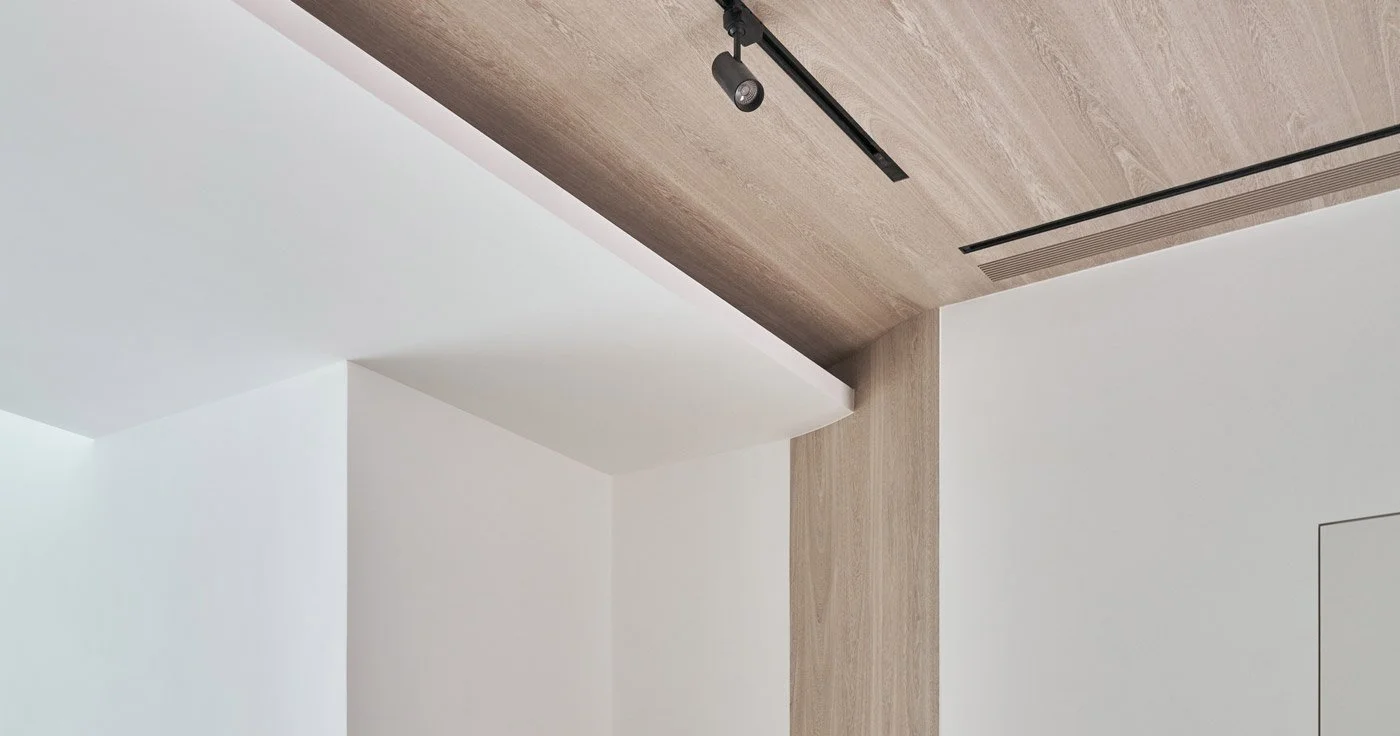
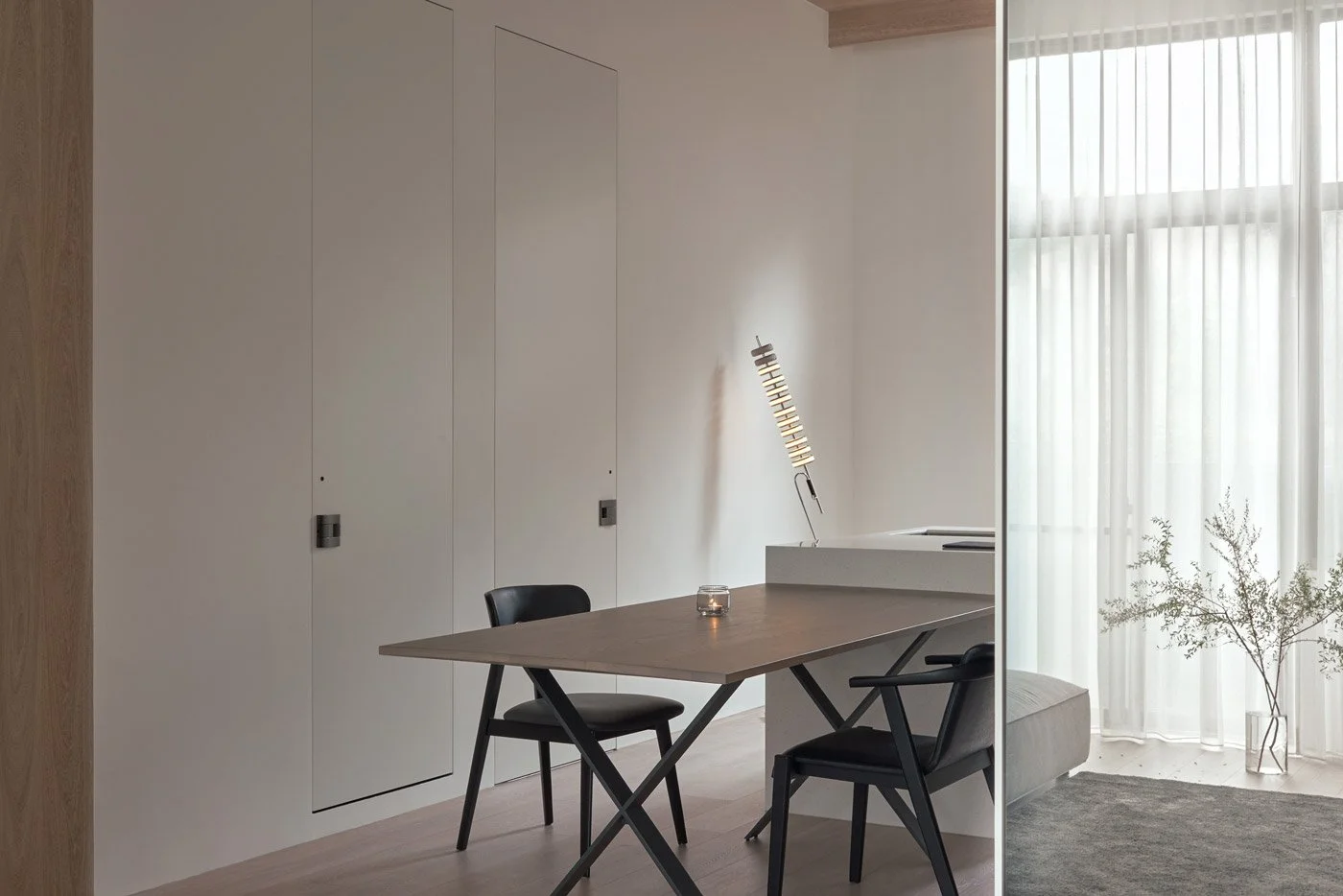
These experiences shaped his systematic way of thinking. He learned to anticipate problems early and to spend time refining every step before construction began. This approach of addressing issues at their source became the foundation of his studio, Shangyue Design, where functionality and aesthetics evolve together as part of the same process.
-
Design Grounded in Practice
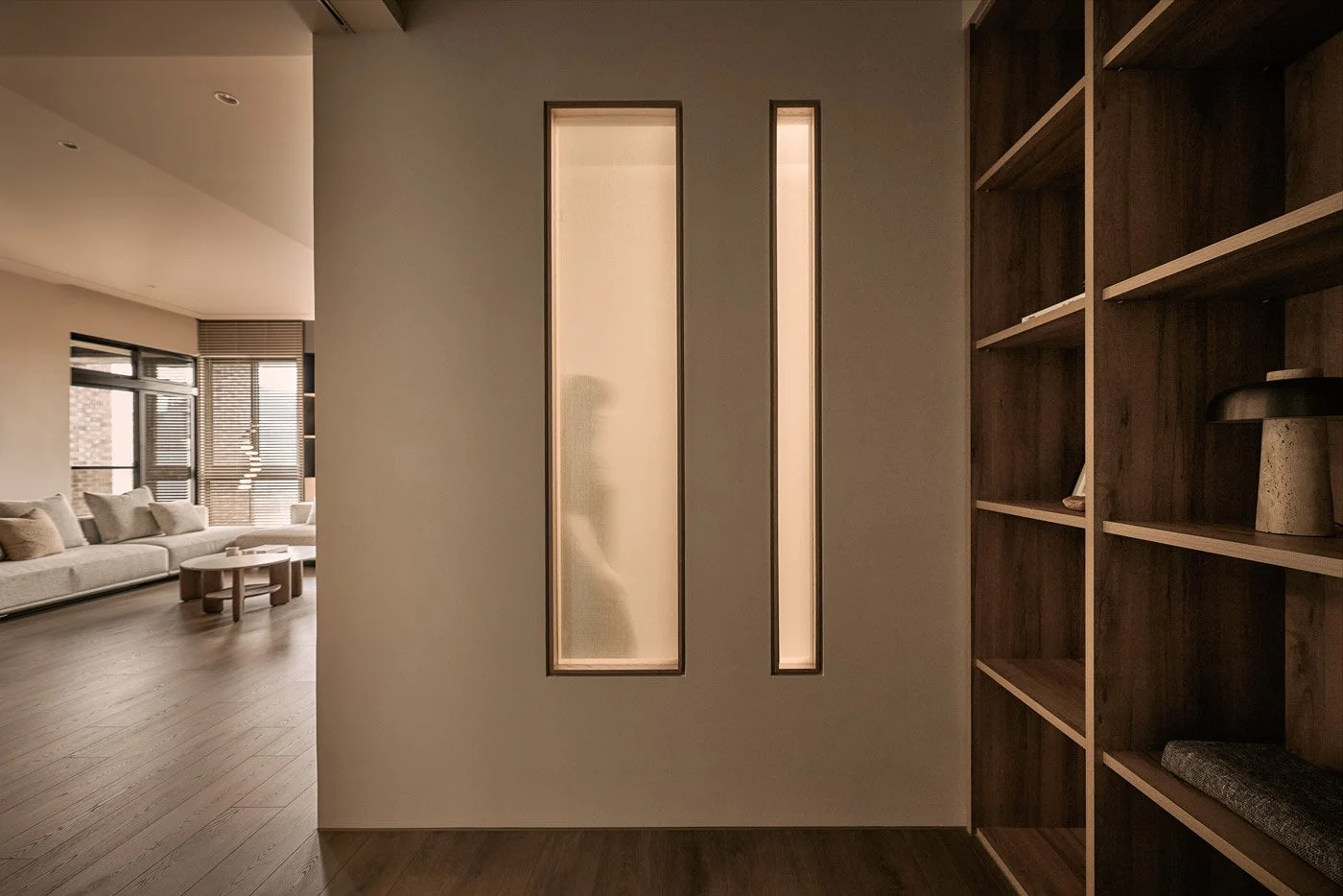
Since founding his studio, Jeff has rarely focused on building a brand image. His projects are seldom publicised, and most commissions come through returning clients or word of mouth — an old-school way of working that suits him perfectly. Built on simple trust, these relationships allow him to spend more time in conversation with homeowners, understanding their needs and exploring multiple options until every decision feels right.
“If I can do a little more to help the client save on costs or afford something that improves daily life, it’s worth it,” he says. That belief has guided every choice he makes. For Jeff, design and responsibility are inseparable; they don’t need elaborate words or gestures. What matters is doing things properly and honestly, creating spaces that feel steady and reassuring.
-
Rather than chasing visual impact, Jeff returns to what he considers the essence of design: understanding people. He focuses on questions that come from lived experience—whether a space feels natural to use, whether it will remain comfortable in the years ahead. His work reveals itself quietly, through familiarity and ease. It is the kind of comfort that deepens over time.
At its core, this quality stems from his refusal to design for himself. He does not impose a style on a space but instead dissects each problem, integrates every need, and refines each condition until it reaches its best form. When a project is complete, what remains is a home that simply and sincerely supports the life of the person or family who lives there.
-
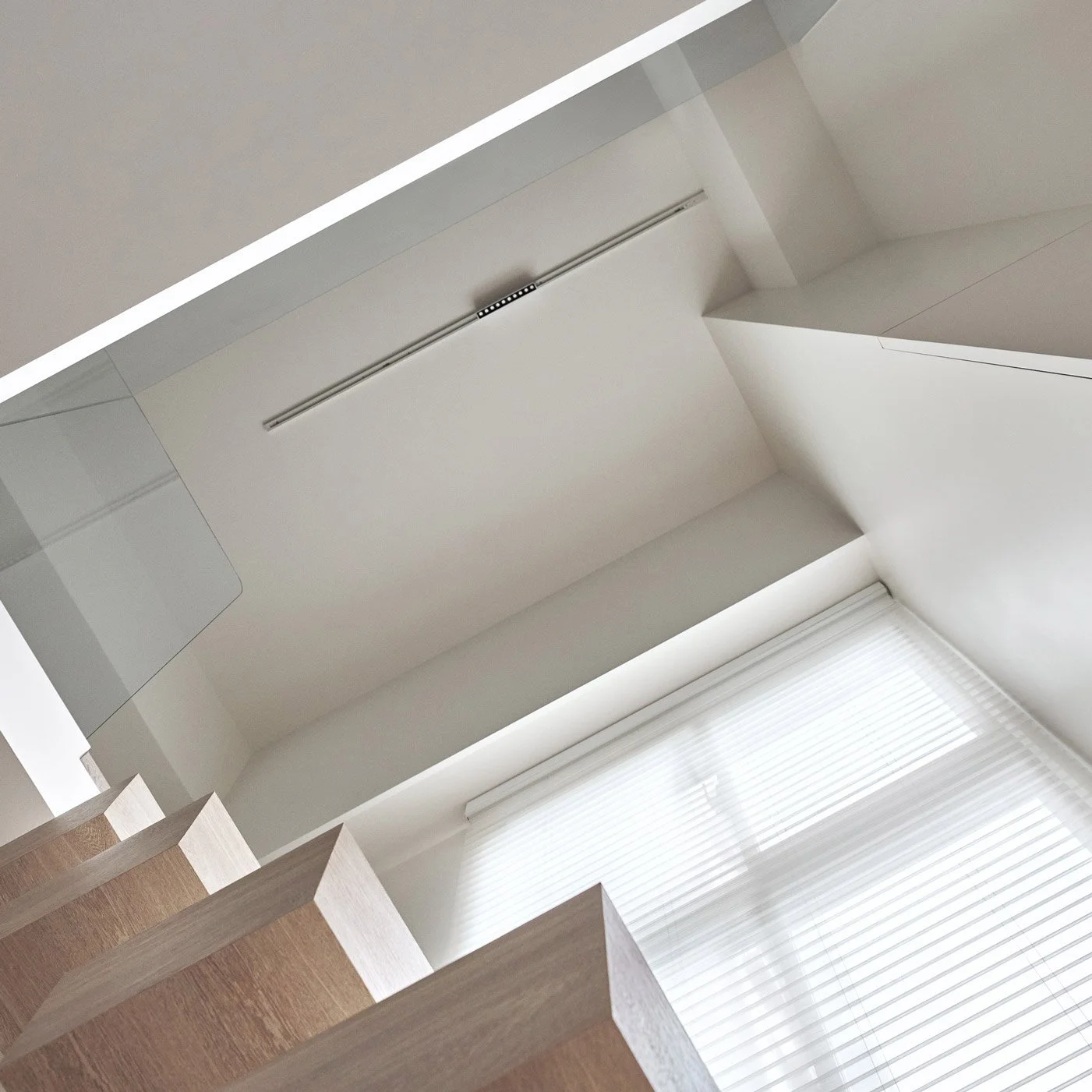
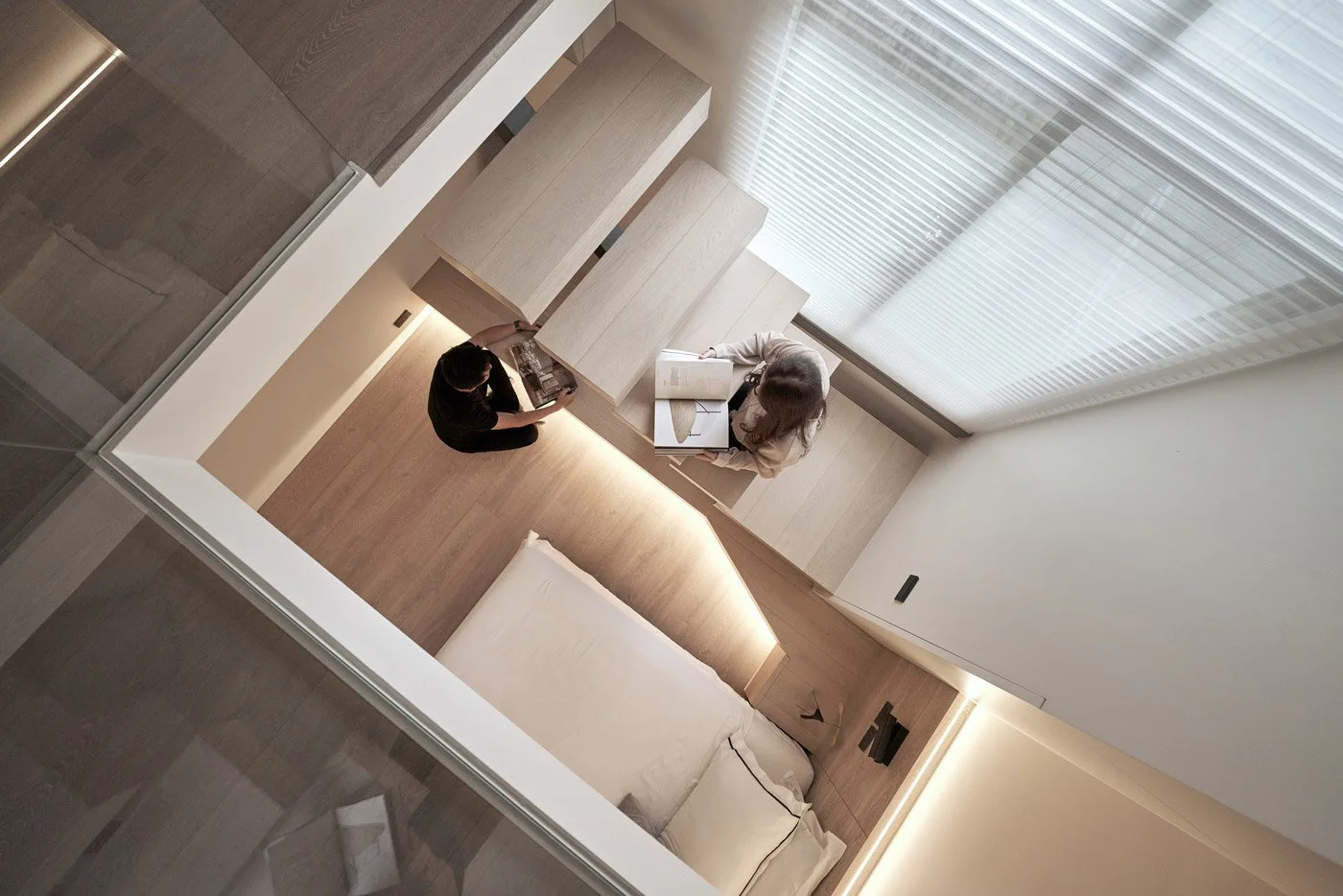
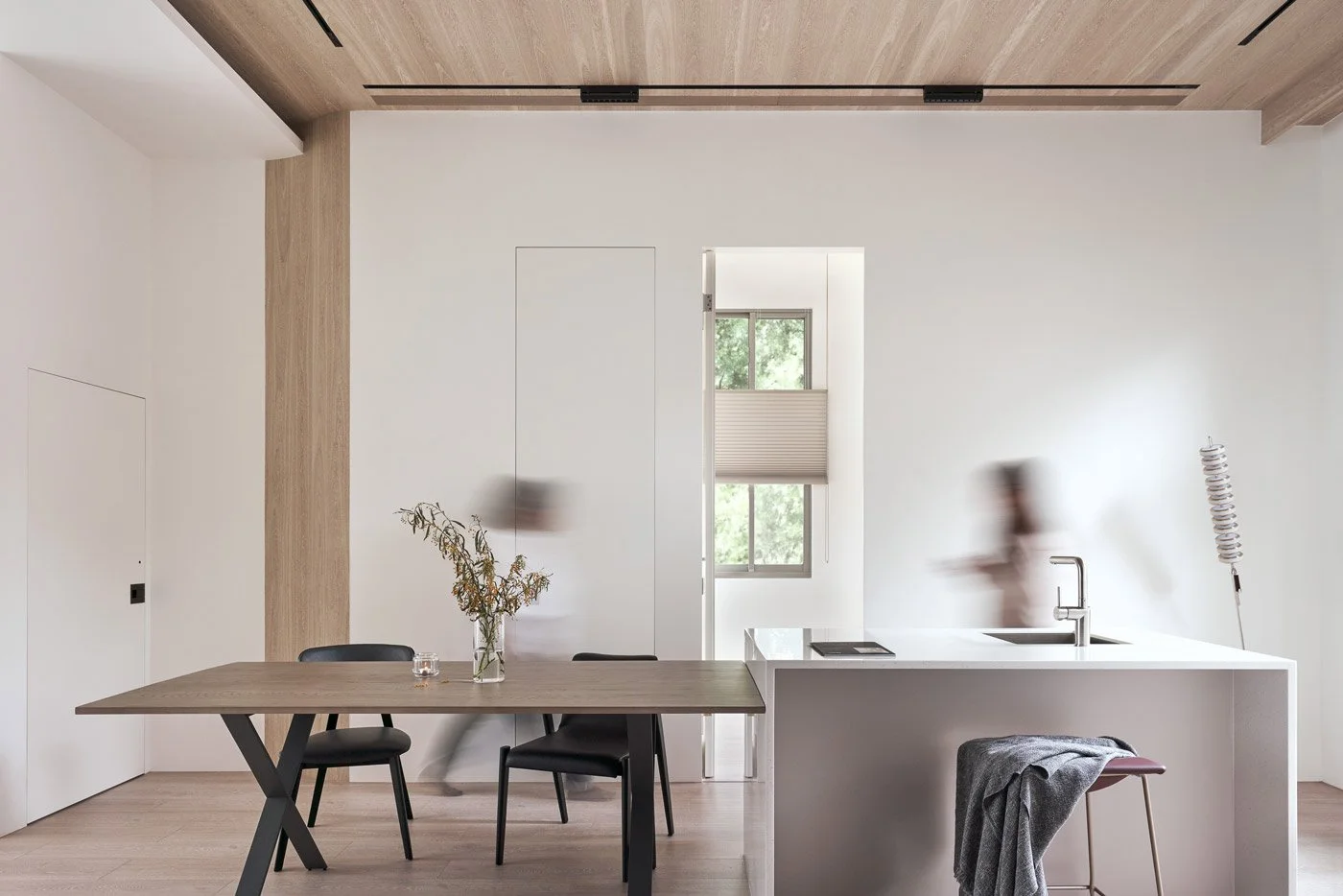
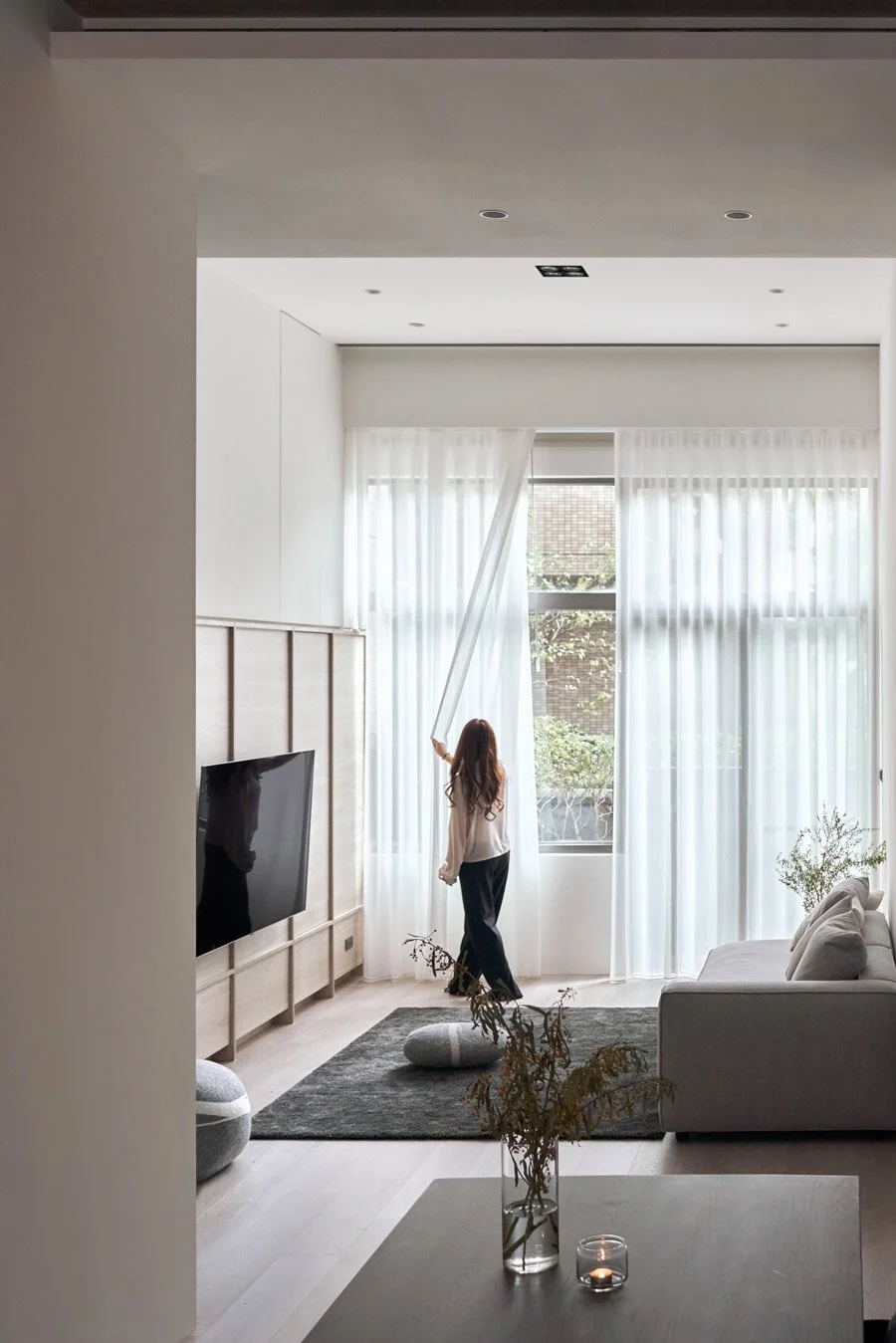
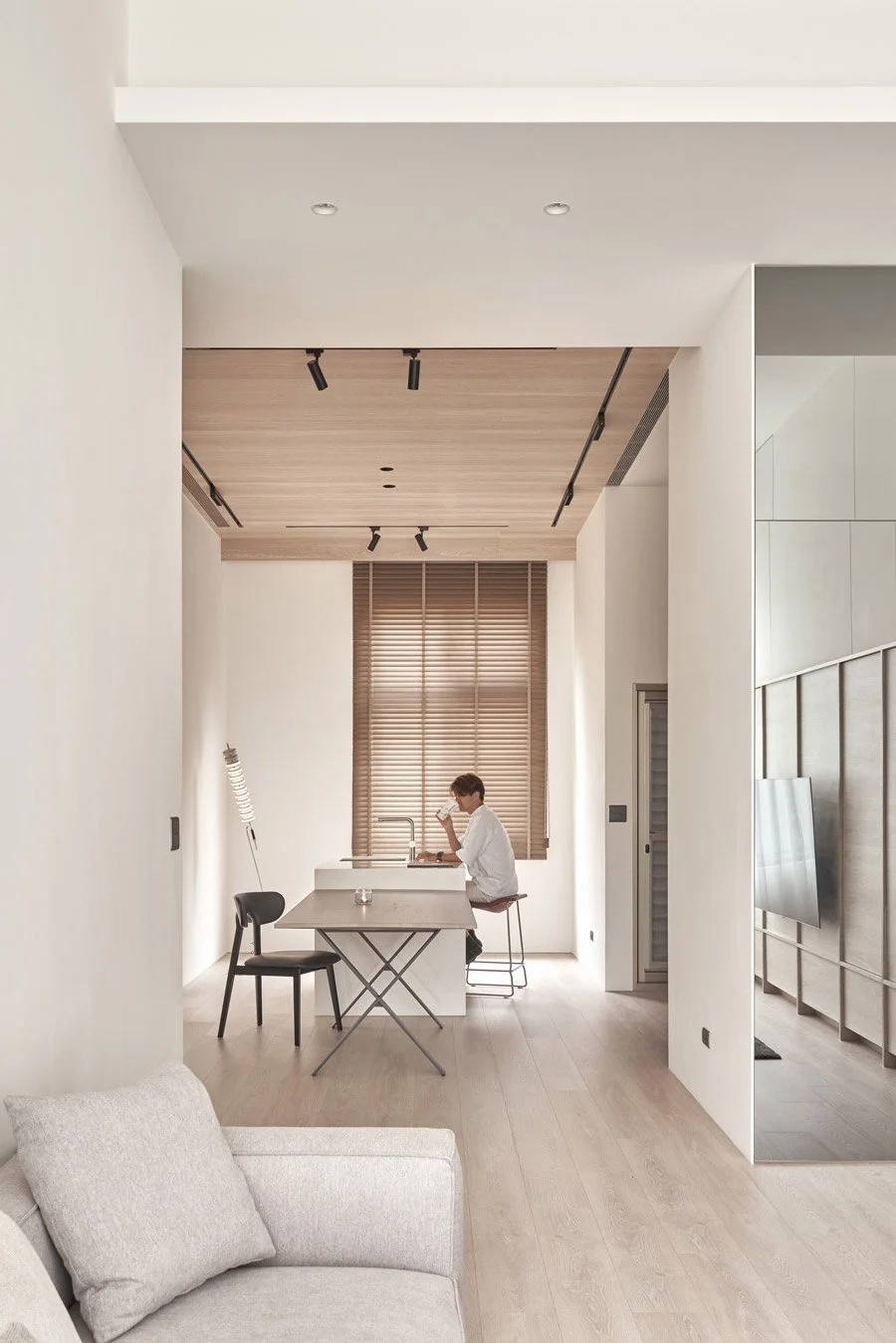
Jeff recalls a residence in Neihu with a double-height layout as a turning point in his career. Faced with both structural complexity and tight budget control, he introduced subtle shifts in levels and used a clean white palette paired with light wood tones and natural light. Together with the greenery outside, the space took on a quiet vitality and a sense of everyday storytelling.
When working with clients who are less certain about what they want, Jeff approaches the process with practicality. He prepares two or three layout options at different budget levels to help them compare and decide more easily. What seems like extra work at the beginning often prevents misunderstandings later.
He likens it to a line from the film F1: “Slow is smooth, smooth is fast.” Spending time early to explore possibilities may feel tedious, but once clients see the options and costs clearly laid out, they quickly understand what suits them best. The upfront preparation makes the later stages far smoother, saving both time and expense.
-
In conversation, Jeff admits that he used to be obsessed with precision. “I used to insist that every line had to align perfectly,” he says. “But over time I realised that some discrepancies are invisible to clients. If achieving that level of perfection means spending more money, it’s not always the best choice for them.”
Today, he approaches design with a broader view. Experience has taught him to distinguish where precision truly matters and where flexibility can bring greater value. This balance allows him to refine each project with a sense of proportion that serves both the design integrity and the people who live with it.
-
A Natural Connection Through Material
Outside of work, Jeff often goes camping with friends. For someone in the fast-paced, high-pressure field of interior design, time in the mountains offers a way to recalibrate. The slower rhythm and clean air help him clear his thoughts and refocus on what truly matters in life.
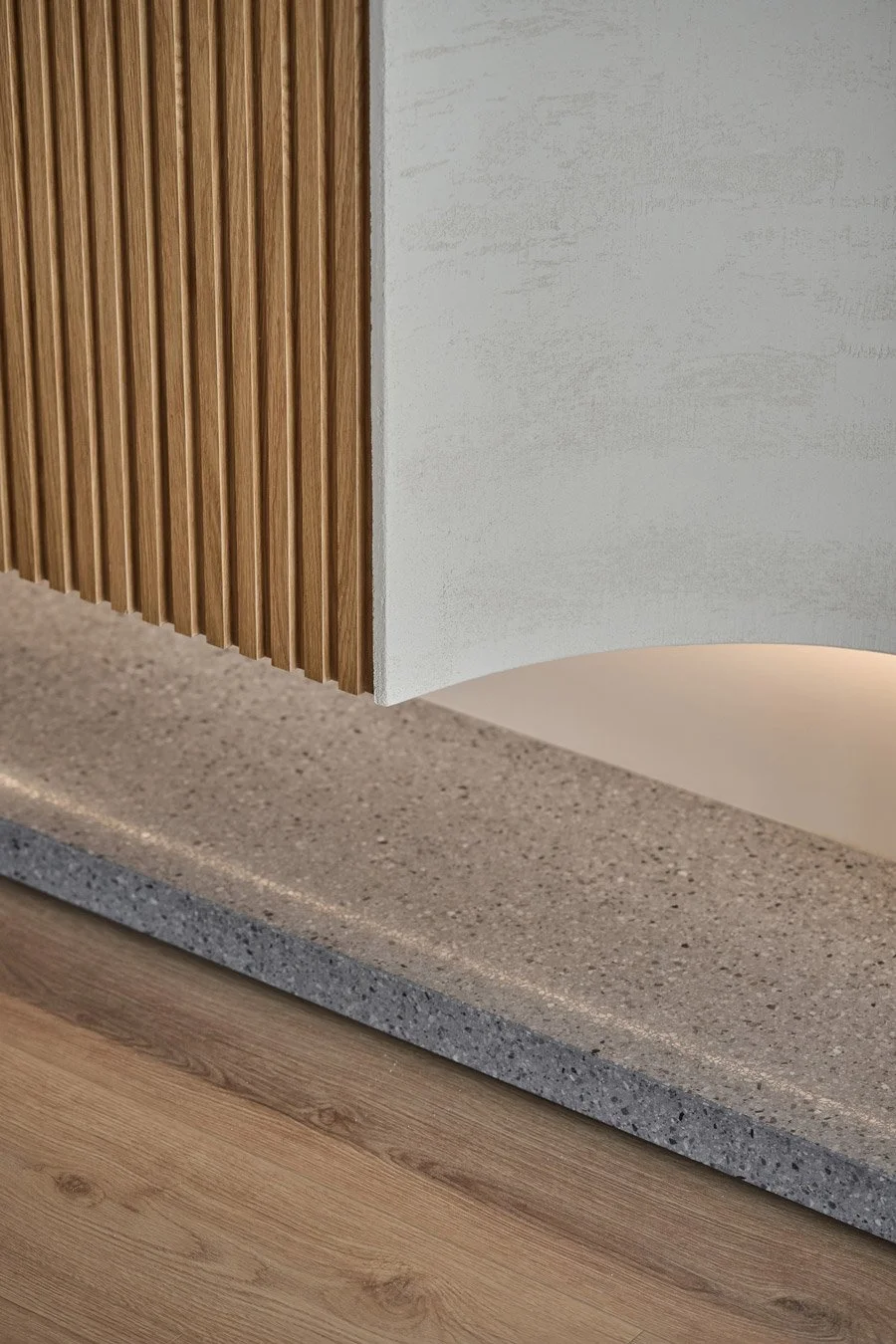
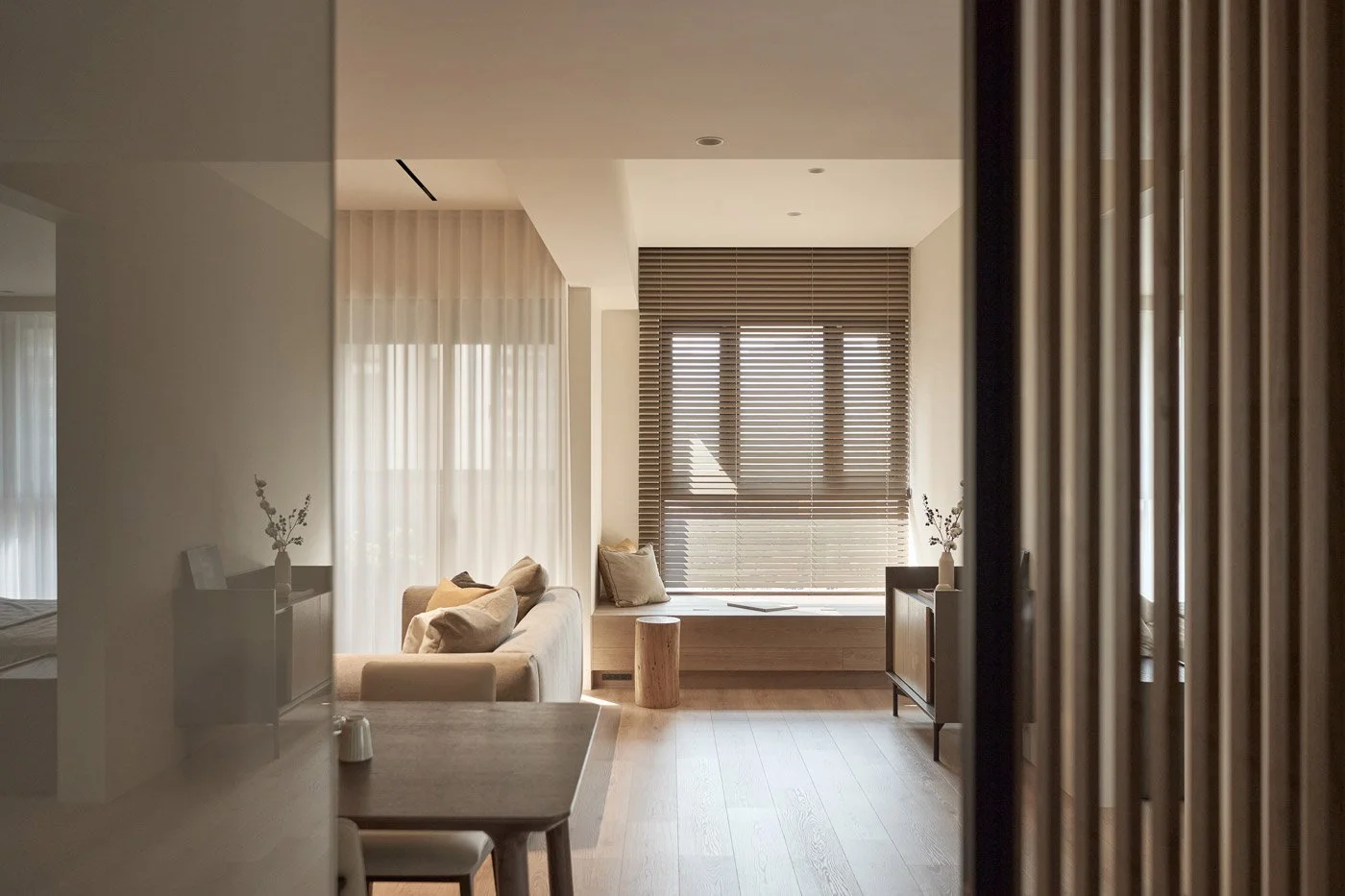
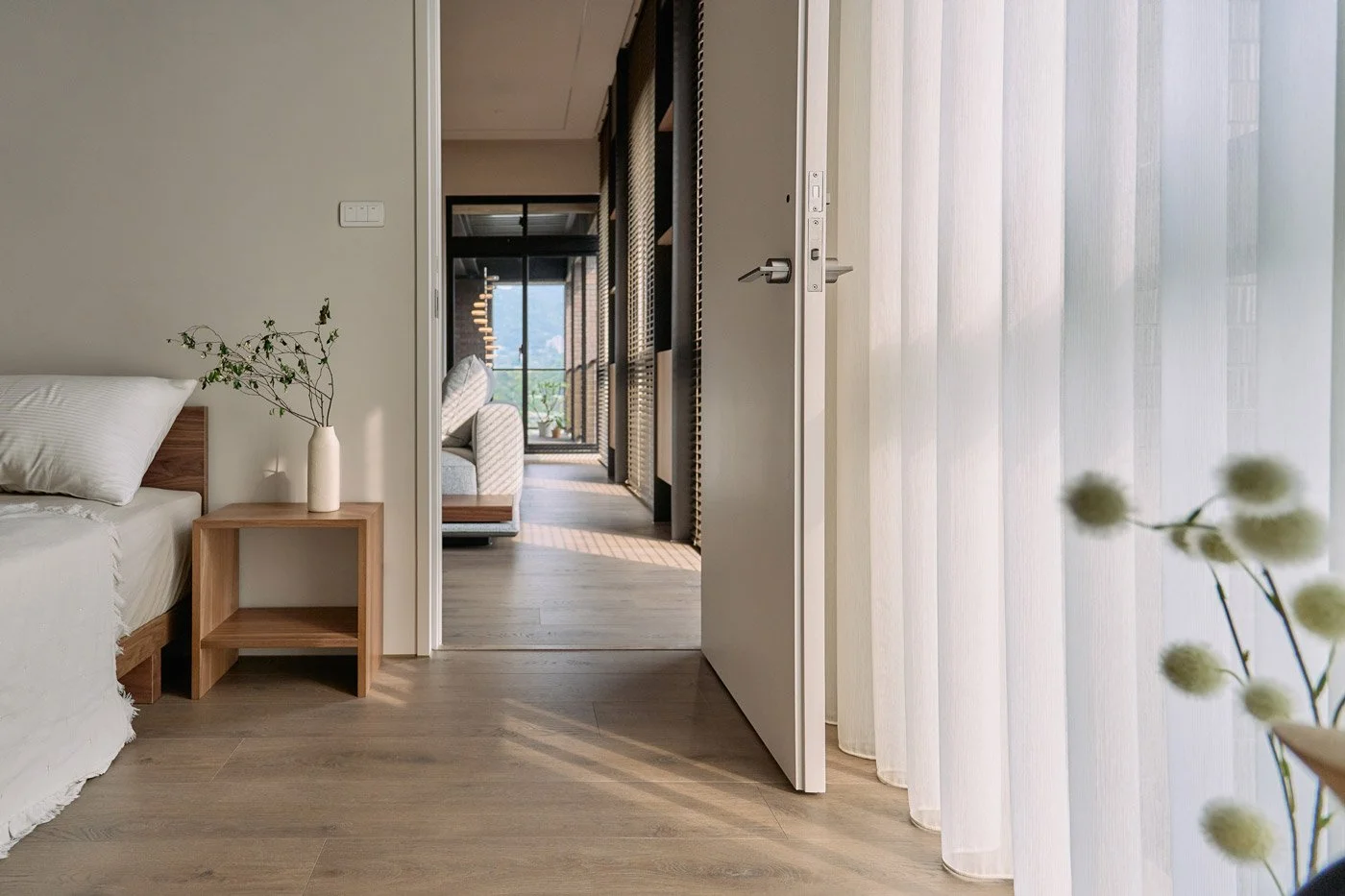
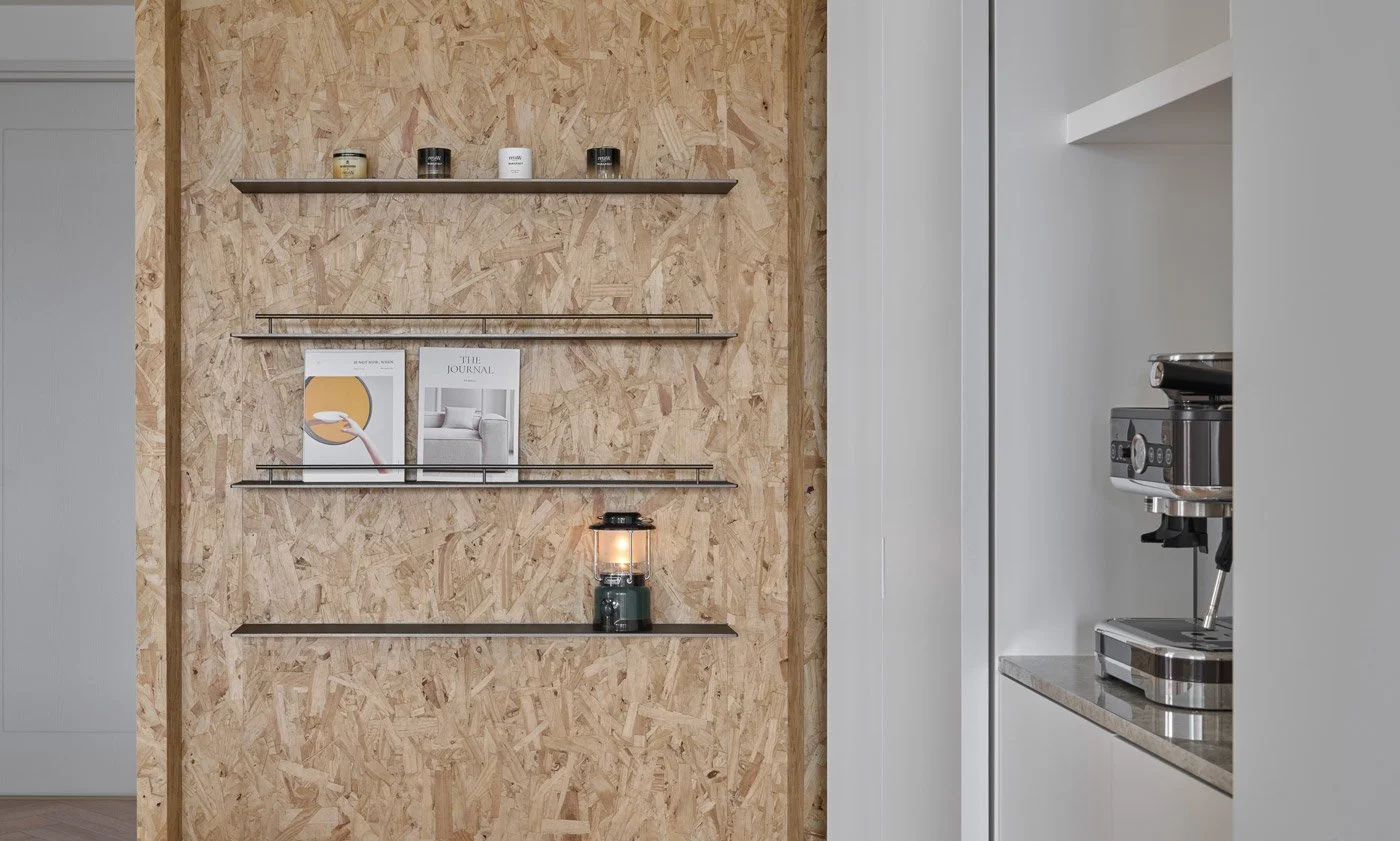
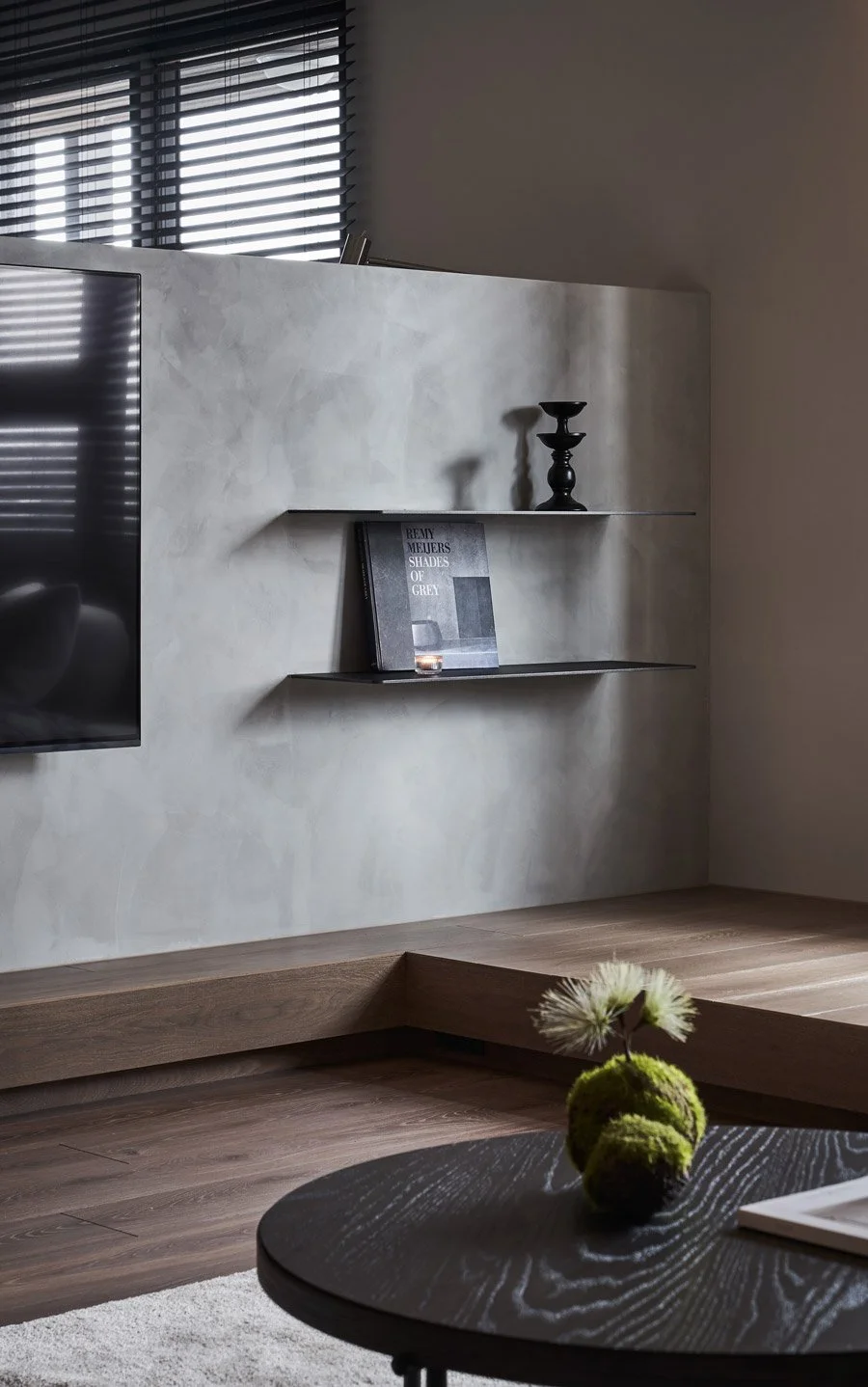
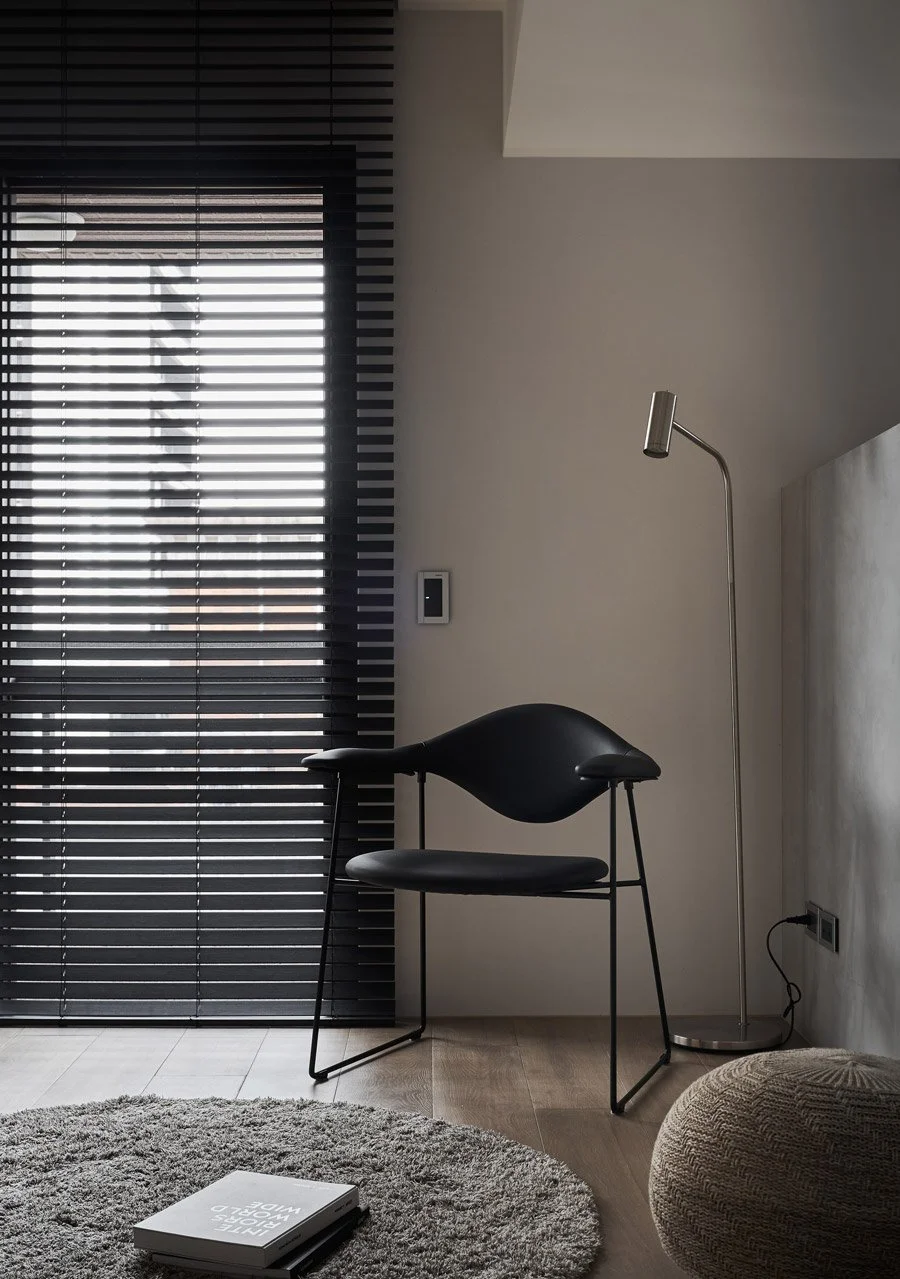
That connection with nature is mirrored in his material choices. His projects often centre around natural elements, especially wood, which he treats as a primary medium. Though understated, these materials reflect a deep awareness of how people experience space. Wood brings warmth and familiarity, while grey mirrors and painted finishes add lightness and depth. Together they balance texture and emotion, creating interiors that feel both grounded and quietly alive.

-
A Craftsman’s Steady Mindset
At the end of our conversation, I asked Jeff what kind of project he would most like to take on if budget and constraints were no issue. He paused for a moment before replying, “A commercial space, maybe a hotel. Most of our residential projects are confined within existing buildings. Someday, I’d like to try designing from the ground up. That would be closer to my ideal.”
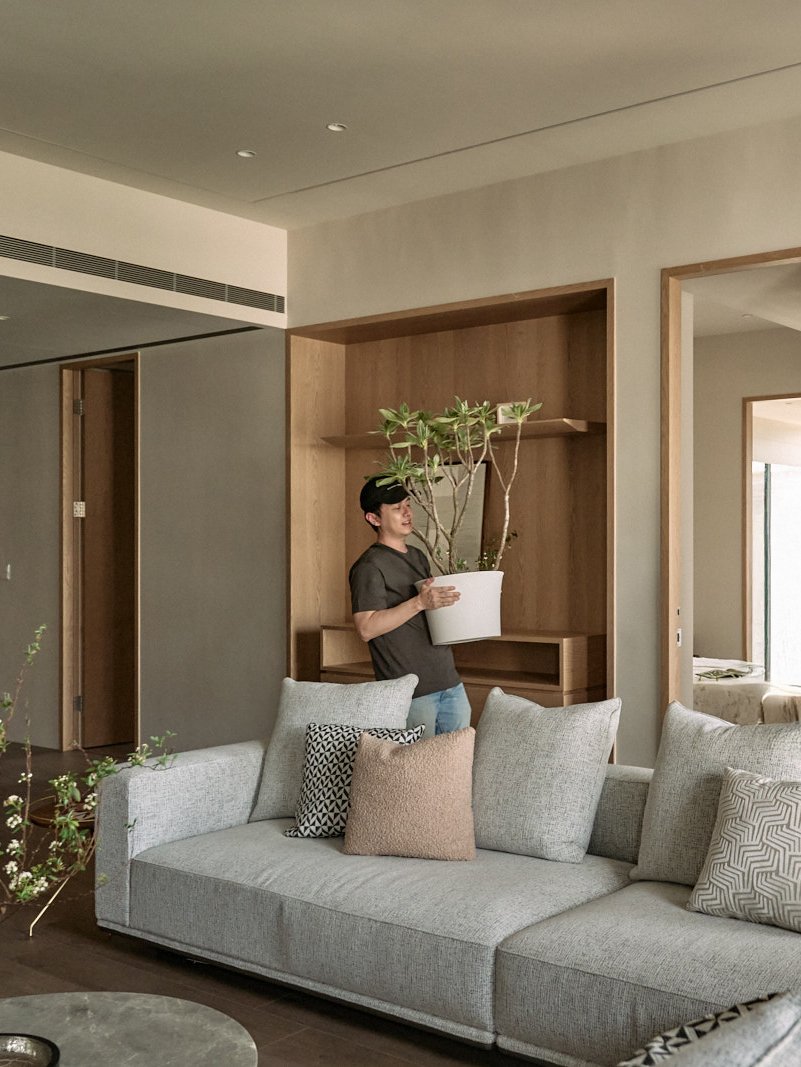
His answer made it clear that ambition was never absent, only measured. Jeff prefers to focus on doing the work in front of him with care and precision. As he puts it, “There’s no such thing as a free lunch. You have to put in the effort to gain something. That’s why I’ve always believed in learning by doing and staying grounded in the process.”
-
In a time when design is increasingly defined by authorship and signature style, Jeff’s approach carries the quiet discipline of a craftsman. He invests his energy in doing things thoroughly and well, finding value in the process itself. His personal ambitions, such as building from the ground up or exploring commercial and hospitality projects, remain on the horizon, yet he feels no urgency. Each resolved detail and every thoughtful decision made for a client brings him closer to that vision.
His steady pace serves as a reminder in an age of instant results. Design is not only about creation but also about commitment. True professionalism lies in how one turns principles into practice, allowing conviction to take form in everyday work.
攝影|Jamie Lo、ChichiL