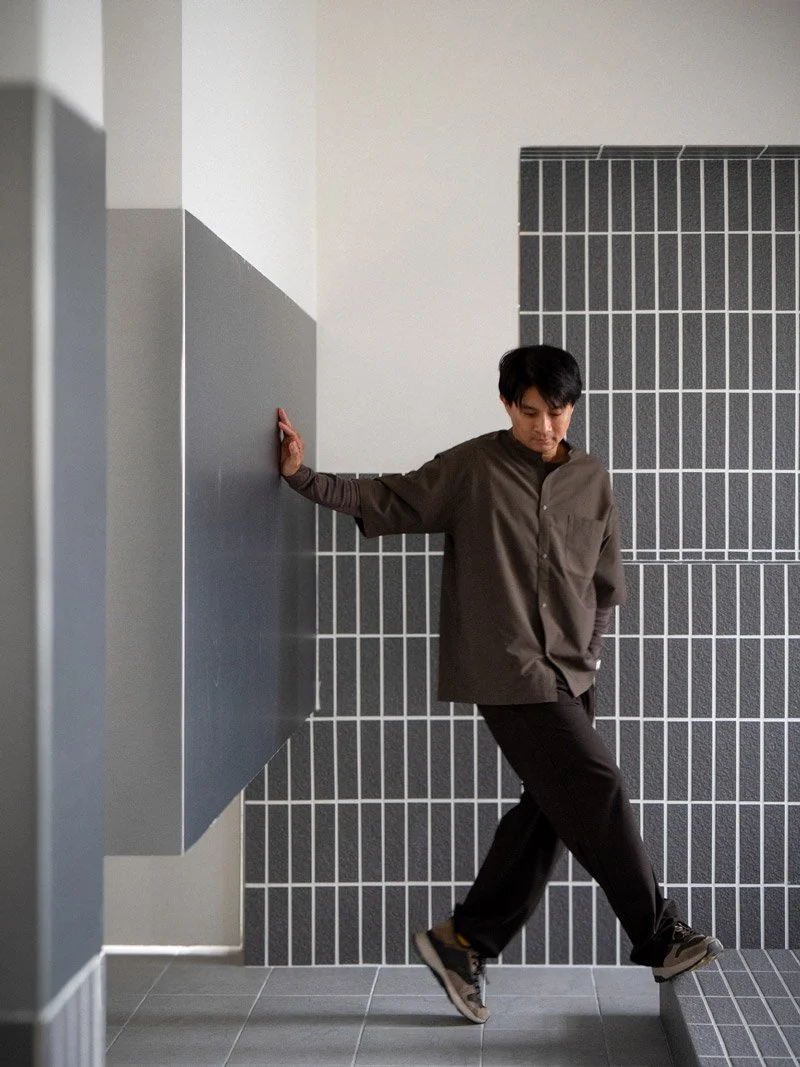
[ 專訪 ]用緊密的關係編織團隊文化的日常!卡特設計總監龍依璇:「我和這間公司,都是一個寬大的容器,接納所有東西的到來」
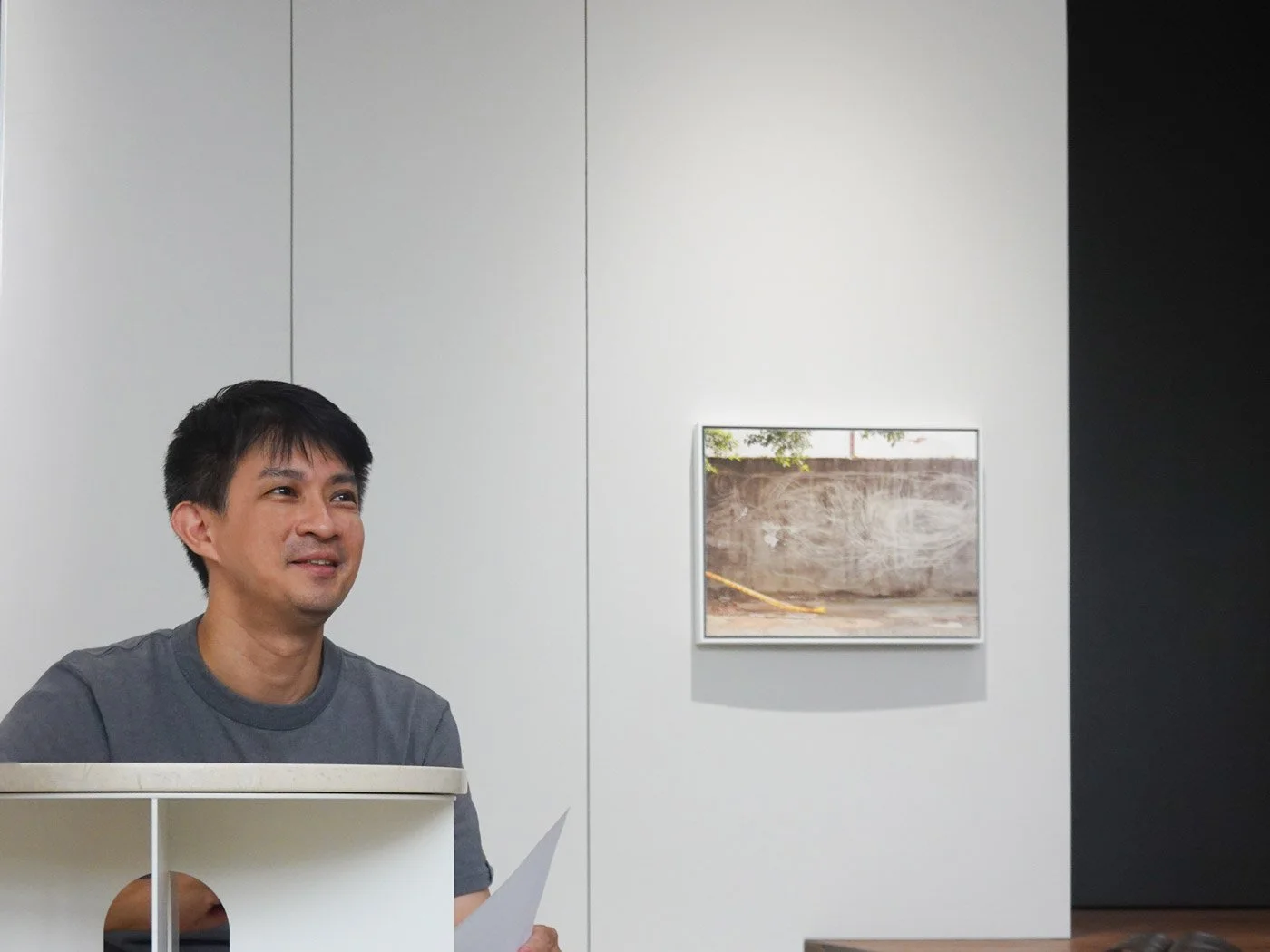
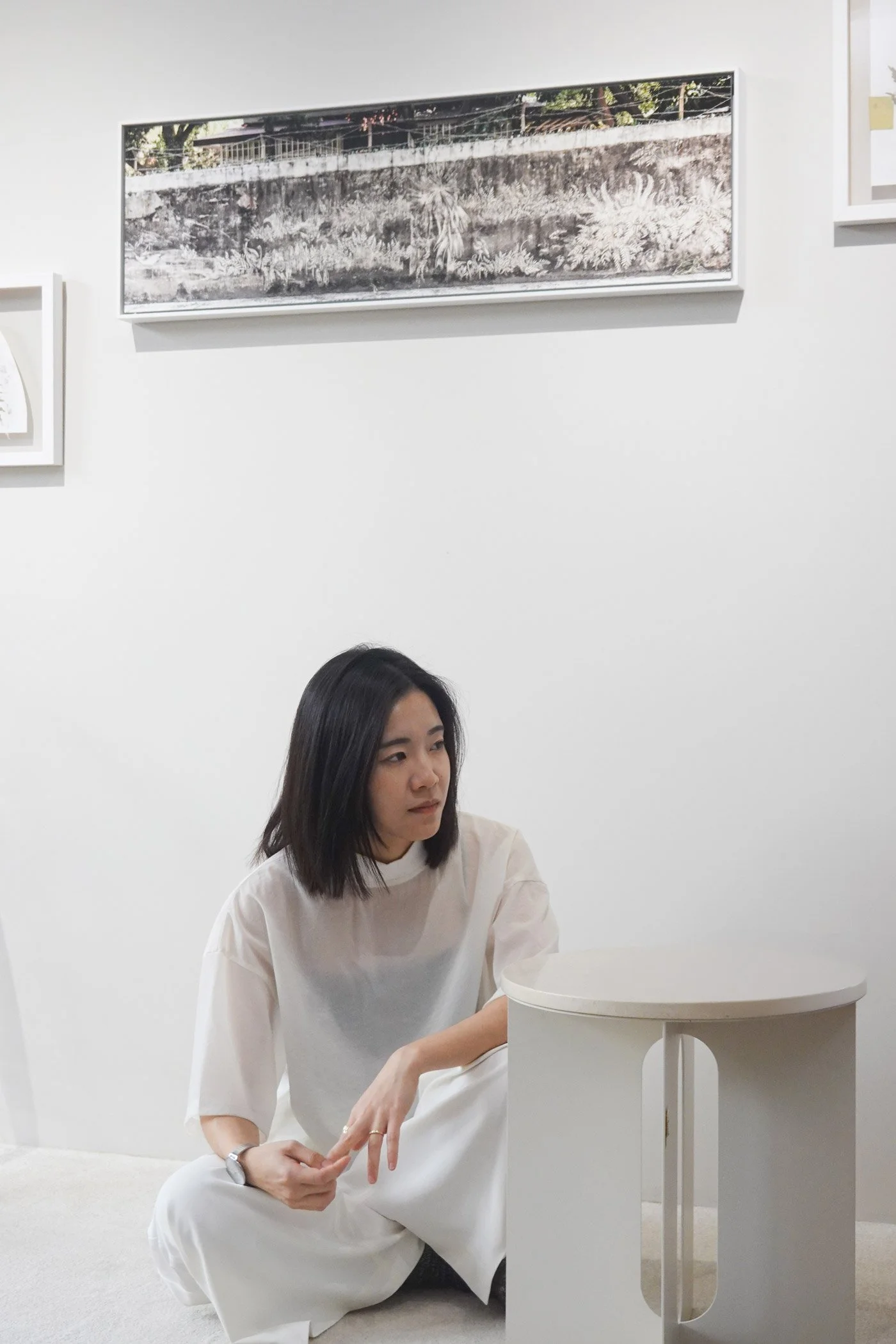
Left:卡特設計總監龍依璇(Liz Lung, Head Director of Carte Design) ; Right: HC 主理人 Jamie ( Head Director of Hey!Cheese)
-
Interior design is ultimately a practice about people. To understand someone’s needs and way of living requires more than skill; it begins with the willingness to see them with empathy. The same applies to those who create these spaces. A designer’s emotions, mindset, and surroundings quietly shape every project from the very start.
In Zhubei, Carte Design’s founder and director, Liz Lung, chose to begin with care. Before designing for clients, she first nurtured her own team, building trust through listening and understanding. What began as daily conversations evolved into a culture of openness that continues to guide how the studio works.
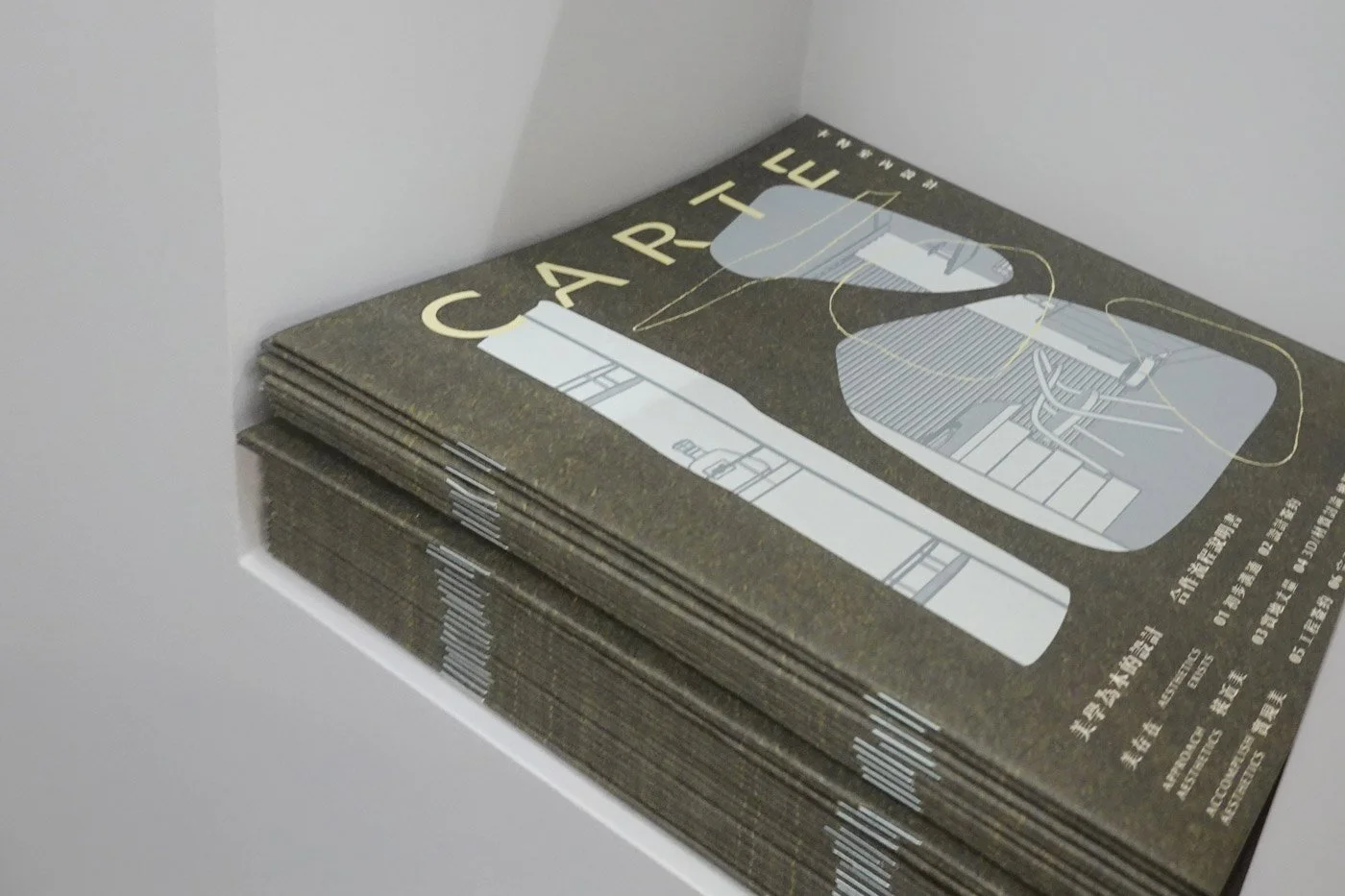
-
In a field often defined by speed, Carte Design moves differently. Its strength lies in human connection, where warmth and creativity grow through genuine care.
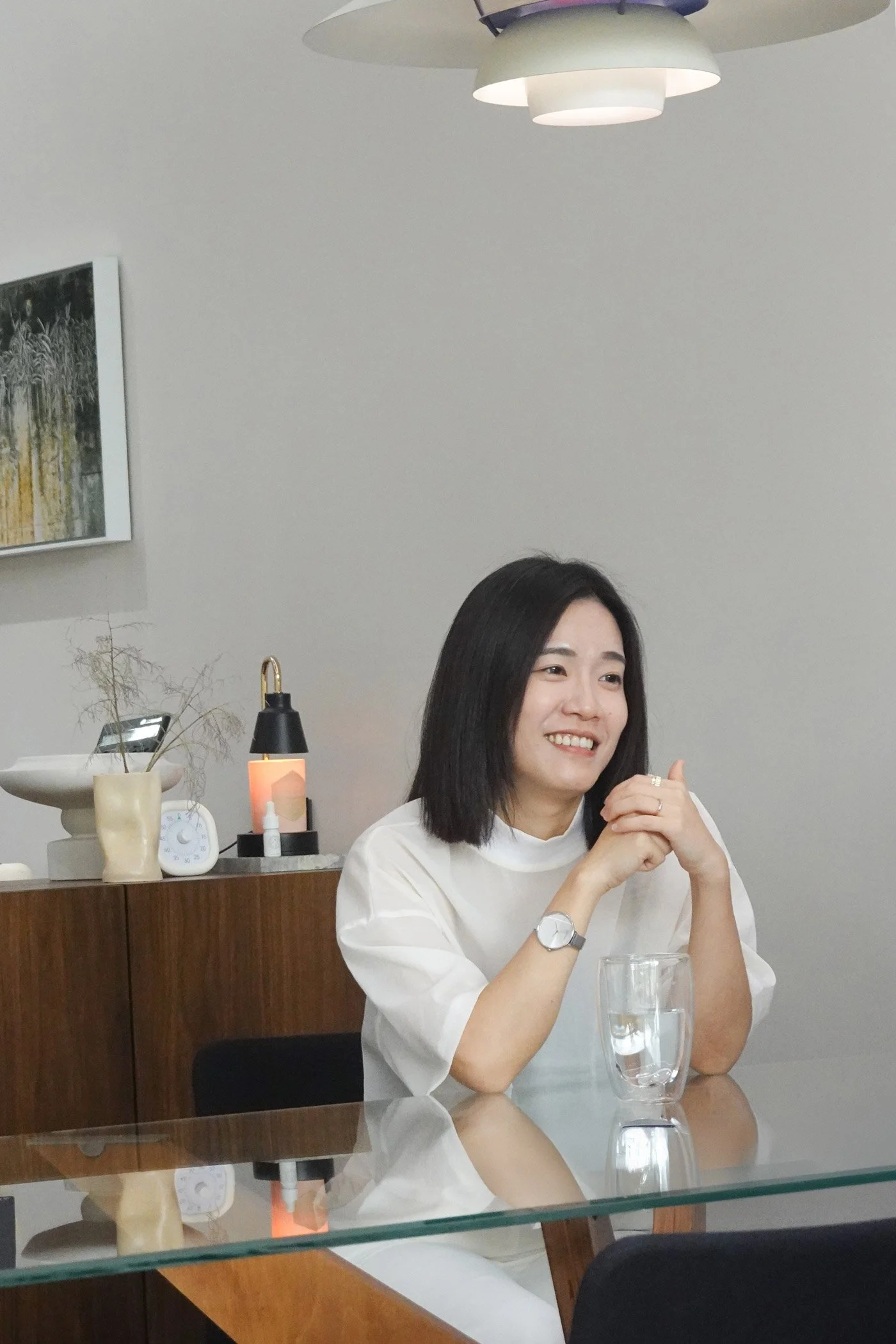
我和這間公司,都是一個寬大的容器,接納所有東西的到來。大家可能會在這邊發生些什麼,交流些什麼。
— 龍依璇/ Liz Lung
-
Q: When planning this office, what were you most mindful of?
Liz:
Both the company and I are open vessels, welcoming whatever arrives and the connections that form along the way.I value relationships deeply. The two floors reflect different kinds of connection: upstairs is about my team, while downstairs is where we meet clients, collaborators, and artists.
I wanted the space to feel alive, a place where work and life naturally flow together. The kitchen is meant for real cooking, not just making tea. Upstairs, an inspiration wall invites everyone to share images and ideas that spark them.
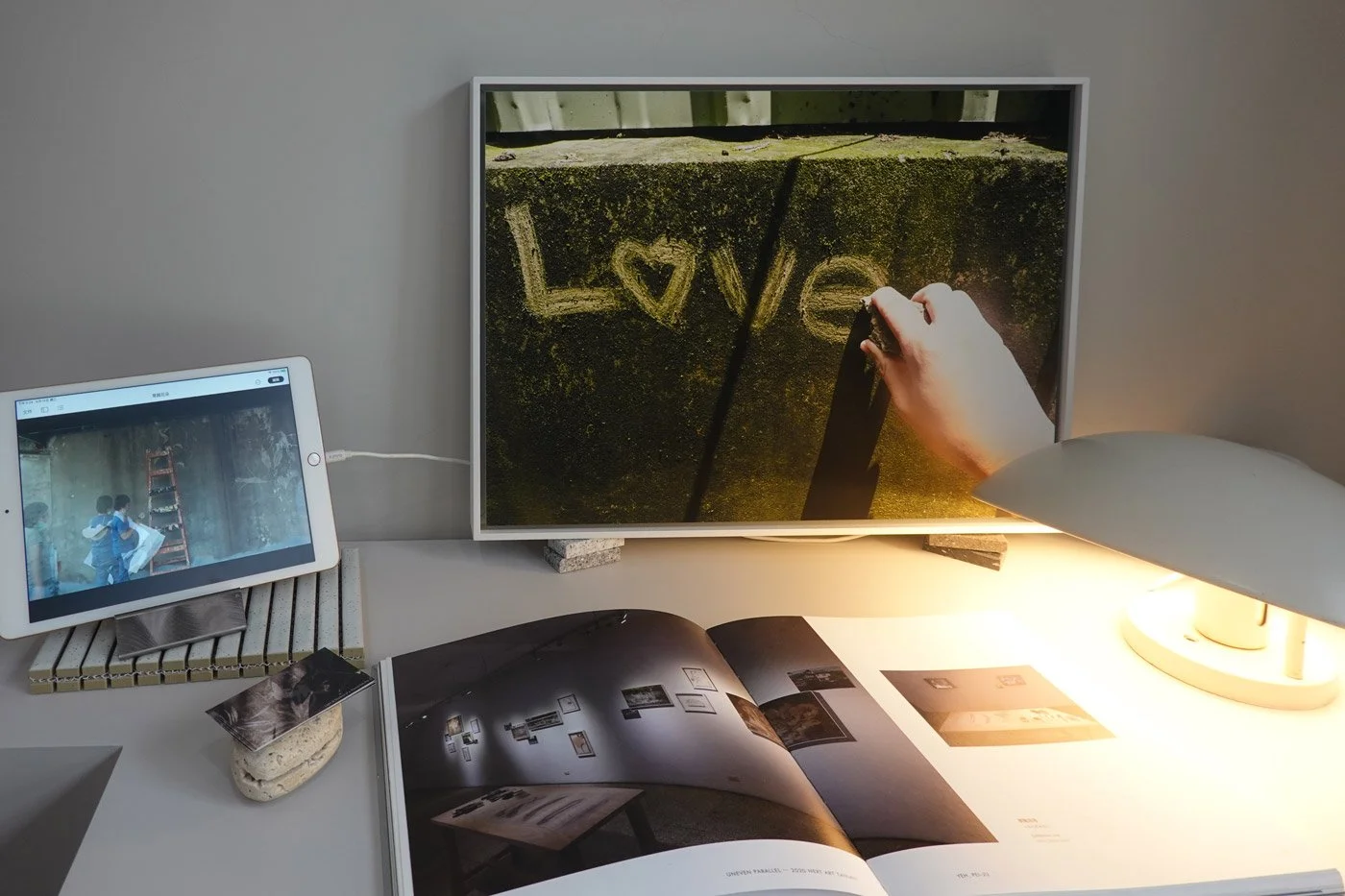
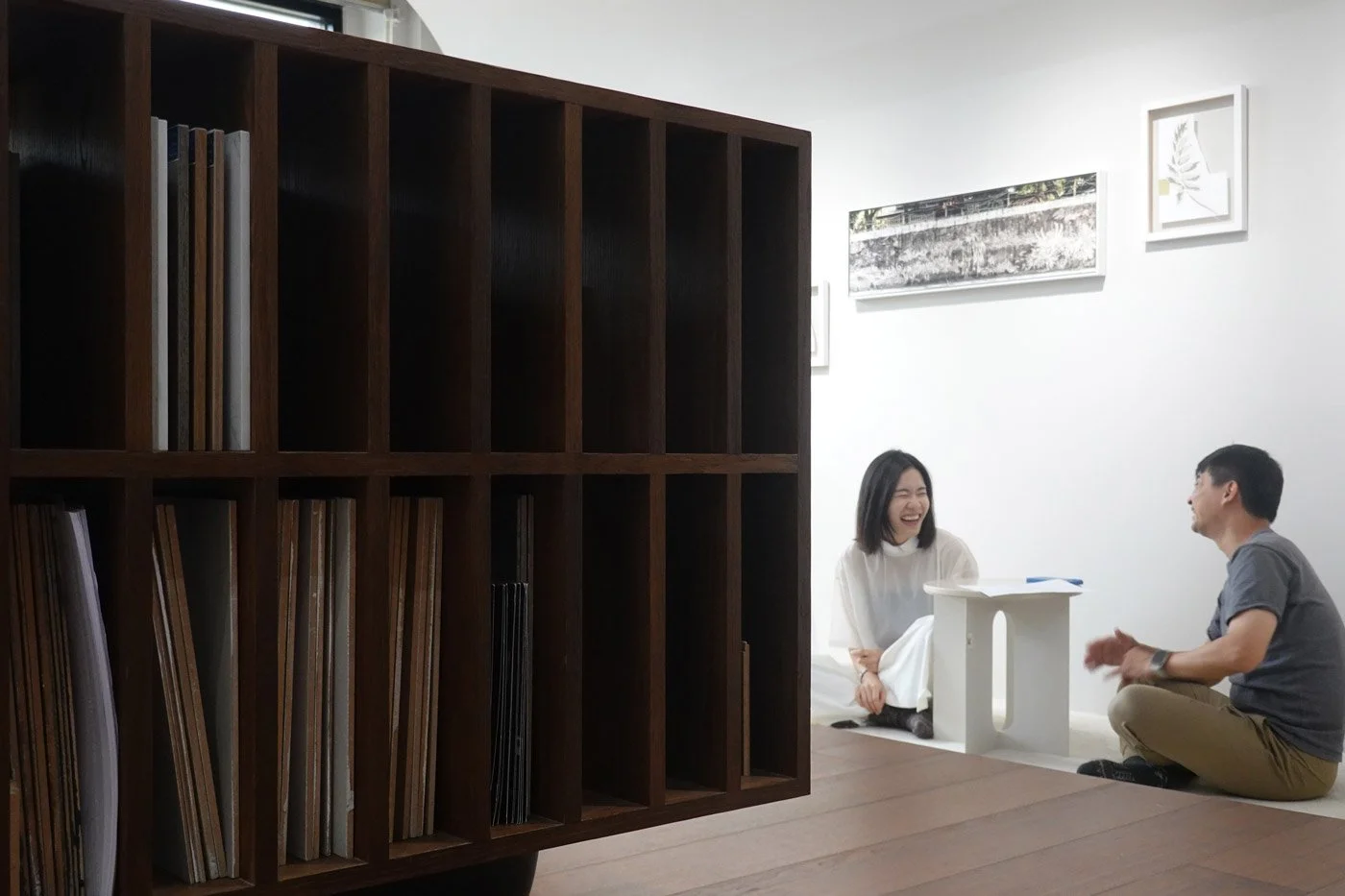
Downstairs functions as both a meeting area and an exhibition space. We host regular shows and artist residencies, sometimes with works available for sale. It allows the office to grow beyond a workplace and become a space of cultural exchange.
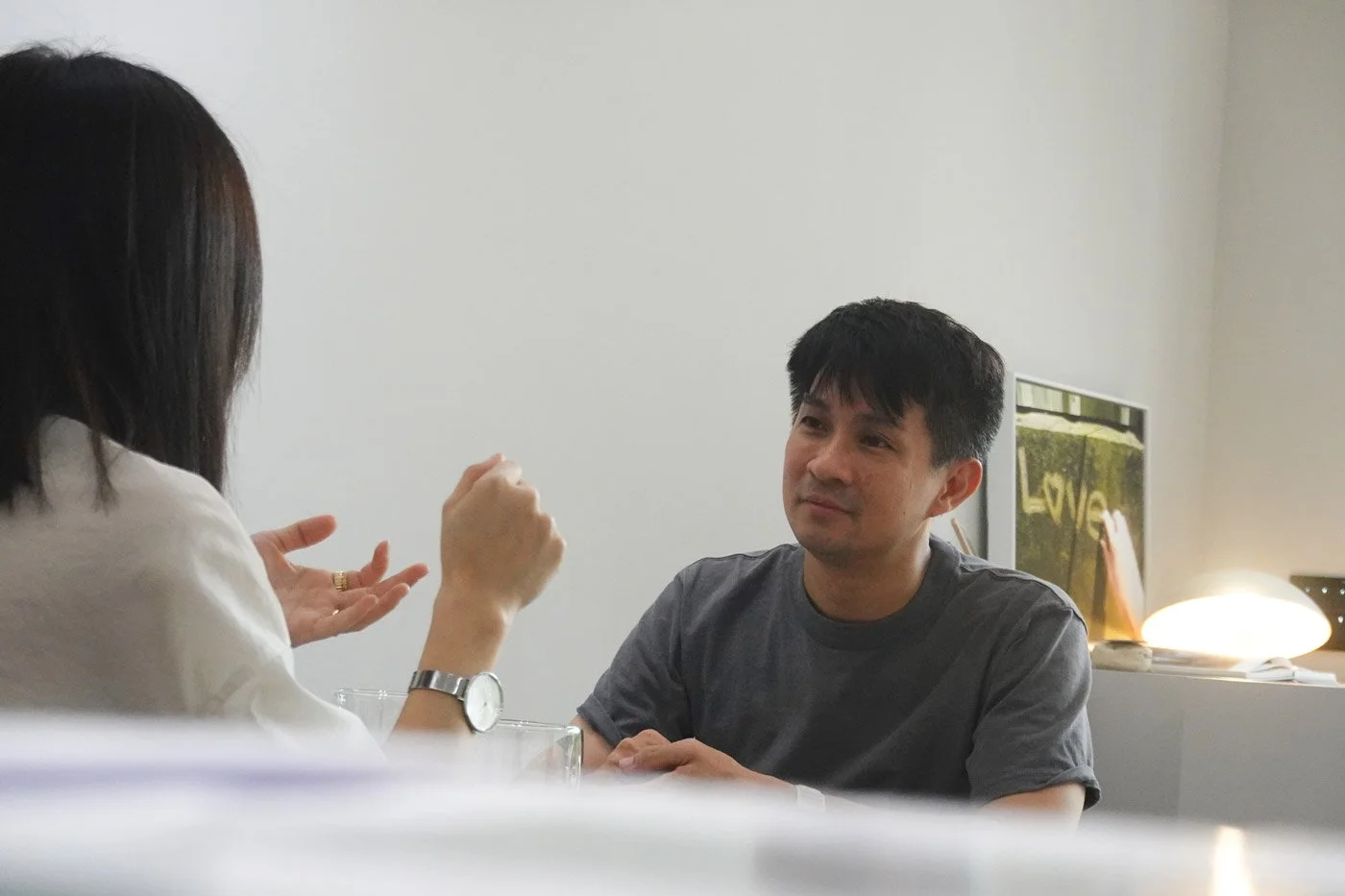
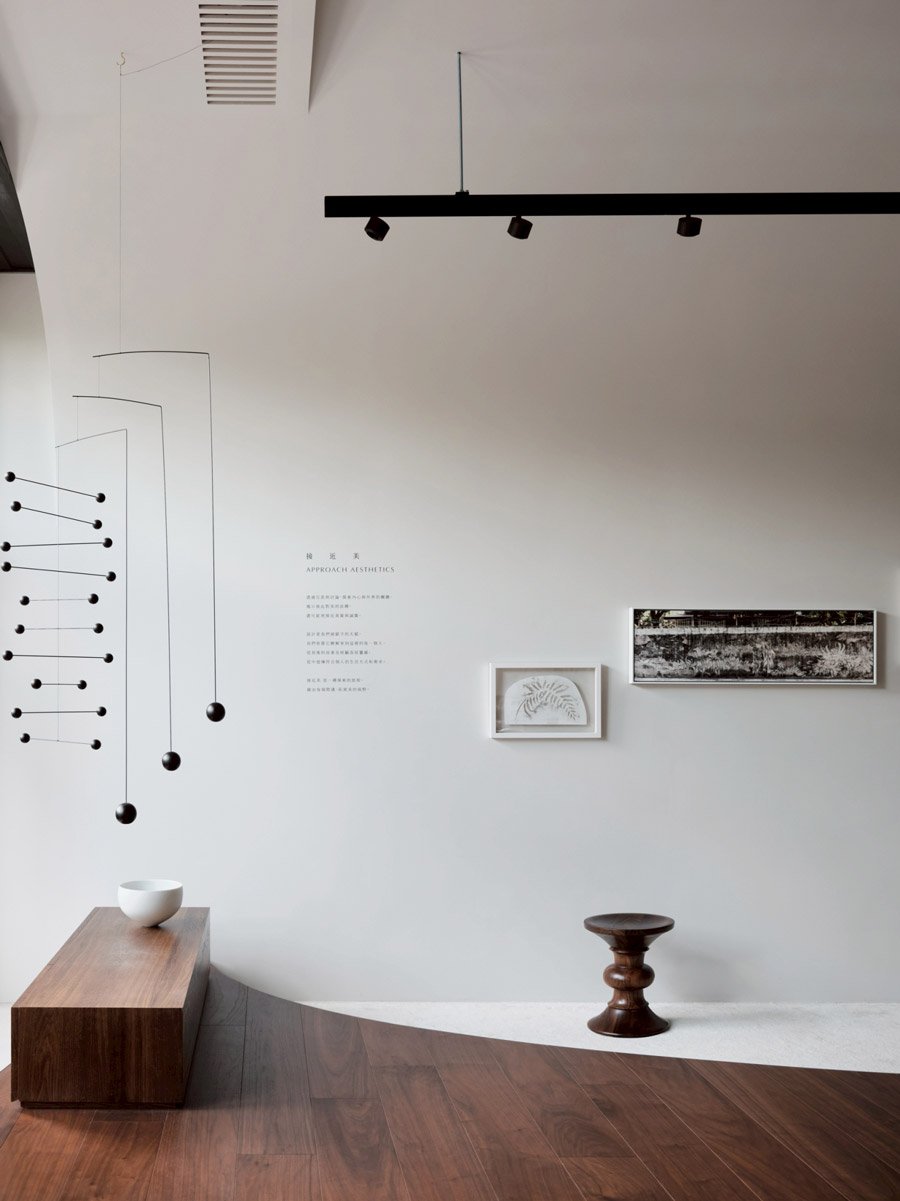
photo by Suiyu Studio
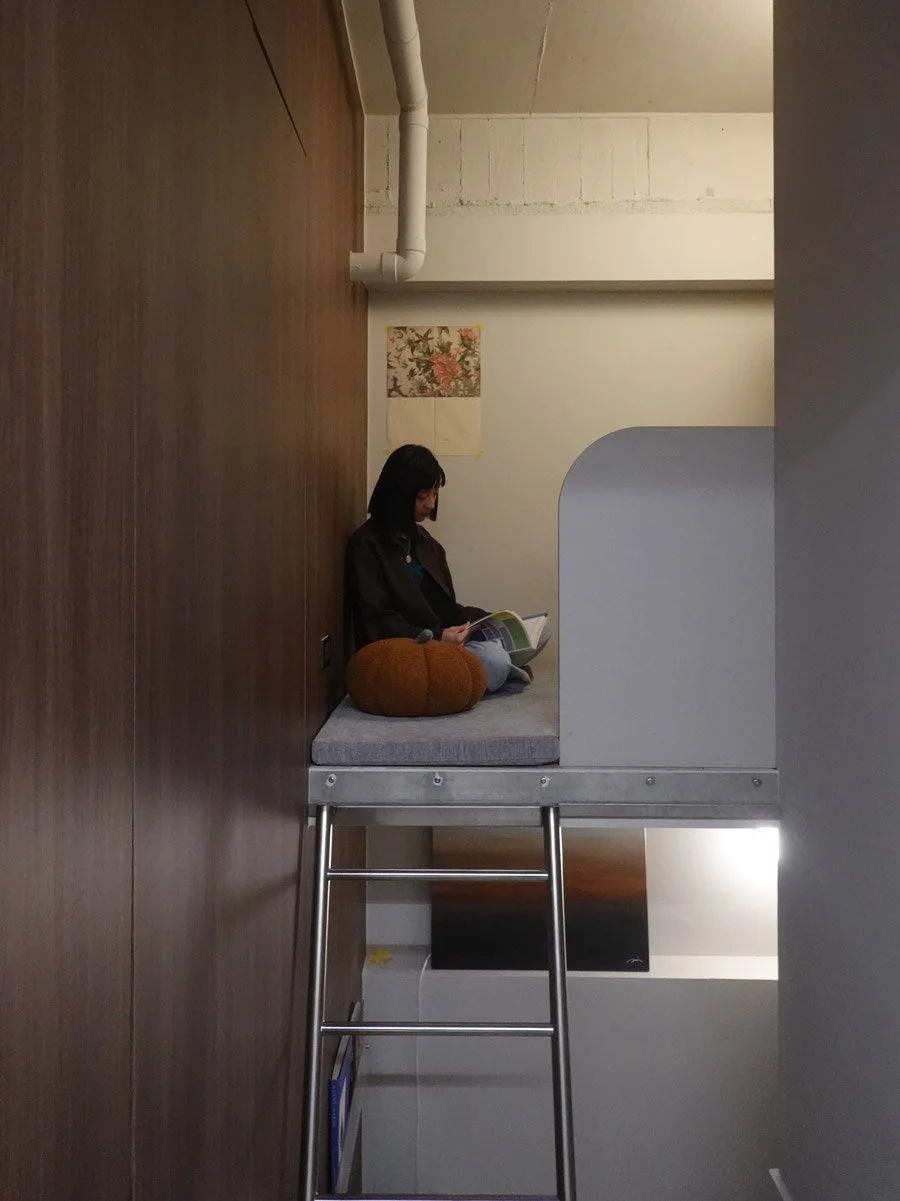
當初決定租下這間房子,腦中第一個浮現的畫面,就是樓梯上方小小的夾層。現在它成了同事的休息角落,會在這裡小歇,或當成小組 brainstorming 的討論場地
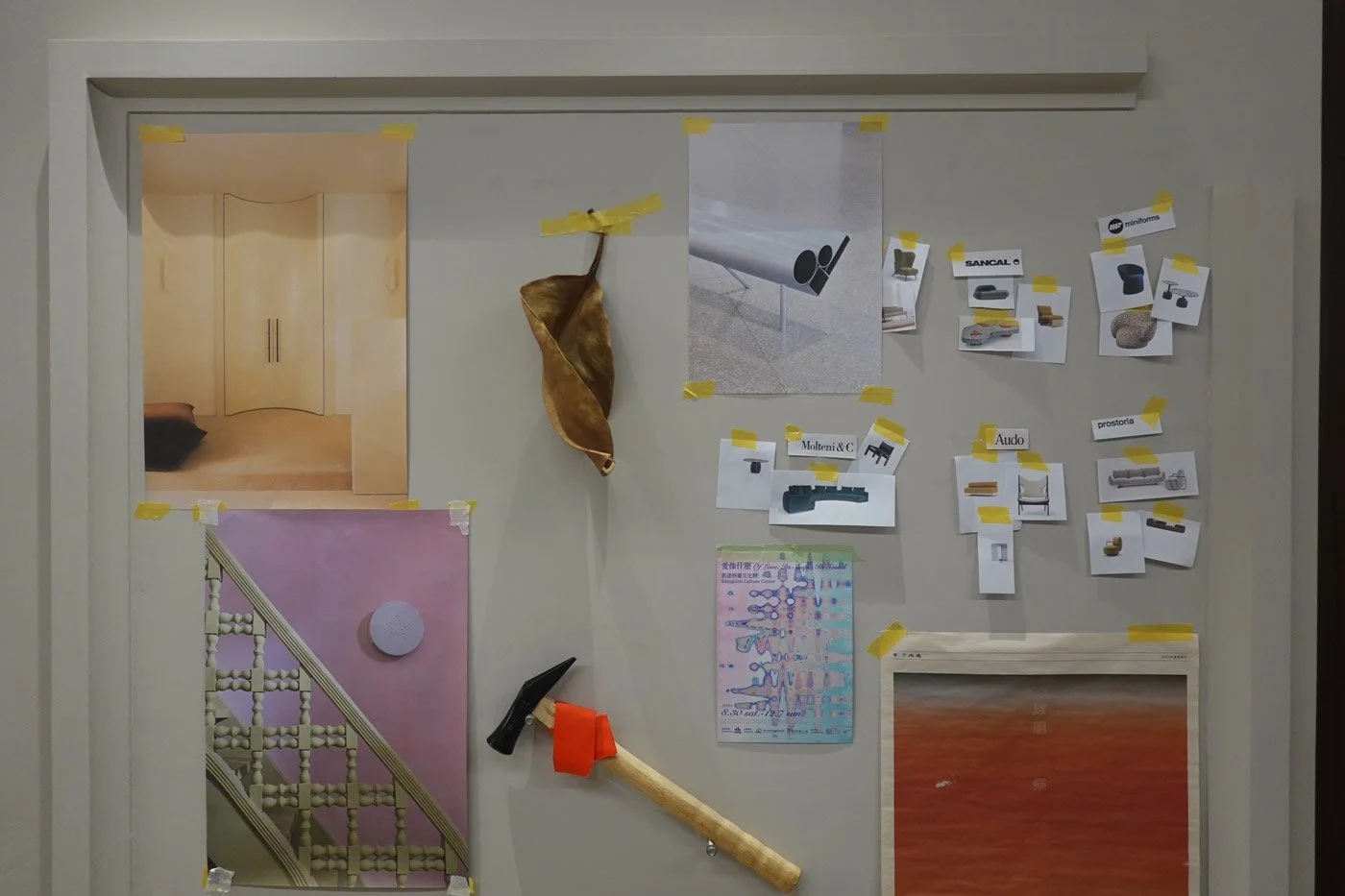
靈感牆是美感的累積日常。任何人都可以隨意貼上覺得好的東西,不管是創意、影像,甚至是一片在路邊撿到、覺得漂亮的葉子
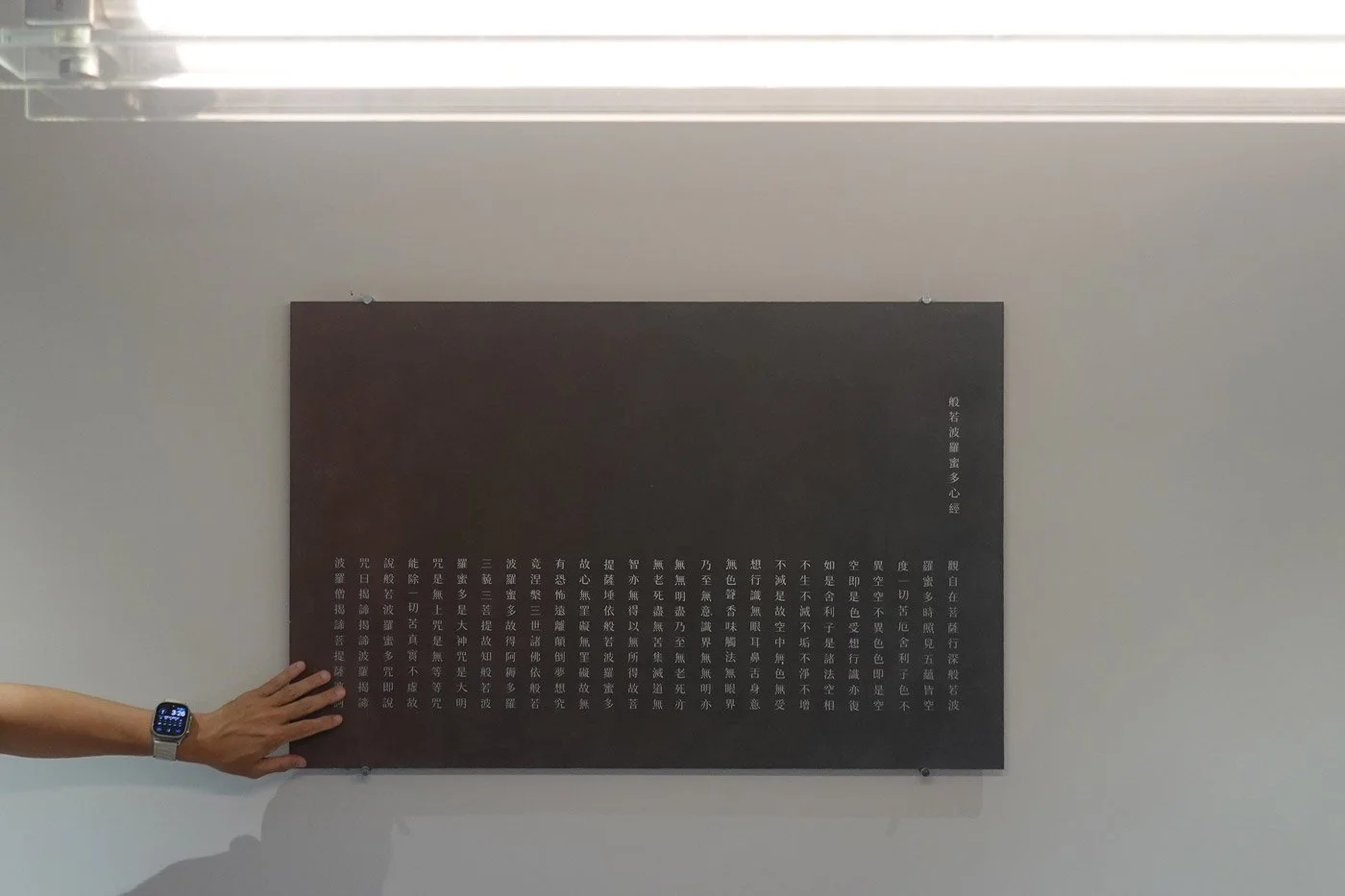
公司自製的心經
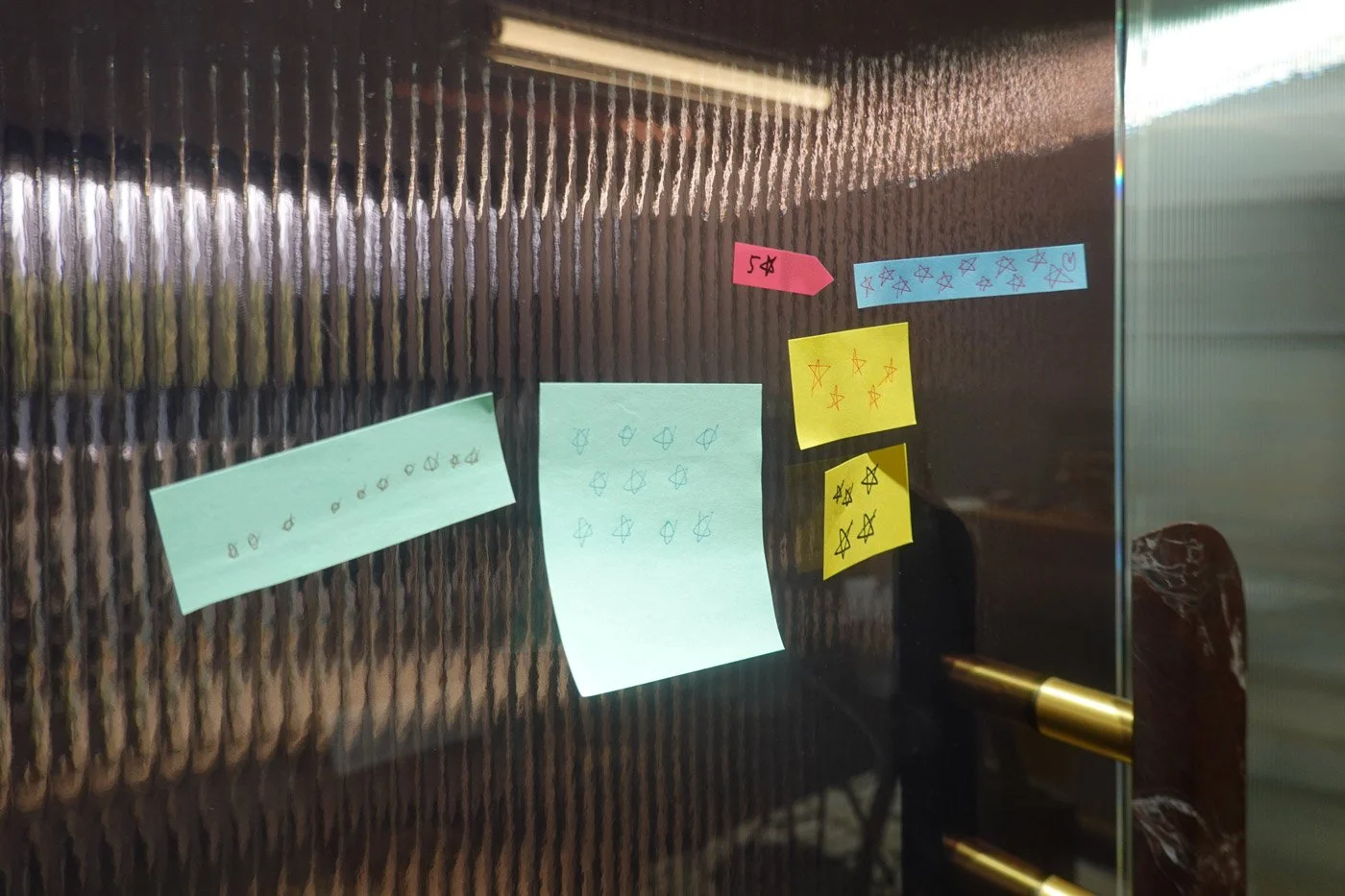
Liz 平常定期會找夥伴聊聊,聊完之後,會請他們跟 Google 評論一樣,提供一些回饋
-
Q: The first floor brings together several different functions. How did you plan this area?
Liz:
We first moved into the second floor last August, and the ground floor took longer to define. From the beginning, we knew it would include exhibition, meeting, material, and kitchen areas, but it took months of adjusting proportions and placement before construction finally began in December.The breakthrough came through feng shui. We placed the intuitive functions on the right and the rational ones on the left. Once we followed that principle, the plan suddenly came together—it just felt right.
Since this space isn’t open for walk-ins and works by appointment, we collaborate with artists who are open to that format. When no clients are visiting, the artists can guide their own viewings. It creates a mutually supportive relationship where everyone shares the space and benefits together.
Jamie:
That’s quite rare. Most small studios wouldn’t dedicate half of their space for others to share. The moment I walked in, I could sense the kind of atmosphere you wanted to create. It feels comfortable here, without pressure. Whether people come to discuss a project or simply to talk, there’s no sense of formality or guardedness.
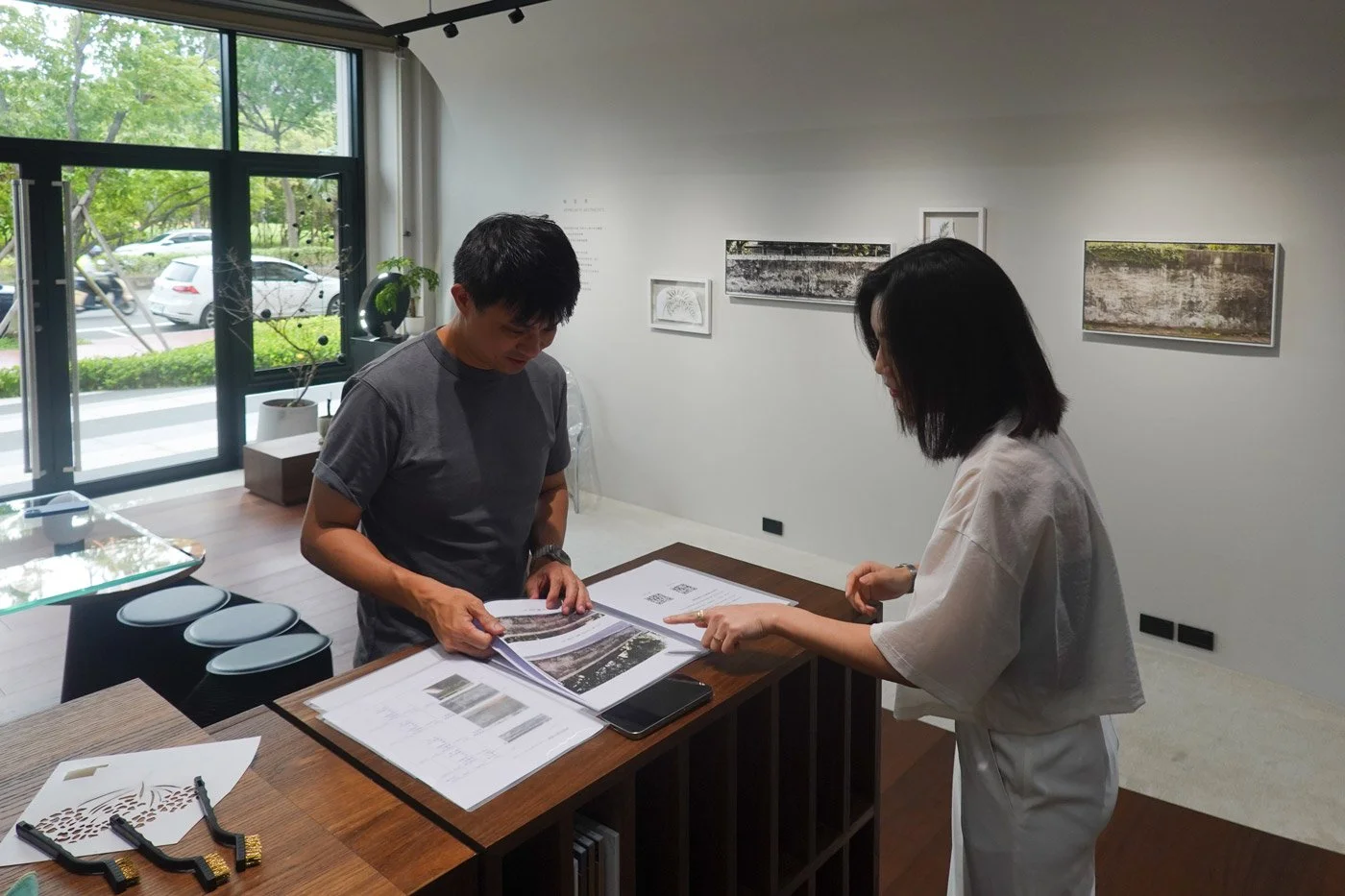
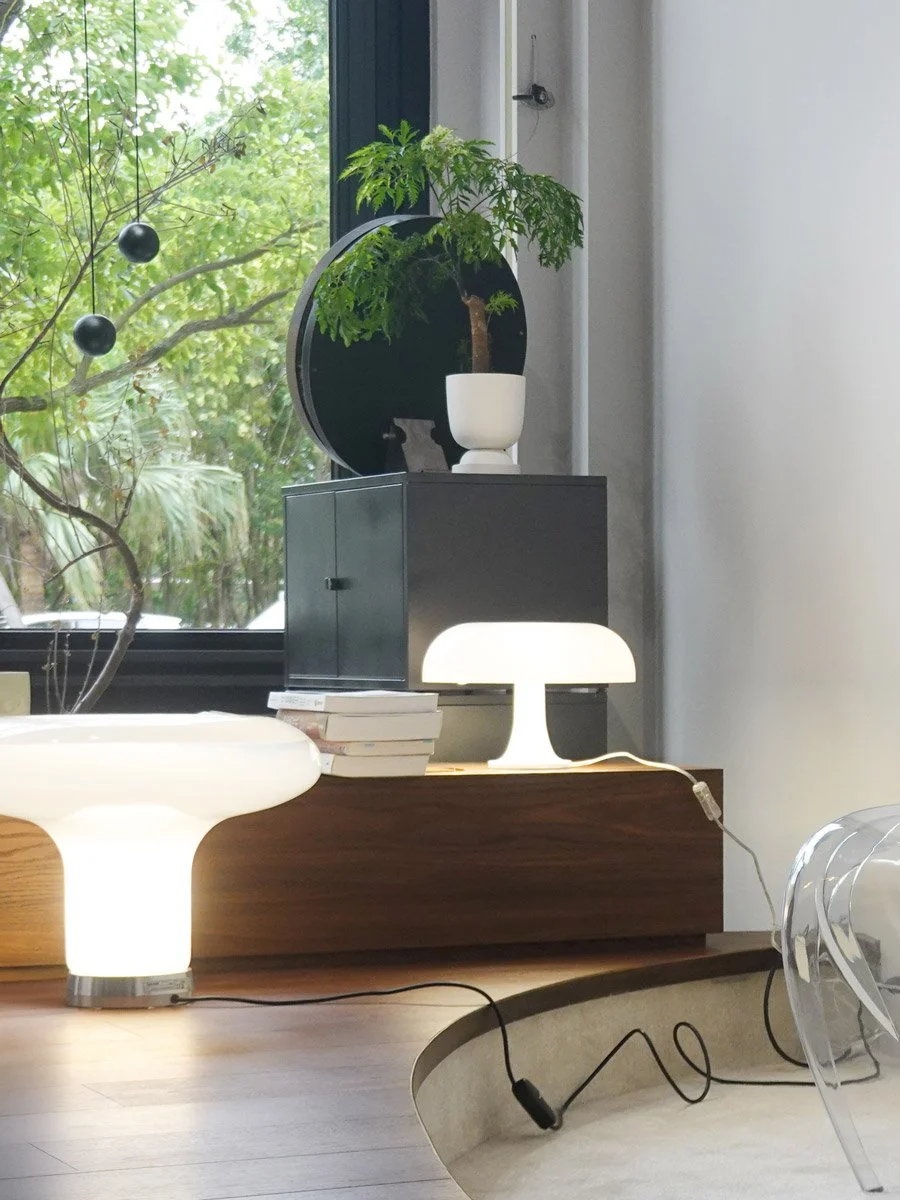
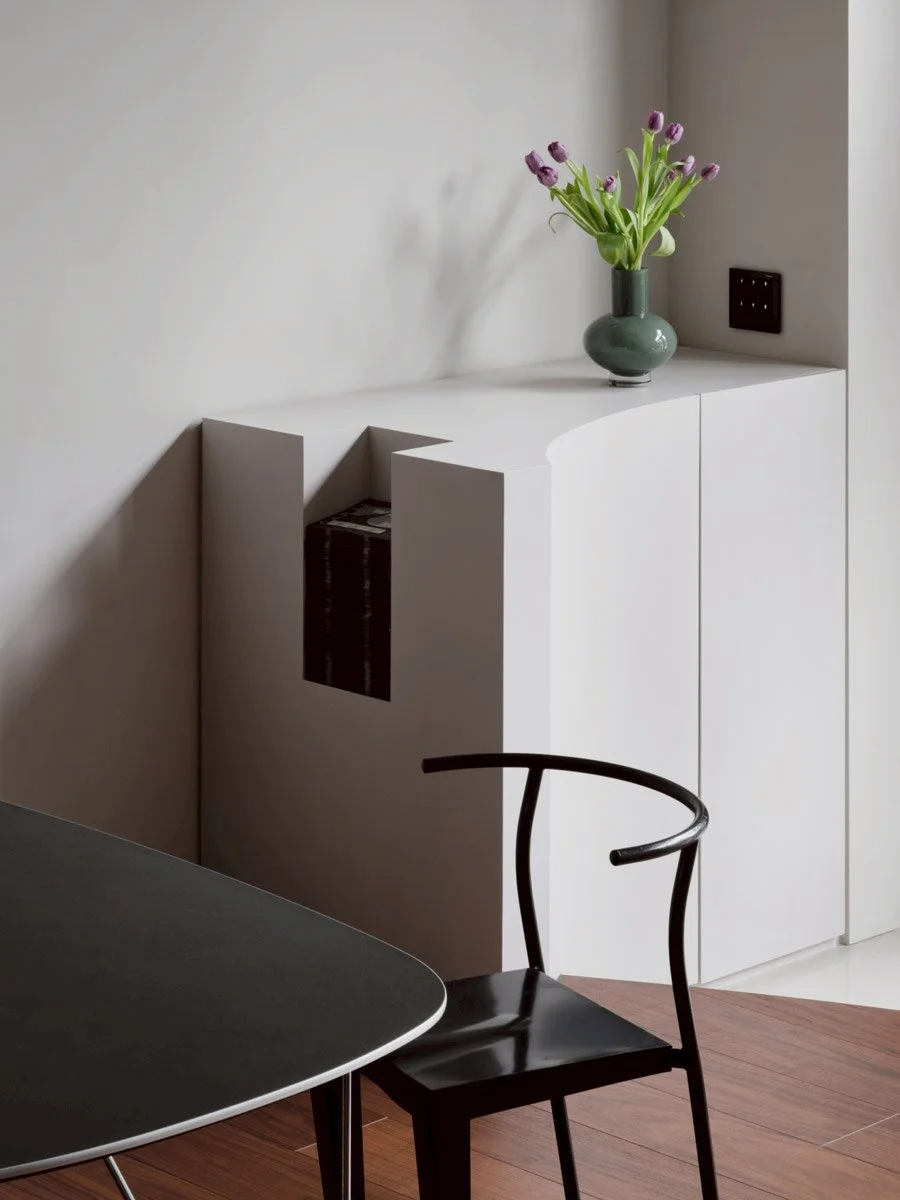
photo by Suiyu Studio
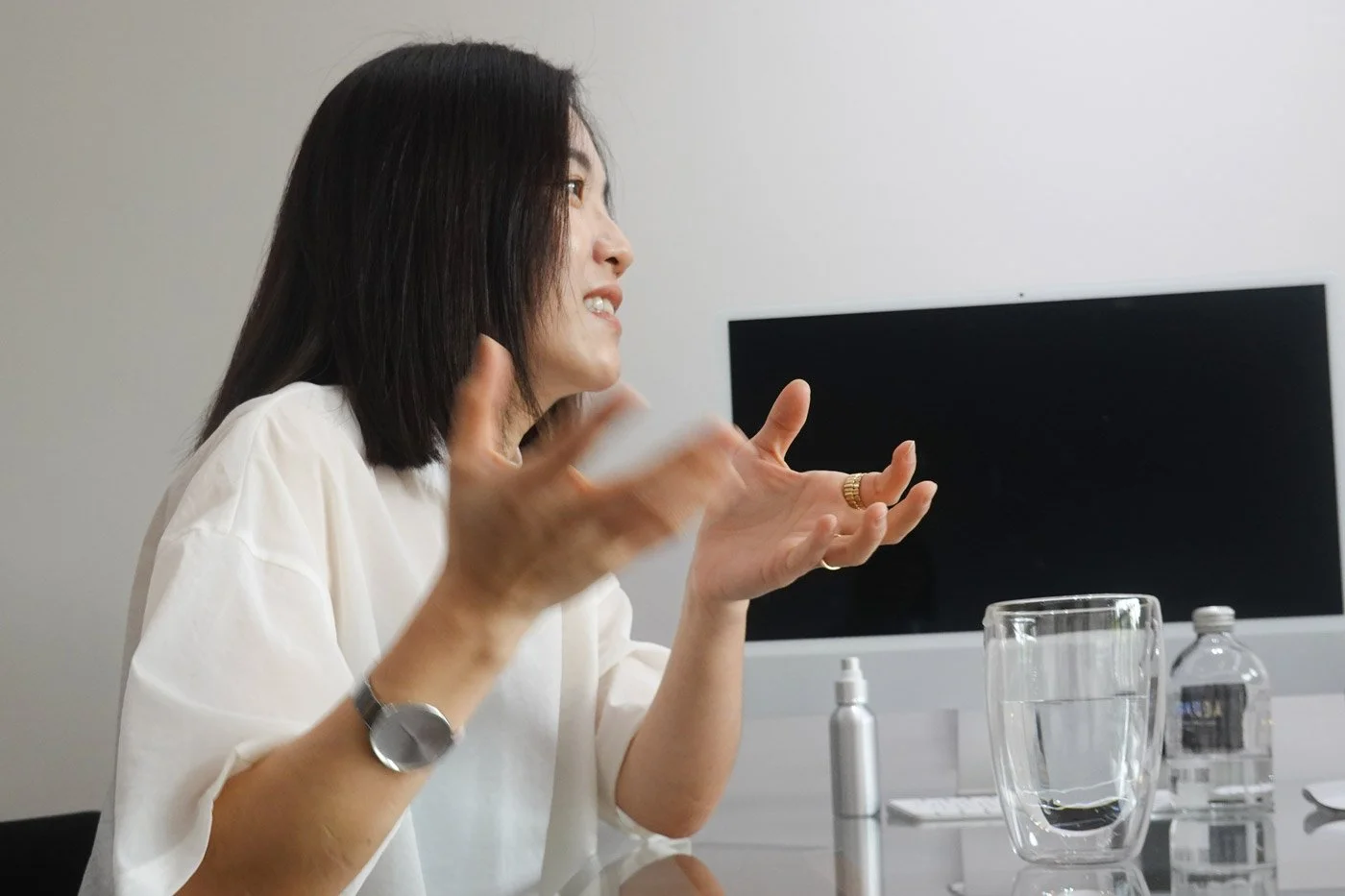
之前我去菩薩寺的時候,看到「讓」這件事情。它說的是:當你想把一個東西牢牢擁有,你所擁有的,只有被你圈起來的那一塊;但如果你選擇打開,那你擁有的是更多。這個想法就深植在我心裡
-
❝
When I visited a temple once, I came across the idea of “letting.” It said that when you try to hold on tightly to something, all you truly possess is the small part enclosed within your grasp. But when you choose to open your hand, what you gain is so much more. That thought stayed with me ever since.
-
Q: You’ve created a wonderful environment and place great value on emotional connection within the team. Could you share how your brainstorming sessions began and the thinking behind them?
Liz:
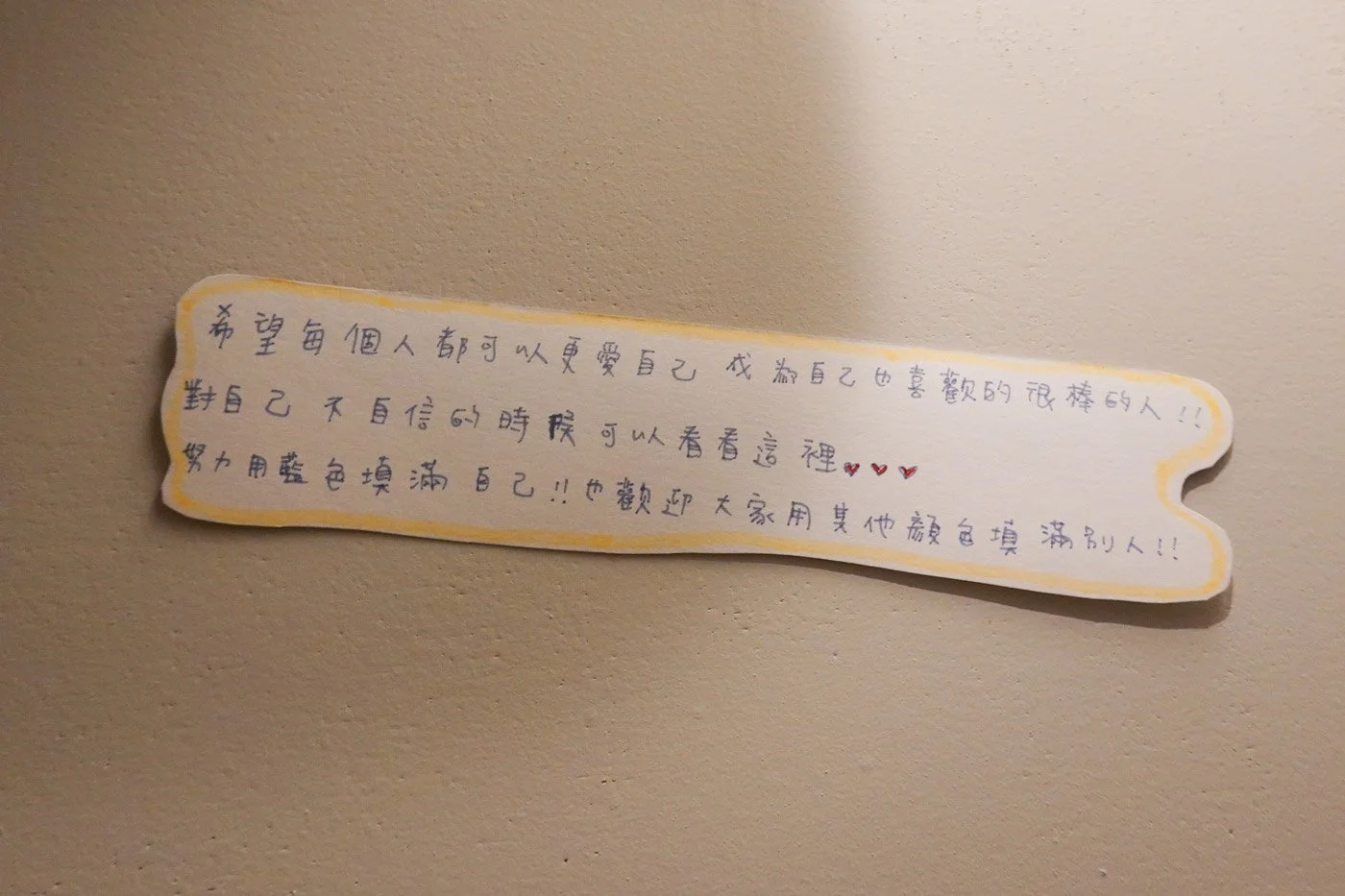
In the beginning, I simply wanted to bring everyone together to share what inspired them. Each person sees things differently, and through that exchange, new perspectives naturally open up.Over time, these sessions also revealed something deeper. Through honest conversation, we began to understand how each person’s ideas reflect their own tastes and design philosophy. That’s when brainstorming became a regular practice. Now we hold it once a month, with a new topic each time—nothing can be repeated, and there’s no right or wrong answer. Everyone just joins in and contributes freely.
-
Liz:
One of our themes was “say 20 things you appreciate about yourself” It was started by a teammate who often felt unsure of himself. I encouraged him to name five of his own strengths, and he later turned that into a team exercise. It became a beautiful moment of mutual encouragement.Another time, everyone drew a colleague’s name and created a bouquet that best represented their personality, then shared the meaning behind it. We’ve also explored topics like “what you’ve always wanted to do in life” or “your favorite song.” They seem lighthearted, but each session helps us see one another more clearly.
Jamie:
That level of openness is rare. Letting everyone take turns leading must bring a strong sense of connection.Liz:
I’m grateful to have teammates who share that spirit. Their willingness to support and engage with one another is what I value most.

Photo credit: Carte Design
-
Q: You place great emphasis on emotional connection. How do you balance care and discipline when leading your team?
Liz:
I would describe it as “education with love, discipline with strength.”There are still clear principles and standards, but I avoid managing through pressure or fear. In the past, I’ve seen leaders use emotional manipulation or harsh criticism that made people feel small. I never want to repeat that. Instead, I try to understand how my team thinks and guide them through conversation. Growth may take longer this way, but once they reach that turning point, they move forward with real confidence and stability.
Q: Following that thought, what has been your biggest challenge, and how did you overcome it?Liz:
The hardest part has been finding balance between love and discipline. In the beginning, I believed love could solve everything, but reality proved more complex. Everyone has a different personality and background, and some things still require structure and rules. Learning when to be firm was the biggest turning point for me.
帶領團隊最核心的還是「原則」,而除了原則之外,就是愛與包容
-
❝
At the core of leading a team is having clear principles. Beyond that, it’s about love and acceptance.
-
Q: How has your idea of empathy and acceptance influenced the way you work with clients? Do you think your relationships or client types differ from other design studios?
Liz:
Most of our projects begin by understanding the client’s personality. I tend to design based on the feeling I get from them, then weave in a bit of our own DNA. I don’t want the space to look entirely like us.Our brand image, communication style, and even pricing act as a natural filter, helping us attract clients who share similar values. From there, deeper conversations help confirm whether we’re truly a good fit. We spend a lot of time understanding their inner thoughts and needs.
It takes more time in the early stages, but over the long term, our relationships become much smoother. Most clients are genuinely kind and appreciative of our process.
-
Q: What do you value most when designing a space?
Liz:
Balance. For me, it’s about finding harmony between our design vision, the client’s personality, and the practical limits of the site and budget. It’s not about forcing what we think is impressive, but gently guiding the design toward what truly suits the person.We spend a lot of time talking and observing to discover that balance. Within the team, we often compare two very different images and ask, “How does this make you feel?” That emotional discussion helps us translate abstract feelings into ideas about proportion, lines, and form, which then shape proposals that feel right for each client.
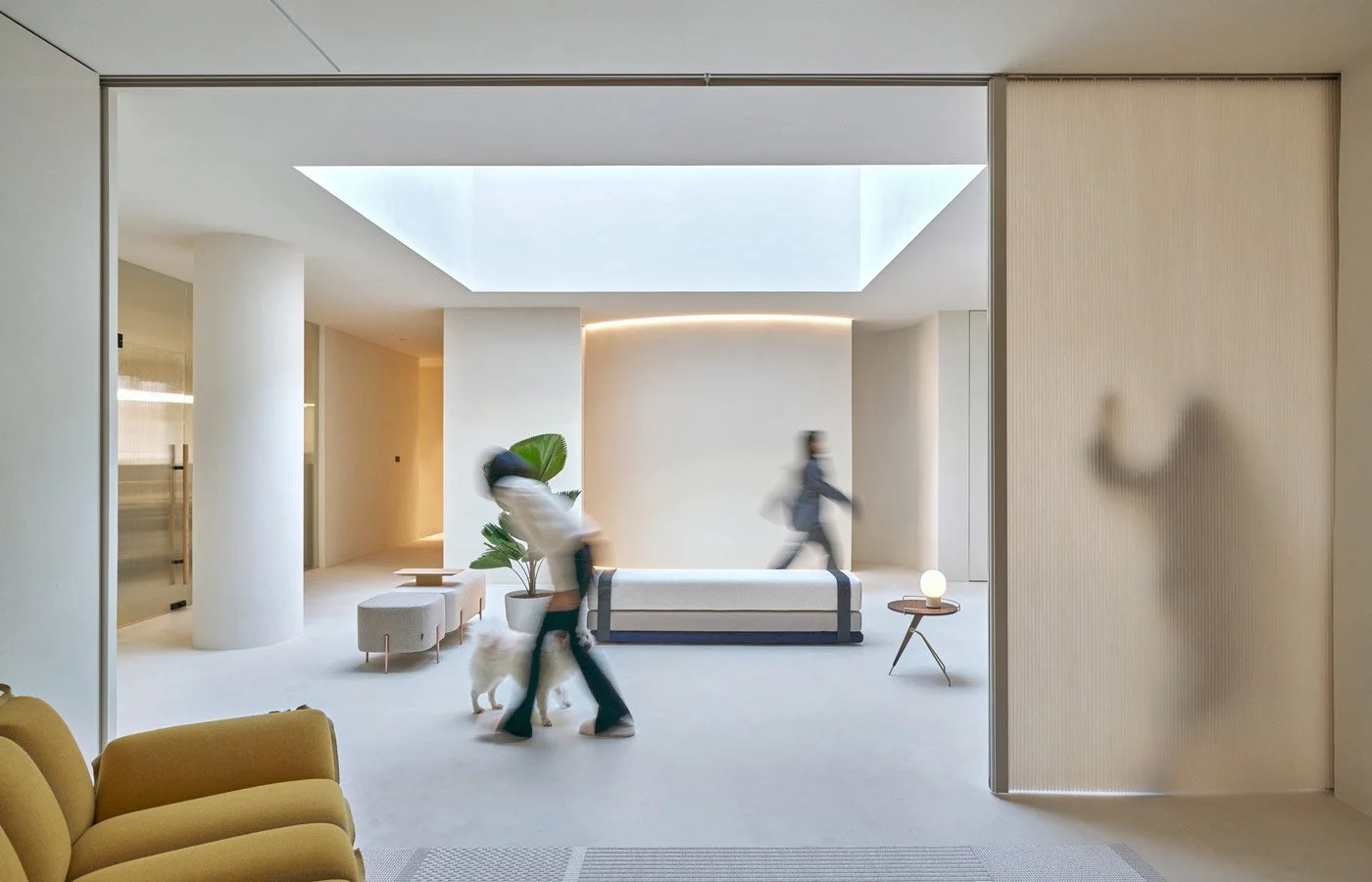
Photo by Hey!Cheese
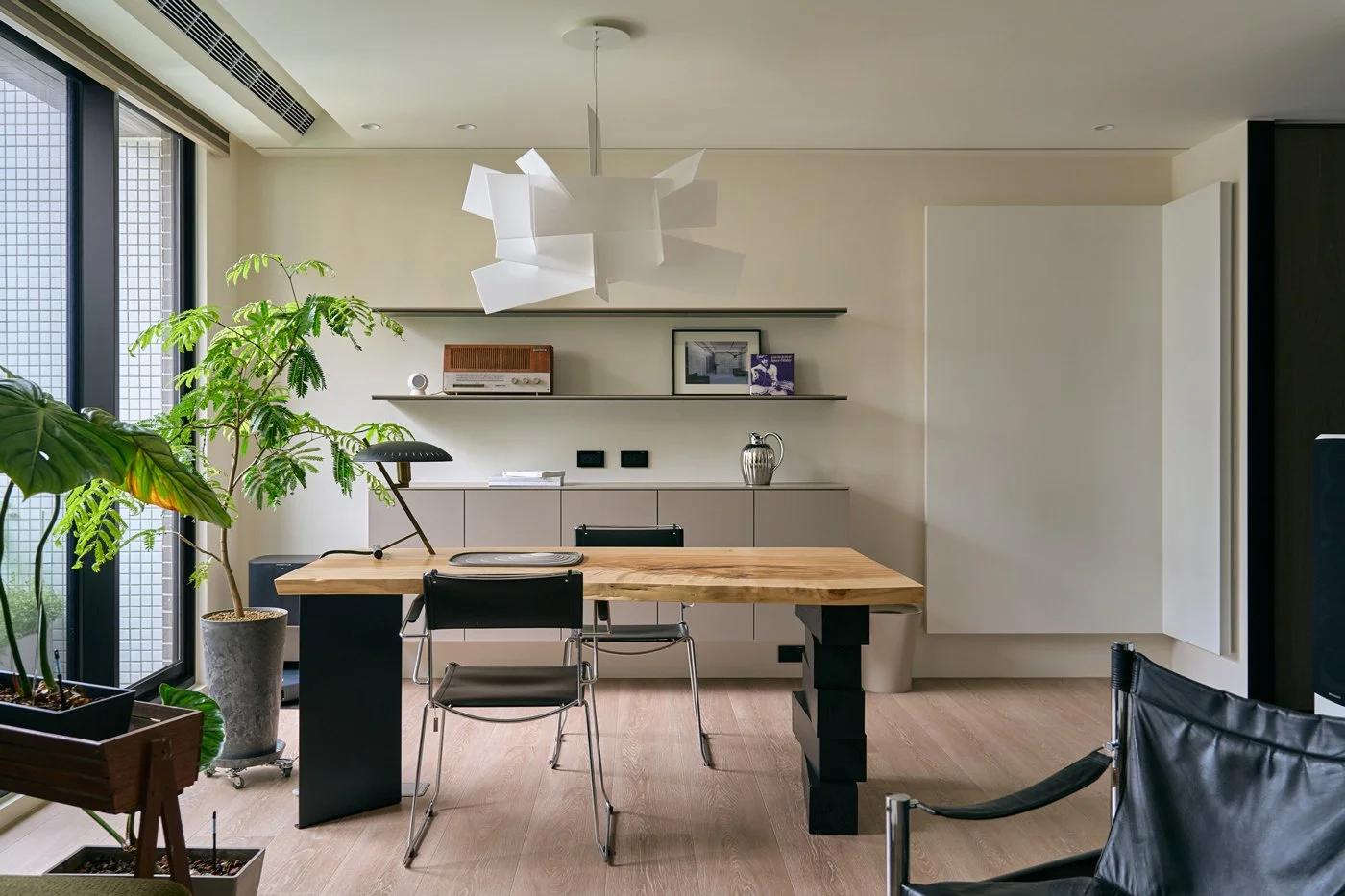
Photo by Hey!Cheese
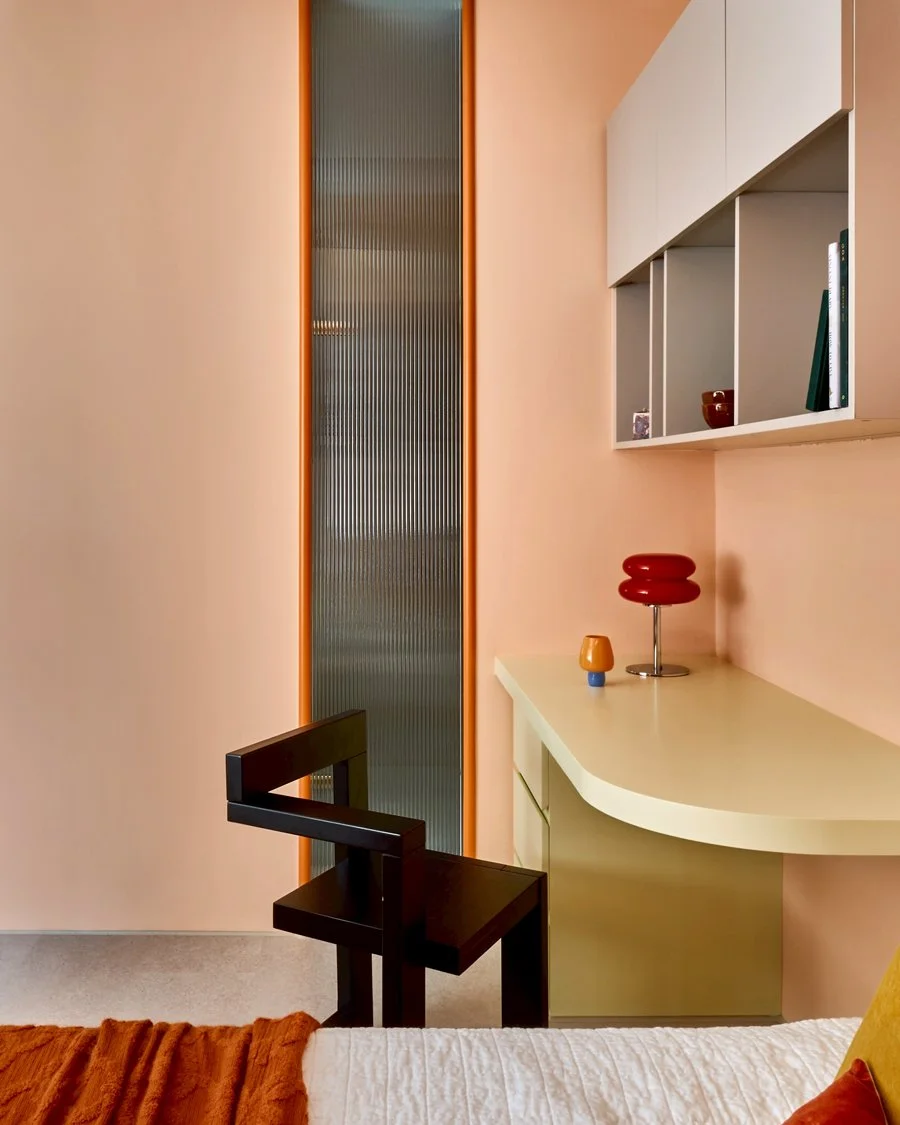
photo by YioO Studio
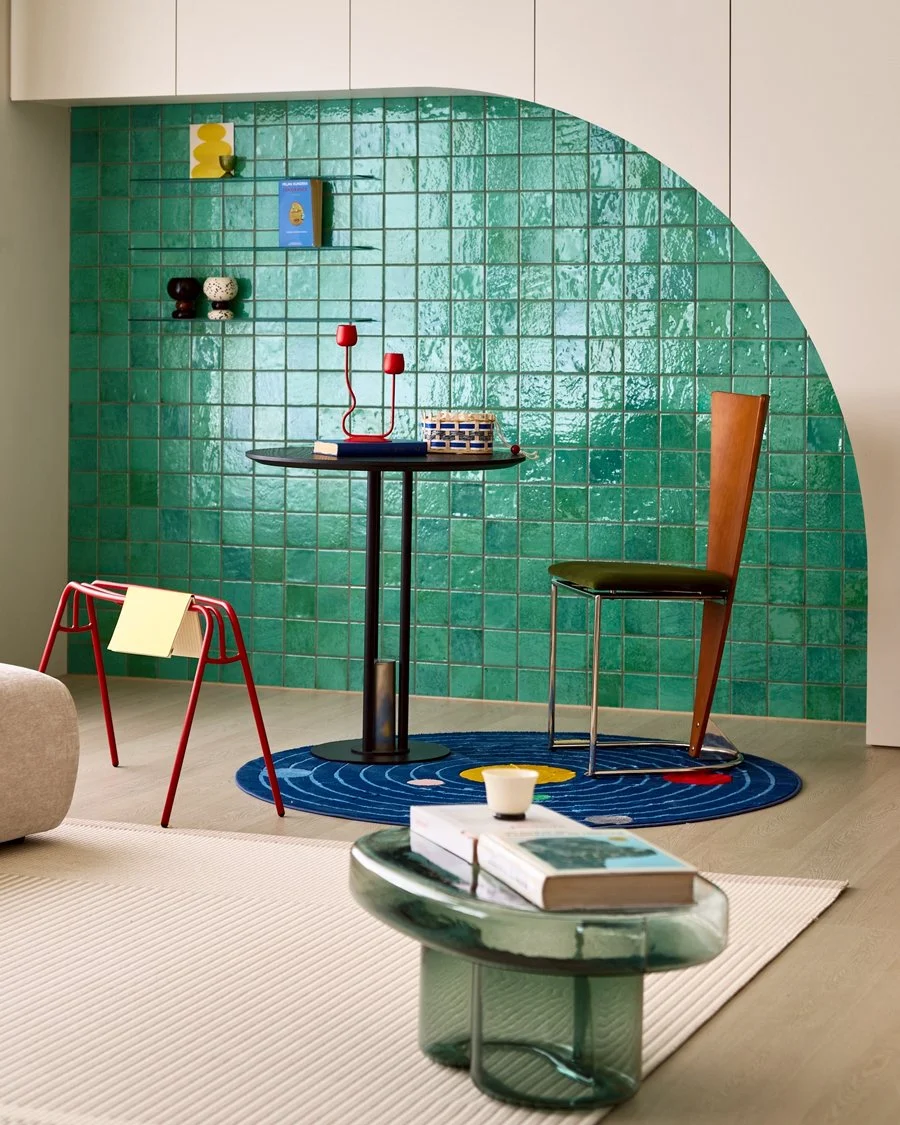
photo by YioO Studio
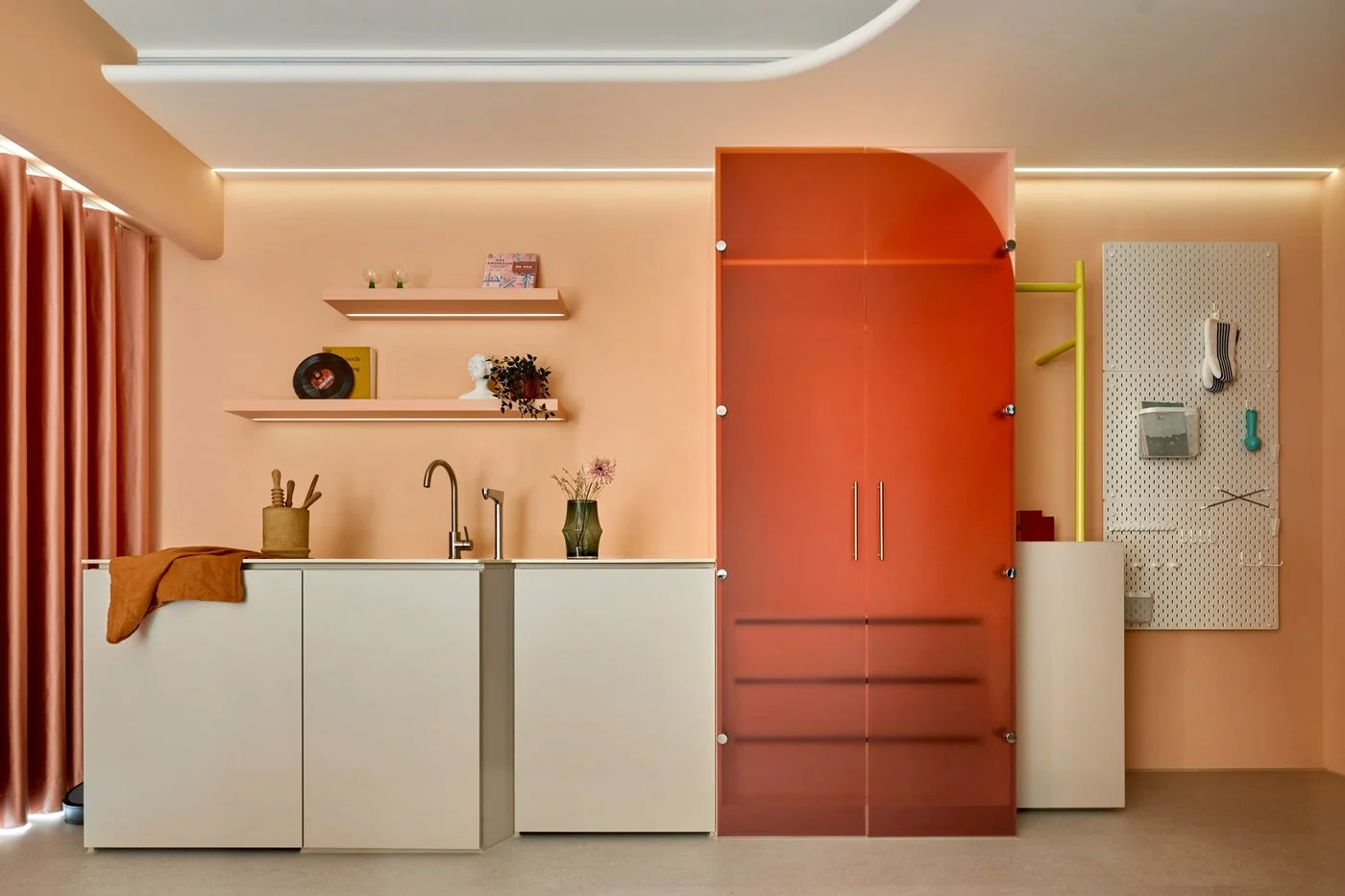
photo by YioO Studio
-
Liz:
Recently, we’ve been exploring more structured ways to understand clients’ emotional preferences.For example, we create pairs of opposite words and ask clients to express how they feel about each one using percentages—like soft 90% / strong 10% or rational 70% / emotional 30%. Through this process, we uncover their core sensibilities and help them move closer to what they truly want.
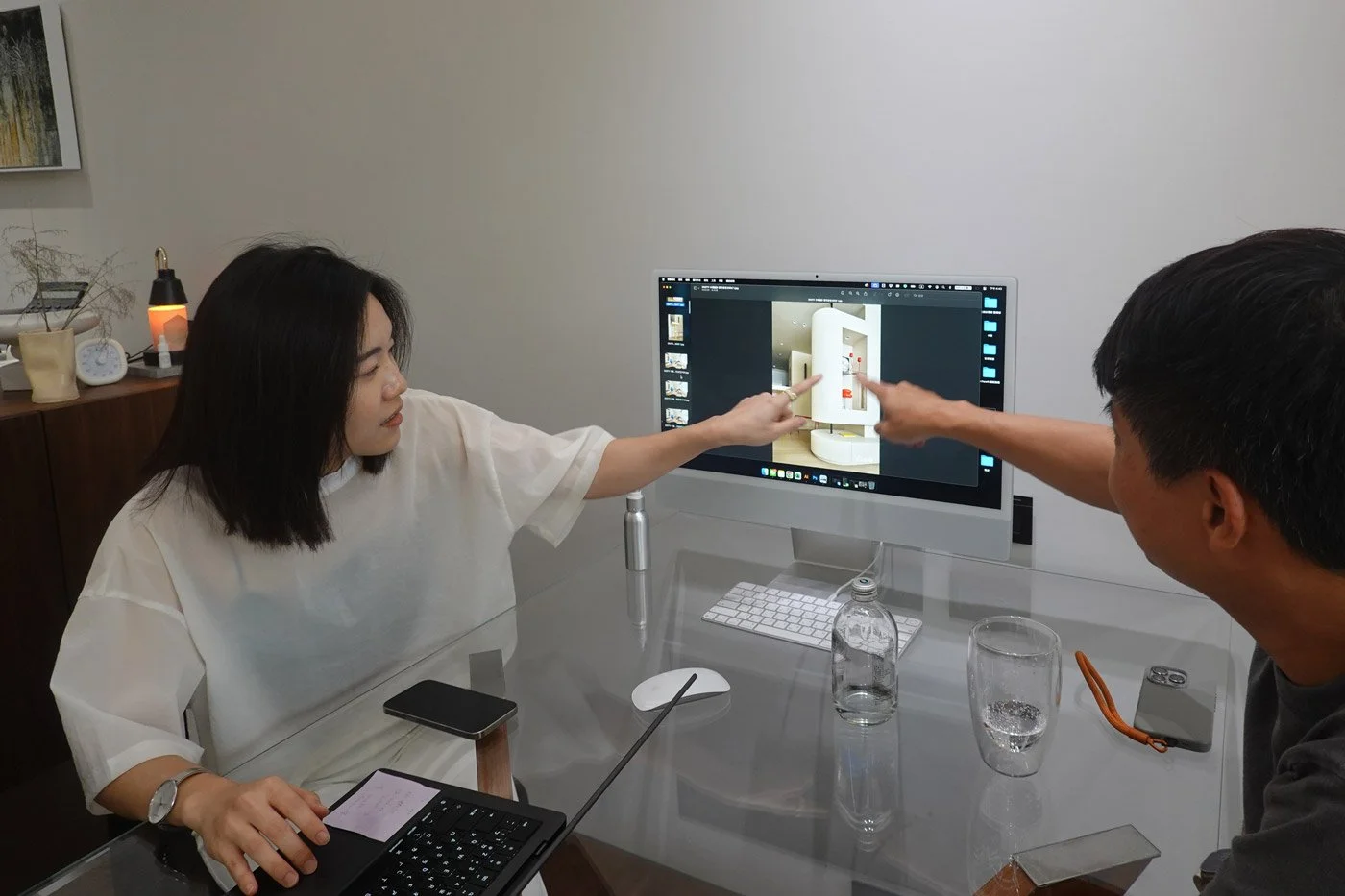
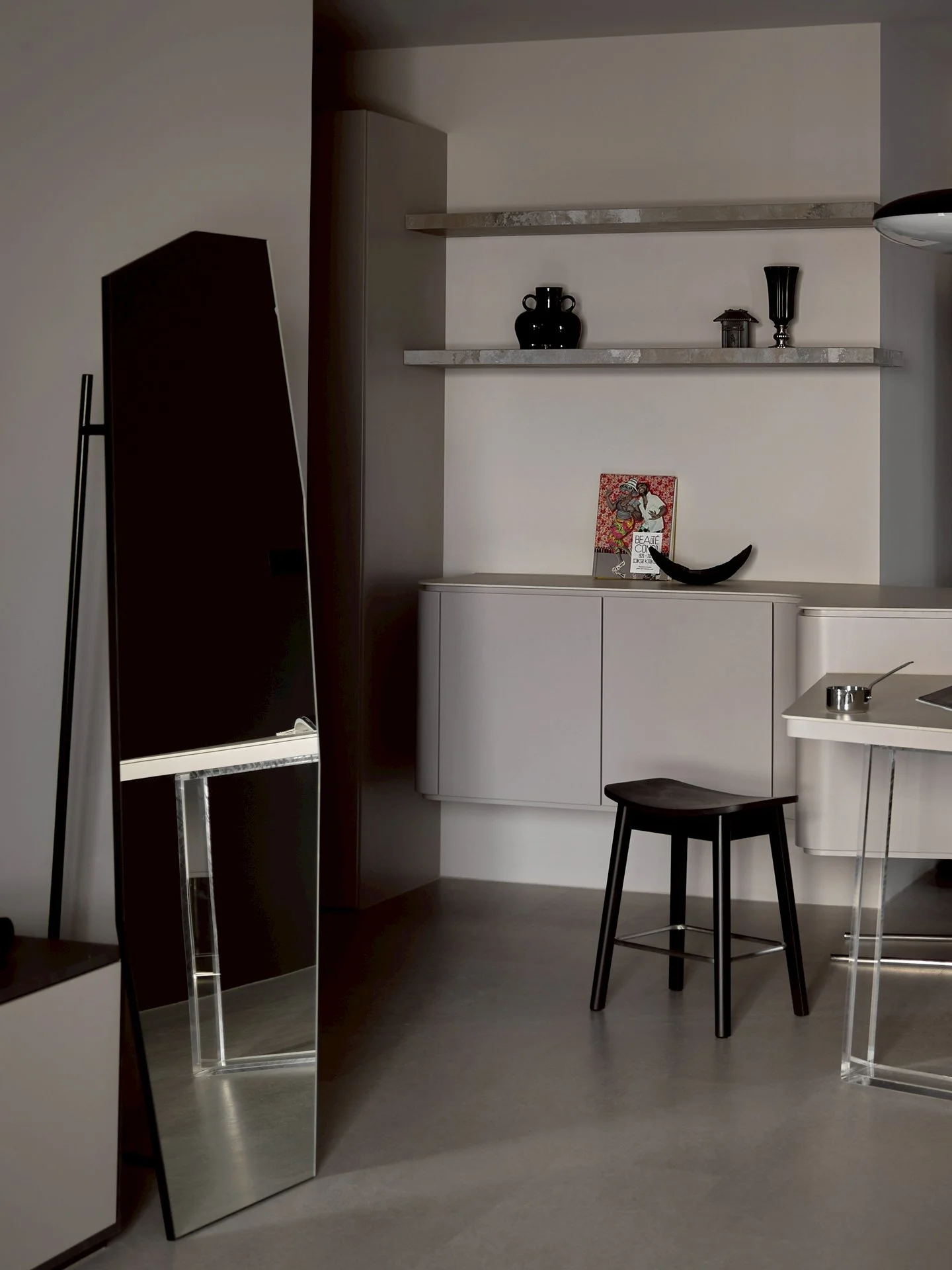
photo by YioO Studio

Photo by Hey!Cheese
-
Q: Your approach seems quite experimental. Do these adjustments happen continuously, or in clearer cycles?
Liz:
It depends on the situation, but reflection is essential. We tend to adjust as we go. Some ideas need time to develop, while others require quick responses. My team often feels that things are constantly evolving, but that’s what I want—to keep improving, growing, and trying new ways of working.Jamie:
How do you help your team understand that these changes are meant for progress?Liz:
Communication is key. Before any change, I explain why I’m making it and what the intention is. Sometimes I already know the outcome I want, but I don’t reveal it right away. Instead, I start by asking if anyone has faced challenges lately. Once they share their thoughts, I respond with possible solutions. This way, the adjustment doesn’t feel imposed; it grows from their own needs, and we reach the goal together.
-
Q: It feels like Carte Design is still evolving. What is your vision for the future?
Liz:
I have not yet reached the ideal I imagine, but that is the direction I continue to work toward.We have been exploring how to translate intuitive and hard-to-define ideas into something more structured and shareable. I want these thoughts to exist beyond my own mind, to become part of the team’s collective method, perhaps even a kind of guide that can be passed from one leader to the next. It is still a work in progress, but I am committed to continuing the search.
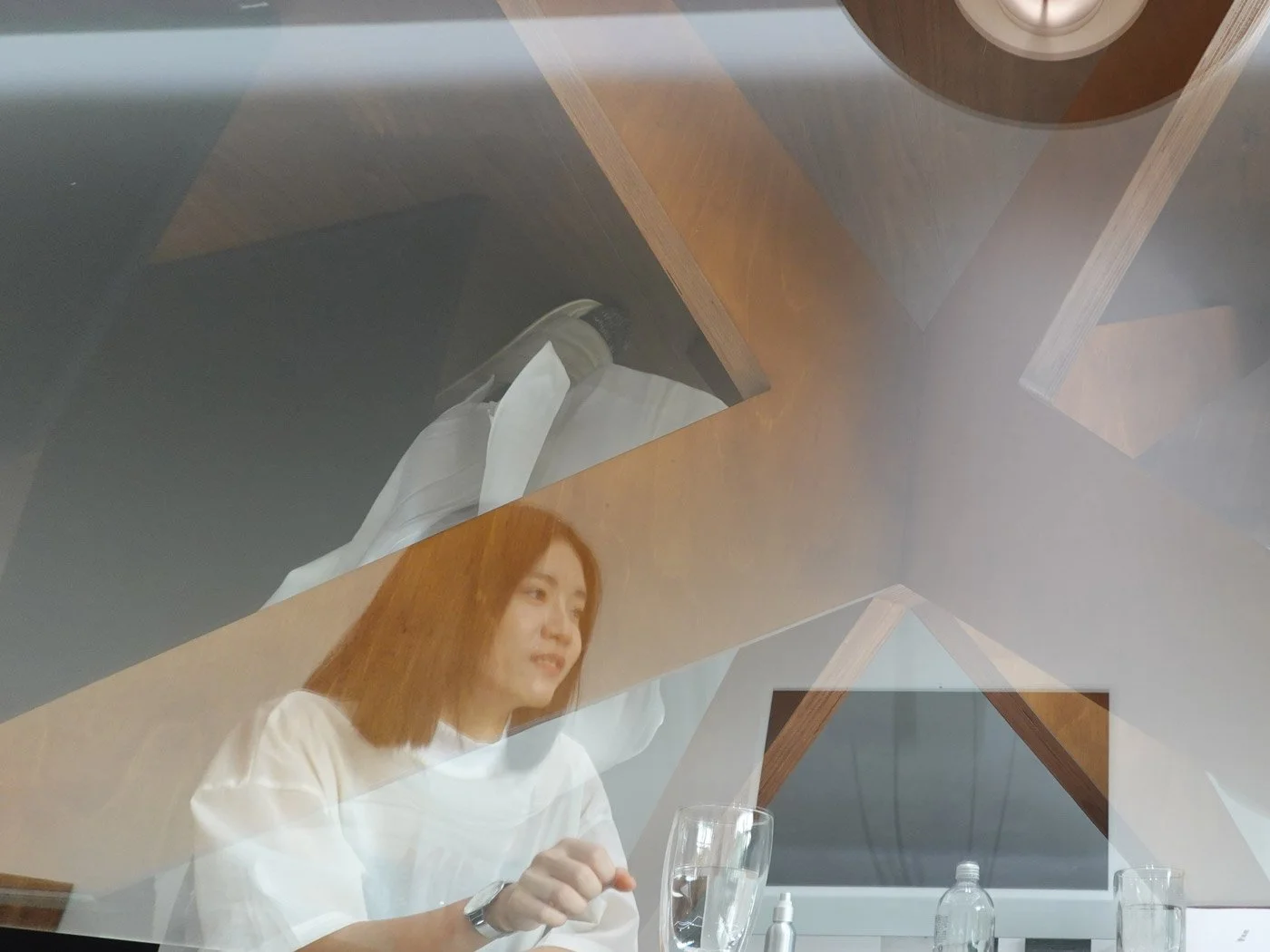
我用我的愛在經營這家公司,雖然蠻累的,但我甘之如飴。
-
❝
I run this company with love. It can be exhausting at times, but it is a kind of tiredness I gladly embrace.
攝影|Jamie Lo、ChichiL