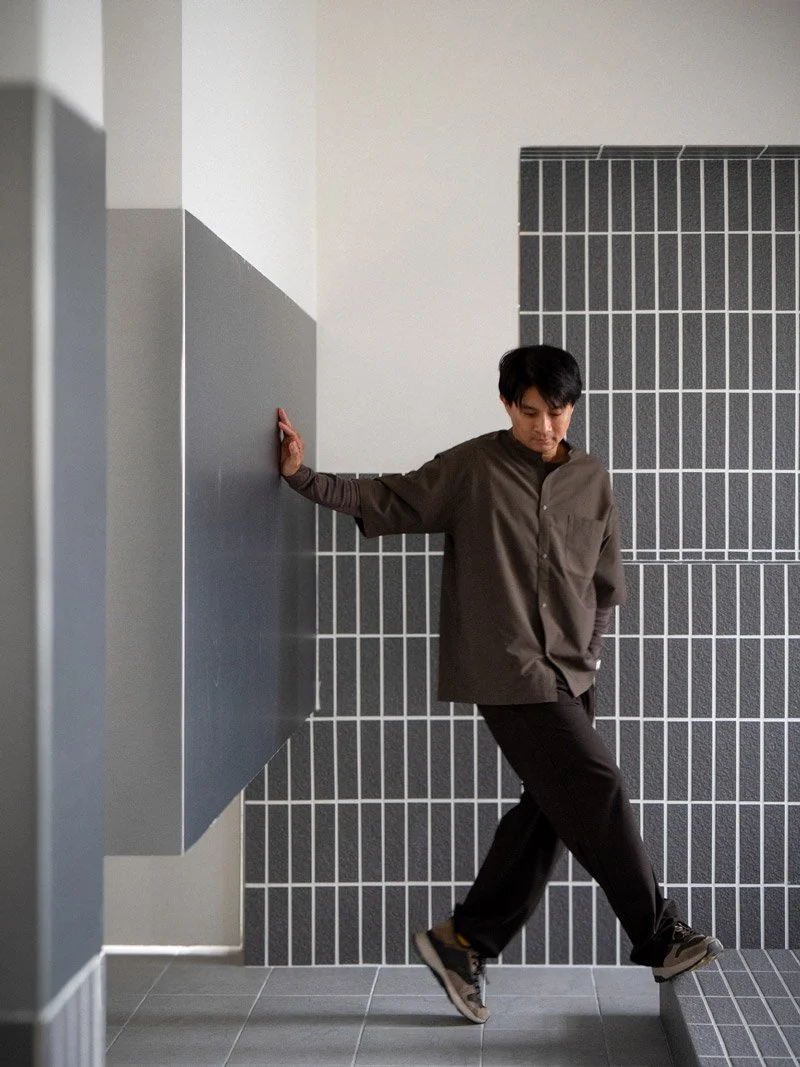
站在時間靜止的邊界,留下空間的故事 — 廢墟攝影師 Fan:「這些最真實的印記,迫使我們正視生命中必然的消逝與破碎」
廢墟攝影師品汎 ( Fan)
-
I first came across Fan’s work through a series of images he shared online, photographs of abandoned places captured somewhere between exploration and contemplation. There was something distinct in the way he observed these sites, something that made us want to know more about the subject he had chosen to follow.
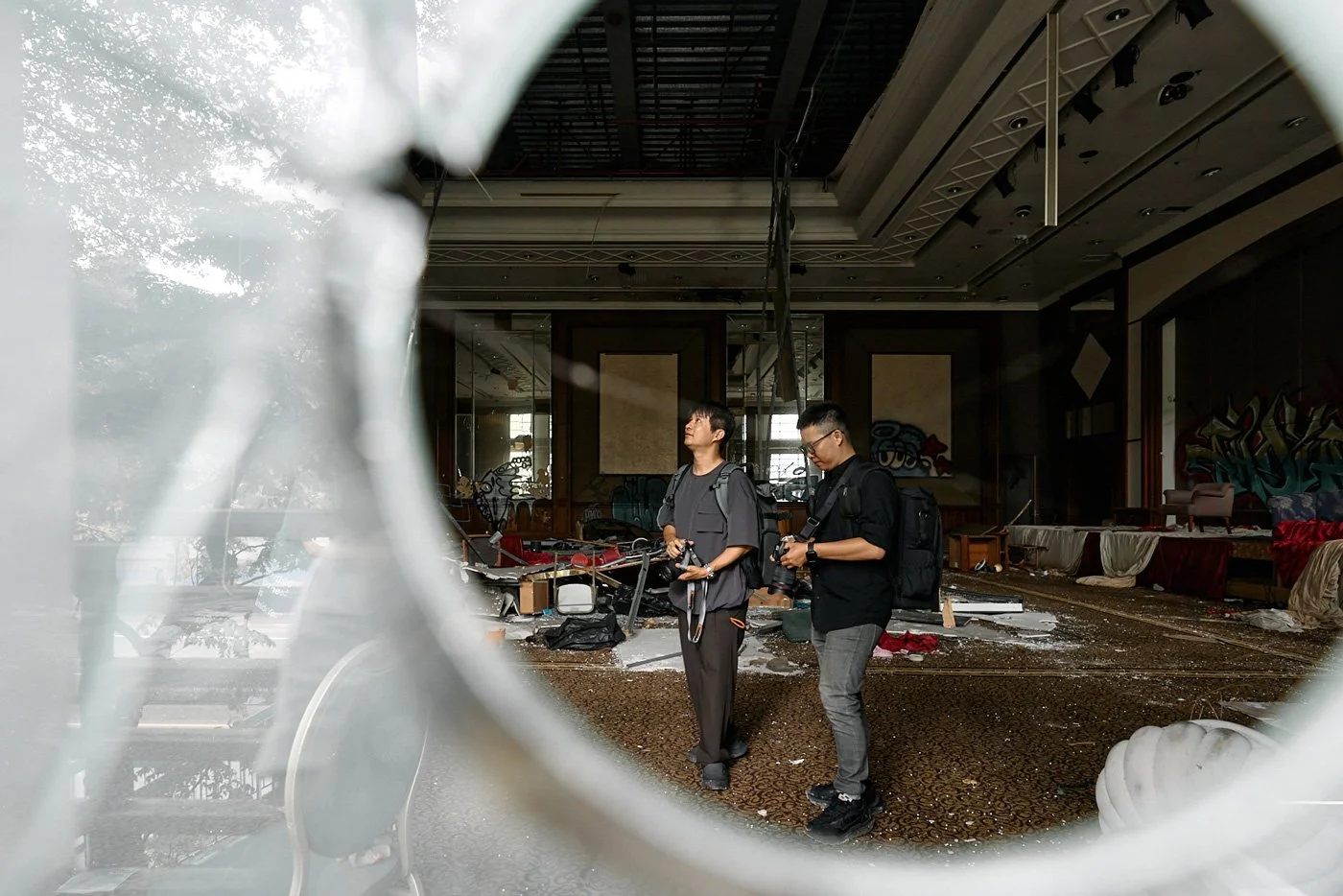
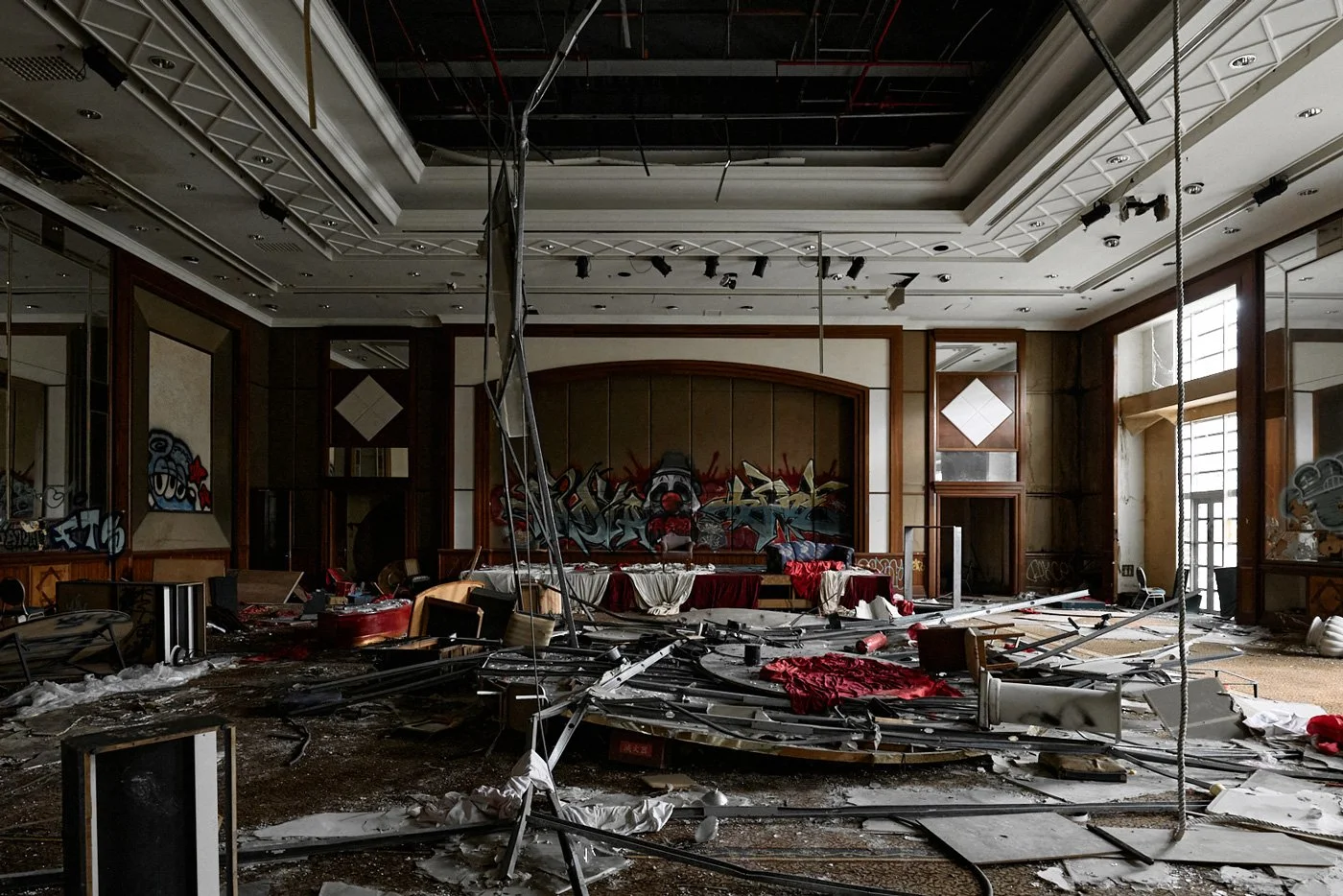
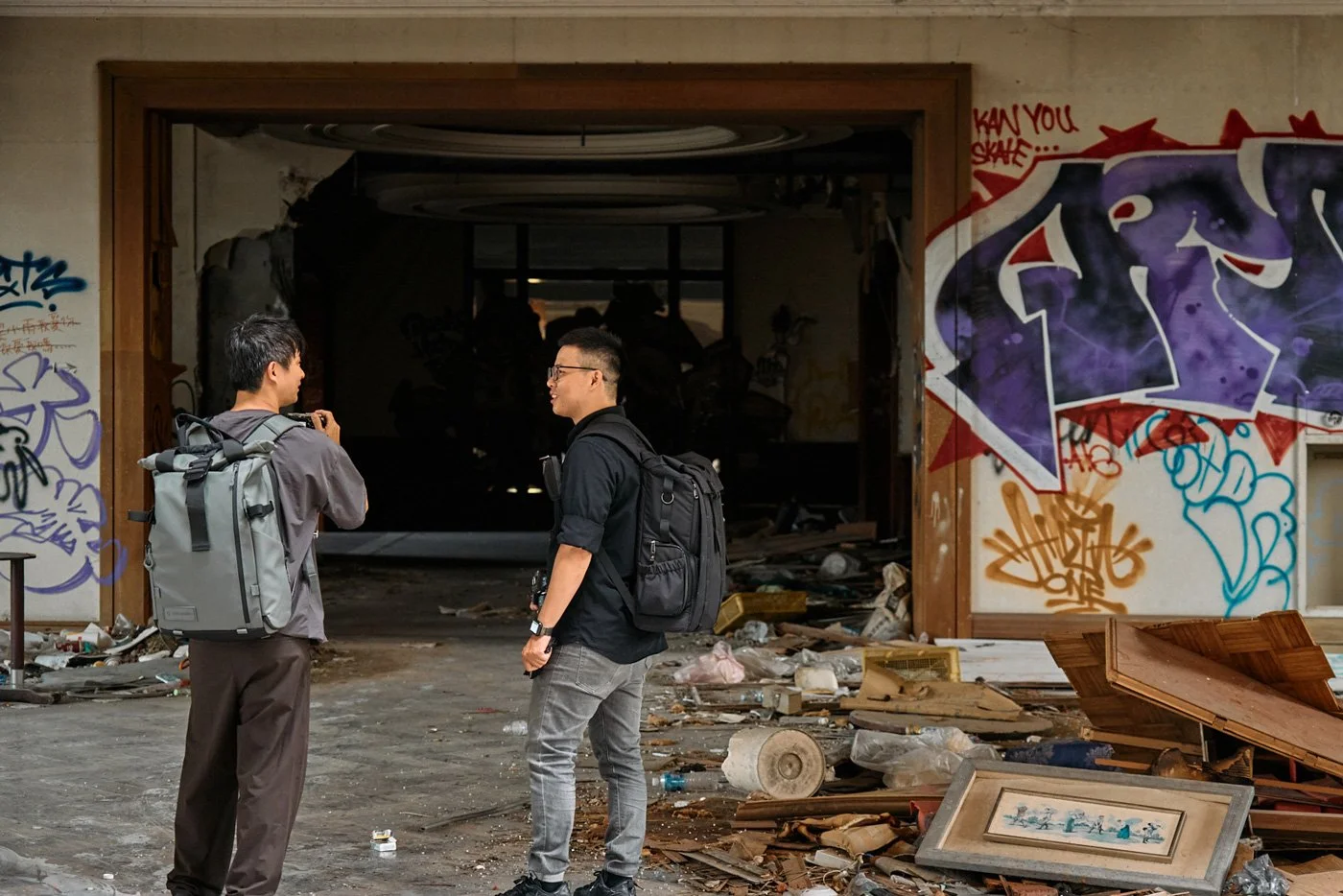
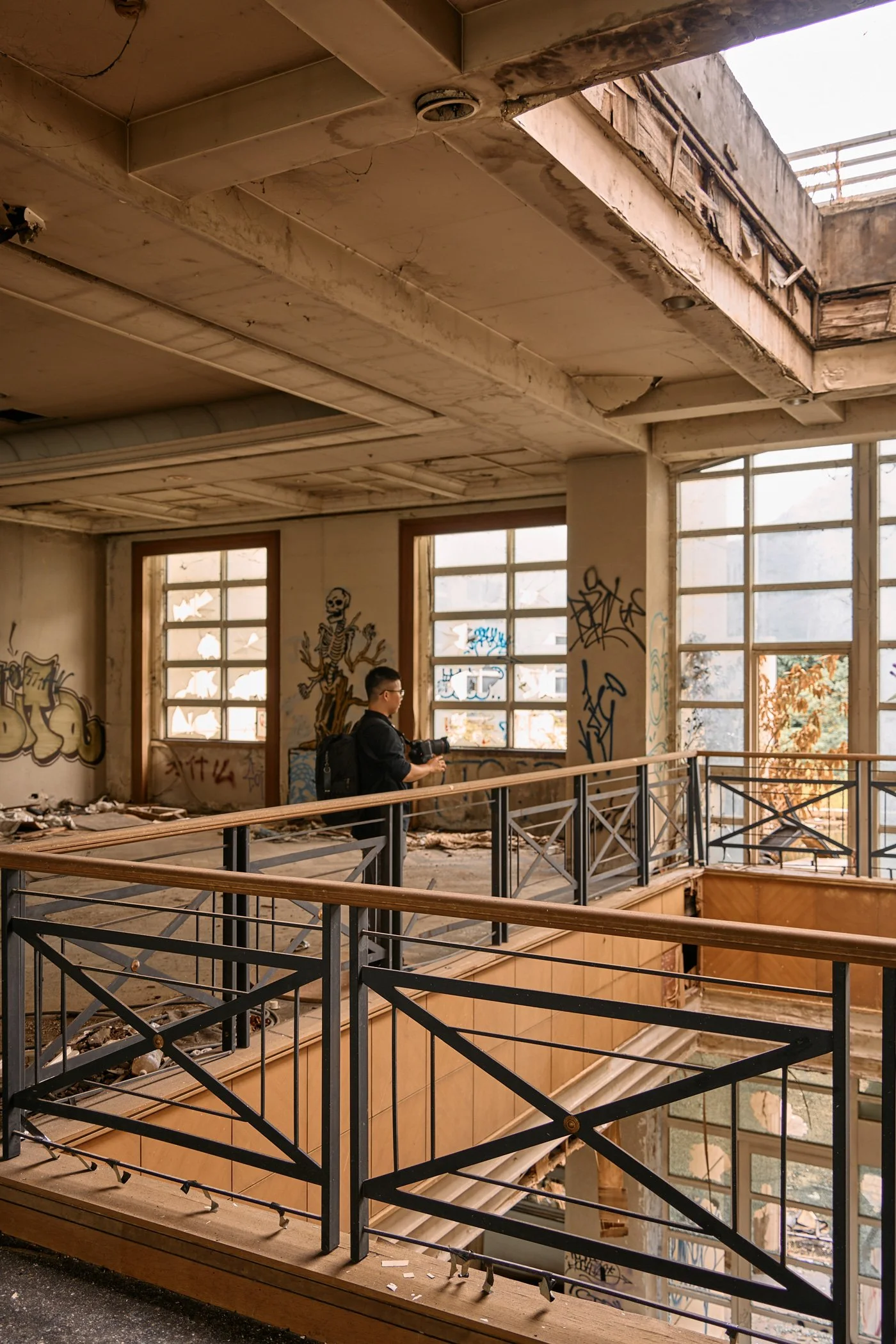
We met at an abandoned clubhouse known among beginners as a relatively approachable site. As we stepped inside and followed the remnants of the original circulation, Fan glanced around and said quietly, “It’s different from the last time I was here.” It was only then that we realized a ruin is never a silent void. It shifts and evolves. Boundaries of access, traces left by visitors, and the slow changes shaped by time all become reasons for him to raise the camera.
Walking through the space alongside him, listening to the stories he attached to each corner, a conversation about disappearance and presence began to unfold in the dust of the ruins.
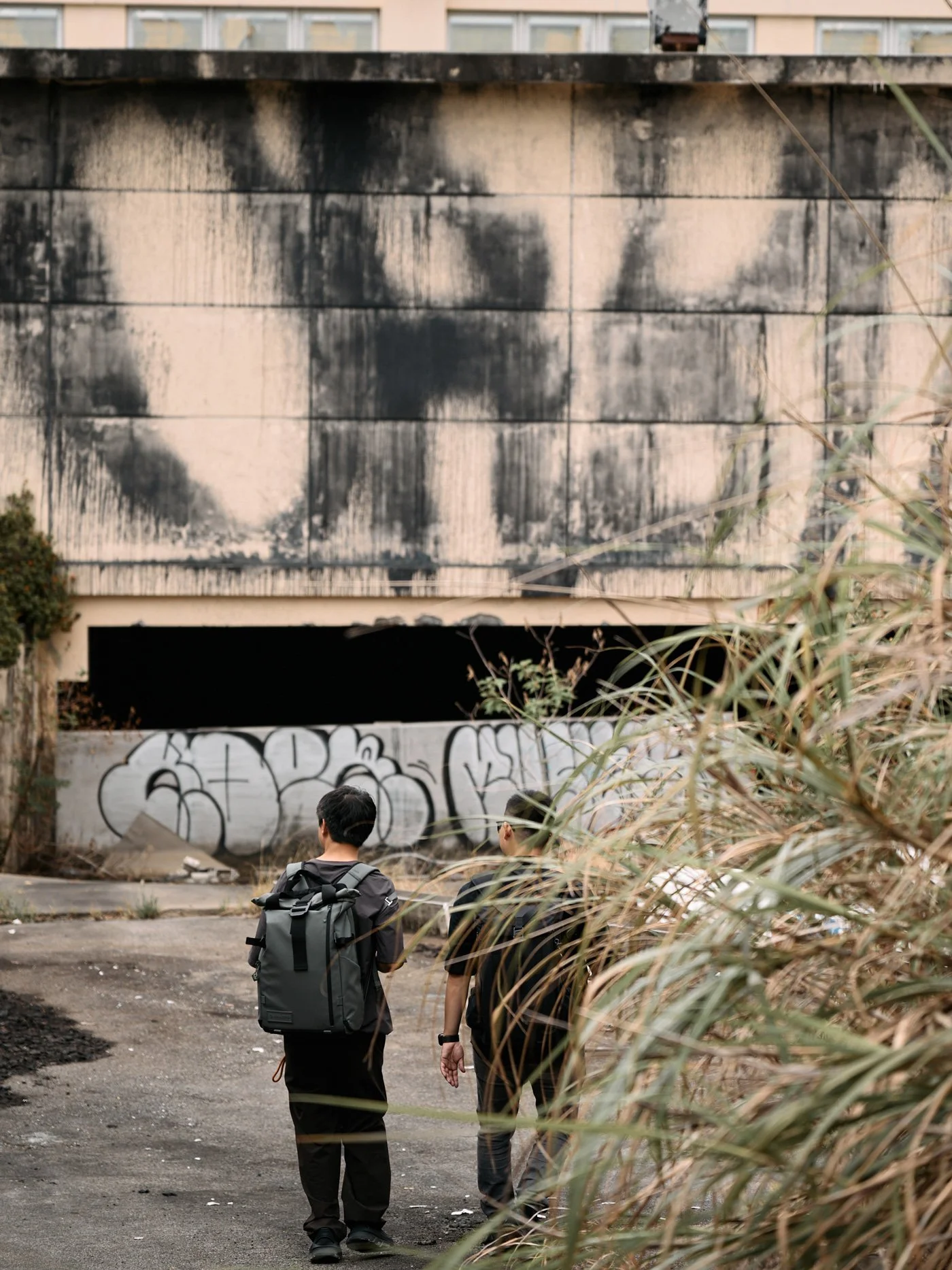
從最初的刺激,到如今的平靜,廢墟攝影的過程像是一面鏡子,它迫使我看見,所有我們以為能永久保有的東西,其實都在緩慢地離開。我拍攝,不只是為了留下影像,而是為了在這些消逝中,找到與自己內心的對話。
— 品汎 / Fan
-
“From the early rush of excitement to the quiet I feel today, photographing ruins has become a kind of mirror. It forces me to face the truth that everything we believe we can hold on to is already slipping away. I make these images not simply to preserve what remains, but to find a way to speak with myself through what is disappearing.” —— FAN
-
Q: Your first encounter with ruins happened at the UFO Houses. What led you to photograph them, and what struck you most during that experience?
Fan:
It started by accident. I had gone to Emerald Bay to photograph the sea. When I turned around, I suddenly saw the abandoned UFO Houses and the now-demolished Pacific Emerald Bay Club. The contrast between the blue ocean and the decaying structures felt like two timelines folding into each other. It was intense, and impossible to look away.Q: In your artist statement, you mentioned that the initial appeal was the sense of thrill. Has that feeling changed over time?
Fan:
At the beginning, ruins felt like an adventure. You never know what you will find inside. The layout, the objects left behind, the overall condition, it all felt like opening a place for the very first time. The uncertainty, the grey areas, the surge of adrenaline, all of that made me want to step further in. But later, I found myself drawn less to the thrill and more to how these places change. The shifts between visits became more compelling than the excitement I felt at the start.Jamie:
When you say “changes,” what do you usually notice? Objects being moved, or actual shifts in the space itself?Fan:
Both. Some sites look intact during the first visit, with everything still in place. During the second visit, you start seeing natural decay or traces of human interference. Sometimes entire sections of the wall have collapsed. You realize these places are never still. They change far more quickly than you expect. That unpredictability gives each shutter release a sense of witnessing something in the midst of leaving.
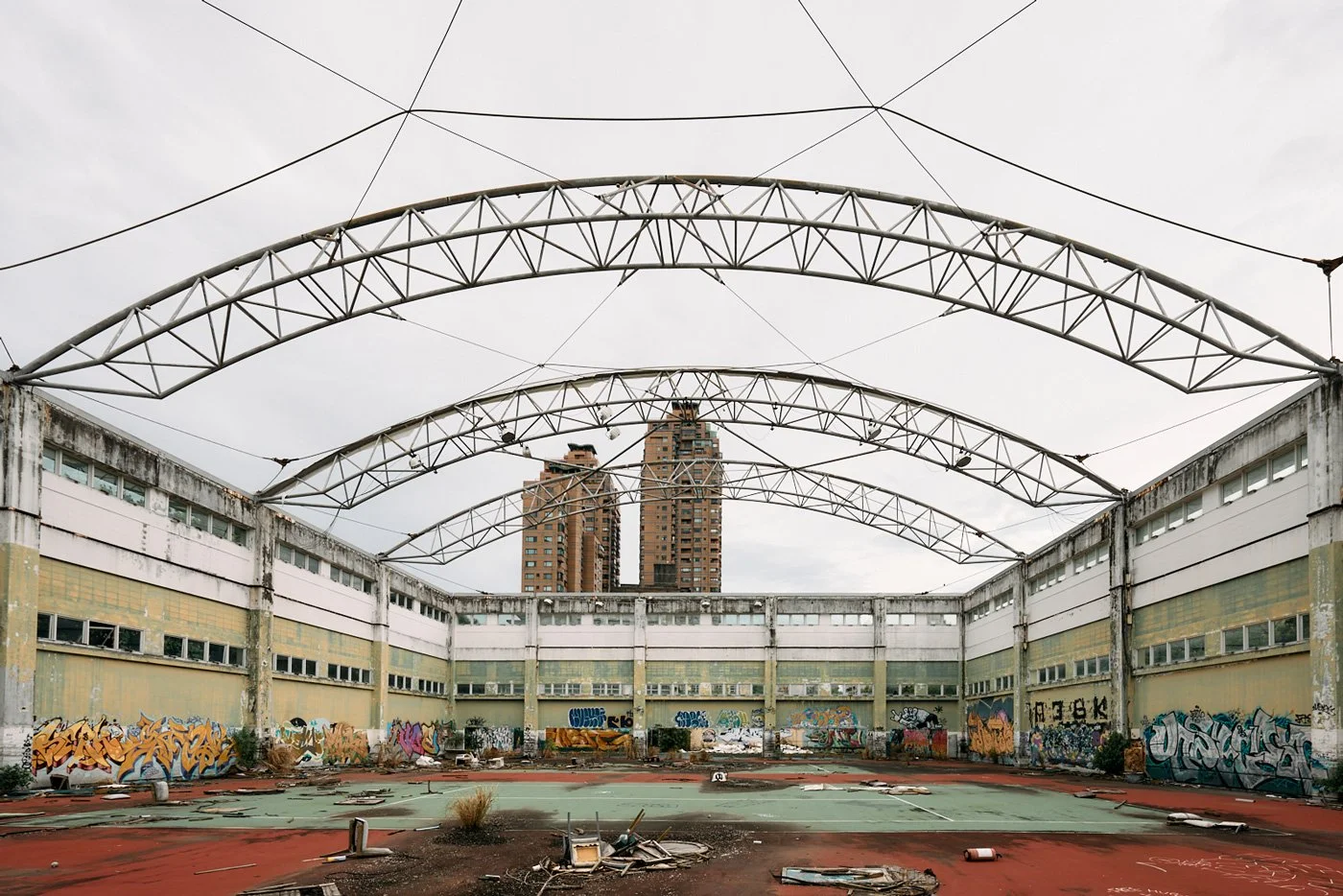
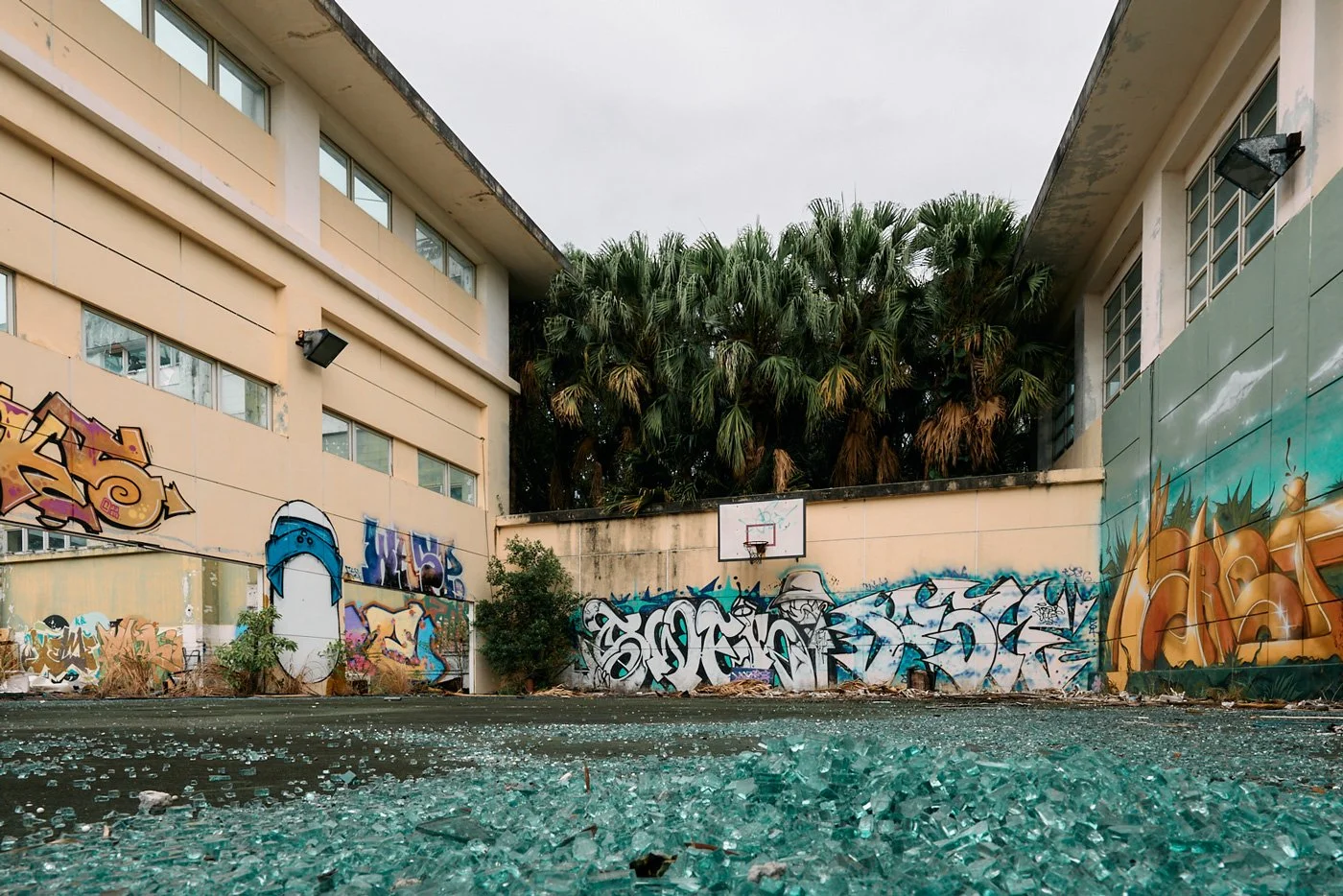
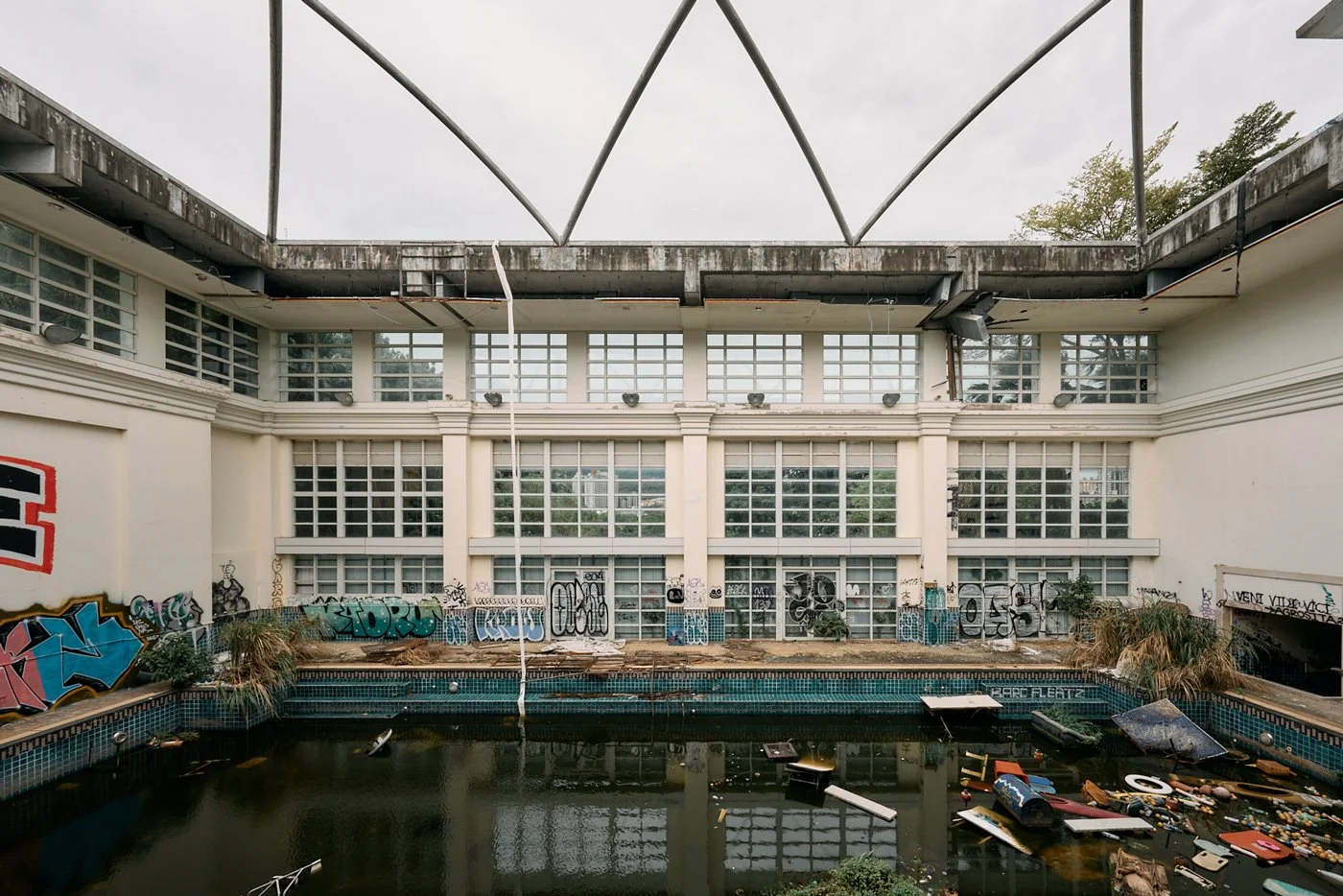
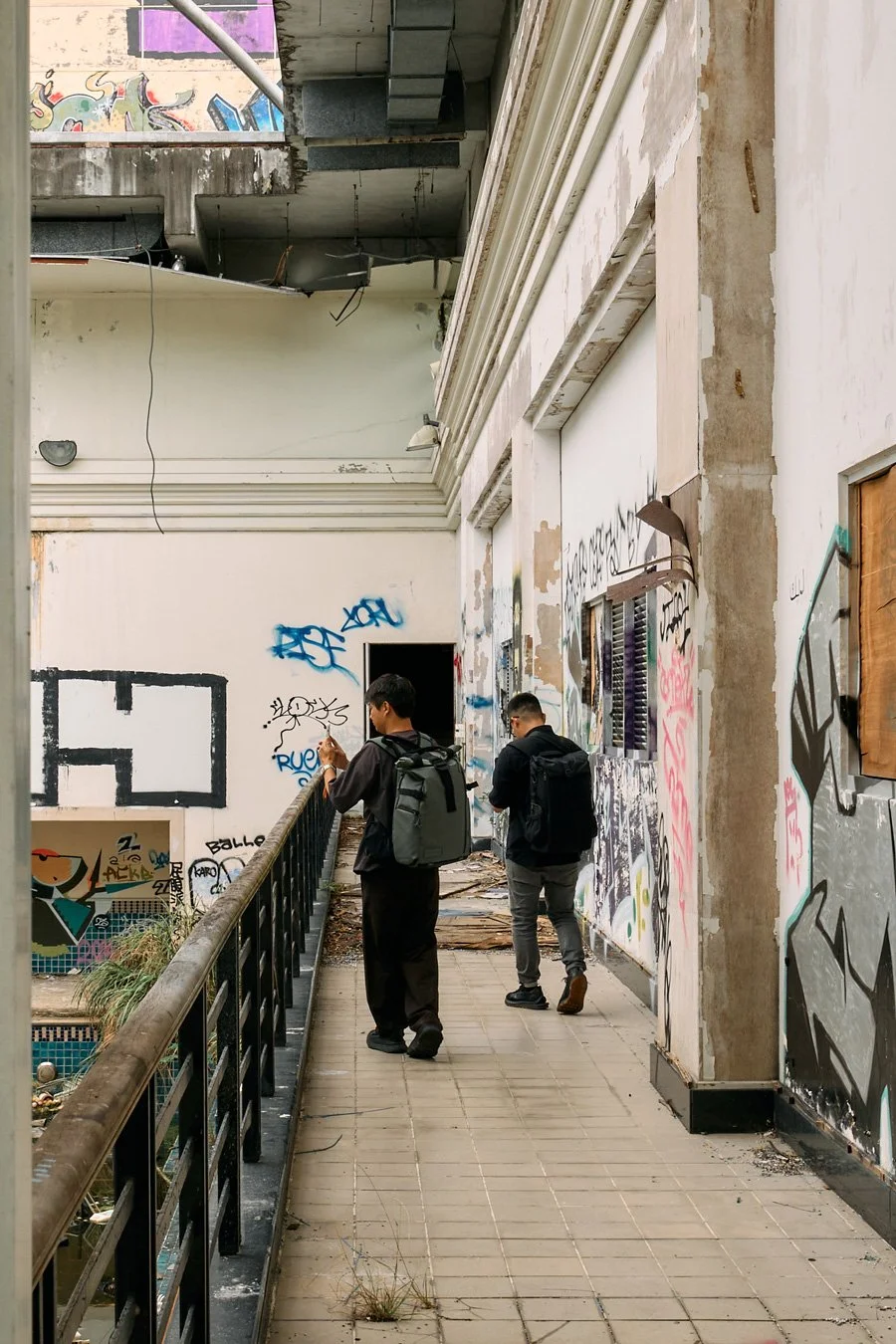
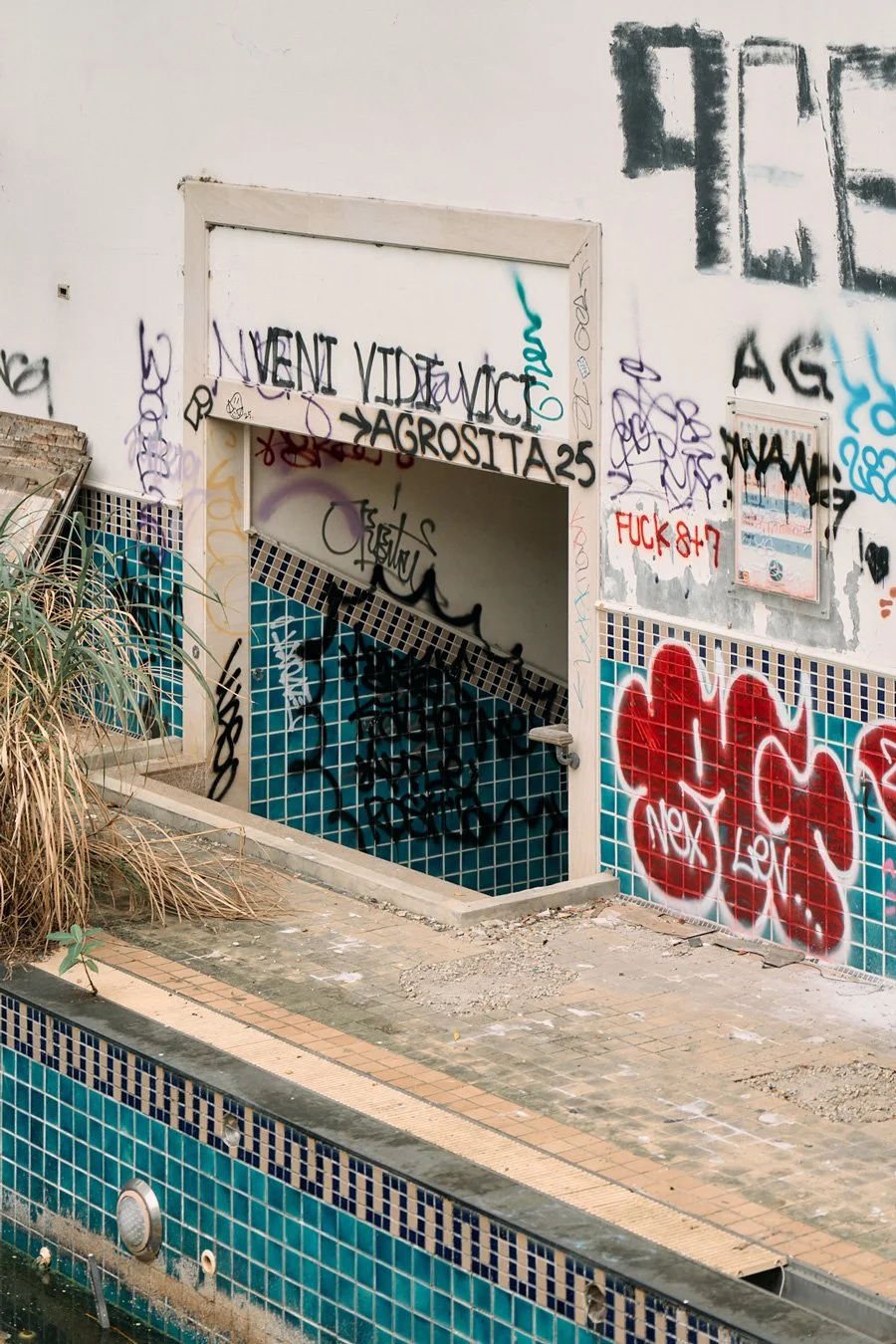
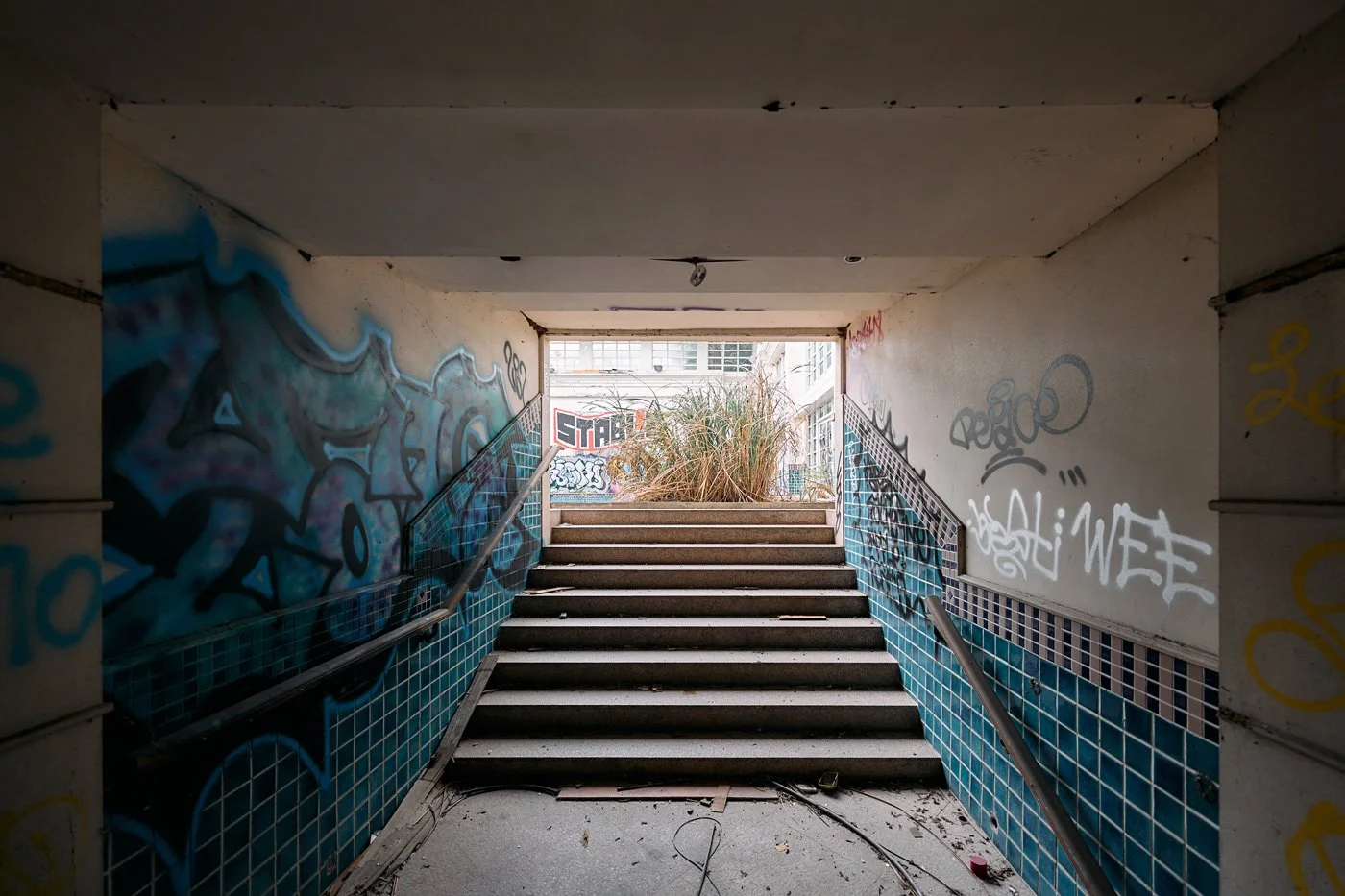
每一個廢墟,都像是「空間」最後臨終的容顏。你能隱約看見它曾經的繁華,但眼前只剩殘缺。那種強烈的落差感,也在提醒我:生命並不是永遠向上的線條,而是包含著衰頹、破碎與沉寂。當我接受了這些畫面,也嘗試接受自身生命中的不完美。
-
Q: How do you prepare before a shoot? And when choosing which site to photograph, what factors matter most to you?
Fan:
I do not plan things in detail. For me, preparation is more like staying open and receptive. I usually map out only the general timing and route. The rest is decided on site.The very nature of a ruin is its uncertainty, and the point is to experience whatever it offers in that moment. I rarely enter a place with a fixed idea of what I must capture. I try to stay open to what appears. Even when an image turns out less dramatic than expected, it is still a singular moment that can never be repeated.
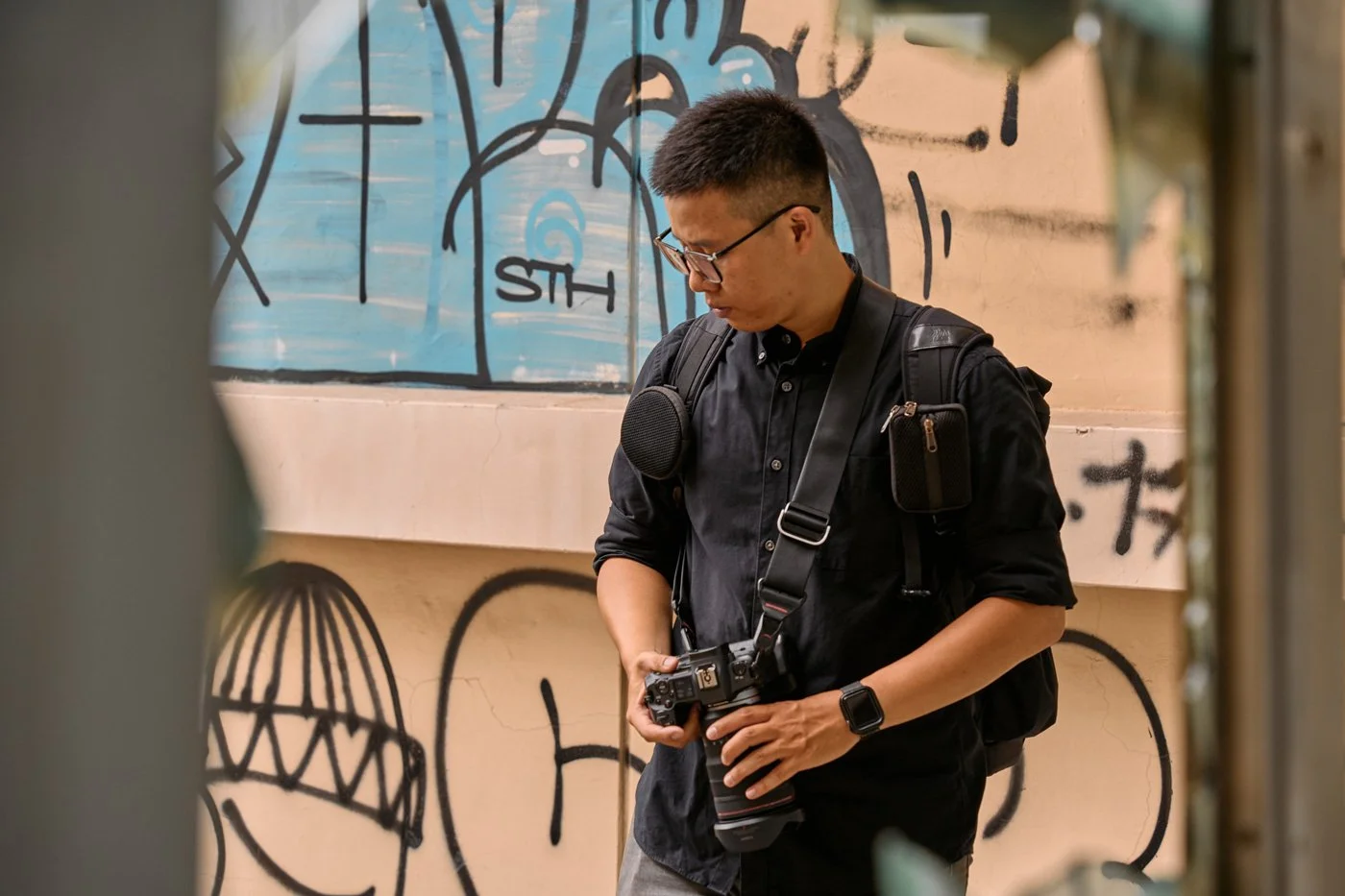
走得更深,心境就會轉變,慢慢發現自己真正被吸引的,其實是廢墟所帶給我的平靜。
-
Q: When doing this kind of research, is there a particular tool or source you rely on most?
Fan:
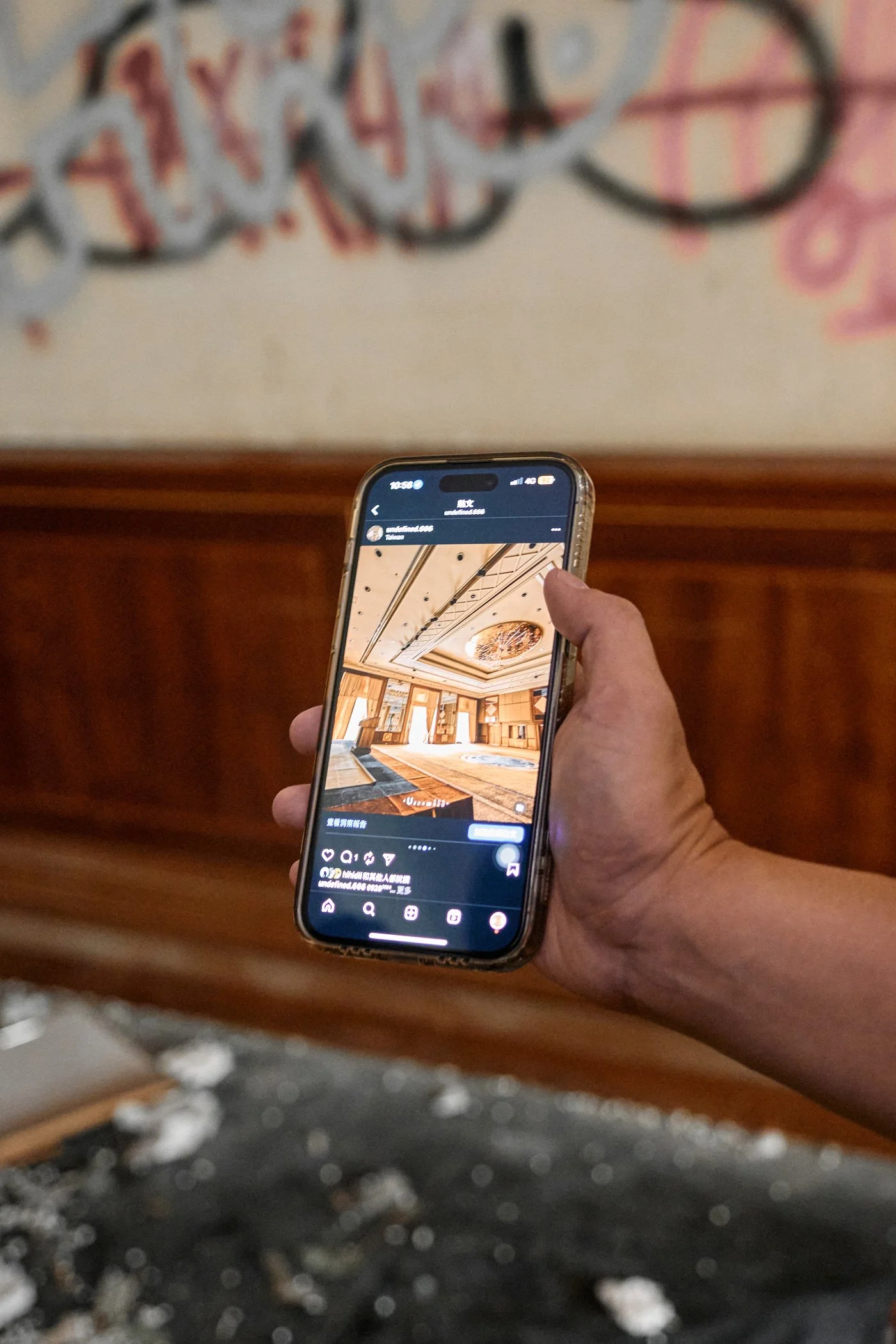
In an age when information is overly transparent, Google Maps alone is rarely enough. I rely more on fragments scattered across social platforms: Instagram posts, Facebook groups, urban exploration forums, even short-video platforms. It becomes a bit of a puzzle. Every detail in an image can lead to another clue, another story.Over time, I have developed a kind of sensitivity, almost like a “ruin radar.” When I pass a building, I notice the height of the weeds, the pattern of broken glass, even the general atmosphere of the façade. These small cues often reveal more about whether a place has been abandoned than anything you can find online.
Jamie:
So the sites you discover are not the well-known, publicly circulated ones?Fan:
No. Most are places that few people pay attention to. Sometimes I stumble upon them by chance. Sometimes a single detail in someone’s photo gives me a lead, and I work my way back from there.
-
Q: How do you assess whether a ruin is safe to enter, and how do you usually begin a shoot?
Fan:
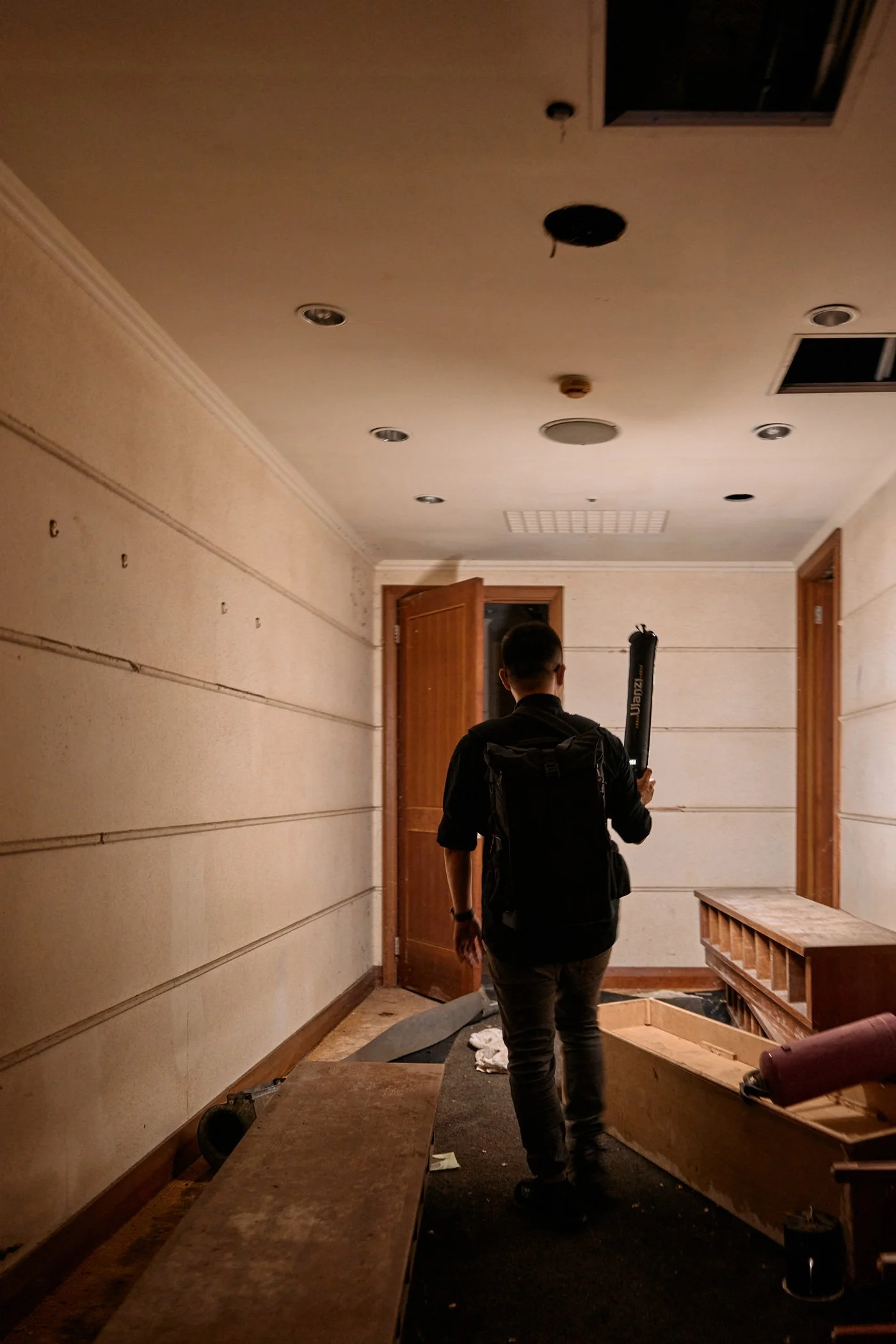
I start by observing whether the place is truly abandoned or simply unused, and whether there are safe ways in and out. Once inside, I walk through the entire space to see what can be accessed and what should not be touched. I check if the stairs are stable, whether the floor is hollow, and if the structure has enough support. The goal is to understand how far I can move safely while photographing. In larger sites, I sometimes record the route on my phone so I do not lose track of which areas are accessible. And I always follow the unspoken rules: do not damage anything, leave no trace, keep the place as you found it, and do not reveal the location publicly.Jamie:
What about places that interest you but seem unsafe? And if you miss a shot the first time, do you go back?Fan:
If a floor looks unstable, I avoid it. If the stairs are broken, I check if there is another way up, but if it feels unsafe, I stop there. I do not always return for a second visit. I try to capture as much as I can the first time without waiting for perfect light or the perfect angle.
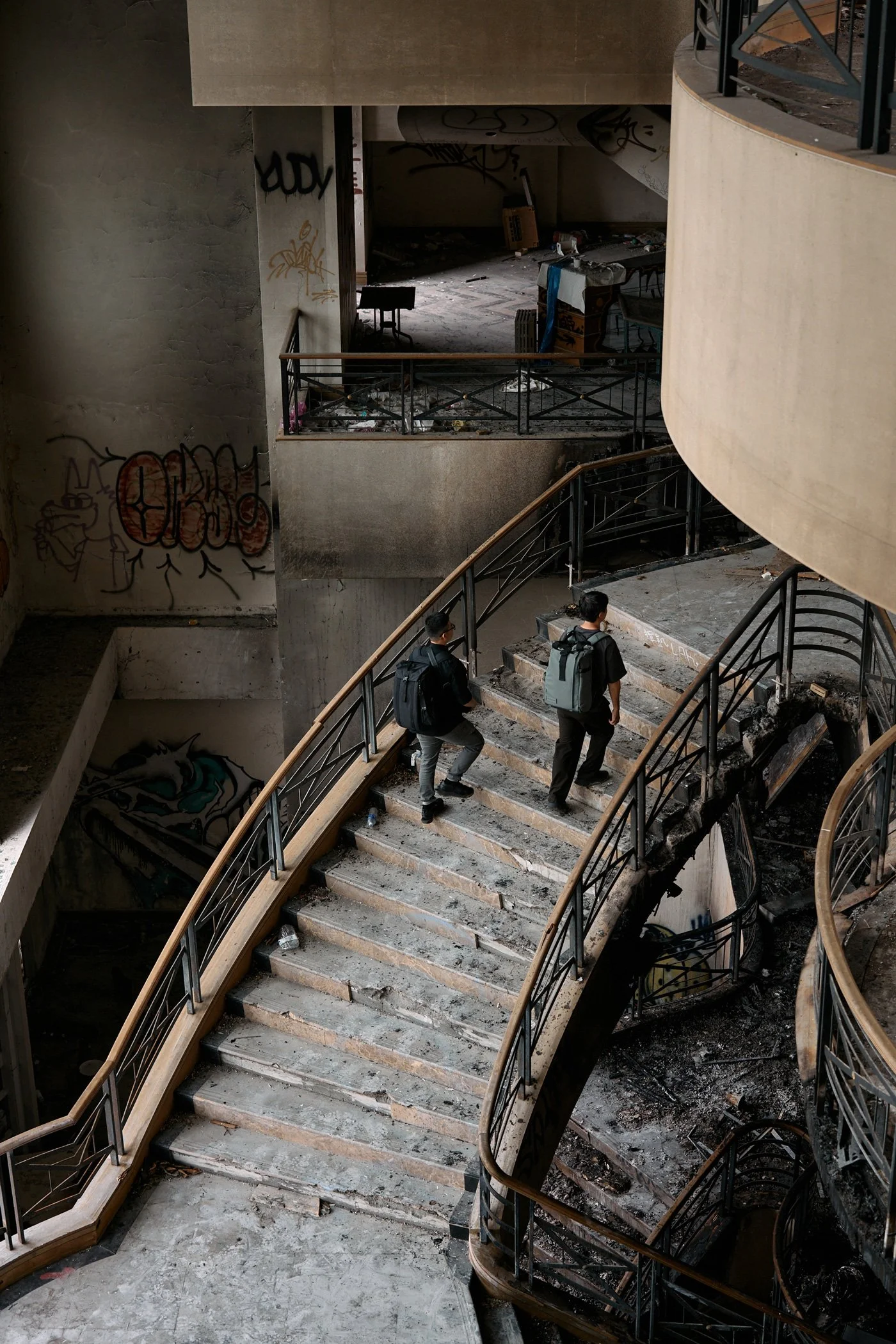
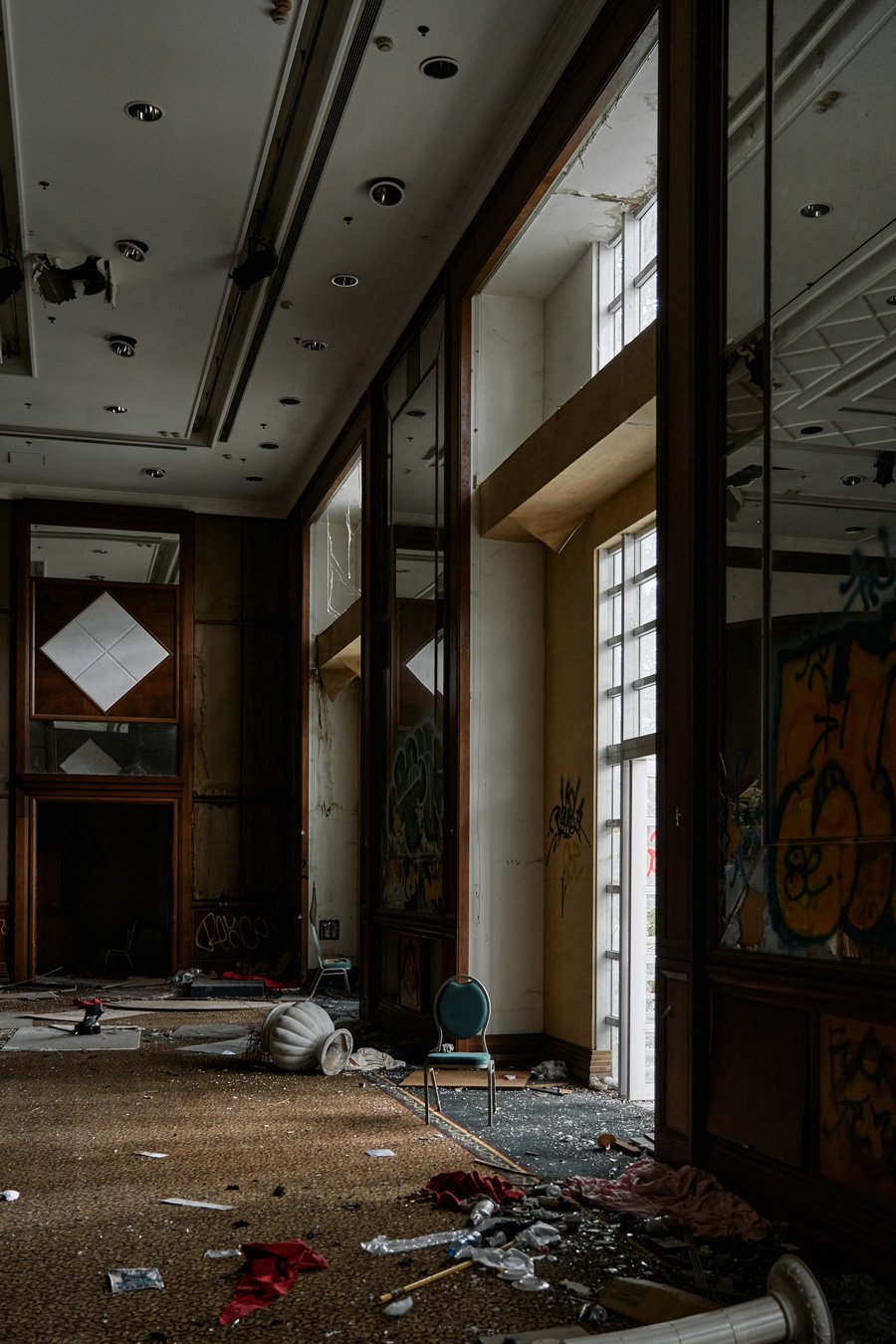
廢墟之所以動人,正是因為它們保有最純粹的荒廢狀態,任何過度的佔有或干涉,反而抹去它原本的靈魂。
-
Q: Do you follow any guiding principles when photographing ruins?
Fan:
I try not to change anything for the sake of the image. A ruin exists in a state shaped by time. If objects are moved or positions shift, the photograph no longer reflects what was actually there.Jamie:
So the original state of the site becomes the reason the image works?Fan:
Yes. Whatever remains in that moment is what I photograph. I see myself as a recorder and a witness. If I intervene too much, I interfere with that clarity. A ruin was never meant to perform for a camera. Letting go of the urge to perfect the scene brings me closer to the essence of the place.
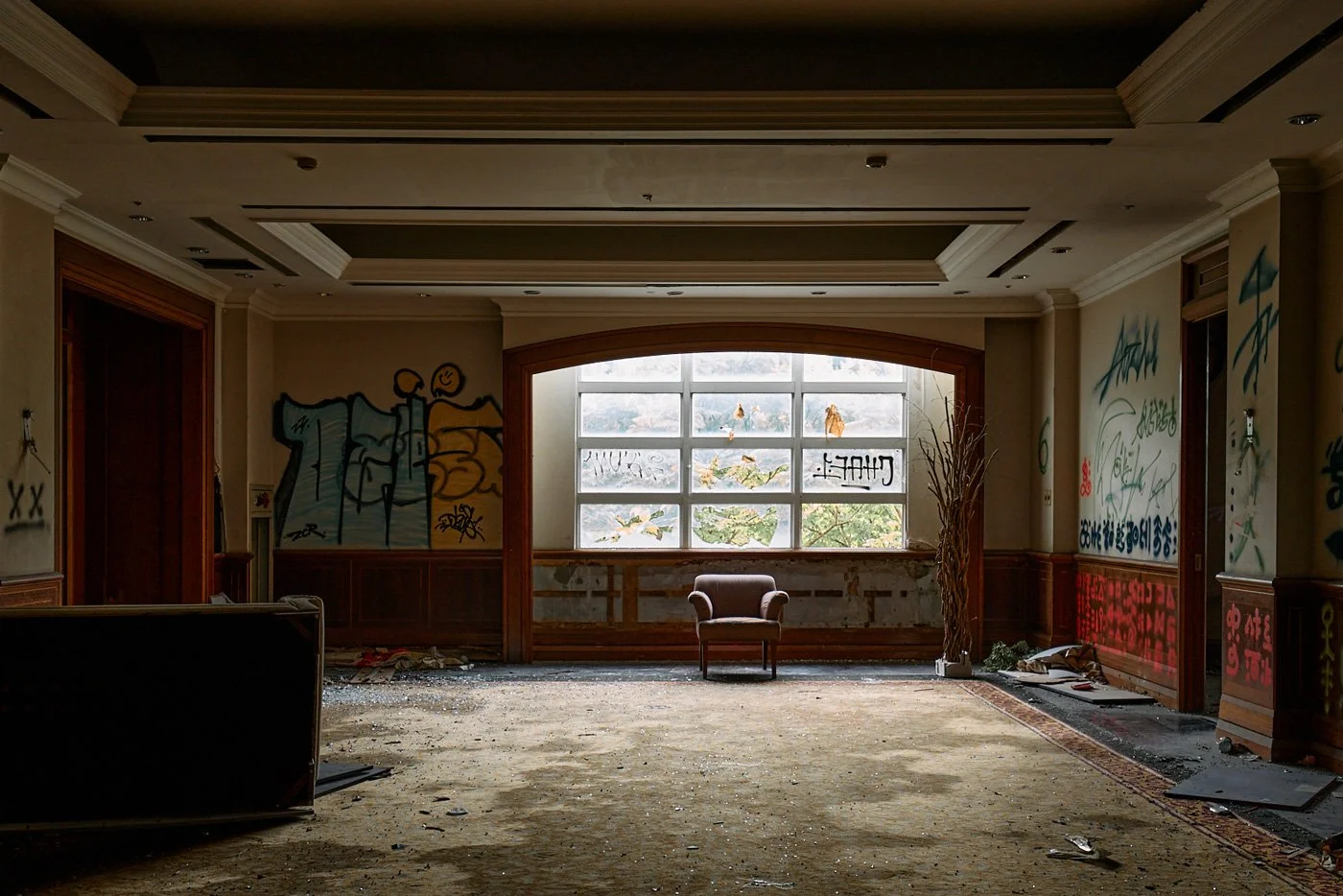
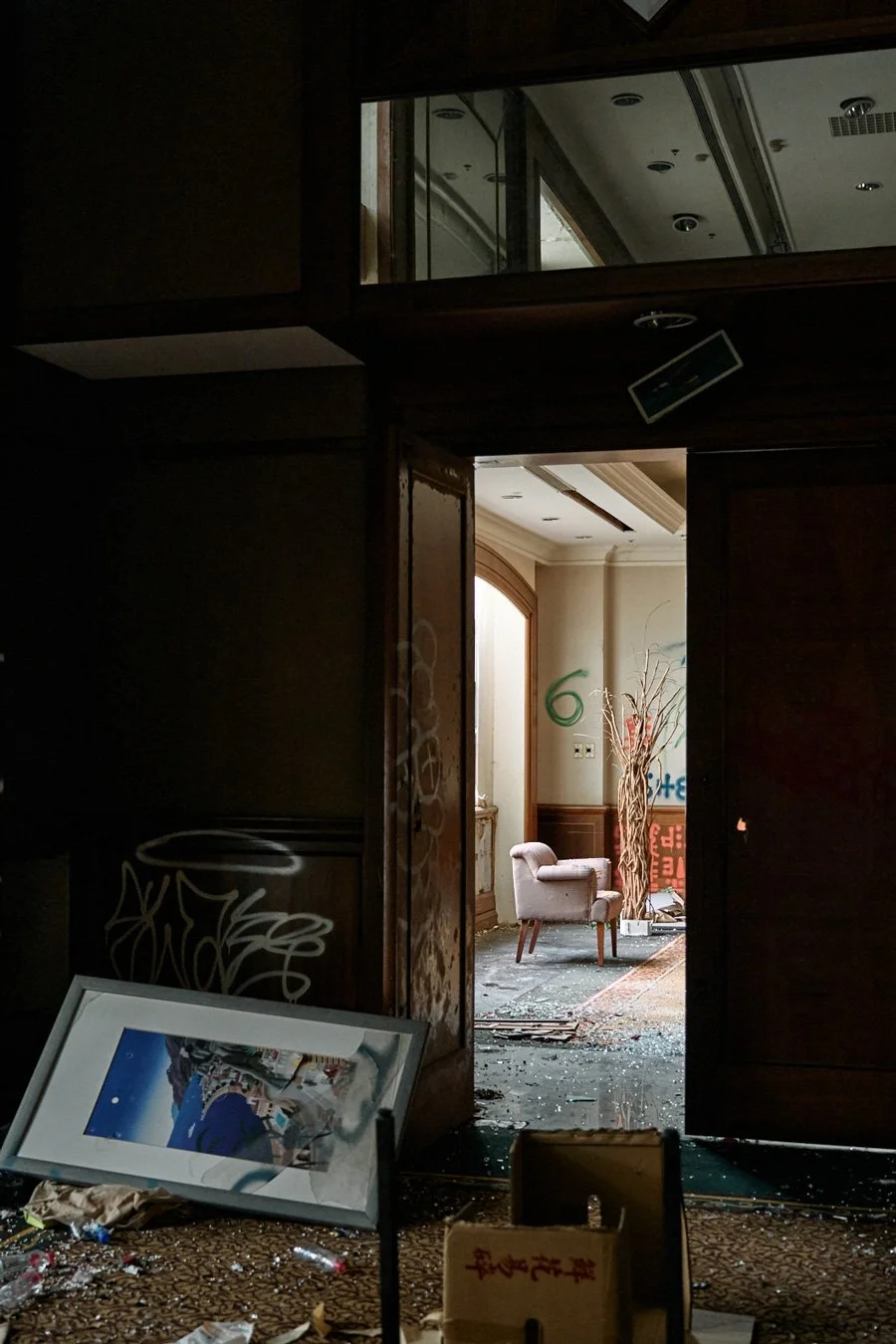

廢墟之所以動人,正是因為它們保有最純粹的荒廢狀態,任何過度的佔有或干涉,反而抹去它原本的靈魂。
-
Q: When you step into a ruin, how do you decide which corners are worth photographing and which are not?
Fan:
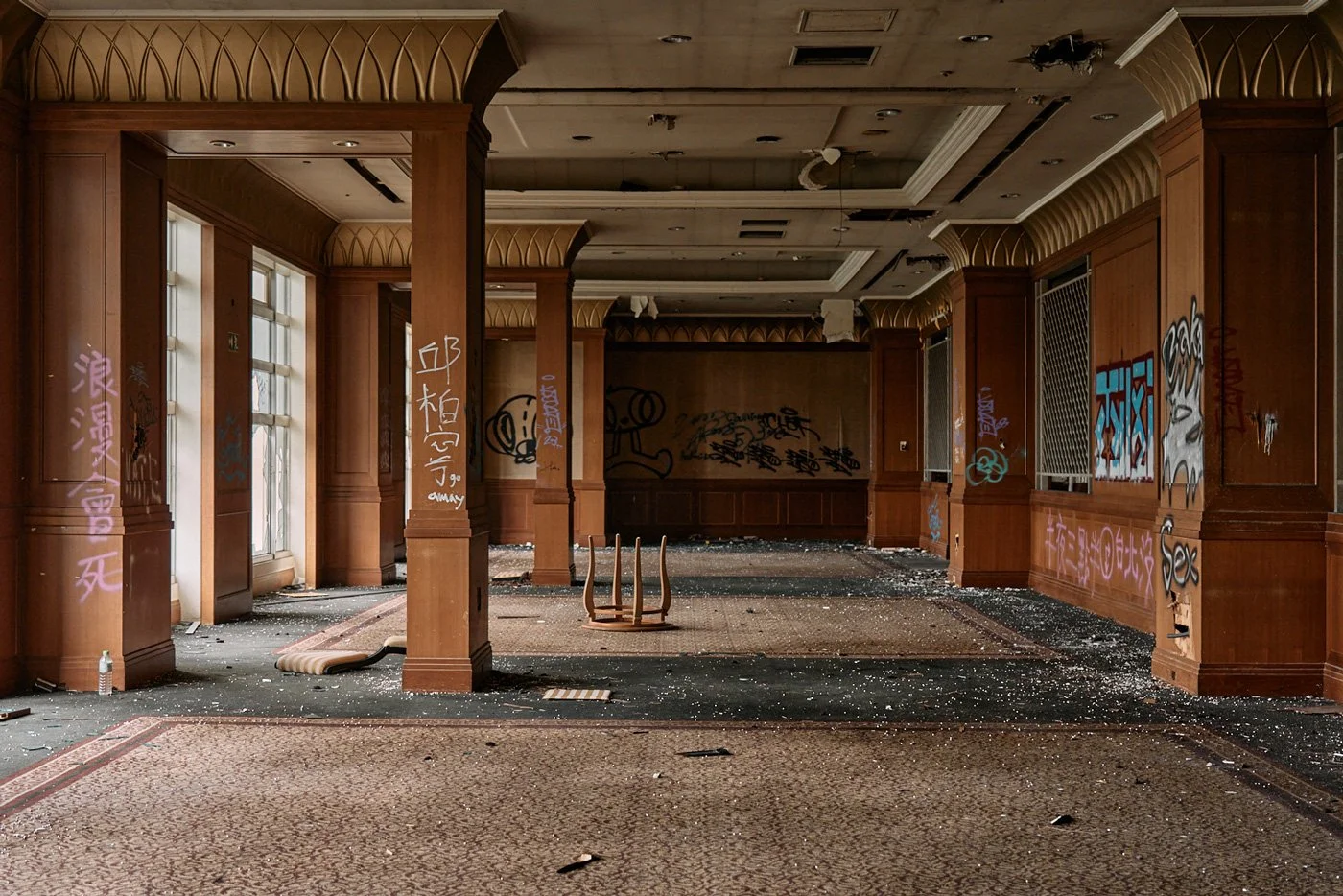
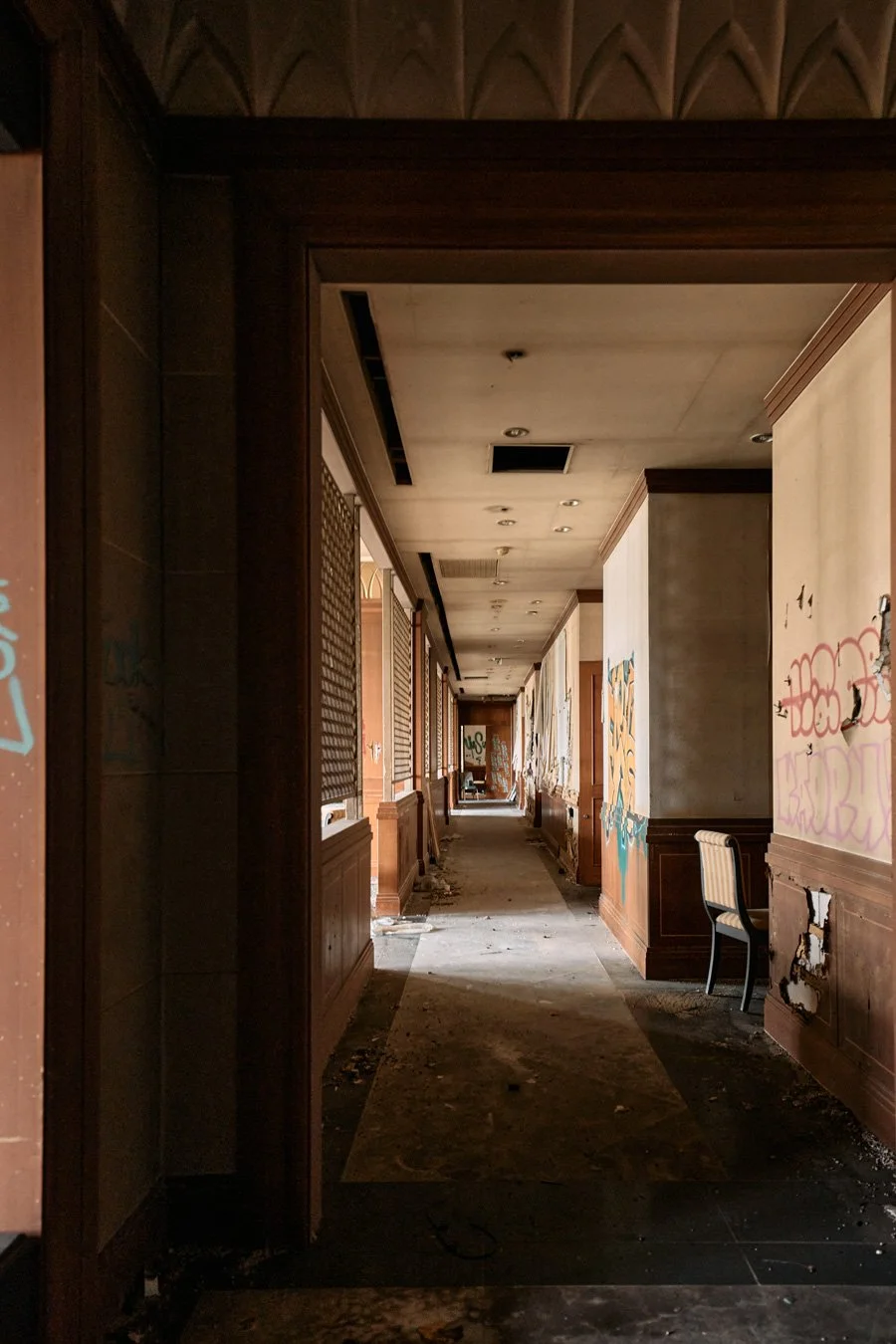
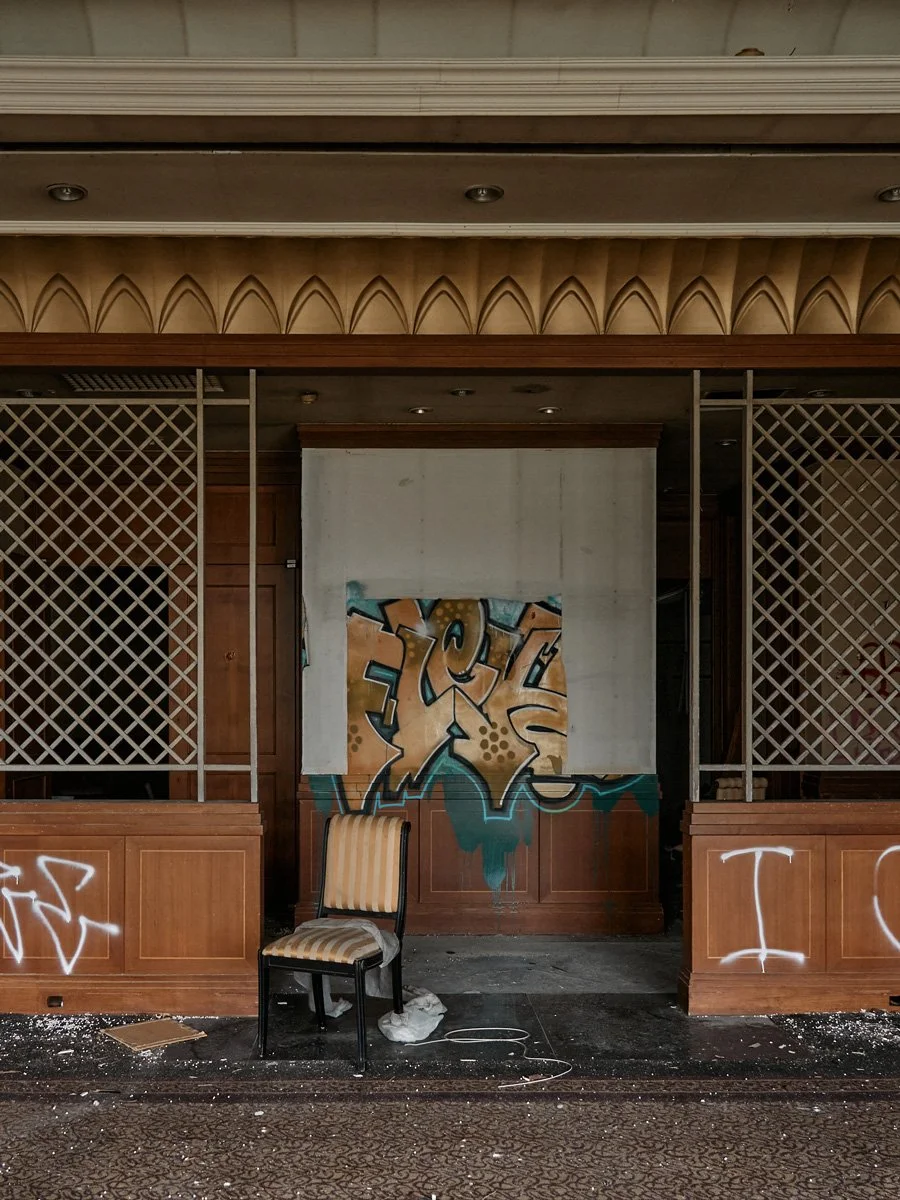
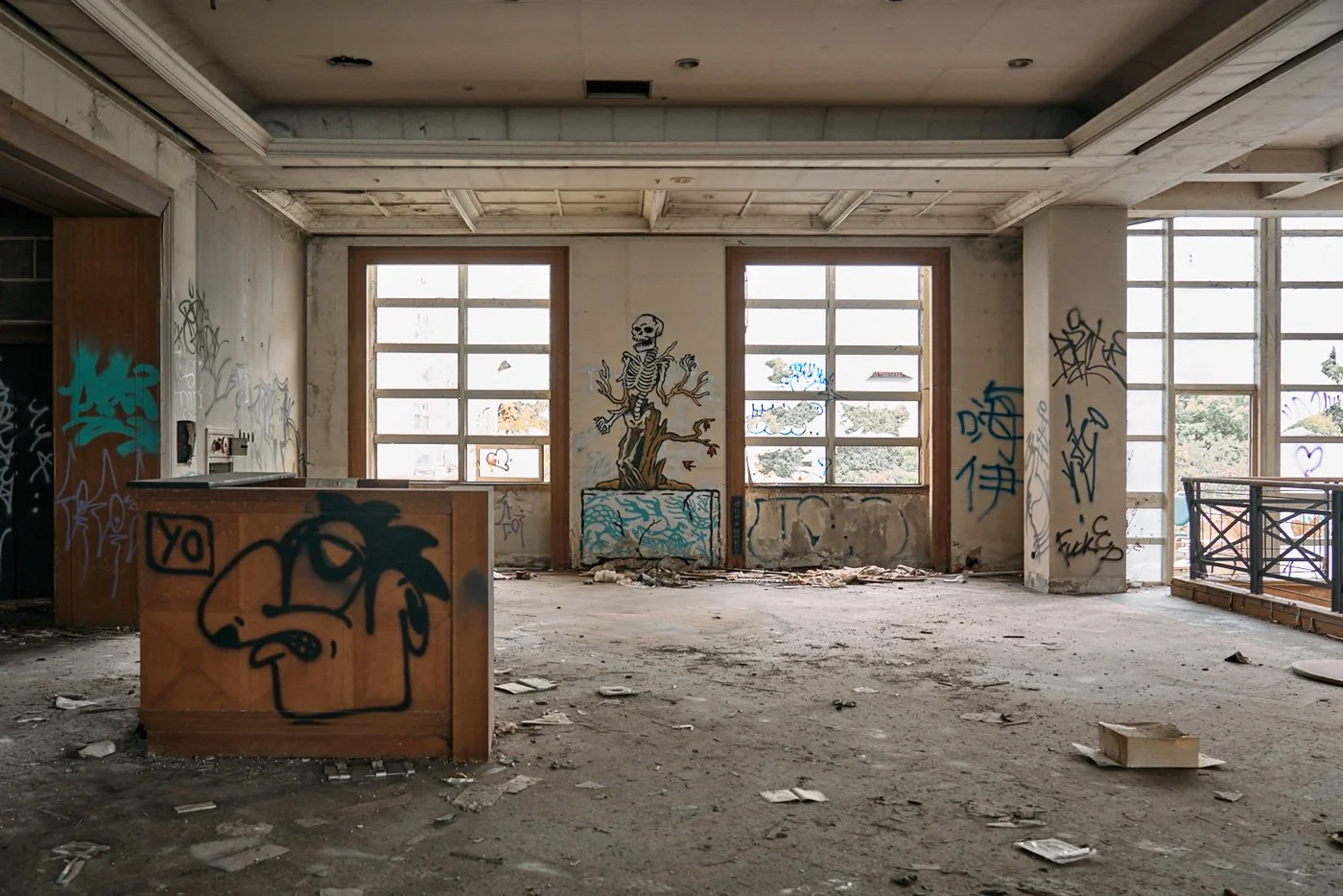
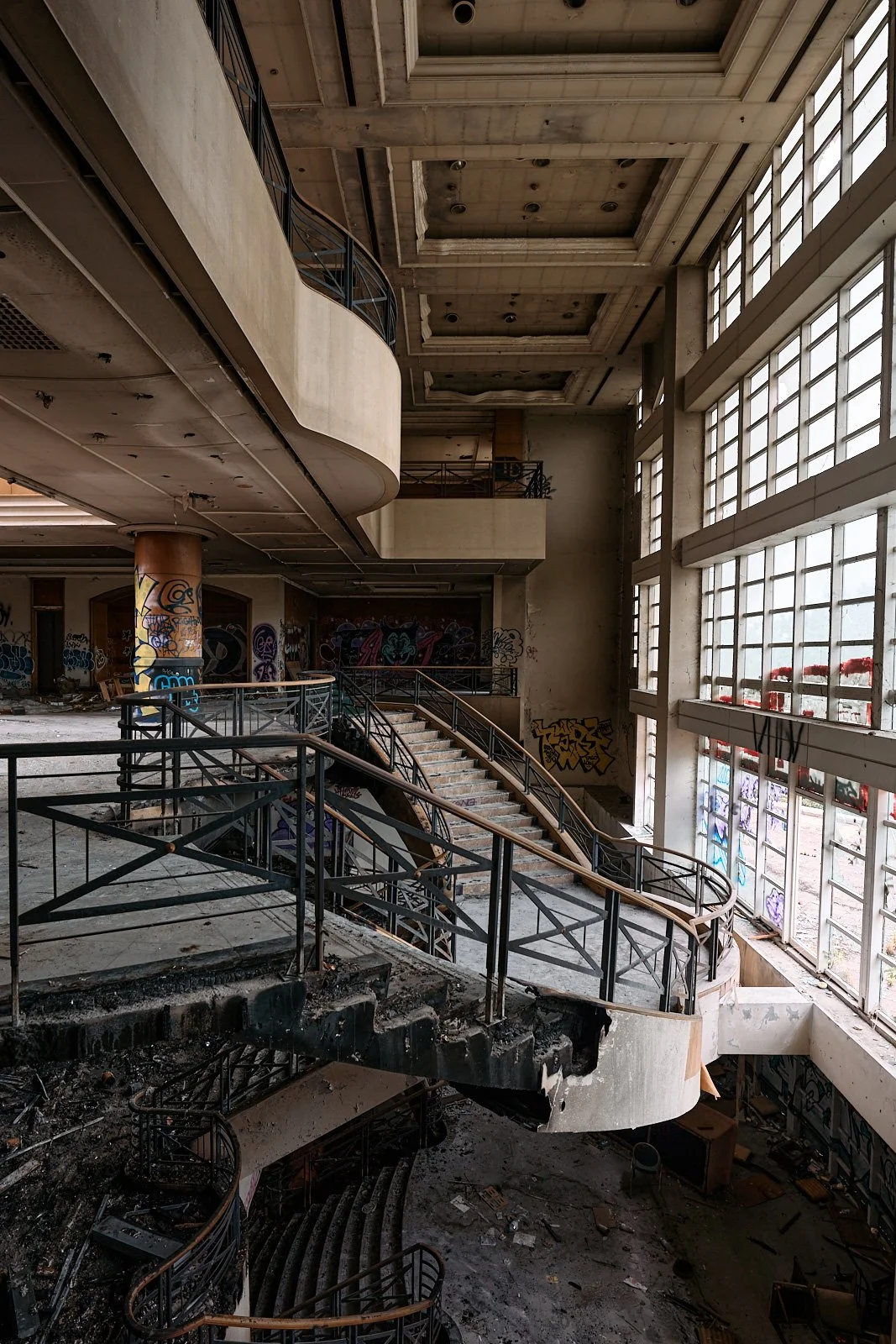
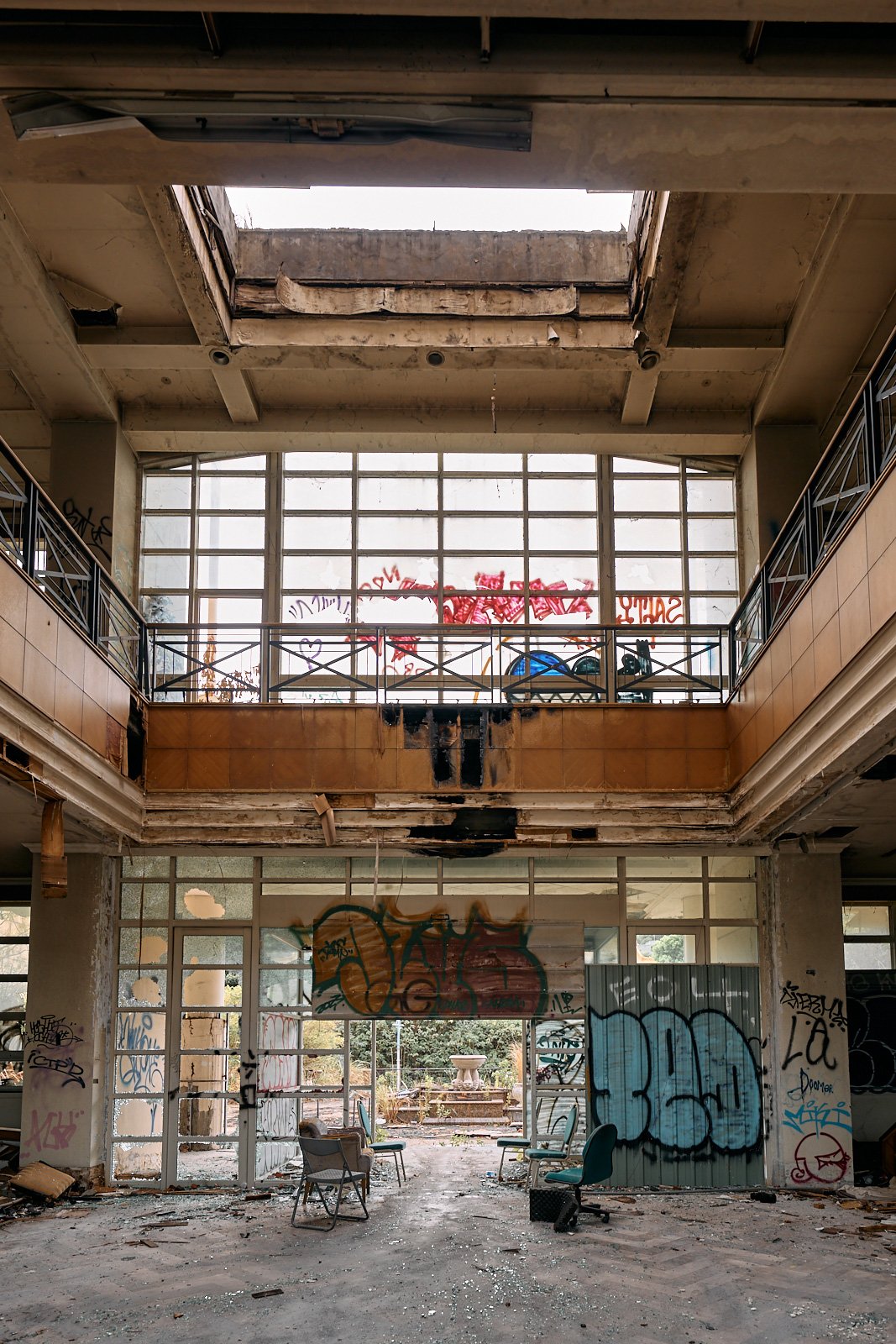
I do not judge a space by whether it feels worthy. If a corner triggers something in me, even the smallest spark, I photograph it. Some areas may be messy or poorly lit, yet they are still part of what time has shaped. Unless there is truly nothing to form an image with, I tend to record most of what I see. What I want is for the photographs to reflect the full reality of the place.
“What makes a ruin compelling is its unguarded state. Too much intervention, even the desire to claim it through the camera, can erase the very thing that gives it a soul.”
-
Q: What focal lengths do you usually use when photographing ruins? Do you switch lenses depending on the type of site? Technically, what matters most to you in the process?
Fan:
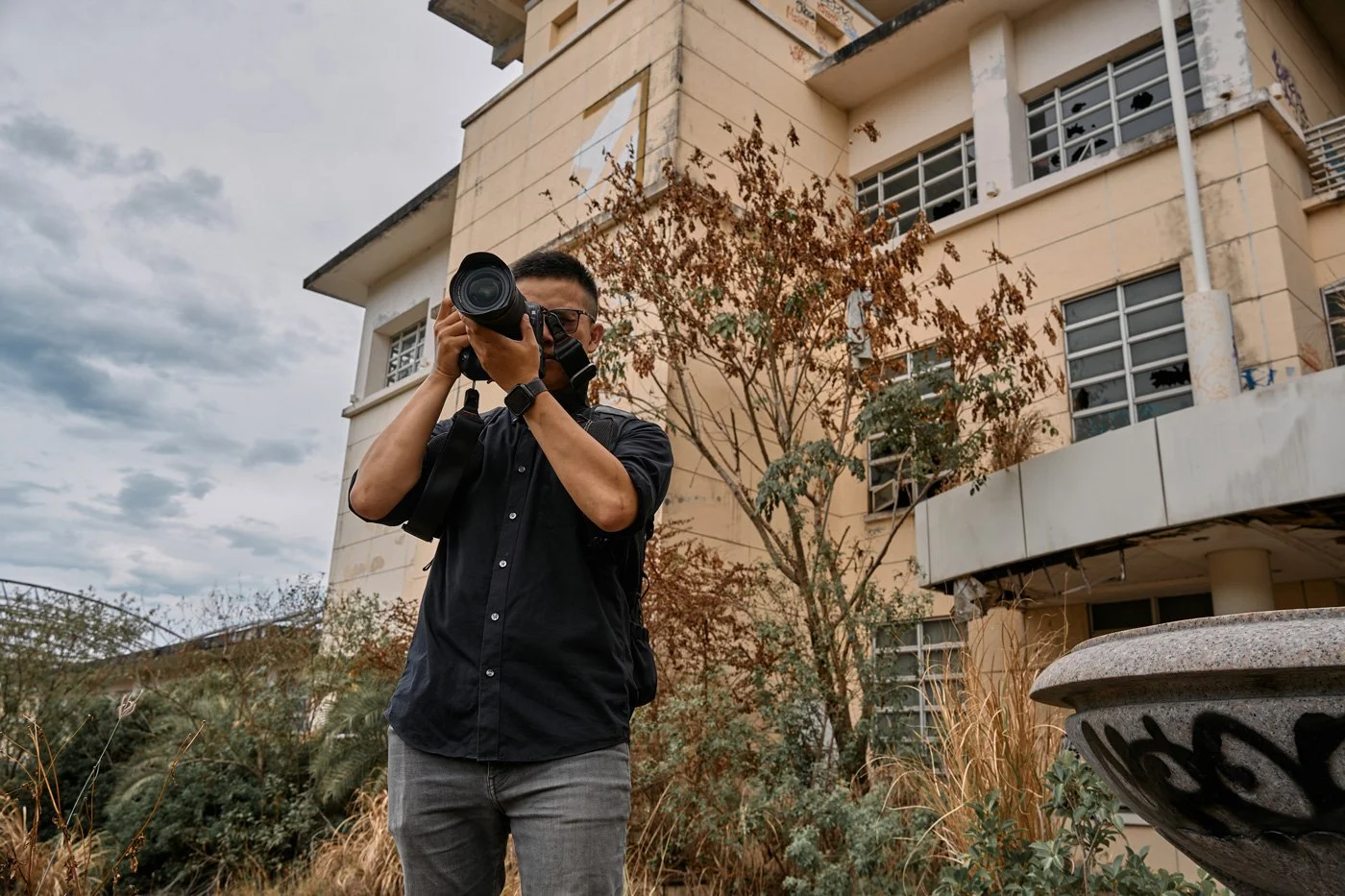
I mainly use wide angle and a 50 mm. The wide angle allows me to record the structure and tension of the space, while the 50 mm helps with details. My gear is simple. I use Canon’s RF 15–35 mm F2.8 for wide shots and the RF 50 mm F1.8 as the standard lens.Jamie:
Do you bring a lot of equipment with you?Fan:
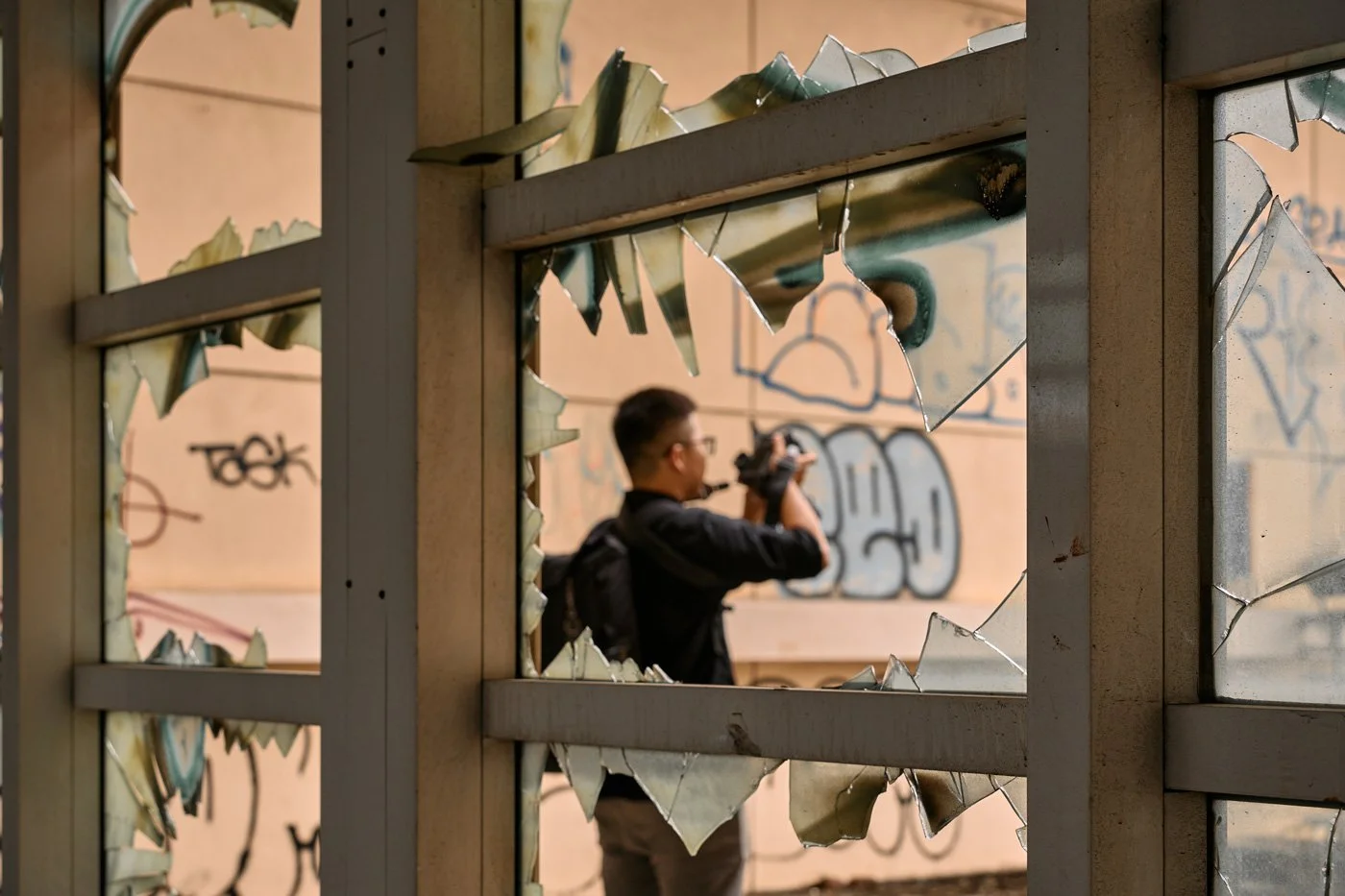
Not much. Only what is necessary. Interiors of ruins can be complex and risky, and heavy gear becomes a burden. Keeping the setup minimal is part of staying safe.The element I value most is light. I photograph almost exclusively on days with strong sunlight because light can give a sense of renewal to decay. It filters through broken glass and moves across worn surfaces, creating moments that feel more stirring than the architecture itself. Every image I make in a ruin is shaped by light and time coming together in that space.
-
Q: Is there a particular site that left an especially strong impression on you?
Fan:
The most unforgettable experience was in Japan. It was a two day road trip. One day was spent visiting a cluster of abandoned hot spring resorts, and the other exploring a deserted mansion. These were scenes many people only know through photographs or imagination, yet they appeared before me with complete clarity. That feeling has never faded.I remember sensing an urgency, as if I was racing against time, trying to record as many moments as possible. It felt like a first encounter and a final encounter at the same time. Each shutter release carried the weight of something nearing its end. What I took away from those two days was more than images. It was a kind of stillness that settled in despite the exhaustion.
Jamie:
You mentioned that the promise of “coming back next time” is rarely fulfilled. Where does that urgency come from?Fan:
Once you step inside, you understand immediately that you cannot move slowly. The scale is larger and more complex than expected, especially the way spaces connect to one another.A photograph cannot convey the sounds or the warnings of the structure. Some beams were already deeply corroded, and the sound of the floor under my feet revealed how unstable it had become. It reminded me again that the nature of a ruin is irreversible disappearance. You can feel, very clearly, that it may vanish at any moment.
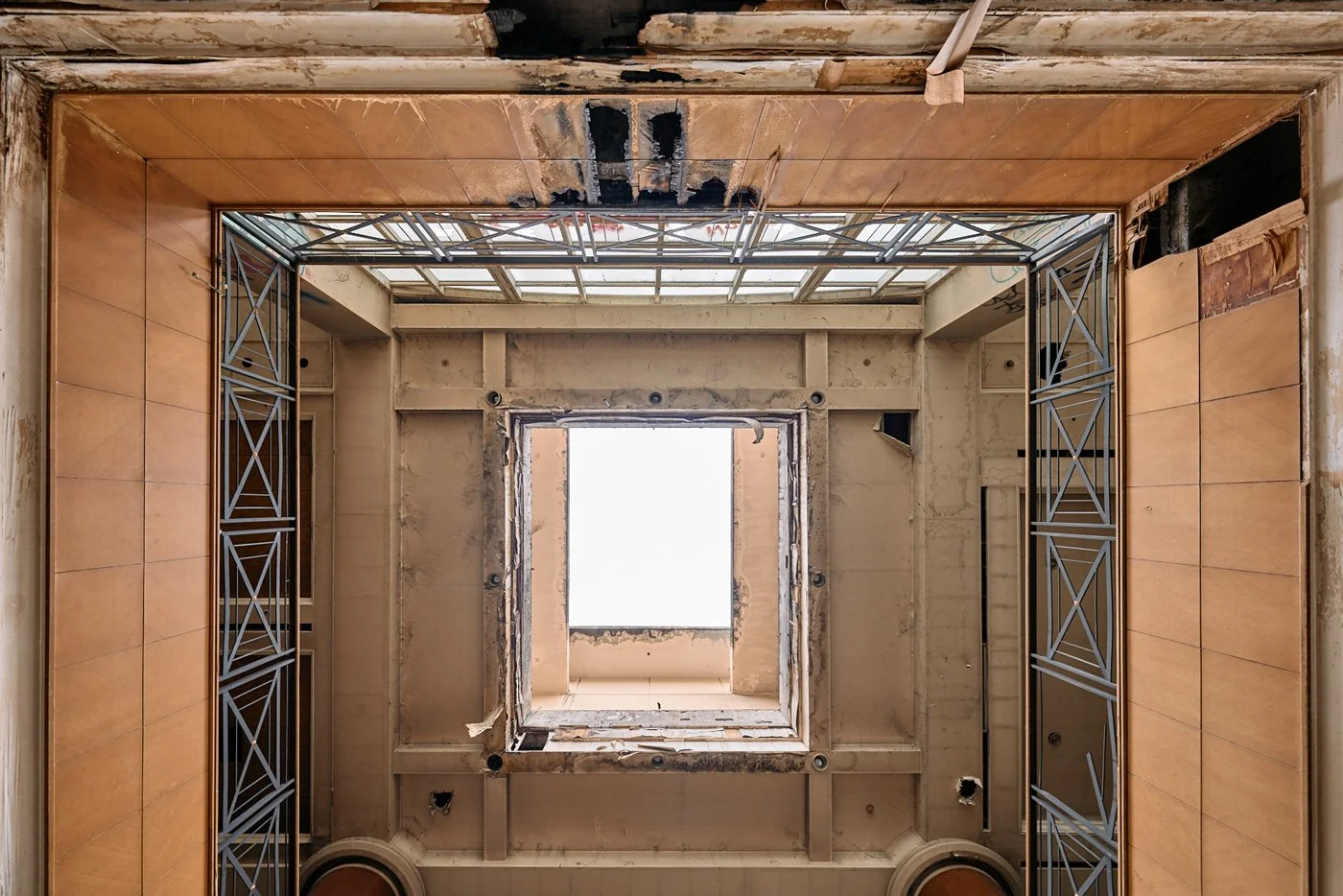
廢墟提醒我,我始終是『經過』而不是『歸屬』。畫面可以留存,但場域本身屬於時間與腐朽,不屬於任何人,這是我必須時刻警醒的事。
-
Q: When you shoot, do you care about how “beautiful” the image looks, or are you more concerned with what it conveys?
Fan:
I am less concerned with beauty in the conventional sense. What matters is whether the scene genuinely moves me. Ruins often give me a strangely warm and quiet feeling, a reminder to reflect on the inevitability of loss. Maybe that is why I still feel at ease in these places. Their presence is unvarnished. They are simply what time has shaped them to be.“Ruins remind me that I am only passing through, never belonging. The photograph may remain, but the place itself belongs to time and decay, not to any of us. It is something I need to remember every time I walk in.”
-
Q: Ruins are often seen as dangerous or even illegal to enter. How do you view this perception, and how do you navigate that boundary?
Fan:
People often define ruin photography through the lens of danger or illegality, but to me these words reflect how society labels a space that no longer functions within its system. The real danger is not only the risk of collapse. It also lies in how you position yourself in relation to the place. If you enter with a sense of possession or conquest, no amount of caution will prevent you from damaging it.The boundary is not set only by external rules. It is shaped by an inner sense of restraint once you step inside. I ask myself whether I can leave the space exactly as I found it, and whether I have taken anything from it, even its last measure of quiet. If the answer is yes, then the visit becomes an act of witnessing rather than intrusion.
Jamie:
I remember you once said that in a ruin, human malice is often more troubling than structural danger.Fan:
Absolutely. The space itself is neutral. What threatens it is the projection and interference humans bring into it. Legal boundaries exist on the outside. Ethical boundaries exist within me.
-
Q: You mentioned that the broken state of a ruin is not an ending but a form of purity. What does this “purity” mean to you?
Fan:
Purity, to me, is what remains after a space has shed all of its decoration and purpose. The purity of a ruin lies in the fact that it no longer has to please, serve, or perform any function. It returns to the most fundamental condition shaped by time. Quiet, imperfect, and honest. In a way, it feels like a release, because it simply exists.Jamie:
When your work is shown publicly, how do you hope viewers approach these images?Fan:
I do not expect viewers to see this purity in any specific way. But if the images can soften the usual perceptions of ruins, if they can reveal a sense of freedom in accepting that things do not need to be whole or useful, and that people themselves do not need to be defined by perfection, then perhaps that is the quiet power these photographs carry.As for interpretation, I try not to interfere. There is a line in the Diamond Sutra that says the mind should move freely without attachment. Once the image leaves me, it should find its own place in someone else’s understanding. My responsibility is to be honest in the moment of making it, not to determine how it must be read.
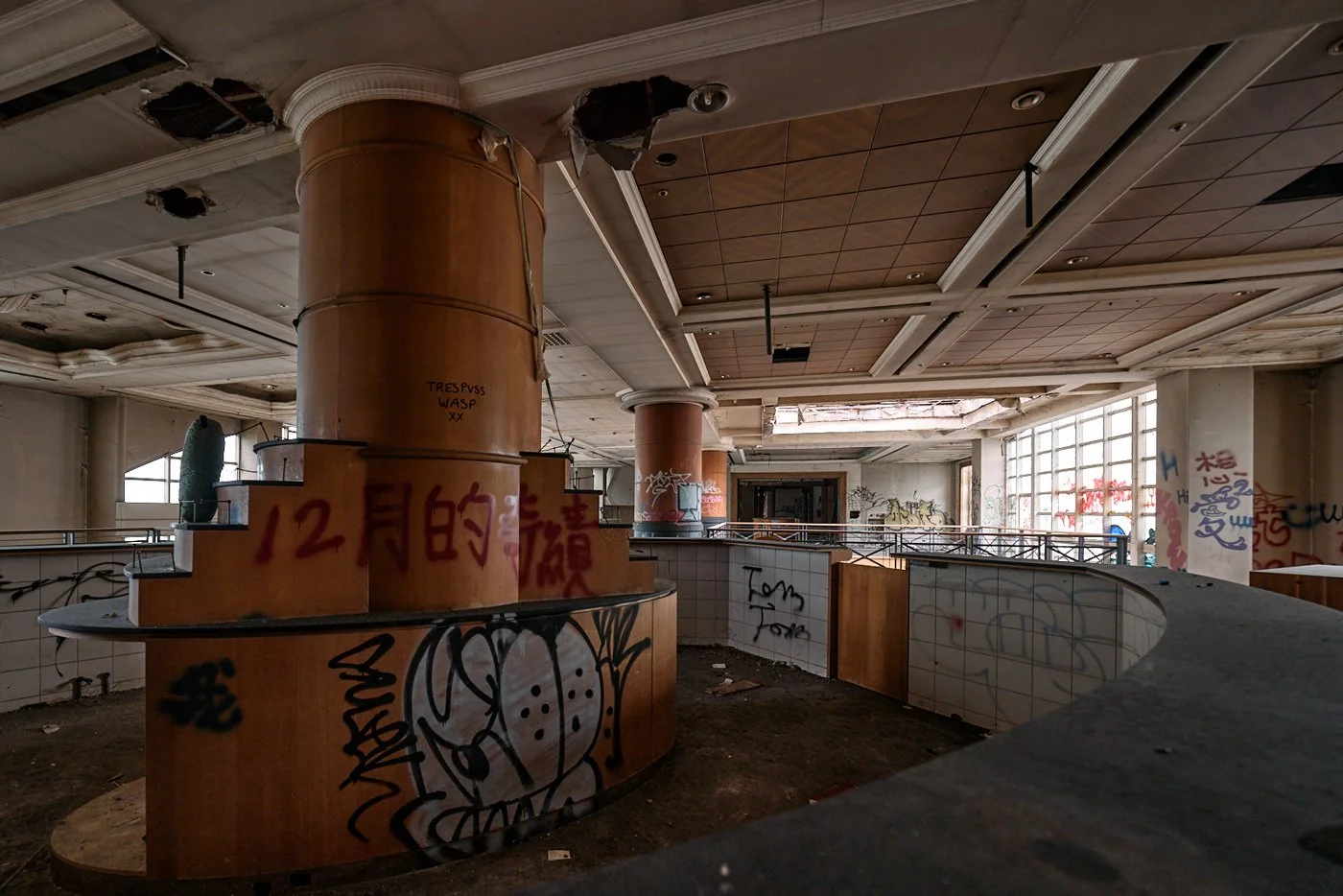
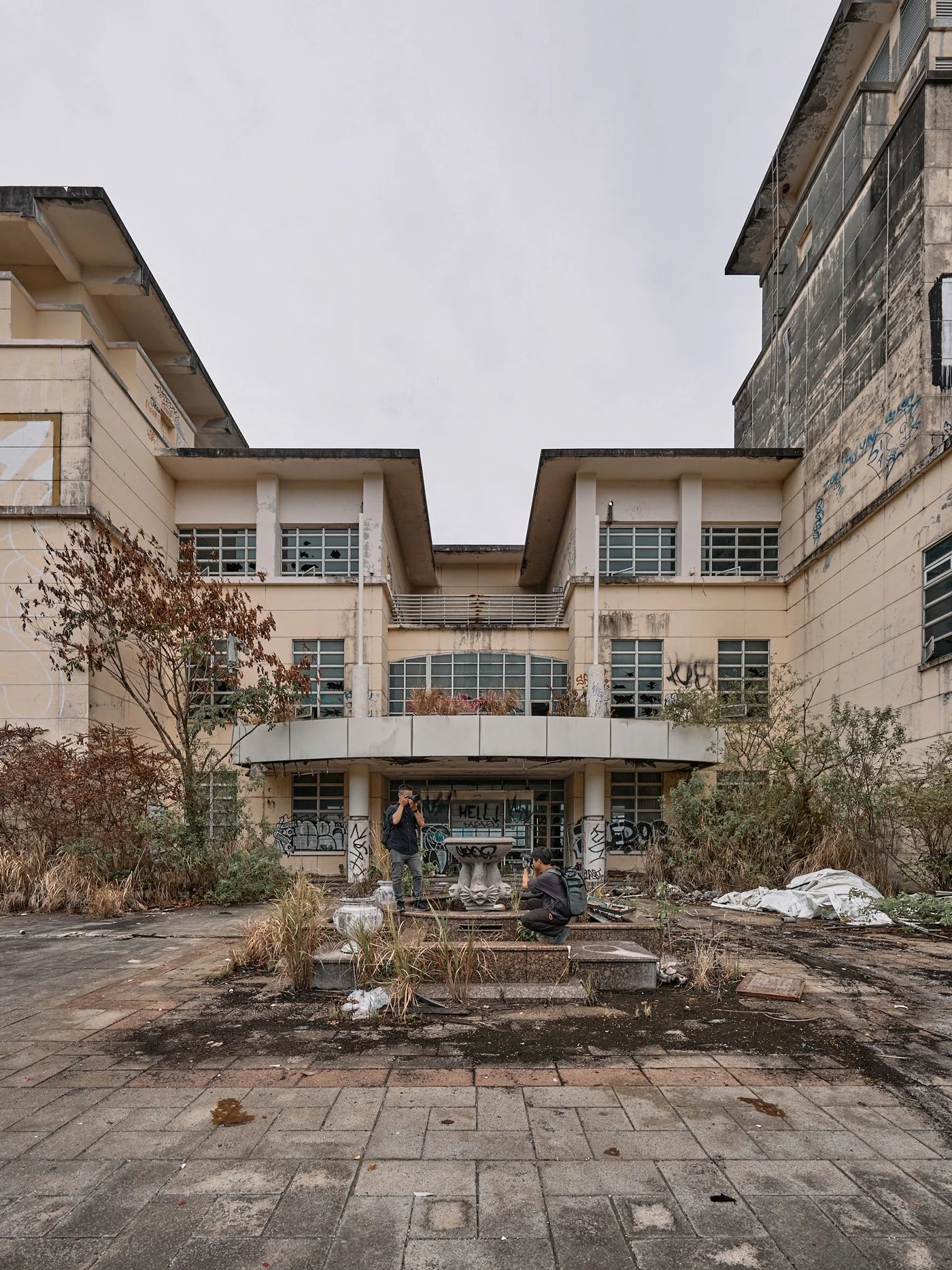
廢墟攝影的核心意涵是留下最真實的印記,迫使我們正視生命中必然的消逝與破碎。