「比完美更重要的事」專訪和和設計簡嘉儀:氣和則潤,在一方院落裡練習放過自己
和和設計總監, 簡嘉儀(K.Chien, Head Director of HOHO Design)
-
“The process of designing this office was about learning to let go.”
It is an unexpected opening, yet a revealing one.HOHO Design’s new studio unfolds around a quiet courtyard that immediately distances itself from the pace of the city. Air, light, and greenery shape the first impression, setting a tone that feels deliberate rather than decorative. For Kayi Chien, the space represents more than a workplace. It marks a personal shift in how he approaches design, work, and himself.
Designing for one’s own practice leaves little room to hide. Habits, standards, and long held expectations are all brought into question. In this project, Kayi reflects on moving away from an uncompromising pursuit of perfection toward a more generous and grounded way of working. The result is a studio that feels closer to a home than an office, a place shaped by time, clarity, and a renewed sense of ease.
(In the following interview, Kayi Chien is referred to as K.)
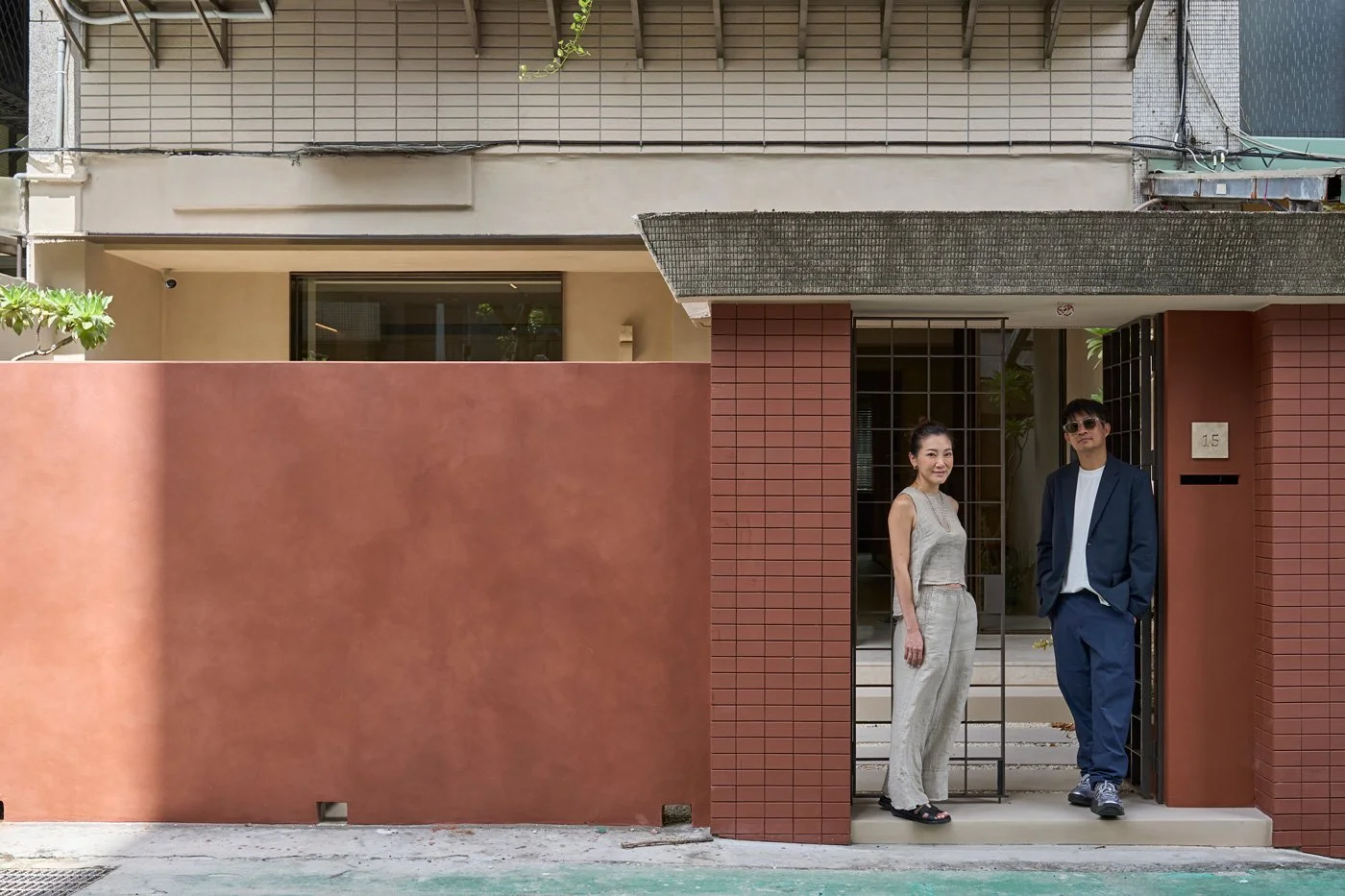
整修這間辦公室的過程,完全是一種心態上的修煉。我也在學習,如何在自己的堅持與現實中達成妥協
— 簡嘉儀/ K. Chien
-
Q. How did you feel when the new studio officially opened? What new possibilities has this space created for you?
K:
When the studio officially opened, I felt a profound sense of relief, as though a long held weight had finally been released. Over the past few years, our work has gradually settled into a clearer direction, and this space prompted me to reflect on how I might continue to evolve and expand my artistic practice.Finding the right location took more than two years. The building itself is over fifty years old, and its condition posed significant challenges, followed by another year dedicated to careful renovation.
To me, the studio feels like a home. I never wanted an office that felt rigid or corporate. Instead, I hoped to create a space that feels warm, informal, and grounded.
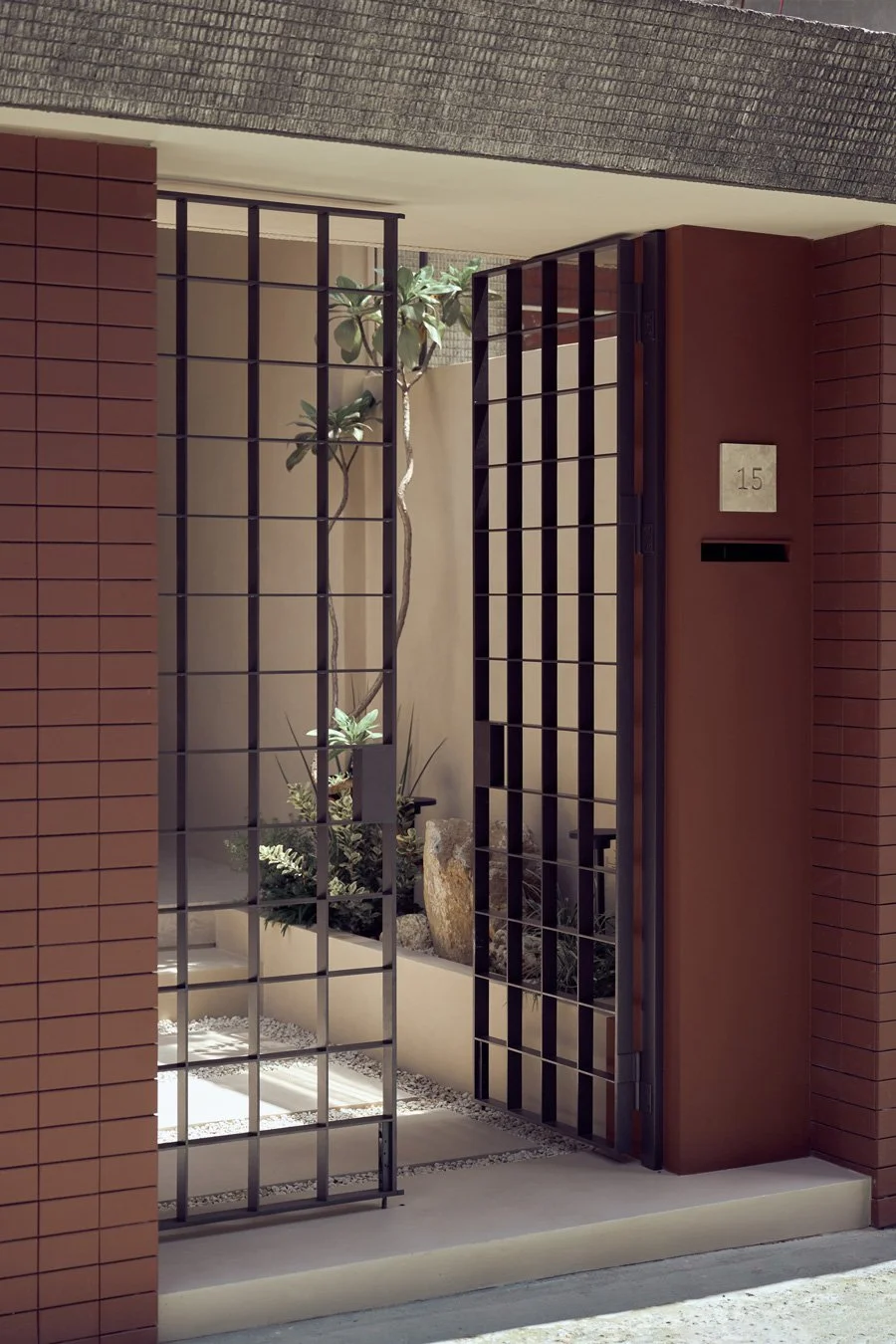
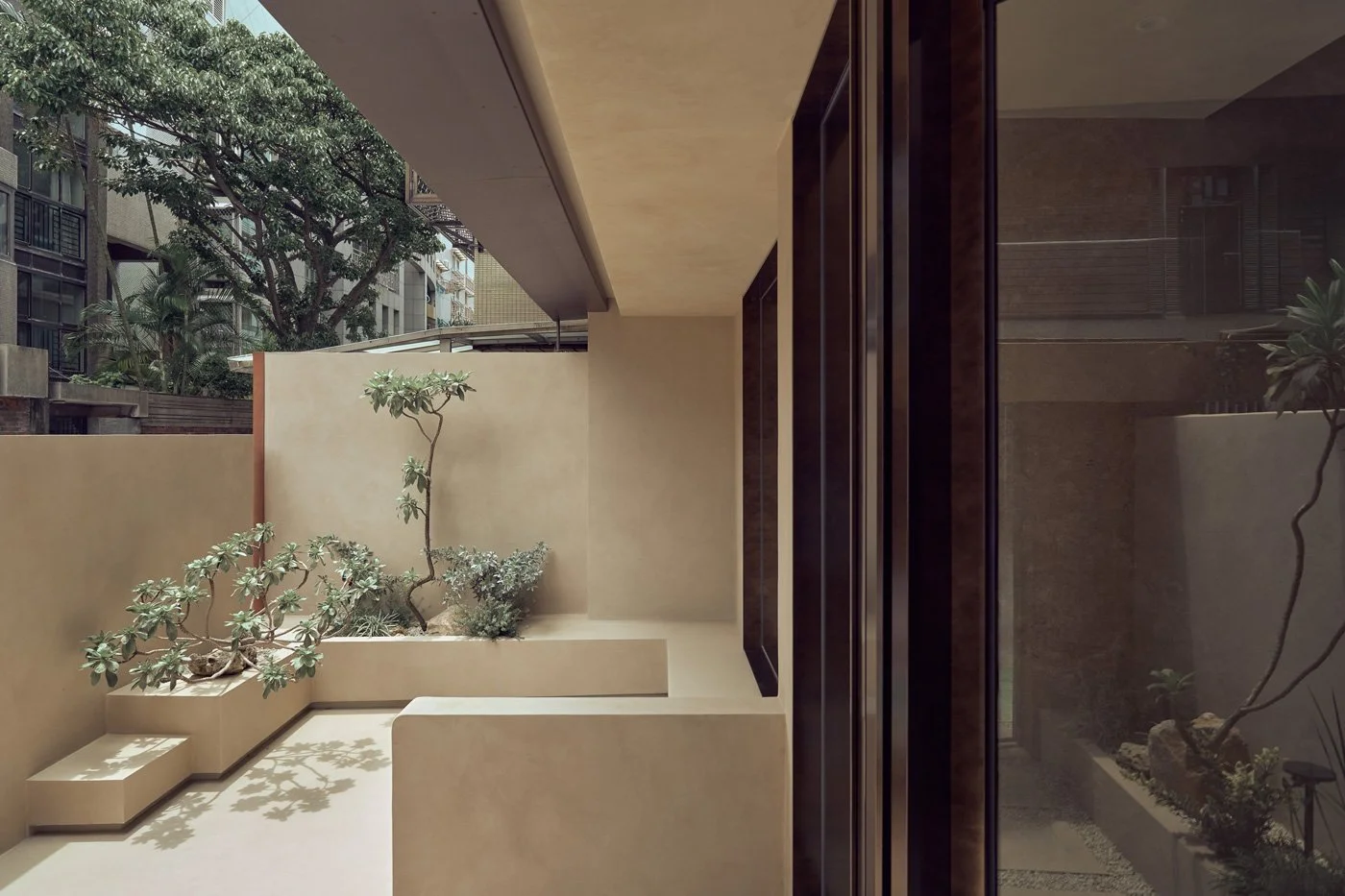
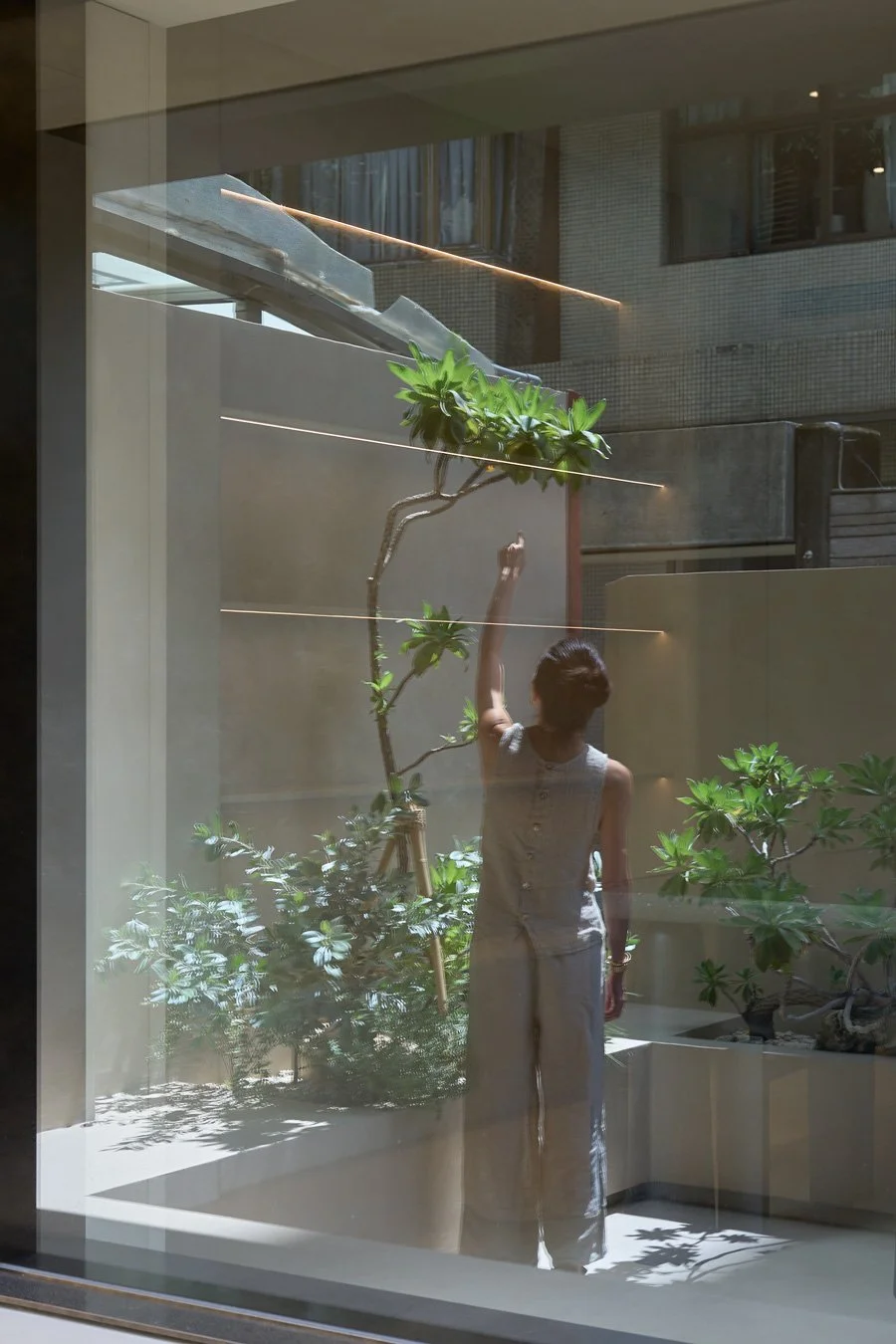
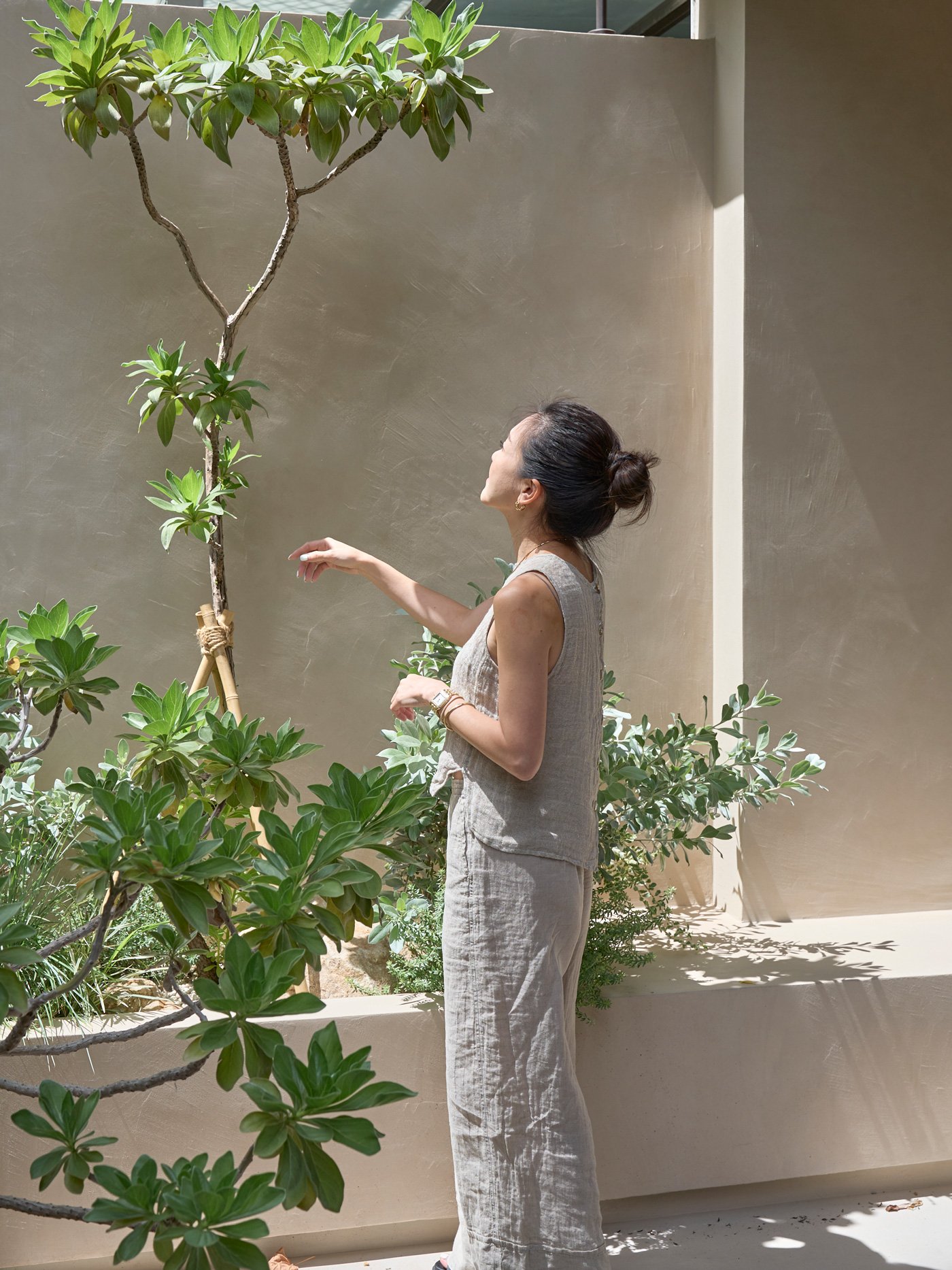
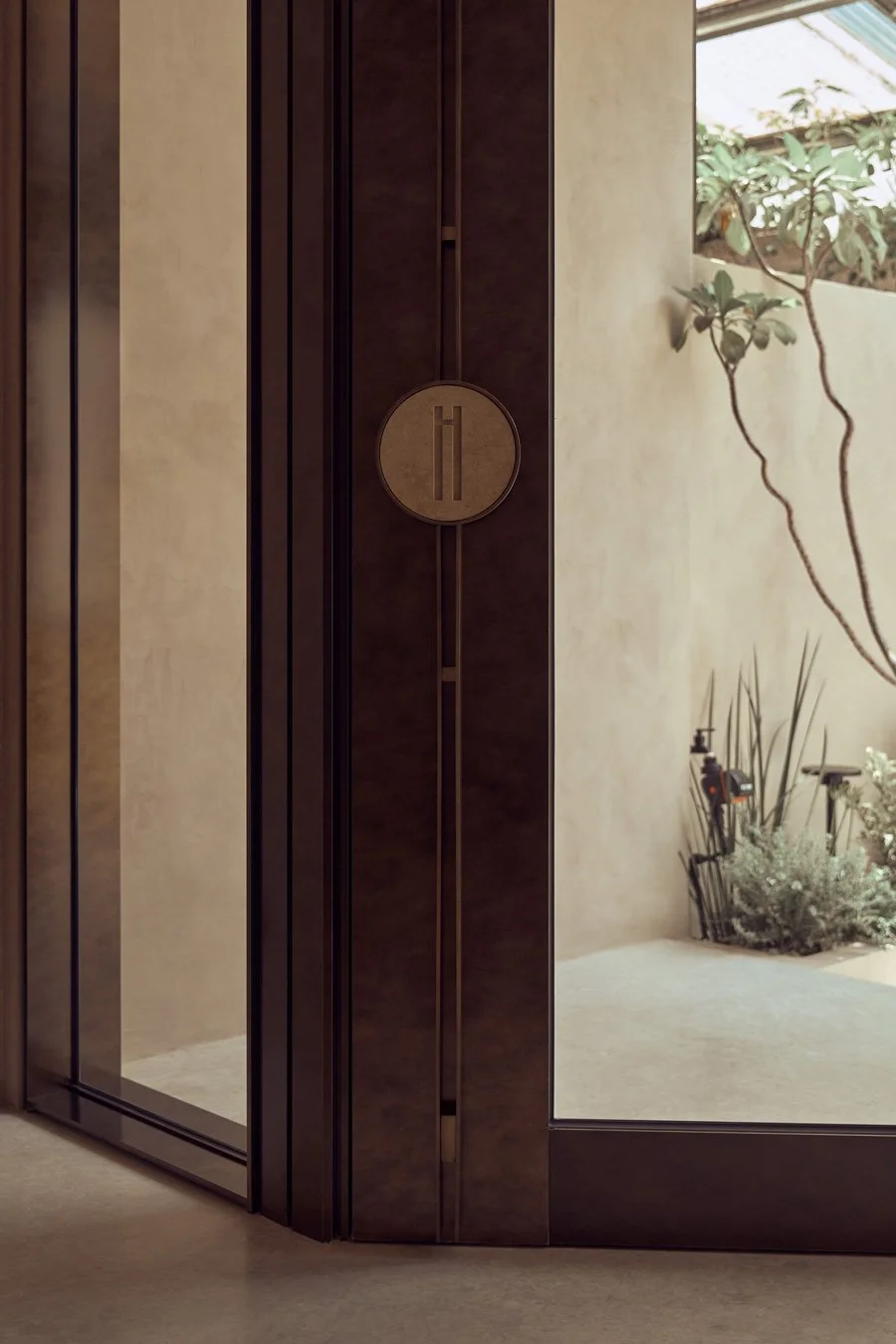
The most meaningful change from our previous workspace is the courtyard. It introduces a moment of transition before entering the main interior. Rather than moving straight into formal discussions, I prefer to begin by sharing the plants I enjoy or inviting clients to pause and look outside. That brief slowing down helps establish a sense of ease and trust before any conversation begins.
-
Q. From your early work to today, how have your perspective and approach to design evolved?
K:
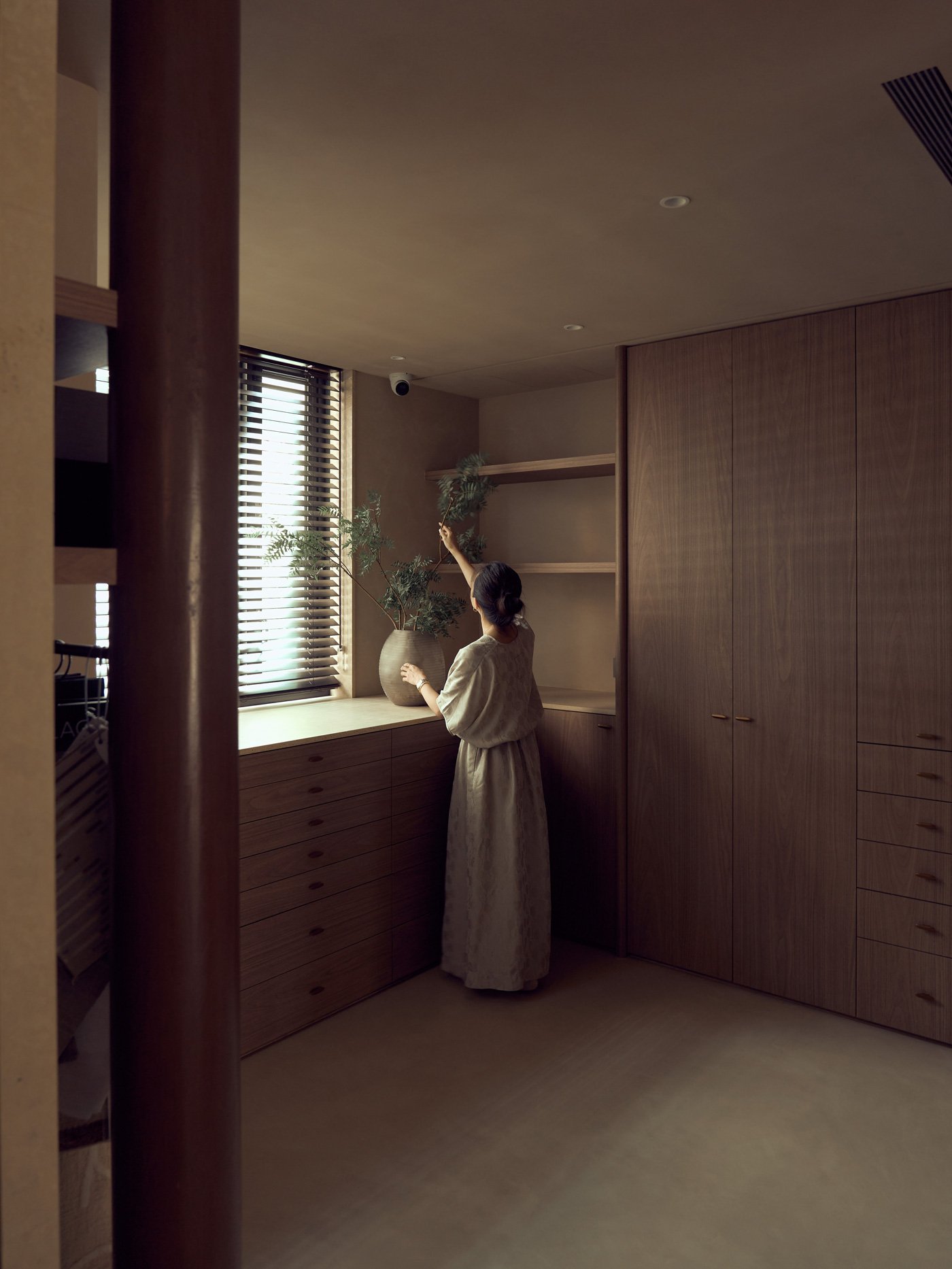
A pivotal moment came during a trip to The Naka Island in Thailand. Being there felt completely removed from daily life. The villas offered a strong sense of enclosure that allowed the body and mind to fully relax.That experience lingered. It stayed quietly in my subconscious and made me realize how much I was drawn to spaces that provide comfort and protection. After returning, I began working more extensively with plaster finishes, using them as a way to translate the atmosphere of that retreat into urban contexts.
I came to believe that city spaces do not need to feel cold or rigid. Even places like clinics or offices can be warm and restorative, offering a sense of ease rather than pressure.
-
Q. When designing a space for yourself, what was the greatest challenge?
K:
Learning to let go was the hardest part. In the past, I pushed every detail toward an ideal image in my mind. Designing this studio became a kind of inner discipline, one that taught me to accept imperfection within an otherwise complete whole.It was less about control, and more about finding a state that felt natural and genuinely comfortable.
Jamie:
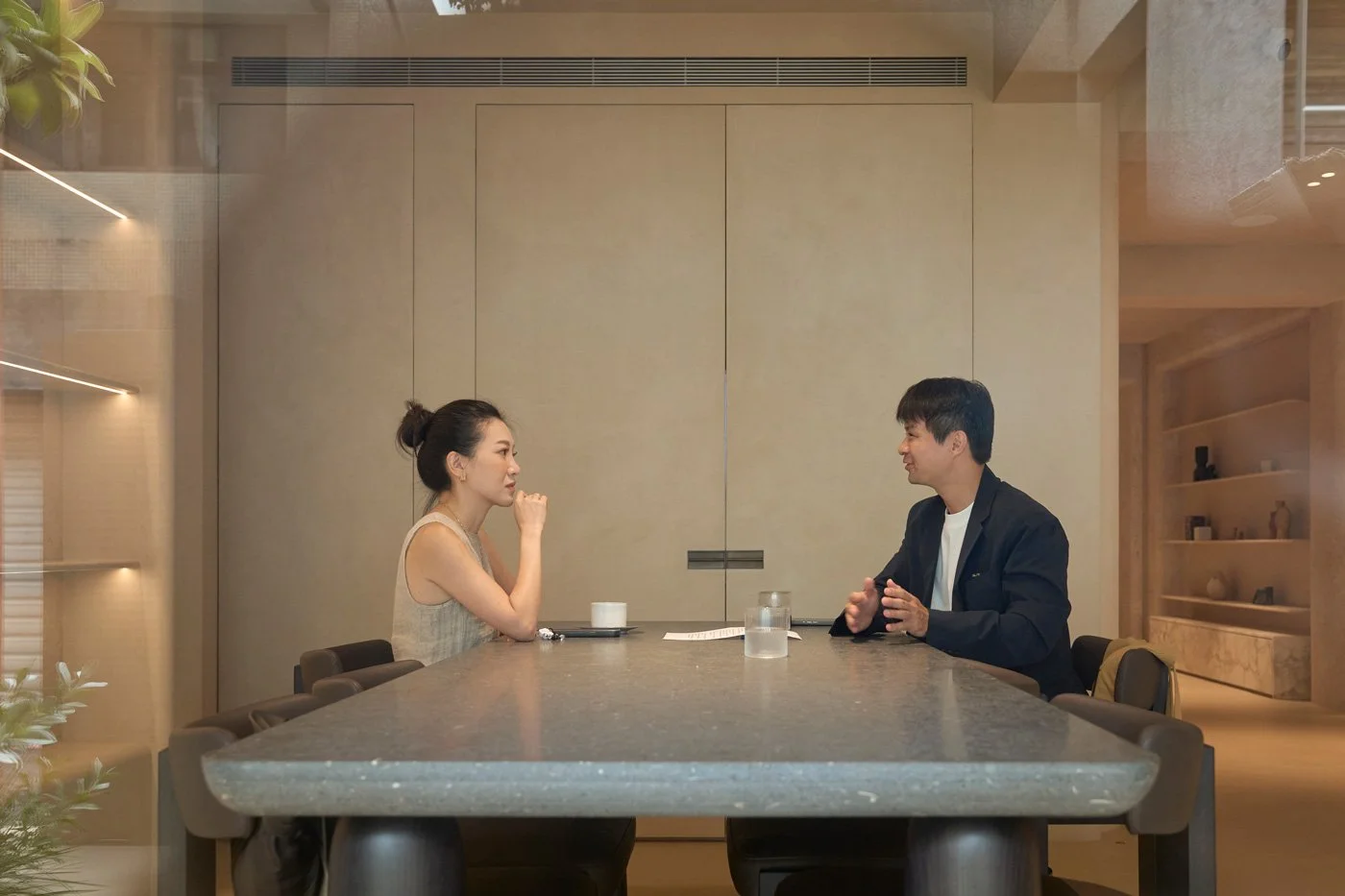
Were there ideas you had long wanted to explore but had never realized, that finally found their place here?K:
Not really. Every project begins from zero. When ideas from the past are forced into a space without responding to its own nature, they quickly lose their relevance. Each space has to be understood on its own terms.
設計應該是因地制宜、隨著空間原始樣貌去調整的
-
Q: Travel has clearly influenced your design thinking. How do these experiences shape your work?
K:
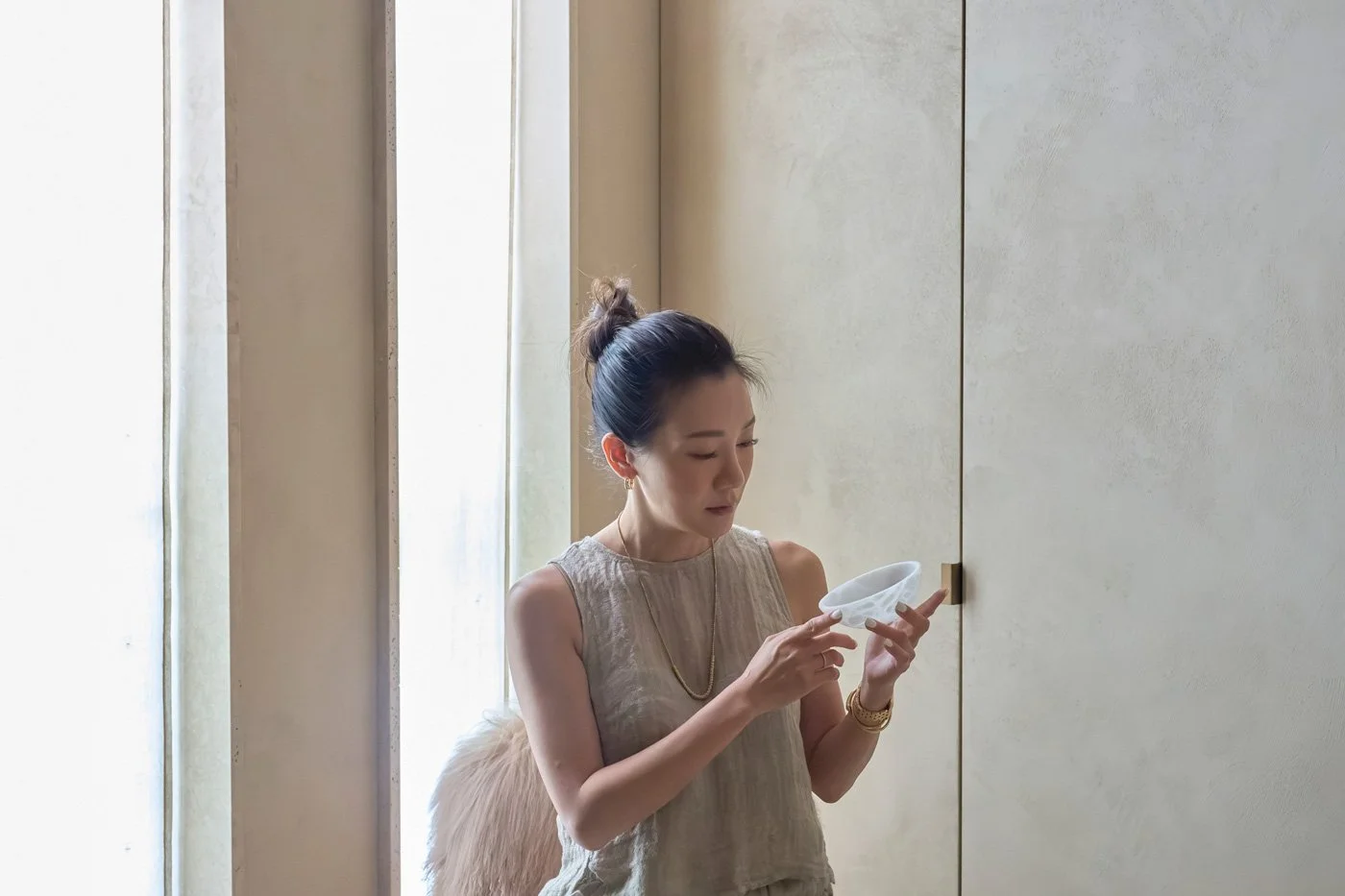
Travel is a way for me to recharge. What I see and feel abroad gradually seeps in, often without me realizing it. Earlier this year, I took an extended independent trip to Italy with a friend who knows the country well. Having more time allowed me to truly step into everyday life there, to slow down and experience the culture as it is lived.I found that what stayed with me most were often the simplest moments. Food, for example, might be nothing more than tomatoes, olive oil, and a pinch of salt. Yet that sense of natural clarity and purity is something I deeply appreciate.
During the trip, we also visited the marble quarries and cave interiors in Carrara. It was a powerful experience. Locals even use marble to press and cure fermented meats such as salami. The stone’s mineral content, weight, and cool temperature create ideal conditions for fermentation.
Observations like these made me think more deeply about materials and their physical qualities, and how they can connect more directly with human senses and the practical needs of daily life.
-
Jamie:
Were there moments or spatial details during your travels that changed how you see space?K:
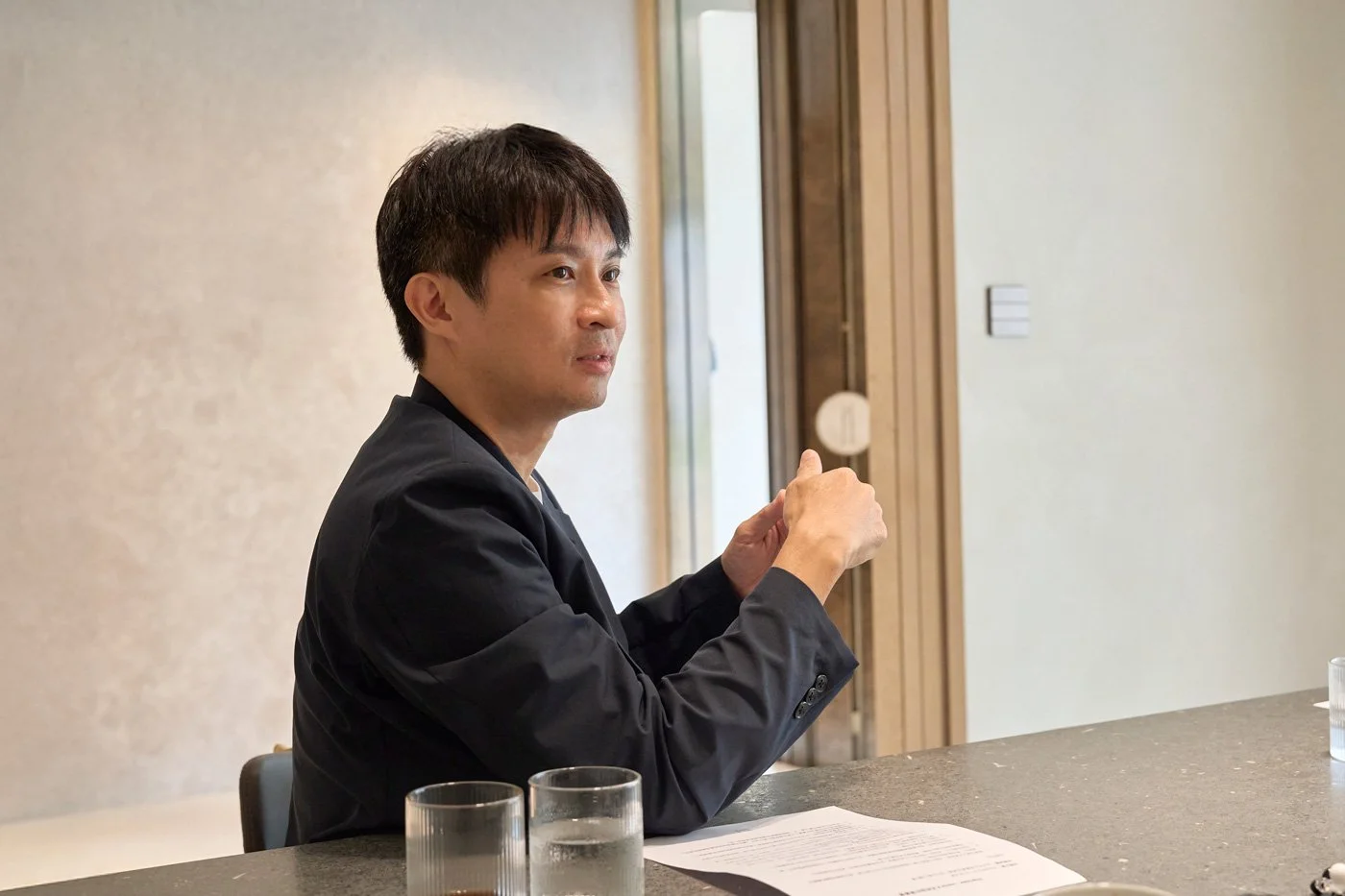
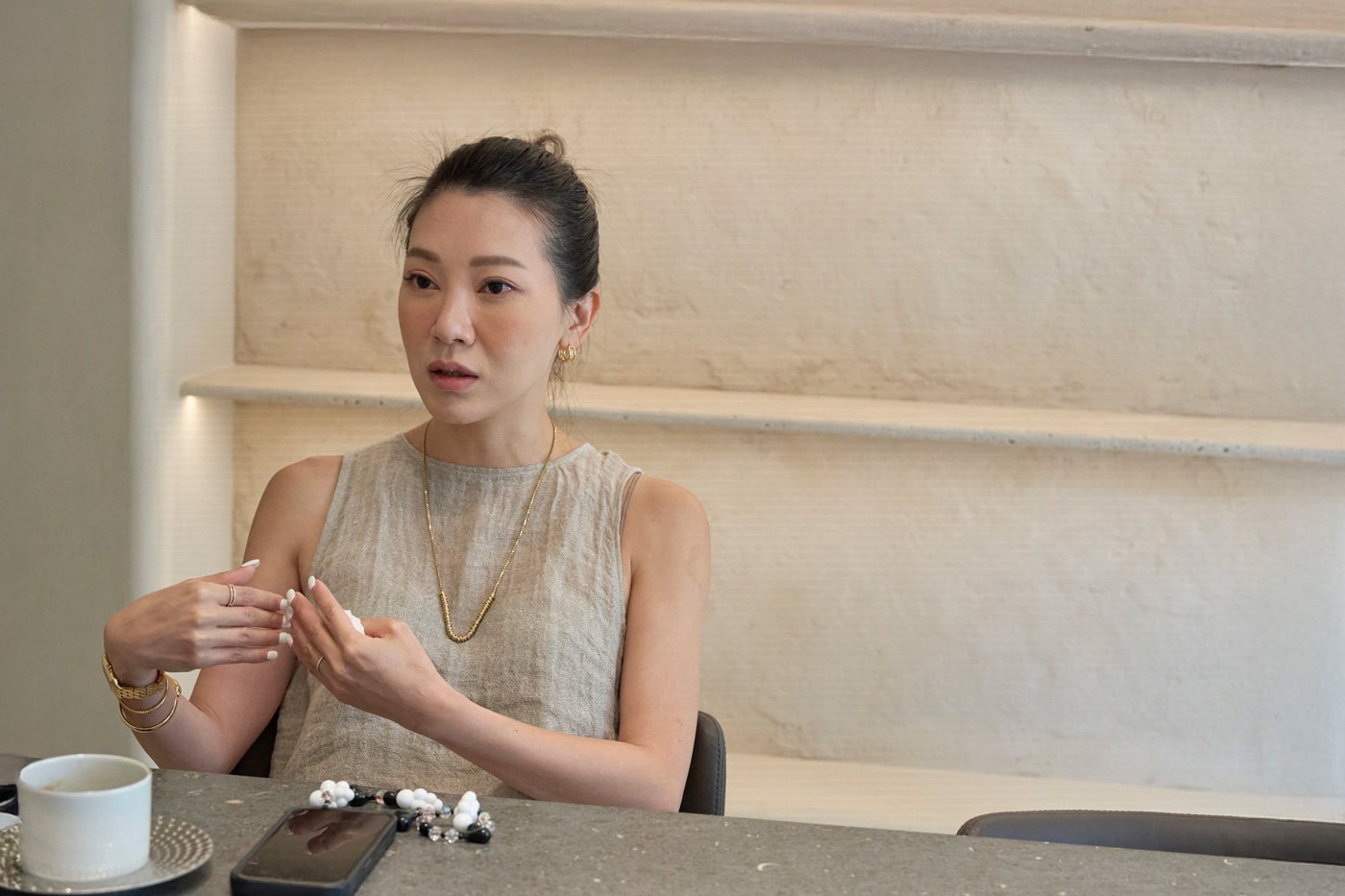
For several days, we chose to stay in places with four to five hundred years of history, including former monasteries that had been converted into guesthouses. Traces of old frescoes remained on the walls, and the wooden furniture carried a visible sense of age. Living with history in this way offered a very different experience from staying in standardized modern hotels, and it reshaped how I think about a space’s original character and the importance of preservation.I also paid close attention to architectural details in Italy, such as the way windows are designed to open, the construction of shutters, and the layered tones of wall colors. These are very concrete elements, yet they hold a quiet richness. They are the kinds of details I can imagine translating and reinterpreting in future projects.
-
Q: When you travel, how do you observe and absorb what you experience, and how does that stay with you once you return to work?
K:
I mostly rely on observation. I do take photographs, but what stays with me more strongly is the direct experience. The quality of light, the temperature and humidity in the air, the textures you touch. These sensations register on a physical level.Once they settle into memory, they do not need to be consciously recalled. Over time, they naturally resurface in my work, often without me realizing where they first came from.
Q: If we think of travel as a shift in pace, how do you translate that experience into spatial design?
K:
It often comes down to transitions and moments of pause. These are what allow people to slow down and reset as they move through a space.In our new studio, the courtyard plays that role. It creates a brief passage before entering the main interior. As you walk through it, you notice the plants and the changing light. In just a few seconds, your mindset begins to shift away from the city.
That layering of experience is similar to what happens when you encounter an unexpected scene while traveling. Even within a workday, it allows for a small mental departure.
大部分時間,我不想透過手機螢幕去看世界,卻錯過當下那份直擊心靈的震撼
-
Q You mentioned the phrase “harmony between people leads to harmony in energy.” How does this idea influence your design approach?
K:
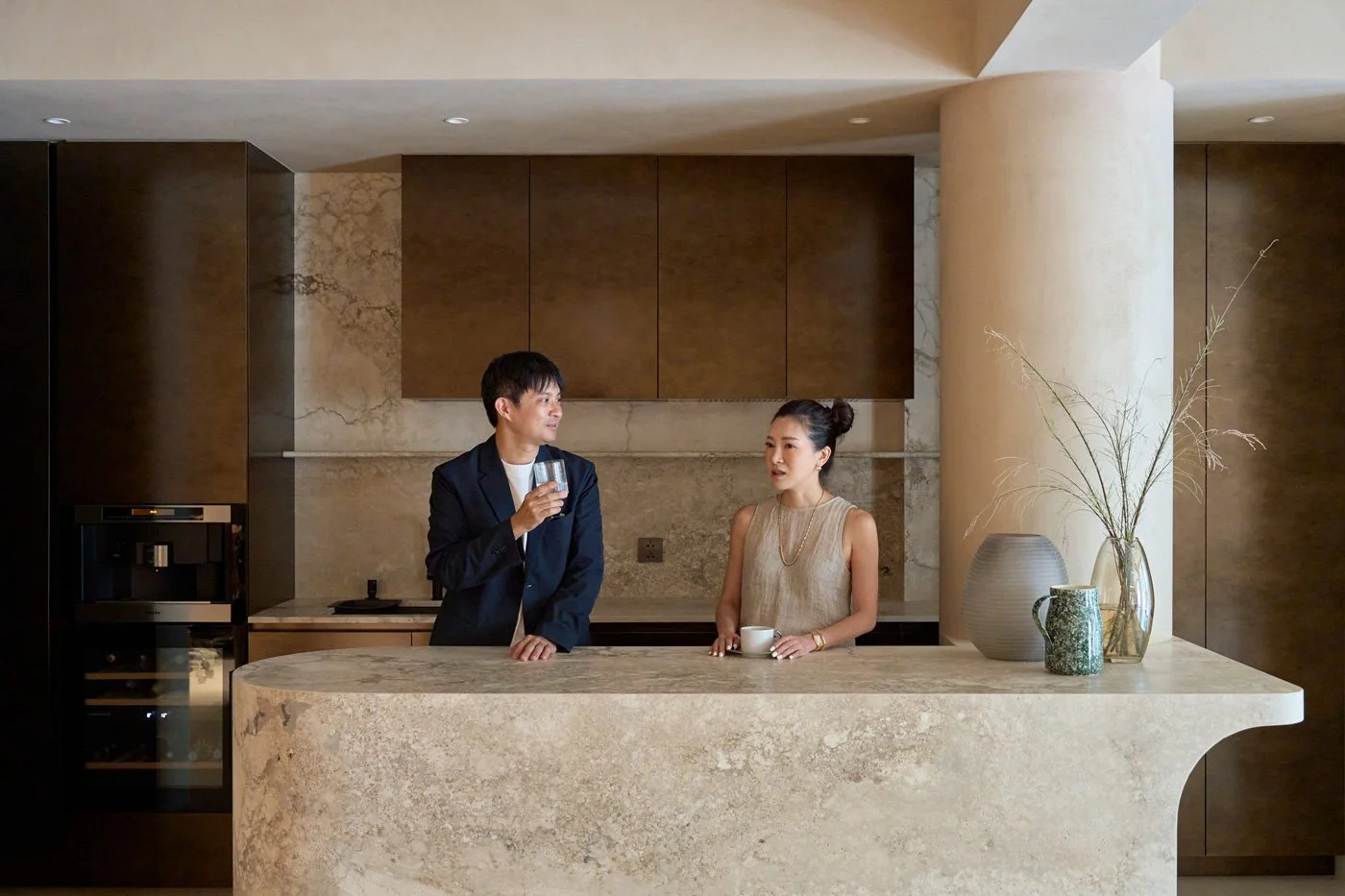
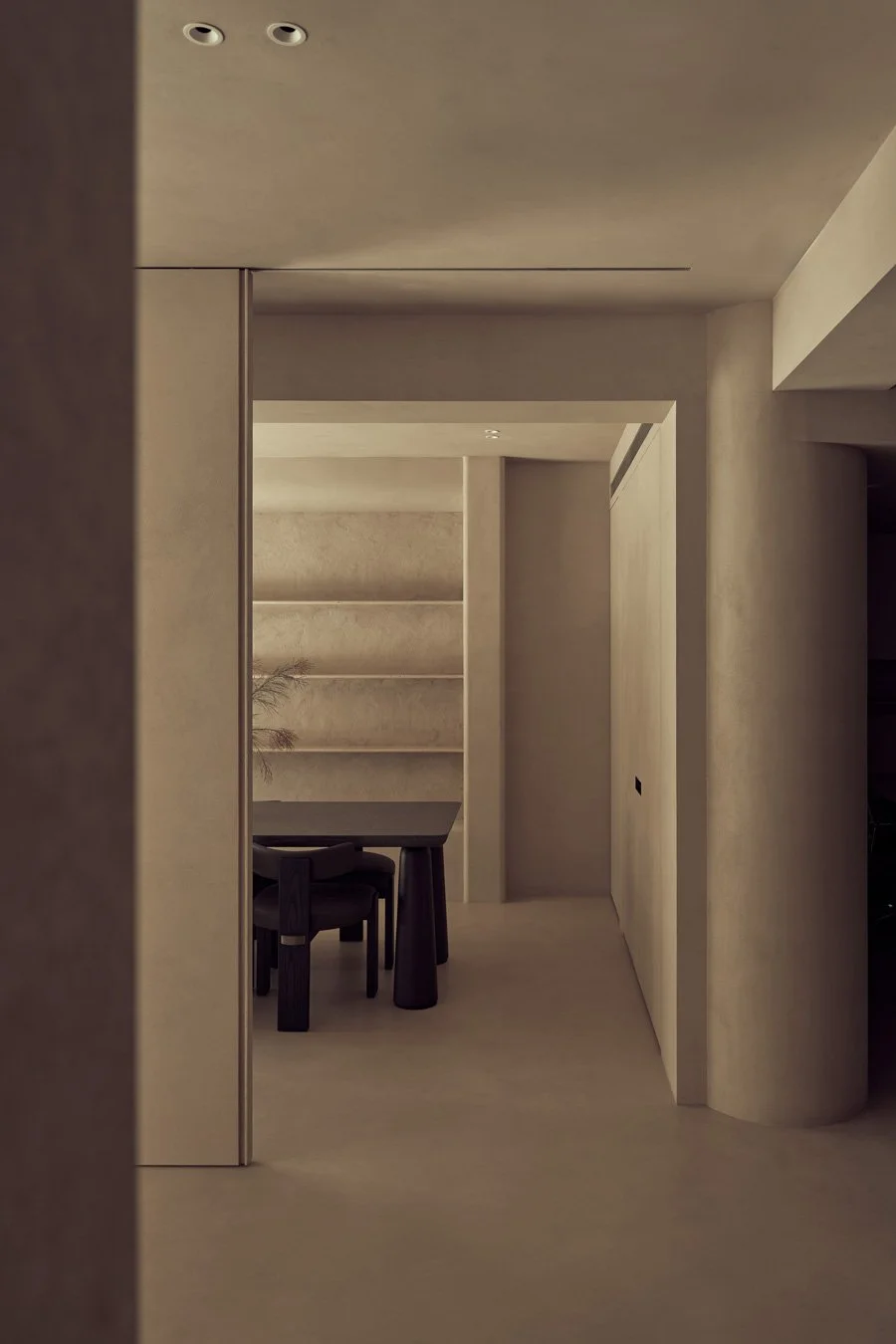
At its core, the idea is about creating an atmosphere that feels clear, warm, and balanced. As our name suggests, HOHO Design is rooted in the belief that people and their environment must be in harmony. When a space is balanced, the people within it can relate to one another more naturally.This thinking often appears through rounded details in our work. These forms are never decorative for their own sake. Each curve responds to a spatial condition. I consider where softness is needed and where a sharper edge should remain. Through proportion and sensory judgment, materials begin to feel warmer. As people move through the space, the experience becomes calm, comfortable, and quietly coherent.
-
Q: In minimalist spaces defined by restraint and openness, how do you preserve a sense of warmth and emotion?
K:
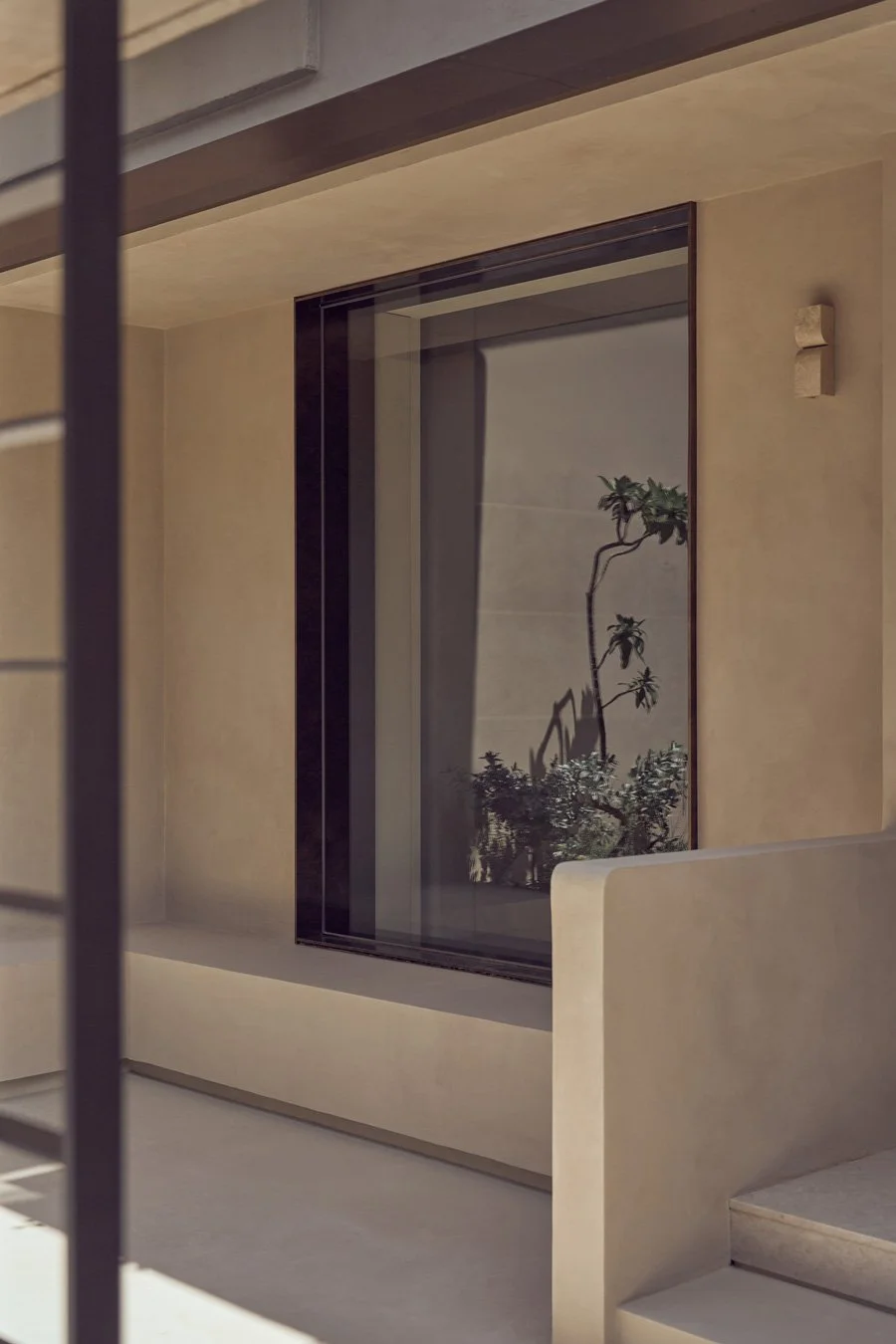
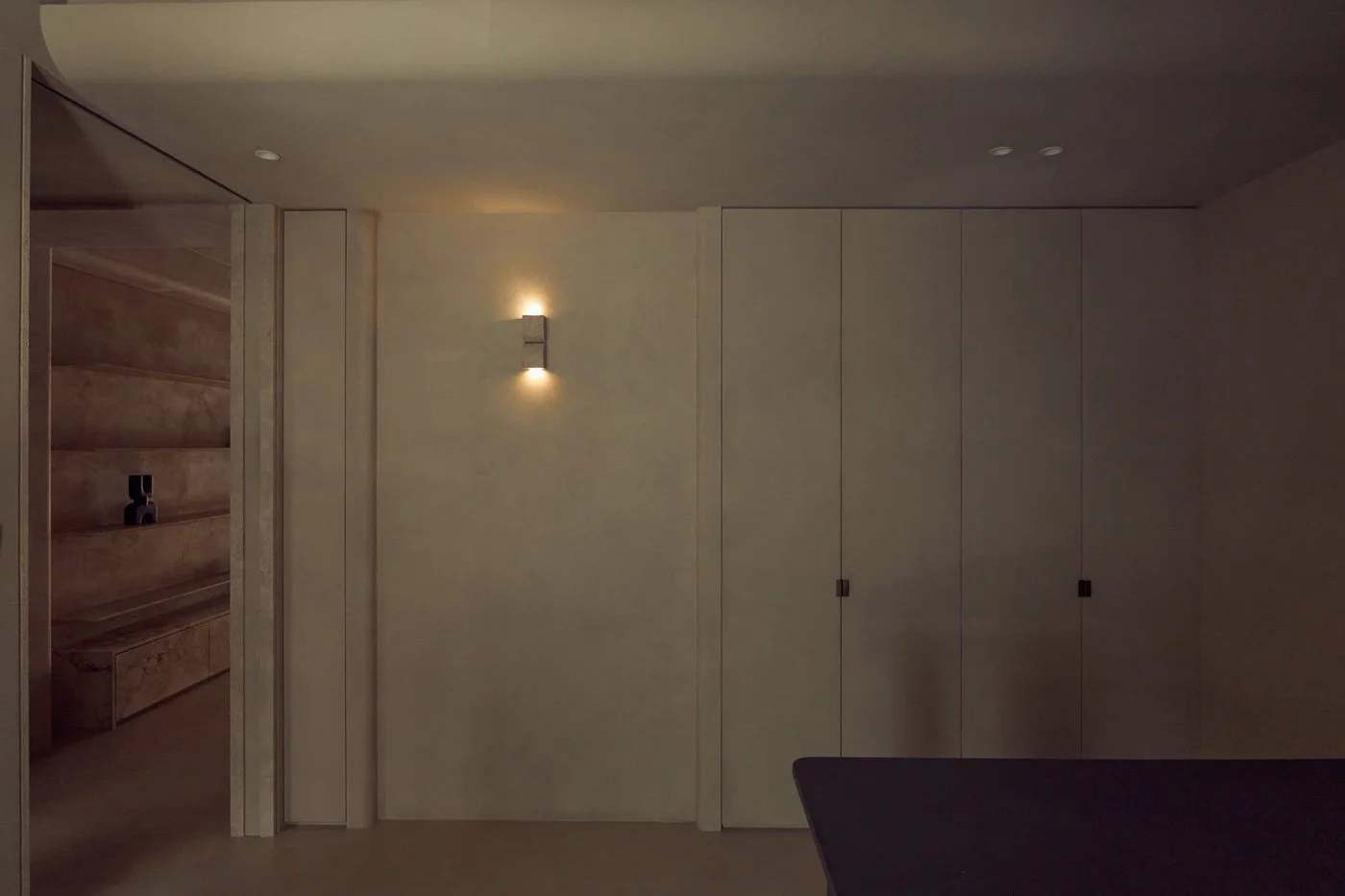
For me, it comes down to how the space supports everyday life. Even within a minimal structure, warmth can be built in through a few essential elements.The first is the view. I pay close attention to what the windows frame. A calm, generous outlook can immediately soften the atmosphere of a room.
Light is just as important. The way light moves and settles gives an otherwise quiet space its character. Lastly, I rely on natural materials. By reducing artificial finishes and letting materials remain close to their natural state, the space feels more grounded and more human.
-
Q: As the team continues to grow, how do you maintain HOHO Design’s aesthetic core while allowing the studio to evolve?
K:
I do not deliberately position myself as a leader. I share my perspectives, but I also give my team space to create independently. When different ideas come together and inform one another, that exchange itself becomes a reflection of the HOHO spirit.Jamie:
How do you usually collaborate and communicate within the team? And how do you build trust with clients so they feel open to more progressive or unconventional ideas?K:
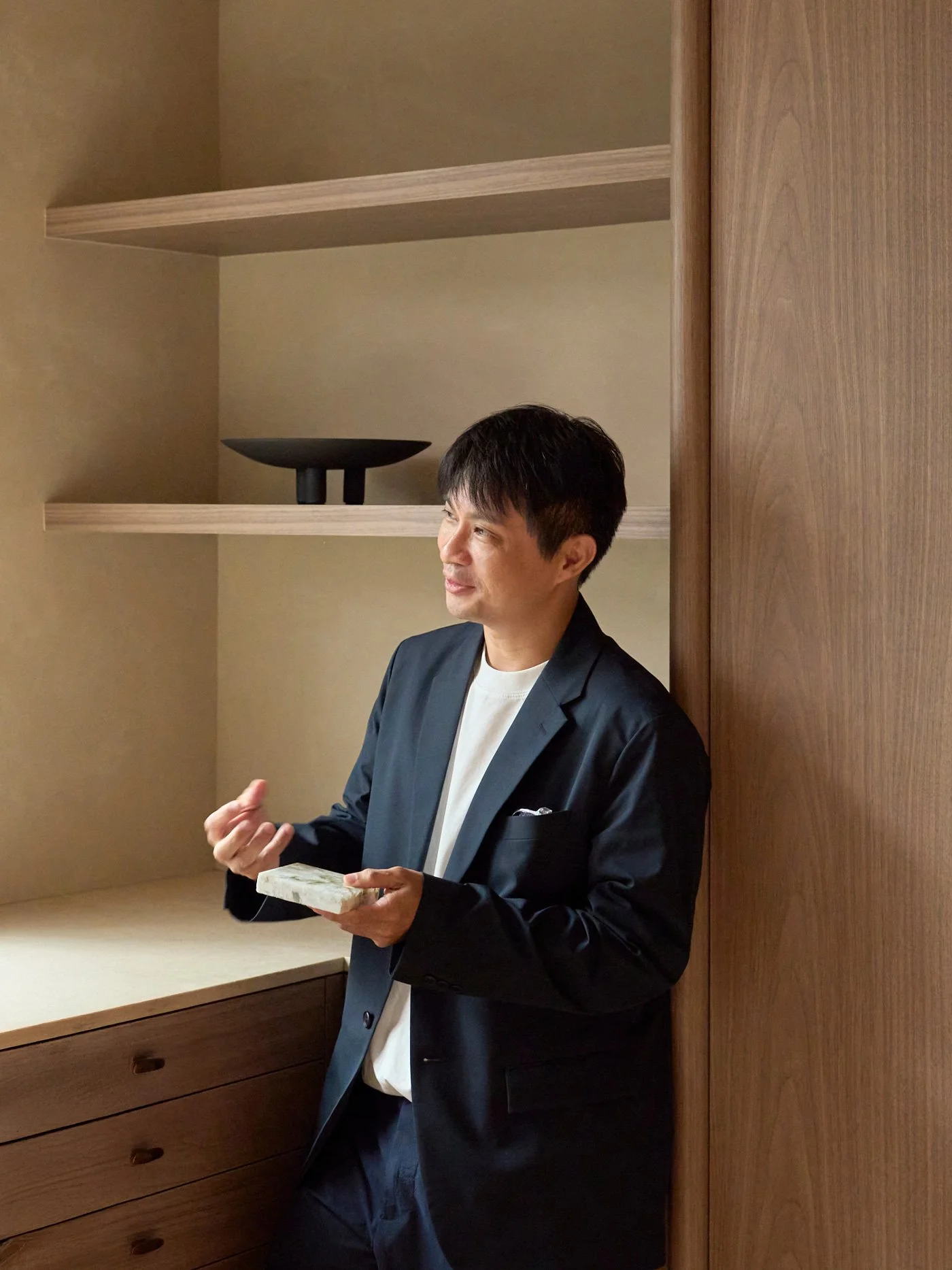
Internally, I allow a great deal of creative freedom. Externally, the priority is always to establish trust with the client first. Once that foundation is in place and their needs are properly met, I may gradually introduce elements that reflect my own design intentions. I never force my ideas into a project. Instead, I work within a framework of respect and shared understanding, guiding clients toward possibilities they may not have initially considered.
-
Q: You also teach at college. How does working across generations influence your perspective on design?
K:
I teach architecture students at university, and to me they are genuinely young and curious in the best way. The age gap is incredibly enriching. Learning is never one directional. While I am there to teach, I often find myself learning just as much from them.The younger generation has its own way of seeing the world and forming logic. Through conversation and exchange, new perspectives emerge, sometimes ones I would never have arrived at on my own.
The same dynamic exists within my studio. We have team members who graduated only recently, and I enjoy understanding what they are learning, talking about, and drawn to. Seeing the world through each other’s eyes is what keeps the spirit of design flexible and alive.
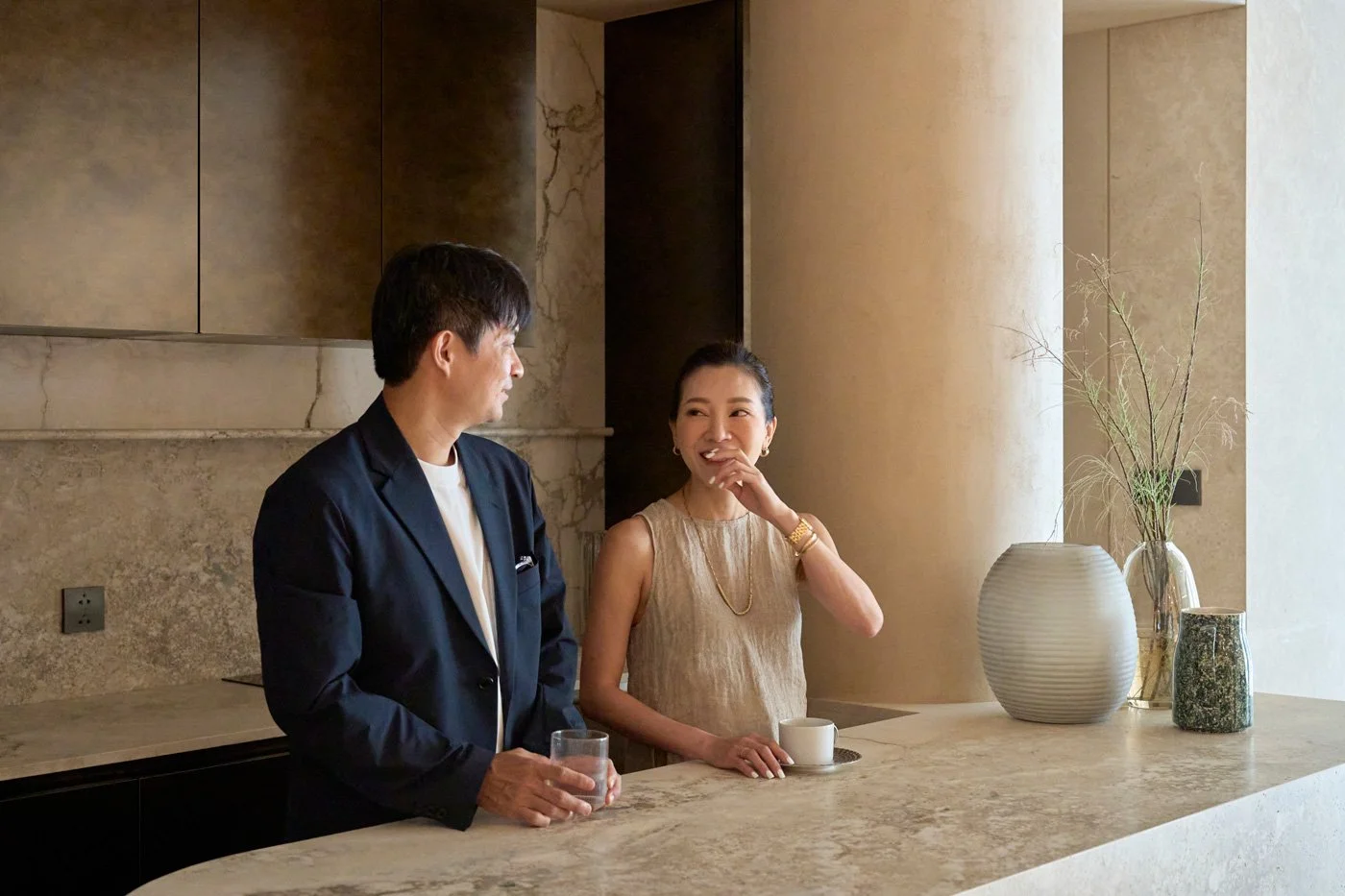
攝影|Jamie Lo、ChichiL