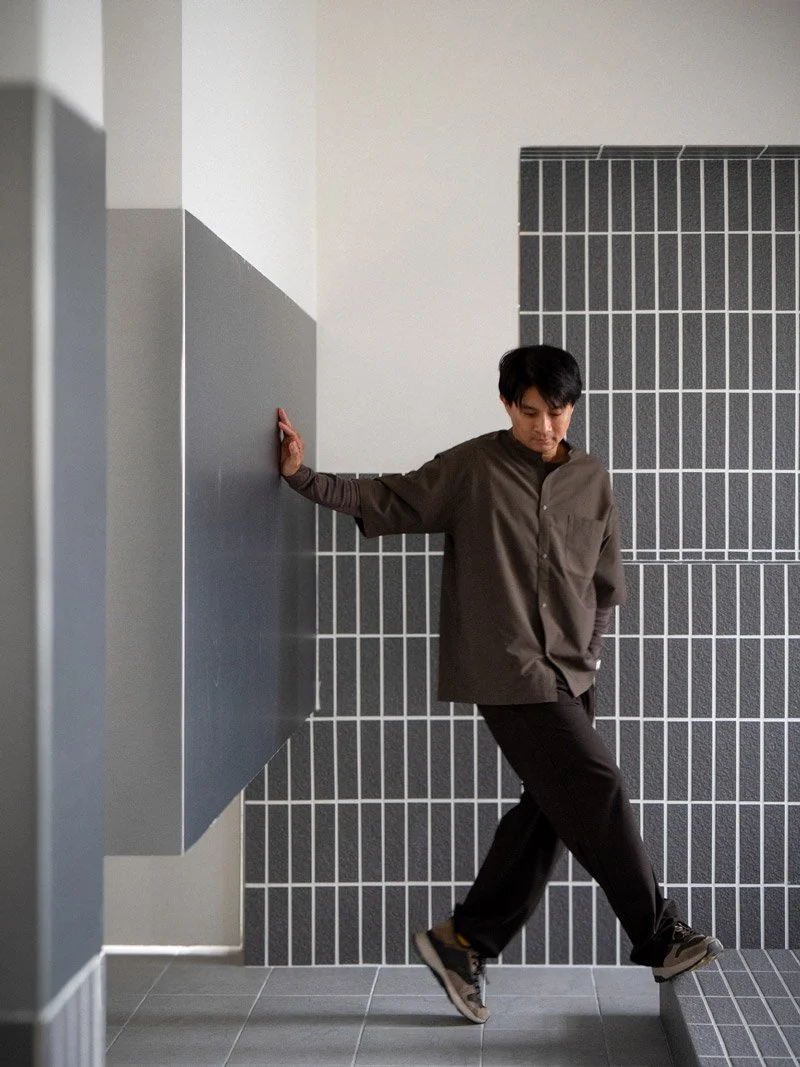
在跨界中,找到商業與生活的黃金比例:專訪 ININHOME 創辦人暨設計總監 Vanessa 林佳語
ININHOME 創辦人暨設計總監 Vanessa 林佳語(Vanessa, Head Director of ININHOME)
-
"Many believe design relies on intuition, but logic and data are vital to entrepreneurship. You cannot value aesthetics while ignoring these two elements," Vanessa stated gently yet firmly.
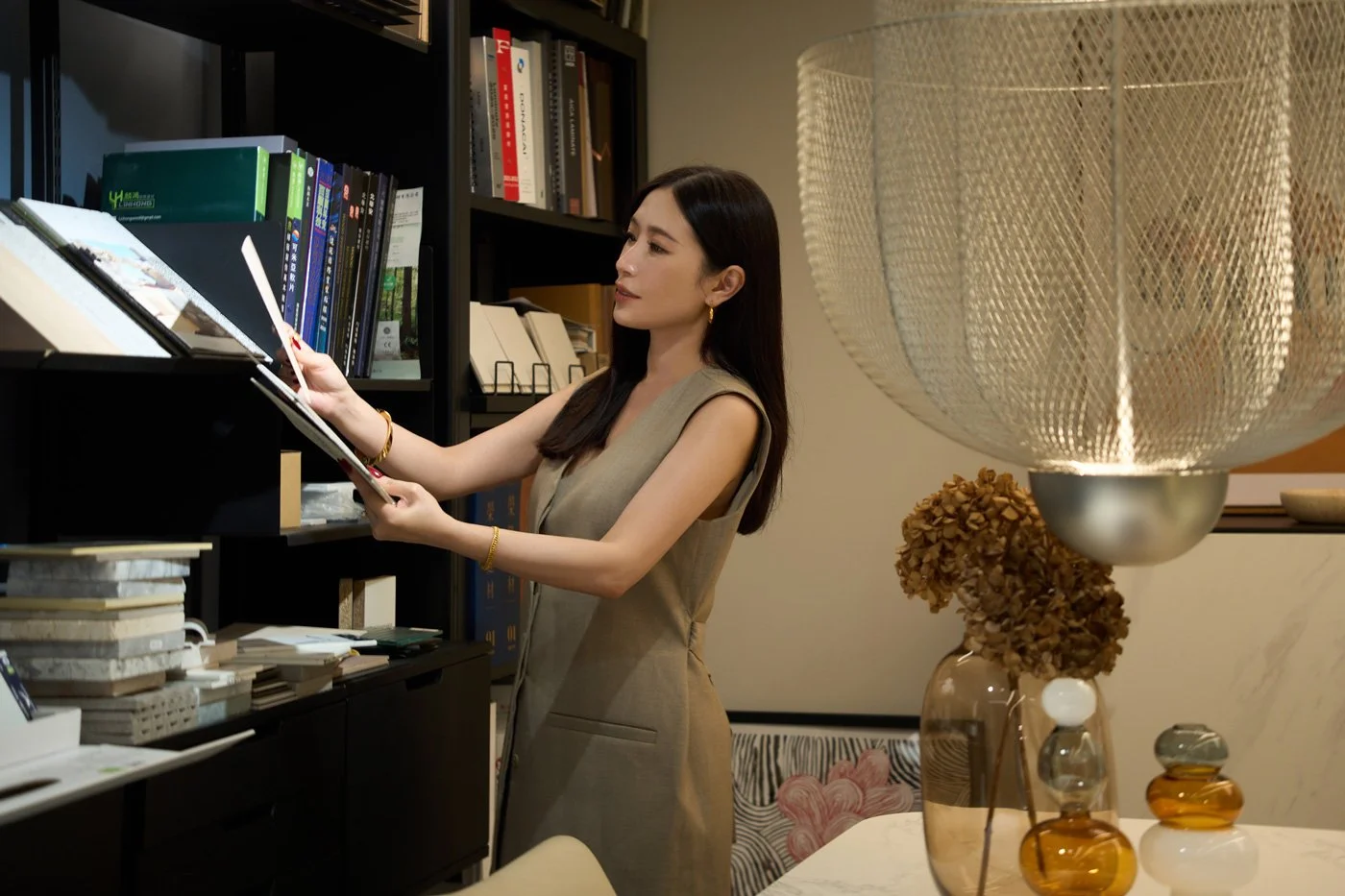
Through multiple collaborations, ININHOME founder Vanessa has consistently radiated energy and clarity, balanced by a composure refined through years in business. She entered the apparel industry during college, navigating the competitive retail sectors before pivoting decisively into home aesthetics and even a dietitian brand. Her career path seems indirect but follows a clear logic. It reveals her sharp intuition for market needs and an unwavering pursuit of a quality lifestyle.
In this interview, we explore her entrepreneurial journey as a woman, her transition from fast fashion to slow living, and how she wisely channels her energy across multiple roles to elegantly build her aesthetic community.
-
From Fast Fashion to Slow Living: A Rebellious Step Outside the Comfort Zone
Q: What prompted your transition from the early apparel industry to home decor, interior design, and eventually a dietitian brand?
Vanessa:
It stemmed from reflecting on industry cycles. I started an online clothing business in college and ran my womenswear brand I'MIUSA for years. That environment was stressful and rapidly changing. A season lasts three months, but trends shift every few weeks. Constantly chasing trends made balancing work and life difficult.Observing the market, I realized the structure was shifting and apparel profit margins were declining. I began exploring new opportunities for sustained value based on my experience. When I discovered home decor, I realized its product life cycle contrasts sharply with fast fashion. Furniture is enduring. While preparing to open my store, I found sourcing attractive furniture in Taiwan required visiting countless locations. I wished for a single platform to meet all those needs.
-
Jamie: Creating ININHOME was an insight driven by a consumer perspective?
Vanessa: Exactly. I love analyzing the market to identify what is missing and what frustrates people. Solving those pain points creates business opportunities. My entrepreneurial logic stems from being a consumer myself and proposing solutions to the problems I observe.
For example, our website features furniture on pure white backgrounds because I know designers need clean images for presentations. That is empathy in practice. Having been a consumer struggling to find soft furnishings, I understand their frustrations. Successful entrepreneurship is about solving problems, not just personal satisfaction.
Jamie: Beyond website design, how have your services adapted to address these pain points?
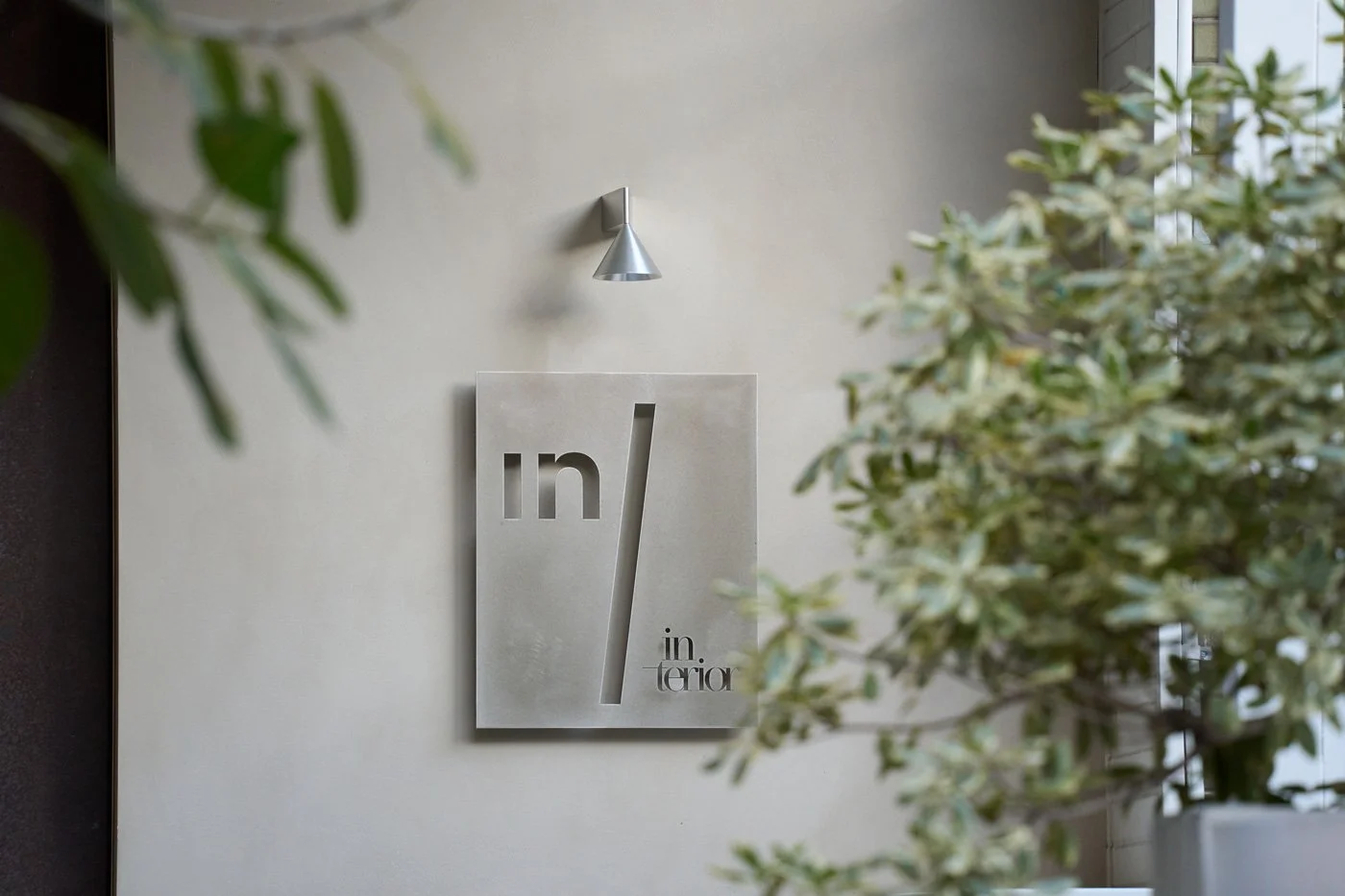
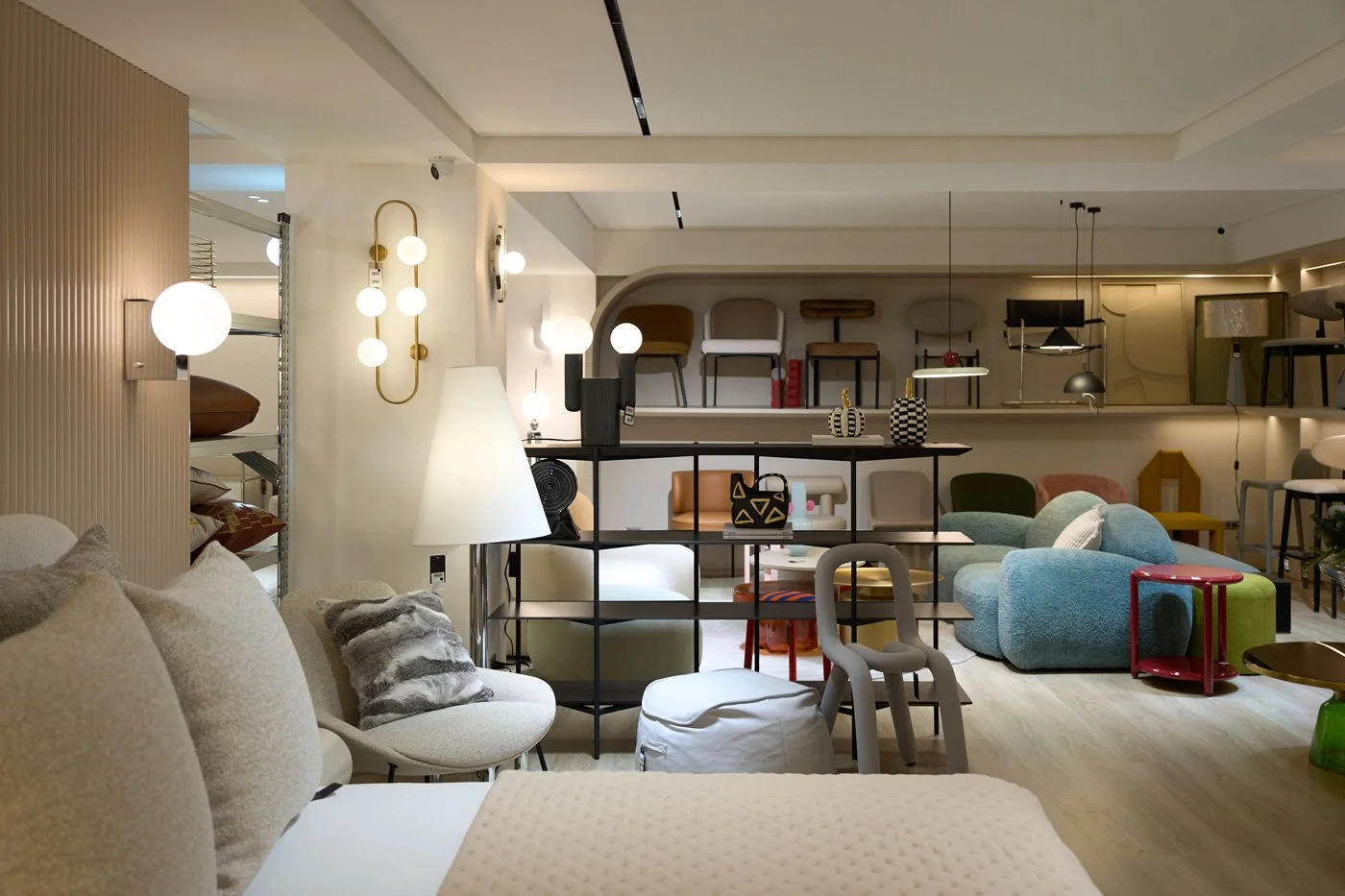
Vanessa: We established a soft furnishings department and introduced light renovation services. I noticed a market gap where some clients do not need major structural changes or plumbing work. They simply want new paint, updated flooring, added storage, or a cohesive furniture style. Traditional design firms often decline these smaller projects, yet consumer demand is massive. We provide this service so our decorators can handle lightweight renovations, solving the problem for clients who only want to modify specific areas.
-
Jamie: Did you apply the same logic when expanding into the dietitian brand?
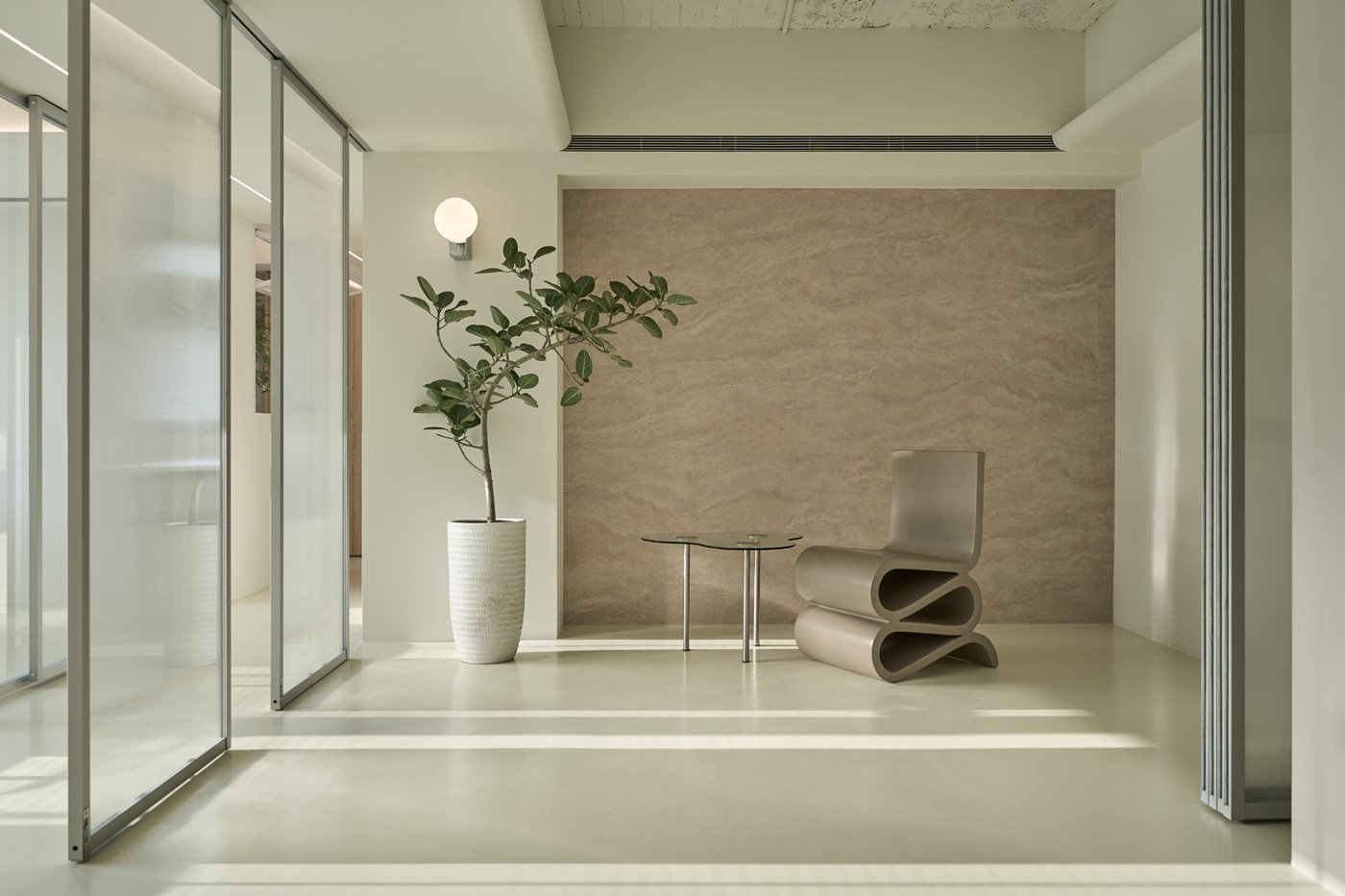
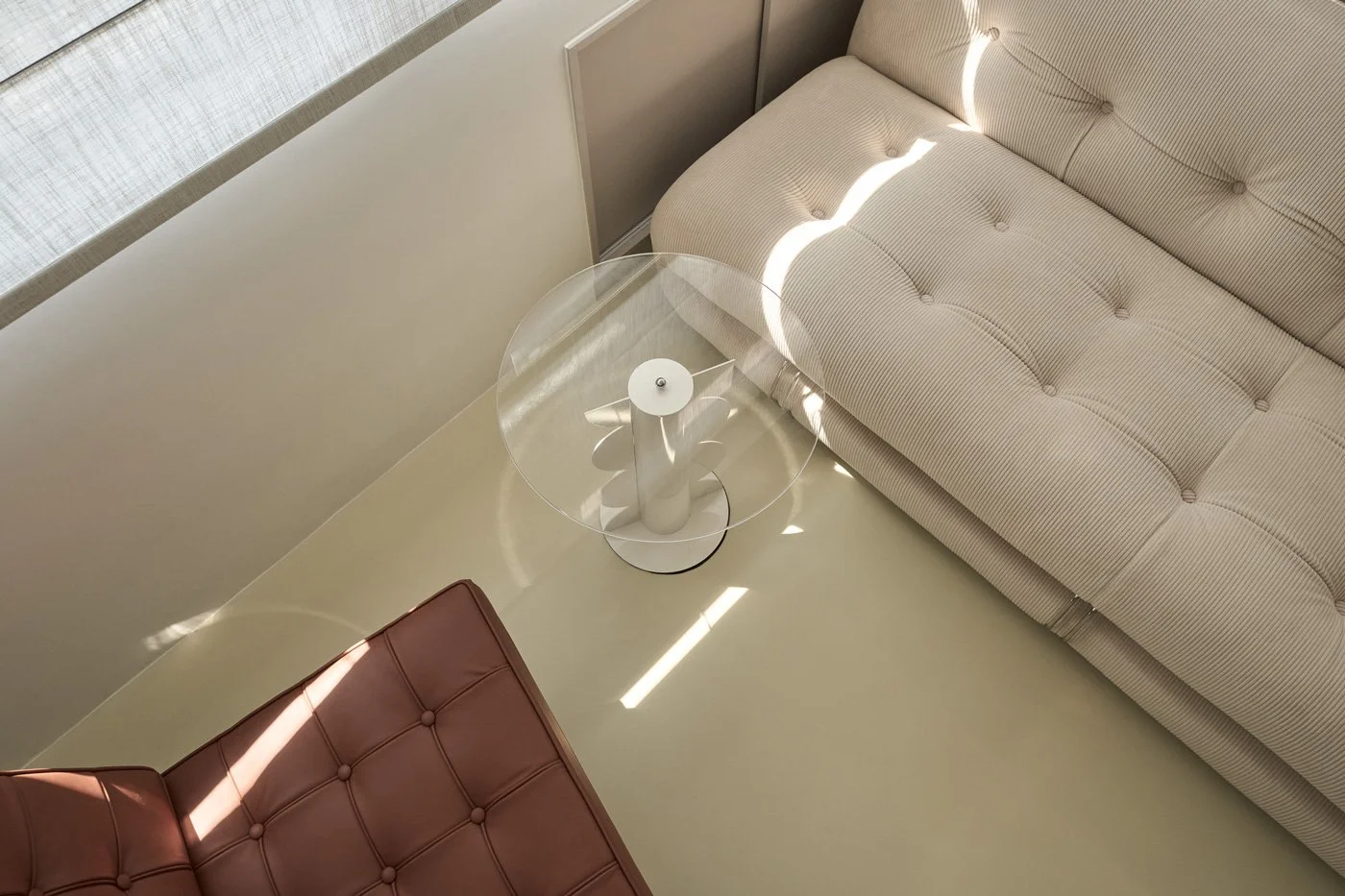
Vanessa: Yes. People usually associate seeing a dietitian with stressful, sterile hospital environments. I wanted to transform that experience into something as enjoyable as visiting a salon. You go there to relax and get healthy, not to seek medical treatment. Injecting aesthetic experiences into different industries is the core of my entrepreneurship.
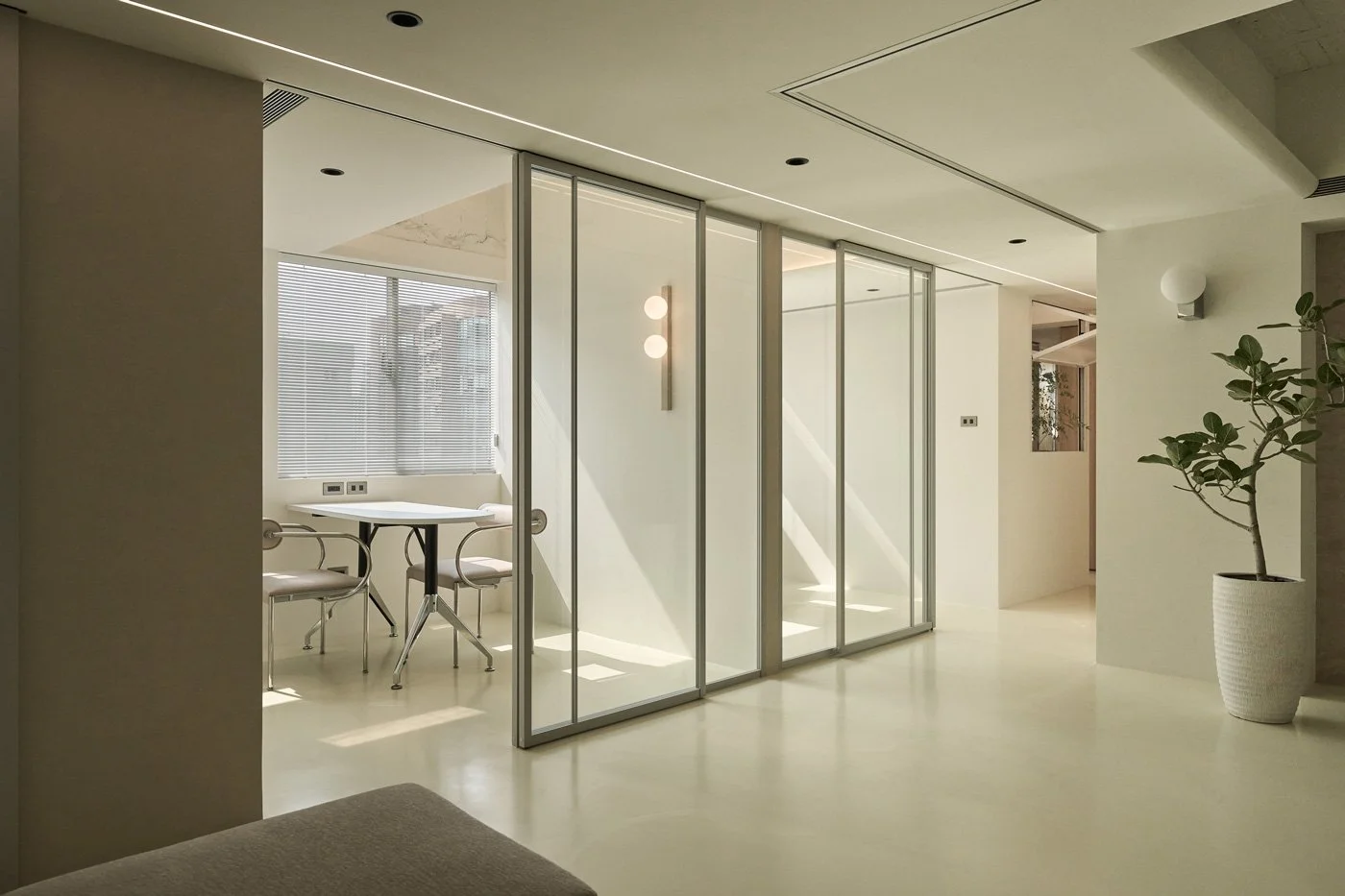
將美學體驗植入營養師諮詢場域
-
Between Data and Intuition: Precisely Measuring the Market
Q: Balancing commerce and art is often difficult. How do you find that equilibrium?
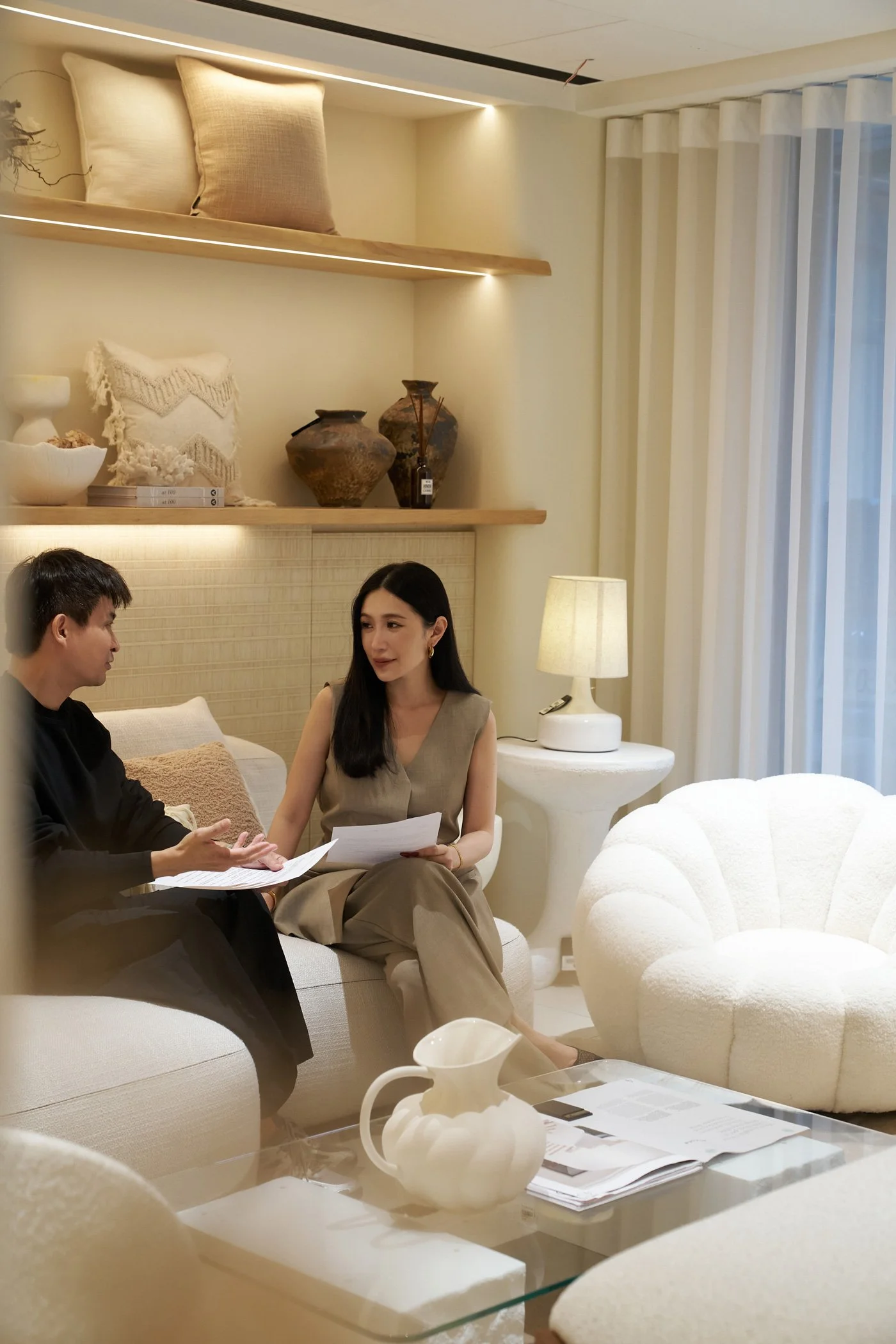
Vanessa: I consider myself fortunate here. The things I like happen to appeal to the public, but I insist on staying slightly ahead of the market. Just slightly, not too much. Pure art pursues ultimate personal expression without needing to cater to the masses. However, running a company requires profitability and growth, demanding a precise gauge of market acceptance. Therefore, I rely on data. If I love a product type but the market reaction is cold, I adjust its proportion. I treat those items as symbols to elevate the brand image rather than primary sales drivers.
-
Jamie: This reminds me of the film industry. Hollywood often repackages visionary concepts from decades ago once the technology matures. If something is too niche or artistic, it cannot penetrate the mass market. This perfectly echoes your philosophy of staying just slightly ahead. How do you cultivate this market sensitivity?
Vanessa: I love observing trends, spanning design, international affairs, and technology. I even browse real estate websites daily because they reflect people's most authentic living needs.
I also translate inspiration gathered abroad. For instance, a guesthouse project we did in Yilan was inspired by a spa built inside a historical site in Milan. That space possessed a profound sense of history and tranquility. I considered how to extract those ancient elements and apply them to a Taiwanese guesthouse. Even without similar architecture here, we can use materials and atmosphere to offer guests a completely different spatial experience in Yilan.
Jamie: Speaking of trends, social media is highly competitive. How do you view the current anxiety over online traffic?
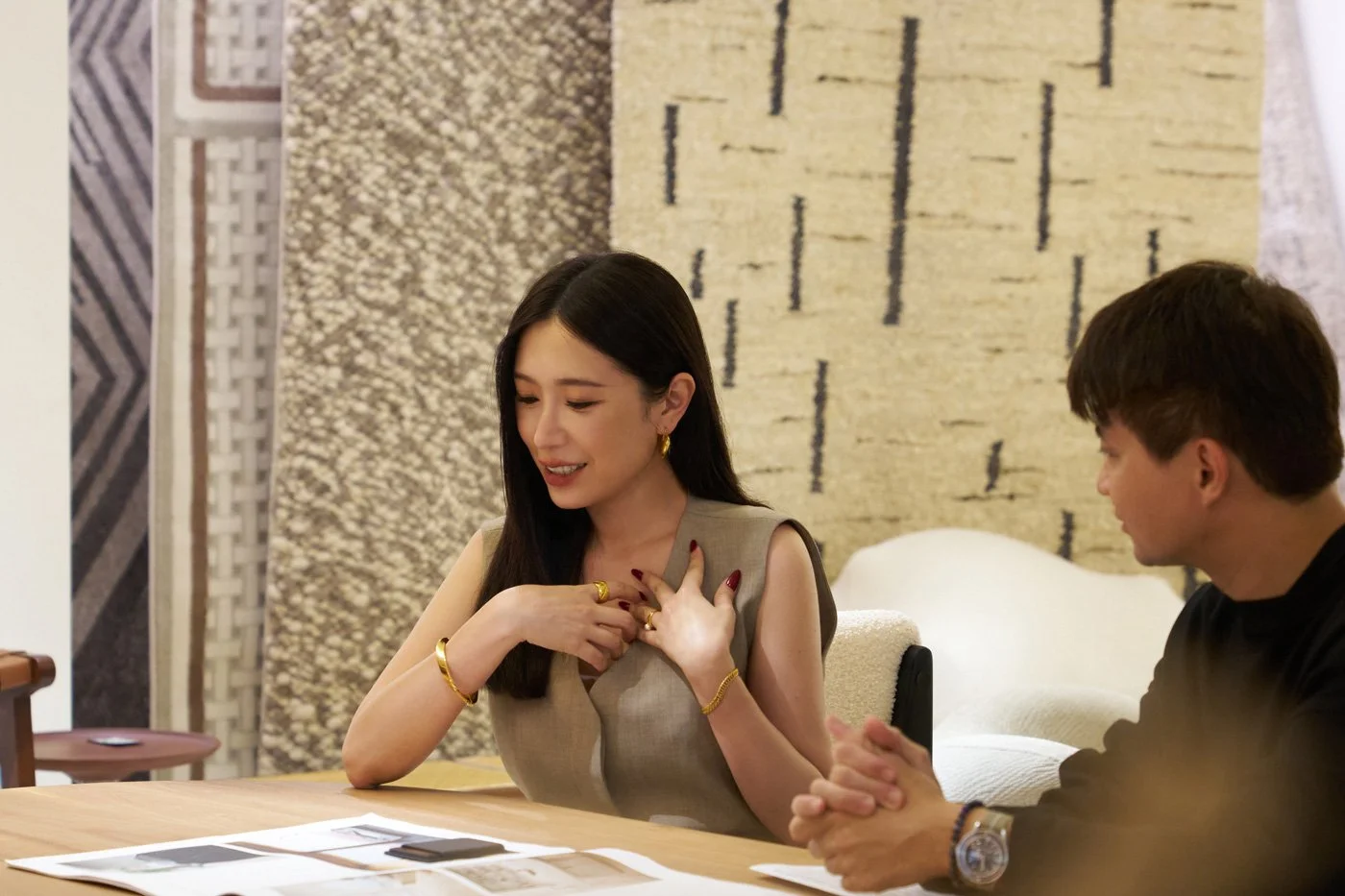
Vanessa: We are experiencing an information explosion, especially since artificial intelligence made content creation so easy. I believe in prioritizing quality over quantity. I prefer to stay quiet if I lack a truly valuable perspective or a great project to share. I refuse to bombard people just for traffic. In an era full of noise, providing content with depth and genuine warmth is rare. That is why, even while managing social media, I only post when I have something meaningful to say rather than feeding the algorithm.
-
Tearing Off Stereotypes: The Tenderness and Resolve of a Female Entrepreneur
Q: As a female entrepreneur, have you faced challenges related to gender stereotypes?
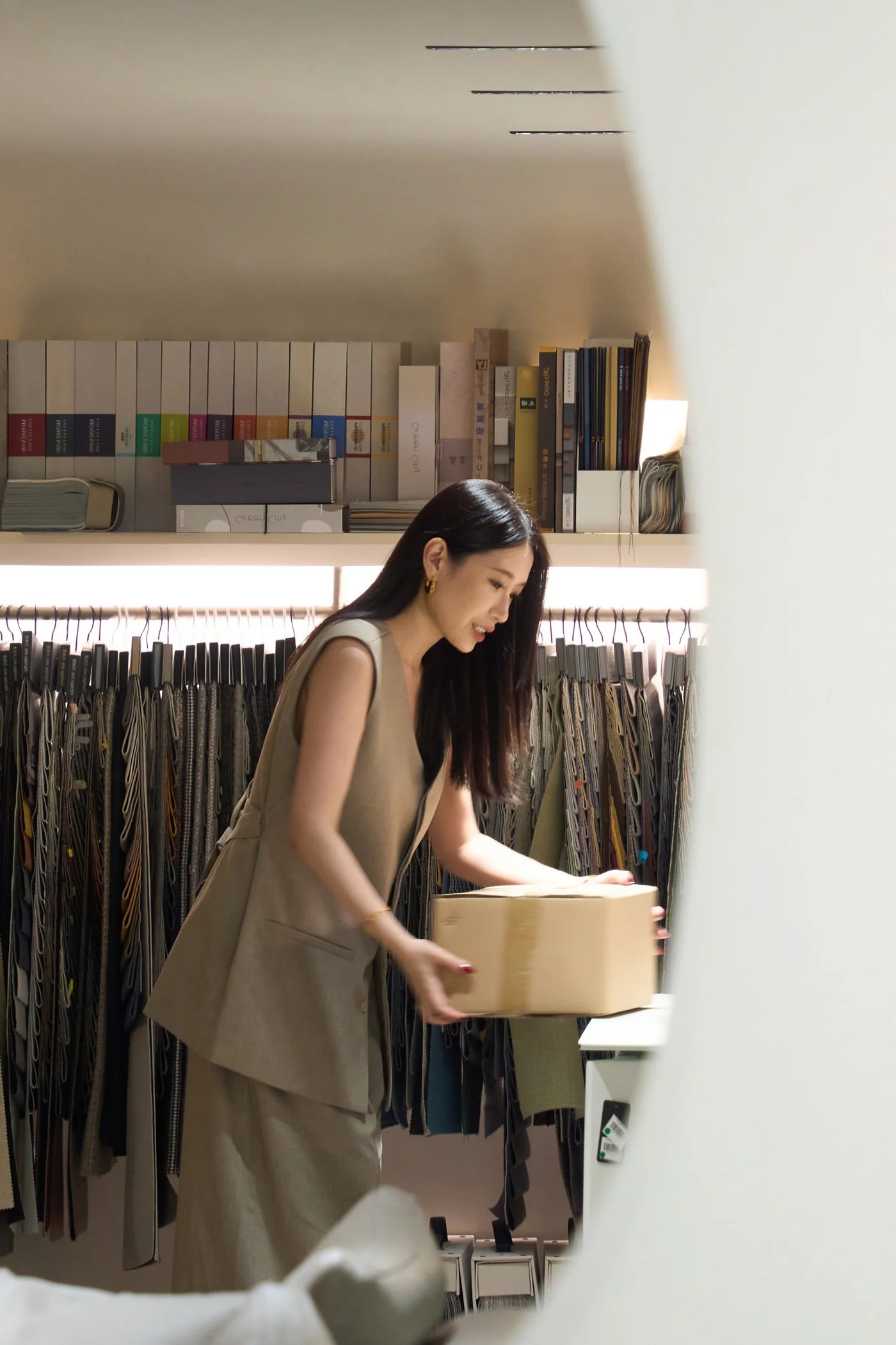
Vanessa: It happens incredibly often. Early in my career and entrepreneurial journey, women were easily stereotyped. Once at a traditional market, I asked the vendor to hurry because I was rushing to a meeting. She asked, "You are so pretty, do you still need to work?" I replied directly, "Yes, we are pursuing a path of being beautiful while running our own businesses."
To me, this was not just a reply but a choice and a way to speak up for women. Women can inherently possess multiple facets and the ability to create value across different fields. Every year I set goals, and one is ensuring my employees never experience the workplace unfairness I faced as a woman. Our company is predominantly female, and I want to build a work environment centered on professionalism and performance. Regardless of gender, every colleague should be recognized for their expertise and have a clear path for growth.
-
Jamie: That shows a strong protective instinct and sense of mission. Do you think women have unique advantages in management?
Vanessa: Delicacy and flexibility. In the workplace, we can be bold and decisive. However, when communication reaches a stalemate, being flexible is not a sign of weakness but a method for resolving problems. Sometimes, a gentle communication approach can resolve deadlocks.
Jamie: The outside world often labels female executives as emotional. How do you handle emotions at work?
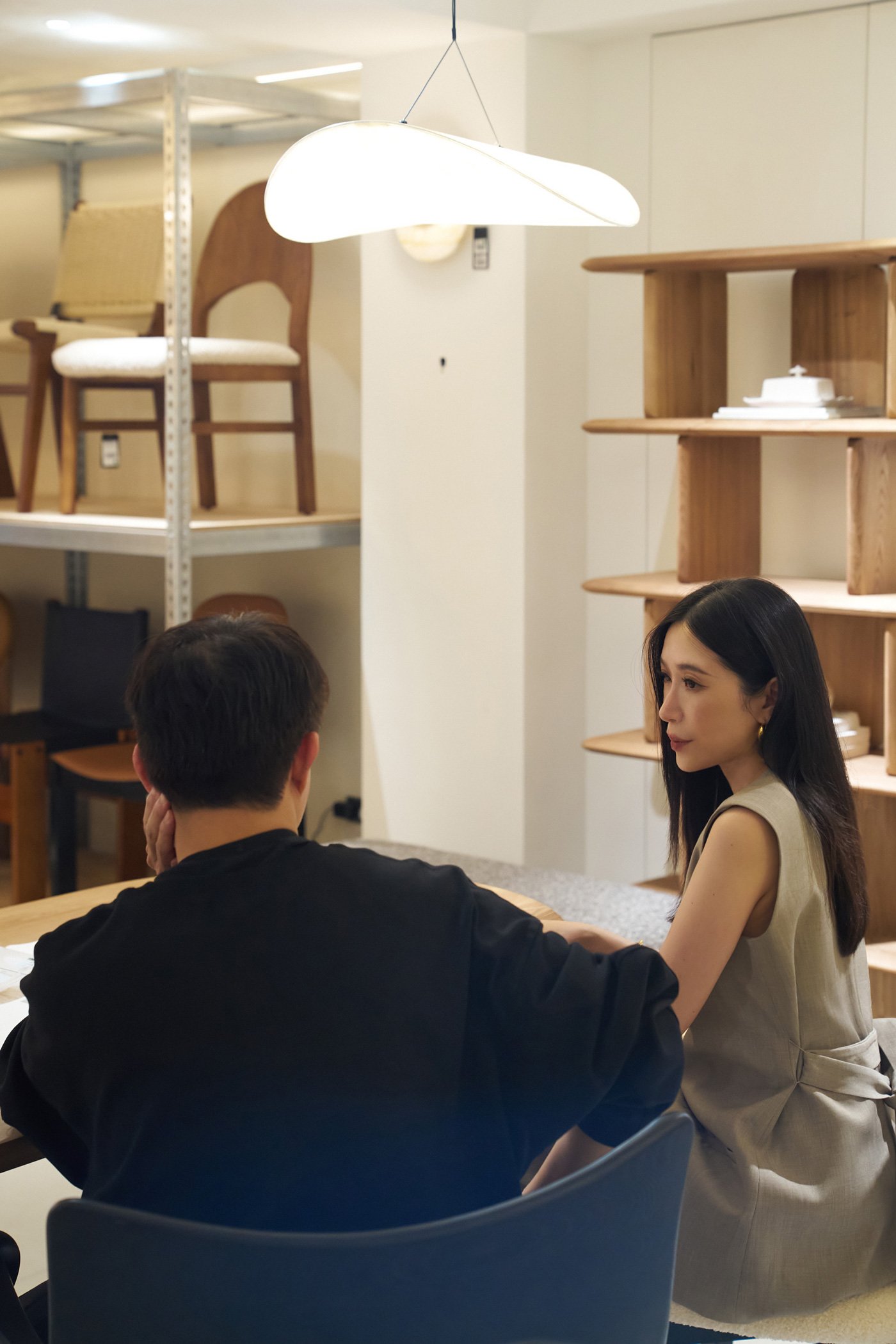
Vanessa: My philosophy is to prevent personal emotions from affecting the broader picture during work and when making decisions. A company is inherently driven by goals. Personal emotions from the boss or the team should not interfere with work. When a leader is trapped in emotion, decisions become inaccurate, and the team loses direction. For me, emotional management is a professional skill and a fundamental leadership responsibility. You are not just managing tasks but also yourself, preventing negative impacts on the company while regulating the rhythm of the entire team.
-
Switching Between Designer and Executive Roles
Q: You hold multiple titles as both a designer and an executive. How do you switch between these roles?
Vanessa: The main difference lies in perspective. A designer prioritizes their own work, while an executive must take an elevated view of overall development and operations. Solely taking a designer perspective makes it easy to overlook organizational structure and strategic planning needed for growth.
As an executive, I first consider what organization and division of labor the company needs at various stages, building a clear structure and assigning key roles to take responsibility in each department. As the company expands, I continuously adjust my position from direct involvement to focusing on making decisions and setting directions. My role is to provide frameworks and judgments, giving the team ample space to utilize their expertise within a clear direction.
-
Q: Finally, what advice would you give to aspiring entrepreneurs?
Vanessa: I have always learned by doing and committing fully. If you devote yourself to an industry and think about it daily, you will naturally become an expert in four or five years, even without formal academic training.
-
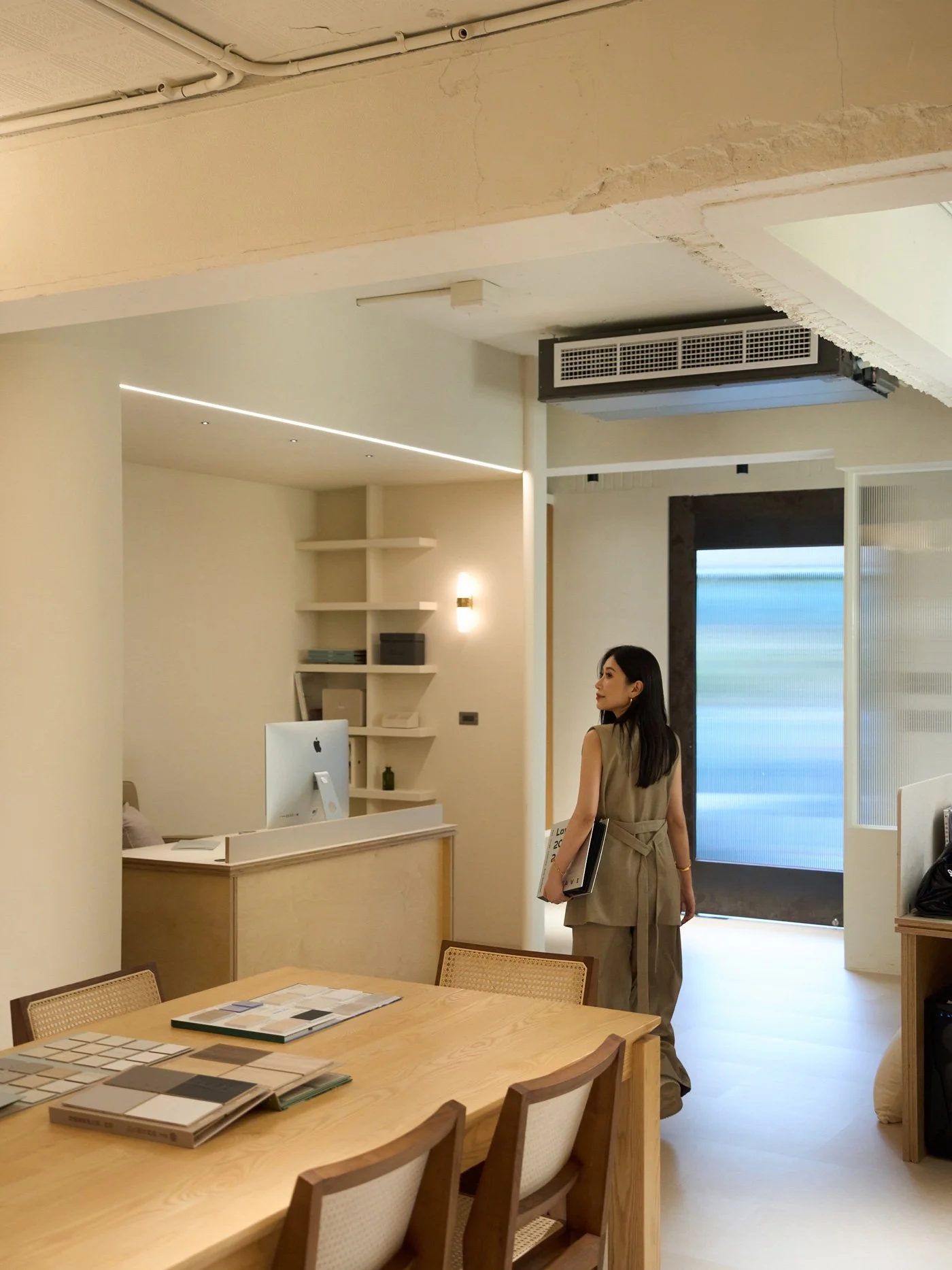
Watching Vanessa transition seamlessly from a sharp executive discussing revenue and organizational structure to someone with a softened gaze when talking about life feels entirely natural and genuine. She lacks the rigid tension of a traditional businesswoman, possessing instead a composure that has withstood market tests. Backing her taste with actual data and trading discipline for freedom, Vanessa strikes a perfect balance between emotional design and rational business, elegantly establishing her own golden ratio.
攝影|Jamie Lo、ChichiL