粼粼湖光畔的治癒之境:覺引設計 X 木子澄安診所,安然理順身心的雜沓與舒坦
-
The essence of life lies in seeking a tranquil haven to settle the body and mind amidst the chaotic flow of existence. This tranquility does not stem from physical isolation, but from finding a reorganized sense of peace within our bustling daily routines. The true power of architecture often lies not in forcefully intervening in life, but in establishing a silent order—guiding our paths and adjusting our pace and breathing, even when we most need rest.
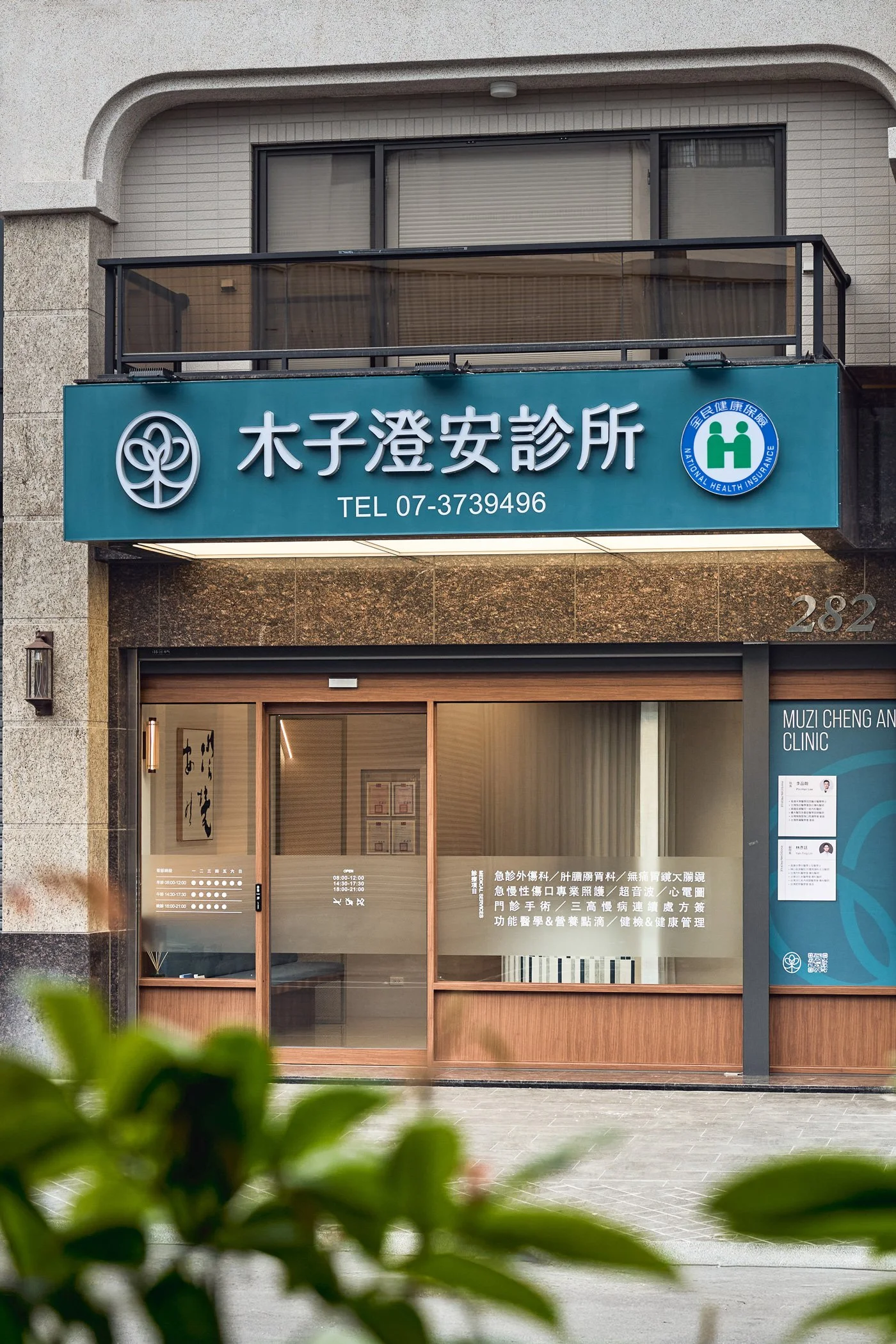
Situated by Chengcing Lake in Kaohsiung, the MuZi Cheng An Clinic is a concrete manifestation of this philosophy. Faced with the inherent spatial limitations of a long, narrow townhouse, Jour en Design redefines the relationship between "movement" and "pause" in a medical space through meticulous material selection, scale manipulation, and circulation planning. The result is a spatial structure that resonates deeply with the users' senses.
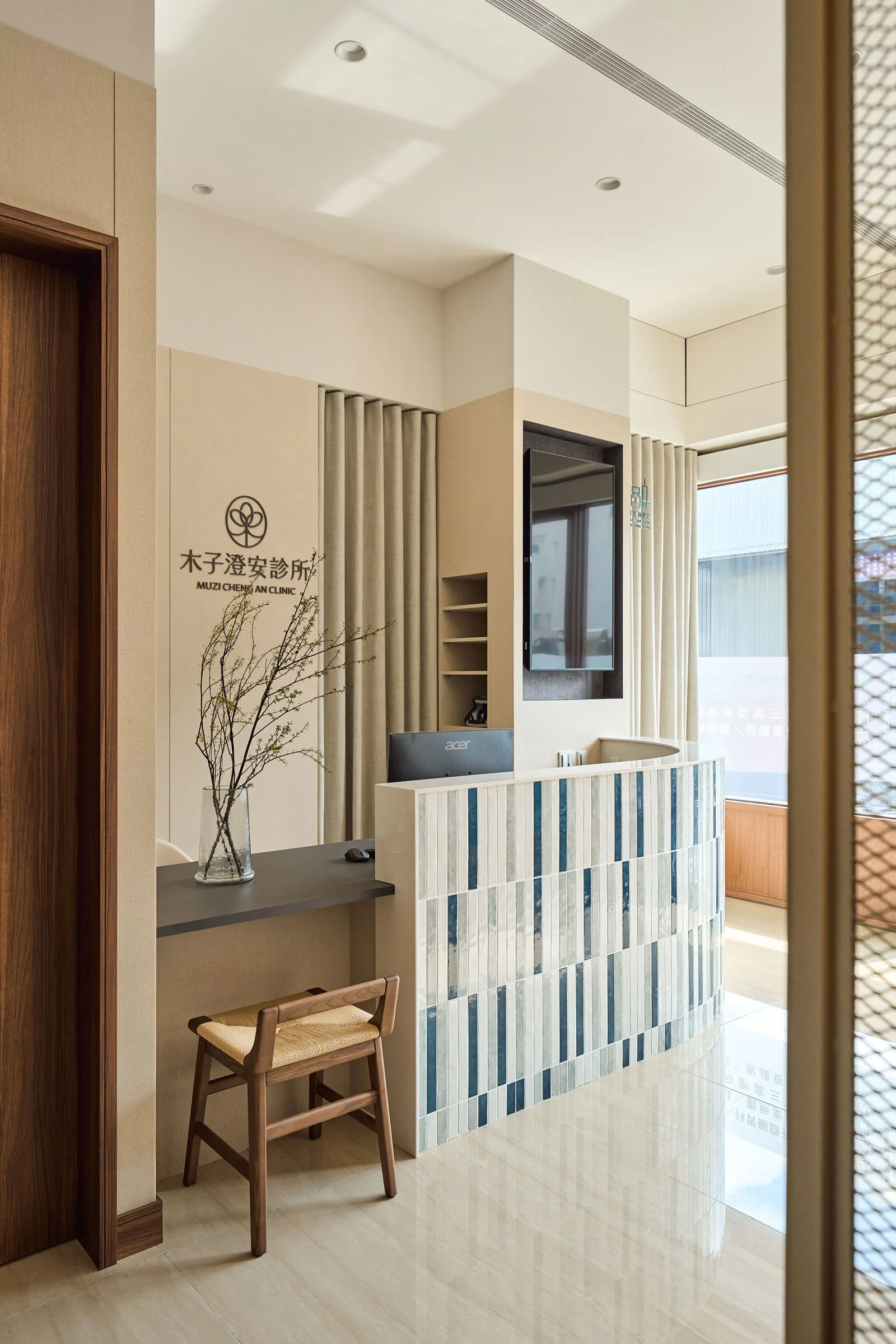
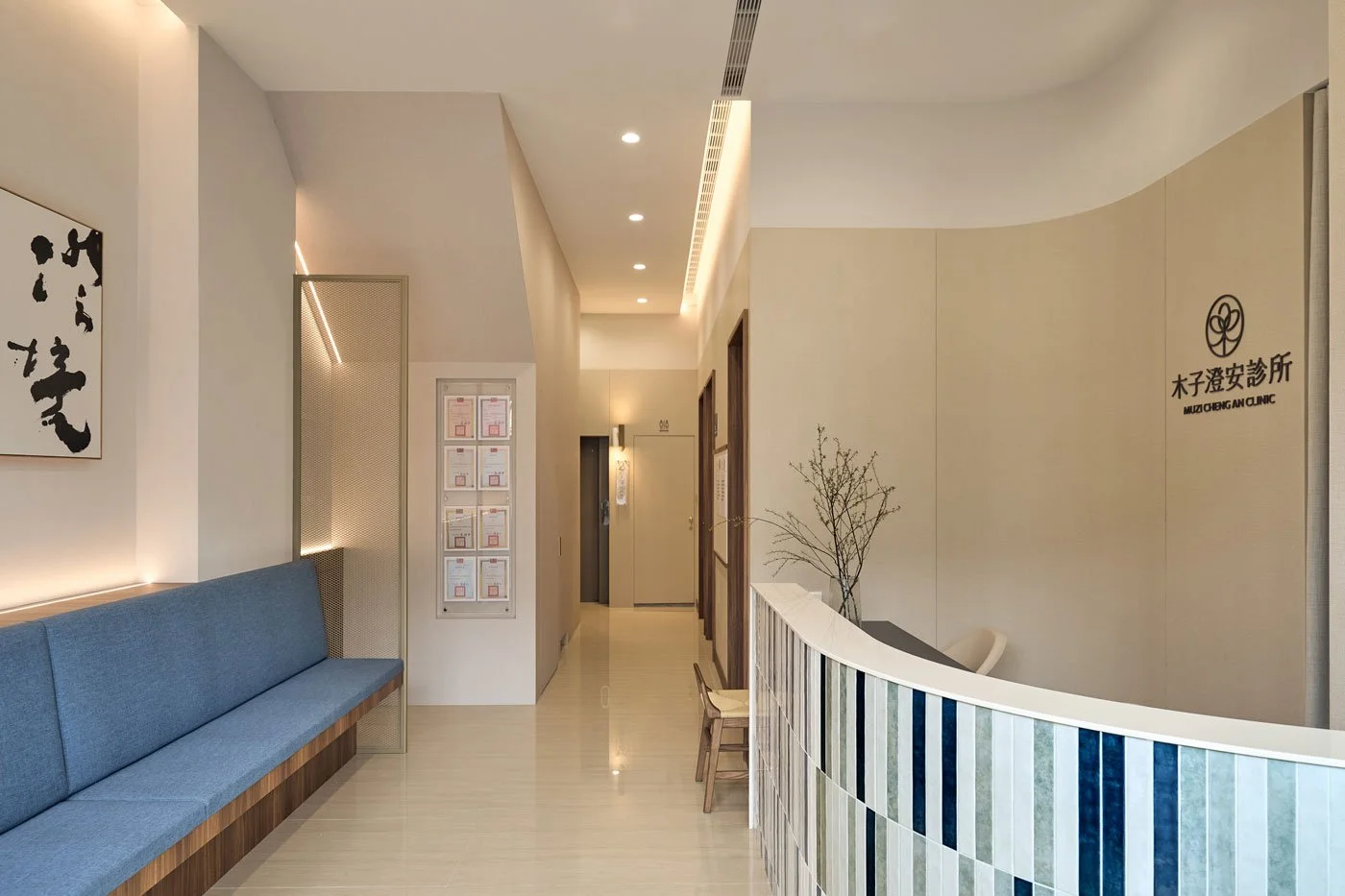
Stepping into the clinic, visitors are immediately greeted by a touch of deep yet airy teal, echoing the environmental context of the nearby lake. The base of the reception counter is crafted from kiln-altered mosaic tiles. As light shifts, the brick surfaces reveal subtle, irregular layers, mirroring ripples on the lake gently stirred by the morning breeze. This transforms the registration area—which would otherwise be highly functional and rigid—into an emotional buffer, initiating the medical visit with a softer, gentler touch.
-
Reserving Grace for Medical Routines
The first floor accommodates the highest frequency of primary care operations. In planning the circulation, the design team rooted their approach in actual medical behaviors. Considering the high demand for dressing changes and injections, the injection room is strategically positioned close to the counter and entrance. This allows patients requiring routine follow-ups or brief treatments to complete necessary procedures without venturing deep into the clinic, significantly reducing the psychological pressure associated with lingering in a medical environment.
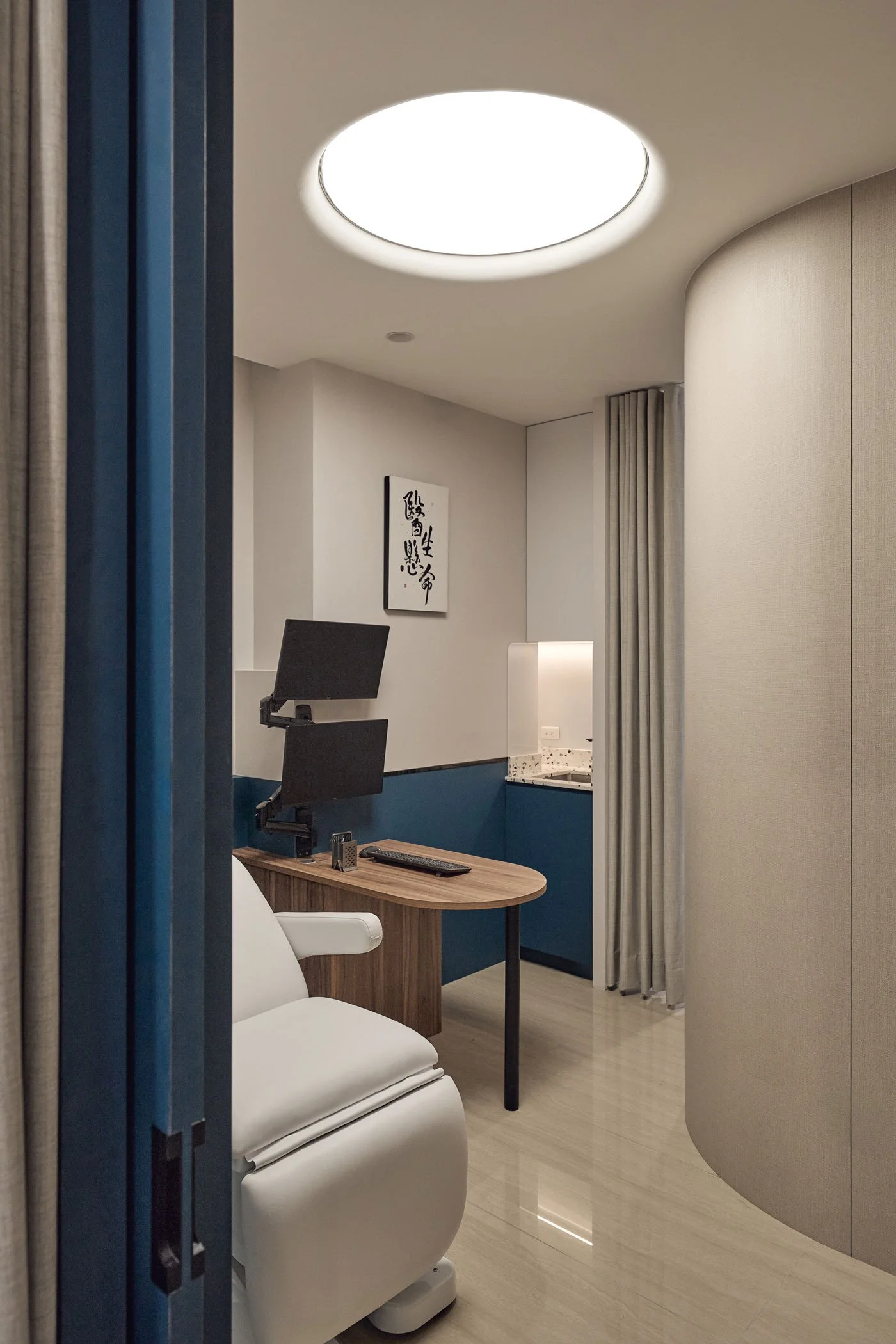
The physical strain on medical staff is also thoughtfully addressed in the spatial response. Ergonomic, foldable high tables for blood drawing are installed in the consultation rooms. These tables can be expanded or collapsed as needed, maintaining a smooth and safe operational scale for drawing blood, bandaging, or treating wounds. This flexibility preserves essential room and ease for long hours of highly repetitive work.
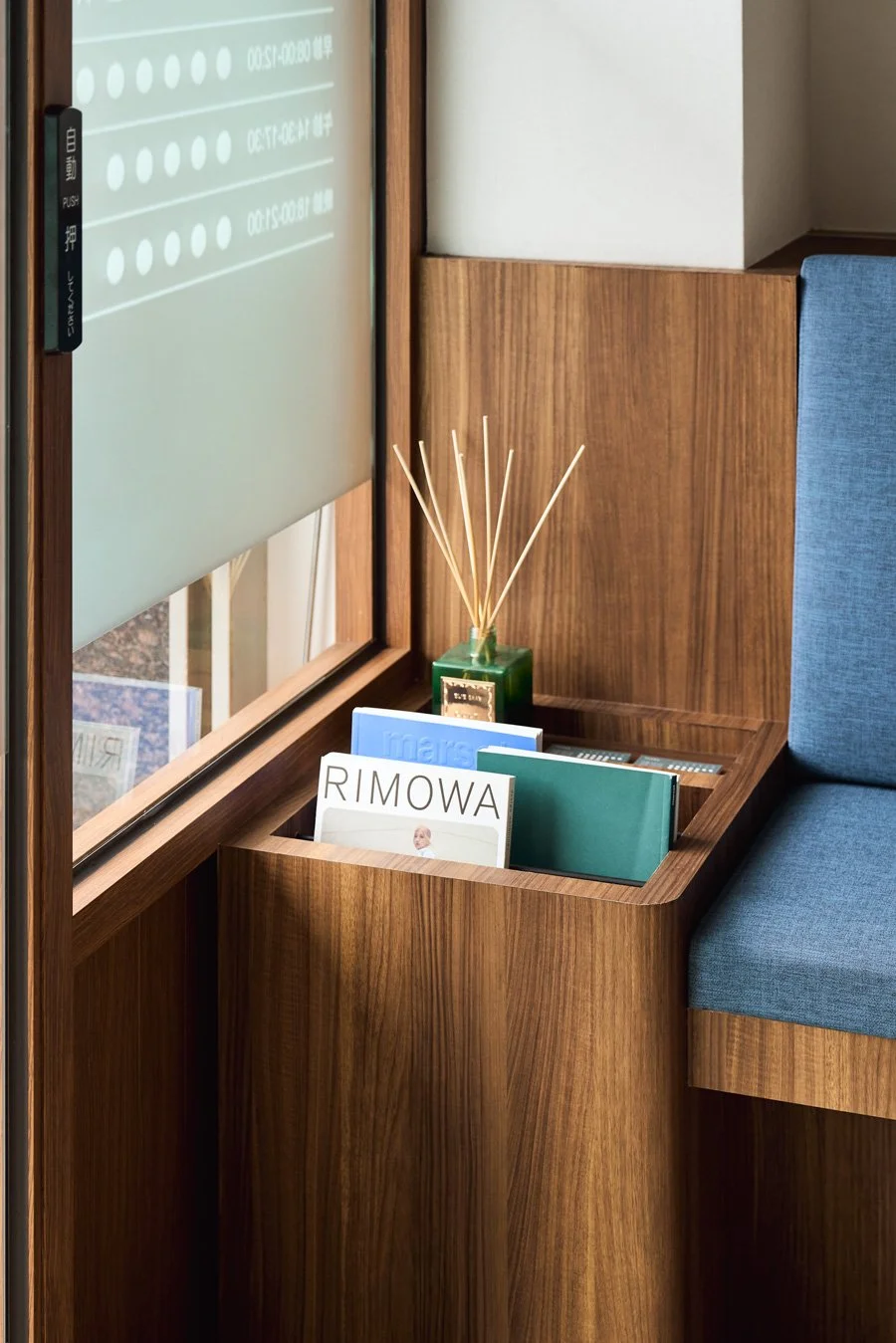
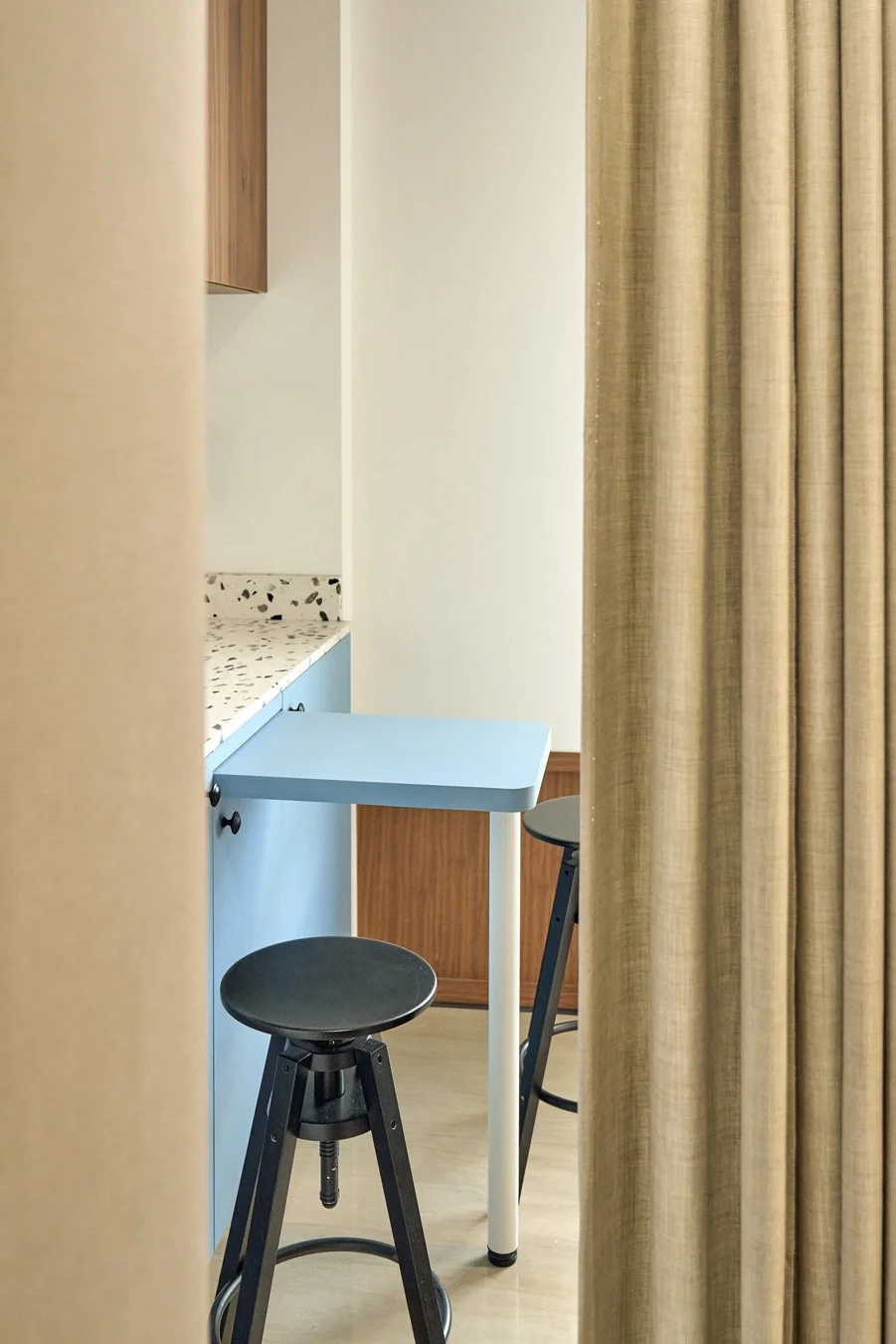
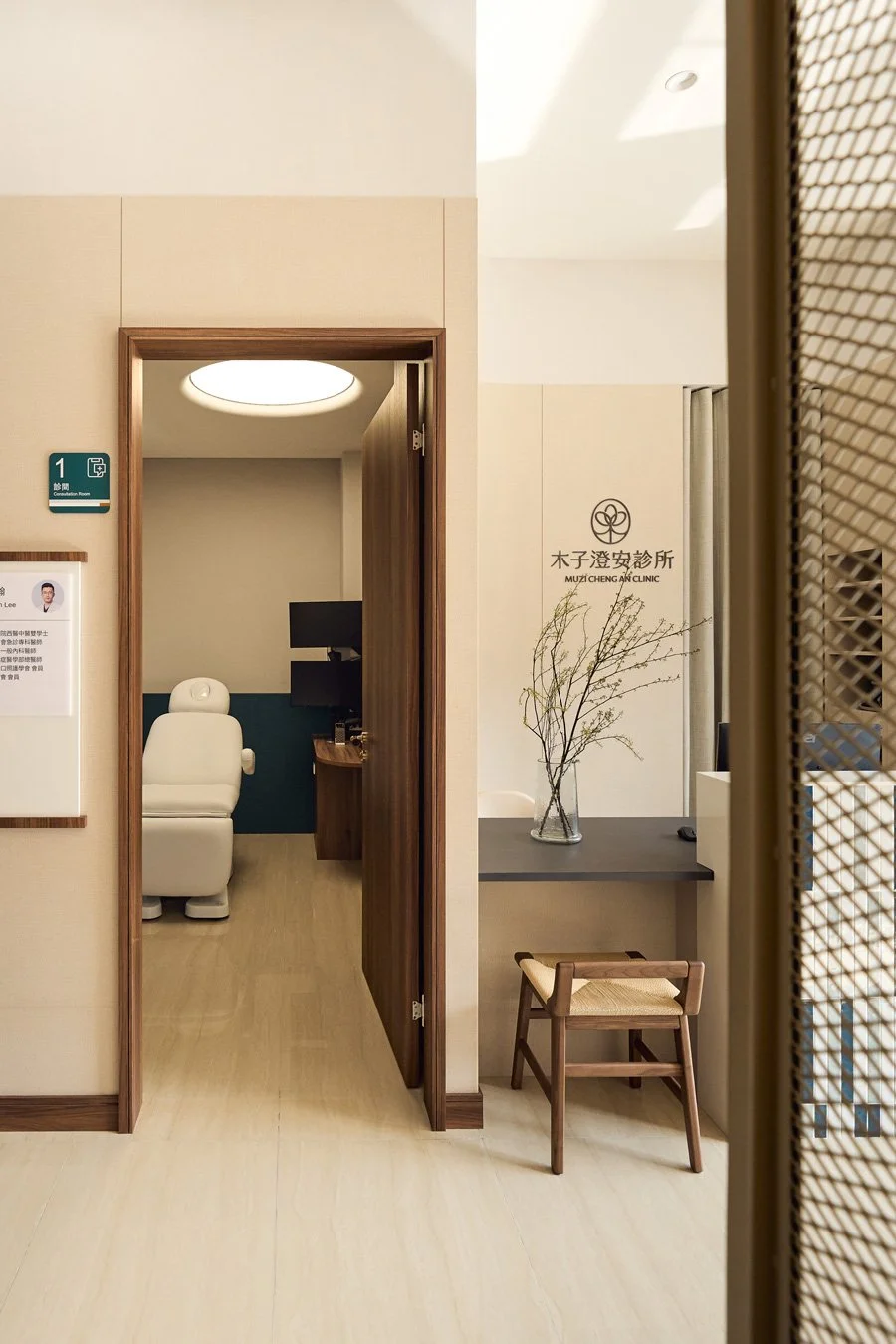
-
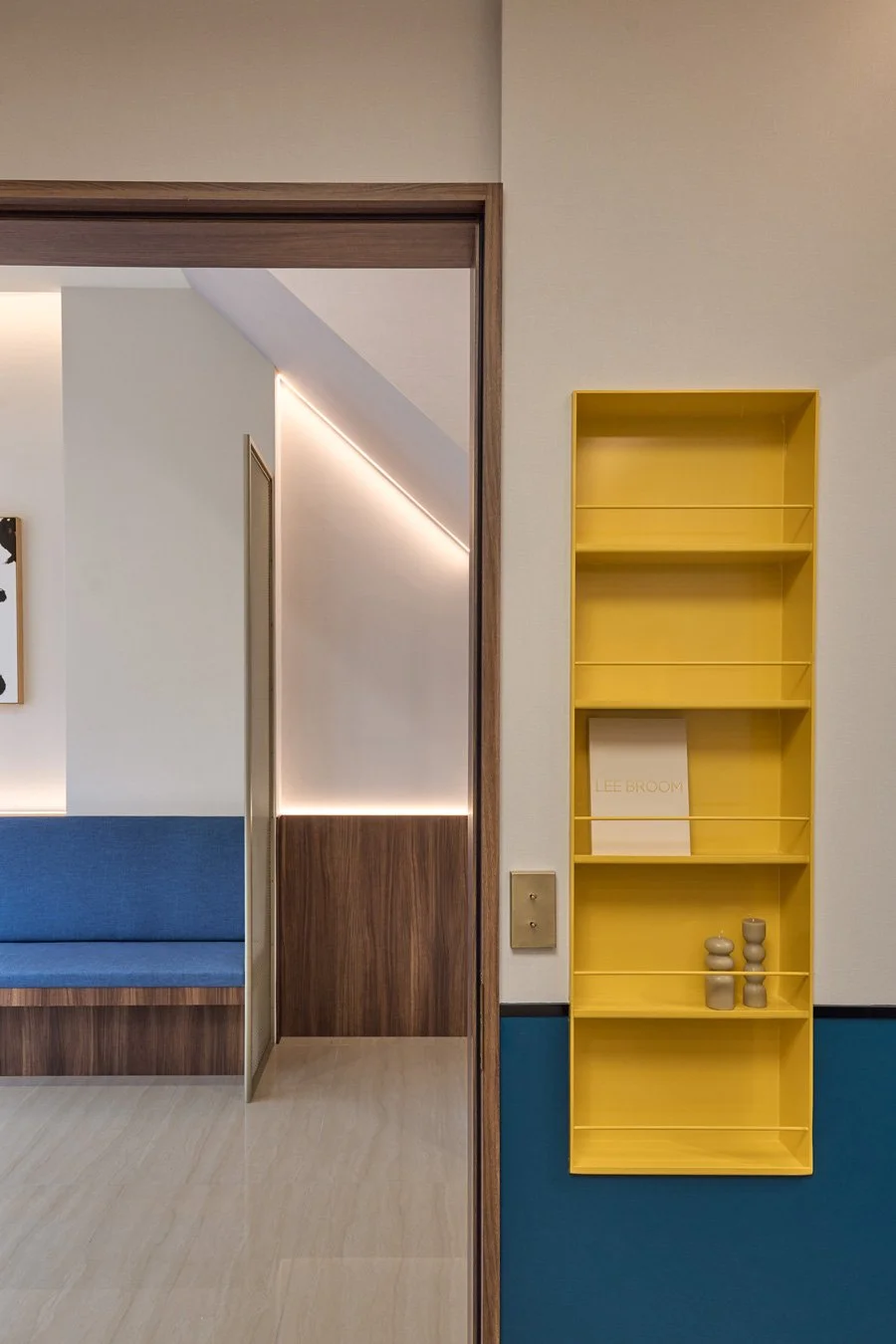
Moving past the highly efficient service zone in the front, the rear of the first floor is planned as a relatively quiet consultation and pharmacy area. The design team readjusted the aisle width and visual focal points, allowing patients to intuitively navigate to the consultation rooms after registration. By separating the fast-paced service at the front from the quiet waiting area at the back, the design not only optimizes the workflow of the medical staff but also secures greater privacy and a sense of stability for the rear waiting environment.
-
Embracing Light with Clarity: Nurturing Privacy and Comprehensive Care
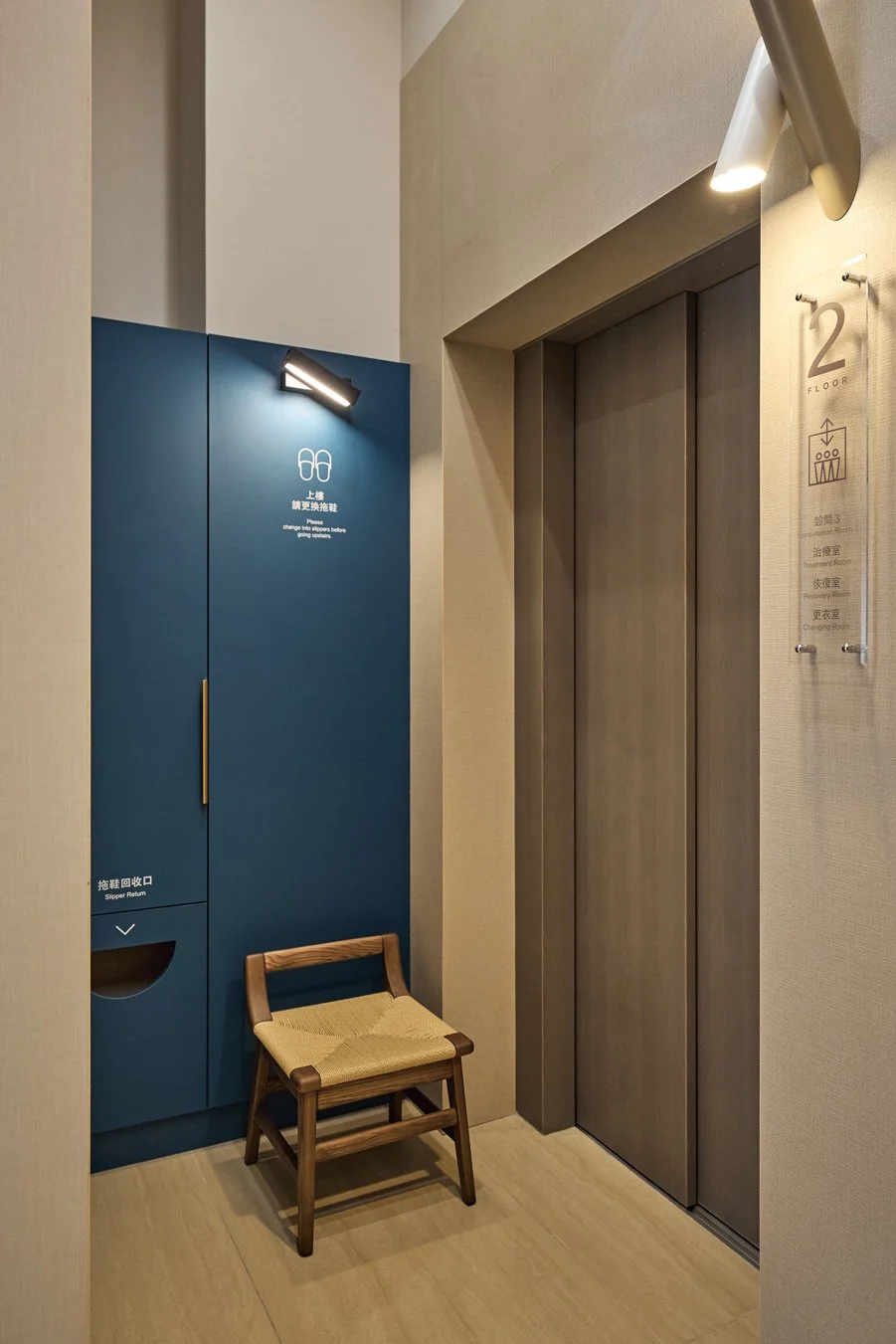
Ascending the stairs, the atmosphere of the second-floor self-pay clinic transitions from an efficient rhythm to serene soothing. To define a more private realm, the design team curated a shoe-changing area to shift the spatial tone. By changing their footwear before stepping into the clinic, patients experience a sense of ritual, signaling their entry into a state of comprehensive care.
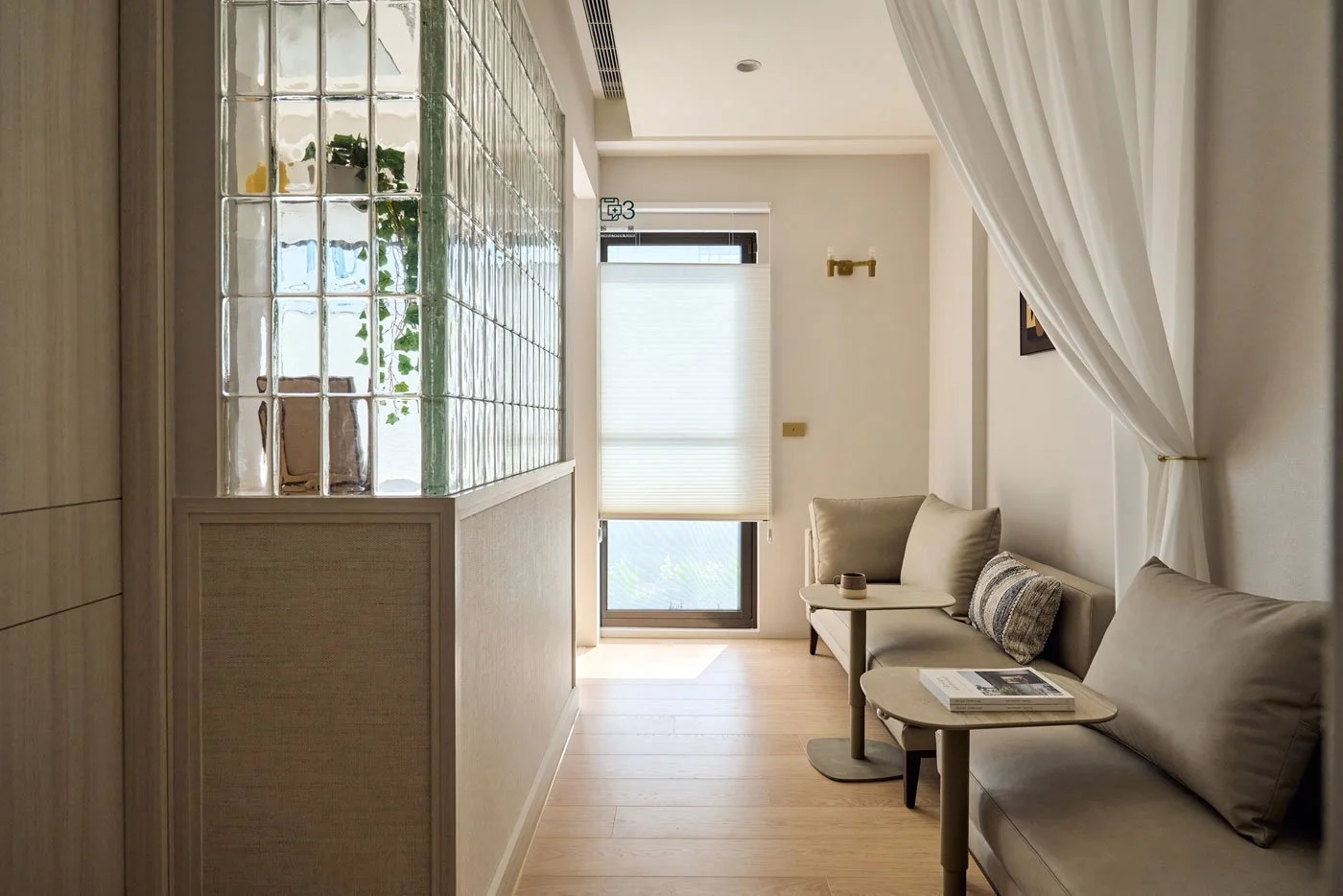
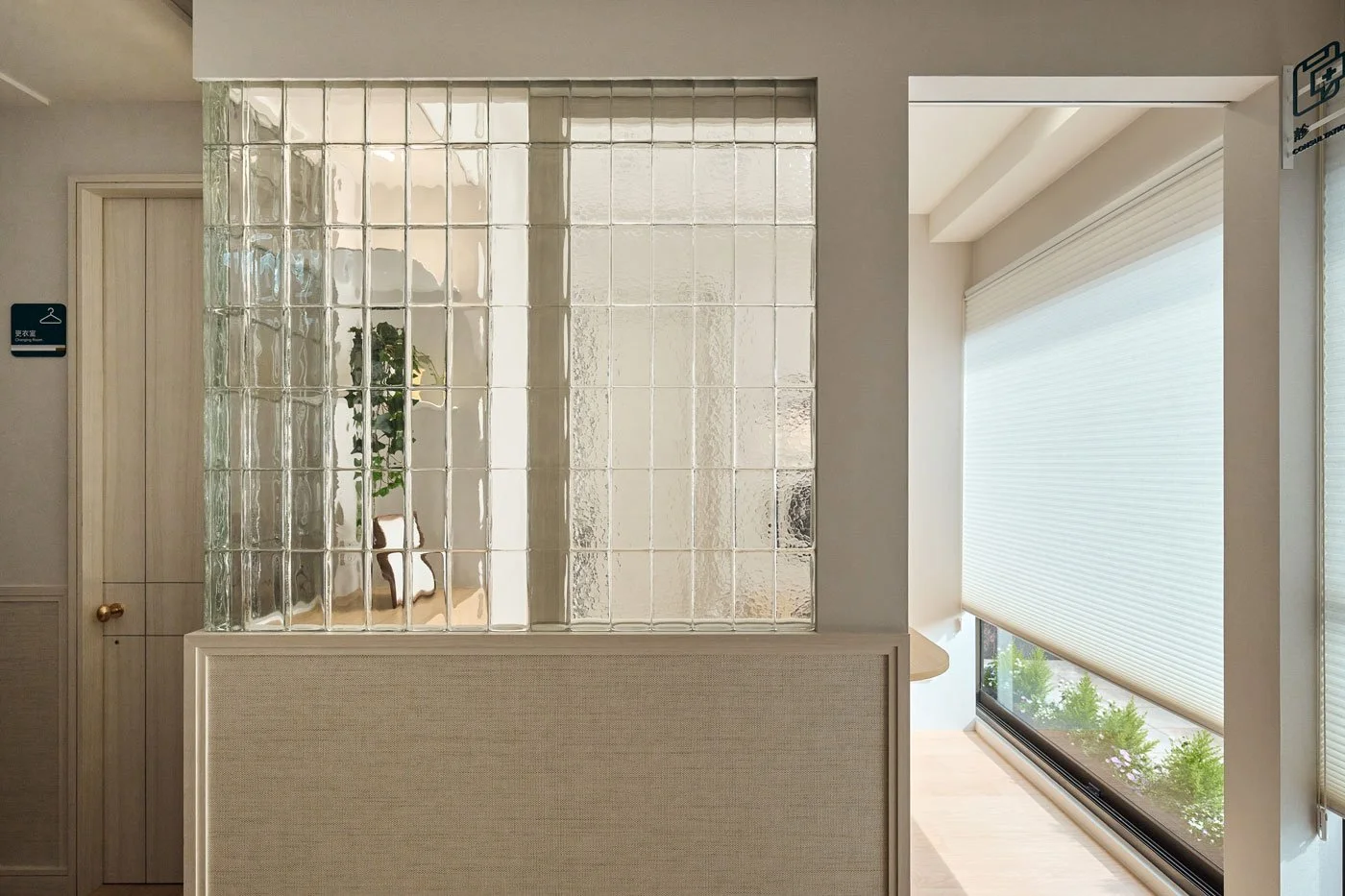
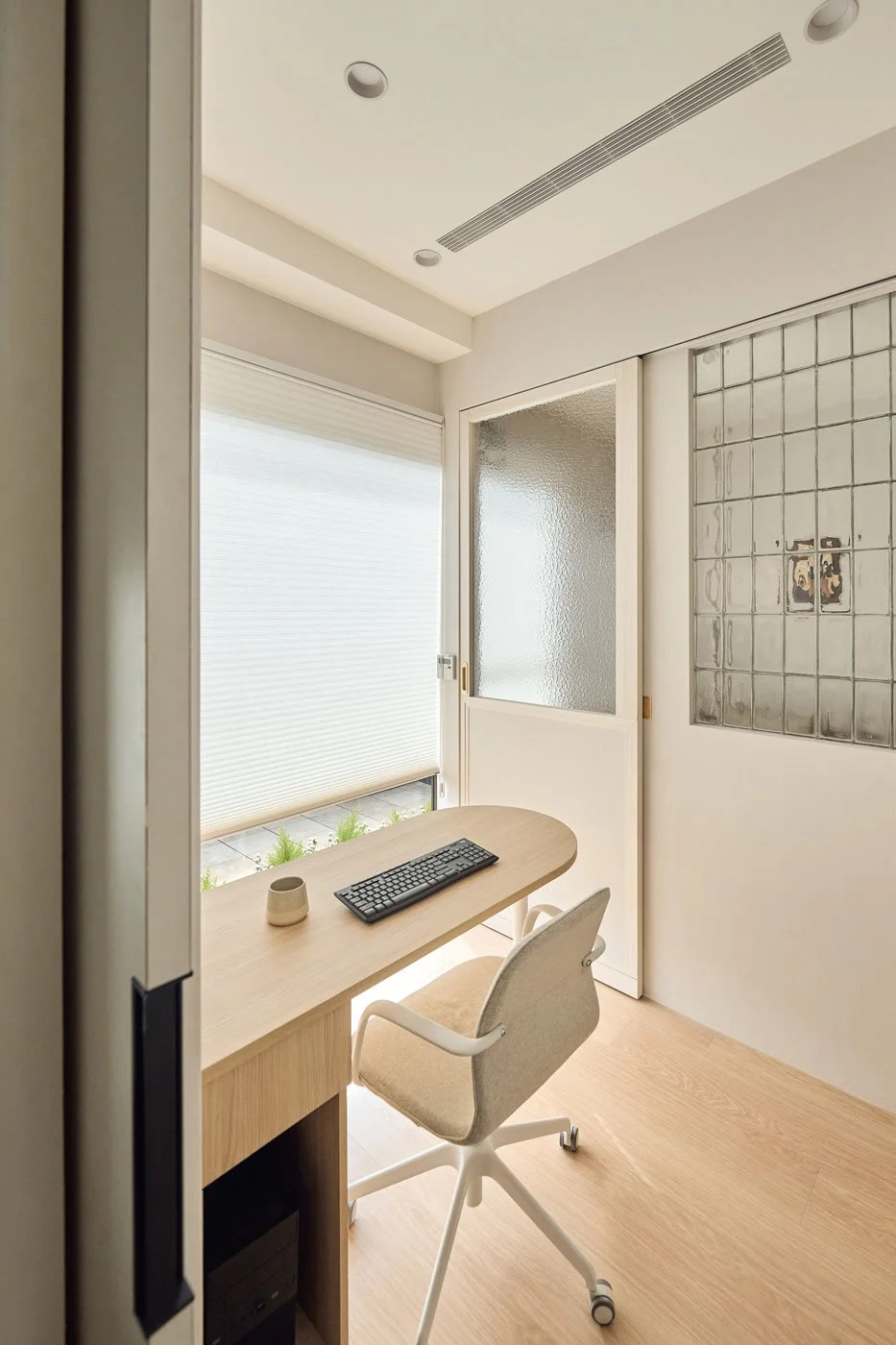
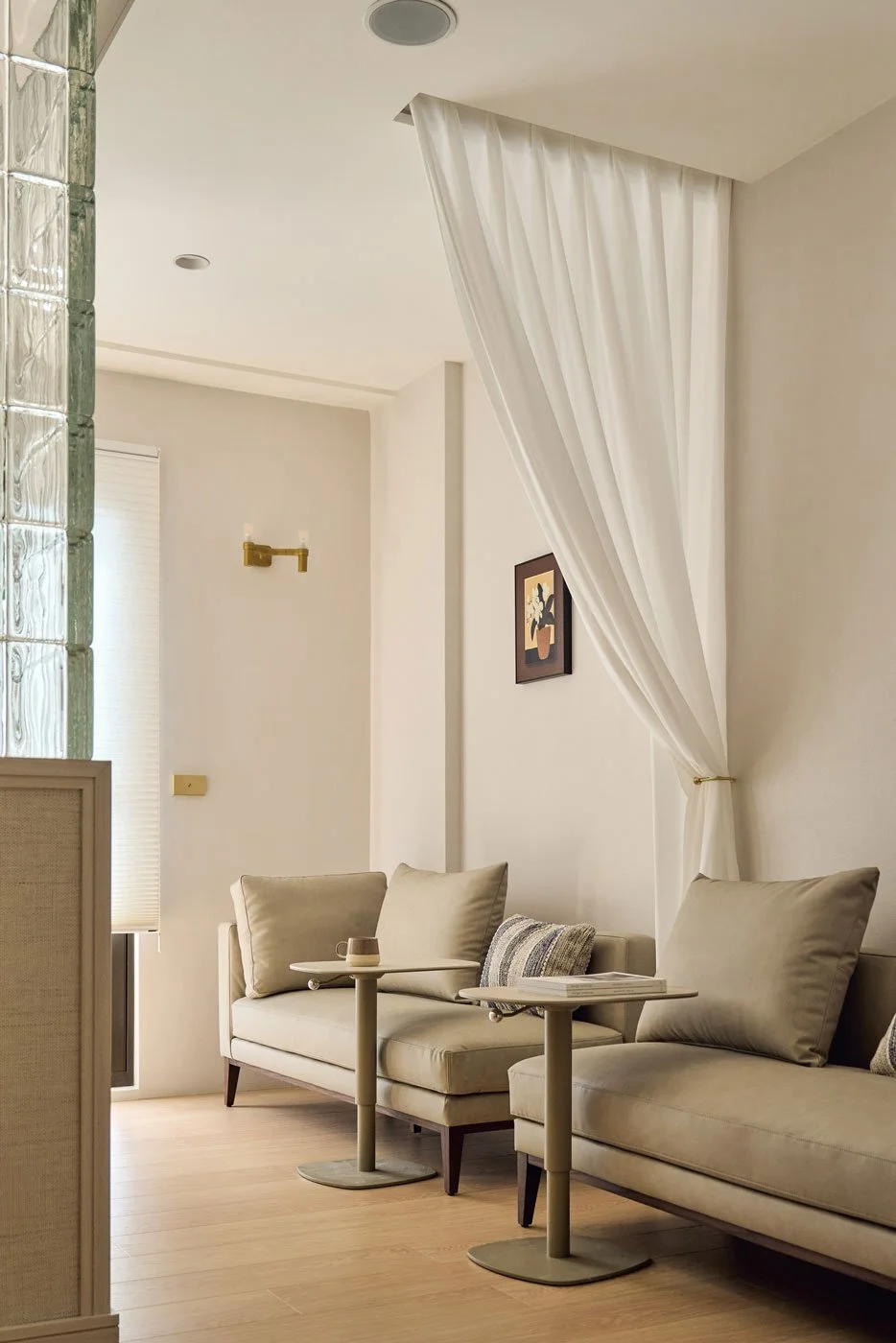
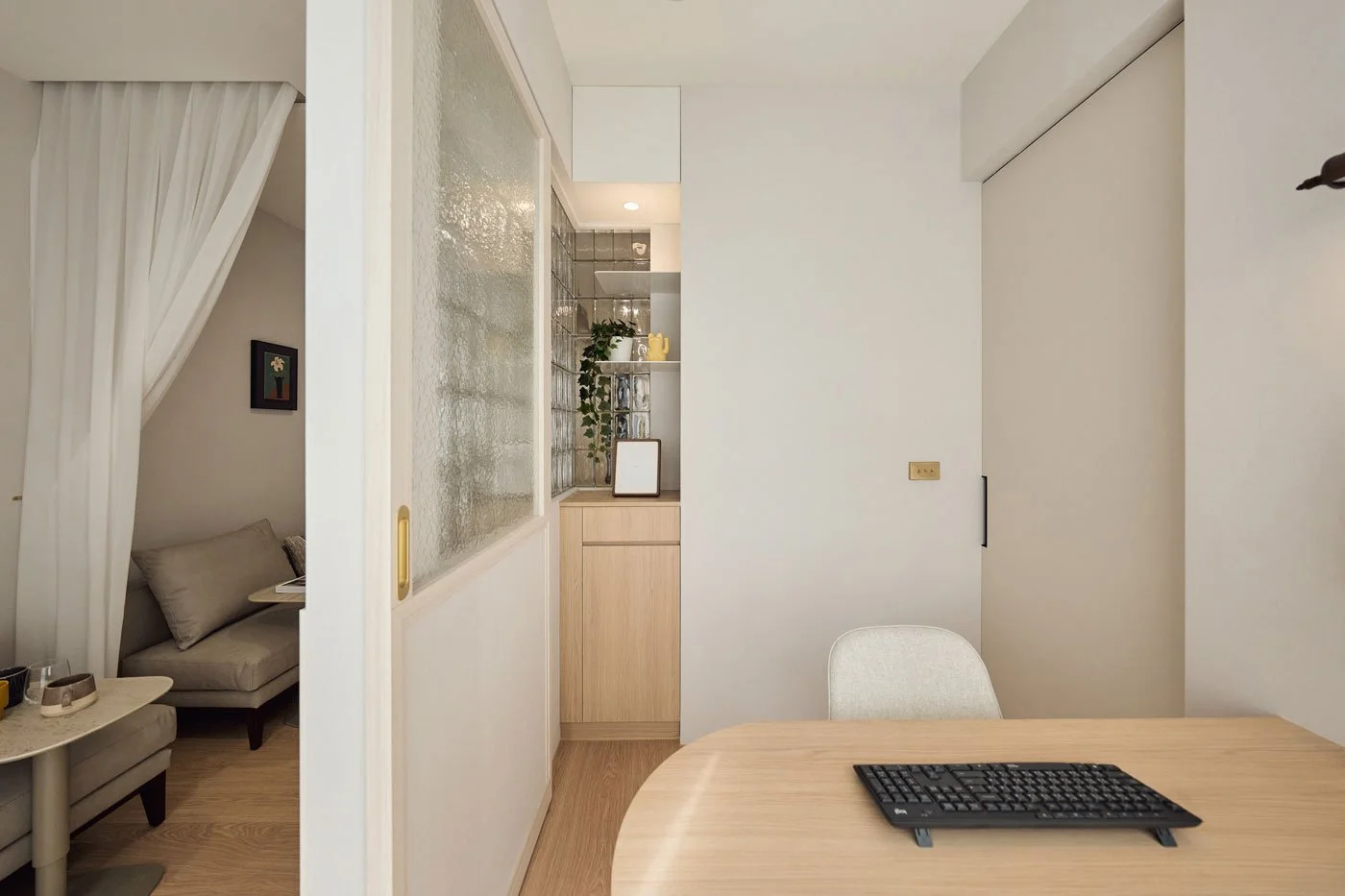
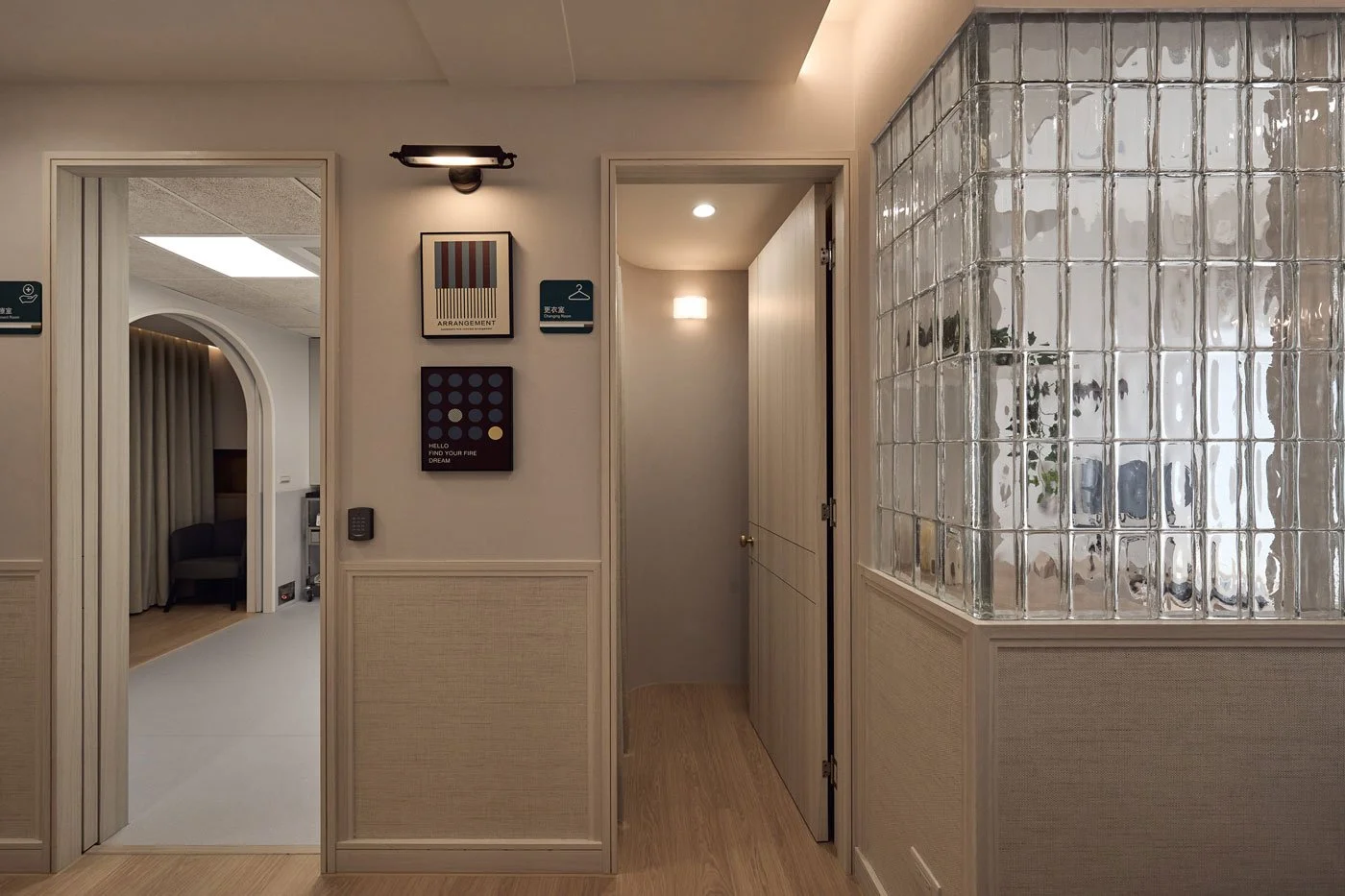
Addressing the pain point of insufficient natural light in the middle section of the long building, crystalline water-ripple glass bricks are embedded into the clinic's walls. These bricks channel and diffuse natural light, creating shadow patterns reminiscent of undulating water. This interacts beautifully with the art gallery displays flanking the corridor, not only safeguarding the privacy of patients heading for examinations but also turning the pathway into a culturally soothing journey for the mind.
-
Entering the endoscopy area, Jour en Design deliberately widened the doors and enlarged the turning radii to ensure hospital beds can be rolled smoothly throughout. This achieves a seamless, barrier-free "bed-in, bed-out" circulation. Patients recovering from examinations do not need to leave their beds; medical staff can wheel them directly into the resting room. This ensures patients receive the most comprehensive care during their most vulnerable moments.
-
Reflecting a Clear and Serene State of Mind
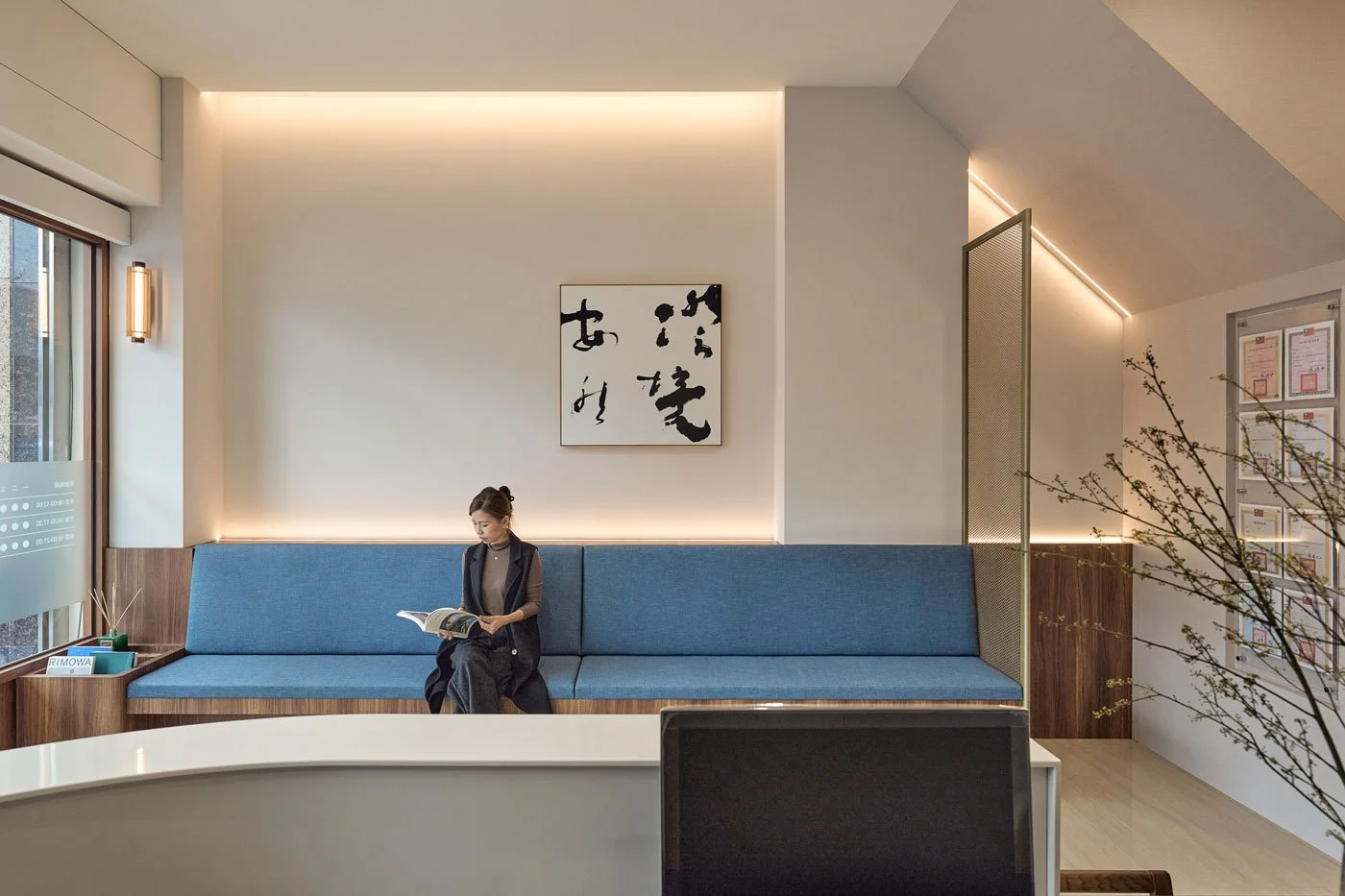
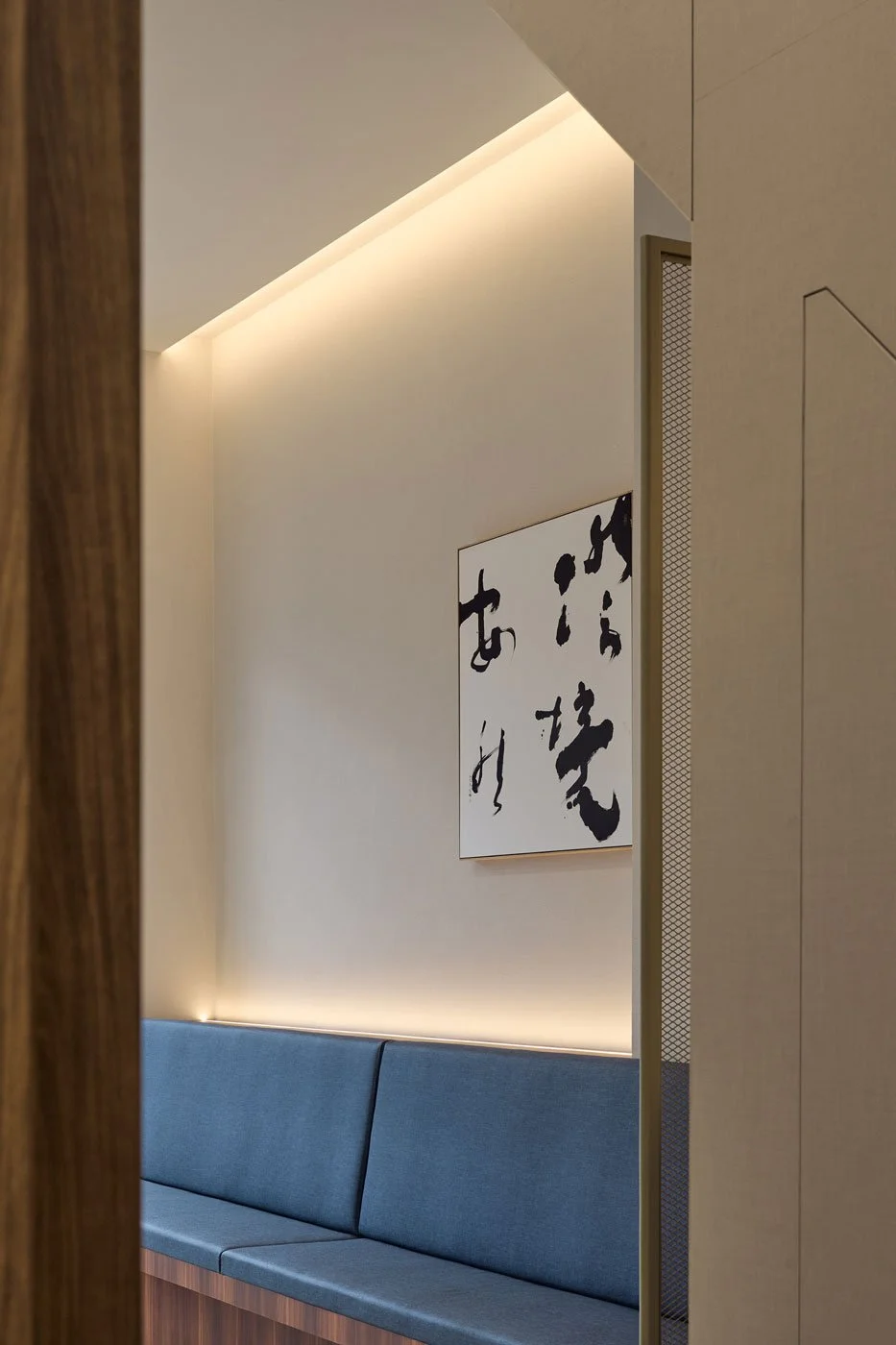
The ultimate spirit of the entire medical space is punctuated by the art of calligraphy. The pieces "Serene and Peaceful" (澄靜安然) in the waiting area and "Devoted to Healing" (醫身懸命) in the consultation rooms use the visual tension of ink to replace cold, clinical medical signage. The power of these words resonates within the space, delivering steady spiritual support.
Through meticulously controlled circulation, spatial details attuned to bodily sensations, and a thoughtful consideration for both medical staff and patients, MuZi Cheng An Clinic orchestrates a steady and understated spatial choreography. Here, a medical visit is no longer an anxious wait or a sterile procedure, but a healing journey of physical and spiritual restoration.