Jamie 專欄 #151|從校園改造到產業空間轉型:在《風城見學》的三個現場,看見設計的思考與落實
-
When we first founded Hey!Cheese, there were few peers in our industry. In those early stages, there were no colleagues to discuss the nuances of photography, how to perceive space, how to interpret the intentions behind a design, or even how to grasp shifting industry trends. Much of our growth was solitary, absorbing nutrients through one commission at a time and establishing our own professional logic through trial and error.
Looking back, however, that lack of a traditional peer group provided a different kind of nourishment. Because there were so few fellow photographers, we spent our time interacting with designers, architects, and various suppliers, which pushed our learning into a much broader spectrum.
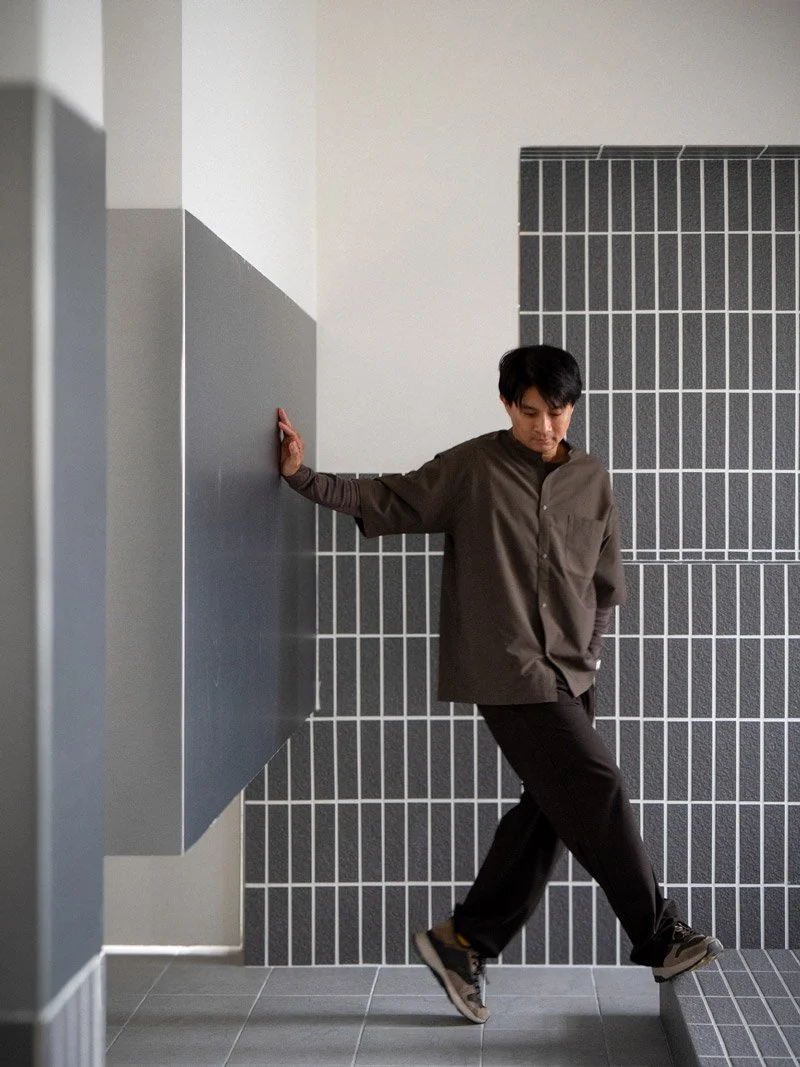
The essence of photography is, fundamentally, observation. We have grown accustomed to the role of the "neutral observer," attempting to understand what the other party wants to express and then speaking on their behalf. Over time, this has become our worldview—we do not belong to a specific school or style, nor do we carry heavy labels. This allows us to move freely between different companies, fields, and even opposing viewpoints, recording events in a non-invasive, pressure-free manner.
-
Having walked this path myself, I am acutely aware that what one can learn through solitary exploration is limited. This industry does not lack hardworking people, but too often everyone is buried in their own niche, lacking the opportunity for horizontal connection. This is why my experience at the "Hsinchu Field Study", walking through sites alongside professionals from diverse fields, resonated so deeply with me.
Field study is more than just a visit; it feels like an intentional effort to reconnect the scattered nodes of an industry. One person’s reach is limited, as is their network. However, through the power of an organization, bringing together organizers, designers, schools, and local authorities to a single site creates a platform for face-to-face exchange that is nearly impossible to achieve alone. The three sites we visited felt like three chapters of a film—distinct stories that, when viewed together, invite a much deeper reflection.
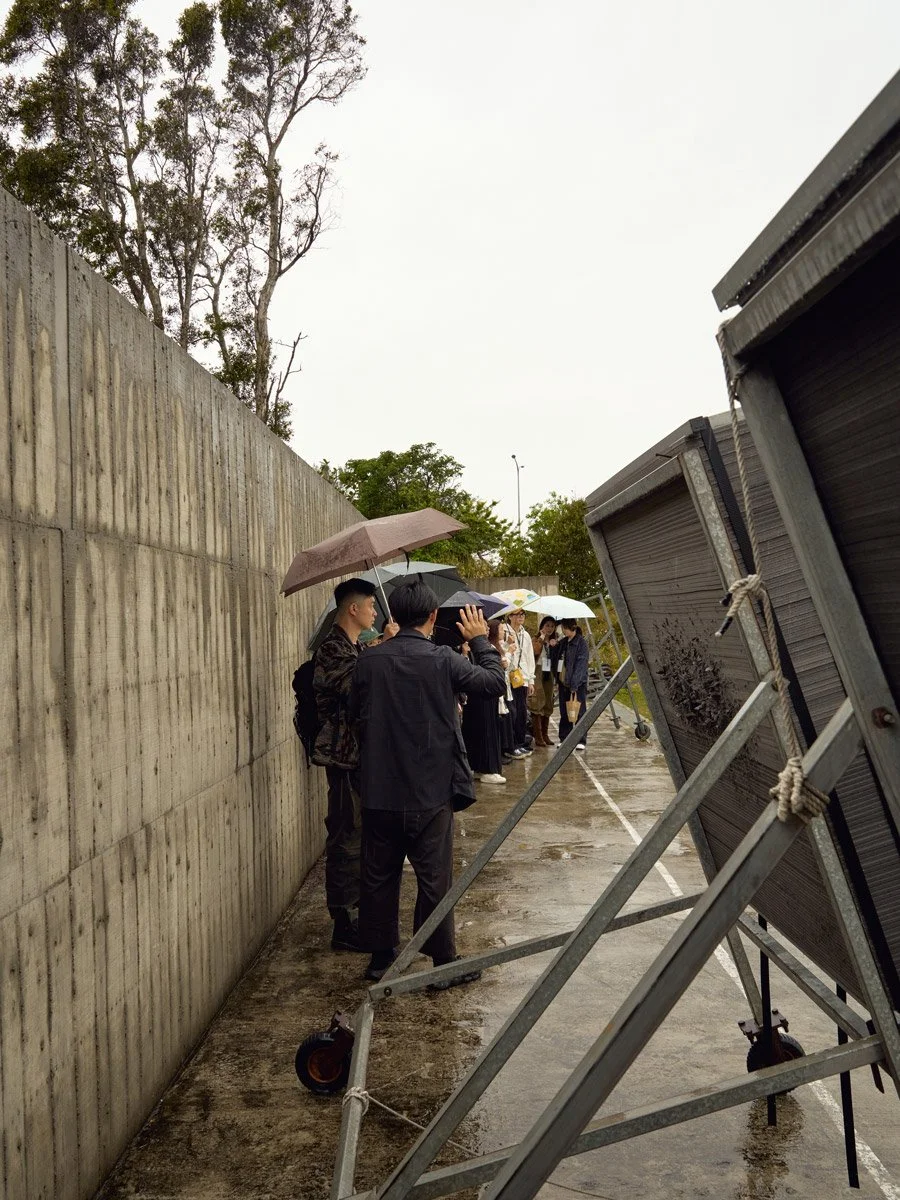
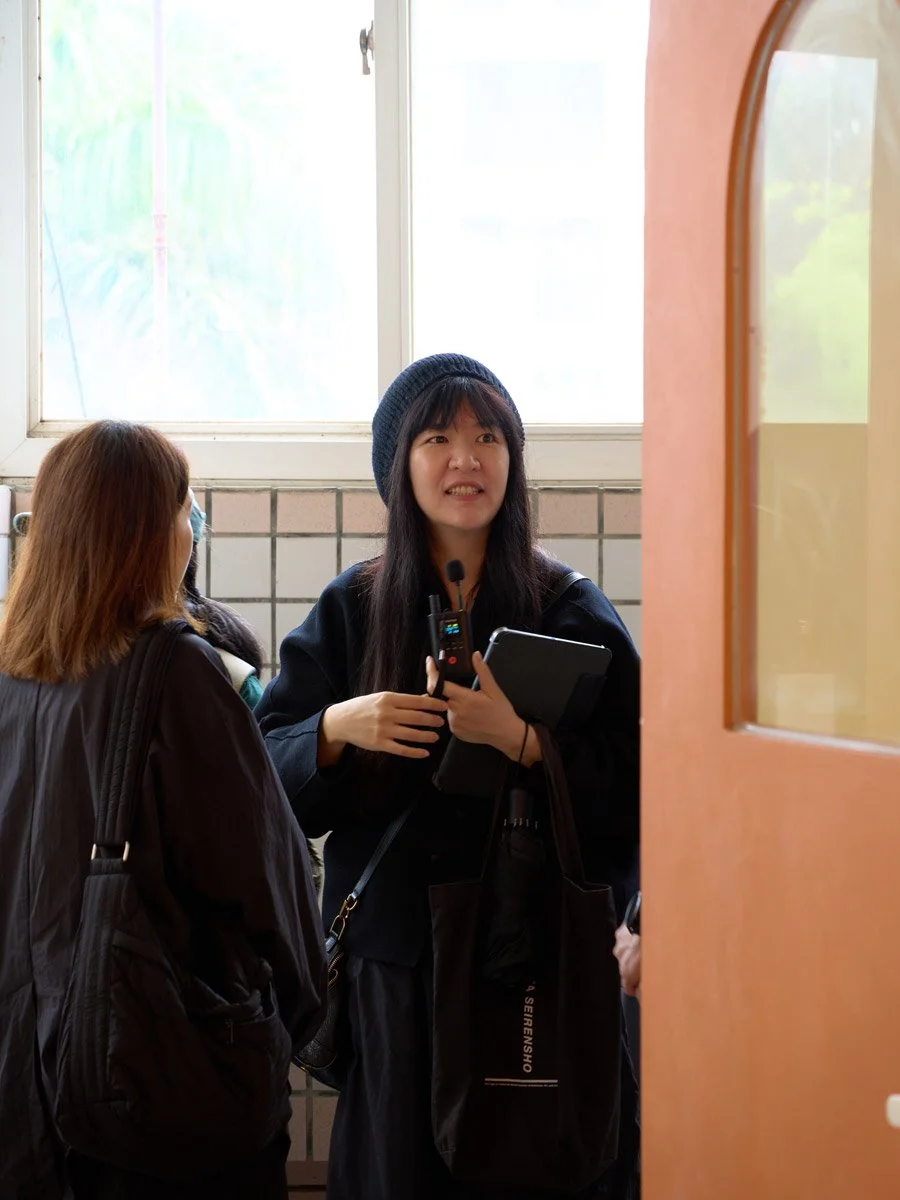
-
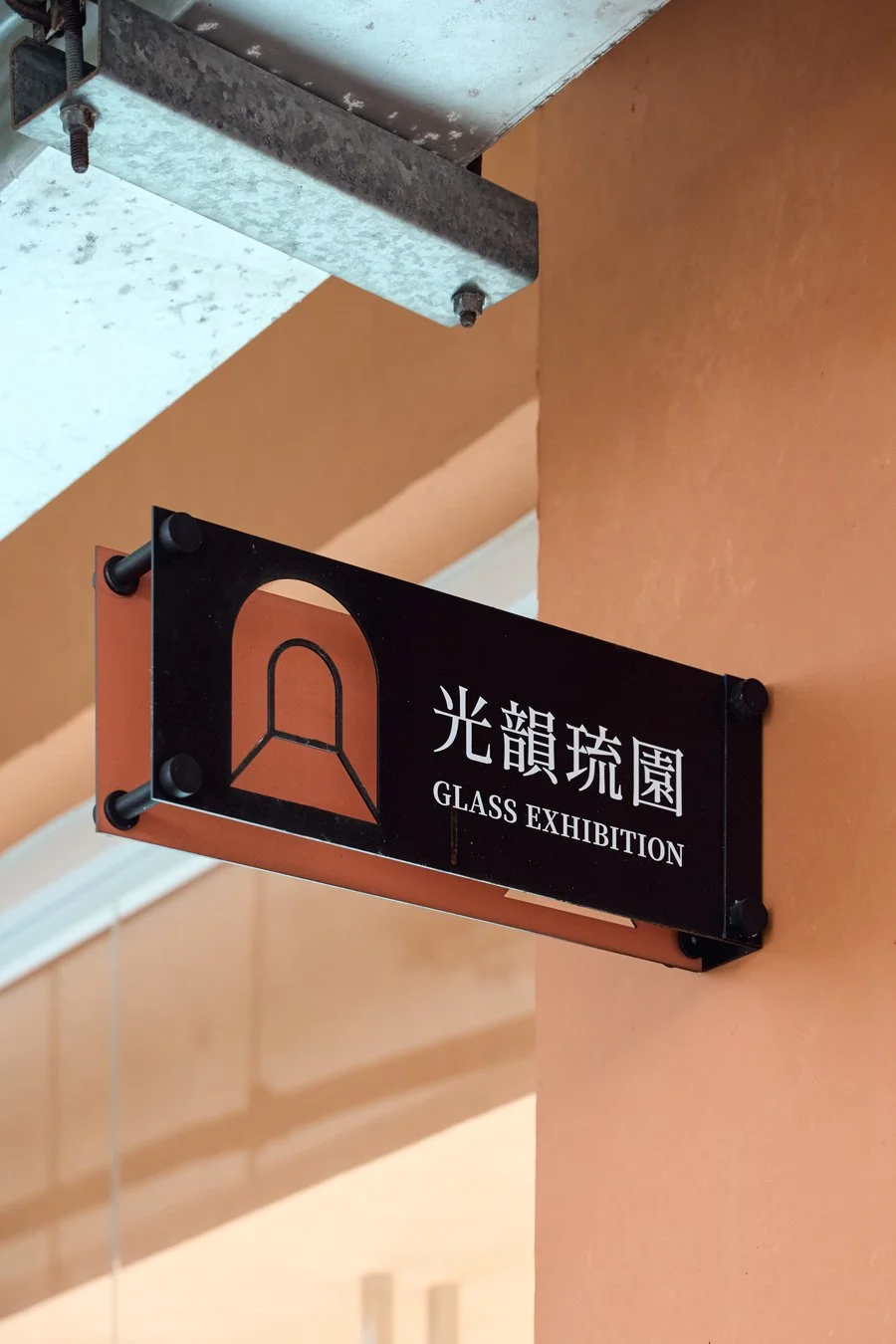
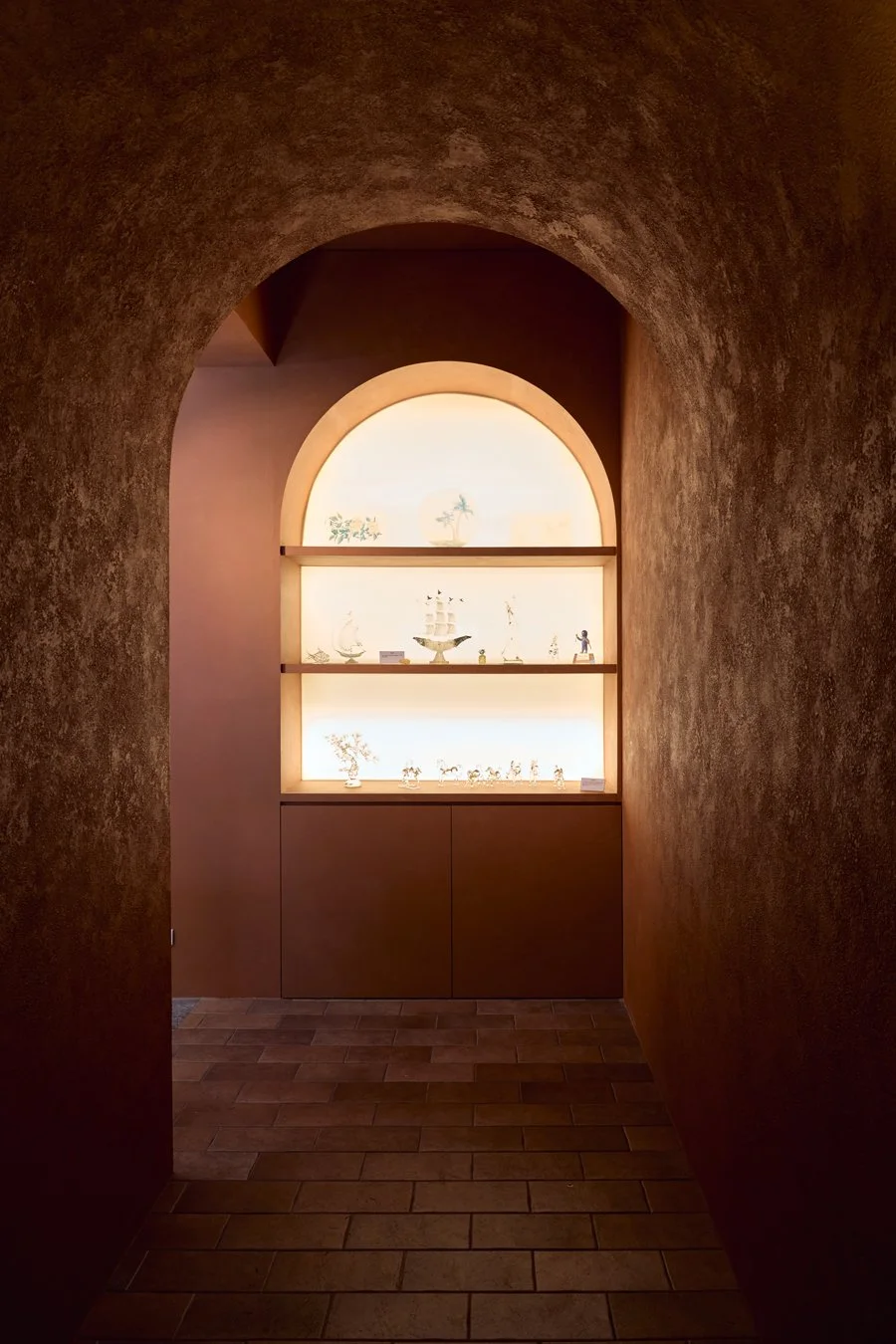
Fuli Junior High Glass Classroom: Not Just Aesthetics, but Reconnecting with the Land
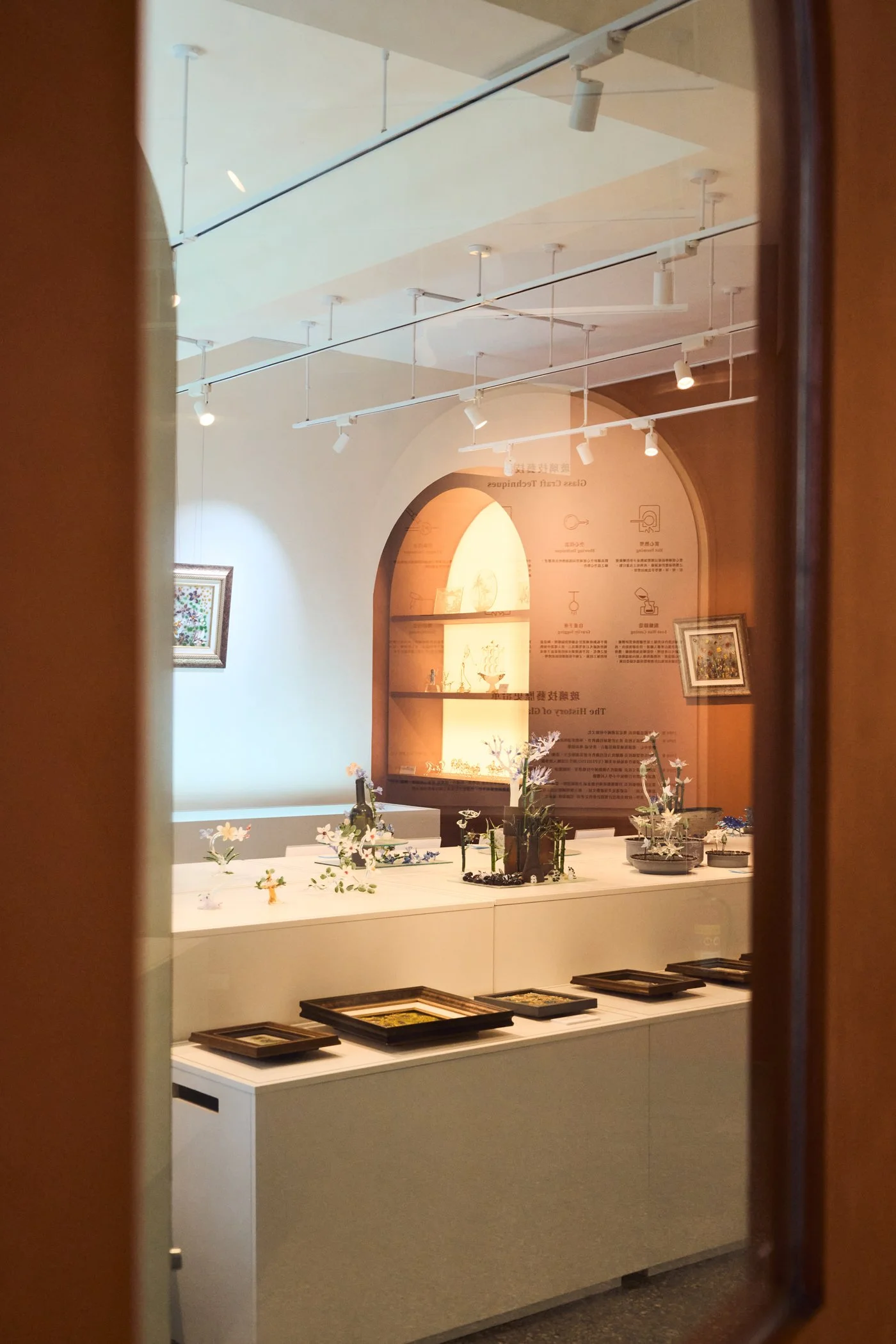
I have always believed that in resource-limited environments, the value of design intervention lies not in its scale, but in the willingness to begin. The Fuli Junior High glass classroom is a stellar example. Planned and executed by architect Ling-Li Tseng of Serendipity Studio, this renovation was modest in scale, yet its true purpose went far beyond a simple facelift.
Hsinchu was once a hub for Taiwan's glass industry, but many factories closed during the waves of industrial transformation. When an industry retreats from daily life, the memory of it fades for the younger generation. What this glass classroom achieves—beyond implementing aesthetic education—is allowing students to rediscover the culture and history beneath their feet. When a child touches glass, understanding its temperature and characteristics, their relationship with the land changes. This is a practical education that textbooks cannot provide.
Though the budget and scale were limited, and only about twenty students can participate at a time, the mere act of starting creates a butterfly effect. Perhaps one or two classrooms change this year, followed by another in the years to come. Like the first step of a staircase, its significance is not in how many people it can hold, but in providing a starting point for the next step.
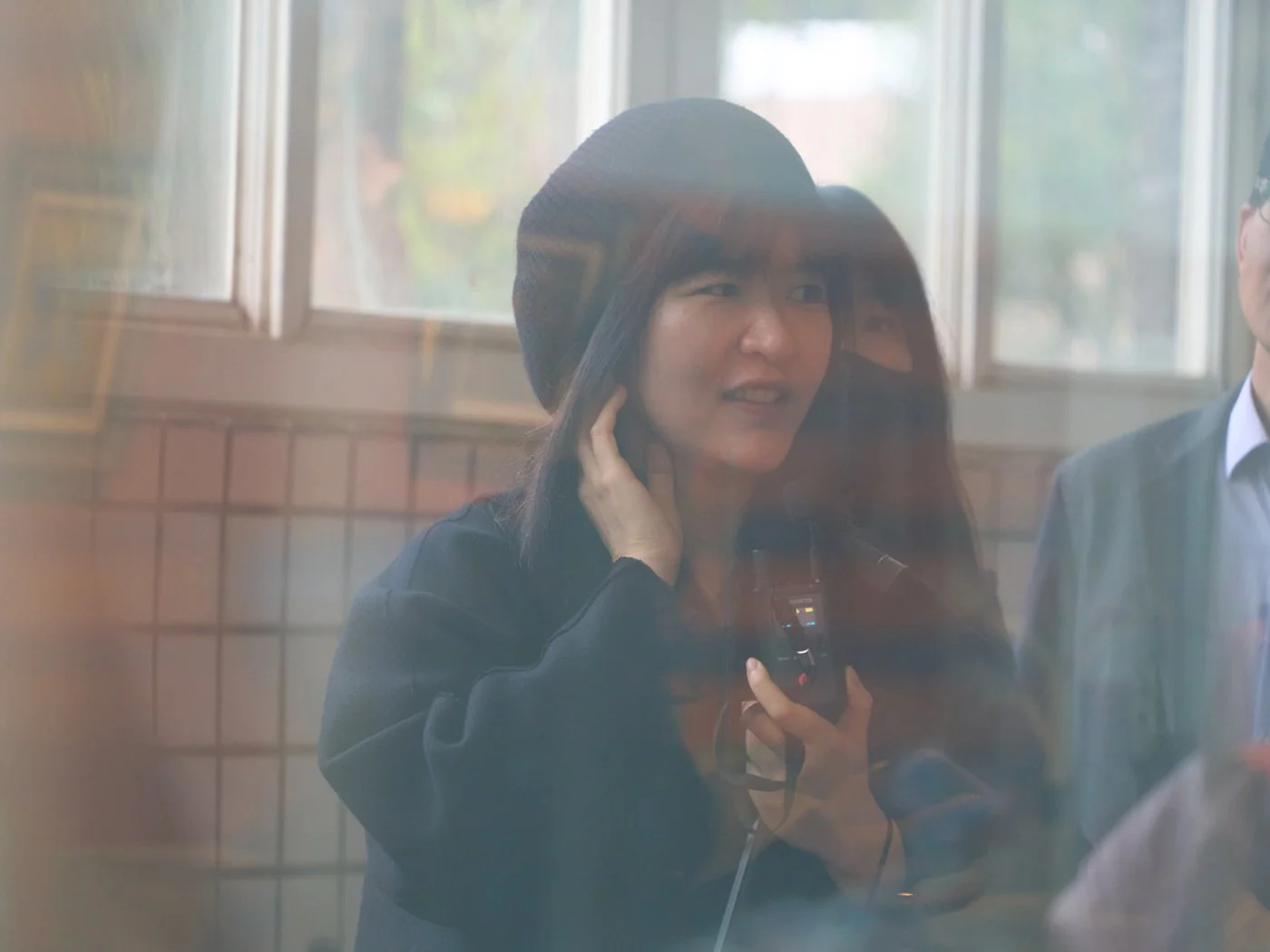
偶然設計/ 曾令理建築師
-
Fuli Junior High Archery Range: Design as Negotiation
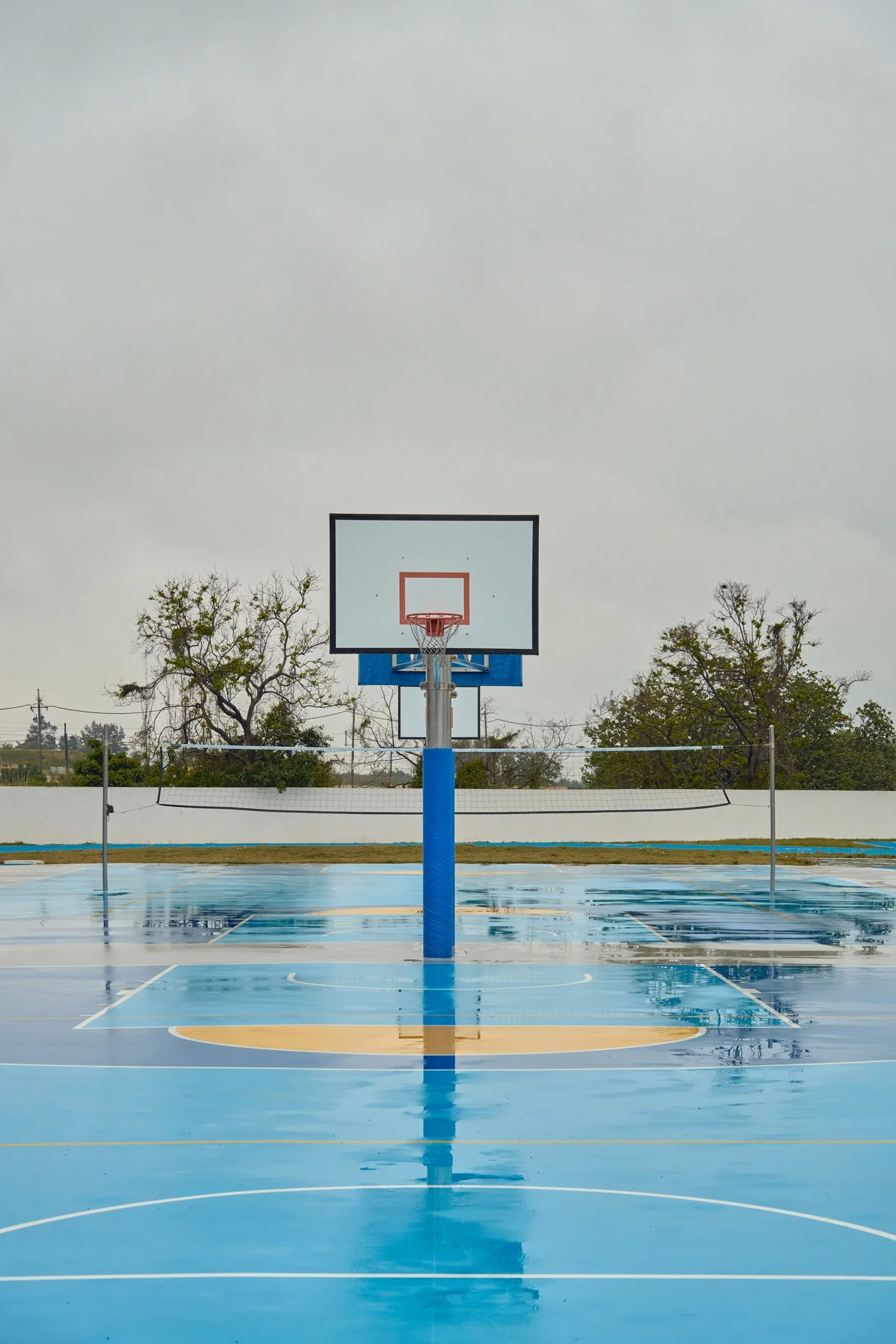
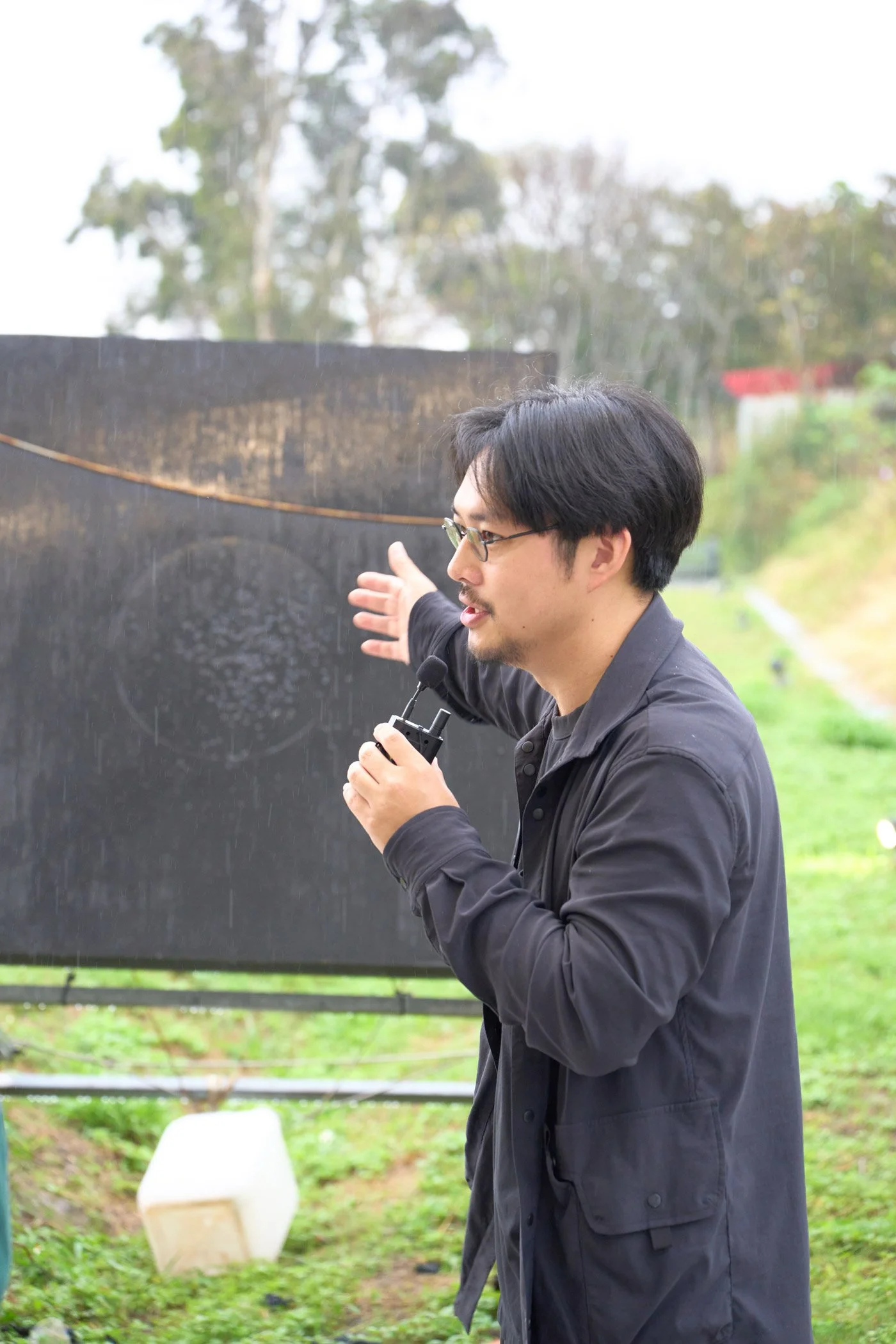
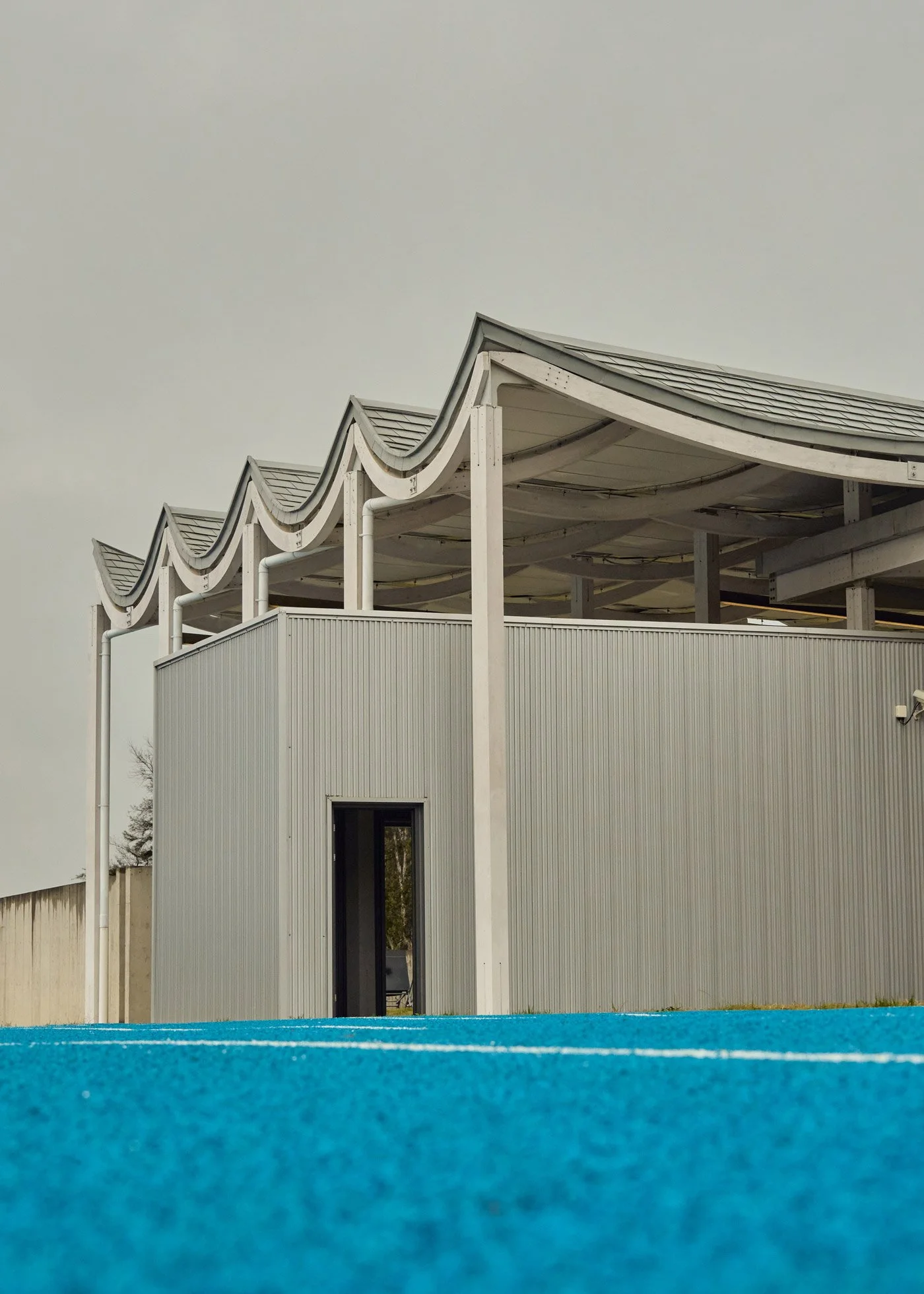
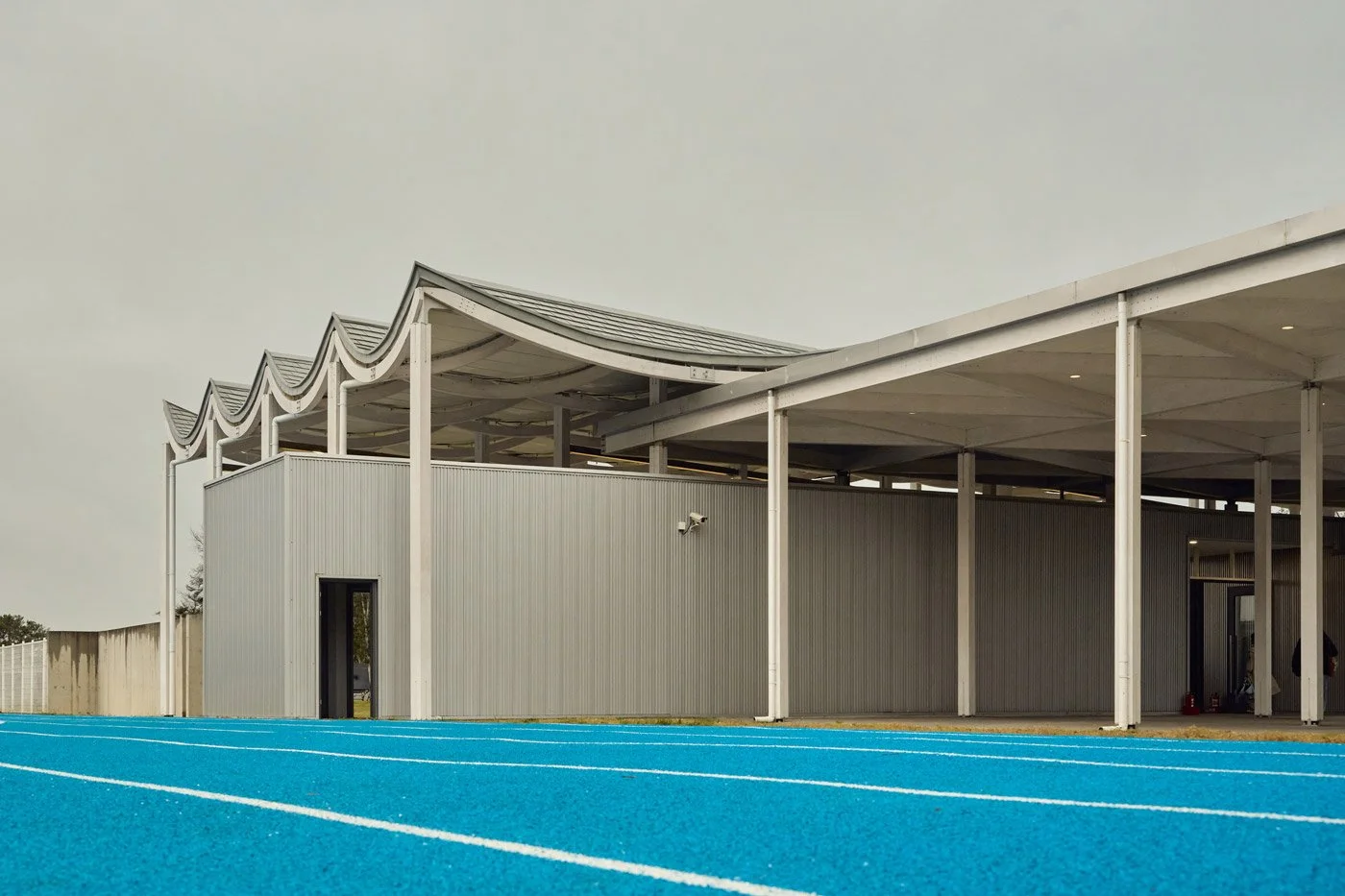
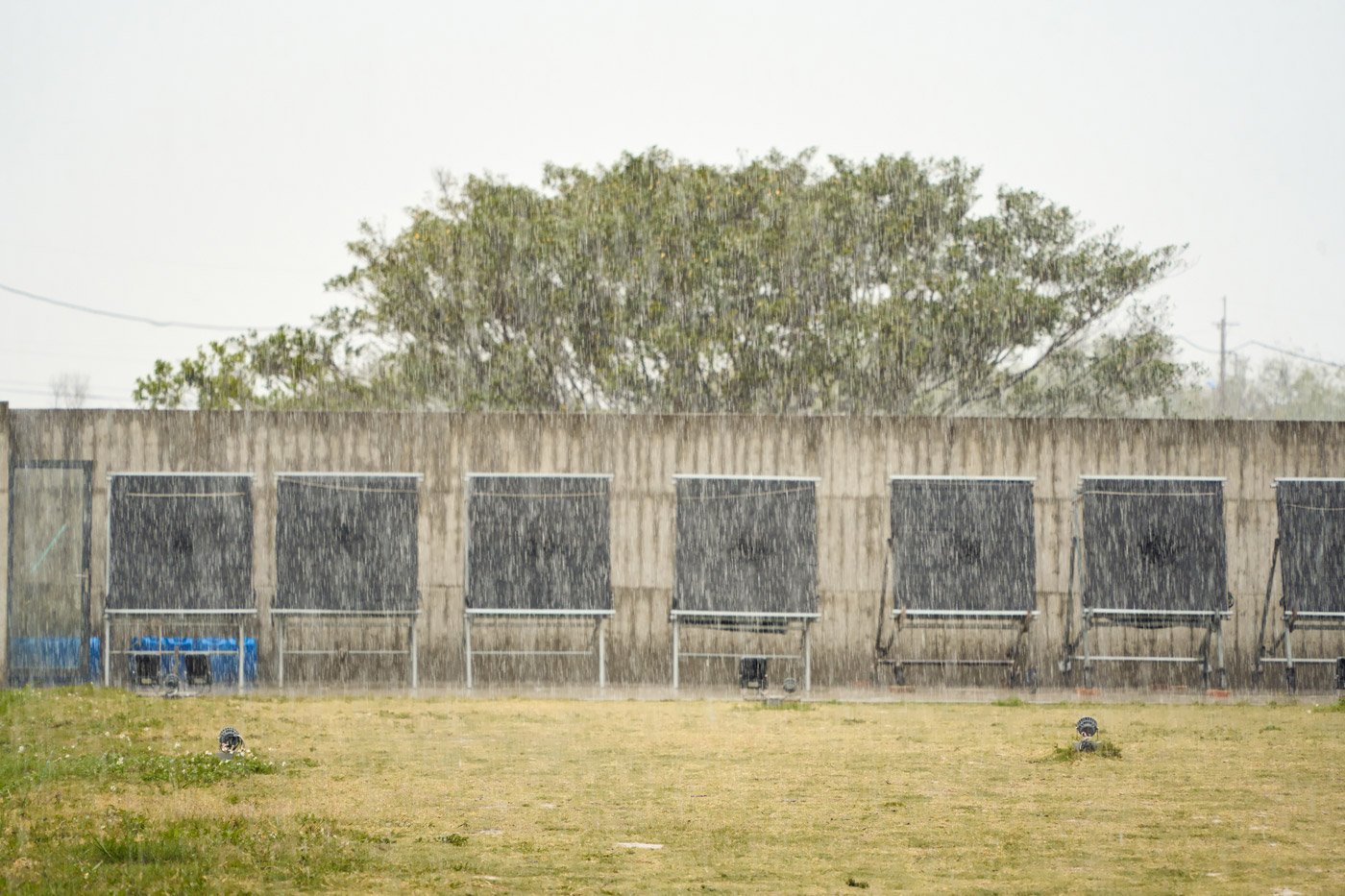
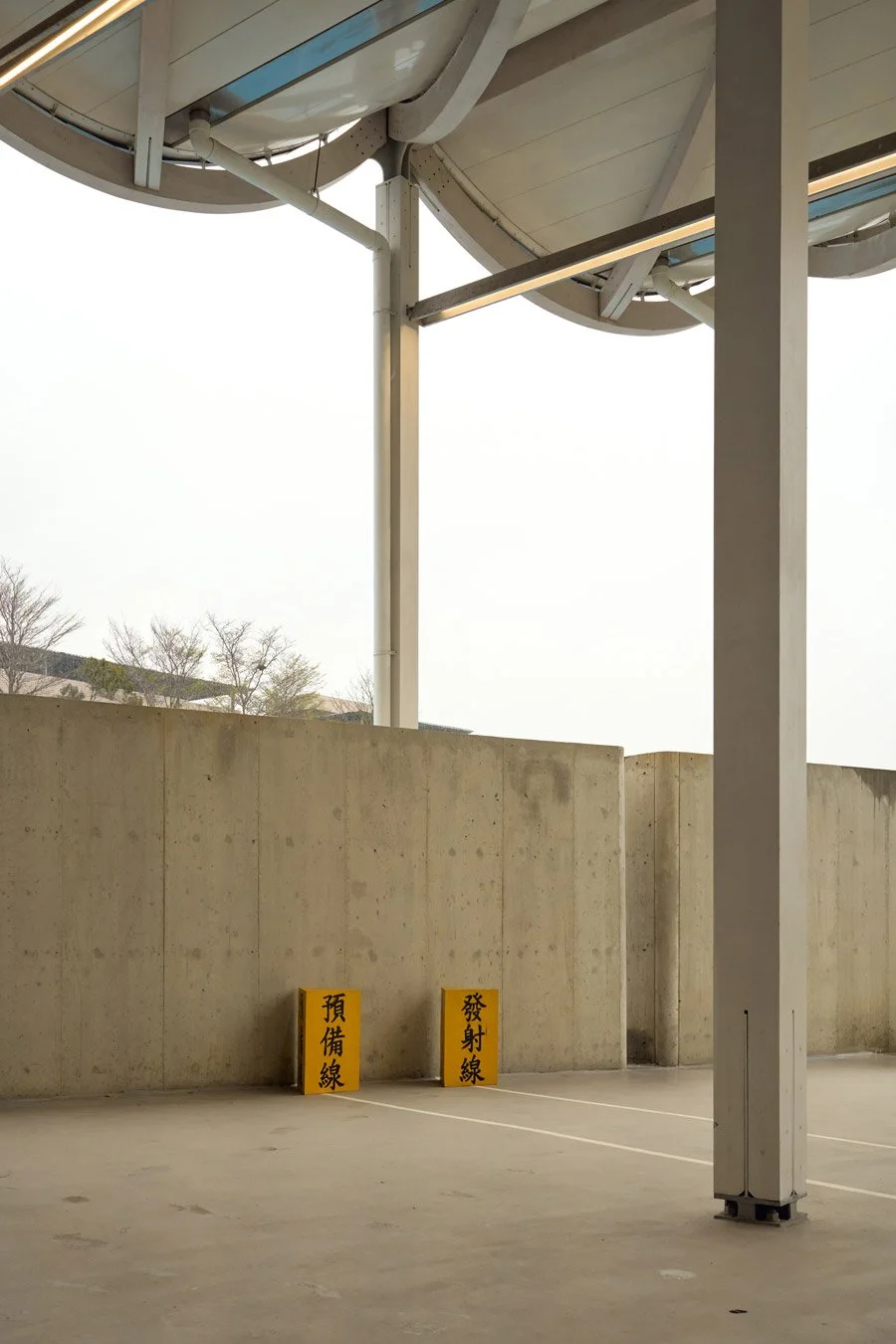
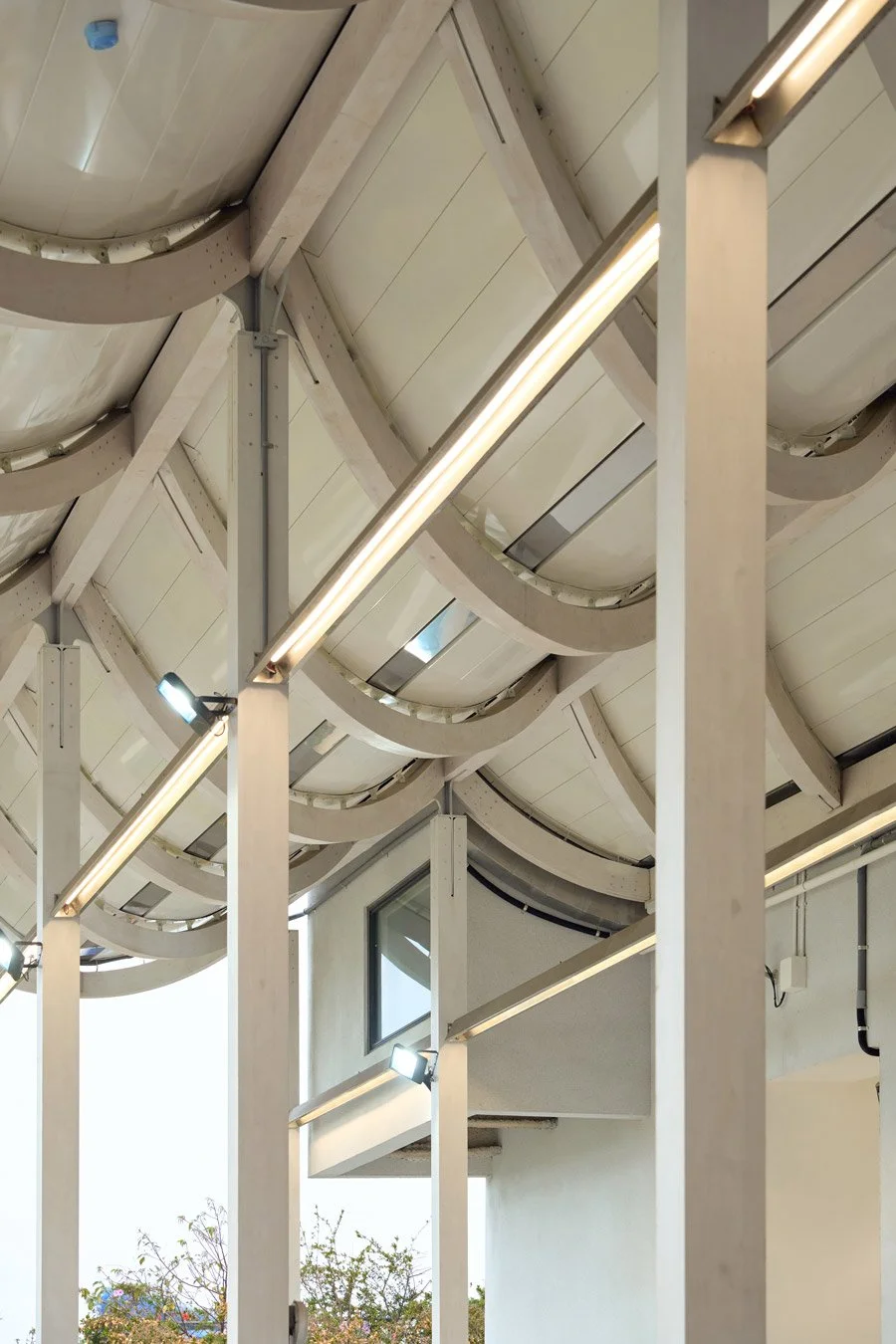
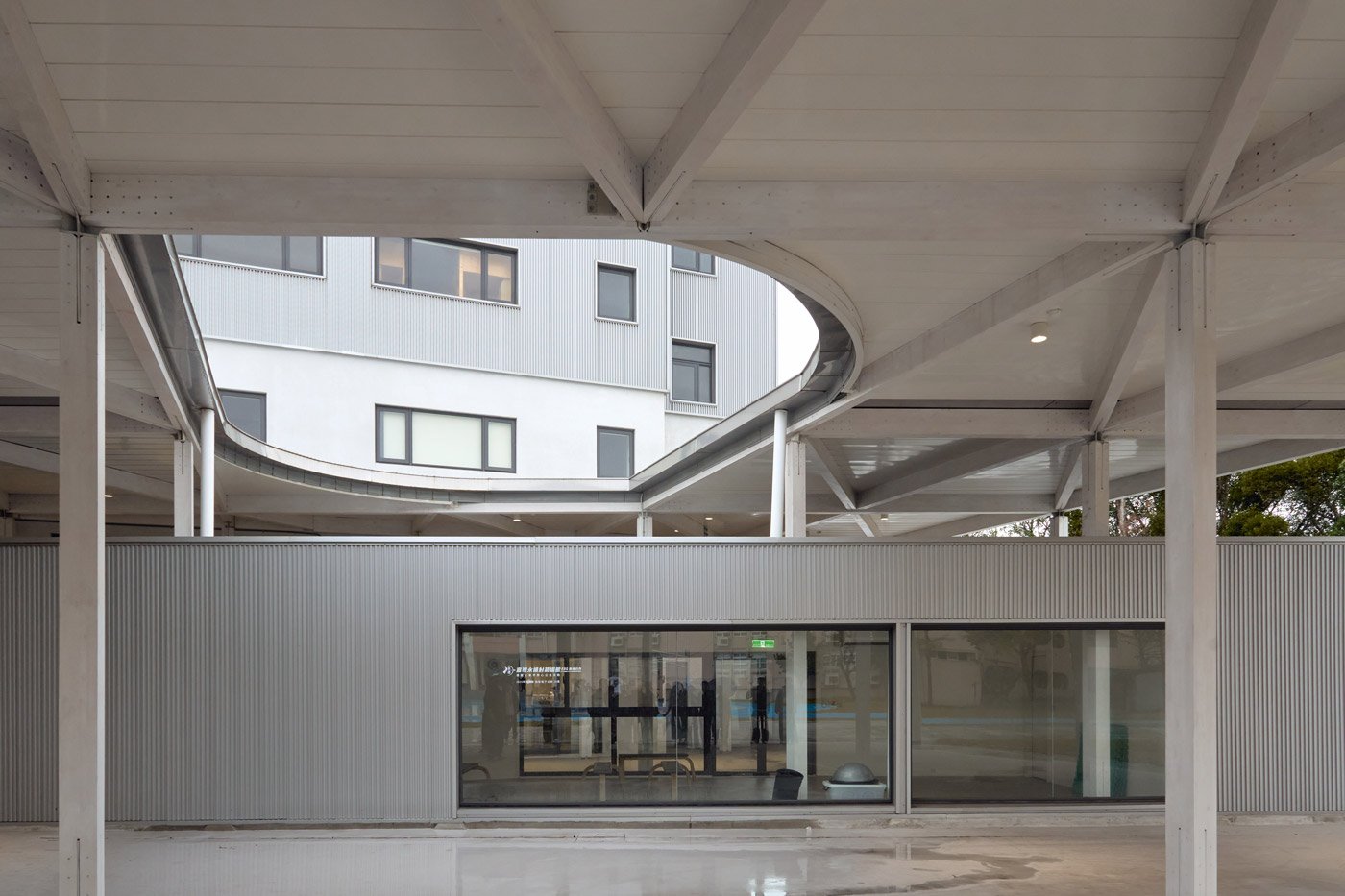
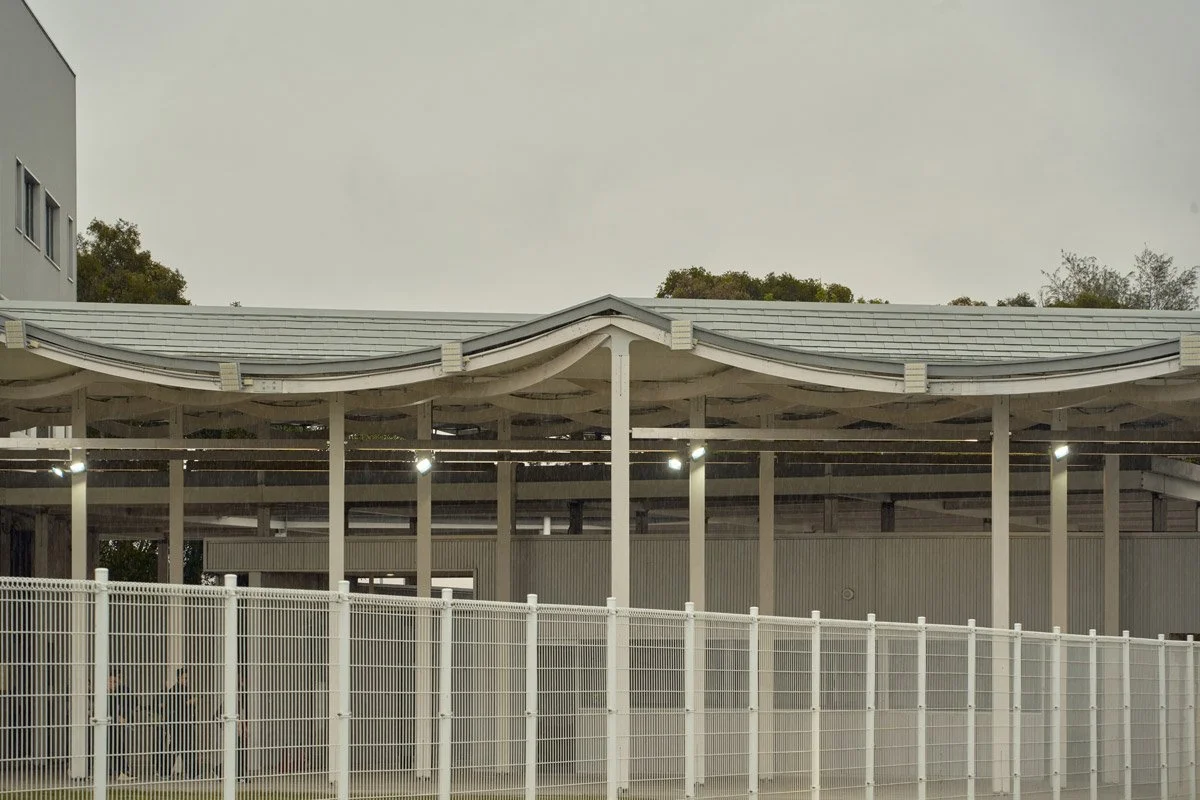
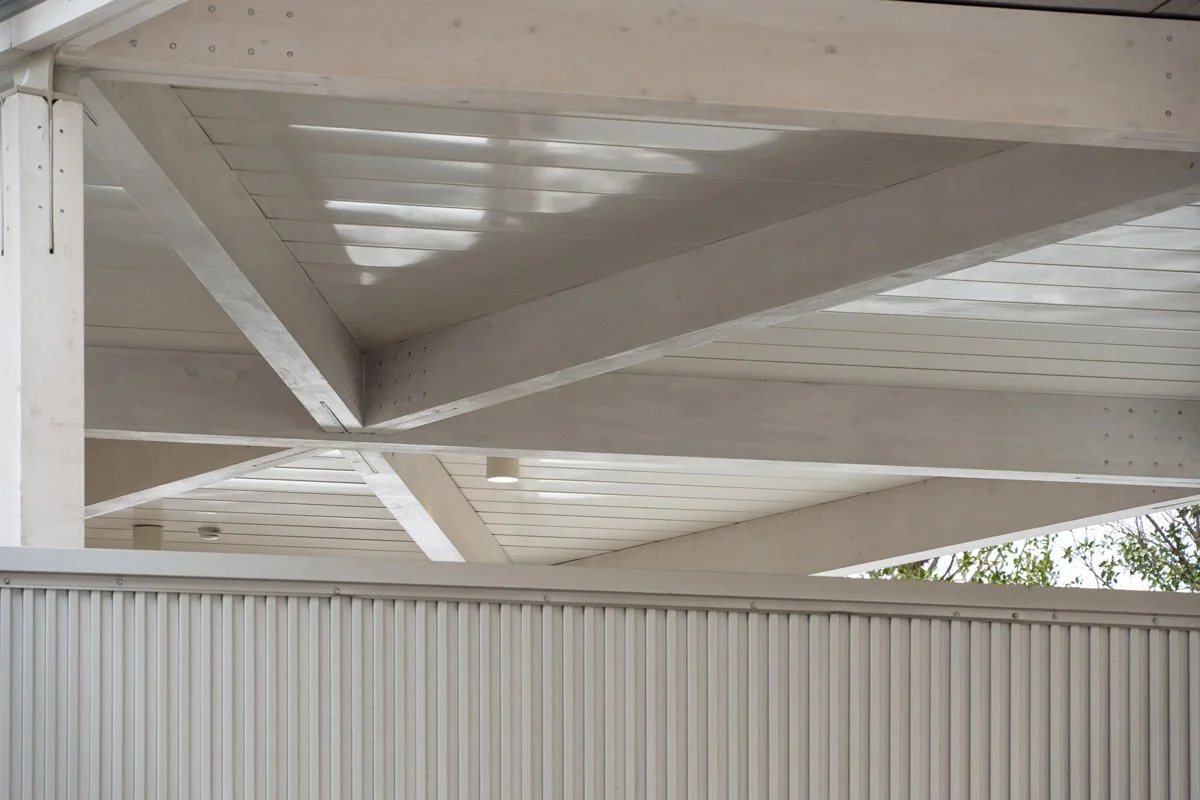
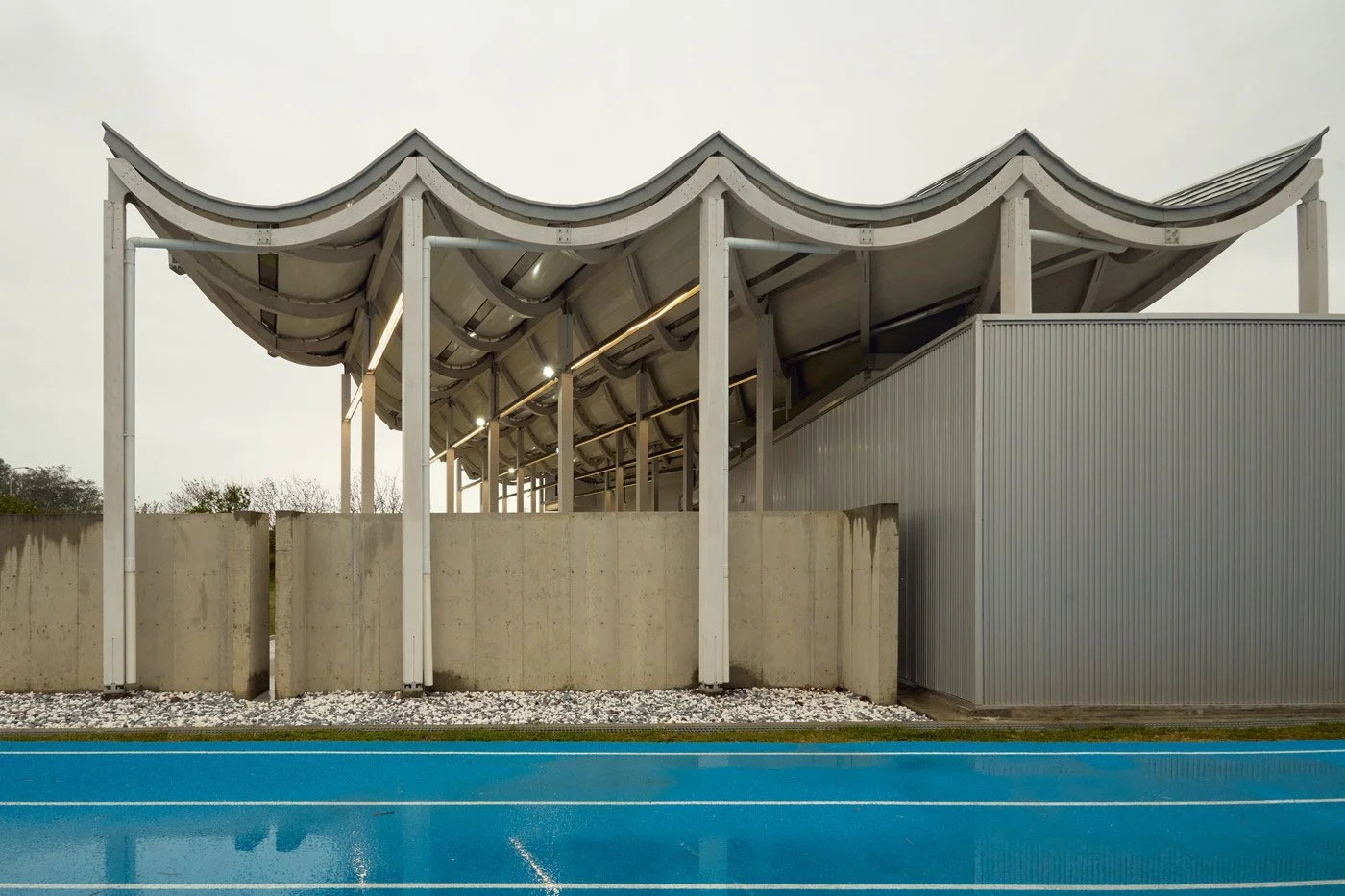
The second site was the archery range at the same school, designed by architect Hu Jing-Yuan. Here, I saw another facet of design: infinite patience and negotiation. While the final space is impressive, the eight-year journey behind it is even more profound.
A professional archery range requires 70 meters of depth, but the school’s site was simply too small. To accommodate the range, the track had to be re-angled and relocated, all without encroaching on the training space of the track and field team. Every party’s needs were real; no one could be sacrificed. What the architect did here transcended our general understanding of "design." Instead of drawing a beautiful plan on a blank slate, he found a way for everyone to coexist within a reality full of constraints. This is a high-level "social design thinking"—translating the needs of different groups into an architectural language through constant negotiation.
工二建築/ 胡靖元建築師
-
This project spanned eight years. During that time, stakeholders changed, policies shifted, and every layer of the budget, construction, and site conditions revealed new problems. It was like peeling an onion—layer by layer, researching and solving. But I believe what is harder than "peeling" is "reassembling"—ensuring that the solutions for each layer do not contradict one another, eventually forming a coherent whole. Maintaining the core vision without wavering through eight years of friction requires more than just professionalism; it requires a near-stubborn conviction. True design ability is perhaps the capacity to push a project through to completion even when every condition is imperfect.
-
SPRING POOL ORIGINAL FACTORY: Revitalizing Mindsets and Generational Relationships
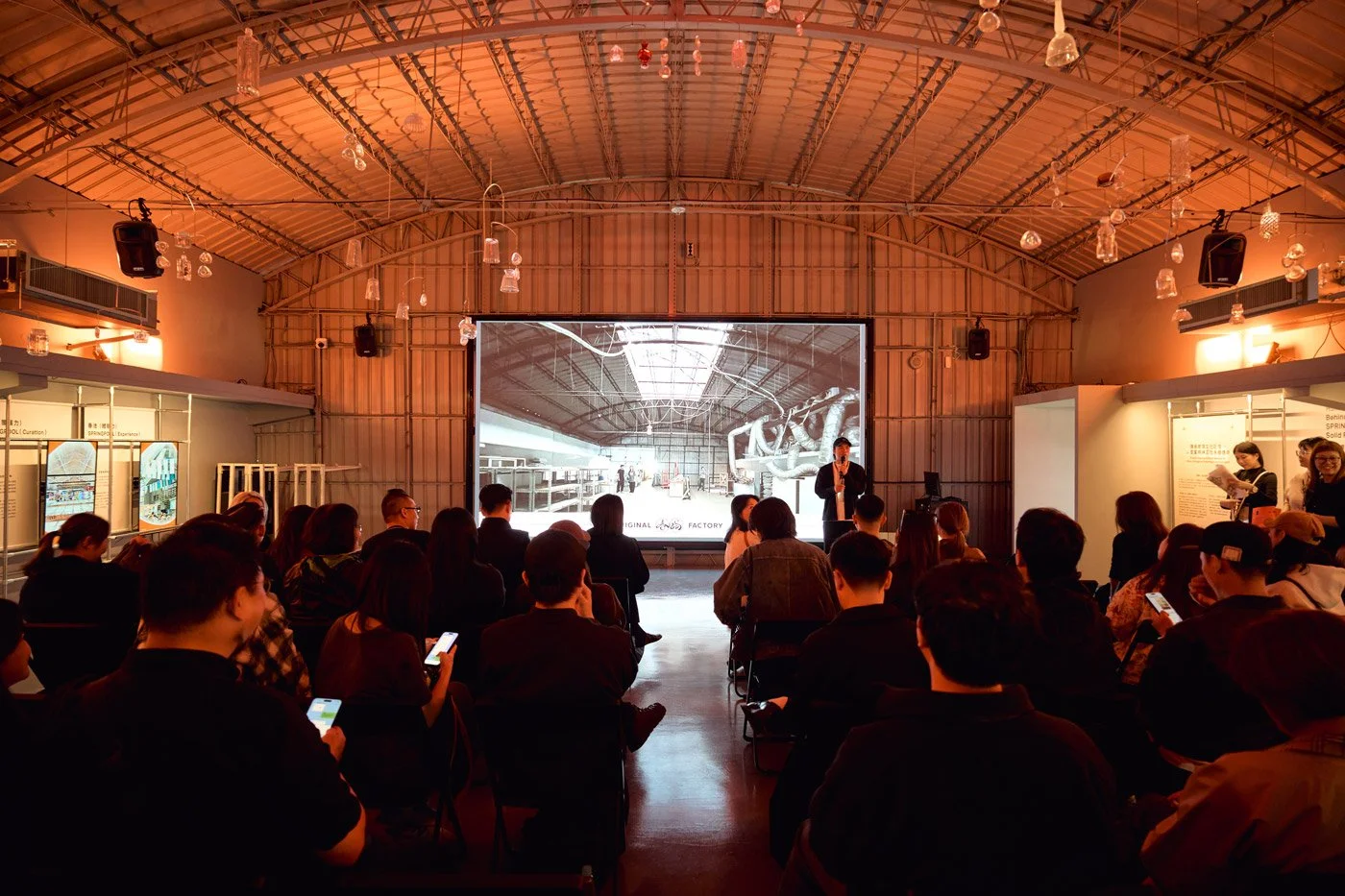
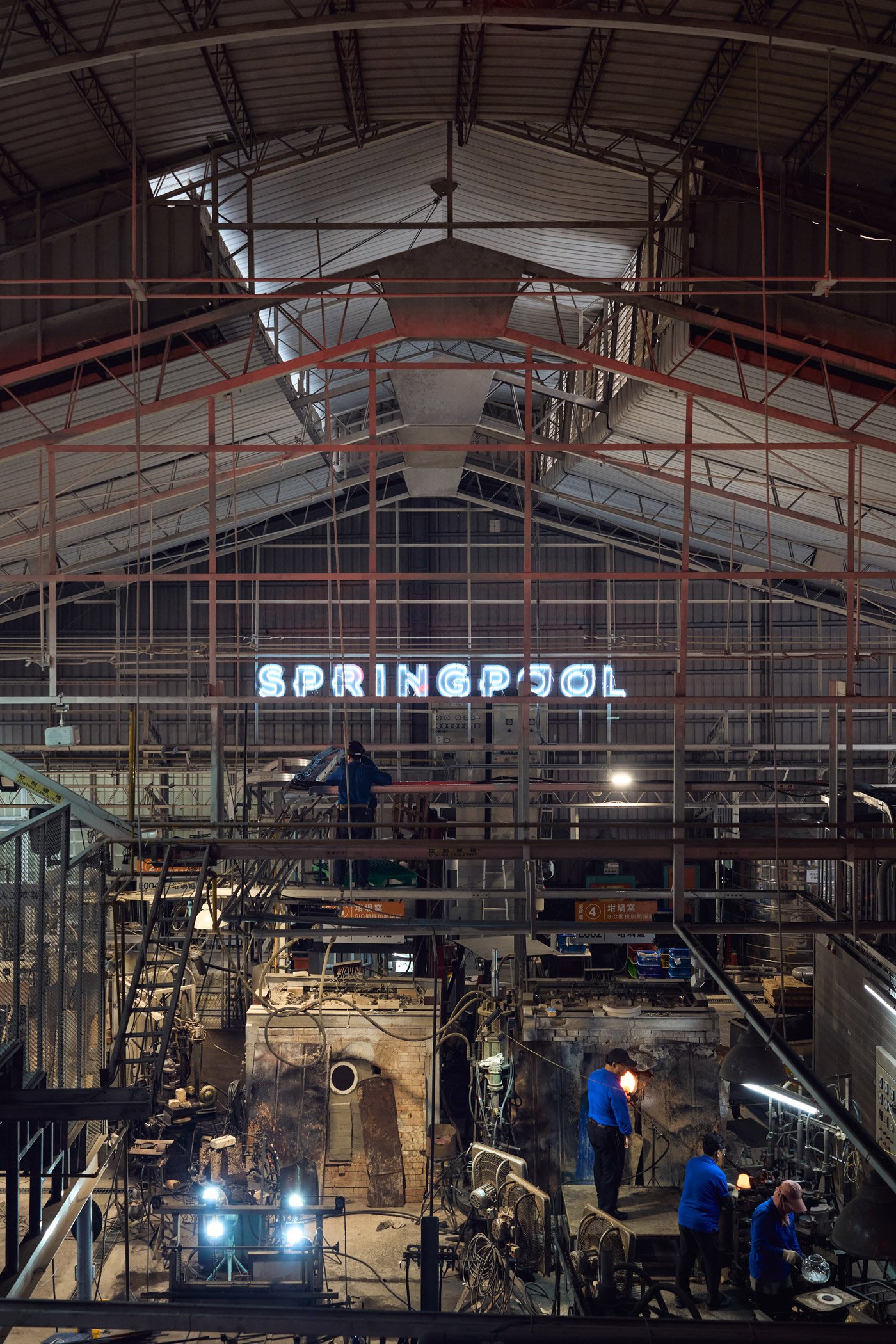
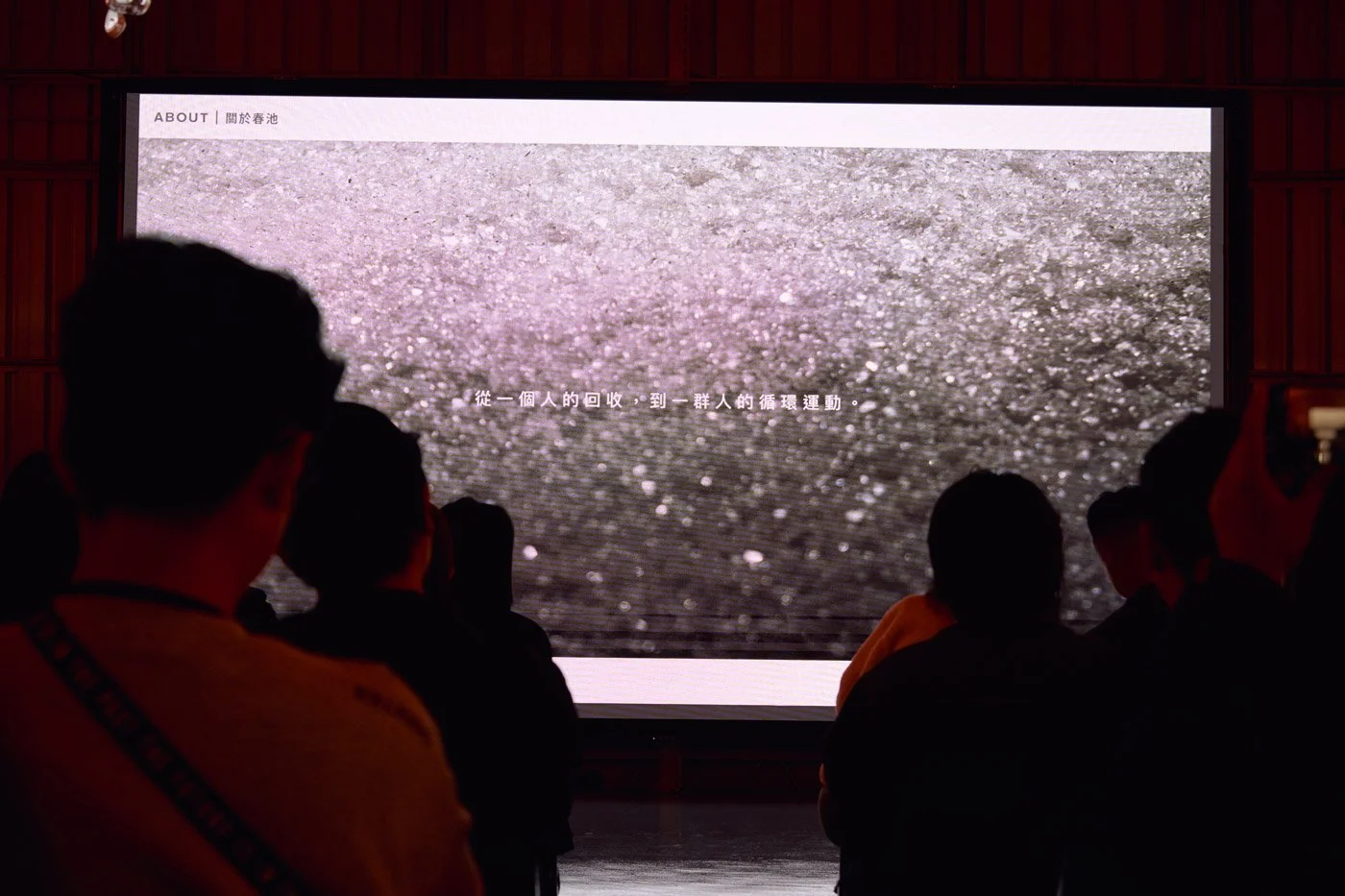
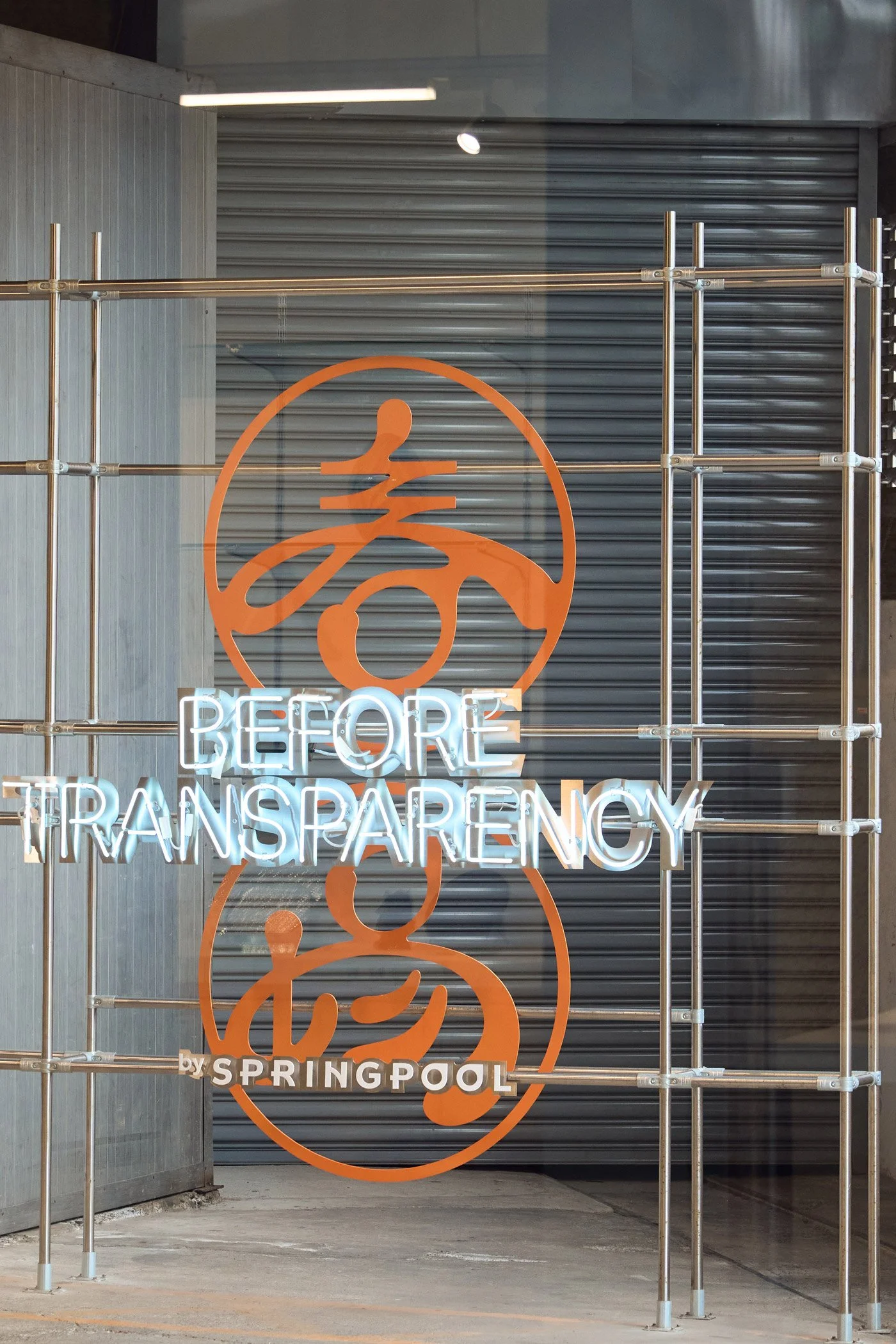
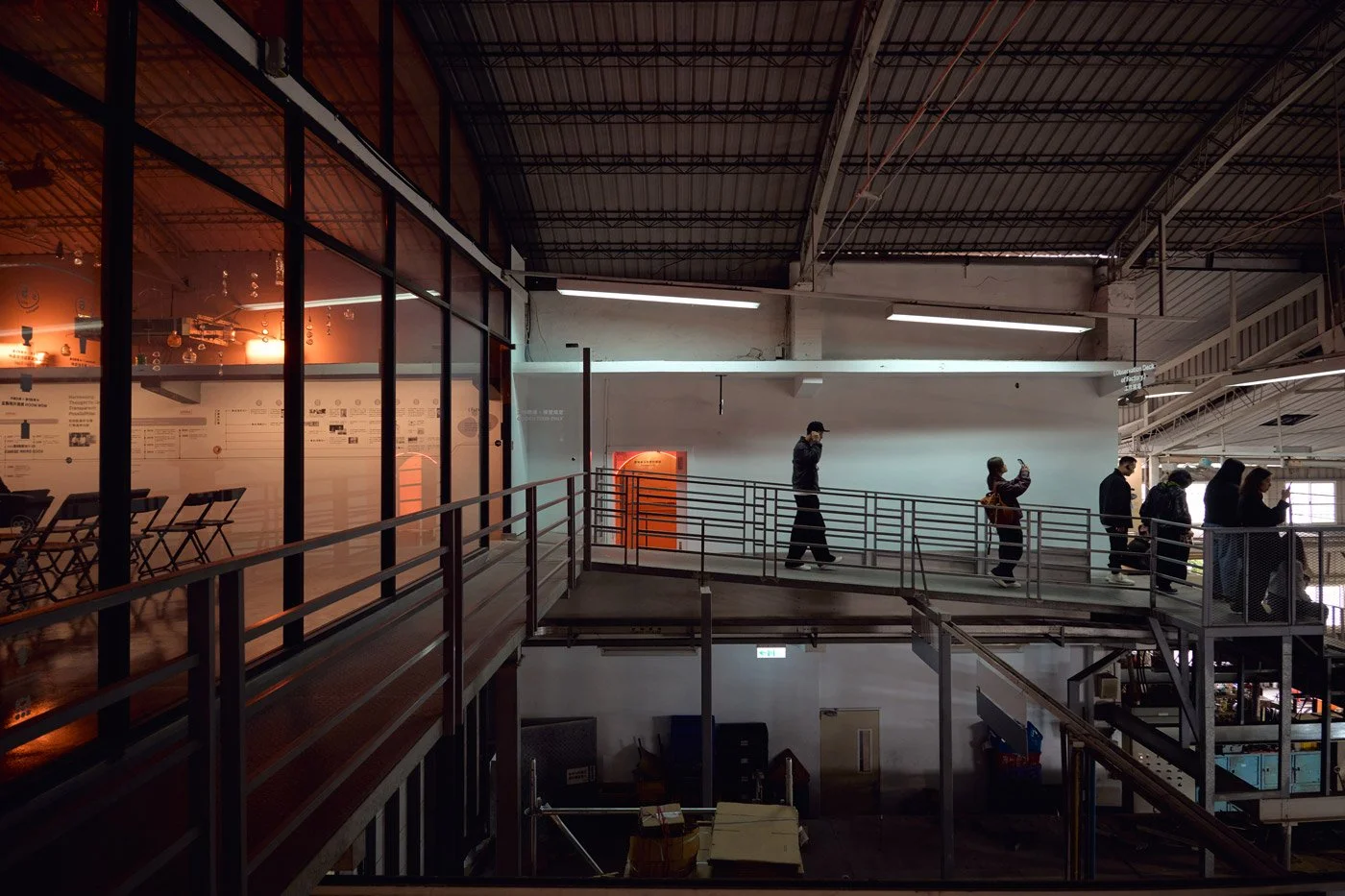
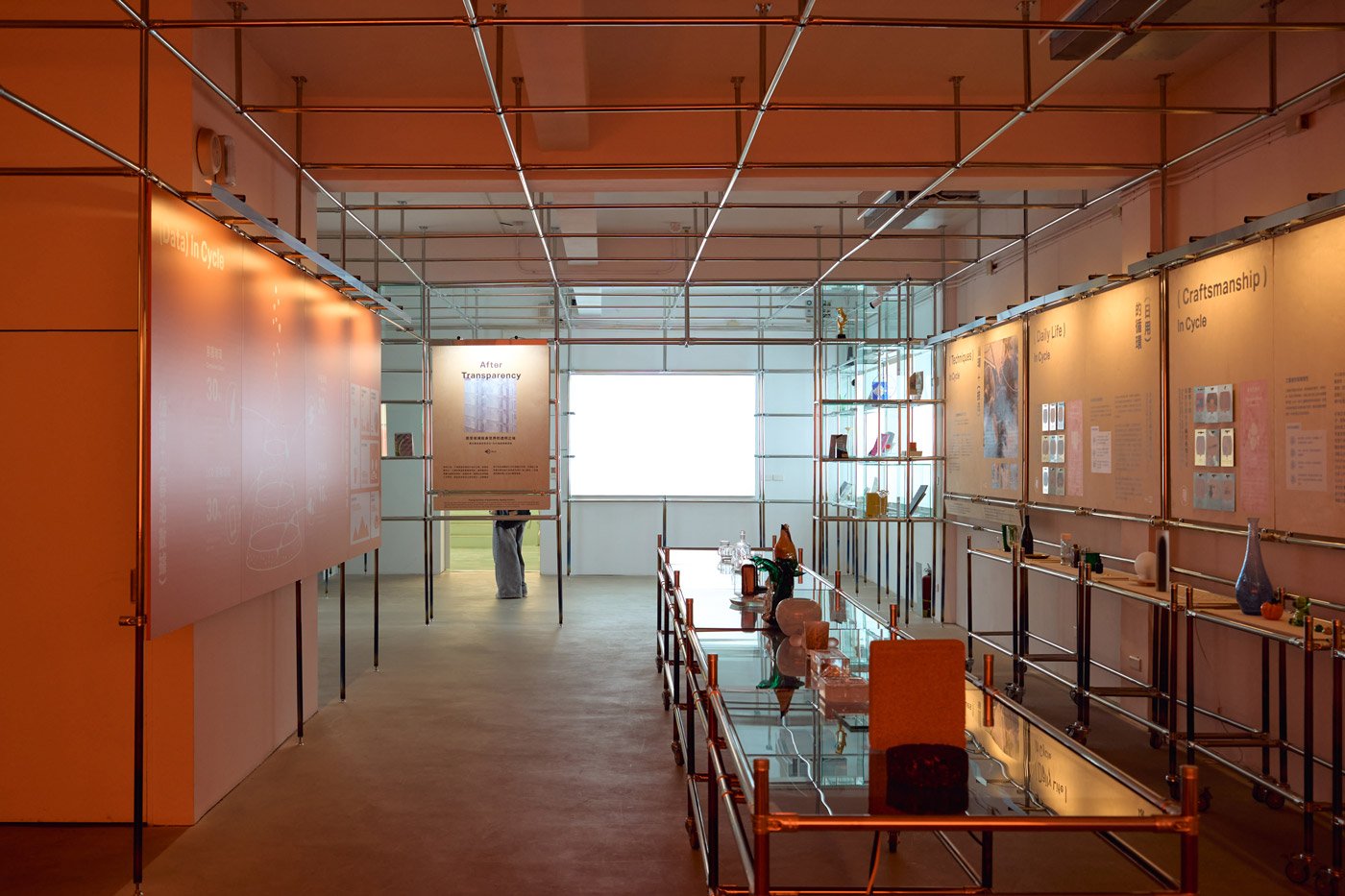
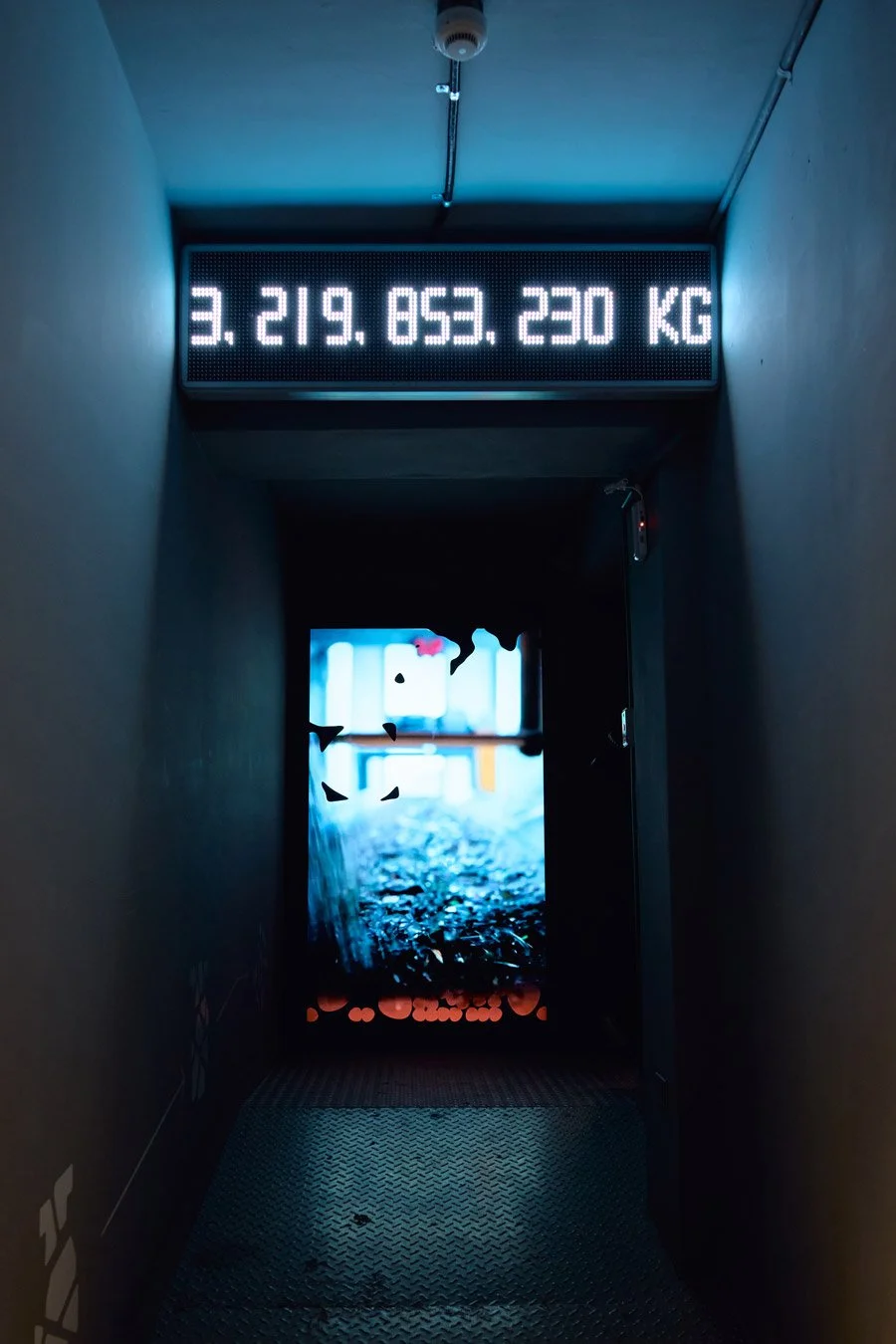
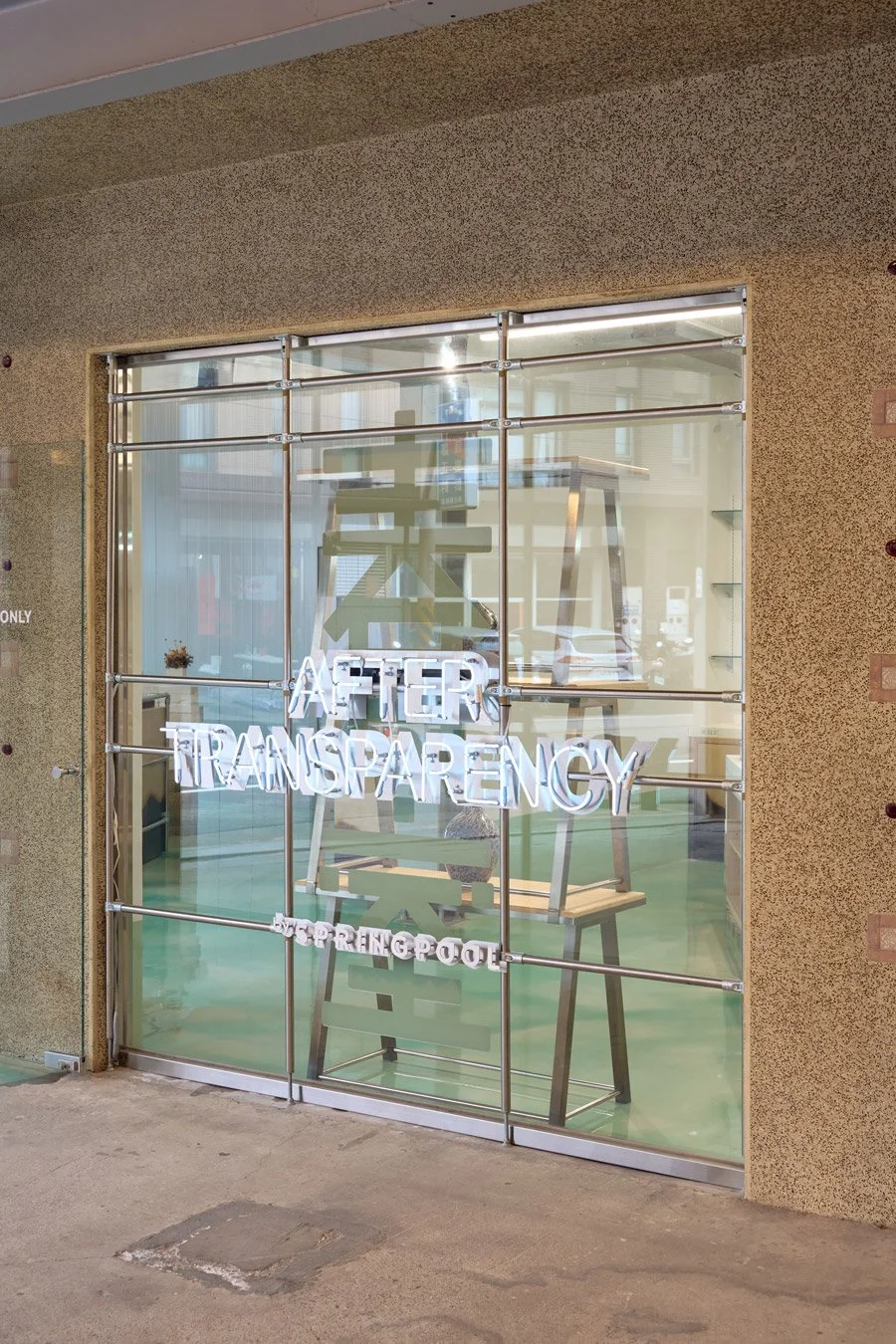
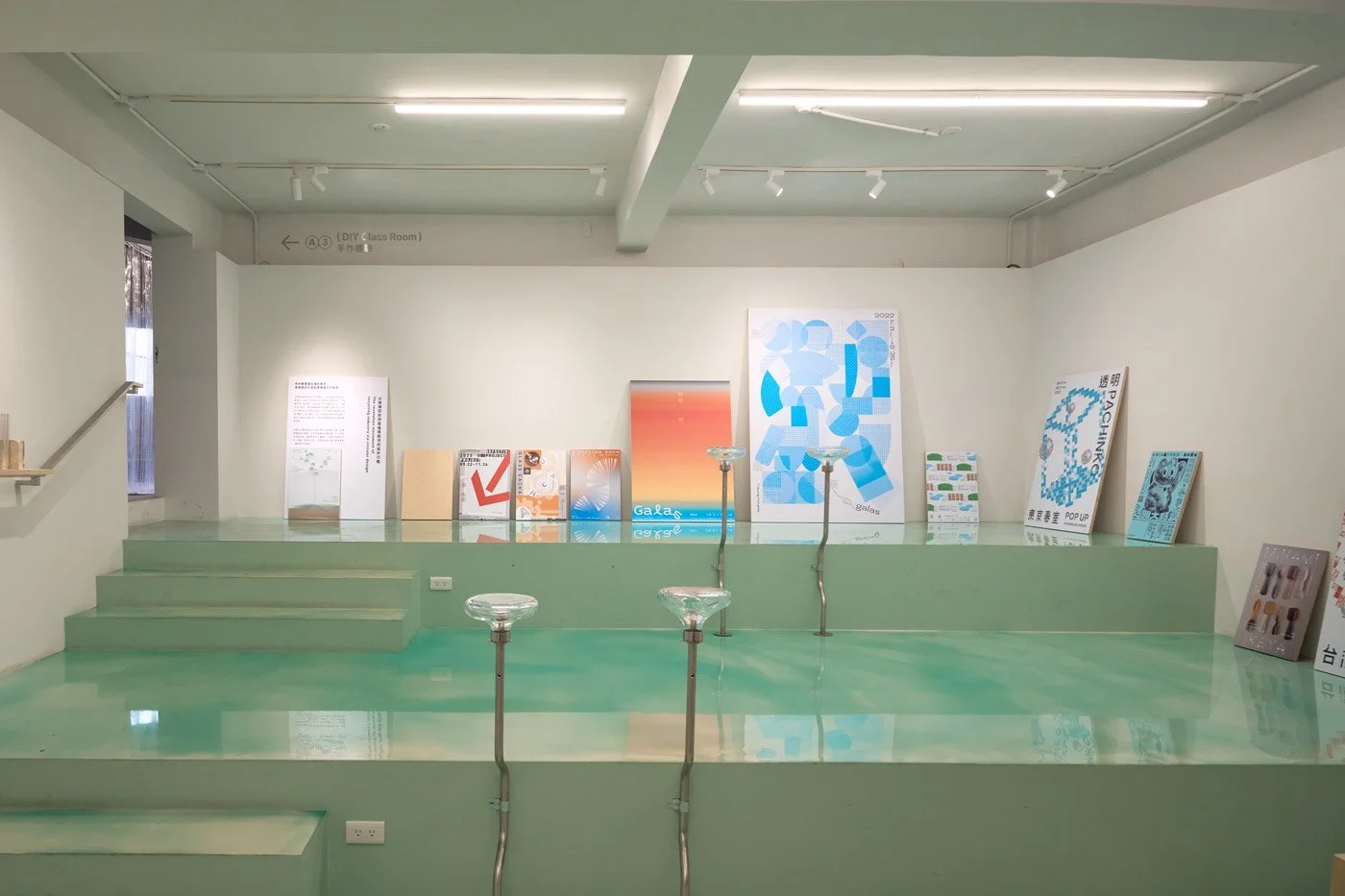
In the afternoon, we visited Spring Pool (Spring Pool Original Factory), with T.A. Wu and Cheng Yu-Wei of S.M.O.L (彡苗空間實驗) sharing their insights. This was a shock of a different dimension. Unlike the campus projects, Spring Pool represents industrial transformation layered with something deeply personal: bloodline and emotion.
-
Spring Pool is a local glass recycling institution built on a foundation laid by the older generation. We have heard many stories of second-generation succession, but the difficulties are unique to each case. The real challenge is not just introducing new technology or adjusting business models, but finding a path that modernizes the institution without tearing the relationship with the elders who spent a lifetime building it.
What T.A. Wu has achieved is akin to a "historic renovation." He renovated not just the factory walls or product lines, but the very "mindset and people" of the organization. Systems had to be rebuilt, employee mindsets communicated, and cognitive gaps between generations navigated with extreme tact and sensitivity—knowing when to push and when to wait.
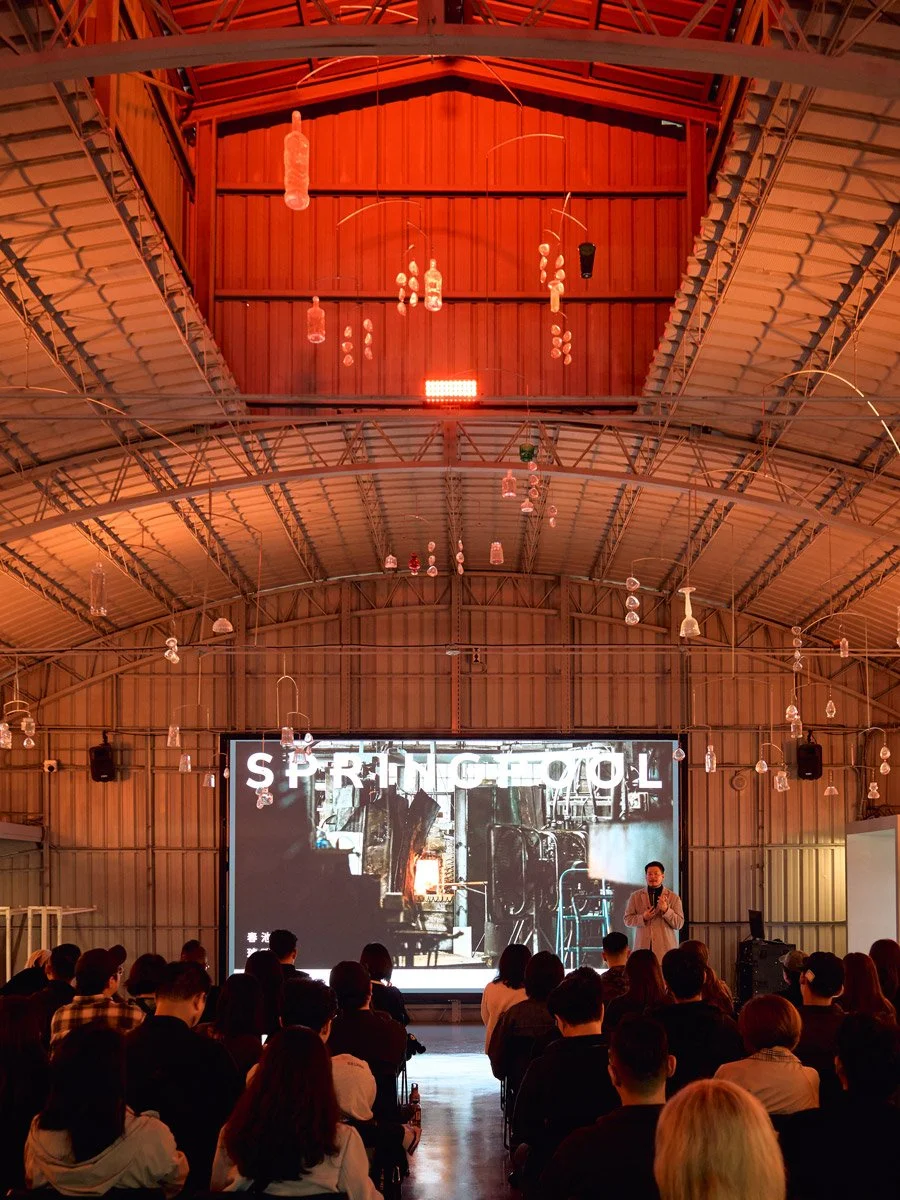
春池玻璃副總經理/ 吳庭安
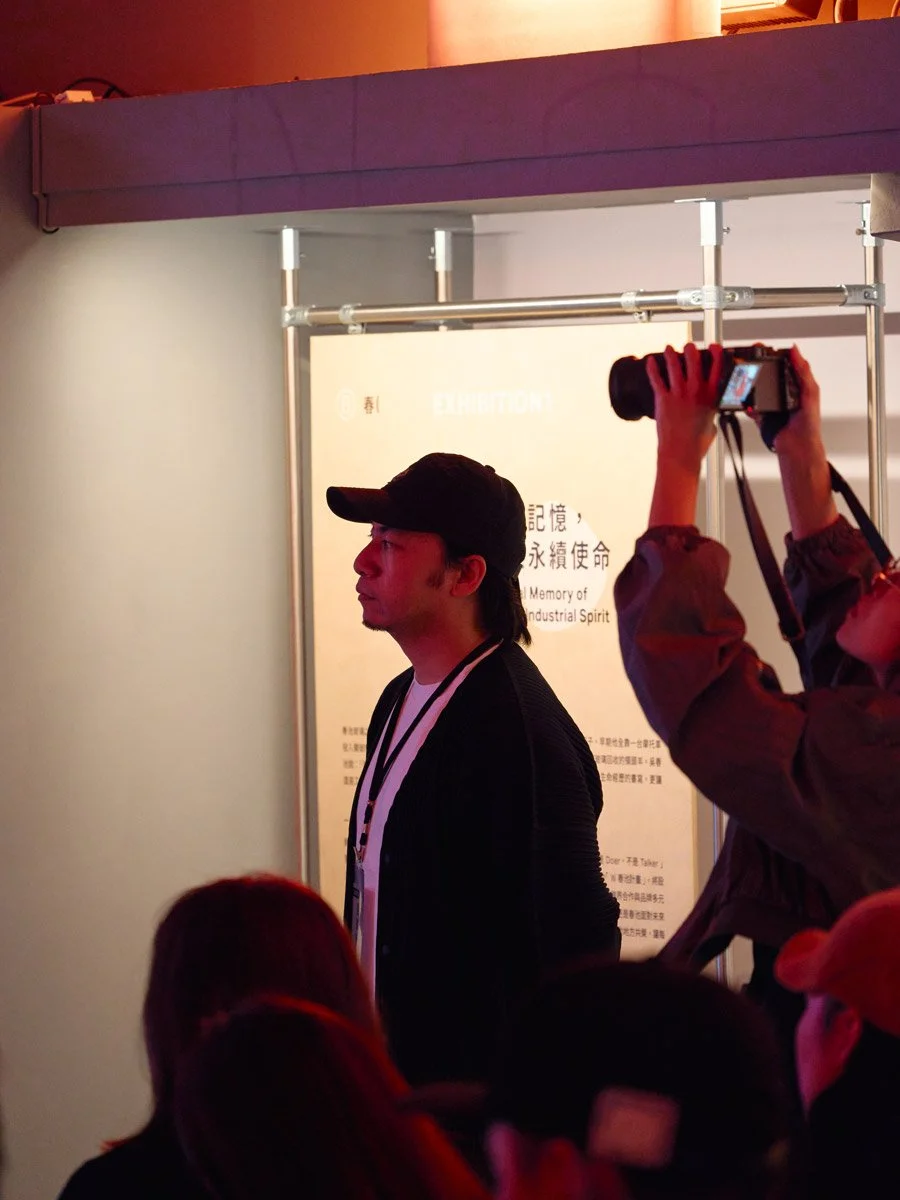
彡苗空間實驗 / 鄭又維設計師
-
This is not the work of a day or two. It is the result of twenty to thirty years of observation, a physical memory ingrained from growing up in the factory, and subsequent learning that integrated the resources and wisdom of three generations. Spring Pool and the Fuli glass classroom may seem unrelated, but they are on the same line: one plants seeds in education, and the other completes the transformation at the industrial end. Both address the same imperative—how to prevent a local tradition from being forgotten in the changing tides of time.
Field Study as a Vehicle for Change
From our previous visits to Malaysia to acting as guides for our counterparts in Taiwan, and now this Hsinchu Field Study, these experiences have convinced me that such exchanges should not be mere occasional occurrences.
Through these events, people of different industry temperaments have the chance to connect. Whether they are photographers, architects, or suppliers, the nourishment and sparks generated by this uninhibited "mixing" are fascinating. This requires not only an open mind from participants but, more importantly, the wisdom of an organization to mediate. Much like the generational challenge at Spring Pool, organizers must find a balance between different generations and viewpoints, allowing the experience of the elders to function while leaving room for younger voices.
-
At the same time, I have reconsidered the positioning of media. As neutral observers, perhaps our role is not just to record stories, but to proactively become the "connection" itself. Field study is the ideal vehicle for these connections to land. As long as it continues to happen, it will be enough to allow new possibilities to constantly brew.