古老藥香裡的數位演化:泰昌堂三位醫師康博涵、徐瑋隆、湯家誠,談為傳統中醫開一帖當代處方
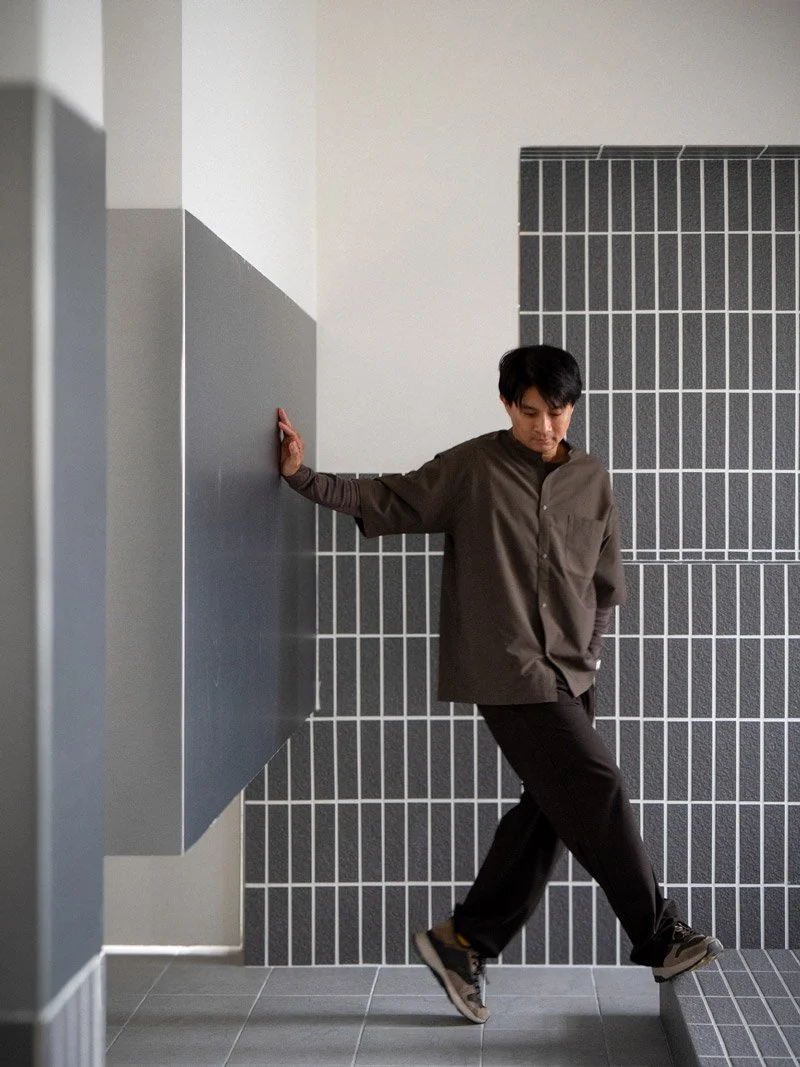
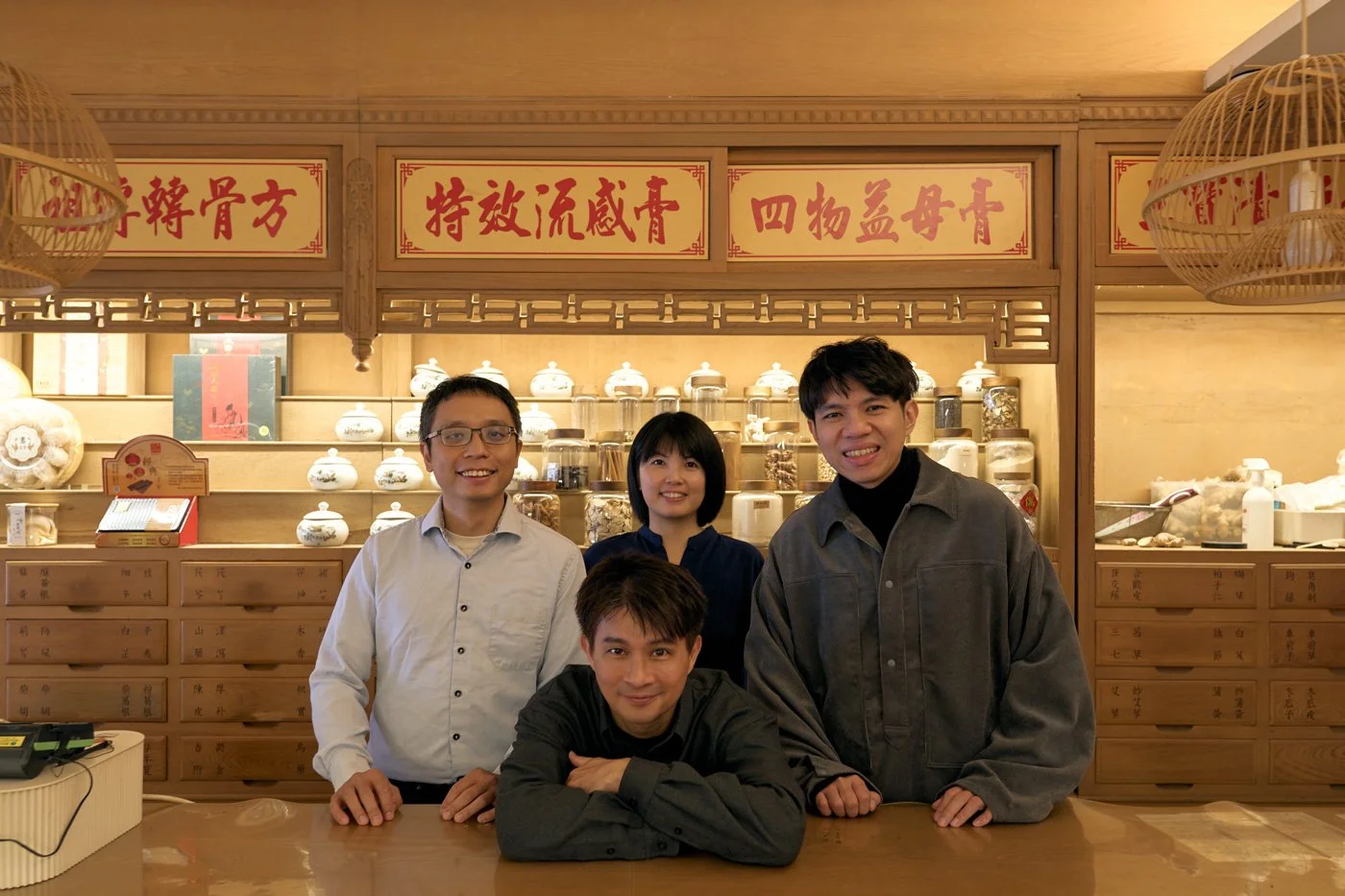
泰昌堂三位創辦醫師與HC 主理人,左至右:湯家誠、康博涵、Jamie、徐瑋隆
-
For centuries, the practice of Traditional Chinese Medicine (TCM)—from its diagnostic methods of observation, auscultation, inquiry, and palpation to the precise dispensing of herbs—has been a profession highly reliant on the passing down of experience. This lineage inevitably carries a certain unspoken randomness. While this unpredictability is steeped in a human touch, it often leaves those of us accustomed to the precise rhythms of modern life feeling a sense of uncertainty and distance when stepping into a TCM clinic.
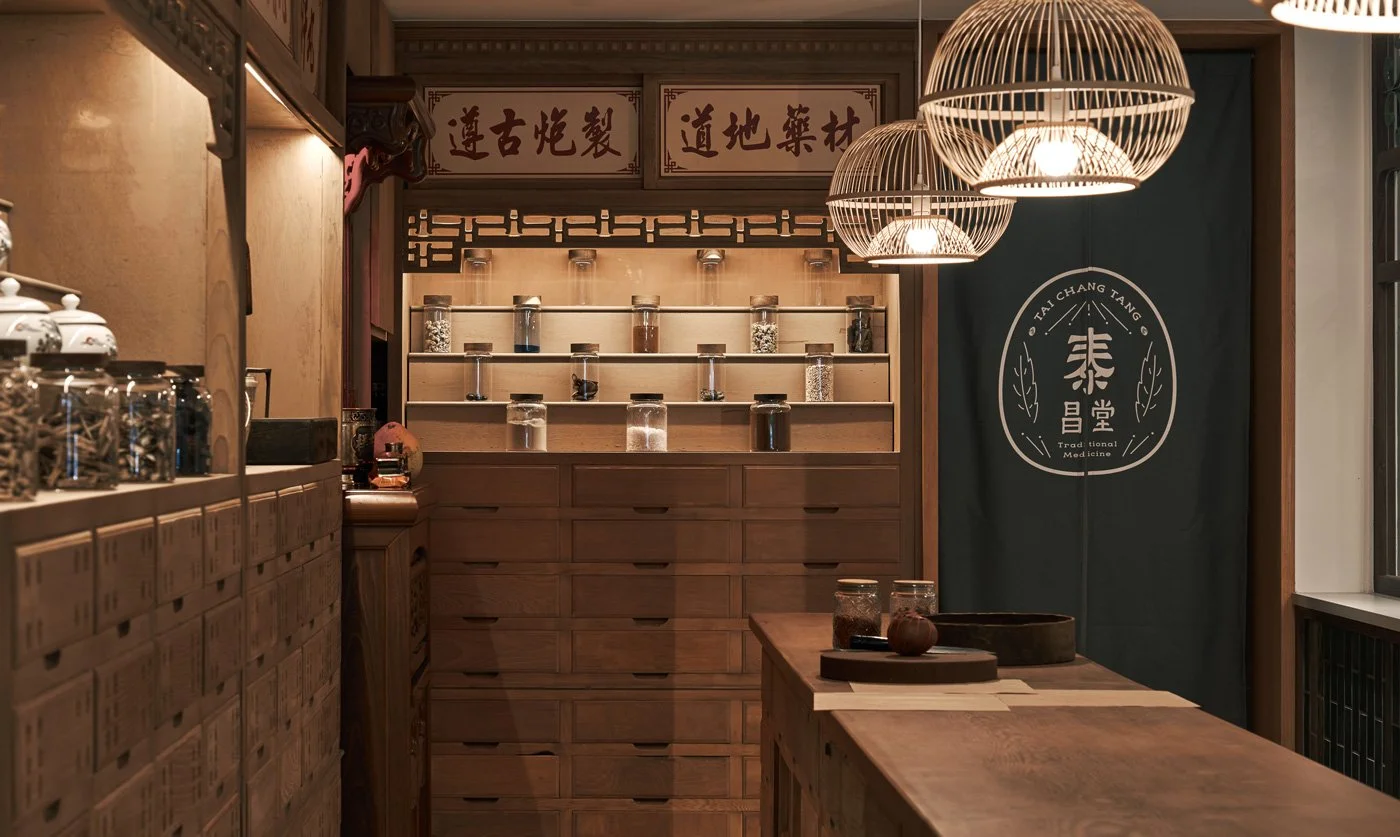
However, when the signboard of "Taichangtang"—an old herbal apothecary carrying over thirty years of neighborhood memories—was passed into the hands of three young physicians: Kang Po-Han, Hsu Wei-Lung, and Tang Chia-Cheng, a gentle yet resolute evolution quietly unfolded. Push open the doors, and the familiar, mellow scent of herbs and the warm atmosphere of the space remain. Yet, built upon this traditional foundation is a newly fused vitality and a distinctly different, rational order.
Beneath the rustic fragrance of herbs, they have laid down modern systems thinking, data analysis, and cloud collaboration. Within this seemingly relaxed and effortless space, the introduction of digital logic has erected a modernized operational framework for traditional Chinese medicine.
-
Q: Looking at Taichangtang today, it’s hard to imagine that its predecessor was a highly localized, traditional herbal apothecary.
Taichangtang:
Exactly. Our foundation is the time-honored "Taichangtang Ginseng and Herbal Apothecary." The original owner, Mr. Shen, ran it for most of his life, single-handedly holding the shop together. From dispensing prescriptions for neighbors and brewing herbal decoctions to tending the stove for loquat syrup, while also managing inventory and accounting—every single task was solid, physical labor. As he grew older, Mr. Shen felt he could no longer manage the workload and asked Dr. Hsu Wei-Lung if he would be interested in taking over.Behind this succession lies a serendipitous connection. In his youth, Mr. Shen knew Director Lai from Yang-Ming Medical College, and all three of us graduated from the Yang-Ming system. Dr. Hsu happened to live nearby, and after graduation, he would often visit the apothecary to chat with Mr. Shen and examine the herbs. We were around thirty years old at the time. When Mr. Shen decided to unconditionally hand over a three-decade-old brand to a young man with no blood ties, it was built entirely on a profound sense of trust and a shared sense of mission.
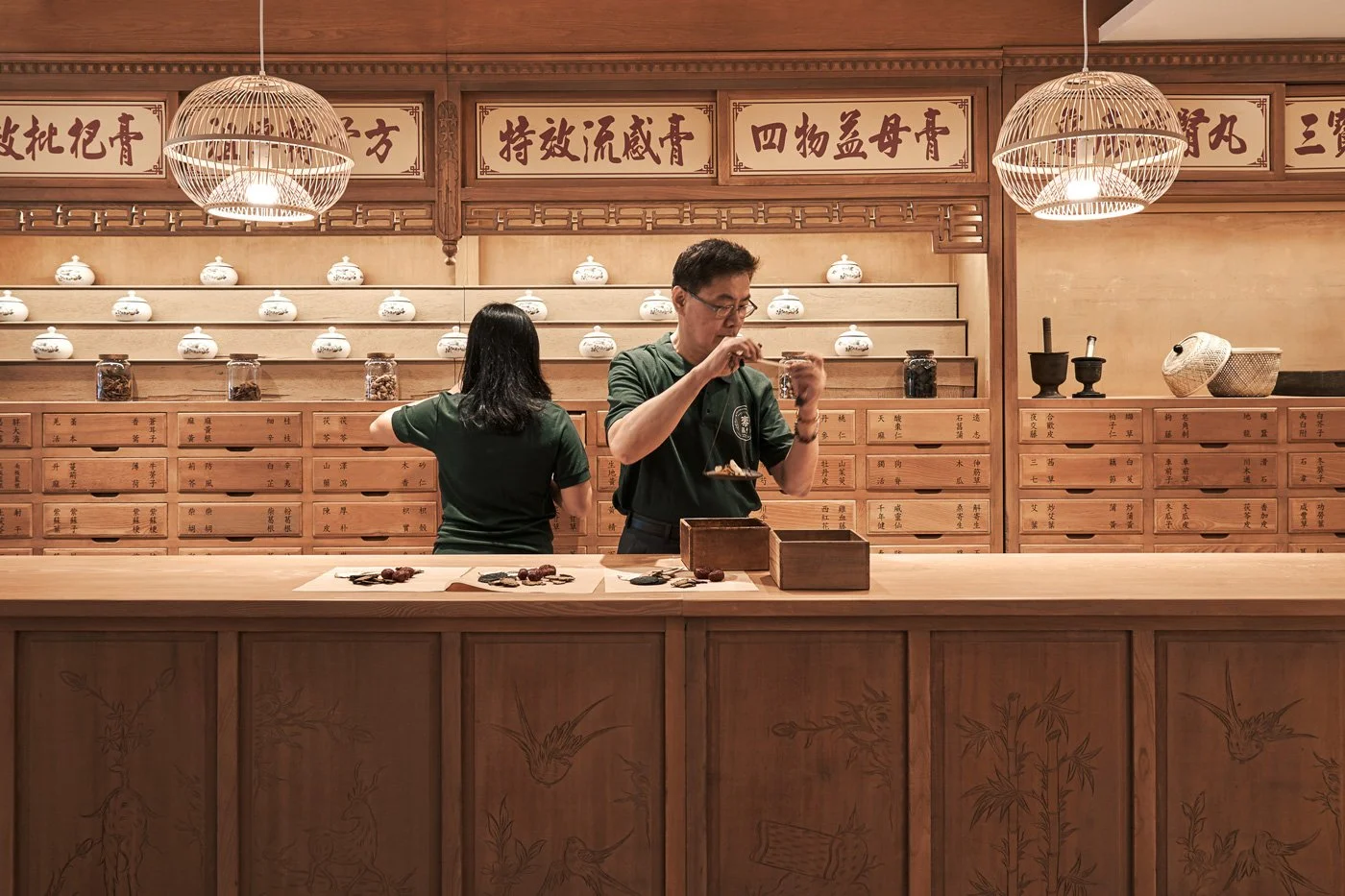
泰昌堂參藥行老老闆
-
Q: How do the three of you divide the operational responsibilities on a daily basis?
Taichangtang:
We don't have a rigid division of labor; instead, we naturally "pick up" responsibilities based on our individual traits. One focuses on the foundational infrastructure and troubleshooting of the interior space; another prioritizes visual design and the customer experience; while the third is entirely dedicated to medical expertise and value anchoring. We often joke that our natural dispositions complement each other perfectly. This dynamic—where there are no blind spots ignored by all three of us, and where someone automatically fills in the gaps at every stage—is the invisible force stabilizing our brand.Q: Transitioning from the previous owner's one-man manual operation to a systematized, multi-store management model, how did you break the traditional TCM framework to establish this rational operational mechanism?
Taichangtang:
The greatest challenge lay in modernizing the traditional apothecary, making it easily manageable, and drastically lowering the learning curve for staff.The most immediate shock came in financial and inventory management. In the past, Mr. Shen would casually toss earnings into a drawer and take money from that same drawer for purchases. It was only when we took over and started hiring employees that we realized this "drawer management method" simply doesn't work in a modern organization. Over the past few years, we’ve gradually introduced a POS system to standardize herbal pricing, preventing discrepancies caused by different people calculating costs. Simultaneously, we implemented HR and financial systems to reduce our over-reliance on individual experience.
Beyond basic systems, we utilize spreadsheets and Google Cloud platforms to precisely control costs, track herbal supply chains, and facilitate internal collaboration. In our internal communications, we champion a spirit of "sharing" and succession, using the cloud to share all medical cases and evaluation data. This transparency allows for rapid course correction; a problem encountered at any single branch can instantly be converted into insights for optimizing the entire system. To us, each branch is no longer an isolated island, but part of a self-correcting organic whole.
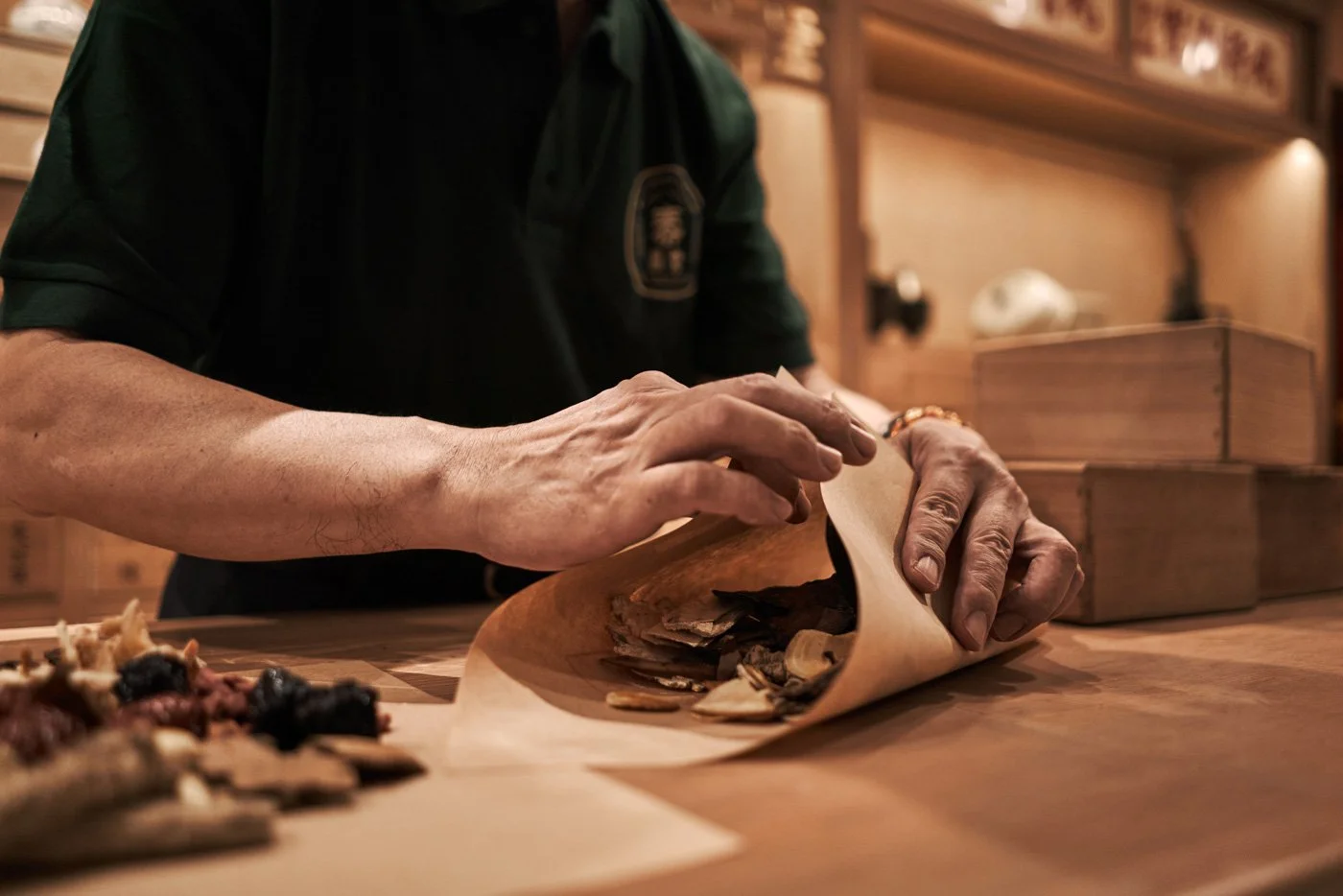
在內部溝通上,我們奉行分享與傳承的精神
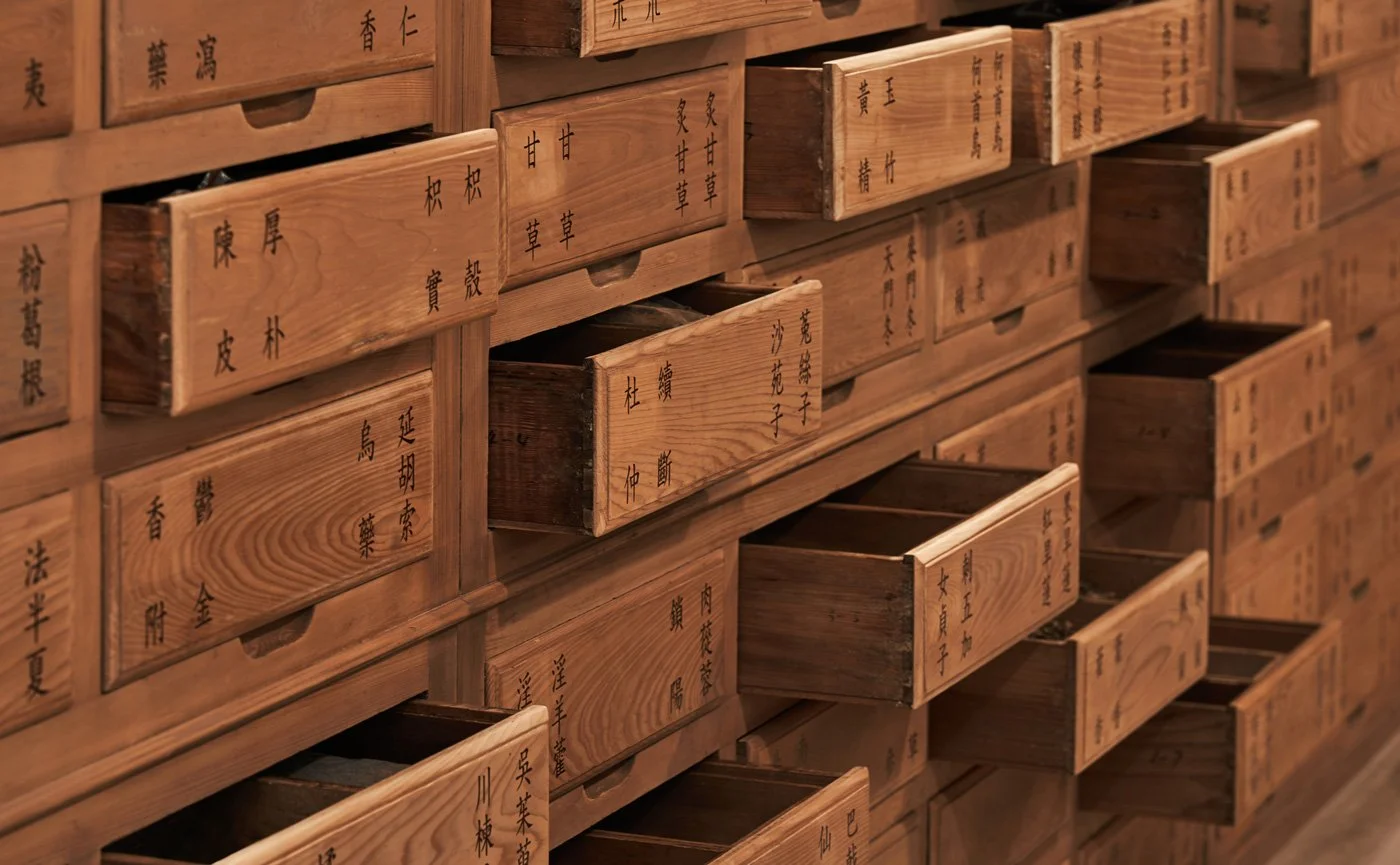
我們的目標是透過科技串聯整個生態系,確保病患不論走進哪一個據點,都能獲得穩定且可預期的醫療體驗
-
Q: In a relatively traditional and conservative field like TCM, why did you decide to invest so many resources into technology and digital development?
Taichangtang:
As long as technology can help optimize our workflow, we are eager to try it. Historically, TCM has been quite traditional—seeing a doctor often required making phone calls or waiting endlessly in line. We introduced a LINE reservation system early on, and today, up to 50% to 60% of our patients book via digital platforms. This has drastically improved convenience and the patient experience. Moving forward, we plan to integrate AI tools into "customer feedback" and "logistical management."Our goal is to connect the entire ecosystem through technology, ensuring that no matter which location a patient walks into, they receive a consistent and predictable healthcare experience.
-
Q: Whether an organization is expanding outward or systematizing internally, people are always the most critical factor. Do you have any specific principles or considerations when selecting employees?
Taichangtang:
The core philosophy remains "character over capability," with honesty being the absolute bottom line.In any employment relationship, conflicts and friction are inevitable. However, when facing setbacks, if negative emotions are amplified, they can easily spread throughout the team. Additionally, we aren't afraid of investing resources into training employees only for them to leave. We view staff turnover as an opportunity to bring in better talent and refine our internal systems. As long as we maintain a positive corporate culture, the right frequency will naturally attract and retain the right people.
Jamie: What kind of internal training programs do you conduct?
Taichangtang:
We arrange regular study groups based on different roles. Physicians meet once every two weeks for two hours, primarily discussing medical topics. The apothecary and administrative back-office teams meet once a month to discuss practical applications in life and work. This year, we even applied for a government grant to send our administrative team to AI training courses together.Many organizations host study groups that eventually fizzle out. The reason ours have endured—aside from the founders participating directly and fostering an open environment free from hierarchical baggage—is due to one very practical secret: we always provide great food and drinks. When everyone feels they are learning and genuinely engaged, they now even assign the topics for the next session on their own, without us having to give any directives.
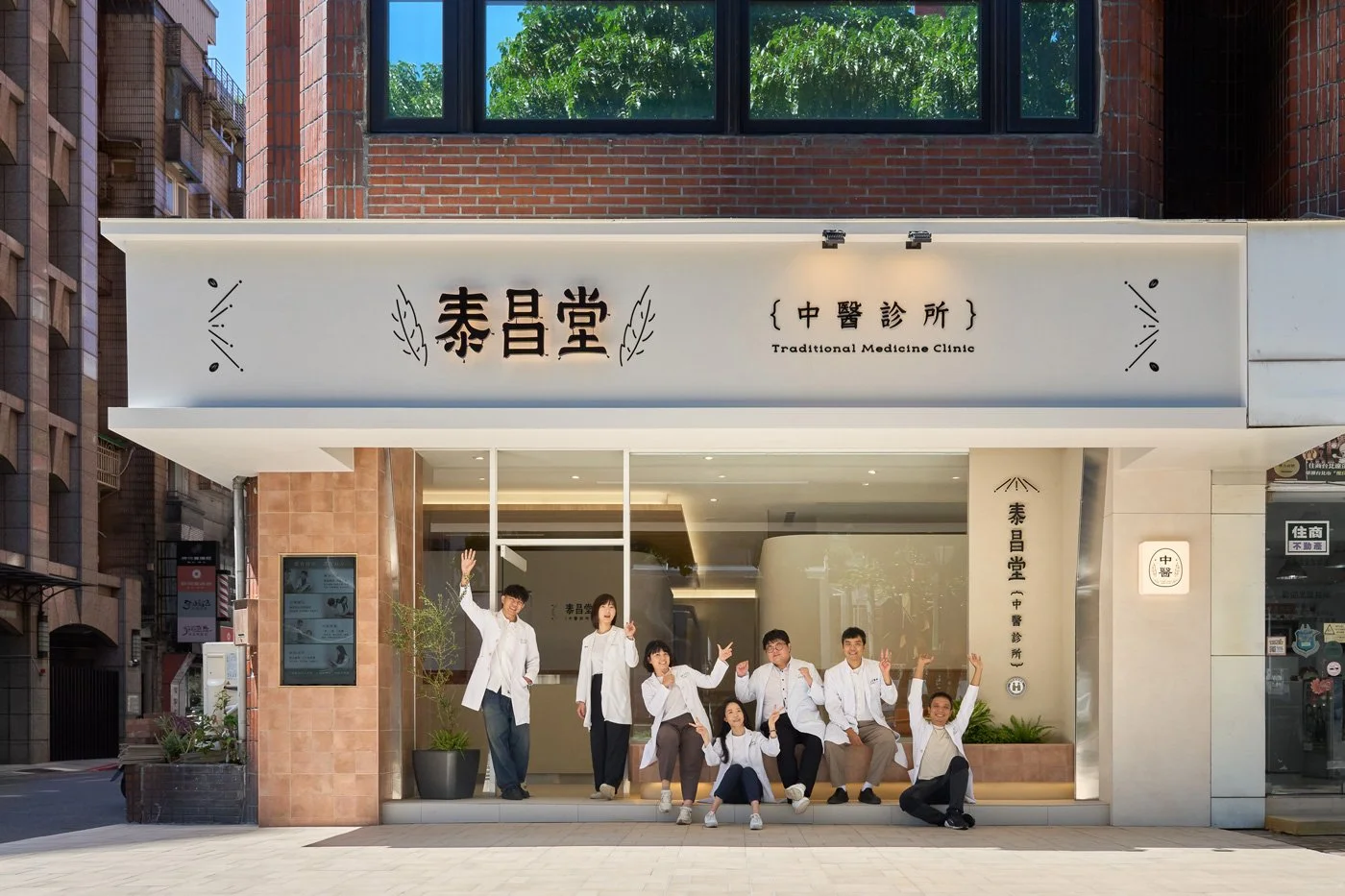
泰昌堂安和院
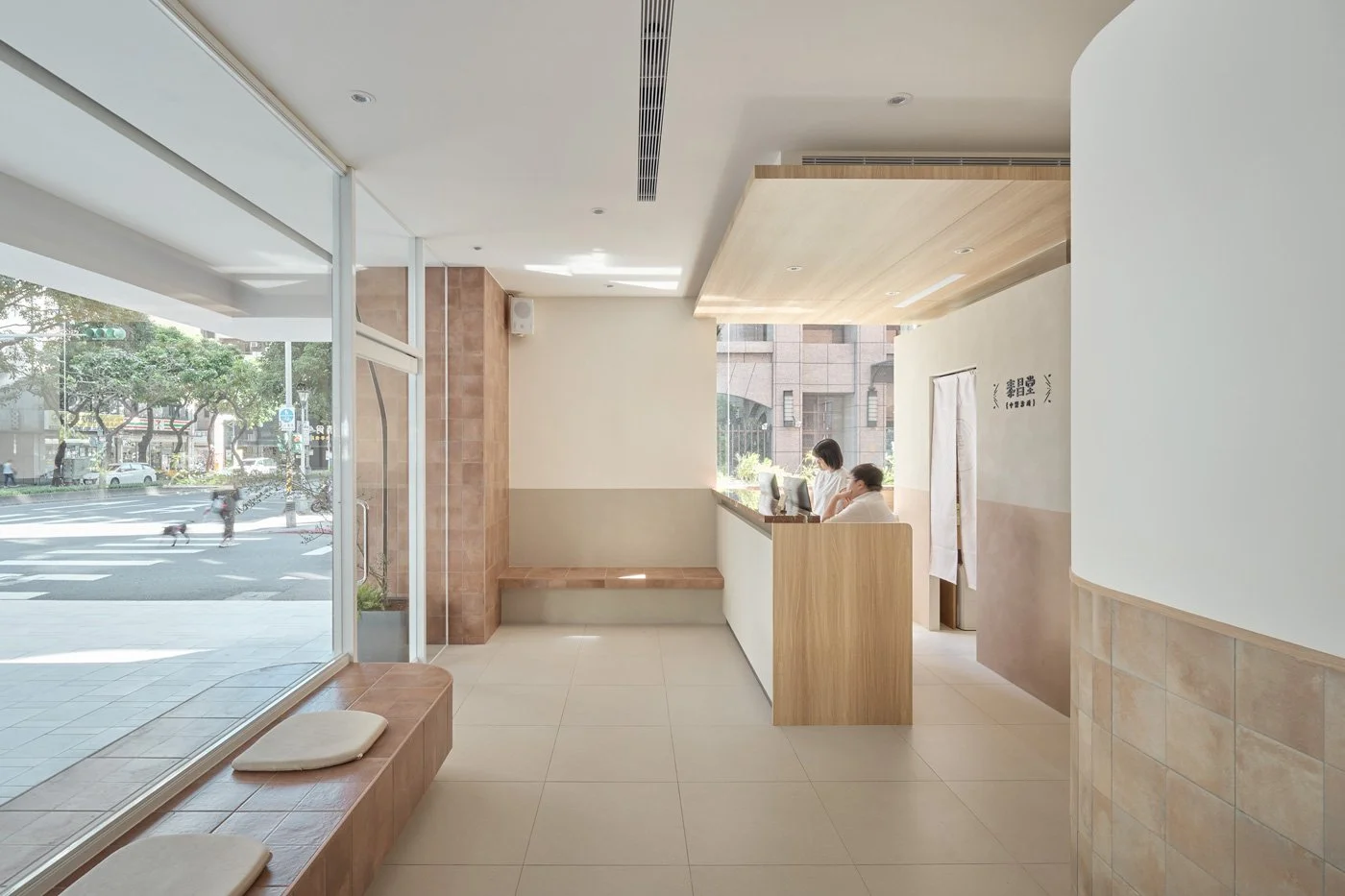
對空間體驗的堅持,是我們建立醫病信任感的重要延伸
-
Q: Taichangtang's spatial design is highly recognizable. Do you follow a specific logic for this?
Taichangtang:
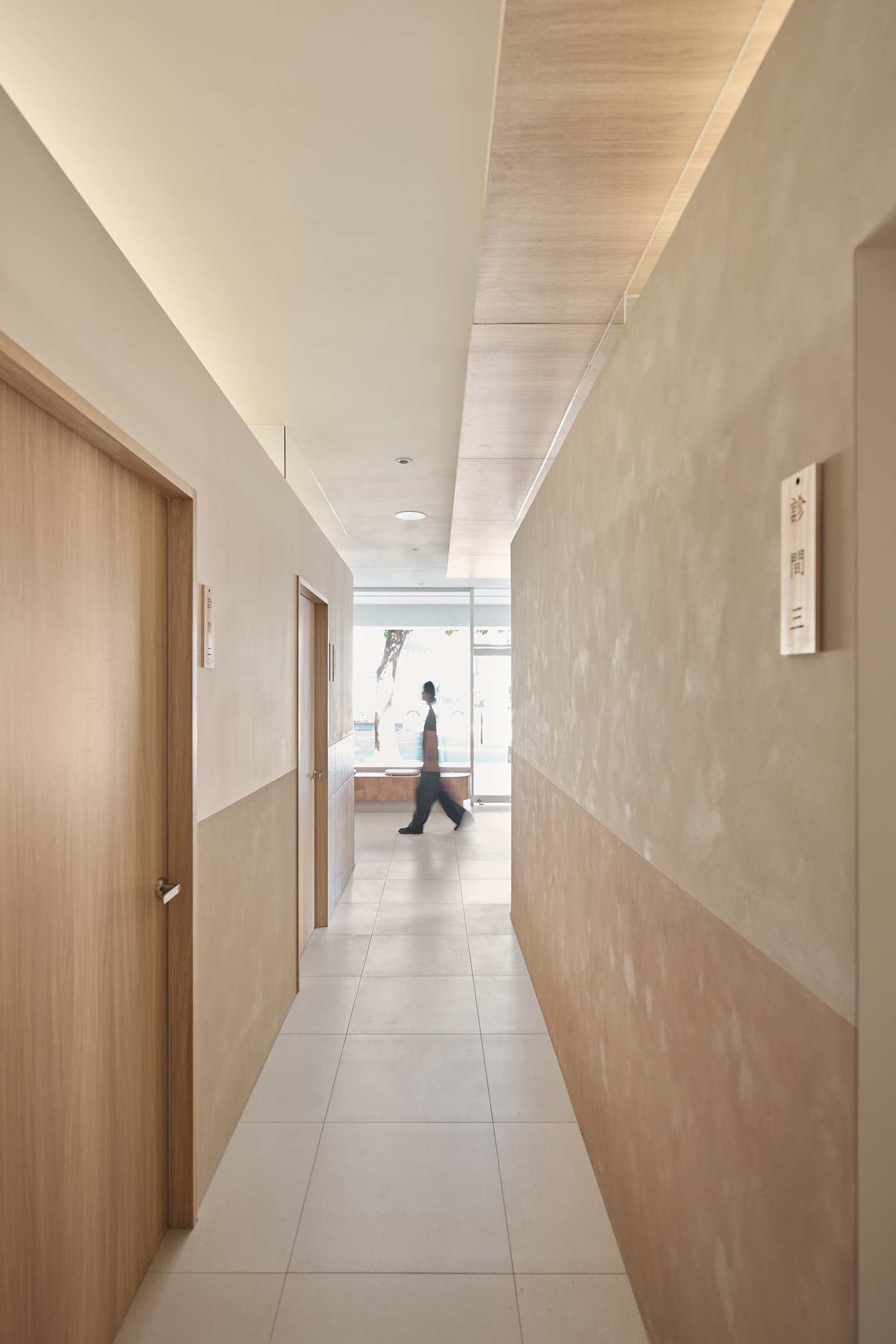
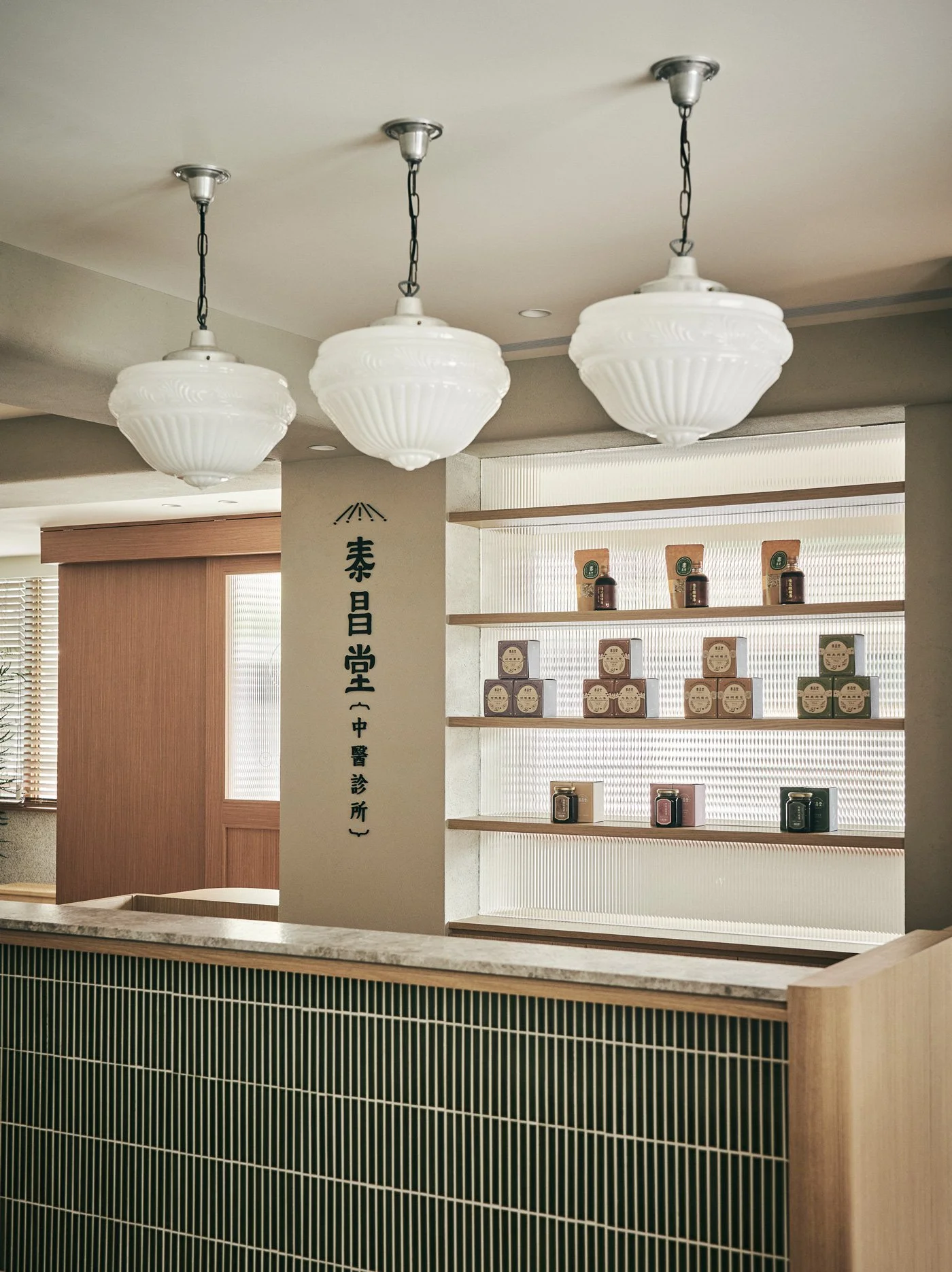
Our core logic is "chained but not duplicated." We want the spatial atmosphere to seamlessly integrate with the local neighborhood, rather than having every store look exactly the same. For instance, at our Wenzhou branch, we preserved the red brick walls of the previous café, which had operated there for over thirty years, serving as an extension of memory. For the Jiankang branch, we adapted to the surrounding environment of over two thousand public housing units, creating a style reminiscent of traditional Japanese corridors. The patients and the space are the true protagonists; we are simply there to complement them. This dedication to spatial experience is also a crucial extension of how we build trust between doctor and patient.
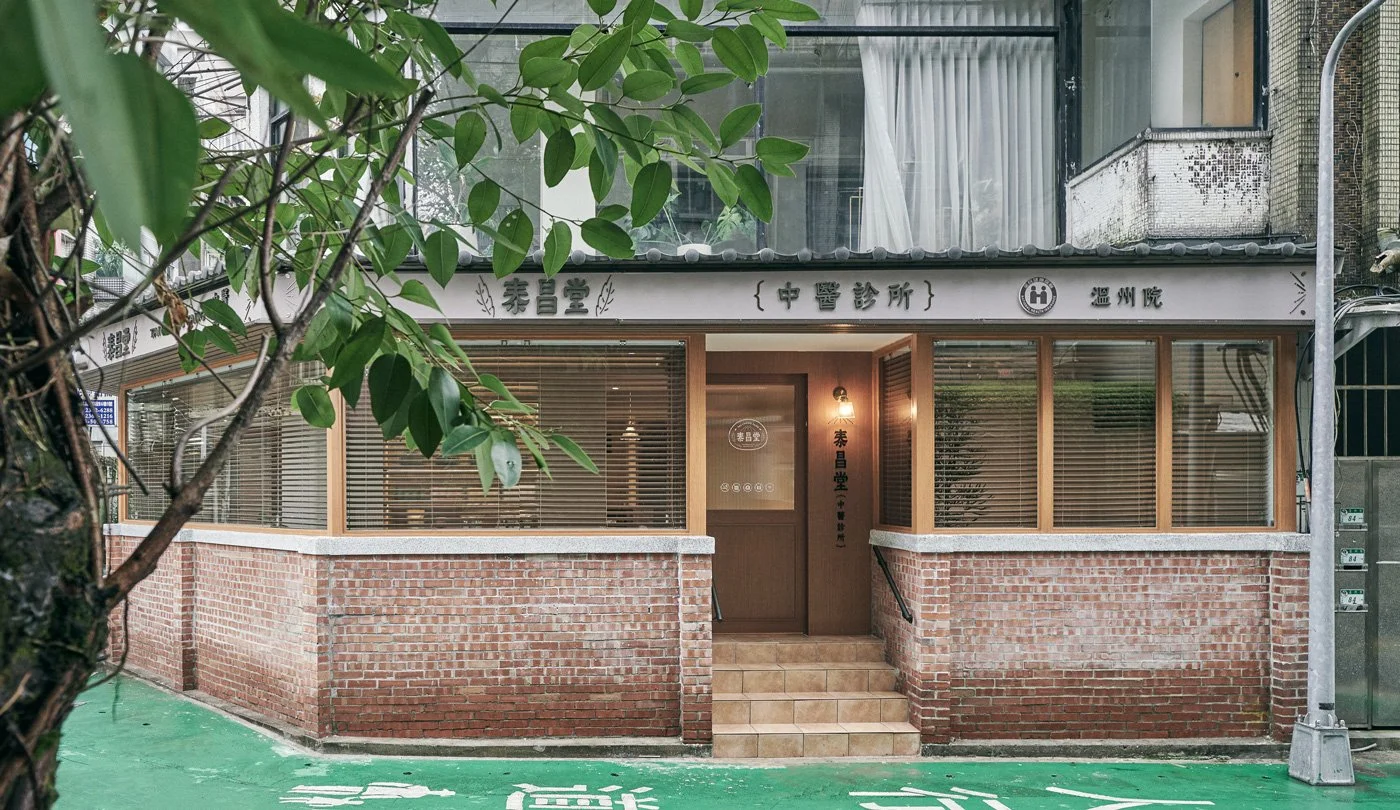
泰昌堂溫州院
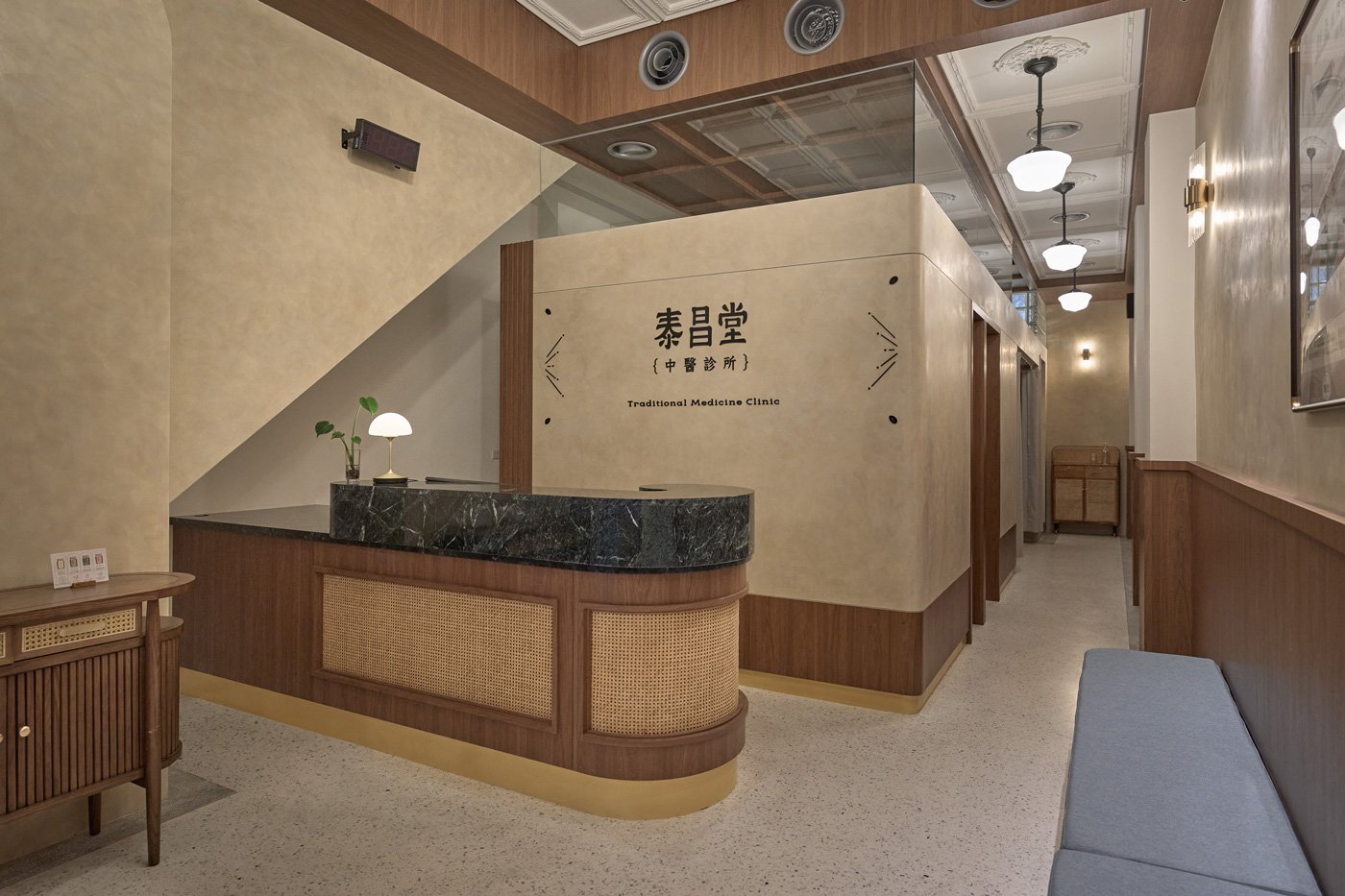
泰昌堂天母院
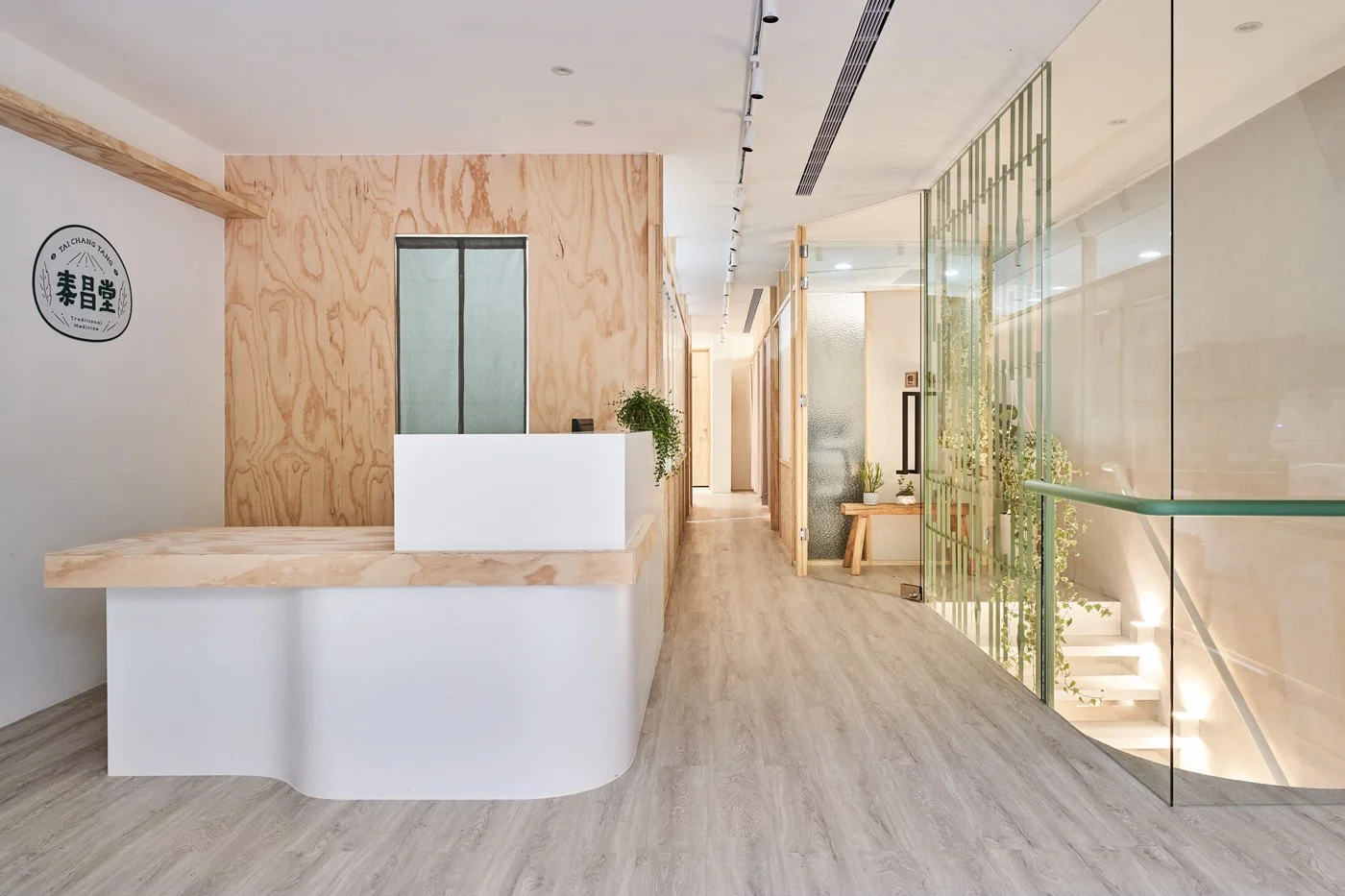
泰昌堂天母院
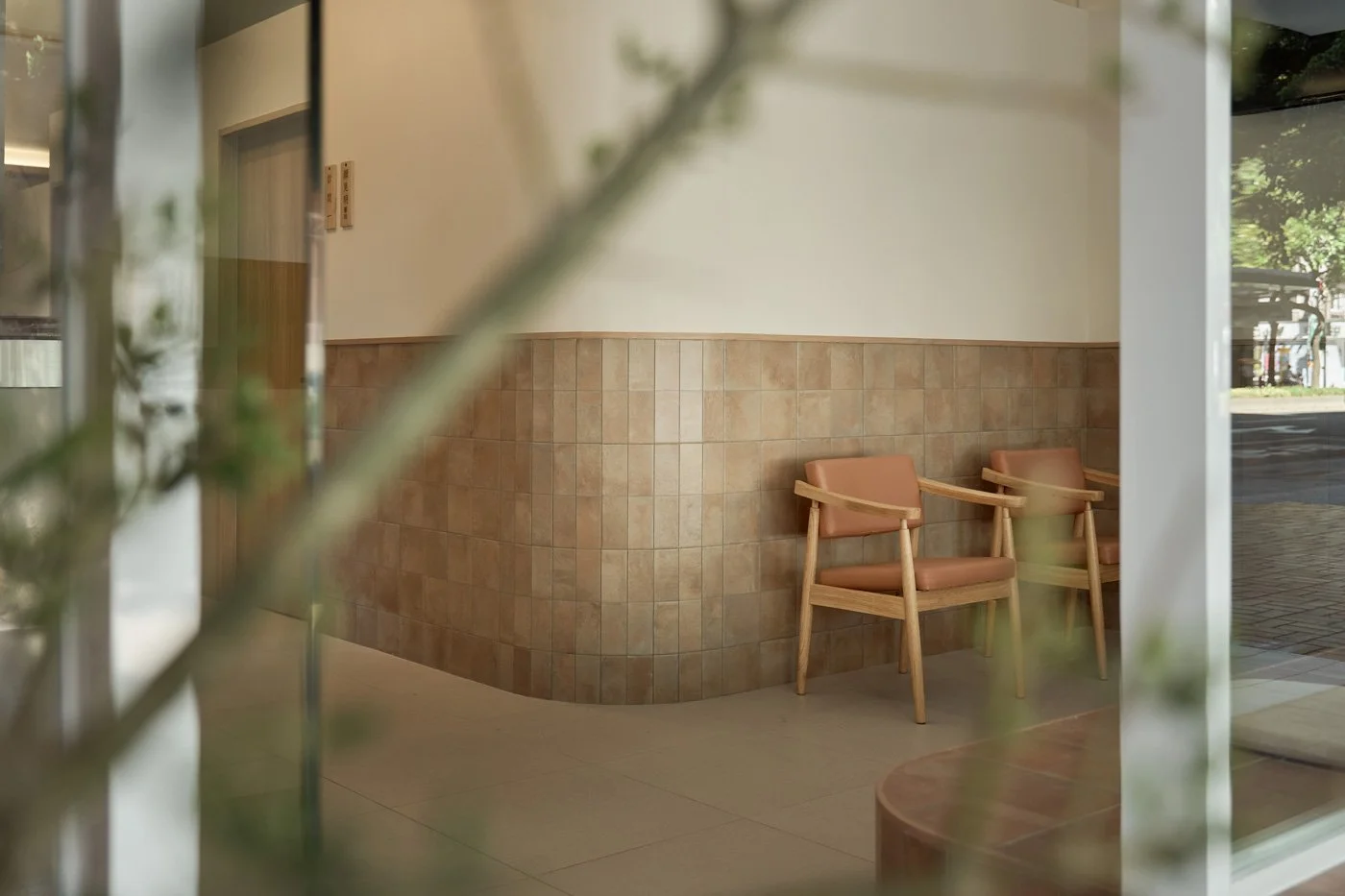
泰昌堂安和院
-
Q: In the process of expanding your brand over the years, have you experienced any commercial setbacks or strategic pivots?
Taichangtang:
Truthfully, when we were expanding our first two branches, we lacked a highly detailed, long-term plan, which led to some business friction. For example, with our second branch, we brought in a "single-store shareholder." But later, when we wanted to transfer physicians or share resources across branches, we realized that because our financial interests weren't aligned with the company's holistic vision, conflicts arose. We also attempted cross-brand collaboration for our third branch, but the results fell short of expectations.These experiences solidified our subsequent expansion strategy: when engaging in external partnerships, we firmly insist on seeking a triple-win scenario (the brand, the partner, and the audience). If, in the long run, one party has to take a loss, the collaboration will ultimately become a drain. That’s why, in 2026, we actually turned down quite a few invitations. We would rather wait until our capabilities and the timing are fully mature than rush into expansion.
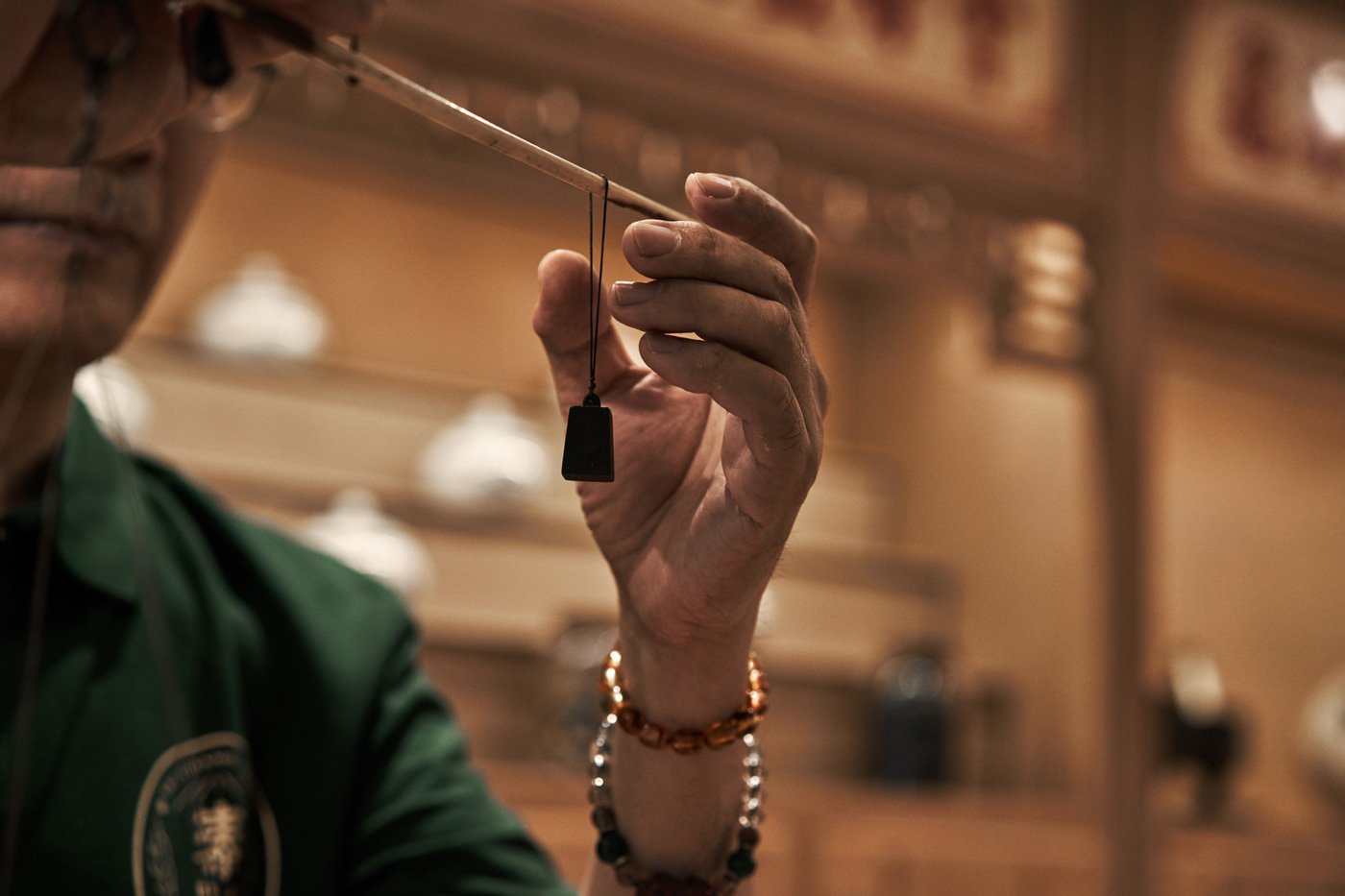
-
Q: You frequently launch cross-disciplinary projects. What are the considerations behind these attempts to break out of the traditional mold?
Taichangtang:
Often, we just take our life experiences and turn them into direct experiments, and we aren't afraid of failing. For example, in 2022, we set up a booth at a music festival and even sold tea eggs. But it was only through doing it that we realized such an environment didn't necessarily fit our brand's tone. When we find something doesn't work, we bow out gracefully. These experimental processes allow us to sift the wheat from the chaff, ultimately leaving us with products like our "Mulled Wine Spice Packs"—items that both align with the essence of TCM spices and possess the aesthetic appeal of modern living.Management is about solving problems through practice. Whether it’s a glitch in system integration or these fascinating cross-disciplinary experiments, everything is ultimately transformed into data that helps us fine-tune our operational direction.

-
Q: Looking to the future, how do you define the role of "Modern TCM," and do you have any specific developmental plans?
Taichangtang:
Tearing off this "traditional" label is indeed a challenge. But in reality, whether it's the younger or older generation of TCM practitioners, the essence remains healthcare, and the core is always about solving the patient's problems.Modernization is about stripping TCM of its mystique and distance. In today's society, where information explosion and physical and mental stress have become the norm, we position TCM as the "decompressor" of our times. Just as we prioritize comfortable spatial design, the role of TCM is to provide a necessary buffer and balance for high-pressure modern living.
Future expansion is inevitable, but more importantly, it is to provide a solid stage where talent can truly shine. On the medical front, we hope to gradually promote "specialization," allowing our team of physicians to develop towards specific areas of expertise. By doing so, we can not only elevate the overall quality of care but also enable our doctors to focus on their strengths, gaining a more grounded sense of accomplishment.
攝影|Jamie Lo、ChichiL