Jamie 專欄 #156|顯現在夾縫裡 —— 記錄「天光願」,一場關於形式與安心的觀察
© jamieyelo / HCS
大的地方有大神大廟,小的地方有小廟。廟長什麼樣子,其實一直跟著時代、跟著所在的地方、跟著住在那裡的人在變。我們看到的,是神明具體的樣子;但那終究只是祂顯現給我們看、讓我們能夠理解的一種樣子而已,不是祂的全部。
這句話,是我拍照的時候一直在想的事。這次拍「天光願」,與其說是在拍一間新廟,不如說是在拍一個過程 —— 一群人遇到什麼難題、想出了什麼辦法、而我們現在的人,又是怎麼理解「拜拜」這件事的。這幾層疊在一起,才是我真正想留下來的東西。
-
Grand temples for grand places; humble shrines for humble ones. The physical form of a temple has actually always evolved alongside the times, the locale, and the people who call it home. We see deities in their concrete forms, but ultimately, these are just the shapes they assume so we might understand them—a mere fraction of their whole.
This thought lingered with me the entire time I was taking photos. Photographing Tian Guang Yuan (The Vow of Heavenly Light) this time wasn't so much about capturing a new temple; it was about documenting a process. It’s the story of the hurdles a group of people faced, the ingenious solutions they devised, and how we modern folks perceive the act of worship today. It's the intersection of these overlapping layers that I truly wanted to immortalize.
一間舊牛排店,變成一座廟
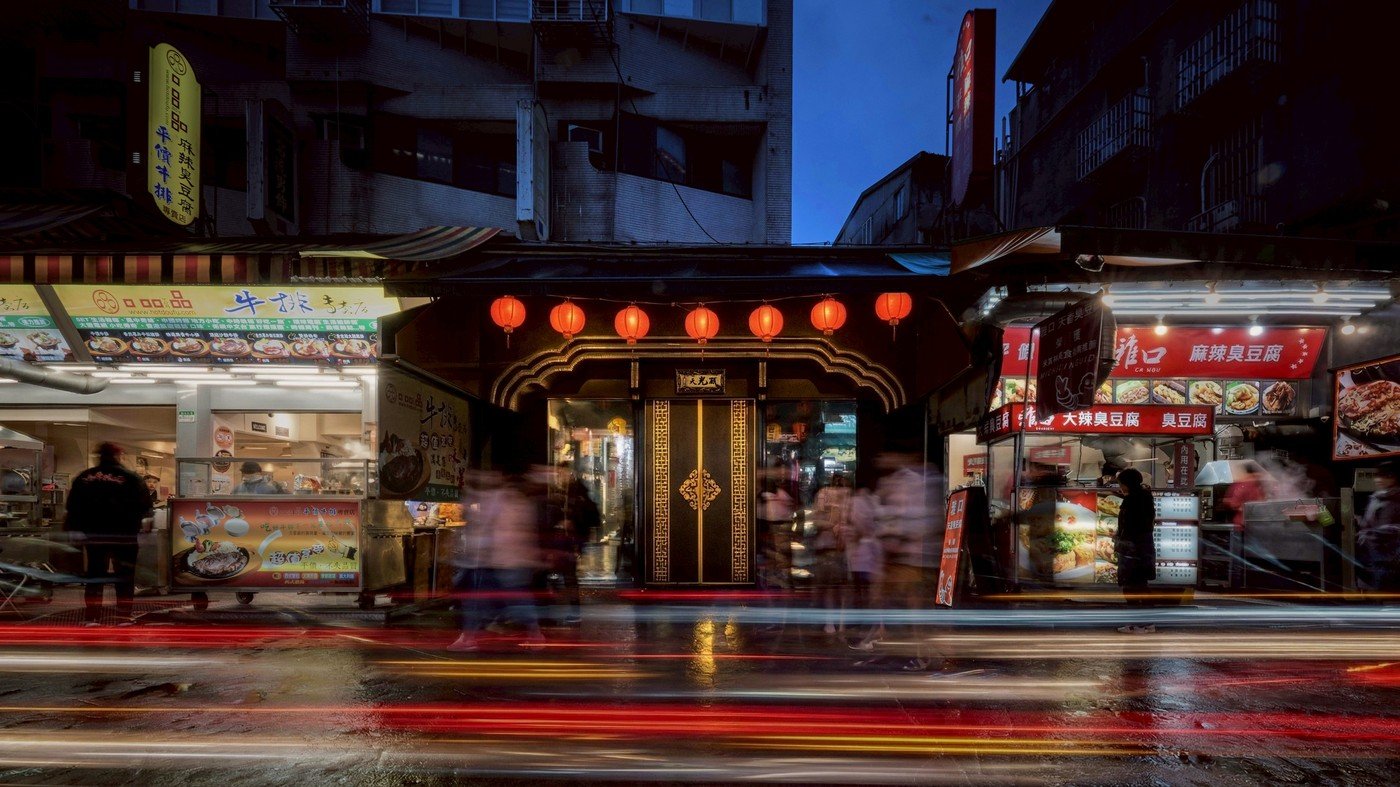
天光願所在的臨江街(通化街夜市),原本是一間關了十幾年的牛排店。這一帶產權很亂,地小又擠,蓋不成傳統那種有氣派大殿的廟。與其硬要蓋一座「像廟的廟」,寺方乾脆順著現有的舊房子去改,把信仰直接放進夜市裡。
比空間更難解的,其實是「人會不會想進來」這件事。很多人心裡有善念,但一看到傳統廟宇那種莊嚴又陌生的氣氛,反而卻步了。所以天光願想做的,不是蓋一間更大、更氣派的廟,而是把那道「不敢進去」的門檻拆掉——所以它開到晚上十一點,就是要讓下班晚歸、逛完夜市的人,能順路走進來坐一下。
-
From an Old Steakhouse to a Temple
Located on Linjiang Street (within the Tonghua Night Market), the site of Tian Guang Yuan was originally a steakhouse that had sat shuttered for over a decade. Property rights in this area are notoriously messy; the plots are small and cramped, making it impossible to construct a traditional, majestic main hall. Rather than forcing the construction of a "temple that looks like a temple," the founders chose to work with the existing structure, embedding faith right into the heart of the night market.
A hurdle even tougher than the spatial constraints was a psychological one: will people actually want to walk in? Many possess a pious heart but find themselves intimidated by the solemn, somewhat alienating atmosphere of traditional temples. Therefore, Tian Guang Yuan’s mission wasn't to build something larger or more imposing, but to dismantle that threshold of hesitation. That’s why it stays open until 11 PM—an open invitation for those returning late from work or finishing up a night market stroll to simply drop by and take a seat.
© jamieyelo / HCS
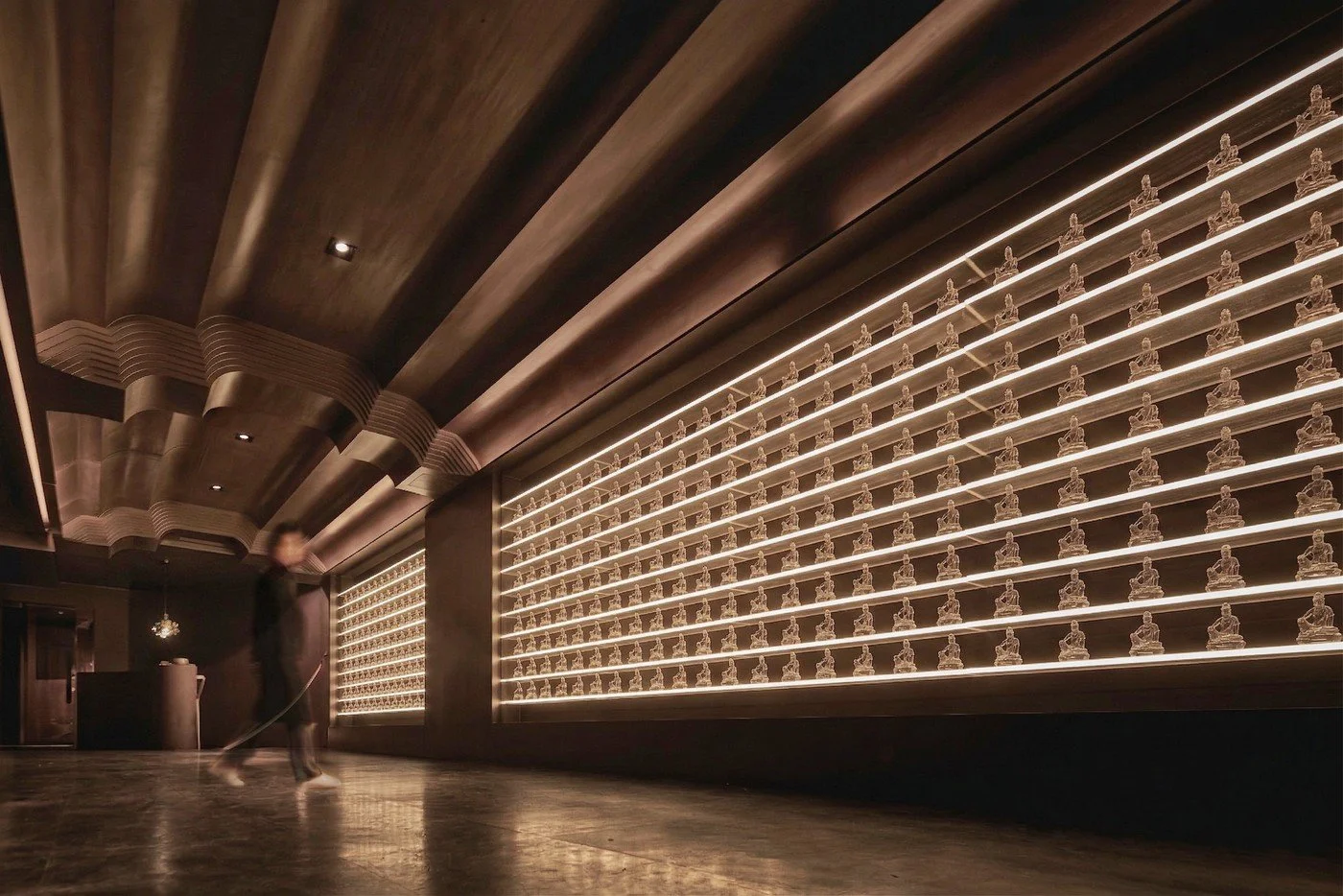
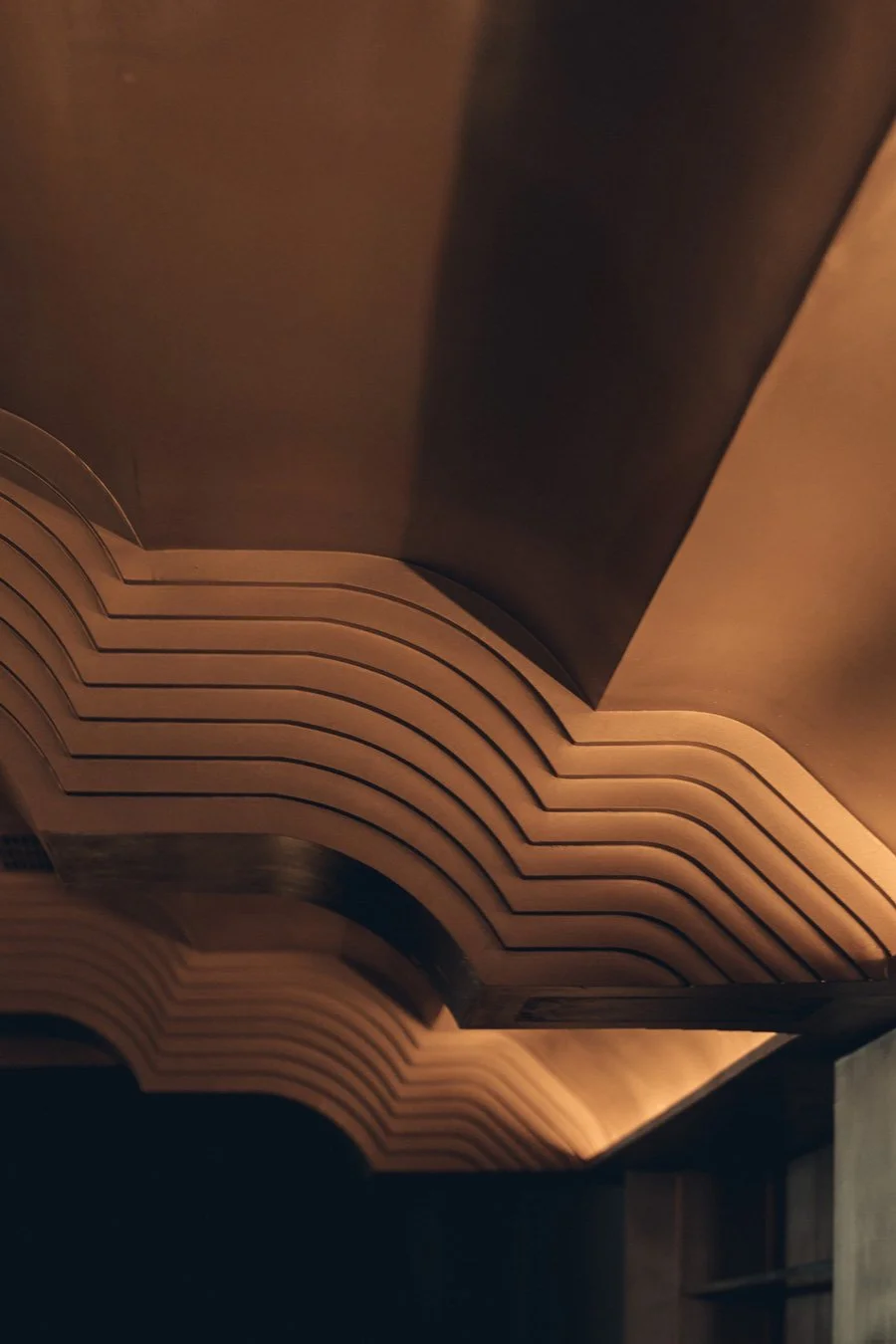
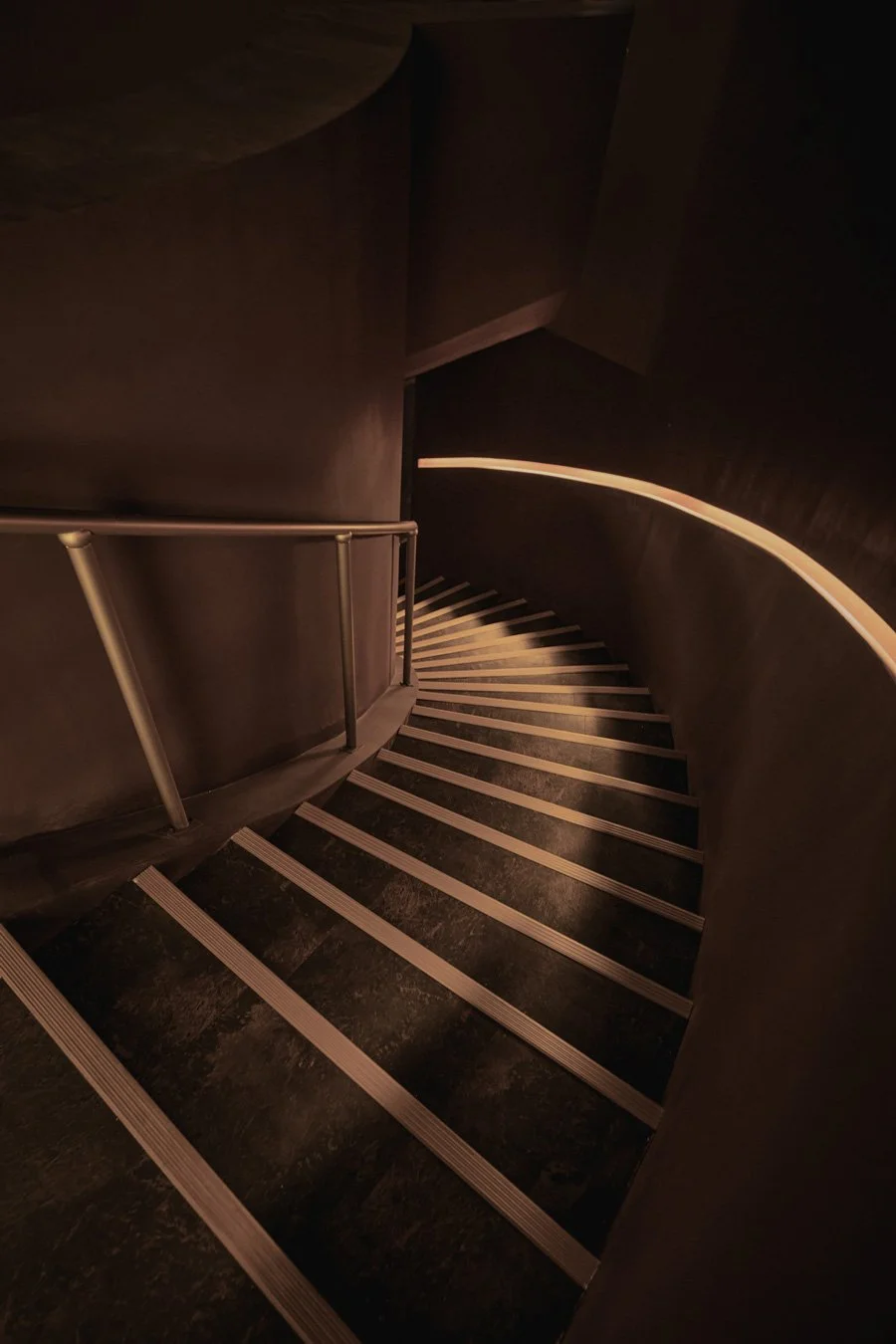
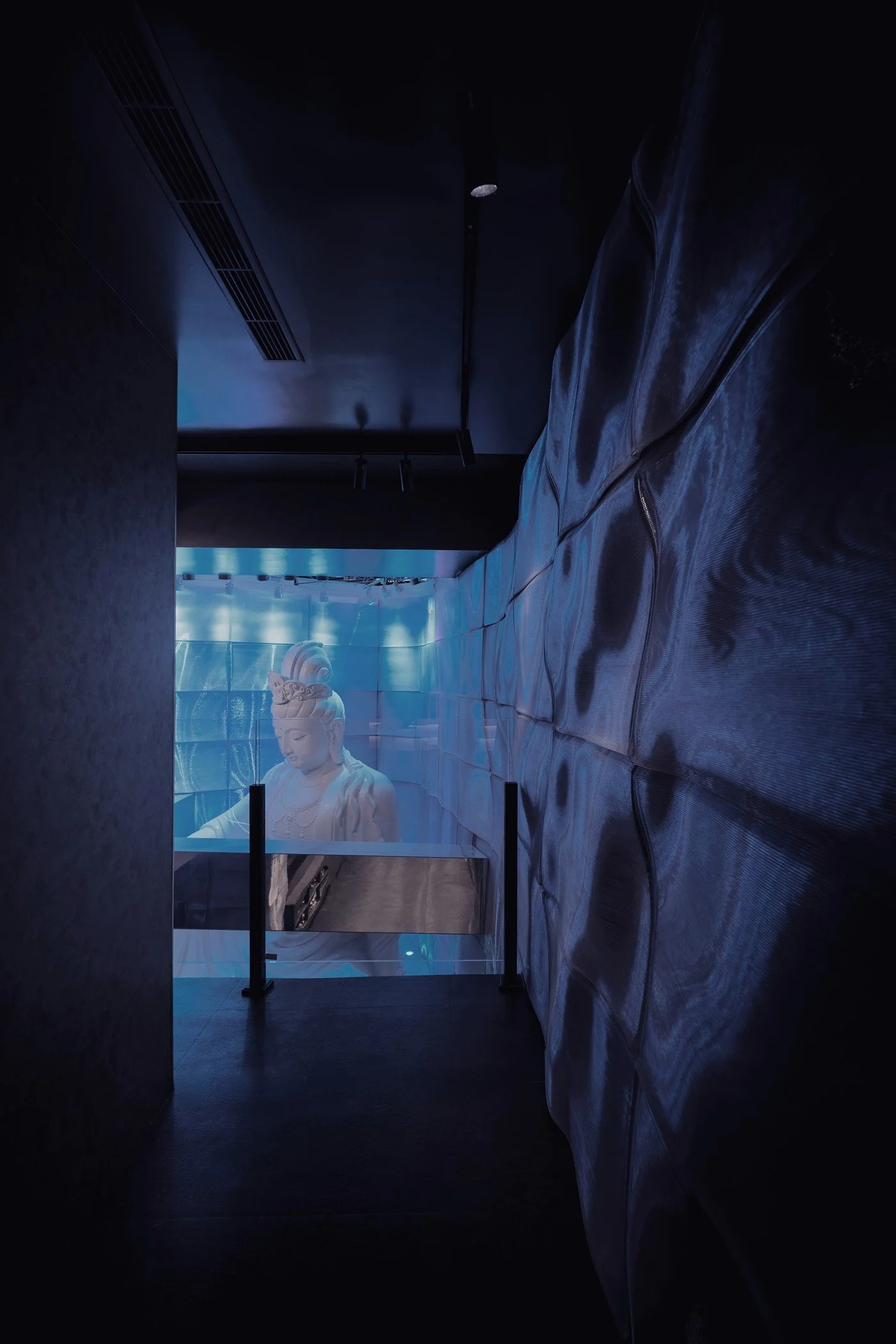
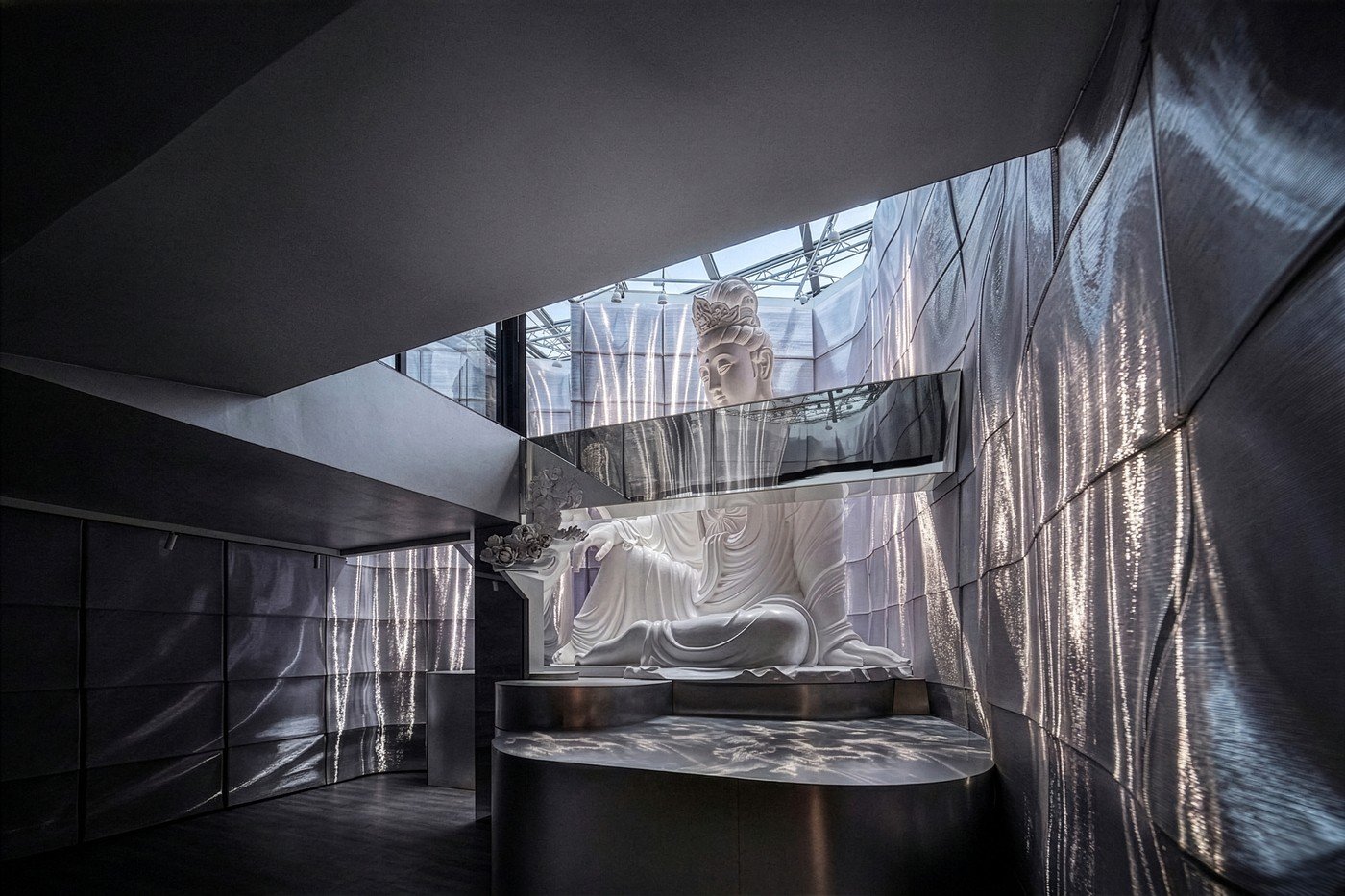
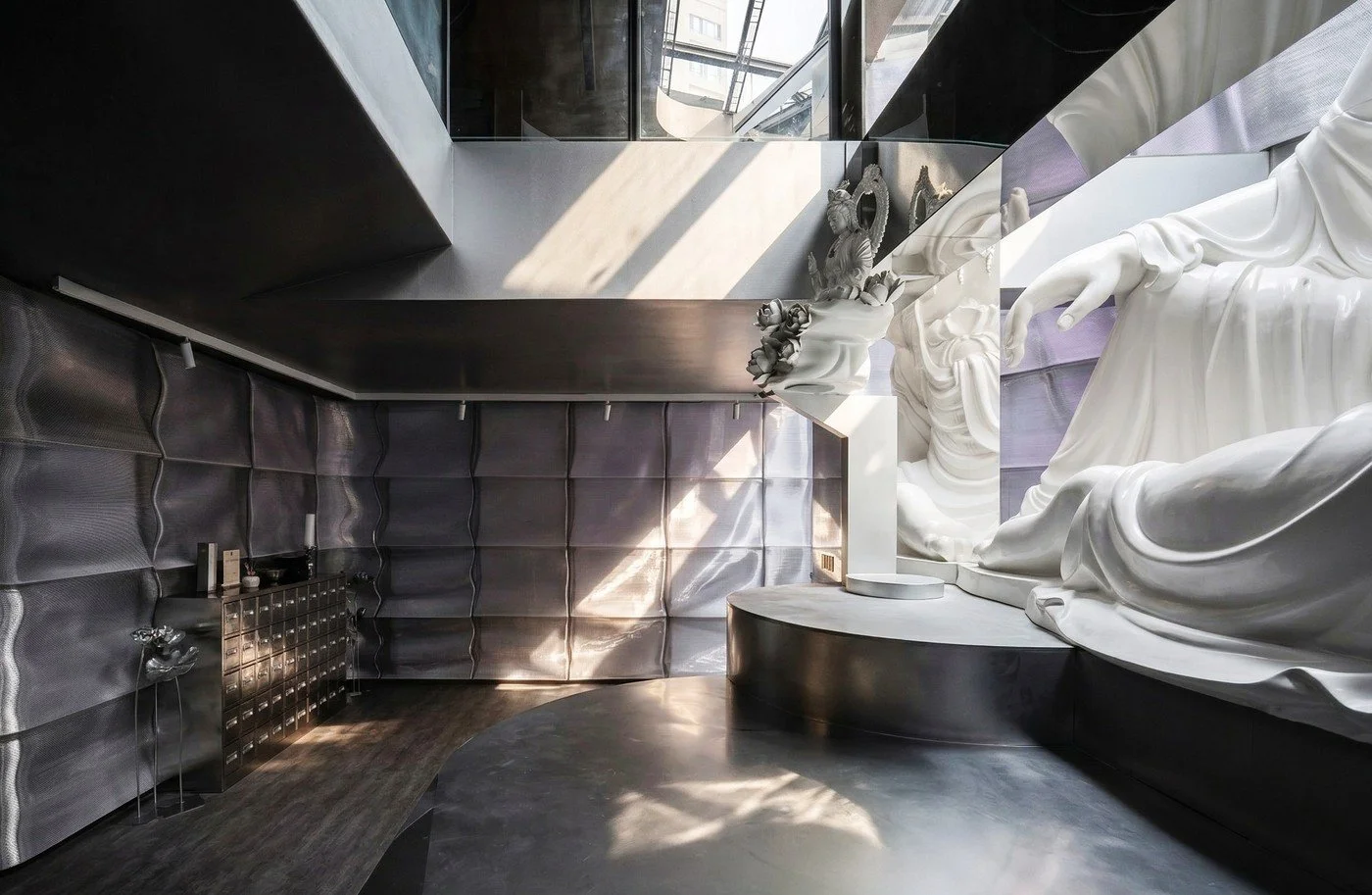
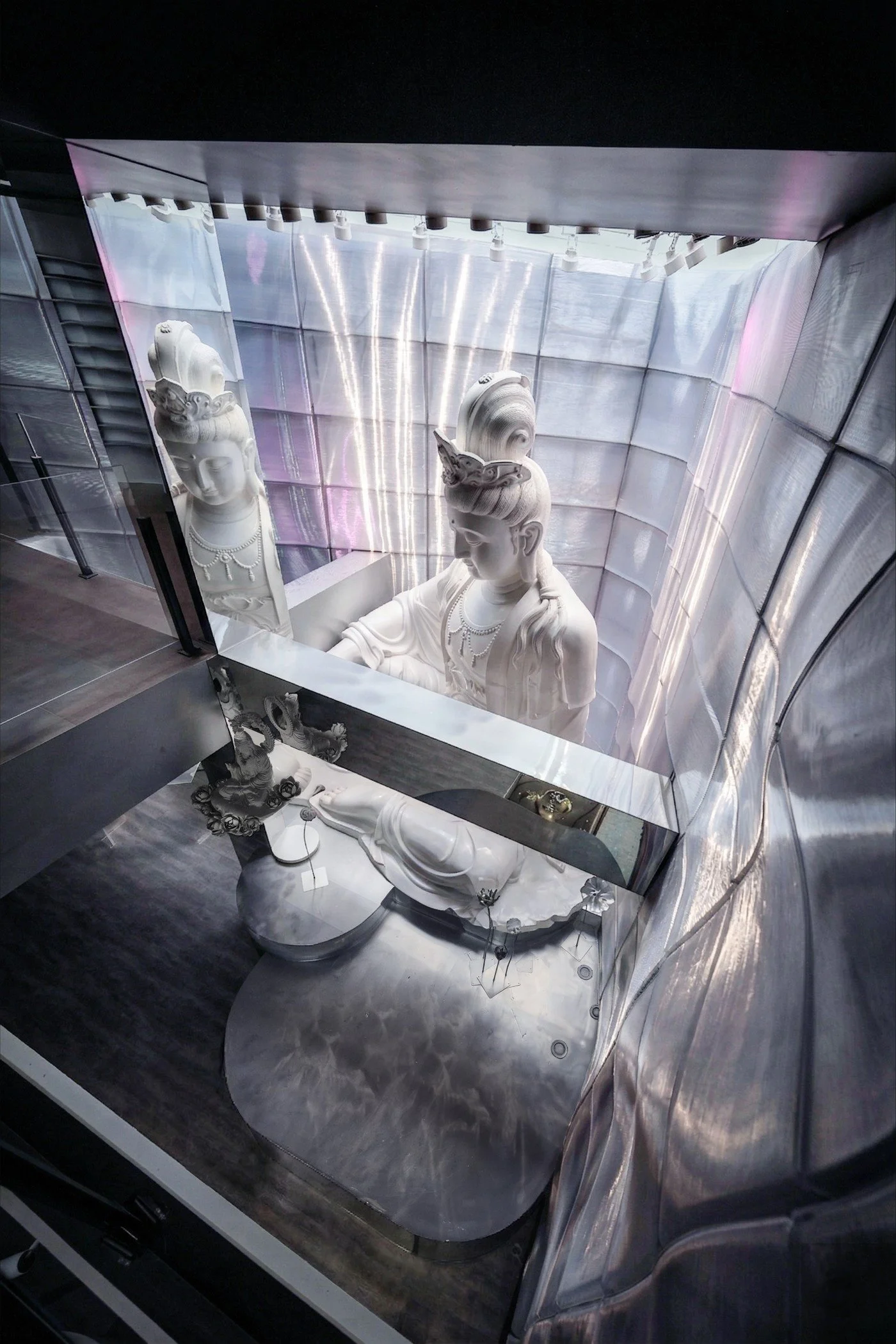
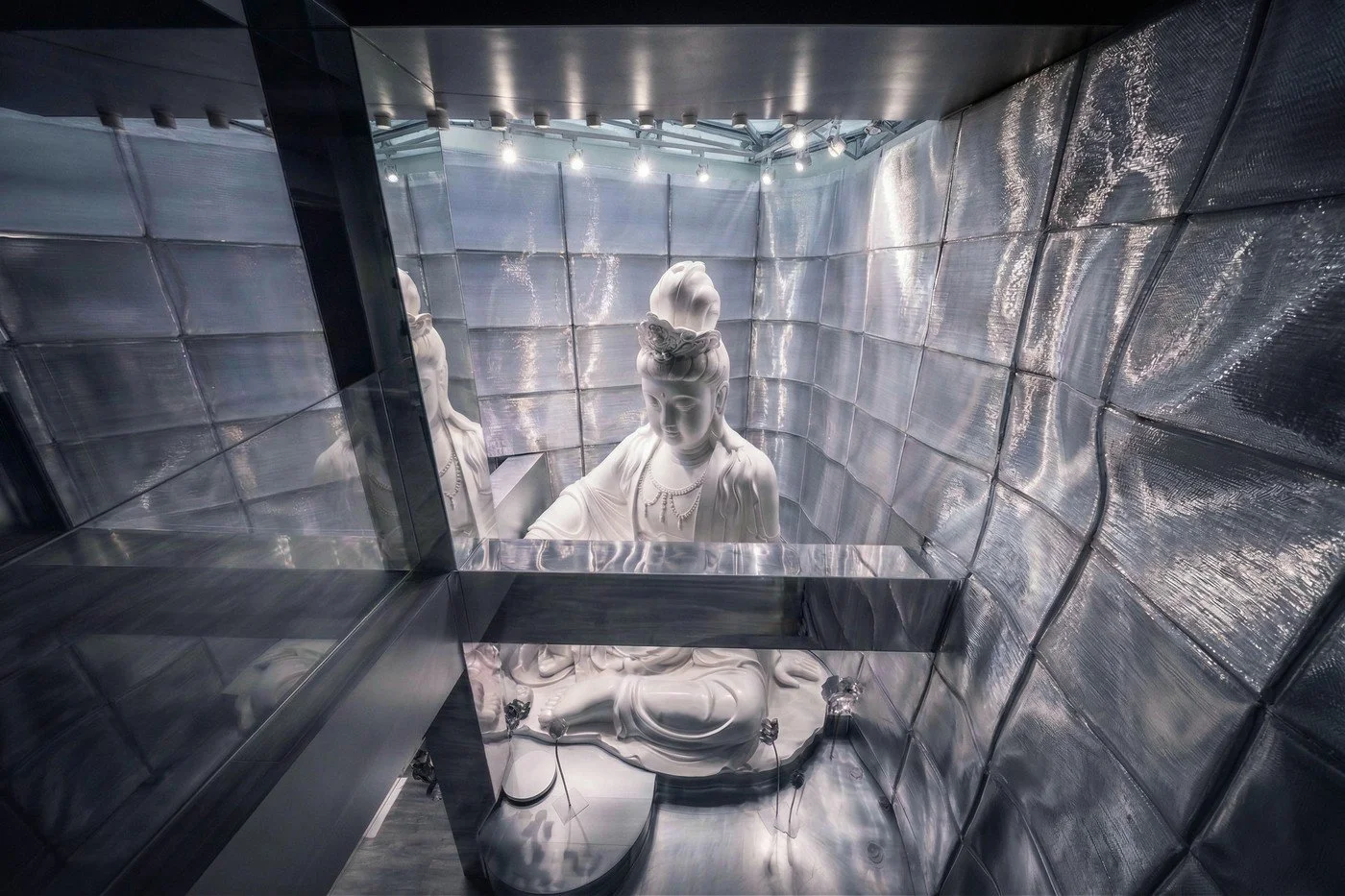
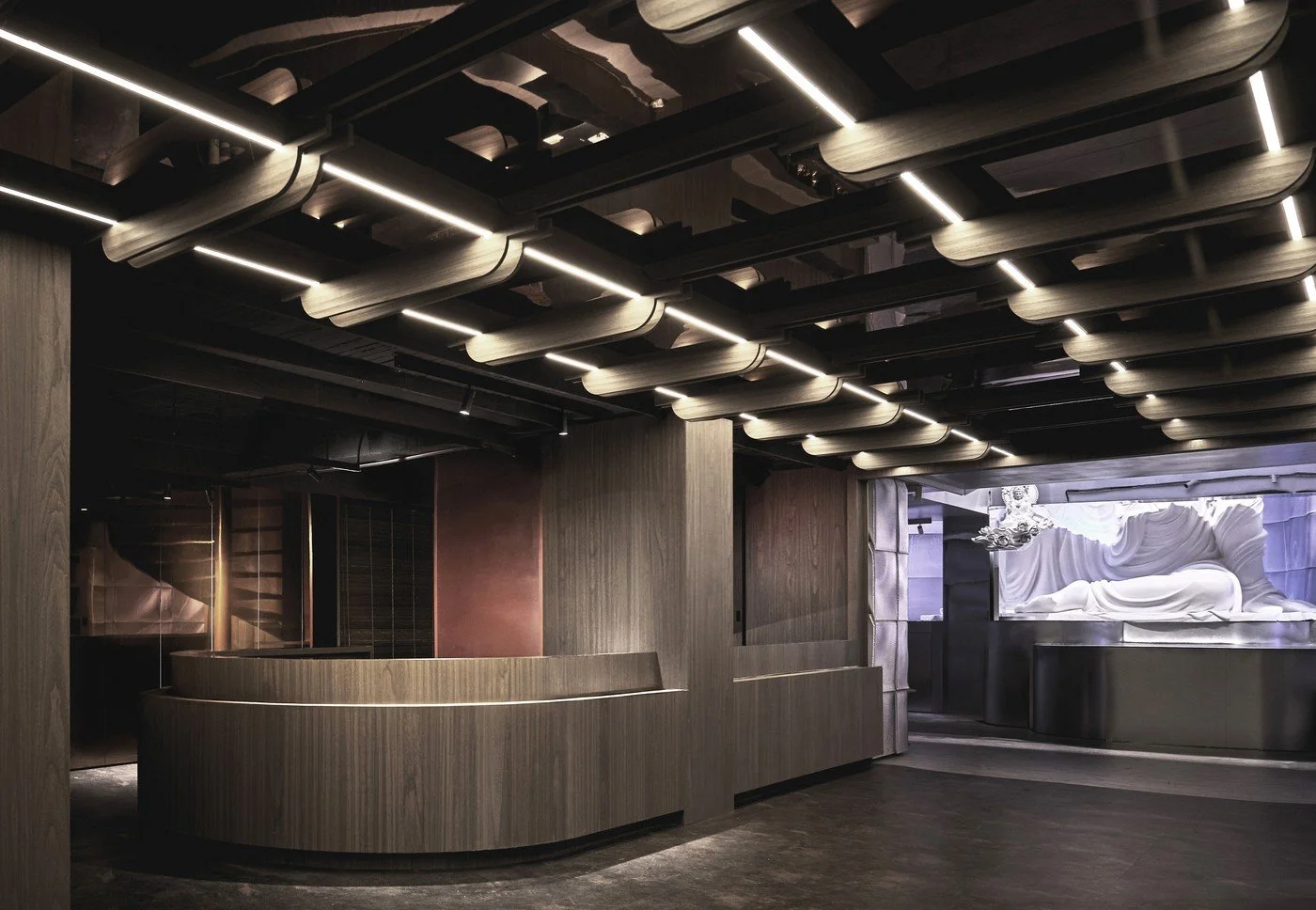
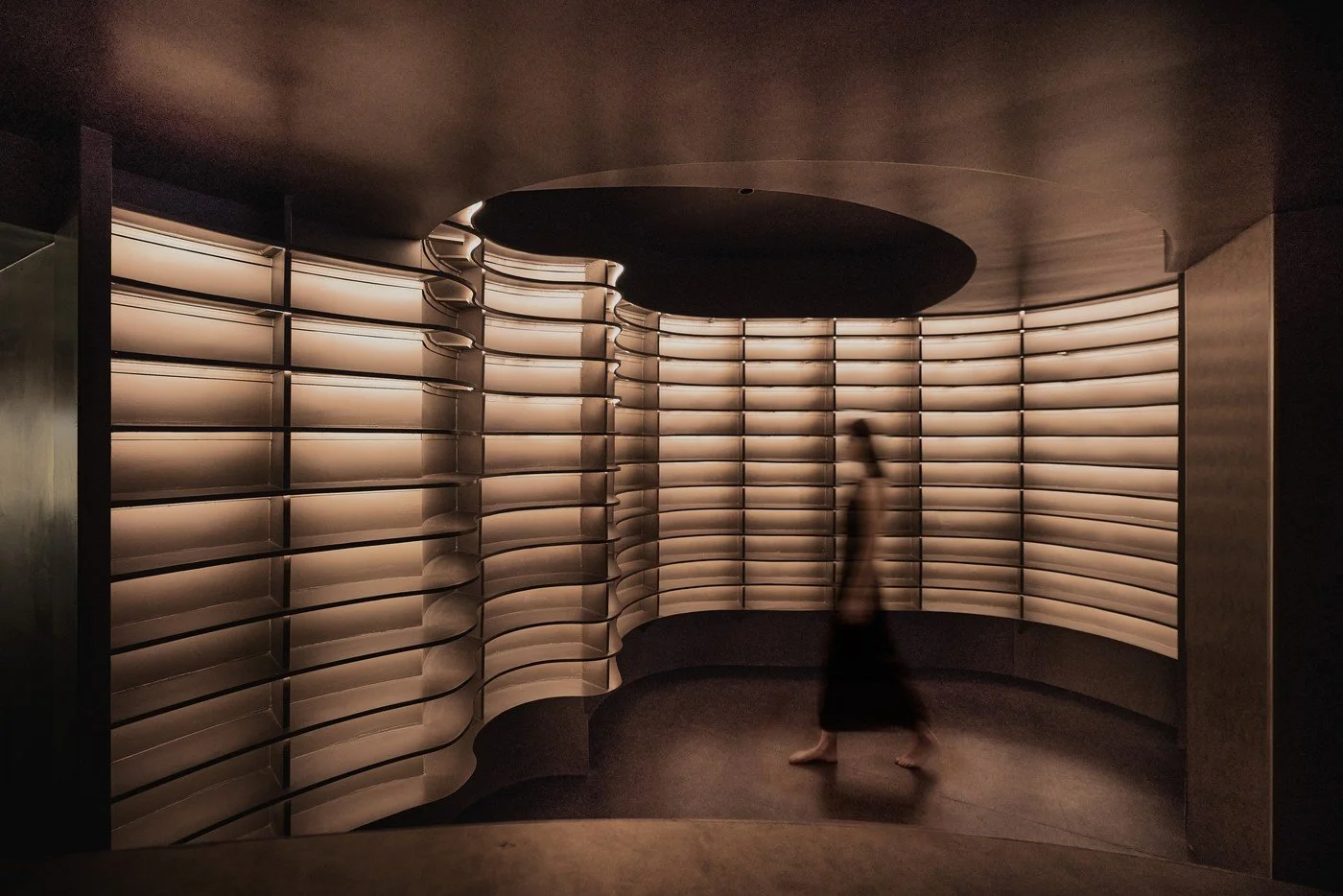
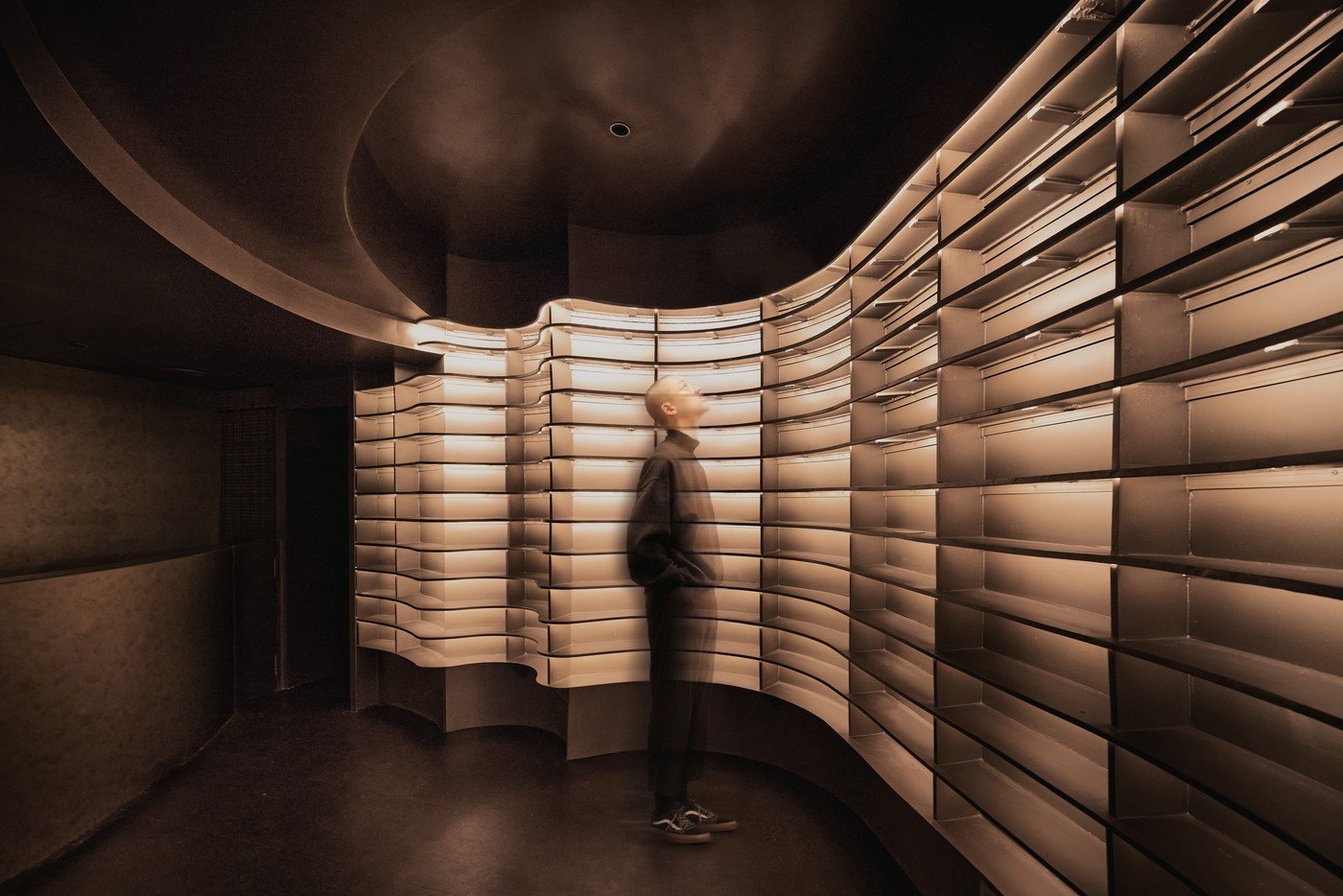
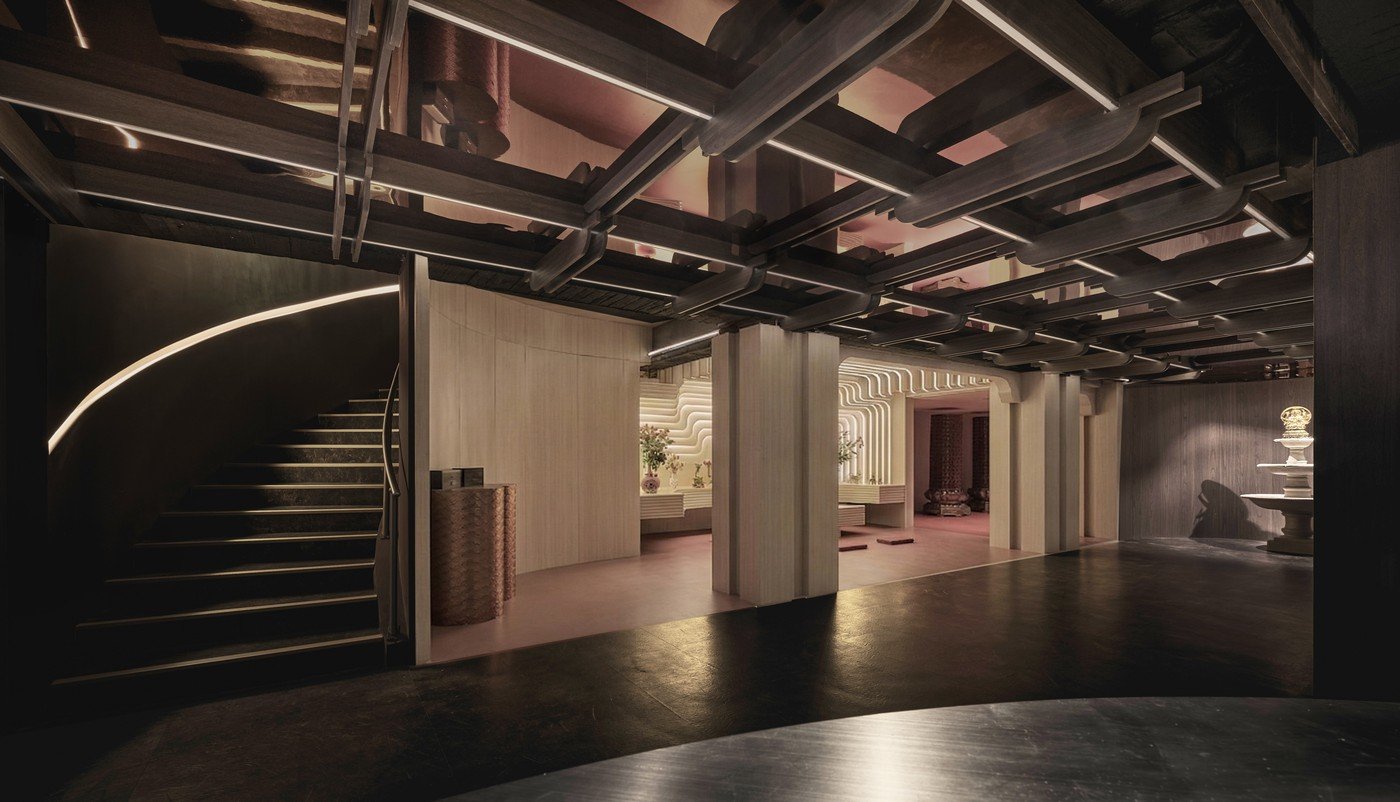
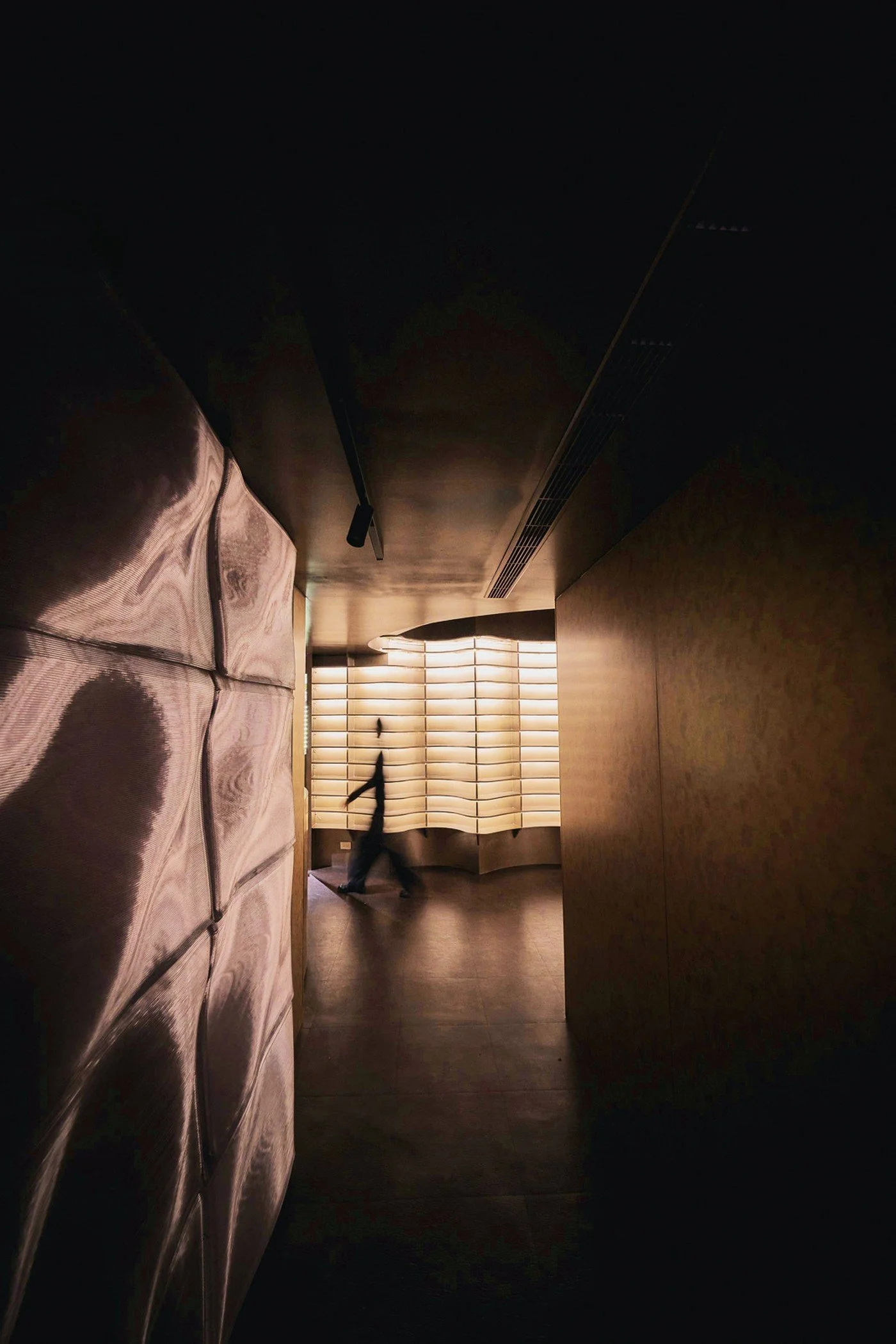
房子又矮又不能開窗,怎麼辦?操刀這個案子的設計團隊「覺知造所」設計師胡廷璋,沒有硬要蓋出傳統大殿的樣子,反而順著這個限制去安排一條路:一進門先往下走到地下室參拜,再沿著旋轉樓梯往上走,走到正好與四米高的觀音像對到眼,最後從後門走出去。這一路從暗走到亮、從地下走到地面,走完一圈,心情也跟著整理了一遍。空間裡也用了鏡子跟反光的材料,讓光可以照進原本照不到的地下室,也讓小小的空間感覺更開闊。說白了,他們沒有假裝限制不存在,而是把限制本身變成了一套讓人靜下心的安排——這就是這個案子真正在解決的問題:不是要蓋多大間廟,而是在一個又小又擠的地方,怎麼樣還是能讓人一走進去,心就慢慢靜下來。
-
What do you do with a building that has low ceilings and no windows? The design team behind the project, Daniel Hu Interiors and lead designer Daniel Hu didn’t try to shoehorn a traditional grand hall into the space. Instead, they leaned into the constraints to orchestrate a physical journey. Upon entering, you first descend into the basement to pray. Then, you ascend a spiral staircase until you find yourself locking eyes with a four-meter-tall Guanyin statue, finally exiting through the back doors. This progression—from dark to light, from below ground to the surface—acts as an emotional reset. The use of mirrors and reflective materials draws light into the previously windowless basement, expanding the cramped interior. Frankly speaking, they didn’t pretend the limitations weren’t there; they transformed the limitations themselves into a sequence designed to quiet the mind. This was the true design challenge: not how to build a grand temple, but how to craft a tiny, squeezed space that still allows anyone who walks in to gradually find inner peace.
© jamieyelo / HCS
© jamieyelo / HCS
© jamieyelo / HCS
© jamieyelo / HCS
神明的樣子一直在換,拜拜的方式也是
神明該用什麼樣子出現,好像從來就沒有固定答案。你去大廟,看到的是金碧輝煌的大殿;巷口的土地公,可能就是一間小小的紅色鐵皮屋。樣子完全不一樣,但人心裡想拜的那份心意,其實是一樣的。這次天光願的觀音,用了鏡子和反光材質去呈現,你站在裡面,會有一種真真假假分不清楚的感覺——這其實蠻像信仰本身這件事:你抓不到神明具體長什麼樣子,能抓住的,只有你自己在那個瞬間靜下來的感覺。
-
The Changing Forms of Deities and Worship
There seems to be no fixed answer as to what form a deity should take. In a grand temple, you’re greeted by resplendent, gilded halls; at the corner of your street, the Earth God might reside in a humble, red corrugated-metal shack. The appearances are vastly different, but the devotion driving the worshipper remains exactly the same. The Guanyin at Tian Guang Yuan is presented through mirrors and reflective surfaces. Standing before it, you experience a blurring of the real and the ethereal—much like the nature of faith itself. You can never quite grasp the concrete form of the divine; the only thing you can truly hold onto is your own sense of tranquility in that fleeting moment.
© jamieyelo / HCS
© jamieyelo / HCS
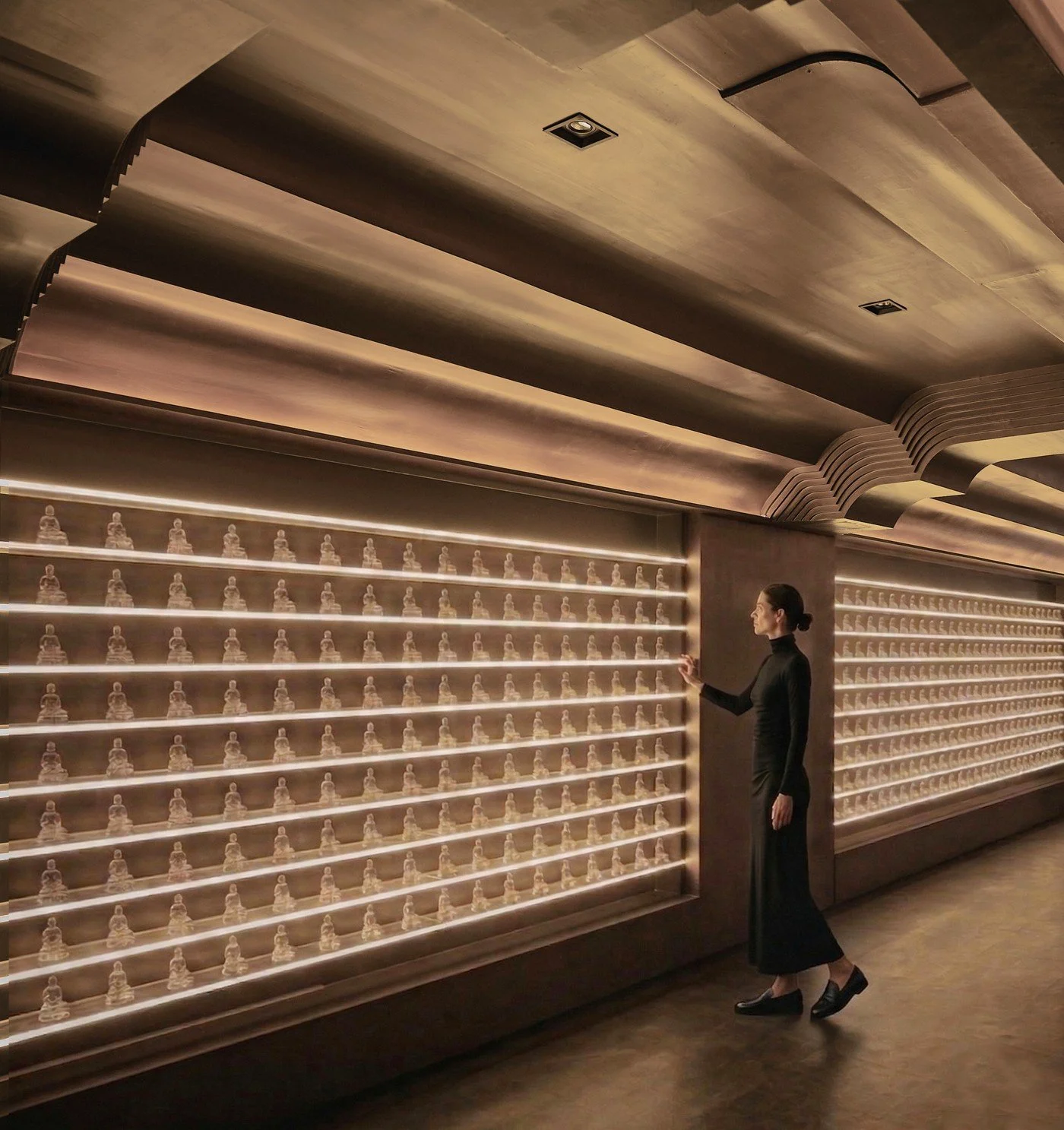
拜拜這件事,也一直在換新的方式。有拜有保庇,對很多現代人來說常常是一種求心安的方法,這無關對錯——但對更多人來說,那份誠心與感應是真實的,不只是一種心理安慰而已。以前的人在廟埕前擲筊、抽籤、求一張平安符;現在的人來這裡貼金箔、辦個淨錢祈福儀式、抱一下地藏王菩薩占卜、跟愛染明王求一段感情圓滿——形式一直在變,一代換過一代,但那份虔誠、那個想要讓心安下來的念頭,從頭到尾都沒有變過。從前是靠形式上求一個安心,現在慢慢變成真的想讓心裡踏實——這中間的轉變,其實就是我們自己在跟著時代長大。
-
The act of worship, too, is constantly taking on new shapes. For many modern people, the old adage "pray for protection" is often just a method of seeking comfort, and there's no right or wrong in that. Yet for many others, that sincerity and spiritual connection are profoundly real, transcending mere psychological solace. In the past, people stood in temple courtyards throwing divination blocks, drawing lots, and requesting protective amulets. Today, visitors come here to apply gold leaf, perform a money-cleansing ritual, embrace the Ksitigarbha Bodhisattva for divination, or pray to Ragaraja (Aizen Myoo) for romantic fulfillment. The rituals evolve from one generation to the next, but that core devotion—that underlying desire to find peace of mind—has remained entirely unchanged. In the past, we relied on the ritual itself to grant us peace; now, it’s slowly evolving into a deeper pursuit of genuine inner grounding. This transition is, in essence, our collective spiritual coming-of-age alongside the shifting times.
© jamieyelo / HCS
© jamieyelo / HCS
這就是最台灣的地方
台灣的廟,從來就不是分大小、分高低在排隊的。大廟有大廟的氣派,巷口的小廟、頂樓加蓋的佛堂、這次藏在夜市裡的天光願,一樣都是讓人安心的地方,沒有誰比較正統,誰比較不入流。而且這間廟就開在夜市正中央,開到晚上十一點——你吃完消夜、逛完衣服攤,順道走進去,把白天的煩躁留在門口,靜一靜再出來。這跟逛夜市其實有點像,都是讓你從忙碌切換到放鬆的一小段路。
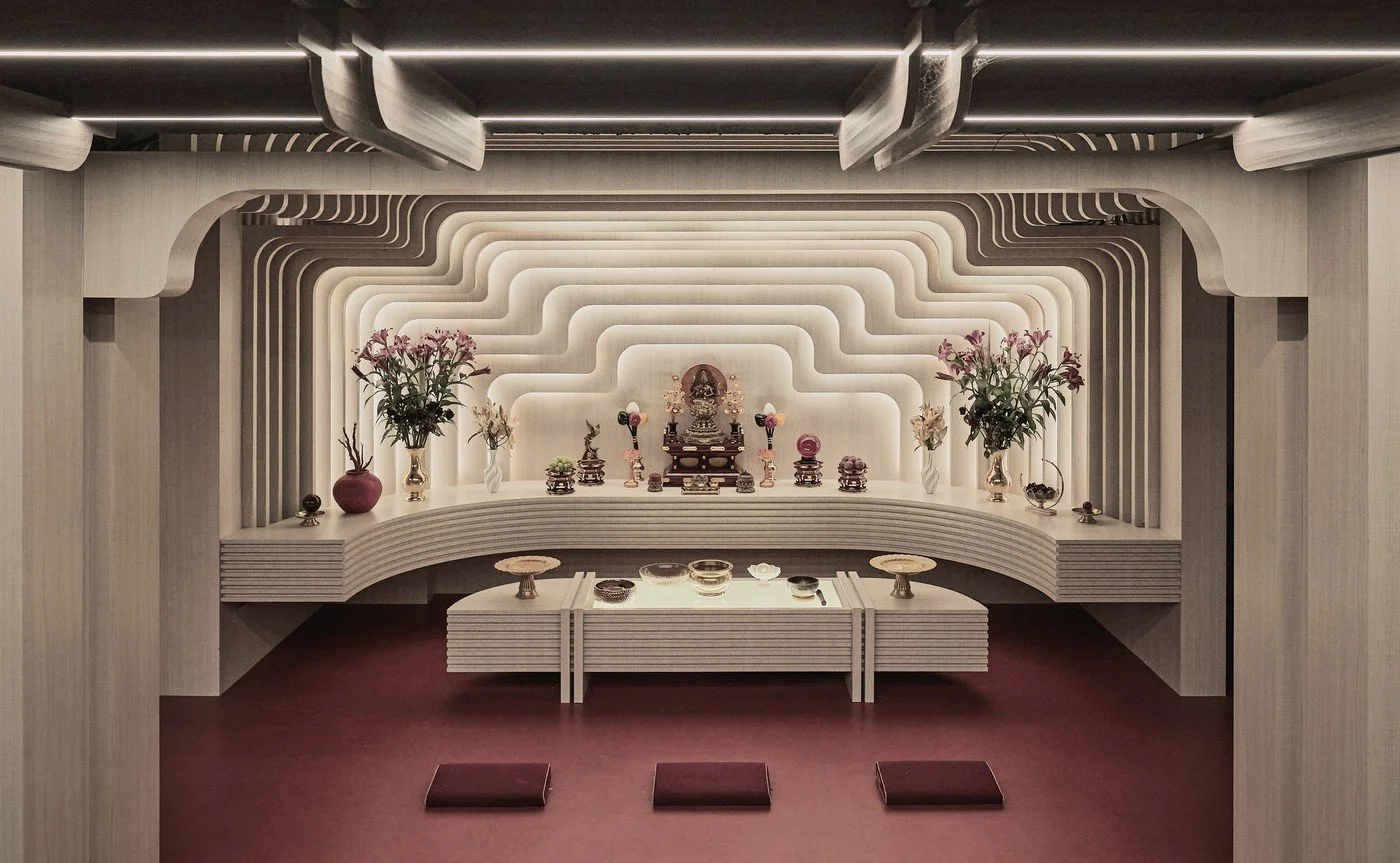
廟裡同時供奉觀音、日本來的愛染明王、辯才天女,還引進了淺草寺的籤詩,這種台日信仰混在一起,一點也不違和。台灣人拜拜,本來就很實際——形式可以不一樣,誠心的份量卻一樣重,能不能安心、有沒有感應,比外表氣不氣派更重要。這種毫不彆扭地把不同的東西混在一起、又能一直隨著時代換新方式,卻始終抓住「讓人安心」這個核心的能力,大概就是最台灣的地方了。
-
The Most "Taiwanese" Aspect of It All
Taiwanese temples have never operated on a strict hierarchy of size or status. Grand temples offer majesty, but the neighborhood shrines, the rooftop Buddhist altars, and this very temple hidden within a night market all serve the exact same purpose: offering sanctuary. None is more orthodox or inferior to the other. Nestled right in the heart of the night market and open until 11 PM, you can finish your late-night snack, browse the clothing stalls, and seamlessly drift inside. You leave the day’s agitation at the door, sit in the quiet, and step back out refreshed. In a way, it mirrors the night market experience itself—a short transitional path shifting you from the daily grind to a state of relaxation.
The fact that this temple simultaneously enshrines Guanyin alongside Japanese deities like Ragaraja and Benzaiten, and even features fortune slips from Tokyo's Senso-ji, creates an unapologetic blend of Taiwanese and Japanese faiths that doesn't feel the least bit out of place. Taiwanese worshippers are inherently pragmatic. The forms might differ, but the weight of sincerity remains the same. Whether a place brings peace and whether one feels a spiritual connection matters far more than its outward grandeur. This ability to effortlessly syncretize different elements and continuously adapt to the times—while never losing sight of the core goal of "bringing peace to the mind"—is perhaps what makes this so incredibly, distinctly Taiwanese.
© jamieyelo / HCS
© jamieyelo / HCS
© jamieyelo / HCS
© jamieyelo / HCS
鏡頭後面
拍的時候,我一直在想:我按下快門留住的,到底是這棟房子,還是這整件事——一群人遇到的難題、想出來的辦法、以及我們現在的人重新理解「拜拜」的方式?也許答案是,我留住的其實是同一件事的不同樣子,就像神明本來就會換不同的樣子出現一樣:樣子一直在變,但那個想要被安頓的東西,一直都在原地,等著被看見。
-
Behind the Lens
While shooting, I kept asking myself: When I press the shutter, am I immortalizing this building, or the entire phenomenon behind it? The obstacles a group of people faced, the solutions they crafted, and the way our generation is redefining the act of worship? Perhaps the answer is that I am simply capturing different manifestations of the exact same essence. Much like how deities reveal themselves in myriad forms, outward appearances are always changing. Yet, that innate human yearning for spiritual anchoring has always remained right where it is, patiently waiting to be seen.
© jamieyelo / HCS
© jamieyelo / HCS
© jamieyelo / HCS