
「關於邊界與感知的居住實驗」folistudio 在伊斯坦堡的森林住宅翻玩藝術與色彩:ZTP House
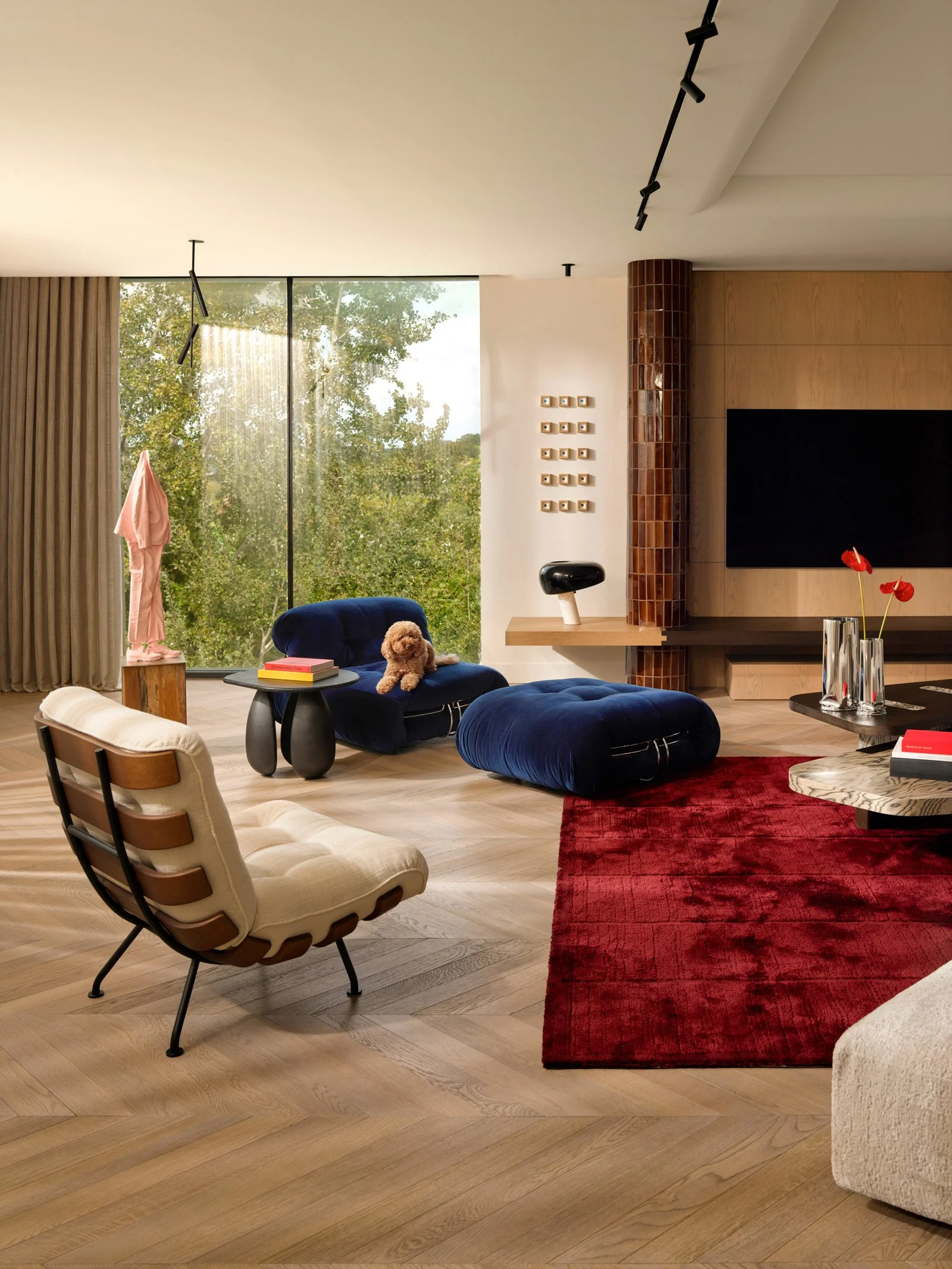
Photo Credit: Ibrahim Ozbunar
-
In northern Istanbul, a sweep of forest runs along the Black Sea, preserving a terrain that still feels raw and unguarded. Step inside and the city falls away. Leaves brush against each other, wind threads through branches, and the soundscape shifts from distant traffic to something quieter, closer. ZTP House sits at this wooded edge, where daily life meets a dense green horizon.
The homeowners commissioned folistudio, the Lisbon and Istanbul based interior design duo, to shape a home for a family of five and their dog, Tokyo. With the forest as both neighbour and backdrop, the project centres on a single relationship: how the built and the natural can hold their ground together. folistudio does not chase invisibility, nor does it assert itself over the site. Instead, the house is calibrated through precise geometry and softened through material and form, becoming at once a place of refuge and a clear window onto the trees.
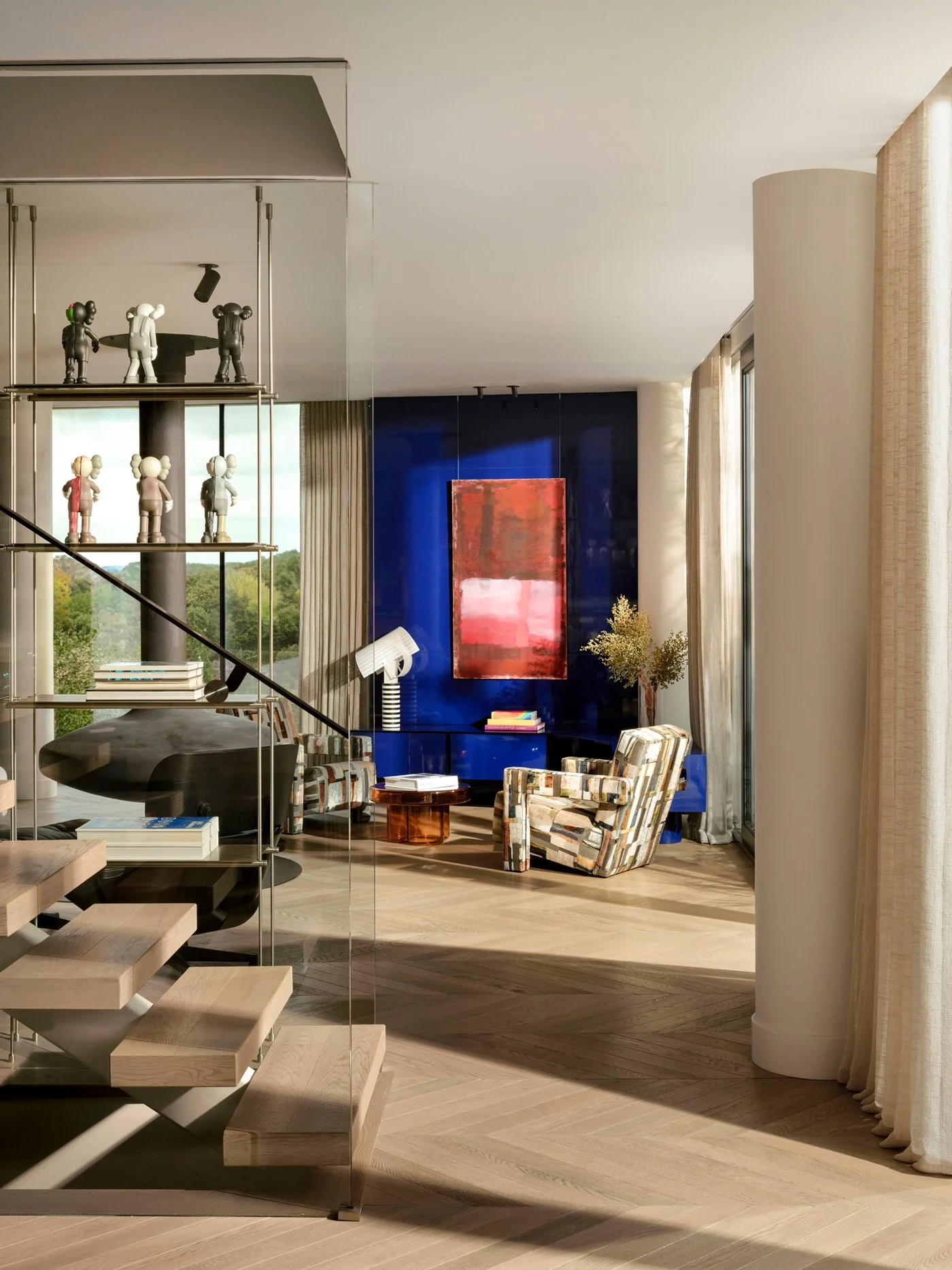
Photo Credit: Ibrahim Ozbunar
-
A plan that redirects light and sight
That balance begins with a bold reworking of the plan. folistudio adopts a diamond shaped layout, using its angled geometry to sharpen sightlines and choreograph how light travels through the interior. Where a conventional orthogonal plan can flatten the experience into a single static elevation, the diamond form opens multiple points of contact with the forest edge. The house meets the landscape from shifting angles, continually re framing the threshold between indoors and out.
Inside, the space reads like a carefully cut crystal. Greenery is edited into view, then gathered in floor to ceiling glazing that draws the forest’s light and seasons into the home. Daylight follows the sun’s path and is pulled deeper into the plan, while the woodland beyond, restless and expansive, is cropped into moving pictures. For the family, these linear frames give everyday life a quiet clarity and an easy sense of orientation.
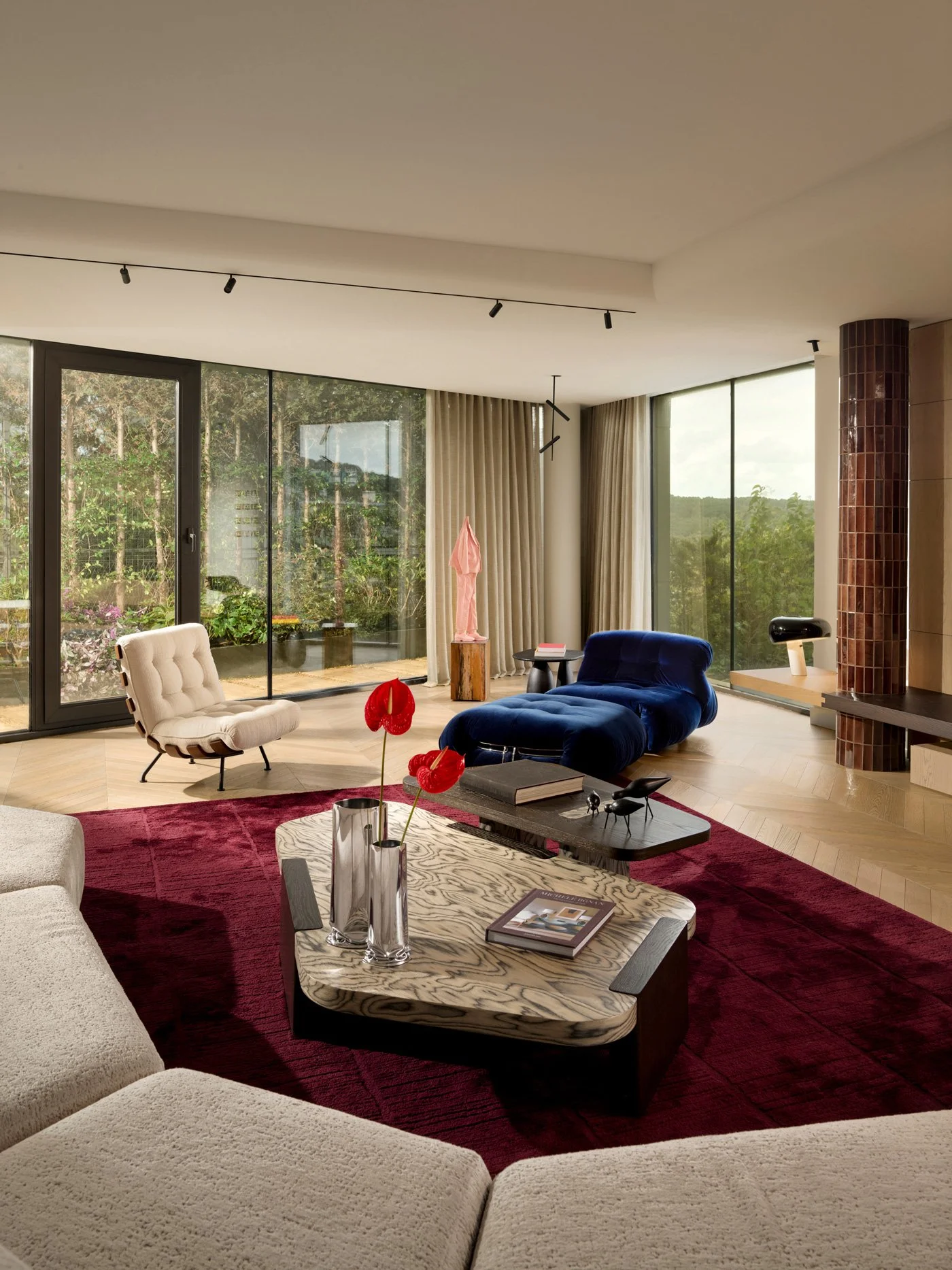
Photo Credit: Ibrahim Ozbunar
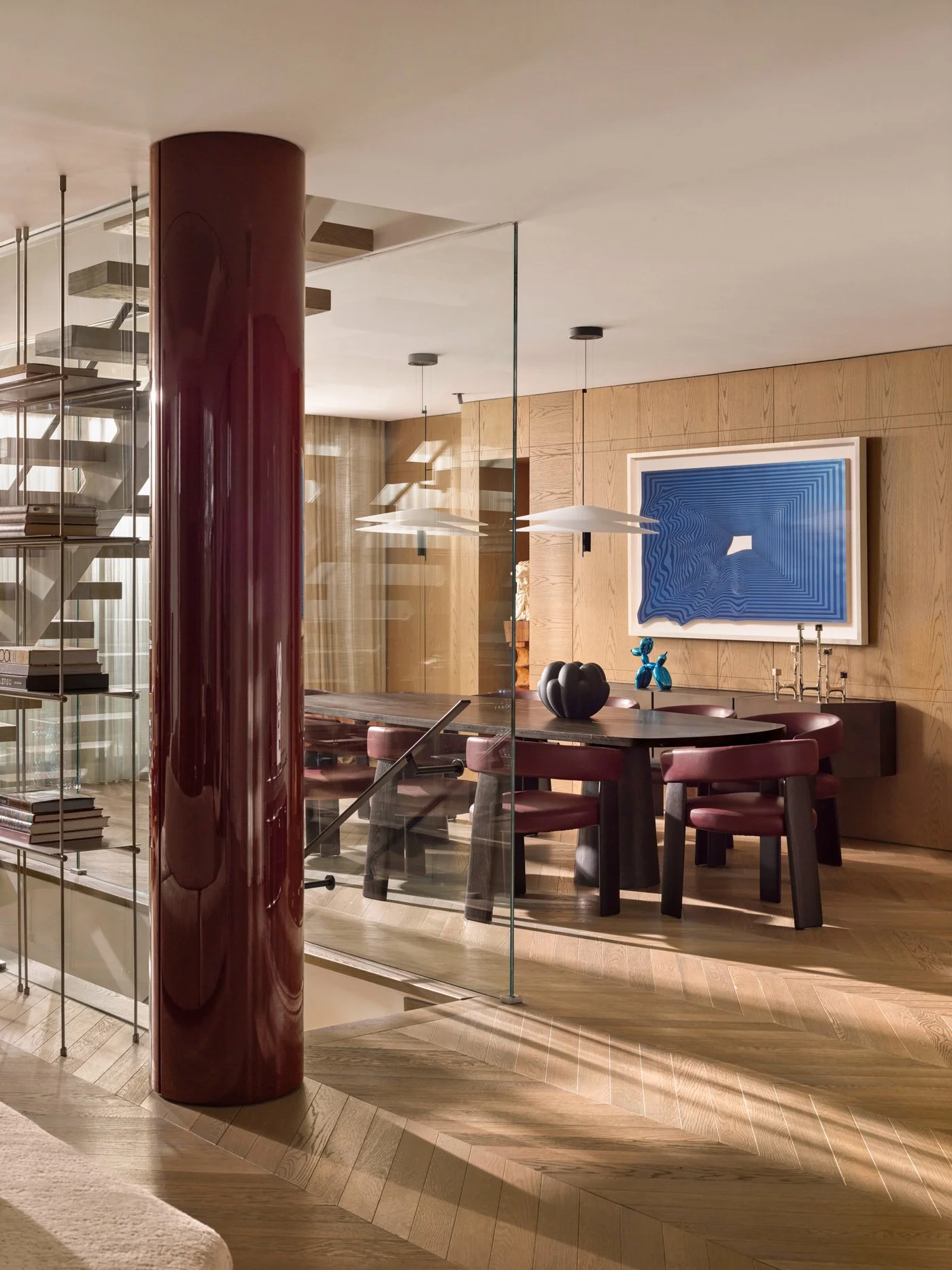
Photo Credit: Ibrahim Ozbunar
-
Structure, treated as display
Follow the light inward and the house reveals its most deliberate gesture: a floating shelf at the centre of the plan. It anchors the eye immediately, a piece that reads as both structure and exhibition. Brushed metal lines meet clear glass, forming a presence that feels weightless without becoming fragile. Beyond its role as a vertical connector between zones, it works as a compact gallery for the owners’ collectibles and art books. The cool precision of the metal frame is softened by the warmth of paper and objects, bringing a lived in ease to what could have been purely graphic.
Supporting columns are given similar attention. Rendered with rounded volumes and saturated colour, they move beyond utility to become visual anchors within the open diamond plan. They signal subtle shifts between areas without interrupting the sense of openness, establishing psychological boundaries while keeping the sightlines clear.
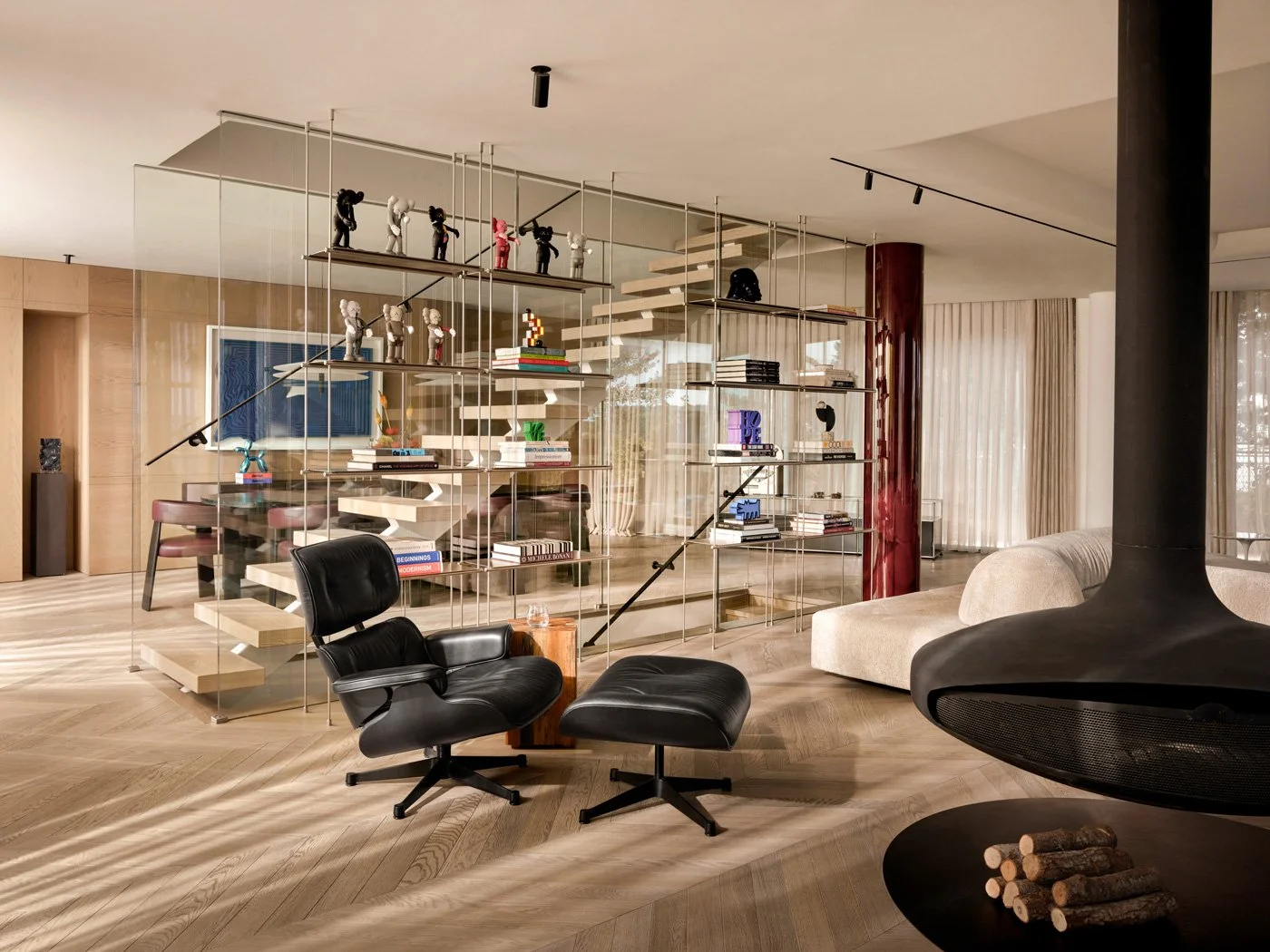
Photo Credit: Ibrahim Ozbunar
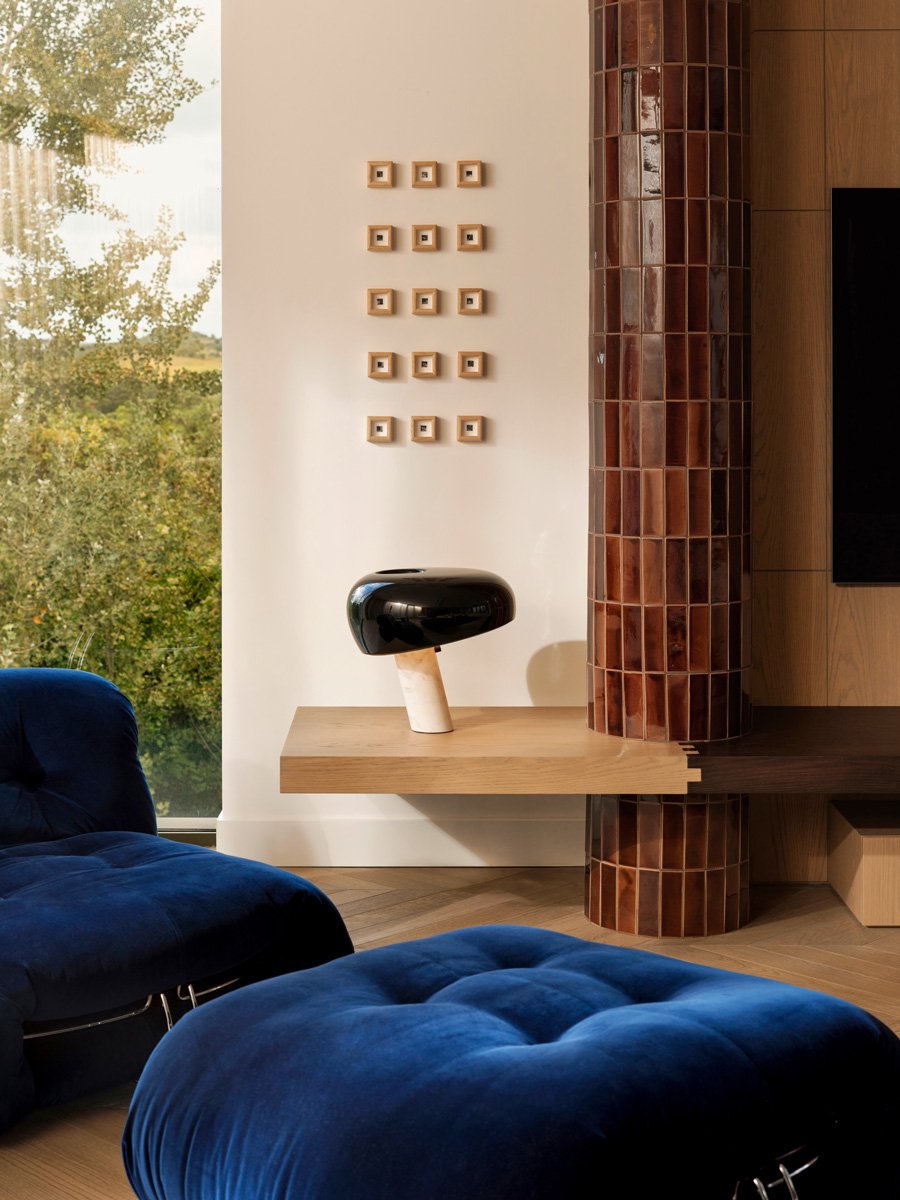
Photo Credit: Ibrahim Ozbunar
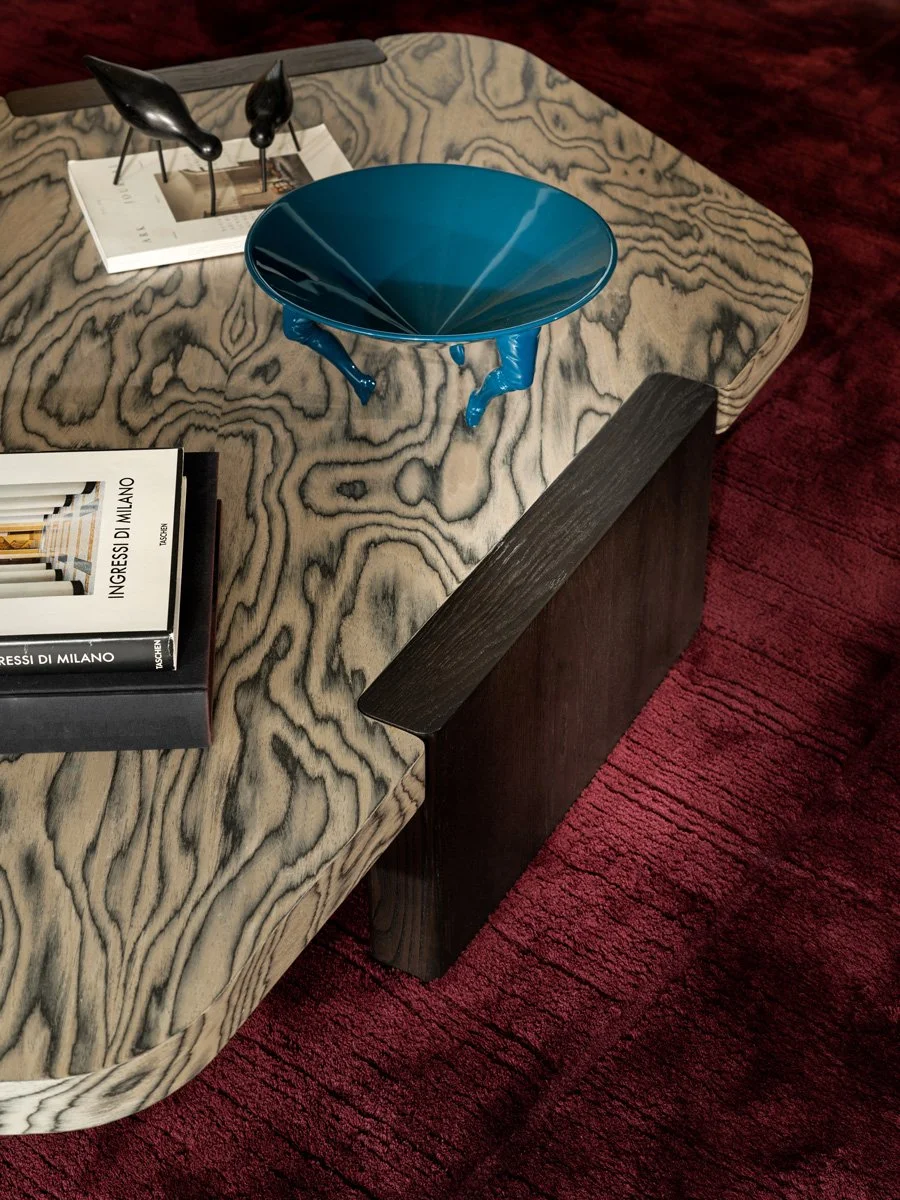
Photo Credit: Ibrahim Ozbunar
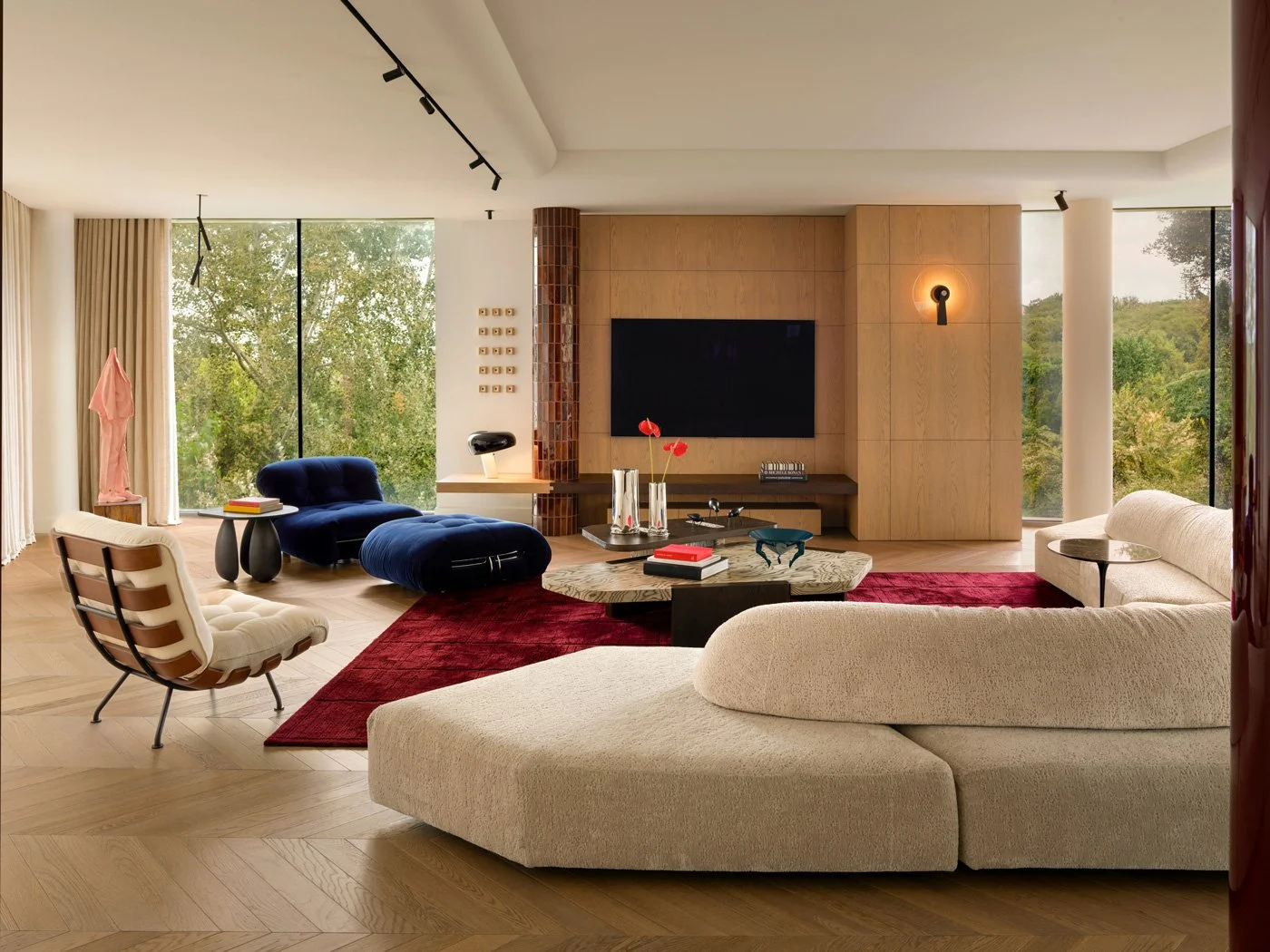
Photo Credit: Ibrahim Ozbunar
-
Colour as a thread through the house
Colour runs through ZTP House as its defining thread, adding character to a calm, tactile base. Oak, linen and painted finishes build a neutral foundation with a softened grain and warmth under hand. Against this, folistudio introduces two high saturation accents, cobalt blue and amber, as visual punctuation. They appear across rooms like an invisible line, tying separate moments of daily life into a single continuity.
The effect is less about decoration than material study. By adjusting reflectivity, the same hue shifts as it lands on different surfaces, changing temperature and texture under light. In the living room, a glossy cobalt cabinet reads like a deep liquid plane, catching the movement of the trees outside and sharpening the room’s contemporary edge. In the bedroom, the blue sinks into timber grain, softened by the absorption and breath of stained wood. Amber follows a similar logic, appearing as lacquer on a column, then returning as a coarser weave on a chair, warmer and more tactile. The colour remains consistent. The feeling does not.
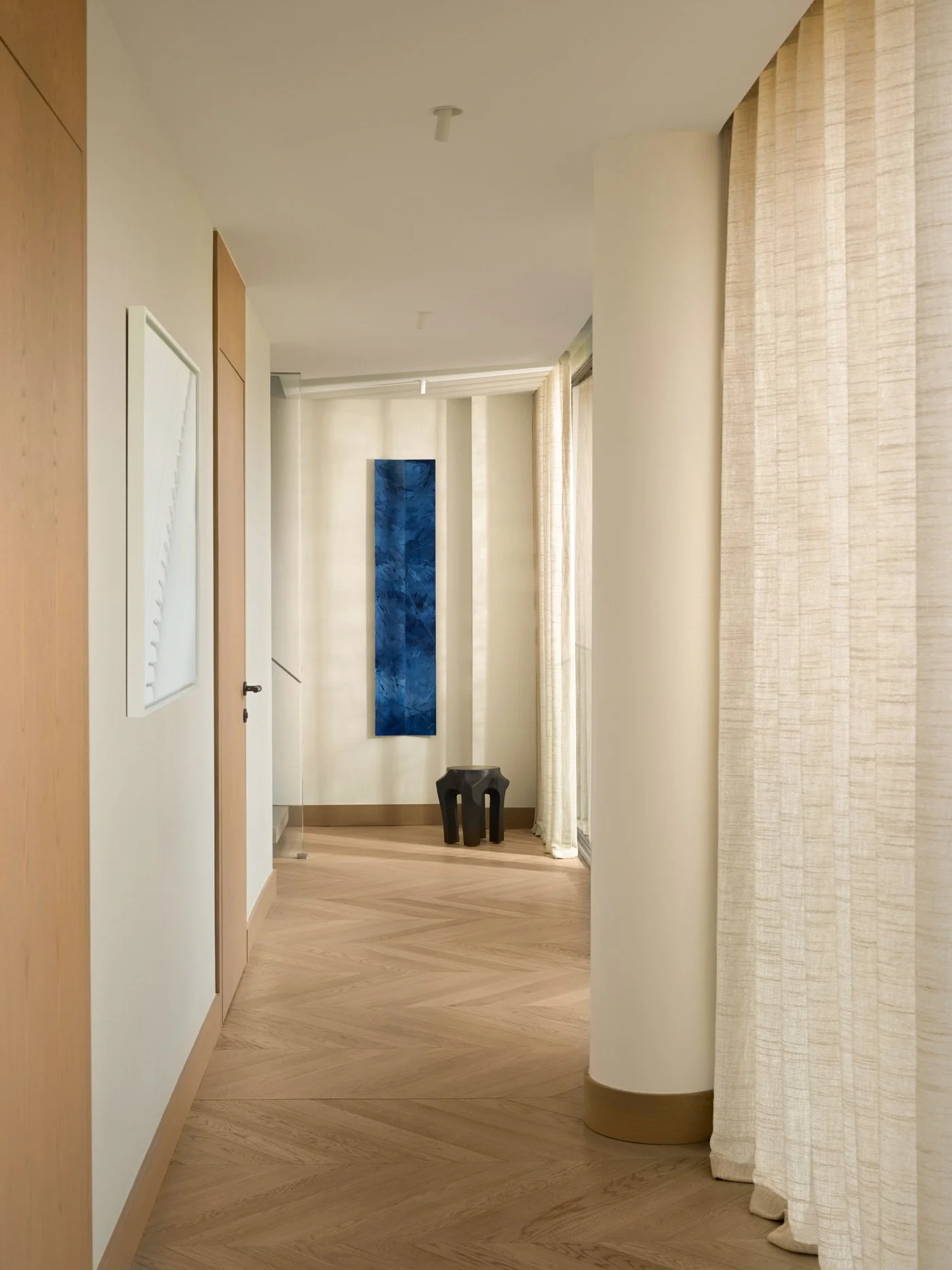
Photo Credit: Ibrahim Ozbunar
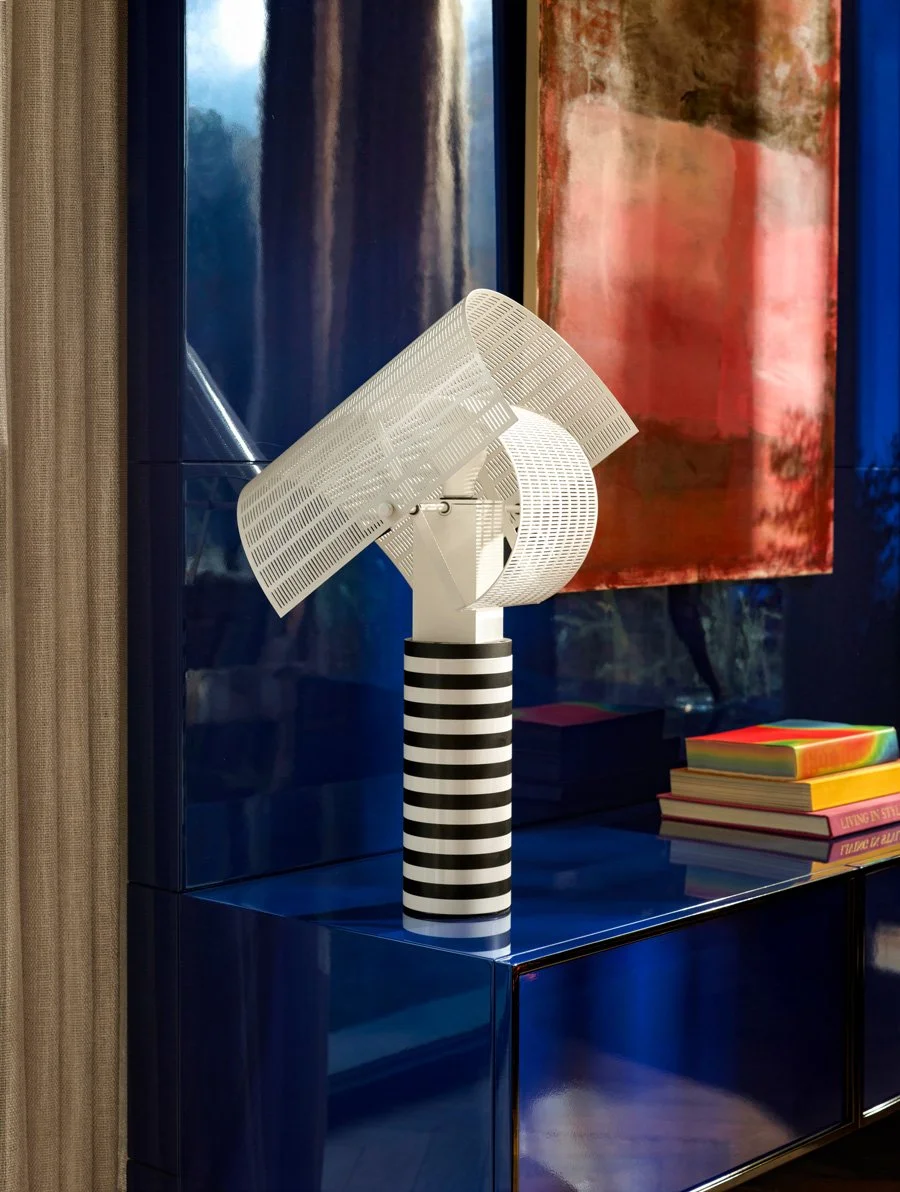
Photo Credit: Ibrahim Ozbunar
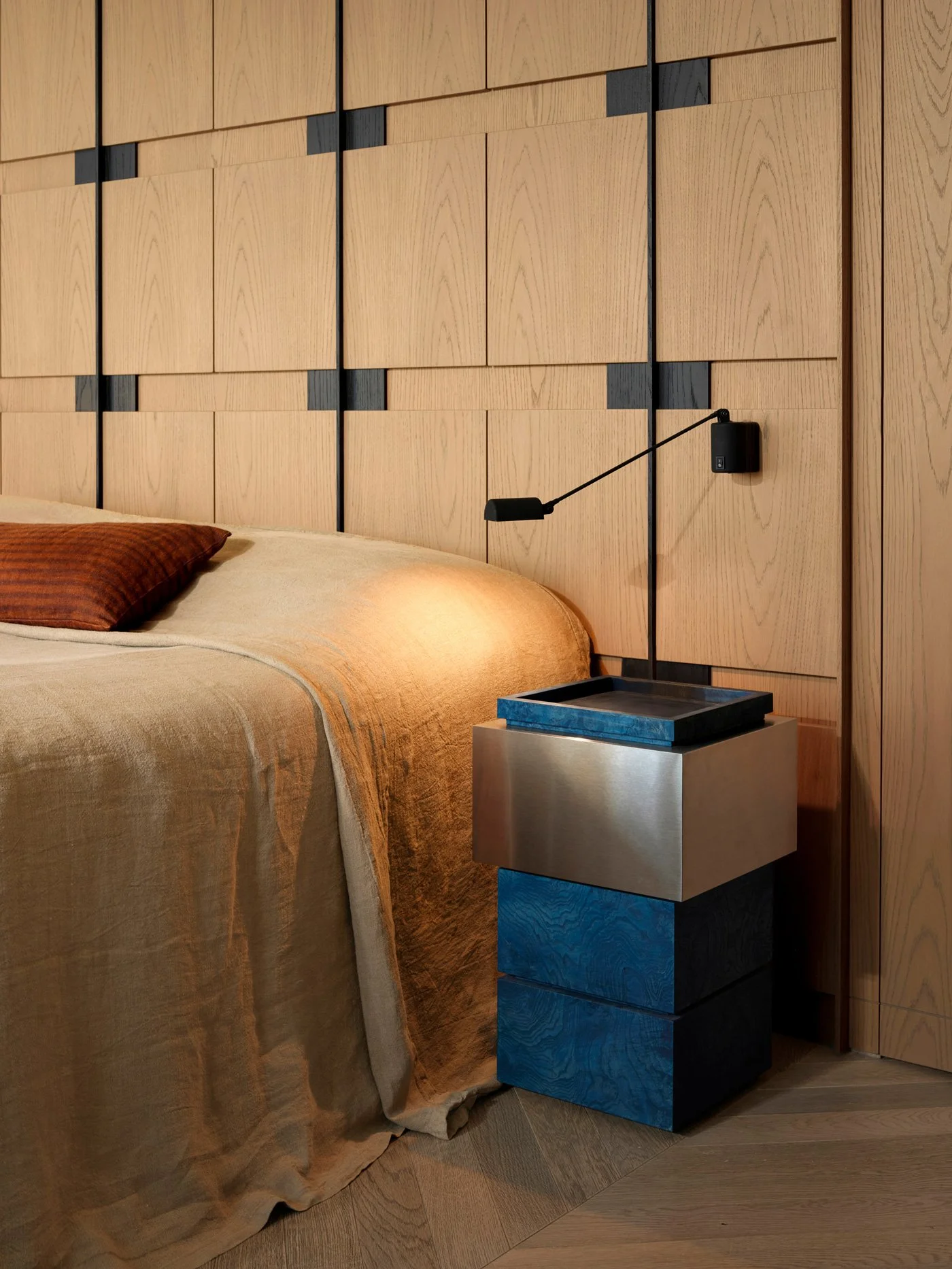
Photo Credit: Ibrahim Ozbunar
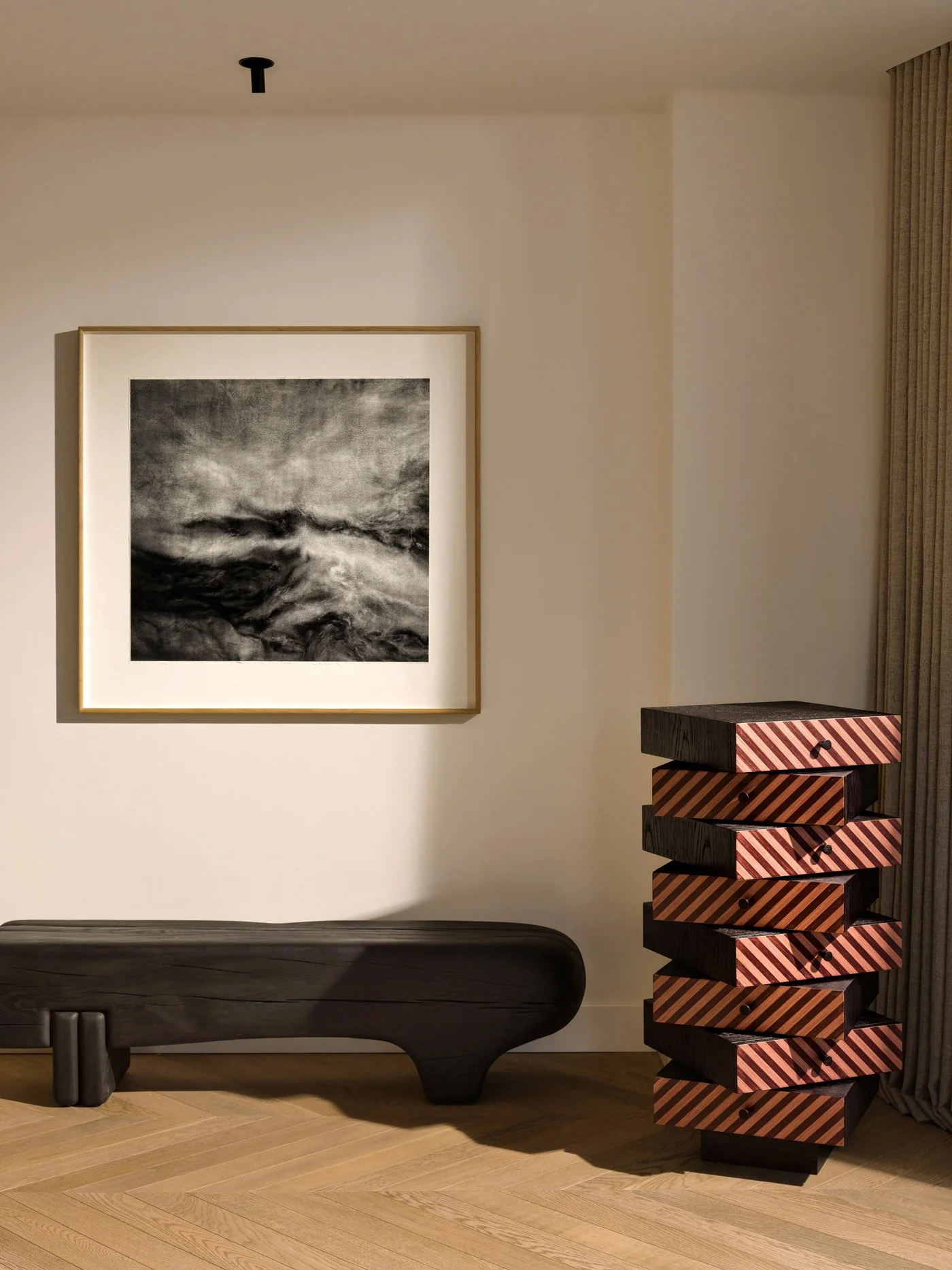
Photo Credit: Ibrahim Ozbunar
-
Softening the geometry
Although the plan is defined by sharp angles, the lived experience is cocooning. This softness comes from curves introduced with intention, running through the interior like an undercurrent. Columns become rounded supports. A timber screen undulates gently to separate the bedroom from the dressing area. Even the junction between green marble and timber flooring avoids a straight seam, resolving instead in a smooth arc. Storage edges are similarly refined, easing the bite of corners and keeping transitions quiet.
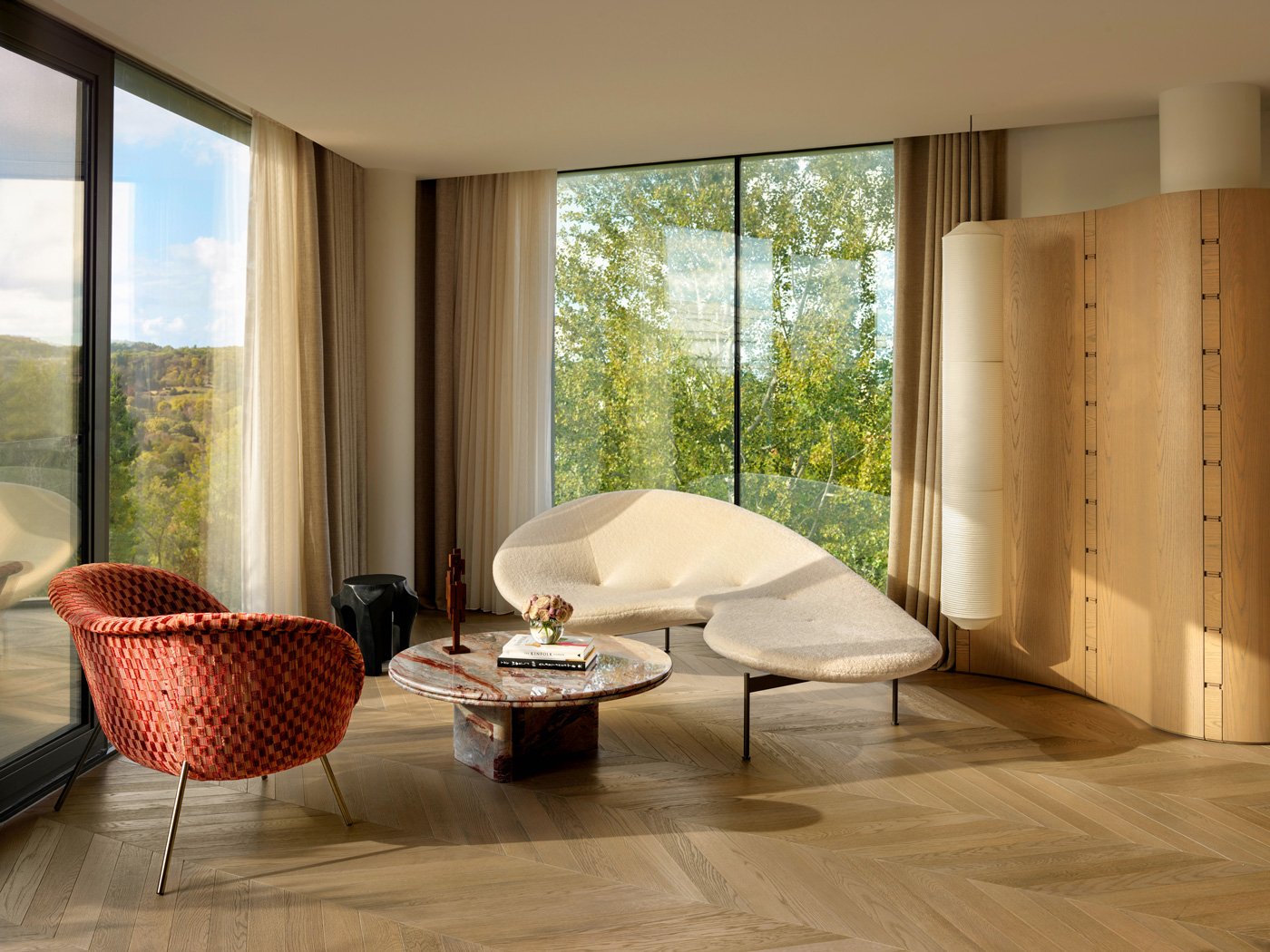
Photo Credit: Ibrahim Ozbunar
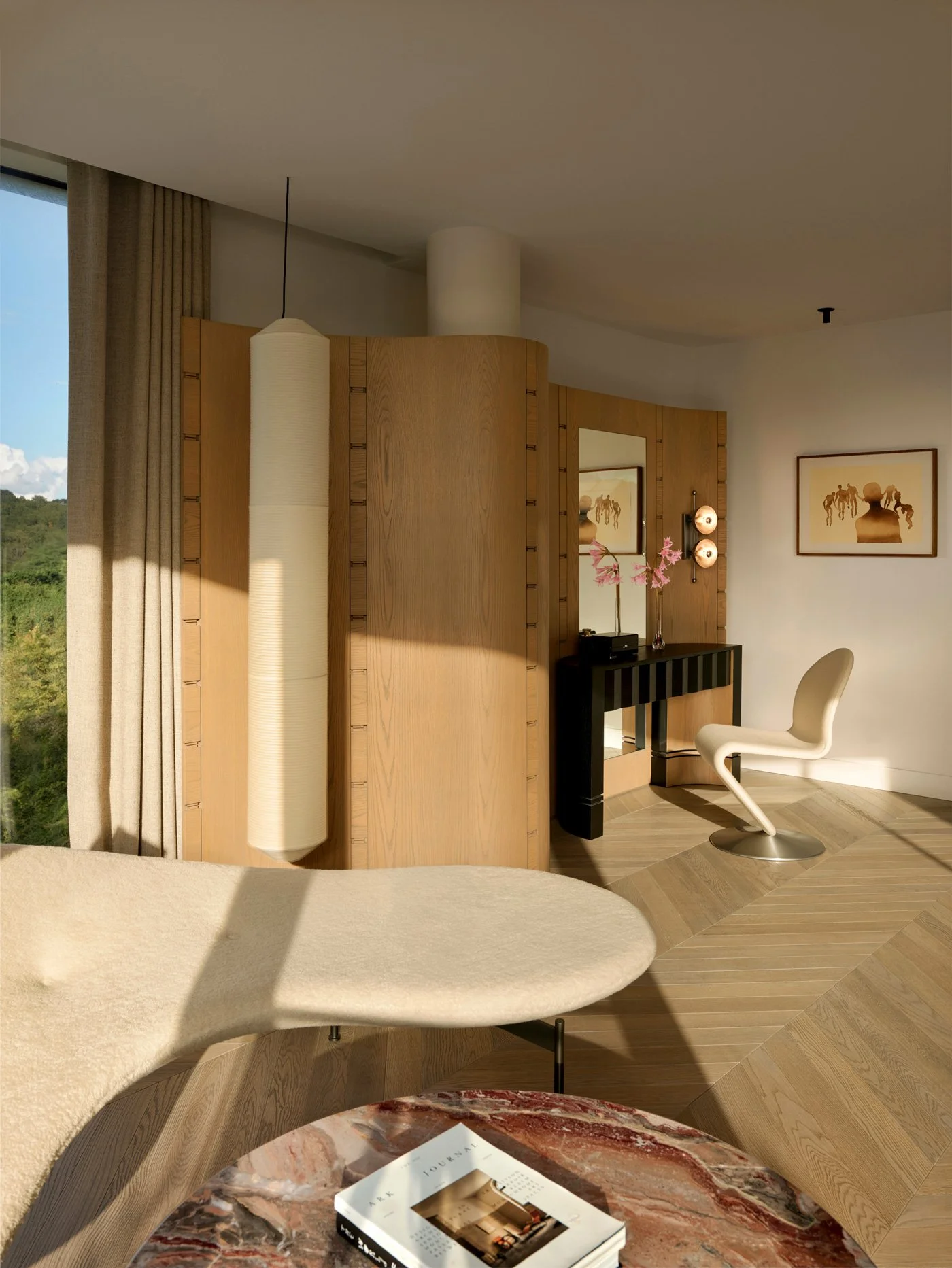
Photo Credit: Ibrahim Ozbunar
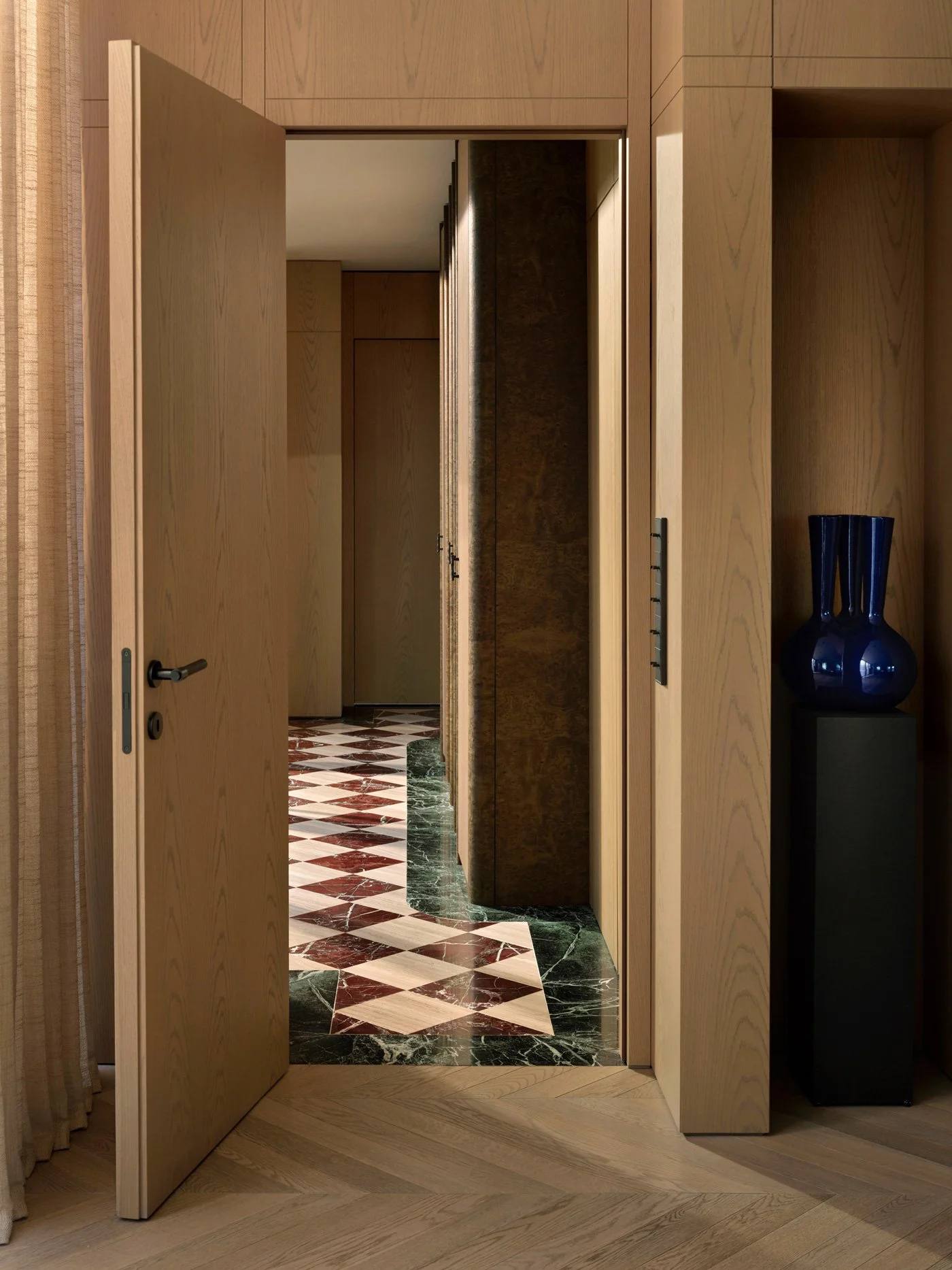
Photo Credit: Ibrahim Ozbunar
-
Furniture continues this language. A cloud like curved sofa, a velvet chaise with a pod like profile, and pebble shaped side tables form a constellation of organic islands, each echoing the building’s softened contours. These pliant turns support deeper rest, reinforcing the home’s tactile welcome.
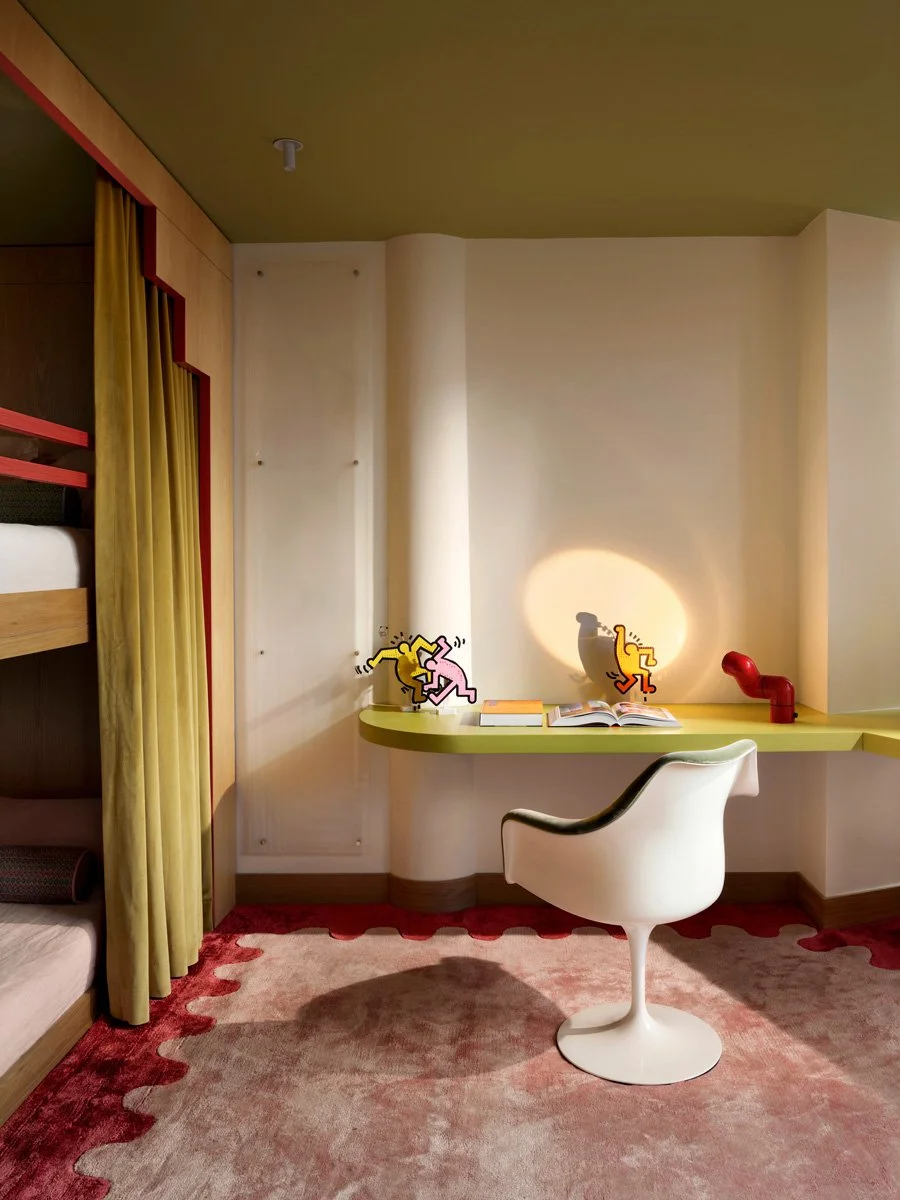
Photo Credit: Ibrahim Ozbunar
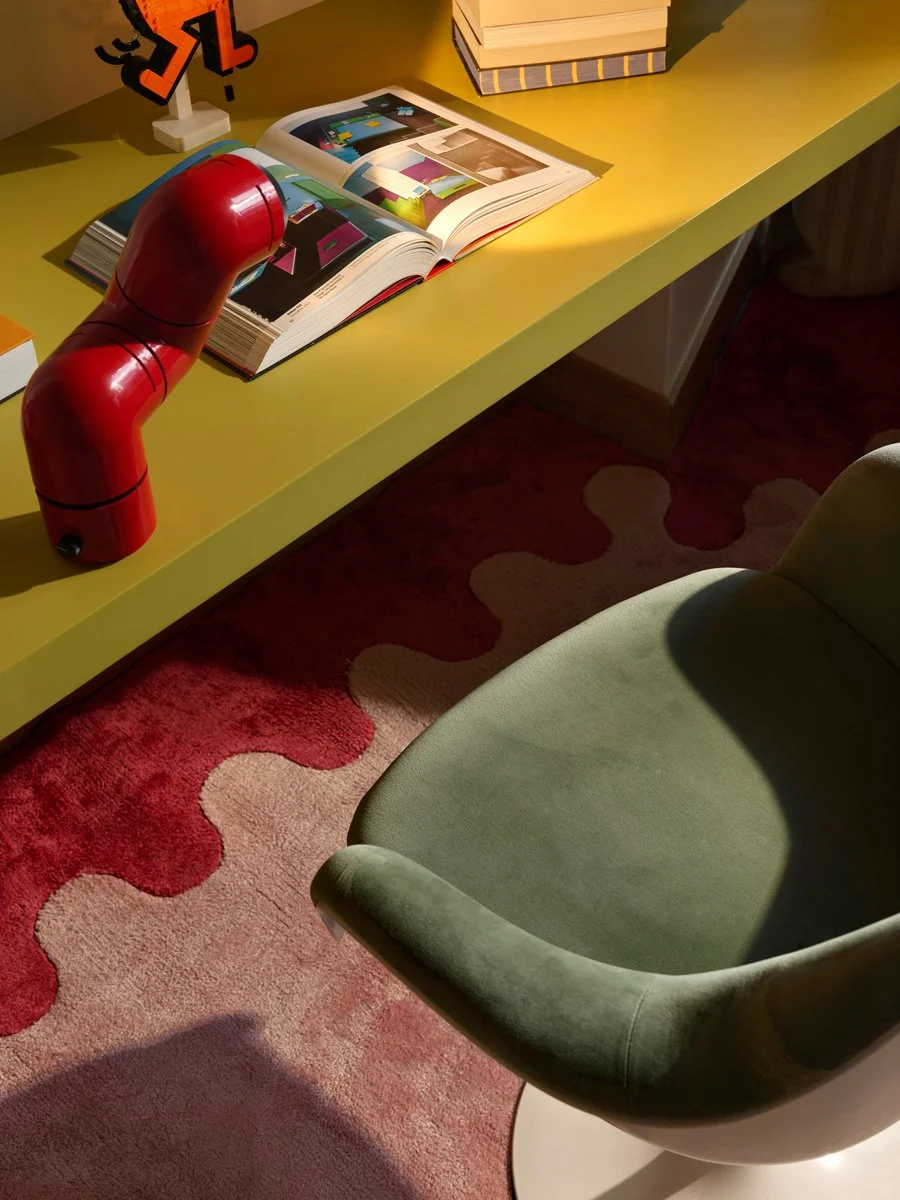
Photo Credit: Ibrahim Ozbunar
-
Where inside and outside begin to blur
The tension between interior and exterior settles through a landscape concept informed by Japanese aesthetics. A quiet water feature and natural stone arrangement draw on the idea of borrowed scenery, pulling the forest’s depth into the home’s visual frame. Ripples throw light onto amber toned stone. A breeze moving across the pond seems to answer the sway of treetops beyond. The boundary of the view loosens.
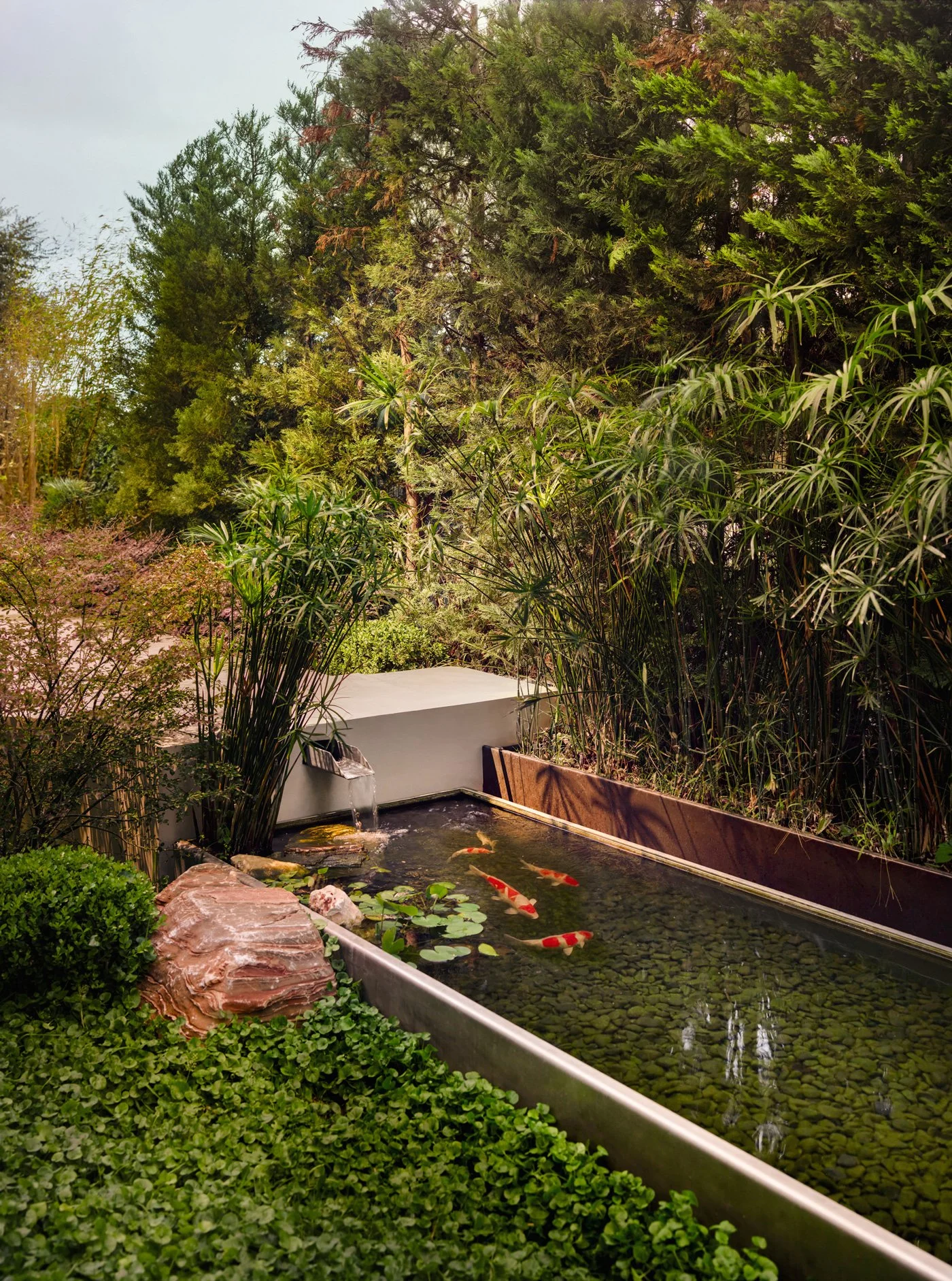
Photo Credit: Ibrahim Ozbunar
-
Instead of drawing a hard line between inside and out, the house lets them overlap. Light moves across surfaces, and materials pick up what the landscape is doing outside. As the forest shifts through growth, fading, and return, the home responds in small ways rather than grand gestures. It neither disappears into its setting nor competes with it. It simply holds its place, making room for everyday life to sit alongside nature.
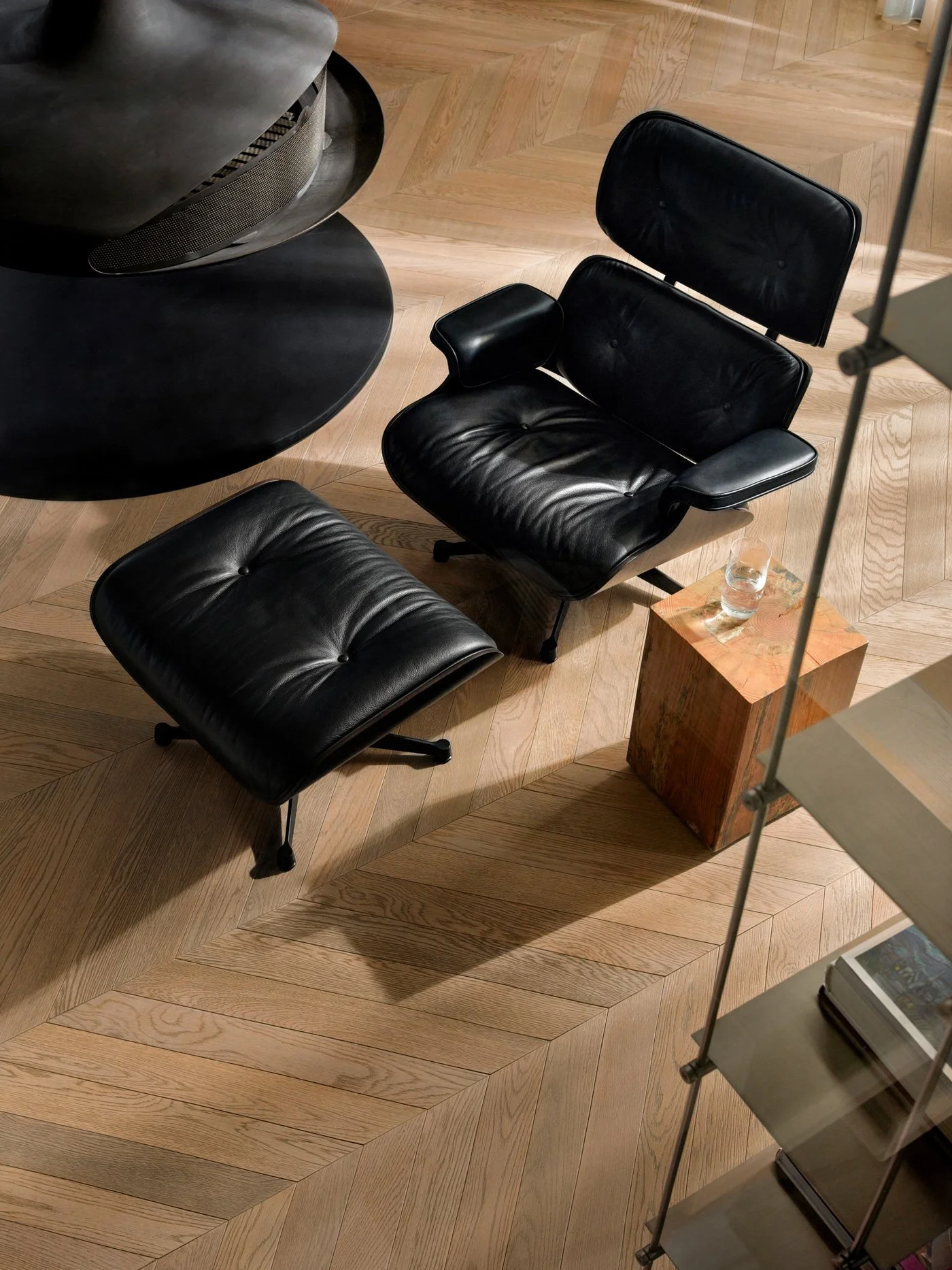
Photo Credit: Ibrahim Ozbunar
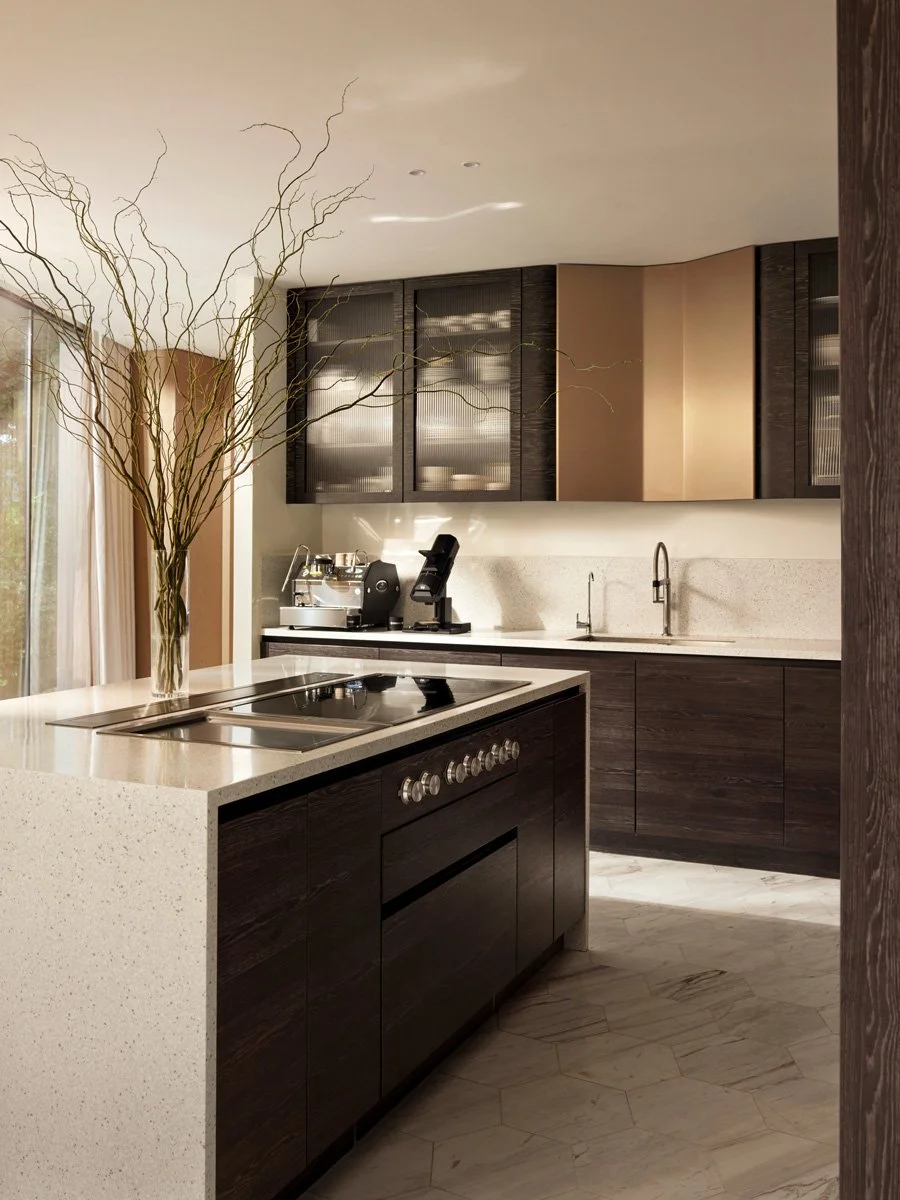
Photo Credit: Ibrahim Ozbunar
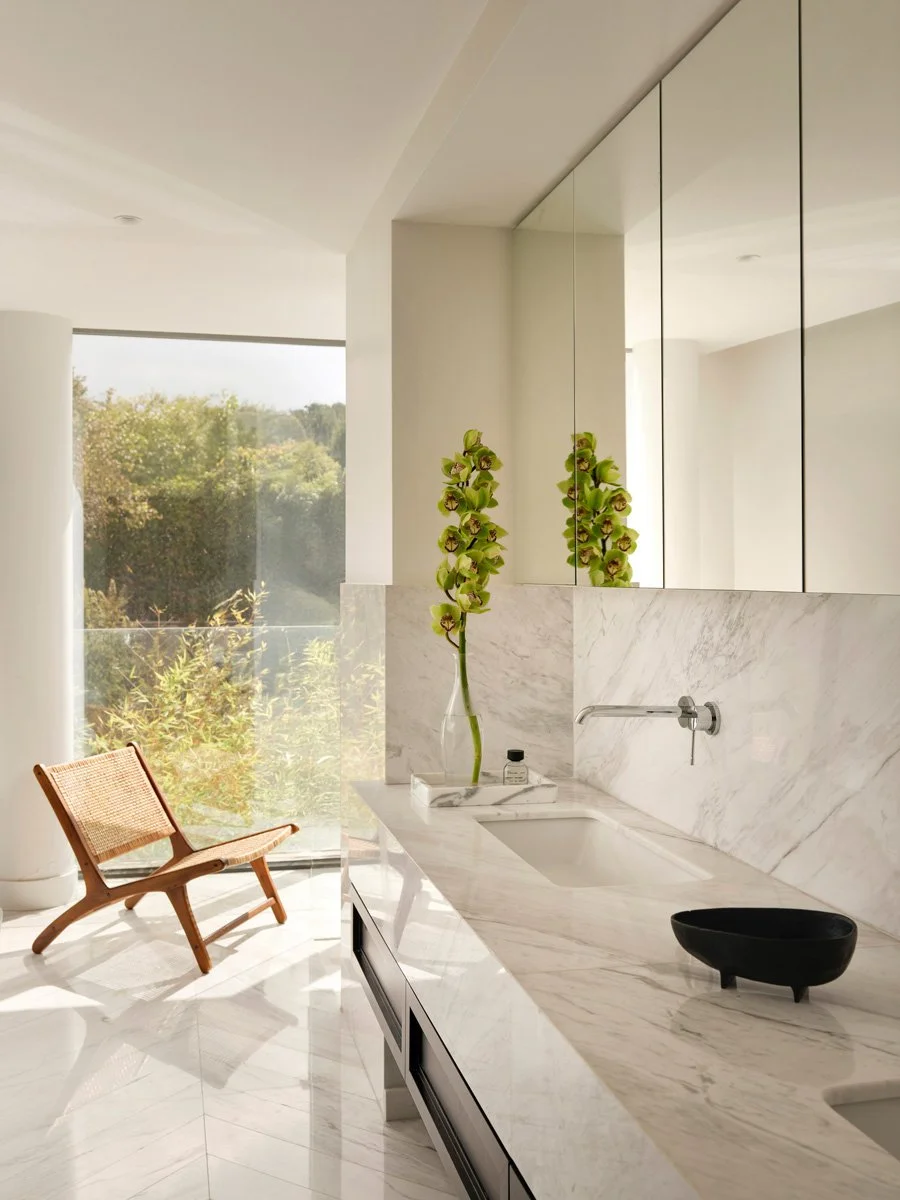
Photo Credit: Ibrahim Ozbunar