
從雨林記憶到墨爾本工作室:Szilvassy 以指尖尋回土地連結,探尋物體本質的出口
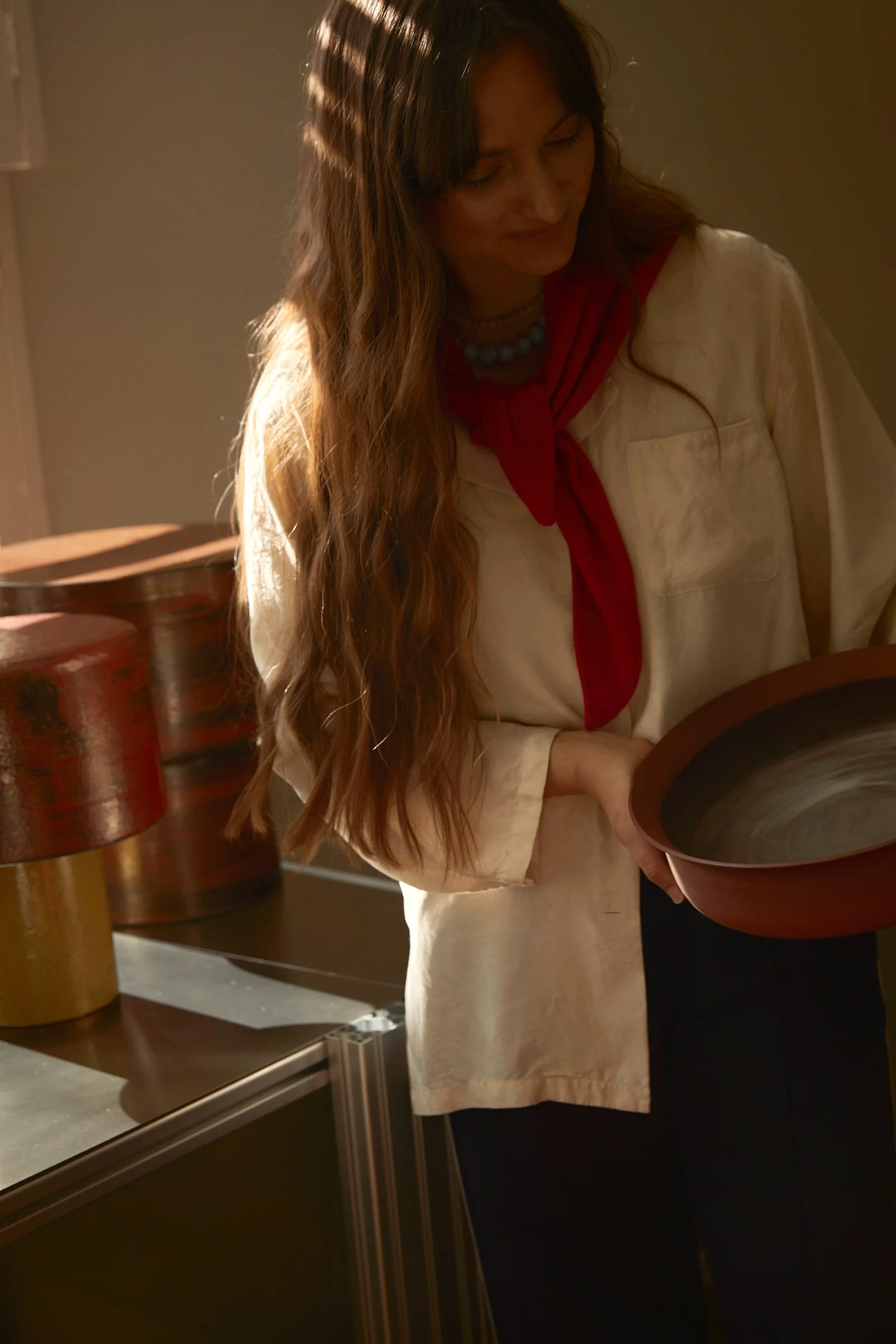
Artist - Shari Lowndes(Szilvassy)。© Caitlin Mills
—— Shari Lowndes
-
In today’s rapidly changing material world, ceramics represent both a renaissance of craft and a re-examination of time and existence. As mass production erases the warmth of creation, pottery becomes a meditation that resists fast consumption, leading us to rediscover humanity's most primal yearning for materiality amidst damp clay and roaring kilns. For ceramicist Shari Lowndes, vessels are more than daily utilitarian objects; they harbor a quiet potential. The moment a user lifts a cup or traces the rim of a bowl, it fractures the inertia of daily routine, allowing them to reclaim their perception of the present. This pursuit of "awareness" forms the core soul of her brand, Szilvassy.
© Emily Weaving
-
The Weight of a Promise: In the Name of Szilvassy
The brand name Szilvassy (pronounced /SILL-VAA-SHI/) originates from the surname of Shari's mother's soulmate, Zoltan, a Hungarian poet. Although Zoltan was diagnosed with brain cancer just weeks after meeting her mother, during the final five years of his life, the poet profoundly inspired Shari's entire family with his pure passion for creation, despite his illness.
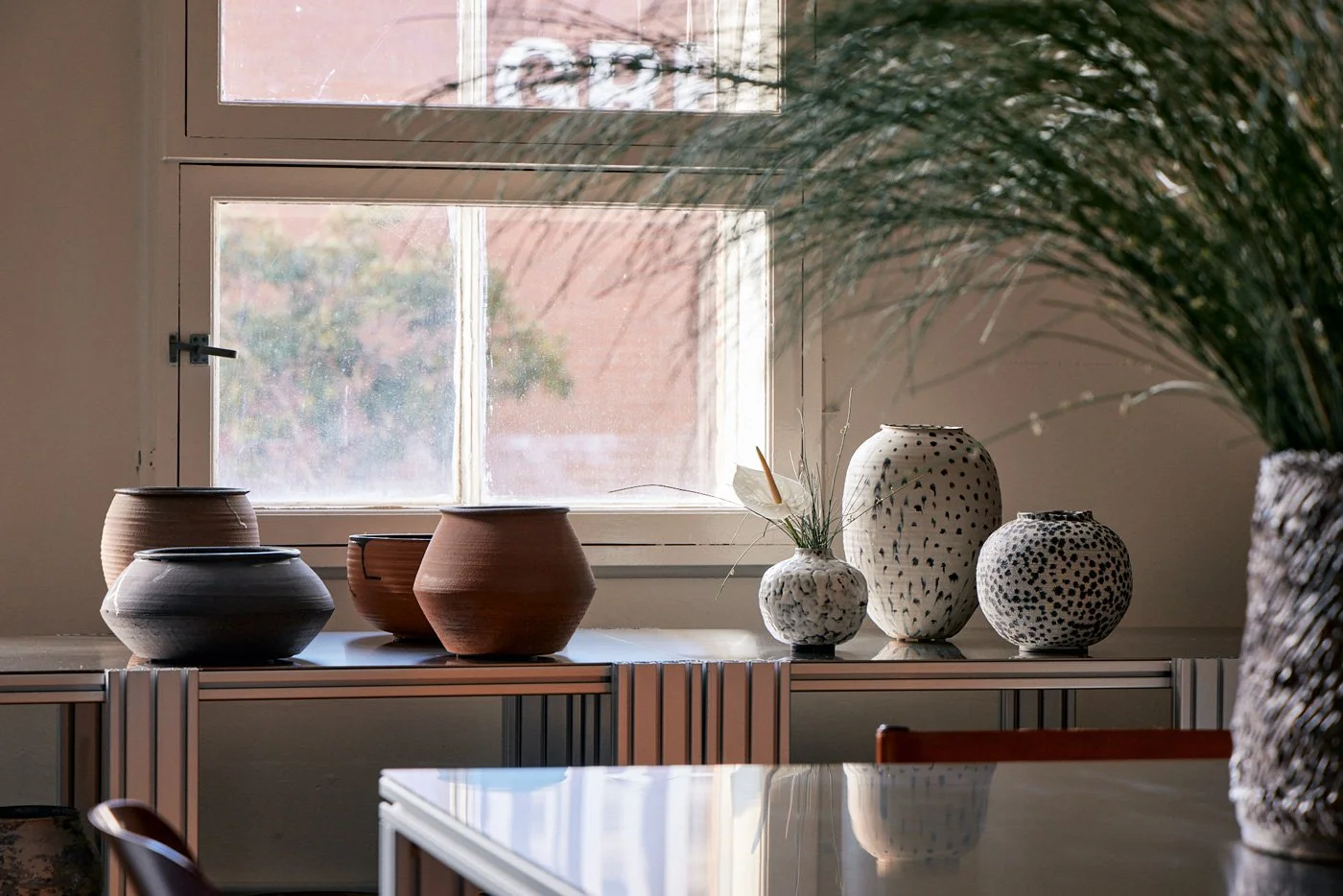
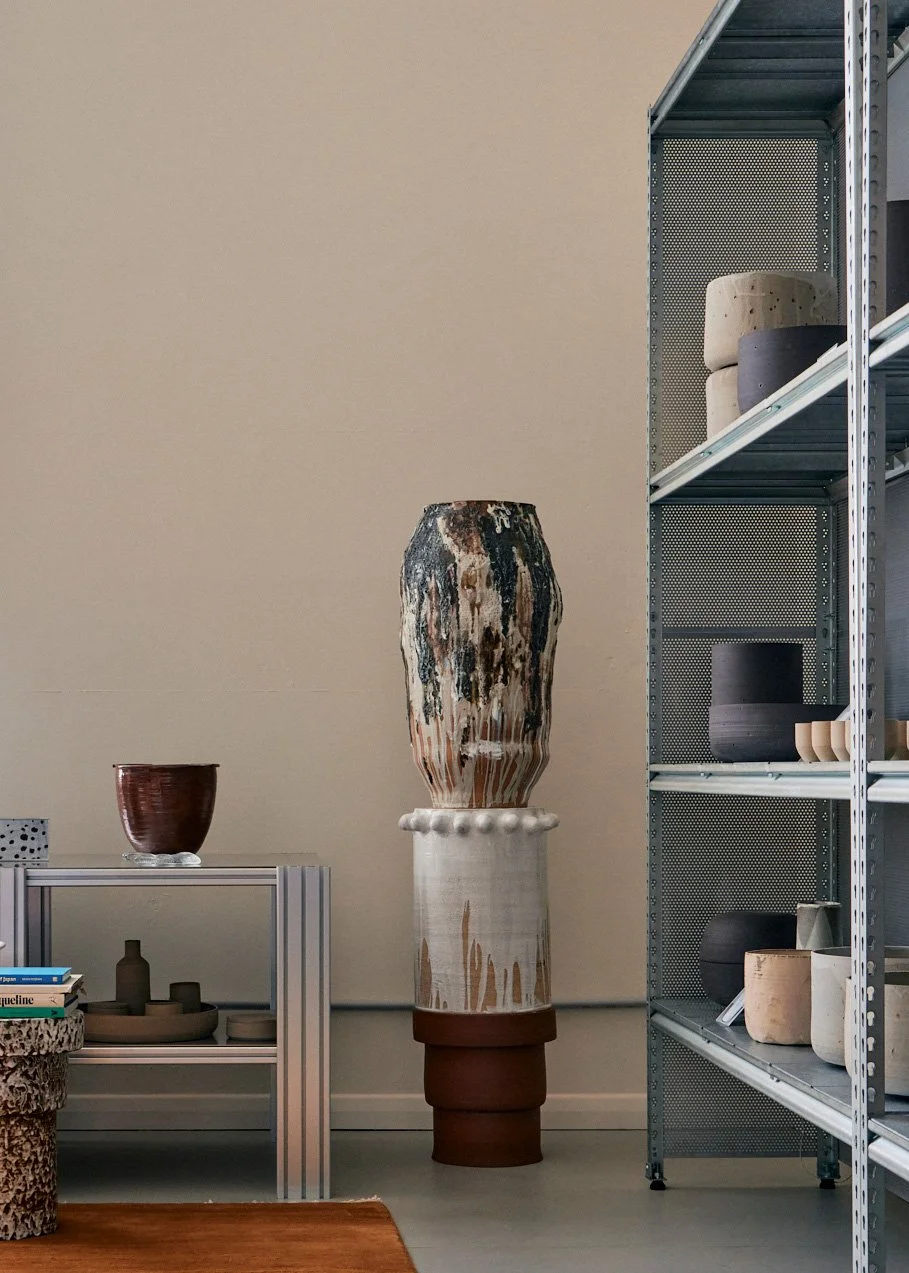
Before his passing, Shari made a promise: she would dedicate herself to artistic creation and live a conscious, creative life. Today, Szilvassy is the fulfillment of that promise, symbolizing the endless love for creation inherited from the poet's soul. Her studio is currently located in the Collingwood Yards arts precinct in Melbourne, Australia. Designed by interior designer Dion Hall, it utilizes steel shelving intertwined with natural light and shadow to create a sense of order and purity. Piece by piece, the ceramics are steadily displayed, showcasing a subdued and tranquil aesthetic.

工作室一隅。© Emily Weaving
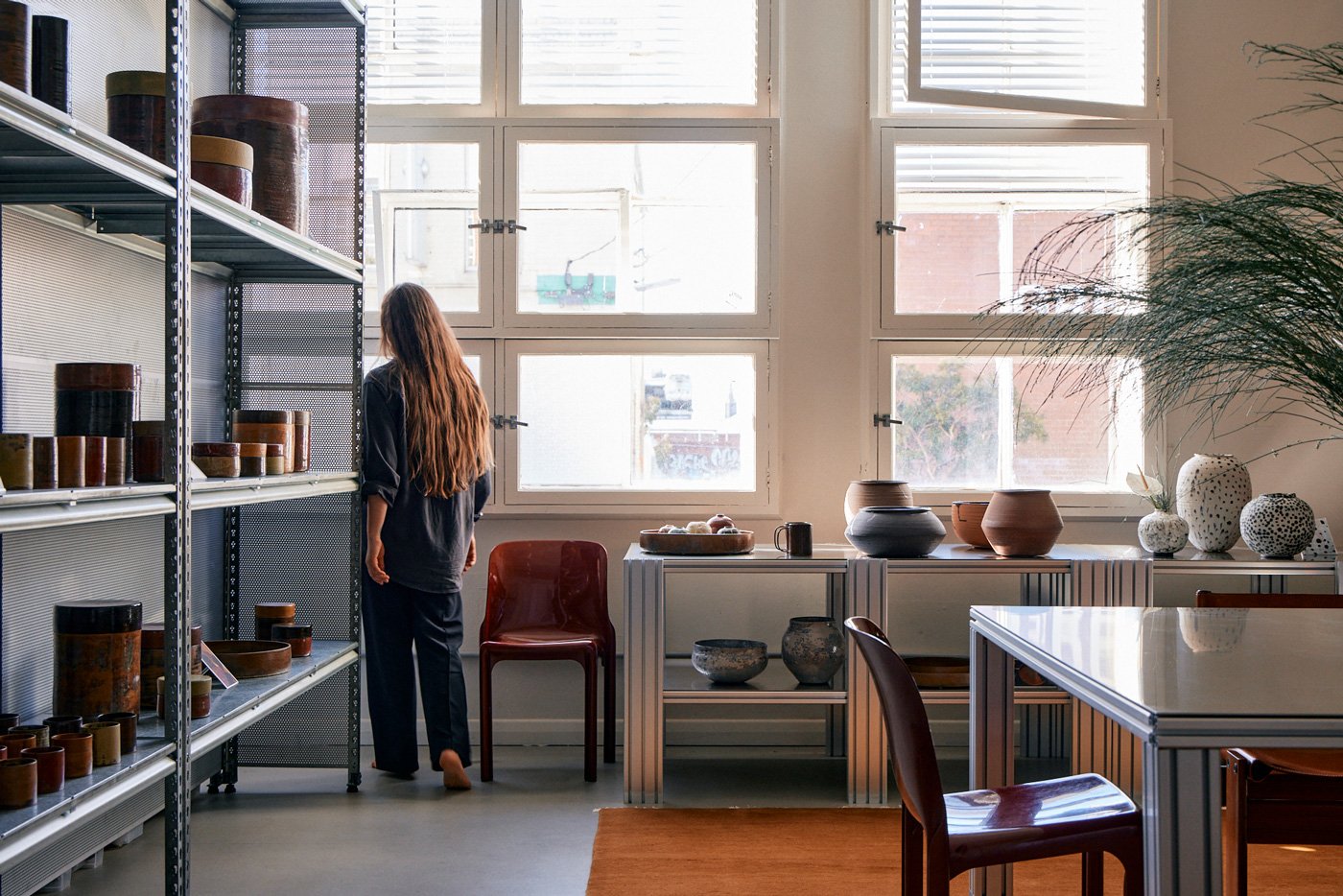
工作室一隅。© Emily Weaving
-
Imprints of the Rainforest: The Land's First Lesson
The substantial and grounded texture in Shari's work is rooted in her deep memories of the land. Spending her childhood in the rainforests of northern New South Wales, Australia, she learned through nature's enlightenment to quietly observe the character of materials and feel the slow accumulation of time in the details. This laid the foundation for her future creations. When she touched clay again as an adult, a profound and indescribable resonance surged from deep within her—as if, in that instant, she had retrieved a long-lost connection with the earth.
Carrying this resonance, she officially began her creative journey at a turning point while searching for an artistic outlet. She apprenticed under ceramicist Shane Kent, embarking on a five-year mentorship. This deep mentor-student bond not only solidified her technical foundation but also elevated simple wheel-throwing techniques into a deep exploration bridging ceramic history and artistic philosophy. She remains deeply grateful for the support of Shane and his partner, Jane, along the way.
Subsequently, under the guidance of Neville French at SOCA (School of Clay and Art), she opened the door to glaze chemistry, learning to explore the nuanced relationship between surface and form through glaze expressions. This rigorous training, blended with artist Isamu Noguchi's insights into the essence of materials, quietly shaped the current form of her work: a serene presence, brimming with the weight of life, that transcends the boundaries of traditional vessels.

© Sophia Hanover
-
The Subtle Warmth of the Human Touch Hidden in Silhouette and Finish
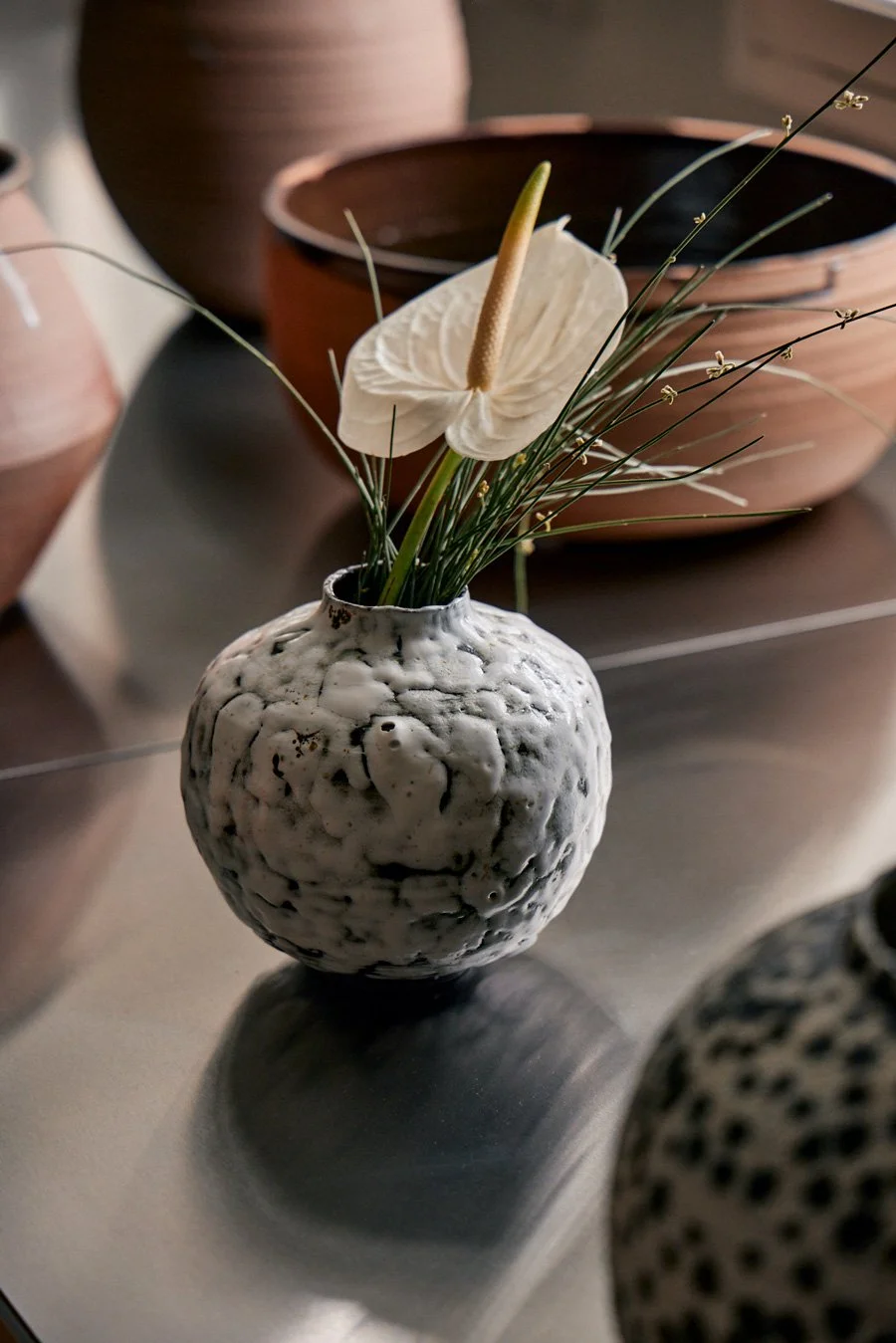
In her creative practice, almost all Szilvassy wares are wheel-thrown by Shari. With precise proportions, flowing lines, and smooth, even surfaces, her functional cups, bowls, and plates are often so refined they are mistaken for slip-cast industrial products. However, Shari steadfastly insists on the wheel-throwing process and retains subtle handmade traces in her work. She describes this as an intentional caveat to perfection: "I consciously leave a hint of the maker's hand on these small vessels, like a silent reminder, letting people feel that it was truly shaped by human hands." These minuscule fingerprints add a touch of warmth—a meeting point between human and object—to otherwise cool, disciplined wares.
© Emily Weaving
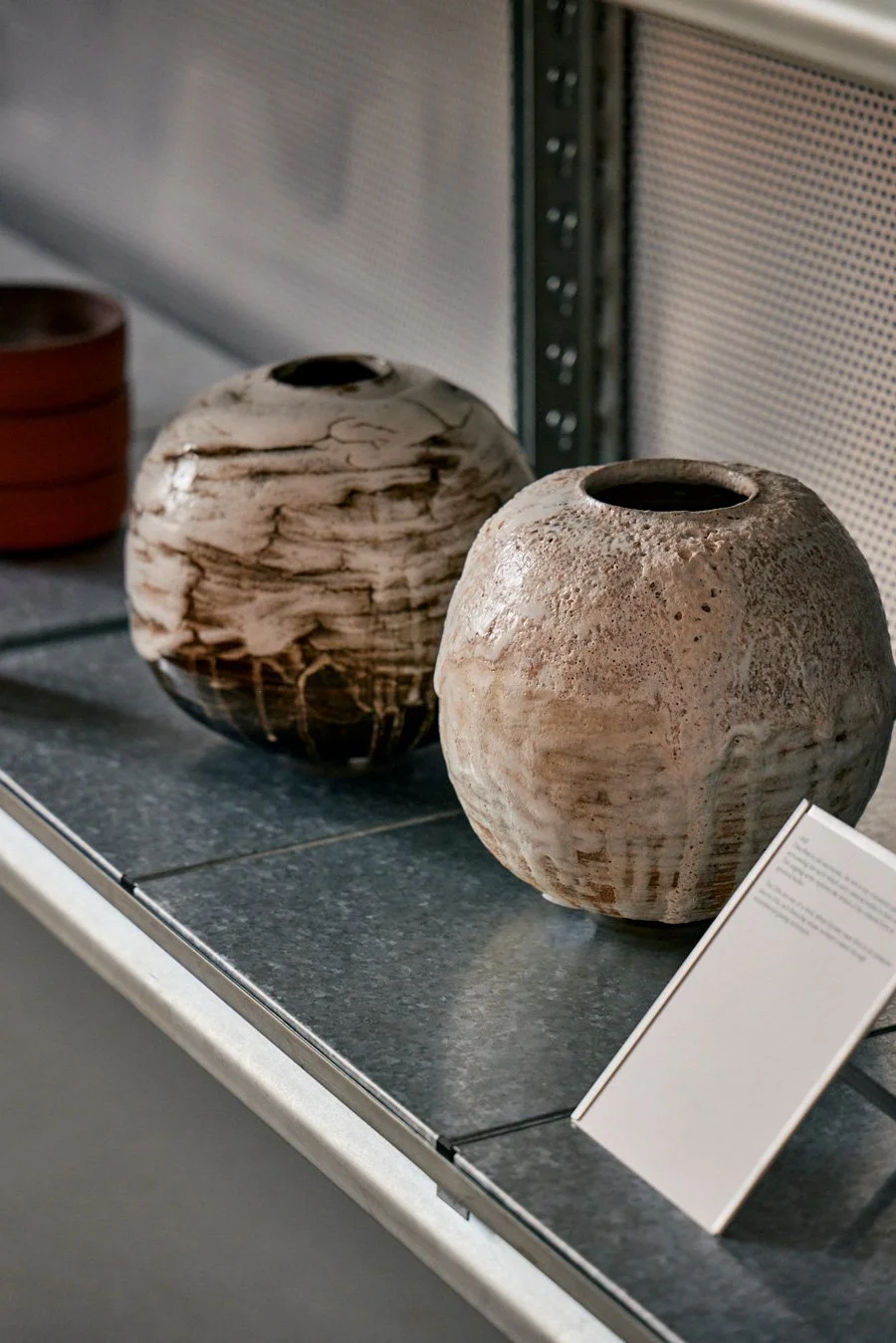
© Emily Weaving

© Ari Messina
-
In contrast to the formal rigor of her small objects, Shari leans into freer, bolder experimentation when creating large-scale works. This allows her to temporarily shed the baggage of functionality, granting her the freedom to push the structural limits of clay and deepen her dialogue with the material. The parallel existence of these two creative scales is not a conflict, but a complementary, cyclically evolving process.
Her debut collection in 2019, Aether, marked the starting point of this mindset. Its core lay in revealing the most essential traits of clay: the exterior of the vessels was left entirely unglazed, preserving the earth's raw, granular texture, while the interior was coated in a transparent celadon glaze mixed with harvested wattle tree ash. This contrast of "raw exterior, refined interior" is not only her personal aesthetic insistence but also reflects her insatiable curiosity to probe the true nature of objects.
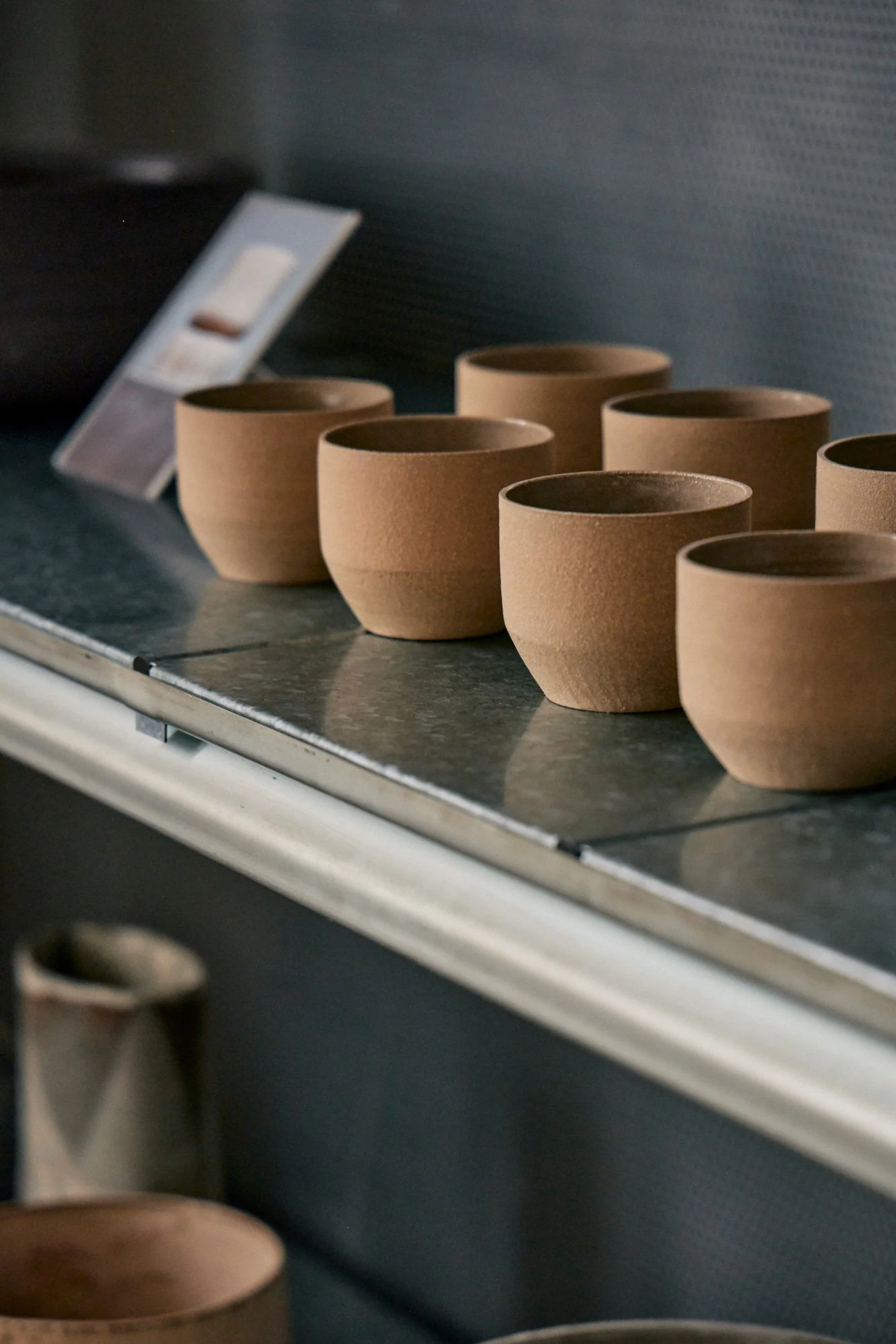
© Emily Weaving
-
An Ongoing Dialogue with Clay, Glaze, and Nature
Selecting clay is the key to determining a piece's tone. She prefers mixing various local Australian clays, deliberately retaining their original granularity and color gradations so the fired product still holds a raw, coarse tactility. She even harvests natural clay near her home in the Macedon Ranges, kneading the literal earth of her living environment directly into her art. For her, the purpose of glazing is not to mask flaws, but to accentuate texture; she is fascinated by how light weaves through patterns, or by observing how glazes produce unexpected chemical reactions on the clay.
This attitude of "symbiosis" makes her creative process feel more like an improvisational dialogue with materials and nature. She consciously treats the firing process as a co-creator, allowing clay, glaze, and surface texture to harmonize on their own in the fierce heat, expressing their distinct personalities. The standard for whether a piece is "finished" never rests on precise symmetry or flawless visual effects, but on whether its weight in the hand corresponds to her initial, intuitive vision.
This spontaneity extends to her view on creative timing. In the studio, some preliminary ideas might sit on a shelf for years because her touch or state of mind at the time wasn't quite ripe. Only after the dust of time settles does she look back, finding a clear outlet through new life experiences. This delayed alignment often guides her toward entirely new creative directions, allowing the work to achieve its most natural form at exactly the right moment.
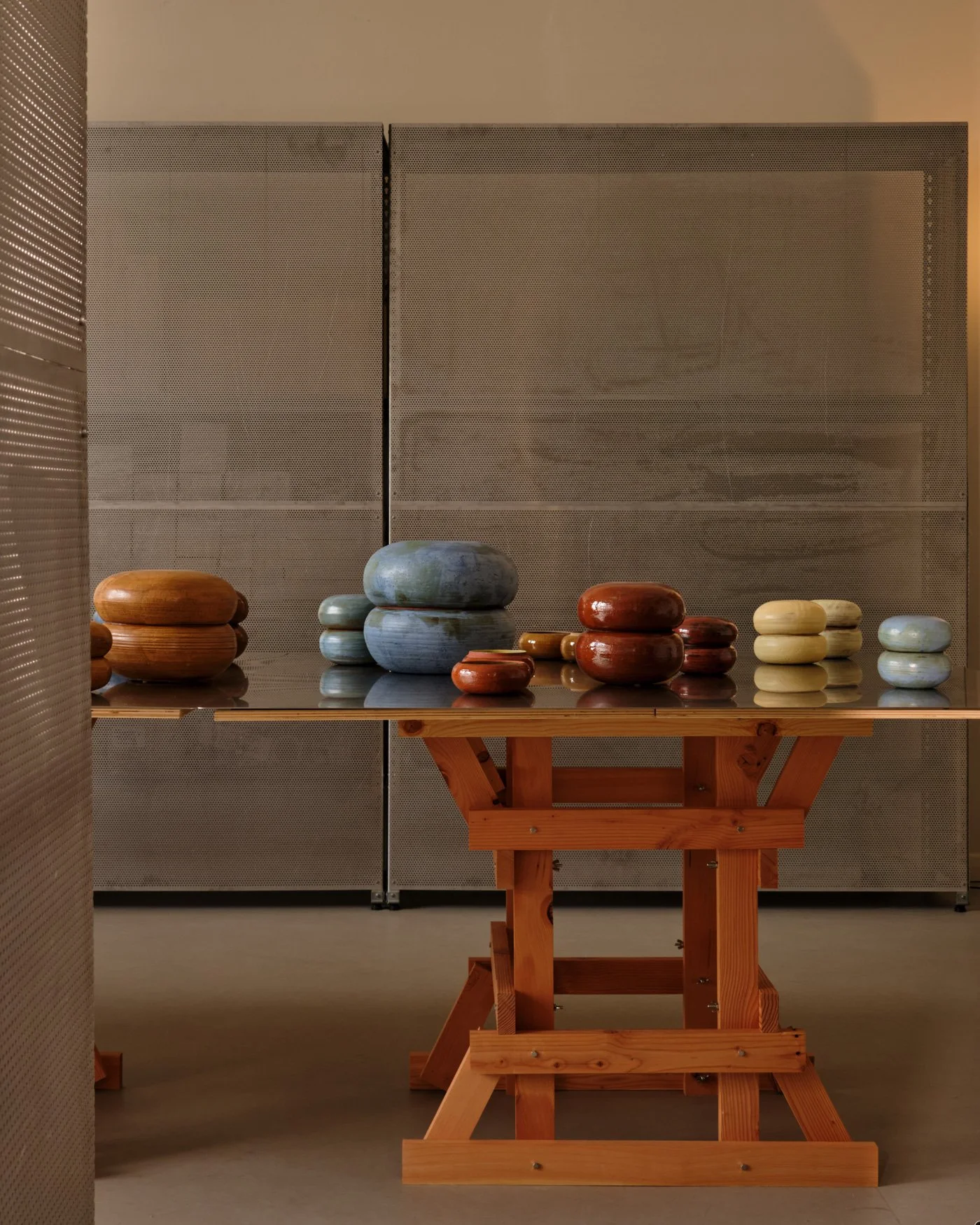
Gemini Jar 系列。© Ari Messina
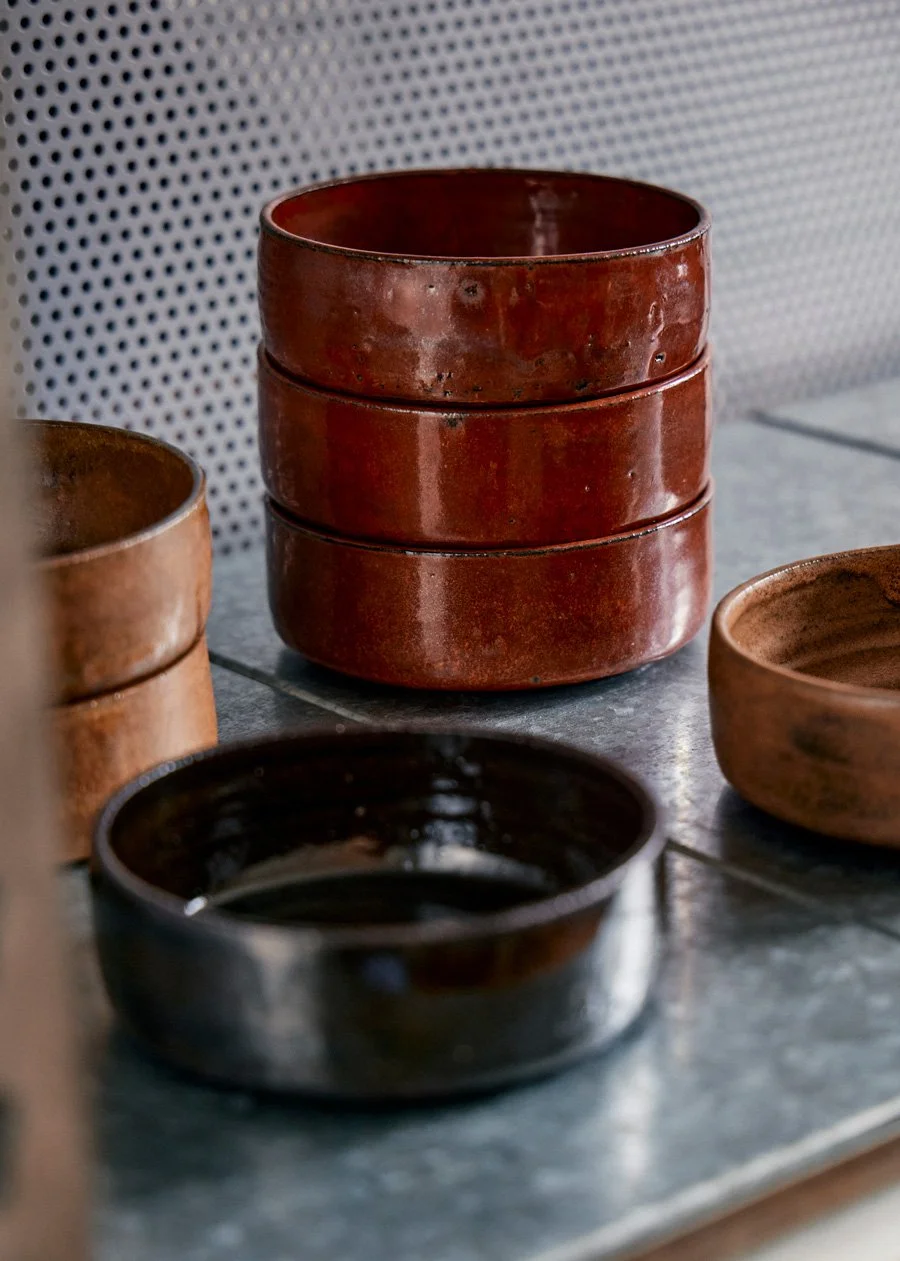
Dish in Galassia 系列。© Emily Weaving
© Emily Weaving
-
Everyday Connections Treated with Tenderness
Szilvassy's vessels are intriguing because they offer a value that goes "beyond function." Shari's approach to functionality is not about efficiency, but about a fluid consciousness. She believes functional objects are part of our daily rhythm, possessing the power to shape how we move, pause, and focus. When a user notices the weight, texture, or feel of a cup, a deeper interaction between object and person has already begun.
She embraces the marks left on objects through use—subtle staining, textural wear, or minor imperfections—as manifestations of interacting with time. Shari believes that an object's true life only begins once it leaves the studio and enters people's lives. As the years pass, wares become rounded and develop unique patinas through human use and touch. This wear and tear is not damage, but the imprint of being treated with tenderness through day-to-day companionship.

© Emily Weaving
-
Starting from Clay: A Continuous Dialogue with Diverse Mediums
Looking to the future, Shari has no intention of confining herself to a single discipline. She maintains an eager and open mindset toward different mediums, creative scales, and cross-disciplinary collaborations. Currently, she is embarking on new projects with local architects and designers, using clay as a starting point to explore the possibilities of combining it with other materials. This boundless desire stems from her continuous curiosity about the world and serves as an extension of the promise she made to Zoltan.
In this era of flux, Szilvassy uses the earth from the Australian land to help us collectively reflect: when we begin to consciously select objects to enrich our lives and coexist with them daily, we find the opportunity—within every ordinary moment—to rediscover the perception of our own existence and the quiet practice of living more consciously.
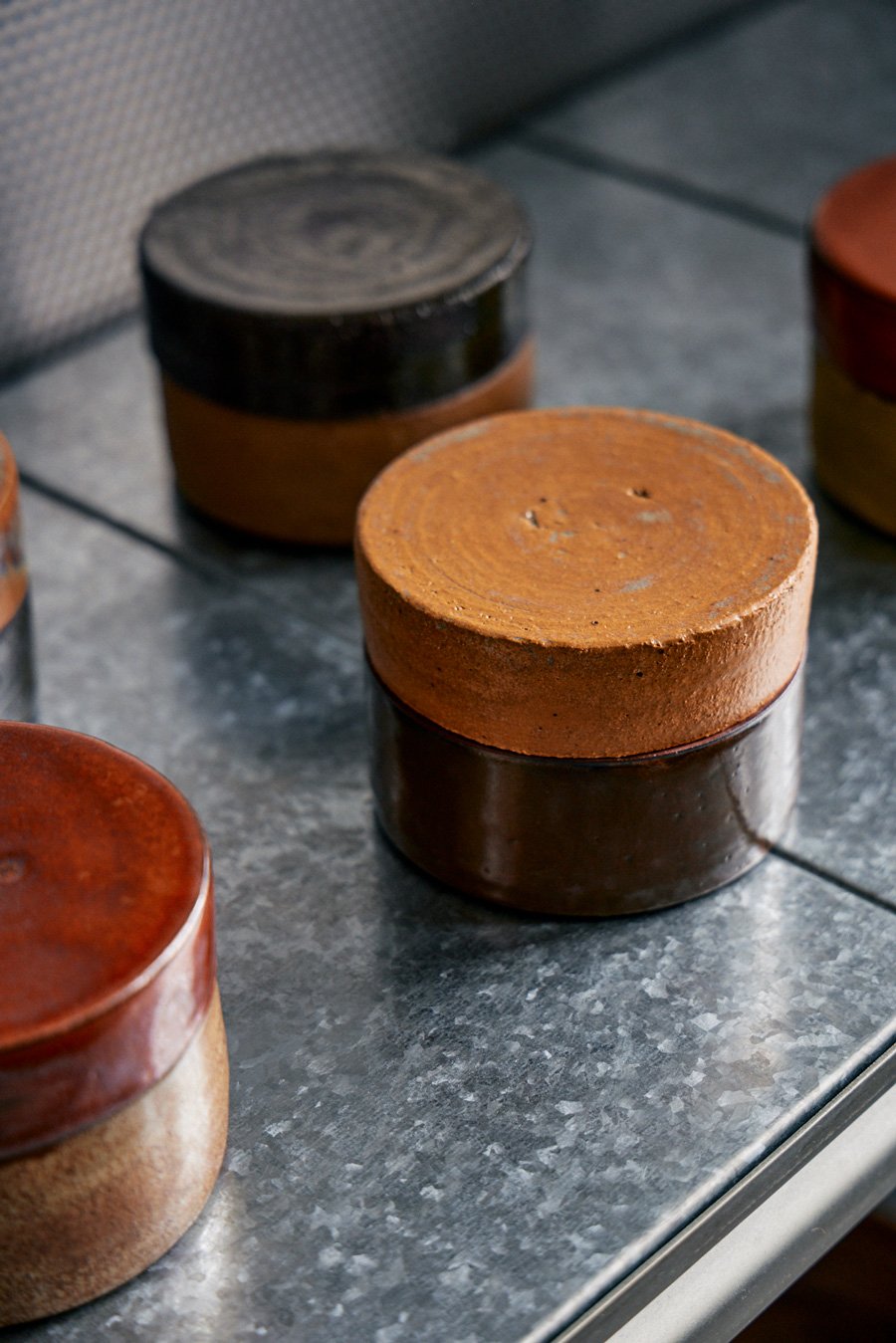
© Emily Weaving
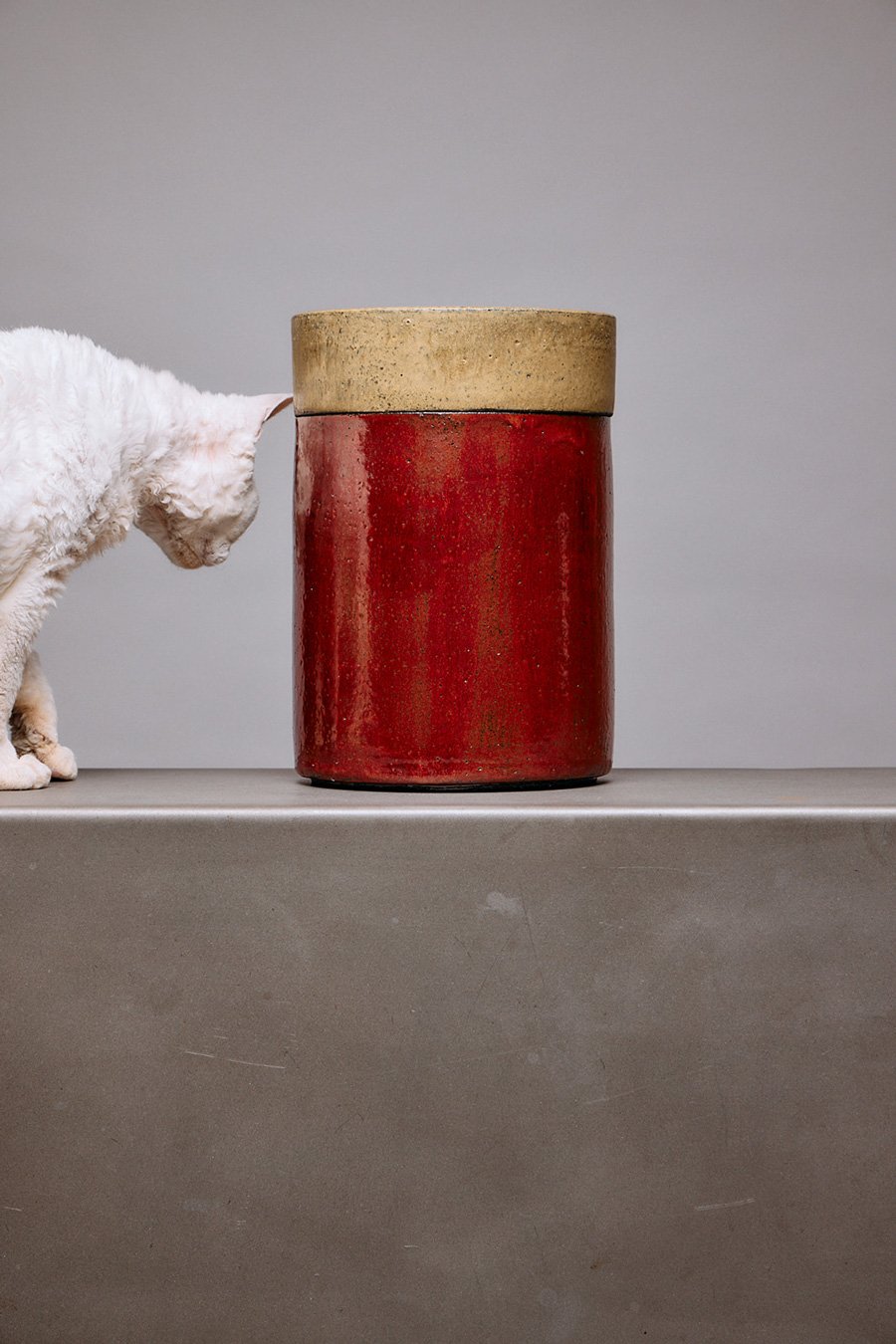
Forma Jar in Redart Yellow/Red Tenmoku © Emily Weaving
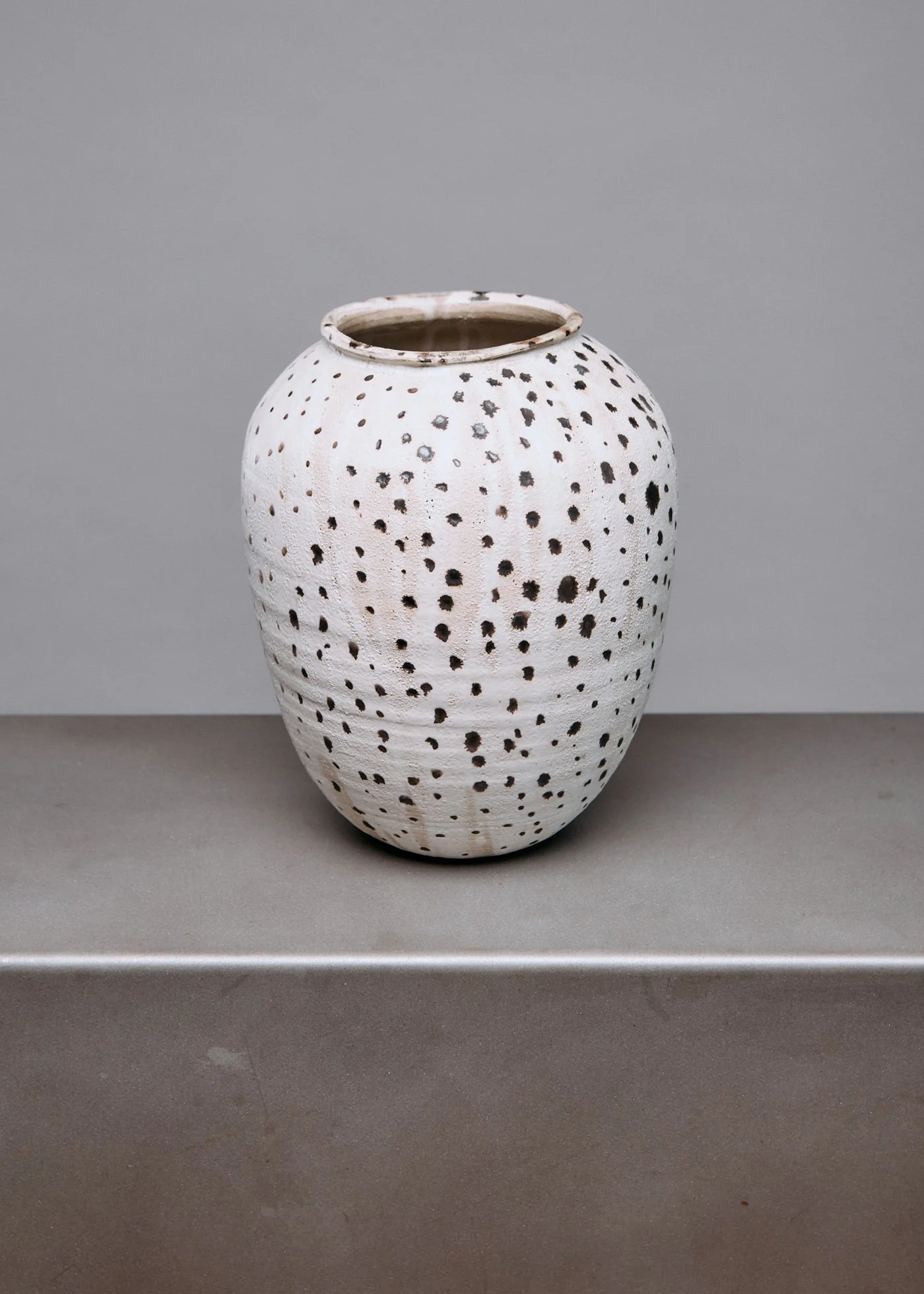
© Emily Weaving
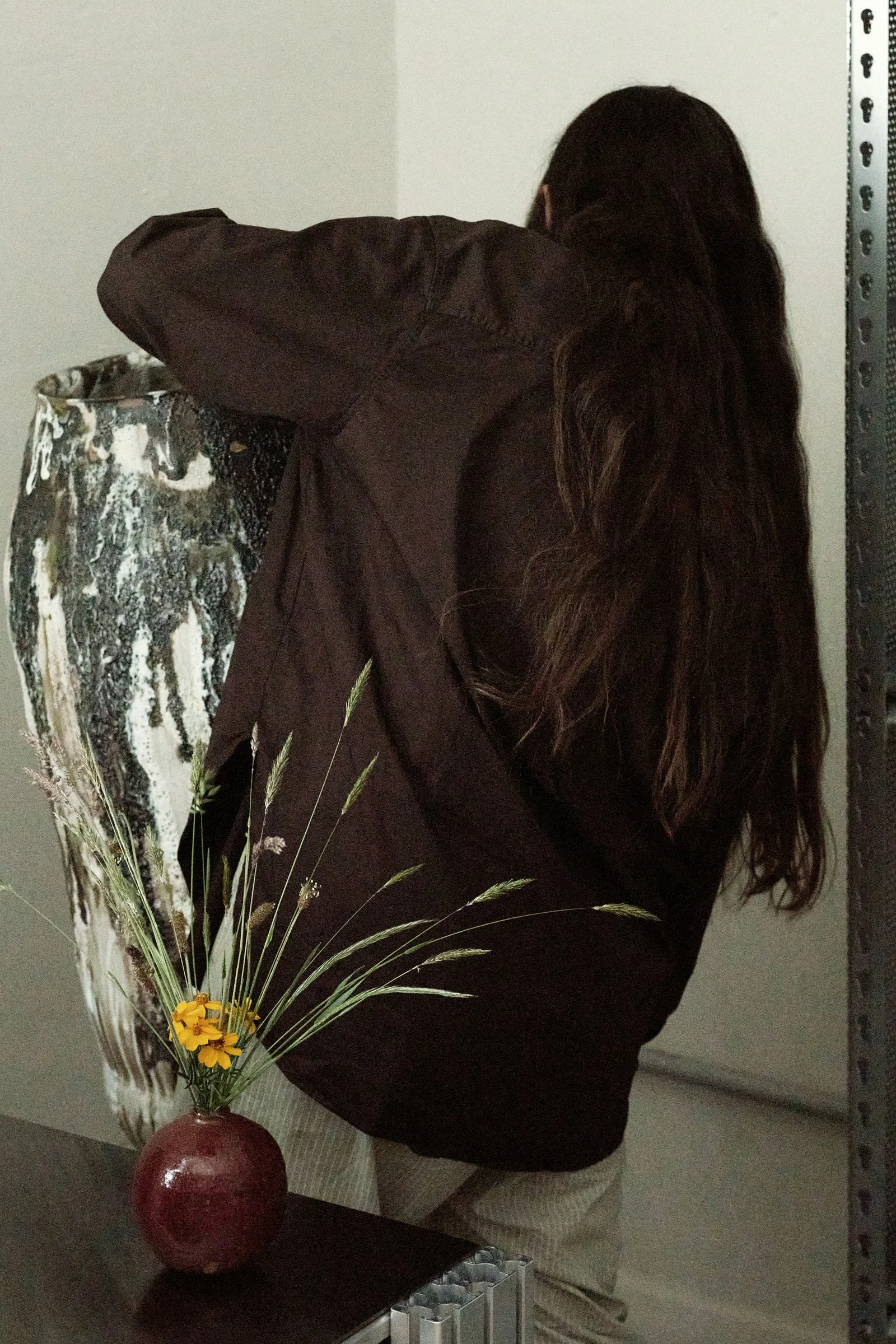
© Traianos Pakioufakis