
留住時間的骨骼:專訪 INCARNATION 主理人 Takamasa Nakamura,在破損與重生之間看見物件的靈魂
© INCARNATION.
在物質極度充裕與崇尚快速的現代社會裡,人們與物件的關係短暫得如同露水。一件剛出廠的家具,往往帶著制式化生產線的生硬與冰冷;一旦出現刮痕、裂痕或褪色,便輕易地被視為「損壞」而遭淘汰。在這種快速消費循環中,物件失去了與人共同成長的機會,也失去了承載時間與情感的可能。
然而,對日本古道具與修復藝術家中村鷹聖(Takamasa Nakamura)而言,家具從來不是冰冷的工業製品,更不該僅是被動服務人類的工具。在他所創立的品牌「INCARNATION.」中,每一件歷經數十年歲月洗禮的家具,都是一個持續呼吸的生命體。對他而言,修復從來不是將家具強行恢復成剛出廠時那般毫無瑕疵的模樣,而是去理解它所走過的時間,並接納它身上由歲月留下的痕跡。透過獨特的藝術直覺與傳統工藝,中村先生為這些古道具賦予全新的觀看視角,讓它們即便帶著歲月的缺憾,也能以最從容自足的姿態,繼續陪伴下一段生活。
-
In a world of material abundance and relentless speed, our relationships with objects have grown as fleeting as dew. A piece of furniture fresh off the production line often carries the stiffness and coldness of standardised manufacture; the moment a scratch, crack or fade appears, it's dismissed as "damaged" and discarded. Caught in this cycle of fast consumption, objects lose their chance to grow alongside us — and with it, their capacity to hold time and feeling.
To Japanese antique restorer and artist Takamasa Nakamura, furniture has never been a cold industrial product, nor merely a tool passively serving human needs. At INCARNATION., the brand he founded, every piece that has weathered decades is a living thing, still breathing. Restoration, for him, is never about forcing a piece back to its flawless, factory-fresh state — it's about understanding the time it has lived through, and accepting the marks that time has left behind. Through his own artistic instinct and traditional craft, Nakamura gives these old objects an entirely new way of being seen, so that even carrying the imperfections of age, they can carry on into someone else's life with quiet self-possession.
© INCARNATION.
如同野生動物的生命力,讓木頭在歲月裡的自由呼吸
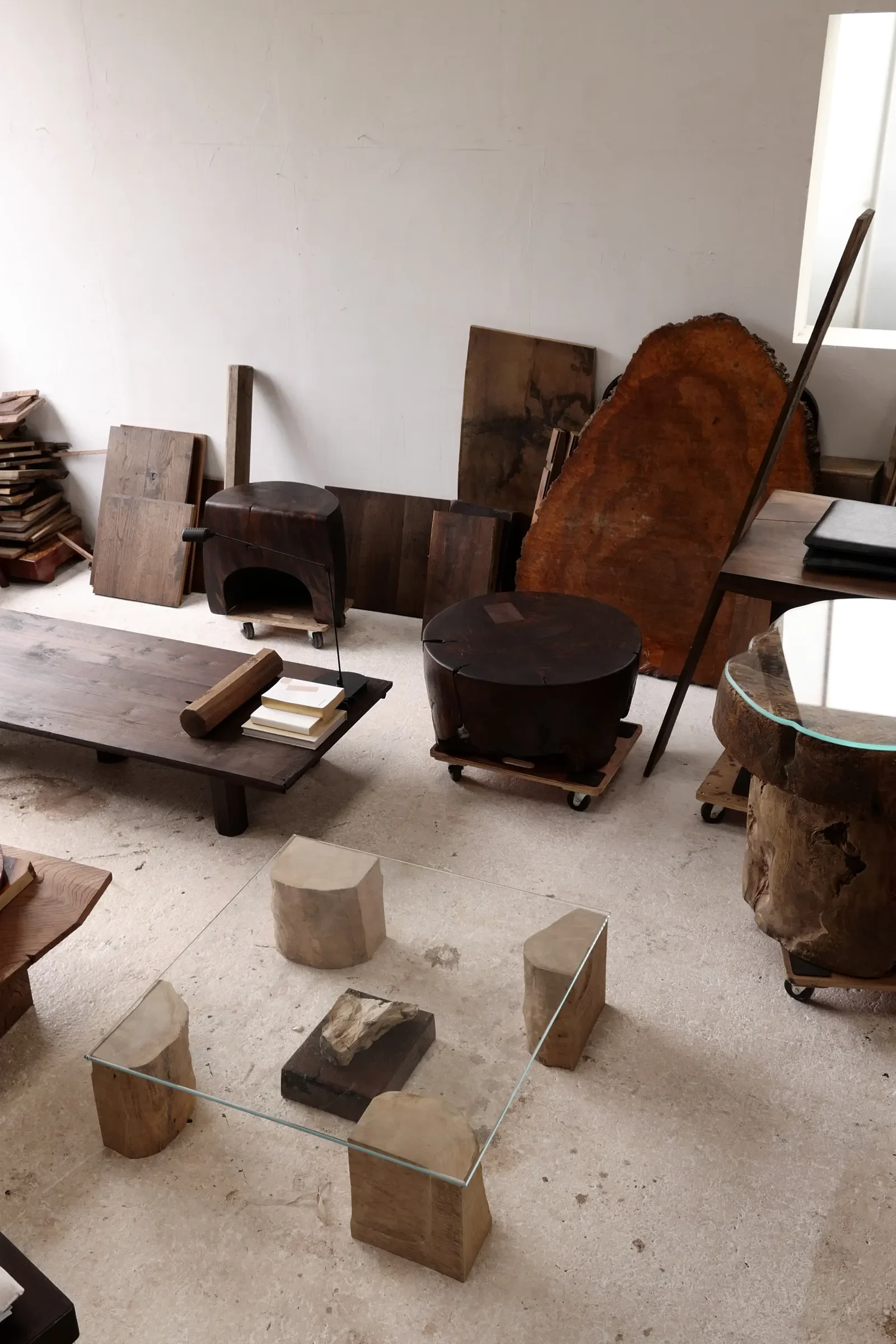
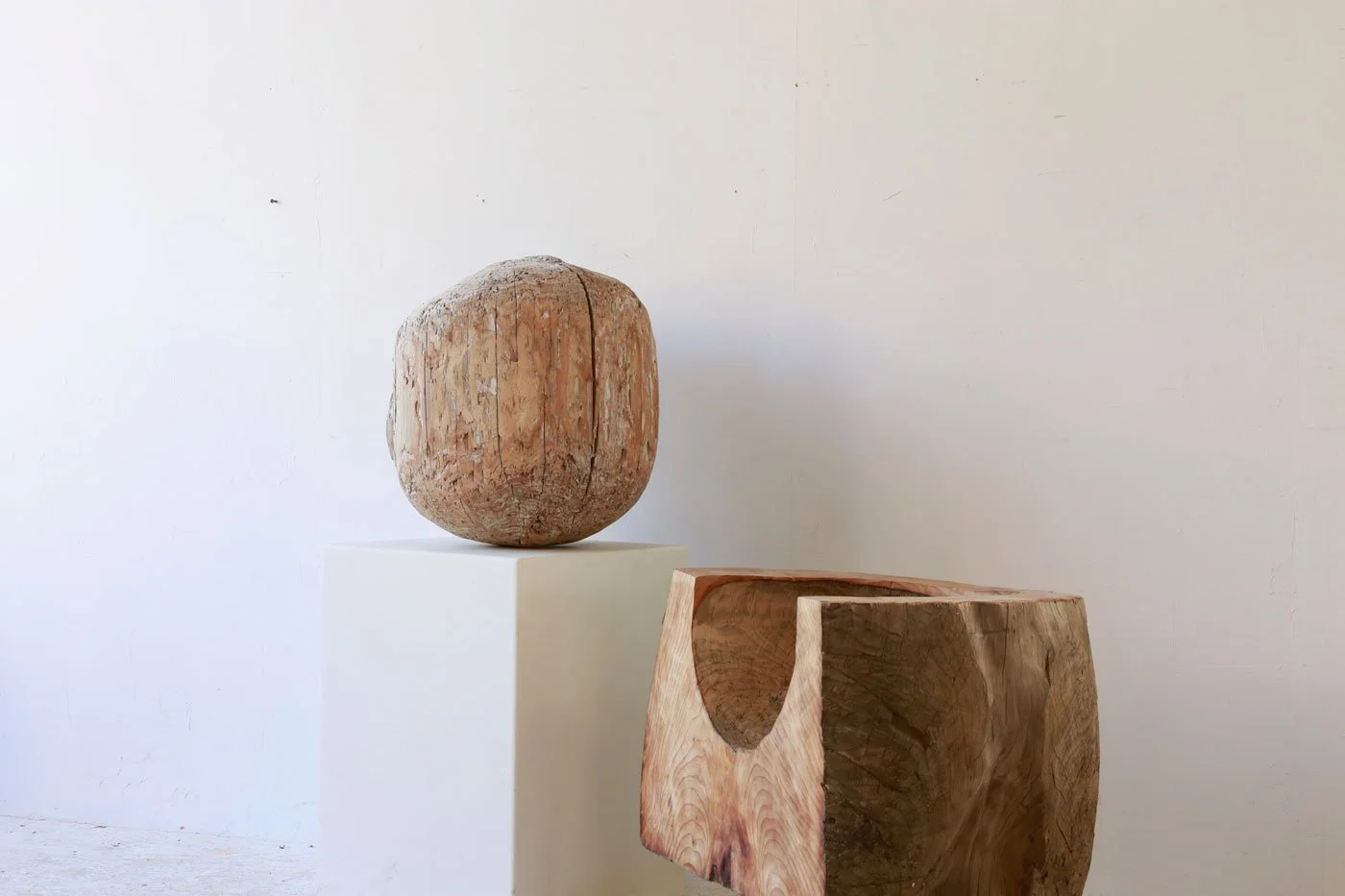
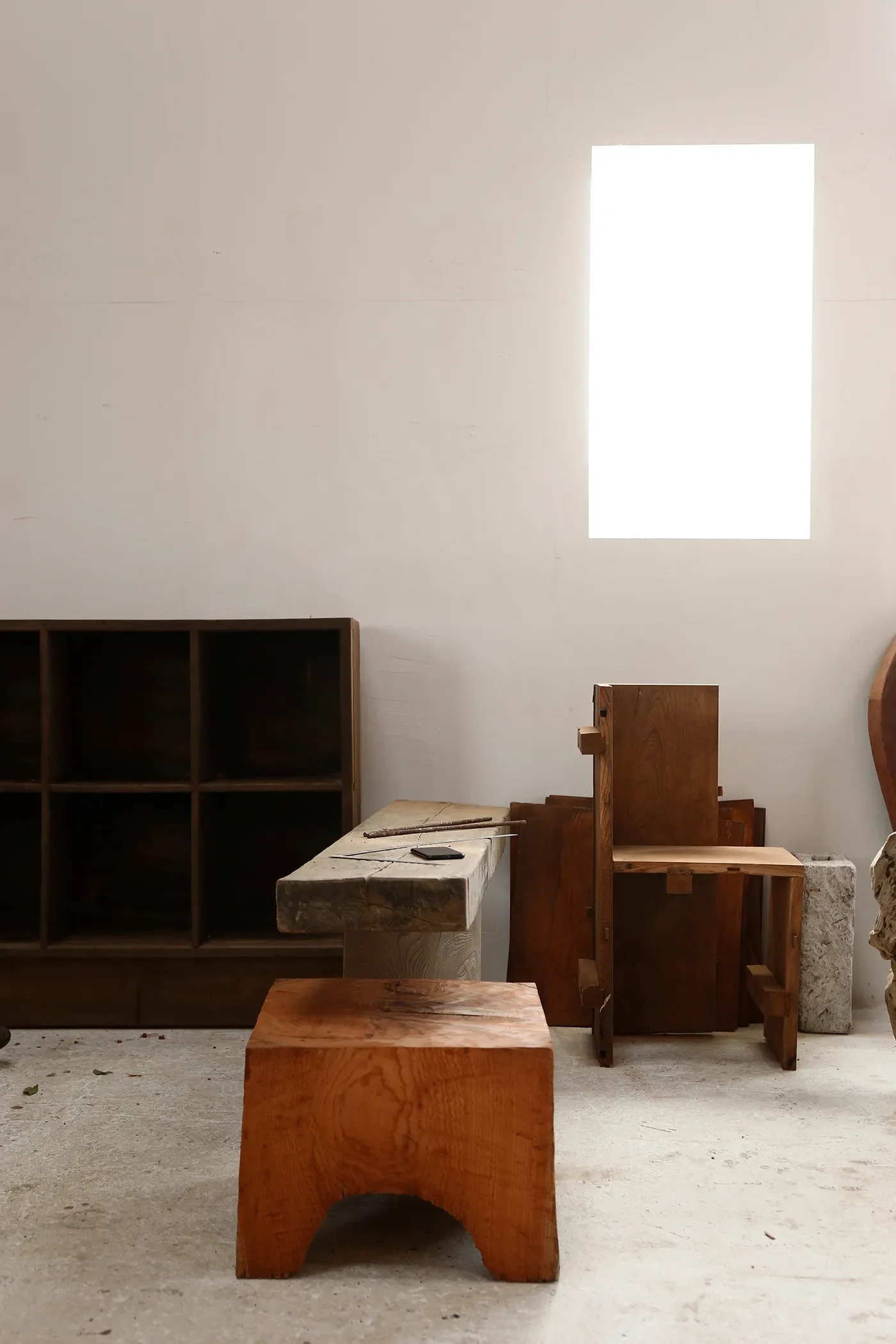
走進 INCARNATION 的工坊,時間彷彿也慢了下來,空間中的老椅子或舊木櫃大多已經在別人家中待了三、四十年的時光。椅面和桌角被經年累月的日常打磨得顏色深淺不一,邊角也撞出了不少形狀各異的凹痕。一般人眼中的陳舊,在中村先生的眼中卻閃爍著截然不同的光芒。對他來說,這些老件既是日常生活的工具,也像是野外生活了很久的動物,帶著一身粗獷的野性,美得很有力量。
-
Wood That Breathes Free Through the Years, Like the Life Force of a Wild Animal
Step into the INCARNATION workshop and time itself seems to slow. Most of the old chairs and cabinets here have spent thirty or forty years in someone else's home. Chair seats and table corners have been worn to uneven shades by decades of daily use, their edges dented in shapes all their own. What most people would call worn-out glints with something else entirely in Nakamura's eyes. To him, these old pieces are as much tools of daily life as they are animals that have lived long in the wild — carrying a rough, untamed beauty with real force behind it.
© INCARNATION.
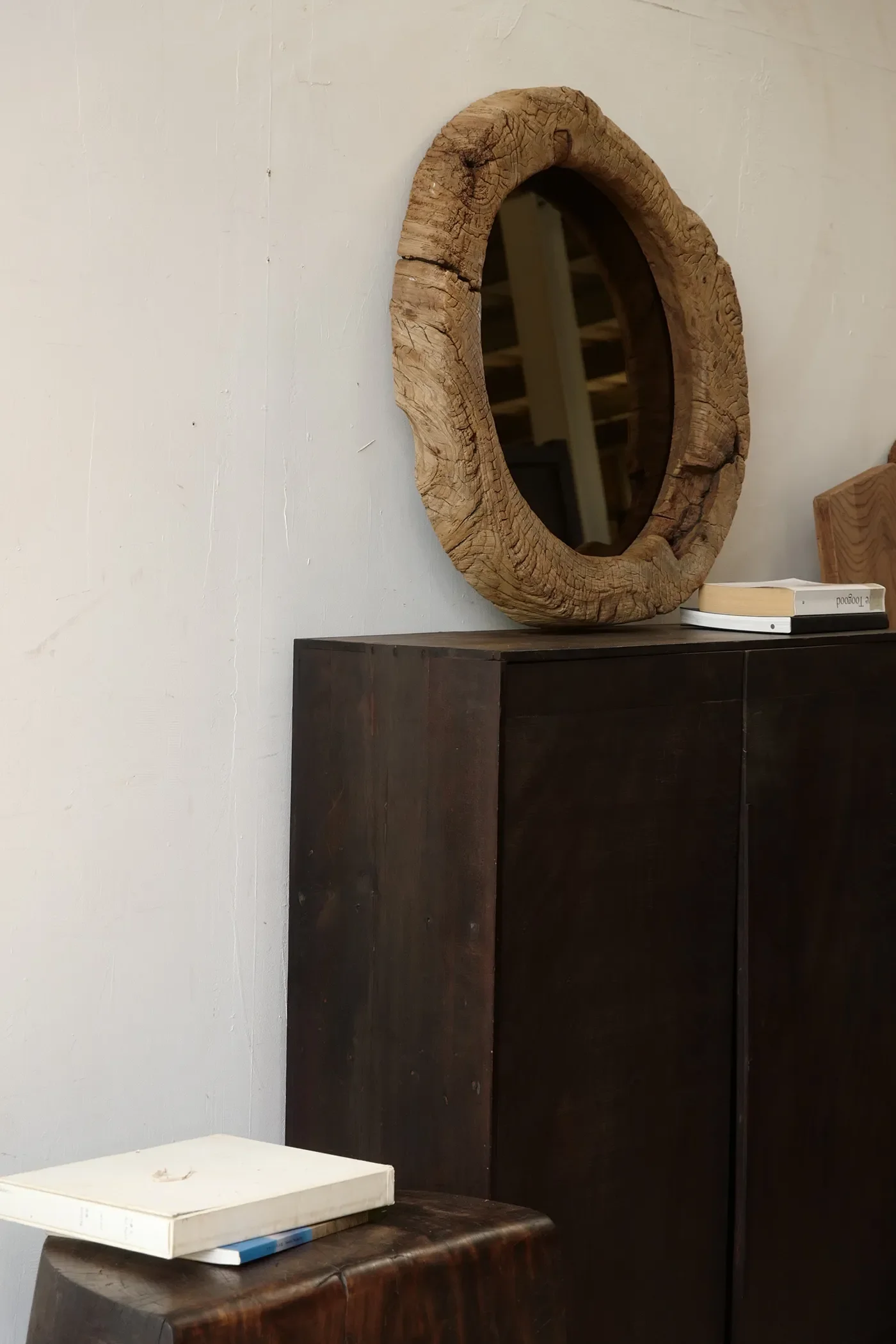
「因為木頭做成家具後,其實都還在持續呼吸。它們擺在屋子裡,隨著天氣潮濕、乾燥,緩慢地產生形變,並改變其色澤、質感、輪廓以及所散發的氛圍。」 中村先生說,這種變化正是一件家具陪著人一起過日子的模樣。幾十年下來,常被雙手碰觸的地方顏色慢慢變深了,表面泛起一層溫潤的光澤,整件家具的線條和味道,也因此展現出更獨特的韻味。
剛出廠的家具通常每道線條與接縫都依循著工廠預設好的標準,幾乎很少有例外。但在中村先生眼裡,老家具經過生活的磨損與變形,反而打破制式的規則,多了一股無拘無束的自在。這種脫離工整與死板的狀態,正是他決定動手修復一件舊物時,最想小心留住的時間痕跡。
-
"Wood keeps breathing even after it's made into furniture. Sitting in a house, it slowly shifts shape with the humidity and dryness of the weather, changing its colour, texture, contour and the mood it gives off." This, Nakamura says, is exactly what it looks like for a piece of furniture to live a life alongside a person. Over the decades, the places hands touch most often deepen in colour, the surface gathers a soft, warm sheen, and the whole piece takes on a character all its own — in both its lines and its presence.
Furniture fresh off the line follows factory-set standards in nearly every line and joint, with almost no exceptions. But in Nakamura's eyes, a piece worn and reshaped by life breaks free of those rules, gaining an unrestrained ease instead. It's precisely this departure from neatness and rigidity that he takes the most care to preserve, whenever he sets out to restore something old.
© INCARNATION.
在極簡與原始張力之間,以直覺眼光留下歲月
面對到處都是被淘汰的老家具,到底哪一件才值得留下來修復?中村先生坦言,其實沒有什麼類似說明書的制式標準,挑選修復家具時大多全憑直覺。
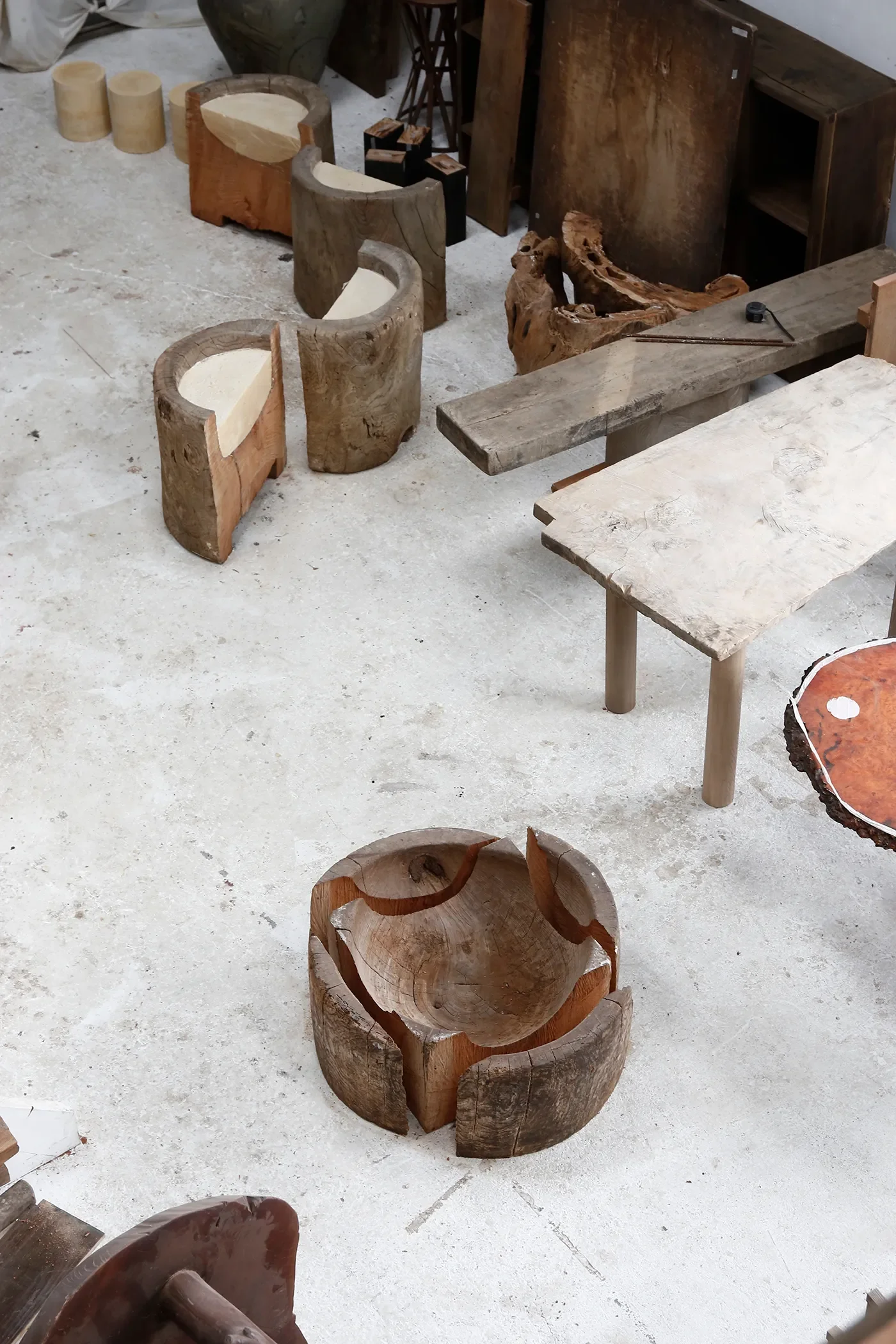
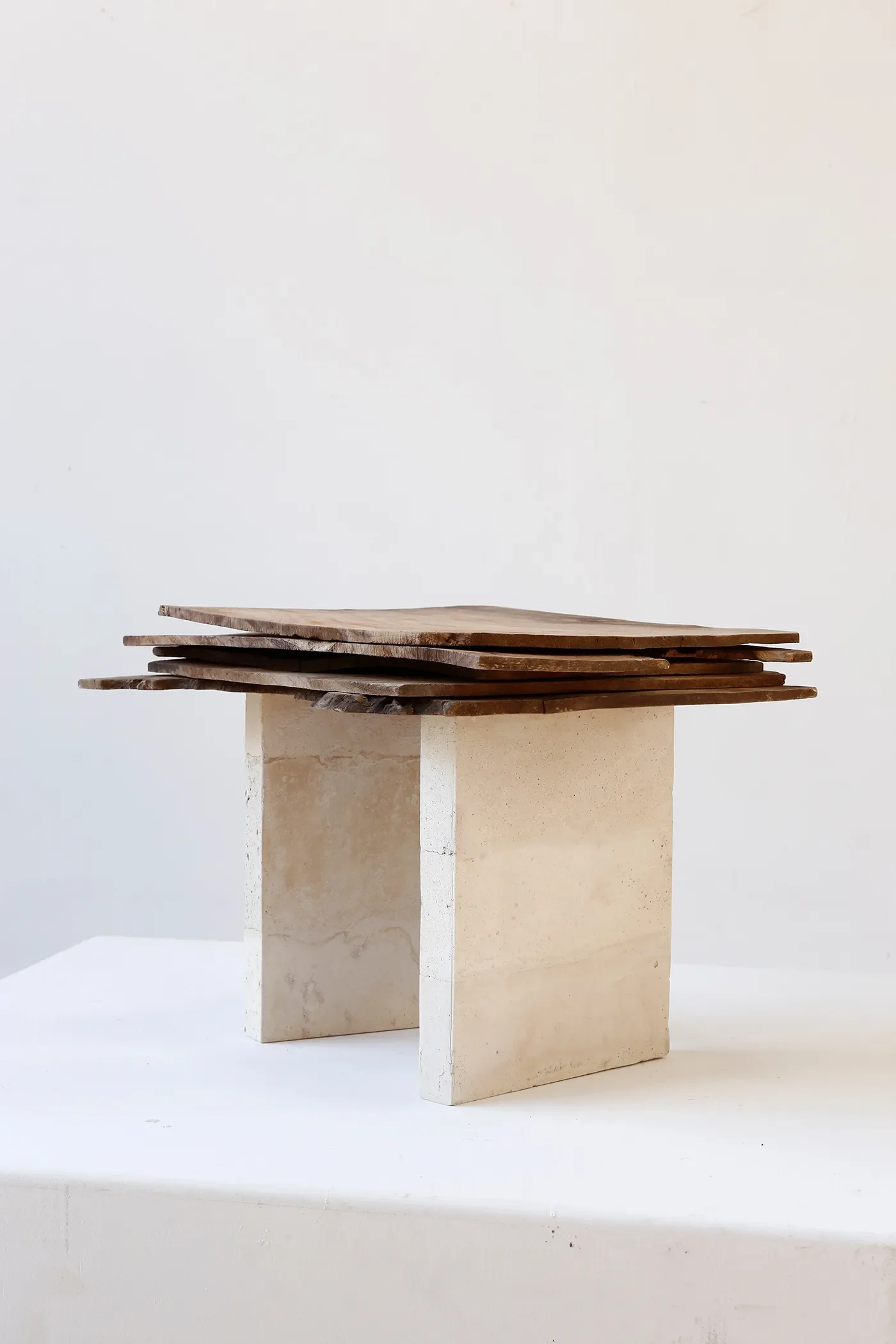
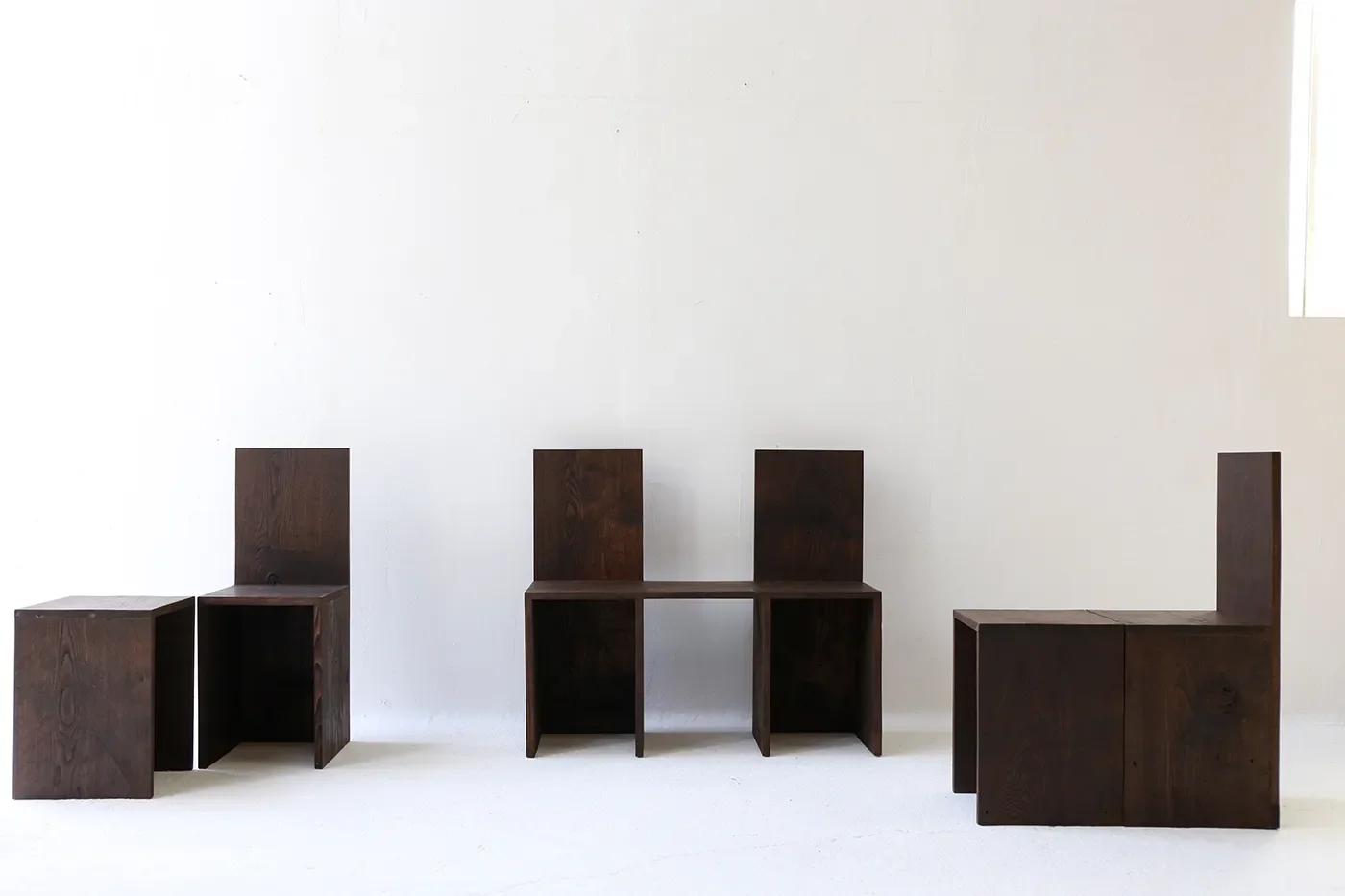
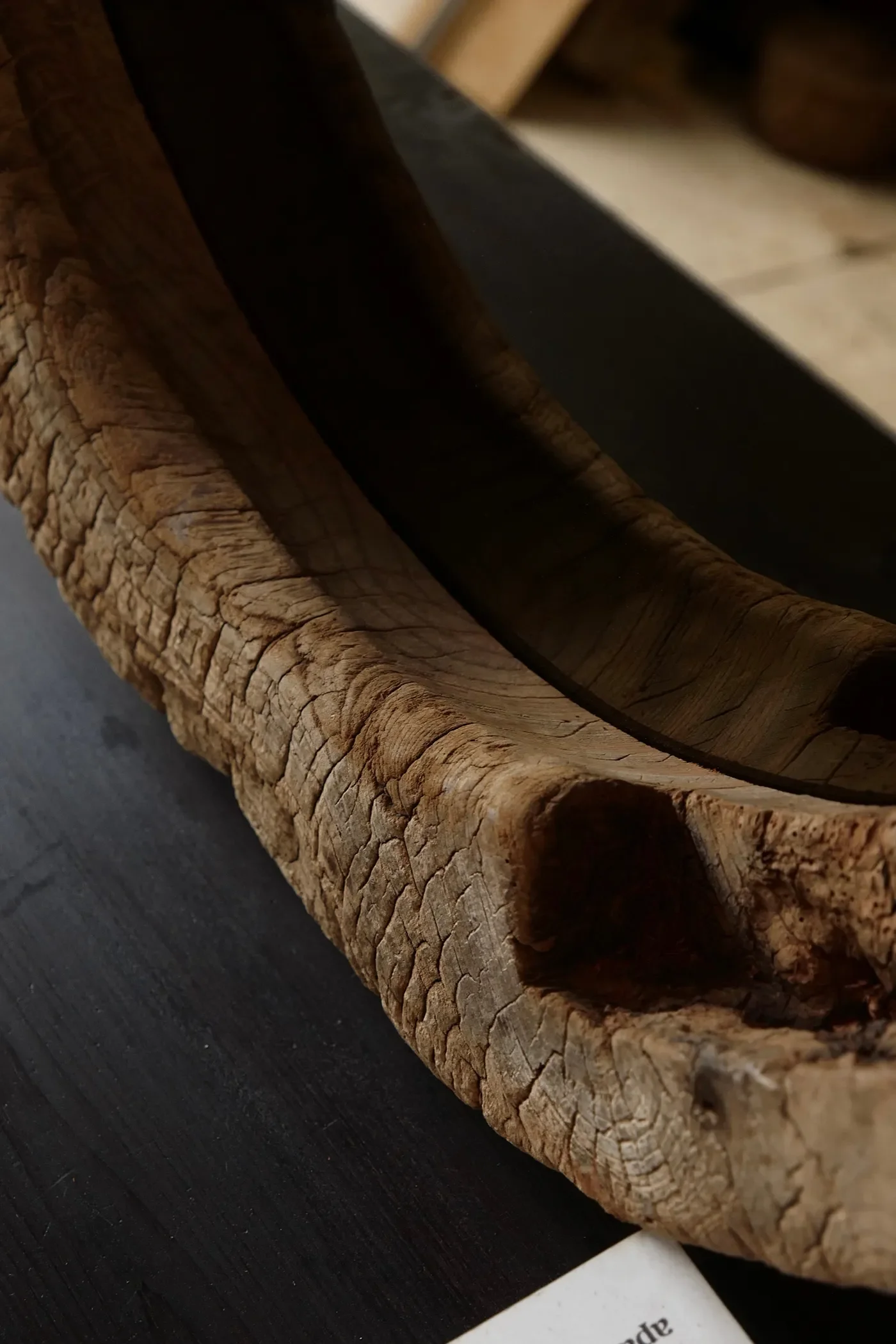
回頭看自己經手過的物件,他發現自己特別容易被兩種截然不同的物件吸引:一種是線條俐落乾淨,卻在轉角與比例裡藏著細膩美感的家具;另一種則是保留了木頭最原始與粗獷質感的老物。前者簡約內斂,後者充滿野性張力,兩者看似完全相反,卻都有著讓人想多看兩眼的真實感。
-
Between Minimalism and Raw Tension: Reading the Years by Instinct
Faced with old furniture discarded everywhere, which piece is actually worth restoring? Nakamura admits there's no manual, no fixed standard — the choice, more often than not, comes down to instinct.
Looking back at the pieces he's worked on, he finds himself drawn to two very different kinds: furniture with clean, spare lines that hide a subtle beauty in their proportions and corners, and pieces that hold onto wood's rawest, roughest texture. One is restrained and understated, the other charged with a wild tension — seeming opposites, yet each carrying an honesty that makes you want to look twice.
© INCARNATION.
© INCARNATION.
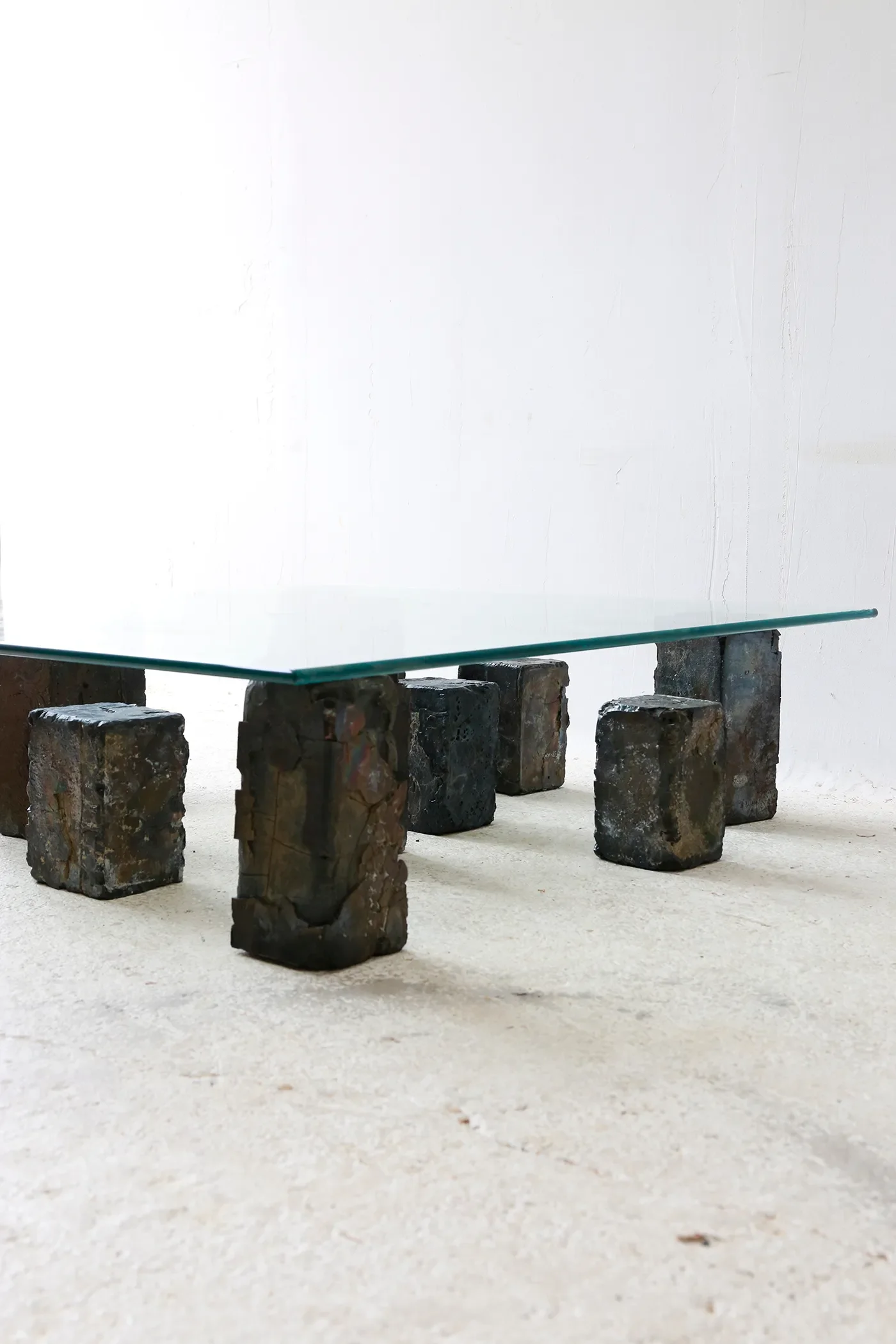
但全憑直覺挑選,不代表動手修復時沒有原則。中村先生心中有一個清楚的標準:如果木頭上的刮痕、褪色或自然裂紋,是幾十年生活留下來的痕跡,而且已經變成這件家具獨特的個性與魅力,他就選擇盡量原封不動地留下來,甚至稍微順著這些痕跡進行工藝上的微調,讓它自然化為整體美學設計裡的一部分。
但要是遇到搬運時撞斷的椅腳、或是因為潮濕泡水而爛掉的木料,這屬於人為意外造成的損壞,就一定會出手修補。對中村先生來說,修復不是盲目地保留所有瑕疵,而是把鬆動的榫頭重新接合固定、把脆弱的骨架補強,讓一件老物件能再次回到日常生活中陪伴人們。
-
But choosing by instinct doesn't mean working without principle. Nakamura holds one standard firmly in mind: if a scratch, a fade, or a natural crack in the wood is a mark left by decades of living, and has already become part of that piece's character and charm, he leaves it as untouched as possible — sometimes even working with the grain of those marks, letting them settle naturally into the overall design.
When it comes to a chair leg snapped in transit, or wood rotted by damp — damage caused by accident rather than time — he will always repair. Restoration, to Nakamura, isn't about preserving every flaw without question. It's about re-joining a loosened tenon, reinforcing a fragile frame, so an old piece can return to daily life and keep someone company again.
© INCARNATION.
修復的本質,是給舊物一個全新的觀看角度
刨刀推過粗糙的木料,木屑帶著淡淡香氣落下,修復這件事在中村先生手裡,有了完全不一樣的意義。對他來說,修復從來不是為了把東西強行還原,而是給予一件物件全新的觀看視角。
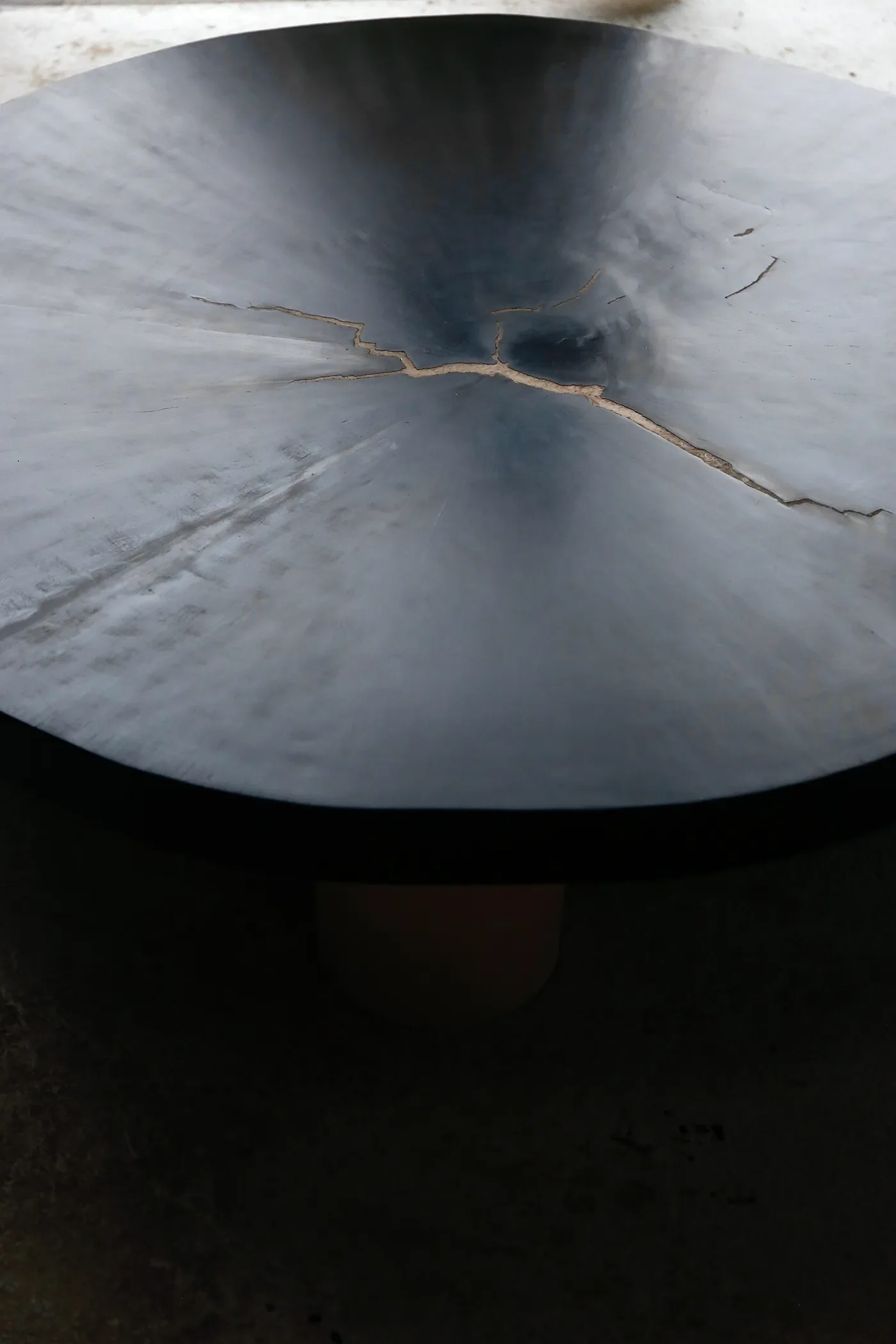
很多人以為修復老家具,就是得拿刨刀砂紙把它磨平或重新上漆,整理得跟剛購買時一樣狀態,但這反而是抹殺時間在它身上留下的軌跡。中村先生認為修復是去理解並且全心接受「東西會隨著時間改變」的過程,例如:木頭用久了會磨損變形、顏色會慢慢變深等。
-
The Essence of Restoration: A New Way of Seeing an Old Thing
A plane runs across rough timber, and wood shavings fall with a faint scent — in Nakamura's hands, restoration takes on an entirely different meaning. To him, it was never about forcing something back to its original state, but about giving an object a whole new way of being seen.
Many assume restoring old furniture means sanding it smooth or repainting it, bringing it back to a like-new state — but that erases the very trace time has left on it. Nakamura sees restoration as a process of understanding and wholeheartedly accepting that things change with time: wood wears and warps with use, colours deepen gradually, and so on.
© INCARNATION.
在現代人的習慣裡,表面磨破或木紋裂開,往往就被直接判定為「舊了、壞了、該換新的了」;但修復這件事,就是透過雙手把這些痕跡好好梳理與加固,讓人們能換個角度,重新看見這件老東西被歲月洗練過後的美。
這種看待修復的眼光,也重新詮釋了工匠在時間長河中的定位。
修復是去接納物件所經歷的過去與歲月,從中發掘出它們的個體性與美感,並在過程中將這些特質加以整理,進而將它們送往一段新的時間旅程。
中村先生認為修復師就像是在新舊之間搭建一座橋樑,接納器物走過的時間,重新理順它的結構,讓這件老物帶著過去的溫度,安穩地走向下一個人的生活。
-
In modern habit, a worn surface or a cracked grain is judged instantly as "old, broken, time for something new." Restoration, instead, works these marks by hand — smoothing and reinforcing them — so people can see, from a different angle, the beauty an old thing has gained through years of wear.
This way of seeing restoration also reframes where a craftsman stands in the flow of time. "Restoration means accepting the past an object has lived through, discovering its individuality and beauty within that, refining those qualities in the process, and sending it off on a new journey through time." To Nakamura, a restorer is like a bridge between old and new — accepting the time an object has passed through, setting its structure right again, and letting it carry the warmth of its past steadily into someone else's life.
© INCARNATION.
如同迎風鼓起的展示架,在缺憾中見證圓滿
在漫長的修復生涯中,中村先生經手過無數形形色色的老件,但有一座線條特殊的展示架,至今依然深深烙印在他的腦海裡,成為啟發他美學思維的重要轉折。
我記得有一件線條十分細緻的展示架,它的其中一隻木腳產生嚴重的彎曲,就像是因迎風而膨脹鼓起,非常美麗,不但完美地融入並成就了整個設計,更像是在為展示架本身的細緻感與木頭的生命力發聲。
如果依照傳統木工追求左右絕對對稱與垂直均勻的規格來檢視,這隻嚴重彎曲的木腳毫無疑問是一個明顯的瑕疵。然而,當這件家具在漫長的歲月中歷經濕氣與重力的拉扯,木頭內部的纖維張力與外部環境產生微妙的變化,將那隻木腳塑造成宛如風帆迎風鼓起般的流暢弧線。
「正是因為那道彎曲,這座展示架才有了自己的靈魂,變得真正完整。」中村先生感性地回憶道。學會接納這樣看似缺憾的存在,徹底改變了他過往對於完美的定義,使他的價值觀與心境變得更加柔韌開闊,並為他的創作生涯帶來了前所未有的自由。這件作品讓他確信,真正的美往往不在於毫無瑕疵的對稱,而在於生命順應著時間的洗禮時,所展現出的從容與韌性。
-
A Display Stand Billowed by the Wind: Witnessing Wholeness Within Flaw
Over his long career, Nakamura has handled countless old pieces of every kind, but one display stand with an unusual line still stays etched in his mind — a turning point that shaped his sense of beauty.
"I remember a display stand with very delicate lines, one of whose legs had bowed severely — as if swollen by the wind. It was beautiful. It didn't just fit into the design, it completed it, almost speaking on behalf of the stand's delicacy and the life still in the wood."
By the standards of traditional woodwork — perfect symmetry, plumb-straight verticals — that badly bowed leg would be an obvious flaw. But as the piece endured years of humidity and gravity's pull, the tension within the wood's fibres shifted subtly against its surroundings, shaping that leg into a smooth curve, like a sail swelling in the wind.
"It was that curve that gave the stand its own soul — that made it truly whole," Nakamura recalls, with feeling. Learning to accept what looks like a flaw completely rewrote his old definition of perfection, leaving his values and outlook more supple and open, and bringing a freedom to his practice he'd never known before. That piece convinced him that true beauty rarely lies in flawless symmetry — it lies in the ease and resilience a thing shows as it yields to the passage of time.
© INCARNATION.
關於富足的生活哲思,與物件重建深刻的牽絆
置身於生產節奏飛快與物流便捷的現代社會,家具壞了隨時可以丟棄,動動手指就能買到新品替換。然而,中村先生在這種物質與便利背後,看見了人與物質關係的日益疏離與情感的日漸稀薄。他常在心裡反思兩種截然不同的生活富足:
一種是東西一壞就能立刻買到新品的(物質與便利上的)富足;另一種則是願意為了修復壞掉的物品、與之長久相伴而傾注時間與精力的(精神與情感上的)富足。
中村先生並不全盤否定現代科技帶來的價值,但他更渴望自己的生活,能盡可能被那些讓人打從心底想要傾注愛意與時間的物件所包圍。若要在快節奏的世界裡重新建立人與物件之間長久的關係,關鍵在於我們不再將家具僅僅視為隨手取用的消耗品,而是將它視為家庭成員或摯友般的存在。當它遭遇碰撞或受損時,願意主動伸出援手修護,在日常生活中彼此共生。
經過日復一日的照料、擦拭與使用中,人與器物之間的關係會徹底變得不同,慢慢成爲了彼此作伴的生活狀態。要維繫這份長久的牽絆,物件背後讓人想好好珍惜的故事,以及使用者內心真實的感動,正是最關鍵的所在。
-
On a Philosophy of Abundance, and Rebuilding a Deep Bond with Objects
In a world of fast production and easy delivery, broken furniture can be discarded any time, and a replacement bought with a few taps. But behind this convenience, Nakamura sees people growing steadily more distant from their possessions, their feeling for them thinning out. He often reflects on two very different kinds of abundance:
"One is the abundance of material and convenience — being able to replace something the instant it breaks. The other is an abundance of spirit and feeling — being willing to spend the time and effort it takes to repair something broken, and stay with it for the long run."
Nakamura doesn't dismiss the value modern technology brings, but he'd rather his own life be surrounded, as much as possible, by things he genuinely wants to give his love and time to. Rebuilding a lasting relationship between people and objects, in such a fast-moving world, means no longer treating furniture as something to be used and discarded, but as a member of the family, or a close friend — something we reach out to mend when it's knocked or damaged, and live alongside in daily life.
Through daily care, wiping and use, the relationship between a person and an object changes completely, settling slowly into a state of simply keeping each other company. What sustains that lasting bond, above all, is the story behind the object that makes someone want to treasure it, and the genuine feeling it stirs in the person who owns it.
INCARNATION 的終極哲學,與未知的相遇
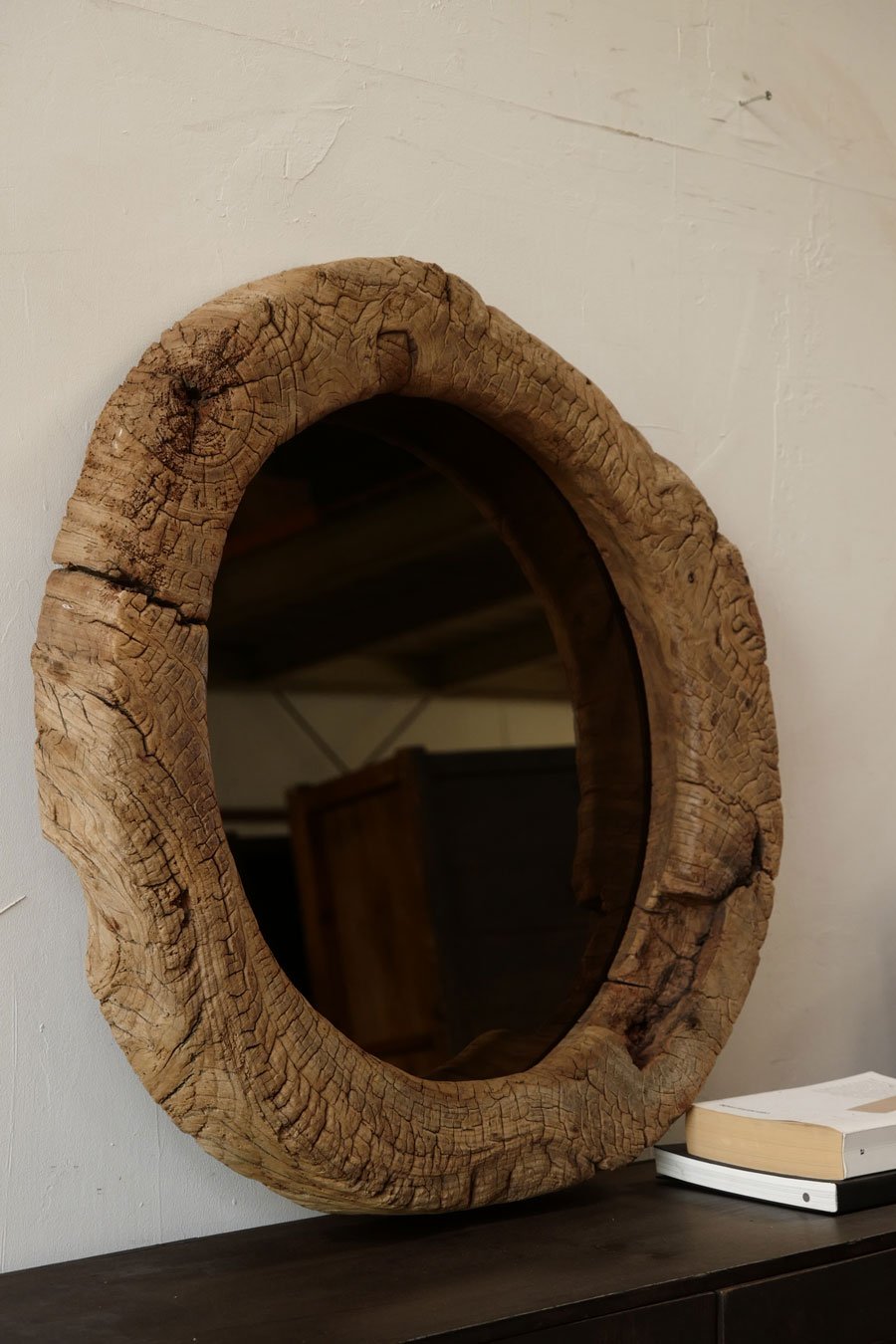
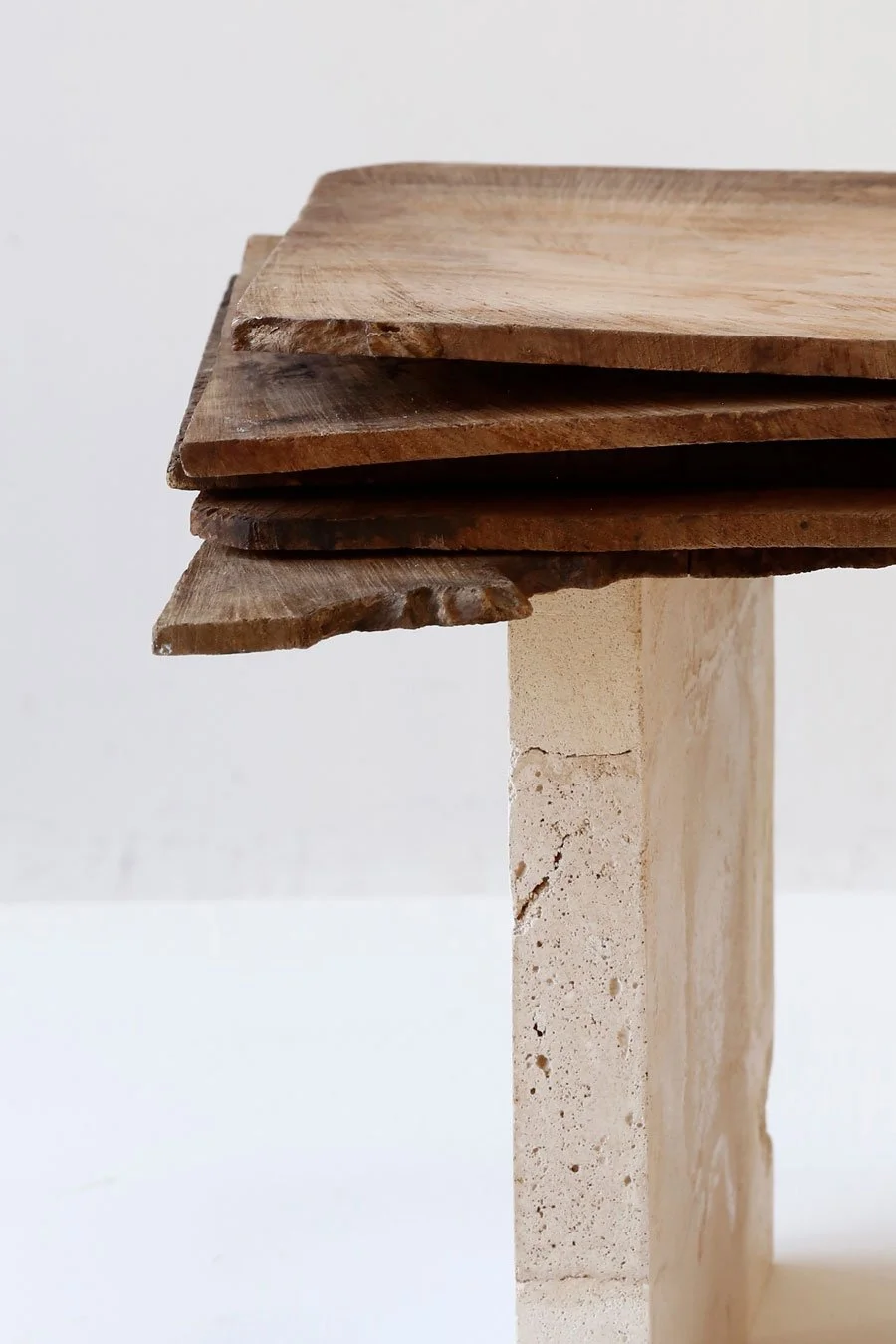
當一件老家具在中村先生的工坊裡歷經修復與重組,重新走入新的空間,面對下一位使用者時,它早已超越單純裝點門面的古董擺設。對於新主人而言,這件被用心傳承下來的老物,承載著一段走過漫長時光的生命軌跡,能映照出自己的生活品味,更是往後歲月裡踏實作伴的同行者。
中村先生曾在自己寫過的一段隨筆中,道出自己日復一日與老件的初衷,而這段文字至今也成了「INCARNATION.」的核心:
老物件所承載的時間太深太廣,絕不該只是被當成過去的東西留在身後。我不過是任由自己沉浸在純粹的好奇之中。每一次相遇,都同時向我展開了過去與未來;每次碰觸時的新鮮驚喜,都會轉化為下一步的想像,持續拓寬我的視野。如同滿心憧憬著那尚未得見的未來一般,對我來說,這些事物永遠都是「未知」。
-
The Philosophy Behind INCARNATION: A Meeting with the Unknown
By the time a piece of old furniture has been restored and reassembled in Nakamura's workshop, and steps into a new space to meet its next owner, it has already gone far beyond decorative antique. For its new owner, this piece — carefully carried forward — holds within it a long trajectory of life lived, reflects something of their own taste, and becomes a steady companion for the years ahead.
In an essay he once wrote, Nakamura put into words the reason he returns, day after day, to these old pieces — words that remain the core of INCARNATION. to this day:
"The time an old object carries runs too deep and too wide to simply be left behind as something past. I only let myself sink into pure curiosity. Every encounter opens up both past and future to me at once; the fresh surprise of every touch turns into the next act of imagination, always widening what I can see. Much like looking forward to a future not yet seen, these things remain, to me, forever 'unknown.'"
© INCARNATION.
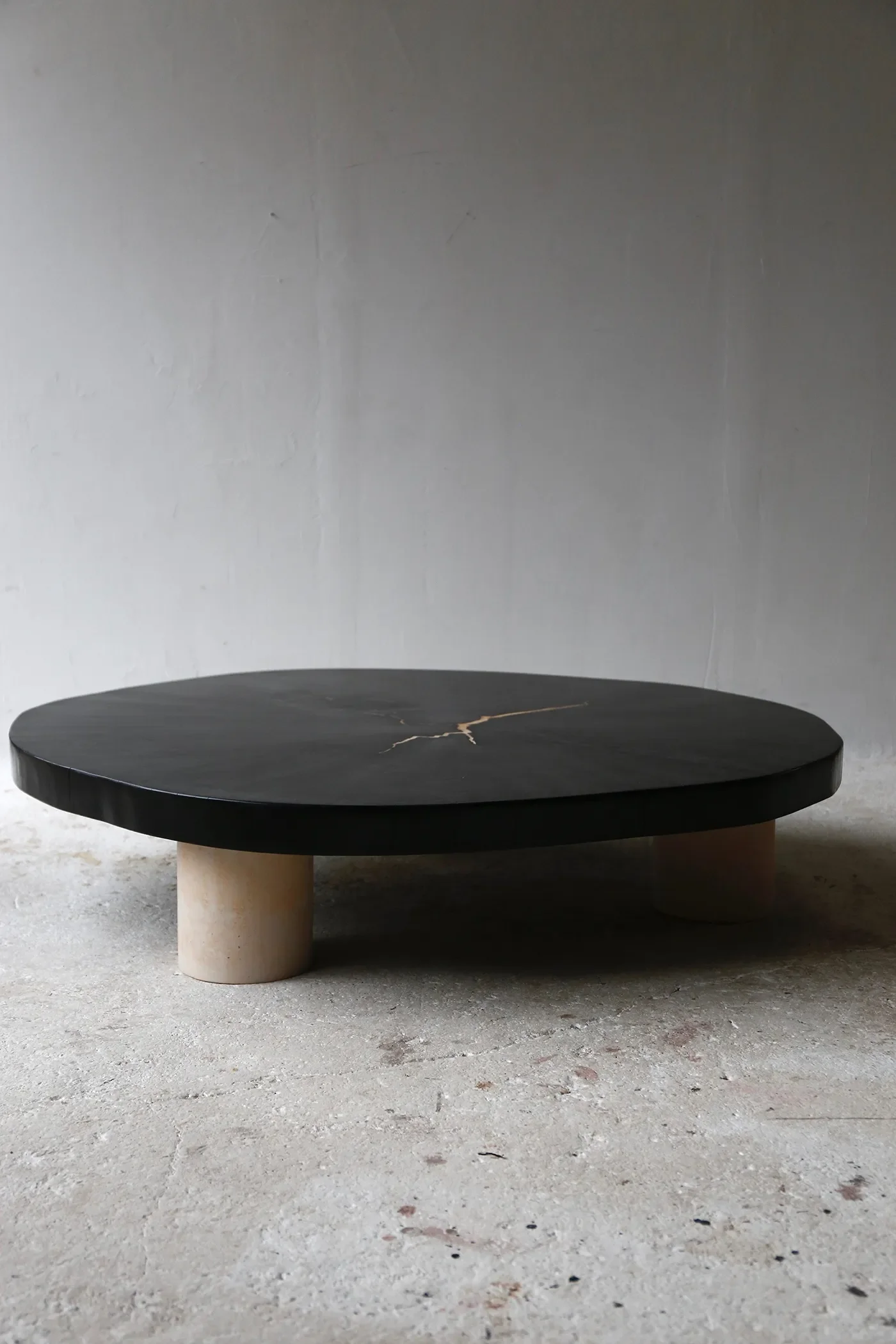
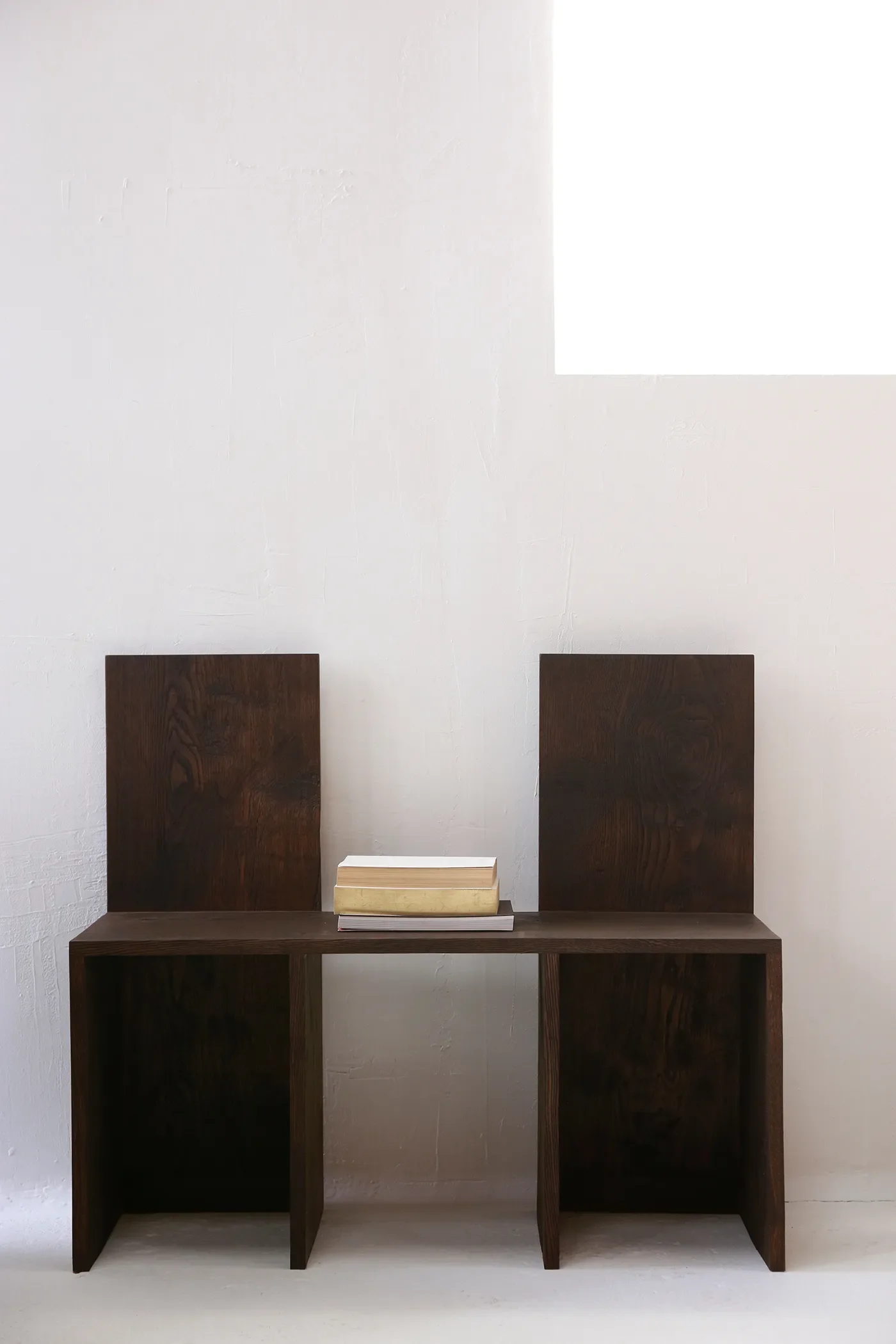
對中村先生而言,會投身修復家具是源於如同孩童般純粹的好奇心,每一次與未知古舊物件的相遇,都會點燃他對過往生活的敬意,並轉化為對未來重生的想像。而這份讓時間在當下重生的想像,正是品牌名稱「INCARNATION.(化身)」的核心所在。時間本是無形無相的抽象概念,但在中村先生的修復作品裡,時間透過木材的紋理、色澤的演變與精湛的修復工藝,具象化地呈現在我們眼前。透過撫摸這些同時包容了缺憾與圓滿的器物,人們或許能在快速消費的日常之外,重新尋回屬於內心深處的踏實與豐足。
-
For Nakamura, restoring furniture began with a child's pure curiosity, and every encounter with an unknown, aged object still kindles his respect for a life once lived, turning it into an imagining of rebirth still to come. That imagining — of letting time be reborn in the present — sits at the very core of the name INCARNATION. Time itself is formless and abstract, but in Nakamura's restored works, it takes visible shape — in the grain of the wood, the shift of its colour, the skill of the repair itself. Perhaps, by running a hand over these objects that hold both flaw and wholeness at once, we can find our way back to a steadiness and abundance that lives deeper than the pace of daily consumption.
© INCARNATION.