
快門按下之前,故事已經開始被編輯。攝影師 TWJPTO:「我希望人們看到照片的第一眼,先看見設計」
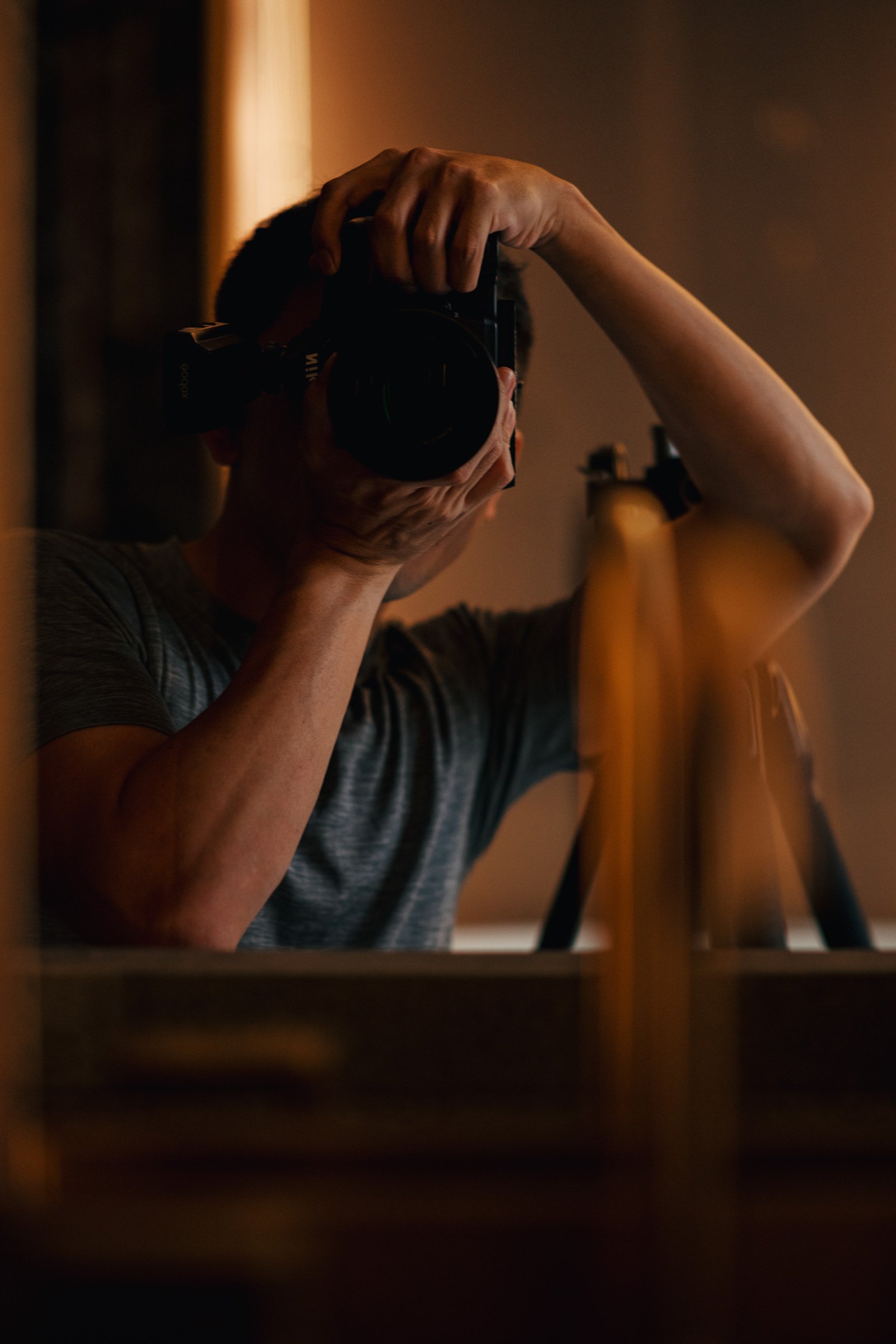
Photographer/ WengJen(TWJPTO)。©TWJPTO
一件空間作品完工之後,能親身感受現場的人終究有限;絕大多數人,難以走進那些空間。以住宅為例,除了屋主一家與少數設計師同業,大眾認識這件作品的唯一途徑,無論是媒體刊登、社群傳播、獎項評選,乃至多年後回顧一整個時代的設計風貌和演變,依憑的皆是這些視覺素材。
因此攝影師的工作,不僅是進行客觀的紀錄。觀景窗後的那雙眼睛,定義了作品將以何種姿態進入公眾視野,也決定人們將循著什麼樣的思維途徑,去認識一位設計師的脈絡與思考。當攝影師持續拍攝一地的設計,這些影像的積累,更會漸漸構成外界對此地設計型態的共同印象。
觀看馬來西亞攝影師 WengJen(TWJPTO)拍攝的影像,我們彷彿能感覺到周遭正在發生的事情。他保留建築材料在日光下最醇厚的肌理,讓畫面沉定下來,瀰漫一種熱帶國家專屬的悠緩。也許是南洋慵懶的微風正輕拂過窗紗、或是溫柔的光線灑落地板之上,映照著人們真實生活在裡頭的動態與痕跡。一旦鏡頭轉向商業空間或頂級飯店時,他又能精準切換敘事語氣,把場域的個性與尺度刻畫地細緻到位。
這些觀看方式的養成,要從他還在畫建築圖的時期說起。
-
Once a spatial design project is complete, remarkably few people will ever set foot inside it. A residential interior, for instance, is experienced by its owners and perhaps a handful of peers. Everyone else encounters the work solely through the photographer's images. Media features, social media, award submissions, and the retrospective lens of design history all depend on this same visual record.
The photographer's role, then, is far more than documentation. The eyes behind the viewfinder determine how a project enters public consciousness, and shape the path through which audiences come to understand a designer's intentions and body of work. When a photographer shoots consistently within a single region, that accumulating archive begins to define how the outside world perceives an entire local design culture.
In the images of Malaysian photographer WengJen (TWJPTO), one senses not just the space, but the life around it. He holds on to the deep grain of raw materials under daylight, letting his frames settle into a pace that belongs unmistakably to the tropics. A breeze catching sheer curtains, warm light pooling on a concrete floor, the quiet evidence that someone actually lives here. When the brief shifts to a commercial interior or a luxury hotel, his register shifts with it: precise, measured, attuned to scale.
The way he sees was shaped long before he picked up a camera.
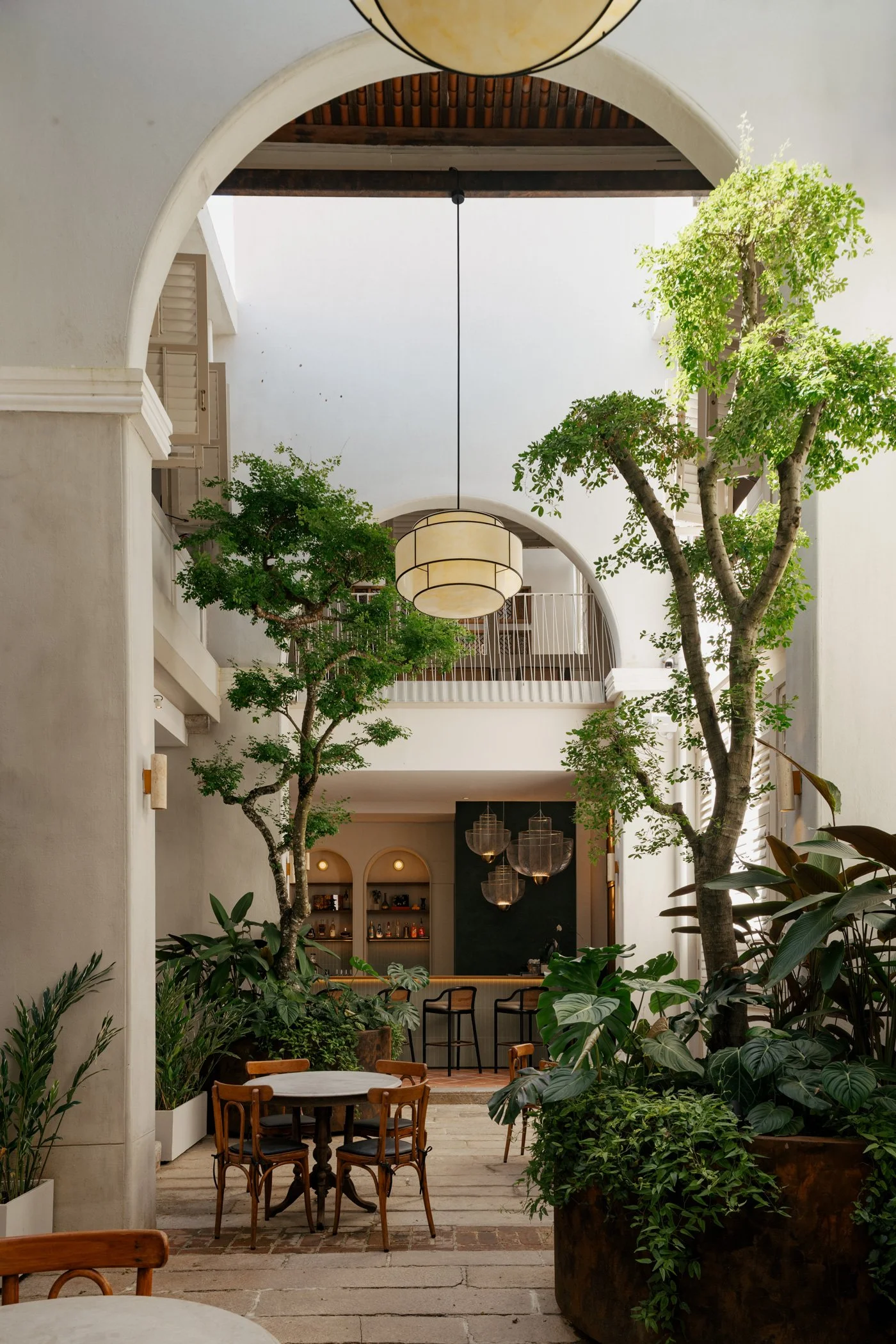
The Qing Suites, George Town, Penang - by @arkiteklla @theqingsuites。©TWJPTO
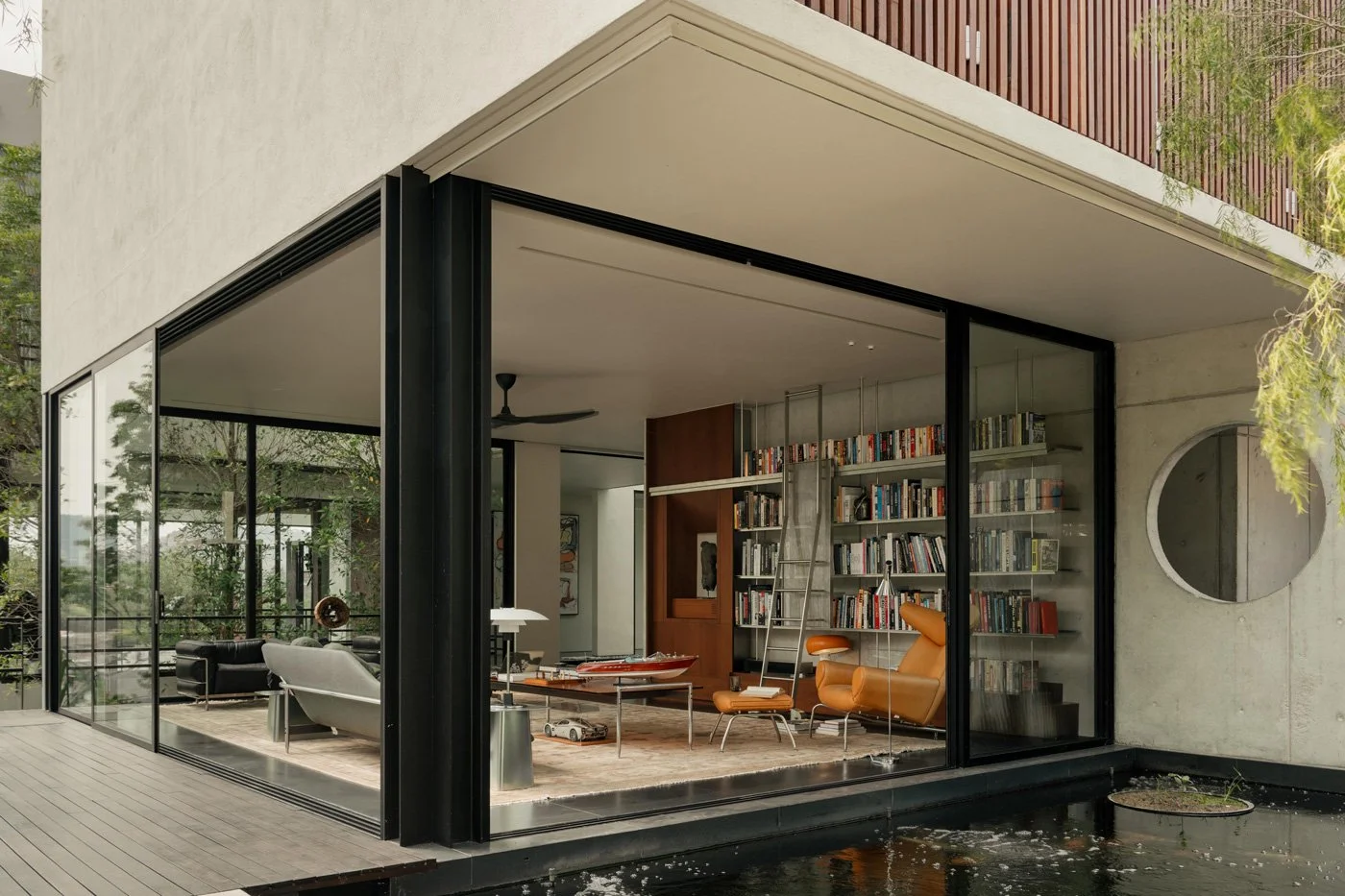
Residence in Ampang, KL - by @wunderwalldesign。©TWJPTO
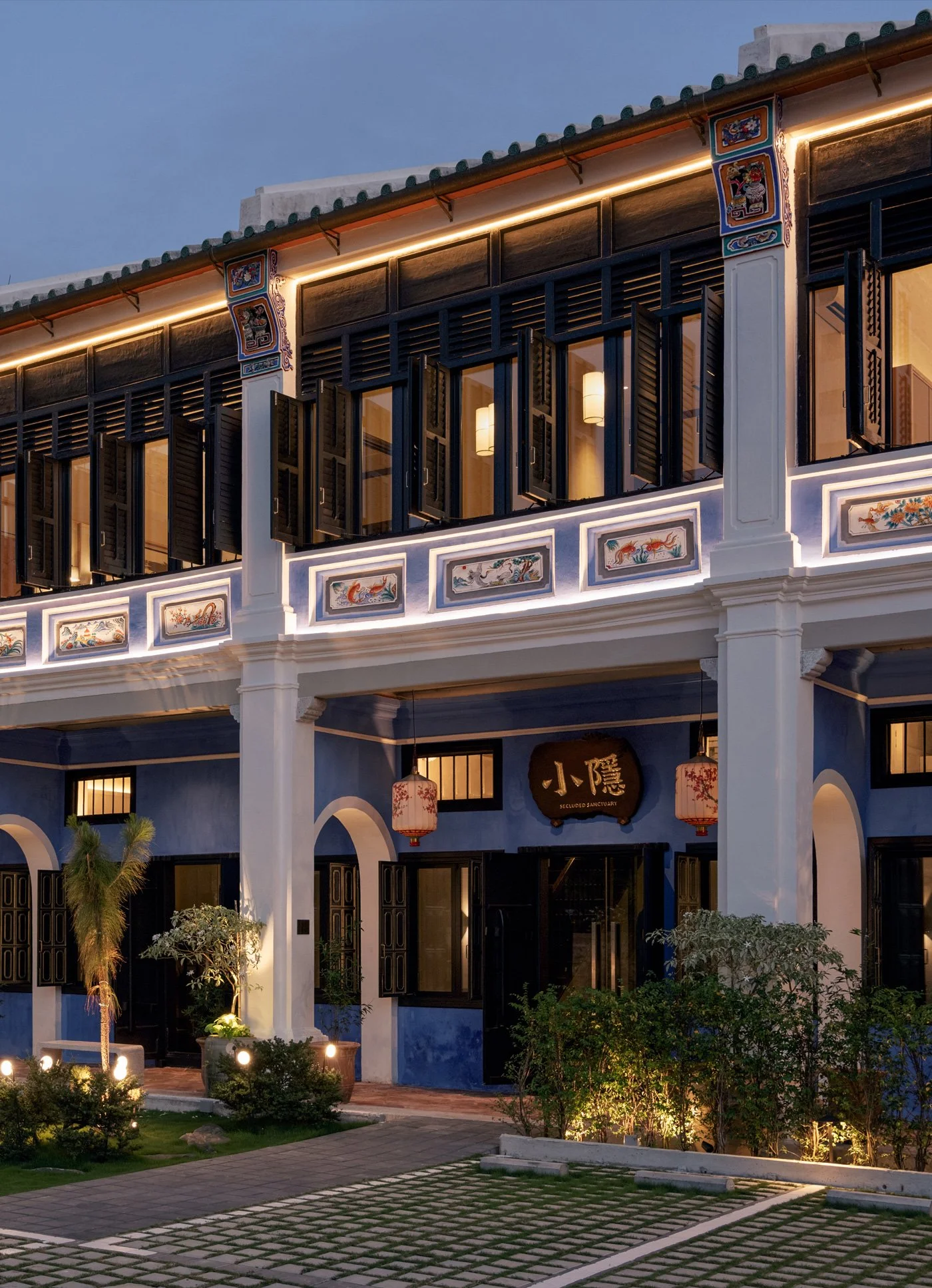
The Qing Suites, George Town, Penang - by @arkiteklla @theqingsuites。©TWJPTO
從建築習作到攝影
WengJen 與空間攝影的緣分,早在大學時期就埋下伏筆。在檳城就讀建築系的他,平時就喜歡拍照。因此進入當地事務所實習期間,就常被指派幫忙記錄一些專案。起初單純的「拍好玩」,讓他畢業後從事建築的六年間,一邊畫著圖,一邊陸陸續續接下一些零散的委託。直到疫情的推波助瀾,他決定轉為全職的空間攝影師。算一算,拿起相機取景的日子,至今已有十多個年頭。
他提到,馬來西亞絕大多數的空間攝影師,都具備建築或室內設計相關背景。扎實的學經歷,賦予他們一套觀看設計的邏輯和解讀方法。不過這份專業養成,某種程度也可能變成創作上的雙面刃。
-
From the Drawing Board to the Lens
WengJen's relationship with spatial photography predates his career in it. Studying architecture in Penang, he was the student who always had a camera on hand, and during his internship at a local practice he was regularly handed the task of shooting completed projects. What began as casual documentation continued alongside six years of professional architectural work, drawing plans by day and picking up the occasional photography commission on the side. When the pandemic disrupted the industry, he made the transition full-time. He has now been shooting spaces for over a decade.
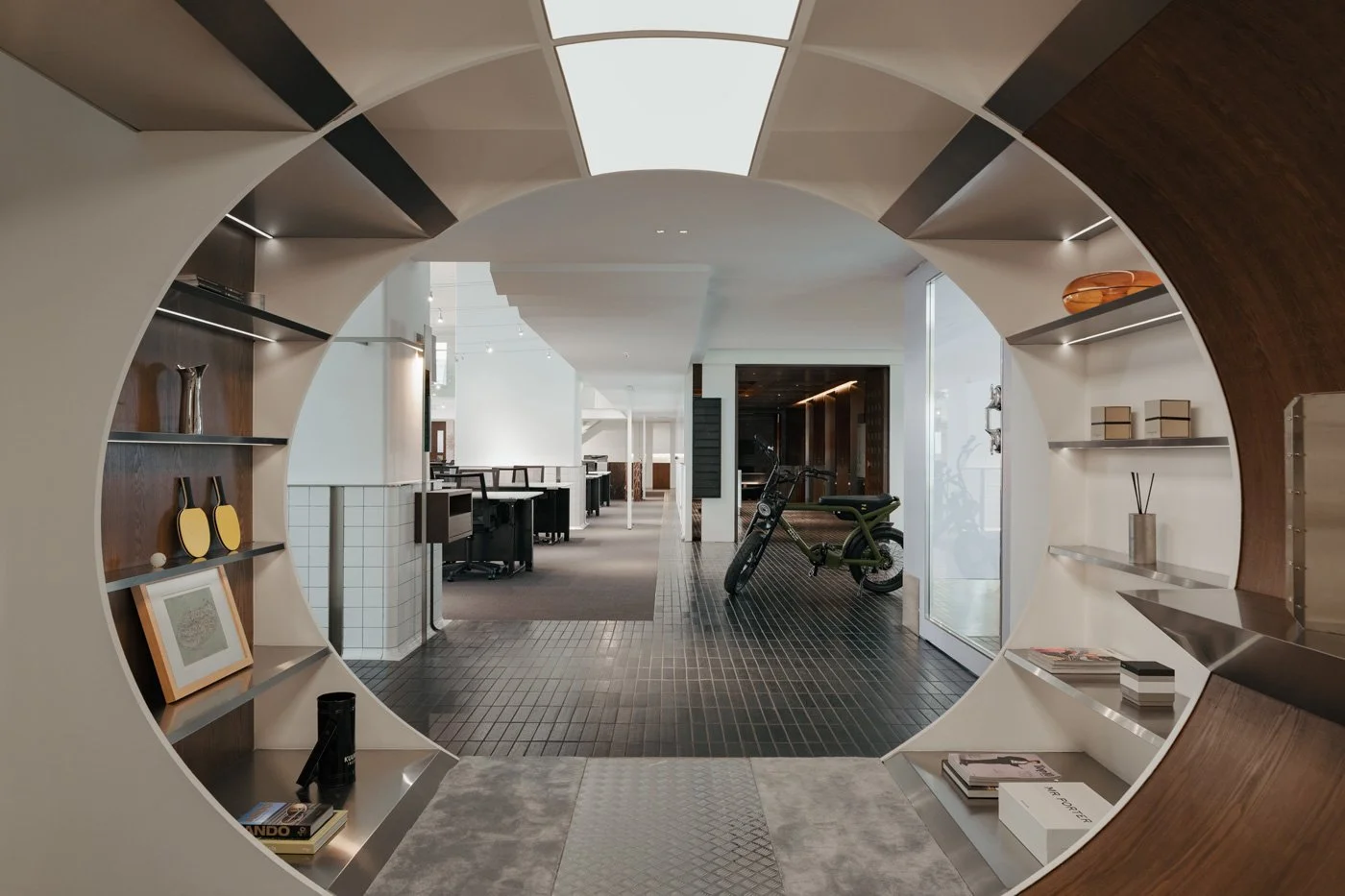
ELIT Headquarter Office - by @dualspacestudio。©TWJPTO
若視角無形中過度聚焦在硬體邏輯與結構,畫面便容易侷限於既定的框架,「時間長了,不管是構圖,還是看東西的方式,我變得比較拘謹一些。」WengJen 敏銳地察覺到這份受限,他開始有意識地向外取經。他將目光轉向廣告、平面商攝,甚至是生活風格(Lifestyle)類別的影像表現,期望透過跨領域的碰撞,打破大腦的既定思維,在嚴謹的空間語彙中,練習揉入從容的餘裕與呼吸感。
-
Most spatial photographers in Malaysia, he points out, come from architecture or interior design. The training gives them a structured way of reading space, but it can also become a constraint. "Over time, whether it was composition or just the way I looked at things, I became quite rigid," he says. Recognising the limitation, he began studying commercial and lifestyle photography, looking for the looseness and spontaneity that his architectural instincts had gradually squeezed out.
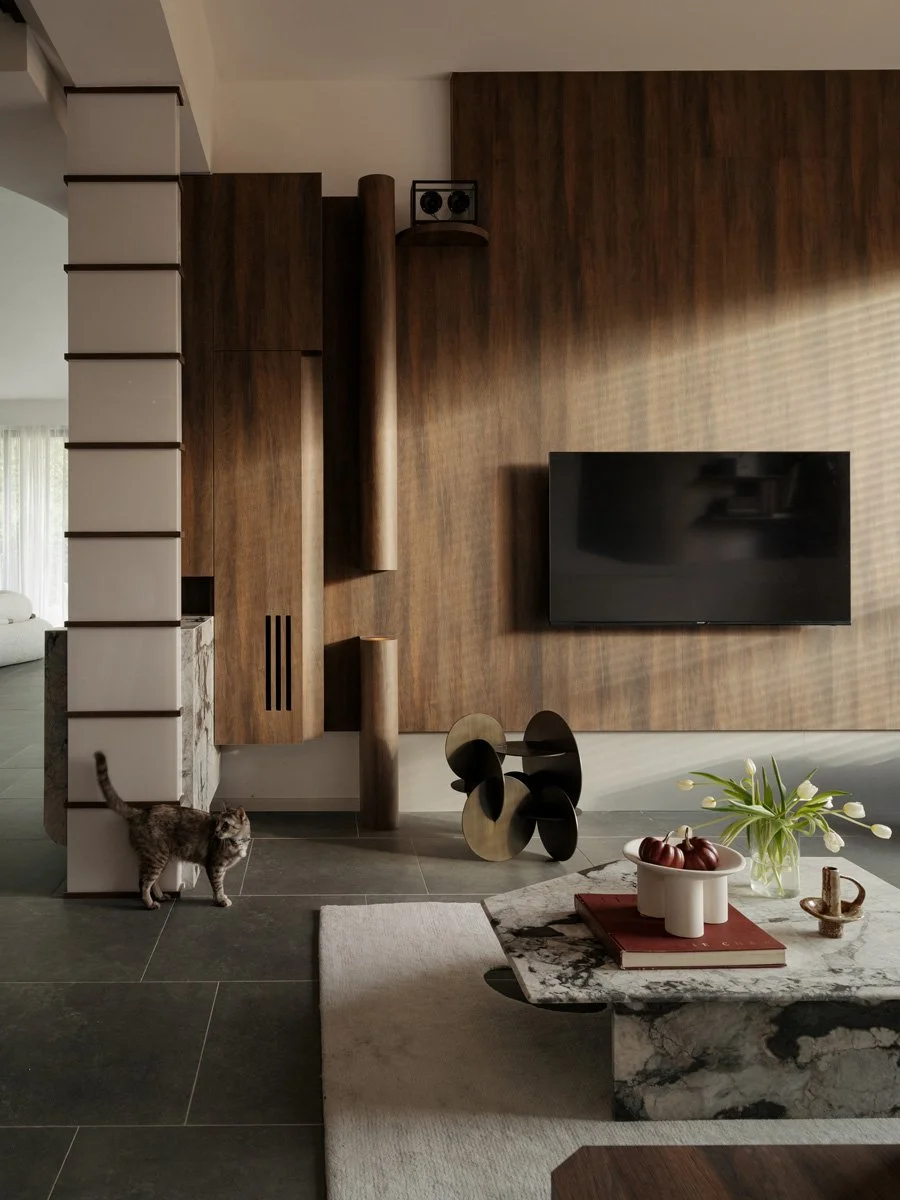
House in KL - by @pinsstudio.my。©TWJPTO
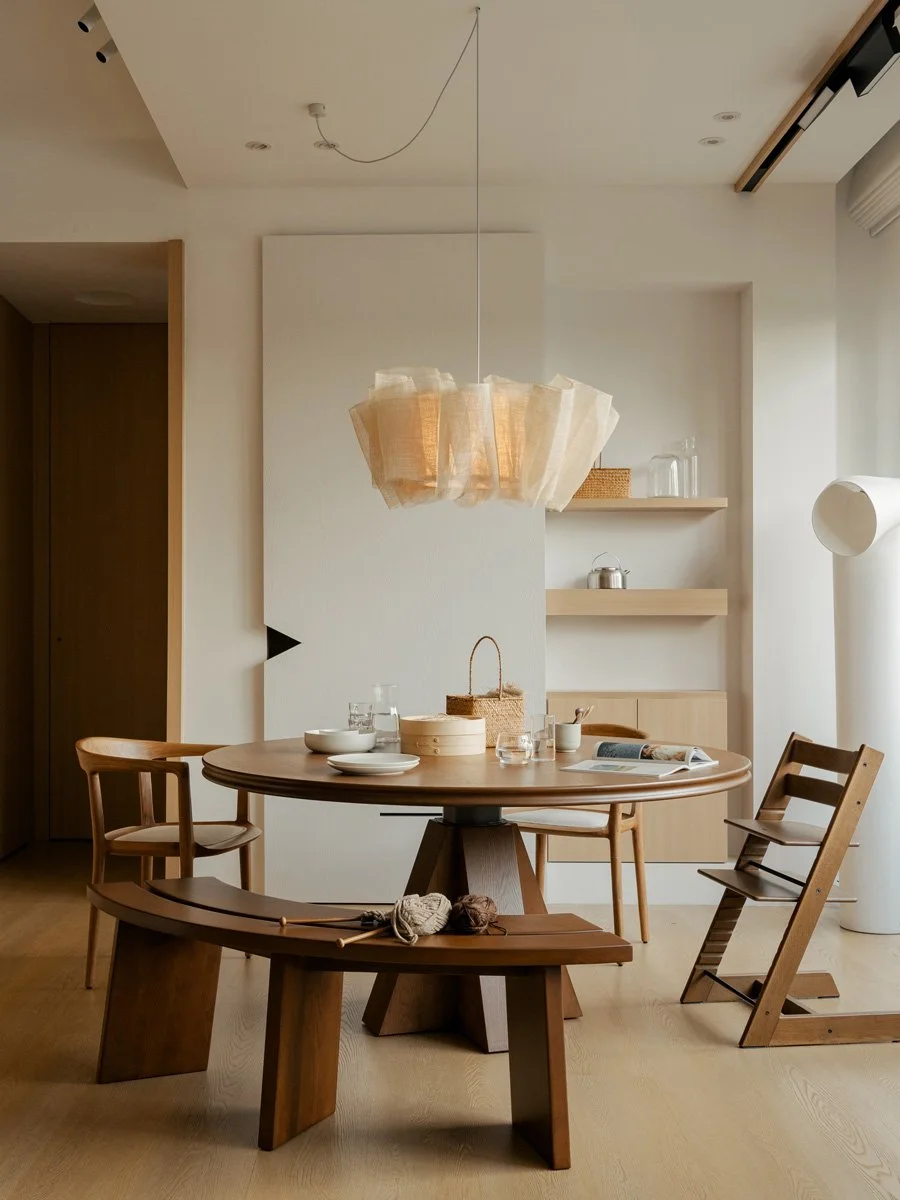
Apartment in KL - by @pinsstudio.my。©TWJPTO
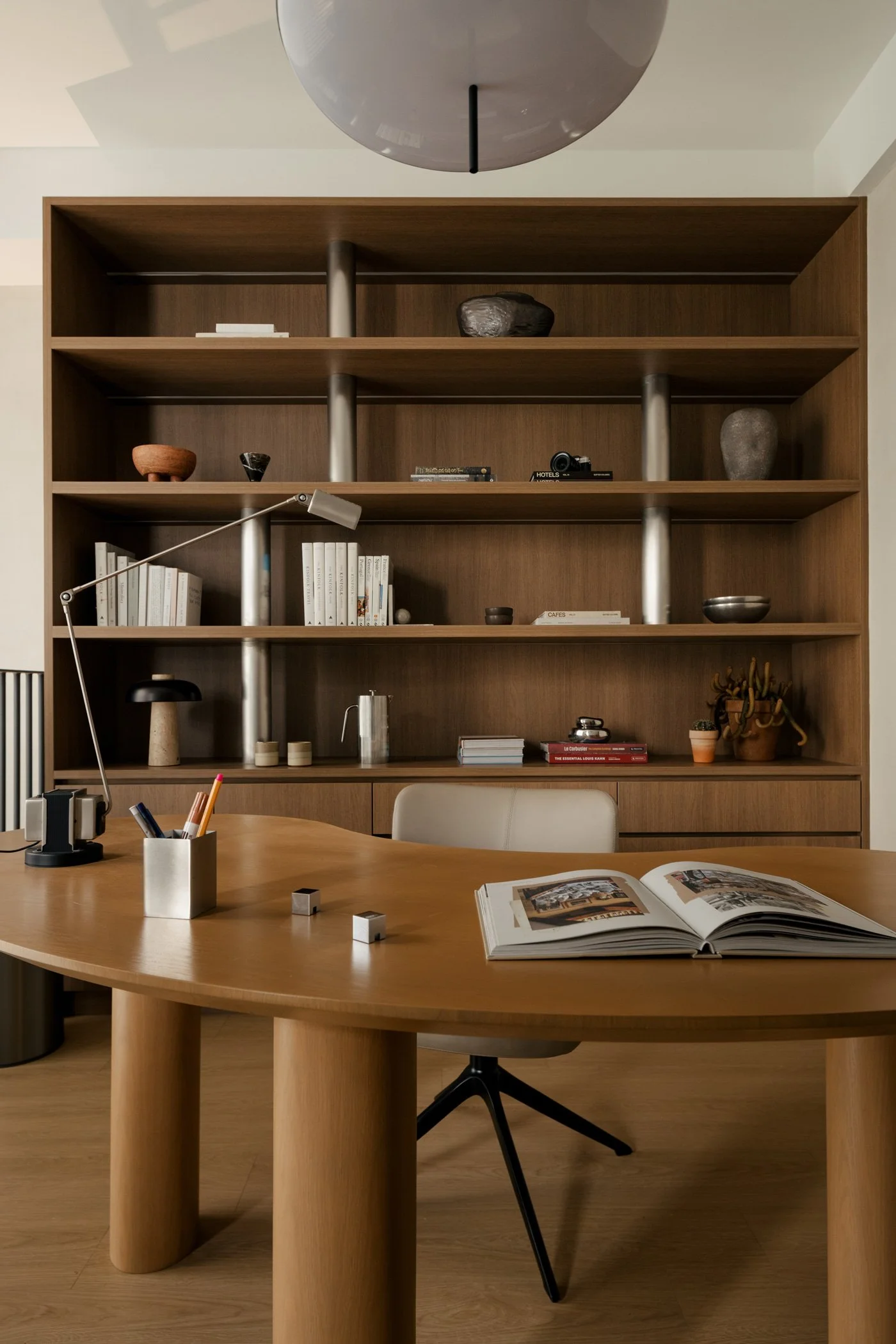
Apartment in KL - by @wuuu_studio。©TWJPTO
讓空間呈現應被看到的模樣
「在都市的發展下,公寓住宅的格局幾乎大同小異。針對這些室內環境,我還可以怎麼跳脫觀點,去做出變化?如何把它拍得跟市面上的作品不同?」WengJen 思忖後表示,這是他目前最注重的事情。
然而他尋找差異的方式,並非依賴更多的技巧或更繁複的構圖。WengJen 踏入一個完工案場時,會先靜下心來感受整體場域,梳理設計師的核心主軸與意圖。他透露,拍照時心中追求的是一個「純粹」的畫面。
我希望觀者看到照片的時候,先看見設計,再來才是其他的光影與陳設。
這份純粹,意指的是透過專注且化繁為簡的景框,搭配盡可能保留材質本色與真實狀態的自然光,直接傳遞給觀者充滿生活感的遐想,「讓一切還原至它們應該被看到的那個樣子。」
-
Letting the Design Speak
"Urban apartments all follow more or less the same layout. How do I find a different angle? How do I make this project look unlike everything else out there?" It is, WengJen says, the question that occupies him most.
His answer, though, is not technical complexity. Before setting up a single light stand, he spends time reading the space, absorbing its atmosphere, tracing the designer's intent. What he is after, he explains, is a "pure" frame. "I want the viewer to notice the design first, before the lighting or the styling."
That purity comes from restraint: simplified compositions, natural light that preserves the true colour and texture of materials. Rather than imposing a look on the space, he strips the image back until the design itself becomes the subject. "I want to restore everything to how it is meant to be seen."
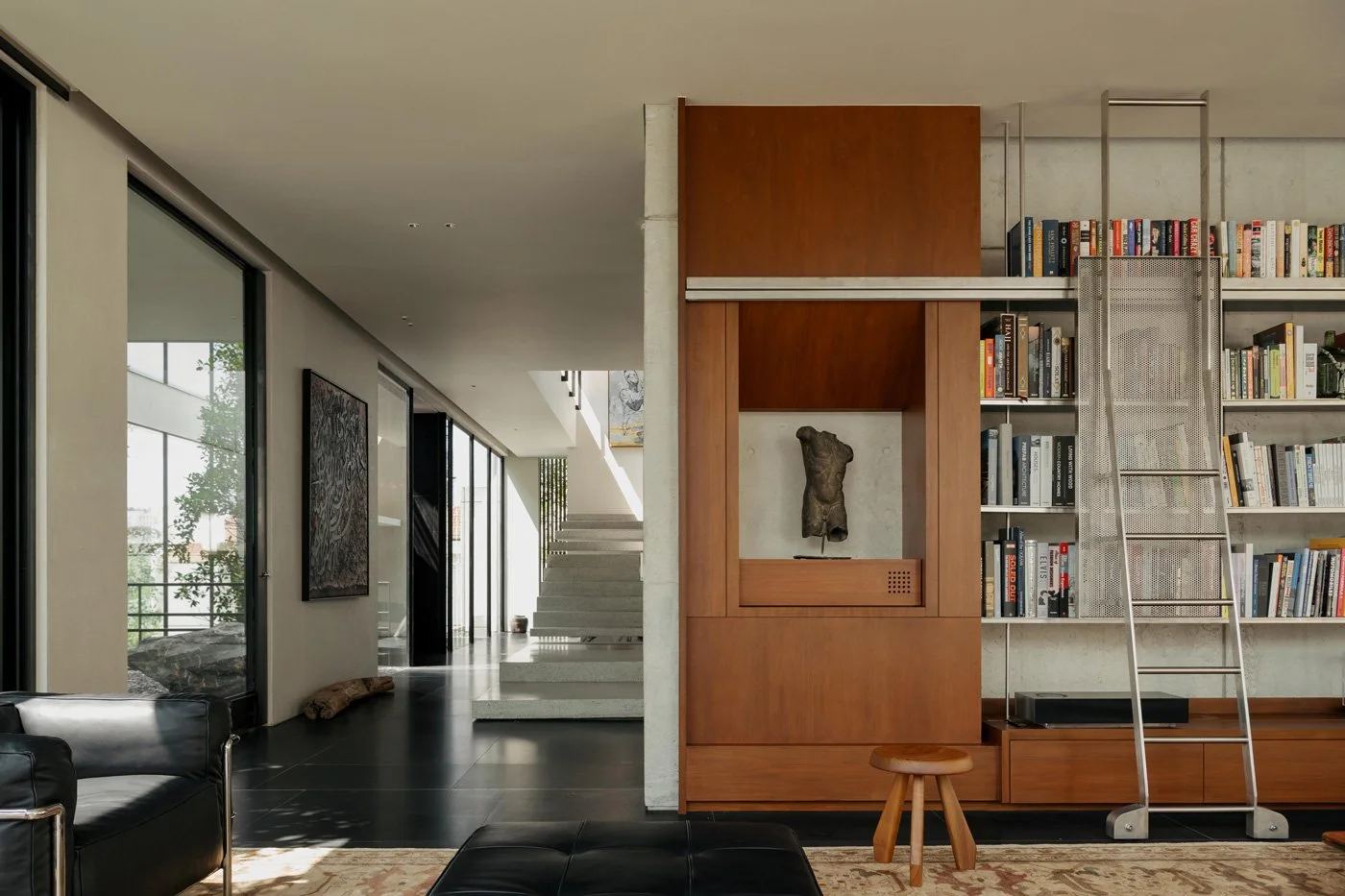
Residence in Ampang, KL - by @wunderwalldesign。©TWJPTO
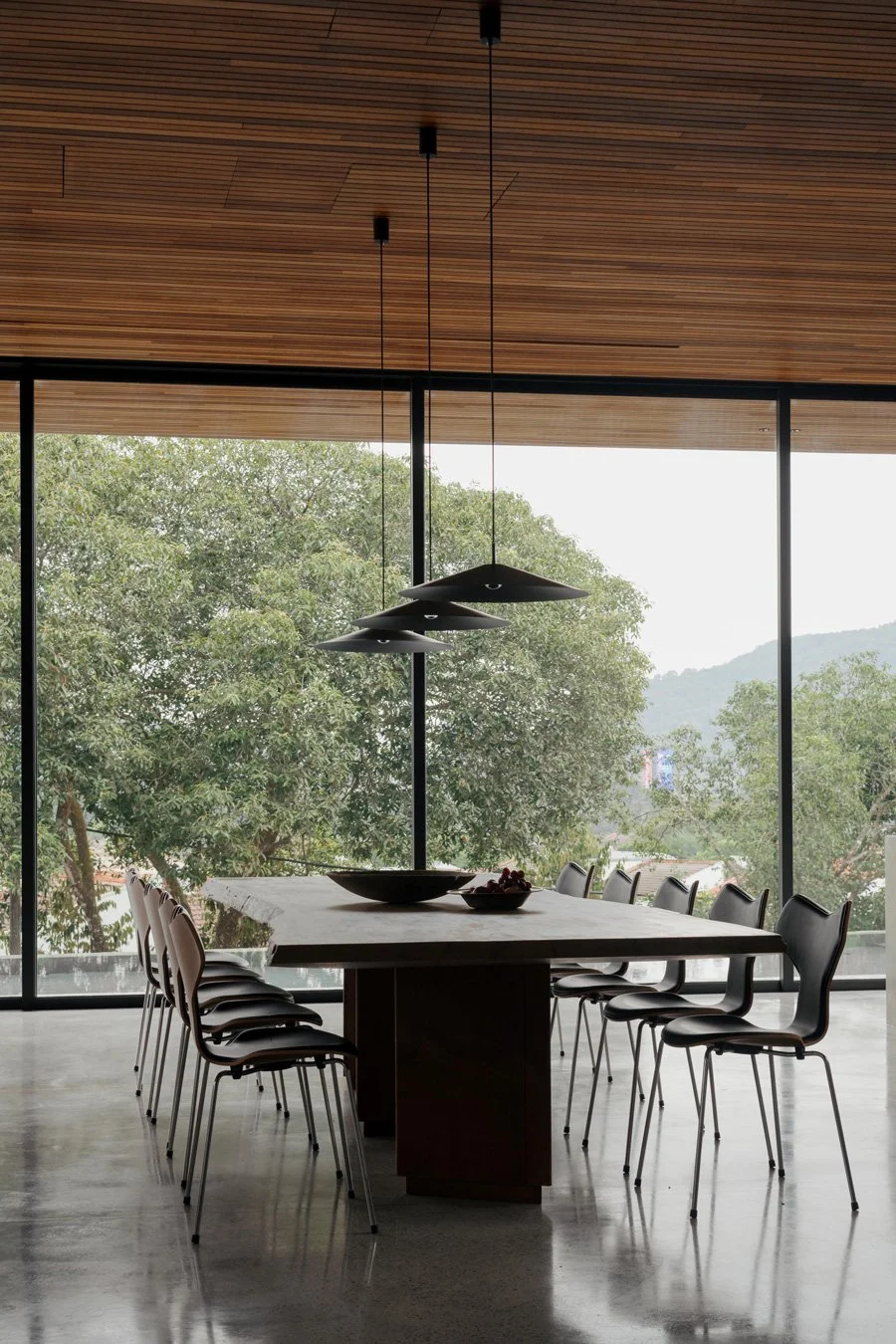
Femar Residence - by @wunderwalldesign。©TWJPTO
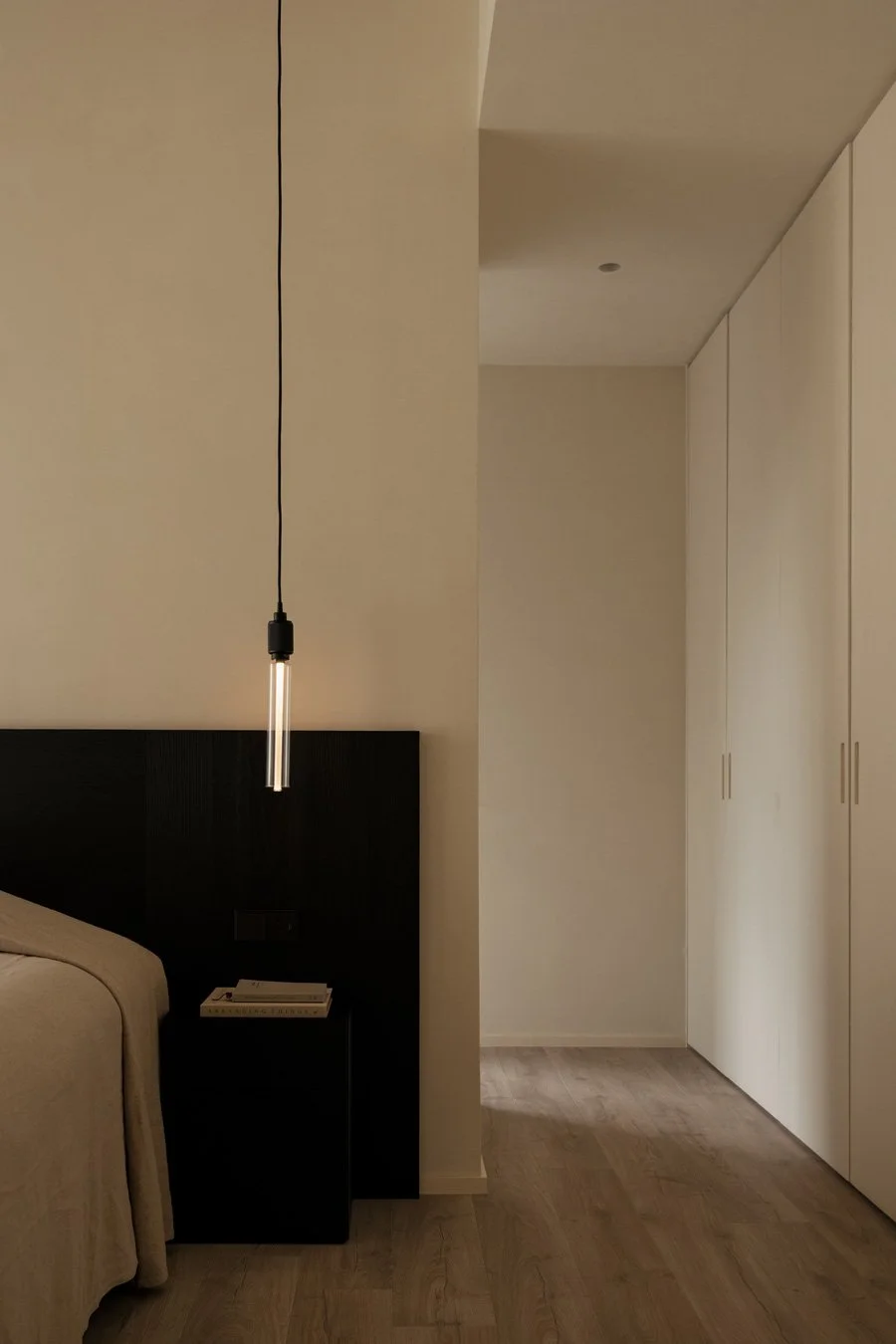
Apartment in KL - by @emptstudio and @jouuprojects。©TWJPTO
將敘事的編輯思維帶入拍攝
軟裝陳設與空間攝影,本質上屬於兩種截然不同的思維:前者是加法體驗,旨在堆疊出生活的厚度;後者則是裁切與減法,試圖在影格內剔除雜訊。目前馬來西亞的設計產業,鮮少有專門從事擺設佈置的軟裝師,很多時候設計師需要自行準備。有趣的是,WengJen 恰好對陳設有著高度熱忱。親自在現場調整軟裝,就他看來不僅充滿樂趣,也是拍攝不可或缺的一環。
基本上正式架設相機之前,他會先進行一輪整理,全盤調度後,再根據個別畫面構圖來做微調。這麼一來,空間不只烘托出作品的輪廓,更彷彿長出了真實生活的血肉,達到加減之間的理想和諧。
-
Editing Before the Shoot
Styling and spatial photography are, at their core, opposing impulses. Styling adds, layering objects, textures, and props to build a sense of inhabitation. Photography subtracts, cropping, excluding, and distilling a three-dimensional environment into a single frame.
In Malaysia, dedicated interior stylists remain rare; designers typically handle prop placement themselves. WengJen, however, has a genuine enthusiasm for it. He sees on-site styling not as a separate task but as the first act of the shoot itself.
Before the camera is mounted, he works through the space, rearranging, editing, adjusting, then fine-tunes for each individual composition. The result is a space that feels both composed and lived-in, holding the tension between curation and authenticity.
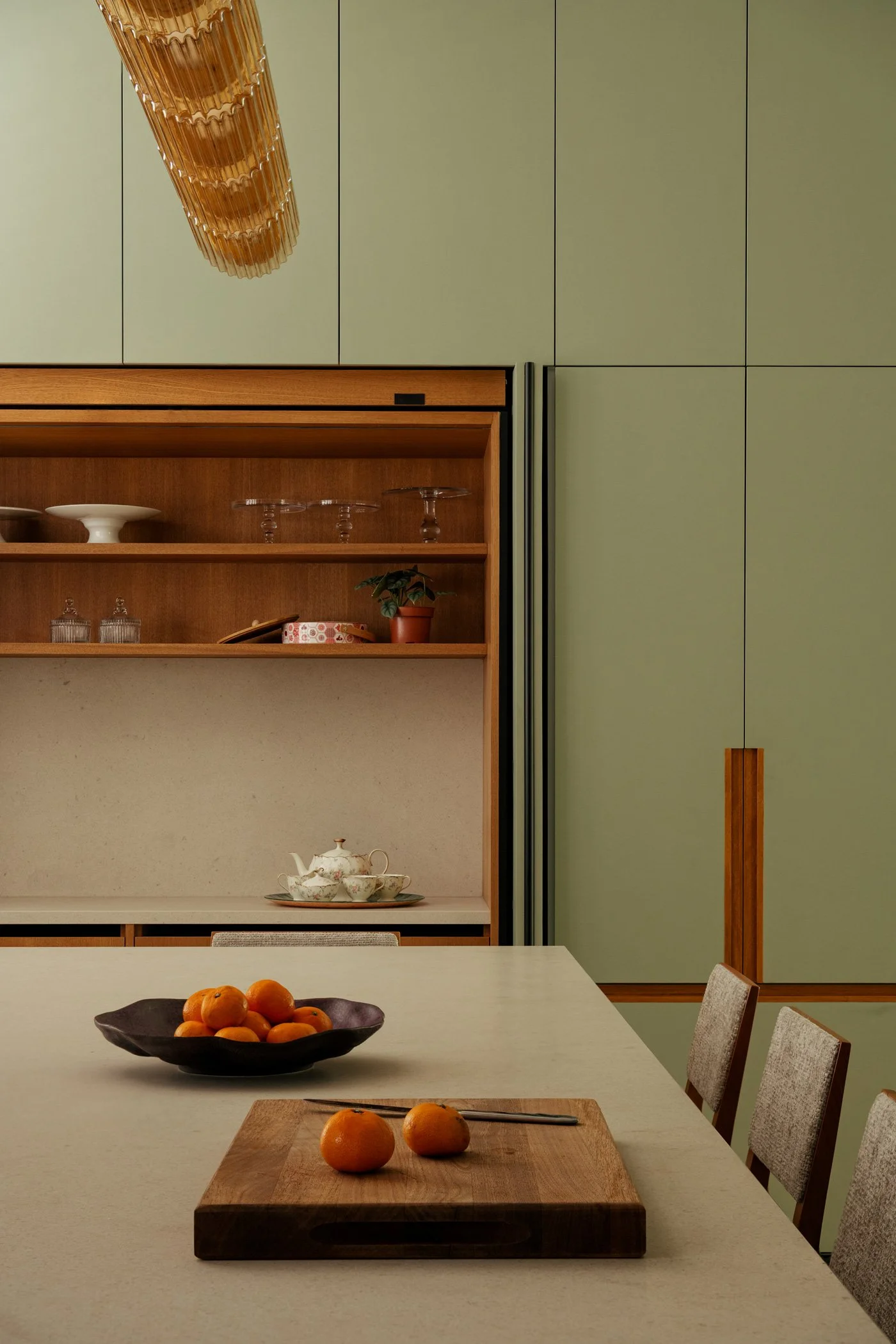
Residence in Bukit Tunku, KL - by @studio.e11even。©TWJPTO
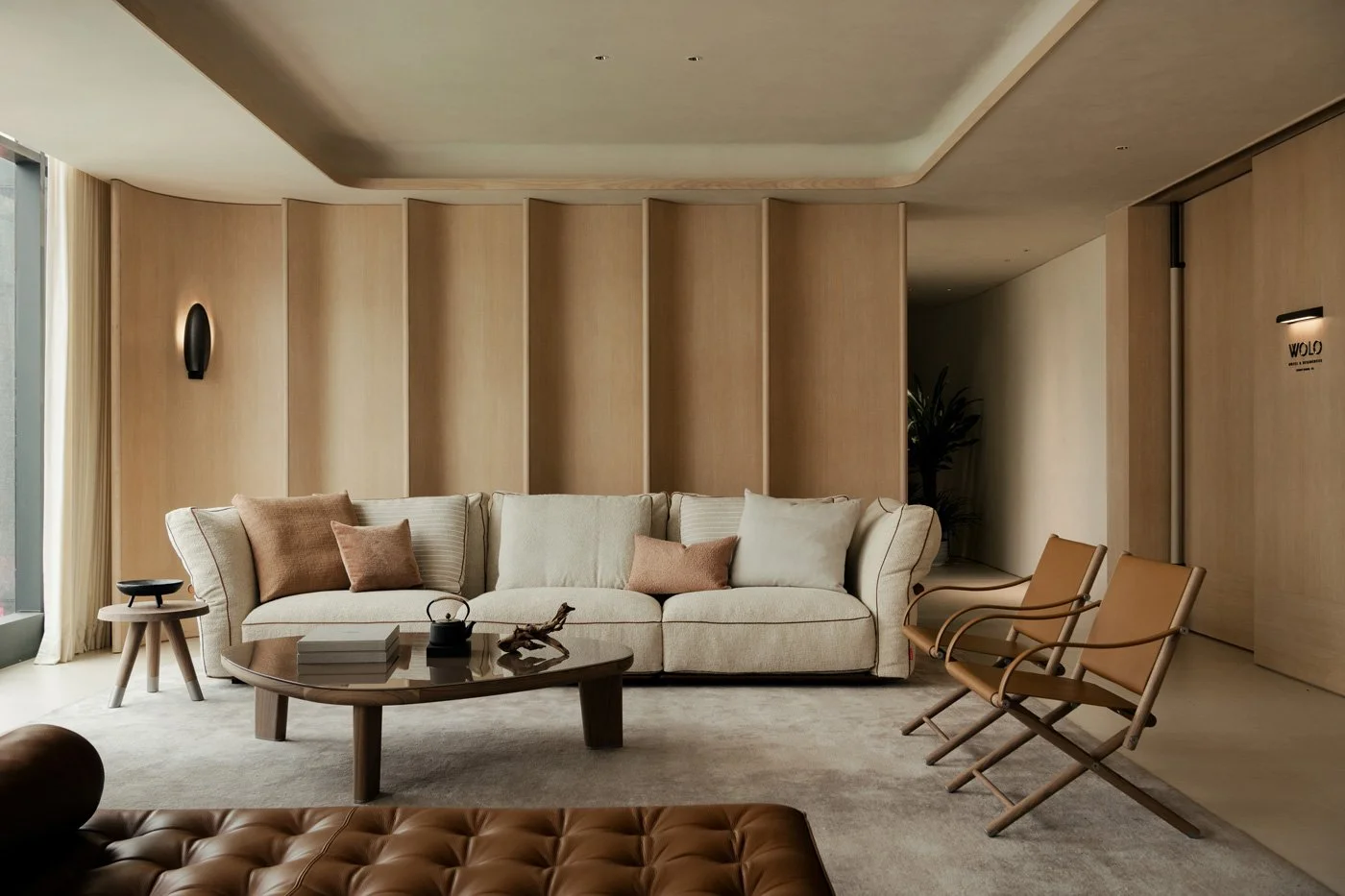
WOLO Experience Lounge, KL - by @932designgroup @wolo.collective @wolo.montkiarakl。©TWJPTO
WengJen 的編輯思維,除了顯露在實體的場域陳設,也延伸至數位時代的視覺敘事。談及當地設計師推廣作品的管道,能獲得媒體刊載當然是最具指標性的肯定;除此之外,目前絕大部分的年輕設計師,仍高度仰賴 Instagram 作為發表作品與內容的主力。
社群平台的閱讀習慣,或多或少也影響了他對拍攝與構圖的思考。「Instagram 現在很流行輪播圖(Carousels)幾張照片一起說故事的方式。」順應這樣的鋪陳邏輯,WengJen 在拍攝前,便會先在腦中推演,該如何將截然不同的視覺,串聯成一條合理且流暢的敘事線。
透過篇幅的拿捏與取捨,WengJen 在拍攝的當下,便已預先幫客戶完成了一場視覺編輯;他不再只是一個客觀記錄空間的旁觀者,更是透過鏡頭的編排,幫助設計師把空間的故事說得更動人、更完整。
-
This editorial instinct extends into the digital afterlife of the images. For a growing number of young Malaysian designers, Instagram has become the primary platform for publishing work, and the format shapes how WengJen thinks about sequence. "Carousels, telling a story across several images, are how people consume design content now," he says. Before he shoots, he is already plotting the narrative arc: which frame opens the story, where the rhythm shifts, how the sequence lands.
By the time he presses the shutter, he has already performed a visual edit. He is not simply recording a space; he is constructing the version of it that the public will know.
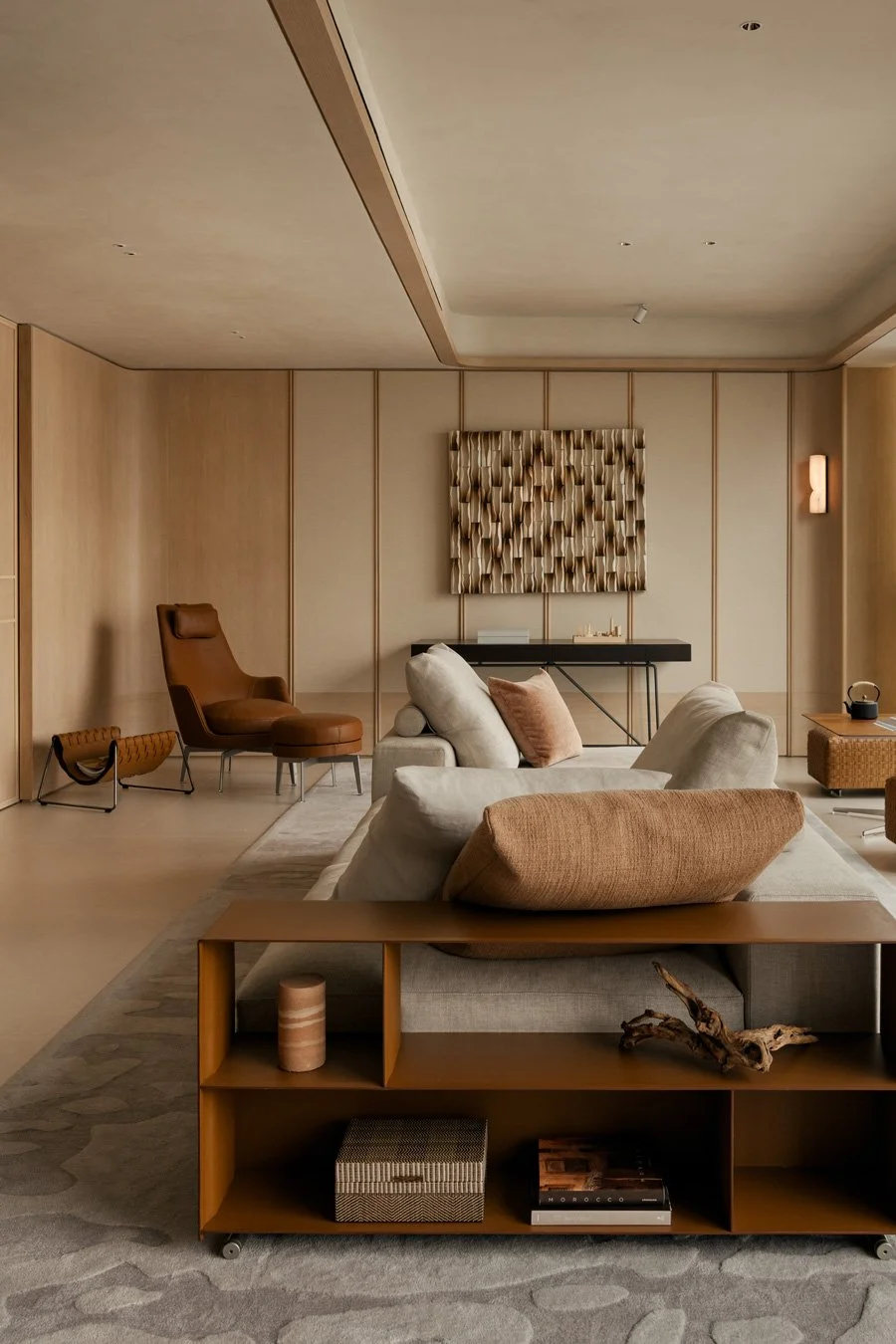
WOLO Experience Lounge, KL - by @932designgroup @wolo.collective @wolo.montkiarakl。©TWJPTO
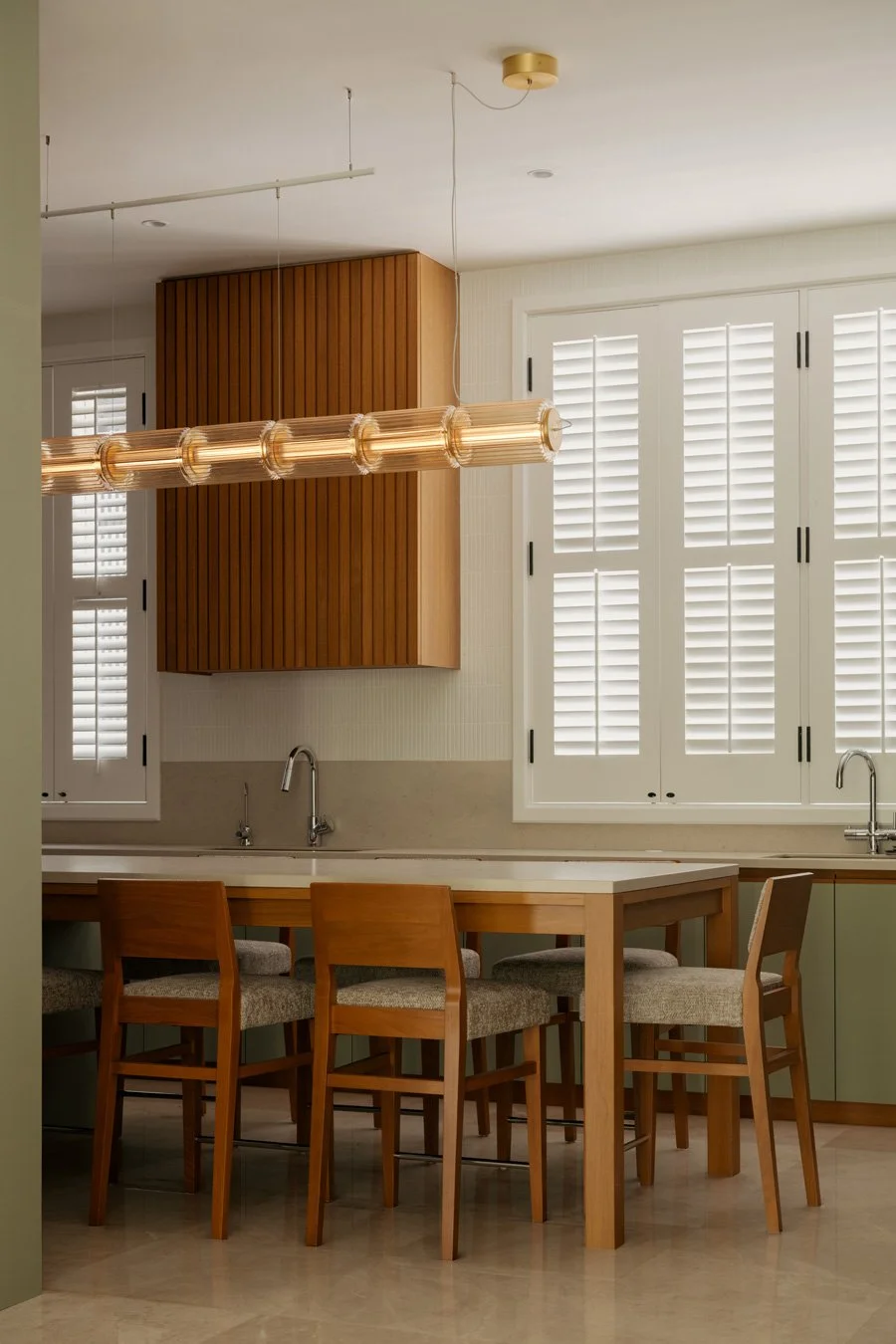
Residence in Bukit Tunku, KL - by @studio.e11even。©TWJPTO
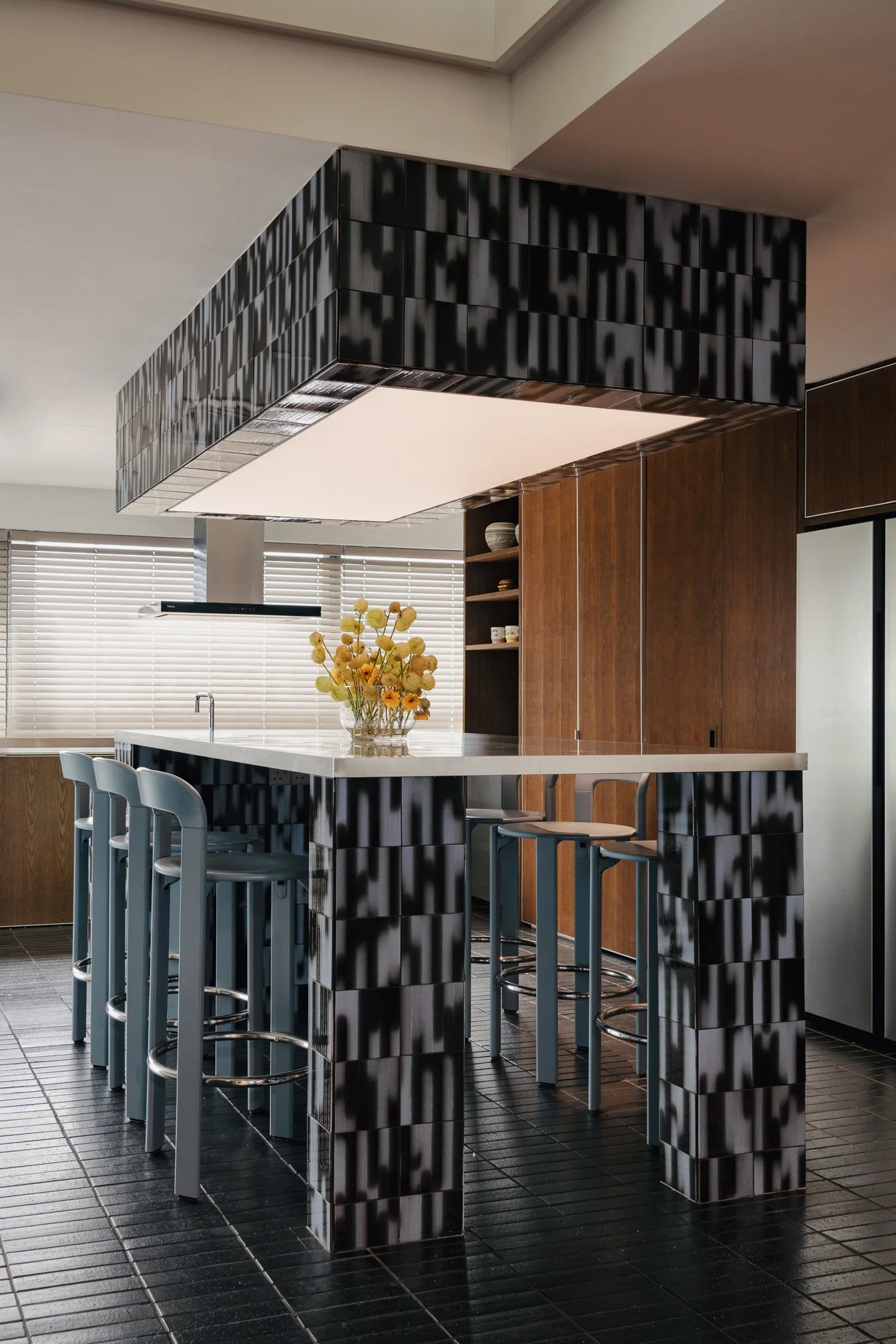
ELIT Headquarter Office - by @dualspacestudio。©TWJPTO
見證產業的變遷與覺醒
十多年前的馬來西亞,不管是在檳城還是吉隆坡,為作品進行專業攝影的觀念並不普及,當時很少人會做這件事情。轉捩點大約發生在 2016、2017 年間,一群年輕世代的設計師開始自立門戶。為了在市場上與資深前輩做出區別,他們便尋求美學風格與自媒體經營上的突破,並漸漸借鑑了台灣同業的作法。疫情之後,為空間拍攝專業影像才真正成為馬來西亞業界的常態。
雖然相較於台灣,當地的空間攝影師數量仍不算多,但隨著需求的萌芽與成熟,WengJen 正好站上了時代的浪頭,成為經歷這波產業變遷的參與者之一。身處在浪潮上,他看見整個東南亞設計板塊的推演。「如果你看東南亞像是印尼、泰國、越南和新加坡,他們都有各自鮮明的設計語彙(Design Identity)。」相較之下,馬來西亞的室內設計雖然持續發展,卻似乎還未長出那樣飽滿且具代表性的自我定位。
-
A Shifting Industry
A decade ago, commissioning professional photography for a design project was unusual in Malaysia, in Penang or Kuala Lumpur alike. The shift began around 2016, when a younger generation of designers started their own studios and looked for ways to distinguish themselves from established firms. They invested in visual identity and social media presence, often taking cues from the more mature Taiwanese market. It was only after the pandemic that professional spatial photography became standard practice across the Malaysian industry.
WengJen's career has tracked this transformation closely. From within it, he observes a broader pattern across Southeast Asia. "If you look at Indonesia, Thailand, Vietnam, Singapore, they each have a distinct design identity," he notes. Malaysia's interior design scene, while growing rapidly, has yet to arrive at a comparably defined sense of self.
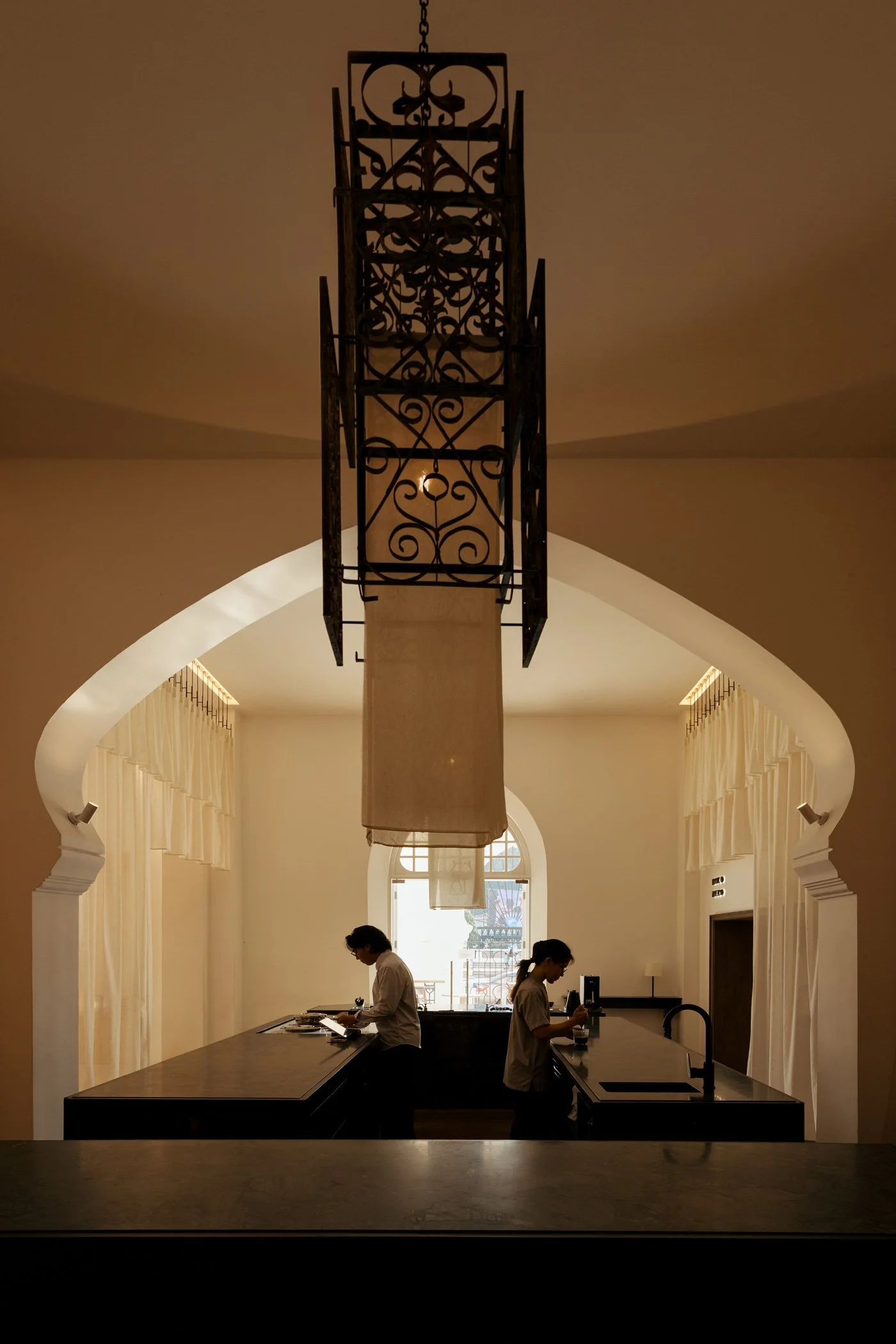
Niko Neko 6.0 - by @wunderwalldesign。©TWJPTO
What does it mean to be Malaysian design?(什麼是馬來西亞設計)
作為多元種族的國家,文化交融的背景或許讓這片土地相對難以找出單一的明確定位,然而也因為開放模糊的邊界,才更疊加出極其豐厚的風貌。現下的馬來西亞設計圈,WengJen 分享道,最迷人、也最讓人熱血沸騰的地方,即在於整個產業正經歷一場集體的自我叩問:
我們自己的設計語言是什麼
-
As a multiracial nation, Malaysia's cultural complexity may make a singular design identity harder to articulate — but it also makes the raw material richer. What excites WengJen most about the current moment is precisely this: an entire industry asking itself, collectively, what its own design language might be.
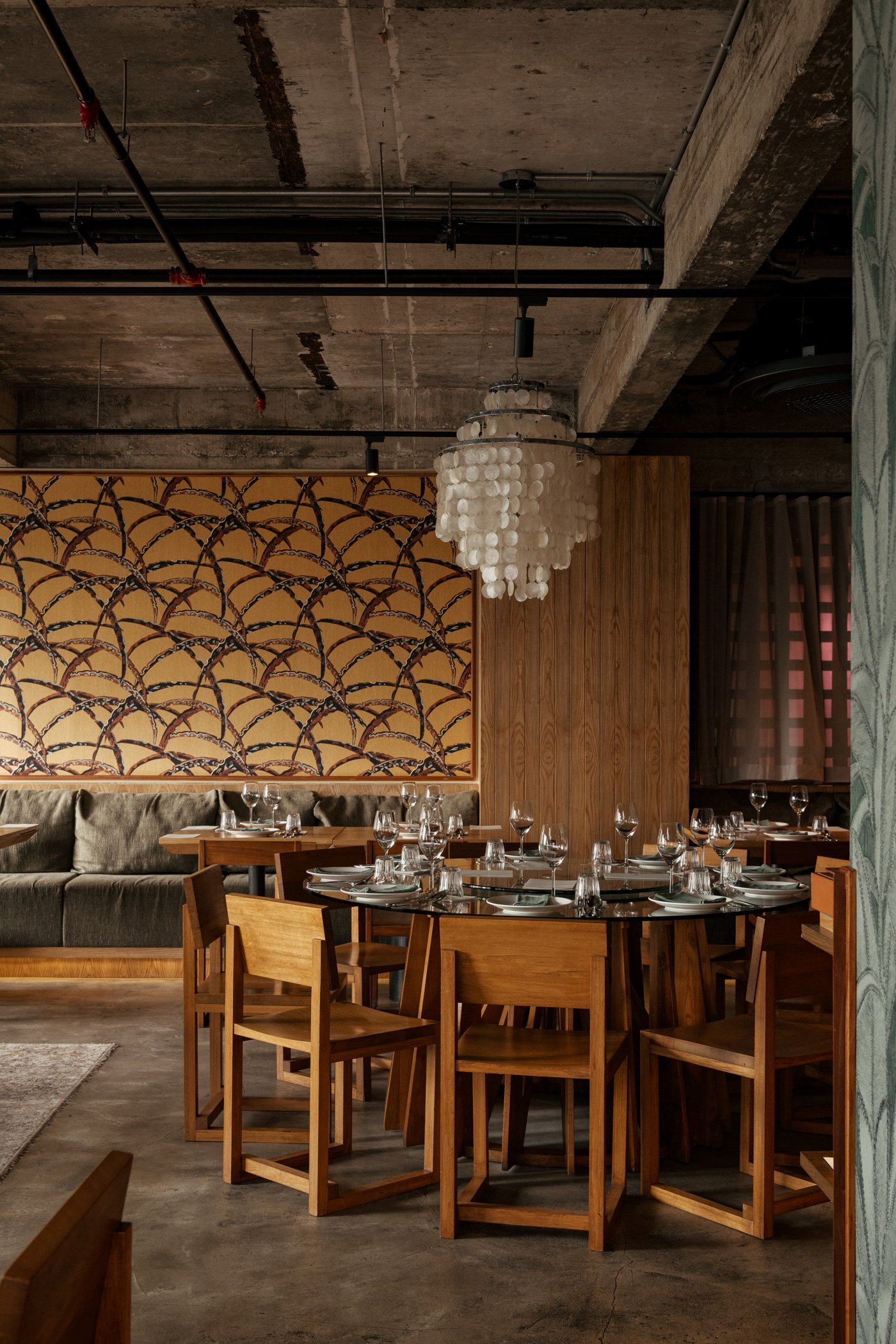
Oolam Dining @ The Five, Damansara Heights - by @studio.supereka。©TWJPTO
比起被動地等待國際市場的歸類,新世代的創作者們已不約而同開始探尋在地的定義。這份覺醒,也推動著以影像作為媒材的 WengJen。視覺化的紀錄過程,即是一種觀點的揀選,這讓他走進一個個空間的同時,亦常在心底反思:
作為攝影師,我們要怎麼去拍出這些屬於我們自己獨有的東西?
這是他持續推進的挑戰和任務。在一次又一次的快門切換中,他將碎片化的空間意象,系統性地梳理成一套清晰的影像語法,在這場集體尋找認同的過程中,慢慢對焦出這一代馬來西亞的設計樣貌。
-
A new generation of designers is no longer waiting to be categorised by the international market. They are actively working to define what Malaysian design means from the inside. For WengJen, whose medium is inherently one of selection — what to frame, what to leave out, which angle tells the truest story — that question is also a personal one.
"As photographers, how do we capture what is uniquely ours?"
It is a challenge he carries into every project. Frame by frame, he is assembling a visual grammar from the fragments — and in doing so, slowly bringing the design identity of a generation into focus.
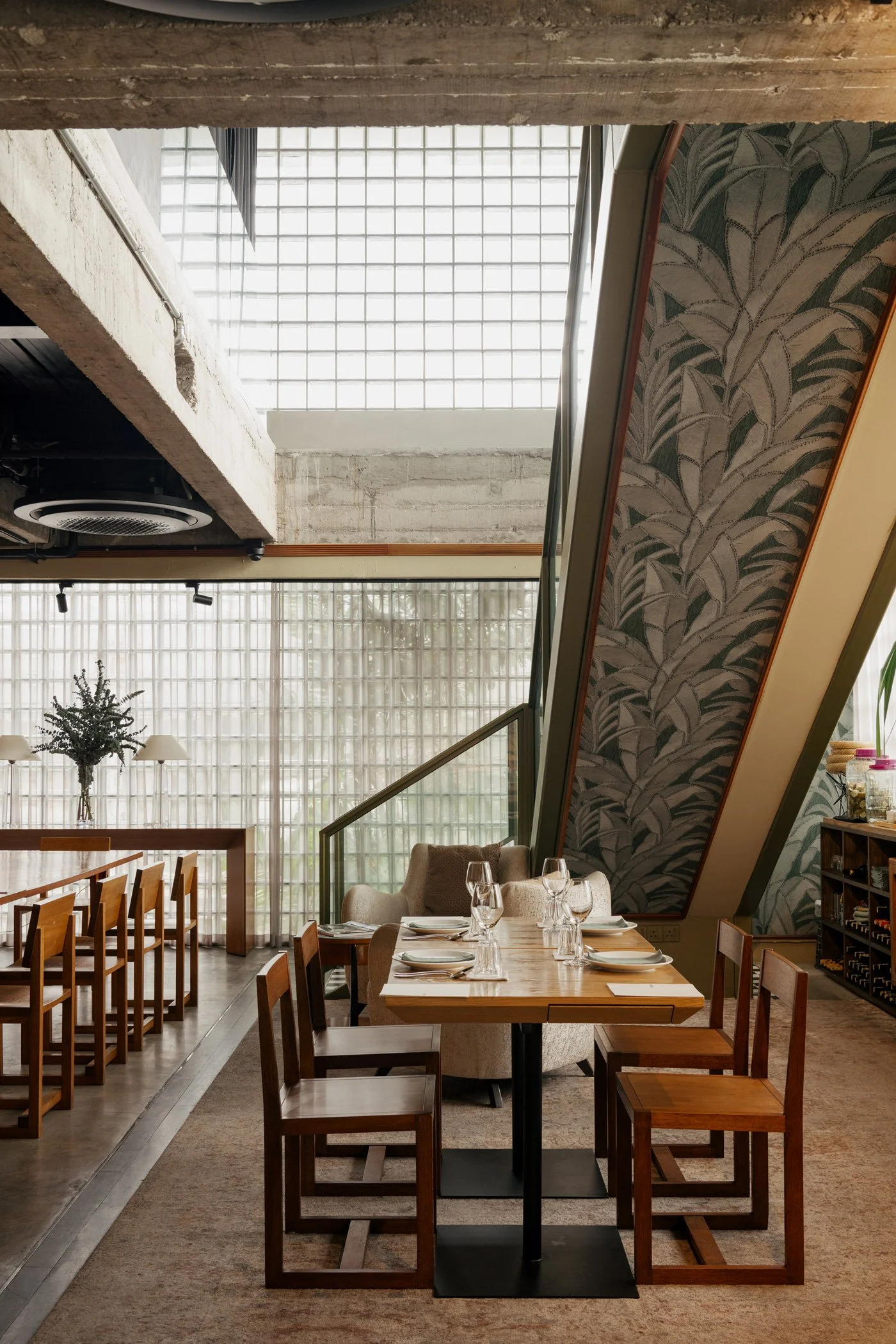
Oolam Dining @ The Five, Damansara Heights - by @studio.supereka。©TWJPTO