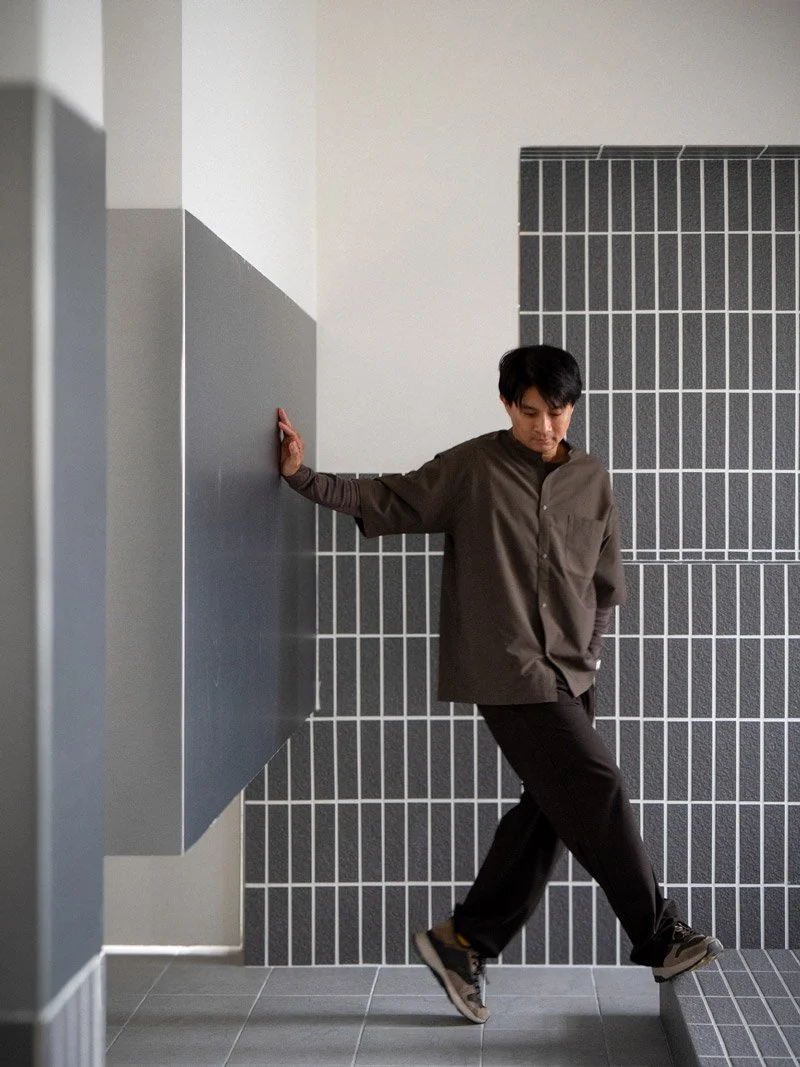
[ 專訪 ]設計修羅場上的知止進化論 — 向度設計曾致豪 x 初向設計曾國峰 x HC Jamie
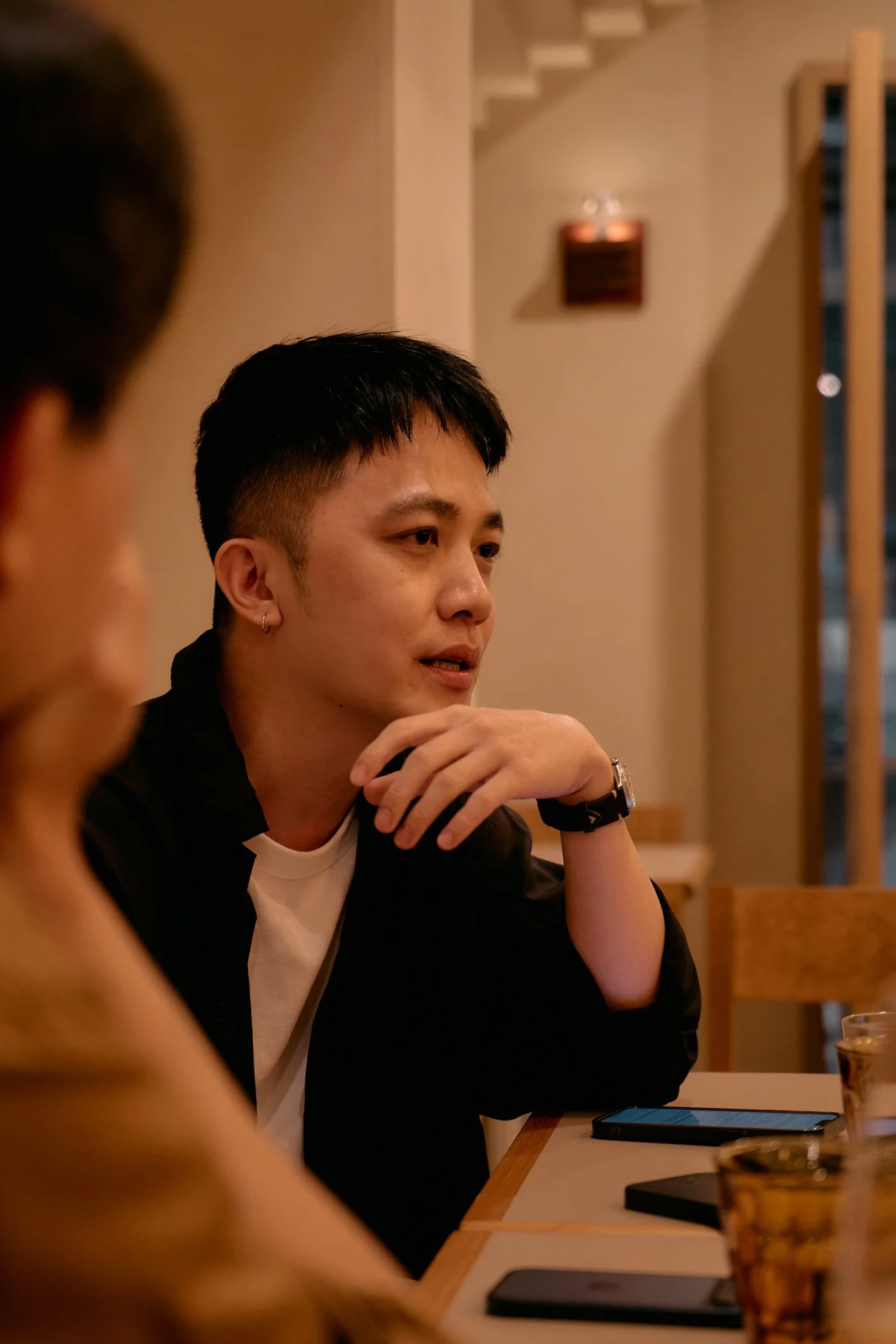
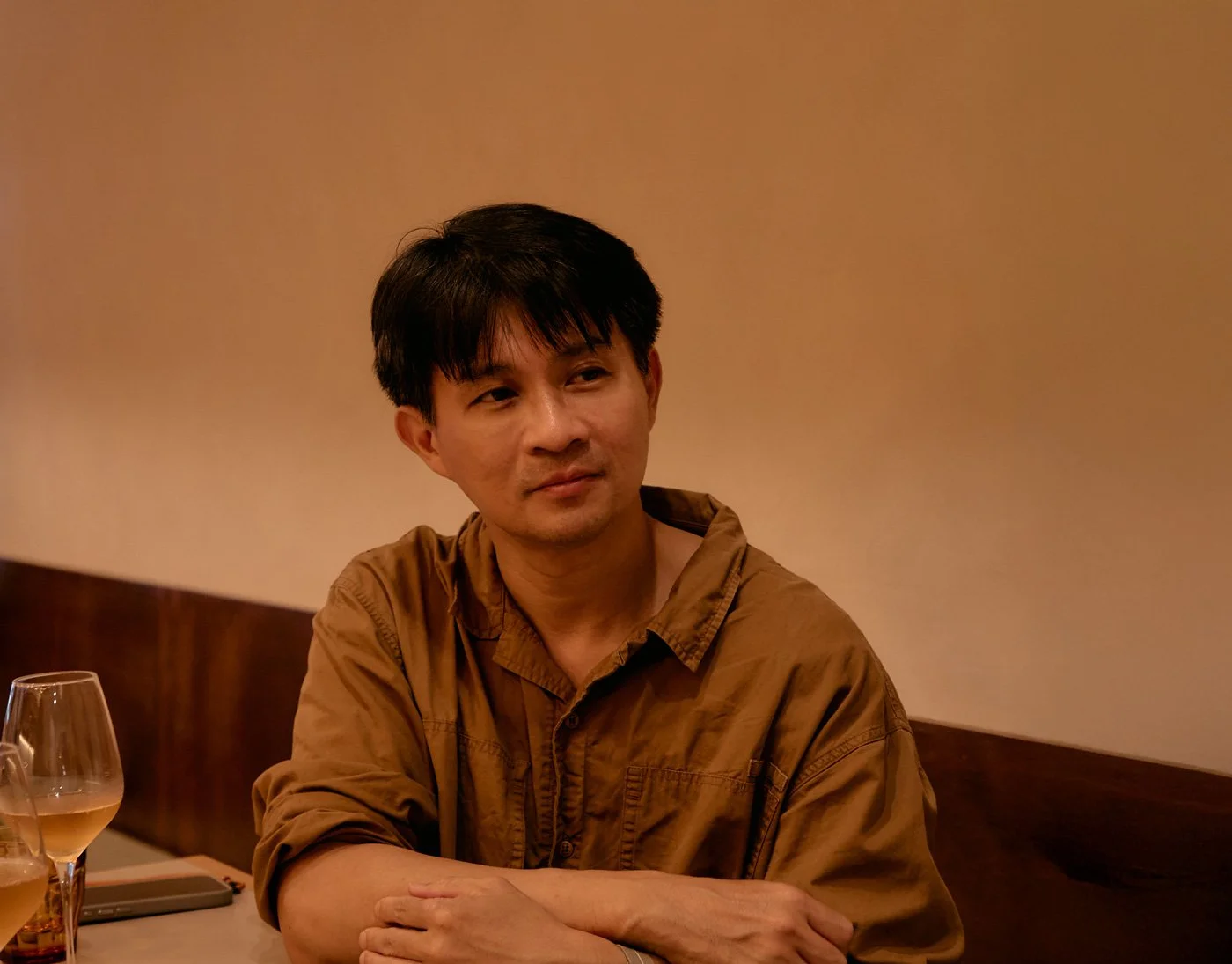
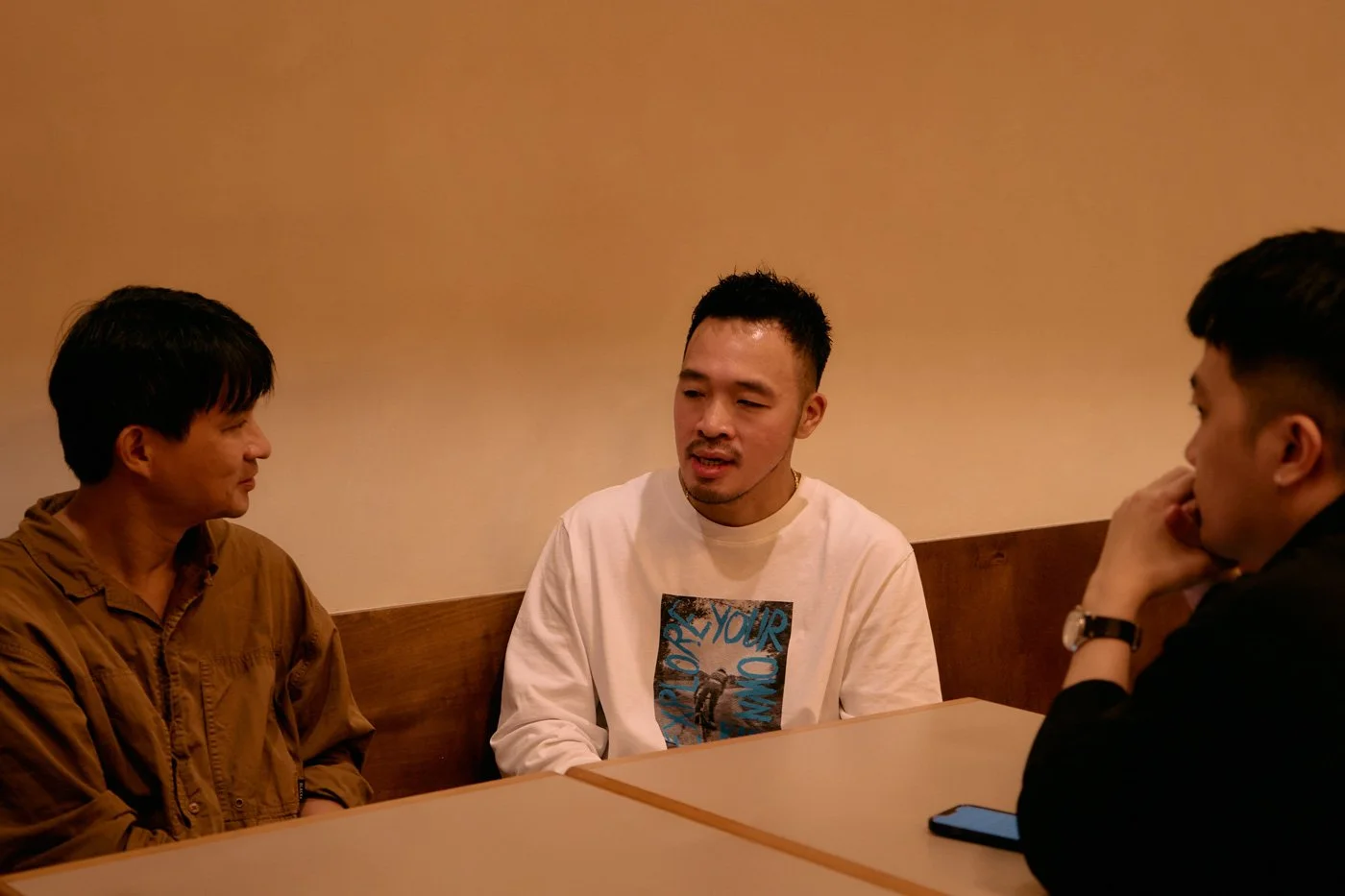
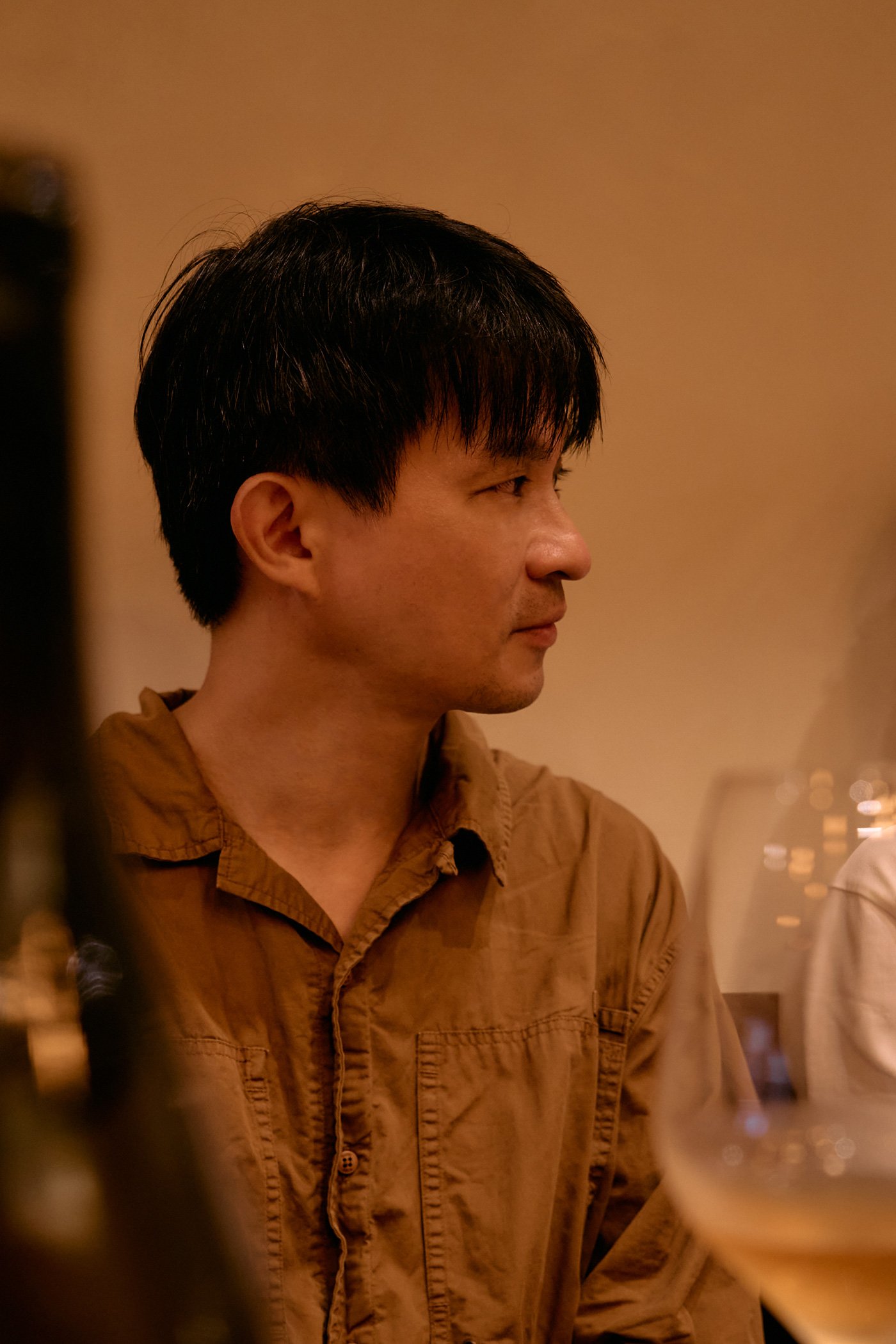
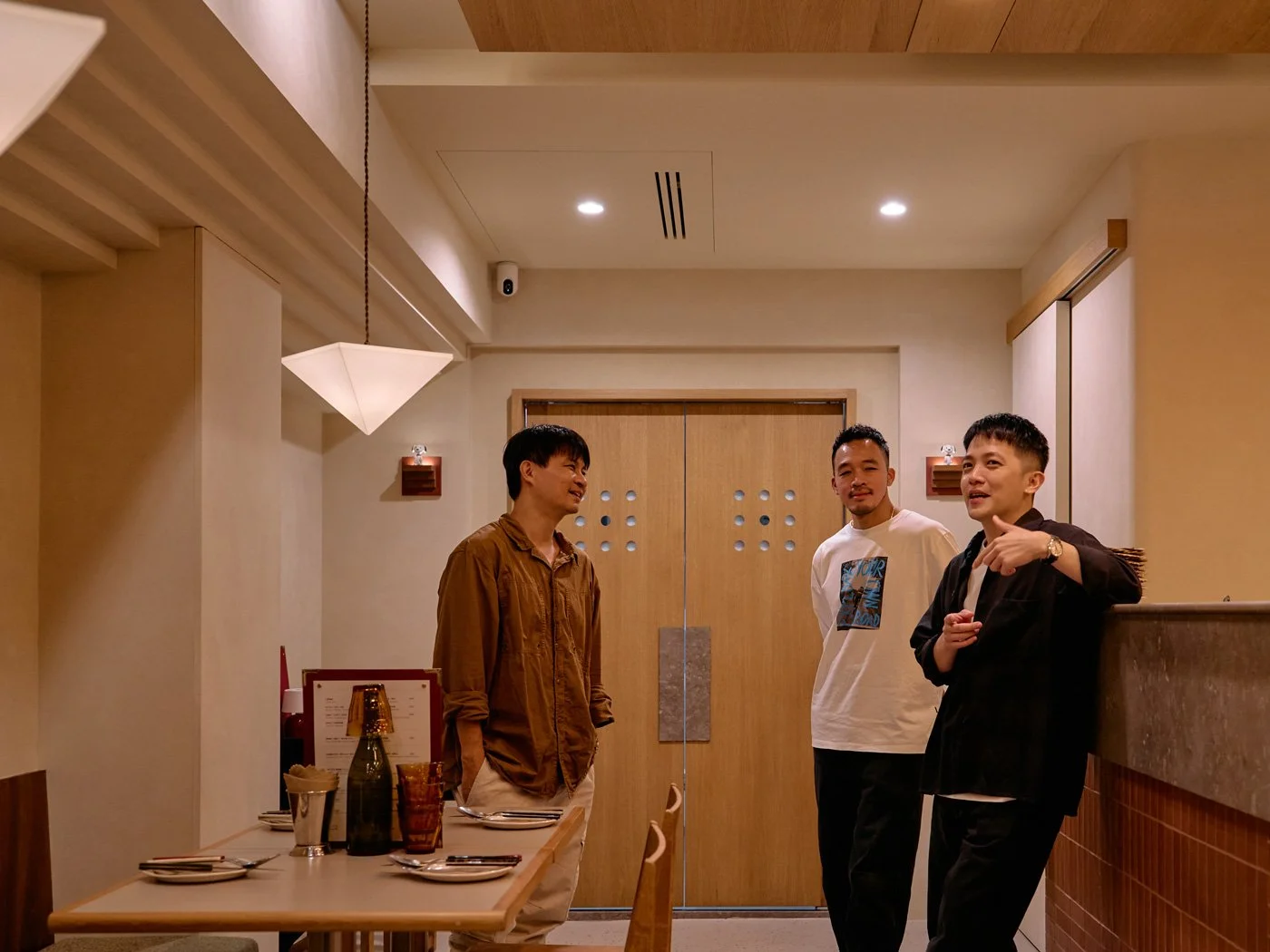
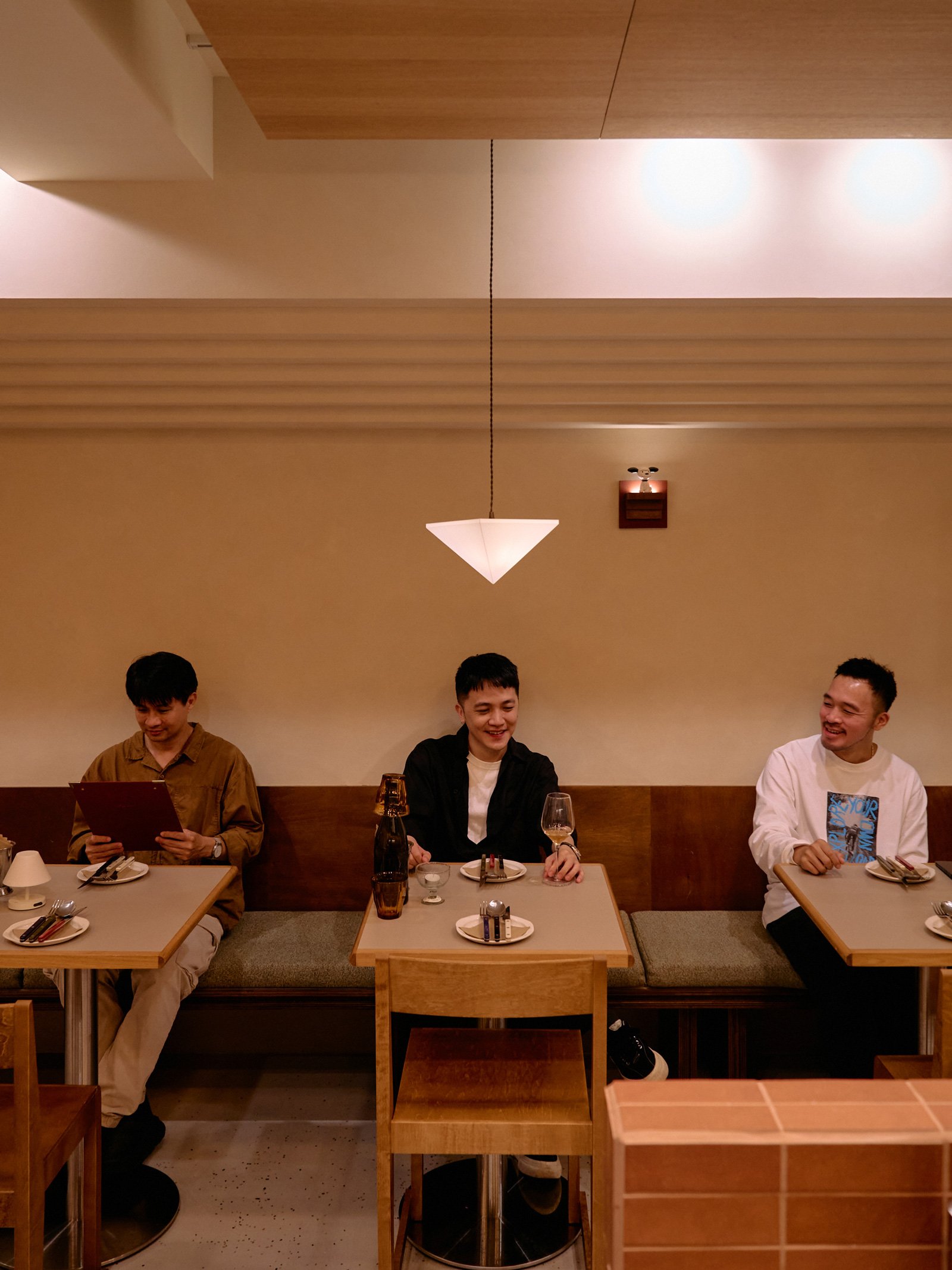
左至右:初向設計總監 曾國峰 / 向度設計總監 曾致豪 / HC 主理人 Jamie
-
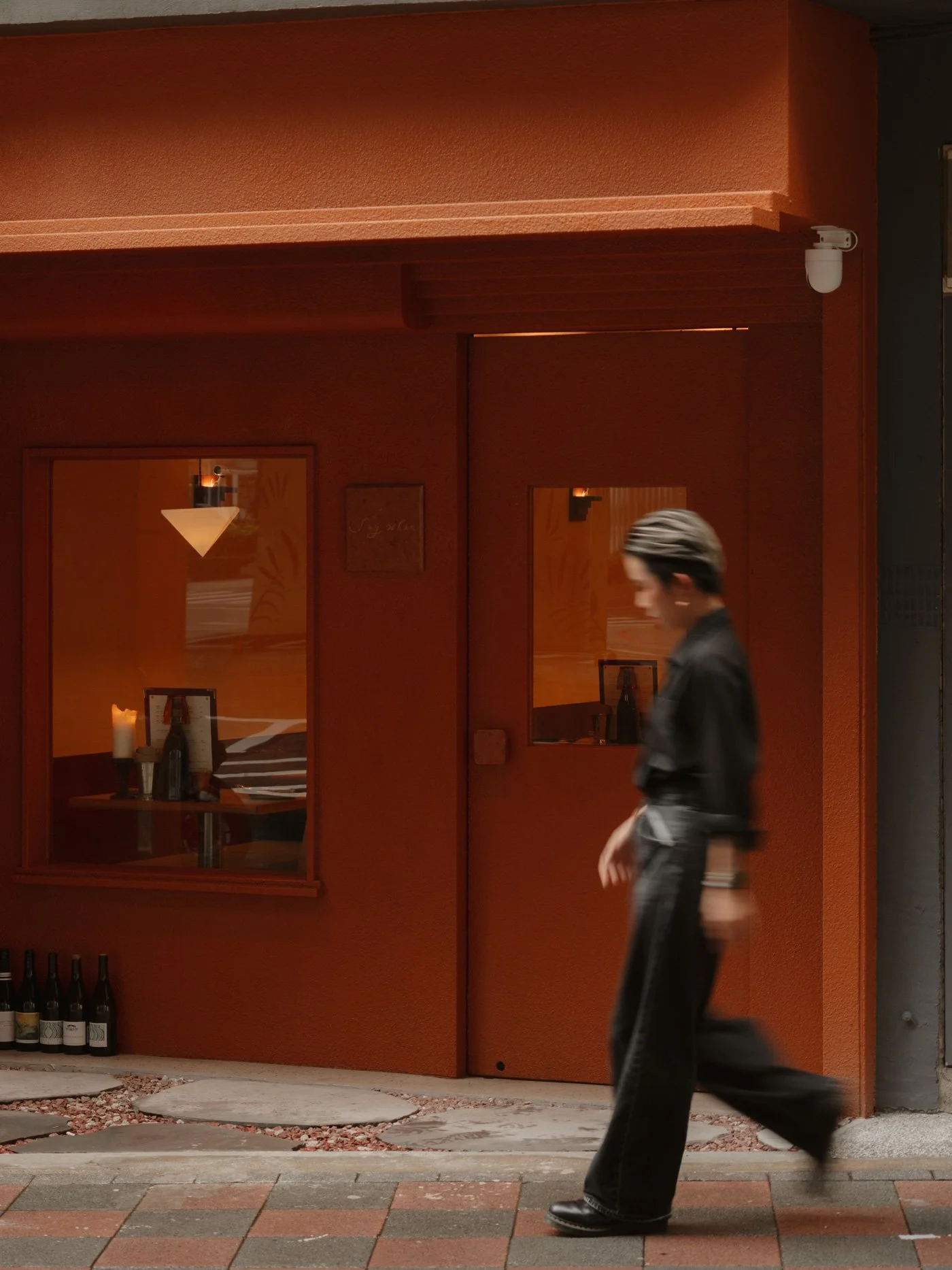
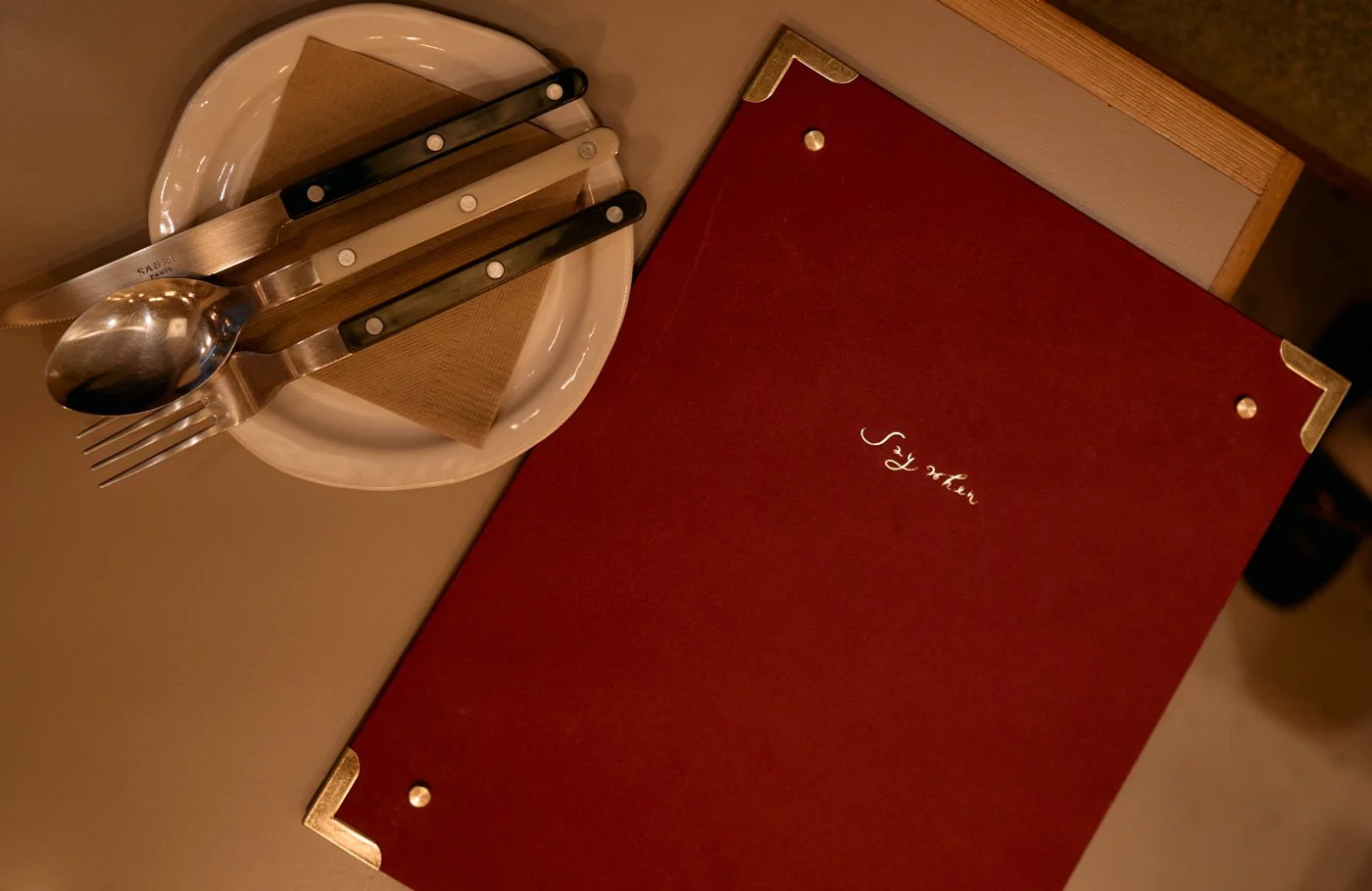
In 2021, we sat down with Kuo-Feng Tseng (chūxiàng Design) and Han Tseng (Degree Design) to discuss the "B-Side" of their lives—the multifaceted hobbies that exist outside of design. Years later, we reunited at the newly opened bistro, "Say When." Amidst a backdrop of vinyl records, classic furniture, and the scent of spirits, we decided to refocus the lens, returning to the core of their profession: Design.
In reality, "qualitative evolution" isn't measured by the size of a firm or the number of trophies on a shelf. At Say When, we listened to Han and Kuo-Feng discuss the inner fortitude they’ve cultivated over the years. They have learned where to pause, how to pace their forward momentum while honoring the present, and how to rediscover that purest, original intent for design within every fluctuation of the journey.
-
Q: It’s been nearly five years since our last interview. Looking back at your work over this period, how has your design thinking shifted?
Han:
The shift over these five years has been about the flow of color and temperature. My early work was predominantly black, white, and grey; I was chasing the ultimate expression of coolness and sharp lines, and my clientele was mostly male. As my client base expanded to include families, I had to consider the needs of women and children. I turned my attention to "how people move through a space" and how to weave the warmth of daily life into a sleek foundation.Now, I care more about "balance"—managing the ratio between color and achromatic tones. I want the space to retain a modern edge while adding an approachable, temperature-rich atmosphere.
Kuo-Feng:
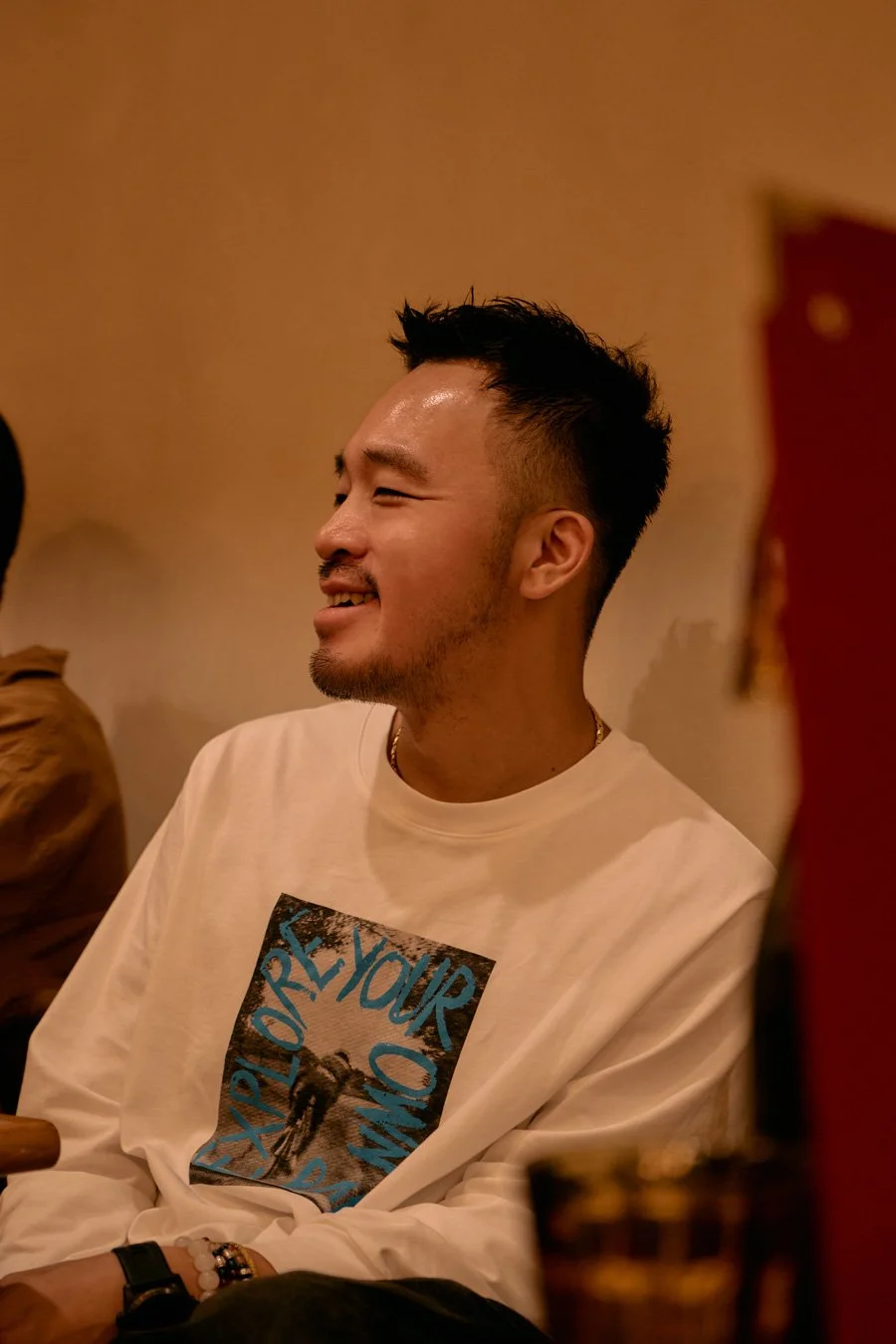
My core design logic hasn't changed; it still revolves heavily around geometric blocks. However, I’m now more inclined to conceptualize from the perspective of environment and state of mind, attempting to infuse invisible "feelings" into the work.This turning point came when I was designing my own home. I wanted to realize all the experiments that clients had been too afraid to try in previous years. At the same time, I was inspired by the artist Xavier Corberó, who mentioned that a house should possess "poetry." So, for the past few years, I’ve been asking: What kind of space allows people to feel poetry?
I came to understand that poetry is an atmosphere that touches the senses and evokes memories. It might just be a beam of morning light, but it gives a home its soul.
-
Q: Having heard you both discuss your own changes, we’re curious—as longtime friends, what do you see as the biggest "evolution" in each other over the last five years?
Han:
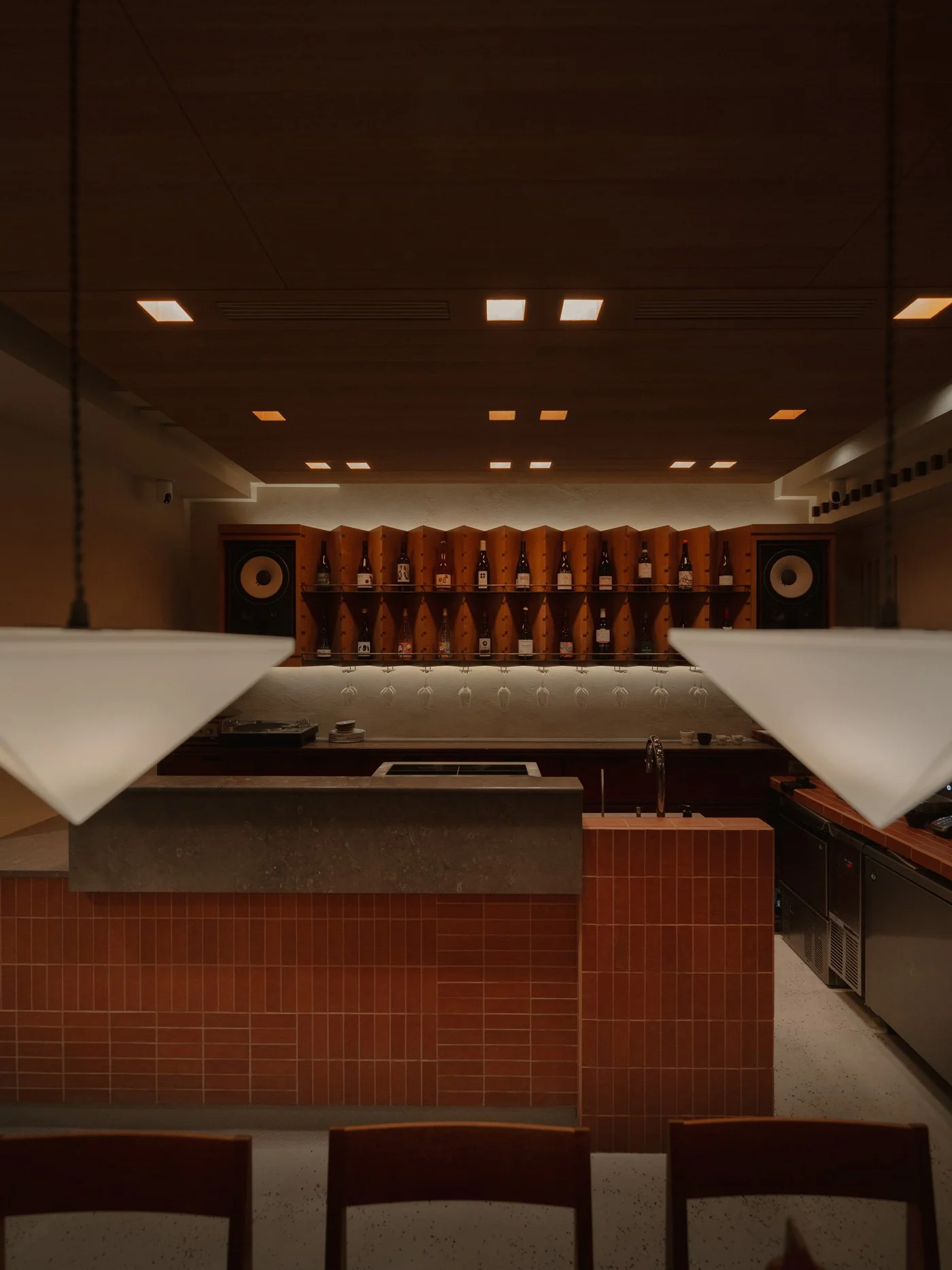
Over the last few years, Guo-Feng has clearly transformed his style beyond the strict simplicity of his early career. He has managed to keep the minimalist aesthetic while infusing it with incredible detail. It’s a delicate balance, but his mastery of proportion ensures that the richness never feels overwhelming. His signature style is now so strong that when you look at a chuxiang design project, it’s unmistakable—you know it’s him at a single glance.
-
Kuo-Feng:
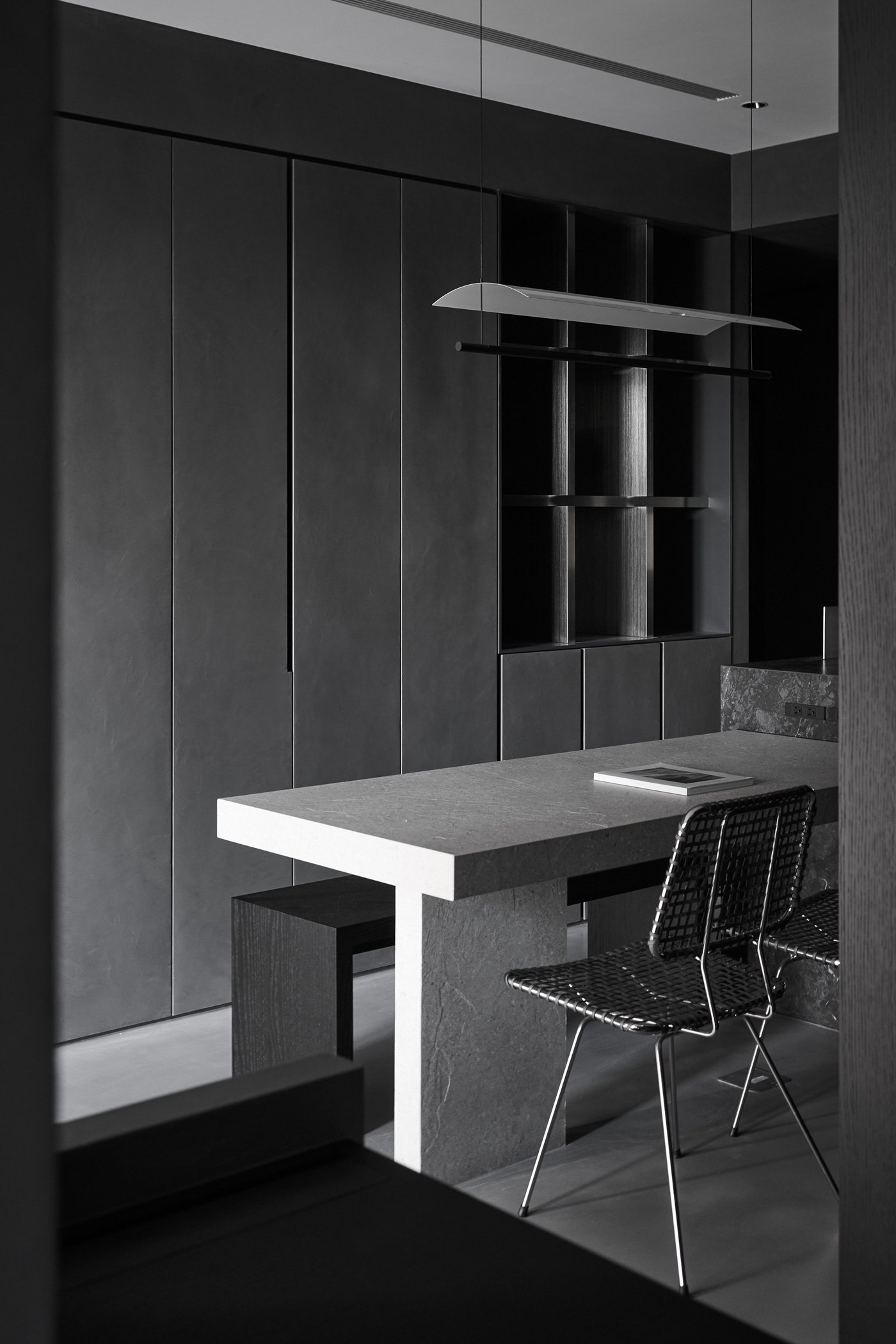
Back when Han and I were at the same company, I noticed a very distinct trait in him: an astonishing obsession with the completeness of a project. Even if the photography budget was insufficient, he was willing to sacrifice his own bonus to rent expensive furniture just to ensure the work was presented perfectly. That drive—sparing no cost for the final effect—made a deep impression on me.In recent years, I feel he has completely found his own voice. His design has high recognizability. I envy Han’s boldness in using "black." Beyond that, his handling of spatial displacement, circulation openings, and shelving details allows him to turn simple lines into something delicate and intriguing.
-
Q: Both of you had stellar performances at the 2025 TID Awards and other competitions. Having reached these milestones, how do you view "winning awards" now?
Han:
Winning awards in recent years has certainly been a milestone, but more than that, I feel a deep sense of gratitude and luck. As I’ve accumulated these experiences, that anxiety and the constant need for validation have gradually faded. They have been replaced by a state of mind that feels much more grounded and settled.Awards have become more of a reminder—a caution not to lose the original intention of human-centric design. Design must ultimately return to the client’s acceptance; we won’t create exaggerated forms just to chase a trophy.
Kuo-Feng:
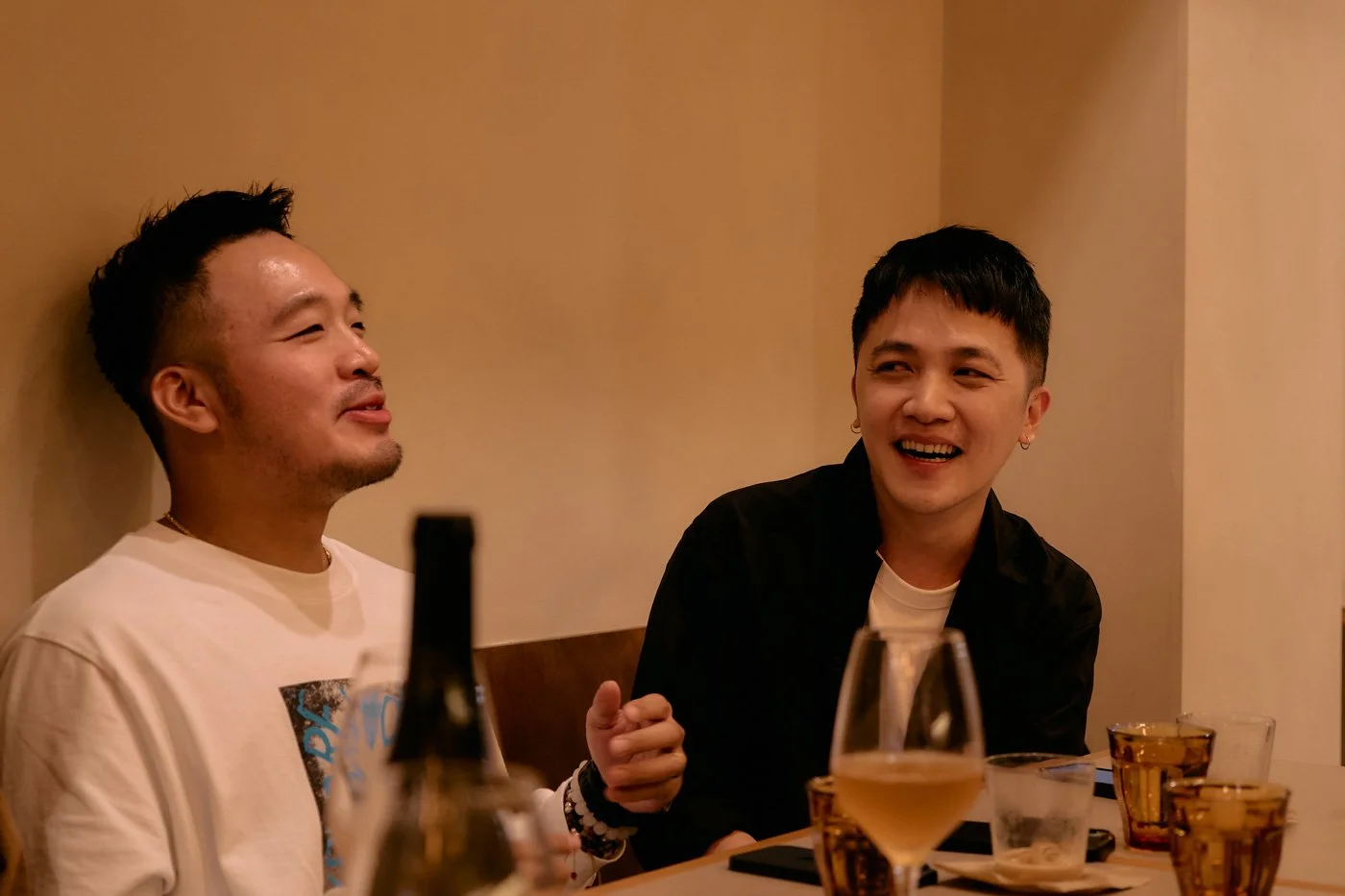
I’ve walked that path of craving awards, too. I know they are high-octane fuel that provides young designers with a sense of achievement. But I’m past the stage of needing to prove myself. Rather than going on stage myself, I care more about whether my colleagues can win, helping them push through the tough bottlenecks of a design career.Interestingly, the day the TID Gold Award was announced, I happened to be in the restroom. I was pushed onto the stage the moment I returned to the venue. My mind was blank; I didn't even realize which project had won. That moment made me realize that more than the award itself, what matters is the feedback during the process, and whether the work holds true meaning for the client and for ourselves.
-
Jamie:
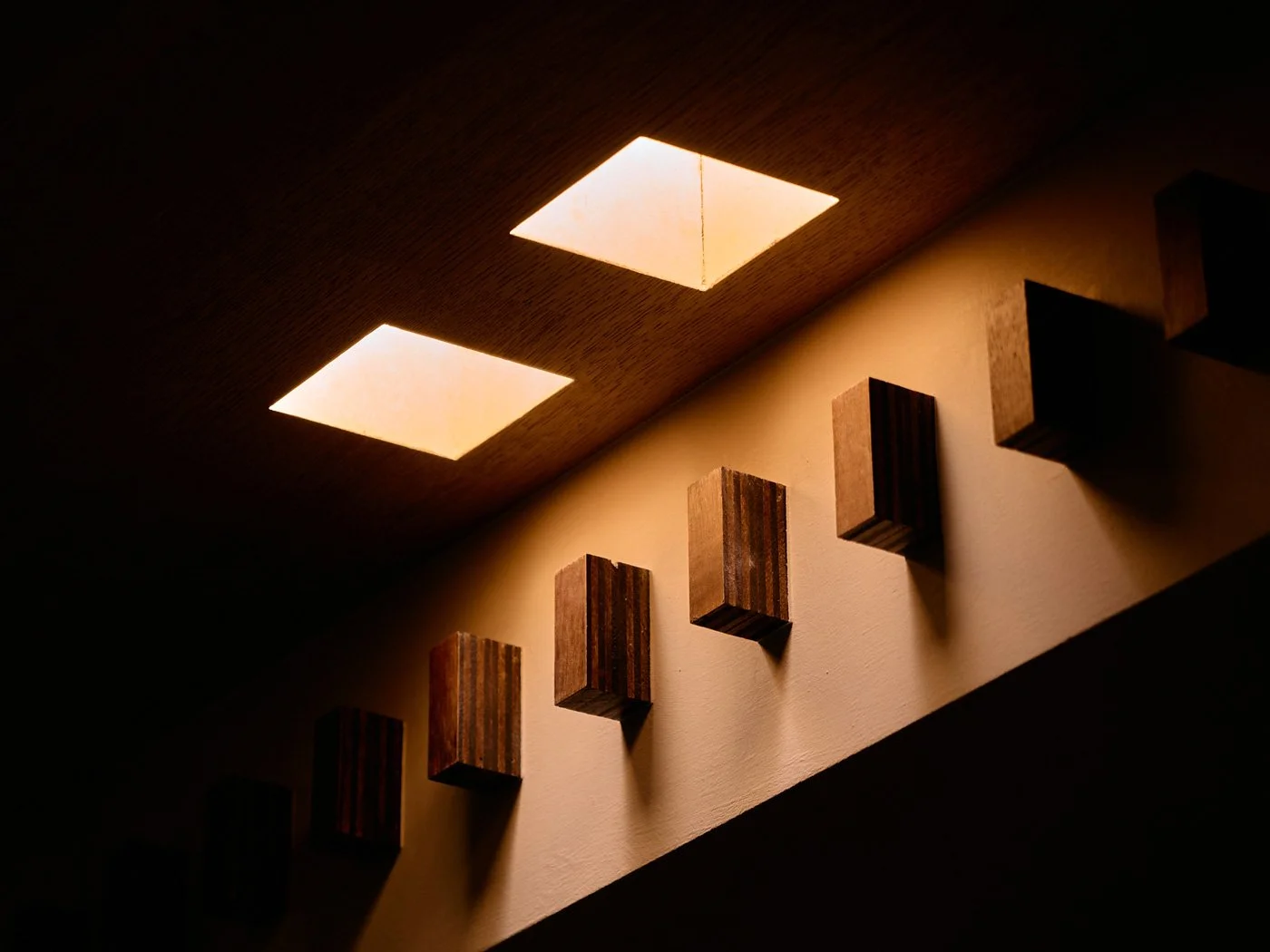
Whether you win or not, luck plays a part. I believe the most important thing is "fighting spirit." If a person keeps doing the same thing with the same mindset but expects a different result, that’s impossible. So, when I see designers changing their angle of thought in response to the times and the users, I know their success is already on the way.In documenting projects, my role is actually like a tour guide. It’s like showing someone around Taipei; we don't need to visit every night market or department store, but rather curate a few distinctive spots we both agree on. The point is for the photos to narrate how the designer solved problems and shifted their thinking. As long as we agree on it and use a genuine method to present the scenes that the designer wants to express—and that move me—then we have the baseline covered. The rest is up to fate.
-
Q: As external recognition grows, so does pressure. How do you balance creative freedom with client expectations or limitations?
Han:
I actually enjoy a certain degree of limitation. Sometimes the fun of design lies in cracking those constraints. If given total freedom, the design can easily become too scattered.I analyze the client’s tone, break down the elements that suit them, and then deepen and fuse those elements. For example, in a small 350-square-foot space, how do you satisfy massive functional needs while retaining the conceptual vision I want to achieve? Successfully cracking those restricting factors brings a huge sense of accomplishment.
Kuo-Feng:
Considering the reality of the business, I always prepare a "safest version" that meets all client requirements. But alongside that, I prepare a "version I want to do." During the proposal, I test the client's boundaries. If I see their eyes light up, I boldly push toward the direction I think is better. But if I sense even a sliver of hesitation or resistance—even a pause of a few seconds—I stop immediately.Jamie:
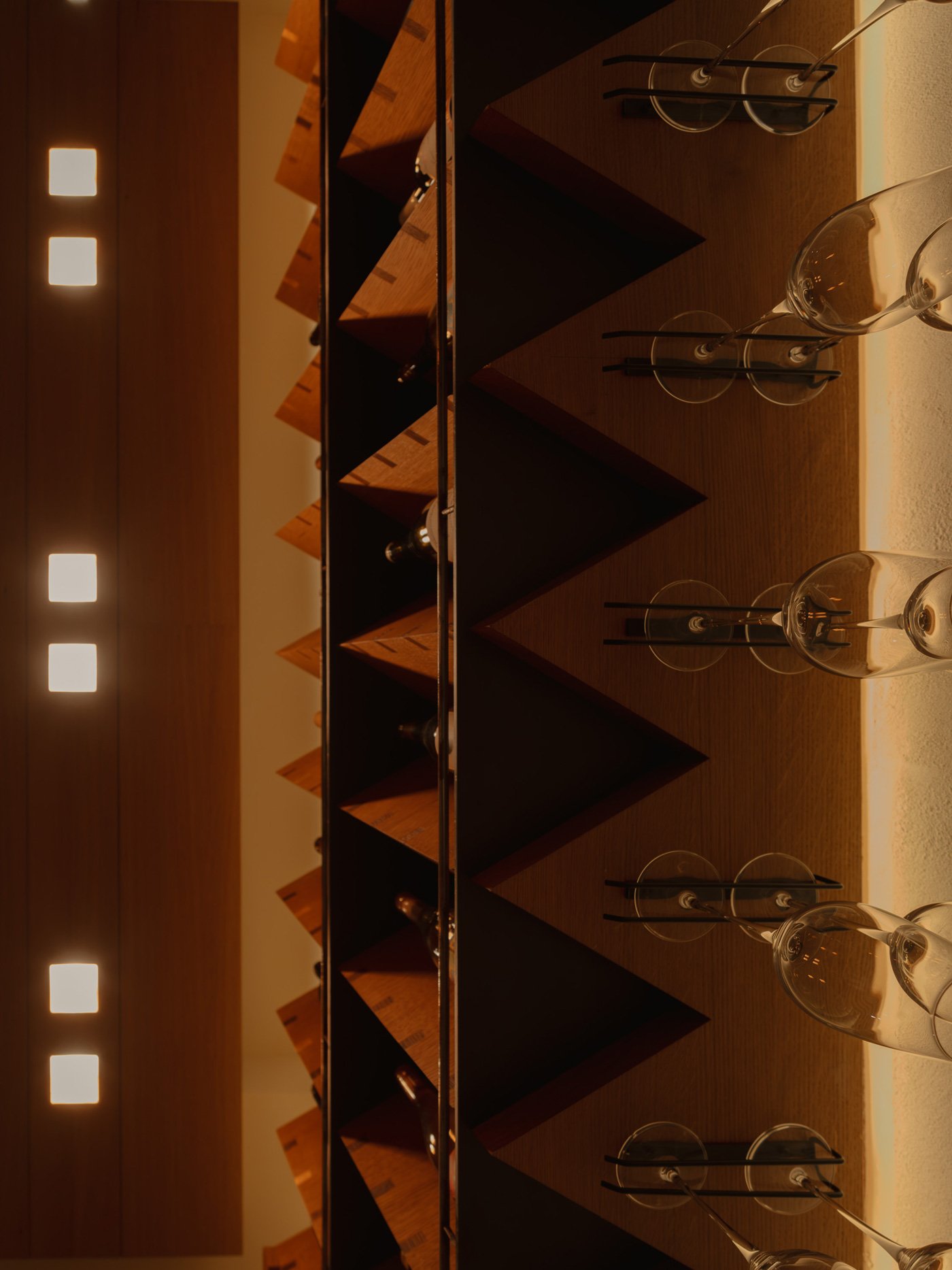
From a photography standpoint, I distinguish between "Direction" and "Restrictions." You can give me a direction (e.g., "This project is about solving the oppressive feel of a small footage"), and that’s good. But don't give too many specific restrictions (e.g., "Must have X wide shots," "Must use X lens," or overly focusing on the function of storage cabinets).Photography shouldn't just record hardware; we want to capture the poetry and sensibility of the space. If there are too many restrictions, the sensory layer gets suffocated. Sometimes, straying from the preset frame captures unexpected surprises and tension.
-
Q: Apart from familiar spaces in Taiwan, you both have experience stepping out of your comfort zones with overseas or remote projects. What cultural shocks did this cross-regional experiment bring you?
Han:
I recently completed a design project in Singapore. That was another major "achievement unlocked" in my life. Initially, I turned it down. Later, because the local architects couldn't understand the details of Taiwanese living habits, causing a communication gap with the client, they approached me again. after much hesitation, I took it on.The execution process was a series of shocks. First was the cultural and linguistic difference in the labor structure. Then came the flip in thinking: "Climate determines design." In the humid, rainy equatorial environment, design had to retreat to its most primitive essence: "Ventilation and Lighting." We had to ensure the circulation and sightlines across three floors were completely connected.
I spent a lot of energy convincing the owner to abandon closed cabinetry in favor of open metalwork and glass shelving. I told them, "Since you have a large garden, you shouldn't block the view with cabinets." Finally, seeing them enjoy the cool draft without turning on the AC—that return to the essence of living—was one of the most precious rewards of this international collaboration.
-
Kuo-Feng:
I previously took on a project in Hong Kong. Although the language is accessible and the living environment is relatively similar to Taiwan, the construction logic was an eye-opener. Hong Kong’s renovation culture is unique; their equipment and materials are highly clustered. If you want tiles, bathroom fixtures, or hardware, they are all concentrated on specific streets—completely different from Taiwan's scattered sourcing habits.The biggest shock was structural concepts. I was startled when I visited the site for supervision. I found their brick-laying method was different from ours. Later I learned that because Hong Kong has almost no earthquakes, their methods differ. For those of us accustomed to Taiwan’s strict seismic regulations, this adaptation to local conditions was an unimaginable cultural shock.
-
Q: In the process of moving forward, do you review past works and reflect?
Han:
I do look back at previous cases and wonder: If I had cast aside certain limitations back then, could the expression have been more experimental or better?But I believe the context of every project is different. The state of the project at that time was the "best state" for that moment. I don’t believe that re-adjusting it now would necessarily surpass the previous version.
Kuo-Feng:
I rarely look at photos of finished works, but I often look at my old proposals. Because we draw 3D renderings for proposals, that stage preserves the purest feeling of the design before budget or reality forced changes. So, I tend to review the designs that didn't get picked or didn't get built.When I do review old works now, it’s usually to show colleagues—to critique what was done poorly and what was done well, using it as teaching material for the team.
Jamie:
I think "revisiting" is very interesting. We mostly shoot spaces right when they are finished. For residences, we rarely get the chance to visit again after some time. So, if there is a chance to revisit, even if it looks different from our initial styling, I find it very evocative.
-
Q: The creative industry isn't always happy. How do the three of you face low points and reignite your passion?
Han:
I have always believed that attitude determines altitude.When I was struggling during the early days of my startup, I often flipped through André Chiang’s 初心 (The Beginner's Mind). I even saved inspirational excerpts in my phone gallery to look at when I couldn't get over a hurdle. Usually, when facing trouble, I force myself to decide on a solution first. Once decided, the thinking stops there; I don't let myself spiral into negative emotions. If the stress is high, I go cycling uphill. Extreme physical exhaustion clears the brain, leaving you with only one thought: "Just pedal this section, then rest." Once you crest the peak, you feel that since you conquered this hill, there’s no obstacle in the world you can’t get past.
Aside from that, I find "one happy thing" in every project. No matter how restricted the framework, as long as I can experiment with a new material or method, I feel happy. That’s how I maintain freshness.
-
Kuo-Feng:
I often reflect on exactly what is making me miserable and write it down honestly. for me, the first rule of survival is simple: Sleep. That is the baseline for maintaining judgment and momentum.Also, I love reading cross-industry books or biographies. Inspiration from other fields is great nourishment—like reading about the thought processes of directors or master cinematographer Mark Lee Ping-Bing. Seeing how masters view creation gives me a fresh desire to try things in my projects.
-
Jamie:
I want to share a sentence that changed me a lot: "Problems are often hiding in the places we don't want to touch."Many sources of stress actually come from avoidance. For example, feeling tension with a colleague or feeling a partner's work isn't up to par—human instinct is to dodge it. But I discovered that problems grow in the places we refuse to touch. Now, whenever I feel uncomfortable about something, I force myself to address it. Since adopting this mindset, I’ve found life has fewer problems. Whether it’s work or family stress, as long as you take the initiative to step forward and make contact, many things resolve themselves smoothly.
-
Q: Your internal organizations have also changed over the years. What adjustments have you made in leading your teams?
Han:
I only took the step to hire employees in 2024, so I’m still figuring out the mode of interaction. Perhaps because my first job involved some difficult experiences, I consciously avoid treating staff in ways I disliked as an employee. Even if a colleague makes a mistake, I lean toward rational communication.Currently, we are trending toward a collaborative design model. I control the general direction and major elevation proportions, then leave space for colleagues to express themselves, and we discuss it together. I always emphasize that we are a team; we handle problems together. I never want colleagues to feel they are fighting a lone battle.
Kuo-Feng:
In the early days of my startup, I was very strict. Later, I realized being too fierce created barriers, but being too casual blurred professional boundaries. Now, I’ve learned to find a stable balance within a relationship of "mutuality." The most important thing I’ve learned in recent years is "don't hold on too tight." I used to feel I had to control every detail, but I gradually realized that the more freedom I give my colleagues, the more brilliant their feedback becomes.Jamie:
Regarding team leadership, my feelings are different now, too. I used to think treating everyone like family was best, but in reality, everyone has a different personality, so you can't generalize. Now, the process of giving commands to AI has taught me that "instructions must be specific." When we apply this logic to team communication—calibrating our tone for different people—the adjusted dialogue is far more precise and effective than simple emotional appeals.
-
Q: What are your new goals and expectations for the next stage?
Han:
Next year, I want to fill the seats in the office. Previously, I was mostly a lone wolf, but with new colleagues joining, that "team feeling" brings a buzz to the workday that I missed from corporate life.On the design front, I want to try more commercial spaces, like cafes or clinics. Residences are extremely private, but commercial spaces reach a broader crowd. I hope my designs can step out of the private realm to be seen by more people and, in turn, influence more people. That sense of achievement is the direction I want to lead the team toward.
Kuo-Feng:
I don't want the company to become a design production line; I hope to preserve the warmth of human interaction. So, for now, I don't plan to expand; keeping it at around 10 people is the limit for balancing emotional connection with work.Previously, my source of stress was whether I could give my colleagues projects that were fun, interesting, and nourishing. I often felt like a mother responsible for finding nutrients. To maintain the team's creative passion, I now want to change tactics and lead them to try hands-on craftsmanship and furniture design. We are already attempting to insert our own designed pieces into projects. In the future, I even dream of opening a furniture store to give our designs a real stage.
攝影|Jamie Lo、Jyun