序章|為什麼我想做 HCS Lab?把「感受」拆解回來的實驗
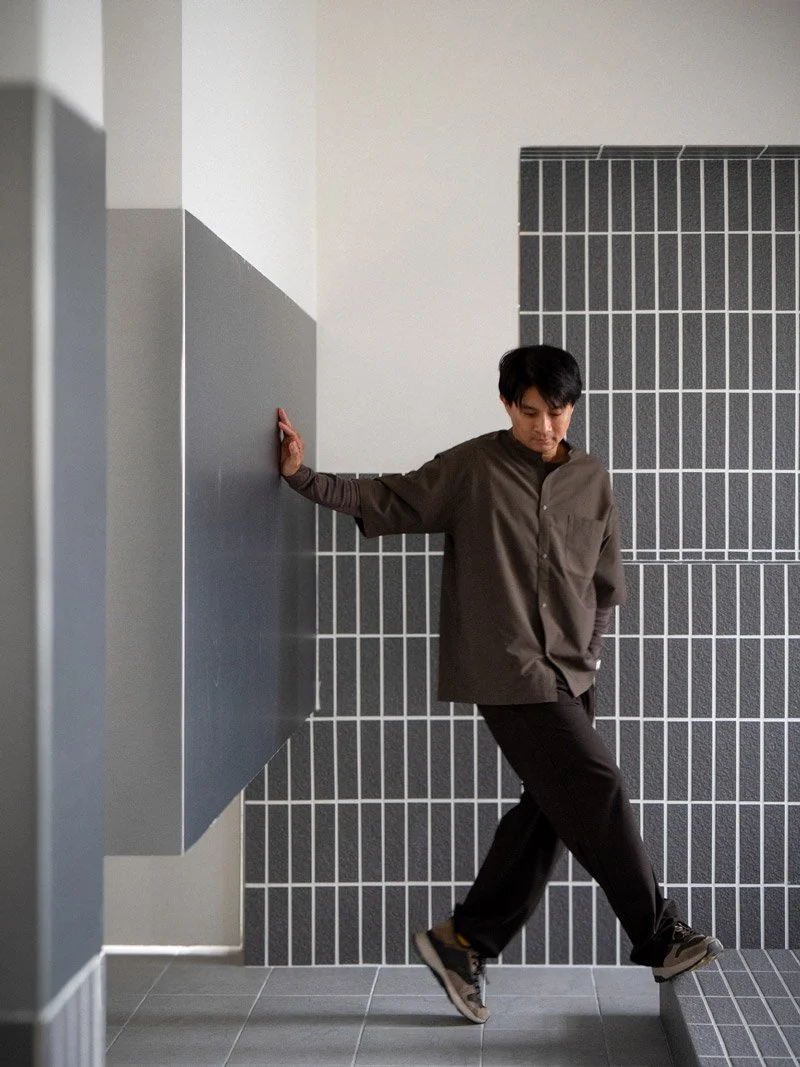
© jamieyelo / HCS
以前聽過一種說法:人的腦袋分成很多個區域,或者說很多個房間,每個區域裝著不同的想法和念頭。有些常被打開,有些一直關著,抑或很久沒被拿出來講。這幾年我心裡始終有這樣的區塊,裝著一些一直存在,可能還沒被說清楚、做出來的構想。
透過 HCS Lab 的形式,我希望把腦袋裡的房間打開,將它們從抽象的念頭,變成具體、可以被看見、被討論的實體樣貌。
大多數時候我們談設計,多半是在談一個空間、談業主的品味,或者談設計師怎麼做設計。這些一直都很重要,我也還是會繼續談。但這幾年,我心裡慢慢長出一個念頭:想往前一步,去談那些「美」與「感受」背後的東西,它們在技術面、在思考面上,到底是怎麼被支撐起來的。這篇想如實地把這些念頭,還有我為什麼想做 HCS Lab 好好闡述。
-
When we used to talk about design, the conversation usually revolved around a physical space, the client’s taste, or the designer’s creative process. These aspects have always been crucial, and I’ll certainly continue exploring them. But over the past few years, a new thought has been quietly taking root in my mind: I want to take a step further. I want to delve into what lies beneath the surface of "beauty" and "feeling"—how they are actually supported on a technical and conceptual level. In this piece, I want to honestly unpack these thoughts and explain exactly why I decided to launch HCS Lab.
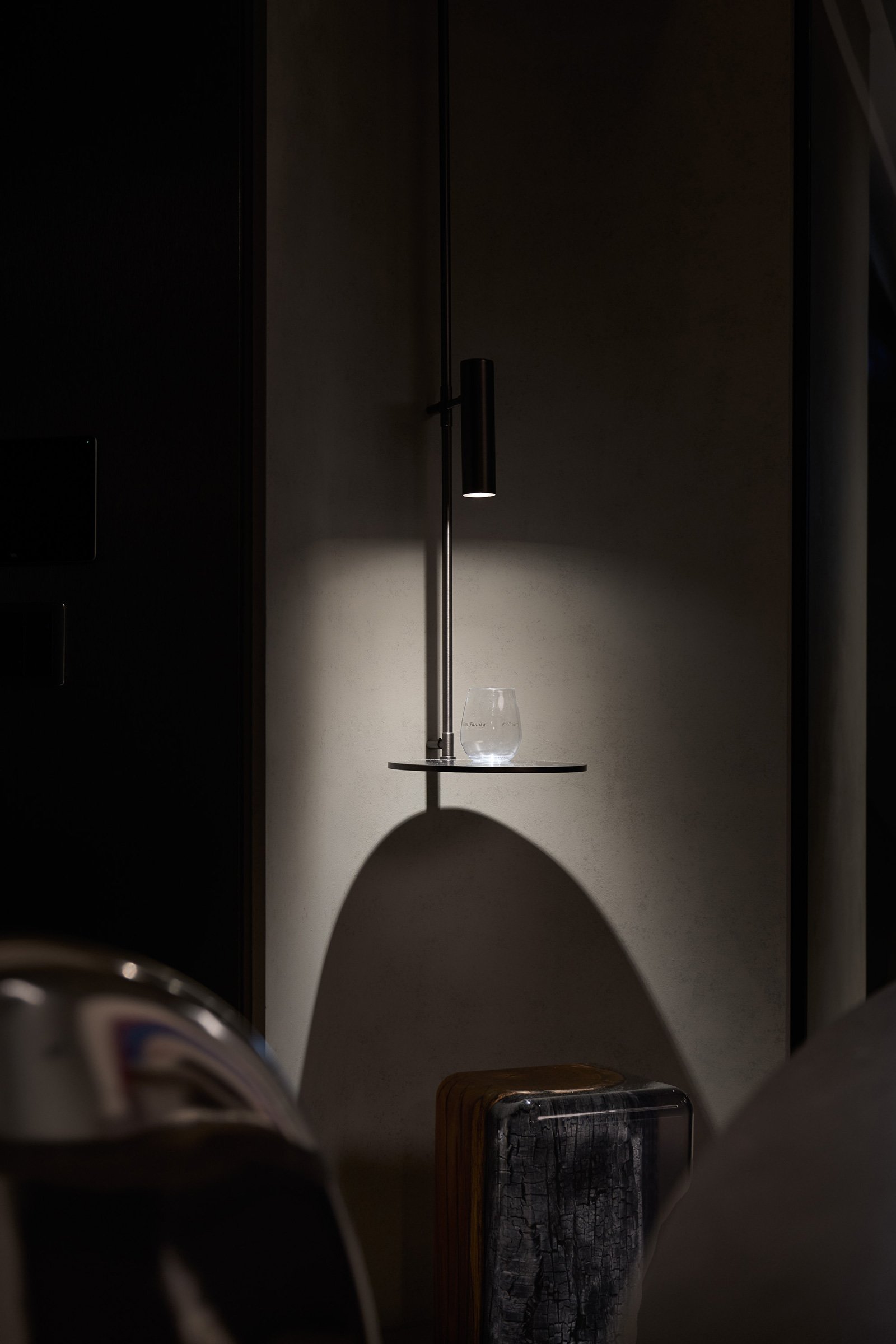
空間|禾邸設計。© jamieyelo / HCS
從感受出發,但想再往深處挖掘
我是從視覺的角色出發的。以前做廣告時當藝術指導,本質上就是拿感受性的東西跟客戶溝通,所以當我們在看設計、看視覺作品時,把眼前的東西轉換成「感受」,一直是我比較擅長的切入點。讀者看我們的影像與報導時,我們也儘量讓照片和文字帶出那種整體的氛圍。
只是做久了,我開始覺得,好像還可以談得更多。這幾年在不同國家、不同的設計裡看得愈多,我愈發現一件事:很多成功案例中反覆出現的手法,一路往根源回溯,其實都是一些很基礎的設計原則在作為它成立的依據。好的設計背後,不是全靠運氣,也不是憑一些虛無的東西堆砌;它是有原則可以被掌握、甚至可以被拆解開來討論的。在我們習慣談的感受之外,還有更深一層的東西,我想試著挖挖看。
-
Starting from Feeling, but Digging Deeper
My roots are in the visual realm. Back when I worked in advertising as an art director, my job was essentially to communicate with clients through feelings and intuition. So, when looking at design or visual works, translating what’s in front of me into an emotional "vibe" has always been my strong suit. When readers look at our photography and articles, we do our best to ensure the images and text convey that overarching atmosphere.
But after doing this for so long, I started to feel like there was more to the conversation. The more I’ve seen of different designs across different countries over the years, the more I’ve realized something: if you trace the recurring techniques in successful projects back to their roots, they are almost always built on fundamental design principles. Good design isn’t just a stroke of luck, nor is it a pile of empty, abstract concepts. It relies on principles that can be grasped, dismantled, and discussed. Beyond the subjective feelings we’re so used to talking about, there’s a deeper layer at work, and I want to try digging into it.
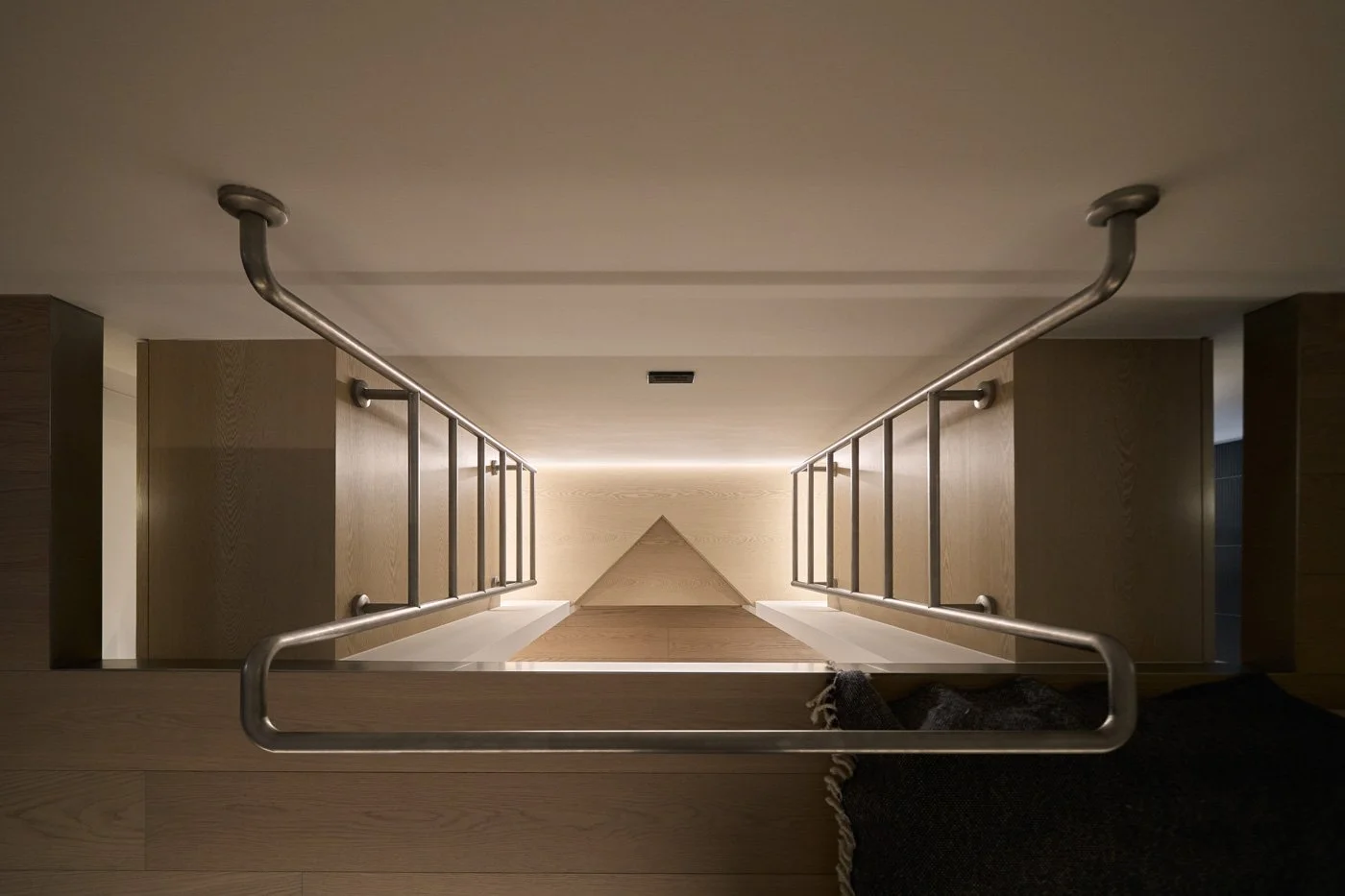
空間|倆兩設計。© jamieyelo / HCS
美學與技術,都可以被分享
我剛入行的時候,遇過很多習慣「留一手」的前輩。這件事沒有絕對的對錯,每個人在工作裡都需要有自己贏過別人的地方,我完全能理解。但我想做的剛好反過來:透過分享,傳授給更多人。因為當大家把最基本的東西學起來、有了基本的感受之後,我們才有辦法一起去做更深層、更好的設計與溝通。
這有點像國外的美學環境。因為底子已經被教育到一個水準,你隨手亂買亂配,其實也不太會難看,那個底子是長久被累積出來的。美學裡的比例、原則,完全可以攤開來分享,不需要「這個我不教你,反正我做起來就好看」。技術面也一樣:我遇過的絕大多數職人,木工、鐵工、機電,他們身上累積了非常多長期的經驗,而且是願意、也可以透過分享傳授出去的。這次的經驗更讓我確定了這件事。
-
Aesthetics and Technique Can Both Be Shared
When I first entered the industry, I met many veterans who made a habit of "holding a little something back." There’s no absolute right or wrong here—everyone needs a competitive edge in their career, and I completely understand that. But I want to do the exact opposite: I want to pass knowledge on to more people through sharing. Because only when everyone grasps the fundamentals and develops a baseline sense of aesthetics can we collectively create deeper, better designs and foster higher-level conversations.
It’s a bit like the aesthetic environment in some other countries. Because the cultural baseline has been educated to a certain standard, even if you buy and mix things at random, it rarely looks awful. That foundation is the result of long-term accumulation. The proportions and principles of aesthetics can absolutely be laid bare and shared; there’s no need for the attitude of, "I’m not teaching you this, just know that when I do it, it looks good." The same goes for the technical side. The vast majority of craftsmen I’ve met—carpenters, metalworkers, mechanical and electrical engineers—have accumulated a wealth of experience over the years, and they are both willing and able to share it. My recent experiences have only cemented this belief.
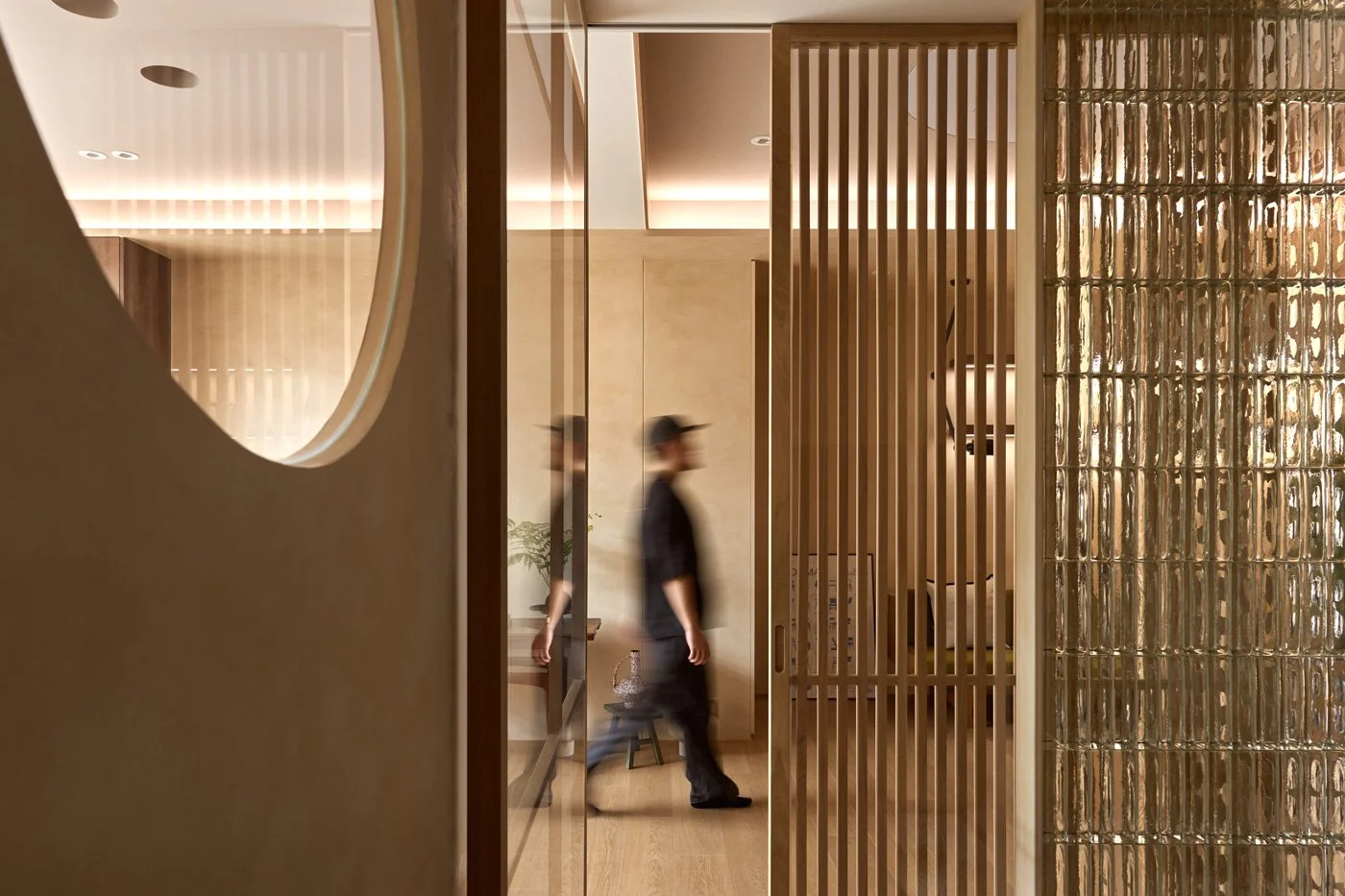
空間|巢空間室內設計。© jamieyelo / HCS
為什麼叫「Lab」
Lab 對我來說,是一個實驗性的地方。它可能有很多失敗的契機,但也可能締造前所未有的成功。在 Lab 裡實驗的東西,不見得要大量生產,也不見得有明確的經濟價值在驅動;它可能只是為了解決某個問題、回應某個議題而做。但正是這樣的東西,反而有機會鬆動業界一些既有的思維。
這對我來說也是很新的東西。所以它是實驗,是邊做邊調整的。我在做的過程,也會一直問自己:這個東西有沒有延續性?大家聽了會不會有興趣?把它歸在「Lab」這個字底下,即是因為它還不確定,它是我們跟一群志同道合的人一起做實驗,把那些原本模糊的東西,慢慢界定出來、定義出來;然後有朝一日,這些東西是大家也能應用、在市場上常常看到並被實現的。
-
Why Call It a "Lab"?
To me, a "Lab" represents an experimental space. It’s a place ripe with opportunities for failure, but also the potential for unprecedented success. The things we experiment with in a Lab don't necessarily have to be mass-produced, nor do they need to be driven by clear economic value. They might simply exist to solve a specific problem or respond to a particular issue. Yet, it is precisely these kinds of endeavors that have the power to shake up the established mindset within the industry.
This is all very new to me as well. Because it’s an experiment, we are adjusting as we go. Along the way, I constantly ask myself: Is this sustainable? Will people find this interesting? Grouping these efforts under the word "Lab" acknowledges this uncertainty. It means we are experimenting alongside a group of like-minded people, slowly defining and bringing clarity to things that were once vague. The hope is that one day, these concepts will become practical tools that everyone can apply, frequently seen and realized in the broader market.
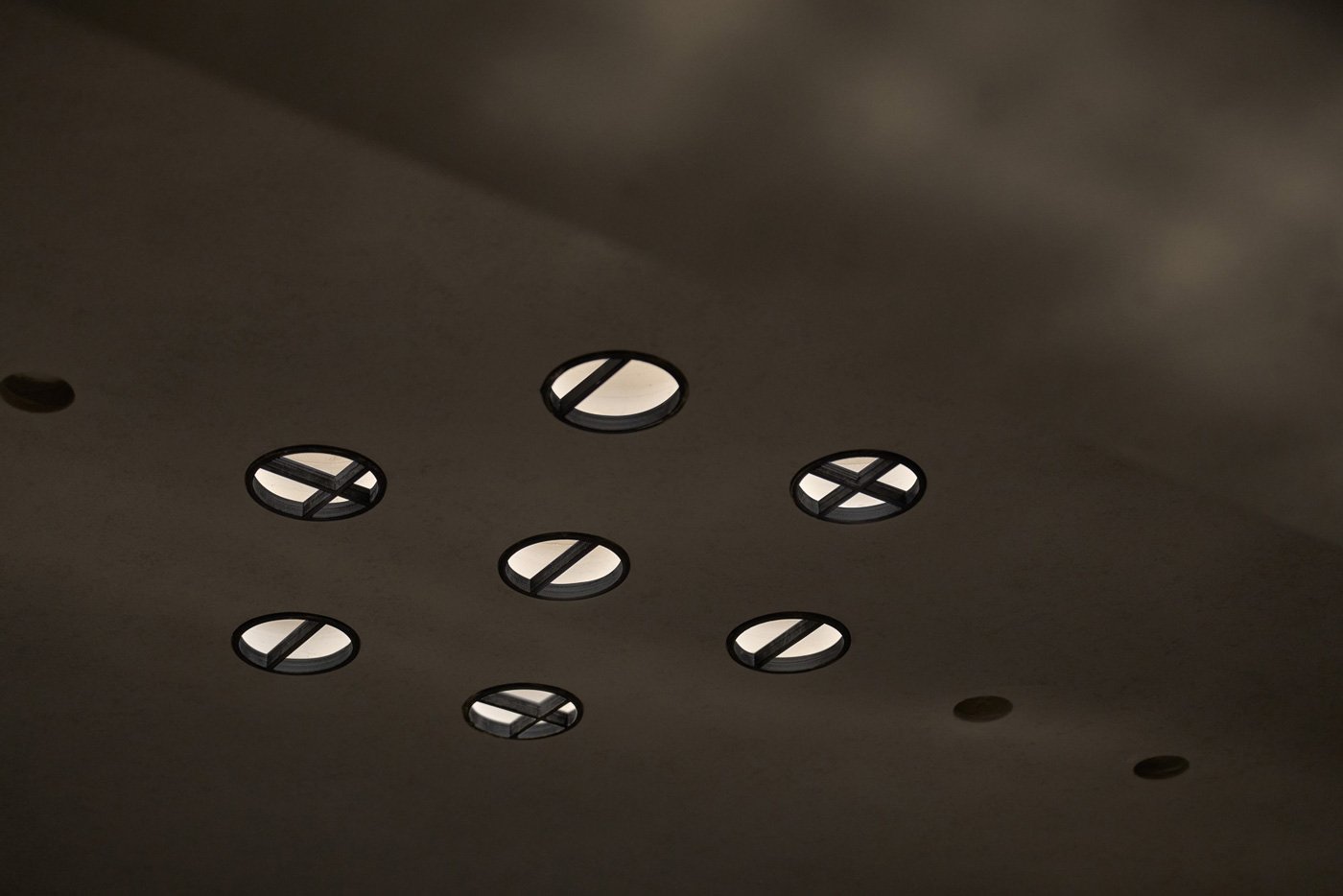
空間|禾邸設計。© jamieyelo / HCS
一個多贏的方向
我會去挖掘這些議題,很多是因為設計「落地」之後的調整。設計本來就需要因地制宜,真正在落地的人,接手國外設計的在地設計師、把圖做出來的工程人員,一定會因為現場條件去做調整。而我發現,如果這個調整做得到位,使用的人覺得舒服,業主更好維護、更省電、更永續,這是一個多贏的局面。我想探討的就是這類議題:能不能不只是消費者贏,而是業主、工程人員也贏?
每個設計都不一樣,但大概跳脫不出一些基本的層次:從建築體開始,再來是水、電、管線這些機電,有點像人的骨骼、血管長好之後,上面才有肉、有筋,然後才是面板、毛髮,一層一層長上去。大型的案子絕對不是一組師傅能完成的。就算一間小套房,也是從設計、拆除、泥作、水電、木作、燈具、軟裝到陳列,很多工種在配合,中間有太多「交接面」,而這些交接面非常重要。換成一整間旅館、一座購物中心,跨的領域更廣,兩個東西要結合的時候,中間那個「介質」就變得格外關鍵。
HCS Lab 想做的,就是把這些談出來、讓大家看見。也許談的不是絕對的解答,但可以呈現:這件事在落地的時候,是怎麼被解決的?用了什麼方法克服問題?以及因此培養出來的思維與溝通的技術。
-
Benefiting Everyone Involved
A big reason I dig into these topics stems from the adjustments made when a design actually "lands" in reality. Design inherently requires adaptation to local contexts. The people bringing the design to life—whether it's local designers adapting a foreign concept or the engineers turning blueprints into reality—will inevitably have to make tweaks based on on-site conditions. I’ve found that if these adjustments are done right, the end-user feels comfortable, the property is easier for the owner to maintain, and the building is more energy-efficient and sustainable. It’s a win-win-win situation. These are exactly the kinds of topics I want to explore: Can we create a scenario where it’s not just the consumer who wins, but the client and the engineers too?
Every design is unique, but they generally follow the same basic hierarchy: starting with the architecture, moving on to the mechanical, electrical, and plumbing (MEP) systems. It’s much like a human body—once the bones and blood vessels are formed, the muscles and tendons grow over them, followed by the skin and hair, building up layer by layer. Large-scale projects are absolutely not something a single crew can complete. Even for a small studio apartment, you have design, demolition, masonry, plumbing, electrical, carpentry, lighting, soft furnishings, and styling. It requires the coordination of many different trades, which creates numerous "interfaces" or handover points—and these interfaces are incredibly crucial. Scale that up to an entire hotel or a shopping mall, and the disciplines span even wider. When two different elements need to merge, the "medium" bridging them becomes exceptionally critical.
What HCS Lab wants to do is bring these conversations to light. We might not be offering absolute answers, but we can showcase how things are actually resolved on the ground. What methods were used to overcome a problem? And what kind of thinking and communication skills were cultivated as a result?
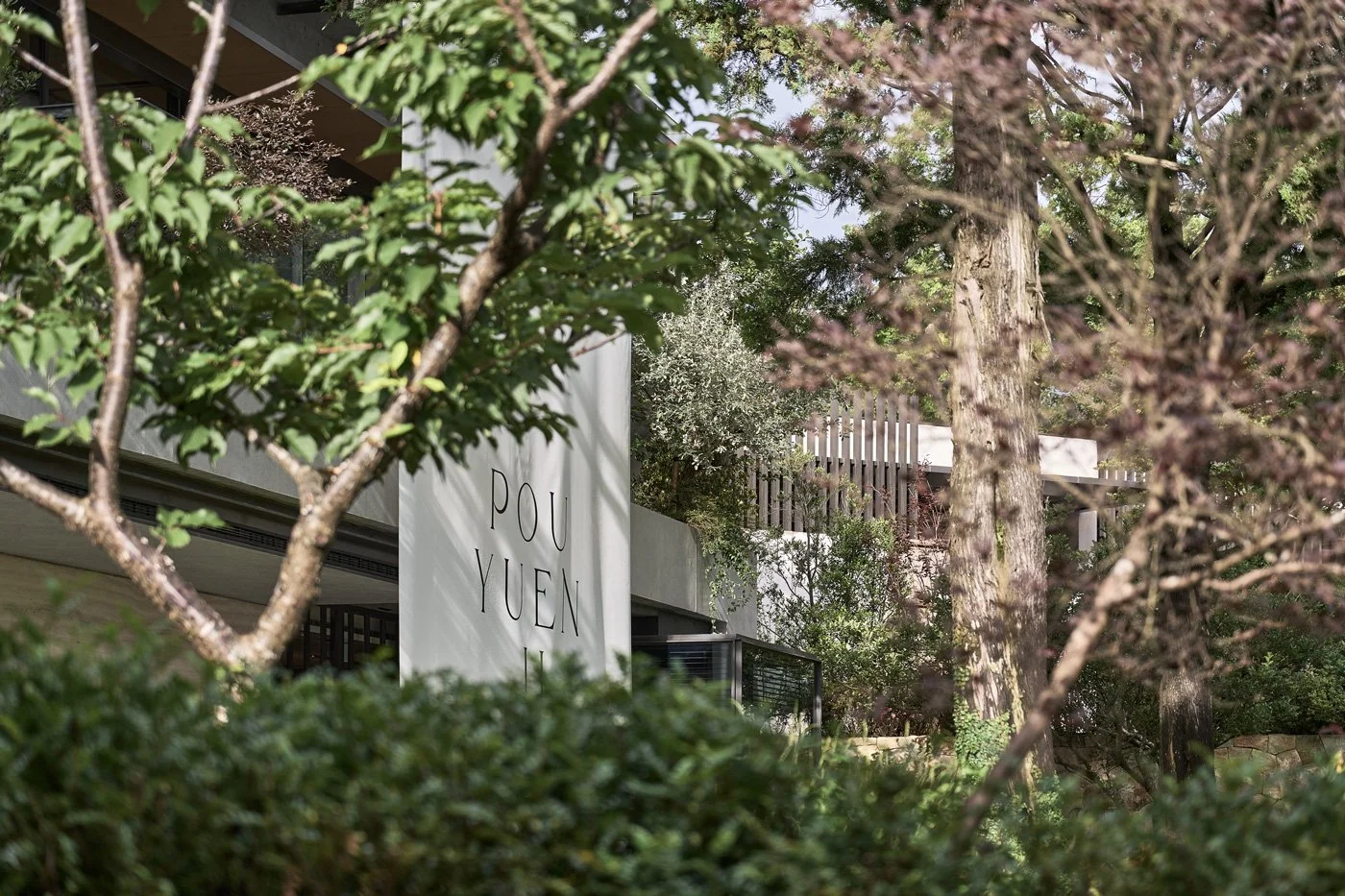
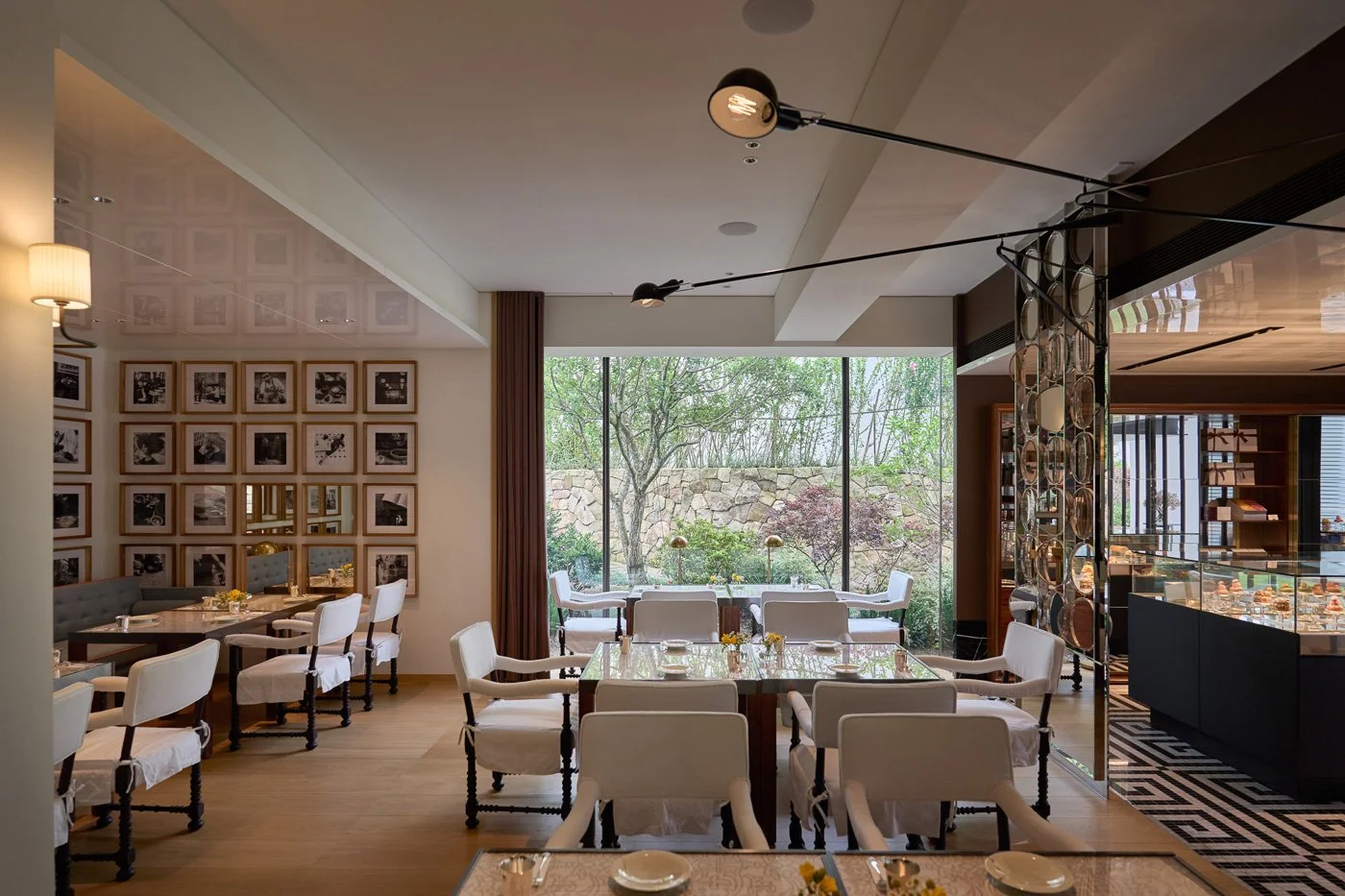
寶元紀之丘 — 國際設計大師季裕棠(Tony Chi)在台灣經由寬玠設計落地執行的精彩範例。© jamieyelo / HCS
© jamieyelo / HCS
用反向工程,把「感受」拆回來
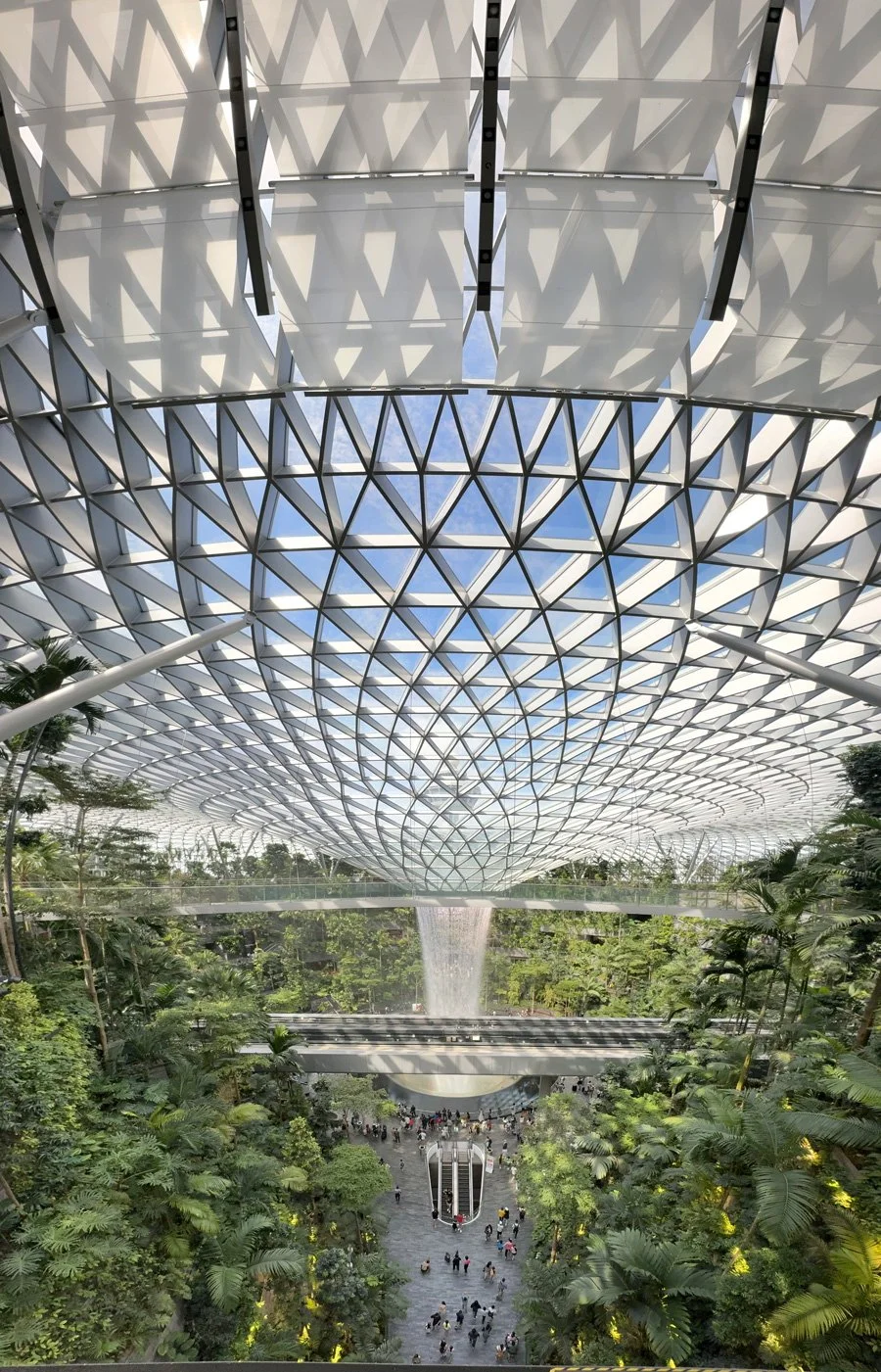
我傾向從實際的案例切入。像新加坡樟宜機場那個瀑布,很多時候我們看到某個東西會忍不住讚嘆:「怎麼會有人可以這樣做?它到底結合了多少東西在裡面?」如果可以用反向工程的方式回推,先讓大家有很好的感受,再進一步探討這些感受是怎麼被營造出來的,我覺得會很有意思。
所以我會找大家真的去過、能親身體會的案例,然後找有做過工程的人來談:為什麼會這樣做?為什麼這是好方法?如果有更好的做法,又可以怎麼做?不一定要是實際執行這個案子的工班,也可以是這個領域裡其他的職人。這些討論同時也帶出了:這件事到底創造了什麼價值。
-
Reverse-Engineering the "Feeling"
I prefer to tackle this through real-world case studies. Take the indoor waterfall at Singapore’s Changi Airport, for example. So often, we look at something like that and can't help but marvel, "How did someone pull this off? Just how many different elements are integrated into this?" I think it would be fascinating to use a reverse-engineering approach: first, let people experience the awe and the feeling, and then dive into exactly how that feeling was constructed.
That’s why I plan to focus on places people have actually visited and experienced firsthand. Then, I’ll invite engineering professionals to discuss it: Why was it done this way? Why is this a good method? If there’s a better way, what would it look like? The guests don’t necessarily have to be the exact crew who worked on that specific project; they could be other skilled craftsmen in the same field. These discussions naturally lead us to the ultimate question: What exact value did this endeavor create?
I want to be completely honest here: recently, I’ve been chatting with some highly specialized professionals. Given my background, I certainly wouldn't call myself a technical expert, though I’ve seen, heard, and understood quite a bit over the years. Yet, sometimes the things they talk about are so dense that even I find them hard to grasp. And that’s okay. In fact, it clarifies my role: to act as a translator. My job is to distill these concepts into content the general public can digest—avoiding overly niche or academic jargon, and instead breaking things down to highlight why they matter and the underlying patterns behind them.
這裡我也想老實說:前一陣子跟一些很專業的人聊,以我自己的理解,我大概算是稱不上專業技術人員,但聽過、看過、了解的東西已經蠻多了。可是有時他們講的東西,連我都覺得艱深難懂。這沒關係,反而讓我更清楚自己該站的位置:把這些東西轉化成一般人也能吸收的內容,不講得太冷門、太學術,而是拆解成大家能理解的重要性與背後的模式。
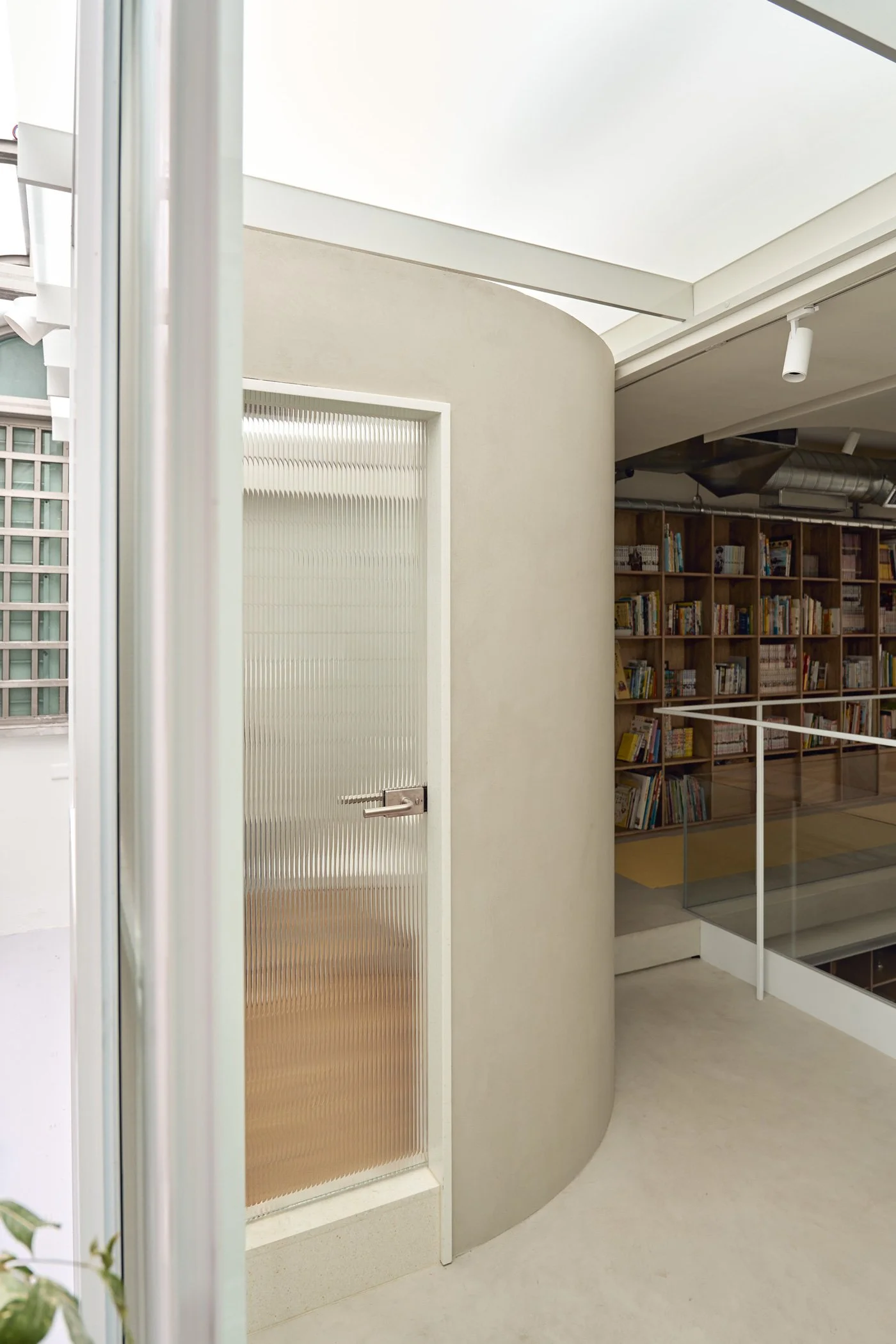
希望藉由 HCS Lab 打開一扇通往另一層知識和討論的大門。空間|合風蒼飛設計。© jamieyelo / HCS
從大看小
我覺得從「大」往「小」挖,脈絡反而比較清楚。這可能跟我拍照的經驗有關:相機品牌的旗艦機種有最好的性能,這些東西在旗艦上被實現之後,會慢慢下放到二線、三線,直到一般消費機種。今年可能只有頂級案子才用得到的做法,十年後很可能就是大家日常的標準,所以談這些事情的時候,可以用一種比較縱觀的眼光去看。
就像攝影。十幾年前,你手上有一台單眼可能就被叫做大師,因為門檻高。可是當門檻被科技一一克服之後,大家拿著手機就能拍菜、拍小孩、拍空間,攝影這個產業不是「沒有門檻」了,而是即便我不是專業人士,我也能享受它帶給我的樂趣。我覺得設計這件事,在這個時代,也走到了同樣的位置。
以前很多人會覺得,蓋房子、做設計是很遠、很冷的事,不知道怎麼跟設計師溝通、不知道怎麼看。但現在這些東西沒有那麼遙遠了。這樣就能有更多的 player 加入,不一定是從業人員,就像在場邊看球的人也是產業的一部分。球類產業之所以興盛,正是因為觀眾多,才會活絡。我想找到一個能讓大家有凝聚力的主題,把設計變得好理解、容易入手、貼近生活。因為我們之所以覺得它遠,往往只是因為不懂,或者太多人替它設了一道門檻。
-
Looking from the Macro to the Micro
I’ve found that digging from the "macro" down to the "micro" often makes the context much clearer. This perspective probably stems from my background in photography. A camera brand’s flagship model always features the cutting-edge specs. Once those features are perfected on the flagship, they slowly trickle down to second- and third-tier models, eventually reaching standard consumer cameras. The construction methods reserved for top-tier luxury projects this year will very likely become the everyday standard a decade from now. So, when discussing these topics, it pays to take a more sweeping, macroscopic view.
Just look at photography. A decade or two ago, simply holding a DSLR might have earned you the title of "master" because the barrier to entry was so high. But as technology has systematically dismantled those barriers, everyone can now whip out their phones to shoot their food, their kids, or beautiful spaces. It’s not that the photography industry "has no barriers" anymore; rather, it’s that even non-professionals can now enjoy the fun it brings. I believe that in this day and age, the world of design has arrived at that exact same juncture.
In the past, many people felt that building a house or doing interior design was distant and cold. They didn’t know how to evaluate it or how to communicate with designers. But these things aren't so remote anymore. This accessibility allows more "players" to join the game. They don’t have to be industry professionals; just like fans watching from the sidelines are a crucial part of the sports industry. A sport thrives precisely because it has a massive, engaged audience. I want to find unifying themes that make design easy to understand, accessible, and relatable to everyday life. Because the only reason we think design is out of reach is often just because we don't understand it, or because too many gatekeepers have placed a threshold in front of it.
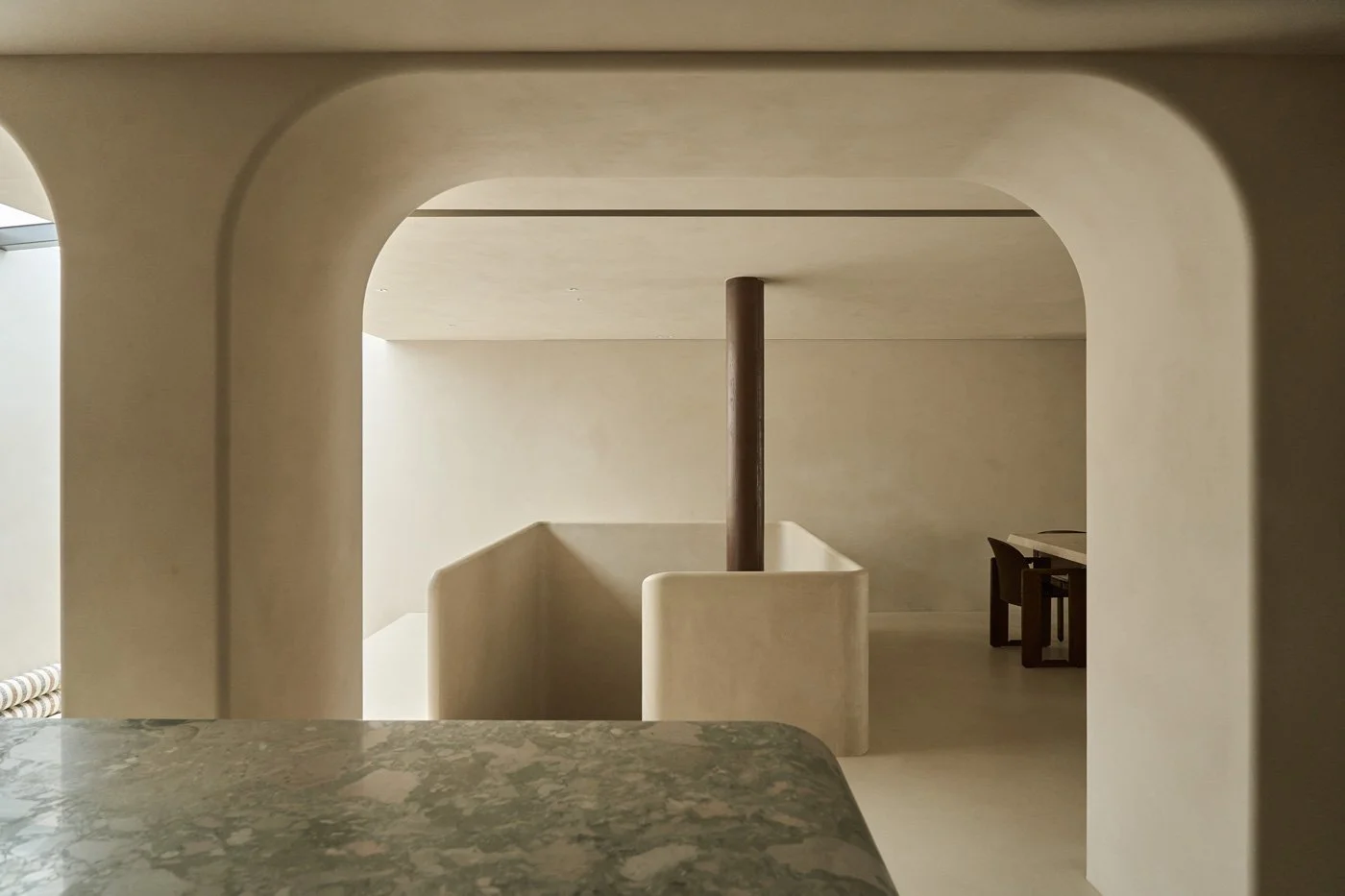
空間|和和設計。© jamieyelo / HCS
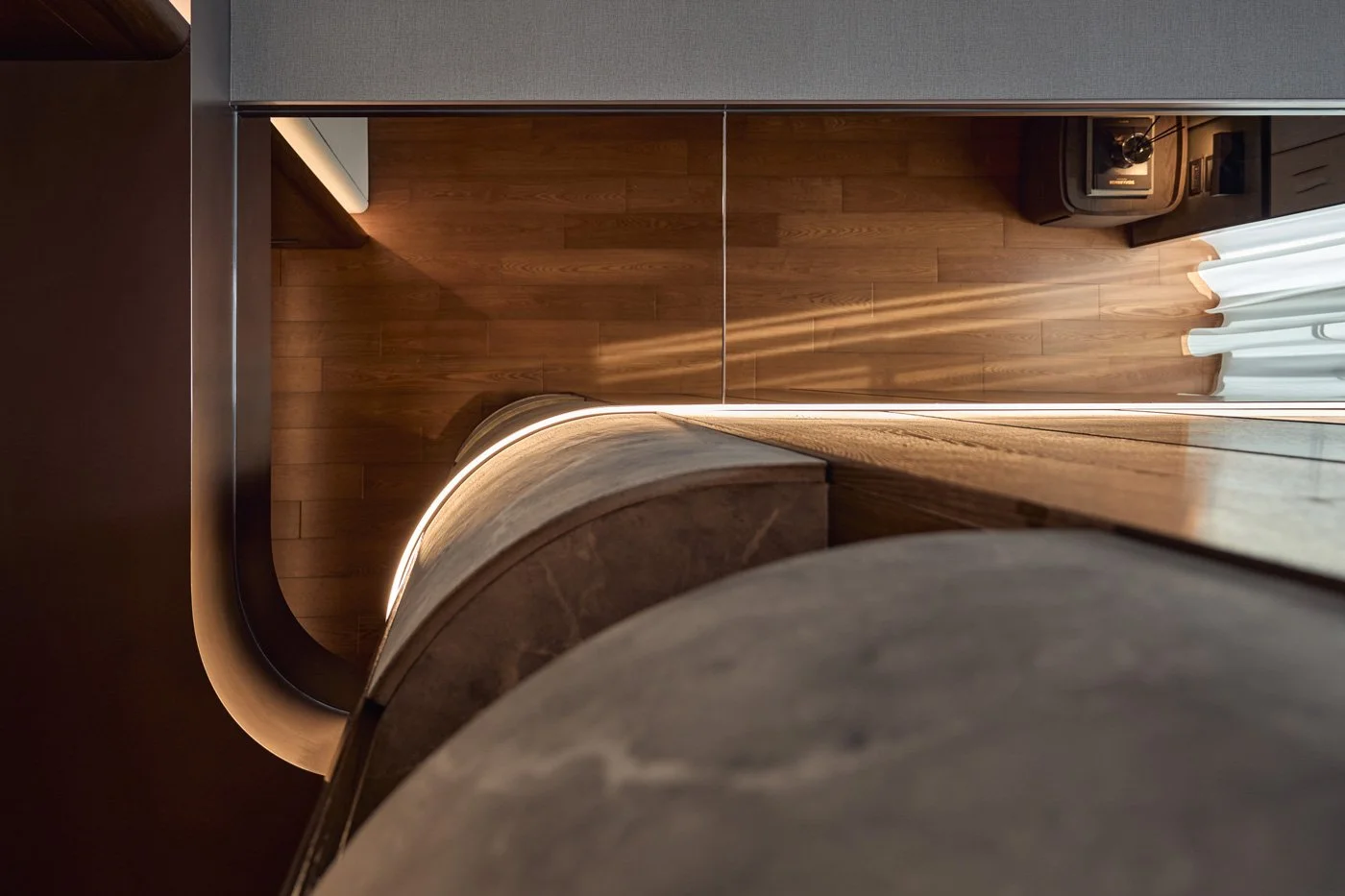
空間|以形造境。© jamieyelo / HCS
把它做成能長期存在的東西
這幾年 Hey!Cheese 一直在往上爬、一直開創,但一直開創之後,總要學會收斂,把做到很好狀態的東西定下來,變成一個正規的單元,讓大家可以好好享受它的後續影響。HCS Lab 對我來說就是這種可以延續下去的東西:只要持續有好的案例、好的說故事的人進來,它就有機會慢慢變成一個像 archive 一樣的資料庫,一個大家會想來看東西的平台,即使我本人抽離,這件事還是會繼續存在。
當然,做這件事一定會遇到「不方便講」的東西。那些不能講的,我們也會好好尊重每一位願意跟我們分享的人;除此之外,可以聊的還非常多,並不會因為這樣就少掉多少議題。
-
Building Something Built to Last
Over the past few years, Hey!Cheese has been constantly climbing and innovating. But after relentless expansion, you eventually have to learn how to converge—to anchor the things you’ve perfected, turn them into a formalized structure, and let people truly enjoy the lasting impact they create. For me, HCS Lab is exactly this kind of enduring entity. As long as we keep bringing in great case studies and compelling storytellers, it has the potential to slowly evolve into a rich archive, a platform people actively seek out for inspiration. It’s something that will continue to exist and thrive, even if I were to step away from it.
Of course, undertaking this means we will inevitably run into things that are "inconvenient to disclose." We will fiercely respect the boundaries of anyone willing to share their insights with us regarding what stays off the record. But even then, there is still an abundance of material left to discuss. Our well of topics is far from running dry.
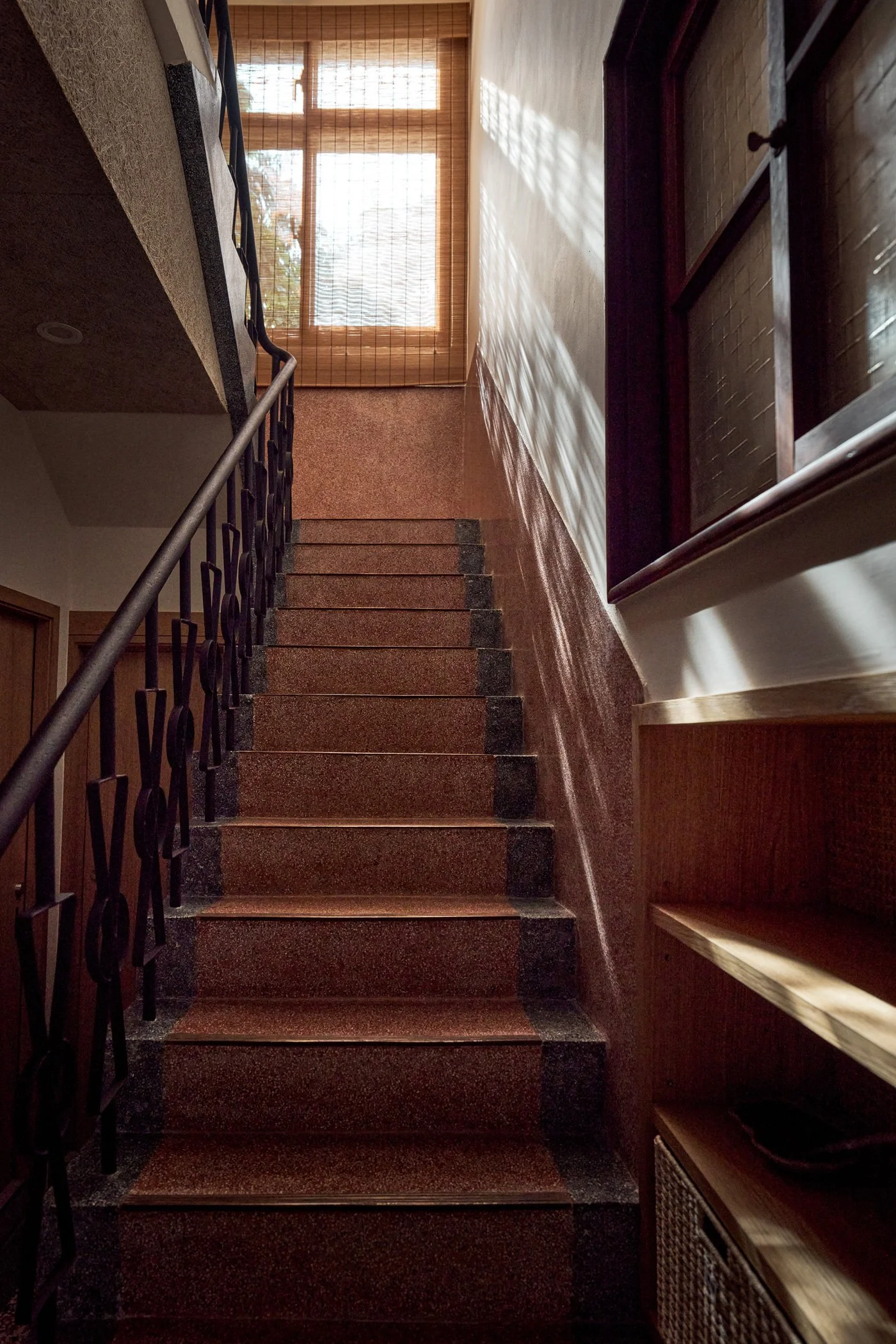
「一閑間」民宿|可設計。© jamieyelo / HCS
最後我想說的是,我並不覺得這件事只能由我獨家去做。這剛好是我們手上有資源,可以拋磚引玉,先把它丟出來讓大家一起做。如果以後有很多人也想做我們現在在做的事,我反而覺得很好,把整件事情活絡起來,對大家都有好處。
謝謝這次願意坐下來跟我們聊的每一位。這就是我想做 HCS Lab 的原因。
而第一站,我們去了台中的縵和旅居,一間只有十八個房間、由業主一個人從無到有蓋起來的旅店。那裡發生的事,我們下一篇見。
-
Ultimately, I want to emphasize that I don’t believe this is something only I hold the exclusive right to do. We just happen to have the resources on hand to get the ball rolling, putting these ideas out there so we can all build on them together. If down the line, many others decide they want to do exactly what we are doing now, I would actually welcome it. Energizing the entire industry benefits everyone.
Thank you to everyone who has been willing to sit down and chat with us so far. This is exactly why I wanted to create HCS Lab.
For our first stop, we headed to Manhe Retreat (縵和旅居) in Taichung—a boutique hotel with just eighteen rooms, built entirely from scratch by the owner alone. As for what happened there, I’ll see you in the next article.