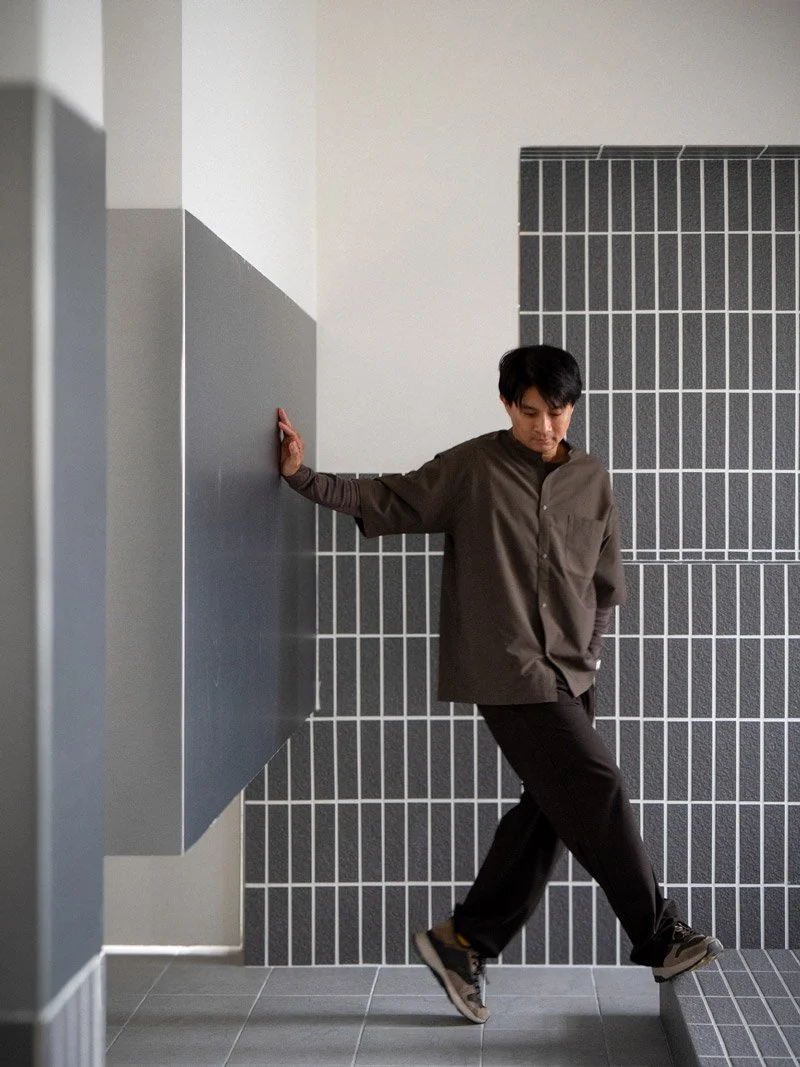
HCS Lab #01|沒被拍進照片裡的人 —— 走進「縵和旅居」,一場關於感受與判斷的觀察
-
The success or failure of a space is often determined by the people who never make it into the photographs.
This was the thought I carried with me as we launched HCS Lab. When design media review a hotel, the lens typically focuses on the owner's taste and the designer's execution. Both are undoubtedly important, but this time, I wanted to ask an additional question: who makes the crucial decisions that never get written about?
So, we brought together the owner, alongside friends with backgrounds in design, MEP (mechanical, electrical, and plumbing) engineering, and project management. We sat down to examine the same hotel through our respective professional lenses. This was HCS Lab's first exercise, and the true starting point of this series.
Taichung. Manho Hotel. We checked in on the first afternoon, spent the next morning observing and photographing, and didn't formally sit down to talk until the afternoon of our second day.
© jamieyelo / HCS
轉進巷子的那一刻
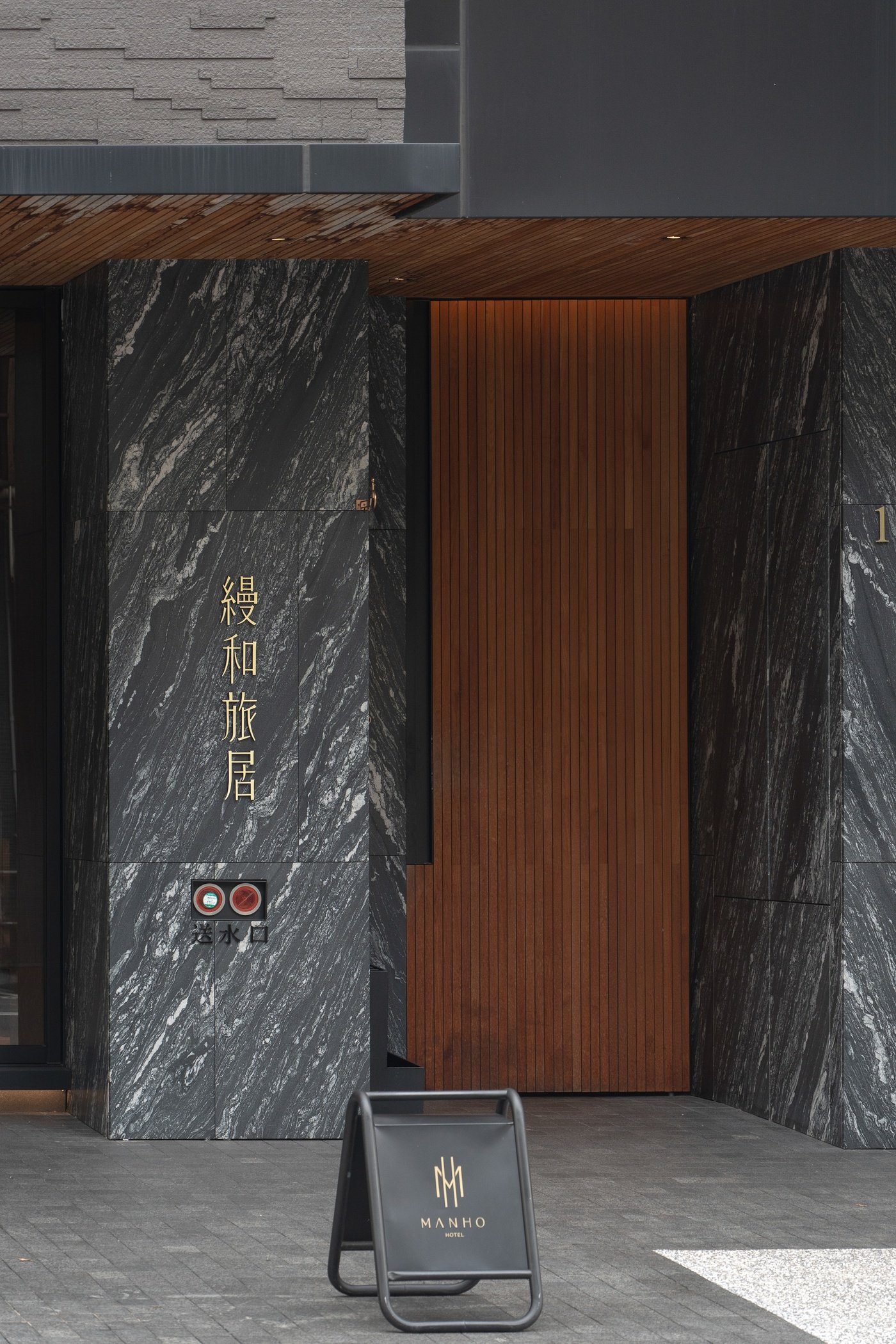
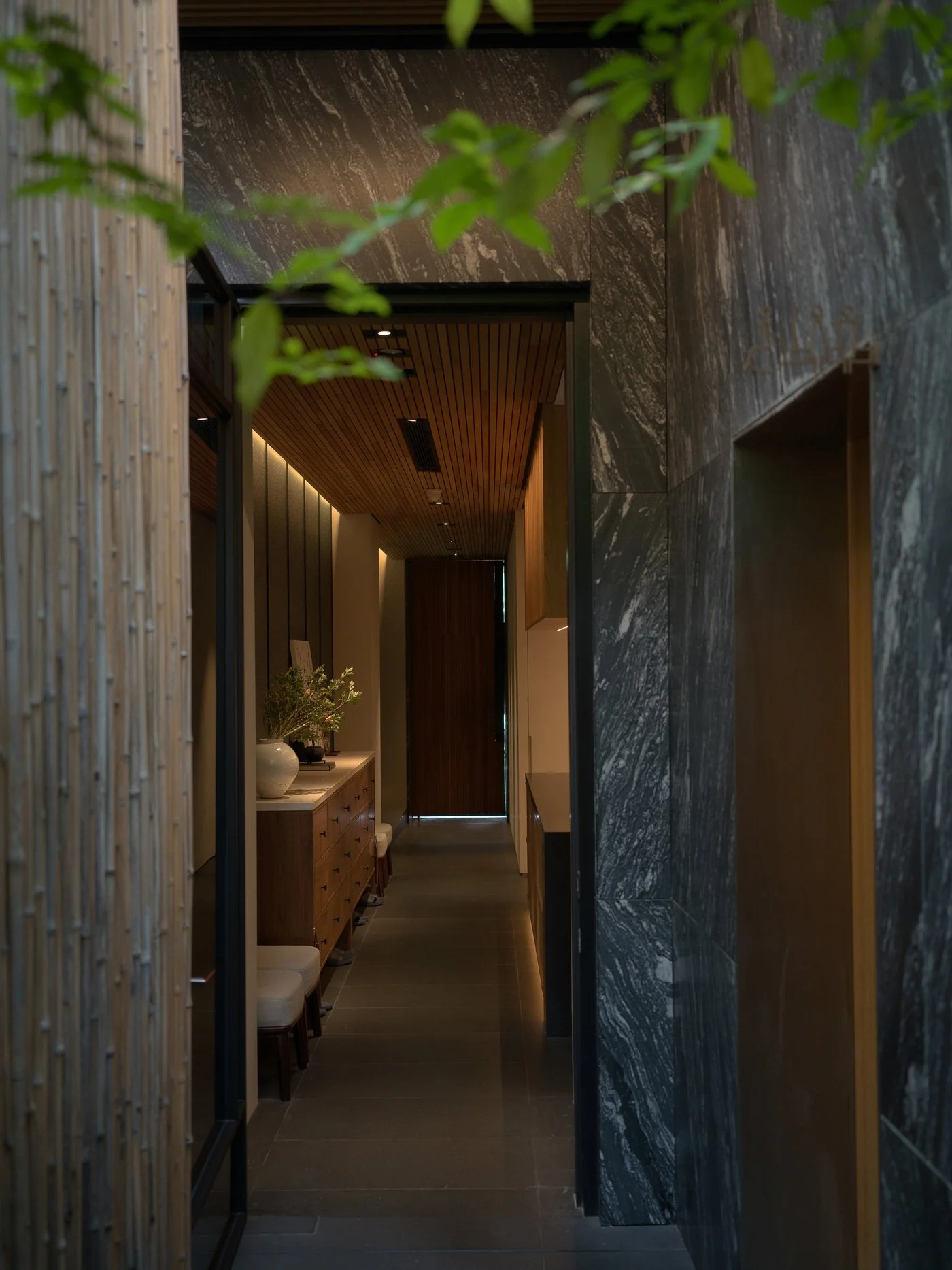
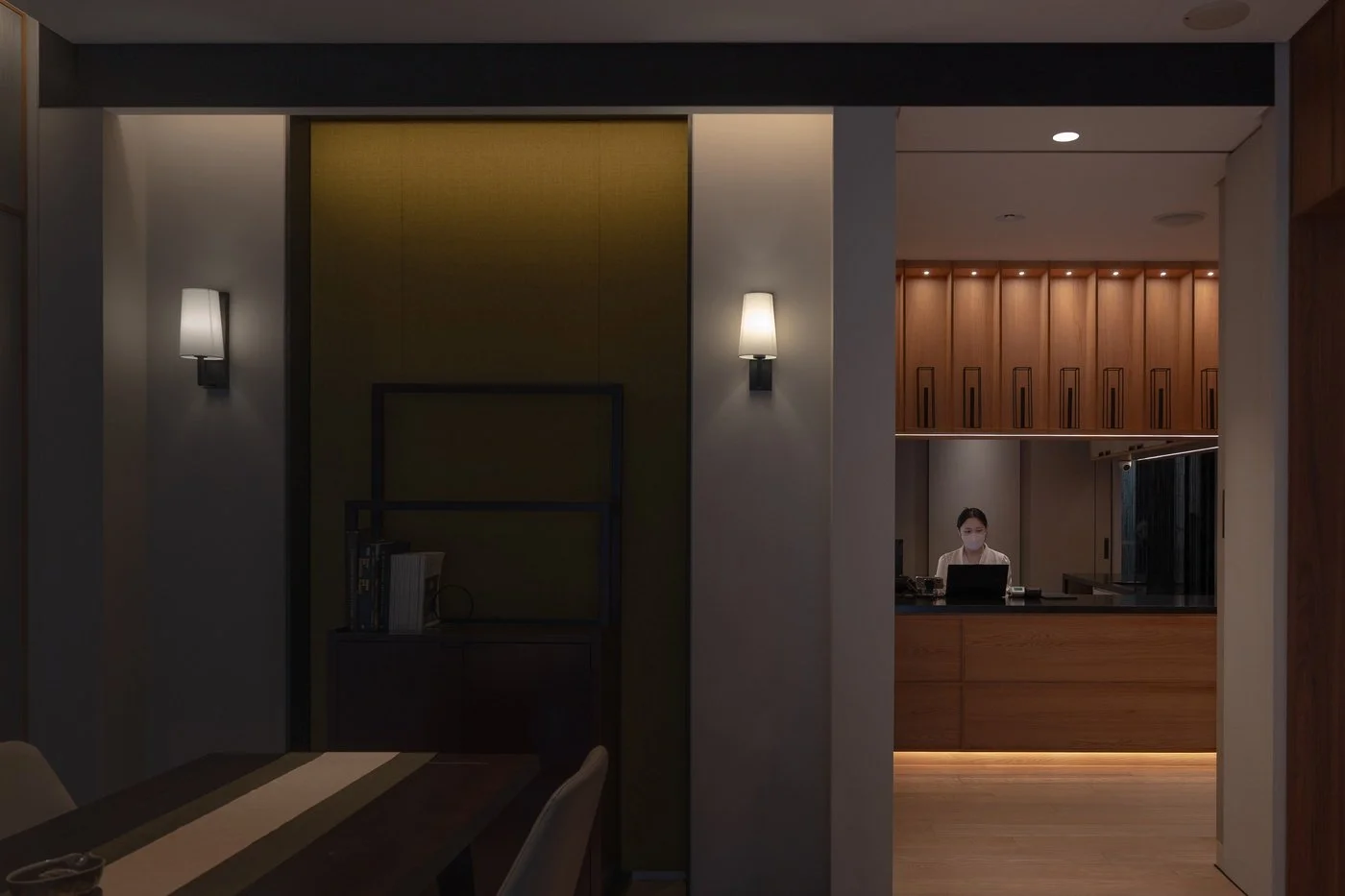
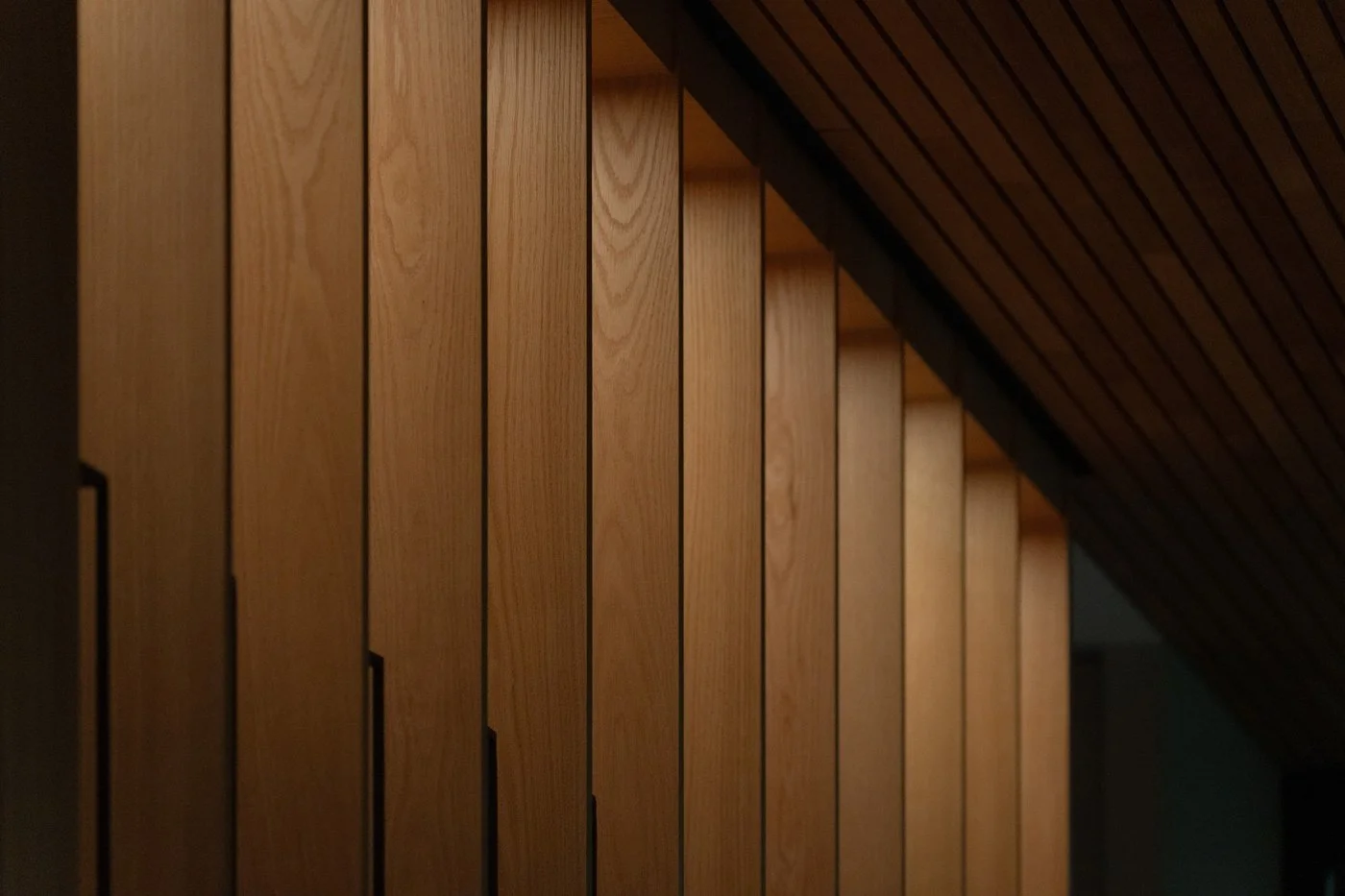
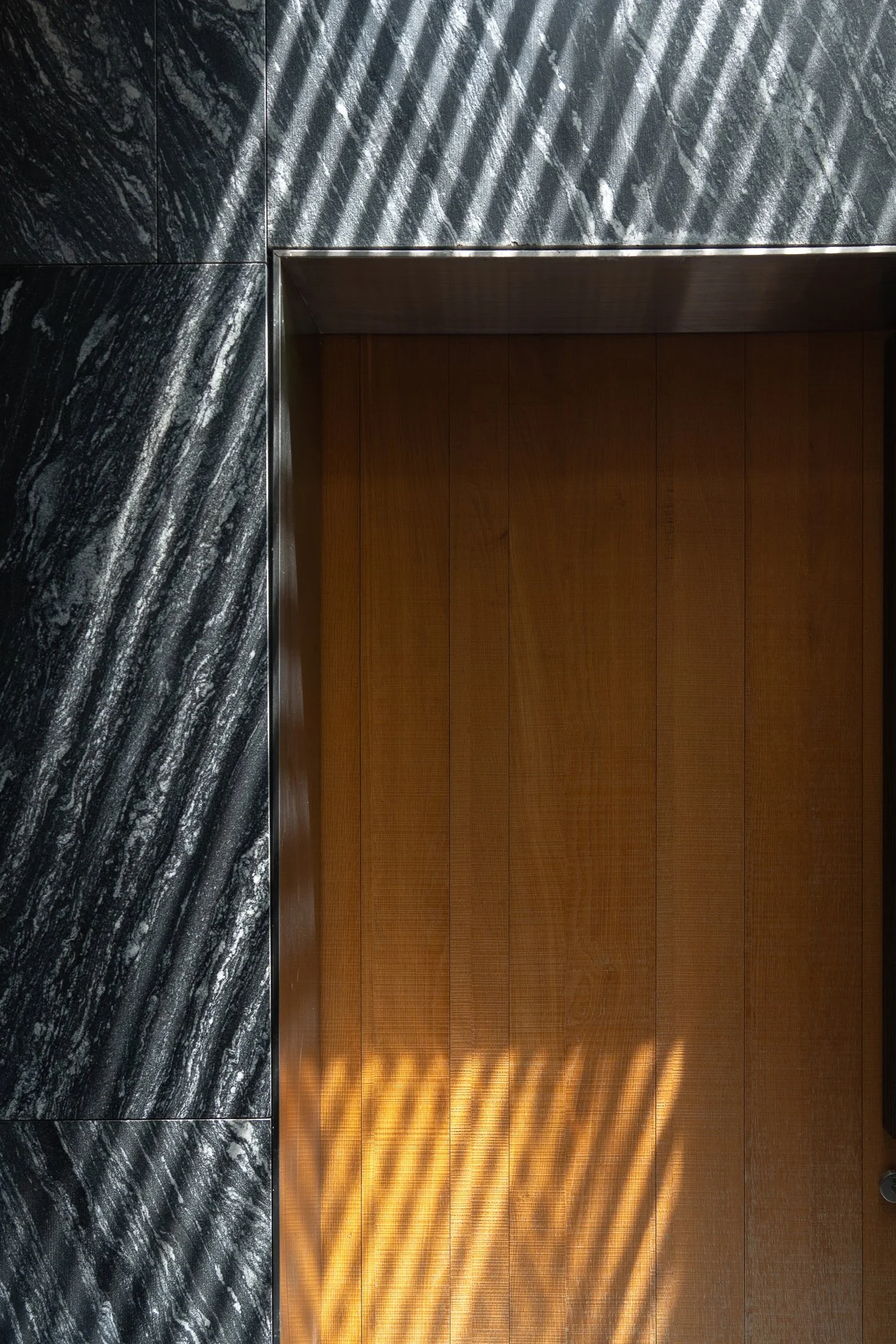
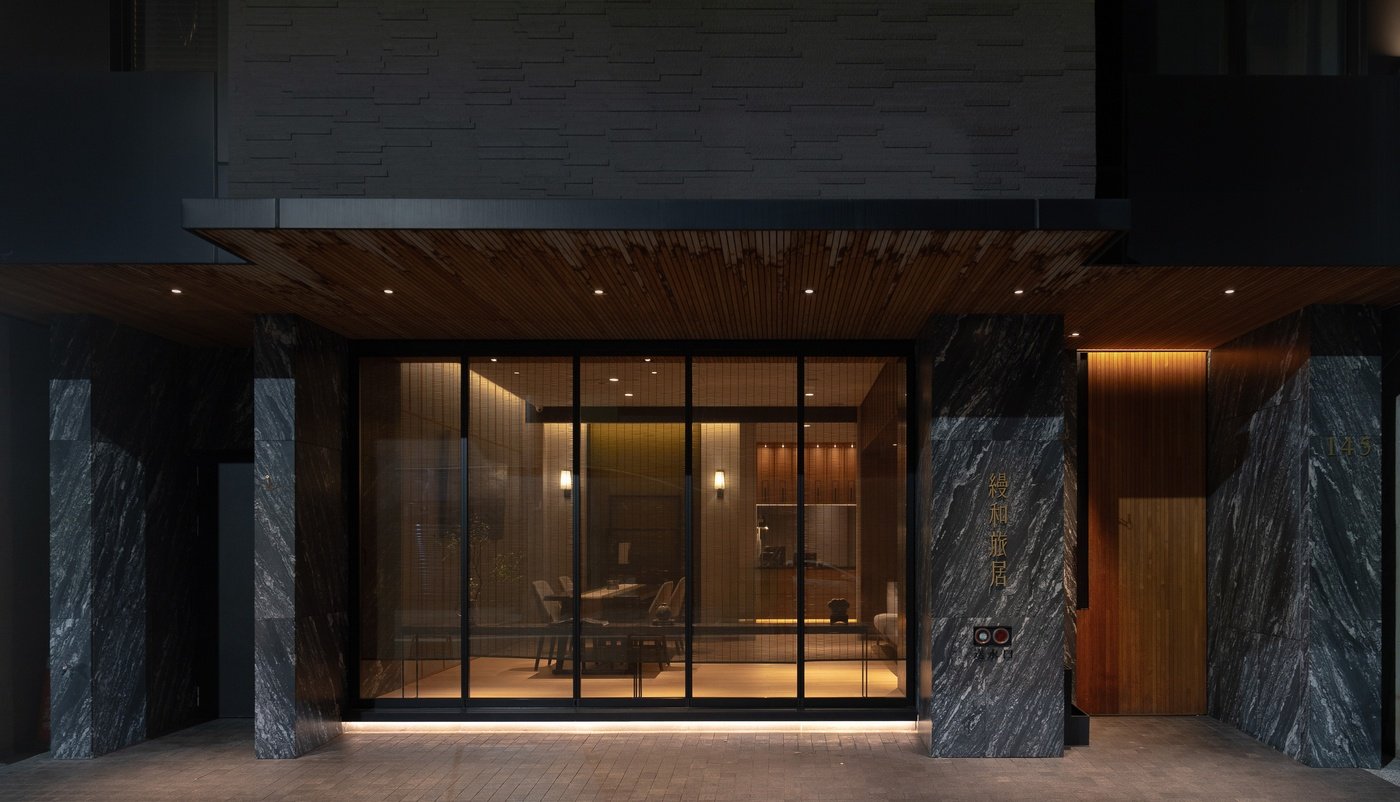
從喧囂的三民路轉進民族路的巷子,縵和旅居的入口窄得只容一人先行。走道細長,空氣裡先浮出一點淡淡的香氣,然後才是視覺——白牆、木質的溫度、一路引導著你放輕腳步。這種氛圍轉換,是我在很多空間裡都在找的東西:從外面的忙碌,切進來的瞬間,身體先於腦袋知道自己該安靜下來了。
-
Turning into the Alley
Turning from the bustling Sanmin Road into the alleyway of Minzu Road, the entrance to Manho Hotel is so narrow it only allows one person to pass at a time. Down this slender corridor, a faint fragrance hits the air before the visual elements even register—white walls and the warmth of wood intuitively guiding you to soften your footsteps. This shift in atmosphere is exactly what I look for in a space: the moment you cut away from the outside chaos, your body knows to quiet down before your mind even realizes it.
© jamieyelo / HCS
© jamieyelo / HCS
© jamieyelo / HCS
© jamieyelo / HCS
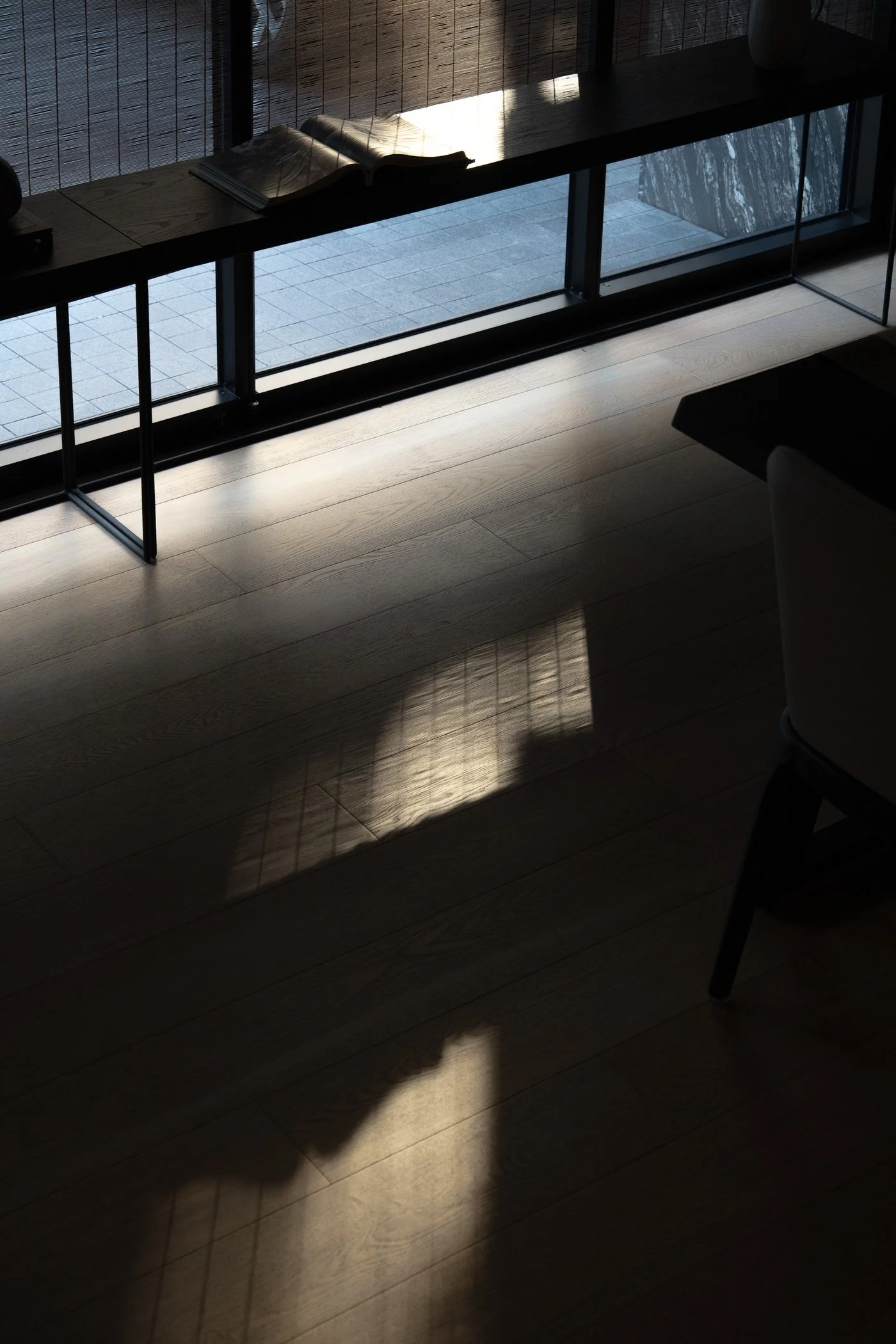
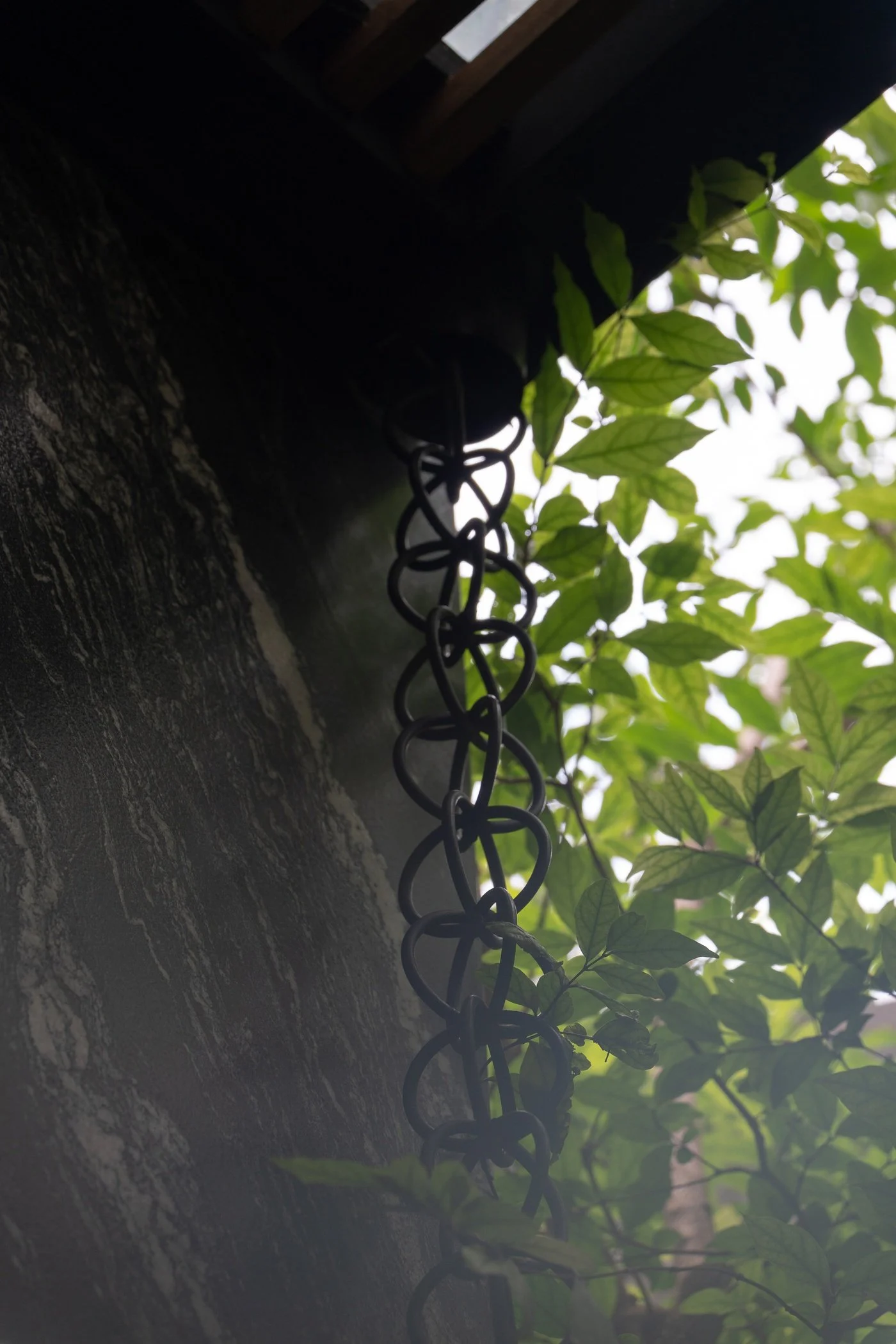
推開櫃檯後方那道透明門,是另一個世界。一方小小的後院,陽光穿過樹影灑落,時間在這裡忽然變得很慢。這個庭院官方沒有特別介紹,卻是整間旅店裡最容易被錯過、也最值得站上十秒的地方。
-
Pushing open the glass door behind the reception desk reveals another world. In this small, intimate backyard, sunlight filters through the leaves, and time suddenly seems to decelerate. The hotel doesn't heavily promote this courtyard, yet it remains the easiest place to overlook—and the most worthwhile spot to pause for ten seconds.
© jamieyelo / HCS
浴室做得講究
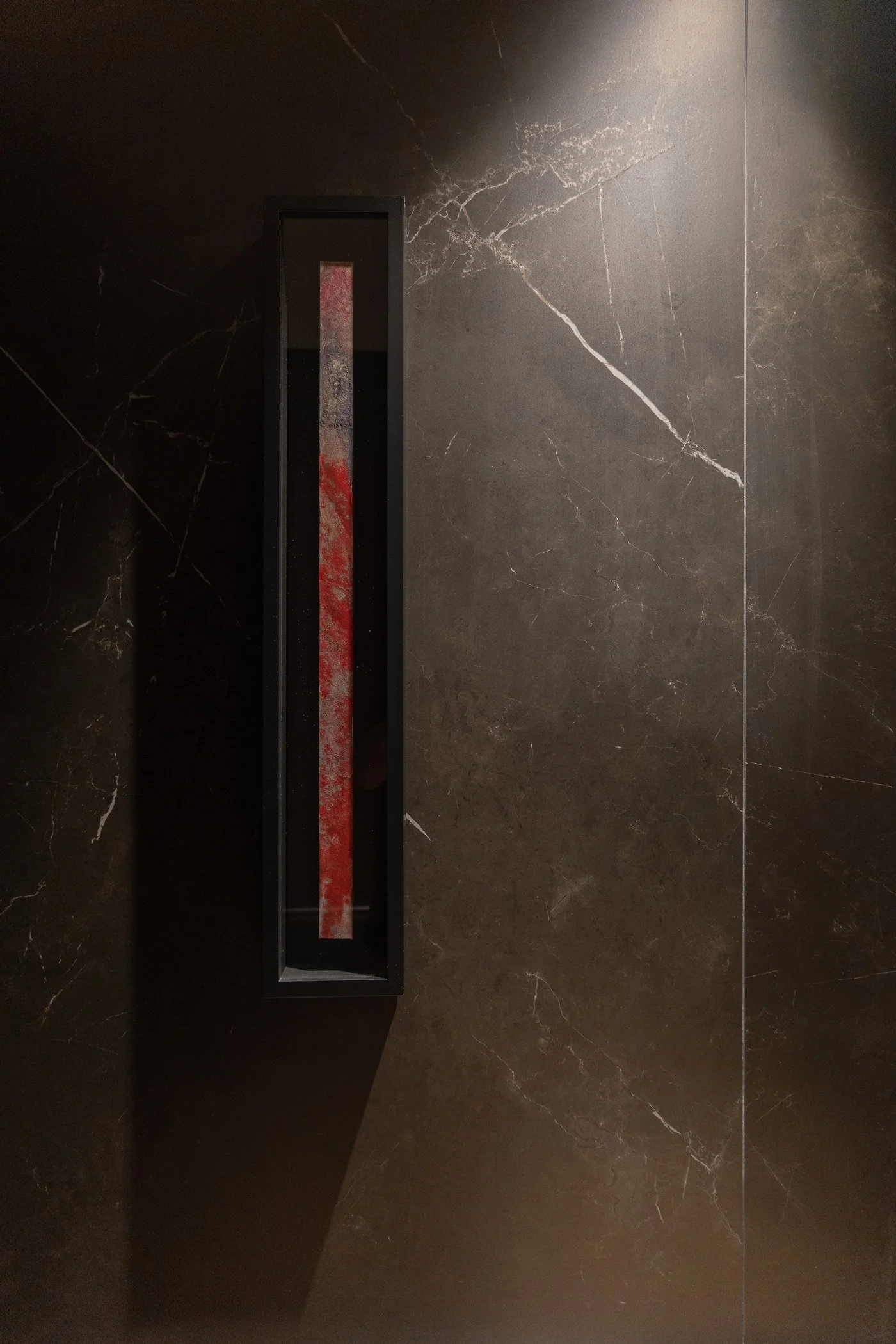
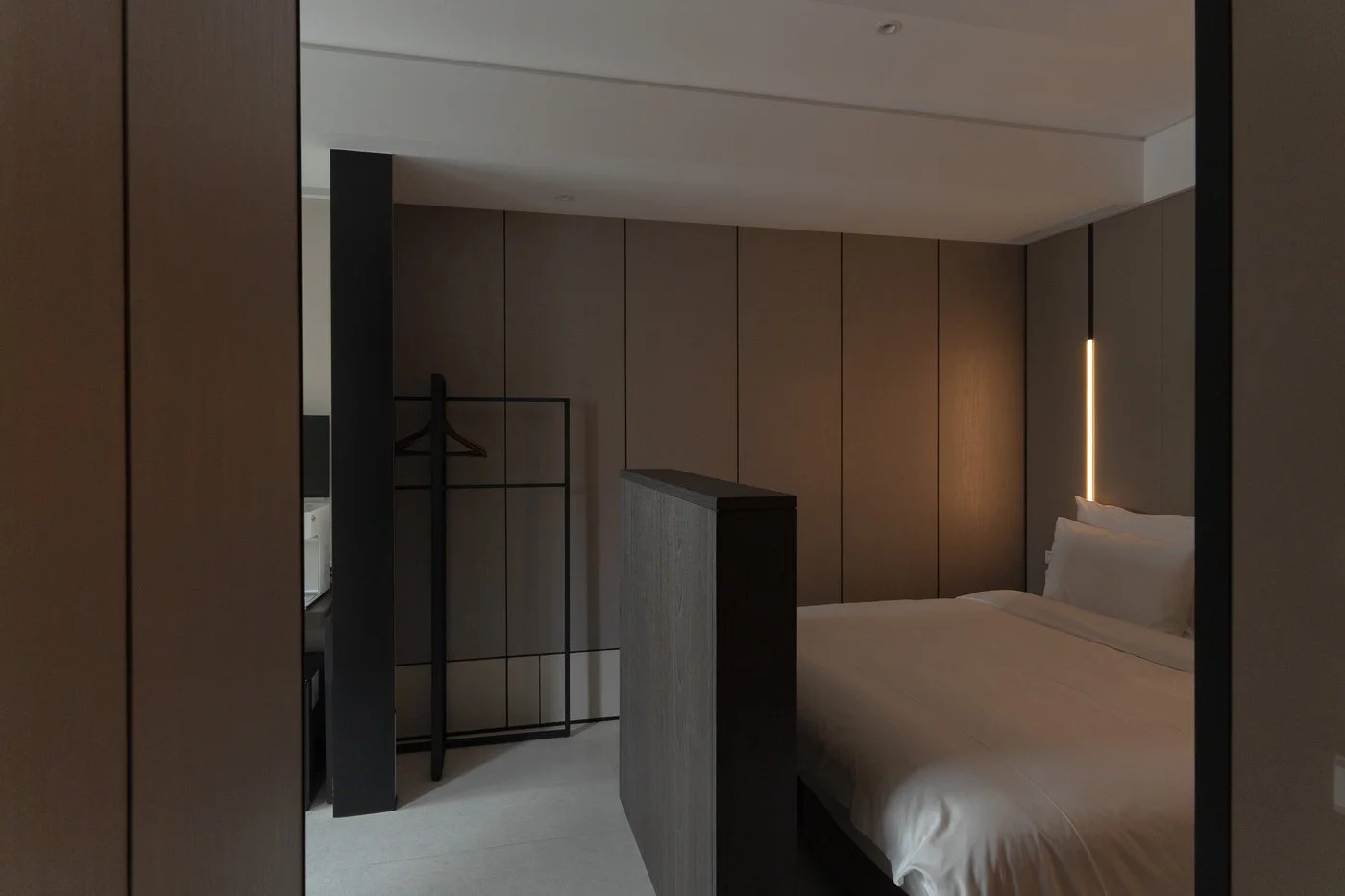
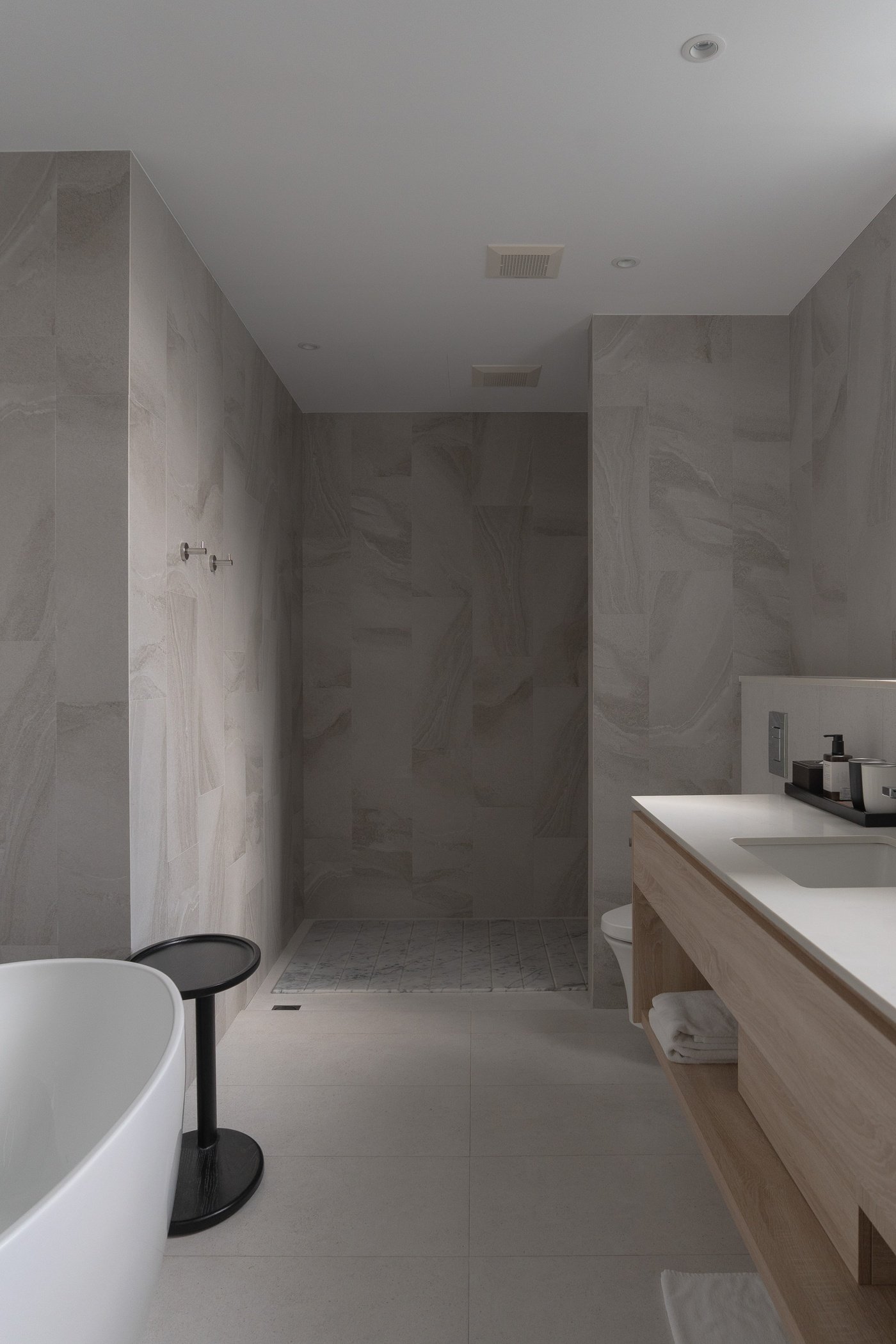
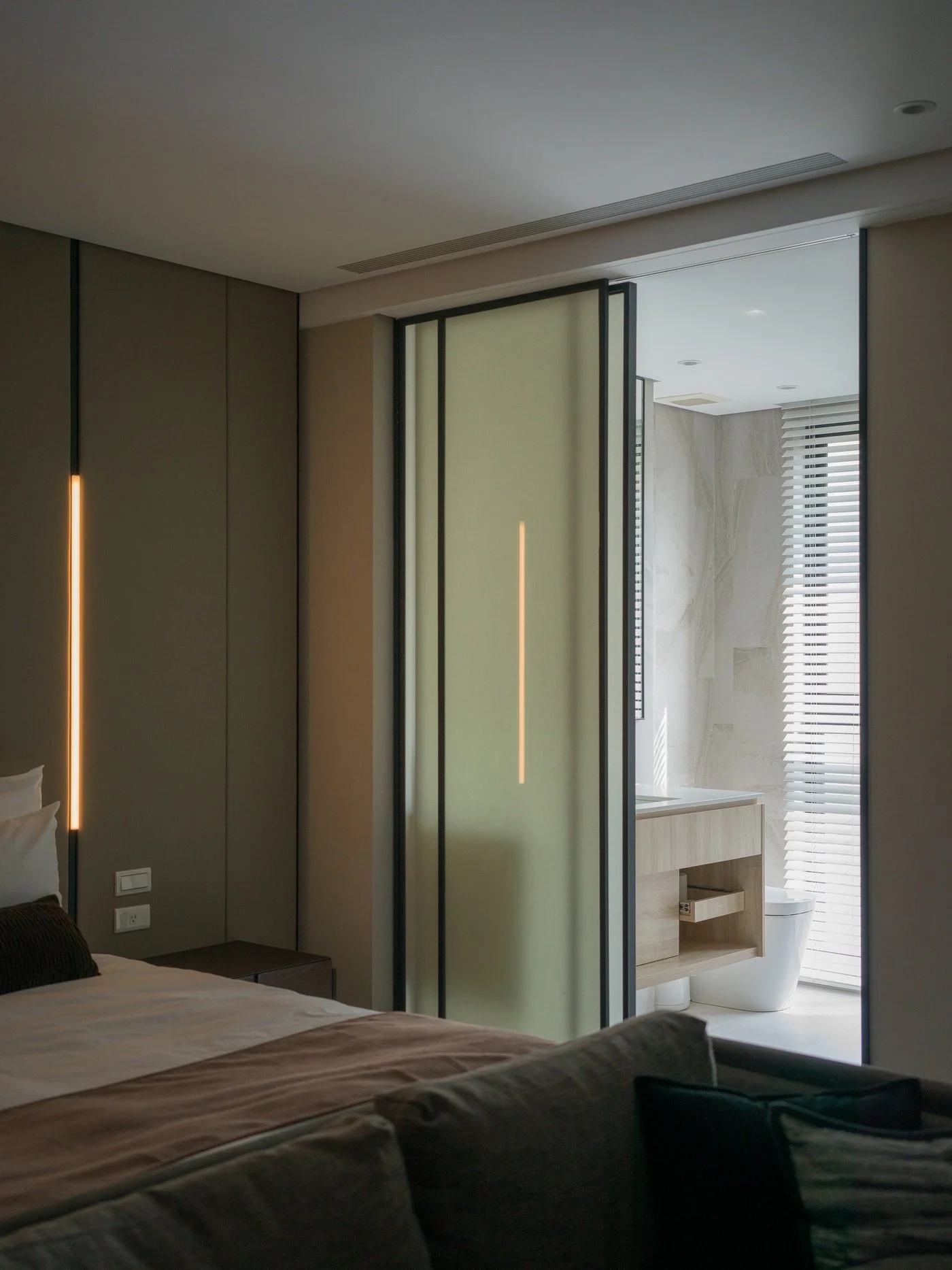
住進房間之後,黑白色系的空間、乾濕分離的拉門,身體在裡面移動的節奏,跟外面完全是兩種速度。而這一切感受的核心,最後都會回到同一個地方——浴室。
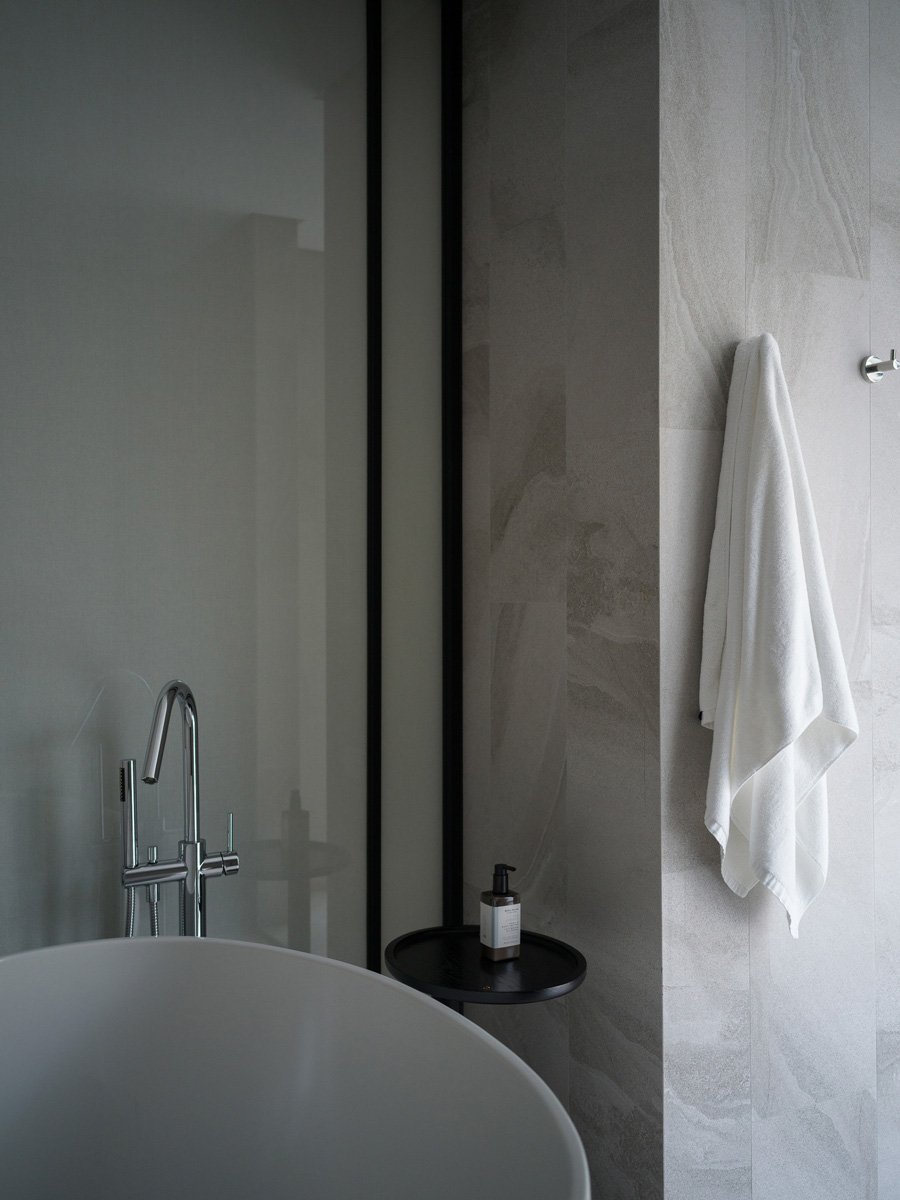
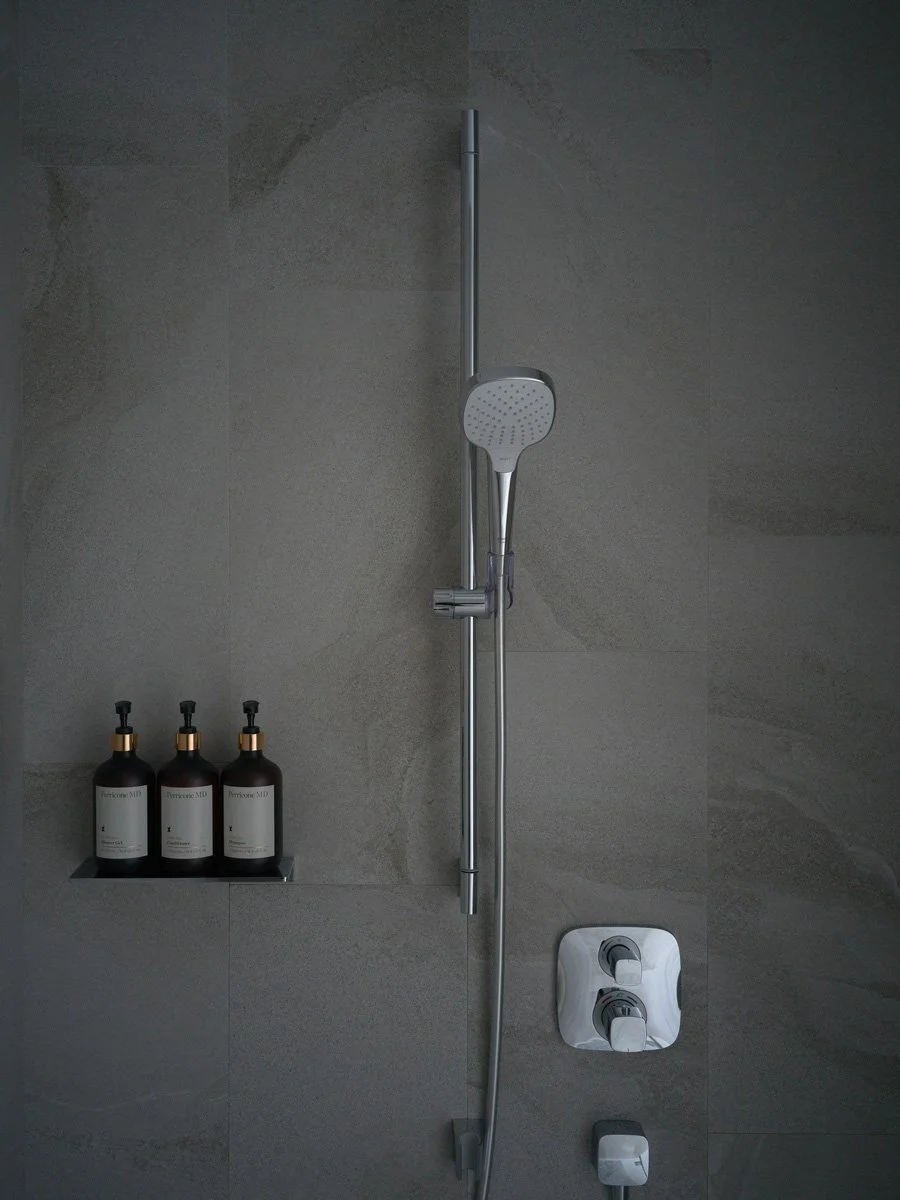
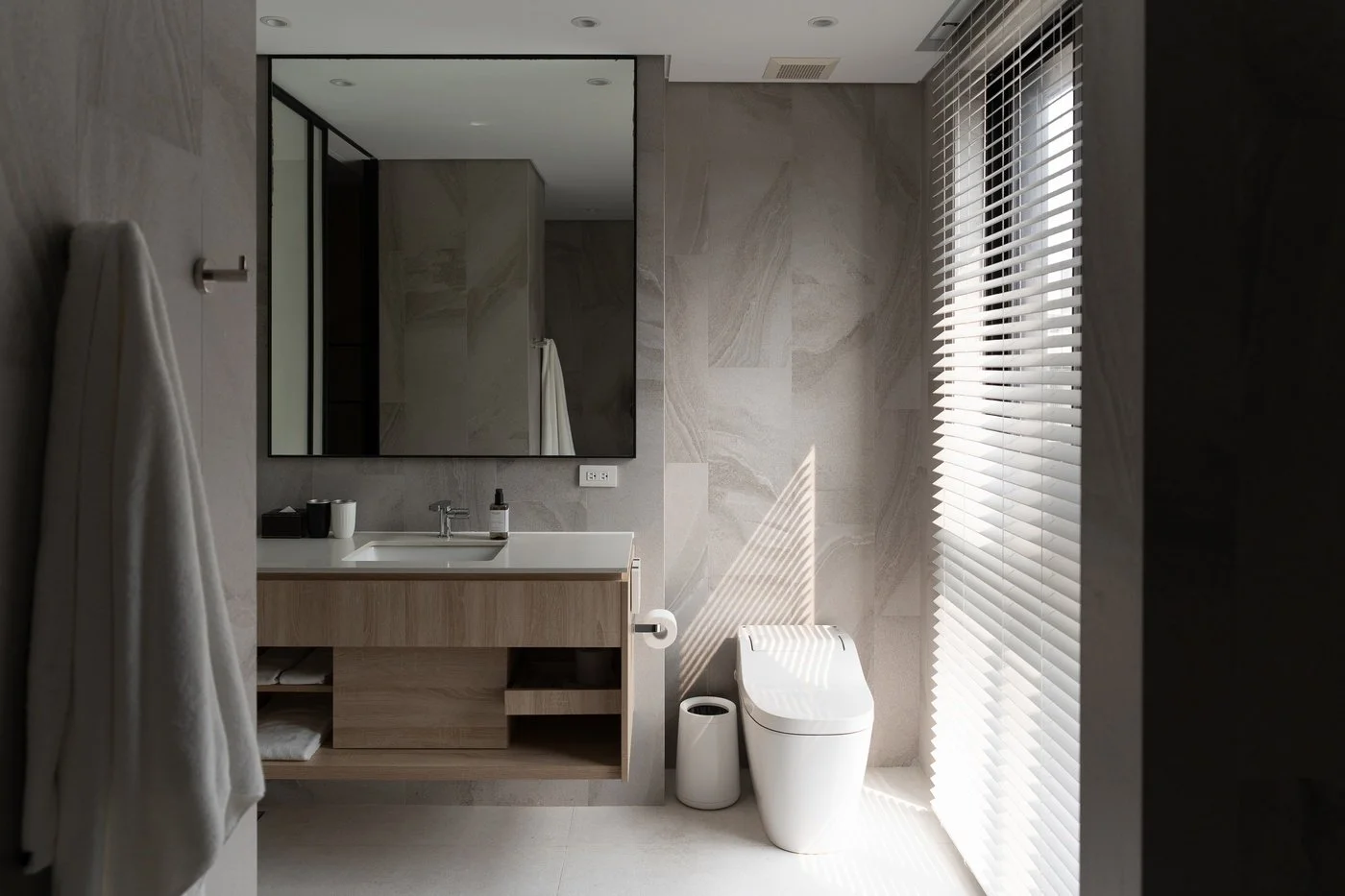
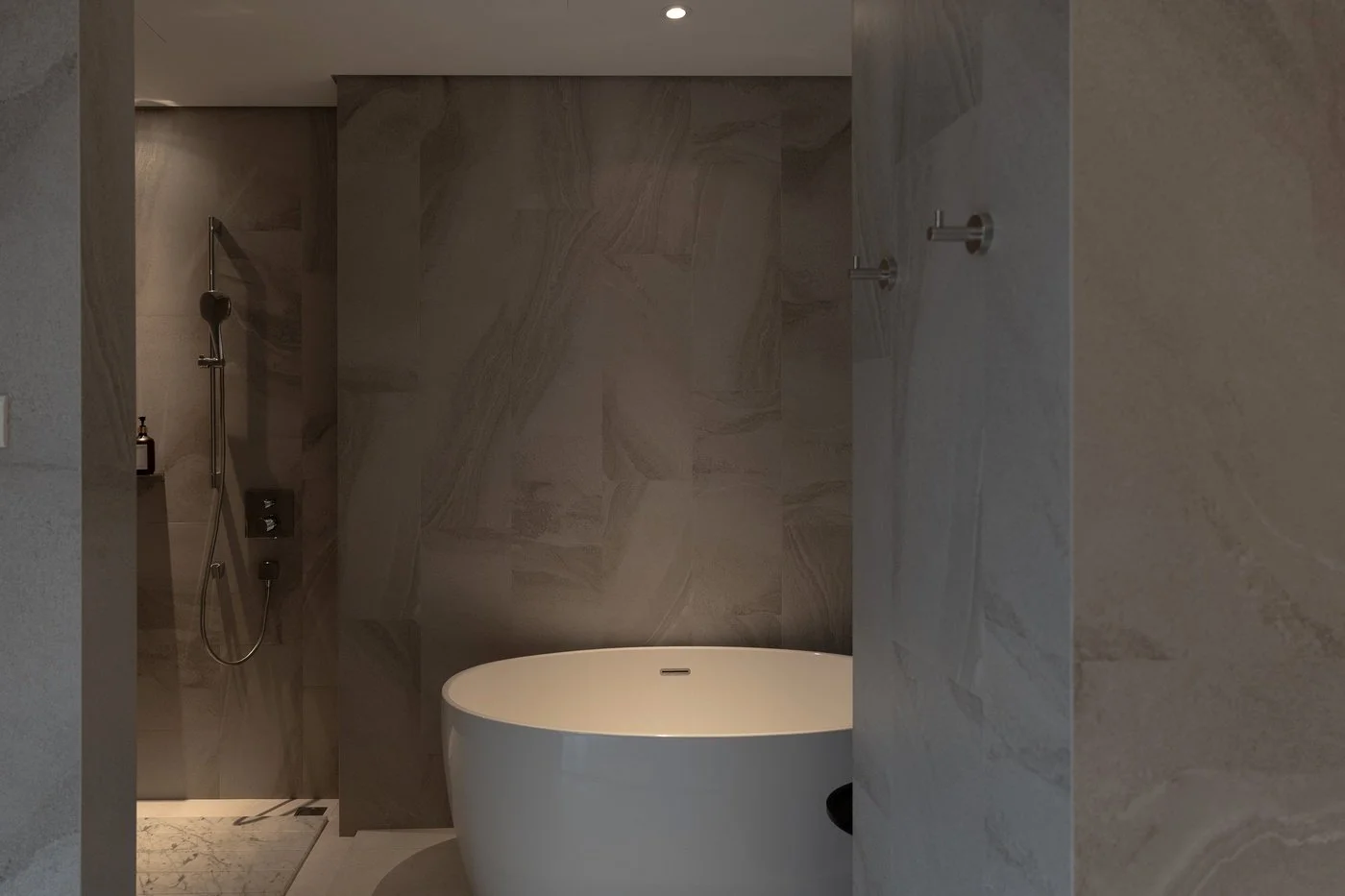
這時候的重點核心就是浴室,浴室的比例也佔很大,而且把採光最好的地方給浴室,因為我覺得浴室做得好,住客褪下衣服的那一刻才能真正放鬆身心。
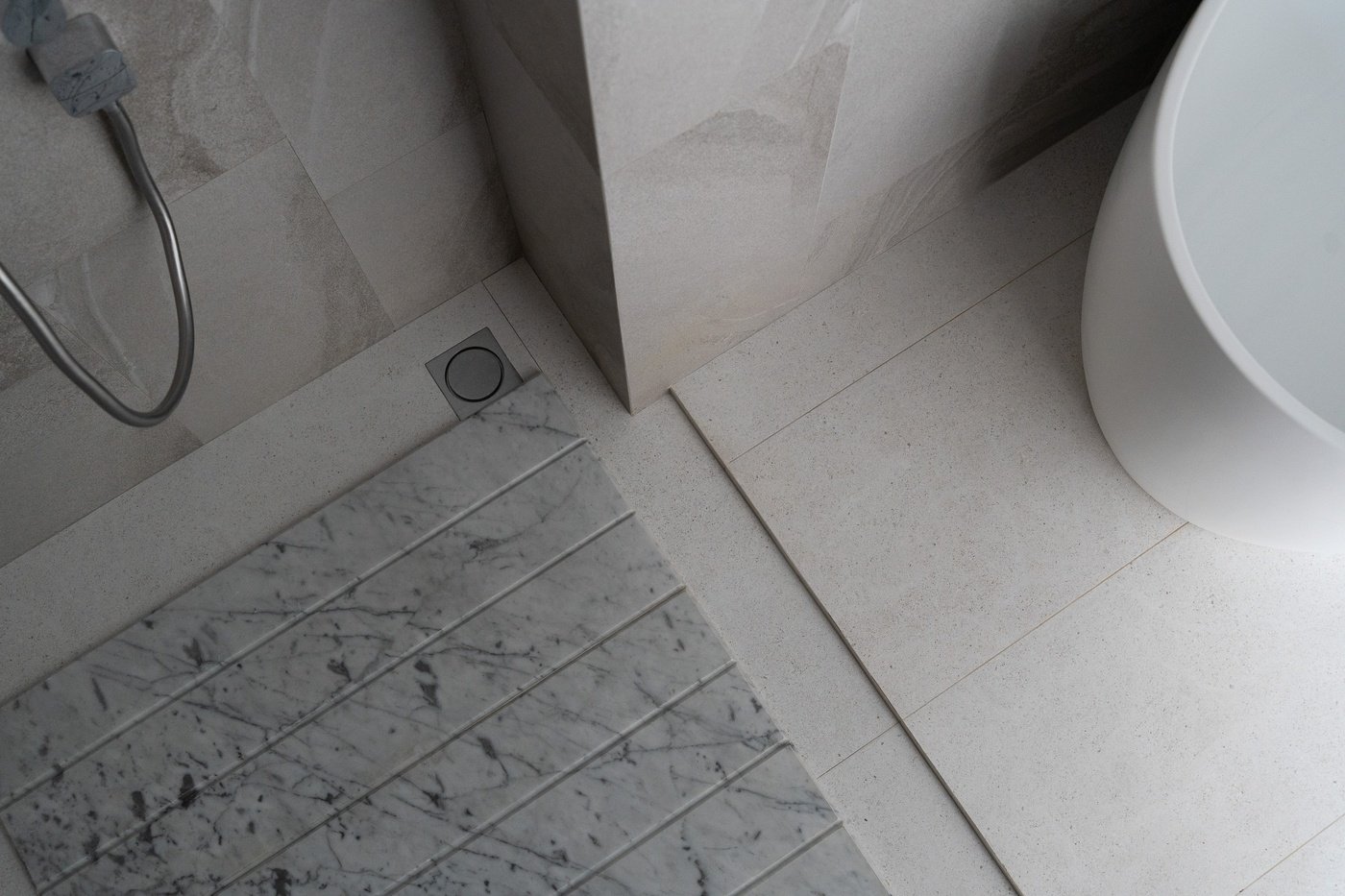
業主 Chino(以下簡稱 Chino)滿滿的哲學,儘管說得輕鬆,卻是整間旅店空間邏輯的起點。他把採光最好、比例最大的區域,讓給一般人覺得「不過是浴室」的地方。磁磚的貼縫做得極細,連磚的形狀跟比例都經過篩選。這些都是「若有似無的一點點細節」,他這麼形容著,客人不會知道這裡面藏了什麼講究,但身體會替他們記住。
他後來又補了一句更直白的:「浴室的品質,佔了整體體驗的七十分。」這句話聽起來像玩笑,但如果你也曾經在一間標榜設計感十足的旅店裡,被一個漏水的蓮蓬頭或悶熱的浴室搞壞一整趟旅行的心情,就會知道這句話有多真實。
-
A Great Bathroom Gives You Presence
Stepping into the guest room, the monochrome palette and the sliding doors of the wet/dry separated bathroom create a rhythm of movement that operates at a completely different speed from the outside world. And the core of this entire sensory experience ultimately traces back to one place: the bathroom.
"The absolute core here is the bathroom," the owner told us. "It takes up a significant proportion of the layout, and we gave it the best natural light. I believe that if the bathroom is done right, the space commands a certain presence—there’s a whole philosophy to it."
He said this casually, but it’s the starting point for the hotel’s entire spatial logic: surrendering the largest area with the best lighting to a space most people dismiss as "just a bathroom." The grout lines are incredibly thin; even the shape and proportions of the tiles were meticulously curated. The thickness of the sponge in the shower's anti-slip mat was custom-calibrated—too thick, and it would feel rigid and warped. These are the "almost imperceptible nuances," as the owner describes them. Guests might never know the obsessive care hidden within, but their bodies will remember.
He later added something even more blunt: "The quality of the bathroom accounts for 70 percent of the overall experience." It sounds like a joke, but if you’ve ever had a trip ruined by a leaky showerhead or a stuffy bathroom in an aggressively "design-forward" hotel, you know exactly how true this is.
© jamieyelo / HCS
© jamieyelo / HCS
© jamieyelo / HCS
© jamieyelo / HCS
從流行轉為在乎細膩且耐看
Chino 二十五歲開始接觸住宿經營,三十歲租下第一間旅館,主打當時很流行的工業風。「後來發現不行,」他說,「越強烈的風格,他越留不住那個——你花那麼多錢,結果這東西五年就不行。」這句話,後來變成他打造縵和旅居最根本的判斷標準:他不要一個五年後就退流行的作品,他要一個耐看、能撐得久的空間。於是他開始借鑒住宅設計的思維,去理解一個空間如何在不盲從趨勢的情況下,依然講究、經得起長時間使用。
找設計師的過程也不是一路順遂。蓋到一樓的時候,他換掉了原本配合的設計師。「我那個時候想換設計師,他超氣的,他說那你可以走了,」Chino 回憶起這段對話,語氣裡還帶著一點當年的尷尬。後來,是透過髮型設計師的介紹,才找到現在這位行事低調、幾乎不願意露面、只做住宅精裝修不接商業案的資深設計師。某種程度上,也解釋了為什麼這間旅店住起來不像一般精品旅店那般用力表演設計感,而更接近高級住宅那種細膩、安定的舒適感。
-
From Chasing Trends to Caring About Detail That Lasts
Chino got his start in hospitality at twenty-five and leased his first hotel at thirty, leaning heavily into the then-popular industrial style. "Later, I realized it didn't work," he said. "The stronger the style, the harder it is to sustain. You spend all this money, and five years later, the look is dead."
That realization became his fundamental criteria for Manho Hotel: he didn't want a project that would feel dated in five years. He wanted something enduring, something that would age gracefully. So he began drawing on the thinking behind residential design, trying to understand how a space could stay refined and hold up over time, without blindly chasing trends.
The search for a designer wasn't smooth sailing, either. When construction reached the first floor, Chino fired his original designer. "When I told him I wanted to make a change, he was furious. He basically told me I could just leave," Chino recalled, a hint of residual awkwardness in his voice. Eventually, through a hairstylist, he found the designer who ultimately shaped Manho Hotel: a seasoned, low-profile professional who rarely shows her face, focuses exclusively on high-end residential interiors, and typically refuses commercial projects.
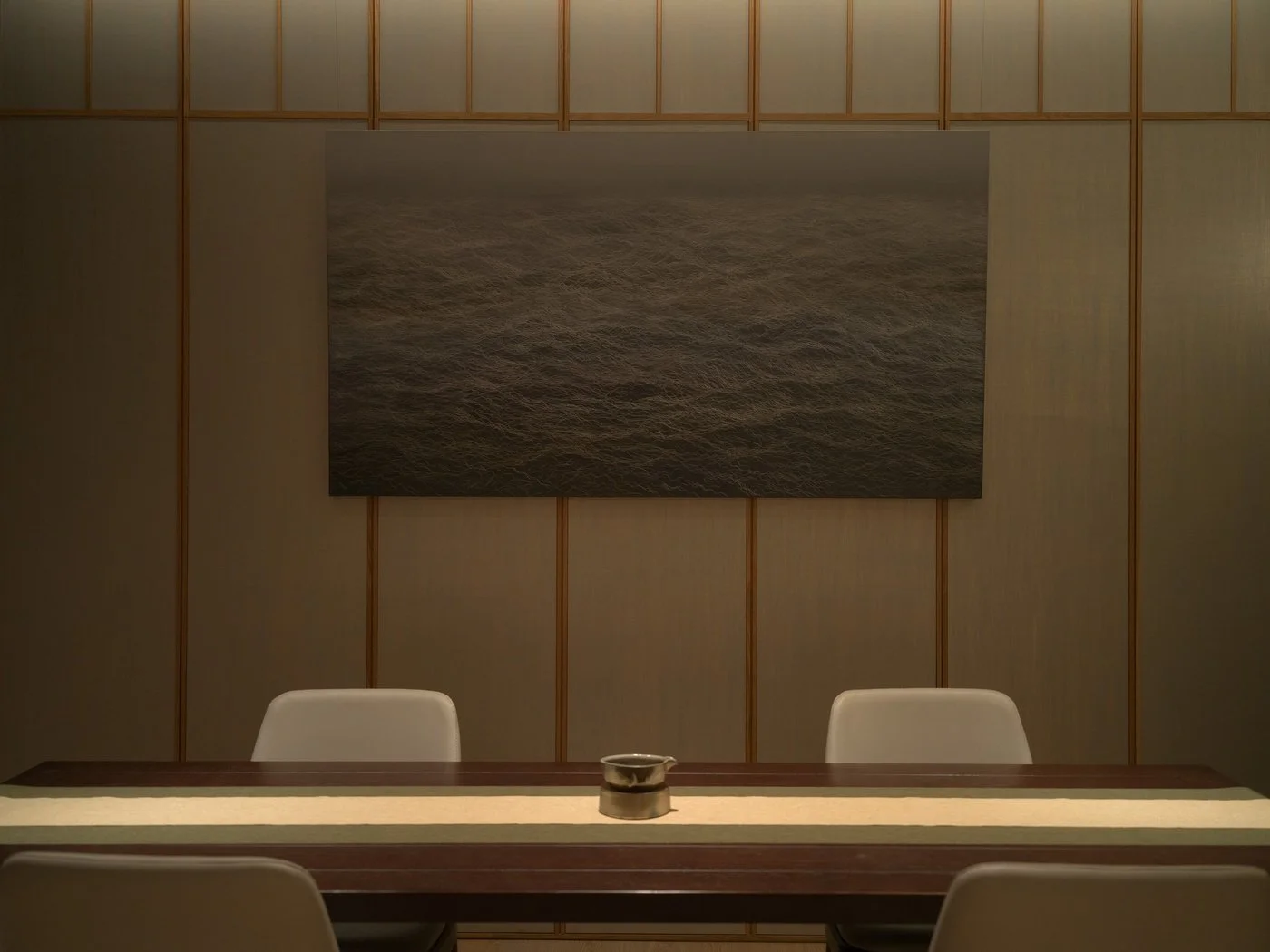
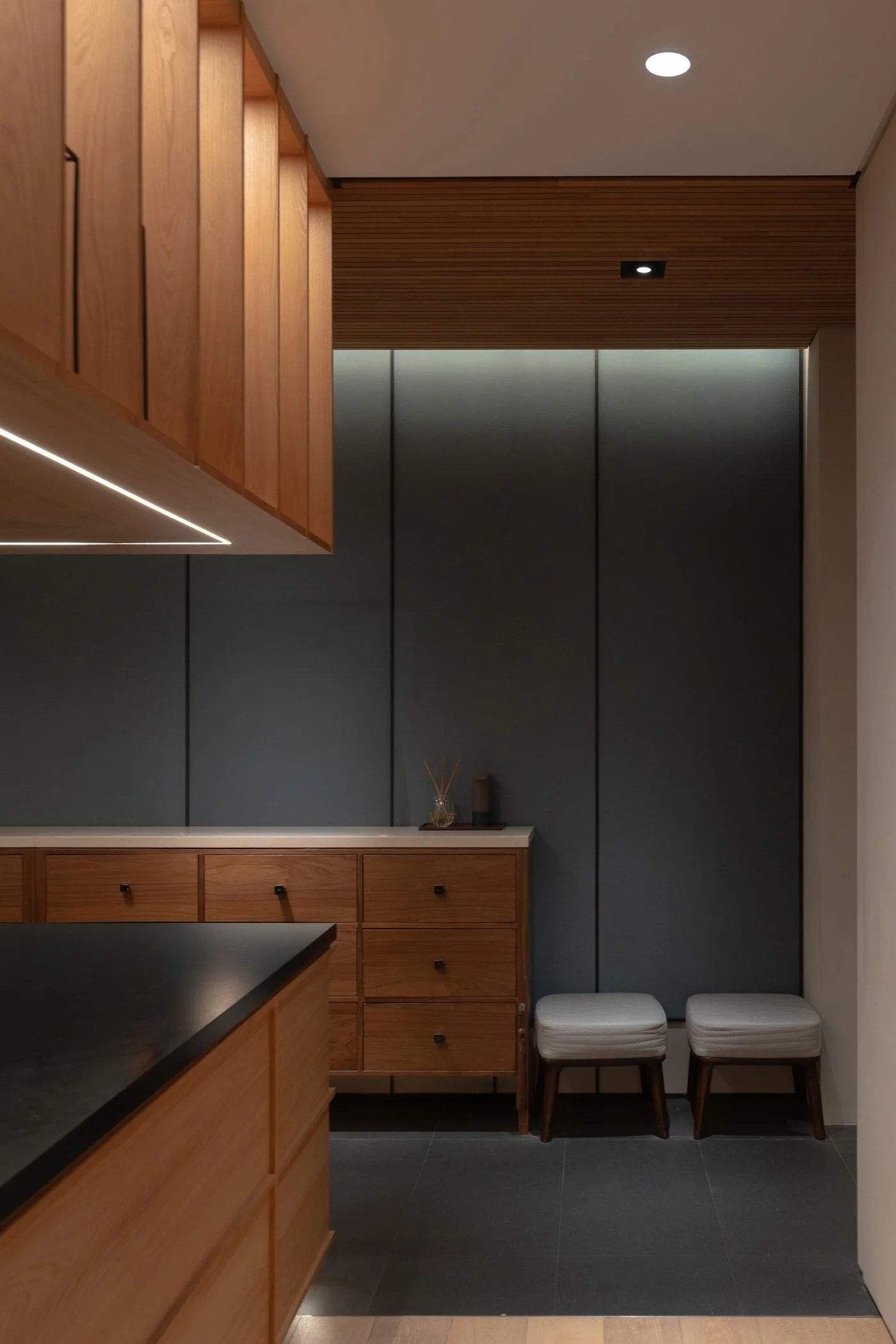
In a way, this explains why staying here doesn't feel like you're in a typical boutique hotel aggressively performing "design." It just feels like a place meant to be lived in.
© jamieyelo / HCS
© jamieyelo / HCS
© jamieyelo / HCS
從購地、銀行貸款、建築、監工、軟裝,花了五年時間,我一個人處理這些事宜。
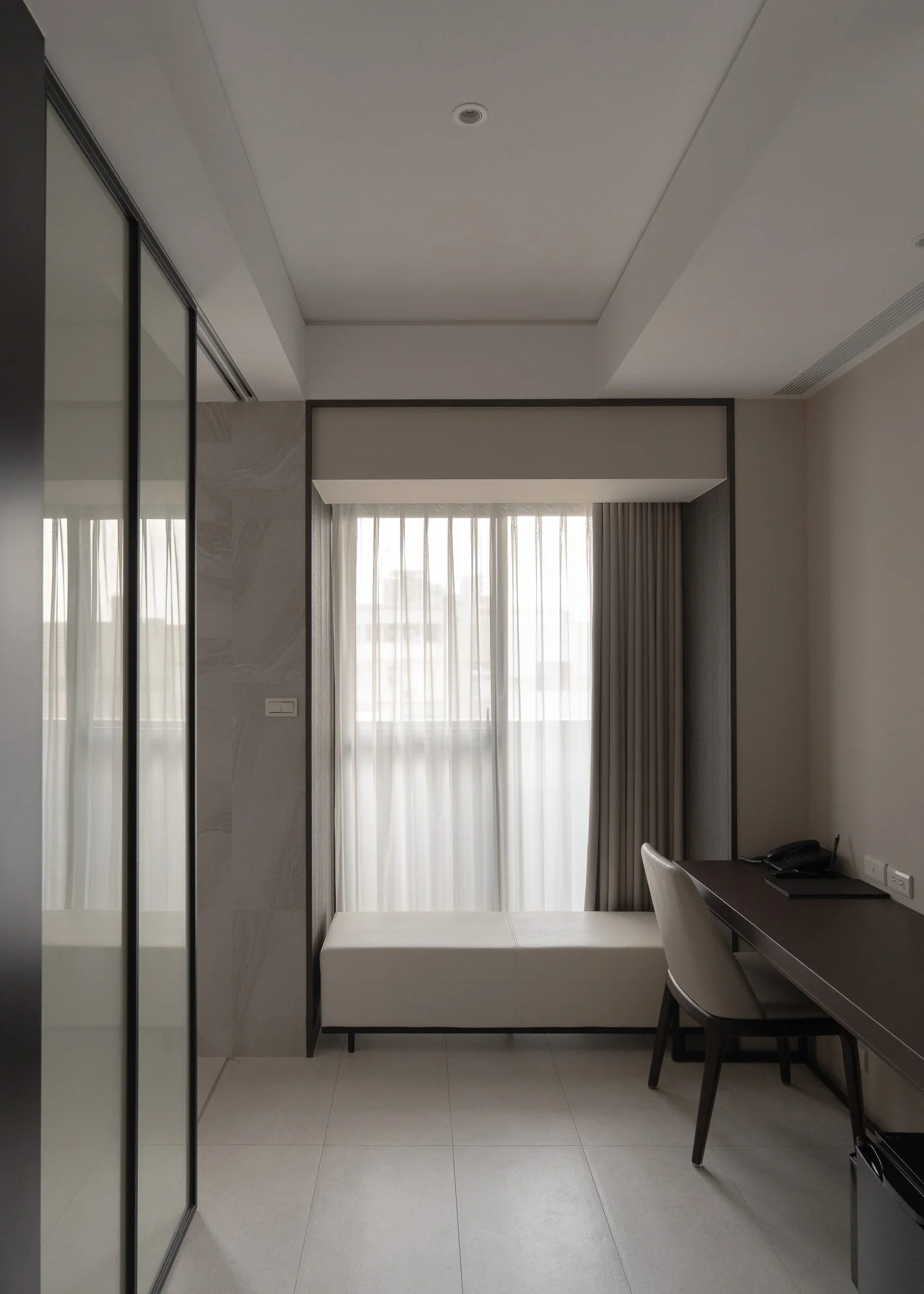
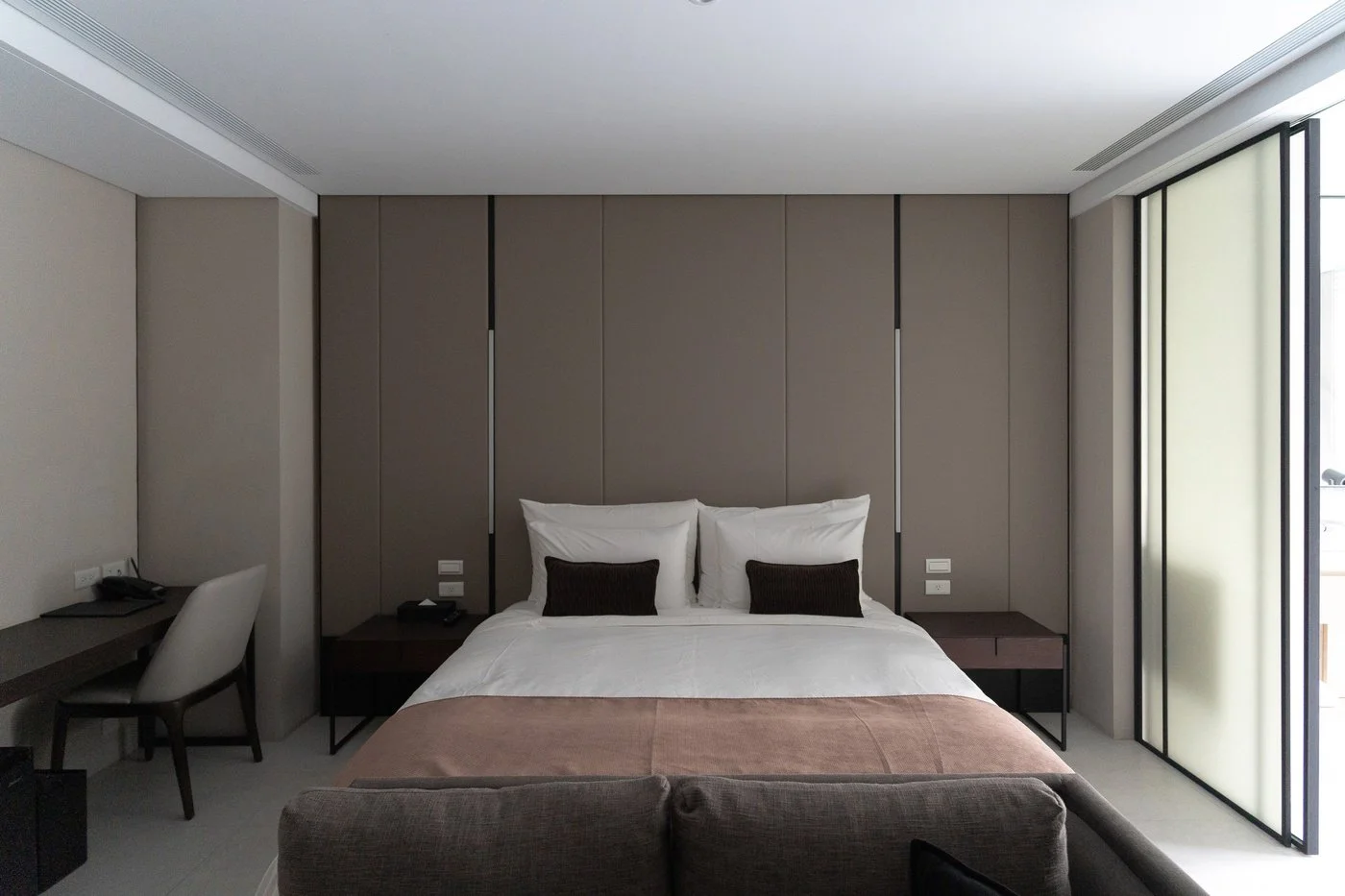
真正讓我印象深刻的,是 Chino 自己的做法。他還提到,最後一個月,他親自去睡每一個房間,審視每個不同位置,像是書桌旁、電視前的沙發,每一個角度帶給人的感覺。聽完這段,我心裡冒出一句話沒說出口:與其介紹你的飯店,感覺更可以去採訪你這個人。
-
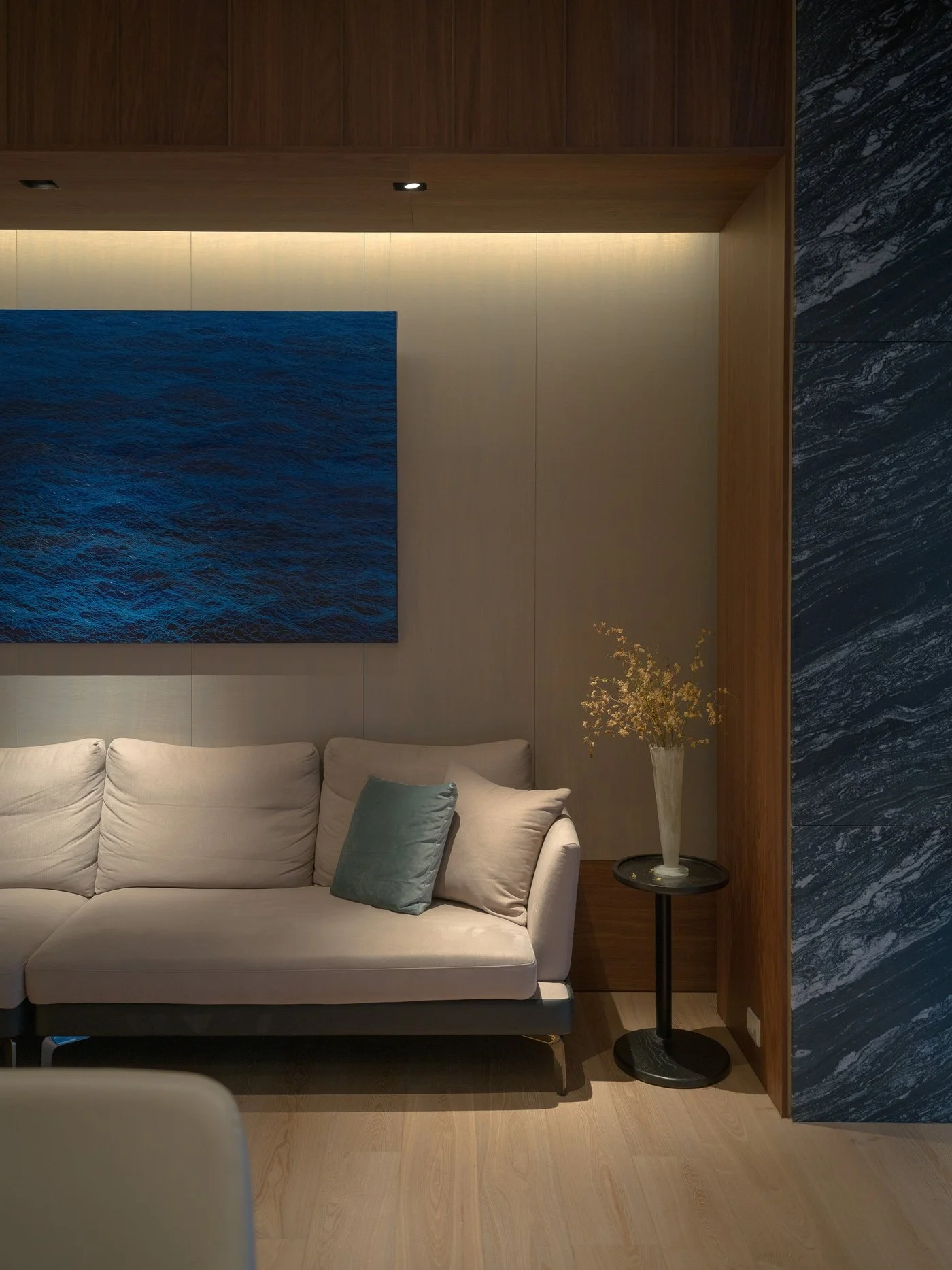
But what truly impressed me was the owner's personal dedication. "I lived here for a month before we opened. I supervised the construction myself," he said. "Honestly, I built this entire place by myself... In the end, I slept in and tested every single room." He described sitting in every conceivable spot in each room—by the desk, on the sofa in front of the TV—just to absorb how the space felt from every angle. Listening to this, a thought crossed my mind, though I left it unspoken: Rather than profiling your hotel, it feels like I should be profiling you.
© jamieyelo / HCS
© jamieyelo / HCS
維護質感的減法哲學
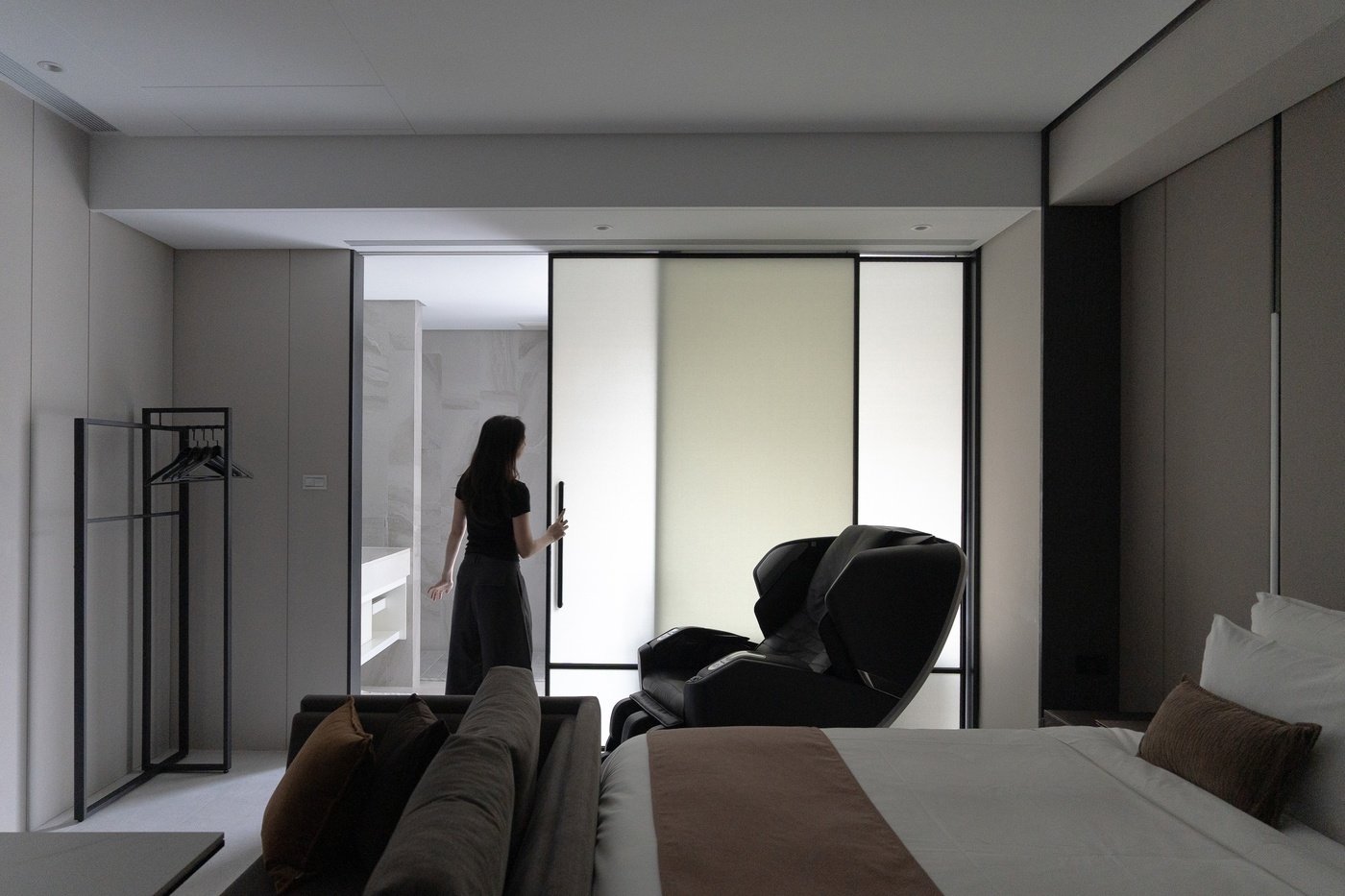
正因空間精巧,不僅讓內部團隊運作更具彈性,也讓服務人員能第一時間察覺並回應顧客的需要。開幕約兩年後, Chino 發現六間雙床房容易招來比較吵鬧的多人團客,不利於維持旅店想要的氣氛,於是把其中三間大幅改裝成配有按摩椅、大浴缸的旗艦房型——這個決定,跟他一開始想做的「耐看、可以長久經營」的目標是同一個邏輯:不是所有能賺錢的生意都要接,篩選客群本身也是一種對空間品質的維護。
-
A Self-Sustaining Operation
Manho Hotel operates with just two staff members rotating shifts at the front desk. The scheduling is flexible enough that the hotel functions perfectly even without the owner's physical presence.
Roughly two years after opening, the owner noticed that their six twin rooms tended to attract noisier group bookings, which disrupted the serene atmosphere he wanted to cultivate. His solution? He completely remodeled three of them into flagship suites equipped with massage chairs and large bathtubs. This decision aligns perfectly with his original goal of creating something enduring: not all profitable business is good business, and curating your clientele is, in itself, a way of maintaining the quality of a space.
This maintenance of quality also extends to being honest about the inevitable trade-offs that come with renovating an old building. Because Manho Hotel is a converted older property, guests in lower-floor rooms can occasionally hear plumbing noises when toilets are flushed elsewhere. This isn't a secret; it’s a necessary compromise dictated by the physical limits of the structure. I think this is worth noting—not to nitpick, but because if a space is presented as absolutely flawless, readers will find it hard to believe the rest of the story is true.
© jamieyelo / HCS
© jamieyelo / HCS
方法:下一次,試著猜猜看
這趟兩天一夜的觀察,最後留給我的不是哪一句行銷金句,而是一個習慣:看到一個讓你覺得舒服的細節時,多想一步——這是誰的判斷讓它成立的?是業主的堅持,是設計師的比例,還是某個你永遠不會知道名字的工班師傅,臨場多做的那一點點?
縵和旅居的浴室、庭院、那條窄窄的走道,都是這樣被判斷出來的。而那些判斷背後真正的工法與機制——勾縫怎麼藏破綻、機電怎麼在建築還沒蓋起來之前就決定了一間房間安不安靜——我們留到下一篇,繼續往下挖。
-
The Takeaway: Look a Little Closer
Ultimately, what this two-day, one-night observation left me with wasn't a snappy marketing hook, but a new habit: whenever you notice a detail that brings you comfort, take it one step further. Whose decision made this possible? Was it the owner’s stubbornness, the designer’s sense of proportion, or a split-second improvisation by a construction worker whose name you will never know?
The bathrooms, the courtyard, and that narrow alleyway at Manho Hotel are all the results of such decisions. As for the actual mechanics and craftsmanship behind those choices—how grout lines hide flaws, or how MEP engineering determines the quietness of a room before the walls even go up—we’ll dig into all of that in our next piece: Part Two of the HCS Lab prologue.
© jamieyelo / HCS